Search Result
Results for "
genotoxic
" in MedChemExpress (MCE) Product Catalog:
6
Biochemical Assay Reagents
18
Isotope-Labeled Compounds
| Cat. No. |
Product Name |
Target |
Research Areas |
Chemical Structure |
-
- HY-113466
-
|
4-HNE
|
Aldehyde Dehydrogenase (ALDH)
Endogenous Metabolite
|
Cardiovascular Disease
Neurological Disease
Cancer
|
|
4-Hydroxynonenal (4-HNE) is an α,β unsaturated hydroxyalkenal and an oxidative/nitrosative stress biomarker. 4-Hydroxynonenal is a substrate and an inhibitor of acetaldehyde dehydrogenase 2 (ALDH2). 4-Hydroxynonenal can modulate a number of signaling processes mainly through forming covalent adducts with nucleophilic functional groups in proteins, nucleic acids, and membrane lipids. 4-Hydroxynonenal plays an important role in cancer through mitochondria .
|
-
-
- HY-D0257
-
|
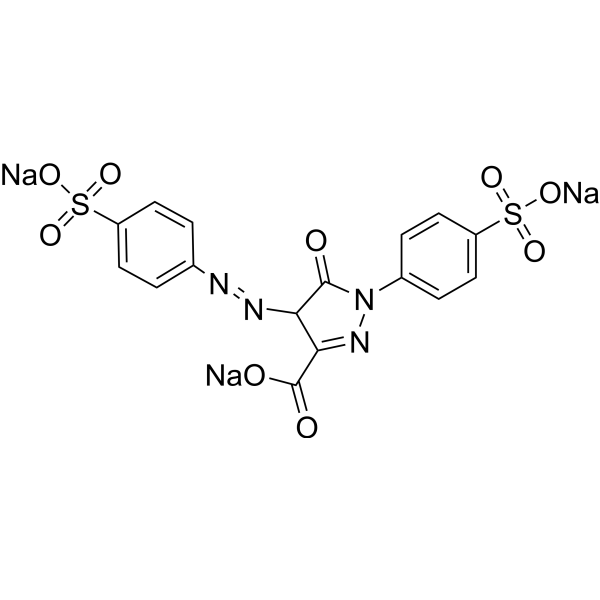
Acid Yellow 23; FD&C Yellow No. 5
|
Environmental Pollutants
Fluorescent Dye
|
Cardiovascular Disease
Neurological Disease
|
|
Tartrazine (Acid Yellow 23; FD&C Yellow No. 5) is an orally active azo acid dye, orange-yellow powder, soluble in water and turns yellow. Tartrazine is mainly used as a synthetic lemon yellow azo dye for food coloring. Tartrazine is the most stable colorant.Tartrazine induces mitochondria-mediated Apoptosis. Tartrazine can cause neurodevelopmental toxicity, cytotoxicity, and genotoxicity .
|
-
-
- HY-124489
-
|
|
Endogenous Metabolite
|
Metabolic Disease
|
|
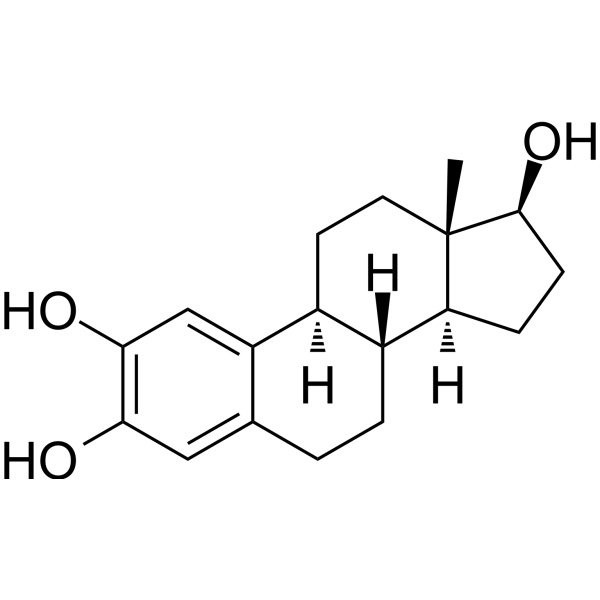
2-Hydroxyestradiol, a metabolite of 17β-estradiol with minimal estrogenic activity, possesses antioxidant effects and reacts with DNA to form stable adducts and exerts genotoxicity .
|
-
-
- HY-D0211
-
|
|
Fluorescent Dye
|
Cancer
|
|
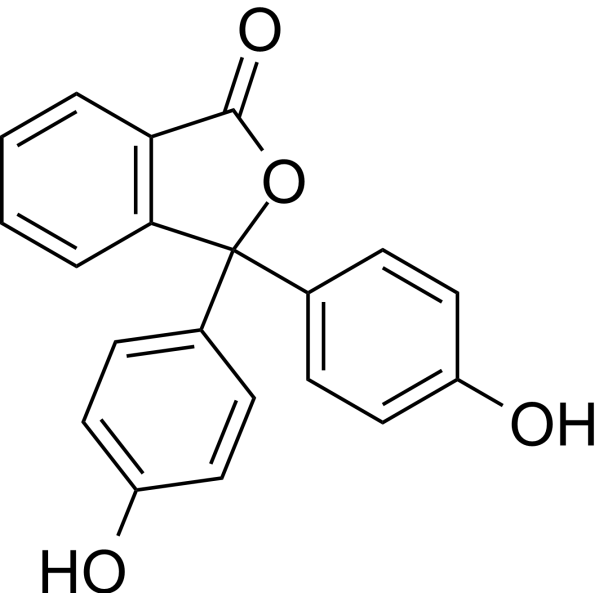
Phenolphthalein is an acid-base indicator that is colorless in an acidic environment and pink in an alkaline environment. Phenolphthalein is genotoxic and potentially carcinogenic to mice. In addition, phenolphthalein is also a blood indicator .
|
-
-
- HY-Y0481
-
|
Stannous chloride, 98%; Tin(II) chloride, anhydrous, 98%; Anhydrous stannous chloride, 98%
|
Biochemical Assay Reagents
|
Others
|
Anhydrous stannous chloride, 98% is a biochemical reagent with genotoxicity, mutagenicity, mitotic recombinogenicity, and reactive oxygen species-inducing activity.
|
-
-
- HY-Y0695
-
|
Naphthol Blue Black
|
Environmental Pollutants
Fluorescent Dye
|
Others
|
|
Amido Black 10B (Naphthol Blue Black) is a highly toxic azo dye. Amido Black 10B is genotoxic and mutagenic. Amido Black 10B can cause respiratory problems. Amido Black 10B is used for amino acid dyeing .
|
-
-
- HY-N2081
-
|
|
Cholinesterase (ChE)
PI3K
Akt
NF-κB
|
Neurological Disease
Inflammation/Immunology
Cancer
|
|
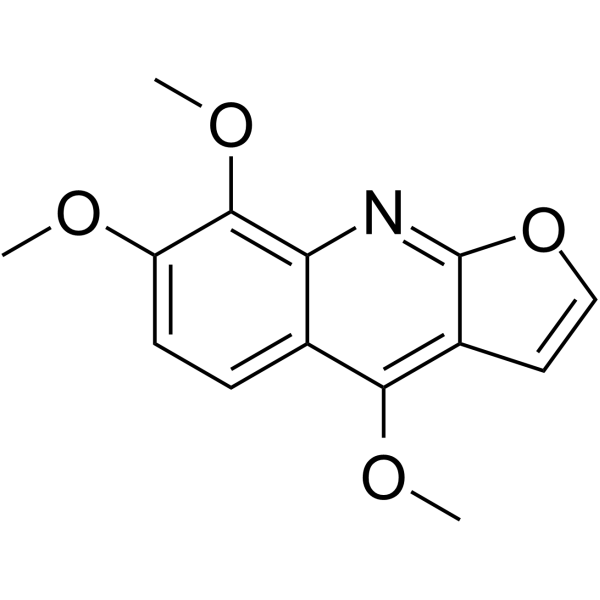
Skimmianine is an orally active furoquiniline alkaloid present mainly in the Rutaceae family. Skimmianine has analgesic, antispastic, sedative, and anti-inflammatory properties. Skimmianine inhibits acetylcholinesterase (AChE) (IC50 = 8.6 μg/mL). Skimmianine exhibits cytotoxicity against a variety of cancer cell lines and genotoxicity. Skimmianine has antioxidant and anti-inflammatory effects on ischemia-reperfusion (IR) injury. Skimmianine exerts anti-inflammatory effects through activation of the phosphatidylinositol-3-kinase (PI3K)-protein kinase B (AKT) pathway. Skimmianine is neuroprotective by targeting the NF-κB activation pathway to prevent neuroinflammation. Skimmianine inhibits the release of histamine, intracellular Ca 2+ signaling and protein kinase C signaling .
|
-
-
- HY-125098
-
|
|
DNA Alkylator/Crosslinker
Apoptosis
|
Infection
Cancer
|
|
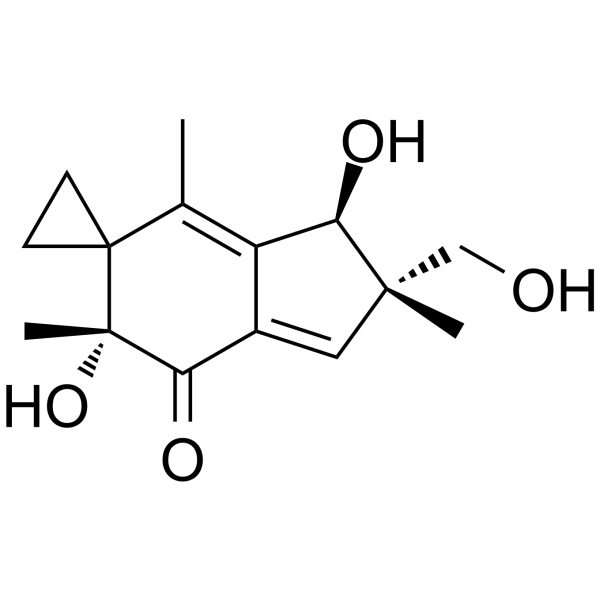
Illudin S, a cytotoxic Illudin, is a natural sesquiterpene with strong anti-tumour and antiviral activities. Illudin S has genotoxic activities. Illudin S blocks the G1-S phase interface of the cell cycle in human leukemia cells .
|
-
-
- HY-118948
-
MSN-50
1 Publications Verification
|
Bcl-2 Family
|
Neurological Disease
|
|
MSN-50 is a Bax and Bak oligomerization inhibitor. MSN-50 efficiently inhibits liposome permeabilization, prevents genotoxic cell death and promotes neuroprotection .
|
-
-
- HY-B0928
-
-
-
- HY-D0249
-
|
Orange Yellow S; Food Yellow 3; CI 15985
|
Environmental Pollutants
Fluorescent Dye
|
Others
|
|
Sunset Yellow FCF (Orange Yellow S) is an orange azo dye with a maximum absorption wavelength of 480 nm. Sunset Yellow FCF can be used in food, cosmetics and pharmaceuticals .
|
-
-
- HY-115584
-
|
|
Environmental Pollutants
Parasite
|
Infection
|
|
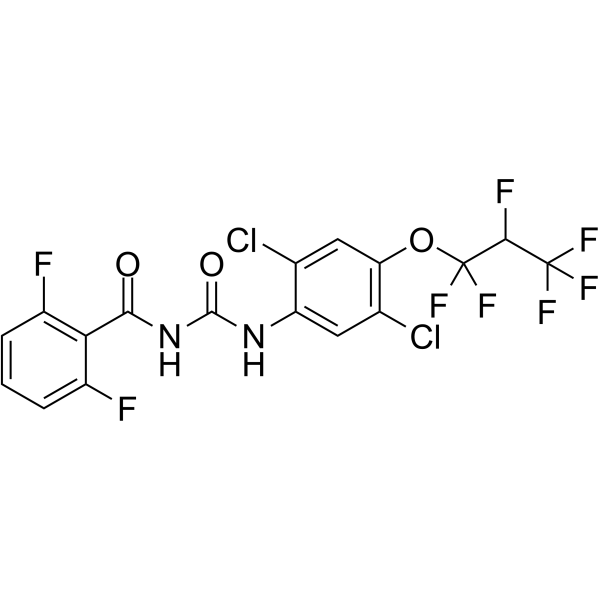
Lufenuron is an orally active lipophilic benzoylurea insecticide and a chitin synthesis inhibitor that can used for flea and fish lice control. Lufenuron inhibits moulting of arthropods. Lufenuron induces reproductive toxicity, genotoxic effects and oxidative stresses in pregnant albino rats and their fetuses .
|
-
-
- HY-D0342
-
|
|
Fluorescent Dye
|
Others
|
|
Disperse Red 1, an azobenzene derivative, is an azo textile dye extensively used for dyeing polyester fabrics in textile industry .
|
-
-
- HY-152775
-
|
|
Histone Methyltransferase
|
Cancer
|
|
RK-701 is an highly selective and non-genotoxic inhibitor of G9a with IC50 value of 23-27 nM. RK-701 selectively up-regulates HbF, γ- Globin, BGLT3 expression, down-regulates H3K9me2 expression. RK-701 also has inhibition for BCL11A and ZBTB7A .
|
-
-
- HY-N6714
-
|
|
Topoisomerase
Androgen Receptor
Estrogen Receptor/ERR
Apoptosis
|
Infection
Cancer
|
|
Alternariol is an orally ingested mycotoxin produced by Alternaria, capable of inhibiting the activity of topoisomerase I and II (topoisomerase I, topoisomerase II). Alternariol has weak estrogenic (Estrogen Receptor/ERR) and androgen/antiandrogen (Androgen Receptor) effects. Alternariol can induce apoptosis, trigger cell cycle arrest, suppress innate immune responses, and exhibit anti-tumor activity. Alternariol has genotoxic, mutagenic, and endocrine-disrupting effects .
|
-
-
- HY-W014940
-
|
|
Reactive Oxygen Species (ROS)
Apoptosis
Glutathione Peroxidase
SOD
|
Others
|
|
Ethylene glycol dimethacrylate is a diester formed by the condensation of Ethylene glycol (HY-Y0338) and Methacrylic acid. Ethylene glycol dimethacrylate is a cross-linking agent for polymers. Ethylene glycol dimethacrylate increases Apoptosis, GPx4, SOD2, ROS. Ethylene glycol dimethacrylate is cytotoxic and genotoxic. Ethylene glycol dimethacrylate exhibits cross-linking activity, enhancing the mechanical properties and stability of materials .
|
-
-
- HY-121267
-
|
|
Environmental Pollutants
DNA/RNA Synthesis
Herbicide
|
Others
|
|
Dicamba is a herbicide. Dicamba is currently used in agriculture and gardening to control the growth of different unwanted vegetable species, mainly in cereal grain crops, but also on sugar cane and soybeans, among others. Dicambais induces significant DNA damage. Dicambais induces genotoxicity and cytotoxicity.
|
-
-
- HY-B0869A
-
|
|
Environmental Pollutants
SOD
Acetolactate Synthase (ALS)
Herbicide
|
Metabolic Disease
|
|
Bispyribac sodium is a selective, orally active, systemic and post-emergence herbicide. Bispyribac sodium reduces SOD levels and inhibits ALS activity. Bispyribac sodium blocks the biosynthesis of branched-chain amino acids, resulting in growth retardation, chlorosis and necrosis of weeds. Bispyribac sodium exerts herbicidal activity against grass, sedge and broadleaf weeds in rice fields. Bispyribac sodium is hepatotoxic and genotoxic .
|
-
-
- HY-141452
-
|
Malondialdehyde
|
Endogenous Metabolite
|
Neurological Disease
|
|
Propanedial (Malondialdehyde) (13.88 mM in water) is one of the final products of lipid peroxidation. Propanedial causes protein inactivation, DNA damage and cross-linking by forming stable covalent adducts with biological macromolecules, which is the main mechanism for its cytotoxicity and genotoxicity.
Propanedial production increases with the elevation of free radicals.
Propanedial is a key biomarker for evaluating the level of cellular oxidative stress [1][2][3].
|
-
-
- HY-119329
-
|
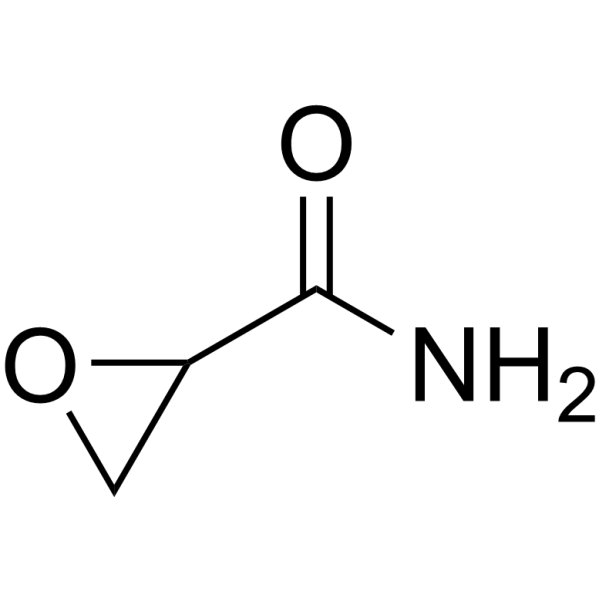
Oxiranecarboxamide; 2,3-Epoxypropanamide
|
Drug Metabolite
|
Others
|
|
Glycidamide is the genotoxic metabolite of Acrylamide. Glycidamide can react with proteins, such as hemoglobin, or with DNA, and induces genotoxic effects .
|
-
-
- HY-W043437
-
|
Isopropyl besylate
|
Drug Intermediate
|
Others
|
|
Isopropyl benzenesulfonate (Isopropyl besylate) is an aromatic sulfonate compound and also a potentially genotoxic impurity .
|
-
-
- HY-151629
-
|
|
Bacterial
|
Cancer
|
|
MRV03-069 (Compound 3) is a selective colibactin-activated peptidase (ClbP) inhibitor that blocks the genotoxic effect of Colibactin (HY-145930) on eukaryotic cells. MRV03-069 can be used in colorectal cancer research .
|
-
-
- HY-B1244
-
|
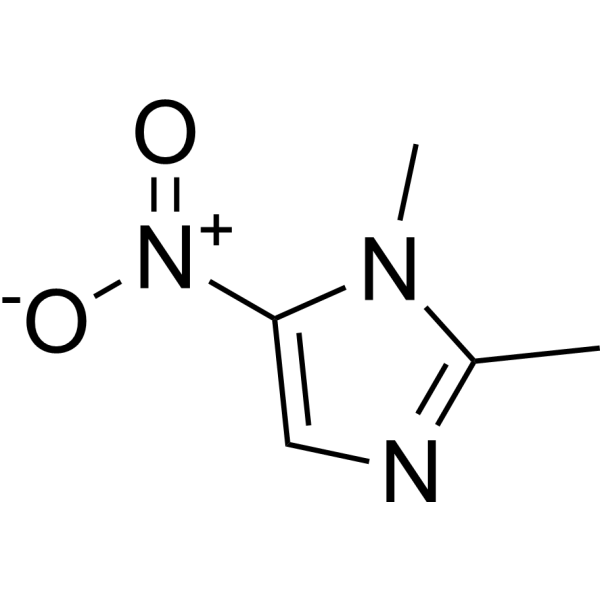
1,2-Dimethyl-5-nitroimidazole
|
Environmental Pollutants
Antibiotic
Bacterial
Parasite
|
Infection
|
|
Dimetridazole is a nitroimidazole antibiotic. Dimetridazole inhibits protein synthesis in cultures of Campylobacter jejuni. Dimetridazole is genotoxic. Dimetridazole can be used in the research of protozoal and bacterial infections .
|
-
-
- HY-W007577
-
|
|
Drug Metabolite
|
Others
|
|
4-Nitrobenzaldehyde is a widely used industrial chemical intermediate and also the main photodegradation product of the broad-spectrum antibiotic Chloramphenicol (HY-B0239). 4-Nitrobenzaldehyde has genotoxic and mutagenic effects and poses a certain threat to human health and ecosystems .
|
-
-
- HY-W012657
-
|
|
Environmental Pollutants
Parasite
|
Infection
|
|
4-Ethylbenzaldehyde is an aldehyde type organic compound with an almond-like odor. 4-Ethylbenzaldehyde is naturally present in various foods such as grilled meat, black tea, peanuts, etc. 4-Ethylbenzaldehyde has significant effects in controlling plant parasitic nematodes. 4-Ethylbenzaldehyde has genotoxicity and potential for liver damage in zebrafish models .
|
-
-
- HY-W006566
-
|
5-Aminoisoquinolin-1-one
|
PARP
|
Cancer
|
|
5-AIQ (5-Aminoisoquinolin-1-one) is a PARP-1 inhibitor. 5-AIQ is an important functional group in various drugs. 5-AIQ reduces the tissue injury associated with ischemia-reperfusion of the liver, it can be used for the research of the research conditions associated with ischemia-reperfusion of the liver .
|
-
-
- HY-N8022
-
|
Lucidin 3-O-β-primeveroside
|
Biochemical Assay Reagents
|
Cancer
|
|
Lucidin primeveroside (Lucidin 3-O-β-primeveroside) is an anthraquinone derivative present in madder root, which has been used as a coloring agent and food additive. Lucidin primeveroside can be metabolically converted to genotoxic compound Lucidin, which subsequently forms lucidin-specific DNA adducts .
|
-
-
- HY-B1072
-
|
|
Environmental Pollutants
Parasite
Insecticide
|
Infection
|
|
Phenothrin is a Type I pyrethroid insecticide. Phenothrin induces dose-dependent DNA damage in human peripheral blood lymphocytes and hepatocytes, and exhibits definite genotoxic potential. Phenothrin acts as an insecticide for pest control in agriculture, households and public health, as well as for the elimination of human head lice infestations .
|
-
-
- HY-136375
-
-
-
- HY-N2627
-
|
|
Others
|
Cancer
|
|
Isorhamnetin 3-O-robinobioside is a flavonoid compound. Isorhamnetin shows a protective effect against lipid peroxidation induced by H2O2. Isorhamnetin 3-O-robinobioside also inhibits the genotoxicity induced by hydroxyl radicals .
|
-
-
- HY-W001189
-
|
|
Bacterial
|
Infection
|
|
1,3-Dithiane is a protected formaldehyde anion equivalent and a sulfur-containing Maillard reaction product. 1,3-Dithiane is found in cooked beef extracts. 1,3-Dithiane is a potent mutagenic agent against S. typhimurium TA98 and TA100. 1,3-Dithiane can be used as a useful marker synthon .
|
-
-
- HY-139149
-
|
|
Histone Acetyltransferase
|
Cancer
|
|
NiCur is a potent and selective CBP histone acetyltransferase (HAT) inhibitor with an IC50 value of 0.35 μΜ. NiCur, which blocks CBP HAT activity and downregulates p53 activation upon genotoxic stress. NiCur can be used for performing mechanistic studies without affecting the expression of target proteins .
|
-
-
- HY-160596
-
|
5-Formyl-deoxycytidine lithium
|
DNA/RNA Synthesis
|
Others
|
|
5-Formyl-dCTP (5-Formyl-deoxycytidine) lithium is a DCTPP1 substrate. 5-Formyl-dCTP lithium acts as a mutagen/epigenetic disruptor via DNA polymerase incorporation, mutagenic mispairings, and disturbed epigenetic programming. 5-Formyl-dCTP lithium can be used for research on genotoxicity .
|
-
-
- HY-B1244S
-
|
1,2-Dimethyl-5-nitroimidazole-d3
|
Isotope-Labeled Compounds
Antibiotic
Parasite
Bacterial
|
Infection
|
|
Dimetridazole-d3 (1,2-Dimethyl-5-nitroimidazole-d3) is a deuterium labeled Dimetridazole (HY-B1244). Dimetridazole is a nitroimidazole antibiotic. Dimetridazole inhibits protein synthesis in cultures of Campylobacter jejuni. Dimetridazole is genotoxic. Dimetridazole can be used in the research of protozoal and bacterial infections .
|
-
-
- HY-W587892
-
|
1-Methoxydecane
|
Biochemical Assay Reagents
|
Others
|
|
Decyl methyl ether is a new type of strong fatty ether. Decyl methyl ether is non-genotoxic and phototoxic/photosensitizing .
|
-
-
- HY-119635
-
|
|
Others
|
Cancer
|
|
Albicanol is a sesquiterpenoid with potent antioxidant and antagonistic activities against heavy metal toxicity. Albicanol shows cytotoxicity. Albicanol suppress Profenofos (HY-B0832) induced genotoxicity in grass carp hepatocytes .
|
-
-
- HY-131102
-
|
|
Bacterial
DNA/RNA Synthesis
|
Infection
|
|
Mequindox is an antimicrobial agent . Mequindox acts as an inhibitor of DNA synthesis. Mequindox induces genotoxicity and carcinogenicity in mice .
|
-
-
- HY-116108
-
|
Musk tibetine
|
Olfactory Receptor
|
Cancer
|
|
Musk tibetene (Musk tibetine) is a nitro musk compound with carcinogenic activity. Musk tibetine reveals no genotoxicity in the micronucleus test with human lymphocytes and human hepatoma cell line .
|
-
-
- HY-23498
-
-
-
- HY-400785
-
|
|
Drug Derivative
|
Cancer
|
|
Dapagliflozin impurity A (Compound A) is a dapagliflozin peroxide, a genotoxic impurity, can cause damage to human genetic material at very low concentrations, leading to genetic mutations and possibly tumorigenesis .
|
-
-
- HY-Y1356
-
|
|
Biochemical Assay Reagents
|
Cancer
|
|
2,4-Dimethoxybenzaldehyde is a tumor initiator with genotoxic property. 2,4-Dimethoxybenzaldehyde can induce benign papilloma development and converse to squamous cell carcinoma in the skin of susceptible mouse models. 2,4-Dimethoxybenzaldehyde can be used for skin cancer research .
|
-
-
- HY-P11334
-
|
|
Aminopeptidase
Phosphatase
Angiotensin-converting Enzyme (ACE)
DNA/RNA Synthesis
|
Cancer
|
|
Cyanostatin B, a cyanobacterial lipopeptide, is a leucine aminopeptidase M (LAP) inhibitor (IC50 = 12 ng/mL). Cyanostatin B is a weak inhibitor of protein phosphatase (PP2A) and also exhibits weak inhibitory activity against angiotensin-converting enzyme (ACE), with an IC50 value of 130 μg/mL. Cyanostatin B demonstrates both cytotoxic and genotoxic effects on human hepatocytes, although non-toxic to Artemia salina. Cyanostatin B inhibits the proliferation of HepG2 cells, induces DNA single-strand breaks, and causes genomic instability. .
|
-
-
- HY-122817
-
|
|
Antibiotic
Parasite
|
Infection
|
|
FR900098 sodium is an antimalarial agent that inhibits 1-deoxy-d-xylulose-5-phosphate (DXP) reductoisomerase. FR900098 sodium has no significant acute toxicity or genotoxicity, and does not have the ability to cause chromosome breakage or heterogeneity. FR900098 sodium has no effect on bone marrow red blood cells in NMRI mice .
|
-
-
- HY-121213
-
|
|
Cytochrome P450
|
Cancer
|
|
Erysolin is a CYP1A inhibitor with antigenic toxicity. Erysolin reduces benzo(a)pyrene-induced genotoxicity .
|
-
-
- HY-W011817
-
-
-
- HY-129247
-
|
|
MDM-2/p53
Aryl Hydrocarbon Receptor
Cytochrome P450
|
Cancer
|
|
Versicolorin A is a biosynthetic precursor of Aflatoxin B1 (HY-N6615). Versicolorin A induces phosphorylation of p53. Versicolorin A activates the aryl hydrocarbon receptor AhR and significantly induces the expression of CYP1A1. Versicolorin A exerts genotoxic and cytotoxic effects. Versicolorin A enhances the genotoxicity of aflatoxin B1 in cells by promoting CYP450-mediated bioactivation of aflatoxin B1. Versicolorin A can be used in research related to colorectal cancer and hepatocellular carcinoma .
|
-
-
- HY-151626
-
|
|
Bacterial
|
Infection
|
|
MRV03-037 is a selective colibactin-activated peptidase (ClbP) inhibitor that blocks the genotoxic effect of Colibactin (HY-145930) on eukaryotic cells. MRV03-037 prevents gut bacterial genotoxin production .
|
-
-
- HY-136440
-
|
Metronidazole-OH
|
Bacterial
Parasite
|
Infection
|
|
Hydroxymetronidazole (Metronidazole-OH) is a metabolite of Metronidazole belonging to the class of nitroimidazoles. Hydroxymetronidazole can be used for the research of certain bacterial and protozoal diseases in poultry, swine dysentery and genital trichomoniasis in cattle .
|
-
-
- HY-136440R
-
|
Metronidazole-OH (Standard)
|
Reference Standards
Bacterial
Parasite
|
Infection
|
|
Hydroxymetronidazole (Standard) is the analytical standard of Hydroxymetronidazole. This product is intended for research and analytical applications. Hydroxymetronidazole (Metronidazole-OH) is a metabolite of Metronidazole belonging to the class of nitroimidazoles. Hydroxymetronidazole can be used for the research of certain bacterial and protozoal diseases in poultry, swine dysentery and genital trichomoniasis in cattle .
|
-
-
- HY-N11845
-
|
|
Lipoxygenase
|
Metabolic Disease
Inflammation/Immunology
|
|
Sigmoidin B, a prenylated flavanone, is a selective 5-lipoxygenase inhibitor. Sigmoidin B is a potent scavenger of the DPPH radical. Sigmoidin B has antigenotoxic activity that inhibits genotoxicity induced by Aflatoxin B1 (HY-N6615), with an IC50 of 18.7 μg/mL. Sigmoidin B has anti-inflammatory activity and antioxidant properties .
|
-
- HY-114517
-
-
- HY-121345
-
-
- HY-133787
-
|
|
Drug Metabolite
|
Infection
|
|
Levofloxacin N-oxide is a minor metabolite of Levofloxacin (HY-B0330). Levofloxacin N-oxide does not exhibit significantly genotoxic risks. Levofloxacin is an orally active antibiotic and is active against both Gram-positive and Gram-negative bacteria .
|
-
- HY-N2081R
-
|
|
Reference Standards
Cholinesterase (ChE)
PI3K
Akt
NF-κB
|
Neurological Disease
Inflammation/Immunology
Cancer
|
|
Skimmianine (Standard) is the analytical standard of Skimmianine. This product is intended for research and analytical applications. Skimmianine is an orally active furoquiniline alkaloid present mainly in the Rutaceae family. Skimmianine has analgesic, antispastic, sedative, and anti-inflammatory properties. Skimmianine inhibits acetylcholinesterase (AChE) (IC50 = 8.6 μg/mL). Skimmianine exhibits cytotoxicity against a variety of cancer cell lines and genotoxicity. Skimmianine has antioxidant and anti-inflammatory effects on ischemia-reperfusion (IR) injury. Skimmianine exerts anti-inflammatory effects through activation of the phosphatidylinositol-3-kinase (PI3K)-protein kinase B (AKT) pathway. Skimmianine is neuroprotective by targeting the NF-κB activation pathway to prevent neuroinflammation. Skimmianine inhibits the release of histamine, intracellular Ca 2+ signaling and protein kinase C signaling .
|
-
- HY-D0249R
-
|
Orange Yellow S (Standard); Food Yellow 3 (Standard); CI 15985 (Standard)
|
Fluorescent Dye
Reference Standards
|
Others
|
|
Sunset Yellow FCF (Standard) is the analytical standard of Sunset Yellow FCF. This product is intended for research and analytical applications. Sunset Yellow FCF (Orange Yellow S) is an orange azo dye with a maximum absorption wavelength of 480 nm. Sunset Yellow FCF can be used in food, cosmetics and pharmaceuticals .
|
-
- HY-135243
-
|
|
DNA/RNA Synthesis
|
Cancer
|
|
Ypenyl is a cytostatic. Ypenyl hydrochloride, belonging to the alkylating agent class, exhibits clear genotoxicity and cell cycle disruption properties. Ypenyl induces chromosomal aberrations in broad bean root tip meristem cells and leads to a decrease in the mitotic index. Ypenyl may be used in cancer research .
|
-
- HY-W010132
-
|
|
Drug Derivative
Xanthine Oxidase
|
Metabolic Disease
|
|
5-nitrobenzimidazole is a genotoxic nitro compound and 6-aminopurine (HY-B0152) analogue. 5-nitrobenzimidazole shows a slight inhibitory effect on xanthine oxidase, with an IC50 of 86.84 μM. 5-nitrobenzimidazole can be used in the research of hyperuricemia .
|
-
- HY-W006566R
-
|
5-Aminoisoquinolin-1-one (Standard)
|
Reference Standards
PARP
|
Cancer
|
|
5-AIQ (5-Aminoisoquinolin-1-one) is a PARP-1 inhibitor. 5-AIQ is an important functional group in various drugs. 5-AIQ reduces the tissue injury associated with ischemia-reperfusion of the liver, it can be used for the research of the research conditions associated with ischemia-reperfusion of the liver .
|
-
- HY-133647
-
|
|
Others
|
Others
|
|
Dibromoacetaldehyde, a halogenated product, is a byproduct in drinking water and has genotoxicity .
|
-
- HY-133649
-
|
|
Drug Derivative
|
Others
|
|
Dibromochloroacetaldehyde belongs to trihalogenated acetaldehyde and is a byproduct in drinking water. Dibromochloroacetaldehyde has genotoxicity .
|
-
- HY-151628
-
|
|
Bacterial
|
Cancer
|
|
MRV03-068 (Compound 2) is a selective colibactin-activated peptidase (ClbP) inhibitor that blocks the genotoxic effect of Colibactin (HY-145930) on eukaryotic cells. MRV03-068 can be used in colorectal cancer research .
|
-
- HY-133787R
-
|
|
Reference Standards
Drug Metabolite
|
Infection
|
|
Levofloxacin N-oxide (Standard) is the analytical standard of Levofloxacin N-oxide. This product is intended for research and analytical applications. Levofloxacin N-oxide is a minor metabolite of Levofloxacin (HY-B0330). Levofloxacin N-oxide does not exhibit significantly genotoxic risks. Levofloxacin is an orally active antibiotic and is active against both Gram-positive and Gram-negative bacteria .
|
-
- HY-N6714R
-
|
|
Reference Standards
Topoisomerase
Androgen Receptor
Estrogen Receptor/ERR
Apoptosis
|
Infection
Cancer
|
|
Alternariol (Standard) is the analytical standard of Alternariol. This product is intended for research and analytical applications. Alternariol is an orally ingested mycotoxin produced by Alternaria, capable of inhibiting the activity of topoisomerase I and II (topoisomerase I, topoisomerase II). Alternariol has weak estrogenic (Estrogen Receptor/ERR) and androgen/antiandrogen (Androgen Receptor) effects. Alternariol can induce apoptosis, trigger cell cycle arrest, suppress innate immune responses, and exhibit anti-tumor activity. Alternariol has genotoxic, mutagenic, and endocrine-disrupting effects .
|
-
- HY-146121
-
|
|
Bacterial
|
Infection
|
|
Antitubercular agent-26 (Compound 32) is an orally active anti-tubercular agent with an extracellular IC50 of 0.50 μM and an intracellular IC50 of 0.51 μM against M. tuberculosis H37Rv. Antitubercular agent-26 shows good metabolic stability, low risk of cardiotoxicity and no genotoxicity .
|
-
- HY-W795264
-
|
|
Parasite
|
Infection
|
|
FR900098 is an antimalarial agent that inhibits 1-deoxy-d-xylulose-5-phosphate (DXP) reductoisomerase. FR900098 has no significant acute toxicity or genotoxicity, and does not have the ability to cause chromosome breakage or heterogeneity. FR900098 has no effect on bone marrow red blood cells in NMRI mice .
|
-
- HY-W776973
-
|
Oxiranecarboxamide-13C3; 2,3-Epoxypropanamide-13C3
|
Isotope-Labeled Compounds
Drug Metabolite
|
Others
|
|
Glycidamide- 13C3 (Oxiranecarboxamide- 13C3) is the 13C-labeled Glycidamide (HY-119329). Glycidamide is the genotoxic metabolite of Acrylamide. Glycidamide can react with proteins, such as hemoglobin, or with DNA, and induces genotoxic effects .
|
-
- HY-W103488
-
-
- HY-122099
-
|
|
DNA/RNA Synthesis
|
Others
|
|
Riddelline, a pyrrolizidine alkaloid, is a potent genotoxic agent. Riddelline induces significant elevations in unscheduled DNA synthesis and S-phase synthesis in rat liver .
|
-
- HY-136375S
-
|
|
Isotope-Labeled Compounds
|
Others
|
|
Cyanazine-d5 is deuterium labeled Cyanazine. Cyanazine, a triazine herbicide cyanazine, is used to control a variety of grass weeds and broadleaf weed. Cyanazine is proved non-genotoxic .
|
-
- HY-154958
-
|
|
mTOR
|
Neurological Disease
|
|
mTOR inhibitor-12 (Compound 11) is a selective brain penetrant mTOR inhibitor without genotoxicity risk. mTOR inhibitor-12 can be used for the research of CNS diseases .
|
-
- HY-131102R
-
|
|
Reference Standards
Bacterial
DNA/RNA Synthesis
|
Infection
|
|
Mequindox (Standard) is the analytical standard of Mequindox. This product is intended for research and analytical applications. Mequindox is an antimicrobial agent . Mequindox acts as an inhibitor of DNA synthesis. Mequindox induces genotoxicity and carcinogenicity in mice .
|
-
- HY-136375R
-
|
|
Herbicide
Reference Standards
|
Others
|
|
Cyanazine (Standard) is the analytical standard of Cyanazine. This product is intended for research and analytical applications. Cyanazine, a triazine herbicide cyanazine, is used to control a variety of grass weeds and broadleaf weed. Cyanazine is proved non-genotoxic .
|
-
- HY-W612269S
-
|
|
Isotope-Labeled Compounds
|
Others
|
|
Isonicotinoyl chloride-d4 is the deuterated labeled Isonicotinoyl chloride (HY-W612269). N-Acetylglycine (Aceturic acid) is a minor constituent of numerous foods with no genotoxicity or acute toxicity. N-acetylglycine is used in biological research of peptidomimetics .
|
-
- HY-136440S1
-
|
Metronidazole-OH-d2
|
Isotope-Labeled Compounds
|
Infection
|
|
Hydroxymetronidazole-d2 is the deuterium labeled Hydroxymetronidazole(HY-136440).Hydroxymetronidazole (Metronidazole-OH) is a metabolite of Metronidazole belonging to the class of nitroimidazoles. Hydroxymetronidazole can be used for the research of certain bacterial and protozoal diseases in poultry, swine dysentery and genital trichomoniasis in cattle .
|
-
- HY-W726390
-
|
|
Adrenergic Receptor
|
Neurological Disease
|
|
2-(4-(2-Hydroxy-3-(isopropyl(nitroso)amino)propoxy)phenyl)acetamide is a genotoxic derivative of Atenolol (HY-17498) that can induce DNA fragmentation in rat hepatocytes when used at concentrations ranging from 0.1 to 1 mM.
|
-
- HY-124489S1
-
|
|
Isotope-Labeled Compounds
Endogenous Metabolite
|
Infection
|
|
2-Hydroxyestradiol-d5 is the deuterium labeled 2-Hydroxyestradiol. 2-Hydroxyestradiol, a metabolite of 17β-estradiol with minimal estrogenic activity, possesses antioxidant effects and reacts with DNA to form stable adducts and exerts genotoxicity[ .
|
-
- HY-124489S
-
-
- HY-W100026S
-
-
- HY-W001189R
-
|
|
Reference Standards
Bacterial
|
Infection
|
|
1,3-Dithiane (Standard) is an analytical standard of 1,3-Dithiane (HY-W001189). This product is intended for research and analytical applications. 1,3-Dithiane is a protected formaldehyde anion equivalent and a sulfur-containing Maillard reaction product. 1,3-Dithiane is found in cooked beef extracts. 1,3-Dithiane is a potent mutagenic agent against S. typhimurium TA98 and TA100. 1,3-Dithiane can be used as a useful marker synthon .
|
-
- HY-W001189S
-
|
|
Isotope-Labeled Compounds
Bacterial
|
Infection
|
|
1,3-Dithiane-d2 is the deuterium labeled 1,3-Dithiane (HY-W001189). 1,3-Dithiane is a protected formaldehyde anion equivalent and a sulfur-containing Maillard reaction product. 1,3-Dithiane is found in cooked beef extracts. 1,3-Dithiane is a potent mutagenic agent against S. typhimurium TA98 and TA100. 1,3-Dithiane can be used as a useful marker synthon .
|
-
- HY-124489R
-
|
|
Endogenous Metabolite
Reference Standards
|
Metabolic Disease
|
|
2-Hydroxyestradiol (Standard) is the analytical standard of 2-Hydroxyestradiol. This product is intended for research and analytical applications. 2-Hydroxyestradiol, a metabolite of 17β-estradiol with minimal estrogenic activity, possesses antioxidant effects and reacts with DNA to form stable adducts and exerts genotoxicity .
|
-
- HY-B1244R
-
|
1,2-Dimethyl-5-nitroimidazole (Standard)
|
Reference Standards
Parasite
Antibiotic
Bacterial
|
Infection
|
|
Dimetridazole (Standard) is the analytical standard of Dimetridazole (HY-B1244). This product is intended for research and analytical applications. Dimetridazole is a nitroimidazole antibiotic. Dimetridazole inhibits protein synthesis in cultures of Campylobacter jejuni. Dimetridazole is genotoxic. Dimetridazole can be used in the research of protozoal and bacterial infections .
|
-
- HY-130053
-
|
SU-13-437
|
Endogenous Metabolite
|
Cancer
|
|
Nafenopin (SU-13-437) is a peroxidase proliferator with liver tumor promoting activity. Nafenopin is also used as an anti-hyperlipoproteinemia compound. Nafenopin is able to induce oxidative stress in vivo, showing its effects on the liver. The mechanism of action of nafenopin has differentiated features compared to other non-genotoxic carcinogens .
|
-
- HY-126841
-
|
|
Photosensitizer
|
Cancer
|
|
5-Methoxysterigmatocystin is a mycotoxin with cytotoxic and genotoxic properties. 5-Methoxysterigmatocystin exhibits cytotoxicity against cancer cells A549 and HepG2 (IC50 of 5.5 and 0.7 μM), and induces DNA damage. 5-Methoxysterigmatocystin is a photosensitizer, which utilizes the visible to generate singlet oxygen ( 1O2) .
|
-
- HY-152187
-
|
|
Topoisomerase
Apoptosis
|
Others
|
|
Topoisomerase IIα-IN-5 is a topoisomerase II (topo II) α catalytic inhibitor. Topoisomerase IIα-IN-5 intercalates into DNA and binds to the DNA minor groove. Topoisomerase IIα-IN-5 exhibits better efficacy and less genotoxicity than Etoposide (HY-13629) .
|
-
- HY-113466R
-
|
4-HNE (Standard)
|
Aldehyde Dehydrogenase (ALDH)
Endogenous Metabolite
Reference Standards
|
Cardiovascular Disease
Neurological Disease
Cancer
|
|
4-Hydroxynonenal (Standard) is the analytical standard of 4-Hydroxynonenal. This product is intended for research and analytical applications. 4-Hydroxynonenal (4-HNE) is an α,β unsaturated hydroxyalkenal and an oxidative/nitrosative stress biomarker. 4-Hydroxynonenal is a substrate and an inhibitor of acetaldehyde dehydrogenase 2 (ALDH2). 4-Hydroxynonenal can modulate a number of signaling processes mainly through forming covalent adducts with nucleophilic functional groups in proteins, nucleic acids, and membrane lipids. 4-Hydroxynonenal plays an important role in cancer through mitochondria .
|
-
- HY-121267S1
-
|
|
Isotope-Labeled Compounds
Herbicide
DNA/RNA Synthesis
|
Others
|
|
Dicamba-d3 is the deuterium labeled Dicamba (HY-121267 ) . Dicamba is a herbicide. Dicamba is currently used in agriculture and gardening to control the growth of different unwanted vegetable species, mainly in cereal grain crops, but also on sugar cane and soybeans, among others. Dicambais induces significant DNA damage. Dicambais induces genotoxicity and cytotoxicity .
|
-
- HY-121267S
-
|
|
Isotope-Labeled Compounds
Herbicide
DNA/RNA Synthesis
|
Others
|
|
Dicamba- 13C6 is the 13C labeled Dicamba (HY-121267). Dicamba is a herbicide. Dicamba is currently used in agriculture and gardening to control the growth of different unwanted vegetable species, mainly in cereal grain crops, but also on sugar cane and soybeans, among others. Dicambais induces significant DNA damage. Dicambais induces genotoxicity and cytotoxicity .
|
-
- HY-123870
-
|
|
Survivin
IAP
NF-κB
|
Inflammation/Immunology
Cancer
|
|
MX107 is a selective and potent survivin inhibitor that suppresses triple-negative breast cancer (TNBC) cell proliferation. MX107 induces degradation of survivin and inhibitor-of-apoptosis proteins (IAPs), which inhibits nuclear factor κB (NF-κB) activation induced by DNA damage. MX107 enhances tumoricidal efficacy of genotoxic treatments synergized with chemotherapeutic drugs .
|
-
- HY-W142432R
-
|
|
Reference Standards
Biochemical Assay Reagents
|
Others
|
|
Perfluoroundecanoic acid (Standard) is the analytical standard of Perfluoroundecanoic acid. This product is intended for research and analytical applications. Perfluoroundecanoic acid is an orally active inducer of oxidative stress and DNA damage. Perfluoroundecanoic acid exhibits genotoxicity and reproductive toxicity in swiss mice. Perfluoroundecanoic acid is utilized as a processing aid in the manufacture of fluoropolymer for its thermal and pressure stability, and properties of having both water-repellent and oil-repellent groups and hydrophilic groups on the same molecule .
|
-
- HY-B1072R
-
|
|
Reference Standards
Parasite
Environmental Pollutants
Insecticide
|
Infection
|
|
Phenothrin (Standard) is the analytical standard of Phenothrin (HY-B1072). This product is intended for research and analytical applications. Phenothrin is a Type I pyrethroid insecticide. Phenothrin induces dose-dependent DNA damage in human peripheral blood lymphocytes and hepatocytes, and exhibits definite genotoxic potential. Phenothrin acts as an insecticide for pest control in agriculture, households and public health, as well as for the elimination of human head lice infestations.
|
-
- HY-W006566A
-
|
5-Aminoisoquinolin-1-one hydrochloride
|
PARP
|
Cancer
|
|
5-AIQ hydrochloride is a PARP-1 inhibitor. 5-AIQ hydrochloride is an important functional group in various drugs. 5-AIQ hydrochloride reduces the tissue injury associated with ischemia-reperfusion of the liver, it can be used for the research of the research conditions associated with ischemia-reperfusion of the liver .
|
-
- HY-171982
-
|
|
Biochemical Assay Reagents
|
Others
|
|
ATII (Traseolide), a Polycyclic musk fragrance, is a hydrophobic hapten. ATII has no genotoxicity in the human lymphocytes and the human hepatoma cell line Hep G2. ATII can be bound by antibody M02/05/01 (H93 Val) with superior binding capacity. ATII can be conjugated to carrier proteins for antigen design .
|
-
- HY-185173
-
|
|
TRP Channel
|
Others
|
|
(E)-3-Benzodioxol-5-yl-N,N-diphenyl-2-propenamide is a chemically synthesized flavoring substance and can be found in toothpaste products. (E)-3-Benzodioxol-5-yl-N,N-diphenyl-2-propenamide is non-genotoxic, shows no genotoxic activity in bacterial reverse mutation and in vitro mammalian cell micronucleus assays. (E)-3-Benzodioxol-5-yl-N,N-diphenyl-2-propenamide does not induce prenatal developmental toxicity in rats .
|
-
- HY-134273A
-
|
8-Bromo-dGTP sodium
|
Nucleoside Antimetabolite/Analog
|
Others
|
|
8-Br-dGTP (8-Bromo-dGTP) sodium (Compound 5), an 8-brominated purine nucleotide, is a syn-oriented analog of dGTP. 8-Br-dGTP sodium can be hydrolyzed by the enzyme hMTH1 protein (HY-P74740). 8-Br-dGTP sodium inhibits dGTP-activated ADP reduction with a Ki of 56 μM. 8-Br-dGTP sodium has no significant genotoxicity and mutagenic potentials during DNA synthesis .
|
-
- HY-122145
-
|
|
DNA/RNA Synthesis
|
Cancer
|
|
Ypenyl hydrochloride is a cytostatic. Ypenyl hydrochloride, belonging to the alkylating agent class, exhibits clear genotoxicity and cell cycle disruption properties. Ypenyl hydrochloride induces chromosomal aberrations in broad bean root tip meristem cells and leads to a decrease in the mitotic index. Ypenyl hydrochloride may be used in cancer research .
|
-
- HY-24366
-
|
|
Bacterial
DNA/RNA Synthesis
|
Infection
|
|
Quindoxin is an antibacterial and growth promoter, commonly used in the livestock industry. Quindoxin exhibits clear dose-dependent mutagenic activity against Salmonella typhimurium TA98 and TA100 strains. Quindoxin can cause DNA damage and has potential genotoxicity and carcinogenic risks .
|
-
- HY-W714212
-
|
|
Herbicide
Microtubule/Tubulin
DNA/RNA Synthesis
Apoptosis
|
Others
|
|
Fluchloralin is a dinitroaniline herbicide that effectively controls annual gramineous and broadleaf weeds primarily by inhibiting tubulin synthesis and cell division . Fluchloralin exhibits cytotoxicity and genotoxicity, and promotes cell apoptosis by activating apoptotic signaling proteins, forming DNA ladder bands, inducing cell shrinkage and nuclear fragmentation .
|
-
- HY-W012475
-
|
|
Fungal
|
Infection
|
|
cis-3-Hexenyl benzoate is a volatile organic compound with a grassy aroma, widely used in the fragrance and cosmetic industries. It exhibits weak antifungal activity. cis-3-Hexenyl benzoate shows no significant risks in genotoxicity, reproductive toxicity, or environmental toxicity, and its skin sensitization potential is controllable within defined concentration limits .
|
-
- HY-W714852
-
|
|
Insecticide
Sodium Channel
|
Infection
|
|
Zeta-Cypermethrin is a type II pyrethroid insecticide. Zeta-Cypermethrin primarily acts on voltage-gated sodium channels in nerve cells, causing delayed channel closure, persistent nerve excitation and convulsions. In Drosophila, Zeta-Cypermethrin rapidly induces extremely high metabolic resistance that can be screened, and exhibits in vitro genotoxicity to human peripheral blood lymphocytes .
|
-
- HY-113283
-
|
|
Amyloid-β
Natriuretic Peptide Receptor (NPR)
α-synuclein
Transthyretin (TTR)
Claudin
|
Neurological Disease
Metabolic Disease
Cancer
|
|
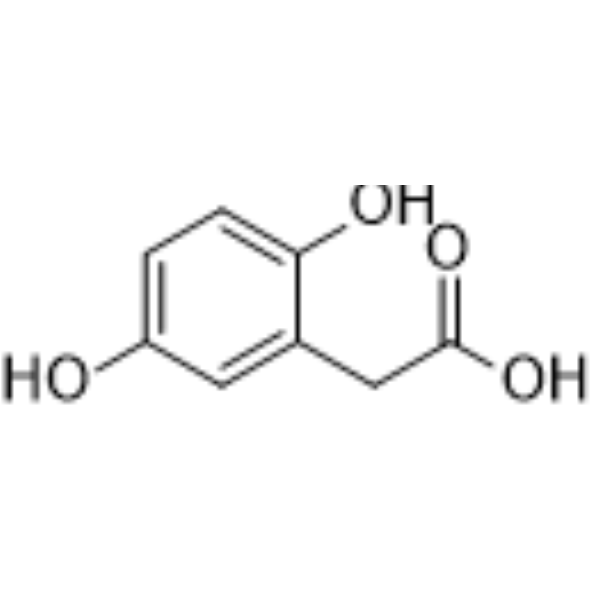
Homogentisic acid is an orally active, blood-brain barrier-permeable amyloidogenic compound that functions as both an amyloid component and a pigment precursor. Accumulation of homogentisic acid downregulates tight junction proteins (such as claudin-5, occludin, ZO-1) and impairs blood-brain barrier integrity. Homogentisic acid and its oxidation product benzoquinone acetic acid not only induce the aggregation and fibrosis of multiple proteins (such as Aβ1-42, α-synuclein, SAA, Transthyretin (TTR), atrial natriuretic peptide), but also trigger oxidative stress, damage to the Wnt/β-catenin pathway, and neurotoxicity, leading to ochronosis pigment deposition and synaptic dysfunction. At specific concentrations, homogentisic acid exerts no cytotoxicity or genotoxicity on human peripheral blood lymphocytes, and even counteracts the genotoxicity induced by Irinotecan (HY-16562). Homogentisic acid serves as an important tool molecule for investigating the mechanisms of diseases including ochronosis, secondary amyloidosis, Alzheimer's disease, and colorectal cancer .
|
-
- HY-121261
-
|
|
Necroptosis
Apoptosis
|
Cancer
|
Antineoplastic agent-1 is an alkylating agent and a genotoxic agent that can induce DNA damage. Antineoplastic agent-1 can lead to irreversible damage and progressive death of liver cells due to necroptosis and apoptosis. Antineoplastic agent-1 can cause alkylation damage to hematopoietic cells and stromal cells in the bone marrow. Antineoplastic agent-1 can be used in tumor research .
|
-
- HY-B1024
-
|
DL-Pantothenol; DL-Pantothenyl alcohol
|
Biochemical Assay Reagents
|
Inflammation/Immunology
|
|
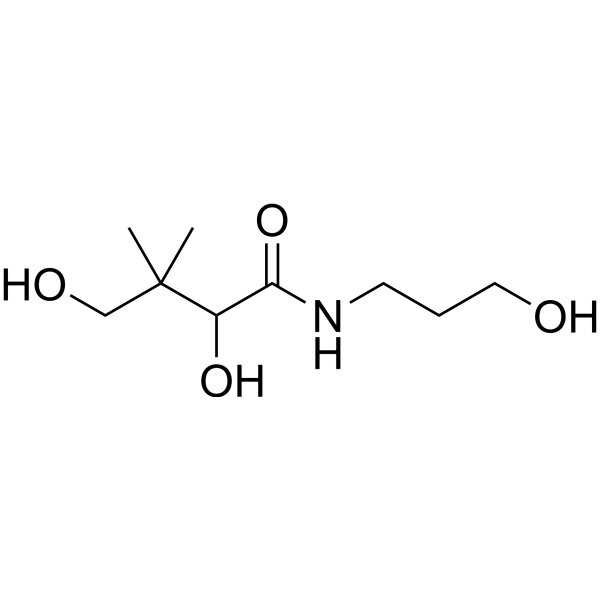
DL-Panthenol (DL-Pantothenol) is a precursor of pantothenic acid. DL-Panthenol easily penetrates the skin and has effects of deep moisturizing, promoting wound healing and anti-inflammation. DL-Panthenol can also be used as a hair conditioner in cosmetics. DL-Panthenol has low acute toxicity, non-sensitizing property, and no significant genotoxicity or reproductive and developmental toxicity. DL-Panthenol can be applied to the research of cosmetics .
|
-
- HY-A0087
-
|
|
Environmental Pollutants
PPAR
Estrogen Receptor/ERR
Biochemical Assay Reagents
Cytochrome P450
|
Others
|
|
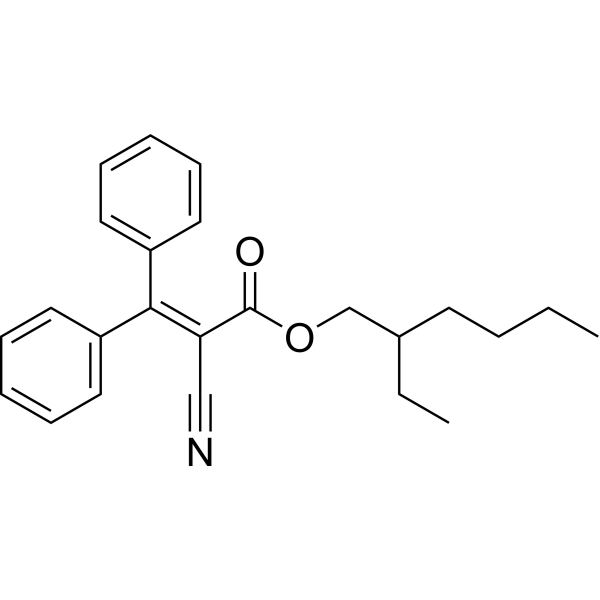
Octocrylene is an organic ultraviolet (UV) filter that absorbs mainly UVB radiation and shorter UVA wavelengths. Octocrylene acts as a partial agonist of PPARγ, which alters the gene transcription profile of lipid metabolism enzymes. In addition, Octocrylene is cytotoxic and genotoxic to human skin fibroblasts and mediates the biosynthesis of estrogens such as estriol in zebrafish larvae, while affecting antioxidant pathways including glutathione transferase and peroxisomes .
|
-
- HY-117007
-
|
|
Apoptosis
|
Others
|
|
Glycidyl methacrylate exhibits concentration-dependent cytotoxicity and genotoxicity against human peripheral blood lymphocytes and CCRF-CEM leukemia cells. Glycidyl methacrylate can induce DNA strand breaks, base oxidative damage, and apoptosis through oxidative stress mechanisms, but the induced DNA damage can be effectively cleared by the cellular repair system within 2 hours (>90%). Glycidyl methacrylate can be used in dental composite restorative materials .
|
-
- HY-W007577R
-
|
|
Reference Standards
Drug Metabolite
|
Others
|
|
4-Nitrobenzaldehyde (Standard) is the analytical standard of 4-Nitrobenzaldehyde (HY-W007577). This product is intended for research and analytical applications. 4-Nitrobenzaldehyde is a widely used industrial chemical intermediate and also the main photodegradation product of the broad-spectrum antibiotic Chloramphenicol (HY-B0239). 4-Nitrobenzaldehyde has genotoxic and mutagenic effects and poses a certain threat to human health and ecosystems .
|
-
- HY-W756607
-
|
|
Isotope-Labeled Compounds
Biochemical Assay Reagents
|
Others
|
|
6-Acetyl-1,1,2,4,4,7-hexamethyltetraline-d11 is the deuterium labeled 6-Acetyl-1,1,2,4,4,7-hexamethyltetraline (HY-W011817). 6-Acetyl-1,1,2,4,4,7-hexamethyltetraline (AHTN) is a synthetic fragrance ingredient that is not significantly genotoxic in mammalian systems .
|
-
- HY-107835
-
|
FCR 2769
|
Environmental Pollutants
Apoptosis
Bcl-2 Family
Parasite
Insecticide
|
Infection
Cancer
|
|
Flumethrin (FCR 2769) is a pyrethroid insecticide and acaricide . Flumethrin targets voltage-gated sodium channels and estrogen receptor α (ERα). Flumethrin induces cytotoxicity, apoptosis, genotoxicity and DNA damage in breast cancer cells by regulating the expression of BCL2, BAX, TP53 and P21 genes. Flumethrin is applicable to relevant studies on ectoparasite infections (tick and flea burdens) in dogs and cats, as well as breast cancer .
|
-
- HY-N6739
-
|
|
Bacterial
Apoptosis
Fungal
PI3K
Akt
TNF Receptor
Interleukin Related
|
Infection
Cancer
|
|
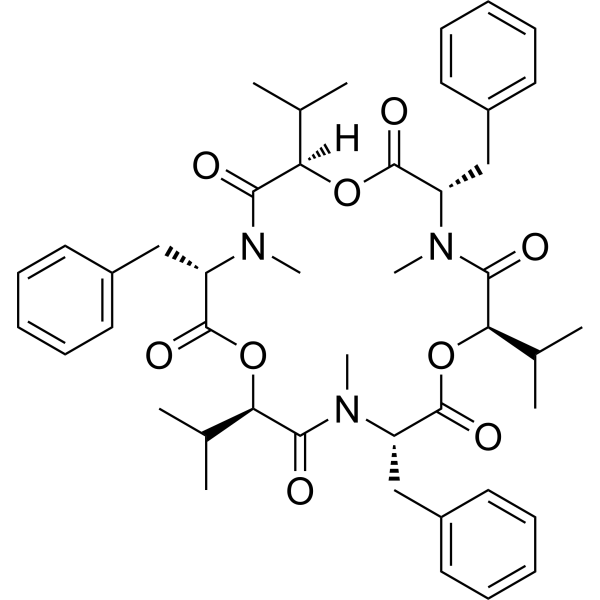
Beauvericin is a cyclohexapeptide Fusarium toxin with insecticidal, antibacterial, anticancer, antiviral and cytotoxic activities. Beauvericin causes cellular genotoxicity by producing DNA breaks, chromosomal aberrations and micronuclei, and inhibits the PI3K/AKT pathway to induce apoptosis, thereby inhibiting the growth of HCC. In addition, Beauvericin affects immune function by inhibiting lymphocyte proliferation and interfering with the differentiation process of human monocytes into macrophages .
|
-
- HY-123581R
-
|
|
Reference Standards
Antibiotic
Bacterial
ATF6
DAPK
Autophagy
NF-κB
NO Synthase
Apoptosis
Reactive Oxygen Species (ROS)
|
Infection
Inflammation/Immunology
|
|
Quinocetone (Standard) is the analytical standard of Quinocetone (HY-123581). This product is used for research and analytical purposes. Quinocetone is an orally active animal feed additive used to increase the meat production of livestock and poultry. Quinocetone exhibits antibacterial activity against a variety of pathogenic microorganisms. Quinocetone exhibits tissue-specific (liver, lymphocyte) toxicity. Quinocetone induces autophagy in cells through the ATF6/DAPK1 pathway. Quinocetone activates the NF-κB and iNOS pathways, leading to cell apoptosis, hepatocyte vacuolar degeneration and fibrosis. Quinocetone can inhibit Nrf2/HO-1 and induce the generation of reactive oxygen species (ROS), leading to oxidative stress and DNA damage.
|
-
- HY-123581
-
|
|
Antibiotic
Bacterial
ATF6
DAPK
Autophagy
NF-κB
NO Synthase
Apoptosis
Reactive Oxygen Species (ROS)
Keap1-Nrf2
Heme Oxygenase (HO)
|
Infection
Inflammation/Immunology
|
|
Quinocetone is an orally active animal feed additive used to increase the meat production of livestock and poultry. Quinocetone exhibits antibacterial activity against a variety of pathogenic microorganisms. Quinocetone exhibits tissue-specific (liver, lymphocyte) toxicity. Quinocetone induces autophagy in cells through the ATF6/DAPK1 pathway. Quinocetone activates the NF-κB and iNOS pathways, leading to cell apoptosis, hepatocyte vacuolar degeneration and fibrosis. Quinocetone can inhibit Nrf2/HO-1 and induce the generation of reactive oxygen species (ROS), leading to oxidative stress and DNA damage .
|
-
- HY-W012657R
-
|
|
Reference Standards
Parasite
|
Infection
|
|
4-Ethylbenzaldehyde (Standard) is the analytical standard of 4-Ethylbenzaldehyde (HY-W012657). This product is intended for research and analytical applications. 4-Ethylbenzaldehyde is an aldehyde type organic compound with an almond-like odor. 4-Ethylbenzaldehyde is naturally present in various foods such as grilled meat, black tea, peanuts, etc. 4-Ethylbenzaldehyde has significant effects in controlling plant parasitic nematodes. 4-Ethylbenzaldehyde has genotoxicity and potential for liver damage in zebrafish models.
|
-
- HY-B0869AR
-
|
|
Reference Standards
Acetolactate Synthase (ALS)
SOD
|
Metabolic Disease
|
|
Bispyribac (sodium) (Standard) is the analytical standard of Bispyribac sodium (HY-B0869A). This product is intended for research and analytical applications. Bispyribac sodium is a selective, orally active, systemic and post-emergence herbicide. Bispyribac sodium reduces SOD levels and inhibits ALS activity. Bispyribac sodium blocks the biosynthesis of branched-chain amino acids, resulting in growth retardation, chlorosis and necrosis of weeds. Bispyribac sodium exerts herbicidal activity against grass, sedge and broadleaf weeds in rice fields. Bispyribac sodium is hepatotoxic and genotoxic .
|
-
- HY-107835R
-
|
FCR 2769 (Standard)
|
Reference Standards
Insecticide
Parasite
Apoptosis
Bcl-2 Family
|
Infection
Cancer
|
|
Flumethrin (Standard) (FCR 2769 (Standard)) is the analytical standard of Flumethrin (HY-107835). This product is intended for research and analytical applications. Flumethrin (FCR 2769) is a pyrethroid insecticide and acaricide. Flumethrin targets voltage-gated sodium channels and estrogen receptor α (ERα). Flumethrin induces cytotoxicity, apoptosis, genotoxicity and DNA damage in breast cancer cells by regulating the expression of BCL2, BAX, TP53 and P21 genes. Flumethrin is applicable to relevant studies on ectoparasite infections (tick and flea burdens) in dogs and cats, as well as breast cancer.
|
-
- HY-156685
-
|
|
PI4K
Parasite
|
Infection
Metabolic Disease
Cancer
|
EDI048 is an orally active, gut-restricted parasiticidal agent. EDI048 specifically binds to the ATP-binding site of Cryptosporidium phosphatidylinositol 4-kinase (CpPI (4) K), blocks parasite membrane biogenesis, arrests the pathogen at the schizont stage, and thus irreversibly clears the infection. EDI048 is rapidly converted to an inactive carboxylic acid metabolite via hepatic first-pass metabolism, with extremely low systemic exposure, good safety profile, and no cardiotoxicity, genotoxicity or off-target effects. EDI048 is used in studies of intestinal cryptosporidiosis in children .
|
-
- HY-W653896
-
|
|
Isotope-Labeled Compounds
Androgen Receptor
Apoptosis
Topoisomerase
Estrogen Receptor/ERR
|
Infection
|
|
Alternariol-d2 is deuterium labeled Alternariol. Alternariol is an orally ingested mycotoxin produced by Alternaria, capable of inhibiting the activity of topoisomerase I and II (topoisomerase I, topoisomerase II). Alternariol has weak estrogenic (Estrogen Receptor/ERR) and androgen/antiandrogen (Androgen Receptor) effects. Alternariol can induce apoptosis, trigger cell cycle arrest, suppress innate immune responses, and exhibit anti-tumor activity. Alternariol has genotoxic, mutagenic, and endocrine-disrupting effects .
|
-
- HY-W654296
-
|
|
Isotope-Labeled Compounds
PPAR
Cytochrome P450
Biochemical Assay Reagents
Estrogen Receptor/ERR
|
Others
|
|
Octocrylene- 13C3 is the 13C-labeled Octocrylene (HY-A0087). Octocrylene is an organic ultraviolet (UV) filter that absorbs mainly UVB radiation and shorter UVA wavelengths. Octocrylene acts as a partial agonist of PPARγ, which alters the gene transcription profile of lipid metabolism enzymes. In addition, Octocrylene is cytotoxic and genotoxic to human skin fibroblasts and mediates the biosynthesis of estrogens such as estriol in zebrafish larvae, while affecting antioxidant pathways including glutathione transferase and peroxisomes .
|
-
- HY-Y1644
-
|
(E)-2-Butenoic acid; trans-2-Butenoic acid; trans-Crotonic acid
|
Endogenous Metabolite
|
Metabolic Disease
|
|
NSC 8751 (trans-2-Butenoic acid; trans-Crotonic acid) is an unsaturated carboxylic acid compound containing α,β-unsaturated carboxylic acid groups. NSC 8751 is one of the important analogs for evaluating the safety of fragrance ingredients and is used to evaluate the toxicological properties of compounds with similar structures. When NSC 8751 is applied to local lymph nodes, a 50% concentration does not cause skin sensitization. Structural analogs of NSC 8751 have been shown to be non-genotoxic. trans-Crotonic acid can be used in the preparation of cosmetics and food additives .
|
-
- HY-112974
-
|
GSK-2998728; ISIS-420915
|
Transthyretin (TTR)
|
Cardiovascular Disease
Neurological Disease
|
|
Inotersen (GSK-2998728; ISIS-420915) is a 2'-O-methoxyethyl-modified antisense oligonucleotide and transthyretin (TTR) inhibitor with low genotoxicity. Inotersen triggers RNase H1-mediated degradation by binding to TTR mRNA, thereby effectively reducing the production of both mutant and wild-type transthyretin in the liver. Inotersen significantly reduces amyloid fiber deposition, yet specific toxicities such as inflammation or tumors are observed at high doses in some animal models. Inotersen is used in studies of hereditary transthyretin amyloidosis and the associated polyneuropathy and cardiomyopathy .
|
-
- HY-N6739S
-
|
|
Acyltransferase
Isotope-Labeled Compounds
|
Infection
|
|
Beauvericin- 13C45 is 13C labeled Beauvericin (HY-N6739). Beauvericin is a cyclohexapeptide Fusarium toxin with insecticidal, antibacterial, anticancer, antiviral and cytotoxic activities. Beauvericin causes cellular genotoxicity by producing DNA breaks, chromosomal aberrations and micronuclei, and inhibits the PI3K/AKT pathway to induce apoptosis, thereby inhibiting the growth of HCC. In addition, Beauvericin affects immune function by inhibiting lymphocyte proliferation and interfering with the differentiation process of human monocytes into macrophages .
|
-
- HY-137316AR
-
|
|
Reference Standards
DNA Alkylator/Crosslinker
Drug Metabolite
|
Cancer
|
|
Phosphoramide mustard (cyclohexanamine) (Standard) is the analytical standard of Phosphoramide mustard (cyclohexanamine). This product is intended for research and analytical applications. Phosphoramide mustard cyclohexanamine is a biologically active metabolite of Cyclophosphamide (HY-17420), with anticancer activitiy. Phosphoramide mustard cyclohexanamine induces DNA damage[1][2].
|
-
- HY-137316A
-
|
|
DNA Alkylator/Crosslinker
Drug Metabolite
|
Cancer
|
|
Phosphoramide mustard cyclohexanamine is a biologically active metabolite of Cyclophosphamide (HY-17420), with anticancer activitiy. Phosphoramide mustard cyclohexanamine induces DNA damage .
|
-
- HY-137316
-
-
- HY-W075176
-
|
|
Insecticide
|
Infection
|
|
Transfluthrin is an insecticide with extremely low acute toxicity to vertebrates. It acts as a mosquito repellent, exerts mosquito control effects via electric heating fumigators, and is widely used in studies related to malaria, bancroftian filariasis and mosquito-borne infectious diseases. Transfluthrin may also induce adverse reactions such as pulmonary sensory irritation, sensitization, genotoxicity and respiratory depression, and can increase the concentrations and activities of CYP2E1 and CYP3A2 in rat brains. Transfluthrin can be removed from wastewater through biodegradation and activated sludge adsorption, and can be degraded by microorganisms such as *Azovibrio* and *Tauera* .
|
-
- HY-Y0496
-
|
|
Insecticide
Environmental Pollutants
Mitosis
|
Cancer
|
1,4-Dichlorobenzene is a non-genotoxic, orally active mitogenic/tumor-promoting carcinogen that is also widely used as a dye, resin intermediate, and deodorant, moth repellent/insecticide. 1,4-Dichlorobenzene induces liver tumors in mice and promotes the growth of spontaneous precancerous lesions, but shows no liver tumor-inducing activity in F344 rats. Exposure to 1,4-dichlorobenzene leads to elevated leukocyte counts, serum alanine aminotransferase, and blood urea nitrogen levels. Due to the hepatotoxic characteristics, 1,4-Dichlorobenzene is applicable to liver cancer-related research .
|
-
- HY-W013762
-
|
|
Environmental Pollutants
Biochemical Assay Reagents
|
Others
|
|
Tributyl citrate is a low-toxicity and orally active citrate ester with no genotoxicity or skin sensitizing activity. Tributyl citrate also acts as a plasticizer, solvent, FDA-approved indirect food additive, and topical anesthetic, among other uses. Tributyl citrate induces a needle-prick insensitivity response that lasts for more than 2 hours, and a 5% suspension of it temporarily eliminates the corneal reflex in rabbits. Tributyl citrate causes no significant systemic toxicity in rats and cats at most tested doses, and only may cause growth retardation and gastrointestinal reactions such as diarrhea and nausea at high doses or with repeated oral administration .
|
-
- HY-139838
-
|
|
Herbicide
|
Others
Cancer
|
|
Epyrifenacil is a protoporphyrinogen oxidase (PPO) inhibiting herbicide, potently targeting the PPO2 isoform from weeds such as Amaranthus palmeri with an IC50 of 0.637 nM. Epyrifenacil also inhibits liver mitochondrial PPO across species, with IC50 values of 2.2 nM (mouse), 2.6 nM (rat), 12.1 nM (rabbit), 7.6 nM (dog), and 10.2 nM (human). Epyrifenacil induces liver tumor development in mice. Epyrifenacil can be used for weed control, and also used as a tool compound in toxicological research to study the mechanism of PPO inhibition, chemical-induced hepatotoxicity, and the mode of action of non-genotoxic carcinogens in rodents [3].
|
-
- HY-N12851
-
|
(E)-4-Oxo-2-hexenal
|
Bacterial
Apoptosis
|
Infection
|
|
4-OHE ((E)-4-Oxo-2-hexenal) is a mutagen formed by omega-3 lipid peroxidation. 4-OHE reacts with deoxyguanosine, deoxycytidine and 5-methyldeoxycytidine to form covalent adducts. 4-OHE induces apoptosis and exhibits genotoxicity. 4-OHE inhibits the growth of Gram-positive and Gram-negative bacteria, which correlates with its electrophilic reactivity towards nucleophilic biomolecules. 4-OHE is a chemical defense component of Dolycoris baccarum (sloe bug), and acts as a deterrent and toxin against insect predators .
|
-
- HY-181151
-
|
|
Monoamine Transporter
|
Neurological Disease
|
|
DLX48 is a LeuBAT (Δ13 mutant) transporter inhibitor that binds to the transporter’s active site. DLX48 can crosses the blood-brain barrier, and has a lower risk of cytochrome P450-related drug-drug interactions. DLX48 can be used for the research of major depressive disorder .
|
-
- HY-W019780
-
|
Dichlorobromomethane
|
Glutathione S-transferase
|
Metabolic Disease
Cancer
|
|
Bromodichloromethane (Dichlorobromomethane) is a type of trihalomethane, commonly found in chlorinated drinking water for disinfection, and is a disinfection by-product. The bromination of bromodichloromethane can cause the formation of mutagenic intermediates through the transformation mediated by glutathione S-transferase (GST). Bromodichloromethane inhibits the differentiation of human placental trophoblast cells and reduces the secretion of chorionic gonadotropin (CG). Bromodichloromethane has potential reproductive toxicity and carcinogenicity .
|
-
- HY-W017562
-
-
- HY-W018781
-
|
|
Ser/Thr Protease
|
Cancer
|
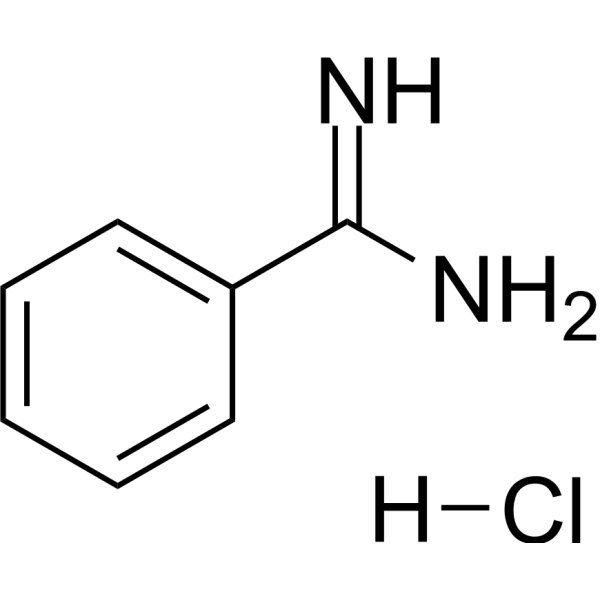
Benzamidine hydrochloride is a competitive protease inhibitor that blocks the hydrolytic cleavage of glucagon by plasmin, trypsin and thrombin. Benzamidine hydrochloride effectively inhibits the degradation of glucagon by relevant proteases during the collection, storage and analysis of human plasma and blood samples. During in vivo metabolism, Benzamidine hydrochloride undergoes N-hydroxylation and produces multiple metabolites, exhibiting characteristics of delayed excretion or biphasic elimination. Benzamidine hydrochloride only induces slight single-strand DNA breaks at high concentrations and shows no significant genotoxic potential overall. Benzamidine hydrochloride may interfere with the detection of some glucagon antisera, but does not affect key antigen-antibody affinity at specific concentrations. Benzamidine hydrochloride can be used as a stabilizer in glucagon radioimmunoassays to ensure the accuracy and recovery rate of detection results .
|
-
- HY-119976
-
|
|
Environmental Pollutants
Apoptosis
Fungal
Mitochondrial Metabolism
Succinate Dehydrogenase
|
Infection
|
|
Boscalid is a succinate dehydrogenase (SDHI) inhibitor with antifungal activity. Boscalid binds to the ubiquinone-binding site of fungal mitochondrial complex II, blocks ATP production and aerobic respiration, exhibits good control efficacy against a variety of plant fungal diseases including gray mold, sclerotinia rot and powdery mildew, and is widely used for disease control in agriculture. Boscalid induces apoptosis, altered lipid metabolism, mitochondrial dysfunction, respiratory impairment, oxidative stress, ROS accumulation and neurodevelopmental disorders in zebrafish. Boscalid reduces foraging ability, shortens median death time and causes chronic toxicity in exposed honeybees. Boscalid also possesses genotoxicity, cytotoxicity, elevated mitochondrial superoxide levels and early-stage apoptosis .
|
-
- HY-W013762R
-
|
|
Reference Standards
Biochemical Assay Reagents
|
Others
|
|
Tributyl citrate (Standard) is the analytical standard of Tributyl citrate. This product is intended for research and analytical applications. Tributyl citrate is a low-toxicity and orally active citrate ester with no genotoxicity or skin sensitizing activity. Tributyl citrate also acts as a plasticizer, solvent, FDA-approved indirect food additive, and topical anesthetic, among other uses. Tributyl citrate induces a needle-prick insensitivity response that lasts for more than 2 hours, and a 5% suspension of it temporarily eliminates the corneal reflex in rabbits. Tributyl citrate causes no significant systemic toxicity in rats and cats at most tested doses, and only may cause growth retardation and gastrointestinal reactions such as diarrhea and nausea at high doses or with repeated oral administration .
|
-
- HY-139621
-
|
|
DNA Alkylator/Crosslinker
|
Cancer
|
|
Colibactin 742 is a covalently binding DNA-damaging agent targeting DNA, with an IC50 of 5.2 μM against human cervical cancer cells (HeLa). Colibactin 742 covalently binds to DNA, forming interstrand crosslinks (ICLs), activating the Fanconi anemia DNA repair pathway, inducing γH2AX and FANCD2 foci formation and cell cycle arrest, while exacerbating mismatch repair deficiency (MMRd)-related mutations. Colibactin 742 can mimic the genotoxicity of natural Colibactin while avoiding its instability, and is mainly used in colorectal cancer (CRC) related research, including microbial tumorigenesis mechanisms, DNA damage repair pathways, and mutation signature analysis .
|
-
- HY-125913
-
|
|
Ser/Thr Protease
|
Inflammation/Immunology
|
Benzamidine is a competitive protease inhibitor that blocks the hydrolytic cleavage of glucagon by plasmin, trypsin and thrombin. Benzamidine effectively inhibits the degradation of glucagon by relevant proteases during the collection, storage and analysis of human plasma and blood samples. During in vivo metabolism, Benzamidine undergoes N-hydroxylation and produces multiple metabolites, exhibiting characteristics of delayed excretion or biphasic elimination. Benzamidine only induces slight single-strand DNA breaks at high concentrations and shows no significant genotoxic potential overall. Benzamidine may interfere with the detection of some glucagon antisera, but does not affect key antigen-antibody affinity at specific concentrations. Benzamidine can be used as a stabilizer in glucagon radioimmunoassays to ensure the accuracy and recovery rate of detection results .
|
-
- HY-149136
-
|
|
Integrin
TGF-beta/Smad
|
Inflammation/Immunology
|
|
MORF-627 is a highly selective, orally active integrin αvβ6 inhibitor. By blocking TGF-β1 activation and pSMAD2 signaling, MORF-627 significantly reduces collagen deposition, epithelial-mesenchymal transition markers, and structural changes in fibrotic cells. MORF-627 exhibits significant antifibrotic efficacy without genotoxicity in idiopathic pulmonary fibrosis models. However, MORF-627 induces bladder epithelial proliferation and early invasive urothelial carcinoma in cynomolgus monkeys and human cells, and this toxic effect can be reversed by exogenous TGF-β. MORF-627 can be used for studying the pathological mechanisms of pulmonary fibrosis and evaluating drug safety .
|
-
- HY-162386
-
|
|
Cuproptosis
Mitochondrial Metabolism
|
Cancer
|
|
UM4118 is a potent copper-selective non-genotoxic copper ionophore that induces cuproptosis in acute myeloid leukemia cells. UM4118 exhibits stronger activity against SF3B1G12C mutant acute myeloid leukemia cells. UM4118 transports extracellular copper into cells, elevates intracellular and mitochondrial copper levels, and triggers lipoylated DLAT aggregation, proteotoxic stress, iron-sulfur cluster protein depletion, reduced lipoylated protein levels, and maximal mitochondrial respiratory damage. UM4118 cytotoxicity can be enhanced by supplementation with extracellular copper, abolished by copper chelation, and shows synthetic lethal effects in the absence of iron-sulfur cluster biosynthesis/transport genes. UM4118 can be used for the study of acute myeloid leukemia .
|
-
- HY-119578
-
|
|
Cytochrome P450
|
Cancer
|
|
Imiprothrin is an inducer that induces CYP1A2 and metallothionein 1a, with significant genotoxicity and cytotoxicity. In rat hepatocytes, Imiprothrin initiates detoxification responses by triggering the overexpression of these two genes. Imiprothrin induces chromosomal aberrations and micronucleus formation in rat bone marrow cells, and causes DNA damage in hepatocytes. Imiprothrin triggers oxidative stress in rats, leading to lipid peroxidation, excessive reactive oxygen species production and redox imbalance, which in turn impairs liver and kidney functions and causes tissue damage. Imiprothrin inhibits weight gain in mice, and even causes high mortality in female mice at high doses. However, it shows no carcinogenicity in rat experiments; among relevant indicators, aspartate aminotransferase and total protein are identified as sensitive toxicity biomarkers .
|
-
- HY-119976S
-
|
|
Isotope-Labeled Compounds
Apoptosis
Fungal
Mitochondrial Metabolism
Succinate Dehydrogenase
|
Others
|
|
Boscalid-d4 is the deuterium labeled Boscalid. Boscalid is a succinate dehydrogenase (SDHI) inhibitor with antifungal activity. Boscalid binds to the ubiquinone-binding site of fungal mitochondrial complex II, blocks ATP production and aerobic respiration, exhibits good control efficacy against a variety of plant fungal diseases including gray mold, sclerotinia rot and powdery mildew, and is widely used for disease control in agriculture. Boscalid induces apoptosis, altered lipid metabolism, mitochondrial dysfunction, respiratory impairment, oxidative stress, ROS accumulation and neurodevelopmental disorders in zebrafish. Boscalid reduces foraging ability, shortens median death time and causes chronic toxicity in exposed honeybees. Boscalid also possesses genotoxicity, cytotoxicity, elevated mitochondrial superoxide levels and early-stage apoptosis .
|
-
- HY-D3153
-
|
|
Apoptosis
Caspase
Microtubule/Tubulin
|
Inflammation/Immunology
|
|
PbQ is a tubulin inhibitor (with an IC50 of 5 μM against goat tubulin) and a fluorescent probe for cuprous ions Cu (I). PbQ can penetrate the membrane of peripheral blood mononuclear cells, form a stable 1:1 complex with Cu + ions, and exhibits low toxicity and good biocompatibility toward macrophage cell lines. In addition, PbQ promotes tubulin degradation and disrupts the microtubule network in lung epithelial cells without affecting actin. PbQ also possesses genotoxicity by forming DNA base adducts, and it can activate caspase-3 and apoptosis-related genes, induce loss of mitochondrial membrane potential, and trigger cell apoptosis. PbQ can be used in studies related to chronic obstructive pulmonary disease .
|
-
- HY-183326
-
|
IDMF
|
Keap1-Nrf2
|
Inflammation/Immunology
|
|
Isosorbide di-(methyl fumarate) (IDMF), topical DMF (HY-17363) derivative, is an NRF2/ARE pathway activator. Isosorbide di-(methyl fumarate) downregulates ANCR targets, modulates epithelial differentiation, represses proinflammatory cytokine genes, IL-17A- and TNF-induced keratinocyte genes, psoriatic skin lesion-specific genes, and immune response genes. Isosorbide di-(methyl fumarate) stimulates oxidative stress response gene transcription, reduces erythema and scaling in Imiquimod (HY-B0180)-induced psoriasiform lesions. Isosorbide di-(methyl fumarate) exhibits no genotoxicity or radiation sensitivity in skin fibroblasts, is nonirritating and nonsensitizing in rodent models. Isosorbide di-(methyl fumarate) can be used for the research of psoriasis vulgaris .
|
-
- HY-W087937
-
|
Benzenecarboximidamide hydrochloride hydrate
|
Ser/Thr Protease
|
Cancer
|
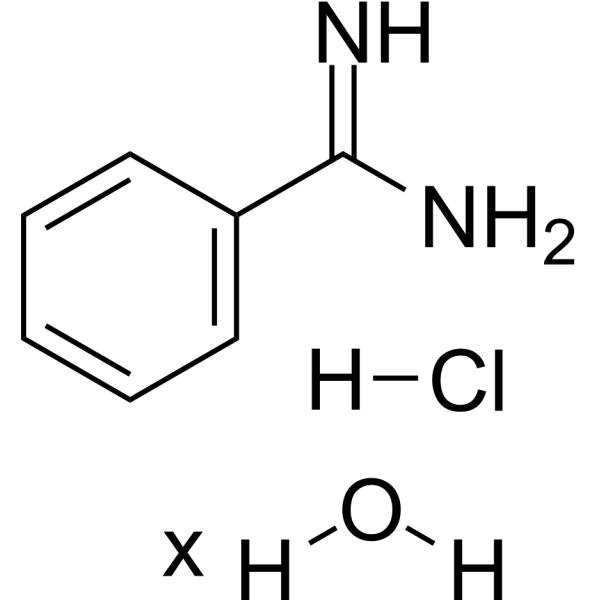
Benzamidine (Benzenecarboximidamide) hydrochloride hydrate is a competitive protease inhibitor that blocks the hydrolytic cleavage of glucagon by plasmin, trypsin and thrombin. Benzamidine hydrochloride hydrate effectively inhibits the degradation of glucagon by relevant proteases during the collection, storage and analysis of human plasma and blood samples. During in vivo metabolism, Benzamidine hydrochloride hydrate undergoes N-hydroxylation and produces multiple metabolites, exhibiting characteristics of delayed excretion or biphasic elimination. Benzamidine hydrochloride hydrate only induces slight single-strand DNA breaks at high concentrations and shows no significant genotoxic potential overall. Benzamidine hydrochloride hydrate may interfere with the detection of some glucagon antisera, but does not affect key antigen-antibody affinity at specific concentrations. Benzamidine hydrochloride hydrate can be used as a stabilizer in glucagon radioimmunoassays to ensure the accuracy and recovery rate of detection results .
|
-
- HY-W129513
-
|
|
Biochemical Assay Reagents
|
Others
|
|
Sorbitan monopalmitate is a food-grade, non-ionic emulsifier that exhibits oral activity. Sorbitan monopalmitate functions as a crystallization modifier, promoting the aggregation of spherical mango butter crystals, introducing lattice defects, and regulating the crystallization rate of mango butter. Sorbitan monopalmitate serves as a component of precursor vesicle gels, enabling the controlled and sustained release of drugs and facilitating the preparation of stable transdermal delivery formulations .
|
-
- HY-400849
-
|
|
Drug Intermediate
|
Others
|
|
Losartan impurity 14 (Compound I) is a Losartan (HY-17512) impurity containing an azido group. Losartan impurity 14 can be converted into an amino compound via organophosphorus reagents .
|
-
- HY-W128705
-
|
3-Phenyl-1H-indole
|
Bacterial
|
Infection
|
|
3-Phenylindole (3-phenyl-1H-indole) is an indole compound. 3-Phenylindole exhibits weak anti-tuberculosis activity with an MIC of 129.4 μM. 3-Phenylindole can be utilized in anti-tuberculosis research .
|
-
- HY-W018781R
-
|
|
Reference Standards
Ser/Thr Protease
|
Cancer
|
|
Benzamidine hydrochloride (Standard) is the analytical standard of Benzamidine (hydrochloride). This product is intended for research and analytical applications. Benzamidine hydrochloride is a competitive protease inhibitor that blocks the hydrolytic cleavage of glucagon by plasmin, trypsin and thrombin. Benzamidine hydrochloride effectively inhibits the degradation of glucagon by relevant proteases during the collection, storage and analysis of human plasma and blood samples. During in vivo metabolism, Benzamidine hydrochloride undergoes N-hydroxylation and produces multiple metabolites, exhibiting characteristics of delayed excretion or biphasic elimination. Benzamidine hydrochloride only induces slight single-strand DNA breaks at high concentrations and shows no significant genotoxic potential overall. Benzamidine hydrochloride may interfere with the detection of some glucagon antisera, but does not affect key antigen-antibody affinity at specific concentrations. Benzamidine hydrochloride can be used as a stabilizer in glucagon radioimmunoassays to ensure the accuracy and recovery rate of detection results .
|
-
- HY-119976R
-
|
|
Reference Standards
Apoptosis
Fungal
Mitochondrial Metabolism
Succinate Dehydrogenase
|
Infection
|
|
Boscalid (Standard) is the analytical standard of Boscalid. This product is intended for research and analytical applications. Boscalid is a succinate dehydrogenase (SDHI) inhibitor with antifungal activity. Boscalid binds to the ubiquinone-binding site of fungal mitochondrial complex II, blocks ATP production and aerobic respiration, exhibits good control efficacy against a variety of plant fungal diseases including gray mold, sclerotinia rot and powdery mildew, and is widely used for disease control in agriculture. Boscalid induces apoptosis, altered lipid metabolism, mitochondrial dysfunction, respiratory impairment, oxidative stress, ROS accumulation and neurodevelopmental disorders in zebrafish. Boscalid reduces foraging ability, shortens median death time and causes chronic toxicity in exposed honeybees. Boscalid also possesses genotoxicity, cytotoxicity, elevated mitochondrial superoxide levels and early-stage apoptosis .
|
-
- HY-128371
-
|
|
Biochemical Assay Reagents
|
Others
|
|
2-Methylhexanoic acid is a saturated branched-chain carboxylic acid with a strong "fatty" or "oily" odor. At high concentrations, it is often described as having the smell of lard, chicken fat or sweat; when diluted, it exhibits a dairy, cream or cheese aroma. Therefore, it is commonly used in the formulation of milk, meat (pork/chicken) and baked food flavors. 2-Methylhexanoic acid occurs naturally in fresh apples, cheese, grape brandy, lamb, potatoes and tea .
|
-
- HY-N4183
-
|
|
Apoptosis
Caspase
Estrogen Receptor/ERR
|
Cardiovascular Disease
Infection
|
|
Licoflavone C is a broad-spectrum antiviral inhibitor with estrogen-like properties. Licoflavone C binds to viral endonuclease (CEN) and inhibits the replication of various bunyaviruses including severe fever with thrombocytopenia syndrome virus (SFTSV) and lymphocytic choriomeningitis virus in a non-substrate competitive manner. The IC50 values of Licoflavone C against SFTSV CEN and SFTSV CEN are 35.5 μM and 135.8 μM, respectively, and its Kd value against SFTSV CEN is 9.53 μM. After viral entry into cells, Licoflavone C reduces viral loads in mouse tissues in a dose-dependent manner, and exhibits extremely low cytotoxicity and genotoxicity. Licoflavone C induces apoptosis by increasing caspase 3/7 activity, blocks the cell cycle, and alleviates chemotherapy-induced chromosomal damage. Licoflavone C is applicable to the research on severe fever with thrombocytopenia syndrome and related viral infection mechanisms .
|
-
- HY-Y0496S
-
|
|
Isotope-Labeled Compounds
Insecticide
|
Others
|
|
1,4-Dichlorobenzene-d4 is the deuterium labeled 1,4-Dichlorobenzene. 1,4-Dichlorobenzene is a non-genotoxic, orally active mitogenic/tumor-promoting carcinogen that is also widely used as a dye, resin intermediate, and deodorant, moth repellent/insecticide. 1,4-Dichlorobenzene induces liver tumors in mice and promotes the growth of spontaneous precancerous lesions, but shows no liver tumor-inducing activity in F344 rats. 1,4-Dichlorobenzene increases the levels of white blood cell count, serum alanine aminotransferase and blood urea nitrogen in occupationally exposed populations. 1,4-Dichlorobenzene is metabolized to 2,5-dichlorophenol and excreted in urine, and this metabolite can serve as a biomarker for 1,4-Dichlorobenzene exposure. Due to its specific hepatotoxic characteristics, 1,4-Dichlorobenzene is applicable to liver cancer-related research .
|
-
- HY-B1120
-
|
Temefos
|
Insecticide
Cholinesterase (ChE)
Dengue Virus
Flavivirus
|
Infection
|
Temephos (Temefos) is an orally active, blood-brain barrier-permeable organophosphate insecticide and AChE inhibitor. By irreversibly inhibiting AChE to induce cholinergic overactivation, Temephos effectively blocks larval development of Aedes aegypti (yellow fever mosquito) and Aedes albopictus (Asian tiger mosquito), and is commonly used in studies related to Dengue Virus, Zika Virus and other relevant pathogens. Temephos exhibits genotoxicity and neurodevelopmental toxicity, and may also cause liver injury, reproductive system abnormalities and cholinergic poisoning symptoms in mammals. Temephos tends to accumulate in adipose tissues and aquatic organisms, and is excreted via feces after metabolism through oxidation and hydrolysis. Note that CYP-mediated metabolic detoxification may reduce the actual larvicidal efficacy of Temephos against some mosquito species. Temephos can be used in research related to dengue fever, Zika virus disease, chikungunya and dracunculiasis .
|
-
- HY-Y0496R
-
|
|
Reference Standards
Insecticide
|
Others
|
|
1,4-Dichlorobenzene (Standard) is the analytical standard of 1,4-Dichlorobenzene. This product is intended for research and analytical applications. 1,4-Dichlorobenzene is a non-genotoxic, orally active mitogenic/tumor-promoting carcinogen that is also widely used as a dye, resin intermediate, and deodorant, moth repellent/insecticide. 1,4-Dichlorobenzene induces liver tumors in mice and promotes the growth of spontaneous precancerous lesions, but shows no liver tumor-inducing activity in F344 rats. 1,4-Dichlorobenzene increases the levels of white blood cell count, serum alanine aminotransferase and blood urea nitrogen in occupationally exposed populations. 1,4-Dichlorobenzene is metabolized to 2,5-dichlorophenol and excreted in urine, and this metabolite can serve as a biomarker for 1,4-Dichlorobenzene exposure. Due to its specific hepatotoxic characteristics, 1,4-Dichlorobenzene is applicable to liver cancer-related research .
|
-
- HY-W715812
-
|
|
Fungal
Apoptosis
Caspase
Reactive Oxygen Species (ROS)
MDM-2/p53
SOD
Bcl-2 Family
PERK
JNK
p38 MAPK
|
Cardiovascular Disease
Infection
Endocrinology
Cancer
|
|
Bromuconazole is a triazole fungicide with oral efficacy and blood-brain barrier permeability . Bromuconazole protects crops from various fungal contaminations. Bromuconazole exhibits cytotoxicity against a variety of cancer cells, induces G0/G1 cell cycle arrest and inhibits DNA synthesis in cancer cells, and triggers cytoskeletal structural disorder, genotoxic damage, apoptotic (apoptosis) cell death, and mitochondrial membrane depolarization. Bromuconazole activates caspase-3, induces excessive production of ROS, p53 and Bax, lipid peroxidation, increased activities of SOD and CAT, and downregulates Bcl-2. By upregulating p-ERK1/2 and p-JNK, Bromuconazole disrupts the MAPK signaling pathway, impairs the cellular stress response of human trophoblast cells and endometrial cells, and damages the implantation process . Bromuconazole is applicable to research related to glioma, colon cancer, reproductive injury (implantation dysfunction), and cardiac dysfunction .
|
-
- HY-B1120R
-
|
Temefos (Standard)
|
Reference Standards
Insecticide
Cholinesterase (ChE)
Dengue Virus
Flavivirus
|
Infection
|
|
Temephos (Standard) is the analytical standard of Temephos. This product is intended for research and analytical applications. Temephos (Temefos) is an orally active, blood-brain barrier-permeable organophosphate insecticide and AChE inhibitor. By irreversibly inhibiting AChE to induce cholinergic overactivation, Temephos effectively blocks larval development of Aedes aegypti (yellow fever mosquito) and Aedes albopictus (Asian tiger mosquito), and is commonly used in studies related to Dengue Virus, Zika Virus and other relevant pathogens. Temephos exhibits genotoxicity and neurodevelopmental toxicity, and may also cause liver injury, reproductive system abnormalities and cholinergic poisoning symptoms in mammals. Temephos tends to accumulate in adipose tissues and aquatic organisms, and is excreted via feces after metabolism through oxidation and hydrolysis. Note that CYP-mediated metabolic detoxification may reduce the actual larvicidal efficacy of Temephos against some mosquito species. Temephos can be used in research related to dengue fever, Zika virus disease, chikungunya and dracunculiasis .
|
-
- HY-B1120S
-
|
Temefos-d12
|
Cholinesterase (ChE)
Dengue Virus
Flavivirus
Parasite
|
Infection
|
|
Temephos-d12 is the deuterium labeled Temephos. Temephos (Temefos) is an orally active, blood-brain barrier-permeable organophosphate insecticide and AChE inhibitor. By irreversibly inhibiting AChE to induce cholinergic overactivation, Temephos effectively blocks larval development of Aedes aegypti (yellow fever mosquito) and Aedes albopictus (Asian tiger mosquito), and is commonly used in studies related to Dengue Virus, Zika Virus and other relevant pathogens. Temephos exhibits genotoxicity and neurodevelopmental toxicity, and may also cause liver injury, reproductive system abnormalities and cholinergic poisoning symptoms in mammals. Temephos tends to accumulate in adipose tissues and aquatic organisms, and is excreted via feces after metabolism through oxidation and hydrolysis. Note that CYP-mediated metabolic detoxification may reduce the actual larvicidal efficacy of Temephos against some mosquito species. Temephos can be used in research related to dengue fever, Zika virus disease, chikungunya and dracunculiasis .
|
-
- HY-W721611
-
|
|
Herbicide
|
Others
|
|
Terbucarb is a phenylcarbamate herbicide. Terbucarb disrupts the mitotic microtubule organizing centers in plant cells, leading to the formation of multipolar spindles and branched phragmoplasts, thereby inhibiting plant growth. An "anaphase star" pattern induced by Terbucarb is observed in onion root tips. Terbucarb is cytotoxic to isolated rat hepatocytes, inducing cell death accompanied by depletion of intracellular ATP, protein thiols and glutathione .
|
-
- HY-Y1010
-
|
Glycidol
|
Drug Isomer
|
Cancer
|
|
Oxiran-2-ylmethanol (Glycidol) is an ester product. Oxiran-2-ylmethanol induces base pair point mutations in bacterial strains and structural chromosome aberrations in cultured cells. Oxiran-2-ylmethanol forms N-(2,3-dihydroxypropyl)valine hemoglobin adducts. Oxiran-2-ylmethanol acts as an animal carcinogen but does not significantly induce micronucleated immature erythrocytes in animal bone marrow. Oxiran-2-ylmethanol enables anionic polymerization to produce linear poly(glycidol). Oxiran-2-ylmethanol can be used for cancer-related research .
|
-
| Cat. No. |
Product Name |
Type |
-
- HY-D0257
-
|
Acid Yellow 23; FD&C Yellow No. 5
|
Fluorescent Dye
|
|
Tartrazine (Acid Yellow 23; FD&C Yellow No. 5) is an orally active azo acid dye, orange-yellow powder, soluble in water and turns yellow. Tartrazine is mainly used as a synthetic lemon yellow azo dye for food coloring. Tartrazine is the most stable colorant.Tartrazine induces mitochondria-mediated Apoptosis. Tartrazine can cause neurodevelopmental toxicity, cytotoxicity, and genotoxicity .
|
-
- HY-D0211
-
|
|
Fluorescent Dye
|
|
Phenolphthalein is an acid-base indicator that is colorless in an acidic environment and pink in an alkaline environment. Phenolphthalein is genotoxic and potentially carcinogenic to mice. In addition, phenolphthalein is also a blood indicator .
|
-
- HY-Y0695
-
|
Naphthol Blue Black
|
Fluorescent Dye
|
|
Amido Black 10B (Naphthol Blue Black) is a highly toxic azo dye. Amido Black 10B is genotoxic and mutagenic. Amido Black 10B can cause respiratory problems. Amido Black 10B is used for amino acid dyeing .
|
-
- HY-D0249
-
|
Orange Yellow S; Food Yellow 3; CI 15985
|
Fluorescent Dye
|
|
Sunset Yellow FCF (Orange Yellow S) is an orange azo dye with a maximum absorption wavelength of 480 nm. Sunset Yellow FCF can be used in food, cosmetics and pharmaceuticals .
|
-
- HY-D0342
-
|
|
Fluorescent Dye
|
|
Disperse Red 1, an azobenzene derivative, is an azo textile dye extensively used for dyeing polyester fabrics in textile industry .
|
-
- HY-D0249R
-
|
Orange Yellow S (Standard); Food Yellow 3 (Standard); CI 15985 (Standard)
|
Fluorescent Dye
|
|
Sunset Yellow FCF (Standard) is the analytical standard of Sunset Yellow FCF. This product is intended for research and analytical applications. Sunset Yellow FCF (Orange Yellow S) is an orange azo dye with a maximum absorption wavelength of 480 nm. Sunset Yellow FCF can be used in food, cosmetics and pharmaceuticals .
|
-
- HY-D3153
-
|
|
Fluorescent Dye
|
|
PbQ is a tubulin inhibitor (with an IC50 of 5 μM against goat tubulin) and a fluorescent probe for cuprous ions Cu (I). PbQ can penetrate the membrane of peripheral blood mononuclear cells, form a stable 1:1 complex with Cu + ions, and exhibits low toxicity and good biocompatibility toward macrophage cell lines. In addition, PbQ promotes tubulin degradation and disrupts the microtubule network in lung epithelial cells without affecting actin. PbQ also possesses genotoxicity by forming DNA base adducts, and it can activate caspase-3 and apoptosis-related genes, induce loss of mitochondrial membrane potential, and trigger cell apoptosis. PbQ can be used in studies related to chronic obstructive pulmonary disease .
|
| Cat. No. |
Product Name |
Type |
-
- HY-119976
-
|
|
Biochemical Assay Reagents
|
|
Boscalid is a succinate dehydrogenase (SDHI) inhibitor with antifungal activity. Boscalid binds to the ubiquinone-binding site of fungal mitochondrial complex II, blocks ATP production and aerobic respiration, exhibits good control efficacy against a variety of plant fungal diseases including gray mold, sclerotinia rot and powdery mildew, and is widely used for disease control in agriculture. Boscalid induces apoptosis, altered lipid metabolism, mitochondrial dysfunction, respiratory impairment, oxidative stress, ROS accumulation and neurodevelopmental disorders in zebrafish. Boscalid reduces foraging ability, shortens median death time and causes chronic toxicity in exposed honeybees. Boscalid also possesses genotoxicity, cytotoxicity, elevated mitochondrial superoxide levels and early-stage apoptosis .
|
-
- HY-B1024
-
|
DL-Pantothenol; DL-Pantothenyl alcohol
|
Biochemical Assay Reagents
|
|
DL-Panthenol (DL-Pantothenol) is a precursor of pantothenic acid. DL-Panthenol easily penetrates the skin and has effects of deep moisturizing, promoting wound healing and anti-inflammation. DL-Panthenol can also be used as a hair conditioner in cosmetics. DL-Panthenol has low acute toxicity, non-sensitizing property, and no significant genotoxicity or reproductive and developmental toxicity. DL-Panthenol can be applied to the research of cosmetics .
|
-
- HY-W007577
-
|
|
Biochemical Assay Reagents
|
|
4-Nitrobenzaldehyde is a widely used industrial chemical intermediate and also the main photodegradation product of the broad-spectrum antibiotic Chloramphenicol (HY-B0239). 4-Nitrobenzaldehyde has genotoxic and mutagenic effects and poses a certain threat to human health and ecosystems .
|
-
- HY-W087937
-
|
Benzenecarboximidamide hydrochloride hydrate
|
Biochemical Assay Reagents
|
Benzamidine (Benzenecarboximidamide) hydrochloride hydrate is a competitive protease inhibitor that blocks the hydrolytic cleavage of glucagon by plasmin, trypsin and thrombin. Benzamidine hydrochloride hydrate effectively inhibits the degradation of glucagon by relevant proteases during the collection, storage and analysis of human plasma and blood samples. During in vivo metabolism, Benzamidine hydrochloride hydrate undergoes N-hydroxylation and produces multiple metabolites, exhibiting characteristics of delayed excretion or biphasic elimination. Benzamidine hydrochloride hydrate only induces slight single-strand DNA breaks at high concentrations and shows no significant genotoxic potential overall. Benzamidine hydrochloride hydrate may interfere with the detection of some glucagon antisera, but does not affect key antigen-antibody affinity at specific concentrations. Benzamidine hydrochloride hydrate can be used as a stabilizer in glucagon radioimmunoassays to ensure the accuracy and recovery rate of detection results .
|
-
- HY-W007577R
-
|
|
Biochemical Assay Reagents
|
|
4-Nitrobenzaldehyde (Standard) is the analytical standard of 4-Nitrobenzaldehyde (HY-W007577). This product is intended for research and analytical applications. 4-Nitrobenzaldehyde is a widely used industrial chemical intermediate and also the main photodegradation product of the broad-spectrum antibiotic Chloramphenicol (HY-B0239). 4-Nitrobenzaldehyde has genotoxic and mutagenic effects and poses a certain threat to human health and ecosystems .
|
-
- HY-119976R
-
|
|
Biochemical Assay Reagents
|
|
Boscalid (Standard) is the analytical standard of Boscalid. This product is intended for research and analytical applications. Boscalid is a succinate dehydrogenase (SDHI) inhibitor with antifungal activity. Boscalid binds to the ubiquinone-binding site of fungal mitochondrial complex II, blocks ATP production and aerobic respiration, exhibits good control efficacy against a variety of plant fungal diseases including gray mold, sclerotinia rot and powdery mildew, and is widely used for disease control in agriculture. Boscalid induces apoptosis, altered lipid metabolism, mitochondrial dysfunction, respiratory impairment, oxidative stress, ROS accumulation and neurodevelopmental disorders in zebrafish. Boscalid reduces foraging ability, shortens median death time and causes chronic toxicity in exposed honeybees. Boscalid also possesses genotoxicity, cytotoxicity, elevated mitochondrial superoxide levels and early-stage apoptosis .
|
| Cat. No. |
Product Name |
Target |
Research Area |
-
- HY-P11334
-
|
|
Aminopeptidase
Phosphatase
Angiotensin-converting Enzyme (ACE)
DNA/RNA Synthesis
|
Cancer
|
|
Cyanostatin B, a cyanobacterial lipopeptide, is a leucine aminopeptidase M (LAP) inhibitor (IC50 = 12 ng/mL). Cyanostatin B is a weak inhibitor of protein phosphatase (PP2A) and also exhibits weak inhibitory activity against angiotensin-converting enzyme (ACE), with an IC50 value of 130 μg/mL. Cyanostatin B demonstrates both cytotoxic and genotoxic effects on human hepatocytes, although non-toxic to Artemia salina. Cyanostatin B inhibits the proliferation of HepG2 cells, induces DNA single-strand breaks, and causes genomic instability. .
|
| Cat. No. |
Product Name |
Category |
Target |
Chemical Structure |
-
- HY-113466
-
-
-
- HY-N6739
-
-
-
- HY-124489
-
-
-
- HY-113283
-
|
|
Structural Classification
Other disease
Classification of Application Fields
Ketones, Aldehydes, Acids
Disease markers
Phenols
Polyphenols
Metabolic Disease
Endogenous metabolite
Disease Research Fields
|
Amyloid-β
Natriuretic Peptide Receptor (NPR)
α-synuclein
Transthyretin (TTR)
Claudin
|
|
Homogentisic acid is an orally active, blood-brain barrier-permeable amyloidogenic compound that functions as both an amyloid component and a pigment precursor. Accumulation of homogentisic acid downregulates tight junction proteins (such as claudin-5, occludin, ZO-1) and impairs blood-brain barrier integrity. Homogentisic acid and its oxidation product benzoquinone acetic acid not only induce the aggregation and fibrosis of multiple proteins (such as Aβ1-42, α-synuclein, SAA, Transthyretin (TTR), atrial natriuretic peptide), but also trigger oxidative stress, damage to the Wnt/β-catenin pathway, and neurotoxicity, leading to ochronosis pigment deposition and synaptic dysfunction. At specific concentrations, homogentisic acid exerts no cytotoxicity or genotoxicity on human peripheral blood lymphocytes, and even counteracts the genotoxicity induced by Irinotecan (HY-16562). Homogentisic acid serves as an important tool molecule for investigating the mechanisms of diseases including ochronosis, secondary amyloidosis, Alzheimer's disease, and colorectal cancer .
|
-
-
- HY-N2081
-
-
-
- HY-Y1644
-
|
(E)-2-Butenoic acid; trans-2-Butenoic acid; trans-Crotonic acid
|
Classification of Application Fields
Ketones, Aldehydes, Acids
Metabolic Disease
Endogenous metabolite
Disease Research Fields
Source Classification
|
Endogenous Metabolite
|
|
NSC 8751 (trans-2-Butenoic acid; trans-Crotonic acid) is an unsaturated carboxylic acid compound containing α,β-unsaturated carboxylic acid groups. NSC 8751 is one of the important analogs for evaluating the safety of fragrance ingredients and is used to evaluate the toxicological properties of compounds with similar structures. When NSC 8751 is applied to local lymph nodes, a 50% concentration does not cause skin sensitization. Structural analogs of NSC 8751 have been shown to be non-genotoxic. trans-Crotonic acid can be used in the preparation of cosmetics and food additives .
|
-
-
- HY-125098
-
-
-
- HY-N4183
-
|
|
Structural Classification
Flavonoids
Classification of Application Fields
Flavones
Leguminosae
Phenols
Polyphenols
Plants
Glycyrrhiza uralensis Fisch.
Disease Research Fields
Source Classification
Cancer
|
Apoptosis
Caspase
Estrogen Receptor/ERR
|
|
Licoflavone C is a broad-spectrum antiviral inhibitor with estrogen-like properties. Licoflavone C binds to viral endonuclease (CEN) and inhibits the replication of various bunyaviruses including severe fever with thrombocytopenia syndrome virus (SFTSV) and lymphocytic choriomeningitis virus in a non-substrate competitive manner. The IC50 values of Licoflavone C against SFTSV CEN and SFTSV CEN are 35.5 μM and 135.8 μM, respectively, and its Kd value against SFTSV CEN is 9.53 μM. After viral entry into cells, Licoflavone C reduces viral loads in mouse tissues in a dose-dependent manner, and exhibits extremely low cytotoxicity and genotoxicity. Licoflavone C induces apoptosis by increasing caspase 3/7 activity, blocks the cell cycle, and alleviates chemotherapy-induced chromosomal damage. Licoflavone C is applicable to the research on severe fever with thrombocytopenia syndrome and related viral infection mechanisms .
|
-
-
- HY-N6714
-
-
-
- HY-W012657
-
-
-
- HY-N8022
-
-
-
- HY-N2627
-
-
-
- HY-W001189
-
-
-
- HY-N12851
-
|
(E)-4-Oxo-2-hexenal
|
Structural Classification
Animals
Ketones, Aldehydes, Acids
Source Classification
|
Bacterial
Apoptosis
|
|
4-OHE ((E)-4-Oxo-2-hexenal) is a mutagen formed by omega-3 lipid peroxidation. 4-OHE reacts with deoxyguanosine, deoxycytidine and 5-methyldeoxycytidine to form covalent adducts. 4-OHE induces apoptosis and exhibits genotoxicity. 4-OHE inhibits the growth of Gram-positive and Gram-negative bacteria, which correlates with its electrophilic reactivity towards nucleophilic biomolecules. 4-OHE is a chemical defense component of Dolycoris baccarum (sloe bug), and acts as a deterrent and toxin against insect predators .
|
-
-
- HY-119635
-
-
-
- HY-116108
-
-
-
- HY-129247
-
-
-
- HY-N11845
-
-
-
- HY-W017562
-
-
-
- HY-121345
-
-
-
- HY-N2081R
-
|
|
Alkaloids
Structural Classification
Rutaceae
Quinoline Alkaloids
Plants
Skimmia reevesiana Fort.
Source Classification
|
Reference Standards
Cholinesterase (ChE)
PI3K
Akt
NF-κB
|
|
Skimmianine (Standard) is the analytical standard of Skimmianine. This product is intended for research and analytical applications. Skimmianine is an orally active furoquiniline alkaloid present mainly in the Rutaceae family. Skimmianine has analgesic, antispastic, sedative, and anti-inflammatory properties. Skimmianine inhibits acetylcholinesterase (AChE) (IC50 = 8.6 μg/mL). Skimmianine exhibits cytotoxicity against a variety of cancer cell lines and genotoxicity. Skimmianine has antioxidant and anti-inflammatory effects on ischemia-reperfusion (IR) injury. Skimmianine exerts anti-inflammatory effects through activation of the phosphatidylinositol-3-kinase (PI3K)-protein kinase B (AKT) pathway. Skimmianine is neuroprotective by targeting the NF-κB activation pathway to prevent neuroinflammation. Skimmianine inhibits the release of histamine, intracellular Ca 2+ signaling and protein kinase C signaling .
|
-
-
- HY-N6714R
-
-
-
- HY-122099
-
-
-
- HY-W001189R
-
-
-
- HY-124489R
-
-
-
- HY-126841
-
|
|
Microorganisms
Phenols
Source Classification
|
Photosensitizer
|
|
5-Methoxysterigmatocystin is a mycotoxin with cytotoxic and genotoxic properties. 5-Methoxysterigmatocystin exhibits cytotoxicity against cancer cells A549 and HepG2 (IC50 of 5.5 and 0.7 μM), and induces DNA damage. 5-Methoxysterigmatocystin is a photosensitizer, which utilizes the visible to generate singlet oxygen ( 1O2) .
|
-
-
- HY-113466R
-
-
-
- HY-W012657R
-
-
| Cat. No. |
Product Name |
Chemical Structure |
-
- HY-B1244S
-
1 Publications Verification
|
|
Dimetridazole-d3 (1,2-Dimethyl-5-nitroimidazole-d3) is a deuterium labeled Dimetridazole (HY-B1244). Dimetridazole is a nitroimidazole antibiotic. Dimetridazole inhibits protein synthesis in cultures of Campylobacter jejuni. Dimetridazole is genotoxic. Dimetridazole can be used in the research of protozoal and bacterial infections .
|
-
-
- HY-N6739S
-
|
|
|
Beauvericin- 13C45 is 13C labeled Beauvericin (HY-N6739). Beauvericin is a cyclohexapeptide Fusarium toxin with insecticidal, antibacterial, anticancer, antiviral and cytotoxic activities. Beauvericin causes cellular genotoxicity by producing DNA breaks, chromosomal aberrations and micronuclei, and inhibits the PI3K/AKT pathway to induce apoptosis, thereby inhibiting the growth of HCC. In addition, Beauvericin affects immune function by inhibiting lymphocyte proliferation and interfering with the differentiation process of human monocytes into macrophages .
|
-
-
- HY-W653896
-
|
|
|
Alternariol-d2 is deuterium labeled Alternariol. Alternariol is an orally ingested mycotoxin produced by Alternaria, capable of inhibiting the activity of topoisomerase I and II (topoisomerase I, topoisomerase II). Alternariol has weak estrogenic (Estrogen Receptor/ERR) and androgen/antiandrogen (Androgen Receptor) effects. Alternariol can induce apoptosis, trigger cell cycle arrest, suppress innate immune responses, and exhibit anti-tumor activity. Alternariol has genotoxic, mutagenic, and endocrine-disrupting effects .
|
-
-
- HY-Y0496S
-
|
|
|
1,4-Dichlorobenzene-d4 is the deuterium labeled 1,4-Dichlorobenzene. 1,4-Dichlorobenzene is a non-genotoxic, orally active mitogenic/tumor-promoting carcinogen that is also widely used as a dye, resin intermediate, and deodorant, moth repellent/insecticide. 1,4-Dichlorobenzene induces liver tumors in mice and promotes the growth of spontaneous precancerous lesions, but shows no liver tumor-inducing activity in F344 rats. 1,4-Dichlorobenzene increases the levels of white blood cell count, serum alanine aminotransferase and blood urea nitrogen in occupationally exposed populations. 1,4-Dichlorobenzene is metabolized to 2,5-dichlorophenol and excreted in urine, and this metabolite can serve as a biomarker for 1,4-Dichlorobenzene exposure. Due to its specific hepatotoxic characteristics, 1,4-Dichlorobenzene is applicable to liver cancer-related research .
|
-
-
- HY-W776973
-
|
|
|
Glycidamide- 13C3 (Oxiranecarboxamide- 13C3) is the 13C-labeled Glycidamide (HY-119329). Glycidamide is the genotoxic metabolite of Acrylamide. Glycidamide can react with proteins, such as hemoglobin, or with DNA, and induces genotoxic effects .
|
-
-
- HY-136375S
-
|
|
|
Cyanazine-d5 is deuterium labeled Cyanazine. Cyanazine, a triazine herbicide cyanazine, is used to control a variety of grass weeds and broadleaf weed. Cyanazine is proved non-genotoxic .
|
-
-
- HY-W612269S
-
|
|
|
Isonicotinoyl chloride-d4 is the deuterated labeled Isonicotinoyl chloride (HY-W612269). N-Acetylglycine (Aceturic acid) is a minor constituent of numerous foods with no genotoxicity or acute toxicity. N-acetylglycine is used in biological research of peptidomimetics .
|
-
-
- HY-136440S1
-
|
|
|
Hydroxymetronidazole-d2 is the deuterium labeled Hydroxymetronidazole(HY-136440).Hydroxymetronidazole (Metronidazole-OH) is a metabolite of Metronidazole belonging to the class of nitroimidazoles. Hydroxymetronidazole can be used for the research of certain bacterial and protozoal diseases in poultry, swine dysentery and genital trichomoniasis in cattle .
|
-
-
- HY-124489S1
-
|
|
|
2-Hydroxyestradiol-d5 is the deuterium labeled 2-Hydroxyestradiol. 2-Hydroxyestradiol, a metabolite of 17β-estradiol with minimal estrogenic activity, possesses antioxidant effects and reacts with DNA to form stable adducts and exerts genotoxicity[ .
|
-
-
- HY-124489S
-
|
|
|
2-Hydroxyestradiol- 13C6 is the 13C-labeled 2-Hydroxyestradiol. 2-Hydroxyestradiol, a metabolite of 17β-estradiol with minimal estrogenic activity, possesses antioxidant effects and reacts with DNA to form stable adducts and exerts genotoxicity .
|
-
-
- HY-W100026S
-
|
|
|
Galaxolide-d6 (mixture of diastereomers) (>80%) is the deuterium labeled Galaxolide (HY-W100026). Galaxolide can induce estrogenic activity (Estrogen Receptor/ERR), trigger oxidative stress and genotoxicity, and induce EROD and GST (Glutathione S-transferase) enzyme activity .
|
-
-
- HY-W001189S
-
|
|
|
1,3-Dithiane-d2 is the deuterium labeled 1,3-Dithiane (HY-W001189). 1,3-Dithiane is a protected formaldehyde anion equivalent and a sulfur-containing Maillard reaction product. 1,3-Dithiane is found in cooked beef extracts. 1,3-Dithiane is a potent mutagenic agent against S. typhimurium TA98 and TA100. 1,3-Dithiane can be used as a useful marker synthon .
|
-
-
- HY-121267S1
-
|
|
|
Dicamba-d3 is the deuterium labeled Dicamba (HY-121267 ) . Dicamba is a herbicide. Dicamba is currently used in agriculture and gardening to control the growth of different unwanted vegetable species, mainly in cereal grain crops, but also on sugar cane and soybeans, among others. Dicambais induces significant DNA damage. Dicambais induces genotoxicity and cytotoxicity .
|
-
-
- HY-121267S
-
|
|
|
Dicamba- 13C6 is the 13C labeled Dicamba (HY-121267). Dicamba is a herbicide. Dicamba is currently used in agriculture and gardening to control the growth of different unwanted vegetable species, mainly in cereal grain crops, but also on sugar cane and soybeans, among others. Dicambais induces significant DNA damage. Dicambais induces genotoxicity and cytotoxicity .
|
-
-
- HY-W756607
-
|
|
|
6-Acetyl-1,1,2,4,4,7-hexamethyltetraline-d11 is the deuterium labeled 6-Acetyl-1,1,2,4,4,7-hexamethyltetraline (HY-W011817). 6-Acetyl-1,1,2,4,4,7-hexamethyltetraline (AHTN) is a synthetic fragrance ingredient that is not significantly genotoxic in mammalian systems .
|
-
-
- HY-W654296
-
|
|
|
Octocrylene- 13C3 is the 13C-labeled Octocrylene (HY-A0087). Octocrylene is an organic ultraviolet (UV) filter that absorbs mainly UVB radiation and shorter UVA wavelengths. Octocrylene acts as a partial agonist of PPARγ, which alters the gene transcription profile of lipid metabolism enzymes. In addition, Octocrylene is cytotoxic and genotoxic to human skin fibroblasts and mediates the biosynthesis of estrogens such as estriol in zebrafish larvae, while affecting antioxidant pathways including glutathione transferase and peroxisomes .
|
-
-
- HY-119976S
-
|
|
|
Boscalid-d4 is the deuterium labeled Boscalid. Boscalid is a succinate dehydrogenase (SDHI) inhibitor with antifungal activity. Boscalid binds to the ubiquinone-binding site of fungal mitochondrial complex II, blocks ATP production and aerobic respiration, exhibits good control efficacy against a variety of plant fungal diseases including gray mold, sclerotinia rot and powdery mildew, and is widely used for disease control in agriculture. Boscalid induces apoptosis, altered lipid metabolism, mitochondrial dysfunction, respiratory impairment, oxidative stress, ROS accumulation and neurodevelopmental disorders in zebrafish. Boscalid reduces foraging ability, shortens median death time and causes chronic toxicity in exposed honeybees. Boscalid also possesses genotoxicity, cytotoxicity, elevated mitochondrial superoxide levels and early-stage apoptosis .
|
-
-
- HY-B1120S
-
|
|
|
Temephos-d12 is the deuterium labeled Temephos. Temephos (Temefos) is an orally active, blood-brain barrier-permeable organophosphate insecticide and AChE inhibitor. By irreversibly inhibiting AChE to induce cholinergic overactivation, Temephos effectively blocks larval development of Aedes aegypti (yellow fever mosquito) and Aedes albopictus (Asian tiger mosquito), and is commonly used in studies related to Dengue Virus, Zika Virus and other relevant pathogens. Temephos exhibits genotoxicity and neurodevelopmental toxicity, and may also cause liver injury, reproductive system abnormalities and cholinergic poisoning symptoms in mammals. Temephos tends to accumulate in adipose tissues and aquatic organisms, and is excreted via feces after metabolism through oxidation and hydrolysis. Note that CYP-mediated metabolic detoxification may reduce the actual larvicidal efficacy of Temephos against some mosquito species. Temephos can be used in research related to dengue fever, Zika virus disease, chikungunya and dracunculiasis .
|
-
| Cat. No. |
Product Name |
|
Classification |
-
- HY-119578
-
|
|
|
Alkynes
|
|
Imiprothrin is an inducer that induces CYP1A2 and metallothionein 1a, with significant genotoxicity and cytotoxicity. In rat hepatocytes, Imiprothrin initiates detoxification responses by triggering the overexpression of these two genes. Imiprothrin induces chromosomal aberrations and micronucleus formation in rat bone marrow cells, and causes DNA damage in hepatocytes. Imiprothrin triggers oxidative stress in rats, leading to lipid peroxidation, excessive reactive oxygen species production and redox imbalance, which in turn impairs liver and kidney functions and causes tissue damage. Imiprothrin inhibits weight gain in mice, and even causes high mortality in female mice at high doses. However, it shows no carcinogenicity in rat experiments; among relevant indicators, aspartate aminotransferase and total protein are identified as sensitive toxicity biomarkers .
|
| Cat. No. |
Product Name |
|
Classification |
-
- HY-112974
-
|
GSK-2998728; ISIS-420915
|
|
Antisense Oligonucleotides
|
|
Inotersen (GSK-2998728; ISIS-420915) is a 2'-O-methoxyethyl-modified antisense oligonucleotide and transthyretin (TTR) inhibitor with low genotoxicity. Inotersen triggers RNase H1-mediated degradation by binding to TTR mRNA, thereby effectively reducing the production of both mutant and wild-type transthyretin in the liver. Inotersen significantly reduces amyloid fiber deposition, yet specific toxicities such as inflammation or tumors are observed at high doses in some animal models. Inotersen is used in studies of hereditary transthyretin amyloidosis and the associated polyneuropathy and cardiomyopathy .
|
-
- HY-W129513
-
|
|
|
Emulsifiers
Surfactants
|
|
Sorbitan monopalmitate is a food-grade, non-ionic emulsifier that exhibits oral activity. Sorbitan monopalmitate functions as a crystallization modifier, promoting the aggregation of spherical mango butter crystals, introducing lattice defects, and regulating the crystallization rate of mango butter. Sorbitan monopalmitate serves as a component of precursor vesicle gels, enabling the controlled and sustained release of drugs and facilitating the preparation of stable transdermal delivery formulations .
|
Your information is safe with us. * Required Fields.
Inquiry Information
- Product Name:
- Cat. No.:
- Quantity:
- MCE Japan Authorized Agent:

