Search Result
Results for "
hacat
" in MedChemExpress (MCE) Product Catalog:
13
Biochemical Assay Reagents
10
Isotope-Labeled Compounds
| Cat. No. |
Product Name |
Target |
Research Areas |
Chemical Structure |
-
- HY-N1428
-
-
-
- HY-W028393
-
-
-
- HY-B2201
-
-
-
- HY-N1428S1
-
-
-
- HY-P3161
-
|
|
HSV
|
Infection
Inflammation/Immunology
Cancer
|
|
Lactoferrin from Bovine milk is a substance released by neutrophils. Lactoferrin from Bovine milk is an orally active multifunctional iron binding glycoprotein. Lactoferrin from Bovine milk prevents cell adhesion, growth and spreading of cell colonies. Lactoferrin from Bovine milk also has antiviral activity and inhibits microbial and viral adhesion and entry into host cells. Besides, Lactoferrin from Bovine milk has anti-inflammatory, immunomodulatory, and anti-cancer activities .
|
-
-
- HY-N1428A
-
-
-
- HY-N0638
-
-
-
- HY-N1428S
-
-
-
- HY-W009156
-
-
-
- HY-N0611
-
|
α-Boswellic acid
|
Others
|
Neurological Disease
Inflammation/Immunology
Cancer
|
|
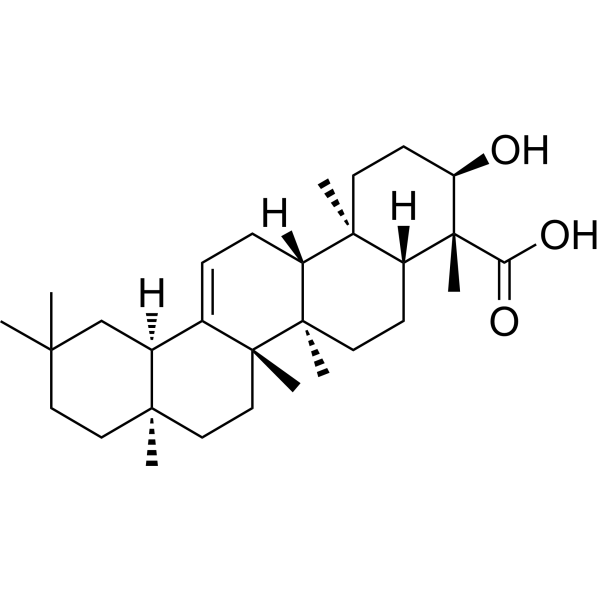
alpha-Boswellic acid (α-Boswellic acid) is an orally active pentacyclic triterpenoid compound that can be extracted from frankincense. alpha-Boswellic acid has anti-inflammatory and antitumor activities. alpha-Boswellic acid can be used in Alzheimer's disease (AD) research .
|
-
-
- HY-P0097
-
|
Melanostatine-5
|
Melanocortin Receptor
|
Metabolic Disease
Endocrinology
Cancer
|
|
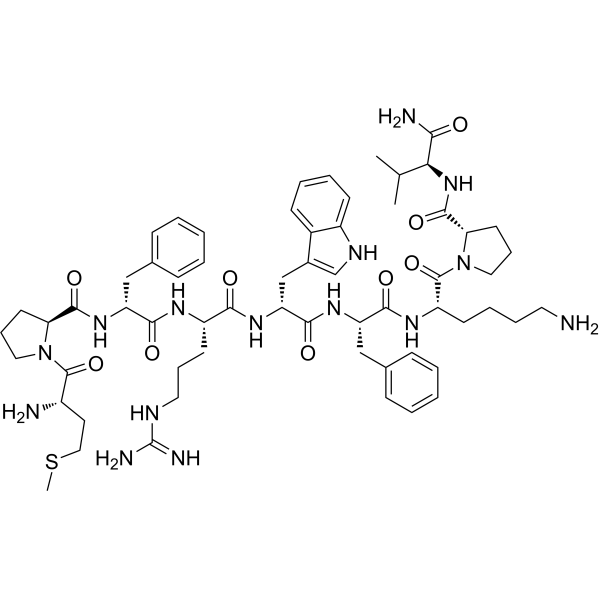
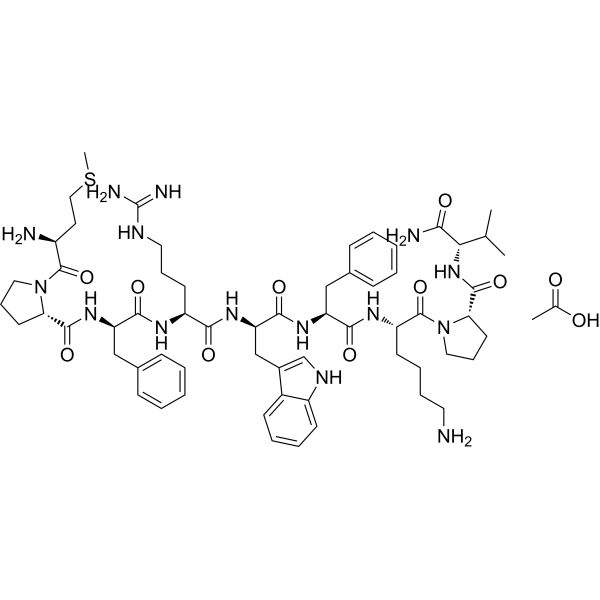
Nonapeptide-1 (Melanostatine-5), a peptide hormone, is a selective antagonist of MC1R (Ki: 40 nM). Nonapeptide-1 is a competitive α-MSH antagonist that potently inhibits intracellular cAMP and melanosome dispersion induced by α-MSH in melanocytes (IC50: 2.5 nM and 11 nM, respectively). Nonapeptide-1 inhibits melanin synthesis, and can be used in the research of skin pigmentation and regulation of steroid production in the adrenal gland, skin cancer .
|
-
-
- HY-171006
-
|
|
Caspase
PARP
Pyroptosis
Interleukin Related
IFNAR
|
Infection
Inflammation/Immunology
|
|
IRF1-IN-1 (Compound I-2) is an IRF1 inhibitor. IRF1-IN-1 decreases the recruitment of IRF1 to the promoter of CASP1. IRF1-IN-1 inhibits cell death signaling pathway (i.e., cleavage of Caspase 1, GSDMD, IL-1 and PARP1). IRF1-IN-1 has a protective effect on ionizing radiation-induced inflammatory skin injury .
|
-
-
- HY-N2736
-
|
|
Beta-lactamase
COX
Interleukin Related
Bacterial
JNK
ERK
p38 MAPK
STAT
Apoptosis
NO Synthase
Nuclear Factor of activated T Cells (NFAT)
Lactate Dehydrogenase
Reactive Oxygen Species (ROS)
SOD
Akt
Caspase
Bcl-2 Family
|
Infection
Neurological Disease
Inflammation/Immunology
|
|
3′,4′,7-Trihydroxyflavone is an orally active inhibitor of OXA-48 (IC50 = 1.89 μM) and COX-1 (IC50 = 36.37 μM). 3′,4′,7-Trihydroxyflavone exhibits antioxidant and anti-inflammatory properties, inhibiting the release of inflammatory cytokines such as IL-6, IL-8, and TNF-α. 3′,4′,7-Trihydroxyflavone inhibits H2O2-induced neuronal apoptosis and ROS accumulation, and exerts anti-neuroinflammatory effects by suppressing the JNK-STAT1 pathway. 3′,4′,7-Trihydroxyflavone exhibits antimicrobial and antibiotic-modifying activities against multidrug-resistant Gram-negative enteric bacteria. 3′,4′,7-Trihydroxyflavone inhibits RANKL-induced osteoclast formation via NFATc1. 3′,4′,7-Trihydroxyflavone activates the CREB-BDNF axis and restores scopolamine (HY-N0296)-induced memory deficits in mice .
|
-
-
- HY-N2228
-
|
(-)-EGCG-3''-O-ME
|
Others
|
Inflammation/Immunology
Cancer
|
|
(-)-Epigallocatechin-3-(3''-O-methyl) gallate ((-)-EGCG-3''-O-ME) is a natural product that can be isolated from the tea leaf, with strong antioxidative activity. (-)-Epigallocatechin-3-(3''-O-methyl) gallate has a strong cytotoxic activity for rat cancer cells .
|
-
-
- HY-N0064
-
-
-
- HY-123230
-
-
-
- HY-B1295
-
|
Litarex tetrahydrate
|
Apoptosis
Endogenous Metabolite
Bacterial
|
Infection
Cardiovascular Disease
Metabolic Disease
Inflammation/Immunology
Cancer
|
|
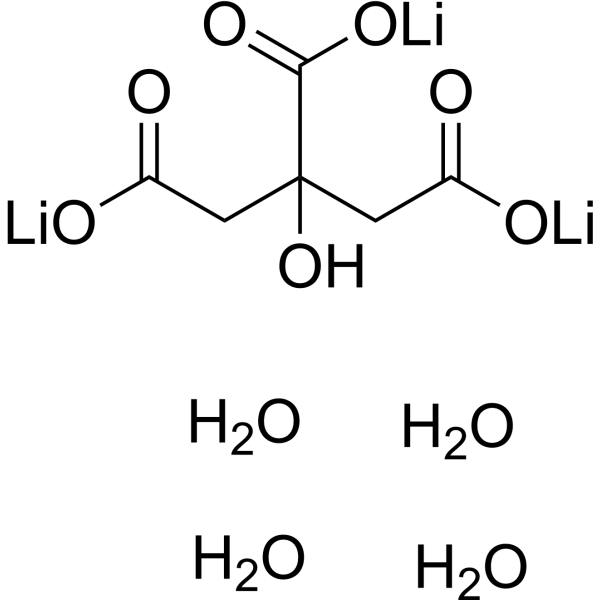
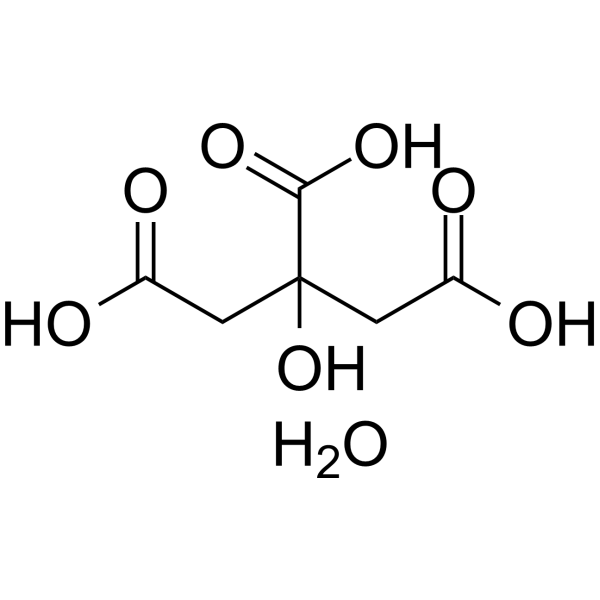
Lithium citrate (Litarex) tetrahydrate is a natural preservative and food tartness enhancer. Lithium citrate tetrahydrate induces apoptosis and cell cycle arrest at G2/M phase and S phase in HaCaT cells. Lithium citrate tetrahydrate cause oxidative damage of the liver by means of the decrease of antioxidative enzyme activities. Lithium citrate tetrahydrate is also an acidulant, emulsifier, sequestrant and buffering agent widely used across many industries .
|
-
-
- HY-N1428CA
-
|
|
Apoptosis
Endogenous Metabolite
Bacterial
|
Cardiovascular Disease
Infection
Metabolic Disease
Inflammation/Immunology
Cancer
|
|
Ferric citrate, suitable for cell culture is a natural preservative and food tartness enhancer. Ferric citrate, suitable for cell culture induces apoptosis and cell cycle arrest at G2/M phase and S phase in HaCaT cells. Ferric citrate, suitable for cell culture causes oxidative damage of the liver by means of the decrease of antioxidative enzyme activities. Ferric citrate, suitable for cell culture is also an acidulant, emulsifier, sequestrant and buffering agent widely used across many industries .
|
-
-
- HY-Y1819
-
|
|
Reactive Oxygen Species (ROS)
Mitochondrial Metabolism
|
Endocrinology
|
|
2-Acetonaphthone is a synthetic fragrance material. 2-Acetonaphthone increases ROS under UVA/sunlight, leading to endoplasmic reticulum stress and decreased mitochondrial membrane potential. 2-Acetonaphthone can be used as an adulterant in a variety of cosmetics. 2-Acetonaphthone can be used for the study of skin keratinization
|
-
-
- HY-W749694
-
-
-
- HY-B0736A
-
|
FI7056
|
Fungal
Autophagy
Apoptosis
p38 MAPK
Microtubule/Tubulin
|
Infection
Cancer
|
|
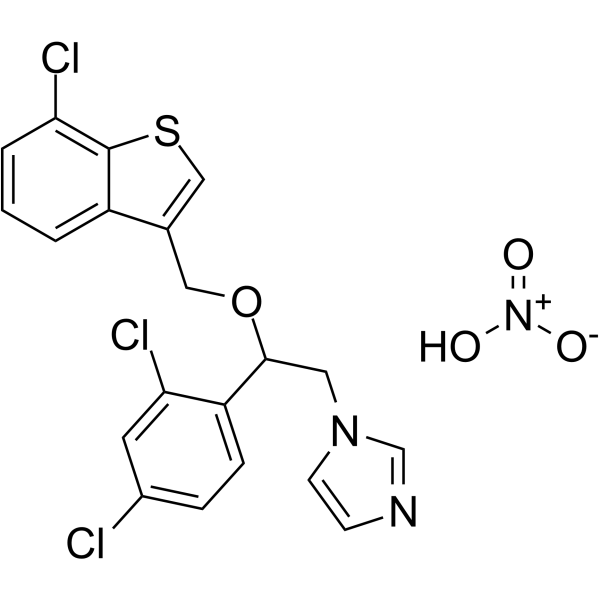
Sertaconazole nitrate (FI7056) is a broad-spectrum topical antifungal agent, exhibits anti-inflammatory activity via activation of a p38-COX-2-PGE2 pathway. Sertaconazole nitrate is also a microtubule inhibitor, shows antiproliferative effect, induces apoptosis and autophagy, and can also inhibit the migration of cells .
|
-
-
- HY-171007
-
-
-
- HY-133079
-
|
tetra-isopalmitoyl Ascorbic acid; IPAA; Tetrahexyldecyl Ascorbate
|
Prostaglandin Receptor
|
Endocrinology
|
|
Ascorbyl tetra-2-hexyldecanoate (tetra-isopalmitoyl Ascorbic acid; IPAA) is a lipophilic derivative of vitamin C (L-ascorbic acid). Ascorbyl tetra-2-hexyldecanoate (100 μM ) can prevent the decrease in viability of HaCaT keratinocytes induced by UVB, hydrogen peroxide, or tert-butyl hydroperoxide, and reduce the production of IL-1α and prostaglandin E2 (PGE2). Topical application of ascorbyl tetra-2-hexyldecanoate (1%) increases epidermal viability thickness, stratum corneum water content, and skin smoothness, and reduces skin roughness in hairless mice. Ascorbyl tetra-2-hexyldecanoate can be used to develop skin whitening agents in the beauty industry.
|
-
-
- HY-19416
-
|
|
Reactive Oxygen Species (ROS)
NF-κB
|
Inflammation/Immunology
Cancer
|
|
AEOL-10150 pentachloride is a metalloporphyrin-catalyzed antioxidant and a superoxide dismutase mimetic. AEOL-10150 pentachloride scavenges ROS and RNS, and modulates the NF-κB signaling pathway. AEOL-10150 pentachloride has potent antioxidant and anti-inflammatory activities. AEOL-10150 pentachloride effectively mitigates tissue damage caused by radiation and chemical agents such as CEES (HY-W199190). AEOL-10150 pentachloride synergizes with radiotherapy to exert anticancer effects on prostate tumors .
|
-
-
- HY-41404
-
|
2H-1,3-benzodioxole-5-carboxylic acid
|
Cytochrome P450
Interleukin Related
EGFR
IGF-1R
|
Infection
Others
Cancer
|
|
Piperonylic acid is a natural molecule bearing a methylenedioxy function that closely mimics the structure of trans-cinnamic acid. Piperonylic Acid is a selective, mechanism-based inactivator of the trans-cinnamate 4-Hydroxylase. Piperonylic acid has anticancer, antioxidant and antibacterial activities .
|
-
-
- HY-N2540
-
|
(±)-5,7-Dihydroxyflavanone; NSC 43318
|
Free Fatty Acid Receptor
|
Others
|
|
(±)-Pinocembrin ((±)-5,7-Dihydroxyflavanone) is a GPR120 ligand able to promote wound healing in HaCaT cell line .
|
-
-
- HY-W008606
-
-
-
- HY-N1428R
-
-
-
- HY-P2663
-
|
|
TNF Receptor
|
Metabolic Disease
|
|
Acetyl tetrapeptide-2 is a bio-active peptide that exhibits anti-aging activity. Acetyl tetrapeptide-2 can reduce loss of thymic factors. Acetyl tetrapeptide-2 can increase the stiffness of HaCaT cells. Acetyl tetrapeptide-2 is a stimulator of structural skin elements including collagen and elastin .
|
-
-
- HY-N1428S3
-
-
-
- HY-W028393R
-
-
-
- HY-P0097A
-
|
Melanostatine-5 acetate salt
|
Melanocortin Receptor
|
Metabolic Disease
Endocrinology
Cancer
|
|
Nonapeptide-1 (Melanostatine-5) acetate salt, a peptide hormone, is a selective antagonist of MC1R (Ki: 40 nM). Nonapeptide-1 acetate salt is a competitive α-MSH antagonist that potently inhibits intracellular cAMP and melanosome dispersion induced by α-MSH in melanocytes (IC50: 2.5 nM and 11 nM, respectively). Nonapeptide-1 acetate salt inhibits melanin synthesis, and can be used in the research of skin pigmentation and regulation of steroid production in the adrenal gland, skin cancer .
|
-
-
- HY-123900
-
-
-
- HY-Y1129
-
|
|
Photosensitizer
Apoptosis
|
Inflammation/Immunology
|
|
3-Hydroxypyridine is a compound that can be isolated from bamboo grass. As an endogenous photosensitizer present in human skin, 3-hydroxypyridine can mediate oxidative stress, proliferation inhibition and apoptosis of skin cells through UVA/UVB excitation .
|
-
-
- HY-W014684
-
|
|
Environmental Pollutants
Keap1-Nrf2
Mitochondrial Metabolism
Reactive Oxygen Species (ROS)
|
Endocrinology
|
|
Lilial is a widely used synthetic fragrance and ester in consumer products. Lilial possesses estrogenic activity in vitro. Lilial can induce a toxic effect on mitochondria that causes a decrease in the viability of HaCaT cells. Lilial can increase NRF2 protein level in vitro. Lilial is able to target respiratory chain complexes, inhibit complexes I and II of the electron transport chain, increase the generation of reactive oxygen species, and decrease the level of intracellular ATP. Lilial can induce systemic toxicity in vivo. Lilial induces significant DNA strand breaks .
|
-
-
- HY-W127530
-
|
alpha-Tocopherol phosphate disodium; TocP disodium; Vitamin E phosphate disodium
|
Apoptosis
Reactive Oxygen Species (ROS)
|
Cardiovascular Disease
Cancer
|
|
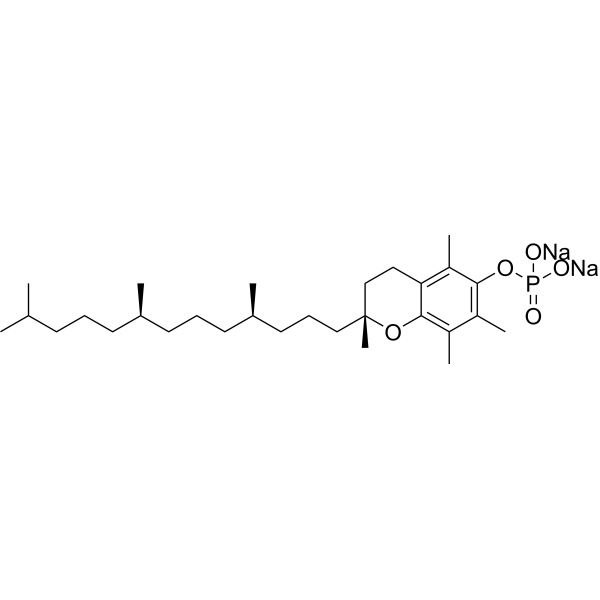
α-Tocopherol phosphate disodium is an antioxidant that protects against long-wave UVA1 induced cell death and scavenge UVA1 induced ROS in a skin cell model. α-Tocopherol phosphate disodium exhibits angiogenesis-promoting activity .
|
-
-
- HY-N6896
-
|
|
TGF-beta/Smad
PI3K
Akt
mTOR
MMP
Histone Demethylase
|
Endocrinology
Cancer
|
|
Isoviolanthin is a flavonoid glycoside. Isoviolanthin can be extracted from Dendrobium officinale. Isoviolanthin has a strong affinity for binding to KDM6B, CHAC2, ESCO2, and IPO4. Isoviolanthin decreases MMP-2 and MMP-9. Isoviolanthin inhibits TGF-β/Smad and PI3K/Akt/mTOR signaling pathways. Isoviolanthin increases Fhl3 expression. Isoviolanthin has cytoprotective effects. Isoviolanthin has anticancer activity against hepatocellular carcinoma .
|
-
-
- HY-P3513
-
|
|
ERK
MMP
|
Neurological Disease
|
|
β-Neo-Endorphin is an endogenous opioid peptide. β-Neo-Endorphin is a hypothalamic “big” Leu-enkephalin of porcine origin. β-Neo-Endorphin shows activation of the Erk1/2, MMP-2 and MMP-9 .
|
-
-
- HY-169118
-
|
|
TNF Receptor
|
Inflammation/Immunology
|
|
EGR-1-IN-2 (compound 2) is an EGR-1 inhibitor with anti-inflammatory activity. EGR-1-IN-2 inhibits the formation of EGR-1-DNA complexes induced by TNF-α in HaCaT cells .
|
-
-
- HY-138875
-
|
|
p38 MAPK
Apoptosis
|
Cardiovascular Disease
Cancer
|
|
Tetraacetylphytosphingosine is a sphingolipid metabolite produced by phytosphingosine acetylation. Tetraacetylphytosphingosine exerts its inhibitory action on angiogenesis through the inhibition of MAPK activation and intracellular calcium increase . Tetraacetylphytosphingosine induces apoptosis in HaCaT cells .
|
-
-
- HY-W718300
-
-
-
- HY-134160
-
|
5-DHFU; 5-Fluorodihydropyrimidine-2,4-dione; 5-Fluorodihydrouracil
|
Nucleoside Antimetabolite/Analog
|
Cancer
|
|
5,6-Dihydro-5-Fluorouracil (5-DHFU; 5-Fluorodihydropyrimidine-2,4-dione) is the active metabolite of the thymidylate synthase inhibitor prodrug 5-fluorouracil (HY-90006), which is formed from 5-fluorouracil by dihydropyrimidine dehydrogenase (DPD). 5,6-Dihydro-5-Fluorouracil is cytotoxic to HaCaT keratinocytes (IC50=13.5 μM). Intravenous administration of 5,6-Dihydro-5-Fluorouracil (90 mg/kg/wk) in combination with 5-fluorouracil and the DPD inhibitor eniluracil (HY-10533) slows tumor growth in a rat colon cancer model.
|
-
-
- HY-113599
-
|
|
EGFR
ERK
Akt
|
Others
|
|
Isoprocurcumenol is a guaiane type sesquiterpene, that can be isolated from Curcuma comosa. Isoprocurcumenol can activate EGFR signaling. Isoprocurcumenol increases the phosphorylation of ERK and AKT. Isoprocurcumenol promotes the proliferation of keratinocytes .
|
-
-
- HY-N1428S6
-
-
-
- HY-N1428S2
-
-
-
- HY-N11262
-
|
|
Phosphodiesterase (PDE)
Sirtuin
PGC-1α
p38 MAPK
HSP
TNF Receptor
NO Synthase
Apoptosis
|
Metabolic Disease
Inflammation/Immunology
|
|
Sudachitin is an orally active compound that potently inhibits mouse PDE1C and human PDE4B, with IC50 values of 5.0 μM and 15.0 μM, respectively. Sudachitin upregulates Sirt1 and PGC‑1α expression in skeletal muscle to regulate energy metabolism and promote mitochondrial biogenesis. Sudachitin improves lipid metabolism, glucose tolerance, insulin sensitivity, energy expenditure, and fatty acid β‑oxidation. Sudachitin activates p38MAPK signaling, induces HSP27 phosphorylation and caspase‑dependent apoptosis, and blocks EGF‑driven keratinocyte migration and proliferation. Sudachitin suppresses LPS‑induced TNF‑α, NO, and iNOS expression in macrophages and shows potent anti‑inflammatory activity. Sudachitin can be used for the research of metabolic syndrome, type 2 diabetes, and psoriasis. .
|
-
-
- HY-W127841
-
-
-
- HY-W014684R
-
|
|
Reference Standards
Keap1-Nrf2
Reactive Oxygen Species (ROS)
Mitochondrial Metabolism
|
Endocrinology
|
|
Lilial (Standard) is the analytical standard of Lilial. This product is intended for research and analytical applications. Lilial is a widely used synthetic fragrance and ester in consumer products. Lilial possesses estrogenic activity in vitro. Lilial can induce a toxic effect on mitochondria that causes a decrease in the viability of HaCaT cells. Lilial can increase NRF2 protein level in vitro. Lilial is able to target respiratory chain complexes, inhibit complexes I and II of the electron transport chain, increase the generation of reactive oxygen species, and decrease the level of intracellular ATP. Lilial can induce systemic toxicity in vivo. Lilial induces significant DNA strand breaks .
|
-
-
- HY-B0736
-
-
-
- HY-115927
-
|
|
NO Synthase
|
Inflammation/Immunology
|
|
8A8 is a potent proinflammatory factor NO inhibitor with an IC50 of 4.7 μM. 8A8 also significantly inhibits LPS-induced HaCat cell proliferation .
|
-
- HY-175013
-
|
|
CDK
STAT
Interleukin Related
|
Inflammation/Immunology
|
|
CDK6/9-IN-2 is a highly active dual inhibitor of CDK6 (IC50 = 15 nM) and CDK9 (IC50 = 22 nM). CDK6/9-IN-2 is selective for CDK2, CDK8, and CDK11. CDK6/9-IN-2 inhibits the proliferation of HaCaT cells induced by IFN-γ/TNF-α and suppresses the STAT3 pathway and the expression of inflammatory factors. CDK6/9-IN-2 can alleviate psoriatic dermatitis and is useful in psoriasis research .
|
-
- HY-168971
-
|
CP-25
|
IFNAR
STAT
TNF Receptor
Interleukin Related
CXCR
JAK
G Protein-coupled Receptor Kinase (GRK)
|
Inflammation/Immunology
|
|
Paeoniflorin-6′-O-benzene sulfonate (CP-25) is the inhibitor for G protein-coupled receptor kinase 2 (GRK2) that inhibits the translocation of GRK2 to the cell membrane, inhibits JAK1/STAT3 signaling pathway. Paeoniflorin-6′-O-benzene sulfonate inhibits IL-17A/CXCL2-induced proliferation of HaCaT. Paeoniflorin-6′-O-benzene sulfonate reduces the levels of inflammatory factors and chemokines such as IL-17A, IL-17F, IFN-γ, TNF-α, IL-22, IL-23, CXCL2, CXCL3 and CXCL9, alleviates Imiquimod (HY-B0180)-induced psoriasis in mouse model .
|
-
- HY-N1190
-
|
(±)-Syringaresinol
|
p38 MAPK
AP-1
Bacterial
|
Infection
|
|
DL-Syringaresinol ((±)-Syringaresinol), a lignin, inhibits UVA-induced upregulation of MMP-1 by suppressing MAPK/AP-1 signaling in human HaCaT keratinocytes and dermal fibroblasts (HDFs). DL-Syringaresinol has antiphotoaging properties against UVA-induced skin aging. DL-Syringaresinol exhibits weak antimycobacterial activity against Mycobacterium tuberculosis H37Rv .
|
-
- HY-N10623
-
|
|
Tyrosinase
|
Cancer
|
|
5-epi-Arvestonate A is a sesquiterpenoid isolated from the whole plants of Seriphidium transiliense. 5-epi-Arvestonate A promotes melanogenic production by activating the transcription of microphthalmia-associated transcription factor (MITF) and tyrosinase family genes. 5-epi-Arvestonate A inhibits the expression of IFN-γ-chemokine through the JAK/STAT signaling pathway in immortalized human keratinocyte (HaCaT) cells .
|
-
- HY-N1428AR
-
|
|
Reference Standards
Endogenous Metabolite
Apoptosis
Bacterial
|
Infection
Cardiovascular Disease
Metabolic Disease
Inflammation/Immunology
Cancer
|
|
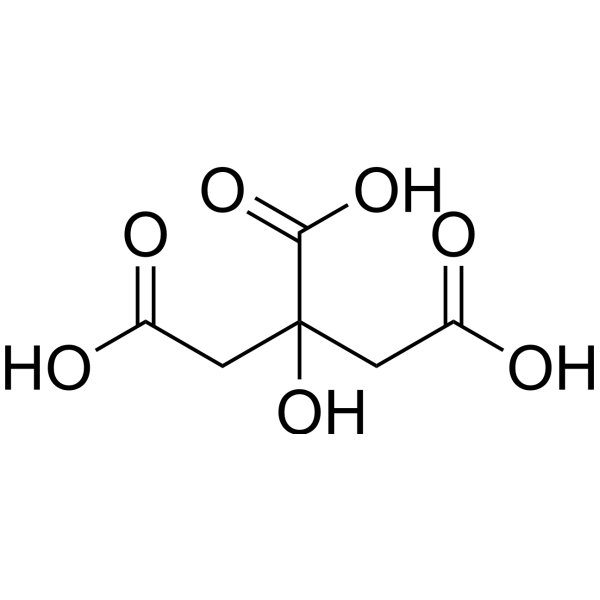
Citric acid monohydrate (Standard) is the analytical standard of Citric acid monohydrate (HY-N1428A). This product is intended for research and analytical applications. Citric acid monohydrate is a natural preservative and food tartness enhancer. Citric acid monohydrate induces apoptosis and cell cycle arrest at G2/M phase and S phase in HaCaT cells. Citric acid monohydrate cause oxidative damage of the liver by means of the decrease of antioxidative enzyme activities. Citric acid monohydrate is also an acidulant, emulsifier, sequestrant and buffering agent widely used across many industries .
|
-
- HY-163176
-
|
|
STAT
|
Inflammation/Immunology
|
|
WB518 is a potent STAT3 inhibitor. WB518 effectively inhibits STAT3 activation and Keratin 17 expression. WB518 effectively alleviates imiquimod (HY-B0180) and TPA (HY-18739)-induced animal psoriasis by inhibiting STAT3 phosphorylation and Keratin 17 .
|
-
- HY-178053
-
|
|
Aryl Hydrocarbon Receptor
Cytochrome P450
Interleukin Related
|
Inflammation/Immunology
|
|
AHR agonist 10 is a potent AHR agonist (EC50 = 2.01 nM). AHR agonist 10 can elevate the transcript levels of key AHR downstream pathway target genes, including CYP1A1 and CYP1B1. AHR agonist 10 can downregulate the expression levels of CD36, IL-18 and shows low cytotoxicity (>40 μM) to normal cells. AHR agonist 10 can suppress the expression of CCL5, CCL20, IL-6, IL-8, S100A9, TLR4, TNF-α, and TNFR1, demonstrating that AHR agonist 10 effectively modulate inflammatory responses through AHR dependent signaling pathways. AHR agonist 10 can be used for psoriasis research .
|
-
- HY-149837
-
|
|
Fluorescent Dye
|
Inflammation/Immunology
|
|
PRO-F is a photoactivable H2S donor with ROS scavenging ability. PRO-F can be activated by light to produce fluorescent signal, for real-time tracking of released H2S. PRO-F activation doesn’t consume endogenous substances. deliver H2S in an intracellular environment to protect cells from excessive reactive oxygen species (ROS) induced damage. PRO-F shows enhancement on chronic wound healing, researched in diabetic models as well .
|
-
- HY-N3612
-
|
(+)-Communic acid
|
Bacterial
Akt
MMP
|
Infection
Inflammation/Immunology
|
|
Communic acid ((+)-Communic acid) is a natural compound isolated from the branches of Platycladus orientalis. Communic acid displays minimum inhibitory concentration of 31 μM and IC50 of 15 μM against M. tuberculosis H37Ra.Communic acid exhibits protective effects against UVB-induced skin aging .
|
-
- HY-175481
-
|
|
Cannabinoid Receptor
Apoptosis
Reactive Oxygen Species (ROS)
|
Cancer
|
|
CB2R agonist 4 is a cannabinoid receptor 2 (CB2R) agonist with an EC50 value of 6.9 μM. CB2R agonist 4 can induce cell apoptosis, ROS production and protein misfolding. CB2R agonist 4 shows cytotoxicity to a panel of tumor cell lines. CB2R agonist 4 can be used for the research of cancer .
|
-
- HY-134160S
-
|
5-DHFU-13C,15N2; 5-Fluorodihydropyrimidine-2,4-dione-13C,15N2; 5-Fluorodihydrouracil-13C,15N2
|
Isotope-Labeled Compounds
Nucleoside Antimetabolite/Analog
|
Cancer
|
|
5,6-Dihydro-5-Fluorouracil- 13C, 15N2 (5-DHFU- 13C, 15N2) is the 13C- and 15N-labeled labeled 5,6-Dihydro-5-Fluorouracil (HY-134160). 5,6-Dihydro-5-Fluorouracil (5-DHFU; 5-Fluorodihydropyrimidine-2,4-dione) is the active metabolite of the thymidylate synthase inhibitor prodrug 5-fluorouracil (HY-90006), which is formed from 5-fluorouracil by dihydropyrimidine dehydrogenase (DPD). 5,6-Dihydro-5-Fluorouracil is cytotoxic to HaCaT keratinocytes (IC50=13.5 μM). Intravenous administration of 5,6-Dihydro-5-Fluorouracil (90 mg/kg/wk) in combination with 5-fluorouracil and the DPD inhibitor eniluracil (HY-10533) slows tumor growth in a rat colon cancer model.
|
-
- HY-N2540R
-
|
(±)-5,7-Dihydroxyflavanone (Standard); NSC 43318 (Standard)
|
Reference Standards
Free Fatty Acid Receptor
|
Others
|
|
(±)-Pinocembrin (Standard) is the analytical standard of (±)-Pinocembrin. This product is intended for research and analytical applications. (±)-Pinocembrin ((±)-5,7-Dihydroxyflavanone) is a GPR120 ligand able to promote wound healing in HaCaT cell line .
|
-
- HY-168335
-
|
|
Dihydroorotate Dehydrogenase
|
Others
|
|
hDHODH-IN-16 (Compound 3t) is a human dihydroorotate dehydrogenase (hDHODH) inhibitor, with an IC50 of 0.11 μM. hDHODH-IN-16 shows very low cytotoxicity to healthy HaCaT cells, with an IC50 value greater than 200 µM .
|
-
- HY-161864
-
|
|
STAT
|
Inflammation/Immunology
|
|
STAT3-IN-29 (Compound B20) is an inhibitor for STAT3. STAT3-IN-29 inhibits the proliferation of HaCaT cell with IC50 of 0.09 µM, ameliorates the IMQ-induced psoriasis in mouse models .
|
-
- HY-169007
-
|
|
STAT
|
Inflammation/Immunology
|
|
STAT3-IN-34 (Compound 15E) is an inhibitor for STAT3, and inhibits the nuclear translocation and transcriptional regulator activity of STAT3. STAT3-IN-34 inhibits the proliferation of cell HaCaT with IC50 of 0.008 μM. STAT3-IN-34 inhibits IL-17A expression and ameliorates Imiquimod (HY-B0180)-induced psoriasis in mice .
|
-
- HY-146454
-
|
|
DNA/RNA Synthesis
|
Cancer
|
|
Antiproliferative agent-6 (compound 8a) is a potent antitumor agent. Antiproliferative agent-6 has antiproliferative activity against cancer cell lines HCT116, MCF-7, H460 and non-tumor aneuploid immortal keratinocyte HaCaT cells with GI50s of 0.5 μM, 2 μM, 0.7 μM and 3.5 μM, respectively .
|
-
- HY-170579
-
|
|
Reactive Oxygen Species (ROS)
Apoptosis
NF-κB
Keap1-Nrf2
|
Inflammation/Immunology
|
|
Antioxidant agent-20 (Compound 3d) has potent anti-inflammatory and antioxidant activity. Antioxidant agent-20 reduces reactive oxygen species (ROS) and apoptosis in a dose-dependent manner. Antioxidant agent-20 exhibits photoprotective effect against UVB-irradiated human skin keratinocytes (HaCaT) (IC50=5.13 µM) via activation of Nrf2/HO-1 signaling and inhibition of NF-κB pathway .
|
-
- HY-172965
-
|
|
SARS-CoV
Virus Protease
|
Infection
Inflammation/Immunology
|
|
SARS-CoV-2 Mpro-IN-43 (Compound 1) is a coronavirus main protease (Mpro) inhibitor (IC50: 72 μM). SARS-CoV-2 Mpro-IN-43 interacts with key residues in the active site of Mpro via non-covalent binding, exerting its anti-coronavirus effect. SARS-CoV-2 Mpro-IN-43 exhibits moderate to low cytotoxicity, with CC50 values of 13.24, 41.02, and 42.26 µM in HaCaT, HEK293T, and HepG2 cells, respectively. SARS-CoV-2 Mpro-IN-43 can be used in anti-SARS-CoV-2 research .
|
-
- HY-B1295R
-
|
Litarex tetrahydrate (Standard)
|
Apoptosis
Endogenous Metabolite
Bacterial
Reference Standards
|
Infection
Cardiovascular Disease
Metabolic Disease
Inflammation/Immunology
Cancer
|
|
Lithium citrate (tetrahydrate) (Standard) is the analytical standard of Lithium citrate (tetrahydrate). This product is intended for research and analytical applications. Lithium citrate (Litarex) tetrahydrate is a natural preservative and food tartness enhancer. Lithium citrate tetrahydrate induces apoptosis and cell cycle arrest at G2/M phase and S phase in HaCaT cells. Lithium citrate tetrahydrate cause oxidative damage of the liver by means of the decrease of antioxidative enzyme activities. Lithium citrate tetrahydrate is also an acidulant, emulsifier, sequestrant and buffering agent widely used across many industries .
|
-
- HY-175719
-
|
|
5 alpha Reductase
|
Endocrinology
|
|
SRD5A1-IN-2 is a inhibitor of steroid 5α-reductase type-1 (SRD5A1), with an IC50 of 8.5 μM. SRD5A1-IN-2 downregulates SRD5A1 protein expression in HaCaT cells. SRD5A1-IN-2 reduces dihydrotestosterone (DHT) production in HaCaT cells. SRD5A1-IN-2 can be used for the study of androgen-related conditions such as androgenetic alopecia (AGA) .
|
-
- HY-N16399
-
|
|
Reactive Oxygen Species (ROS)
Cadherin
|
Cancer
|
|
Black tea extract is the extract of Black tea. Black tea extract prevents inorganic arsenic (iAs) induced ROS generation, inhibiting uncontrolled proliferation, epithelial to mesenchymal transition (EMT) and metastasis in HaCaT cells. Black tea extract has an anti-fibrotic activity. Black tea extract can be used for skin cancers research .
|
-
- HY-169290
-
|
|
JAK
HDAC
|
Inflammation/Immunology
|
|
JAK/HDAC-IN-4 (compound 11 i) is a JAK/HDAC inhibitor with the IC50 values of 0.49 nM and 12 nM for JAK2 and HDAC6, respectively. JAK/HDAC-IN-4 inhibits the cell proliferation and the production of nitric oxide. JAK/HDAC-IN-4 ameliorates psoriasis-like skin lesions in an Imiquimod (HY-B0180)-induced murine model with low toxicity .
|
-
- HY-131821
-
|
Thymidine-5'-O-monophosphorothioate
|
P2Y Receptor
|
Others
|
|
5'-TMPS (Thymidine-5'-O-monophosphorothioate) is a selective partial agonist of P2Y6R and an antagonist of P2Y14R. Additionally, 5'-TMPS acts as a positive regulator of angiogenesis, exhibiting pro-angiogenic effects
|
-
- HY-144761
-
|
|
JNK
|
Cancer
|
|
TOPK-p38/JNK-IN-1 (Compound B12) is an orally active TOPK-p38/JNK signaling pathway inhibitor with the IC50 value of 2.14 µM for NO production. TOPK-p38/JNK-IN-1 shows anti-inflammatory activities. TOPK-p38/JNK-IN-1 also inhibits phosphorylate downstream related proteins and avoids degradation of TOPK .
|
-
- HY-13451R
-
|
|
Reference Standards
Bacterial
Antibiotic
|
Infection
|
|
Citric acid (Standard) is the analytical standard of Citric acid. This product is intended for research and analytical applications. Citric acid is a natural preservative and food tartness enhancer. Citric acid induces apoptosis and cell cycle arrest at G2/M phase and S phase in HaCaT cells. Citric acid cause oxidative damage of the liver by means of the decrease of antioxidative enzyme activities. Citric acid causes renal toxicity in mice .
|
-
- HY-146051
-
|
|
Bacterial
|
Infection
|
|
Antitubercular agent-18 (Compound 9a) is an antitubercular agent with MIC values of 2, 2, 2 and 128 µg/ml against M. tuberculosis H37Rv, Spec. 192, Spec 210 and Spec. 800, respectively. Antitubercular agent-18 shows highly selective antimycobacterial effects .
|
-
- HY-159144
-
|
|
NF-κB
STAT
Interleukin Related
TNF Receptor
|
Inflammation/Immunology
|
|
Anti-inflammatory agent 91 (Compound 4o) is an anti-inflammatory agent that can reduce inflammatory cytokines by inhibiting the STAT3 and NF-κB signaling pathways. Anti-inflammatory agent 91 can be used in research to improve skin inflammation associated with psoriasis .
|
-
- HY-146463
-
|
|
DNA/RNA Synthesis
Bacterial
|
Infection
|
|
NusB-IN-1 (Compound 22r) is a potent, orally active bacterial rRNA synthesis inhibitor. NusB-IN-1 shows antimicrobial activity against MRSA and VRSA . NusB-IN-1 is a click chemistry reagent, it contains an Alkyne group and can undergo copper-catalyzed azide-alkyne cycloaddition (CuAAc) with molecules containing Azide groups.
|
-
- HY-Y1819R
-
-
- HY-162711
-
|
|
DNA/RNA Synthesis
|
Cancer
|
|
Methylbiocin is an ATP competitive inhibitor for human CMG helicase with an IC50 of 59 µM. Methylbiocin exhibits potential in cancer research .
|
-
- HY-147865
-
|
|
Galectin
Apoptosis
|
Cancer
|
|
Apoptosis inducer 8 (Compound 7c) is a galectin-1 (gal-1) mediated apoptosis-inducing agent against global major leading lung cancer burden. Apoptosis inducer 8 significantly reduced the gal-1 protein level. Apoptosis inducer 8 is also a PET imaging agent .
|
-
- HY-N0064R
-
|
(+)-Anwulignan (Standard); Anwuligan (Standard)
|
Reference Standards
COX
|
Neurological Disease
Metabolic Disease
Inflammation/Immunology
Cancer
|
|
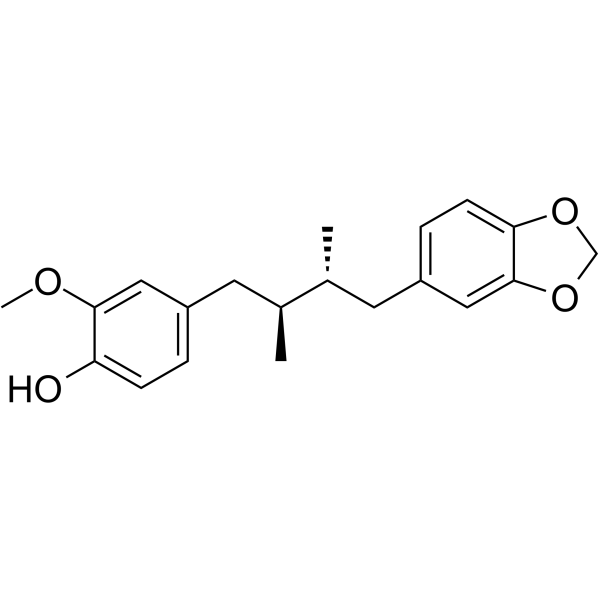
Macelignan (Standard) is the analytical standard of Macelignan. This product is intended for research and analytical applications. Macelignan ((+)-Anwulignan; Anwuligan) is an orally active lignan isolated from Myristica fragrans. Macelignan possesses many pharmacological activities, including anti-inflammatory, anti-cancer, anti-diabetes, and neuroprotective activities .
|
-
- HY-N0611R
-
|
α-Boswellic acid (Standard)
|
Reference Standards
Others
|
Neurological Disease
Inflammation/Immunology
Cancer
|
|
alpha-Boswellic acid (Standard) is the analytical standard of alpha-Boswellic acid. This product is intended for research and analytical applications. alpha-Boswellic acid (α-Boswellic acid) is an orally active pentacyclic triterpenoid compound that can be extracted from frankincense. alpha-Boswellic acid has anti-inflammatory and antitumor activities. alpha-Boswellic acid can be used in Alzheimer's disease (AD) research .
|
-
- HY-146050
-
|
|
Bacterial
|
Infection
|
|
Antitubercular agent-17 (Compound 8a) is an antitubercular agent with MIC values of 2, 2, 2 and 128 µg/ml against M. tuberculosis H37Rv, Spec. 192, Spec 210 and Spec. 800, respectively. Antitubercular agent-17 shows highly selective antimycobacterial effects .
|
-
- HY-168526
-
|
|
Keap1-Nrf2
|
Inflammation/Immunology
|
|
Keap1-Nrf2-IN-24 (compound 57) is a potent Keap1-Nrf2 inhibitor with a Ki value of 13 nM. Keap1-Nrf2-IN-24 increases the protein expression of TRXR1 and NQO1. Keap1-Nrf2-IN-24 increases the AKR1B10 mRNA expression. Keap1-Nrf2-IN-24 shows good metabolic stability .
|
-
- HY-W009156R
-
|
Potassium citrate monohydrate (Standard)
|
Reference Standards
Apoptosis
Endogenous Metabolite
Bacterial
|
Infection
Cardiovascular Disease
Metabolic Disease
Inflammation/Immunology
Cancer
|
|
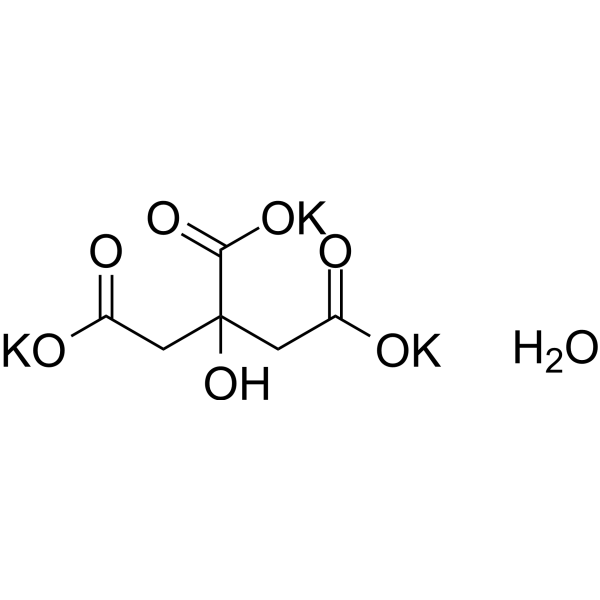
Citric acid tripotassium hydrate (Standard) (Potassium citrate monohydrate (Standard)) is the analytical standard of Citric acid tripotassium hydrate (HY-W009156). This product is intended for research and analytical applications. Citric acid tripotassium hydrate is a natural preservative and food tartness enhancer. Citric acid tripotassium hydrate induces apoptosis and cell cycle arrest at G2/M phase and S phase in HaCaT cells. Citric acid tripotassium hydrate cause oxidative damage of the liver by means of the decrease of antioxidative enzyme activities. Citric acid tripotassium hydrate is also an acidulant, emulsifier, sequestrant and buffering agent widely used across many industries .
|
-
- HY-163454
-
|
|
Bacterial
|
Infection
|
|
NorA-IN-2 (compound DZ-3) is a potent NorA inhibitor. NorA-IN-2 shows NorA efflux pump inhibitors (EPI) activity .
|
-
- HY-154861
-
|
|
Bacterial
Apoptosis
Necroptosis
|
Cancer
|
|
Anticancer agent 118, a N‑acylated ciprofloxacin derivative, has anti-bacterial and anticancer activities. Anticancer agent 118 shows high activity against Gram-positive strains and antiproliferative activities against prostate PC3 cells. Anticancer agent 118 can be used for antitumor research .
|
-
- HY-173408
-
|
|
Nuclear Hormone Receptor 4A/NR4A
Ferroptosis
Reactive Oxygen Species (ROS)
Glutathione Peroxidase
|
Cancer
|
|
Nur77 agonist-1 (Compound 8f) is an orally active Nur77 agonist. Nur77 agonist-1 induces ferroptosis by upregulating Nur77 protein expression, increasing reactive oxygen species (ROS) and lipid peroxidation levels, and decreasing GPX4 protein expression. Nur77 agonist-1 has binding affinity to the ligand binding domain (LBD) of Nur77 (KD: 13.80 μM). Nur77 agonist-1 exhibits significant antiproliferative activity against a variety of breast cancer cells (IC50: 2.15-3.26 μM) and has low toxicity to normal cells. Nur77 agonist-1 can be used in breast cancer research .
|
-
- HY-149700
-
|
|
ROCK
MMP
STAT
|
Others
|
|
ROCK2-IN-7 is a kinase inhibitor targeting to ROCK2. ROCK2-IN-7 inhibits ROCK2/pSTAT3 Signaling. ROCK2-IN-7 suppresses systemic immunity activation and attenuates inflammation in psoriasis model .
|
-
- HY-B0736AR
-
|
FI7056 (Standard)
|
Reference Standards
Fungal
Autophagy
Apoptosis
p38 MAPK
Microtubule/Tubulin
|
Infection
|
|
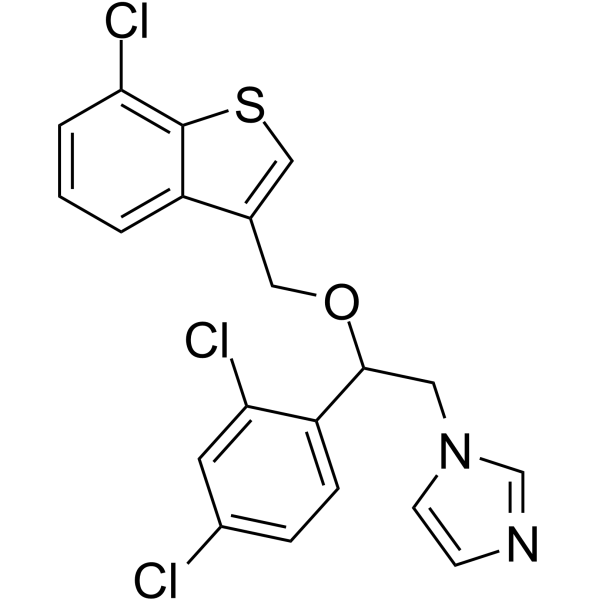
Sertaconazole (nitrate) (Standard) is the analytical standard of Sertaconazole (nitrate). This product is intended for research and analytical applications. Sertaconazole nitrate (FI7056) is a broad-spectrum topical antifungal agent, exhibits anti-inflammatory activity via activation of a p38-COX-2-PGE2 pathway. Sertaconazole nitrate is also a microtubule inhibitor, shows antiproliferative effect, induces apoptosis and autophagy, and can also inhibit the migration of cells .
|
-
- HY-N6896R
-
|
|
Reference Standards
TGF-beta/Smad
PI3K
Akt
mTOR
MMP
Histone Demethylase
|
Endocrinology
Cancer
|
|
Isoviolanthin (Standard) is the analytical standard of Isoviolanthin (HY-N6896). This product is intended for research and analytical applications. Isoviolanthin is a flavonoid glycoside. Isoviolanthin can be extracted from Dendrobium officinale. Isoviolanthin has a strong affinity for binding to KDM6B, CHAC2, ESCO2, and IPO4. Isoviolanthin decreases MMP-2 and MMP-9. Isoviolanthin inhibits TGF-β/Smad and PI3K/Akt/mTOR signaling pathways. Isoviolanthin increases Fhl3 expression. Isoviolanthin has cytoprotective effects. Isoviolanthin has anticancer activity against hepatocellular carcinoma .
|
-
- HY-W127530R
-
|
alpha-Tocopherol phosphate disodium (Standard); TocP disodium (Standard); Vitamin E phosphate disodium (Standard)
|
Reference Standards
Apoptosis
Reactive Oxygen Species (ROS)
|
Cardiovascular Disease
Cancer
|
|
α-Tocopherol phosphate (Standard) (alpha-Tocopherol phosphate (Standard)) disodium is the analytical standard of α-Tocopherol phosphate disodium (HY-W127530). This product is intended for research and analytical applications.
α-Tocopherol phosphate disodium is an antioxidant that protects against long-wave UVA1 induced cell death and scavenge UVA1 induced ROS in a skin cell model. α-Tocopherol phosphate disodium exhibits angiogenesis-promoting activity .
|
-
- HY-P3513A
-
|
|
ERK
MMP
|
Neurological Disease
|
|
β-Neo-Endorphin acetate is an endogenous opioid peptide. β-Neo-Endorphin acetate is a hypothalamic "big" Leu-enkephalin of porcine origin. β-Neo-Endorphin acetate shows activation of the Erk1/2, MMP-2 and MMP-9 .
|
-
- HY-41404R
-
|
2H-1,3-benzodioxole-5-carboxylic acid (Standard)
|
Cytochrome P450
Interleukin Related
EGFR
IGF-1R
Reference Standards
|
Infection
Others
Cancer
|
|
Piperonylic acid (Standard) is the analytical standard of Piperonylic acid. This product is intended for research and analytical applications. Piperonylic acid is a natural molecule bearing a methylenedioxy function that closely mimics the structure of trans-cinnamic acid. Piperonylic Acid is a selective, mechanism-based inactivator of the trans-cinnamate 4-Hydroxylase. Piperonylic acid has anticancer, antioxidant and antibacterial activities .
|
-
- HY-W724319
-
|
Sodium citrate-d4; Trisodium citrate anhydrous-d4
|
Isotope-Labeled Compounds
Apoptosis
Bacterial
Endogenous Metabolite
|
Cardiovascular Disease
Infection
Metabolic Disease
Inflammation/Immunology
Cancer
|
|
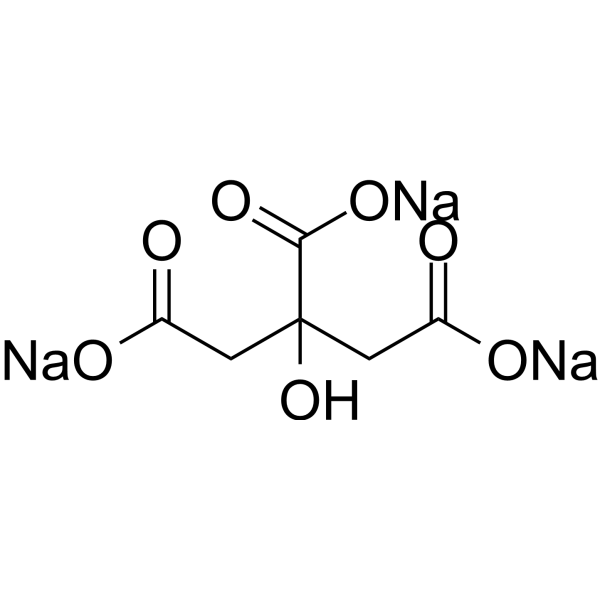
Citric acid-d4 trisodium (Sodium citrate-d4) is the deuterium labeled Citric acid trisodium (HY-B2201). Citric acid trisodium (Sodium citrate) is a natural preservative and food tartness enhancer. Citric acid trisodium induces apoptosis and cell cycle arrest at G2/M phase and S phase in HaCaT cells. Citric acid trisodium cause oxidative damage of the liver by means of the decrease of antioxidative enzyme activities. Citric acid trisodium is also an acidulant, emulsifier, sequestrant and buffering agent widely used across many industries .
|
-
- HY-182824
-
|
|
Autophagy
|
Others
|
|
Sucrose dilaurate acts as an emulsifier, dispersant and stabilizer. Sucrose dilaurate reduces the release of HMGB1 from UVB-irradiated keratinocytes. Sucrose dilaurate inhibits melanogenesis and decreases bilirubin levels. Sucrose dilaurate induces autophagy in human epidermal keratinocytes, thereby reducing carboxymethyl lysine (CML) levels. Sucrose dilaurate reduces the secretion of insulin-like growth factor-binding protein 3 (IGFBP3) and nerve growth factor (NGF) by senescent keratinocytes. Sucrose dilaurate is investigated as an emulsifier, dispersant or stabilizer in the cosmetics, food and pharmaceutical industries .
|
-
- HY-N17816
-
|
|
Apoptosis
Reactive Oxygen Species (ROS)
α-synuclein
Succinate Dehydrogenase
Bcl-2 Family
Caspase
|
Cardiovascular Disease
Neurological Disease
Metabolic Disease
Inflammation/Immunology
Cancer
|
|
Tambulin is an orally active flavonol compound found in Zanthoxylum armatum. Tambulin can inhibit cell proliferation, induce apoptosis and inhibit ROS production. Tambulin upregulates cleaved caspase-3, cleaved caspase-9, and Bax, downregulates Bcl-2 levels. Tambulin can stimulate glucose-dependent insulin secretion and induce endothelium-independent vasorelaxation. Tambulin binds to succinate dehydrogenase (SDH) (Ki = 11.02 μM) and shows significant ferric reducing power. Tambulin can enhances oxidative stress resistance, reduces, lipofuscin deposits, lipid levels, α-synuclein levels, improves locomotary behavior, and dopamine levels in in age-synchronized L1 hermaphrodite Caenorhabditis elegans models of ageing and Parkinson's disease. Tambulin can be used for the researches of Parkinson's disease, lung squamous cell carcinoma, and diabetes .
|
-
- HY-W754452
-
|
|
Others
|
Others
|
|
Hericenone E is an aromatic compound that can be found in Hericium erinaceum. Hericenone E exhibits moderate cytotoxicity .
|
-
- HY-N17872
-
|
|
Drug Derivative
|
Inflammation/Immunology
|
|
Tenuifoliose W is a sugar ester found in the roots of Polygala tenuifolia Willd. Tenuifoliose W targets hydrogen peroxide-induced oxidative stress in keratinocytes. Tenuifoliose W can be used for the research of skin aging .
|
-
- HY-D2100A
-
|
|
Fluorescent Dye
|
Others
|
|
Cy5-DSPE chloride ammonium is a far-infrared fluorescent phospholipid (λex/λem = 600/665 nm). Cy5-DSPE chloride ammonium is used to label liposomes, membranes and lipid nanoparticles, and can be applied to tracking and imaging studies of liposomes .
|
-
- HY-P5898
-
|
Z-Val-Val-Nle-CHN2
|
Cathepsin
MHC
|
Inflammation/Immunology
|
|
Z-Val-Val-Nle-diazomethylketone is a cathepsin S (CATS) inhibitor. Z-Val-Val-Nle-diazomethylketone significantly inhibits the IFNg-induced upregulation of the MHCII molecules HLA-DR and Ii-p33/35 with an increase of Ii-p10 protein level. Z-Val-Val-Nle-diazomethylketone can be used for dermatological diseases like psoriasis, atopic dermatitis and actinic keratosis research .
|
-
- HY-D2100B
-
|
|
Fluorescent Dye
|
Others
|
|
Cy5-DSPE chloride is a far-infrared fluorescent phospholipid (λex/λem = 600/665 nm). Cy5-DSPE chloride is used to label liposomes, membranes and lipid nanoparticles, and can be applied to tracking and imaging studies of liposomes .
|
-
- HY-N2413
-
-
- HY-D2100
-
|
|
Fluorescent Dye
|
Others
|
|
Cy5-DSPE is a far-infrared fluorescent phospholipid (λex/λem = 600/665 nm). Cy5-DSPE is used to label liposomes, membranes and lipid nanoparticles, and can be applied to tracking and imaging studies of liposomes .
|
-
- HY-173290
-
|
|
Phosphodiesterase (PDE)
Interleukin Related
CXCR
TNF Receptor
|
Inflammation/Immunology
|
|
PDE4-IN-1 is a PDE4 inhibitor with high potency (IC50 : 8.6 nM) and selectivity over other PDE subtypes. PDE4-IN-1 inhibits the release of inflammatory cytokines and chemokines. PDE4-IN-1 greatly restores impaired cAMP-CREB signaling pathway. PDE4-IN-1 inhibits proliferation and promotes differentiation to reverse the formation of psoriasis .
|
-
- HY-181560
-
|
|
Wnt
β-catenin
|
Metabolic Disease
|
|
SLD1121 is an agonist of the Wnt/β-catenin signaling pathway that enhances Wnt signaling by targeting LRP6 (Kd: 4.52-7.49 nM). SLD1121 interacts with the intracellular domain of LRP6, stabilizes LRP6, promotes its nuclear translocation, and facilitates its binding to β-catenin, TCF4 or LEF1 in the nucleus, thereby inducing the expression of Wnt-regulated genes and stem cell-related genes. SLD1121 induces the transition of hair follicles from telogen to anagen in the mouse hair growth cycle and promotes hair growth in mice. SLD1121 is applicable to hair loss-related research .
|
-
- HY-N0363
-
|
(S)-Columbianetin
|
ERK
JNK
Collagen
TGF-beta/Smad
p38 MAPK
Reactive Oxygen Species (ROS)
|
Others
|
|
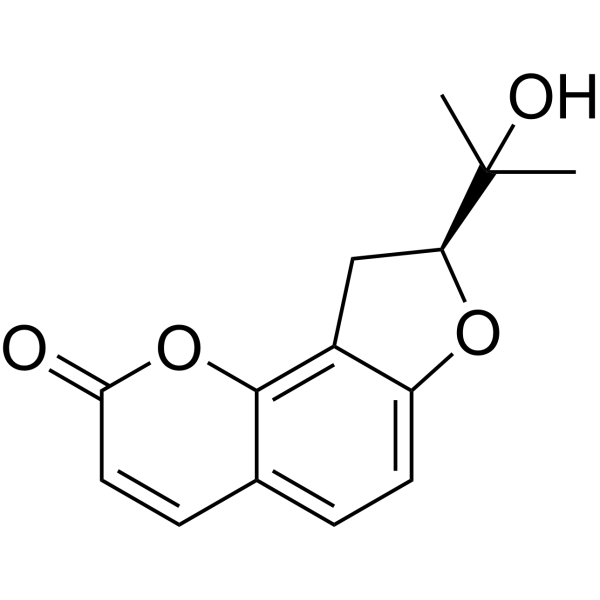
(+)-Columbianetin ((S)-Columbianetin) acts as an inhibitor of JNK/ERK. (+)-Columbianetin inhibits UVA-induced phosphorylation of JNK and ERK, reduces the production of MMP-1, reverses UVA-induced Collagen (HY-NP003) degradation, and alleviates UVA-mediated inhibition of Smad2/3 phosphorylation and translocation. (+)-Columbianetin regulates the AP-1 and ASK1-MAPK signaling pathways, inhibits the production of ROS and blocks sub-G1 cell cycle arrest. (+)-Columbianetin is applicable to research related to skin aging .
|
-
- HY-162600
-
|
|
CDK
|
Inflammation/Immunology
|
|
CDK8-IN-15 (Compound 46) is a potent CDK8 inhibitors with an IC50 value of 57 nM. It can enhance the thermal stability of CDK8 along with inhibition against NF-κB and have favourable selectivity across the CDK family and tyrosine kinase. Additionally, it also demostrates a positive effect in vitro psoriasis model induced by TNF-α and alleviats the inflammatory response enhancing the expression of Foxp3 and IL-10, which is promising for research of psoriasis diseases .
|
-
- HY-182789
-
|
|
VEGFR
CDK
|
Cancer
|
|
VEGFR2-IN-86 is a dual VEGFR2/CDK2 inhibitor, with an IC50 of 0.06 μM against VEGFR2 and an IC50 of 0.78 μM against CDK2. VEGFR2-IN-86 induces G-phase cell cycle arrest, reduces colony-forming ability and tumor cell migration capacity, and exerts antiproliferative activity in cancer cells. VEGFR2-IN-86 can be used for the research of breast cancer and prostate cancer .
|
-
- HY-179432
-
|
CBDD
|
TRP Channel
NF-κB
Interleukin Related
|
Neurological Disease
Inflammation/Immunology
|
|
Cannabitwinol is a selective thermosensitive TRP modulator and NF-κB inhibitor. Cannabitwinol inhibits TNFα-induced NF-κB-driven transcription and TNFα-induced IL-8 release, and exhibits anti-inflammatory and antioxidant activities. Cannabitwinol shows selectivity for cold-activated TRP channels, activating TRPA1 (EC50 = 3.0 μM) and antagonizing TRPM8 (IC50 = 3.9 μM), but has no significant affinity for heat-activated TRP channels such as TRPV1 and TRPV2. Cannabitwinol can be used in research related to inflammatory skin diseases, cold allodynia, and hyperalgesia .
|
-
- HY-N9093
-
|
|
Others
|
Inflammation/Immunology
Cancer
|
|
(3R,5R)-3,5-Diacetoxy-1-(3,4-dihydroxyphenyl)-7-(4-hydroxyphenyl)heptane, a diarylheptanoid from the rhizomes of Curcuma kwangsiensis, possesses a variety of biological and pharmacological activities including antioxidant, antihepa totoxic, anti-inflammatory, antiproliferative, antiemetic, and antitumor activities .
|
-
- HY-171878
-
|
|
TGF-β Receptor
PDGFR
TGF-beta/Smad
|
Inflammation/Immunology
Cancer
|
|
BI-4659 is a TGFβRI and PDGFRα inhibitor with IC50 values of 19 nM and 99 nM, respectively. BI-4659 inhibits the kinase activities of TGFβRI and PDGFRα, blocks the downstream TGFβRI signaling pathway, and reduces the phosphorylation level of Smad2/3 without altering the expression of TGF-β1. BI-4659 is applicable to research related to pulmonary fibrosis, cancer, and renal ischemia-reperfusion injury .
|
-
- HY-182517
-
|
|
TRP Channel
|
Inflammation/Immunology
|
|
AG1529 is a TRPV1 inhibitor and capsaicinoid-based soft agent with a human TRPV1 IC50 of 0.9-0.93 μM. AG1529 reversibly blocks capsaicin-evoked TRPV1 activation, binds to the TRPV1 capsaicin binding site, moderately affects pH-induced TRPV1 gating, and does not alter voltage- or heat-mediated TRPV1 responses. AG1529 suppresses TRPV1-mediated neuronal excitability, reduces capsaicin- and pH-evoked neuronal firing, abolishes histaminergic and inflammation-mediated TRPV1 sensitization. AG1529 exhibits anti-nociceptive and antipruritic effects, attenuates in vivo hyperalgesia and pruritus, dose-dependently reduces acute histaminergic itch in rodents, and mildly blocks hTRPA1 and hTRPM8 channel activity. AG1529 undergoes hydrolysis and dermal deactivation, minimizes TRPV1-associated side reactions, does not evoke capsaicin-like burning sensation, and does not disrupt physiological thermal regulation. AG1529 can be used for the research of inflammatory cutaneous nociception and acute histaminergic pruritus .
|
-
- HY-W728151
-
|
|
Drug Derivative
|
Others
|
|
3-O-Caffeoylshikimic acid is a caffeoylshikimic acid substance and phenolic acid that widely exists in the aerial parts of Equisetum arvense L. and Smilax glabra. During sulfur fumigation processing, 3-O-Caffeoylshikimic acid undergoes chemical transformation to produce 3-O-caffeoylshikimic acid sulfate and 3-O-caffeoylshikimic acid sulfite. At a high concentration (40 μM), 3-O-Caffeoylshikimic acid exhibits cytotoxic activity against human keratinocytes .
|
-
- HY-181694
-
|
|
Topoisomerase
HDAC
Apoptosis
Kinesin
RAD51
|
Cancer
|
|
SeSA-HCPT is an orally active dual-target inhibitor integrating Topo I and HDAC inhibition. SeSA-HCPT induces potent DNA damage, apoptosis, S-phase arrest in prostate cancer cells. SeSA-HCPT inhibits cancer cells proliferation and migration. SeSA-HCPT impairs homologous recombination by suppressing KIF4A-RAD51 signaling. SeSA-HCPT markedly inhibits CRPC tumor growth with minimal systemic toxicity .
|
-
- HY-158990
-
|
|
Mas-related G-protein-coupled Receptor (MRGPR)
Interleukin Related
TNF Receptor
Akt
ERK
|
Inflammation/Immunology
|
|
GE1111 is a MRGPRX2 antagonist (IC50 = 9.4 μM). GE1111 inhibits MRGPRX2/MRGPRB2-mediated mast cell activation. GE1111 reduces the expressions of TSLP, IL-13, MCP-1, TNF-α, IL-1β and periostin, maintains the expression levels of claudin 1 and involucrin, restores the phagocytic activity of macrophages, and attenuates the activation of STIM1 and phosphorylated AKT. GE1111 exerts anti-inflammatory and anti-allergic effects in multiple animal models. GE1111 is applicable to the research related to rosacea, atopic dermatitis and ulcerative colitis .
|
-
- HY-N12717
-
|
|
PAK
FASTK
HSP
p38 MAPK
NF-κB
NO Synthase
COX
HSV
Caspase
TNF Receptor
Fungal
Apoptosis
|
Infection
Inflammation/Immunology
Cancer
|
|
Casuarinin is an orally active antiproliferative, anti-inflammatory, antifungal, virucidal and gastroprotective agent. Casuarinin upregulates the expression of p21/WAF1, Fas/APO‑1, mFasL, sFasL and HSP‑70, arrests cell cycle, induces apoptosis and inhibits cancer cell proliferation. Casuarinin inhibits TNF‑α-induced phosphorylation of MAPK and activation of NF‑κB, downregulates the expression of iNOS, NF‑κB, COX‑2 and ICAM‑1, and reduces the production of proinflammatory mediators. Casuarinin attenuates ethanol-induced activation of caspase‑3 and elevation of TNF‑α, inhibits the growth of Candida albicans, and inhibits HSV‑2. Casuarinin can be used in research related to mammary adenocarcinoma, inflammatory skin diseases, gastric ulcers, candidiasis and herpes simplex virus infections .
|
-
- HY-N4280
-
|
|
Na+/K+ ATPase
Glutathione Peroxidase
NF-κB
p38 MAPK
Interleukin Related
|
Neurological Disease
Metabolic Disease
Inflammation/Immunology
|
|
7,8-Dimethoxycoumarin is a coumarin compound derived from Artemisia caruifolia with oral activity. 7,8-Dimethoxycoumarin inhibits mitochondrial permeability transition pore and H +/K +-ATPase, and exhibits antioxidant, anti-inflammatory, renoprotective, neuroprotective and gastroprotective effects. 7,8-Dimethoxycoumarin reduces lipid peroxidation (TBARS), increases GSH levels, inhibits myeloperoxidase (MPO) activity, and regulates the expression of inflammatory factors by inhibiting the NF‑κB and MAPK pathways. 7,8-Dimethoxycoumarin ameliorates gastric mucosal injury, alleviates renal tissue lesions and relieves neuropathic pain. 7,8-Dimethoxycoumarin can be used in studies related to acute renal failure, trigeminal neuralgia and gastritis .
|
-
- HY-N3388
-
|
|
Stearoyl-CoA Desaturase (SCD)
|
Infection
Inflammation/Immunology
Cancer
|
Licoisoflavone B is an orally active flavonoid found in licorice. Licoisoflavone B alleviates psoriasis via SCD1-targeted lipid metabolism reprogramming and suppression of Th17/IL-17-mediated inflammation. Licoisoflavone B inhiibits superoxide anion generation and superoxide anion-induced lipid peroxidation. Licoisoflavone B binds tightly to Lassa virus nucleoprotein and can be used as a nucleoprotein antagonist of Lassa virus. Licoisoflavone B exhibits anti-mutagenic activity against carcinogenic mutagen, by preventing DNA damage. Licoisoflavone B can be used for the research of psoriasis, Lassa fever, inflammation and cancer .
|
-
- HY-20888
-
|
MNF
|
Aryl Hydrocarbon Receptor
Cytochrome P450
Apoptosis
Akt
ERK
TGF-beta/Smad
|
Neurological Disease
Inflammation/Immunology
Cancer
|
|
3'-Methoxy-4'-nitroflavone (MNF) is a specific aryl hydrocarbon receptor (AhR) antagonist. 3'-Methoxy-4'-nitroflavone activates AhR by inhibiting CYP1, the metabolic enzyme of the endogenous ligand FICZ (HY-12451), leading to the accumulation of FICZ. 3'-Methoxy-4'-nitroflavone reverses the anti-apoptotic effect of TCDD, attenuates the activation of Akt and Erk1/2 kinases and the expression of TGFα induced by TCDD. 3'-Methoxy-4'-nitroflavone can be used in research related to breast tumor promotion, rheumatoid arthritis, multiple sclerosis and inflammatory bowel disease .
|
-
- HY-16461
-
|
(-)-Solenopsin A
|
Akt
Ribosomal S6 Kinase (RSK)
PI3K
PDK-1
FOXO
Mitophagy
Reactive Oxygen Species (ROS)
Mitochondrial Metabolism
|
Cardiovascular Disease
|
|
Solenopsin ((-)-Solenopsin A) is an ATP-competitive and selective Akt-1 inhibitor with an IC50 of 5-10 μM, and also acts as an RSK1 inhibitor. Solenopsin inhibits the activities of PDK1 in lipid rafts, downregulates PI3K, blocks PI3K-dependent generation of 3-phosphoinositides, and suppresses the phosphorylation of FOXO1a. Solenopsin induces Mitophagy and ROS production, reduces mitochondrial oxygen consumption, and exhibits antiproliferative and antiangiogenic activities. Solenopsin can be used in research related to hyperproliferative skin diseases and malignant diseases .
|
-
- HY-183611
-
|
|
Bacterial
Interleukin Related
TNF Receptor
|
Infection
|
|
LPZ-51 is a Vibrio β-lactam resistance sensor kinase (VbrK) inhibitor with a Ki value of 1.09 μM. LPZ-51 inhibits blaA gene expression at the transcriptional level by blocking the kinase activity of VbrK, reduces β-lactamase synthesis, and does not affect bacterial growth. LPZ-51 acts synergistically with β-lactam antibiotics. LPZ-51 decreases bacterial load, alleviates intestinal inflammation, and improves survival rate in zebrafish infection models. LPZ-51 can be used in studies related to Vibrio parahaemolyticus infection .
|
-
- HY-176217
-
|
|
Biochemical Assay Reagents
DNA/RNA Synthesis
|
Cancer
|
|
dA-NHbenzylOCF3 is a DNA-targeted radiosensitizer that enhances the sensitivity of tumor cells to X-rays via the dissociative electron attachment (DEA) mechanism. dA-NHbenzylOCF3 shows low cytotoxicity to normal cells and mainly localizes to the cytoplasm and nucleus after entering cells. dA-NHbenzylOCF3 exerts its radiosensitizing effect by inducing cell cycle arrest at the radiation-sensitive G2/M phase. dA-NHbenzylOCF3 can be used for radiosensitization research on malignant tumors such as prostate cancer and breast cancer .
|
-
- HY-P11017
-
|
|
p38 MAPK
Cadherin
|
Inflammation/Immunology
|
|
LNSMGQD is a cyclic peptide fragment derived from desmoglein 1 (amino acids 81-86), which mimics trans-interactions and acts as part of the tandem peptide binding interface of desmoglein 2. LNSMGQD not only binds to desmoglein 1 and 3, but also effectively inhibits their homophilic trans-interactions, while reducing the probability of homophilic or heterophilic binding between desmoglein 2 and Dsc2, N-cadherin and E-cadherin. LNSMGQD is applicable to the research on disease mechanisms such as Crohn's disease and pemphigus vulgaris .
|
-
- HY-182040
-
|
|
NF-κB
Heme Oxygenase (HO)
Interleukin Related
Reactive Oxygen Species (ROS)
NO Synthase
|
Inflammation/Immunology
|
|
Nrf2 activator-24 is a Nrf2 activator with anti-inflammatory and antioxidant activities. Nrf2 activator-24 promotes the nuclear translocation of Nrf2, thereby inducing the expression of downstream antioxidant and cytoprotective genes. Nrf2 activator-24 inhibits cytokine-driven inflammatory responses in keratinocytes. Nrf2 activator-24 attenuates inflammation, nitrosation and oxidative stress responses in macrophages. Nrf2 activator-24 alleviates local inflammation and atopic dermatitis-like symptoms in DNCB-induced mouse models. Nrf2 activator-24 can be used in research related to atopic dermatitis .
|
-
- HY-N1407
-
|
|
Cytochrome P450
STAT
|
Infection
Inflammation/Immunology
|
|
Polygalaxanthone III is a representative xanthone component of Polygala tenuifolia. Polygalaxanthone III inhibits chlorzoxazone 6-hydroxylation catalyzed by CYP2E1, with an IC50 of 50.56 μM. Polygalaxanthone III repairs skin damage induced by M. furfur via activating STAT3 phosphorylation and exerts anti-inflammatory effects. Polygalaxanthone III can be used for research on M. furfur-related skin damage .
|
-
- HY-N0260
-
|
Epimedin-C; Baohuoside-VI
|
Keap1-Nrf2
CDK
Caspase
|
Infection
Metabolic Disease
Inflammation/Immunology
Cancer
|
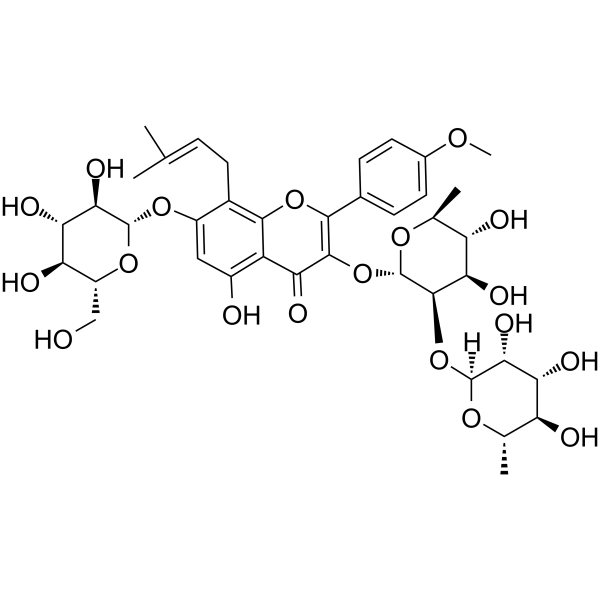
|
Epmedin C (Epimedin-C; Baohuoside-VI) is an orally active anti-inflammatory agent and immunomodulator that binds to multiple key proteins including UCP1, Caspase-1, CDK2 and Keap1. Epmedin C inhibits epithelial cell proliferation by disrupting the complex function of CDK2/Cyclin E. Epmedin C also upregulates Nrf2 expression, reduces ROS levels and inhibits pro-inflammatory cytokine secretion, thereby effectively restoring antibody production and alleviating tissue damage. Epmedin C has good safety with no hepatotoxicity or skin sensitization, and it has been used in studies on diseases such as obesity, Deoxynivalenol (HY-N6684)-induced immunotoxicity and mammary hyperplasia .
|
-
- HY-N1966
-
|
|
p38 MAPK
PPAR
|
Cancer
|
|
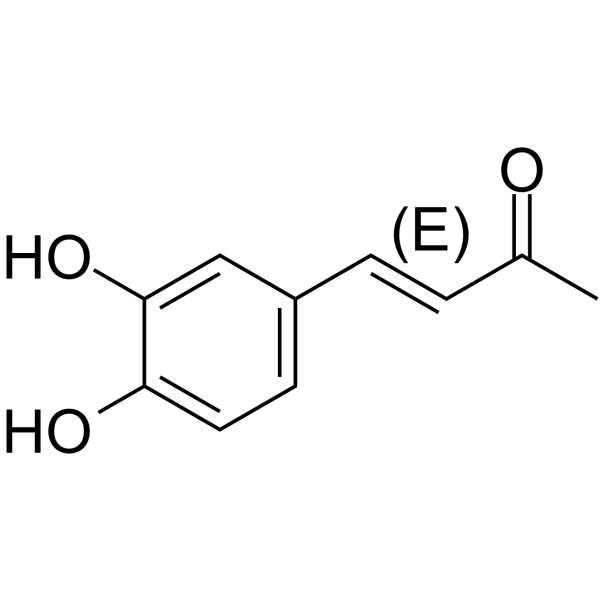
(E)-Osmundacetone is an inhibitor of the MAPK pathway. (E)-Osmundacetone inhibits the activation of the MAPK signaling pathway and restores the expression of PPARα/ACOX1. (E)-Osmundacetone abrogates abnormal cell proliferation, migration and liver metastasis induced by PTPRO silencing in colorectal cancer cells. (E)-Osmundacetone blocks OA-RD17-mediated activation of the MAPK signaling pathway, thereby reducing macrophage proliferation and migration. (E)-Osmundacetone is applicable to relevant research on colorectal cancer .
|
-
- HY-124404
-
|
|
Aryl Hydrocarbon Receptor
Na+/K+ ATPase
Prostaglandin Receptor
|
Inflammation/Immunology
|
|
12(R)-HETE is a CYP-dependent arachidonic acid metabolite that acts as a proinflammatory lipid mediator. 12 (R)-HETE widely exists in various tissues including the eye, skin and liver. In the cornea, 12(R)-HETE is metabolized via pathways such as β-oxidation into the precursor of 12(R)-HETrE. Without direct receptor binding, 12(R)-HETE indirectly activates AHR-mediated target gene transcription, while inhibiting the enzymatic activity of Na+,K+-ATPase and the intracellular calcium elevation induced by TP agonists. 12(R)-HETE also possesses multiple physiological effects such as chemotaxis, proangiogenesis, vasodilation, natriuresis, diuresis and intraocular pressure reduction, and can be widely used in studies related to psoriasis, inflammatory skin diseases and ocular inflammation .
|
-
- HY-129724A
-
|
ACTH-(11-13) acetate; Lys-Pro-Val acetate; H-Lys-Pro-Val-OH acetate
|
Melanocortin Receptor
NF-κB
Bacterial
Interleukin Related
Apoptosis
|
Infection
Neurological Disease
Metabolic Disease
Inflammation/Immunology
|
|
α-MSH (11-13) (ACTH-(11-13)) acetate is a C-terminal tripeptide of α-MSH that can cross the blood-brain barrier. α-MSH (11-13) acetate exhibits antipyretic, anti-inflammatory, and antibacterial activities. α-MSH (11-13) acetate also exerts neuroprotective effects after traumatic brain injury by inhibiting excessive activation of microglia and reducing neuronal apoptosis. α-MSH (11-13) acetate can be used in research related to traumatic brain injury, fever, and bacterial infections .
|
-
- HY-183335
-
|
|
Smo
Hedgehog
Gli
Apoptosis
Caspase
|
Cancer
|
|
Anticancer agent 321 is a Smoothened (SMO) inhibitor with a human IC50 of 0.12 μM, enhanced aqueous solubility, good plasma and metabolic stability, moderate therapeutic index, preliminary safety profile, and moderate oral bioavailability in rats.Anticancer agent 321 binds to SMO’s 7-transmembrane helical channel, forming hydrogen bonds with Asp384 and hydrophobic/π-π interactions with His470, Phe391, Tyr394, stabilizing SMO’s inactive conformation to inhibit Hedgehog/GLI signaling.Anticancer agent 321 inhibits proliferation, suppresses colony formation, induces apoptosis, and downregulates Hedgehog/GLI pathway target genes GLI1, GLI2, Ptch1, HHip in cancer cells.Anticancer agent 321 inhibits tumor growth, downregulates Ki67 and SOX2, and upregulates cleaved-caspase 3 in tumor tissues.Anticancer agent 321 can be used for the research of cutaneous squamous cell carcinoma .
|
-
- HY-W010790
-
|
|
Bacterial
Fungal
|
Infection
|
|
Dimethyloctadecyl[3-(trimethoxysilyl) propyl]ammonium chloride is a quaternary ammonium silane monomer-based disinfectant/antimicrobial agent. Dimethyloctadecylammonium chloride exhibits bactericidal activity against Gram-positive and Gram-negative bacteria, as well as fungicidal activity against Candida albicans in solution; it can form a hydrophobic glass coating that displays bactericidal activity against Gram-positive and Gram-negative bacteria but has limited fungicidal activity against Candida albicans .
|
-
- HY-183647
-
|
|
NO Synthase
|
Inflammation/Immunology
|
|
iNOs-IN-9 (Compound 10) is a selective inducible nitric oxide synthase (iNOS) inhibitor with an IC50 of 82 nM against hiNOS. iNOs-IN-9 reduces cytokine-induced inflammatory responses and cell necrosis in inflammatory cell models. iNOs-IN-9 can be used for research related to psoriasis .
|
-
- HY-118020A
-
|
Loliolid; Digiprolactone
|
Endogenous Metabolite
Caspase
PI3K
Apoptosis
Akt
Sirtuin
Reactive Oxygen Species (ROS)
NF-κB
MMP
|
Neurological Disease
Cancer
|
|
Loliolide (Loliolid) is a β-carotene metabolite. Loliolide reduces caspase 3, 8, 9 expression, enhances PI3K, AKT, SIRT1, inhibits ROS, apoptosis, and blocks NF-κB p65 nuclear translocation. Loliolide protects mitochondria, reduces oxidative stress, and increases cell viability in neuroblastoma cells. Loliolide can be used for the research of UV-induced skin damage and Parkinson’s disease .
|
-
- HY-B1239A
-
|
Cycloadiphene; Hexahydroadiphenine
|
Potassium Channel
Cholinesterase (ChE)
TRP Channel
NOD-like Receptor (NLR)
Amyloid-β
Tau Protein
JNK
NF-κB
IKK
|
Neurological Disease
Metabolic Disease
Inflammation/Immunology
|
|
Drofenine (Cycloadiphene; Hexahydroadiphenine) is an brain-penetrant antispasmodic agent. Drofenine is a Kv2.1 channel inhibitor with human IC50 of 9.53 μM. Drofenine is a butyrylcholinesterase (BChE) inhibitor with Ki of 0.003 mM, and is a TRPV3 activator. Drofenine blocks Kv2.1-dependent potassium efflux, inhibits Kv2.1/JNK/NF-κB and IkBa/NF-kB signaling, suppresses Kv2.1 mRNA/protein expression. Drofenine suppresses oligomeric Aβ-induced microglial NLRP3 inflammasome activation and neuronal Tau hyperphosphorylation, improves cognitive impairment, promotes neurite outgrowth. Drofenine induces calcium influx in keratinocytes and exert cytotoxicity against keratinocytes. Drofenine ameliorates diabetic peripheral neuropathy -like pathology. Drofenine can be used for the researches of Alzheimer's disease, diabetic peripheral neuropathy and smooth muscle spasm .
|
-
- HY-182413
-
|
|
Phospholipase
|
Infection
|
|
SMases D-IN-1 is an inhibitor of SMase D (sphingomyelinase D) from Loxosceles (brown recluse spider), with a Ki value of 0.54 μM. SMases D-IN-1 inhibits the hydrolysis of sphingomyelin substrates by recombinant and native SMases D, reduces the binding ability of SMases D to human red blood cells, and prevents the shedding of glycophorin C from the surface of human red blood cells. SMases D-IN-1 partially inhibits Loxosceles venom-induced death of human keratinocytes and also suppresses systemic reactions triggered by Loxosceles venom. SMases D-IN-1 can be used in studies related to recluse spider envenomation .
|
-
- HY-126956
-
|
|
Reactive Oxygen Species (ROS)
MMP
Collagen
PPAR
DNA/RNA Synthesis
Apoptosis
Caspase
|
Metabolic Disease
Inflammation/Immunology
|
|
Porphyra 334 is a carnosine-like amino acid and a natural photoprotective agent and antioxidant. Porphyra-334 exerts its photoprotective effects by scavenging ROS, inhibiting the expression and activity of MMP-1/8, and promoting the synthesis of collagen and elastin. Porphyra 334 effectively inhibits linoleic acid oxidation induced by alkyl radicals (AAPH) and singlet oxygen. Porphyra 334 has anti-obesity potential by inhibiting the expression of PPARγ2 and C/EBPα. Porphyra 334 protects cells against UV-induced DNA damage and apoptosis by inhibiting the activation of caspase-3 .
|
-
- HY-P992413
-
|
|
Integrin
|
Inflammation/Immunology
|
|
MOR102 is a fully human IgG4 monoclonal antibody and an ICAM-1 inhibitor, lacking cross-reactivity with ICAM-2 and ICAM-3. MOR102 binds to the LFA-1 binding site within ICAM-1 domain 1, blocks ICAM-1/LFA-1 interaction, binds human keratinocytes with increased binding to interferon-γ-stimulated keratinocytes. MOR102 inhibits lymphocyte adhesion, reduces lymphocyte proliferation, prevents local T-cell activation, reduces inflammatory infiltrate, restores orthokeratotic differentiation, and reduces epidermal thickness. MOR102 can be used for the research of psoriasis .
|
-
- HY-163731
-
|
|
DNA Methyltransferase
Interleukin Related
|
Inflammation/Immunology
|
|
EGR-1-IN-1 is a EGR-1 inhibitor with an IC50 of 1.86 μM. EGR-1-IN-1 binds to the zinc finger DNA-binding domain of EGR-1 and promotes the dissociation of the EGR-1-DNA complex. EGR-1-IN-1 reduces the mRNA expression levels of EGR-1-regulated inflammatory genes induced by TNFα. EGR-1-IN-1 alleviates atopic dermatitis-like lesions in the ear skin of mice. EGR-1-IN-1 serves as a lead compound for the development of targeted compounds for inflammatory skin diseases. EGR-1-IN-1 can be used in studies related to atopic dermatitis .
|
-
- HY-154825
-
|
20(OH)D3; 20S-Hydroxyvitamin D3
|
VD/VDR
Aryl Hydrocarbon Receptor
NF-κB
Cytochrome P450
|
Inflammation/Immunology
Cancer
|
|
20-Hydroxyvitamin D3 (20(OH)D3), a product of vitamin D3 hydroxylation, is a noncalcemic immunomodulator. 20-Hydroxyvitamin D3 binds to vitamin D receptor (VDR), activates VDR and aryl hydrocarbon receptor (AhR) signaling, stimulates CYP24A1 expression, and drives VDR nuclear translocation. 20-Hydroxyvitamin D3 inhibits NF-κB activity via IκBα upregulation. 20-Hydroxyvitamin D3 acts as a substrate for CYP27B1 and rat CYP24A1, undergoing hydroxylation to form dihydroxy-derivatives. 20-Hydroxyvitamin D3 inhibits cell proliferation, colony formation, migration, and tumor growth, and induces cell differentiation in cancer cells. 20-Hydroxyvitamin D3 can be used for the research of inflammatory and autoimmune diseases, melanoma, breast carcinomas, and hepatocarcinoma .
|
-
- HY-W145516
-
|
|
Environmental Pollutants
Biochemical Assay Reagents
|
Metabolic Disease
|
|
Guar gum is an orally active nonionic galactomannan polysaccharide. It is present in the endosperm of Cyamopsis tetragonolobus seeds. Guar gum reduces cholesterol levels, regulates body weight, and acts as a thickener and viscosity modifier by forming hydrogen-bonded aqueous solutions. It serves as a rate-controlling excipient in compound delivery systems, and finds applications in the food, tissue engineering, nanosensing and industrial fields .
|
-
- HY-N3011
-
|
|
PI3K
Akt
Pyruvate Kinase
JAK
STAT
NF-κB
Apoptosis
Reactive Oxygen Species (ROS)
|
Metabolic Disease
Inflammation/Immunology
Cancer
|
|
Iridin is an orally active natural isoflavone. Iridin inhibits the PI3K/AKT and PKM2 signaling pathways, and downregulates the JAK/STAT and NF-κB pathways. Iridin induces Fas-mediated extrinsic apoptosis, G2/M cell cycle arrest, and inhibits cell proliferation. Iridin reduces inflammation, inhibits ROS production, suppresses glycolysis, and also exhibits antioxidant and antidiabetic activities. Iridin can be used in research related to gastric cancer and acute lung injury .
|
-
- HY-W440888
-
|
DSPE-PEG2000(2000) Folate
|
Liposome
Folate Receptor (FR)
|
Cancer
|
|
DSPE-PEG2000-Folate (DSPE-PEG2000 Folate) is a folate-containing PEG derivative. DSPE-PEG2000-Folate possesses targeting activity and binds to folate receptors in cancer cells. DSPE-PEG2000-Folate can be post-inserted into preformed liposomal bilayers to prepare folate-targeted liposomal formulations. DSPE-PEG2000-Folate forms micelles/lipid bilayers and can be used in studies of targeted drug delivery systems [2].
|
-
- HY-W002199
-
|
6:2 FTOH; 1H,1H,2H,2H-Perfluoro-1-octanol; 2-(Perfluorohexyl)ethanol
|
Bacterial
Apoptosis
ERK
TNF Receptor
|
Infection
Neurological Disease
|
|
6:2 Fluorotelomer alcohol (6:2 FTOH) is an orally active, blood-brain barrier-permeable modulator of cyclin D1 and ETS1. 6:2 Fluorotelomer alcohol downregulates cyclin D1 expression, upregulates ETS1 via the TNF-α/ERK 1/2 pathway, impairs mitochondrial membrane potential and respiratory function, increases reactive oxygen species levels, disrupts calcium homeostasis and activates endoplasmic reticulum stress markers, and induces cell proliferation inhibition and endothelial-mesenchymal transition. Furthermore, 6:2 Fluorotelomer alcohol induces morphological abnormalities in zebrafish embryos and liver developmental damage, while disrupting the brain immune microenvironment in mice, causing systemic toxicity and delayed pup maturation in CD-1 mice. 6:2 Fluorotelomer alcohol also induces cortical neuron apoptosis, glial cell activation, synaptic abnormalities, colonic barrier damage, intestinal dysbiosis and autism spectrum disorder-like symptoms in mice. 6:2 Fluorotelomer alcohol shows no mutagenic, clastogenic, primary skin/eye irritation or skin sensitizing effects, exhibits no selective reproductive toxicity in CD-1 mice, and is classified as GHS Category 4 for acute oral toxicity. 6:2 Fluorotelomer alcohol can be used in studies of neurodevelopmental disorders and autism spectrum disorders .
|
-
| Cat. No. |
Product Name |
Type |
-
- HY-D2100B
-
|
|
Fluorescent Dyes
|
|
Cy5-DSPE chloride is a far-infrared fluorescent phospholipid (λex/λem = 600/665 nm). Cy5-DSPE chloride is used to label liposomes, membranes and lipid nanoparticles, and can be applied to tracking and imaging studies of liposomes .
|
-
- HY-D2100
-
|
|
Fluorescent Dyes
|
|
Cy5-DSPE is a far-infrared fluorescent phospholipid (λex/λem = 600/665 nm). Cy5-DSPE is used to label liposomes, membranes and lipid nanoparticles, and can be applied to tracking and imaging studies of liposomes .
|
-
- HY-D2100A
-
|
|
Fluorescent Dyes
|
|
Cy5-DSPE chloride ammonium is a far-infrared fluorescent phospholipid (λex/λem = 600/665 nm). Cy5-DSPE chloride ammonium is used to label liposomes, membranes and lipid nanoparticles, and can be applied to tracking and imaging studies of liposomes .
|
| Cat. No. |
Product Name |
Type |
-
- HY-B2201
-
|
Sodium citrate; Trisodium citrate anhydrous
|
Biochemical Assay Reagents
|
|
Citric acid trisodium (Sodium citrate) is a natural preservative and food tartness enhancer. Citric acid trisodium induces apoptosis and cell cycle arrest at G2/M phase and S phase in HaCaT cells. Citric acid trisodium cause oxidative damage of the liver by means of the decrease of antioxidative enzyme activities. Citric acid trisodium is also an acidulant, emulsifier, sequestrant and buffering agent widely used across many industries .
|
-
- HY-P3161
-
|
|
Biochemical Assay Reagents
|
|
Lactoferrin from Bovine milk is a substance released by neutrophils. Lactoferrin from Bovine milk is an orally active multifunctional iron binding glycoprotein. Lactoferrin from Bovine milk prevents cell adhesion, growth and spreading of cell colonies. Lactoferrin from Bovine milk also has antiviral activity and inhibits microbial and viral adhesion and entry into host cells. Besides, Lactoferrin from Bovine milk has anti-inflammatory, immunomodulatory, and anti-cancer activities .
|
-
- HY-N1428A
-
|
|
Biochemical Assay Reagents
|
|
Citric acid monohydrate is a natural preservative and food tartness enhancer. Citric acid monohydrate induces apoptosis and cell cycle arrest at G2/M phase and S phase in HaCaT cells. Citric acid monohydrate cause oxidative damage of the liver by means of the decrease of antioxidative enzyme activities. Citric acid monohydrate is also an acidulant, emulsifier, sequestrant and buffering agent widely used across many industries .
|
-
- HY-W440888
-
|
DSPE-PEG2000(2000) Folate
|
Biochemical Assay Reagents
|
|
DSPE-PEG2000-Folate (DSPE-PEG2000 Folate) is a folate-containing PEG derivative. DSPE-PEG2000-Folate possesses targeting activity and binds to folate receptors in cancer cells. DSPE-PEG2000-Folate can be post-inserted into preformed liposomal bilayers to prepare folate-targeted liposomal formulations. DSPE-PEG2000-Folate forms micelles/lipid bilayers and can be used in studies of targeted drug delivery systems [2].
|
-
- HY-B1295
-
|
Litarex tetrahydrate
|
Biochemical Assay Reagents
|
|
Lithium citrate (Litarex) tetrahydrate is a natural preservative and food tartness enhancer. Lithium citrate tetrahydrate induces apoptosis and cell cycle arrest at G2/M phase and S phase in HaCaT cells. Lithium citrate tetrahydrate cause oxidative damage of the liver by means of the decrease of antioxidative enzyme activities. Lithium citrate tetrahydrate is also an acidulant, emulsifier, sequestrant and buffering agent widely used across many industries .
|
-
- HY-N1428CA
-
|
|
Biochemical Assay Reagents
|
|
Ferric citrate, suitable for cell culture is a natural preservative and food tartness enhancer. Ferric citrate, suitable for cell culture induces apoptosis and cell cycle arrest at G2/M phase and S phase in HaCaT cells. Ferric citrate, suitable for cell culture causes oxidative damage of the liver by means of the decrease of antioxidative enzyme activities. Ferric citrate, suitable for cell culture is also an acidulant, emulsifier, sequestrant and buffering agent widely used across many industries .
|
-
- HY-W008606
-
|
Citric acid monosodium salt
|
Biochemical Assay Reagents
|
|
Sodium citrate monobasic (Citric acid monosodium salt) is a natural preservative and food tartness enhancer. Sodium citrate monobasic induces apoptosis and cell cycle arrest at G2/M phase and S phase in HaCaT cells. Sodium citrate monobasic cause oxidative damage of the liver by means of the decrease of antioxidative enzyme activities. Sodium citrate monobasic is also an acidulant, emulsifier, sequestrant and buffering agent widely used across many industries .
|
-
- HY-W127530
-
|
alpha-Tocopherol phosphate disodium; TocP disodium; Vitamin E phosphate disodium
|
Biochemical Assay Reagents
|
|
α-Tocopherol phosphate disodium is an antioxidant that protects against long-wave UVA1 induced cell death and scavenge UVA1 induced ROS in a skin cell model. α-Tocopherol phosphate disodium exhibits angiogenesis-promoting activity .
|
-
- HY-D2100
-
|
|
Biochemical Assay Reagents
|
|
Cy5-DSPE is a far-infrared fluorescent phospholipid (λex/λem = 600/665 nm). Cy5-DSPE is used to label liposomes, membranes and lipid nanoparticles, and can be applied to tracking and imaging studies of liposomes .
|
-
- HY-W127841
-
|
|
Biochemical Assay Reagents
|
|
Citric acid-2,4- 13C2 is the 13C-labeled Citric acid (HY-N1428). Citric acid is a natural preservative and food tartness enhancer. Citric acid induces apoptosis and cell cycle arrest at G2/M phase and S phase in HaCaT cells. Citric acid cause oxidative damage of the liver by means of the decrease of antioxidative enzyme activities. Citric acid is also an acidulant, emulsifier, sequestrant and buffering agent widely used across many industries .
|
-
- HY-N1428AR
-
|
|
Biochemical Assay Reagents
|
|
Citric acid monohydrate (Standard) is the analytical standard of Citric acid monohydrate (HY-N1428A). This product is intended for research and analytical applications. Citric acid monohydrate is a natural preservative and food tartness enhancer. Citric acid monohydrate induces apoptosis and cell cycle arrest at G2/M phase and S phase in HaCaT cells. Citric acid monohydrate cause oxidative damage of the liver by means of the decrease of antioxidative enzyme activities. Citric acid monohydrate is also an acidulant, emulsifier, sequestrant and buffering agent widely used across many industries .
|
-
- HY-B1295R
-
|
Litarex tetrahydrate (Standard)
|
Biochemical Assay Reagents
|
|
Lithium citrate (tetrahydrate) (Standard) is the analytical standard of Lithium citrate (tetrahydrate). This product is intended for research and analytical applications. Lithium citrate (Litarex) tetrahydrate is a natural preservative and food tartness enhancer. Lithium citrate tetrahydrate induces apoptosis and cell cycle arrest at G2/M phase and S phase in HaCaT cells. Lithium citrate tetrahydrate cause oxidative damage of the liver by means of the decrease of antioxidative enzyme activities. Lithium citrate tetrahydrate is also an acidulant, emulsifier, sequestrant and buffering agent widely used across many industries .
|
-
- HY-W127530R
-
|
alpha-Tocopherol phosphate disodium (Standard); TocP disodium (Standard); Vitamin E phosphate disodium (Standard)
|
Biochemical Assay Reagents
|
|
α-Tocopherol phosphate (Standard) (alpha-Tocopherol phosphate (Standard)) disodium is the analytical standard of α-Tocopherol phosphate disodium (HY-W127530). This product is intended for research and analytical applications.
α-Tocopherol phosphate disodium is an antioxidant that protects against long-wave UVA1 induced cell death and scavenge UVA1 induced ROS in a skin cell model. α-Tocopherol phosphate disodium exhibits angiogenesis-promoting activity .
|
| Cat. No. |
Product Name |
Target |
Research Area |
-
- HY-P0097
-
|
Melanostatine-5
|
Melanocortin Receptor
|
Metabolic Disease
Endocrinology
Cancer
|
|
Nonapeptide-1 (Melanostatine-5), a peptide hormone, is a selective antagonist of MC1R (Ki: 40 nM). Nonapeptide-1 is a competitive α-MSH antagonist that potently inhibits intracellular cAMP and melanosome dispersion induced by α-MSH in melanocytes (IC50: 2.5 nM and 11 nM, respectively). Nonapeptide-1 inhibits melanin synthesis, and can be used in the research of skin pigmentation and regulation of steroid production in the adrenal gland, skin cancer .
|
-
- HY-P5238
-
|
|
Peptides
|
Others
|
|
Trifluoroacetyl tripeptide-2 is a tripeptide with strong cosmetic activity. Trifluoroacetyl tripeptide-2 can regulate progerin synthesis, promote extracellular matrix synthesis, and improve skin elasticity. Trifluoroacetyl tripeptide-2 has anti-wrinkle and firming effects and can be used as an anti-aging ingredient in cosmetic research .
|
-
- HY-P11017
-
|
|
p38 MAPK
Cadherin
|
Inflammation/Immunology
|
|
LNSMGQD is a cyclic peptide fragment derived from desmoglein 1 (amino acids 81-86), which mimics trans-interactions and acts as part of the tandem peptide binding interface of desmoglein 2. LNSMGQD not only binds to desmoglein 1 and 3, but also effectively inhibits their homophilic trans-interactions, while reducing the probability of homophilic or heterophilic binding between desmoglein 2 and Dsc2, N-cadherin and E-cadherin. LNSMGQD is applicable to the research on disease mechanisms such as Crohn's disease and pemphigus vulgaris .
|
-
- HY-129724A
-
|
ACTH-(11-13) acetate; Lys-Pro-Val acetate; H-Lys-Pro-Val-OH acetate
|
Melanocortin Receptor
NF-κB
Bacterial
Interleukin Related
Apoptosis
|
Infection
Neurological Disease
Metabolic Disease
Inflammation/Immunology
|
|
α-MSH (11-13) (ACTH-(11-13)) acetate is a C-terminal tripeptide of α-MSH that can cross the blood-brain barrier. α-MSH (11-13) acetate exhibits antipyretic, anti-inflammatory, and antibacterial activities. α-MSH (11-13) acetate also exerts neuroprotective effects after traumatic brain injury by inhibiting excessive activation of microglia and reducing neuronal apoptosis. α-MSH (11-13) acetate can be used in research related to traumatic brain injury, fever, and bacterial infections .
|
-
- HY-P2663
-
|
|
TNF Receptor
|
Metabolic Disease
|
|
Acetyl tetrapeptide-2 is a bio-active peptide that exhibits anti-aging activity. Acetyl tetrapeptide-2 can reduce loss of thymic factors. Acetyl tetrapeptide-2 can increase the stiffness of HaCaT cells. Acetyl tetrapeptide-2 is a stimulator of structural skin elements including collagen and elastin .
|
-
- HY-P0097A
-
|
Melanostatine-5 acetate salt
|
Melanocortin Receptor
|
Metabolic Disease
Endocrinology
Cancer
|
|
Nonapeptide-1 (Melanostatine-5) acetate salt, a peptide hormone, is a selective antagonist of MC1R (Ki: 40 nM). Nonapeptide-1 acetate salt is a competitive α-MSH antagonist that potently inhibits intracellular cAMP and melanosome dispersion induced by α-MSH in melanocytes (IC50: 2.5 nM and 11 nM, respectively). Nonapeptide-1 acetate salt inhibits melanin synthesis, and can be used in the research of skin pigmentation and regulation of steroid production in the adrenal gland, skin cancer .
|
-
- HY-P3513
-
|
|
ERK
MMP
|
Neurological Disease
|
|
β-Neo-Endorphin is an endogenous opioid peptide. β-Neo-Endorphin is a hypothalamic “big” Leu-enkephalin of porcine origin. β-Neo-Endorphin shows activation of the Erk1/2, MMP-2 and MMP-9 .
|
-
- HY-P5898
-
|
Z-Val-Val-Nle-CHN2
|
Cathepsin
MHC
|
Inflammation/Immunology
|
|
Z-Val-Val-Nle-diazomethylketone is a cathepsin S (CATS) inhibitor. Z-Val-Val-Nle-diazomethylketone significantly inhibits the IFNg-induced upregulation of the MHCII molecules HLA-DR and Ii-p33/35 with an increase of Ii-p10 protein level. Z-Val-Val-Nle-diazomethylketone can be used for dermatological diseases like psoriasis, atopic dermatitis and actinic keratosis research .
|
-
- HY-P10324
-
|
p16INK4a peptide
|
Peptides
|
Cancer
|
|
TAT-p16 (p16INK4a peptide) is a peptide mimic of p16INK4a that can induce an early G phase cell cycle arrest in the absence of active cyclin E:Cdk2 complex .
|
| Cat. No. |
Product Name |
Target |
Research Area |
Image |
-
- HY-P992413
-
|
|
Integrin
|
Inflammation/Immunology
|
|
MOR102 is a fully human IgG4 monoclonal antibody and an ICAM-1 inhibitor, lacking cross-reactivity with ICAM-2 and ICAM-3. MOR102 binds to the LFA-1 binding site within ICAM-1 domain 1, blocks ICAM-1/LFA-1 interaction, binds human keratinocytes with increased binding to interferon-γ-stimulated keratinocytes. MOR102 inhibits lymphocyte adhesion, reduces lymphocyte proliferation, prevents local T-cell activation, reduces inflammatory infiltrate, restores orthokeratotic differentiation, and reduces epidermal thickness. MOR102 can be used for the research of psoriasis .
|
-
(5)
| Cat. No. |
Product Name |
Category |
Target |
Chemical Structure |
-
- HY-N1428
-
-
-
- HY-W028393
-
-
-
- HY-N0638
-
-
-
- HY-W009156
-
-
-
- HY-N0611
-
-
-
- HY-N2736
-
|
|
Flavonoids
Classification of Application Fields
Flavones
Leguminosae
Other Diseases
Phenols
Polyphenols
Plants
Vicia faba L.
Disease Research Fields
Source Classification
|
Beta-lactamase
COX
Interleukin Related
Bacterial
JNK
ERK
p38 MAPK
STAT
Apoptosis
NO Synthase
Nuclear Factor of activated T Cells (NFAT)
Lactate Dehydrogenase
Reactive Oxygen Species (ROS)
SOD
Akt
Caspase
Bcl-2 Family
|
|
3′,4′,7-Trihydroxyflavone is an orally active inhibitor of OXA-48 (IC50 = 1.89 μM) and COX-1 (IC50 = 36.37 μM). 3′,4′,7-Trihydroxyflavone exhibits antioxidant and anti-inflammatory properties, inhibiting the release of inflammatory cytokines such as IL-6, IL-8, and TNF-α. 3′,4′,7-Trihydroxyflavone inhibits H2O2-induced neuronal apoptosis and ROS accumulation, and exerts anti-neuroinflammatory effects by suppressing the JNK-STAT1 pathway. 3′,4′,7-Trihydroxyflavone exhibits antimicrobial and antibiotic-modifying activities against multidrug-resistant Gram-negative enteric bacteria. 3′,4′,7-Trihydroxyflavone inhibits RANKL-induced osteoclast formation via NFATc1. 3′,4′,7-Trihydroxyflavone activates the CREB-BDNF axis and restores scopolamine (HY-N0296)-induced memory deficits in mice .
|
-
-
- HY-N0260
-
-
-
- HY-N2228
-
-
-
- HY-N0064
-
-
-
- HY-N2413
-
-
-
- HY-B1295
-
-
-
- HY-Y1819
-
-
-
- HY-W749694
-
-
-
- HY-41404
-
-
-
- HY-N1407
-
-
-
- HY-N1966
-
|
|
Structural Classification
Microorganisms
Phenols
Polyphenols
Source Classification
|
p38 MAPK
PPAR
|
|
(E)-Osmundacetone is an inhibitor of the MAPK pathway. (E)-Osmundacetone inhibits the activation of the MAPK signaling pathway and restores the expression of PPARα/ACOX1. (E)-Osmundacetone abrogates abnormal cell proliferation, migration and liver metastasis induced by PTPRO silencing in colorectal cancer cells. (E)-Osmundacetone blocks OA-RD17-mediated activation of the MAPK signaling pathway, thereby reducing macrophage proliferation and migration. (E)-Osmundacetone is applicable to relevant research on colorectal cancer .
|
-
-
- HY-118020A
-
|
Loliolid; Digiprolactone
|
Natural Products
Classification of Application Fields
Metabolic Disease
Plants
Compositae
Millettia usaramensis Taub.
Disease Research Fields
Source Classification
|
Endogenous Metabolite
Caspase
PI3K
Apoptosis
Akt
Sirtuin
Reactive Oxygen Species (ROS)
NF-κB
MMP
|
|
Loliolide (Loliolid) is a β-carotene metabolite. Loliolide reduces caspase 3, 8, 9 expression, enhances PI3K, AKT, SIRT1, inhibits ROS, apoptosis, and blocks NF-κB p65 nuclear translocation. Loliolide protects mitochondria, reduces oxidative stress, and increases cell viability in neuroblastoma cells. Loliolide can be used for the research of UV-induced skin damage and Parkinson’s disease .
|
-
-
- HY-126956
-
-
-
- HY-N3011
-
-
-
- HY-N2540
-
-
-
- HY-N1428R
-
-
-
- HY-W028393R
-
-
-
- HY-N0363
-
-
-
- HY-Y1129
-
-
-
- HY-N6896
-
-
-
- HY-N12717
-
|
|
Terminalia arjuna (Roxb. ex DC.) Wight & Arn.
Structural Classification
Combretaceae
Phenols
Polyphenols
Plants
Source Classification
|
PAK
FASTK
HSP
p38 MAPK
NF-κB
NO Synthase
COX
HSV
Caspase
TNF Receptor
Fungal
Apoptosis
|
|
Casuarinin is an orally active antiproliferative, anti-inflammatory, antifungal, virucidal and gastroprotective agent. Casuarinin upregulates the expression of p21/WAF1, Fas/APO‑1, mFasL, sFasL and HSP‑70, arrests cell cycle, induces apoptosis and inhibits cancer cell proliferation. Casuarinin inhibits TNF‑α-induced phosphorylation of MAPK and activation of NF‑κB, downregulates the expression of iNOS, NF‑κB, COX‑2 and ICAM‑1, and reduces the production of proinflammatory mediators. Casuarinin attenuates ethanol-induced activation of caspase‑3 and elevation of TNF‑α, inhibits the growth of Candida albicans, and inhibits HSV‑2. Casuarinin can be used in research related to mammary adenocarcinoma, inflammatory skin diseases, gastric ulcers, candidiasis and herpes simplex virus infections .
|
-
-
- HY-138875
-
|
|
Natural Products
Microorganisms
Source Classification
|
p38 MAPK
Apoptosis
|
|
Tetraacetylphytosphingosine is a sphingolipid metabolite produced by phytosphingosine acetylation. Tetraacetylphytosphingosine exerts its inhibitory action on angiogenesis through the inhibition of MAPK activation and intracellular calcium increase . Tetraacetylphytosphingosine induces apoptosis in HaCaT cells .
|
-
-
- HY-113599
-
-
-
- HY-W728151
-
-
-
- HY-N3388
-
-
-
- HY-N11262
-
|
|
Structural Classification
Flavonoids
Flavones
Rutaceae
Citrus sudachi Hort. ex Shirai.
Plants
Source Classification
|
Phosphodiesterase (PDE)
Sirtuin
PGC-1α
p38 MAPK
HSP
TNF Receptor
NO Synthase
Apoptosis
|
|
Sudachitin is an orally active compound that potently inhibits mouse PDE1C and human PDE4B, with IC50 values of 5.0 μM and 15.0 μM, respectively. Sudachitin upregulates Sirt1 and PGC‑1α expression in skeletal muscle to regulate energy metabolism and promote mitochondrial biogenesis. Sudachitin improves lipid metabolism, glucose tolerance, insulin sensitivity, energy expenditure, and fatty acid β‑oxidation. Sudachitin activates p38MAPK signaling, induces HSP27 phosphorylation and caspase‑dependent apoptosis, and blocks EGF‑driven keratinocyte migration and proliferation. Sudachitin suppresses LPS‑induced TNF‑α, NO, and iNOS expression in macrophages and shows potent anti‑inflammatory activity. Sudachitin can be used for the research of metabolic syndrome, type 2 diabetes, and psoriasis. .
|
-
-
- HY-N1190
-
-
-
- HY-N10623
-
-
-
- HY-N3612
-
|
(+)-Communic acid
|
Animals
Ketones, Aldehydes, Acids
Source Classification
|
Bacterial
Akt
MMP
|
|
Communic acid ((+)-Communic acid) is a natural compound isolated from the branches of Platycladus orientalis. Communic acid displays minimum inhibitory concentration of 31 μM and IC50 of 15 μM against M. tuberculosis H37Ra.Communic acid exhibits protective effects against UVB-induced skin aging .
|
-
-
- HY-N4280
-
|
|
Structural Classification
Classification of Application Fields
Rutaceae
Coumarins
Phenylpropanoids
Plants
Inflammation/Immunology
Disease Research Fields
Citrus reticulata Blanco
Source Classification
|
Na+/K+ ATPase
Glutathione Peroxidase
NF-κB
p38 MAPK
Interleukin Related
|
|
7,8-Dimethoxycoumarin is a coumarin compound derived from Artemisia caruifolia with oral activity. 7,8-Dimethoxycoumarin inhibits mitochondrial permeability transition pore and H +/K +-ATPase, and exhibits antioxidant, anti-inflammatory, renoprotective, neuroprotective and gastroprotective effects. 7,8-Dimethoxycoumarin reduces lipid peroxidation (TBARS), increases GSH levels, inhibits myeloperoxidase (MPO) activity, and regulates the expression of inflammatory factors by inhibiting the NF‑κB and MAPK pathways. 7,8-Dimethoxycoumarin ameliorates gastric mucosal injury, alleviates renal tissue lesions and relieves neuropathic pain. 7,8-Dimethoxycoumarin can be used in studies related to acute renal failure, trigeminal neuralgia and gastritis .
|
-
-
- HY-N2540R
-
-
-
- HY-B1295R
-
|
Litarex tetrahydrate (Standard)
|
Structural Classification
Microorganisms
Ketones, Aldehydes, Acids
Source Classification
|
Apoptosis
Endogenous Metabolite
Bacterial
Reference Standards
|
|
Lithium citrate (tetrahydrate) (Standard) is the analytical standard of Lithium citrate (tetrahydrate). This product is intended for research and analytical applications. Lithium citrate (Litarex) tetrahydrate is a natural preservative and food tartness enhancer. Lithium citrate tetrahydrate induces apoptosis and cell cycle arrest at G2/M phase and S phase in HaCaT cells. Lithium citrate tetrahydrate cause oxidative damage of the liver by means of the decrease of antioxidative enzyme activities. Lithium citrate tetrahydrate is also an acidulant, emulsifier, sequestrant and buffering agent widely used across many industries .
|
-
-
- HY-N16399
-
-
-
- HY-13451R
-
|
|
Microorganisms
Source Classification
|
Reference Standards
Bacterial
Antibiotic
|
|
Citric acid (Standard) is the analytical standard of Citric acid. This product is intended for research and analytical applications. Citric acid is a natural preservative and food tartness enhancer. Citric acid induces apoptosis and cell cycle arrest at G2/M phase and S phase in HaCaT cells. Citric acid cause oxidative damage of the liver by means of the decrease of antioxidative enzyme activities. Citric acid causes renal toxicity in mice .
|
-
-
- HY-Y1819R
-
-
-
- HY-N0064R
-
-
-
- HY-N0611R
-
-
-
- HY-W009156R
-
|
Potassium citrate monohydrate (Standard)
|
Structural Classification
Ketones, Aldehydes, Acids
Guttiferae
Plants
Garcinia cambogia
|
Reference Standards
Apoptosis
Endogenous Metabolite
Bacterial
|
|
Citric acid tripotassium hydrate (Standard) (Potassium citrate monohydrate (Standard)) is the analytical standard of Citric acid tripotassium hydrate (HY-W009156). This product is intended for research and analytical applications. Citric acid tripotassium hydrate is a natural preservative and food tartness enhancer. Citric acid tripotassium hydrate induces apoptosis and cell cycle arrest at G2/M phase and S phase in HaCaT cells. Citric acid tripotassium hydrate cause oxidative damage of the liver by means of the decrease of antioxidative enzyme activities. Citric acid tripotassium hydrate is also an acidulant, emulsifier, sequestrant and buffering agent widely used across many industries .
|
-
-
- HY-N6896R
-
-
-
- HY-41404R
-
-
-
- HY-N9093
-
|
|
Phenols
Curcuma kwangsiensis S. K. Lee & C. F. Liang
Plants
Source Classification
Zingiberaceae
|
Others
|
|
(3R,5R)-3,5-Diacetoxy-1-(3,4-dihydroxyphenyl)-7-(4-hydroxyphenyl)heptane, a diarylheptanoid from the rhizomes of Curcuma kwangsiensis, possesses a variety of biological and pharmacological activities including antioxidant, antihepa totoxic, anti-inflammatory, antiproliferative, antiemetic, and antitumor activities .
|
-
-
- HY-N17816
-
|
|
Structural Classification
Flavonoids
Flavones
Rutaceae
Plants
Zanthoxylum armatum DC.
Source Classification
|
Apoptosis
Reactive Oxygen Species (ROS)
α-synuclein
Succinate Dehydrogenase
Bcl-2 Family
Caspase
|
|
Tambulin is an orally active flavonol compound found in Zanthoxylum armatum. Tambulin can inhibit cell proliferation, induce apoptosis and inhibit ROS production. Tambulin upregulates cleaved caspase-3, cleaved caspase-9, and Bax, downregulates Bcl-2 levels. Tambulin can stimulate glucose-dependent insulin secretion and induce endothelium-independent vasorelaxation. Tambulin binds to succinate dehydrogenase (SDH) (Ki = 11.02 μM) and shows significant ferric reducing power. Tambulin can enhances oxidative stress resistance, reduces, lipofuscin deposits, lipid levels, α-synuclein levels, improves locomotary behavior, and dopamine levels in in age-synchronized L1 hermaphrodite Caenorhabditis elegans models of ageing and Parkinson's disease. Tambulin can be used for the researches of Parkinson's disease, lung squamous cell carcinoma, and diabetes .
|
-
-
- HY-W754452
-
-
-
- HY-N17872
-
-
| Cat. No. |
Product Name |
Chemical Structure |
-
- HY-N1428S1
-
|
|
|
Citric acid- 13C6 is the 13C-labeled Citric acid (HY-N1428). Citric acid is a natural preservative and food tartness enhancer. Citric acid induces apoptosis and cell cycle arrest at G2/M phase and S phase in HaCaT cells. Citric acid cause oxidative damage of the liver by means of the decrease of antioxidative enzyme activities. Citric acid is also an acidulant, emulsifier, sequestrant and buffering agent widely used across many industries .
|
-
-
- HY-N1428S
-
|
|
|
Citric acid-d4 is the deuterium labeled Citric acid (HY-N1428). Citric acid is a natural preservative and food tartness enhancer. Citric acid induces apoptosis and cell cycle arrest at G2/M phase and S phase in HaCaT cells. Citric acid cause oxidative damage of the liver by means of the decrease of antioxidative enzyme activities. Citric acid is also an acidulant, emulsifier, sequestrant and buffering agent widely used across many industries .
|
-
-
- HY-N1428S3
-
|
|
|
Citric acid- 13C3 is the 13C-labeled Citric acid (HY-N1428). Citric acid is a natural preservative and food tartness enhancer. Citric acid induces apoptosis and cell cycle arrest at G2/M phase and S phase in HaCaT cells. Citric acid cause oxidative damage of the liver by means of the decrease of antioxidative enzyme activities. Citric acid is also an acidulant, emulsifier, sequestrant and buffering agent widely used across many industries .
|
-
-
- HY-W718300
-
|
|
|
Indole-3-pyruvic acid-d5 is deuterated labeled Indole-3-pyruvic acid. Indole-3-pyruvic acid, a keto analogue of tryptophan, is an orally active AHR agonist. Indole-3-pyruvic acid has antioxidant properties, and can be used in the research of inflammation, anxiety .
|
-
-
- HY-N1428S6
-
|
|
|
Citric acid-d4-1 is deuterated labeled Citric acid (HY-N1428). Citric acid is a natural preservative and food tartness enhancer. Citric acid induces apoptosis and cell cycle arrest at G2/M phase and S phase in HaCaT cells. Citric acid cause oxidative damage of the liver by means of the decrease of antioxidative enzyme activities. Citric acid is also an acidulant, emulsifier, sequestrant and buffering agent widely used across many industries .
|
-
-
- HY-N1428S2
-
|
|
|
Citric acid- 13C2 is the 13C-labeled Citric acid (HY-N1428). Citric acid is a natural preservative and food tartness enhancer. Citric acid induces apoptosis and cell cycle arrest at G2/M phase and S phase in HaCaT cells. Citric acid cause oxidative damage of the liver by means of the decrease of antioxidative enzyme activities. Citric acid is also an acidulant, emulsifier, sequestrant and buffering agent widely used across many industries .
|
-
-
- HY-W127841
-
|
|
|
Citric acid-2,4- 13C2 is the 13C-labeled Citric acid (HY-N1428). Citric acid is a natural preservative and food tartness enhancer. Citric acid induces apoptosis and cell cycle arrest at G2/M phase and S phase in HaCaT cells. Citric acid cause oxidative damage of the liver by means of the decrease of antioxidative enzyme activities. Citric acid is also an acidulant, emulsifier, sequestrant and buffering agent widely used across many industries .
|
-
-
- HY-134160S
-
|
|
|
5,6-Dihydro-5-Fluorouracil- 13C, 15N2 (5-DHFU- 13C, 15N2) is the 13C- and 15N-labeled labeled 5,6-Dihydro-5-Fluorouracil (HY-134160). 5,6-Dihydro-5-Fluorouracil (5-DHFU; 5-Fluorodihydropyrimidine-2,4-dione) is the active metabolite of the thymidylate synthase inhibitor prodrug 5-fluorouracil (HY-90006), which is formed from 5-fluorouracil by dihydropyrimidine dehydrogenase (DPD). 5,6-Dihydro-5-Fluorouracil is cytotoxic to HaCaT keratinocytes (IC50=13.5 μM). Intravenous administration of 5,6-Dihydro-5-Fluorouracil (90 mg/kg/wk) in combination with 5-fluorouracil and the DPD inhibitor eniluracil (HY-10533) slows tumor growth in a rat colon cancer model.
|
-
-
- HY-P10324
-
|
|
|
TAT-p16 (p16INK4a peptide) is a peptide mimic of p16INK4a that can induce an early G phase cell cycle arrest in the absence of active cyclin E:Cdk2 complex .
|
-
-
- HY-W724319
-
|
|
|
Citric acid-d4 trisodium (Sodium citrate-d4) is the deuterium labeled Citric acid trisodium (HY-B2201). Citric acid trisodium (Sodium citrate) is a natural preservative and food tartness enhancer. Citric acid trisodium induces apoptosis and cell cycle arrest at G2/M phase and S phase in HaCaT cells. Citric acid trisodium cause oxidative damage of the liver by means of the decrease of antioxidative enzyme activities. Citric acid trisodium is also an acidulant, emulsifier, sequestrant and buffering agent widely used across many industries .
|
-
| Cat. No. |
Product Name |
|
Classification |
-
- HY-W440888
-
|
DSPE-PEG2000(2000) Folate
|
|
Pegylated Lipids
|
|
DSPE-PEG2000-Folate (DSPE-PEG2000 Folate) is a folate-containing PEG derivative. DSPE-PEG2000-Folate possesses targeting activity and binds to folate receptors in cancer cells. DSPE-PEG2000-Folate can be post-inserted into preformed liposomal bilayers to prepare folate-targeted liposomal formulations. DSPE-PEG2000-Folate forms micelles/lipid bilayers and can be used in studies of targeted drug delivery systems [2].
|
-
- HY-W145516
-
|
|
|
Thickeners
Suspending Agents
|
|
Guar gum is an orally active nonionic galactomannan polysaccharide. It is present in the endosperm of Cyamopsis tetragonolobus seeds. Guar gum reduces cholesterol levels, regulates body weight, and acts as a thickener and viscosity modifier by forming hydrogen-bonded aqueous solutions. It serves as a rate-controlling excipient in compound delivery systems, and finds applications in the food, tissue engineering, nanosensing and industrial fields .
|
-
- HY-D2100
-
|
|
|
Fluorescent Lipids
|
|
Cy5-DSPE is a far-infrared fluorescent phospholipid (λex/λem = 600/665 nm). Cy5-DSPE is used to label liposomes, membranes and lipid nanoparticles, and can be applied to tracking and imaging studies of liposomes .
|
Your information is safe with us. * Required Fields.
Inquiry Information
- Product Name:
- Cat. No.:
- Quantity:
- MCE Japan Authorized Agent:

