
1. Search Result
Search Result
Results for "

herpes

" in MedChemExpress (MCE) Product Catalog:

185

Inhibitors & Agonists

2

Screening Libraries

2

Biochemical Assay Reagents

17

Peptides

1

Inhibitory Antibodies

40

Natural
Products

16

Recombinant Proteins

19

Isotope-Labeled Compounds

6

Antibodies

1

Click Chemistry

9

Oligonucleotides

Targets Recommended:
Cat. No. Product Name Target Research Areas Chemical Structure
  • HY-13637
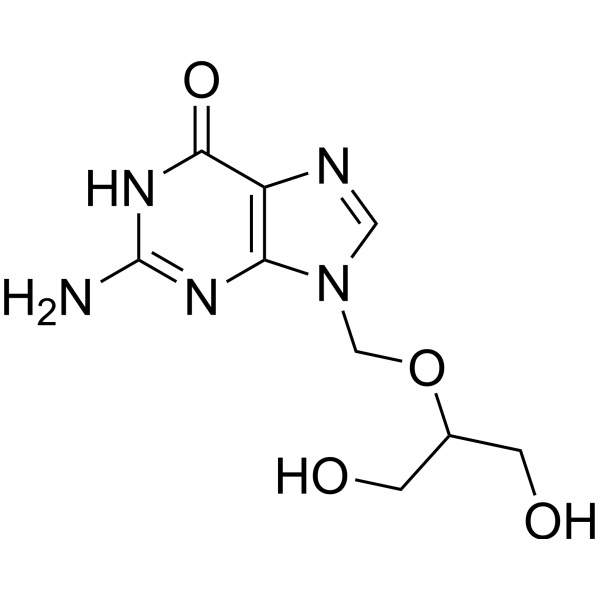
    Ganciclovir
    Maximum Cited Publications
    27 Publications Verification

    BW 759; 2'-Nor-2'-deoxyguanosine

    CMV HSV Antibiotic Nucleoside Antimetabolite/Analog Infection Cancer
    Ganciclovir (BW 759), a nucleoside analogue, is an orally active antiviral agent with activity against CMV. Ganciclovir also has activity in vitro against members of the herpes group and some other DNA viruses. Ganciclovir inhibits the in vitro replication of human herpes viruses (HSV 1 and 2, CMV) and adenovirus serotypes 1, 2, 4, 6, 8, 10, 19, 22 and 28. Ganciclovir has an IC50 of 5.2 μM for feline herpesvirus type-1 (FHV-1) and can diffuse into the brain .
    Ganciclovir
  • HY-N6733
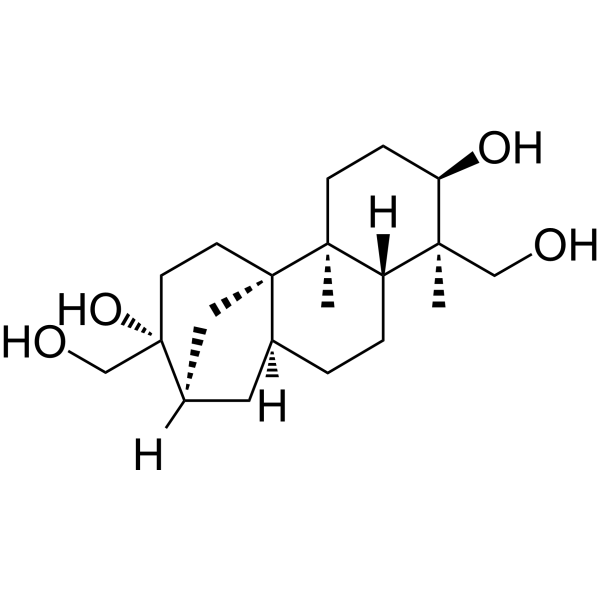
    Aphidicolin
    Maximum Cited Publications
    15 Publications Verification

    DNA/RNA Synthesis HSV Apoptosis Antibiotic Orthopoxvirus Infection Inflammation/Immunology
    Aphidicolin is an inhibitor of DNA polymerase α and δ, prevents mitotic cell division by interfering DNA polymerase activity. Aphidicolin is an antibiotic produced by mold Cephalosporium aphidicola, inhibits cellular deoxyribonucleic acid synthesis and the growth of herpes simplex virus. Aphidicolin exhibits anti-orthopoxvirus activity and potentiates apoptosis induced by arabinosyl nucleosides in a human promyelocytic leukemia cell line .
    Aphidicolin
  • HY-17438
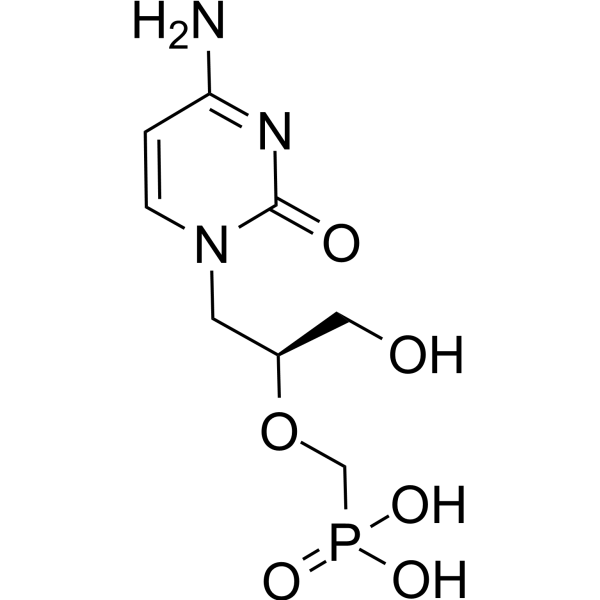
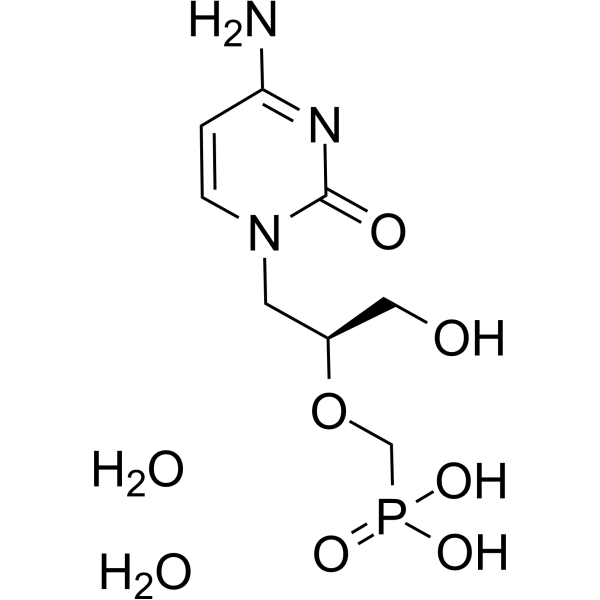
    Cidofovir
    10+ Cited Publications

    GS 0504; HPMPC; (S)-HPMPC

    CMV Apoptosis DNA/RNA Synthesis Orthopoxvirus Endogenous Metabolite Infection Cancer
    Cidofovir (GS 0504) is an acyclic monophosphate nucleotide analogue and CMV inhibitor with antiviral activity. Cidofovir inhibits cytomegalovirus (CMV) replication by selectively inhibiting viral DNA polymerase. Cidofovir induces apoptosis and can be used in studies of AIDS cytomegalovirus retinitis, herpes, and cancer . Cidofovir also has anti-orthopoxvirus and anti-variola activities .
    Cidofovir
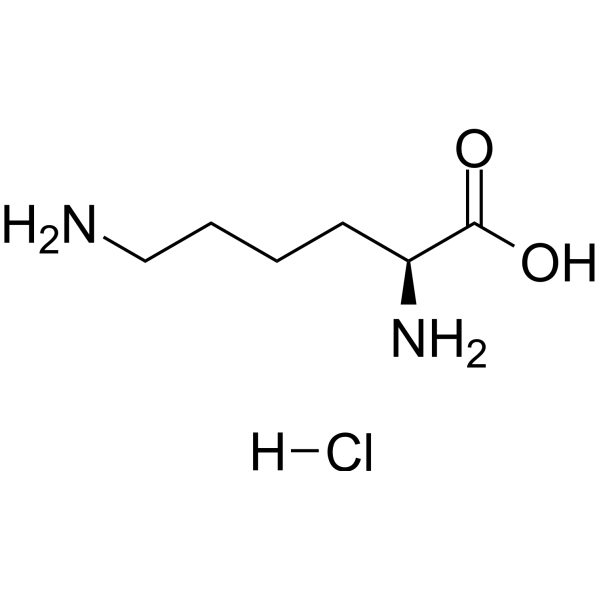
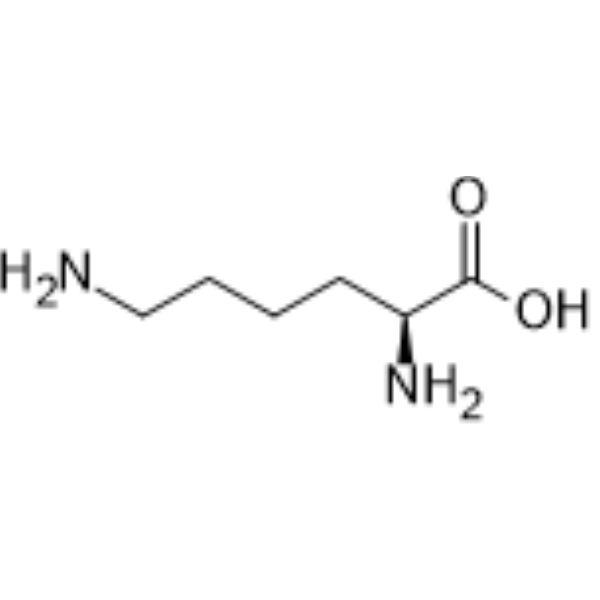
  • HY-N0470
    L-Lysine hydrochloride
    5+ Cited Publications

    Virus Protease Endogenous Metabolite Infection Cardiovascular Disease Inflammation/Immunology Endocrinology Cancer
    L-lysine hydrochloride is an essential amino acid for humans with various benefits including treating herpes, increasing calcium absorption, reducing diabetes-related illnesses and improving gut health.
    L-Lysine hydrochloride
  • HY-17425A
    Valacyclovir hydrochloride
    1 Publications Verification

    Valaciclovir hydrochloride

    HSV Antibiotic Bacterial Infection Cancer
    Valacyclovir hydrochloride (Valaciclovir hydrochloride) is an orally active antiviral agent for herpes simplex, herpes zoster, and herpes B. Valacyclovir hydrochloride inhibits HSV-1 W (50=2.9 μg/ml). Valacyclovir hydrochloride is a proagent of Aciclovir (HY-17422) .
    Valacyclovir hydrochloride
  • HY-15303
    Pritelivir
    5+ Cited Publications

    AIC316; BAY 57-1293

    DNA/RNA Synthesis HSV Infection
    Pritelivir (AIC316), an inhibitor of the viral helicase-primase complex, exhibits antiviral activity in vitro and in animal models of herpes simplex virus (HSV) infection. Pritelivir is active against herpes simplex virus types 1 and 2 (HSV-1 and HSV-2) with the IC50 of 0.02 μM against HSV1-2 .
    Pritelivir
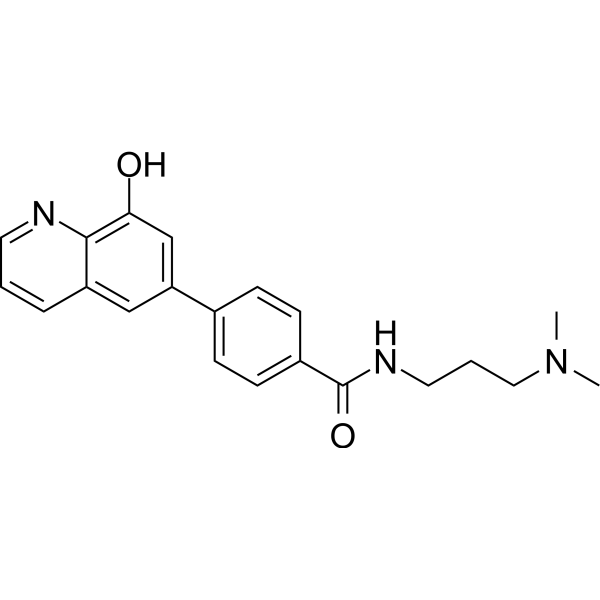
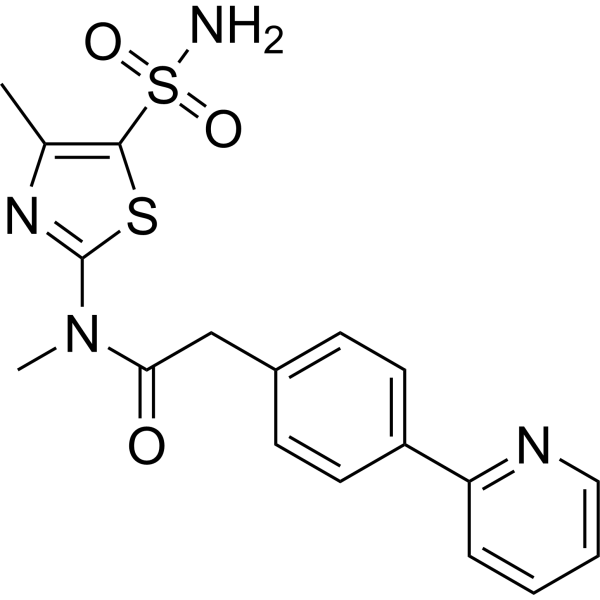
  • HY-12725
    ML324
    5+ Cited Publications

    Histone Demethylase HSV CMV Cancer
    ML324 is a potent JMJD2 demethylase inhibitor with antiviral activity. ML324 also exhibits inhibition for the histone demethylase KDM4B, with an IC50 of 4.9 μM. ML324 has potent anti-viral activity against both herpes simplex virus (HSV) and human cytomegalovirus (hCMV) infection via inhibition viral IE gene expression .
    ML324
  • HY-13578
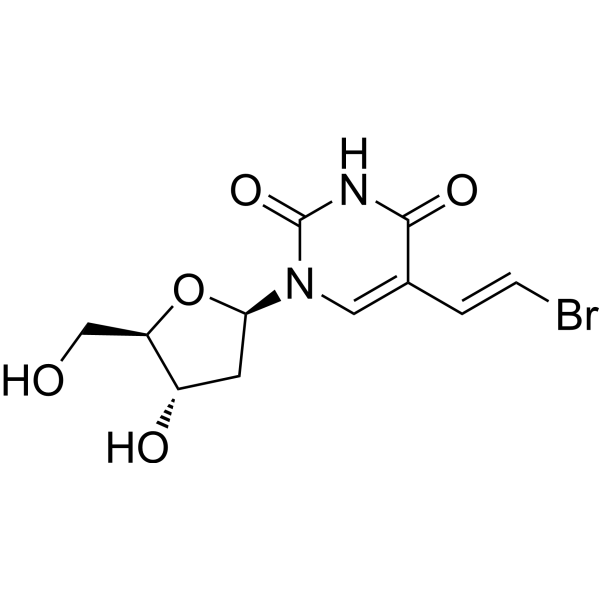
    Brivudine
    2 Publications Verification

    Bromovinyldeoxyuridine; BVDU

    CMV Infection Cancer
    Brivudine is a thymidine analogue with antiviral activity, indicated for the early treatment of acute herpes zoster.
    Brivudine
  • HY-125474
    Carrageenan
    1 Publications Verification

    Environmental Pollutants HIV HSV Infection Cancer
    Carrageenan is an antiviral and anticancer agent. Carrageenan inhibits herpes simplex virus (HSV), HIV, and hepatitis A virus (HAV) by directly binding to the viral capsid to block the attachment of viruses such as HPV to HSPG factors on the cell surface. Carrageenan delays and arrests cell cycle progression, exhibits cytotoxicity against HeLa cancer cells, and can be applied to studies related to cervical cancer, genital warts, hepatitis A, and other conditions. Carrageenan also induces acute non-immune inflammation, triggers a three-phase inflammatory response involving the release of multiple proinflammatory mediators, and causes persistent edema, hyperalgesia, and neutrophil recruitment in mice .
    Carrageenan
  • HY-B0420A
    Moroxydine hydrochloride
    1 Publications Verification

    ABOB hydrochloride

    Influenza Virus HCV HSV Apoptosis Caspase Infection
    Moroxydine (ABOB) hydrochloride is a broad-spectrum agent with multi-antiviral activities against DNA and RNA viruses, including influenza virus, herpes simplex, varicella zoster, measles, mumps disease, hepatitis C virus, etc. Moroxydine hydrochloride exhibits excellent antiviral activity and shows low cytotoxicity to cells infected by dsRNA viruses (grass carp reovirus, GCRV) and large DNA viruses (giant salamander iridovirus, GSIV). Moroxydine hydrochloride blocks the GCRV-induced cytopathic effects and eliminates nucleocapsids in ctenopharyngodon idella kidney (CIK) cells to keep the normal morphological structure. Moroxydine hydrochloride significantly inhibits the apoptosis, the caspase 3 activity, Bax expression and down-regulates Bcl-2 levels .
    Moroxydine hydrochloride
  • HY-128744
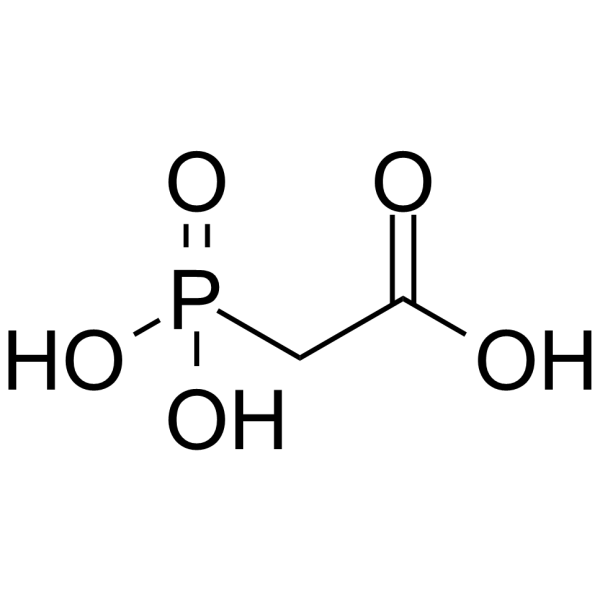
    Phosphonoacetic acid
    2 Publications Verification

    Endogenous Metabolite Orthopoxvirus HSV DNA/RNA Synthesis Infection
    Phosphonoacetic acid is an endogenous metabolite and antiviral agent. Phosphonoacetic acid is active against orthopoxviruses and herpes viruses. Phosphonoacetic acid can inhibit HSV DNA synthesis and virus-specific DNA polymerase activity, and affect the synthesis of late viral proteins .
    Phosphonoacetic acid
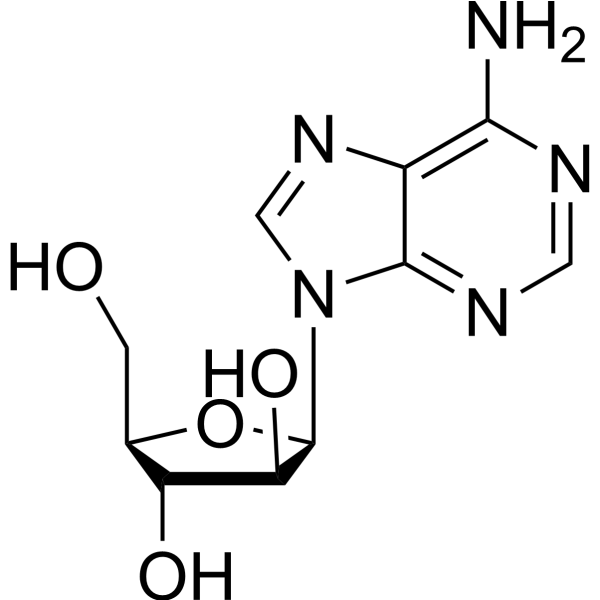
  • HY-113431

    Nucleoside Antimetabolite/Analog HSV DNA/RNA Synthesis Infection
    Arabinosylhypoxanthine is a purine nucleoside analog. Arabinosylhypoxanthine selectively inhibits viral DNA synthesis. Arabinosylhypoxanthine exhibits anti-HSV activity. Arabinosylhypoxanthine can be used in studies related to herpes simplex virus infection .
    Arabinosylhypoxanthine
  • HY-17425
    Valacyclovir
    1 Publications Verification

    Valaciclovir

    HSV Antibiotic Bacterial Infection Cancer
    Valacyclovir (Valaciclovir) is an orally active antiviral agent for herpes simplex, herpes zoster, and herpes B. Valacyclovir inhibits HSV-1 W (50=2.9 μg/ml). Valacyclovir is a proagent of Aciclovir (HY-17422) .
    Valacyclovir
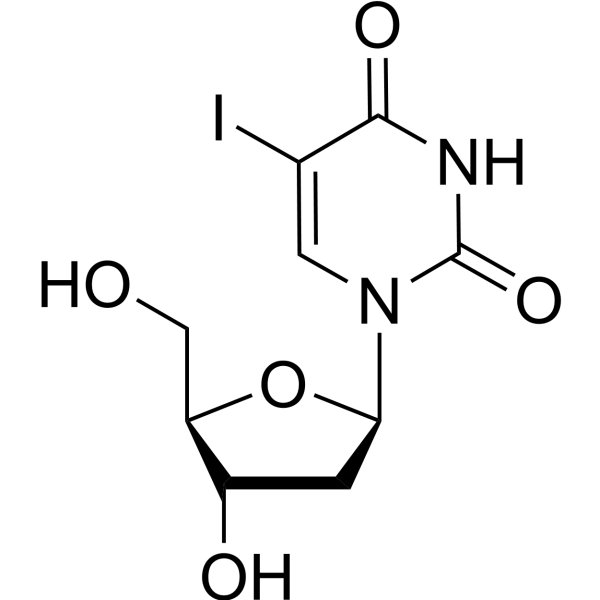
  • HY-B1011

    EUDR

    Virus Protease Infection
    Edoxudine is an antiviral active molecule and thymidine analog. Edoxudine is effective against herpes simplex virus .
    Edoxudine
  • HY-B0222
    1-Docosanol
    3 Publications Verification

    Behenyl alcohol

    Environmental Pollutants HSV Infection
    1-Docosanol (Behenyl alcohol) is a saturated fatty alcohol with reported inhibitory activity against lipid-enveloped viruses, including herpes simplex virus (HSV) .
    1-Docosanol
  • HY-N2004
    Isoborneol
    1 Publications Verification

    (±)-Isoborneol

    Environmental Pollutants HSV Infection Neurological Disease
    Isoborneol ((±)-Isoborneol) is a monoterpenoid alcohol present in the essential oils of numerous medicinal plants and has antioxidant and antiviral properties. Isoborneol is a potent inhibitor of herpes simplex virus type 1 (HSV-1) .
    Isoborneol
  • HY-W291131

    IBT

    HSV Orthopoxvirus Infection
    Isatin-β-thiosemicarbazone is a potent anti-poxvirus agent (including monkeypox virus, orthopoxvirus, vaccinia virus, etc). Isatin-β-thiosemicarbazone also is a potent herpes simplex virus (HSV) inhibitor. Isatin-β-thiosemicarbazone exhibits
    Isatin-β-thiosemicarbazone
  • HY-N0470S6

    Virus Protease Endogenous Metabolite Infection
    L-Lysine-d4 (hydrochloride) is the deuterium labeled L-Lysine. L-lysine hydrochloride is an essential amino acid for humans with various benefits including treating herpes, increasing calcium absorption, reducing diabetes-related illnesses and improving gut health.
    L-Lysine-d4 hydrochloride
  • HY-N6666
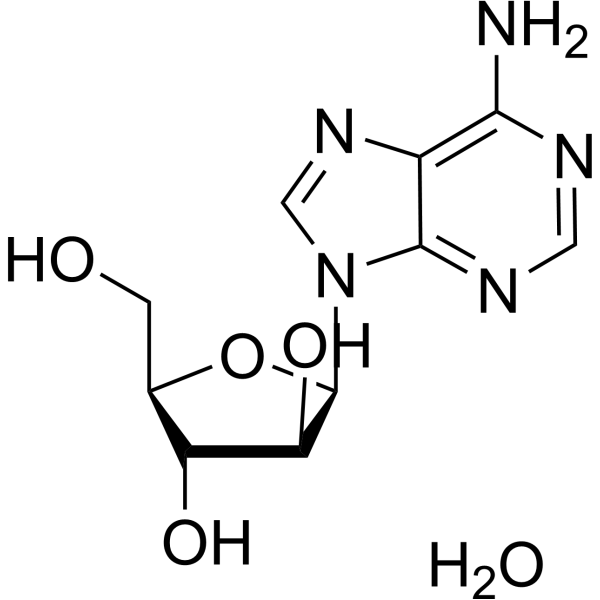
    Vidarabine monohydrate
    5+ Cited Publications

    HSV Antibiotic Infection
    Vidarabine monohydrate is an adenine arabinoside. Vidarabine monohydrate an antiviral agent which is active against herpes simplex viruses (HSV) and varicella zoster viruses .
    Vidarabine monohydrate
  • HY-W012738
    DL-Pyroglutamic acid
    1 Publications Verification

    Influenza Virus GABA Receptor Infection
    DL-Pyroglutamic acid (CAE) as an inactivator of hepatitis B surface, inactivates vaccinia virus, herpes simplex virus, and influenza virus except poliovirus. DL-Pyroglutamic acid is also a possible inhibitor of GABA transaminase, increases GABA amount with antiepileptic action .
    DL-Pyroglutamic acid
  • HY-17425AR

    Valaciclovir hydrochloride (Standard)

    Reference Standards HSV Antibiotic Bacterial Infection Cancer
    Valacyclovir (hydrochloride) (Standard) is the analytical standard of Valacyclovir (hydrochloride). This product is intended for research and analytical applications. Valacyclovir hydrochloride (Valaciclovir hydrochloride) is an orally active antiviral agent for herpes simplex, herpes zoster, and herpes B. Valacyclovir hydrochloride inhibits HSV-1 W (50=2.9 μg/ml). Valacyclovir hydrochloride is a proagent of Aciclovir (HY-17422) .
    Valacyclovir hydrochloride (Standard)
  • HY-P1958

    HSV Infection
    Histone H4 (2-21) is the core histones associated with chromatinization of herpes simplex virus 1 (HSV-1) genomes .
    Histone H4 (2-21)
  • HY-U00124B
    Tromantadine hydrochloride
    1 Publications Verification

    HSV Infection
    Tromantadine hydrochloride, an Amantadine derivative with antiherpetic activity, inhibits herpes simplex virus type 1 (HSV-1) and HSV-2 replication .
    Tromantadine hydrochloride
  • HY-N1474

    Cholinesterase (ChE) Infection Inflammation/Immunology Cancer
    Picfeltarraenin IA, a triterpenoid obtained from Picriafel-terrae Lour (P.fel-terrae), is an acetylcholinesterase (AChE) inhibitor. Picfeltarraenin IA can be used for the treatment of herpes infections, cancer and inflammation .
    Picfeltarraenin IA
  • HY-N1060

    HSV Apoptosis Infection Cancer
    Yatein is a lignan isolated from A. chilensis, with antiproliferative activity . Yatein suppresses herpes simplex virus type 1 (HSV-1 ) replication by interruption the immediate-early gene expression .
    Yatein
  • HY-N3395

    HSV Infection
    Leachianone G is an antiviral flavonoid from the root bark of Morus alba L. Leachianone G shows potent antiviral activity against herpes simplex type 1 virus (HSV-1) with an IC50 value of 1.6 μg/mL .
    Leachianone G
  • HY-15303A
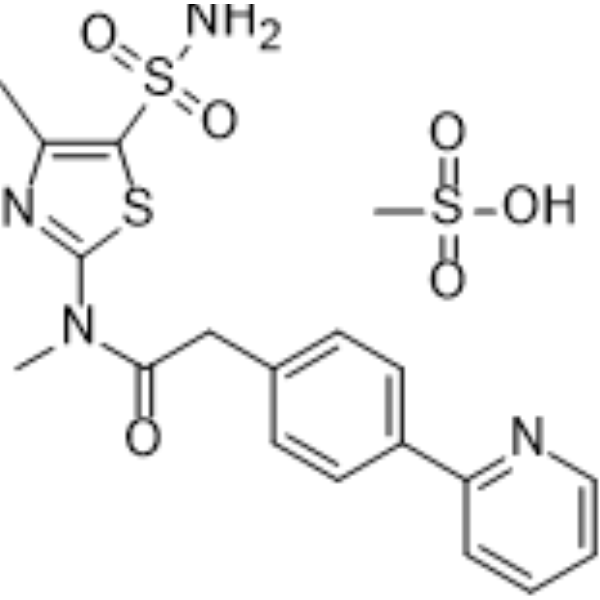
    Pritelivir mesylate
    5+ Cited Publications

    AIC316 mesylate; BAY 57-1293 mesylate

    DNA/RNA Synthesis HSV Infection
    Pritelivir mesylate (BAY 57-1293 mesylate), an inhibitor of the viral helicase-primase complex, exhibits antiviral activity in vitro and in animal models of herpes simplex virus (HSV) infection. Pritelivir mesylate is active against herpes simplex virus types 1 and 2 (HSV-1 and HSV-2) with the IC50 of 0.02 μM against HSV1-2 .
    Pritelivir mesylate
  • HY-106892

    348U87

    DNA/RNA Synthesis Infection
    BW 348U87 is an inhibitor for ribonucleotide reductase, which exhibits synergistic effect with Acyclovir (HY-17422), potentiate the antiviral activity of Acyclovir against herpes simplex virus (HSV) in athymic nude mouse model .
    BW 348U87
  • HY-13637A
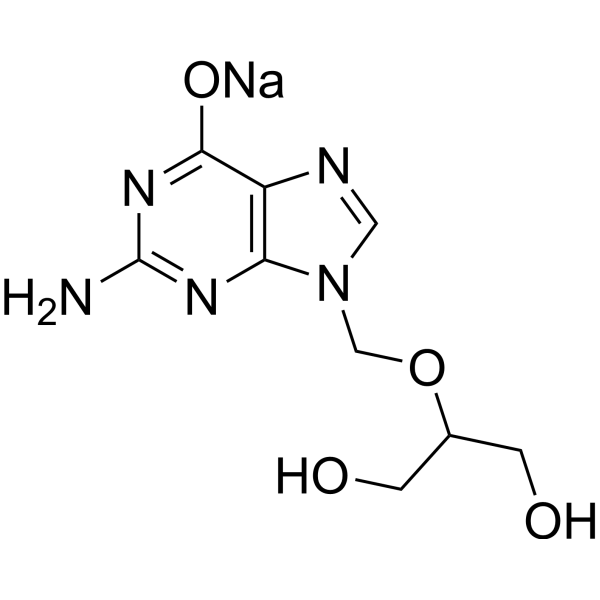
    Ganciclovir sodium
    Maximum Cited Publications
    27 Publications Verification

    BW 759 sodium; 2'-Nor-2'-deoxyguanosine sodium

    CMV HSV Antibiotic Nucleoside Antimetabolite/Analog Infection Cancer
    Ganciclovir (BW 759) sodium, a nucleoside analogue, is an orally active antiviral agent with activity against CMV. Ganciclovir sodium also has activity in vitro against members of the herpes group and some other DNA viruses. Ganciclovir sodium inhibits the in vitro replication of human herpes viruses (HSV 1 and 2, CMV) and adenovirus serotypes 1, 2, 4, 6, 8, 10, 19, 22 and 28. Ganciclovir sodium has an IC50 of 5.2 μM for feline herpesvirus type-1 (FHV-1) and can diffuse into the brain .
    Ganciclovir sodium
  • HY-13637R

    BW 759 (Standard); 2'-Nor-2'-deoxyguanosine (Standard)

    Reference Standards CMV HSV Antibiotic Nucleoside Antimetabolite/Analog Infection Cancer
    Ganciclovir (Standard) is the analytical standard of Ganciclovir. This product is intended for research and analytical applications. Ganciclovir (BW 759), a nucleoside analogue, is an orally active antiviral agent with activity against CMV. Ganciclovir also has activity in vitro against members of the herpes group and some other DNA viruses. Ganciclovir inhibits the in vitro replication of human herpes viruses (HSV 1 and 2, CMV) and adenovirus serotypes 1, 2, 4, 6, 8, 10, 19, 22 and 28. Ganciclovir has an IC50 of 5.2 μM for feline herpesvirus type-1 (FHV-1) and can diffuse into the brain .
    Ganciclovir (Standard)
  • HY-W353804

    Nucleoside Antimetabolite/Analog Infection
    2'-Deoxy-β-L-uridine is a nucledside analogue and a specific substrate for the viral enzyme, shows no stereospecificity against herpes simplex 1 (HSV1) thymidine kinase (TK). 2′-Deoxy-β-L-uridine exerts antiviral activity via the interation of 5'-triphosphates with the viral DNA polymerase .
    2′-Deoxy-β-L-uridine
  • HY-P10868

    RLS-0071

    Reactive Oxygen Species (ROS) Infection Inflammation/Immunology
    Pegtarazimod (RLS-0071) is a dual-target anti-inflammatory peptide that exerts its effects by simultaneously regulating the complement system and neutrophil-associated inflammatory pathways. Pegtarazimod reduces ROS production both in vitro and in vivo, and decreases the level of neutrophil elastase, a marker of neutrophil extracellular traps (NETs), in vivo, thereby alleviating inflammatory responses. Pegtarazimod significantly improves the survival rate of mice in multiple in vivo models of acute graft-versus-host disease (aGVHD). Pegtarazimod inhibits the activation of the C1 complex, reduces the herpes zoster-like spread of herpes simplex virus type 1 skin infection, and improves the survival rate of infected mice . Pegtarazimod can be used in research related to acute graft-versus-host disease, acute pulmonary diseases, and skin herpes simplex virus type 1 infection .
    Pegtarazimod
  • HY-N2211

    Cholinesterase (ChE) Infection Inflammation/Immunology Cancer
    Picfeltarraenin IB, a triterpenoid obtained from Picriafel-terrae Lour (P.fel-terrae), is an acetylcholinesterase (AChE) inhibitor. Picfeltarraenin IB can be used for the treatment of herpes infections, cancer and inflammation .
    Picfeltarraenin IB
  • HY-13637S

    BW 759-d5; 2'-Nor-2'-deoxyguanosine-d5

    Isotope-Labeled Compounds CMV HSV Antibiotic Nucleoside Antimetabolite/Analog Infection
    Ganciclovir-d5 is the deuterium labeled Ganciclovir. Ganciclovir (BW 759), a nucleoside analogue, is an orally active antiviral agent with activity against CMV. Ganciclovir also has activity in vitro against members of the herpes group and some other DNA viruses. Ganciclovir inhibits the in vitro replication of human herpes viruses (HSV 1 and 2, CMV) and adenovirus serotypes 1, 2, 4, 6, 8, 10, 19, 22 and 28. Ganciclovir has an IC50 of 5.2 μM for feline herpesvirus type-1 (FHV-1) .
    Ganciclovir-d5
  • HY-W002008

    HSV Infection Inflammation/Immunology
    5-Nitrobarbituric acid is a herpes simplex virus type-1 (HSV-1) inhibitor (IC50=1.7 μM) .
    5-Nitrobarbituric acid
  • HY-17438A

    GS 0504 dihydrate; HPMPC dihydrate; (S)-HPMPC dihydrate

    CMV DNA/RNA Synthesis Orthopoxvirus Apoptosis Endogenous Metabolite Infection Cancer
    Cidofovir (GS 0504; HPMPC; (S)-HPMPC) dihydrate is an acyclic monophosphate nucleotide analogue and CMV inhibitor with antiviral activity. Cidofovir dihydrate inhibits cytomegalovirus (CMV) replication by selectively inhibiting viral DNA polymerase. Cidofovir dihydrate induces apoptosis and can be used in studies of AIDS cytomegalovirus retinitis, herpes, and cancer . Cidofovir dihydrate also has anti-orthopoxvirus and anti-variola activities .
    Cidofovir dihydrate
  • HY-114247

    D-FMAU

    Nucleoside Antimetabolite/Analog Infection Cancer
    FMAU is a nucleoside analog and cell proliferation marker that can be phosphorylated by human thymidine kinase and subsequently incorporated into DNA. FMAU is applicable to research related to herpes simplex virus infection, various cancers, hepatitis B virus infection, and Epstein-Barr virus infection .
    FMAU
  • HY-P4030

    HIV Protease Infection
    Herpes virus inhibitor 2 is a herpes virus inhibitor and disrupts herpes virus ribonucleotide reductase quaternary structure. Herpes virus inhibitor 2 inhibits viral replication .
    Herpes virus inhibitor 2
  • HY-162690

    VZV DNA/RNA Synthesis CMV Infection
    DNA polymerase-IN-5 (compound 42) is a broad-spectrum herpes antiviral. DNA polymerase-IN-5 against both CMV and VZV infection with IC50 values of 6.6 and 4.8 μM .
    DNA polymerase-IN-5
  • HY-N0470S2

    Virus Protease Endogenous Metabolite Infection Cardiovascular Disease Inflammation/Immunology Endocrinology
    L-Lysine- 13C (dihydrochloride) is the 13C-labeled L-Lysine dihydrochloride. L-lysine dihydrochloride is an essential amino acid for humans with various benefits including treating herpes, increasing calcium absorption, reducing diabetes-related illnesses and improving gut health.
    L-Lysine-13C dihydrochloride
  • HY-W001957

    4-Acetylbutyric acid; 5-Oxohexanoic acid; NSC-5281

    Drug Intermediate HIV Infection
    Glurate (4-Acetylbutyric acid) is an acylating agent. Glurate can be used in the development of antiviral compounds, especially those targeting retroviruses such as herpes virus and HIV. Glurate can be used in the synthesis of acyclic nucleoside derivatives and 5-hydroxyhexanoic acid .
    Glurate
  • HY-15303B
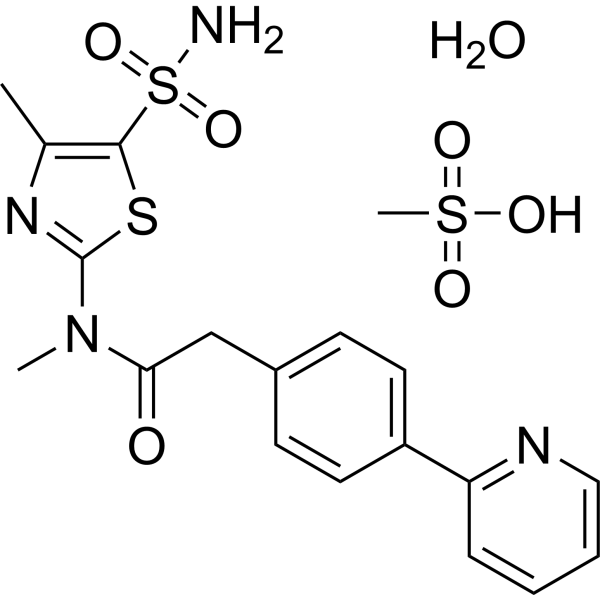
    Pritelivir mesylate hydrate
    5+ Cited Publications

    AIC316 mesylate hydrate; BAY 57-1293 mesylate hydrate

    DNA/RNA Synthesis HSV Infection
    Pritelivir mesylate hydrate (BAY 57-1293 mesylate hydrate), an inhibitor of the viral helicase-primase complex, exhibits antiviral activity in vitro and in animal models of herpes simplex virus (HSV) infection. Pritelivir mesylate hydrate is active against herpes simplex virus types 1 and 2 (HSV-1 and HSV-2) with the IC50 of 0.02 μM against HSV1-2 .
    Pritelivir mesylate hydrate
  • HY-N13145

    Others Infection
    Azukisaponin II is a natural saponin. Azukisaponin II has anti-herpes virus activity and antioxidant activity .
    Azukisaponin II
  • HY-N0470S4

    Isotope-Labeled Compounds Virus Protease Endogenous Metabolite Infection Cardiovascular Disease Inflammation/Immunology Endocrinology
    L-Lysine-d8 (hydrochloride) is the deuterium labeled L-Lysine hydrochloride. L-lysine hydrochloride is an essential amino acid for humans with various benefits including treating herpes, increasing calcium absorption, reducing diabetes-related illnesses and improving gut health.
    L-Lysine-d8 hydrochloride
  • HY-17425B

    Valaciclovir hydrochloride hydrate

    HSV Bacterial Infection Cancer
    Valacyclovir hydrochloride hydrate is a potent antiviral agent. Valacyclovir hydrochloride hydrate can be used in the management of herpes simplex, herpes zoster and herpes B. Valacyclovir hydrochloride hydrate can be formulate ocular inserts for the research of ocular herpes. Valacyclovir hydrochloride hydrate is a precursor and can be rapidly converted into acyclovir in vivo .
    Valacyclovir hydrochloride hydrate
  • HY-105098

    BMS-180194; SQ 34514

    HBV HIV CMV EBV Nucleoside Antimetabolite/Analog Infection
    Lobucavir (BMS-180194; SQ 34514),a nucleoside analogue,is an antiviral agent. Lobucavir shows a broad spectrum of activity against HBVHIV/AIDS,and α,β,and γ herpes viruses including CMVherpes-simplexvaricella-zoster,and Epstein-Barr virus .
    Lobucavir
  • HY-15303AR

    AIC316 mesylate (Standard); BAY 57-1293 mesylate (Standard)

    HSV Reference Standards Infection
    Pritelivir (mesylate) (Standard) is the analytical standard of Pritelivir (mesylate). This product is intended for research and analytical applications. Pritelivir mesylate (BAY 57-1293 mesylate), an inhibitor of the viral helicase-primase complex, exhibits antiviral activity in vitro and in animal models of herpes simplex virus (HSV) infection. Pritelivir mesylate is active against herpes simplex virus types 1 and 2 (HSV-1 and HSV-2) with the IC50 of 0.02 μM against HSV1-2 .
    Pritelivir mesylate (Standard)
  • HY-15303R

    AIC316 (Standard); BAY 57-1293 (Standard)

    HSV Reference Standards Infection
    Pritelivir (Standard) is the analytical standard of Pritelivir. This product is intended for research and analytical applications. Pritelivir (AIC316), an inhibitor of the viral helicase-primase complex, exhibits antiviral activity in vitro and in animal models of herpes simplex virus (HSV) infection. Pritelivir is active against herpes simplex virus types 1 and 2 (HSV-1 and HSV-2) with the IC50 of 0.02 μM against HSV1-2 .
    Pritelivir (Standard)
  • HY-17438R

    GS 0504 (Standard); HPMPC (Standard); (S)-HPMPC (Standard)

    Reference Standards CMV Apoptosis DNA/RNA Synthesis Orthopoxvirus Endogenous Metabolite Infection Cancer
    Cidofovir (Standard) is the analytical standard of Cidofovir. This product is intended for research and analytical applications. Cidofovir (GS 0504) is an acyclic monophosphate nucleotide analogue and CMV inhibitor with antiviral activity. Cidofovir inhibits cytomegalovirus (CMV) replication by selectively inhibiting viral DNA polymerase. Cidofovir induces apoptosis and can be used in studies of AIDS cytomegalovirus retinitis, herpes, and cancer . Cidofovir also has anti-orthopoxvirus and anti-variola activities .
    Cidofovir (Standard)
  • HY-W852084

    Drug Derivative Infection Cancer
    S-27609 is an imidazoquinoline with antiviral and antitumour properties. S-27609 can induce peripheral blood mononuclear cells to produce various cytokines such as interferon-α (IFN-α), tumor necrosis factor-α (TNF-α), and interleukin-1β (IL-1β). S-27609 is promising for research of viral infections (e.g., herpes virus) and tumors .
    S-27609

Inquiry Online

Your information is safe with us. * Required Fields.

Salutation


Country or Region *

Applicant Name *


Organization Name *

Department *


Email Address *


Product Name *

Cat. No.


Requested quantity *

Phone Number *


Remarks

Inquiry Online

Inquiry Information

Product Name:
Cat. No.:
Quantity:
MCE Japan Authorized Agent:

