
Delivery of temperature sensitive items including proteins and kits will be paused on 6/19 for the Juneteenth holiday. For urgent orders please contact customer service.
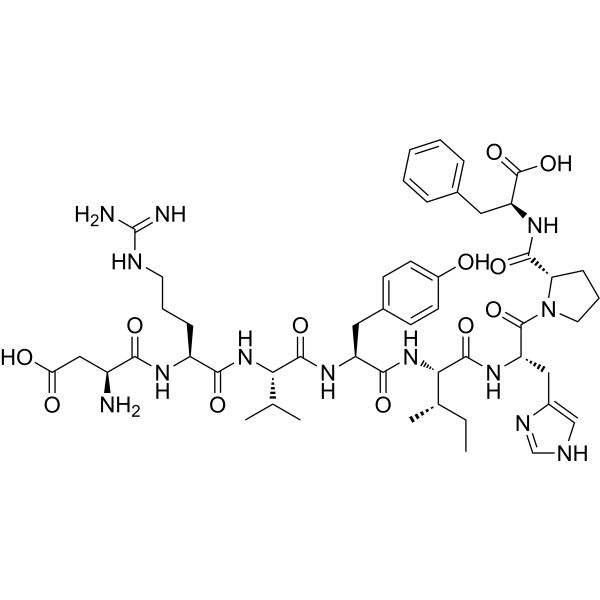
Angiotensin II (Angiotensin II) is a vasoconstrictor and a major bioactive peptide of the renin/angiotensin system. Angiotensin II human plays a central role in regulating human blood pressure, which is mainly mediated by interactions between Angiotensin II and the G-protein-coupled receptors (GPCRs) Angiotensin II type 1 receptor (AT1R) and Angiotensin II type 2 receptor (AT2R). Angiotensin II human stimulates sympathetic nervous stimulation, increases aldosterone biosynthesis and renal actions. Angiotensin II human induces growth of vascular smooth muscle cells, increases collagen type I and III synthesis in fibroblasts, leading to thickening of the vascular wall and myocardium, and fibrosis. Angiotensin II human also induces apoptosis. Angiotensin II induces capillary formation from endothelial cells via the LOX-1 dependent redox-sensitive pathway .
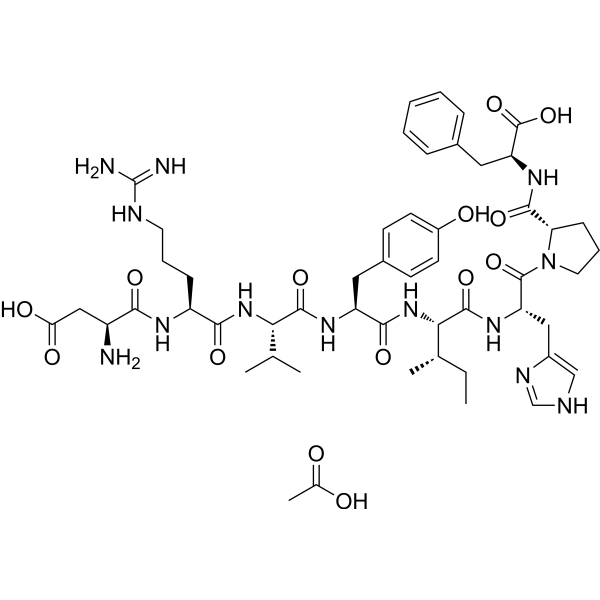
Angiotensin II human (Angiotensin II) acetate is a vasoconstrictor and a major bioactive peptide of the renin/angiotensin system. Angiotensin II human acetate plays a central role in regulating human blood pressure, which is mainly mediated by interactions between Angiotensin II and the G-protein-coupled receptors (GPCRs) Angiotensin II type 1 receptor (AT1R) and Angiotensin II type 2 receptor (AT2R). Angiotensin II human acetate stimulates sympathetic nervous stimulation, increases aldosterone biosynthesis and renal actions. Angiotensin II human acetate induces growth of vascular smooth muscle cells, increases collagen type I and III synthesis in fibroblasts, leading to thickening of the vascular wall and myocardium, and fibrosis. Angiotensin II human acetate also induces apoptosis. Angiotensin II human acetate induces capillary formation from endothelial cells via the LOX-1 dependent redox-sensitive pathway .
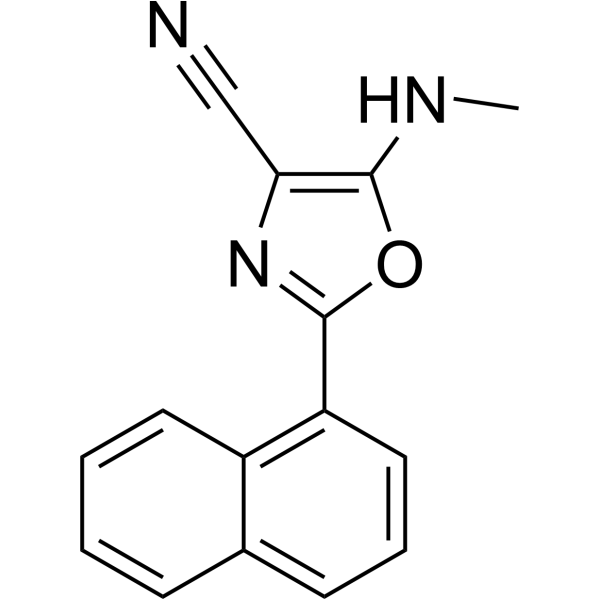
ML351 is a potent and highly specific 15-LOX-1 inhibitor with an IC50 of 200 nM. ML351 shows excellent selectivity (>250-fold) versus the related isozymes, 5-LOX, platelet 12-LOX, 15-LOX-2, ovine COX-1, and human COX-2 . ML351 prevents dysglycemia and reduces β-cell oxidative stress in nonobese diabetic mouse model of T1D .
Gocdacimab (MEDI6570) is a fully human IgG1 monoclonal antibody inhibitor targeting the lectin-like oxidized low-density lipoprotein receptor LOX-1. By binding to LOX-1 and blocking its function, gocdacimab effectively reduces the level of free soluble LOX-1, thereby inhibiting key pathological processes such as lipid accumulation, foam cell formation, and vascular wall inflammation. Gocdacimab can interfere with atherosclerosis-related mechanisms, and it is used for research on atherosclerosis, and type 2 diabetes mellitus .
Diflapolin is a highly active dual 5-lipoxygenase-activating protein (FLAP)/soluble epoxide hydrolase (sEH) inhibitor with marked anti-inflammatory efficacy and high target selectivity. Diflapolin inhibits 5-LOX product formation in intact human monocytes and neutrophils with IC50s?of? 30 and 170?nM, respectively, and suppressed the activity of isolated sEH (IC50=20?nM) .
HPGDS inhibitor 1 is a potent, selective and orally active Hematopoietic Prostaglandin D Synthase (HPGDS) inhibitor with an IC50s of 0.6 nM and 32 nM in enzyme and cellular assays, respectively. HPGDS inhibitor 1 does not inhibit human L-PGDS, mPGES, COX-1, COX-2, or 5-LOX .
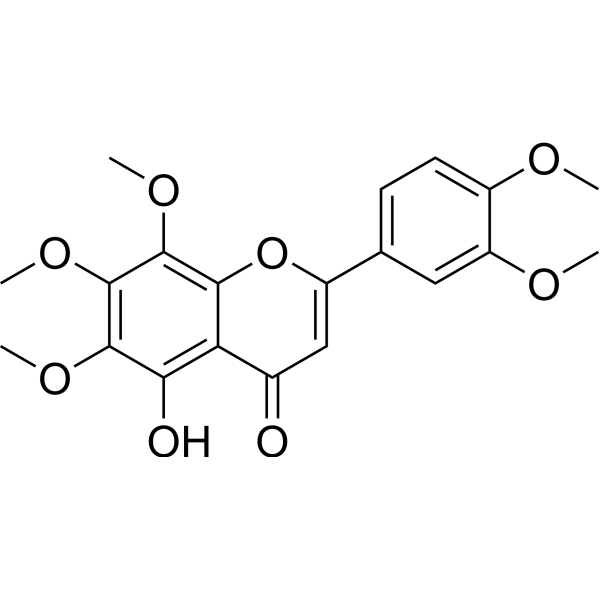
5-O-Demethylnobiletin (5-Demethylnobiletin), a polymethoxyflavone isolated from Citrus jambhiri Lush., is a direct inhibition of 5-LOX (IC50=0.1 μM), without affecting the expression of COX-2. 5-O-Demethylnobiletin (5-Demethylnobiletin) has anti-inflammatory activity, inhibits leukotriene B (4)(LTB4) formation in rat neutrophils and elastase release in human neutrophils with an IC50 of 0.35 μM .
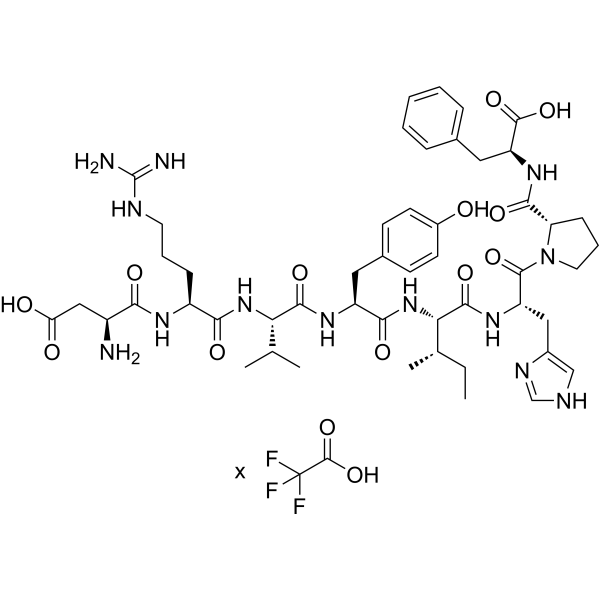
Angiotensin II human (Angiotensin II) TFA is a vasoconstrictor and a major bioactive peptide of the renin/angiotensin system. Angiotensin II human TFA plays a central role in regulating human blood pressure, which is mainly mediated by interactions between Angiotensin II and the G-protein-coupled receptors (GPCRs) Angiotensin II type 1 receptor (AT1R) and Angiotensin II type 2 receptor (AT2R). Angiotensin II human TFA stimulates sympathetic nervous stimulation, increases aldosterone biosynthesis and renal actions. Angiotensin II human TFA induces growth of vascular smooth muscle cells, increases collagen type I and III synthesis in fibroblasts, leading to thickening of the vascular wall and myocardium, and fibrosis. Angiotensin II human TFA also induces apoptosis. Angiotensin II human TFA induces capillary formation from endothelial cells via the LOX-1 dependent redox-sensitive pathway .
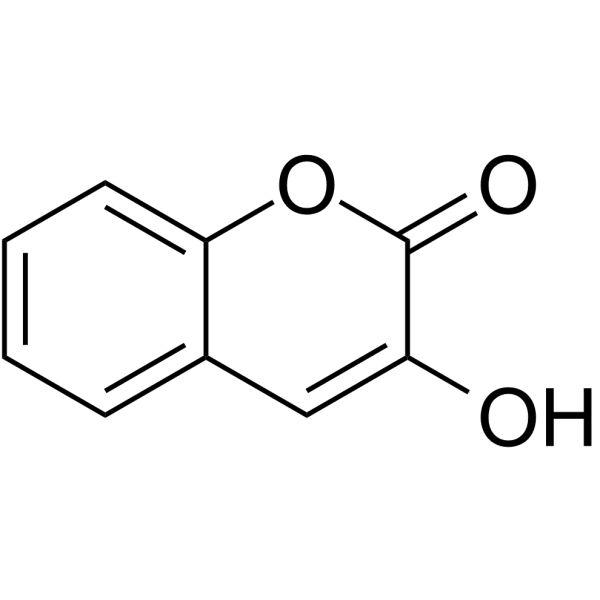
3-Hydroxycoumarin is an inhibitor of tyrosinase and lipoxygenase with an IC50 for recombinant human tyrosinase (rHT) of 26 μM, and a Ki of 3.39 μM; its IC50 for LOX is 9.5 μM. 3-Hydroxycoumarin has DPPH free radical scavenging activity (IC50 = 31.2 μM). 3-Hydroxycoumarin has photoprotective effects on sea urchin zygotes and embryos .
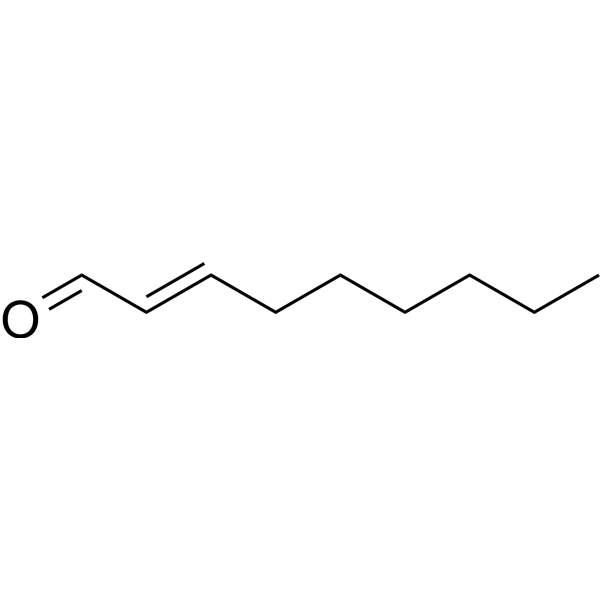
trans-2-Nonenal (trans-2-Nonen-1-al) is an endogenous peroxidation product of polyunsaturated fatty acids, acting as an inhibitor of COX and 12-LOX, as well as an inducer of apoptosis. trans-2-Nonenal is also a malodorous compound secreted by the human body, and its content gradually increases with aging. trans-2-Nonenal inhibits the activities of multiple enzymes such as platelet membrane-bound PTPase, preferentially covalently modifies proteins at lysine residues to form immunogenic adducts, and regulates platelet Arachidonic acid (HY-109590) metabolism. trans-2-Nonenal also exhibits significant cytotoxicity, reduces the viability of keratinocytes, promotes their apoptosis, and effectively decreases the thickness of epidermal models and the number of proliferating cells. trans-2-Nonenal is commonly used in studies of thrombotic, atherosclerotic diseases, renal adenocarcinoma, etc. .
SNT-5382 is a lysyl oxidase family (LOX) inhibitor and anti-fibrotic agent. SNT-5382 binds to the LTQ cofactor of LOXL2 and inhibits the enzymatic activities of LOXL3, LOXL4, LOXL1, CYP2C9, and CYP2C19. SNT-5382 reduces cardiac and liver fibrosis as well as collagen crosslinks, and improves cardiac function. SNT-5382 can be used for the research of heart failure, myocardial infarction, and nonalcoholic steatohepatitis-related liver fibrosis .
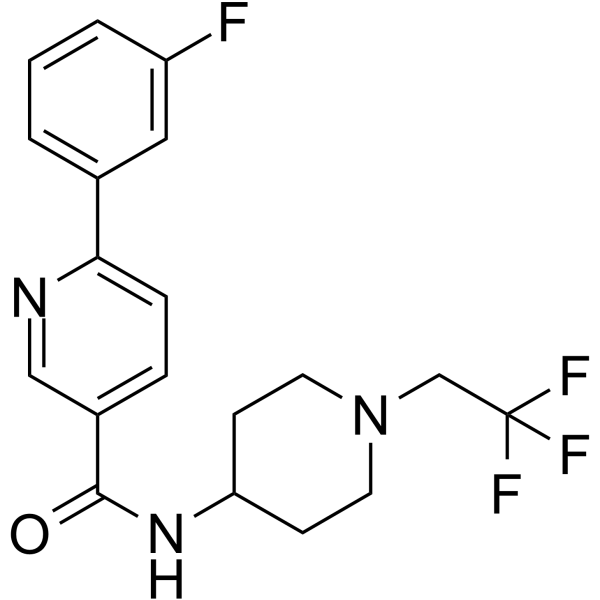
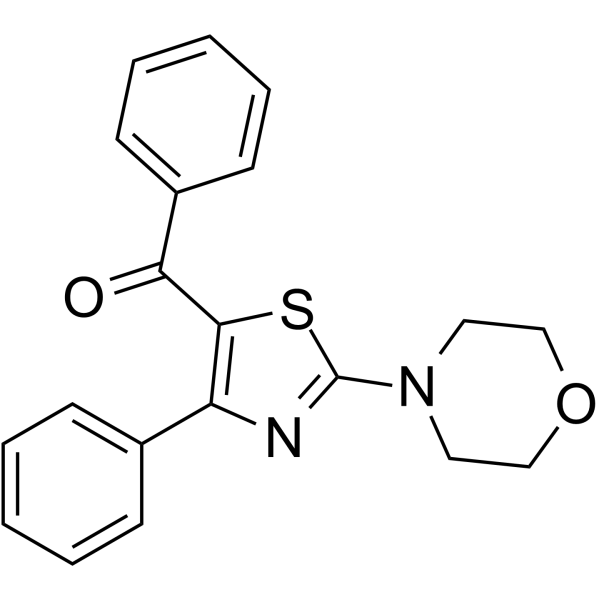
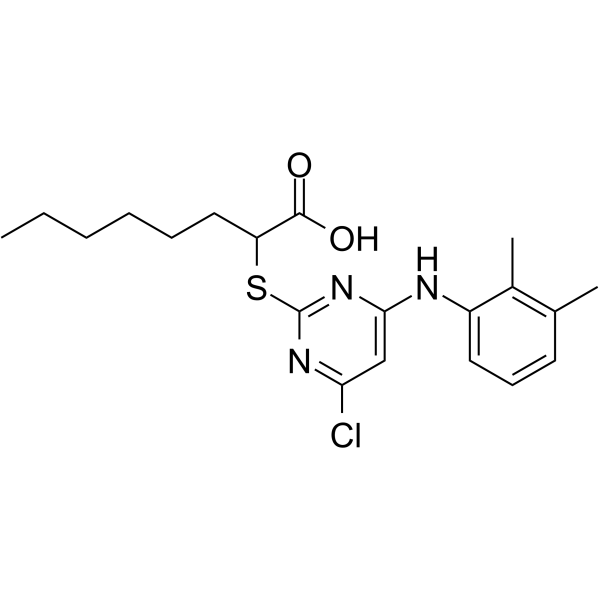
5-LOX-IN-1 (compound 2b) is an inhibitor of human 5-Lipoxygenase (5-LOX) with an IC50 value of 2.3 μM. 5-LOX-IN-1 can be used for the research of inflammation .
PXS-4787 hydrochloride is a specific and effective pan-LOX (lysyl oxidase) inhibitor for abolishing lysyl oxidase activity. PXS-4787 hydrochloride inhibits LOX with IC50s of 2 μM (Bovine LOX), 3.2 μM (rh LOXL1), 0.6 μM (rh LOXL2), 1.4 μM (rh LOXL3), 0.2 μM (rh LOXL4), respectively. PXS-4787 hydrochloride reduces deposition and crosslinking of collagen I secreted by human fibroblasts .
4-MMPB is a selective inhibitor of 15-lipoxygenase, with an IC50 of 18 μM. 4-MMPB has IC50s of 19.5 μM and 19.1 μM for soybean 15-lipoxygenase (SLO) and human 15-lipoxygenase-1 (15-LOX-1), respectively. 4-MMPB has potential for the research of prostate cancer .
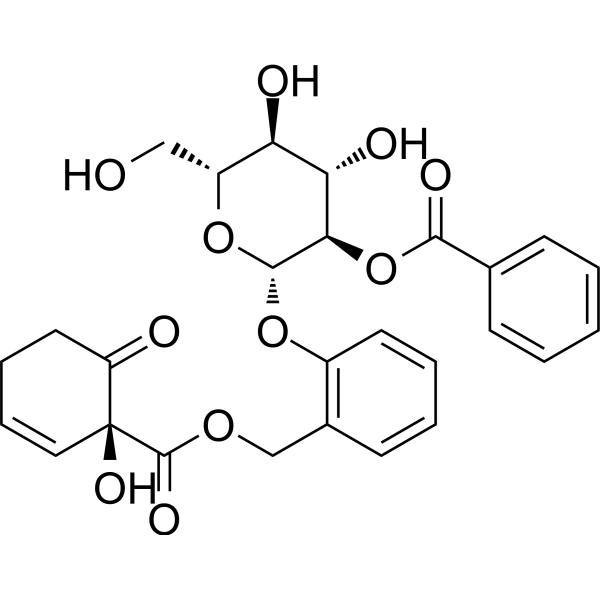
Tremulacin is a 5-LOX inhibitor. Tremulacin reduces the biosynthesis of LTB4 and slow-reacting substances of anaphylaxis. Tremulacin alleviates carrageenan-induced paw edema in rats, croton oil-induced ear edema in mice, and acetic acid-induced writhing response in mice. Tremulacin inhibits TNF-α-stimulated ROS production and MMP-1 expression, and promotes collagen secretion in human dermal fibroblasts. Tremulacin is investigated for studies on inflammation-related diseases .
YS121 is a dual inhibitor of microsomal prostaglandin E2 synthase-1 (mPGES-1; IC50 = 3.4 μM) and 5-lipoxygenase (5-LOX;IC50 = 6.5 μM). YS121 exhibits direct, reversible, and specific binding to mPGES-1 (KD = 10-14 μM) . YS121 dose-dependently reduces PGE2 production with an EC50 of 12 μM in IL-1β-stimulated A549 cells . YS121 (compound 9) activates PPAR-α and -γ (EC50 = 1 and 3.6 μM, respectively) . YS121 exhibits anti-inflammatory efficiency in human whole blood as well as in vivo. YS121 can be used for pleurisy research .
3-Hydroxycoumarin (Standard) is the analytical standard of 3-Hydroxycoumarin. This product is intended for research and analytical applications. 3-hydroxycoumarin is a potent and redox inhibitor of human15-LOX-1. 3-hydroxycoumarin is recently demonstrated to protect sea urchin reproductive cells against ultraviolet B damage .
MLS000536924 is a potent and selective inhibitor of human epithelial 15-lipoxygenase-2 with competitive activity. MLS000536924 exhibits more than 50-fold selectivity in inhibiting h15-LOX-2 and can be effectively applied to study its role in atherosclerosis, cystic fibrosis, and ferroptosis. The binding mode of MLS000536924 shows stronger restriction of protein movement than other inhibitors, further verifying its higher biological activity .
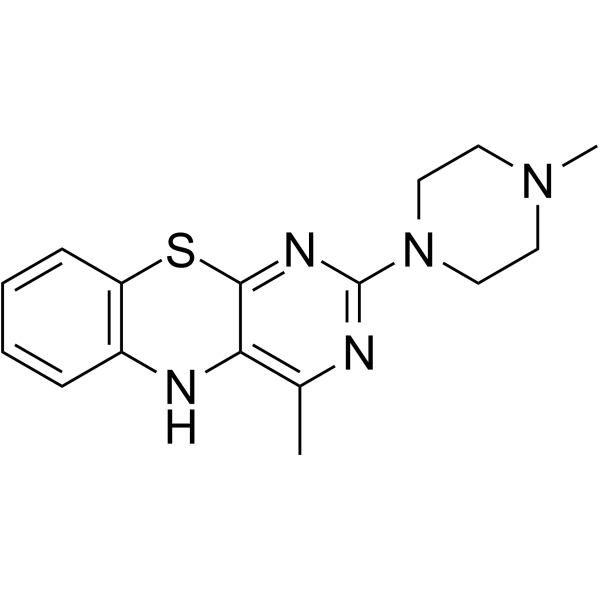
MLS000099089 is a 12/15-lipoxygenase (12/15-LOX) inhibitor with IC50 values of 3.4 μM and 10 μM for human and mice 12/15-LOX, respectively. MLS000099089 displays higher selectivity for 12/15-LOX over 5-LOX and COX-2. MLS000099089 can be used for the study of stroke .
LOXHuman Pre-designed siRNA Set A contains three designed siRNAs for LOX gene (Human), as well as a negative control, a positive control, and a FAM-labeled negative control.
5-Lipoxygenase blocking peptide (Human/rat 5-LO 130-149) is a specific sequence fragment of 5-lipoxygenase (5-LOX), which can be utilized to prepare an antibody against 5-LOX .
ALR-27 is an antagonist of the 5-lipoxygenase (5-LOX) activating protein FLAP and has anti-inflammatory activity. ALR-27 potently inhibits 5-LOX product formation (>80%) in pro-inflammatory M1-MDM, with no significant direct inhibition of 5-LOX. ALR-27 not only reduces prostaglandin and leukotriene (LT) production in neutrophils but also increases the production of specialized prolytic mediators in specific human macrophage phenotypes .
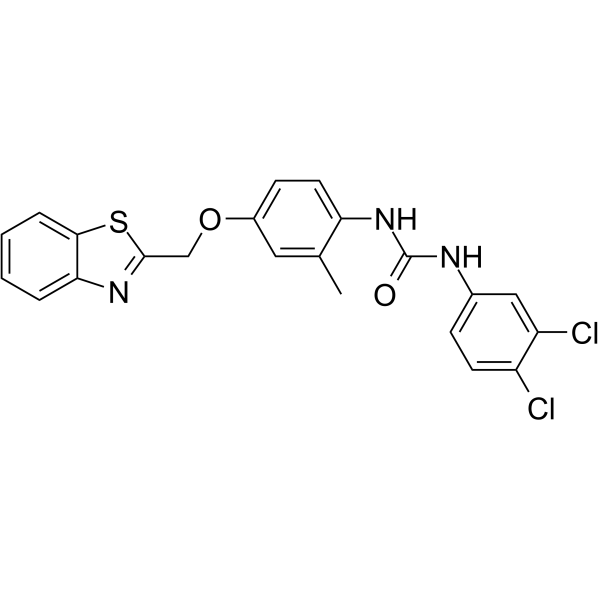
5-LOX-IN-6 (compound 11a) is a direct and reversible inhibitor of 5-lipoxygenase (5-LO). 5-LOX-IN-6 inhibits 5-LO activity in human neutrophils and recombinant human 5-LO with IC50 values of 0.23 and 0.086 µM, respectively. 5-LOX-IN-6 prevents leukotriene biosynthesis. 5-LOX-IN-6 can be used for inflammatory and allergic disorders research .
tHGA is a compound with anti-inflammatory activity and has the activity to inhibit soybean 15-LOX. tHGA showed significant inhibitory effects in experiments on human leukocytes, with an IC50 value of 0.42 μM, which is close to the effect of commonly used standard NDGA. tHGA concentration-dependently inhibits the synthesis of 5-LOX products, especially the cysteine leukotriene LTC(4), with an IC50 value of 1.80 μM. and showed no cytotoxicity. The anti-inflammatory effects of tHGA do not appear to be through redox or metal chelation mechanisms, as the compound was negative in these bioactivity tests. tHGA works through a dual LOX/COX inhibition mechanism and has higher selectivity for 5-LOX and COX-2, with an IC50 value of 0.40 μM .
COX-2/15-LOX-IN-7 is a potent, selective and orally active dual inhibitor of COX-2 and 15-LOX with IC50 values of 0.022 and 1.19 μM. COX-2/15-LOX-IN-7 also inhibits COX-1 with an IC50 value of 28.081μM. COX-2/15-LOX-IN-7 has low cytotoxicity against human colorectal cancer HT-29 and HCT116 cell lines (IC50 >100 μM for both). COX-2/15-LOX-IN-7 exhibits non-ulcerogenic performance. COX-2/15-LOX-IN-7 can be used for the research of cancer .
1-Naphthyl 3,5-dinitrobenzoate is a potent 5-lipoxygenase inhibitor with IC50 values of 1.04 µM and 3.6 µM for 5-LOX and mPGES-1, respectively. 1-Naphthyl 3,5-dinitrobenzoate has strong inhibition activity in the human whole blood (HWB) assay with an IC50 value of 8.6 μM. 1-Naphthyl 3,5-dinitrobenzoate can be used in research of inflammation .
5-O-Demethylnobiletin (Standard) is the analytical standard of 5-O-Demethylnobiletin. This product is intended for research and analytical applications. 5-O-Demethylnobiletin (5-Demethylnobiletin), a polymethoxyflavone isolated from Citrus jambhiri Lush., is a direct inhibition of 5-LOX (IC50=0.1 μM), without affecting the expression of COX-2. 5-O-Demethylnobiletin (5-Demethylnobiletin) has anti-inflammatory activity, inhibits leukotriene B (4)(LTB4) formation in rat neutrophils and elastase release in human neutrophils with an IC50 of 0.35 μM .
1-Stearoyl-2-15(S)-HETE-sn-glycero-3-PE (15(S)-HETE-SAPE) is a phospholipid containing stearic acid (HY-B2219) at the sn-1 position and 15(S)-HETE (HY-113336) at the sn-2 position. 1-Stearoyl-2-15(S)-HETE-sn-glycero-3-PE is formed by direct oxidation of 1-stearoyl-2-arachidonoyl-sn-glycero-3-PE (SAPE) by 15-LOX in human peripheral mononuclear cells activated with the calcium ionophore A23187 (HY-N6687).
Topoisomerase I/II inhibitor 6 (compound 3i) is a potent inhibitor of topoisomerase I and II with IC50s of 4.77 and 15 µM, respectively. Topoisomerase I/II inhibitor 6 shows antiproliferative activities against human melanoma LOX IMVI cancer cell line with IC50 values of 26.7 and 25.4 µM, respectively. Topoisomerase I/II inhibitor 6 provokes substantial levels of early, late apoptosis and increases the expression level of active caspase-3 .
HPGDS inhibitor 1 (Standard) is the analytical standard of HPGDS inhibitor 1 (HY-10439). This product is intended for research and analytical applications. HPGDS inhibitor 1 is a potent, selective and orally active Hematopoietic Prostaglandin D Synthase (HPGDS) inhibitor with an IC50s of 0.6 nM and 32 nM in enzyme and cellular assays, respectively. HPGDS inhibitor 1 does not inhibit human L-PGDS, mPGES, COX-1, COX-2, or 5-LOX .
trans-2-Nonenal (trans-2-Nonen-1-al) is an endogenous peroxidation product of polyunsaturated fatty acids, acting as an inhibitor of COX and 12-LOX, as well as an inducer of apoptosis. trans-2-Nonenal is also a malodorous compound secreted by the human body, and its content gradually increases with aging. trans-2-Nonenal inhibits the activities of multiple enzymes such as platelet membrane-bound PTPase, preferentially covalently modifies proteins at lysine residues to form immunogenic adducts, and regulates platelet Arachidonic acid (HY-109590) metabolism. trans-2-Nonenal also exhibits significant cytotoxicity, reduces the viability of keratinocytes, promotes their apoptosis, and effectively decreases the thickness of epidermal models and the number of proliferating cells. trans-2-Nonenal is commonly used in studies of thrombotic, atherosclerotic diseases, renal adenocarcinoma, etc. .
Angiotensin II (Angiotensin II) is a vasoconstrictor and a major bioactive peptide of the renin/angiotensin system. Angiotensin II human plays a central role in regulating human blood pressure, which is mainly mediated by interactions between Angiotensin II and the G-protein-coupled receptors (GPCRs) Angiotensin II type 1 receptor (AT1R) and Angiotensin II type 2 receptor (AT2R). Angiotensin II human stimulates sympathetic nervous stimulation, increases aldosterone biosynthesis and renal actions. Angiotensin II human induces growth of vascular smooth muscle cells, increases collagen type I and III synthesis in fibroblasts, leading to thickening of the vascular wall and myocardium, and fibrosis. Angiotensin II human also induces apoptosis. Angiotensin II induces capillary formation from endothelial cells via the LOX-1 dependent redox-sensitive pathway .
Angiotensin II human (Angiotensin II) acetate is a vasoconstrictor and a major bioactive peptide of the renin/angiotensin system. Angiotensin II human acetate plays a central role in regulating human blood pressure, which is mainly mediated by interactions between Angiotensin II and the G-protein-coupled receptors (GPCRs) Angiotensin II type 1 receptor (AT1R) and Angiotensin II type 2 receptor (AT2R). Angiotensin II human acetate stimulates sympathetic nervous stimulation, increases aldosterone biosynthesis and renal actions. Angiotensin II human acetate induces growth of vascular smooth muscle cells, increases collagen type I and III synthesis in fibroblasts, leading to thickening of the vascular wall and myocardium, and fibrosis. Angiotensin II human acetate also induces apoptosis. Angiotensin II human acetate induces capillary formation from endothelial cells via the LOX-1 dependent redox-sensitive pathway .
Angiotensin II human (Angiotensin II) TFA is a vasoconstrictor and a major bioactive peptide of the renin/angiotensin system. Angiotensin II human TFA plays a central role in regulating human blood pressure, which is mainly mediated by interactions between Angiotensin II and the G-protein-coupled receptors (GPCRs) Angiotensin II type 1 receptor (AT1R) and Angiotensin II type 2 receptor (AT2R). Angiotensin II human TFA stimulates sympathetic nervous stimulation, increases aldosterone biosynthesis and renal actions. Angiotensin II human TFA induces growth of vascular smooth muscle cells, increases collagen type I and III synthesis in fibroblasts, leading to thickening of the vascular wall and myocardium, and fibrosis. Angiotensin II human TFA also induces apoptosis. Angiotensin II human TFA induces capillary formation from endothelial cells via the LOX-1 dependent redox-sensitive pathway .
5-Lipoxygenase blocking peptide (Human/rat 5-LO 130-149) is a specific sequence fragment of 5-lipoxygenase (5-LOX), which can be utilized to prepare an antibody against 5-LOX .
Gocdacimab (MEDI6570) is a fully human IgG1 monoclonal antibody inhibitor targeting the lectin-like oxidized low-density lipoprotein receptor LOX-1. By binding to LOX-1 and blocking its function, gocdacimab effectively reduces the level of free soluble LOX-1, thereby inhibiting key pathological processes such as lipid accumulation, foam cell formation, and vascular wall inflammation. Gocdacimab can interfere with atherosclerosis-related mechanisms, and it is used for research on atherosclerosis, and type 2 diabetes mellitus .
Angiotensin II (Angiotensin II) is a vasoconstrictor and a major bioactive peptide of the renin/angiotensin system. Angiotensin II human plays a central role in regulating human blood pressure, which is mainly mediated by interactions between Angiotensin II and the G-protein-coupled receptors (GPCRs) Angiotensin II type 1 receptor (AT1R) and Angiotensin II type 2 receptor (AT2R). Angiotensin II human stimulates sympathetic nervous stimulation, increases aldosterone biosynthesis and renal actions. Angiotensin II human induces growth of vascular smooth muscle cells, increases collagen type I and III synthesis in fibroblasts, leading to thickening of the vascular wall and myocardium, and fibrosis. Angiotensin II human also induces apoptosis. Angiotensin II induces capillary formation from endothelial cells via the LOX-1 dependent redox-sensitive pathway .
5-O-Demethylnobiletin (5-Demethylnobiletin), a polymethoxyflavone isolated from Citrus jambhiri Lush., is a direct inhibition of 5-LOX (IC50=0.1 μM), without affecting the expression of COX-2. 5-O-Demethylnobiletin (5-Demethylnobiletin) has anti-inflammatory activity, inhibits leukotriene B (4)(LTB4) formation in rat neutrophils and elastase release in human neutrophils with an IC50 of 0.35 μM .
3-Hydroxycoumarin is an inhibitor of tyrosinase and lipoxygenase with an IC50 for recombinant human tyrosinase (rHT) of 26 μM, and a Ki of 3.39 μM; its IC50 for LOX is 9.5 μM. 3-Hydroxycoumarin has DPPH free radical scavenging activity (IC50 = 31.2 μM). 3-Hydroxycoumarin has photoprotective effects on sea urchin zygotes and embryos .
trans-2-Nonenal (trans-2-Nonen-1-al) is an endogenous peroxidation product of polyunsaturated fatty acids, acting as an inhibitor of COX and 12-LOX, as well as an inducer of apoptosis. trans-2-Nonenal is also a malodorous compound secreted by the human body, and its content gradually increases with aging. trans-2-Nonenal inhibits the activities of multiple enzymes such as platelet membrane-bound PTPase, preferentially covalently modifies proteins at lysine residues to form immunogenic adducts, and regulates platelet Arachidonic acid (HY-109590) metabolism. trans-2-Nonenal also exhibits significant cytotoxicity, reduces the viability of keratinocytes, promotes their apoptosis, and effectively decreases the thickness of epidermal models and the number of proliferating cells. trans-2-Nonenal is commonly used in studies of thrombotic, atherosclerotic diseases, renal adenocarcinoma, etc. .
Tremulacin is a 5-LOX inhibitor. Tremulacin reduces the biosynthesis of LTB4 and slow-reacting substances of anaphylaxis. Tremulacin alleviates carrageenan-induced paw edema in rats, croton oil-induced ear edema in mice, and acetic acid-induced writhing response in mice. Tremulacin inhibits TNF-α-stimulated ROS production and MMP-1 expression, and promotes collagen secretion in human dermal fibroblasts. Tremulacin is investigated for studies on inflammation-related diseases .
3-Hydroxycoumarin (Standard) is the analytical standard of 3-Hydroxycoumarin. This product is intended for research and analytical applications. 3-hydroxycoumarin is a potent and redox inhibitor of human15-LOX-1. 3-hydroxycoumarin is recently demonstrated to protect sea urchin reproductive cells against ultraviolet B damage .
5-O-Demethylnobiletin (Standard) is the analytical standard of 5-O-Demethylnobiletin. This product is intended for research and analytical applications. 5-O-Demethylnobiletin (5-Demethylnobiletin), a polymethoxyflavone isolated from Citrus jambhiri Lush., is a direct inhibition of 5-LOX (IC50=0.1 μM), without affecting the expression of COX-2. 5-O-Demethylnobiletin (5-Demethylnobiletin) has anti-inflammatory activity, inhibits leukotriene B (4)(LTB4) formation in rat neutrophils and elastase release in human neutrophils with an IC50 of 0.35 μM .
LOX proteins play a critical role in the post-translational oxidative deamination of peptidyl lysine residues in collagen and elastin precursors, thereby shaping extracellular matrix dynamics. It regulates Ras expression, suggesting potential tumor suppressive effects, affecting cellular homeostasis and cancer-related processes. LOX Protein, Human (C-His) is the recombinant human-derived LOX protein, expressed by E. coli, with C-6*His labeled tag.
LOX proteins play a critical role in the post-translational oxidative deamination of peptidyl lysine residues in collagen and elastin precursors, thereby shaping extracellular matrix dynamics. It regulates Ras expression, suggesting potential tumor suppressive effects, affecting cellular homeostasis and cancer-related processes. LOX Protein, Human (sf9, His, MBP) is the recombinant human-derived LOX protein, expressed by Sf9 insect cells, with C-6*His and N-MBP labeled tag.
ALOX12 Protein, Human (His) is a recombinant ALOX12 protein with a His tag. ALOX12 encodes arachidonic acid 12-lipoxygenase that acts on different polyunsaturated fatty acid substrates to produce biologically active lipid mediators including eicosanes and lipoxins.
15-lipoxygenase 2 (15-LOX2) is a nonheme iron-containing dioxygenase essential for the peroxidation of polyunsaturated fatty acids (PUFA). It exhibits peroxidase activity towards arachidonic acid and linoleic acid, producing bioactive lipid mediators. 15 Lipoxygenase 2 Protein, Human (sf9) is the recombinant human-derived 15 Lipoxygenase 2 protein, expressed by Sf9 insect cells, with tag free and additional two amino acids (Gly & Pro) at the N-terminus.
The OLR1 protein is a receptor on vascular endothelial cells that plays a key role in the recognition, internalization, and degradation of oxidatively modified low-density lipoprotein (oxLDL). As a marker of atherosclerosis, oxLDL induces activation of vascular endothelial cells, leading to proinflammatory responses, oxidative conditions, and apoptosis. OLR1 Protein, Human (HEK293, His) is the recombinant human-derived OLR1 protein, expressed by HEK293 , with C-6*His labeled tag.
15-lipoxygenase 2 (15-LOX2) is a nonheme iron-containing dioxygenase essential for the peroxidation of polyunsaturated fatty acids (PUFA). It exhibits peroxidase activity towards arachidonic acid and linoleic acid, producing bioactive lipid mediators. 15 Lipoxygenase 2 Protein, Human (sf9, His-GST) is the recombinant human-derived 15 Lipoxygenase 2 protein, expressed by Sf9 insect cells , with N-His, N-GST labeled tag.
LOXHuman Pre-designed siRNA Set A contains three designed siRNAs for LOX gene (Human), as well as a negative control, a positive control, and a FAM-labeled negative control.
Inquiry Online
Your information is safe with us. * Required Fields.
Western blot analysis of extracts from THP-1(lane 2(20μg), Jurkat (lane 3(20μg) and NIH3T3(lane 4(20μg) using FOXO1A (HY-P80132) Rabbit mAb. Proteins were transferred
to a PVDF membrane and blocked with 5% non-fat milk in TBST for 2 hour at room temperature. The primary antibody (1/1000) and Loading control antibody (Beta Actin, HY-P80438, 1/10000) was
used in 5% non-fat milk in TBST at 4°C overnight. Goat Anti-Mouse/Rabbit IgG-HRP Secondary Antibody (1/10000) was used for 1 hour at room temperature.
Western blot analysis of extracts from THP-1(lane 2(20μg), Jurkat (lane 3(20μg) and NIH3T3(lane 4(20μg) using FOXO1A (HY-P80132) Rabbit mAb. Proteins were transferred
to a PVDF membrane and blocked with 5% non-fat milk in TBST for 2 hour at room temperature. The primary antibody (1/1000) and Loading control antibody (Beta Actin, HY-P80438, 1/10000) was
used in 5% non-fat milk in TBST at 4°C overnight. Goat Anti-Mouse/Rabbit IgG-HRP Secondary Antibody (1/10000) was used for 1 hour at room temperature.
Western blot analysis of extracts from THP-1(lane 2(20μg), Jurkat (lane 3(20μg) and NIH3T3(lane 4(20μg) using FOXO1A (HY-P80132) Rabbit mAb. Proteins were transferred
to a PVDF membrane and blocked with 5% non-fat milk in TBST for 2 hour at room temperature. The primary antibody (1/1000) and Loading control antibody (Beta Actin, HY-P80438, 1/10000) was
used in 5% non-fat milk in TBST at 4°C overnight. Goat Anti-Mouse/Rabbit IgG-HRP Secondary Antibody (1/10000) was used for 1 hour at room temperature.
Western blot analysis of extracts from THP-1(lane 2(20μg), Jurkat (lane 3(20μg) and NIH3T3(lane 4(20μg) using FOXO1A (HY-P80132) Rabbit mAb. Proteins were transferred
to a PVDF membrane and blocked with 5% non-fat milk in TBST for 2 hour at room temperature. The primary antibody (1/1000) and Loading control antibody (Beta Actin, HY-P80438, 1/10000) was
MedchemExpress Validation 03
Western blot analysis of extracts from THP-1(lane 2(20μg), Jurkat (lane 3(20μg) and NIH3T3(lane 4(20μg) using FOXO1A (HY-P80132) Rabbit mAb. Proteins were transferred
MedchemExpress Validation 04
Western blot analysis of extracts from THP-1(lane 2(20μg), Jurkat (lane 3(20μg) and NIH3T3(lane 4(20μg) using FOXO1A (HY-P80132) Rabbit mAb. Proteins were transferred
to a PVDF membrane and blocked with 5% non-fat milk in TBST for 2 hour at room temperature. The primary antibody (1/1000) and Loading control antibody (Beta Actin, HY-P80438, 1/10000) was
used in 5% non-fat milk in TBST at 4°C overnight. Goat Anti-Mouse/Rabbit IgG-HRP Secondary Antibody (1/10000) was used for 1 hour at room temperature.
MedchemExpress Validation
Western blot analysis of extracts from THP-1(lane 2(20μg), Jurkat (lane 3(20μg) and NIH3T3(lane 4(20μg) using FOXO1A (HY-P80132) Rabbit mAb. Proteins were transferred
to a PVDF membrane and blocked with 5% non-fat milk in TBST for 2 hour at room temperature. The primary antibody (1/1000) and Loading control antibody (Beta Actin, HY-P80438, 1/10000) was
used in 5% non-fat milk in TBST at 4°C overnight. Goat Anti-Mouse/Rabbit IgG-HRP Secondary Antibody (1/10000) was used for 1 hour at room temperature.
Western blot analysis of extracts from THP-1(lane 2(20μg), Jurkat (lane 3(20μg) and NIH3T3(lane 4(20μg) using FOXO1A (HY-P80132) Rabbit mAb. Proteins were transferred
to a PVDF membrane and blocked with 5% non-fat milk in TBST for 2 hour at room temperature. The primary antibody (1/1000) and Loading control antibody (Beta Actin, HY-P80438, 1/10000) was
used in 5% non-fat milk in TBST at 4°C overnight. Goat Anti-Mouse/Rabbit IgG-HRP Secondary Antibody (1/10000) was used for 1 hour at room temperature.
MedchemExpress Validation
Western blot analysis of extracts from THP-1(lane 2(20μg), Jurkat (lane 3(20μg) and NIH3T3(lane 4(20μg) using FOXO1A (HY-P80132) Rabbit mAb. Proteins were transferred
to a PVDF membrane and blocked with 5% non-fat milk in TBST for 2 hour at room temperature. The primary antibody (1/1000) and Loading control antibody (Beta Actin, HY-P80438, 1/10000) was
used in 5% non-fat milk in TBST at 4°C overnight. Goat Anti-Mouse/Rabbit IgG-HRP Secondary Antibody (1/10000) was used for 1 hour at room temperature.
MedchemExpress Validation
Western blot analysis of extracts from THP-1(lane 2(20μg), Jurkat (lane 3(20μg) and NIH3T3(lane 4(20μg) using FOXO1A (HY-P80132) Rabbit mAb. Proteins were transferred
to a PVDF membrane and blocked with 5% non-fat milk in TBST for 2 hour at room temperature. The primary antibody (1/1000) and Loading control antibody (Beta Actin, HY-P80438, 1/10000) was
used in 5% non-fat milk in TBST at 4°C overnight. Goat Anti-Mouse/Rabbit IgG-HRP Secondary Antibody (1/10000) was used for 1 hour at room temperature.
MedchemExpress Validation
Western blot analysis of extracts from THP-1(lane 2(20μg), Jurkat (lane 3(20μg) and NIH3T3(lane 4(20μg) using FOXO1A (HY-P80132) Rabbit mAb. Proteins were transferred
to a PVDF membrane and blocked with 5% non-fat milk in TBST for 2 hour at room temperature. The primary antibody (1/1000) and Loading control antibody (Beta Actin, HY-P80438, 1/10000) was
used in 5% non-fat milk in TBST at 4°C overnight. Goat Anti-Mouse/Rabbit IgG-HRP Secondary Antibody (1/10000) was used for 1 hour at room temperature.
MedchemExpress Validation
Western blot analysis of extracts from THP-1(lane 2(20μg), Jurkat (lane 3(20μg) and NIH3T3(lane 4(20μg) using FOXO1A (HY-P80132) Rabbit mAb. Proteins were transferred
to a PVDF membrane and blocked with 5% non-fat milk in TBST for 2 hour at room temperature. The primary antibody (1/1000) and Loading control antibody (Beta Actin, HY-P80438, 1/10000) was
used in 5% non-fat milk in TBST at 4°C overnight. Goat Anti-Mouse/Rabbit IgG-HRP Secondary Antibody (1/10000) was used for 1 hour at room temperature.
MedchemExpress Validation
Western blot analysis of extracts from THP-1(lane 2(20μg), Jurkat (lane 3(20μg) and NIH3T3(lane 4(20μg) using FOXO1A (HY-P80132) Rabbit mAb. Proteins were transferred
to a PVDF membrane and blocked with 5% non-fat milk in TBST for 2 hour at room temperature. The primary antibody (1/1000) and Loading control antibody (Beta Actin, HY-P80438, 1/10000) was
used in 5% non-fat milk in TBST at 4°C overnight. Goat Anti-Mouse/Rabbit IgG-HRP Secondary Antibody (1/10000) was used for 1 hour at room temperature.
MedchemExpress Validation
Western blot analysis of extracts from THP-1(lane 2(20μg), Jurkat (lane 3(20μg) and NIH3T3(lane 4(20μg) using FOXO1A (HY-P80132) Rabbit mAb. Proteins were transferred
to a PVDF membrane and blocked with 5% non-fat milk in TBST for 2 hour at room temperature. The primary antibody (1/1000) and Loading control antibody (Beta Actin, HY-P80438, 1/10000) was
used in 5% non-fat milk in TBST at 4°C overnight. Goat Anti-Mouse/Rabbit IgG-HRP Secondary Antibody (1/10000) was used for 1 hour at room temperature.
MedChemExpress values your privacy and your trust is important to us. We use cookies to enhance your website experience. Some cookies are necessary to run the website.
Privacy and Cookie Policy

