1. Search Result
Search Result
Results for "

human adipocytes

" in MedChemExpress (MCE) Product Catalog:

30

Inhibitors & Agonists

1

Biochemical Assay Reagents

4

Peptides

4

Natural
Products

Cat. No. 상품명 Target 연구분야 Chemical Structure
  • HY-101903
    BMS-309403
    20+ Cited Publications

    FABP Cardiovascular Disease Metabolic Disease
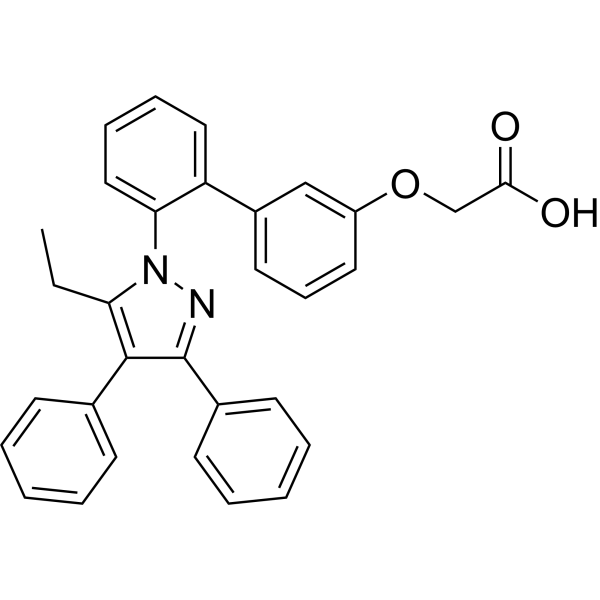
    BMS-309403 is a potent, orally active and selective adipocyte fatty acid binding protein (also known as FABP4, aP2) inhibitor with Kis of <2, 250, and 350 nM for FABP4, FABP3, and FABP5, respectively. BMS-309403 interacts with the fatty-acid-binding pocket within the interior of the protein and competitively inhibits the binding of endogenous fatty acids. BMS-309403 improves endothelial function in apolipoprotein E-deficient mice and in cultured human endothelial cells .
    BMS-309403
  • HY-101903A
    BMS-309403 sodium
    20+ Cited Publications

    FABP Cardiovascular Disease Metabolic Disease
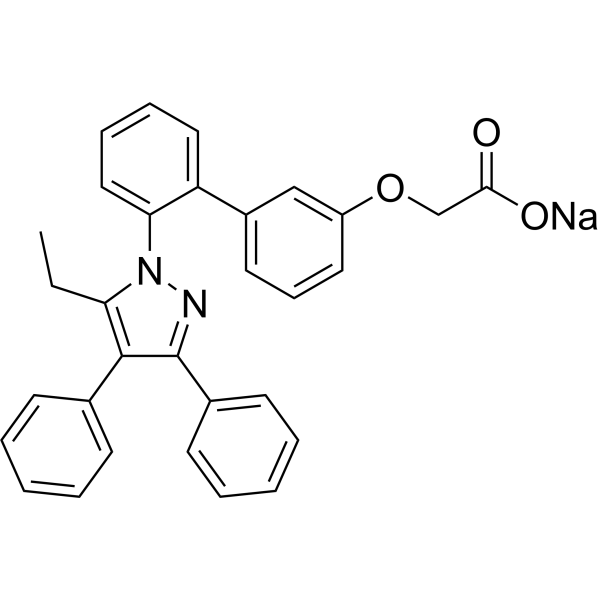
    BMS-309403 sodium is a potent, orally active, and selective adipocyte fatty acid binding protein (also known as FABP4, aP2) inhibitor, with Kis of <2, 250, and 350 nM for FABP4, FABP3, and FABP5, respectively. BMS-309403 sodium interacts with the fatty-acid-binding pocket within the interior of the protein and competitively inhibits the binding of endogenous fatty acids. BMS-309403 sodium improves endothelial function in apolipoprotein E-deficient mice and in cultured human endothelial cells .
    BMS-309403 sodium
  • HY-107574
    TC-E 5003
    3 Publications Verification

    Histone Methyltransferase AP-1 NF-κB PKA Metabolic Disease Inflammation/Immunology Cancer
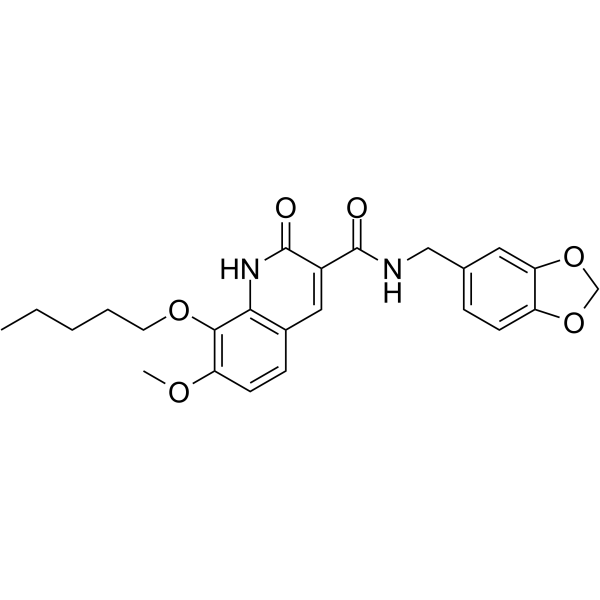
    TC-E 5003 is a selective protein arginine methyltransferase 1 (PRMT1) inhibitor with an IC50 of 1.5 µM against hPRMT1. TC-E 5003 modulates the lipopolysaccharide (LPS) (HY-D1056)-induced AP-1 and NF-κB signaling pathways with anti-inflammatory properties. TC-E 5003 also upregulates the expression of Ucp1 and Fgf21, activates protein kinase A signaling and lipolysis in primary subcutaneous adipocytes from both mouse and humans. TC-E 5003 is promising for research of obesity and associated metabolic disorders, oxidative stress, inflammation and cancers .
    TC-E 5003
  • HY-107580

    GPR109A Cardiovascular Disease Metabolic Disease Inflammation/Immunology
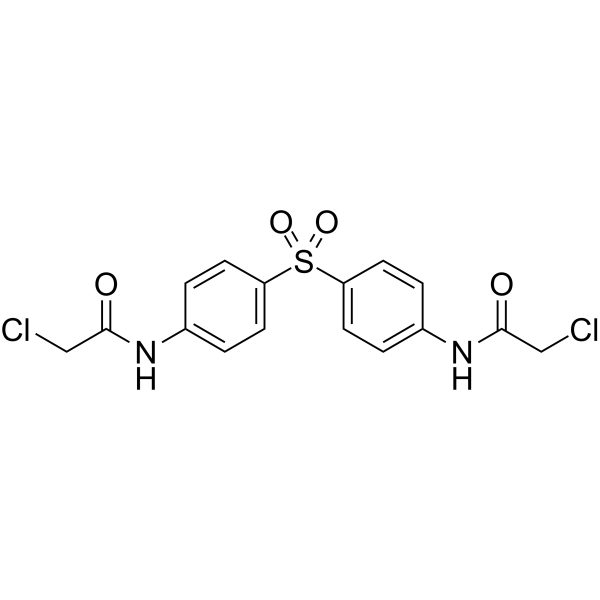
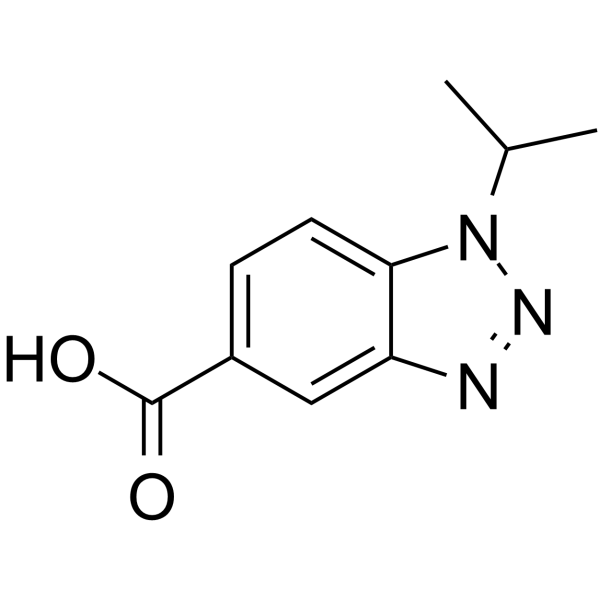
    GPR109 receptor agonist-1 is a highly selective agonist of the human orphan G protein-coupled receptor GPR109b, and does not activate the mouse homologous receptor PUMA-G. GPR109 receptor agonist-1 functionally modulates the human GPR109b receptor via the cAMP signaling pathway, with an EC50 of 400 nM. GPR109 receptor agonist-1 inhibits isoproterenol (HY-B0468)-stimulated lipolysis in human subcutaneous adipocytes, with efficacy comparable to that of Niacin (HY-B0143), and does not act on β-adrenergic receptors. GPR109 receptor agonist-1 can be used in studies related to dyslipidemia and atherosclerosis .
    GPR109 receptor agonist-1
  • HY-B0600

    AFP-168; MK2452

    Prostaglandin Receptor Cardiovascular Disease Others
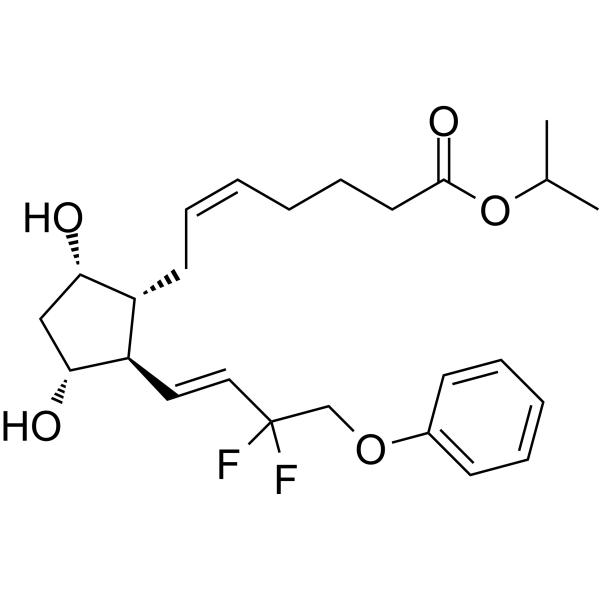
    Tafluprost (AFP-168) is an anti-glaucoma prostaglandin (PG) analog. Tafluprost can inhibit the apoptosis of retinal ganglion cells (RGCs) and rat RGCs cells. Tafluprost promotes axon regeneration by regulating Zn 2+-mTORpathway, inhibits intracellular lipid accumulation in human preorbital adipocytes. Tafluprost can be used in the study of optic nerve injury in glaucoma .
    Tafluprost
  • HY-135982
    GPR81 agonist 1
    4 Publications Verification

    Hydroxycarboxylic Acid Receptor (HCAR) Metabolic Disease
    GPR81 agonist 1 is a potent and highly selective GPR81 agonist, with EC50s of 58 nM and 50 nM for human and mouse GPR81, respectively. GPR81 agonist 1 inhibits lipolysis in differentiated 3T3-L1 adipocytes. GPR81 agonist 1 suppresses lipolysis in mice without cutaneous flushing. GPR81 agonist 1 displays remarkable selectivity for GPR81 over GPR109a .
    GPR81 agonist 1
  • HY-N0930B

    AMPK Bacterial Infection Metabolic Disease
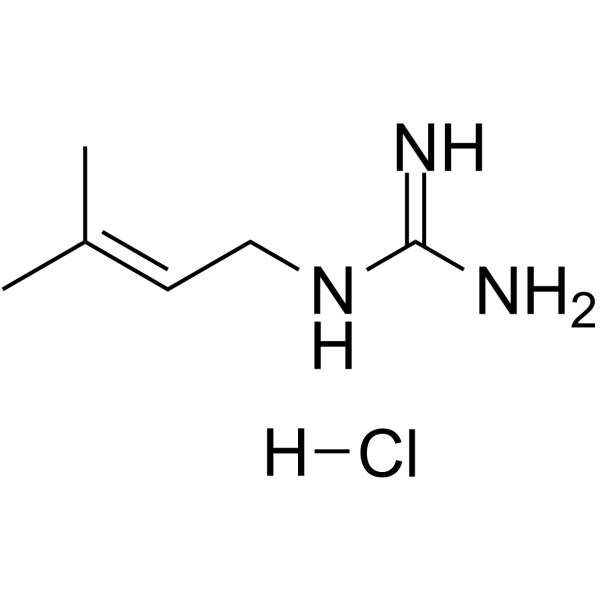
    Galegine hydrochloride, a guanidine derivative, contributes to weight loss in mice. Guanidine hydrochloride is the compound derived from G. officinalis, which gave rise to the biguanides, metformin and phenformin. Galegine hydrochloride activates AMPK in 3T3-L1 adipocytes and L6 myotubes, as well as in the H4IIE rat hepatoma and HEK293 human kidney cell lines. Galegine hydrochloride has antibacterial activity, with minimum inhibitory concentration of 4 mg/L against Staphylococcus aureus strains .
    Galegine hydrochloride
  • HY-103325

    Cannabinoid Receptor TRP Channel Interleukin Related ANGPTL VEGFR Metabolic Disease Inflammation/Immunology
    JTE-907 is a selective and orally active cannabinoid CB2 receptor inverse agonist and exerts anti-inflammatory effects. JTE-907 upregulates IL-6, MCP-1, IL-1β, VEGF, ANGPTL4, and TRPV1 in mature adipocytes. JTE-907 downregulates CB1, MCP-1, and IL-1β in preadipocytes. JTE-907 inhibits ear swelling in mice. JTE-907 reverses the protective effects of CB2 agonists and Anandamide (HY-10863) against cytokine-evoked colonic mucosal damage. JTE-907 can be used for the research of allergic dermatitis, obesity, and colitis .
    JTE-907
  • HY-113058

    Endogenous Metabolite Metabolic Disease
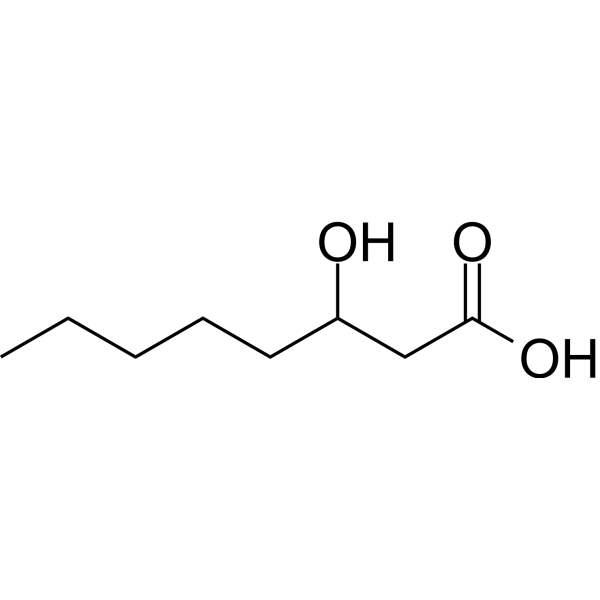
    3-Hydroxyoctanoic acid is a hydroxylated fatty acid that has been found in the LPS of Pseudomonas aeruginosa and in methyl-branched poly(3-hydroxyalkanoate) (PHA) polymers produced by Pseudomonas oleophores. It is an agonist of the orphan receptor GPR109B, increasing intracellular calcium in human neutrophils endogenously expressing GPR109B. 3-Hydroxycaprylic acid prevents lipolysis in human adipocytes and is upregulated in human plasma in response to a ketogenic diet. Plasma levels of 3-hydroxyoctanoic acid were also increased 3.41-fold in human male runners exhausted on a treadmill and in a mouse model of autism spectrum disorder (ASD) fed a high-glycemic diet.
    3-Hydroxyoctanoic acid
  • HY-N0930A

    AMPK Bacterial Infection Metabolic Disease
    Galegine hemisulfate, a guanidine derivative, contributes to weight loss in mice. Galegine hemisulfate activates AMPK in 3T3-L1 adipocytes and L6 myotubes, as well as in the H4IIE rat hepatoma and HEK293 human kidney cell lines. Galegine hemisulfate has antibacterial activity, with minimum inhibitory concentration of 4 mg/L against Staphylococcus aureus strains .
    Galegine hemisulfate
  • HY-N2459
    Peonidin chloride
    1 Publications Verification

    YGM-6 chloride

    Interleukin Related Neurological Disease Inflammation/Immunology Cancer
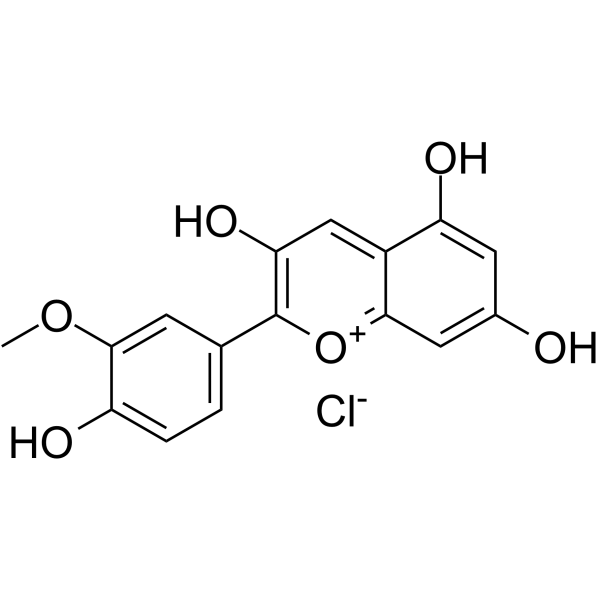
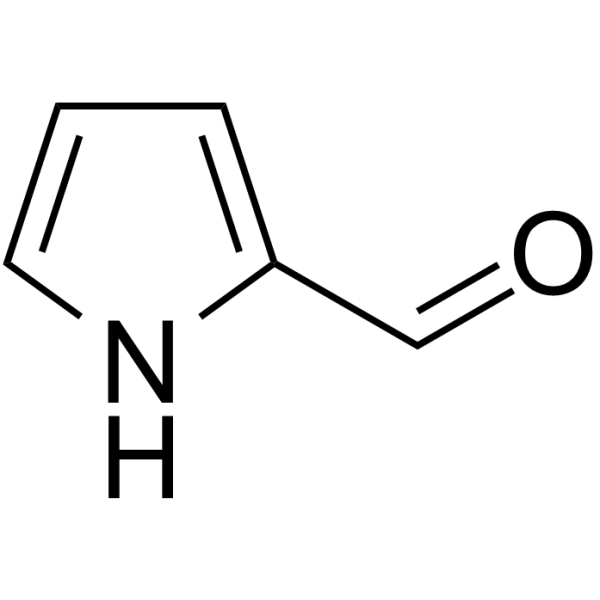
    Peonidin (YGM-6) chloride is an anthocyanin compound found in plants such as grapes and purple-fleshed sweet potatoes. Peonidin chloride alone exerts no stable inhibitory effect on LPS (HY-D1056)-mediated inflammatory gene expression. The acylated form of Peonidin chloride exhibits antimutagenic activity .
    Peonidin chloride
  • HY-P10031

    GLP Receptor GCGR Metabolic Disease
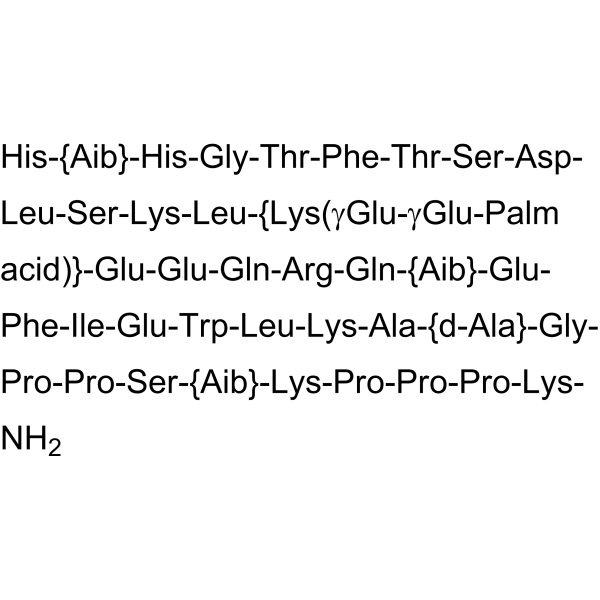
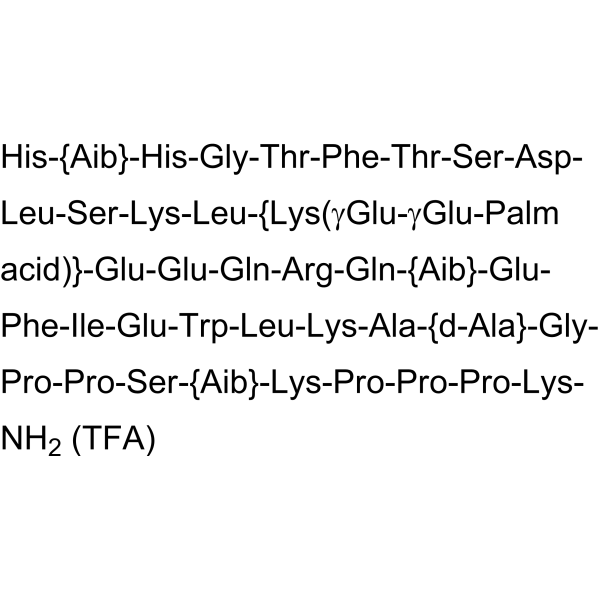
    SAR441255 is a GLP-1R/GCGR/GIPR agonist, with human EC50 values of 1.03 pM, 1.01 pM, and 0.73 pM, respectively. SAR441255 stimulates receptor activity and drives cAMP accumulation. SAR441255 can be used for the research of type 2 diabetes, obesity .
    SAR441255
  • HY-W009417

    Environmental Pollutants Glycosidase Metabolic Disease
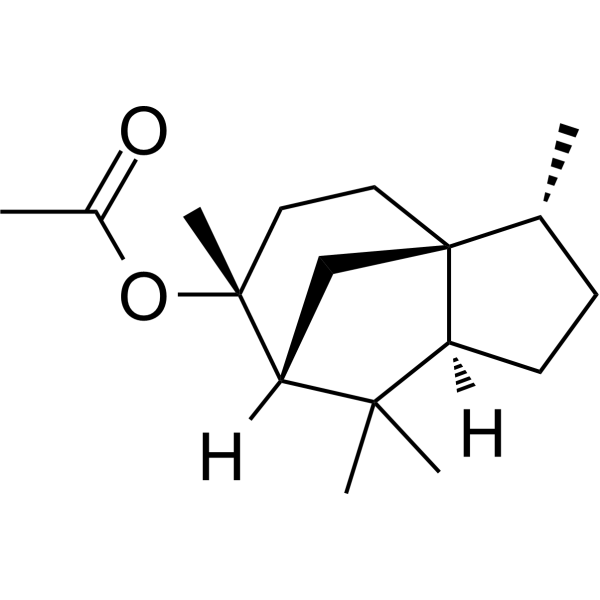
    Cedryl acetate is an orally active α-glucosidase inhibitor with an IC50 of 94 μM against yeast α-glucosidase. Cedryl acetate reduces high-fat diet-induced body weight gain, visceral fat pad weight, adipocyte hypertrophy, hepatic lipid accumulation, glucose intolerance, insulin resistance and gluconeogenesis. Cedryl acetate can be used in the research of obesity and obesity-related metabolic syndrome .
    Cedryl acetate
  • HY-P3455

    PGC-1α Metabolic Disease Cancer
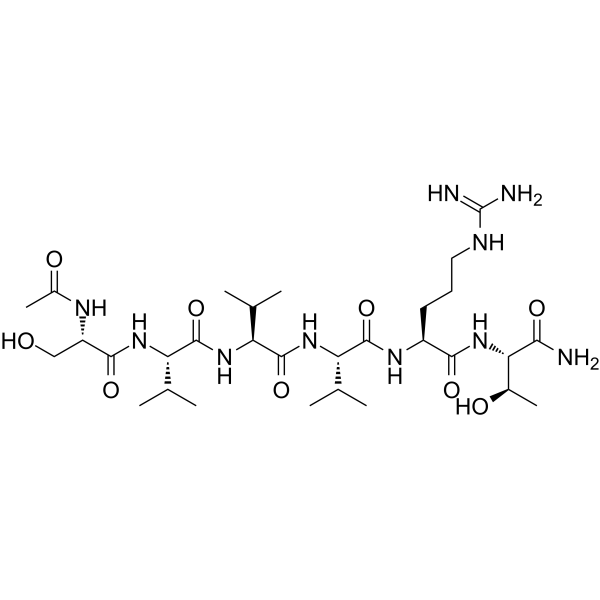
    Ac-SVVVRT-NH2 is a PGC-1α modulator that modulates the activity of the human PGC-1α promoter (114%). Ac-SVVVRT-NH2 increases PGC-1α mRNA (125%) and accumulation of intracellular lipids (128%) in subcutaneous human adipocytes. Ac-SVVVRT-NH2 can be used in the research of diseases which is modulated by PGC-1α .
    Ac-SVVVRT-NH2
  • HY-118944

    Adrenergic Receptor Endocrinology
    L-748328 is a potent and selective human β3-adrenergic receptor antagonist. L-748328 has a Ki of 3.7 nM against human cloned β3-AR expressed in Chinese hamster ovary (CHO) cells. In addition, L-748328 inhibits the lipolytic response induced by the β3-AR agonist L-742791 in isolated non-human primate adipocytes .
    L-748328
  • HY-P10031A

    GLP Receptor GCGR Metabolic Disease
    SAR441255 TFA is a GLP-1R/GCGR/GIPR agonist, with human EC50 values of 1.03 pM, 1.01 pM, and 0.73 pM, respectively. SAR441255 TFA stimulates receptor activity and drives cAMP accumulation. SAR441255 TFA can be used for the research of type 2 diabetes, obesity .
    SAR441255 TFA
  • HY-P3016B

    EC 2.6.1.1, human liver; GOT, human liver; AST, human liver

    Aminotransferases (Transaminases) Cardiovascular Disease
    Aspartate aminotransferase (EC 2.6.1.1), Human liver is a metabolic regulator with the highest activity in the heart, liver and skeletal muscle. Aspartate aminotransferase, Human liver comprises two isozymes: the cytoplasmic form (AST1) and the mitochondrial form (AST2). By catalyzing reversible transamination reactions between oxaloacetate, L-glutamate and other substances, it is deeply involved in key physiological processes such as amino acid metabolism, the tricarboxylic acid cycle and neurotransmitter synthesis. Aspartate aminotransferase, Human liver also provides substrate support for the synthesis of urea and purines/pyrimidines. Aspartate aminotransferase, Human liver is a serum marker reflecting cardiac and hepatic injury, and its abnormal levels are also closely associated with myocardial infarction, cardiovascular diseases and various cancers .
    Aspartate aminotransferase, Human liver
  • HY-121140

    Free Fatty Acid Receptor Metabolic Disease
    AZ1729 is a potent free fatty acid 2 receptor (FFA2) activator, acting as a direct allosteric agonist and as a positive allosteric modulator. AZ1729 increases the activity of the endogenously produced short chain fatty acid propionate in Gi-mediated pathways, but not at those transduced by Gq/G11. AZ1729 induces inhibition of isoproterenol-induced lipolysis in mouse adipocytes. AZ1729 also can Induce migration of human neutrophils. AZ1729 can be used for researching the signaling pathways of the physiological roles of FFA2 .
    AZ1729
  • HY-135016

    9-cis-Octadecenoic acid triethanolamine; 9Z-Octadecenoic acid triethanolamine

    Na+/K+ ATPase Endogenous Metabolite Apoptosis Metabolic Disease Cancer
    Oleic acid triethanolamine (9-cis-Octadecenoic acid triethanolamine) is the most common monounsaturated fatty acid found in human adipocytes and other tissues. Oleic acid triethanolamine is a Na +/K + ATPase activator .
    Oleic acid triethanolamine
  • HY-117562

    FABP Metabolic Disease
    a-FABP-IN-1 (Compound 5g) is a potent and selective human adipocyte fatty acid-binding protein (a-FABP) inhibitor with a Ki below 1.0 nM. a-FABP-IN-1 inhibits the pro-inflammatory cytokine production .
    a-FABP-IN-1
  • HY-118236

    (S)-KIN-193

    PI3K Cardiovascular Disease
    (S)-AZD6482 ((S)-KIN-193) is a highly effective and selective ATP-competitive inhibitor of PI3Kβ, exhibiting an IC(50) of 0.01 μM, and it can reduce insulin-induced glucose uptake by human adipocytes in vitro with an IC(50) of 4.4 μM.
    (S)-AZD 6482
  • HY-113058R

    Endogenous Metabolite Reference Standards Infection Metabolic Disease
    3-Hydroxyoctanoic acid (Standard) is the analytical standard of 3-Hydroxyoctanoic acid (HY-113058). 3-Hydroxyoctanoic acid is a hydroxylated fatty acid that has been found in the LPS of Pseudomonas aeruginosa and in methyl-branched poly(3-hydroxyalkanoate) (PHA) polymers produced by Pseudomonas oleophores. It is an agonist of the orphan receptor GPR109B, increasing intracellular calcium in human neutrophils endogenously expressing GPR109B. 3-Hydroxycaprylic acid prevents lipolysis in human adipocytes and is upregulated in human plasma in response to a ketogenic diet.
    3-Hydroxyoctanoic acid (Standard)
  • HY-B0600R

    AFP-168 (Standard); MK2452 (Standard)

    Prostaglandin Receptor Reference Standards Cardiovascular Disease Others
    Tafluprost (Standard) is the analytical standard of Tafluprost. This product is intended for research and analytical applications. Tafluprost (AFP-168) is an anti-glaucoma prostaglandin (PG) analog. Tafluprost can inhibit the apoptosis of retinal ganglion cells (RGCs) and rat RGCs cells. Tafluprost promotes axon regeneration by regulating Zn2+-mTORpathway, inhibits intracellular lipid accumulation in human preorbital adipocytes. Tafluprost can be used in the study of optic nerve injury in glaucoma [4] .
    Tafluprost (Standard)
  • HY-101903R

    Reference Standards FABP Cardiovascular Disease Metabolic Disease
    BMS-309403 (Standard) is the analytical standard of BMS-309403. This product is intended for research and analytical applications. BMS-309403 is a potent, orally active and selective adipocyte fatty acid binding protein (also known as FABP4, aP2) inhibitor with Kis of <2, 250, and 350 nM for FABP4, FABP3, and FABP5, respectively. BMS-309403 interacts with the fatty-acid-binding pocket within the interior of the protein and competitively inhibits the binding of endogenous fatty acids. BMS-309403 improves endothelial function in apolipoprotein E-deficient mice and in cultured human endothelial cells .
    BMS-309403 (Standard)
  • HY-101903AR

    Reference Standards FABP Cardiovascular Disease Metabolic Disease
    BMS-309403 (sodium) (Standard) is the analytical standard of BMS-309403 (sodium). This product is intended for research and analytical applications. BMS-309403 sodium is a potent, orally active, and selective adipocyte fatty acid binding protein (also known as FABP4, aP2) inhibitor, with Kis of <2, 250, and 350 nM for FABP4, FABP3, and FABP5, respectively. BMS-309403 sodium interacts with the fatty-acid-binding pocket within the interior of the protein and competitively inhibits the binding of endogenous fatty acids. BMS-309403 sodium improves endothelial function in apolipoprotein E-deficient mice and in cultured human endothelial cells .
    BMS-309403 sodium (Standard)
  • HY-W342441

    VEGFR Akt Ferroptosis Insulin Receptor Metabolic Disease Cancer
    Monosialoganglioside GM3 (bovine) is a monosialoganglioside and an inhibitor of VEGFR2 and Akt. At a concentration of 20 μM, Monosialoganglioside GM3 inhibits angiogenesis and reduces the proliferation and migration of human umbilical vein endothelial cells (HUVECs) by inhibiting VEGFR2 and Akt phosphorylation. Ganglioside GM3 also inhibits ferroptosis, providing protective effects during the formation of abdominal aortic aneurysms. Additionally, Monosialoganglioside GM3 (bovine) acts as an inhibitor of insulin signaling, inducing the dissociation of the insulin receptor (IR)-Caveolin-1 complex from lipid microdomains and causing insulin resistance in adipocytes. Monosialoganglioside GM3 (bovine) can be used in cancer and metabolic disease research .
    Monosialoganglioside GM3 (bovine)
  • HY-186163

    Amine N-methyltransferase Metabolic Disease
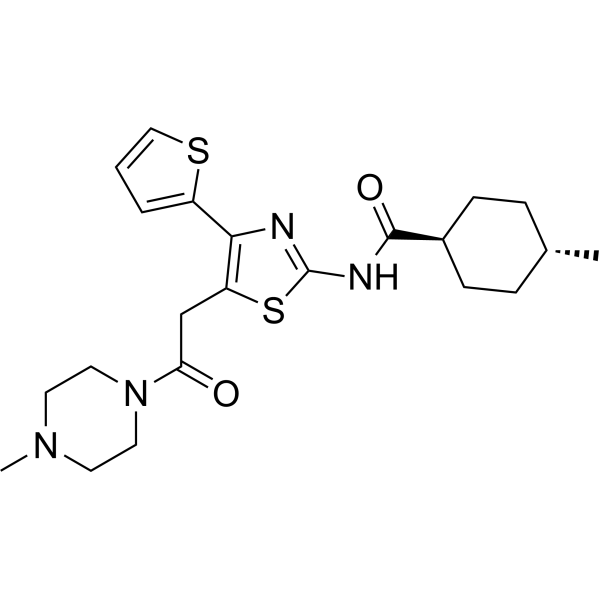
    CC-410 is a selective Nicotinamide N-methyltransferase (NNMT) inhibitor with a human IC50 value of 1.6 µM. CC-410 impairs terminal adipocyte differentiation via glucocorticoid signaling network deregulation, inhibits adipogenesis and lipid accumulation with time-sensitive activity limited to early adipogenesis stages. CC-410 can be used for the researches of early-onset obesity, glucocorticoid-induced obesity .
    CC-410
  • HY-107574R

    Reference Standards Histone Methyltransferase AP-1 NF-κB PKA Metabolic Disease Inflammation/Immunology Cancer
    TC-E 5003 (Standard) is the analytical standard of TC-E 5003 (HY-107574). This product is intended for research and analytical applications. TC-E 5003 is a selective protein arginine methyltransferase 1 (PRMT1) inhibitor with an IC50 of 1.5 µM against hPRMT1. TC-E 5003 modulates the lipopolysaccharide (LPS) (HY-D1056)-induced AP-1 and NF-κB signaling pathways with anti-inflammatory properties. TC-E 5003 also upregulates the expression of Ucp1 and Fgf21, activates protein Kinase A signaling and lipolysis in primary subcutaneous adipocytes from both mouse and humans. TC-E 5003 is promising for research of obesity and associated metabolic disorders, oxidative stress, inflammation and cancers .
    TC-E 5003 (Standard)
  • HY-182640

    Adrenergic Receptor Cardiovascular Disease Metabolic Disease Inflammation/Immunology
    SM-11044 is a β-adrenoceptor agonist with Ki values of 18.1 μM (β1), 4.1 μM (β2) and 1.3 μM (β3), showing higher binding selectivity for the β3-adrenoceptor. SM-11044 stimulates cAMP accumulation in cells expressing this receptor. SM-11044 mediates ileal relaxation, tracheal relaxation, pulmonary parenchymal relaxation, increased right atrial heart rate and adipocyte lipolysis .
    SM-11044
  • HY-181233

    PPAR Metabolic Disease
    PPARγ agonist-22 is a PPARγ agonist. PPARγ agonist-22 promotes cellular glucose uptake. PPARγ agonist-22 reduces lipid accumulation in adipocytes. PPARγ agonist-22 can be used in the research of type 2 diabetes .
    PPARγ agonist-22

온라인 문의

Your information is safe with us. * Required Fields.

호칭


Country or Region *

고객명 *


회사명 *

Department *


메일주소 *


상품명 *

Cat. No.


Requested quantity *

전화번호 *


비고

온라인 문의

Inquiry Information

상품명:
Cat. No.:
수량:
MCE Japan Authorized Agent:

