





Search Result
Results for "
immunosuppression
" in MedChemExpress (MCE) Product Catalog:
2
Biochemical Assay Reagents
1
Isotope-Labeled Compounds
| Cat. No. |
Product Name |
Target |
Research Areas |
Chemical Structure |
-
- HY-B1618
-
Corticosterone
Maximum Cited Publications
64 Publications Verification
17-Deoxycortisol; 11β,21-Dihydroxyprogesterone; Kendall's compound B
|
Glucocorticoid Receptor
Endogenous Metabolite
iGluR
|
Neurological Disease
Inflammation/Immunology
Endocrinology
|
|
Corticosterone (17-Deoxycortisol) is an orally active and adrenal cortex-produced glucocorticoid, which plays an important role in regulating neuronal functions of the limbic system (including hippocampus, prefrontal cortex, and amygdala). Corticosterone increases the Rab-mediated AMPAR membrane traffic via SGK-induced phosphorylation of GDI. Corticosterone also interferes with the maturation of dendritic cells and shows a good immunosuppressive effect .
|
-
-
- HY-50876
-
Daporinad
Maximum Cited Publications
64 Publications Verification
FK866; APO866
|
NAMPT
Autophagy
Apoptosis
mTOR
p38 MAPK
ERK
|
Cancer
|
|
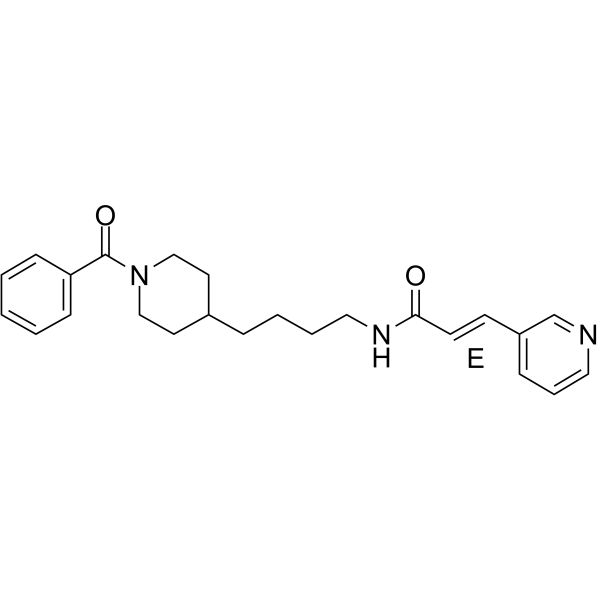
Daporinad (FK866) is a non-competitive inhibitor of nicotinamide phosphoribosyltransferase (Nampt), with a Ki value of 0.3 nM. Daporinad depletes NAD+ and ATP levels, inhibits mTORC1 and MAPK/ERK pathways, and activates TFEB to induce autophagy. Daporinad causes the depletion of the endoplasmic reticulum Ca²⁺ pool, ultimately weakening the mitogen-induced Ca²⁺ signal and the activation and function of T cells. Daporinad induces cell cycle arrest and apoptosis, and inhibits cell proliferation. Daporinad can be used for the study of myeloma, liver cancer, and immunosuppression .
|
-
-
- HY-17389
-
|
(+)-Genipin
|
Autophagy
|
Neurological Disease
Metabolic Disease
Inflammation/Immunology
Cancer
|
|
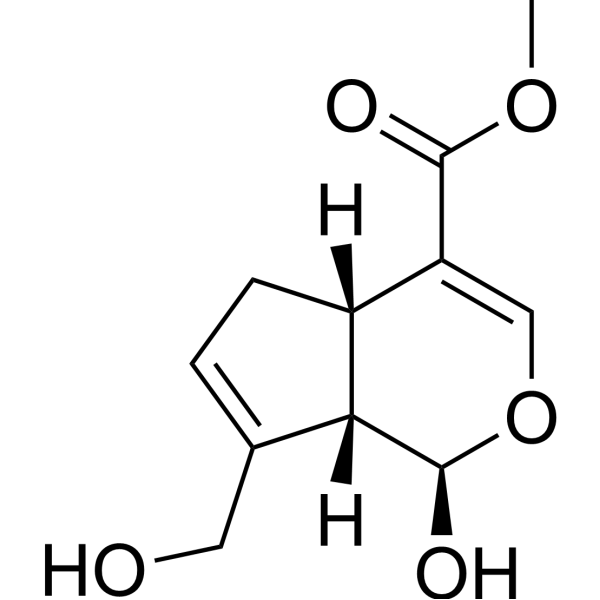
Genipin ((+)-Genipin) is a natural crosslinking reagent derived from Gardenia jasminoides Ellis fruits. Genipin inhibits UCP2 (uncoupling protein 2) in cells. Genipin has a variety of bioactivities, including modulation on proteins, antitumor, anti-inflammation, immunosuppression, antithrombosis, and protection of hippocampal neurons. Genipin also can be used for type 2 diabetes research .
|
-
-
- HY-17422
-
|
Aciclovir; Acycloguanosine
|
HSV
Apoptosis
Antibiotic
Bacterial
|
Infection
Cancer
|
|
Acyclovir (Aciclovir) is a potent, orally active antiviral agent. Acyclovir has antiherpetic activity with IC50 values of 0.85 μM and 0.86 μM for HSV-1 and HSV-2, respectively. Acyclovir induces cell cycle perturbation and apoptosis. Acyclovir prevents bacterial infections during induction therapy for acute leukaemia .
|
-
-
- HY-W145521
-
|
β Glucan
|
Biochemical Assay Reagents
IKK
NO Synthase
Bacterial
|
Infection
Inflammation/Immunology
Cancer
|
|
β-1,3-Glucan (β Glucan) is an orally active polysaccharide composed of glucose polymers. β-1,3-Glucan increase the activity of IKKβ kinase, enhances the production of nitric oxide. β-1,3-Glucan improves resistance to Vibrio harveyi infection. β-1,3-Glucan enhances immune response, promotes blood pressure recovery, reduces lung, kidney and liver damage, inhibits the growth of syngeneic tumors .
|
-
-
- HY-P99675
-
|
AK112
|
PD-1/PD-L1
VEGFR
|
Cancer
|
|
Ivonescimab (AK112) is a PD-1/VEGF bispecific antibody. Ivonescimab competitively inhibiting PD-1/PD-L1 interaction, reversing the immunosuppression mediated by it, and blocks the binding of VEGF-A to VEGFR2, inhibiting tumour angiogenesis in the tumour microenvironment. Ivonescimab also has significantly anticancer activity against EGFR-mutated locally advanced or metastatic non-squamous non-small cell lung cancer (NSCL) .
|
-
-
- HY-B1462
-
-
-
- HY-112885B
-
-
-
- HY-32736
-
|
NSC 165677; PG 492
|
Wnt
β-catenin
Apoptosis
Autophagy
|
Inflammation/Immunology
Cancer
|
|
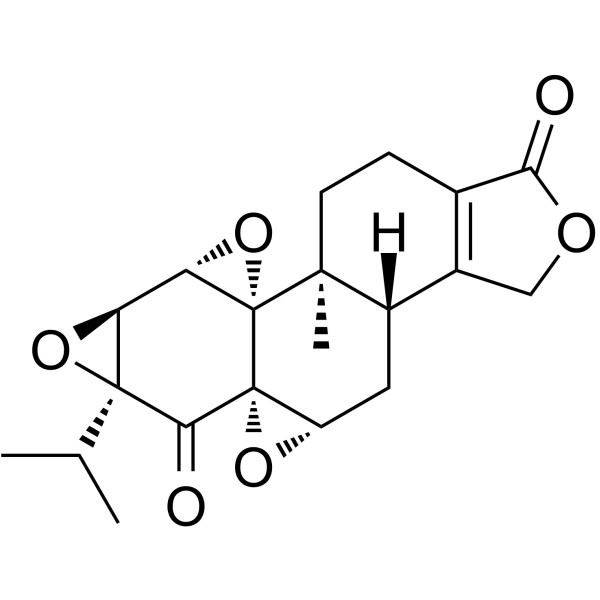
Triptonide (NSC 165677) is a natural product identified in Tripterygium wilfordii Hook F.. Triptonide is a Wnt signaling inhibitor with an IC50 of appropriately 0.3 nM. Triptonide has immunosuppression, anti-inflammatory, anti-fertility, neuroprotective and anti-lymphoma effects .
|
-
-
- HY-N0587
-
-
-
- HY-112885A
-
|
Nω-Hydroxy-nor-L-arginine acetate
|
Arginase
Apoptosis
|
Cardiovascular Disease
Infection
Metabolic Disease
Inflammation/Immunology
Cancer
|
|
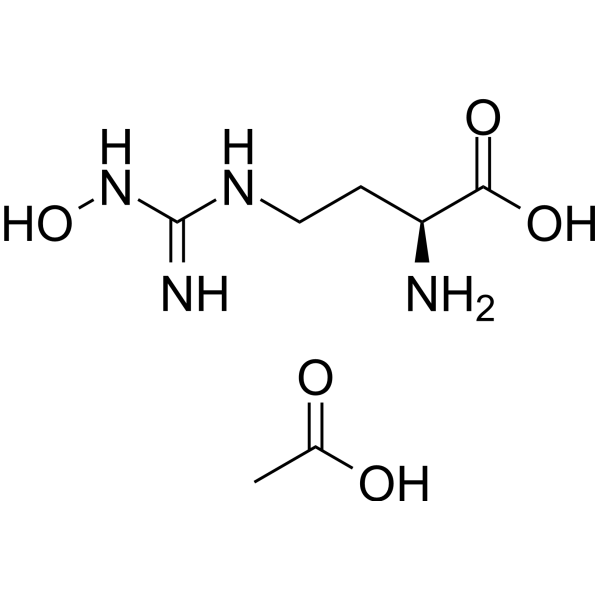
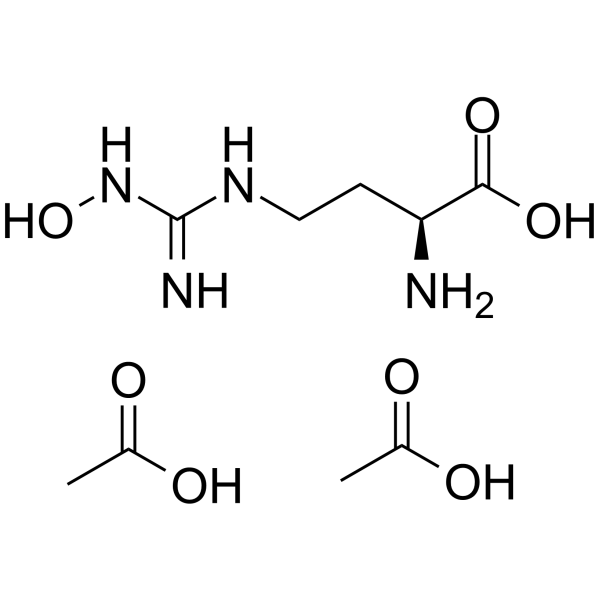
nor-NOHA acetate is a selective and reversible Arginase inhibitor. nor-NOHA acetate induces Apoptosis in ARG2-expressing cells under hypoxia. nor-NOHA acetate has anti-leukemic activity. nor-NOHA acetate improves liver ischemia-reperfusion injury. nor-NOHA acetate can used in study of tuberculosis, endothelial dysfunction, immunosuppression and metabolism .
|
-
-
- HY-A0183
-
|
Phospholipids, phosphatidylserines; Serine glycerophosphatides
|
Akt
TGF-β Receptor
|
Inflammation/Immunology
|
|
Phosphatidylserine (Phospholipids) is a well-conserved anti-inflammatory and immunosuppressive signal. Phosphatidylserine is involved in membrane translocation and the activation of protein kinase C, participating in Akt signaling through its interaction with PIP3. The local exposure of Phosphatidylserine can interact with complement and other proteins, promoting microglial phagocytosis during critical periods of synaptic refinement. Phosphatidylserine can promote blood coagulation in the extracellular environment and acts as a "eat me" signal to clear out apoptotic cells. Phosphatidylserine can suppress inflammation in tissues by inducing TGF-β secretion and inhibiting immune responses .
|
-
-
- HY-110133
-
JTE-607
5 Publications Verification
|
Interleukin Related
|
Inflammation/Immunology
|
|
JTE-607, a highly selective inflammatory cytokine synthesis inhibitor, protects from endotoxin shock in mice. JTE-607 inhibits inflammatory cytokine production, including TNF-α, IL-1β, IL-6, IL-8 and IL-10, from LPS-stimulated human PBMCs, with IC50s of 11, 5.9, 8.8, 7.3 and 9.1 nM, respectively . Cleavage and Polyadenylation Specificity Factor 3 (CPSF3) is the target of JTE-607 .
|
-
-
- HY-112885C
-
|
Nω-Hydroxy-nor-L-arginine dihydrochloride
|
Apoptosis
Arginase
|
Cardiovascular Disease
Infection
Metabolic Disease
Inflammation/Immunology
Cancer
|
|
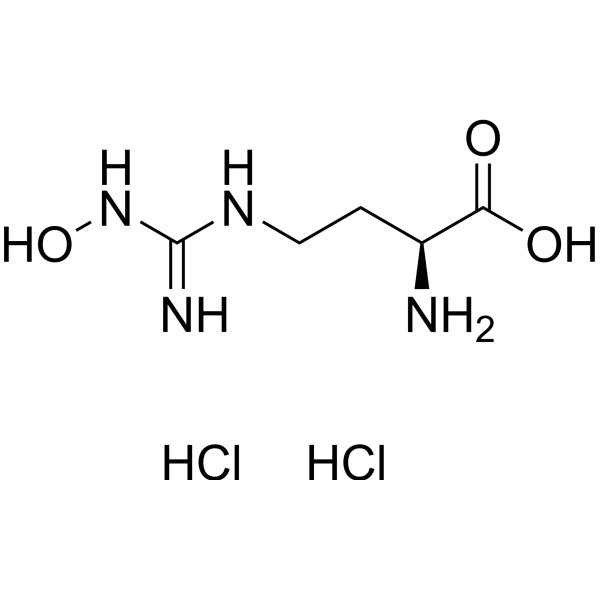
nor-NOHA dihydrochloride is a selective and reversible Arginase inhibitor. nor-NOHA dihydrochloride induces Apoptosis in ARG2-expressing cells under hypoxia. nor-NOHA dihydrochloride has anti-leukemic activity. nor-NOHA dihydrochloride improves liver ischemia-reperfusion injury. nor-NOHA dihydrochloride can used in study of tuberculosis, endothelial dysfunction, immunosuppression and metabolism .
|
-
-
- HY-P99044
-
|
MBG453
|
Tim3
|
Inflammation/Immunology
|
|
Sabatolimab (MBG453) is a high-affinity, humanized, IgG4 (S228P) antibody targeting TIM-3, an inhibitory receptor that regulates adaptive and innate immune responses. Sabatolimab is a potential immunosuppression agent that can target TIM-3 on immune and myeloid cells .
|
-
-
- HY-N0594
-
|
|
SOD
Interleukin Related
TNF Receptor
|
Inflammation/Immunology
|
|
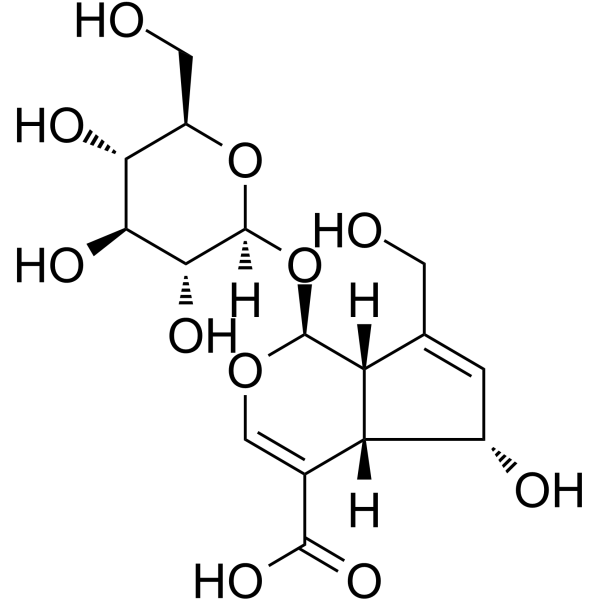
Deacetylasperulosidic Acid is an orally active antioxidant. Deacetylasperulosidic Acid exerts a definite in vivo antioxidant effect and alleviates oxidative stress injury by enhancing SOD activity. In atopic dermatitis models, Deacetylasperulosidic Acid corrects Th2-skewed immune imbalance and reduces allergy-related factors; in immunosuppression models, it activates cellular immunity, enhances NK cell activity and IL-2 production. Deacetylasperulosidic Acid can be used in the research of atopic dermatitis .
|
-
-
- HY-N6985
-
|
|
Others
|
Cancer
|
|
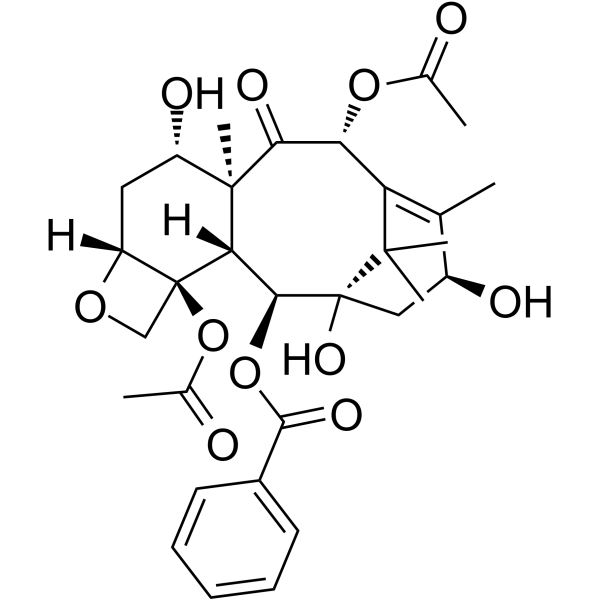
Baccatin III is an orally available, selective inhibitor of the TGF-β1 signaling pathway and myeloid-derived suppressor cell (MDSC) activation. Baccatin III targets the AKT/STAT6 and Smad2/3 pathways, blocking TGF-β1-induced fibroblast differentiation and MDSC-mediated immunosuppression. Baccatin III exerts anti-inflammatory and anti-fibrotic effects by inhibiting macrophage activation and extracellular matrix deposition, and shows potential in the treatment of pulmonary fibrosis and cancer in terms of regulating the tumor immune microenvironment .
|
-
-
- HY-N0447
-
|
|
TRP Channel
Bacterial
Apoptosis
Autophagy
STAT
PERK
EGFR
PI3K
Akt
mTOR
Caspase
MMP
|
Infection
Cardiovascular Disease
Inflammation/Immunology
Cancer
|
|
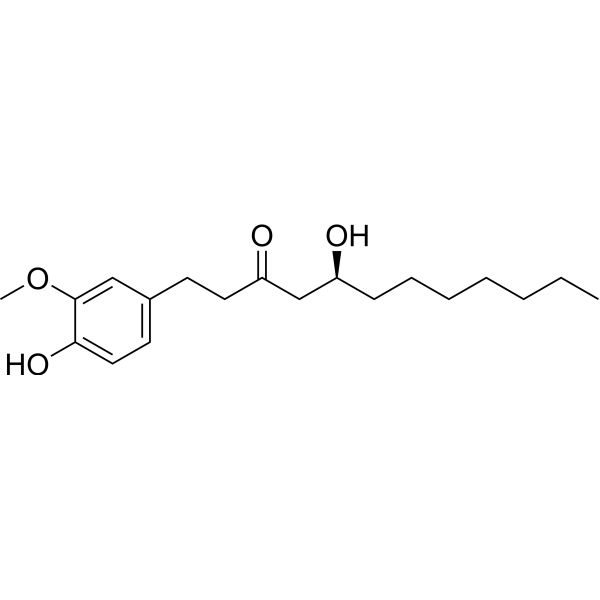
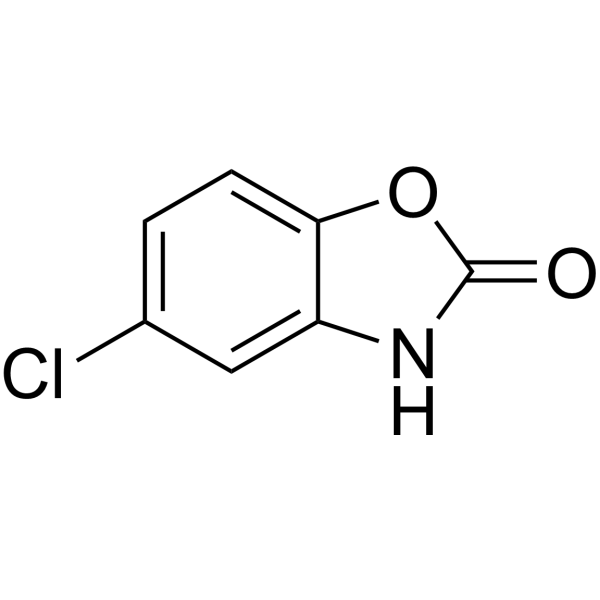
8-Gingerol can be found in the rhizome of ginger (Z. officinale) and has oral bioactivity. It activates TRPV1, with an EC50 value of 5.0 µM. 8-Gingerol inhibits COX-2 and also suppresses the growth of H. pylori in vitro. Additionally, 8-Gingerol exhibits anticancer, antioxidant, and anti-inflammatory properties by inhibiting the epidermal growth factor receptor (EGFR) and modulating its downstream STAT3/ERK pathway to suppress the proliferation, migration, and invasion of colorectal cancer cells. 8-Gingerol also exerts immunosuppressive effects by inhibiting oxidative stress, inducing cell cycle arrest, promoting apoptosis, and regulating autophagy. Furthermore, 8-Gingerol has cardioprotective effects. 8-Gingerol is promising for research in the fields of cancer, infection, immunosuppression, and cardiovascular diseases.
|
-
-
- HY-N0534
-
|
|
DNA/RNA Synthesis
Apoptosis
PI3K
Akt
Caspase
SOD
Interleukin Related
|
Cardiovascular Disease
Inflammation/Immunology
Cancer
|
|
Vitexin-2"-O-rhamnoside is an orally active flavonoid glycoside. Vitexin-2"-O-rhamnoside inhibits Apoptosis, increases the phosphorylation levels of PI3K/Akt, inhibits caspase-3, SOD activity, and promotes cytokine (IL-2, IL-6, and IL-12) secretion. Vitexin-2"-O-rhamnoside strongly inhibits DNA synthesis in MCF-7 cells with an IC50 of 17.5 μM. Vitexin-2"-O-rhamnoside enhances immune function and improves the absorption of active compounds. Vitexin-2"-O-rhamnoside has antioxidant activity. Vitexin-2"-O-rhamnoside is used in the study of cardiovascular disease and immune-related diseases .
|
-
-
- HY-104037
-
|
LYC-55716
|
ROR
|
Cancer
|
|
Cintirorgon (LYC-55716) is a first-in-class, selective and orally bioavailable RORγ agonist. Cintirorgon (LYC-55716) modulates gene expression of RORγ expressing T lymphocyte immune cells, resulting in enhanced effector function, as well as decreased immunosuppression, resulting in decreased tumor growth, and improved survival .
|
-
-
- HY-114440
-
|
GR-MD-02
|
Galectin
Apoptosis
|
Cancer
|
|
Belapectin (GR-MD-02) is a Galectin-3 (Gal-3) inhibitor. Belapectin drives tumor-induced immunosuppression by inducing T cell Apoptosis. Belapectin promotes tumor regression and improves survival of tumor-bearing mice through a CD8+ T cell-dependent mechanism. Belapectin binds to Gal-3 with affinity Ki of 2.8 μM .
|
-
-
- HY-110177
-
|
|
NF-κB
|
Inflammation/Immunology
|
|
SP-100030 is a potent NF-κB and activator protein-1 (AP-1) double inhibitor (IC50s=50 and 50 nM, respectively). SP-100030 inhibits IL-2, IL-8, and TNF-alpha production in Jurkat and other T cell lines. SP-100030 decreases murine collagen-induced arthritis (CIA) .
|
-
-
- HY-142118
-
|
AP 12009
|
TGF-beta/Smad
|
Cancer
|
|
Trabedersen (AP 12009) is an orally active synthetic antisense phosphorothioate oligodeoxynucleotide that selectively targets human TGFβ2 mRNA. Trabedersen blocks TGFβ2 protein production, enters the nucleus without a transfection vector, and exerts dose-dependent antitumor effects. By reversing TGFβ2-induced immunosuppression and enhancing immune cytotoxicity, Trabedersen exhibits significant antiproliferative, antimigratory, and antimetastatic activities, with favorable safety profiles. Trabedersen is widely used in research related to various solid tumors, including anaplastic astrocytoma, glioblastoma, colorectal tumor, and melanoma .
|
-
-
- HY-155108B
-
|
|
Arginase
|
Cancer
|
|
OATD-02 hydrochloride is the hydrochloride salt form of OATD-02 (HY-155108). OATD-02 hydrochloride an orally active, competitive, reversible, noncovalent dual inhibitor of Arginase1 and Arginase2. OATD-02 hydrochloride is a slow offset inhibitor, blocking intracellular arginases with IC50s of 20 nM (hARG1), 39 nM (hARG2), 39 nM (mARG1), and 28 nM (rARG1), respectively. OATD-02 hydrochloride bolishes tumor immunosuppression induced by both arginases. OATD-02 hydrochloride can be used for melanoma study .
|
-
-
- HY-137246
-
|
|
CD73
|
Cancer
|
|
CD73-IN-3 is a potent CD73 inhibitor (IC50=7.3 nM in Calu6 human cell assay). CD73-IN-3, example 2 extracted from patent WO2019168744 A1, has the potential for cancer research .
|
-
-
- HY-17422A
-
|
Aciclovir sodium; Acycloguanosine sodium
|
HSV
Apoptosis
Antibiotic
Bacterial
|
Infection
Cancer
|
|
Acyclovir (Aciclovir) sodium is a potent, orally active antiviral agent. Acyclovir sodium has antiherpetic activity with IC50 values of 0.85 μM and 0.86 μM for HSV-1 and HSV-2, respectively. Acyclovir sodium induces cell cycle perturbation and apoptosis. Acyclovir sodium prevents bacterial infections during induction therapy for acute leukaemia .
|
-
-
- HY-18620
-
DZ2002
1 Publications Verification
|
STAT
PI3K
NF-κB
MEK
ERK
Bacterial
Antibiotic
Akt
|
Inflammation/Immunology
|
|
DZ2002 is an orally active, reversible and low-cytotoxic type III SAHH inhibitor (Ki=17.9 nM), with good immunosuppressive activity. DZ2002 prevents the development of experimental dermal fibrosis by reversing the profibrotic phenotype of various cell types. DZ2002 can be used in studies of autoimmune diseases such as lupus syndrome and systemic sclerosis .
|
-
-
- HY-160215
-
|
|
TGF-β Receptor
p38 MAPK
TGF-beta/Smad
Interleukin Related
|
Cancer
|
|
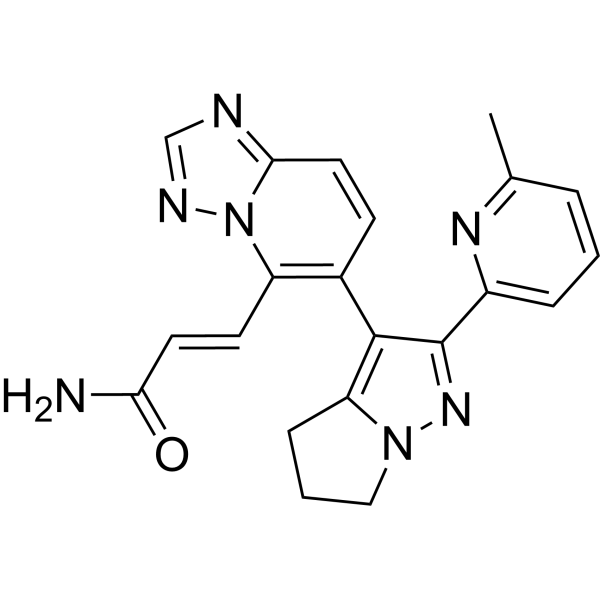
GFH018 is an orally active, selective and ATP-competitive TGF-βR1 inhibitor with an IC50 of 40 nM. GFH018 reactivates the immune system by blocking the immunosuppression mediated by regulatory T cells and M2 macrophages. GFH018 inhibits tumor angiogenesis. GFH018 suppresses tumor growth in mouse tumor models. GFH018 can be used for the research of solid tumors, hepatocellular carcinoma, colorectal cancer, breast cancer, and relapsed/metastatic nasopharyngeal carcinoma .
|
-
-
- HY-113008A
-
|
(Z)-Urocanic acid; cis-UCA
|
5-HT Receptor
|
Inflammation/Immunology
|
|
cis-Urocanic acid is a 5-HT2A receptor agonist. cis-Urocanic acid binds to 5-HT receptor with relatively high affinity (Kd=4.6 nM). cis-Urocanic acid is an immune modulator that induces immunosuppression by binding to the 5-HT2A receptor .
|
-
-
- HY-112885
-
-
-
- HY-102090
-
|
|
CD28
|
Inflammation/Immunology
|
|
B7/CD28 interaction inhibitor 1 (copmound 6b) is a potent B7.1-CD28 interaction inhibitor with an IC50 of 50 nM .
|
-
-
- HY-17422R
-
|
Aciclovir (Standard); Acycloguanosine (Standard)
|
Reference Standards
HSV
Apoptosis
Antibiotic
Bacterial
|
Infection
Cancer
|
|
Acyclovir (Standard) is the analytical standard of Acyclovir. This product is intended for research and analytical applications. Acyclovir (Aciclovir) is a potent, orally active antiviral agent. Acyclovir has antiherpetic activity with IC50 values of 0.85 μM and 0.86 μM for HSV-1 and HSV-2, respectively. Acyclovir induces cell cycle perturbation and apoptosis. Acyclovir prevents bacterial infections during induction therapy for acute leukaemia .
|
-
-
- HY-155108
-
|
|
Arginase
|
Cancer
|
|
OATD-02 is an orally active, competitive, reversible, noncovalent dual inhibitor of Arginase1 and 2. OATD-02 is a slow offset inhibitor, blocking intracellular arginases with IC50s of 20 nM (hARG1), 39 nM (hARG2), 39 nM (mARG1), and 28 nM (rARG1), respectively. OATD-02 abolishes tumor immunosuppression induced by both arginases. OATD-02 can be used for melanoma study .
|
-
-
- HY-136198
-
|
|
Syk
PI3K
|
Cancer
|
|
SRX3207 is an orally active and first-in-class dual Syk/PI3K inhibitor, with IC50 values of 10.7 nM and 861 nM for Syk and PI3Kα, respectively. SRX3207 relieves tumor immunosuppression .
|
-
-
- HY-P10950A
-
|
|
PD-1/PD-L1
|
Inflammation/Immunology
Cancer
|
|
PD-L1 inhibitory peptide TFA is an inhibitor peptide targeting programmed cell death ligand 1 (PD-L1). PD-L1 inhibitory peptide TFA binds to PD-L1, relieving immunosuppression and restoring the antitumor activity of T cells. PD-L1 inhibitory peptide TFA is promising for research of cancers .
|
-
-
- HY-N6958
-
|
AA-2βG
|
Apoptosis
HSP
Reactive Oxygen Species (ROS)
Keap1-Nrf2
Heme Oxygenase (HO)
|
Inflammation/Immunology
Cancer
|
|
2-O-β-D-Glucopyranosyl-L-ascorbic acid (AA-2βG) is an orally active vitamin C derivative. 2-O-β-D-Glucopyranosyl-L-ascorbic acid exhibits multiple activities including antioxidant, anti-tumor and immunomodulatory effects. 2-O-β-D-Glucopyranosyl-L-ascorbic acid mediates tumor cell apoptosis, induces cell cycle arrest, scavenges free radicals and eliminates oxidative stress. 2-O-β-D-Glucopyranosyl-L-ascorbic acid can be used in studies related to cancer, inflammation and immunity .
|
-
-
- HY-178360
-
|
|
PROTACs
Histone Acetyltransferase
HIF/HIF Prolyl-Hydroxylase
PD-1/PD-L1
PTEN
|
Metabolic Disease
Inflammation/Immunology
Cancer
|
|
NP1192 is a potent, selective PROTAC NAT10 degrader that depletes NAT10 protein and inhibits ac4C modification in cancer cells. NP1192 demonstrates dual inhibition of hypoxia-driven glycolysis and immunosuppression via NAT10/HIF-1α/PD-L1 axis disruption, achieving superior antitumor efficacy and synergizing with anti-PD-L1 both in vitro and in vivo. NP1192 can be used for ovarian, cervical, and glioblastoma cancer research. (Blue: CRBN ligand (HY-148834); Black: linker; Pink: NAT10 ligand (HY-16706)) .
|
-
-
- HY-46225
-
|
|
Drug Intermediate
|
Inflammation/Immunology
|
|
DEX-maleimide is a coupling agent that can be used to synthesize conjugates containing single-domain antibodies (VHH) conjugated with antigens and anti-inflammatory agents. DEX-maleimide can be used for research on autoimmune diseases .
|
-
-
- HY-155971
-
|
|
Autophagy
|
Inflammation/Immunology
Cancer
|
|
VISTA-IN-2 (Compound 1) is an inhibitor of V-domain Ig suppressor of T-cell activation (VISTA). VISTA-IN-2 induces VISTA degradation in cells through an autophagic mechanism. VISTA-IN-2 rescues VISTA-mediated immunosuppression, and enhances antitumor activity of immune cells. VISTA-IN-2 also activates the antitumor immunity and inhibits tumor growth in a CT26 mouse model .
|
-
-
- HY-P991364
-
|
PYX-106; BSI-060T
|
Transmembrane Glycoprotein
|
Cancer
|
|
Aldastotug (PYX-106; BSI-060T) is a human monoclonal antibody (mAb) targeting Siglec-15/CD33L3. Aldastotug reverses Siglec-15-mediated immunosuppression and enhances T-cell proliferation. Aldastotug induces significantly increased levels of IFNγ and TNFα in T cells. Aldastotug can be used in cancer immunity research. Recommended isotype control: Human IgG1 kappa, Isotype Control (HY-P99001) .
|
-
-
- HY-142118A
-
|
AP 12009 sodium
|
TGF-beta/Smad
|
Cancer
|
|
Trabedersen (AP 12009) sodium is an orally active synthetic antisense phosphorothioate oligodeoxynucleotide that selectively targets human TGFβ2 mRNA. Trabedersen sodium blocks TGFβ2 protein production, enters the nucleus without a transfection vector, and exerts dose-dependent antitumor effects. By reversing TGFβ2-induced immunosuppression and enhancing immune cytotoxicity, Trabedersen sodium exhibits significant antiproliferative, antimigratory, and antimetastatic activities, with favorable safety profiles. Trabedersen sodium is widely used in research related to various solid tumors, including anaplastic astrocytoma, glioblastoma, colorectal tumor, and melanoma .
|
-
-
- HY-159643
-
|
|
MAP4K
IFNAR
Interleukin Related
|
Inflammation/Immunology
Cancer
|
|
NDI-101150 is an orally active, potent and selective hematopoietic progenitor cell kinase 1 (HPK1) inhibitor with an IC50 of 0.7 nM. NDI-101150 blocks HPK1-mediated negative regulation of immune receptor signaling, inhibits immunosuppression of T cell activation, enhances antigen-specific antibody production and augments B-cell activation. NDI-101150 inhibits tumor growth in syngeneic tumor models, establishes durable antitumor immune memory, and synergizes with anti-PD1 to enhance exhausted T cell activity and drive tumor regressions. NDI-101150 can be used for the research of cancer, such as breast cancer and colon cancer .
|
-
-
- HY-17389R
-
|
(+)-Genipin (Standard)
|
Reference Standards
Autophagy
|
Neurological Disease
Metabolic Disease
Inflammation/Immunology
Cancer
|
|
Genipin (Standard) is the analytical standard of Genipin. This product is intended for research and analytical applications. Genipin ((+)-Genipin) is a natural crosslinking reagent derived from Gardenia jasminoides Ellis fruits. Genipin inhibits UCP2 (uncoupling protein 2) in cells. Genipin has a variety of bioactivities, including modulation on proteins, antitumor, anti-inflammation, immunosuppression, antithrombosis, and protection of hippocampal neurons. Genipin also can be used for type 2 diabetes research .
|
-
-
- HY-177058
-
|
|
Toll-like Receptor (TLR)
Mitosis
|
Inflammation/Immunology
|
|
DSP30 is a phosphorothioate cpG-oligodeoxynucleotide and a TLR9 agonist. DSP30 can activate immune system cells, including B cells and dendritic cells, by inducing proliferation and cytokine production.DSP30 can enhance the immunosuppressive function of bone marrow-multipotent mesenchymal stromal cells (BM-MSC). DSP30 combined with interleukin 2 (IL2) is an effective mitotic stimulant in B-cell disorders. DSP30 can be used for the genetic characteristic research and analysis of chronic lymphocytic leukemia (CLL) .
|
-
-
- HY-P10950
-
|
|
PD-1/PD-L1
|
Inflammation/Immunology
Cancer
|
|
PD-L1 inhibitory peptide is an inhibitor peptide targeting programmed cell death ligand 1 (PD-L1). PD-L1 inhibitory peptide binds to PD-L1, relieving immunosuppression and restoring the antitumor activity of T cells. PD-L1 inhibitory peptide is promising for research of cancers .
|
-
-
- HY-P991309
-
|
|
C-type Lectin-like Receptors (CTLRs)
|
Cancer
|
|
ZM-008 is an anti-LLT1 monoclonal antibody. ZM-008 blocks the interaction between LLT1 and CD161 on the surface of NK cells and T cells. ZM-008 restores anti-tumor immune activity, shifts the tumor microenvironment to an immune-responsive state, and recovers NK cell-mediated cytotoxicity against tumor cells, thereby reversing immunosuppression in immune-resistant "cold" tumors. ZM-008 is applicable to the research of immune-resistant solid tumors .
|
-
-
- HY-136978
-
|
|
CD73
|
Inflammation/Immunology
Cancer
|
|
OP-5244 is a potent and orally active inhibitor of CD73, with an IC50 of 0.25 nM. OP-5244 reverses immunosuppression through blocking of adenosine production, and has the potential for the cancer research .
|
-
-
- HY-145240
-
|
|
Eukaryotic Initiation Factor (eIF)
|
Infection
Cancer
|
|
eIF4E-IN-1 is a potent inhibitor of eIF4E. eIF4E-IN-1 inhibits immunosuppression components such as immune checkpoint proteins PD-1, PD-L1, LAG3, TIM3, and/or IDO, in order to inhibit or release immune suppression in certain diseases, such as cancer and infectious disease (extracted from patent WO2021003194A1, compound Y) .
|
-
-
- HY-175402
-
|
|
Drug Isomer
|
Infection
Inflammation/Immunology
|
|
(S)-5-Hydroxyequol is a (S)-stereochemistry of 5-Hydroxyequol. (S)-5-Hydroxyequol can be used for research on oxidative damage, fungal infections, inflammation, and immunosuppression .
|
-
-
- HY-N0587R
-
-
- HY-108385
-
|
|
Isotope-Labeled Compounds
Endogenous Metabolite
DNA/RNA Synthesis
PPAR
Reactive Oxygen Species (ROS)
Apoptosis
Fungal
|
Inflammation/Immunology
Cancer
|
|
Ochratoxin A-D4 (Phe-OTA-D4) is the deuterium labeled Ochratoxin A. Ochratoxin A is an orally active food-borne mycotoxin that can cross the blood-brain barrier. Ochratoxin A is a secondary metabolite of fungi belonging to the genera Aspergillus and Penicillium, and is classified as a Group 2B carcinogen. Ochratoxin A exerts its effects through multiple pathways, including inducing oxidative stress, inhibiting mitochondrial respiration, causing oxidative DNA damage, disrupting the PPAR-γ-CD36 axis, inducing immunosuppression, generating ROS, mediating mitochondria-dependent apoptosis, inhibiting glutamate uptake, triggering demyelination and neuroinflammation, inducing DNA hypomethylation, and inhibiting cell proliferation. Ochratoxin A can induce nephrotoxicity, hepatotoxicity, immunotoxicity, and neurotoxicity, and also exhibits mutagenicity, teratogenicity, and carcinogenicity.
|
-
- HY-P2251
-
|
|
HIV
Microtubule/Tubulin
|
Infection
Inflammation/Immunology
Cancer
|
|
T-peptide, a Tuftsin analog, can be used for the research of human immunodeficiency virus (HIV) infection. T-peptide prevents cellular immunosuppression and improves survival rate in septic mice. T-peptide also can inhibit the growth of residual tumor cells after surgical resection .
|
-
- HY-32736R
-
|
NSC 165677 (Standard); PG 492 (Standard)
|
Reference Standards
Wnt
β-catenin
Apoptosis
Autophagy
|
Inflammation/Immunology
Cancer
|
|
Triptonide (Standard) is the analytical standard of Triptonide. This product is intended for research and analytical applications. Triptonide (NSC 165677) is a natural product identified in Tripterygium wilfordii Hook F.. Triptonide is a Wnt signaling inhibitor with an IC50 of appropriately 0.3 nM. Triptonide has immunosuppression, anti-inflammatory, anti-fertility, neuroprotective and anti-lymphoma effects .
|
-
- HY-14644B
-
|
STA 5326 hydrochloride; LAM-002A free base hydrochloride; AIT-101 hydrochloride
|
NOD-like Receptor (NLR)
|
Infection
Inflammation/Immunology
|
|
Apilimod (STA 5326) hydrochloride is a PIKFYVE kinase inhibitor that promotes NLRP3 inflammatory vesicle activation and IL-1β secretion. Apilimod hydrochloride has been shown to inhibit host cell proteases, which may prevent viral invasion but also block antiviral immune responses, potentially exacerbating immunosuppression in COVID-19.
|
-
- HY-P990031
-
|
M-6223
|
Transmembrane Glycoprotein
|
Inflammation/Immunology
Cancer
|
|
Dargistotug (M-6223) is a fully human IgG1 monoclonal antibody targeting TIGIT (T cell immune receptor with Ig domain and ITIM). TIGIT is an inhibitory immune checkpoint that promotes NK cell depletion and reduces the secretion of cytokines by binding to CD155 and other antibodies. It can also directly or indirectly inhibit effector T cells and upregulate Tregs cells, thereby exerting immunosuppression. Function .
|
-
- HY-160215A
-
|
|
TGF-β Receptor
p38 MAPK
TGF-beta/Smad
Interleukin Related
|
Cancer
|
|
GFH018 is an orally active, selective and ATP-competitive TGF-βR1 inhibitor with an IC50 of 40 nM. GFH018 reactivates the immune system by blocking the immunosuppression mediated by regulatory T cells and M2 macrophages. GFH018 inhibits tumor angiogenesis. GFH018 suppresses tumor growth in mouse tumor models. GFH018 can be used for the research of solid tumors, hepatocellular carcinoma, colorectal cancer, breast cancer, and relapsed/metastatic nasopharyngeal carcinoma .
|
-
- HY-P991307
-
|
|
LILRB
Transmembrane Glycoprotein
|
Cancer
|
|
BND-35 is a human monoclonal antibody (mAb) targeting LILRB4/ILT3/CD85k. BND-35 blocks the interaction of ILT3 with APOE and fibronectin, enhances the pro-inflammatory activity of various myeloid cells, and reverses ILT3-mediated immunosuppression of T cells by various suppressive myeloid cells. BND-35 has anti-tumor activity in the hILT3 transgenic mouse tumor model .
|
-
- HY-N3887
-
|
Haplophytin B; Haplophytine B
|
Bacterial
|
Infection
|
|
Evoxine (Haplophytin B) is a compound that selectively inhibits CO2-induced immunosuppression and has activity in inhibiting the expression of interleukin-6 and chemokine CCL2 in human THP-1 macrophages. Evoxine shows antimicrobial activity against a wide range of bacteria, especially performing well in minimum inhibitory concentration (MIC) tests against Escherichia coli, Bacillus subtilis, and Staphylococcus aureus. Evoxine extracts may find application in crude drug preparations in West Africa, provided that their in vivo toxicity results are negative .
|
-
- HY-179288
-
|
|
Transmembrane Glycoprotein
STAT
|
Cancer
|
|
TPST2-IN-1 is a potent and selective TPST2 inhibitor with an IC50 of 946 nM and a Ka of 19.4 μM. TPST2-IN-1 increases the phosphorylation of Stat1 and upregulates the IFNγ-responsive gene CXCL10 by inhibiting TPST2 activity.TPST2-IN-1 exhibits anti-tumor activity and enhances T cell-mediated antitumor immunity characterized by increased infiltration of effector CD8 + T cells. TPST2-IN-1 can be used for the research of cancer, such as colon cancer .
|
-
- HY-153764
-
-
- HY-136978A
-
|
|
CD73
|
Inflammation/Immunology
Cancer
|
|
OP-5244 sodium is a potent and orally active inhibitor of CD73, with an IC50 of 0.25 nM. OP-5244 sodium reverses immunosuppression through blocking of adenosine production, and has the potential for the cancer research .
|
-
- HY-159692A
-
|
IONIS-1063734 sodium
|
TGF-beta/Smad
|
Inflammation/Immunology
Cancer
|
|
AZD8701 (IONIS-1063734) sodium is an antisense oligonucleotide targeting FOXP3 in regulatory T cells (Tregs). AZD8701 sodium can relieve immunosuppression in cancer .
|
-
- HY-104037A
-
|
LYC-55716 sodium
|
ROR
|
Cancer
|
|
Cintirorgon sodium is a first-in-class, selective and orally bioavailable RORγ agonist. Cintirorgon sodium (LYC-55716) modulates gene expression of RORγ expressing T lymphocyte immune cells, resulting in enhanced effector function, as well as decreased immunosuppression, resulting in decreased tumor growth, and improved survival .
|
-
- HY-136301
-
|
|
Drug Intermediate
|
Inflammation/Immunology
|
|
Acid secretion-IN-1 is a polycyclic compound extracted from patent WO2018024188A1, Compound Example 17.4. Acid secretion-IN-1 is synthesized and used in the IDO inhibitor synthetic experiment .
|
-
- HY-172875
-
|
|
MAP4K
Interleukin Related
|
Inflammation/Immunology
Cancer
|
|
HPK1-IN-58 (Compound 26) is an inhibitor of HPK1 (IC50: 2.6 nM) and SLP76 (IC50: 20 nM). HPK1-IN-58 enhances IL-2 secretion and reverses PGE2-induced immunosuppression. HPK1-IN-58 can be used in anti-tumor immunity research .
|
-
- HY-112538
-
|
1-NP hydrochloride; 1-Naphthylpiperazine hydrochloride
|
5-HT Receptor
Apoptosis
|
Inflammation/Immunology
Cancer
|
|
1-1-Naphthylpiperazine hydrochloride (1-NP hydrochloride; 1-Naphthylpiperazine hydrochloride) is a serotonergic derivative of quipazine, which is both an agonist for 5-HT1A receptor and an antagonist for 5-HT2A receptor. 1-1-Naphthylpiperazine hydrochloride induces cell apoptosis. 1-1-Naphthylpiperazine hydrochloride prevents the immunosuppression and photocarcinogenesis .
|
-
- HY-113008AS
-
|
(Z)-Urocanic acid-13C3; cis-UCA-13C3
|
Isotope-Labeled Compounds
5-HT Receptor
|
Inflammation/Immunology
|
|
cis-Urocanic acid- 13C3 is the 13C-labeled cis-Urocanic acid. cis-Urocanic acid is a 5-HT2A receptor agonist. cis-Urocanic acid binds to 5-HT receptor with relatively high affinity (Kd=4.6 nM). cis-Urocanic acid is an immune modulator that induces immunosuppression by binding to the 5-HT2A receptor .
|
-
- HY-174782
-
|
|
mRNA
|
Inflammation/Immunology
|
|
Human ACVR2B mRNA encodes the human activin A receptor type 2B (ACVR2B) protein, a receptor that transduces the activin signal from the cell surface to the cytoplasm and is thus regulating many physiological and pathological processes including neuronal differentiation and neuronal survival, hair follicle development and cycling, FSH production by the pituitary gland, wound healing, extracellular matrix production, immunosuppression and carcinogenesis.
|
-
- HY-167819
-
|
|
Biochemical Assay Reagents
|
|
|
D-Erythro-sphingosyl phosphoinositol is a lipid nanoparticle covalently linked to an antibody with potential activity in targeted compound delivery. D-Erythro-sphingosyl phosphoinositol can enhance the accumulation of compounds in specific cell types. D-Erythro-sphingosyl phosphoinositol may be used as a ligand to enhance the effect of antibodies in immunosuppression. D-Erythro-sphingosyl phosphoinositol can also be used to study the mechanisms related to cell signaling and lipid metabolism.
|
-
- HY-17422D
-
|
Aciclovir hydrochloride; Acycloguanosine hydrochloride
|
HSV
Apoptosis
Antibiotic
Bacterial
|
Infection
Cancer
|
|
Acyclovir (Aciclovir) hydrochloride is a potent, orally active antiviral agent. Acyclovir hydrochloride has antiherpetic activity with IC50 values of 0.85 μM and 0.86 μM for HSV-1 and HSV-2, respectively. Acyclovir hydrochloride induces cell cycle perturbation and apoptosis. Acyclovir hydrochloride prevents bacterial infections during induction therapy for acute leukaemia .
|
-
- HY-18620R
-
|
|
STAT
PI3K
NF-κB
MEK
ERK
Bacterial
Antibiotic
Akt
|
Inflammation/Immunology
|
|
DZ2002 (Standard) is the analytical standard of DZ2002. This product is intended for research and analytical applications. DZ2002 is an orally active, reversible and low-cytotoxic type III SAHH inhibitor (Ki=17.9 nM), with good immunosuppressive activity. DZ2002 prevents the development of experimental dermal fibrosis by reversing the profibrotic phenotype of various cell types. DZ2002 can be used in studies of autoimmune diseases such as lupus syndrome and systemic sclerosis .
|
-
- HY-13766
-
|
VX-853
|
PPAR
|
Others
|
|
Timcodar is a macrolide agent, and studies have shown that during adipogenesis, timcodar can significantly inhibit fat accumulation, with an effect similar to that of rapamycin. However, unlike rapamycin, timcodar does not cause immunosuppression and glucose resistance. In addition, timcodar can effectively inhibit the adipogenic transcriptional regulators PPAR?? and C/EBP??, thereby inhibiting genes involved in fat accumulation. These studies lay the foundation for timcodar as a potential anti-obesity therapy, as obesity is becoming a global epidemic.
|
-
- HY-161354
-
|
|
JAK
Apoptosis
|
Inflammation/Immunology
|
|
JAK3 covalent inhibitor-2 (compound J1b) is a selective, orally potent JAK3 inhibitor (IC50=7.2 nM) with low toxicity, anti-inflammatory activity and good bioavailability .
|
-
- HY-N0594R
-
|
|
Reference Standards
SOD
TNF Receptor
Interleukin Related
|
Inflammation/Immunology
|
|
Deacetylasperulosidic Acid (Standard) is the analytical standard of Deacetylasperulosidic Acid. This product is intended for research and analytical applications. Deacetylasperulosidic Acid is an orally active antioxidant. Deacetylasperulosidic Acid exerts a definite in vivo antioxidant effect and alleviates oxidative stress injury by enhancing SOD activity. In atopic dermatitis models, Deacetylasperulosidic Acid corrects Th2-skewed immune imbalance and reduces allergy-related factors; in immunosuppression models, it activates cellular immunity, enhances NK cell activity and IL-2 production. Deacetylasperulosidic Acid can be used in the research of atopic dermatitis.
|
-
- HY-P11152
-
|
|
HIV
|
Infection
Inflammation/Immunology
|
|
HIV-1 tat Protein (1-9) occurs extracellularly and has a role in the immunosuppression of non-HIV-1-infected T cells in acquired AIDS. HIV-1 tat Protein (1-9) is an inhibitor of DP IV. HIV-1 tat Protein (1-9) can be synthesized by phase peptide synthesis with Fmoc (N-(9-fluorenyl)methoxycarbonyl) technique using the peptide synthesizer 431A. HIV-1 tat Protein (1-9) can be studied in research on HIV-1 .
|
-
- HY-170948
-
|
|
Adenosine Receptor
|
Cancer
|
|
A2AR modulator-1 (Compound 45) is a selective negative allosteric adenosine A2a receptor (A2aR) modulator with an IC50 value of 9 nM. A2AR modulator-1 reduces the affinity of endogenous adenosine for the receptor and inhibits cAMP signaling pathway activation. A2AR modulator-1 potently restores pCREB phosphorylation in CD4 + T cells, reversing immunosuppression in the tumor microenvironment, and shows potential to suppress tumor growth and metastasis in triple-negative breast cancer models .
|
-
- HY-123439
-
|
|
α-synuclein
|
Neurological Disease
|
|
FTY720-C2 is a derivative of FTY72 (HY-12005). FTY720-C2 promotes the expression of brain-derived neurotrophic factor (BDNF) and glial cell-derived neurotrophic factor (GDNF) in multiple system atrophy (MSA) models, without causing immunosuppression. FTY720-C2 improves motor dysfunction and reduces the levels of insoluble alpha-synuclein (αSyn) in MSA mouse models. FTY720-C2 is blood-brain barrier penetrate .
|
-
- HY-110133A
-
|
|
Interleukin Related
|
Inflammation/Immunology
|
|
JTE-607 free base, a highly selective inflammatory cytokine synthesis inhibitor, protects from endotoxin shock in mice. JTE-607 free base inhibits inflammatory cytokine production, including TNF-α, IL-1β, IL-6, IL-8 and IL-10, from LPS-stimulated human PBMCs, with IC50s of 11, 5.9, 8.8, 7.3 and 9.1 nM, respectively . Cleavage and Polyadenylation Specificity Factor 3 (CPSF3) is the target of JTE-607 free base .
|
-
- HY-N0584B
-
|
6-Hydroxyhyoscyamine hydrochloride
|
Adrenergic Receptor
|
Inflammation/Immunology
Cancer
|
|
Anisodamine hydrochloride is an anticholinergic and α1 adrenergic receptor antagonist. Anisodamine hydrochloride can be used for improving blood flow in circulatory disorders such as septic shock, Anisodamine hydrochloride displays a spectrum of pharmacological effects similar to Atropine (HY-B1205) and Sopolamine (HY-B2065) including inhibition of salivation, gastrointestinal and sweat secretion, gastrointestinal motility, respiratory secretion and urinary bladder contraction in vivo .
|
-
- HY-175195
-
|
|
Adenosine Receptor
Interleukin Related
IFNAR
Cytochrome P450
|
Inflammation/Immunology
Cancer
|
|
Adenosine receptor antagonist 6 is an orally active and selective A2A adenosine receptor (A2AAR) antagonist, with a Ki of 19.18 nM. Adenosine receptor antagonist 6 inhibits 5’-N-ethylcarboxamide adenosine (NECA) (HY-103173)-mediated cAMP production (IC50 = 0.089 μM) and immunosuppression, while promoting IL-2 and IFN-γ secretion. Adenosine receptor antagonist 6 abolishes the immunosuppressive effects of adenosine on T-cell activation and cytokine release. Adenosine receptor antagonist 6 inhibits tumor growth in a CT26/MC38 xenograft model. Adenosine receptor antagonist 6 can be used for the study of colon cancer .
|
-
- HY-176149
-
|
|
CaMK
MMP
AMPK
Apoptosis
Autophagy
|
Cancer
|
|
Fluoxetine-Conjugated Platinum(IV) prodrug-1 (Compound 8) is an eEF2K inhibitor. Fluoxetine-Conjugated Platinum(IV) prodrug-1 inhibits cancer cell proliferation, induces DNA damage, cell cycle arrest at S phase and apoptosis. Fluoxetine-Conjugated Platinum(IV) prodrug-1 induces ROS accumulation and mitochondrial dysfunction. Fluoxetine-Conjugated Platinum(IV) prodrug-1 inhibits TNBC cell migration and invasion by inhibiting MMP-2 activity. Fluoxetine-Conjugated Platinum(IV) prodrug-1 induces autophagy in TNBC cells by activating AMPK. Fluoxetine-Conjugated Platinum(IV) prodrug-1 has antitumor activity and activates immunosuppression in the 4T1-Luc mouse model. Fluoxetine-Conjugated Platinum(IV) prodrug-1 can be used in triple-negative breast cancer (TNBC) research .
|
-
- HY-W130288
-
|
|
5-HT Receptor
Adenylate Cyclase
Apoptosis
Reactive Oxygen Species (ROS)
|
Cancer
|
|
1-(1-Naphthyl)piperazine is a 5-HT receptor modulator that acts as both a 5-HT2A receptor antagonist and 5-HT1A receptor agonist, and binds to human 5-HT6 receptor with a Ki of 120 nM. 1-(1-Naphthyl)piperazine partially inhibits forskolin-stimulated adenylate cyclase activity in calf substantia nigra. 1-(1-Naphthyl)piperazine inhibits UV-induced immunosuppression. 1-(1-Naphthyl)piperazine induces S-phase cell cycle delay, apoptosis and increases ROS levels, leading to inhibit MNT-1 cell proliferation. 1-(1-Naphthyl)piperazine can be used for melanoma research .
|
-
- HY-183599
-
|
|
Adenosine Receptor
|
Cancer
|
|
MK-1088 is an orally active A2A/A2B adenosine receptor antagonist with human A2A Ki of 0.31 nM, human A2B Ki 5.3 nM. MK-1088 blocks receptor downstream signaling, inhibits CREB phosphorylation and reverses adenosine-mediated immunosuppression. MK-1088 restores TNF−α release and enhances tumor immune surveillance. MK-1088 can be used for the research of cancer[1].
|
-
- HY-W743767
-
|
MZR-P
|
IMPDH
Parasite
Drug Metabolite
|
Infection
Inflammation/Immunology
|
|
Mizoribine 5'-monophosphate (MZR-P) is the active metabolite of Mizoribine (HY-17470). Mizoribine 5'-monophosphate is an inhibitor of inosine-5'-monophosphate dehydrogenase (IMPDH), and its Ki values for IMPDH of Trypanosoma brucei, Bacillus subtilis and Oceanobacillus iheyensis are 3.3, 72 and 157 nM respectively. Mizoribine 5'-monophosphate can be used in anti-trypanosomiasis and immunosuppression research .
|
-
- HY-104037R
-
|
LYC-55716 (Standard)
|
Reference Standards
ROR
|
Cancer
|
|
Cintirorgon (Standard) is the analytical standard of Cintirorgon (HY-104037). This product is intended for research and analytical applications. Cintirorgon (LYC-55716) is a first-in-class, selective and orally bioavailable RORγ agonist. Cintirorgon (LYC-55716) modulates gene expression of RORγ expressing T lymphocyte immune cells, resulting in enhanced effector function, as well as decreased immunosuppression, resulting in decreased tumor growth, and improved survival .
|
-
- HY-174530
-
|
|
mRNA
|
Inflammation/Immunology
|
|
Human TGFBR2 mRNA encodes the human transforming growth factor beta receptor 2 (TGFBR2) protein, a transmembrane protein that has a protein kinase domain, forms a heterodimeric complex with TGF-beta receptor type-1, and binds TGF-beta. TGFBR2/ligand complex phosphorylates proteins, which then enter the nucleus and regulate the transcription of genes related to cell proliferation, cell cycle arrest, wound healing, immunosuppression, and tumorigenesis.
|
-
- HY-50876A
-
|
FK866 hydrochloride; APO866 hydrochloride
|
NAMPT
Autophagy
Apoptosis
mTOR
p38 MAPK
ERK
|
Inflammation/Immunology
Cancer
|
|
Daporinad (FK866) hydrochloride is a non-competitive inhibitor of nicotinamide phosphoribosyltransferase (Nampt), with a Ki value of 0.3 nM. Daporinad hydrochloride depletes NAD+ and ATP levels, inhibits mTORC1 and MAPK/ERK pathways, and activates TFEB to induce autophagy. Daporinad hydrochloride causes the depletion of the endoplasmic reticulum Ca²⁺ pool, ultimately weakening the mitogen-induced Ca²⁺ signal and the activation and function of T cells. Daporinad hydrochloride induces cell cycle arrest and apoptosis, and inhibits cell proliferation. Daporinad hydrochloride can be used for the study of myeloma, liver cancer, and immunosuppression .
|
-
- HY-183239
-
|
|
Adenosine Receptor
|
Inflammation/Immunology
Cancer
|
|
A2AR/A2BR antagonist 2 is a dual A2A/A2B adenosine receptor antagonist with selectivity for the A1 receptor. A2AR/A2BR antagonist 2 reverses adenosine-mediated T-cell immunosuppression in the tumor microenvironment. A2AR/A2BR antagonist 2 can be used in cancer-related research .
|
-
- HY-P992391
-
|
IPH43
|
C-type Lectin-like Receptors (CTLRs)
Apoptosis
|
Cancer
|
|
IPH4301 is a monoclonal antibody targeting MICA/B, with dual activities of cytotoxicity and immunoregulation . IPH4301 blocks the interaction between MICA/B and NKG2D, inhibits their hydrolysis into soluble sMICA/B, and mediates antibody-dependent cellular cytotoxicity and antibody-dependent cellular phagocytosis against tumor cells expressing MICA/MICB. IPH4301 restores the expression and function of NKG2D on primary NK cells and T cells, reverses the immunosuppression induced by M2 macrophages, and enhances NK cell-mediated tumor cell apoptosis. IPH4301 can be used in research related to cancer and triple-negative breast cancer .
|
-
| Cat. No. |
Product Name |
Type |
-
- HY-W145521
-
|
β Glucan
|
Biochemical Assay Reagents
|
|
β-1,3-Glucan (β Glucan) is an orally active polysaccharide composed of glucose polymers. β-1,3-Glucan increase the activity of IKKβ kinase, enhances the production of nitric oxide. β-1,3-Glucan improves resistance to Vibrio harveyi infection. β-1,3-Glucan enhances immune response, promotes blood pressure recovery, reduces lung, kidney and liver damage, inhibits the growth of syngeneic tumors .
|
-
- HY-167819
-
|
|
Biochemical Assay Reagents
|
|
D-Erythro-sphingosyl phosphoinositol is a lipid nanoparticle covalently linked to an antibody with potential activity in targeted compound delivery. D-Erythro-sphingosyl phosphoinositol can enhance the accumulation of compounds in specific cell types. D-Erythro-sphingosyl phosphoinositol may be used as a ligand to enhance the effect of antibodies in immunosuppression. D-Erythro-sphingosyl phosphoinositol can also be used to study the mechanisms related to cell signaling and lipid metabolism.
|
| Cat. No. |
Product Name |
Target |
Research Area |
-
- HY-P10950A
-
|
|
PD-1/PD-L1
|
Inflammation/Immunology
Cancer
|
|
PD-L1 inhibitory peptide TFA is an inhibitor peptide targeting programmed cell death ligand 1 (PD-L1). PD-L1 inhibitory peptide TFA binds to PD-L1, relieving immunosuppression and restoring the antitumor activity of T cells. PD-L1 inhibitory peptide TFA is promising for research of cancers .
|
-
- HY-P10950
-
|
|
PD-1/PD-L1
|
Inflammation/Immunology
Cancer
|
|
PD-L1 inhibitory peptide is an inhibitor peptide targeting programmed cell death ligand 1 (PD-L1). PD-L1 inhibitory peptide binds to PD-L1, relieving immunosuppression and restoring the antitumor activity of T cells. PD-L1 inhibitory peptide is promising for research of cancers .
|
-
- HY-P2251
-
|
|
HIV
Microtubule/Tubulin
|
Infection
Inflammation/Immunology
Cancer
|
|
T-peptide, a Tuftsin analog, can be used for the research of human immunodeficiency virus (HIV) infection. T-peptide prevents cellular immunosuppression and improves survival rate in septic mice. T-peptide also can inhibit the growth of residual tumor cells after surgical resection .
|
-
- HY-P11152
-
|
|
HIV
|
Infection
Inflammation/Immunology
|
|
HIV-1 tat Protein (1-9) occurs extracellularly and has a role in the immunosuppression of non-HIV-1-infected T cells in acquired AIDS. HIV-1 tat Protein (1-9) is an inhibitor of DP IV. HIV-1 tat Protein (1-9) can be synthesized by phase peptide synthesis with Fmoc (N-(9-fluorenyl)methoxycarbonyl) technique using the peptide synthesizer 431A. HIV-1 tat Protein (1-9) can be studied in research on HIV-1 .
|
| Cat. No. |
Product Name |
Target |
Research Area |
Image |
-
- HY-P99675
-
|
AK112
|
PD-1/PD-L1
VEGFR
|
Cancer
|
|
Ivonescimab (AK112) is a PD-1/VEGF bispecific antibody. Ivonescimab competitively inhibiting PD-1/PD-L1 interaction, reversing the immunosuppression mediated by it, and blocks the binding of VEGF-A to VEGFR2, inhibiting tumour angiogenesis in the tumour microenvironment. Ivonescimab also has significantly anticancer activity against EGFR-mutated locally advanced or metastatic non-squamous non-small cell lung cancer (NSCL) .
|
-
(5)
-
- HY-108813
-
|
BMS 224818; LEA 29Y
|
Inhibitory Antibodies
|
Inflammation/Immunology
|
|
Belatacept (BMS 224818) is a selective T-cell costimulation blocker and a costimulator of the CD28-CD80/86 pathway. Belatacept binds to the CD 80/86 ligand and inhibits CD-28-mediated T cell costimulation and IFN-γ production. Belatacept can be used in studies of immunosuppression in organ transplantation . The component ratio of this product is Active ingredient : Excipients = 1:2.4.
|
-
(5)
-
- HY-P99044
-
|
MBG453
|
Tim3
|
Inflammation/Immunology
|
|
Sabatolimab (MBG453) is a high-affinity, humanized, IgG4 (S228P) antibody targeting TIM-3, an inhibitory receptor that regulates adaptive and innate immune responses. Sabatolimab is a potential immunosuppression agent that can target TIM-3 on immune and myeloid cells .
|
-
(5)
-
- HY-P991364
-
|
PYX-106; BSI-060T
|
Transmembrane Glycoprotein
|
Cancer
|
|
Aldastotug (PYX-106; BSI-060T) is a human monoclonal antibody (mAb) targeting Siglec-15/CD33L3. Aldastotug reverses Siglec-15-mediated immunosuppression and enhances T-cell proliferation. Aldastotug induces significantly increased levels of IFNγ and TNFα in T cells. Aldastotug can be used in cancer immunity research. Recommended isotype control: Human IgG1 kappa, Isotype Control (HY-P99001) .
|
-
(5)
-
- HY-P991309
-
|
|
C-type Lectin-like Receptors (CTLRs)
|
Cancer
|
|
ZM-008 is an anti-LLT1 monoclonal antibody. ZM-008 blocks the interaction between LLT1 and CD161 on the surface of NK cells and T cells. ZM-008 restores anti-tumor immune activity, shifts the tumor microenvironment to an immune-responsive state, and recovers NK cell-mediated cytotoxicity against tumor cells, thereby reversing immunosuppression in immune-resistant "cold" tumors. ZM-008 is applicable to the research of immune-resistant solid tumors .
|
-
(5)
-
- HY-P990031
-
|
M-6223
|
Transmembrane Glycoprotein
|
Inflammation/Immunology
Cancer
|
|
Dargistotug (M-6223) is a fully human IgG1 monoclonal antibody targeting TIGIT (T cell immune receptor with Ig domain and ITIM). TIGIT is an inhibitory immune checkpoint that promotes NK cell depletion and reduces the secretion of cytokines by binding to CD155 and other antibodies. It can also directly or indirectly inhibit effector T cells and upregulate Tregs cells, thereby exerting immunosuppression. Function .
|
-
(5)
-
- HY-P991307
-
|
|
LILRB
Transmembrane Glycoprotein
|
Cancer
|
|
BND-35 is a human monoclonal antibody (mAb) targeting LILRB4/ILT3/CD85k. BND-35 blocks the interaction of ILT3 with APOE and fibronectin, enhances the pro-inflammatory activity of various myeloid cells, and reverses ILT3-mediated immunosuppression of T cells by various suppressive myeloid cells. BND-35 has anti-tumor activity in the hILT3 transgenic mouse tumor model .
|
-
(5)
-
- HY-P992391
-
|
IPH43
|
C-type Lectin-like Receptors (CTLRs)
Apoptosis
|
Cancer
|
|
IPH4301 is a monoclonal antibody targeting MICA/B, with dual activities of cytotoxicity and immunoregulation . IPH4301 blocks the interaction between MICA/B and NKG2D, inhibits their hydrolysis into soluble sMICA/B, and mediates antibody-dependent cellular cytotoxicity and antibody-dependent cellular phagocytosis against tumor cells expressing MICA/MICB. IPH4301 restores the expression and function of NKG2D on primary NK cells and T cells, reverses the immunosuppression induced by M2 macrophages, and enhances NK cell-mediated tumor cell apoptosis. IPH4301 can be used in research related to cancer and triple-negative breast cancer .
|
-
(5)
| Cat. No. |
Product Name |
Category |
Target |
Chemical Structure |
-
- HY-B1618
-
-
-
- HY-17389
-
-
-
- HY-32736
-
-
-
- HY-N0587
-
-
-
- HY-A0183
-
|
Phospholipids, phosphatidylserines; Serine glycerophosphatides
|
Animals
Source Classification
|
Akt
TGF-β Receptor
|
|
Phosphatidylserine (Phospholipids) is a well-conserved anti-inflammatory and immunosuppressive signal. Phosphatidylserine is involved in membrane translocation and the activation of protein kinase C, participating in Akt signaling through its interaction with PIP3. The local exposure of Phosphatidylserine can interact with complement and other proteins, promoting microglial phagocytosis during critical periods of synaptic refinement. Phosphatidylserine can promote blood coagulation in the extracellular environment and acts as a "eat me" signal to clear out apoptotic cells. Phosphatidylserine can suppress inflammation in tissues by inducing TGF-β secretion and inhibiting immune responses .
|
-
-
- HY-N0594
-
-
-
- HY-N6985
-
-
-
- HY-N0447
-
|
|
Zingiber officinale Roscoe
Monophenols
Classification of Application Fields
Phenols
Plants
Inflammation/Immunology
Disease Research Fields
Source Classification
Zingiberaceae
Cancer
|
TRP Channel
Bacterial
Apoptosis
Autophagy
STAT
PERK
EGFR
PI3K
Akt
mTOR
Caspase
MMP
|
|
8-Gingerol can be found in the rhizome of ginger (Z. officinale) and has oral bioactivity. It activates TRPV1, with an EC50 value of 5.0 µM. 8-Gingerol inhibits COX-2 and also suppresses the growth of H. pylori in vitro. Additionally, 8-Gingerol exhibits anticancer, antioxidant, and anti-inflammatory properties by inhibiting the epidermal growth factor receptor (EGFR) and modulating its downstream STAT3/ERK pathway to suppress the proliferation, migration, and invasion of colorectal cancer cells. 8-Gingerol also exerts immunosuppressive effects by inhibiting oxidative stress, inducing cell cycle arrest, promoting apoptosis, and regulating autophagy. Furthermore, 8-Gingerol has cardioprotective effects. 8-Gingerol is promising for research in the fields of cancer, infection, immunosuppression, and cardiovascular diseases.
|
-
-
- HY-N0534
-
-
-
- HY-N6958
-
-
-
- HY-17389R
-
-
-
- HY-N0587R
-
-
-
- HY-32736R
-
-
-
- HY-N3887
-
|
Haplophytin B; Haplophytine B
|
Alkaloids
Other Alkaloids
Rutaceae
Plants
Haplophyllum acutifolium (DC.) G. Don
Source Classification
|
Bacterial
|
|
Evoxine (Haplophytin B) is a compound that selectively inhibits CO2-induced immunosuppression and has activity in inhibiting the expression of interleukin-6 and chemokine CCL2 in human THP-1 macrophages. Evoxine shows antimicrobial activity against a wide range of bacteria, especially performing well in minimum inhibitory concentration (MIC) tests against Escherichia coli, Bacillus subtilis, and Staphylococcus aureus. Evoxine extracts may find application in crude drug preparations in West Africa, provided that their in vivo toxicity results are negative .
|
-
-
- HY-N0594R
-
|
|
Structural Classification
Iridoids
Terpenoids
Rubiaceae
Plants
Morinda officinalis How
Source Classification
|
Reference Standards
SOD
TNF Receptor
Interleukin Related
|
|
Deacetylasperulosidic Acid (Standard) is the analytical standard of Deacetylasperulosidic Acid. This product is intended for research and analytical applications. Deacetylasperulosidic Acid is an orally active antioxidant. Deacetylasperulosidic Acid exerts a definite in vivo antioxidant effect and alleviates oxidative stress injury by enhancing SOD activity. In atopic dermatitis models, Deacetylasperulosidic Acid corrects Th2-skewed immune imbalance and reduces allergy-related factors; in immunosuppression models, it activates cellular immunity, enhances NK cell activity and IL-2 production. Deacetylasperulosidic Acid can be used in the research of atopic dermatitis.
|
-
| Cat. No. |
Product Name |
Chemical Structure |
-
- HY-113008AS
-
|
|
|
cis-Urocanic acid- 13C3 is the 13C-labeled cis-Urocanic acid. cis-Urocanic acid is a 5-HT2A receptor agonist. cis-Urocanic acid binds to 5-HT receptor with relatively high affinity (Kd=4.6 nM). cis-Urocanic acid is an immune modulator that induces immunosuppression by binding to the 5-HT2A receptor .
|
-
| Cat. No. |
Product Name |
|
Classification |
-
- HY-P10950
-
|
|
|
Alkynes
|
|
PD-L1 inhibitory peptide is an inhibitor peptide targeting programmed cell death ligand 1 (PD-L1). PD-L1 inhibitory peptide binds to PD-L1, relieving immunosuppression and restoring the antitumor activity of T cells. PD-L1 inhibitory peptide is promising for research of cancers .
|
| Cat. No. |
Product Name |
|
Classification |
-
- HY-142118
-
|
AP 12009
|
|
Antisense Oligonucleotides
|
|
Trabedersen (AP 12009) is an orally active synthetic antisense phosphorothioate oligodeoxynucleotide that selectively targets human TGFβ2 mRNA. Trabedersen blocks TGFβ2 protein production, enters the nucleus without a transfection vector, and exerts dose-dependent antitumor effects. By reversing TGFβ2-induced immunosuppression and enhancing immune cytotoxicity, Trabedersen exhibits significant antiproliferative, antimigratory, and antimetastatic activities, with favorable safety profiles. Trabedersen is widely used in research related to various solid tumors, including anaplastic astrocytoma, glioblastoma, colorectal tumor, and melanoma .
|
-
- HY-142118A
-
|
AP 12009 sodium
|
|
Antisense Oligonucleotides
|
|
Trabedersen (AP 12009) sodium is an orally active synthetic antisense phosphorothioate oligodeoxynucleotide that selectively targets human TGFβ2 mRNA. Trabedersen sodium blocks TGFβ2 protein production, enters the nucleus without a transfection vector, and exerts dose-dependent antitumor effects. By reversing TGFβ2-induced immunosuppression and enhancing immune cytotoxicity, Trabedersen sodium exhibits significant antiproliferative, antimigratory, and antimetastatic activities, with favorable safety profiles. Trabedersen sodium is widely used in research related to various solid tumors, including anaplastic astrocytoma, glioblastoma, colorectal tumor, and melanoma .
|
-
- HY-177058
-
|
|
|
CpG ODNs
|
|
DSP30 is a phosphorothioate cpG-oligodeoxynucleotide and a TLR9 agonist. DSP30 can activate immune system cells, including B cells and dendritic cells, by inducing proliferation and cytokine production.DSP30 can enhance the immunosuppressive function of bone marrow-multipotent mesenchymal stromal cells (BM-MSC). DSP30 combined with interleukin 2 (IL2) is an effective mitotic stimulant in B-cell disorders. DSP30 can be used for the genetic characteristic research and analysis of chronic lymphocytic leukemia (CLL) .
|
-
- HY-159692A
-
|
IONIS-1063734 sodium
|
|
Antisense Oligonucleotides
|
|
AZD8701 (IONIS-1063734) sodium is an antisense oligonucleotide targeting FOXP3 in regulatory T cells (Tregs). AZD8701 sodium can relieve immunosuppression in cancer .
|
-
- HY-174782
-
|
|
|
mRNA
|
|
Human ACVR2B mRNA encodes the human activin A receptor type 2B (ACVR2B) protein, a receptor that transduces the activin signal from the cell surface to the cytoplasm and is thus regulating many physiological and pathological processes including neuronal differentiation and neuronal survival, hair follicle development and cycling, FSH production by the pituitary gland, wound healing, extracellular matrix production, immunosuppression and carcinogenesis.
|
-
- HY-174530
-
|
|
|
mRNA
|
|
Human TGFBR2 mRNA encodes the human transforming growth factor beta receptor 2 (TGFBR2) protein, a transmembrane protein that has a protein kinase domain, forms a heterodimeric complex with TGF-beta receptor type-1, and binds TGF-beta. TGFBR2/ligand complex phosphorylates proteins, which then enter the nucleus and regulate the transcription of genes related to cell proliferation, cell cycle arrest, wound healing, immunosuppression, and tumorigenesis.
|
Your information is safe with us. * Required Fields.
Inquiry Information
- Product Name:
- Cat. No.:
- Quantity:
- MCE Japan Authorized Agent:

