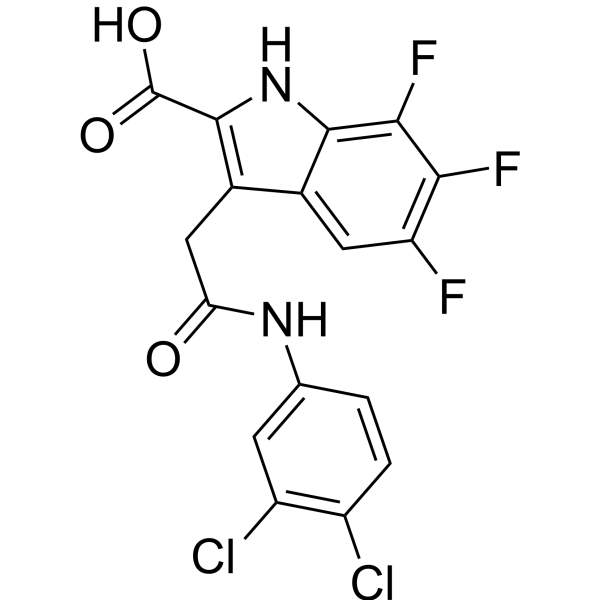
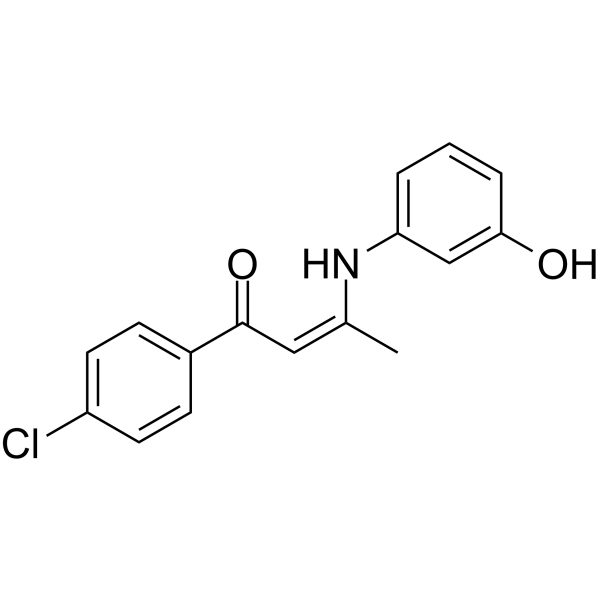
21 Results for "

independent molecule

" in MedChemExpress (MCE) Product Catalog:
Products (21)

21 Results for "independent molecule" in MCE Product Catalog:

4
4 Cited Publications
Cat. No.: HY-W033577
CAS No.: 22594-69-0
Synonyms: CORM-2
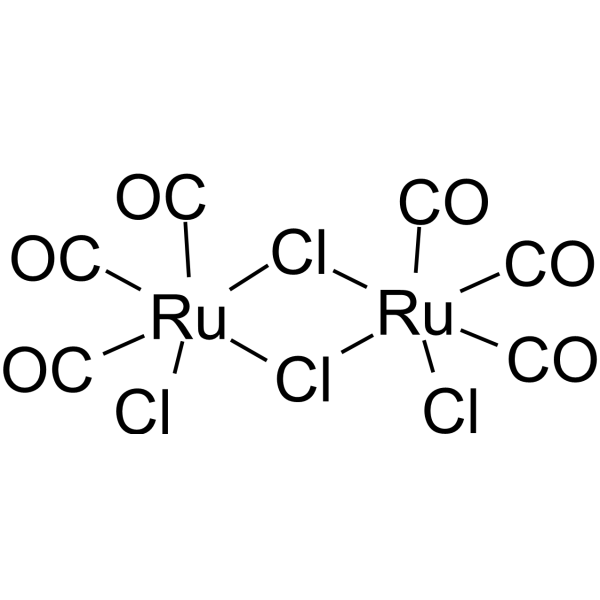
Tricarbonyldichlororuthenium(II) dimer (CORM-2) is a CO-releasing molecule. Tricarbonyldichlororuthenium(II) dimer exhibits anti-inflammatory, antioxidant, and gastric mucosa-protective activities. Additionally, Tricarbonyldichlororuthenium(II) dimer has CO-independent functional effects on multiple potassium channels .
loading...
    loading...
1
1 Cited Publications
Cat. No.: HY-132830
CAS No.: 1933514-13-6
Purity:  99.58%
Synonyms: KVD900
Target:  

Kallikrein

Research Areas:  

Cardiovascular Disease

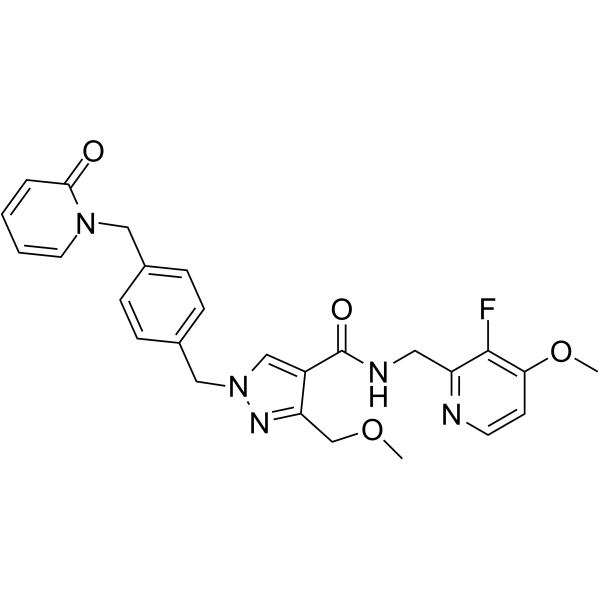
Sebetralstat (KVD900) is an orally active and selective plasma kallikrein inhibitor, with an IC50 of 6.0 nM and a Ki of 3.0 nM against the human target. Sebetralstat binds to the active site of plasma kallikrein, inducing a conformational flip of Trp215 to form a U-shaped conformation; its P1 group interacts with the S1 pocket through hydrophobic interactions and displacement of high-energy water molecules, independent of the Asp189 ionic bond. Sebetralstat inhibits plasma kallikrein-kinin system activation in whole plasma, rapidly relieves laryngeal and abdominal attack symptoms of hereditary angioedema (HAE-C1INH), and reduces attack severity. Sebetralstat can be used in research related to hereditary angioedema (HAE) .
loading...
    loading...
1
1 Cited Publications
Cat. No.: HY-148755
CAS No.: 2440087-54-5
Purity:  99.81%
Target:  

Lipase

Research Areas:  

Cancer

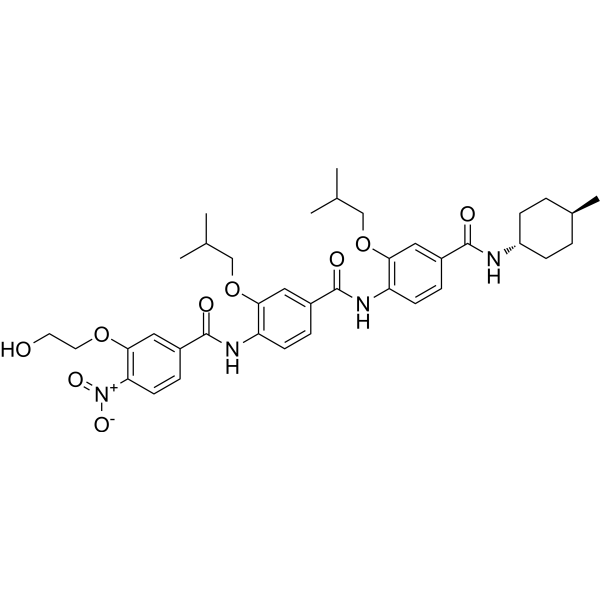
ERX-41 is an orally active and stereospecific small molecule targeting to lysosomal acid lipase A (LIPA). ERX-41 induces endoplasmic reticulum (ER) stress resulting in cell death, indicating a function independent of LIPA but dependent on its ER localization. ERX-41 involves in a targeted strategy for solid tumors .
loading...
    loading...
Cat. No.: HY-B0267A
CAS No.: 1508-65-2
Target:  

mAChR Potassium Channel

Research Areas:  

Neurological Disease Cancer

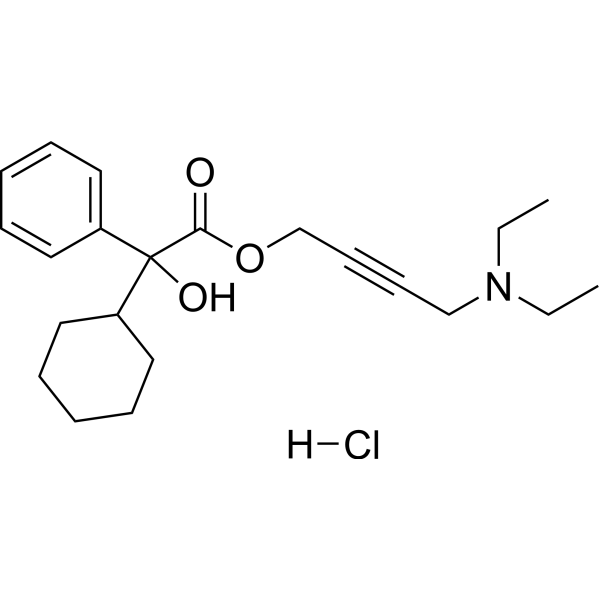
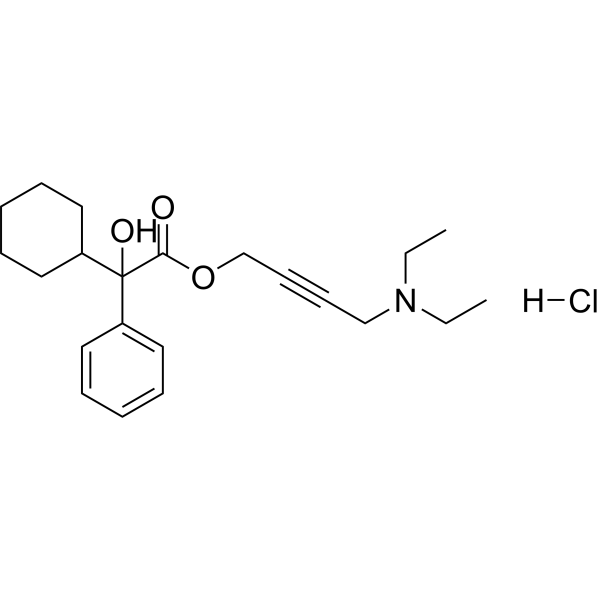
Oxybutynin chloride is an oral active and competitive mAChR antagonist with Kis of 14.3 and 5.55 nM for specific [ 3H]NMS binding in the mouse bladder and cerebral cortex, respectively. Oxybutynin chloride inhibits vascular Kv channels in a manner independent of anticholinergic effect, with an IC50 value of 11.51 μM. Oxybutynin chloride reduces muscle spasm in the bladder and urinary tract, can be used in study of overactive bladder syndrome (OAB) . Oxybutynin (chloride) is a click chemistry reagent, it contains an Alkyne group and can undergo copper-catalyzed azide-alkyne cycloaddition (CuAAc) with molecules containing Azide groups.
loading...
    loading...
Cat. No.: HY-157269
CAS No.: 1069110-72-0
Target:  

Hapten

Research Areas:  

Inflammation/Immunology

J10-1 is a hapten small molecule. J10-1 accelerates peptide exchange in MHC class II molecules in an HLA-DM-independent manner, and its effect is not affected by the polymorphism of the P1 pocket of MHC class II molecules. J10-1 enhances the processes of peptide dissociation, peptide binding and peptide association of MHC class II molecules on the surface of B cells. J10-1 can be used for research on immunoregulation .
loading...
    loading...
Cat. No.: HY-104067
CAS No.: 1596-56-1
Purity:  99.50%
Synonyms: NASTRp
Research Areas:  

Cancer

Naphthol AS-MX phosphate (NASTRp) is a small molecule inhibitor of the CREB (cyclic adenosine phosphate reaction element binding protein)-CBP (CREB binding protein) transcription factor complex. Naphthol AS-MX phosphate shows antitumor activity against lung cancer cells, inhibiting tumor cell proliferation (IC50=3.701 μmol/L), colony formation, and anchored independent growth in soft AGAR. Naphthol AS-MX phosphate can be used in the study of KRAS mutated lung cancer, especially for KRAS mutated lung cancer with poor chemotherapy resistance and prognosis .
loading...
    loading...
Cat. No.: HY-158408
CAS No.: 3062992-25-7
Target:  

ULK Mitophagy TSPO

Research Areas:  

Neurological Disease

NZ-66 is a ULK1-Recruiting Chimera (ULKREC) and heterobifunctional chimeric molecule composed of a BL-918-derived ULK1 agonist linked to a mitochondrial outer membrane-targeting TSPO ligand via a six-carbon hexane linker. NZ-66 is a mitophagy inducer recruits ULK1 to mitochondria to induce ULK1-dependent mitophagy, enhanced by mitochondrial insult, independently of the PRKN/PINK axis. NZ-66 can be used for the research of parkinson’s disease .
loading...
    loading...
Cat. No.: HY-W112346
CAS No.: 6946-29-8
Target:  

Drug Intermediate

Research Areas:  

Others

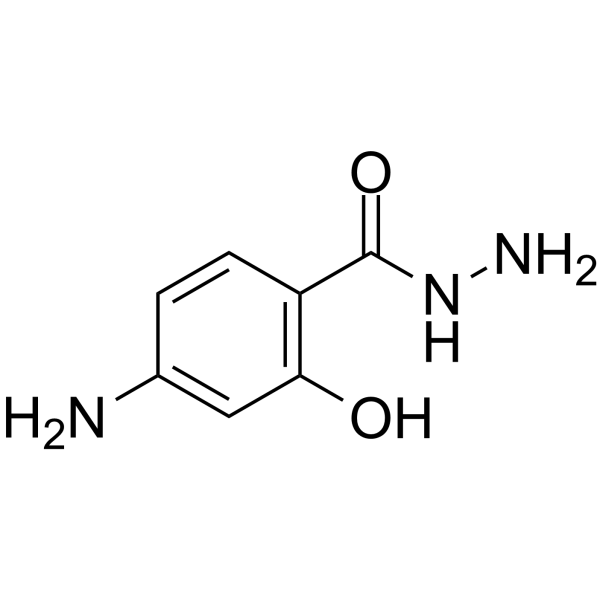
4-Amino-2-hydroxybenzohydrazide, an asymmetric unit, comprises two crystallographically independent molecules (A and B) .
loading...
    loading...
Cat. No.: HY-121333
CAS No.: 20261-85-2
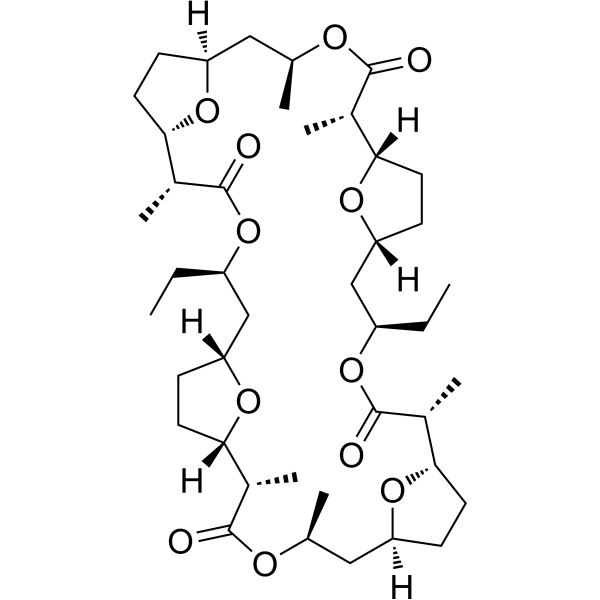
Dinactin, an antibiotic ionophore produced by Streptomyces species, as an effective small molecule targeting Wnt/β-catenin signaling pathway in cancer cells. Dinactin shows marked inhibition of HCT-116 cell growth with an IC50 of 1.1 μM. Dinactin shows anti-proliferative activity against the cancer cells in apoptosis-independent manner. Dinactin is also an effective agent for the research of neuropathic pain .
loading...
    loading...
Cat. No.: HY-175031
Target:  

HIV Protease

Research Areas:  

Infection

GRL-07524 (Compound 4e) is a potent inhibitor of HIV-1 protease (Ki = 0.22 nM). GRL-07524 contains oxaspirocyclic carbamates as the P2 ligands. GRL-07524 exhibits good antiviral activity with an EC50 = 210 nM. GRL-07524 binds to the HIV-1 PR active site in one of the four symmetry independent molecules along with key catalytic residues .
loading...
    loading...
Cat. No.: HY-18672
CAS No.: 944153-47-3
Target:  

Autophagy

Research Areas:  

Cancer

SMER18 is a small molecule enhancer of rapamycin which act as a mTOR-independent autophagy inducer.
loading...
    loading...
Cat. No.: HY-D2333
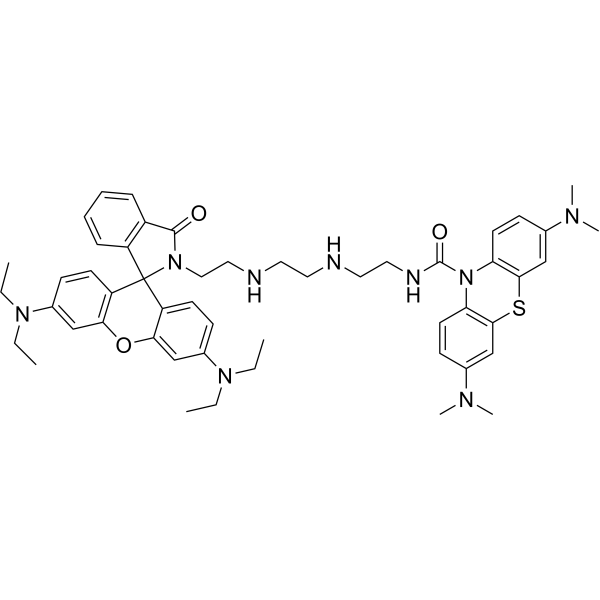
RhFNMB is a dualchannel/localization single-molecule fluorescence probe for ATP and HOCl, with independent fluorescence responses in the light red channel with ATP (λex = 520 nm, λem = 586 nm) and deep red channel with HOCl (λex = 620 nm, λem = 688 nm) .
loading...
    loading...
Cat. No.: HY-129765
CAS No.: 1270966-08-9
Research Areas:  

Cancer

Thiobenzanilide 63T (63T) is a small molecule that selectively induces cancer cell death in a caspase-independent pathway. Thiobenzanilide 63T induces reactive oxygen species and lipid peroxidation. Thiobenzanilide 63T demonstrates strong cytotoxic activity against a lung-derived cancer cell line. Thiobenzanilide 63T decreases the expression of heme oxygenase (HO-1) in A549 cells .
loading...
    loading...
Cat. No.: HY-125629
CAS No.: 339337-07-4
Target:  

Others

Research Areas:  

Others

Primordazine B is a small molecule compound identified by chemical screening in zebrafish embryos with the activity of selectively destroying Primordial Germ Cells (PGCs). Primordazine B inhibits a process called Poly(A)-tail Independent Non-canonical Translation (PAINT) without inhibition of polyadenylate tail dependent typical translation (PAT). Primordazine B can be used to study translational control of cells in specific physiological or pathological states, such as gene expression regulation during cell dormancy, viral infection, or stress conditions .
loading...
    loading...
Cat. No.: HY-B0267AR
CAS No.: 1508-65-2
Oxybutynin (chloride) (Standard) is the analytical standard of Oxybutynin (chloride). This product is intended for research and analytical applications. Oxybutynin chloride is an oral active and competitive mAChR antagonist with Kis of 14.3 and 5.55 nM for specific [ 3H]NMS binding in the mouse bladder and cerebral cortex, respectively. Oxybutynin chloride inhibits vascular Kv channels in a manner independent of anticholinergic effect, with an IC50 value of 11.51 μM. Oxybutynin chloride reduces muscle spasm in the bladder and urinary tract, can be used in study of overactive bladder syndrome (OAB) . Oxybutynin (chloride) is a click chemistry reagent, it contains an Alkyne group and can undergo copper-catalyzed azide-alkyne cycloaddition (CuAAc) with molecules containing Azide groups.
loading...
    loading...
Cat. No.: HY-E70904
Target:  

Endogenous Metabolite

Research Areas:  

Metabolic Disease

Terminal Transferase, Calf (EC 2.7.7.31) is a template independent polymerase that catalyzes the addition of deoxynucleotides to the 3' hydroxyl terminus of DNA molecules. Protruding, recessed or blunt-ended double or single-stranded DNA molecules serve as a substrate for Terminal Transferase. Terminal Transferase does not have 5' or 3' exonuclease activity. The addition of Co 2+ in the reacton makes tailing more efficient.
loading...
    loading...
Cat. No.: HY-178898
CAS No.: 13072-74-7
7-Oxogedunin (Compound 7DG; Compound 16) is a small molecule that protects macrophages from cell pyroptosis induced by anthrax lethal toxin (LT). Its target is protein kinase R (PKR). 7-Oxogedunin can widely inhibit the assembly of various inflammasomes (NLRP1 and NLRP3) and the activation of caspase-1 by inhibiting the kinase-independent function of PKR. 7-Oxogedunin has growth inhibitory activity on European corn borer larvae. 7-Oxogedunin can be used for LT toxicity inhibition and pest control research .
loading...
    loading...
Cat. No.: HY-132830A
CAS No.: 2163789-76-0
Synonyms: KVD900 hydrochloride
Target:  

Kallikrein

Research Areas:  

Cardiovascular Disease

Sebetralstat hydrochloride (KVD900 hydrochloride) is an orally active and selective plasma kallikrein inhibitor, with an IC50 of 6.0 nM and a Ki of 3.0 nM against the human target. Sebetralstat hydrochloride binds to the active site of plasma kallikrein, inducing a conformational flip of Trp215 to form a U-shaped conformation; its P1 group interacts with the S1 pocket through hydrophobic interactions and displacement of high-energy water molecules, independent of the Asp189 ionic bond. Sebetralstat hydrochloride inhibits plasma kallikrein-kinin system activation in whole plasma, rapidly relieves laryngeal and abdominal attack symptoms of hereditary angioedema (HAE-C1INH), and reduces attack severity. Sebetralstat hydrochloride can be used in research related to hereditary angioedema (HAE) .
loading...
    loading...
Cat. No.: HY-LD004
14 million compounds

DEL technology enables the simultaneous screening of millions or billions of compounds in a single tube by covalently linking each small molecule with a unique DNA sequence. Traditional DEL screening primarily focuses on identifying non-covalent binding molecules, where interactions with the target are reversible. In contrast, DNA‑encoded covalent library is an ultra‑high‑throughput screening library developed on the basis of conventional DNA‑encoded library technology. It incorporates controllable electrophilic covalent warheads capable of forming irreversible covalent bonds with amino acid residues at the active sites of target proteins, including Cys, Lys, Ser, Tyr, and others. This covalent binding enhances binding affinity, prolongs residence time at the target site, and has the potential to overcome challenges associated with traditional non-covalent inhibitors, such as drug resistance or off-target effects.

Each compound in the library contains both a binding domain and an electrophilic warhead. It first recognizes and binds to the target through non covalent interactions, and then forms a stable covalent bond with key amino acid residues to achieve irreversible inhibition. This library is specifically designed for the discovery of potent, long lasting, and highly selective covalent inhibitors, particularly for undruggable targets such as kinases, GPCRs, proteases, and mutant oncoproteins. Each molecule is uniquely labeled with a DNA barcode for molecular identification and sequencing decoding.

This library is an advanced and highly diverse collection, consists of 35 independent sub-libraries with a total scaleof 14 million compounds, It incorporates over 14 experimentally validated covalent warheads capable of targeting cysteine, lysine, arginine, aspartic acid and glutamic acid. This library is constructed with diverse drug like core scaffolds and integrated controllable covalent warheads, it features structural diversity, reaction spec

Cat. No.: HY-LD002
100 billion compounds

The discovery of hit molecule is a cornerstone of drug development. Among the diverse tools available, DNA-encoded libraries have emerged a revolutionary platform for high-throughput screening. Compared with traditional HTS, DEL features shorter screening processes, lower costs, simpler assays, and larger library capacities.

DEL Construction utilizes split-and-pool synthesis, a combinatorial chemistry approach that involves iterative splitting, reaction, and pooling. This strategy enables rapid, exponential assembly of fragments in minimal steps without the need for individual compound synthesis andassoicicated isolation or purification steps, thus greatly reducing overall costs. The technology enables simultaneous affinity screeningof massive compound collections to target proteins in a single step. By coupling chemical structures with unique DNA barcodes, each compound is tagged with a distinct DNA sequence for convenient tracking and decoding.DELs readily enable the construction and efficient screening of libraries containing millions to billions of compounds. As a result, DEL screening combines the dual advantages of high efficiency and low cost, making DEL a transformative technology in modern drug discovery.

The DEL kit consists of 50 independent libraries with a total scale of 100 billion compounds. It is constructed through stepwise combinatorial chemistry strategies involving 2-, 3-, and 4-round synthesis. By employing diverse scaffolds and flexible linking strategies, it encompasses various ring systems, linear frameworks, and heterocyclic structures. Screening can be achieved solely through affinity, independent of target-specific activity detection methods. This library is suitable for DEL screening against a wide range of targets.

