1. Search Result
Search Result
Results for "

inflammatory conditions

" in MedChemExpress (MCE) Product Catalog:

175

Inhibitors & Agonists

3

Screening Libraries

2

Biochemical Assay Reagents

7

Peptides

16

Inhibitory Antibodies

45

Natural
Products

30

Isotope-Labeled Compounds

1

Click Chemistry

2

Oligonucleotides

Cat. No. Product Name Target Research Areas Chemical Structure
  • HY-N0666
    L-Aspartic acid
    4 Publications Verification

    Endogenous Metabolite Neurological Disease Inflammation/Immunology
    L-Aspartic aicd is an amino acid. L-Aspartic aicd is commonly used for preparing prodrugs to target colon and cecal tissues. L-Aspartic aicd commonly used in the study of inflammatory conditions .
    L-Aspartic acid
  • HY-13318
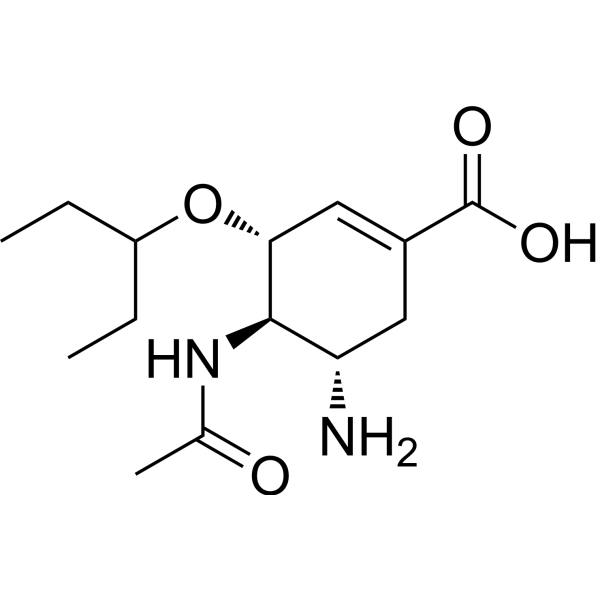
    Oseltamivir acid
    Maximum Cited Publications
    75 Publications Verification

    GS 4071; Ro 64-0802; Oseltamivir carboxylate

    Influenza Virus Drug Metabolite Infection Neurological Disease
    Oseltamivir acid (GS 4071), the active metabolite of Oseltamivir phosphate, is an orally bioavailable, potent and selective inhibitor of influenza virus neuraminidase (IC50=2 nM) with activity against both influenza A and B viruses. Oseltamivir acid has an extremely weak ability to penetrate the BBB under normal physiological conditions, but its blood-brain barrier penetration is significantly enhanced under inflammatory conditions .
    Oseltamivir acid
  • HY-B0715
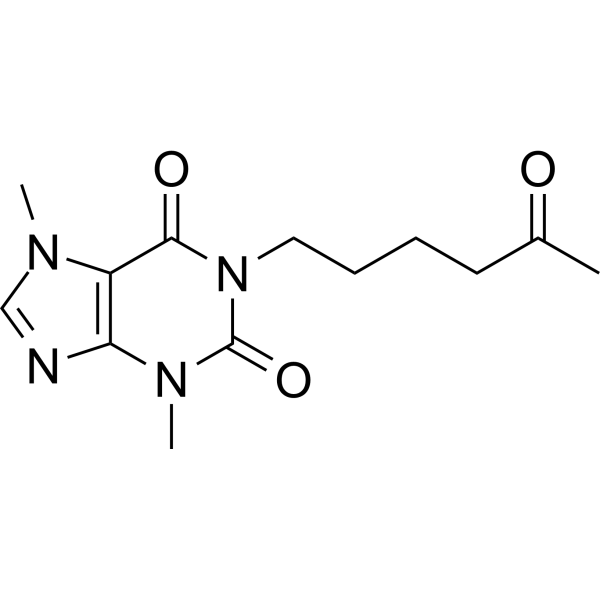
    Pentoxifylline
    Maximum Cited Publications
    11 Publications Verification

    BL-191; PTX; Oxpentifylline

    Phosphodiesterase (PDE) Autophagy HIV Cardiovascular Disease Cancer
    Pentoxifylline (BL-191), a haemorheological agent, is an orally active non-selective phosphodiesterase (PDE) inhibitor, with immune modulation, anti-inflammatory, hemorheological, anti-fibrinolytic and anti-proliferation effects. Pentoxifylline can be used for the research of peripheral vascular disease, cerebrovascular disease and a number of other conditions involving a defective regional microcirculation .
    Pentoxifylline
  • HY-17609
    Difelikefalin
    1 Publications Verification

    CR-845; FE-202845

    Opioid Receptor Neurological Disease Inflammation/Immunology
    Difelikefalin (CR-845) is a peripherally restricted and selective agonist of kappa opioid receptor (KOR). Difelikefalin produces anti-inflammatory effects and has the potential in modulating pruritus in conditions such as chronic kidney disease .
    Difelikefalin
  • HY-N3029
    Noreugenin
    2 Publications Verification

    Interleukin Related Apoptosis Glutathione Peroxidase SOD Glutathione S-transferase Necroptosis Inflammation/Immunology
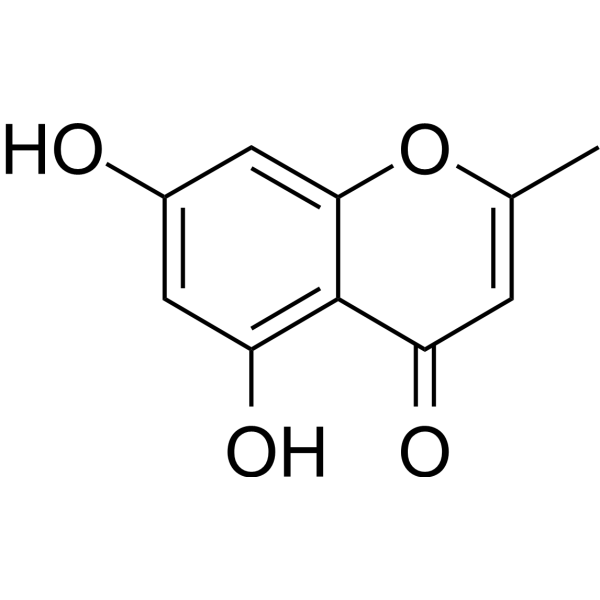
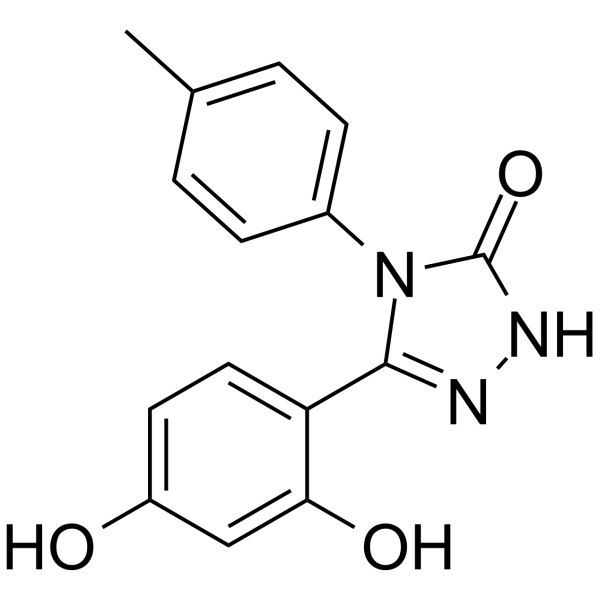
    Noreugenin is a phenolic compound found in Calea uniflora Less. Noreugenin inhibits myeloperoxidase activity and reduces levels of proinflammatory cytokines IL-1β and IL-17A levels in LPS (HY-D1056)-induced murine pleurisy model. Noreugenin reduces apoptosis and necrosis. Noreugenin reduces lipid peroxidation, and antioxidant enzyme (CAT, SOD, GST) activity. Noreugenin exhibits anti-inflammatory and antioxidant effects. Noreugenin can be used for the research of inflammatory conditions, such as pleurisy .
    Noreugenin
  • HY-17474
    Parecoxib
    5 Publications Verification

    SC 69124

    COX Infection Neurological Disease Inflammation/Immunology Cancer
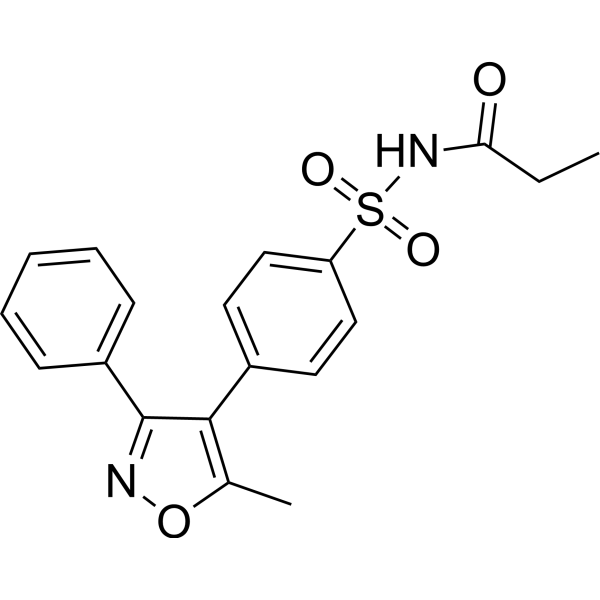
    Parecoxib (SC 69124) is a highly selective and orally active COX-2 inhibitor that is permeable to the blood-brain barrier, the proagent of Valdecoxib (HY-15762). Parecoxib Sodium is a nonsteroidal anti-inflammatory agent (NSAID) and inhibits prostaglandin (PG) synthesis. Parecoxib can be used for the relief of acute postoperative pain and symptoms of chronic inflammatory conditions such as osteoarthritis and rheumatoid arthritis in vivo.
    Parecoxib
  • HY-N0666S8

    Endogenous Metabolite Inflammation/Immunology
    L-Aspartic acid-d3 is the deuterium labeled L-Aspartic acid. L-Aspartic aicd is an amino acid that can penetrate the blood-brain barrier. L-Aspartic aicd is commonly used for preparing prodrugs to target colon and cecal tissues. L-Aspartic aicd commonly used in the study of inflammatory conditions .
    L-Aspartic acid-d3
  • HY-N2303
    Eriocalyxin B
    3 Publications Verification

    Apoptosis NF-κB Autophagy Reactive Oxygen Species (ROS) CDK PPAR FABP Akt mTOR Inflammation/Immunology Cancer
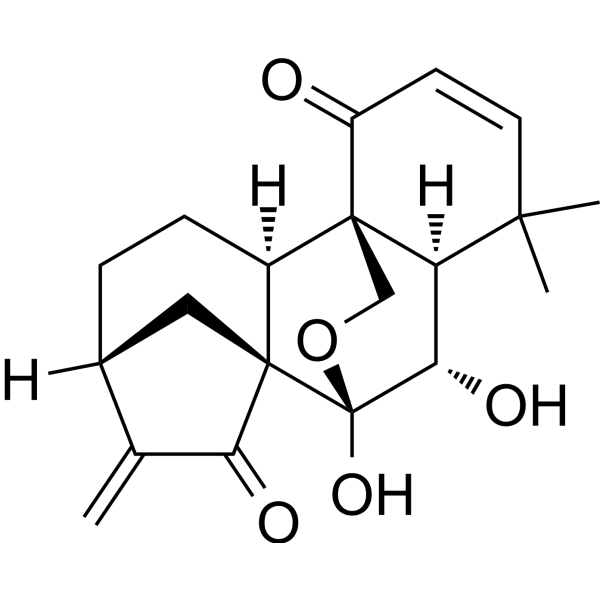
    Eriocalyxin B is a diterpenoid compound that can be isolated from Chinese herb Isodon eriocalyx. Eriocalyxin B exhibits multiple activities, such as anti-cancer, anti-inflammatory, and inhibition of adipogenesis. Eriocalyxin B is capable of inducing apoptosis and autophagy in tumor cells. Eriocalyxin B can be used in the research of cancers, autoimmune diseases, and other conditions .
    Eriocalyxin B
  • HY-139780

    ROR Inflammation/Immunology
    JNJ-61803534 is a potent and orally active RORγt inverse agonist with an IC50 of 9.6  nM. JNJ-61803534 has anti-inflammatory activity. JNJ-61803534 inhibits IL-17A production in human CD4+ T cells under Th17 differentiation conditions .
    JNJ-61803534
  • HY-N0666S4

    Endogenous Metabolite Inflammation/Immunology
    L-Aspartic acid- 13C4 is the 13C-labeled L-Aspartic acid. L-Aspartic aicd is an amino acid that can penetrate the blood-brain barrier. L-Aspartic aicd is commonly used for preparing prodrugs to target colon and cecal tissues. L-Aspartic aicd commonly used in the study of inflammatory conditions .
    L-Aspartic acid-13C4
  • HY-N2907

    Wnt Ras Endogenous Metabolite Bacterial Fungal PD-1/PD-L1 Tim3 Akt AP-1 STAT Infection Neurological Disease Inflammation/Immunology Cancer
    Atranorin is a secondary metabolite of lichens and AKT inhibitor. Atranorin possesses multiple activities such as antibacterial, anti-inflammatory, antioxidant, anti-glycation, analgesic, and anti-tumor effects. Atranorin has IC50 values for scavenging DPPH and ABTS free radicals of 117 μM and less than 10 μM, respectively. Additionally, Atranorin also exhibits effects in promoting wound healing. Atranorin can be used in the research of various diseases, including myelodysplastic syndromes, tumors, and inflammatory conditions .
    Atranorin
  • HY-125740

    Malvidin-3-O-glucoside chloride; Oenin chloride

    NF-κB TNF Receptor NO Synthase Interleukin Related Inflammation/Immunology
    Malvidin-3-glucoside (Malvidin-3-O-glucoside; Oenin) chloride is an orally active inhibitor of the NF-κB pathway, which blocks inflammatory responses induced by TNF-α, reduces IκB-α degradation and p65 nuclear translocation, and upregulates endothelial nitric oxide synthase eNOS to increase NO production. Malvidin-3-glucoside chloride exerts anti-inflammatory and antioxidant effects by inhibiting pro-inflammatory molecules such as MCP-1, ICAM-1, and IL-6, and regulating intestinal microorganisms and metabolites, while protecting endothelial cells and improving intestinal microecological dysbiosis under inflammatory conditions. Malvidin-3-glucoside chloride can be used to study chronic inflammatory-related diseases such as atherosclerosis and inflammatory bowel disease, and has the potential to prevent vascular inflammation and improve intestinal health .
    Malvidin-3-glucoside chloride
  • HY-N0666A
    L-Aspartic acid potassium
    4 Publications Verification

    Endogenous Metabolite Neurological Disease Inflammation/Immunology
    Aspartic acid potassium is an amino acid. L-Aspartic aicd potassium is commonly used for preparing prodrugs to target colon and cecal tissues. L-Aspartic aicd potassium commonly used in the study of inflammatory conditions .
    L-Aspartic acid potassium
  • HY-13318S

    GS 4071-d3; Ro 64-0802-d3; Oseltamivir carboxylate-d3

    Isotope-Labeled Compounds Influenza Virus Drug Metabolite Infection
    Oseltamivir acid-d3 is a deuterium labeled Oseltamivir acid (HY-13318). Oseltamivir acid, the active metabolite of Oseltamivir phosphate, is an orally bioavailable, potent and selective inhibitor of influenza virus neuraminidase (IC50=2 nM) with activity against both influenza A and B viruses. Oseltamivir acid has an extremely weak ability to penetrate the BBB under normal physiological conditions, but its blood-brain barrier penetration is significantly enhanced under inflammatory conditions .
    Oseltamivir acid-d3
  • HY-N3239

    Tyrosinase NADPH Oxidase HBV SARS-CoV Reactive Oxygen Species (ROS) JAK STAT Apoptosis Caspase PARP Infection Neurological Disease Inflammation/Immunology Cancer
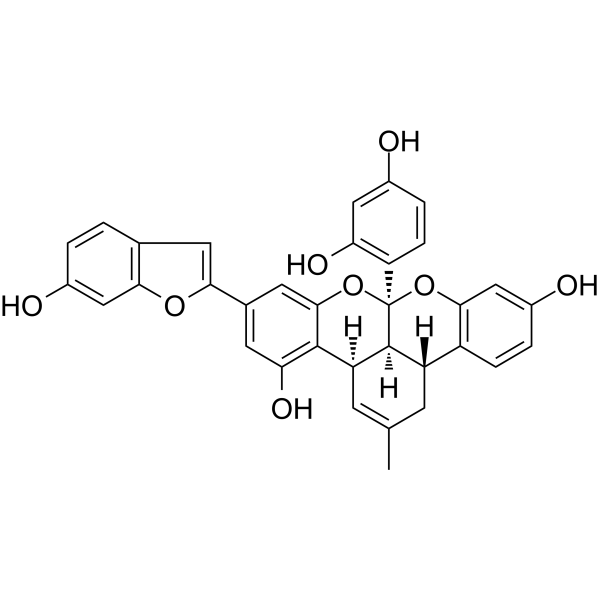
    Mulberrofuran G is a NOX inhibitor (IC50: 6.9 μM) and tyrosinase inhibitor. Mulberrofuran G exhibits anti-inflammatory, antioxidant, antiviral, antitumor, and neuroprotective effects. Mulberrofuran G can be used in the research of tumors, nervous system diseases, and other conditions .
    Mulberrofuran G
  • HY-162734

    GPR65 Inflammation/Immunology
    BRD5075 is a selective GPR65 activator. BRD5075 enhances GPR65 activity under acidic conditions, promotes Gαs-dependent signaling pathways, including cAMP production and G protein recruitment. BRD5075 regulates the cytokine and chemokine expression network in dendritic cells, and inhibits the expression of pro-inflammatory cytokines and chemokines in a GPR65-dependent manner. BRD5075 is applicable to research related to inflammatory bowel disease .
    BRD5075
  • HY-128578
    KPLH1130
    2 Publications Verification

    PDHK NO Synthase Interleukin Related HIF/HIF Prolyl-Hydroxylase Metabolic Disease Inflammation/Immunology
    KPLH1130 is a pyruvate dehydrogenase kinase (PDK) inhibitor. KPLH1130 potently inhibits M1 macrophage polarization by reducing the expression of pro-inflammatory cytokines, decreasing the levels of M1 phenotype markers (HIF-1α, iNOS) and nitric oxide (NO) production. KPLH1130 prevents the reduction of mitochondrial oxygen consumption rate (OCR) induced by inflammatory stimuli (LPS ((HY-D1056) + IFN-γ) in various macrophage types. KPLH1130 improves glucose tolerance in HFD-fed mice. KPLH1130 can be used for the study of obesity-associated metabolic disorders and other inflammatory conditions .
    KPLH1130
  • HY-N0666B
    Aspartic acid calcium
    4 Publications Verification

    Calcium L-aspartate

    Endogenous Metabolite Inflammation/Immunology
    Aspartic acid calcium (Calcium L-aspartate) is a chelate where calcium is attached to an amino acid naming L-Aspartic acid. L-Aspartic aicd calcium is an amino acid that can penetrate the blood-brain barrier. L-Aspartic aicd calcium is commonly used for preparing prodrugs to target colon and cecal tissues. L-Aspartic aicd calcium commonly used in the study of inflammatory conditions .
    Aspartic acid calcium
  • HY-106583

    Cinnoxicam; SPA-S-510; Sinartol

    COX Inflammation/Immunology
    Piroxicam cinnamate (Cinnoxicam) is a cyclooxygenase (COX) inhibitor, with anti-inflammatory activity. Piroxicam cinnamate is stable under gastric conditions, can be used for inflammatory-degenerative osteoarticular diseases, rheumatic disorders, and varicocele (VC) associated oligoasthenospermia research .
    Piroxicam cinnamate
  • HY-N0666C
    L-Aspartic aicd sodium
    4 Publications Verification

    Sodium L-aspartate

    Endogenous Metabolite Neurological Disease Inflammation/Immunology
    L-Aspartic aicd sodium is an amino acid. L-Aspartic aicd sodium is commonly used for preparing prodrugs to target colon and cecal tissues. L-Aspartic aicd sodium commonly used in the study of inflammatory conditions .
    L-Aspartic aicd sodium
  • HY-174455

    PROTACs IRAK Interleukin Related Inflammation/Immunology
    APH02174 is a highly selective and orally active IRAK4 PROTAC degrader with the DC50 of 4.01 nM in THP-1 cells. APH02174 blocks inflammatory signals by inhibiting IL-6 release. APH02174 can be used for research on inflammatory conditions such as psoriasis vulgaris and rheumatoid arthritis .
    APH02174
  • HY-17474A
    Parecoxib Sodium
    5 Publications Verification

    SC 69124A

    COX Infection Neurological Disease Inflammation/Immunology Cancer
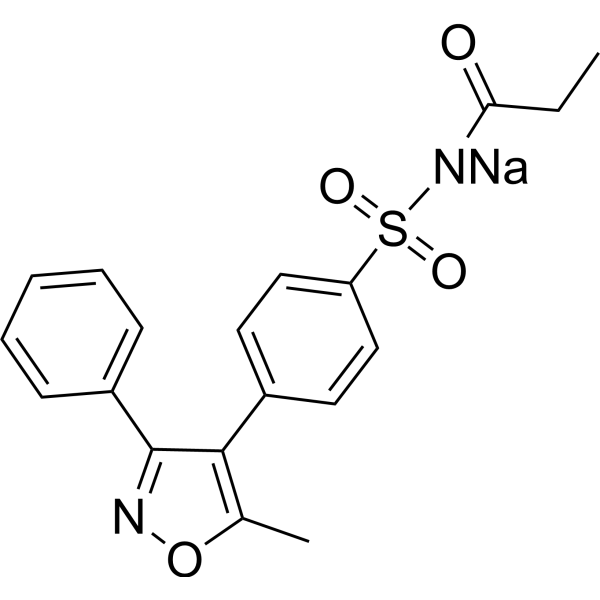
    Parecoxib Sodium (SC 69124A) is a highly selective and orally active COX-2 inhibitor that is permeable to the blood-brain barrier, the proagent of Valdecoxib (HY-15762). Parecoxib Sodium is a nonsteroidal anti-inflammatory agent (NSAID) and inhibits prostaglandin (PG) synthesis. Parecoxib Sodium can be used for the relief of acute postoperative pain and symptoms of chronic inflammatory conditions such as osteoarthritis and rheumatoid arthritis in vivo.
    Parecoxib Sodium
  • HY-W007539

    Endogenous Metabolite Drug Intermediate NO Synthase Reactive Oxygen Species (ROS) COX Metabolic Disease Inflammation/Immunology
    2,4-Dihydroxybenzaldehyde is an endogenous metabolite. 2,4-Dihydroxybenzaldehyde is a pharmaceutical intermediate that can be used to synthesize various Schiff base compounds. 2,4-Dihydroxybenzaldehyde exhibits significant anti angiogenic, anti-inflammatory, and analgesic activities. 2,4-Dihydroxybenzaldehyde reduces the production of NO and ROS by inhibiting the expression of iNOS and COX-2. 2,4-Dihydroxybenzaldehyde is commonly used in the study of inflammatory conditions .
    2,4-Dihydroxybenzaldehyde
  • HY-N0666R
    L-Aspartic acid (Standard)
    1 Publications Verification

    Reference Standards Endogenous Metabolite Inflammation/Immunology
    L-Aspartic acid (Standard) is the analytical standard of L-Aspartic acid. This product is intended for research and analytical applications. L-Aspartic aicd is an amino acid. L-Aspartic aicd is commonly used for preparing prodrugs to target colon and cecal tissues. L-Aspartic aicd commonly used in the study of inflammatory conditions .
    L-Aspartic acid (Standard)
  • HY-N0666S

    Endogenous Metabolite Inflammation/Immunology
    L-Aspartic acid- 13C is a 13C labeled L-Aspartic acid. L-Aspartic aicd is an amino acid that can penetrate the blood-brain barrier. L-Aspartic aicd is commonly used for preparing prodrugs to target colon and cecal tissues. L-Aspartic aicd commonly used in the study of inflammatory conditions .
    L-Aspartic acid-13C
  • HY-N2154

    Others Inflammation/Immunology
    Rhodojaponin V is a diterpenoid from the leaves of Rhododendron molle with anti-inflammatory activity. Rhodojaponin V is the C-14 acetylation product of Rhodojaponen III. L-Aspartic aicd sodium is commonly used in the study of inflammatory conditions .
    Rhodojaponin V
  • HY-105656

    Hydrocortisone 21-phosphate sodium; Cortisol 21-phosphate sodium

    Phosphatase Infection
    Hydrocortisone phosphate sodium is a soft steroid with low anti-inflammatory properties and a short duration of action. Hydrocortisone phosphate sodium can be used for the research for several ocular conditions and gastric ulcers .
    Hydrocortisone phosphate sodium
  • HY-132269

    Glucocorticoid Receptor Inflammation/Immunology
    Isoflupredone belongs to the class of corticosteroids and exerts its effect by binding to glucocorticoid and mineralocorticoid receptors of animals, such as horses. Isoflupredone can be used in wide range of conditions, such as infection and inflammatory diseases .
    Isoflupredone
  • HY-N0666D
    L-Aspartic aicd disodium
    4 Publications Verification

    Disodium L-aspartate

    Endogenous Metabolite Neurological Disease Inflammation/Immunology
    L-Aspartic acid disodium is an amino acid. L-Aspartic aicd disodium is commonly used for preparing prodrugs to target colon and cecal tissues. L-Aspartic aicd disodium commonly used in the study of inflammatory conditions .
    L-Aspartic aicd disodium
  • HY-B0935S

    Parasite Endogenous Metabolite Infection
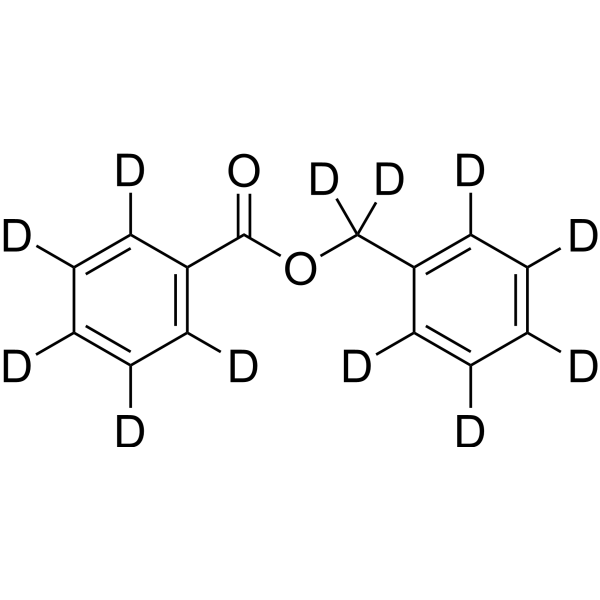
    Benzyl benzoate-d5 is the deuterium labeled Benzyl benzoate . Benzyl benzoate (Benzoic acid benzyl ester) is a fragrance ingredient in cosmetic products. Benzyl benzoate can be used for the research of Scabies and Demodex-associated inflammatory skin conditions .
    Benzyl benzoate-d5
  • HY-120717

    mGluR Cytochrome P450 Neurological Disease
    VU6001966 is a brain-penetrant and selective mGlu2 receptor inhibitor. VU6001966 blocks mGlu2 receptor activity, counteracts LY379268 (HY-103558)-mediated blood-brain barrier protection and inflammatory cytokine dampening in microglia under inflammatory conditions. VU6001966 enhances antidepressant effects when combined with Scopolamine (HY-N0296). VU6001966 can be used for the research of major depressive disorder .
    VU6001966
  • HY-N0666S3

    Endogenous Metabolite Inflammation/Immunology
    L-Aspartic acid- 15N is the 15N-labeled L-Aspartic acid. L-Aspartic aicd is an amino acid that can penetrate the blood-brain barrier. L-Aspartic aicd is commonly used for preparing prodrugs to target colon and cecal tissues. L-Aspartic aicd commonly used in the study of inflammatory conditions .
    L-Aspartic acid-15N
  • HY-N0666S2

    Isotope-Labeled Compounds Endogenous Metabolite Inflammation/Immunology
    DL-Aspartic acid-d3 is the deuterium labeled L-Aspartic acid. L-Aspartic aicd is an amino acid that can penetrate the blood-brain barrier. L-Aspartic aicd is commonly used for preparing prodrugs to target colon and cecal tissues. L-Aspartic aicd commonly used in the study of inflammatory conditions .
    DL-Aspartic acid-d3
  • HY-77048

    IRAK Inflammation/Immunology
    IRAK-4 protein kinase inhibitor 2 (compound 1) is a potent inhibitor of interleukin-1 (IL-1) receptor-associated kinase-4 (IRAK-4), with an IC50 of 4 μM. IRAK-4 protein kinase inhibitor 2 can be used for the research of inflammatory and immune-related conditions or disorders .
    IRAK-4 protein kinase inhibitor 2
  • HY-120314

    Apoptosis Caspase Endogenous Metabolite Inflammation/Immunology
    GEA 3162 is an orally active compound that acts as a NO/ONOO⁻ donor. GEA 3162 significantly inhibits the activation of human polymorphonuclear leukocytes (PMNs) through the cGMP pathway, inhibits the release of inflammatory mediators, and exerts anti-inflammatory and protective effects. GEA 3162 induces apoptosis of neutrophils and bone marrow cells by activating caspase-2/3/8/9 through the ONOO⁻ pathway. GEA 3162 has a bidirectional effect in the rat gastric ulcer model: at low doses, it significantly reduces gastric mucosal damage, while at high doses, it aggravates the ulcer area. GEA 3162 can be used for research on inflammatory conditions such as gastric ulcers .
    GEA 3162
  • HY-N0666S1

    Endogenous Metabolite Cardiovascular Disease
    L-Aspartic acid- 13C4, 15N is the 13C-labeled and 15N-labeled L-Aspartic acid. L-Aspartic aicd is an amino acid that can penetrate the blood-brain barrier. L-Aspartic aicd is commonly used for preparing prodrugs to target colon and cecal tissues. L-Aspartic aicd commonly used in the study of inflammatory conditions .
    L-Aspartic acid-13C4,15N
  • HY-19443

    Histamine Receptor Lipoxygenase Inflammation/Immunology
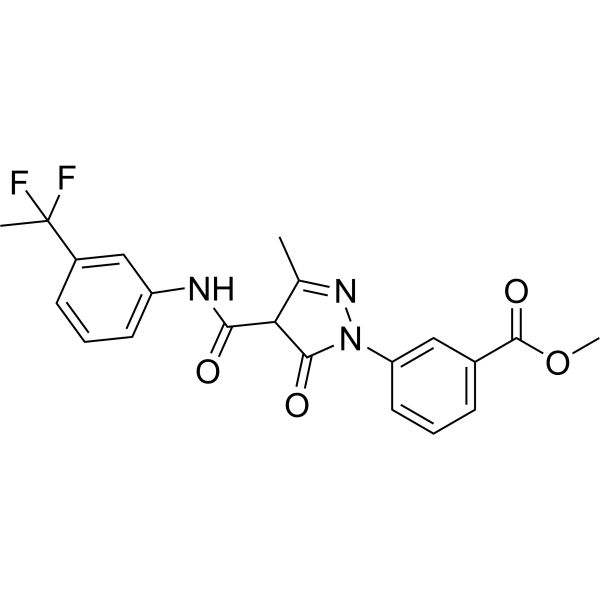
    UCB-35440 is an orally active histamine H1 receptor antagonist and 5-lipoxygenase inhibitor. UCB-35440 can be used for the research of dermatologic inflammatory conditions .
    UCB-35440
  • HY-B0935S1
    Benzyl benzoate-d12
    1 Publications Verification

    Benzoic acid benzyl ester-d12

    Parasite Endogenous Metabolite Infection
    Benzyl benzoate-d12 is the deuterium labeled Benzyl benzoate . Benzyl benzoate (Benzoic acid benzyl ester) is a fragrance ingredient in cosmetic products. Benzyl benzoate can be used for the research of Scabies and Demodex-associated inflammatory skin conditions .
    Benzyl benzoate-d12
  • HY-B0715S2

    BL-191-d5; PTX-d5; Oxpentifylline-d5

    Phosphodiesterase (PDE) Autophagy HIV Cardiovascular Disease Cancer
    Pentoxifylline-d5 is the deuterium labeled Pentoxifylline. Pentoxifylline (BL-191), a haemorheological agent, is an orally active non-selective phosphodiesterase (PDE) inhibitor, with immune modulation, anti-inflammatory, hemorheological, anti-fibrinolytic and anti-proliferation effects. Pentoxifylline can be used for the research of peripheral vascular disease, cerebrovascular disease and a number of other conditions involving a defective regional microcirculation .
    Pentoxifylline-d5
  • HY-N16658

    NSC 85238

    Glutathione Peroxidase Inflammation/Immunology
    Asperilin (NSC 85238) is an orally active sesquiterpene lactone. Asperilin is an effective hydroxyl radical scavenger. Asperilin significantly enhance the lipid peroxidation levels of liver microsomes in various systems. Asperilin leads to a significant decrease in liver glutathione (GSH) levels and an increase in glutathione peroxidase (GPx) activity. Asperilin can be used for research on inflammatory conditions .
    Asperilin
  • HY-17609S1

    CR-845-d5 hydrochloride; FE-202845-d5 hydrochloride

    Isotope-Labeled Compounds Opioid Receptor Neurological Disease Inflammation/Immunology
    Difelikefalin-d5 (CR-845-d5) hydrochloride is the deuterium labeled Difelikefalin (HY-17609). Difelikefalin (CR-845) is a peripherally restricted and selective agonist of kappa opioid receptor (KOR). Difelikefalin produces anti-inflammatory effects and has the potential in modulating pruritus in conditions such as chronic kidney disease .
    Difelikefalin-d5 hydrochloride
  • HY-N0666S6

    Endogenous Metabolite Inflammation/Immunology
    L-Aspartic acid-1,4- 13C2 is the 13C-labeled L-Aspartic acid. L-Aspartic aicd is an amino acid that can penetrate the blood-brain barrier. L-Aspartic aicd is commonly used for preparing prodrugs to target colon and cecal tissues. L-Aspartic aicd commonly used in the study of inflammatory conditions .
    L-Aspartic acid-1,4-13C2
  • HY-W015824S6

    Isotope-Labeled Compounds Endogenous Metabolite Inflammation/Immunology
    L-Aspartic acid- 13C-2 is the 13C-labeled L-Aspartic acid (HY-N0666). L-Aspartic aicd is an amino acid that can penetrate the blood-brain barrier. L-Aspartic aicd is commonly used for preparing prodrugs to target colon and cecal tissues. L-Aspartic aicd commonly used in the study of inflammatory conditions .
    L-Aspartic acid-13C-2
  • HY-W752204
    Gramisterol
    1 Publications Verification

    Drug Derivative Inflammation/Immunology
    Gramisterol is a sterol component that can be extracted from Zea mays. Gramisterol can be used for research on inflammatory conditions .
    Gramisterol
  • HY-N16634

    Others Inflammation/Immunology
    30-Hydroxyquinoa-saponin 1 is one of the components of mixed saponins. 30-Hydroxyquinoa-saponin 1 can be used for research on inflammatory conditions .
    30-Hydroxyquinoa-saponin 1
  • HY-105690

    TRP Channel Neurological Disease Inflammation/Immunology
    SAR-115740 is a TRPV1 antagonist. SAR-115740 exhibits developmental toxicity in H9 cell experiments. SAR-115740 can be used for research on inflammatory conditions or neurological disorders .
    SAR-115740
  • HY-178792

    Prostaglandin Receptor Inflammation/Immunology Endocrinology
    TGI-15 is a highly selective prostaglandin F receptor antagonist. TGI-15 inhibits downstream signaling pathways by blocking the binding of PGF2 α to FP receptors. TGI-15 can be used for research on fibrotic and inflammatory conditions .
    TGI-15
  • HY-N7312

    (-)-Ditryptophenaline

    Neurokinin Receptor Endogenous Metabolite Inflammation/Immunology
    Ditryptophenaline ((-)-Ditryptophenaline) is a secondary metabolite. Ditryptophenaline can be isolated from Aspergillus flavus. Ditryptophenaline inhibits the Substance P receptor. Ditryptophenaline exhibits potential analgesic and anti-inflammatory activities .
    Ditryptophenaline
  • HY-17609S

    CR-845-d5; FE-202845-d5

    Isotope-Labeled Compounds Opioid Receptor Neurological Disease
    Difelikefalin-d5 (CR-845-d5) is deuterium labeled Difelikefalin. Difelikefalin (CR-845; FE-202845) is a peripherally restricted and selective agonist of kappa opioid receptor (KOR). Difelikefalin produces anti-inflammatory effects and has the potential in modulating pruritus in conditions such as chronic kidney disease .
    Difelikefalin-d5
  • HY-176251

    Histone Acetyltransferase Epigenetic Reader Domain NF-κB Inflammation/Immunology Cancer
    CBP/p300-IN-22 is a selective CBP/EP300-BRD inhibitor with an IC50 of 4 nM. CBP/p300-IN-22 is highly selective over BRD4(1). CBP/p300-IN-22 reduces TNF-α-induced cytokine expression and subsequent immune cell recruitment by inhibiting NF-κB signaling, and has anticancer activity. CBP/p300-IN-22 can be used for the research of rheumatoid arthritis (RA) and other TNF-α-mediated inflammatory conditions.
    CBP/p300-IN-22

Inquiry Online

Your information is safe with us. * Required Fields.

Salutation


Country or Region *

Applicant Name *


Organization Name *

Department *


Email Address *


Product Name *

Cat. No.


Requested quantity *

Phone Number *


Remarks

Inquiry Online

Inquiry Information

Product Name:
Cat. No.:
Quantity:
MCE Japan Authorized Agent:

