

Search Result
Results for "
inflammatory edema
" in MedChemExpress (MCE) Product Catalog:
2
Biochemical Assay Reagents
7
Isotope-Labeled Compounds
| Cat. No. |
Product Name |
Target |
Research Areas |
Chemical Structure |
-
- HY-108910
-
|
EC 3.4.21.1; Chymotrypsin A
|
Toll-like Receptor (TLR)
NF-κB
MMP
|
Others
Inflammation/Immunology
|
|
Chymotrypsin (EC 3.4.21.1; Chymotrypsin A) is an orally effective inhibitor targeting molecules such as TLR4, NF-κB, MMP-1, TNF-α, IL-1β, and IL-6. Chymotrypsin downregulates the TLR4/NF-κB signaling pathway, inhibiting the release of inflammatory factors, reducing cell infiltration and tissue damage. It also reduces the expression of tumor cell adhesion molecules (such as CD44 and CD54) and can be specifically detected by fluorescent probes (such as NBD-3). Chymotrypsin has anti-inflammatory, hepatoprotective, joint damage-reducing, liver protection against lipotoxicity, and anti-tumor metastasis functions. It can be used in research on diseases such as rheumatoid arthritis, non-alcoholic fatty liver disease, and melanoma metastasis. Chymotrypsin can be used in studies of inflammation, edema, and expectoration .
|
-
-
- HY-14648A
-
|
Dexamethasone 21-acetate; Hexadecadrol acetate
|
Glucocorticoid Receptor
|
Inflammation/Immunology
|
|
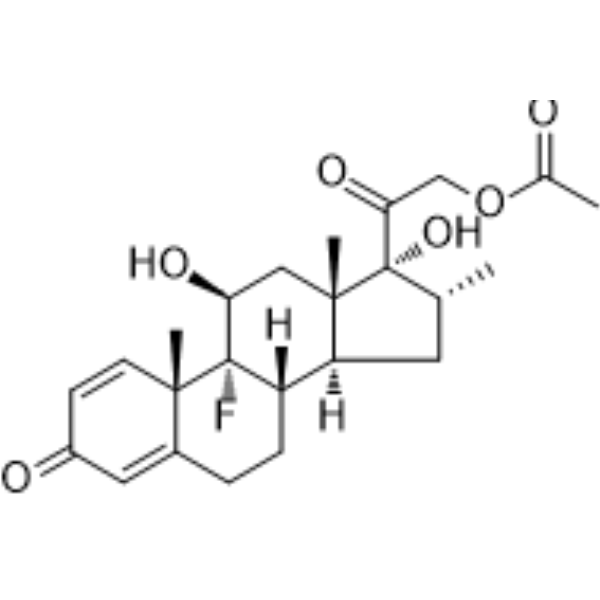
Dexamethasone acetate (Dexamethasone 21-acetate) is the acetate form of the glucocorticoid Dexamethasone (HY-14648). Dexamethasone acetate has a longer duration of action than Dexamethasone. Dexamethasone acetate can accumulate at inflammatory sites, in mouse liver and mouse lung via nanostructured lipid carriers. Dexamethasone acetate can be used to prepare topical formulations for studies related to sensorineural hearing loss, γ-carrageenan-induced paw edema, chronic active hepatitis, pulmonary diseases, and inflammation after vitreoretinal surgery .
|
-
-
- HY-B0580
-
|
RS37619
|
COX
Apoptosis
|
Inflammation/Immunology
Cancer
|
|
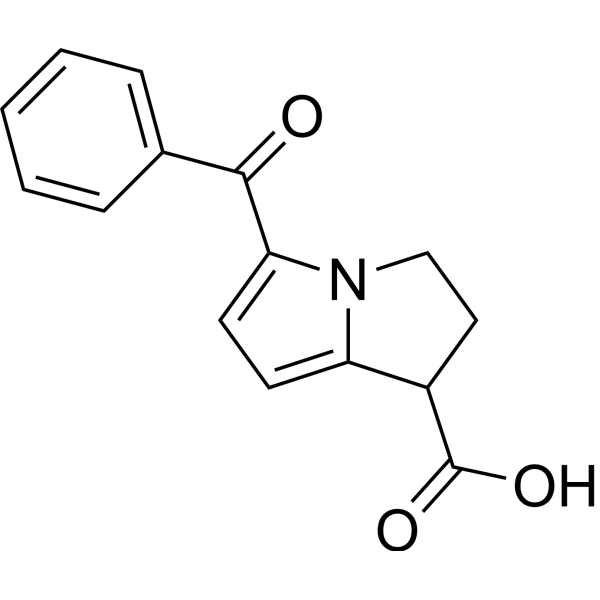
Ketorolac (RS37619) is a non-steroidal anti-inflammatory drug (NSAID), acting as a nonselective COX inhibitor, with IC50s of 20 nM for COX-1 and 120 nM for COX-2. Ketorolac tromethamine is used as 0.5% ophthalmic solution for the research of allergic conjunctivitis, cystoid macular edema, intraoperative miosis, and postoperative ocular inflammation and pain. Ketorolac tromethamine is also a DDX3 inhibitor that can be used for cancer research .
|
-
-
- HY-125474
-
|
|
Environmental Pollutants
HIV
HSV
|
Infection
Cancer
|
|
Carrageenan is an antiviral and anticancer agent. Carrageenan inhibits herpes simplex virus (HSV), HIV, and hepatitis A virus (HAV) by directly binding to the viral capsid to block the attachment of viruses such as HPV to HSPG factors on the cell surface. Carrageenan delays and arrests cell cycle progression, exhibits cytotoxicity against HeLa cancer cells, and can be applied to studies related to cervical cancer, genital warts, hepatitis A, and other conditions. Carrageenan also induces acute non-immune inflammation, triggers a three-phase inflammatory response involving the release of multiple proinflammatory mediators, and causes persistent edema, hyperalgesia, and neutrophil recruitment in mice .
|
-
-
- HY-103175
-
PSB36
1 Publications Verification
|
Adenosine Receptor
|
Cardiovascular Disease
Neurological Disease
Inflammation/Immunology
|
|
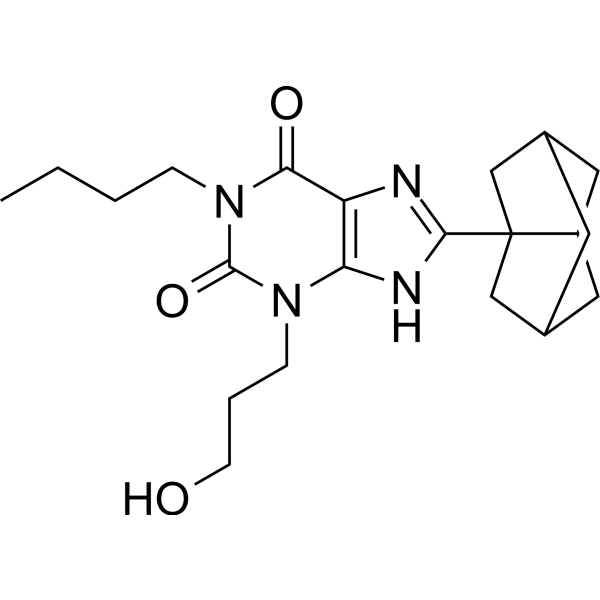
PSB36 is a highly selective A1 adenosine receptor antagonist, with a Ki of 0.12 nM and a Kd of 0.7 nM. Systemic administration of PSB36 reduces formalin- and Carrageenan (HY-125474)-induced edema in mice and decreases pain-related behaviors, with no local paw activity. PSB36 prolongs the APD90 of rat and human atria, produces a frequency-dependent prolongation of rat atrial ERP, increases the diastolic threshold of rat atria, and shortens the duration of atrial fibrillation episodes. PSB36 can be used in research related to inflammatory pain, inflammatory hyperalgesia, edema and atrial fibrillation .
|
-
-
- HY-B1138
-
|
CL-82204
|
COX
Caspase
|
Infection
Neurological Disease
Inflammation/Immunology
Cancer
|
|
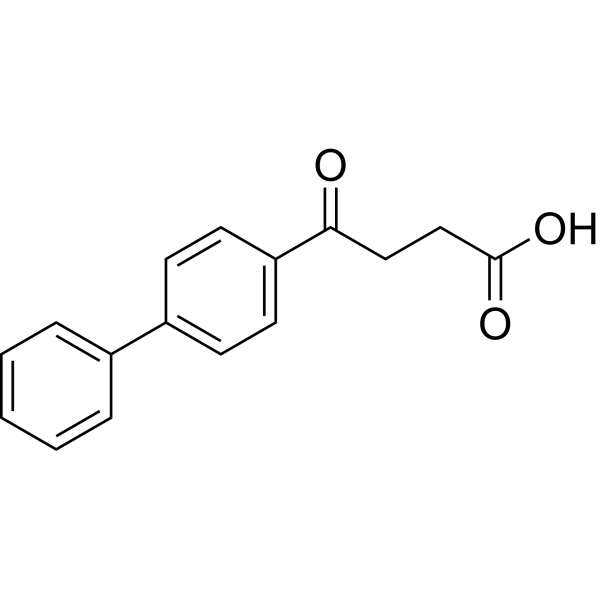
Fenbufen (CL-82204) is an orally active non-steroidal anti-inflammatory drug (NSAID), with analgetic and antipyretic effects. Fenbufen has potent activity in a variety of animal model, including carageenin edema, UV erythema and adjuvant arthritis. Fenbufen has inhibitory activities against COX-1 and COX-2 with IC50s of 3.9 μM and 8.1 μM, respectively. Fenbufen is a caspases (caspase-1, 3, 4, 5, 9) inhibitor .
|
-
-
- HY-N5060
-
|
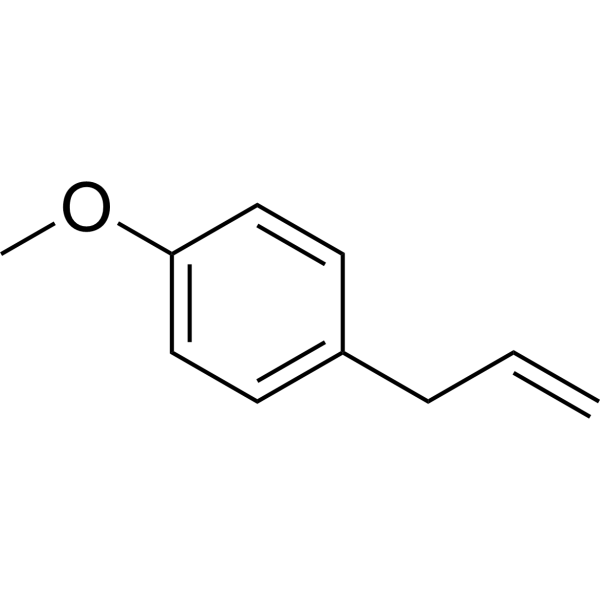
4-Allylanisole
|
Environmental Pollutants
Parasite
Apoptosis
Keap1-Nrf2
NF-κB
|
Infection
Neurological Disease
Inflammation/Immunology
|
|
Estragole (4-Allylanisole) is a relatively nontoxic volatile terpenoid ether and major component of the essential oil from many plants. Estragole significantly triggers Apoptosis, suppresses LPS-induced intracellular ROS production. Estragole activats Nrf-2 and regulates NF-κB. Estragole has anti-toxoplasma, anti-inflammatory, anti-edema, antioxidant and immunomodulatory properties. Estragole blocks DRG neuron excitability. Estragole has improves gastric ulcer activity .
|
-
-
- HY-N6028
-
|
|
COX
NF-κB
Interleukin Related
TNF Receptor
|
Inflammation/Immunology
|
|
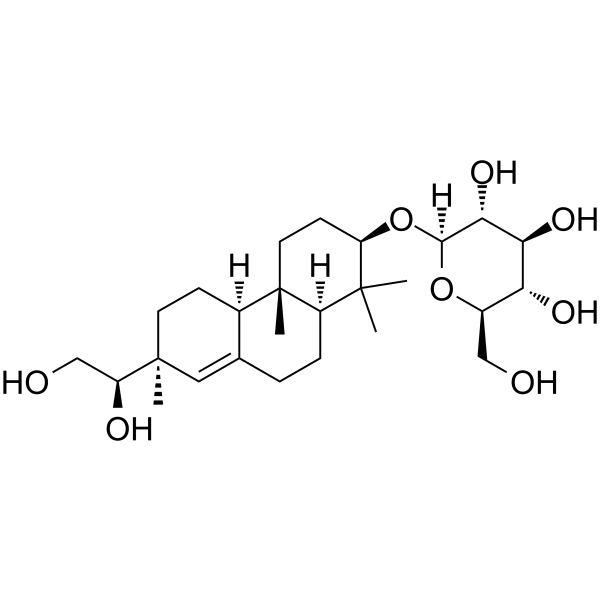
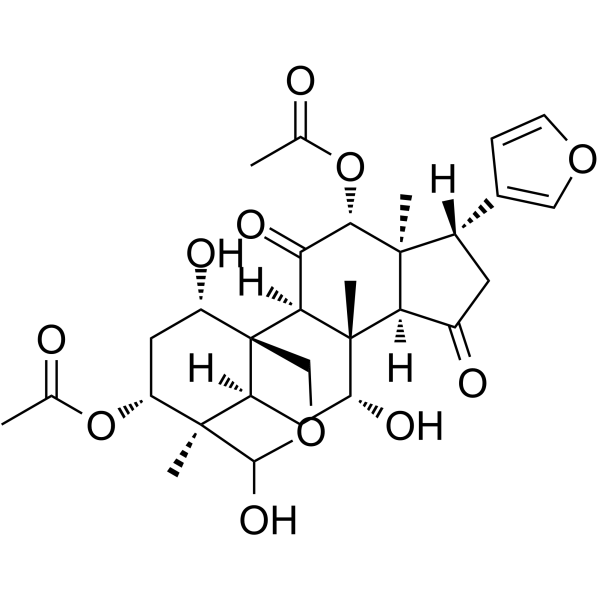
Darutoside is an orally effective diterpene compound with significant anti-inflammatory, analgesic, wound healing promotion, and immunomodulatory activities. Darutoside reduces edema and pain responses by inhibiting the expression of COX-2 and the migration of inflammatory cells. It regulates macrophage polarization towards the M2 type by inhibiting the NF-κB pathway, alleviating inflammation and promoting wound healing. Through multi-target regulation of metabolic networks, Darutoside significantly alleviates acute gouty arthritis .
|
-
-
- HY-108910A
-
|
EC 3.4.21.1 (MS grade); Chymotrypsin A (MS grade)
|
Toll-like Receptor (TLR)
NF-κB
MMP
|
Others
Inflammation/Immunology
|
|
Chymotrypsin (EC 3.4.21.1; Chymotrypsin A) (MS grade) is an orally effective inhibitor targeting molecules such as TLR4, NF-κB, MMP-1, TNF-α, IL-1β, and IL-6. Chymotrypsin (MS grade) downregulates the TLR4/NF-κB signaling pathway, inhibits the release of inflammatory factors, reduces cell infiltration and tissue damage, and also reduces the expression of tumor cell adhesion molecules (such as CD44 and CD54). It can also be specifically detected by fluorescent probes (such as NBD-3). Chymotrypsin (MS grade) has anti-inflammatory, hepatoprotective, joint damage-reducing, liver protection against lipotoxicity, and anti-tumor metastasis functions, and can be used in the research of diseases such as rheumatoid arthritis, non-alcoholic fatty liver disease, and melanoma metastasis. Chymotrypsin (MS grade) can be used in studies of inflammation, edema, and expectoration .
|
-
-
- HY-106628
-
|
|
COX
|
Inflammation/Immunology
|
|
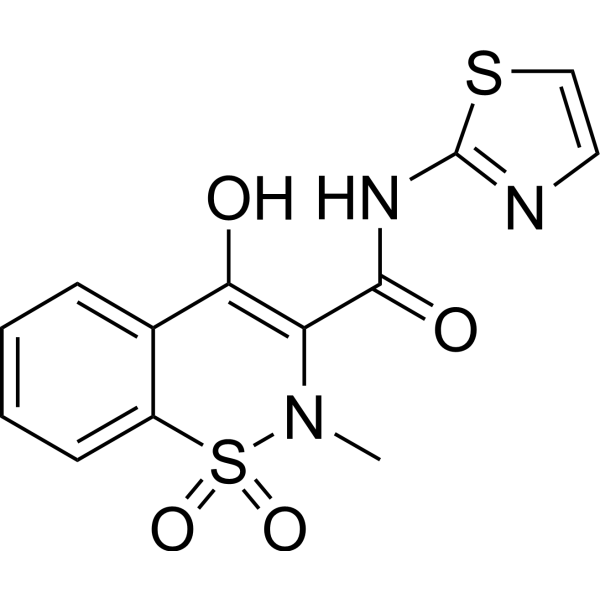
Sudoxicam is a reversible and orally active COX antagonist and a non-steroidal anti-inflammatory drug (NSAID) from the enol-carboxamide class. Sudoxicam has potent anti-inflammatory, anti-edema and antipyretic activity .
|
-
-
- HY-W013331
-
|
2-Deoxyartemisinin
|
TNF Receptor
|
Neurological Disease
Inflammation/Immunology
|
|
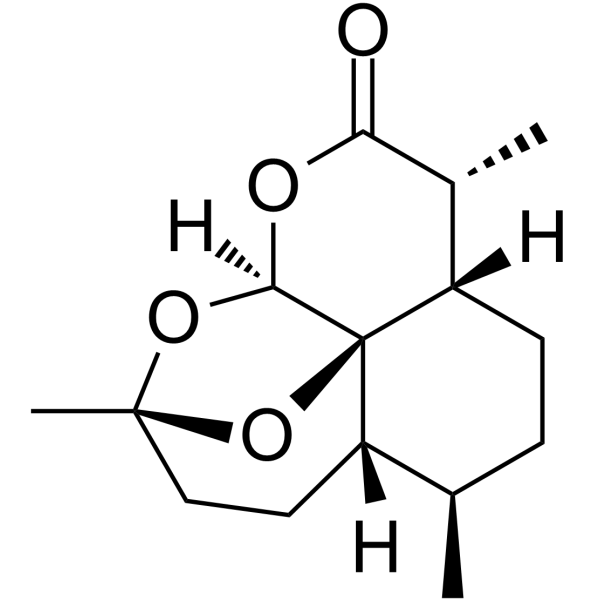
Deoxyartemisinin (2-Deoxyartemisinin) is an orally active anti-inflammatory and analgesic agent. Deoxyartemisinin selectively reduces the level of the pro-inflammatory cytokine TNF-α. Deoxyartemisinin alleviates neuropathic pain, inflammatory pain, and croton oil-induced ear edema.\nDeoxyartemisinin exerts an analgesic effect against thermal stimulation. Deoxyartemisinin has anti-ulcer activity. Deoxyartemisinin can be used in research related to inflammatory diseases, pain, and gastric ulcers .
|
-
-
- HY-N0924
-
|
Tetrahydrocoptisine
|
Interleukin Related
NO Synthase
p38 MAPK
PERK
NF-κB
|
Neurological Disease
Inflammation/Immunology
|
|
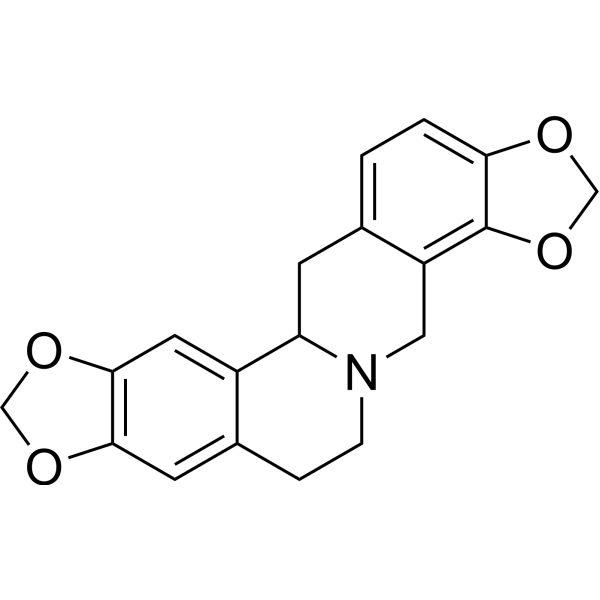
(±)-Stylopine (Tetrahydrocoptisine) is an alkaloid compound. (±)-Stylopine can be isolated from the tubers of the plant Corydalis. (±)-Stylopine inhibits TNF-α, IL-6, and NO production, and attenuates phosphorylation of p38 MAPK, ERK1/2. (±)-Stylopine inhibits NF-κB expression. (±)-Stylopine exhibits anti-inflammatory activity. (±)-Stylopine has protective effects against foot edema, gastric ulcers, anxiety, depression, and acute lung injury .
|
-
-
- HY-P990094
-
|
CSL311
|
c-Fms
|
Inflammation/Immunology
|
|
Trabikibart (CSL311) is a specific inhibitor targeting the βc receptor (CSF2RB) that inhibits signal transduction mediated by GM-CSF, IL-5, and IL-3. Trabikibart exhibits significant anti-inflammatory and anti-edema effects, reduces myeloid cell infiltration, and inhibits inflammatory cell survival. Trabikibart also possesses antiviral immune functions, which alleviate pulmonary inflammation, reverse airway dysfunction and fibrosis, and thereby restore impaired pulmonary function. Trabikibart can be used in research on related diseases such as acute respiratory distress syndrome, viral pneumonia, asthma, and chronic rhinosinusitis with nasal polyps .
|
-
-
- HY-W324435
-
|
Sodium 2,4-dinitrobenzenesulfonate; DNBS sodium salt; DNBSO sodium salt
|
NF-κB
p38 MAPK
COX
|
Inflammation/Immunology
|
|
2,4-Dinitrobenzenesulfonic acid (DNBS; DNBSO) sodium salt (Sodium 2,4-dinitrobenzenesulfonate) is a classic colitis inducer that relies on activation of the NF-κB p65/COX-2/p38 pathway. As a hapten, 2,4-Dinitrobenzenesulfonic acid sodium salt stimulates the production of immune responses in colonic tissues, triggers oxidative stress and inflammatory reactions, and thereby leads to colonic injury. 2,4-Dinitrobenzenesulfonic acid sodium salt successfully induces models of colitis and ulcerative colitis in rats, causing pathological changes such as ulcers, edema, stenosis, shortening and organ adhesion in the distal colon, along with significant increases in the levels of inflammatory indicators and endoplasmic reticulum stress marker proteins. 2,4-Dinitrobenzenesulfonic acid sodium salt is widely used in studies on the mechanisms related to colitis and ulcerative colitis .
|
-
-
- HY-N0412
-
|
|
PERK
JNK
TNF Receptor
Interleukin Related
|
Neurological Disease
Inflammation/Immunology
|
|
Sesamoside is an orally active anti-inflammatory, anti-hypoxic and analgesic agent. Sesamoside inhibits the phosphorylation of ERK and JNK, downregulates NLRP3 expression, restricts the nuclear localization of P65, regulates AKR1B1 expression, and reduces the expression of TRPV1 gene in the spinal cord. Sesamoside reduces the production of TNF-α, IL-6, IL-1β, iNOS and NO, restores cellular metabolism and organ function, and alleviates cold and mechanical hyperalgesia. Sesamoside can be used in research related to septic shock, high-altitude pulmonary edema and neuropathic pain .
|
-
-
- HY-P11306
-
|
|
Proteasome
NF-κB
|
Inflammation/Immunology
|
|
Biotin-(Oaa)3-epoxomicin is a biotin-labeled form of Epoxomicin (HY-13821), prepared by conjugating Epoxomicin with biotin via three hydrophilic oxaacetyl amino acid (Oaa) linkers. Biotin-(Oaa)3-epoxomicin is primarily used in proteomic studies for the capture, identification and target validation of proteasome complexes, to determine the intracellular targets of epoxomicin. Epoxomicin acts as a proteasome inhibitor and NF-κB inhibitor, which effectively blocks inflammatory responses in mouse ear edema assays. It inhibits proteasome activity via covalent binding to catalytic subunits including LMP7, X, MECL1 and Z, with the strongest inhibitory effect on chymotrypsin-like activity, and does not interfere with non-proteasomal proteases such as trypsin and papain .
|
-
-
- HY-176222
-
|
|
Caspase
|
Inflammation/Immunology
|
|
IRF1 antagonist 1 (8003-3282) is a potent IRF1 (interferon regulatory factor) antagonist with anti-inflammatory activity. IRF1 antagonist 1 can maintain blood-brain barrier integrity and reduce brain edema. IRF1 antagonist 1 can improve neurological outcomes in an acute traumatic brain injury (TBI) mouse model .
|
-
-
- HY-N14001
-
|
|
TNF Receptor
Interleukin Related
Arginase
PD-1/PD-L1
|
Inflammation/Immunology
Cancer
|
|
Naamidine J is an imidazole-type alkaloids discovered in a sponge. Naamidine J inhibits inflammation by binding to the protein CSE1L (KD = 5.41 μM). Namidine J significantly inhibits the expression of pro-inflammatory factors such as TNF-α, IL-1β, and IL-6, and upregulates anti-inflammatory factors such as CD206 and Arg-1. Namidine J inhibits PD-L1 and shows antitumor activity. Namidine J significantly reduces pulmonary tissue edema, inflammatory cell infiltration and cytokine storm in mice. Namidine J can be used for the research on the immune microenvironment of acute lung injury and tumors .
|
-
-
- HY-N2556
-
|
|
Others
|
Inflammation/Immunology
|
|
Tirucallol, a tetracyclic triterpene, is isolated from Euphorbia lacteal latex. Tirucallol has topical anti-inflammatory effect. Tirucallol can suppress ear edema in the mouse model and inhibit nitrite production in lipopolysaccharide-stimulated macrophages .
|
-
-
- HY-W021267
-
|
|
Reactive Oxygen Species (ROS)
|
Inflammation/Immunology
|
|
3-Demethylcolchicine, a colchicine metabolite and anti-inflammatory agent, exhibits potent tubulin-binding activity. 3-Demethylcolchicine inhibits carrageenan-induced rat paw edema. 3-Demethylcolchicine bears a hydroxyl group on its carbocyclic ring; this group participates in free radical scavenging processes, allowing it to act as a free radical scavenger. 3-Demethylcolchicine is applicable to studies related to carrageenan-induced paw edema .
|
-
-
- HY-136642
-
|
|
Glucocorticoid Receptor
|
Inflammation/Immunology
|
|
Fluocinolone is a potent steroid with highly selective glucocorticoid receptor agonist activity. Fluocinolone stabilizes the blood-retinal barrier by enhancing endothelial tight junctions, inhibiting the VEGF pathway and inflammatory factors. Fluocinolone has high lipophilicity, enabling long-term sustained release in the vitreous. Fluocinolone is used in research related to dermatological diseases, diabetic macular edema, uveitis and oral lichen planus .
|
-
-
- HY-14648AR
-
|
Dexamethasone 21-acetate (Standard); Hexadecadrol acetate (Standard)
|
Reference Standards
Glucocorticoid Receptor
|
Inflammation/Immunology
|
|
Dexamethasone acetate (Standard) (Dexamethasone 21-acetate (Standard)) is the analytical standard of Dexamethasone acetate (HY-14648A). This product is intended for research and analytical applications. Dexamethasone acetate (Dexamethasone 21-acetate) is the acetate form of the glucocorticoid Dexamethasone (HY-14648). Dexamethasone acetate has a longer duration of action than Dexamethasone. Dexamethasone acetate can accumulate at inflammatory sites, in mouse liver and mouse lung via nanostructured lipid carriers. Dexamethasone acetate can be used to prepare topical formulations for studies related to sensorineural hearing loss, γ-carrageenan-induced paw edema, chronic active hepatitis, pulmonary diseases, and inflammation after vitreoretinal surgery.
|
-
-
- HY-P99830
-
|
KH902
|
VEGFR
TNF Receptor
Interleukin Related
|
Cardiovascular Disease
Inflammation/Immunology
Cancer
|
|
Conbercept (KH902) is a recombinant fusion protein composed of VEGFR-1 (second domain) and VEGFR-2 (third and fourth domains) regions fused to human IgG1 Fc. Conbercept is a VEGF inhibitor (IC50 = 8.8 pM) and is a soluble receptor decoy that blocks all isoforms of VEGF-A (Kd = 0.5 pM), VEGF-B (Kd = 8 pM), VEGF-C, and PlGF (Kd = 5 pM). Conbercept has anti-inflammatory effects, can lower the levels of VEGF, TNF-α and IL-6, and reduce the infiltration of inflammatory cells. Conbercept decreases tumor growth in several oncology studies. Conbercept can be used for various eye diseases such as polypoidal choroidal vasculopathy (PCV), diabetic macular edema (DME) and pathologic myopia choroidal neovascularization (pmCNV) .
|
-
-
- HY-N5060S
-
|
4-Allylanisole-d4
|
Parasite
Isotope-Labeled Compounds
|
Neurological Disease
|
|
Estragole-d4 is deuterated labeled Estragole (HY-N5060). Estragole (4-Allylanisole) is a relatively nontoxic volatile terpenoid ether and major component of the essential oil from many plants. Estragole significantly triggers Apoptosis, suppresses LPS-induced intracellular ROS production. Estragole activats Nrf-2 and regulates NF-κB. Estragole has anti-toxoplasma, anti-inflammatory, anti-edema, antioxidant and immunomodulatory properties. Estragole blocks DRG neuron excitability. Estragole has improves gastric ulcer activity [10] .
|
-
-
- HY-W013164
-
|
|
COX
|
Inflammation/Immunology
Cancer
|
|
SC-58125 is a potent and selective inhibitor of cyclooxygenase 2 (COX-2), with an IC50 of 0.04 μM. SC-58125 exhibits antitumor activity in vitro and in vivo. SC-58125 also can inhibit edema at the inflammatory site and has analgesic effect .
|
-
-
- HY-A0235
-
|
Stakane
|
COX
|
Neurological Disease
|
|
Antrafenine (Stakane) is a non-narcotic analgesic. Antrafenine demonstrates central analgesic effects in acetic acid writhing test and mouse hot plate test experiments. Antrafenine significantly alleviates the pain of osteoarthritis. Antrafenine exhibits mild anti-inflammatory activity in a rat toe edema model. Antrafenine can be used in pain and anti-inflammatory research .
|
-
-
- HY-105017
-
|
ATL 313; DE 112
|
Adenosine Receptor
|
Infection
Inflammation/Immunology
|
|
Evodenoson is a selective agonist of the A2A adenosine receptor. Evodenoson’s primary actions include reducing inflammatory responses, decreasing intestinal fluid secretion, edema, tissue damage, and neutrophil infiltration induced by Clostridium difficile toxin A. Evodenoson’s protective effect is achieved by reducing myeloperoxidase (MPO) and adenosine deaminase (ADA) activities, and by lowering the production of tumor necrosis factor-alpha (TNF-α) .
|
-
-
- HY-B1640R
-
|
Etacrynic acid (Standard)
|
Reference Standards
Glutathione S-transferase
NF-κB
Calcium Channel
|
Inflammation/Immunology
Cancer
|
|
Ethacrynic acid (Standard) is the analytical standard of Ethacrynic acid. This product is intended for research and analytical applications. Ethacrynic acid (Etacrynic acid) is a diuretic. Ethacrynic acid is an inhibitor of glutathione S-transferases (GSTs). Ethacrynic acid is a potent inhibitor of NF-kB-signaling pathway, and also modulates leukotriene formation. Ethacrynic acid also inhibits L-type voltage-dependent and store-operated calcium channel, leading to relaxation of airway smooth muscle (ASM) cells. Ethacrynic acid has anti-inflammatory properties that reduces the retinoid-induced ear edema in mice .
|
-
-
- HY-P4676
-
|
|
Bradykinin Receptor
|
Inflammation/Immunology
|
|
Lys-(Des-Arg9,Leu8)-Bradykinin is a selective bradykinin B1 receptor (BDKRB1) antagonist. Lys-(Des-Arg9,Leu8)-Bradykinin inhibits local inflammatory edema. Lys-(Des-Arg9,Leu8)-Bradykinin induces the production of systemic acute-phase proteins. Lys-(Des-Arg9,Leu8)-Bradykinin is applicable to research related to peptidoglycan-polysaccharide-induced acute arthritis .
|
-
-
- HY-127072
-
|
|
Antibiotic
Bacterial
|
Infection
Inflammation/Immunology
Cancer
|
|
Amicoumacin A is an orally active antibiotic. Amicoumacin A targets bacterial ribosomes and inhibits bacterial translation by stabilizing the interaction between mRNA and ribosomes. Amicoumacin A induces cancer cell death by targeting eukaryotic ribosomes. Amicoumacin A exhibits anti-inflammatory and anti-ulcer activities, inhibits carrageenan-induced paw edema, and prevents stress-induced gastric ulcers. Amicoumacin A inhibits the growth of Gram-positive bacteria, Salmonella spp., Shigella spp., Helicobacter pylori, and methicillin-resistant Staphylococcus aureus. Amicoumacin A can be used in the research of lung cancer, breast cancer, bacterial infections, inflammatory edema and gastric ulcers [2] .
|
-
-
- HY-116763
-
|
|
COX
LOX-1
|
|
|
COX-2/5-LOX-IN-4 (Compound 1) is a dual inhibitor that acts on both COX-2 and 5-LOX, with IC50 values of 0.05 μM for COX-2 and 0.003 μM for 5-LOX. By inhibiting the arachidonic acid metabolism pathway, COX-2/5-LOX-IN-4 reduces the production of prostaglandins and leukotrienes, alleviating inflammatory responses. In a rat ear edema model, intravenous administration (0.01 and 0.1 mg/kg) reduced edema by 41% and 44%, respectively, demonstrating significant anti-inflammatory effects. COX-2/5-LOX-IN-4 shows promise for studying the mechanisms of inflammatory diseases .
|
-
-
- HY-116005
-
|
|
Adenosine Kinase
|
Neurological Disease
Inflammation/Immunology
|
|
A-286501 is an orally active and potent carbocyclic nucleoside adenosine kinase inhibitor with an IC50 value of 0.47 nM, which shows analgesic and anti-inflammatory effects. A-286501 reduces nociception in animal models of acute (thermal), inflammatory (formalin and carrageenan) and neuropathic (L5/L6 nerve ligation and streptozotocin-induced diabetic) pain. A-286501 also reduces Carrageenan (HY-125474)-induced paw edema and myeloperoxidase activity in the injured paw. A-286501 is promising for research of analgesic and anti-inflammatory agents .
|
-
-
- HY-B0580R
-
|
RS37619 (Standard)
|
Reference Standards
COX
Apoptosis
|
Inflammation/Immunology
Cancer
|
|
Ketorolac (Standard) is the analytical standard of Ketorolac. This product is intended for research and analytical applications. Ketorolac (RS37619) is a non-steroidal anti-inflammatory drug (NSAID), acting as a nonselective COX inhibitor, with IC50s of 20 nM for COX-1 and 120 nM for COX-2. Ketorolac tromethamine is used as 0.5% ophthalmic solution for the research of allergic conjunctivitis, cystoid macular edema, intraoperative miosis, and postoperative ocular inflammation and pain. Ketorolac tromethamine is also a DDX3 inhibitor that can be used for cancer research .
|
-
-
- HY-130046
-
|
16-epi-Estriol; 16β,17β-Estriol
|
UGT
Bacterial
|
Infection
Inflammation/Immunology
|
|
16-Epiestriol (16-epi-Estriol; 16β,17β-Estriol) is a natural stereoisomer of estriol and an anti-inflammatory agent that targets UGT. The Ki values of 16-Epiestriol against human UGT1A10 and UGT2B7 are 98.1 μM and 162 μM, respectively. As a glucuronidation substrate, 16-Epiestriol can be modified at the 3-OH, 16-OH and 17-OH sites by various UGT enzymes; in liver microsomes, the modification mainly occurs at the 16-OH and 17-OH sites, while reactions take place at all three sites in intestinal microsomes. 16-Epiestriol acts on the phase II inflammatory process by blocking edema mediated by prostaglandins and leukocyte infiltration. It lacks glycogenic activity or any effect on blood glucose levels, and serves as an important candidate molecule in the research of inflammatory diseases .
|
-
-
- HY-N2478
-
|
|
Autophagy
Parasite
|
Inflammation/Immunology
|
|
Taraxasteryl acetate is isolated from P. sagittalis,and has a broad spectrum of anti-inflammatory activity. Taraxasterol acetate promotes RNF31 degradation by activating autophagy. Taraxasteryl acetate relieves dextran, zymosan and arachidonic acid induced rat hind-paw edema. Taraxasteryl acetate can be used for the topical inflammation treatment [1] [2] .
|
-
-
- HY-N11538
-
|
|
Others
|
Inflammation/Immunology
|
|
Quercetin-3-O-(2′′-O-galloyl)-β-D-glucopyranoside is a orally active phenolic compound that can be isolated from the Geranium species. Quercetin-3-O-(2′′-O-galloyl)-β-D-glucopyranoside has anti-inflammatory activities and has potential application in edema and aortic endothelium-dependent relaxation injury .
|
-
-
- HY-W013164R
-
|
|
Reference Standards
COX
|
Inflammation/Immunology
Cancer
|
|
SC-58125 is a potent and selective inhibitor of cyclooxygenase 2 (COX-2), with an IC50 of 0.04 μM. SC-58125 exhibits antitumor activity in vitro and in vivo. SC-58125 also can inhibit edema at the inflammatory site and has analgesic effect .
|
-
-
- HY-179429
-
|
|
NOD-like Receptor (NLR)
TNF Receptor
Interleukin Related
|
Inflammation/Immunology
|
|
NLRP3-IN-85 (compound 5d) is a potent NLRP3 inhibitor that targets mitochondria in a ΔΨm-independent manner. NLRP3-IN-85 protects mitochondria from oxidative stress and inflammation damage and suppresses key inflammatory factors (NO, TNF-α, IL-6). NLRP3-IN-85 relives acute lung injury in mice and inhibits paw edema in rats. NLRP3-IN-85 can be used for acute lung injury (ALI) research .
|
-
-
- HY-10828
-
|
|
Aminopeptidase
|
Inflammation/Immunology
|
|
SC-57461 is a potent, orally active, nonpeptide, and selective inhibitor of Leukotriene A4 (LTA4) hydrolase with IC50s of 2.5 nM, 3 nM, and 23 nM for recombinant human, mouse, and rat LTA4 hydrolase, respectively .
|
-
-
- HY-119912
-
|
Stakane dihydrochloride
|
COX
|
Neurological Disease
Inflammation/Immunology
|
|
Antrafenine (Stakane) dihydrochloride is a non-narcotic analgesic. Antrafenine dihydrochloride demonstrates central analgesic effects in acetic acid writhing test and mouse hot plate test experiments. Antrafenine dihydrochloride significantly alleviates osteoarthritis pain. Antrafenine dihydrochloride exhibits mild anti-inflammatory activity in a rat toe edema model. Antrafenine dihydrochloride can be used for pain and anti-inflammatory research .
|
-
-
- HY-176248
-
|
|
Histamine Receptor
Serotonin Transporter
|
Neurological Disease
Inflammation/Immunology
|
|
Dimephosphon is an anti-inflammatory agent with antihistamine and antiserotonin activities. Dimephosphon helps maintain the conduction function of the spinal cord and reduces the excitability of spinal motor neurons in the area surrounding the lesion. Dimephosphon directly activates lymphatic vessel movement and improves lymphatic circulation. Dimephosphon can be used for the study of inflammatory edema, acute spinal cord injury and lymphatic circulation disorders .
|
-
-
- HY-107592
-
|
|
IKK
STAT
Apoptosis
|
Inflammation/Immunology
Cancer
|
|
ACHP (compound 4j) is a selective and orally active IκB kinase inhibitor with IC50 values of 8.5 nM and 250 nM for IKKβ and IKKα, respectively. ACHP can effectively inhibit the STAT3 signaling pathway and induce cancer cell cycle arrest and apoptosis. ACHP shows anti-inflammatory activity in a mouse ear edema model. ACHP can be used in anti-inflammatory and anti-cancer (such as multiple myeloma and leukemia) studies .
|
-
-
- HY-134521
-
|
|
COX
|
Inflammation/Immunology
|
|
Diclofenac amide is a prodrug for Diclofenac sodium (HY-15037). Diclofenac amide is an orally active inhibitor for COX-1/2, that inhibits the production of prostaglandins (PG) and thromboxanes (TX). Diclofenac amide exhibits anti-inflammatory efficacy in Carrageenan (HY-125474)-induced rat paw edema model without causing gastric ulcer (300 μmol/kg) .
|
-
-
- HY-119298
-
|
|
p38 MAPK
|
Inflammation/Immunology
|
|
AW-814141 is a selective and orally active p38 MAP kinase inhibitor. AW-814141 has an IC50 values of 100 nM and 158 nM for p38-α and β isoforms, respectively. AW-814141 can inhibit the production of TNF-α induced by LPS (HY-D1056). AW-814141 can inhibit paw edema in rats in a dose-dependent manner. AW-814141 exhibits anti-inflammatory activity and can be used in the research of inflammatory diseases such as rheumatoid arthritis .
|
-
-
- HY-14343
-
|
|
NO Synthase
|
Neurological Disease
|
|
KLYP961 is a selective and orally active dual inhibitor of inducible and neuronal NO synthase (IC50 = 50-400 nM). KLYP961 can inhibit endotoxin-evoked plasma nitrates increases and attenuate pain behaviors in a mouse formalin model. KLYP961 can attenuate carrageenin-induced edema and inflammatory hyperalgesia and writhing response elicited by Phenylbenzoquinone (HY-W275039). KLYP961 can be used for the research of neurological disease .
|
-
-
- HY-124517
-
|
|
Histamine Receptor
Adrenergic Receptor
|
Neurological Disease
Inflammation/Immunology
|
|
Burimamide is a blocker of histamine H2-receptor. Burimamide inhibits gastric acid secretion evoked by Pentagastrin (HY-A0261) or Gastrin. Burimamide also has alpha-adrenoceptor blocking activity. Burimamide in combination with the H1-receptor antagonist Mepyramine (HY-B1281) shows anti-inflammatory activity in a rat paw edema model induced by Compound 48/80 (HY-115768) .
|
-
-
- HY-178919
-
|
|
Formyl Peptide Receptor (FPR)
Apoptosis
Bacterial
|
Inflammation/Immunology
|
|
N-19004 is a FPR1 antagonist. N-19004 shows broad-spectrum antibacterial effects against a variety of pathogens. N-19004 exhibits significant retinal protective effects in the rd10 mouse model of retinitis pigmentosa (RP). N-19004 can attenuate retinal dysfunction, mitigate rod and cone degeneration, and reduce immune cell activation, gliosis, inflammation, oxidative stress, and apoptosis. N-19004 can reduce the size of laser-induced choroidal lesions and promote edema absorption through dual anti-inflammatory and anti-angiogenic effects. N-19004 can be used for the research of retinal degenerative diseases such as retinitis pigmentosa .
|
-
-
- HY-155405
-
|
|
ROS Kinase
Interleukin Related
|
Inflammation/Immunology
|
|
Anti-inflammatory agent 64 (compound 4b) inhibits the secretion of IL-6 and TNF-α. Anti-inflammatory agent 64 has antioxidant and anti-inflammatory activity in vitro and in vivo. Anti-inflammatory agent 64 can effectively reduce paw edema .
|
-
-
- HY-119279
-
|
|
Histamine Receptor
|
Inflammation/Immunology
|
|
VUF 10214 is a H4 receptor ligand with a pKi of 8.25. VUF 10214 exhibits significant anti-inflammatory activity in a carrageenan-induced paw edema rat model and can be used for research in the field of inflammatory diseases .
|
-
-
- HY-116873
-
|
|
COX
|
Inflammation/Immunology
|
|
Flunoxaprofen is an orally active COX inhibitor. Flunoxaprofen shows anti-inflammatory activity in a rat paw edema model. Flunoxaprofen may be used in research on immune system diseases such as arthritis .
|
-
- HY-142123
-
|
|
Glucocorticoid Receptor
|
Inflammation/Immunology
|
|
Fluocortolone is an orally active anti-inflammatory agent that effectively reduces plasma fibrinogen levels. Fluocortolone inhibits Mycobacterium butyricum-induced foot edema in a rat model of adjuvanted joint inflammation (3-12 mg/kg) .
|
-
- HY-106628R
-
|
|
Reference Standards
COX
|
Inflammation/Immunology
|
|
Sudoxicam (Standard) is the analytical standard of Sudoxicam. This product is intended for research and analytical applications. Sudoxicam is a reversible and orally active COX antagonist and a non-steroidal anti-inflammatory drug (NSAID) from the enol-carboxamide class. Sudoxicam has potent anti-inflammatory, anti-edema and antipyretic activity .
|
-
- HY-19646
-
|
480156-S
|
Bradykinin Receptor
Prostaglandin Receptor
|
Neurological Disease
|
|
Zoliprofen (480156-S), a new non-steroidal anti-inflammatory agent, has potent pain suppressing effect. Zoliprofen has strong antagonistic action against bradykinin, markedly inhibiting all bradykinin-induced edema and pain reactions. Zoliprofen weakly inhibits Arachidonic acid (HY-109590)-induced edema and pain reactions but also inhibits PGE2 synthesis of bovine vesicular gland microsomes .
|
-
- HY-N15077
-
|
|
Antibiotic
Bacterial
|
Infection
|
|
11-Deacetoxywortmannin is an antibiotic found in Aspergillus janus NRRL 3807 and Penicillum funiculosum NRRL 3363. 11-Deacetoxywortmannin has a strong anti-fungal and anti-inflammatory effect, and has an anti-edema effect .
|
-
- HY-155821
-
|
|
NF-κB
NO Synthase
TNF Receptor
Interleukin Related
|
Inflammation/Immunology
|
|
Anti-inflammatory agent 55 (compound 9j) is a derivative of Coixol and has anti-inflammatory activity. Anti-inflammatory agent 54 inhibits the NF-κB pathway and downregulates the expression of iNOS, TNF-α, IL-6 and IL-1β. Anti-inflammatory agent 54 inhibits LPS-induced nitric oxide (NO) production in RAW264.7 macrophages (IC50: 0.8 μM) and exerts in vivo anti-inflammatory activity in a mouse auricular edema model .
|
-
- HY-155820
-
|
|
NF-κB
NO Synthase
TNF Receptor
Interleukin Related
|
Inflammation/Immunology
|
|
Anti-inflammatory agent 54 (compound 9c) is a derivative of Coixol and has anti-inflammatory activity. Anti-inflammatory agent 54 inhibits the NF-κB pathway and downregulates the expression of iNOS, TNF-α, IL-6 and IL-1β. Anti-inflammatory agent 54 inhibits LPS-induced nitric oxide (NO) production in RAW264.7 macrophages (IC50: 2.4 μM) and exerts in vivo anti-inflammatory activity in a mouse auricular edema model .
|
-
- HY-172105
-
|
|
PPAR
|
Metabolic Disease
Inflammation/Immunology
|
|
Anti-NASH agent 2 (compound 21) is an inhibitor of de novo adipogenesis activity and α-SMA gene expression. Anti-NASH agent 2 improves hepatic steatosis, edema, inflammatory infiltrates, and liver fibrosis in NASH mouse models .
|
-
- HY-N8458
-
|
NSC 272693
|
PGE synthase
|
Inflammation/Immunology
|
|
Cryogenine is an alkaloid originally isolated from H. salicifolia that has anti-inflammatory activity. It inhibits prostaglandin synthetase (IC50=424 μM). Cryogenine (100 mg/kg per day, p.o.) reduces paw edema and the mean arthritic index in a rat model of adjuvant-induced polyarthritis.
|
-
- HY-142123R
-
|
|
Glucocorticoid Receptor
Reference Standards
|
Inflammation/Immunology
|
|
Fluocortolone (Standard) is the analytical standard of Fluocortolone. This product is intended for research and analytical applications. Fluocortolone is an orally active anti-inflammatory agent that effectively reduces plasma fibrinogen levels. Fluocortolone inhibits Mycobacterium butyricum-induced foot edema in a rat model of adjuvanted joint inflammation (3-12 mg/kg) .
|
-
- HY-146054
-
|
|
CXCR
|
Inflammation/Immunology
|
|
CXCR4 modulator-2 (compound Z7R) is a highly potent CXCR4 modulator with an IC50 value of 1.25 nM. CXCR4 modulator-2 has acceptable stability (t1/2 = 77.1 min) in mouse serum and exhibits anti-inflammatory activity in mouse edema model .
|
-
- HY-168211
-
|
|
Epoxide Hydrolase
|
Inflammation/Immunology
|
|
LQ-38 is an orally active inhibitor for soluble epoxide hydrolase (sEH) with an IC50 of 5.2 nM. LQ-38 exhibits anti-inflammatory activity in rat foot edema model and mouse acute pancreatitis model, exhibits analgesic effect in Acetic acid (HY-Y0319)-induced writhing mouse model .
|
-
- HY-172781
-
|
|
HDAC
|
Inflammation/Immunology
|
|
HDAC6-IN-55 (Compound 15B) is a potent HDAC6 inhibitor and an effective anti-inflammatory agent. HDAC6-IN-55 alleviates atopic dermatitis through anti-inflammatory effects facilitated via TLR4/MAPK, STAT3 and NF-κB pathways. HDAC6-IN-55 alleviates symptoms such as skin edema, dryness, crusting, and peeling in 2,4-dinitrochlorobenzene (DNCB)-induced atopic dermatitis mice .
|
-
- HY-170492
-
|
|
Epoxide Hydrolase
Interleukin Related
TNF Receptor
|
Inflammation/Immunology
|
|
sEH inhibitor-19 (Compound (R)-14i) is an orally active inhibitor for soluble epoxide hydrolase (sEH) with an IC50 of 1.2 nM. sEH inhibitor-19 inhibits the expression of TNF-α and IL-6, exhibits anti-inflammatory activity in mouse acute pancreatitis or Carrageenan (HY-125474)-induced edema models .
|
-
- HY-N2478R
-
|
|
Autophagy
Reference Standards
|
Inflammation/Immunology
|
|
Taraxasteryl acetate (Standard) is the analytical standard of Taraxasteryl acetate. This product is intended for research and analytical applications. Taraxasteryl acetate is isolated from P. sagittalis,and has a broad spectrum of anti-inflammatory activity. Taraxasterol acetate promotes RNF31 degradation by activating autophagy. Taraxasteryl acetate relieves dextran, zymosan and arachidonic acid induced rat hind-paw edema. Taraxasteryl acetate can be used for the topical inflammation treatment .
|
-
- HY-147692
-
|
|
COX
|
Inflammation/Immunology
|
|
COX-2-IN-14 (compound 2a) is a potent and selective COX-2 (cyclooxygenase-2) inhibitor. COX-2-IN-14 shows effective binding at the active site of COX-2 co-crystal. COX-2-IN-14 exhibits a high level of in vivo anti-inflammatory activity, reducing ear edema and myeloperoxidase (MPO) activity in mice .
|
-
- HY-B1640A
-
|
Etacrynic acid sodium; Sodium etacrynate
|
NF-κB
Glutathione S-transferase
Calcium Channel
NO Synthase
|
Cardiovascular Disease
Inflammation/Immunology
Cancer
|
|
Ethacrynic acid (Etacrynic acid sodium) sodium is a diuretic. Ethacrynic acid sodium is an inhibitor of glutathione S-transferases (GSTs). Ethacrynic acid sodium is a potent inhibitor of NF-kB-signaling pathway, and also modulates leukotriene formation. Ethacrynic acid sodium also inhibits L-type voltage-dependent and store-operated calcium channel, leading to relaxation of airway smooth muscle (ASM) cells. Ethacrynic acid sodium has anti-inflammatory properties that reduces the retinoid-induced ear edema in mice .
|
-
- HY-B1888AS
-
|
|
Isotope-Labeled Compounds
COX
|
Inflammation/Immunology
|
|
Bromfenac-d4 (sodium) is deuterium labeled Bromfenac (sodium). Bromfenac sodium is a potent and orally active inhibitor of COX, with IC50s of 5.56 and 7.45 nM for COX-1 and COX-2, respectively. Bromfenac sodium is a brominated non-steroidal anti-inflammatory/analgesic agent (NSAID), and it is commonly used for the research of postoperative inflammation and pain following cataract surgery, and pseudophakic cystoid macular edema (CME) .
|
-
- HY-B0580D
-
|
RS37619 hydrochloride
|
COX
Apoptosis
|
Inflammation/Immunology
Cancer
|
|
Ketorolac (RS37619) hydrochloride is a non-steroidal anti-inflammatory drug (NSAID), acting as a nonselective COX inhibitor, with IC50s of 20 nM for COX-1 and 120 nM for COX-2. Ketorolac hydrochloride tromethamine is used as 0.5% ophthalmic solution for the research of allergic conjunctivitis, cystoid macular edema, intraoperative miosis, and postoperative ocular inflammation and pain. Ketorolac hydrochloride tromethamine is also a DDX3 inhibitor that can be used for cancer research .
|
-
- HY-B0580C
-
|
RS37619 hemicalcium
|
COX
Apoptosis
|
Inflammation/Immunology
Cancer
|
|
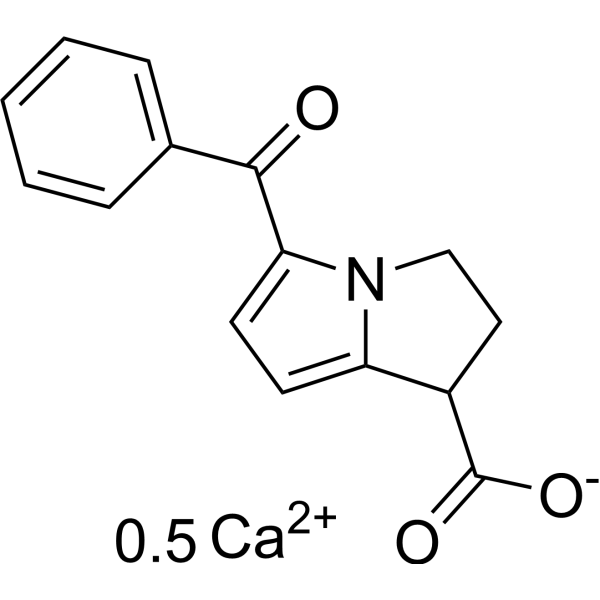
Ketorolac (RS37619) hemicalcium is a non-steroidal anti-inflammatory drug (NSAID), acting as a nonselective COX inhibitor, with IC50s of 20 nM for COX-1 and 120 nM for COX-2. Ketorolac tromethamine is used as 0.5% ophthalmic solution for the research of allergic conjunctivitis, cystoid macular edema, intraoperative miosis, and postoperative ocular inflammation and pain. Ketorola chemicalcium is also a DDX3 inhibitor that can be used for cancer research .
|
-
- HY-108538
-
|
|
Glutathione S-transferase
NF-κB
Calcium Channel
|
Inflammation/Immunology
|
|
Ethacrynic acid D5 is a deuterium labeled Ethacrynic acid. Ethacrynic acid is a diuretic. Ethacrynic acid is an inhibitor of glutathione S-transferases (GSTs). Ethacrynic acid is a potent inhibitor of NF-kB-signaling pathway, and also modulates leukotriene formation. Ethacrynic acid also inhibits L-type voltage-dependent and store-operated calcium channel, leading to relaxation of airway smooth muscle (ASM) cells. Ethacrynic acid has anti-inflammatory properties that reduces the retinoid-induced ear edema in mice .
|
-
- HY-168340
-
|
|
COX
Lipoxygenase
|
Inflammation/Immunology
|
|
COX-2/15-LOX-IN-6 (Compound 5l) is the dual inhibitor for COX-2 and 15-LOX, with IC50 of 0.201 μM and 11.723 μM. COX-2/15-LOX-IN-6 inhibits the expression of PGE, TNF-α, IL-6 and iNOS in serum, and exhibits anti-inflammatory effect in Carrageenan (HY-125474)-induced rats edema model .
|
-
- HY-W747879
-
|
|
Isotope-Labeled Compounds
COX
|
Inflammation/Immunology
|
|
Diclofenac Amide- 13C6 is the 13C-labeled Diclofenac amide (HY-134521). Diclofenac amide is a prodrug for Diclofenac sodium (HY-15037). Diclofenac amide is an orally active inhibitor for COX-1/2, that inhibits the production of prostaglandins (PG) and thromboxanes (TX). Diclofenac amide exhibits anti-inflammatory efficacy in Carrageenan (HY-125474)-induced rat paw edema model without causing gastric ulcer (300 μmol/kg) .
|
-
- HY-162166
-
|
|
COX
Lipoxygenase
|
Inflammation/Immunology
|
|
COX-2/15-LOX/mPGES1-IN-1 (Compound 2c) is an inhibitor of COX-2, 15-LOX, and mPGES-1 enzymes with IC50 values of 0.057, 2.39, and 2.8 μM, respectively. COX-2/15-LOX/mPGES1-IN-1 possesses anti-inflammatory activity and can inhibit rat paw edema in vivo experiments .
|
-
- HY-161996
-
|
|
Indoleamine 2,3-Dioxygenase (IDO)
|
Inflammation/Immunology
|
IDO1-IN-25 is a dual inhibitor of IDO1/TDO2, with IC50 values of 0.17 μM and 3.2 μM, respectively. IDO1-IN-25 can effectively inhibit the production of NO in RAW264.7 cells stimulated by lipopolysaccharide (LPS). IDO1-IN-25 can exert anti-inflammatory effects in a mouse ear edema acute inflammation model induced by croton oil .
|
-
- HY-136642R
-
|
|
Reference Standards
Glucocorticoid Receptor
|
Inflammation/Immunology
|
|
Fluocinolone (Standard) is the analytical standard of Fluocinolone (HY-136642). This product is intended for research and analytical applications. Fluocinolone is a potent steroid with highly selective glucocorticoid receptor agonist activity. Fluocinolone stabilizes the blood-retinal barrier by enhancing endothelial tight junctions, inhibiting the VEGF pathway and inflammatory factors. Fluocinolone has high lipophilicity, enabling long-term sustained release in the vitreous. Fluocinolone is used in research related to dermatological diseases, diabetic macular edema, uveitis and oral lichen planus .
|
-
- HY-173518
-
|
|
Heme Oxygenase (HO)
Reactive Oxygen Species (ROS)
NO Synthase
COX
Interleukin Related
|
Inflammation/Immunology
|
|
SIN 14, a derivative of Sinomenine (HY-15122), is an orally active HO-1 activator (KD = 17.2 μM). SIN 14 binds to the catalytic core domain of HO-1 and induces HO-1 activation in catalysis. SIN 14 significantly increases HO-1 stability. SIN 14 has anti-inflammatory effects and inhibits M1 macrophage polarization while promoting M2 polarization in LPS (Lipopolysaccharides)(HY-D1056)-induced RAW264.7 cells. SIN 14 inhibits inflammatory mediator production (eg: NO, IL-6, IL-1β and CCL2, inhibits production of ROS and down-regulates the expression of COX-2 and iNOS. SIN 14 can inhibit RA-related inflammatory edema in collagen-induced arthritis (ClA) mice .
|
-
- HY-B0580S2
-
|
RS37619-13C6
|
Isotope-Labeled Compounds
Apoptosis
COX
|
Inflammation/Immunology
Cancer
|
|
Ketorolac- 13C6 (RS37619- 13C6) is 13C labeled Ketorolac. Ketorolac (RS37619) is a non-steroidal anti-inflammatory drug (NSAID), acting as a nonselective COX inhibitor, with IC50s of 20 nM for COX-1 and 120 nM for COX-2. Ketorolac tromethamine is used as 0.5% ophthalmic solution for the research of allergic conjunctivitis, cystoid macular edema, intraoperative miosis, and postoperative ocular inflammation and pain. Ketorolac tromethamine is also a DDX3 inhibitor that can be used for cancer research .
|
-
- HY-B1138R
-
|
CL-82204 (Standard)
|
Reference Standards
COX
Caspase
|
Inflammation/Immunology
|
|
Fenbufen (Standard) is the analytical standard of Fenbufen. This product is intended for research and analytical applications. Fenbufen (CL-82204) is an orally active non-steroidal anti-inflammatory drug (NSAID), with analgetic and antipyretic effects. Fenbufen has potent activity in a variety of animal model, including carageenin edema, UV erythema and adjuvant arthritis. Fenbufen has inhibitory activities against COX-1 and COX-2 with IC50s of 3.9 μM and 8.1 μM, respectively. Fenbufen is a caspases (caspase-1, 3, 4, 5, 9) inhibitor .
|
-
- HY-162963
-
|
|
PPAR
|
Inflammation/Immunology
|
|
PPARδ agonist 11 (Compound 11) is a selective agonist for PPARδ with an EC50 of 20 nM. PPARδ agonist 11 reduces the levels of nitrite oxide (NO), proinflammatory cytokines TNFα and IL-6 in LPS (HY-D1056)-stimulated RAW264.7 cell, and exhibits anti-inflammatory efficacy via NF-κB pathway. PPARδ agonist 11 exhibits good stability in human liver microsomes and plasma. PPARδ agonist 11 ameliorates Carrageenan (HY-125474)-induced foot edema .
|
-
- HY-W744577
-
|
Dexamethasone 21-acetate-d5; Hexadecadrol acetate-d5
|
Isotope-Labeled Compounds
Glucocorticoid Receptor
|
Inflammation/Immunology
|
|
Dexamethasone acetate-d5 (Dexamethasone 21-acetate-d5; Hexadecadrol acetate-d5) is the deuterium labeled Dexamethasone acetate (HY-14648A). Dexamethasone acetate (Dexamethasone 21-acetate) is the acetate form of the glucocorticoid Dexamethasone (HY-14648). Dexamethasone acetate has a longer duration of action than Dexamethasone. Dexamethasone acetate can accumulate at inflammatory sites, in mouse liver and mouse lung via nanostructured lipid carriers. Dexamethasone acetate can be used to prepare topical formulations for studies related to sensorineural hearing loss, γ-carrageenan-induced paw edema, chronic active hepatitis, pulmonary diseases, and inflammation after vitreoretinal surgery.
|
-
- HY-B1138S
-
|
|
Isotope-Labeled Compounds
COX
Caspase
|
Inflammation/Immunology
|
|
Fenbufen-d9 (CL-82204-d9) is the deuterium labeled Fenbufen. Fenbufen (CL-82204) is an orally active non-steroidal anti-inflammatory drug (NSAID), with antipyretic effects. Fenbufen has potent activity in a variety of animal model, including carageenin edema, UV erythema and adjuvant arthritis. Fenbufen has inhibitory activities against COX-1 and COX-2 with IC50s of 3.9 μM and 8.1 μM, respectively. Fenbufen is a caspases (caspase-1, 3, 4, 5, 9) inhibitor .
|
-
- HY-P4676A
-
|
|
Bradykinin Receptor
|
Inflammation/Immunology
|
|
Lys-(Des-Arg9,Leu8)-Bradykinin TFA is a selective bradykinin B1 receptor (BDKRB1) antagonist. Lys-(Des-Arg9,Leu8)-Bradykinin TFA inhibits local inflammatory edema. Lys-(Des-Arg9,Leu8)-Bradykinin TFA induces the production of systemic acute-phase proteins. Lys-(Des-Arg9,Leu8)-Bradykinin TFA is applicable to research related to peptidoglycan-polysaccharide-induced acute arthritis .
|
-
- HY-173114
-
|
|
COX
|
Inflammation/Immunology
|
|
Anti-inflammatory agent 96 (Compound 5), a tetrasubstituted α-aminophosphonate derivatives with a methylphosphoserine fragment, is an anti-inflammatory agent. Anti-inflammatory agent 96 can reduce TPA-induced ear edema and CFA-induced paw edema .
|
-
- HY-D1782
-
-
- HY-180800
-
|
|
COX
|
Neurological Disease
Inflammation/Immunology
|
Anti-inflammatory agent 110 (Compound 7b) is a analgesic/anti-inflammatory agent. Anti-inflammatory agent 110 has a good binding affinity for COX-2. Anti-inflammatory agent 110 demonstrated potent analgesic and anti-inflammatory activities in the mouse hot plate test and the rat carrageenan edema model .
|
-
- HY-183367
-
|
|
TNF Receptor
Interleukin Related
|
Inflammation/Immunology
|
|
Anti-inflammatory agent 115 is a potent anti-inflammatory agent. Anti-inflammatory agent 115 reduces secretion of myeloperoxidase (MPO), TNF-α, IL-1β, and IL-6. Anti-inflammatory agent 115 decreases ear tissue thickness and neutrophil infiltration in 12-O-tetradecanoylphorbol-13-acetate (TPA) (HY-18739)-induced topical edema in mice. Anti-inflammatory agent 115 can be used for the research of inflammatory diseases .
|
-
- HY-170659
-
|
|
NF-κB
|
Inflammation/Immunology
|
|
NF-κB-IN-18 (Compound 5k) is an orally active NF-κB inhibitor. NF-κB-IN-18 inhibits phosphorylation of p65. NF-κB-IN-18 exhibits potent anti-inflammatory activity in Xylene-induced ear edema mice .
|
-
- HY-127145
-
|
|
COX
|
Inflammation/Immunology
|
|
Parsalmide is an orally active non-steroidal anti-inflammatory drug and gastroprotective agent, with an IC50 of 9.92 μM against COX-1 and 155 μM against COX-2. Parsalmide prevents gastric injury and reduces edema. Parsalmide can be used in the research of arthritis .
|
-
- HY-179502
-
|
|
NF-κB
Glutathione Peroxidase
TNF Receptor
Interleukin Related
mTOR
SOD
|
Inflammation/Immunology
|
|
Anti-inflammatory agent 107 is an orally active anti-inflammatory agent. Anti-inflammatory agent 107 inhibits and NF-κB with a superior binding affinity of -9.4578 kcal/mol. Anti-inflammatory agent 107 reduces levels of inflammatory biomarkers (TNF-α, IL-6, INF-γ, NF-κβ, C-reactive protein and Erythrocyte Sedimentation Rate) and enhances the endogenous antioxidant defense system by elevating SOD (Superoxide Dismutase), CAT (Catalase) and GSH (Glutathione) activities. Anti-inflammatory agent 107 not induces liver toxicity and demonstrates hepatoprotective effects. Anti-inflammatory agent 107 dose-dependently ameliorates leukocyte infiltration and tissue edema. Anti-inflammatory agent 107 can be used for anti-inflammatory research .
|
-
- HY-175643
-
|
|
COX
|
Inflammation/Immunology
|
|
COX-2-IN-58 is a COX-2 inhibitor. COX-2-IN-58 exhibits remarkable anti-inflammatory activity in Carrageenan (HY-125474)-induced paw edema model of Balb/C mice. COX-2-IN-58 can be used for the research of inflammation .
|
-
- HY-183545
-
|
|
Epoxide Hydrolase
Interleukin Related
|
Inflammation/Immunology
|
|
sEH-IN-24 (Compound (+)-34) is an orally active soluble epoxide hydrolase (sEH) inhibitor with an IC50 of 1.9 nM. sEH-IN-24 inhibits the pro-inflammatory cytokines TNF-α and IL-6. sEH-IN-24 exhibits anti-inflammatory effects and exerts analgesic activity in vivo. sEH-IN-24 prevents pancreatic edema, inflammation and parenchymal atrophy. sEH-IN-24 can be used for the research of acute pancreatitis .
|
-
- HY-19086
-
|
|
COX
Lipoxygenase
|
Inflammation/Immunology
|
|
SKF-105809 is a dual-action inhibitor of lipoxygenase and COX. SKF-105809 inhibits edema and inflammatory cell infiltration in mouse models of ear, paw, and peritoneum inflammation. SKF-105809 inhibits the production of relevant acute-phase reactive proteins in a mouse model of arthritis. SKF-105809 exhibits analgesic activity in a mouse abdominal contraction test and inhibits ulceration. SKF-105809 can be used in research on inflammatory and immune system diseases such as peritonitis and arthritis .
|
-
- HY-N19464
-
|
|
PDI
|
Inflammation/Immunology
Cancer
|
|
Dicentrinone is an orally active PDI inhibitor with an IC50 value of 43.95 μM. Dicentrinone directly binds to PDI and suppresses cell proliferation and reduces cancer cell viability. Dicentrinone elicits anti-inflammatory and antioxidant effects by suppressing leukocyte migration, plasma leakage and paw edema, and scavenging free radicals. Dicentrinone can be used in the research of hepatoma, rheumatism and arthritis .
|
-
- HY-180822
-
|
|
COX
TNF Receptor
Interleukin Related
|
Inflammation/Immunology
|
|
COX-2-IN-63 (Compound 6k) is an orally active COX-2 inhibitor with an IC50 of 0.89 μM. COX-2-IN-63 reduces the levels of inflammatory mediators PGE2, TNF-α, and IL-6. COX-2-IN-63 can effectively alleviate acute inflammation in a rat paw edema model and has a lower risk of gastrointestinal side effects. COX-2-IN-63 can be used in anti-inflammatory research .
|
-
- HY-108109
-
|
|
Lipoxygenase
COX
|
Inflammation/Immunology
|
|
P-8977 is a potent dual CO/5-LO inhibitor (IC50 = 0.01 µM). P-8977 can also inhibit cyclooxygenase (CO) (IC50 = 0.53 µM) in 3T3 cells. P-8977 can inhibit ear edema. P-8977 can be used for research on inflammatory skin conditions .
|
-
- HY-119167
-
|
F 1686
|
COX
|
Inflammation/Immunology
|
|
Lotifazole (F 1686) is a non-steroidal anti-inflammatory agent. Lotifazole exhibits specific inhibition of delayed-type hypersensitivity and does not rely on the prostaglandin synthesis inhibition pathway at low doses. Lotifazole shows significant efficacy in treating paw edema induced by carrageenan in rats, erythema induced by ultraviolet radiation in guinea pigs, and pleurisy at high doses. Lotifazole can be used for the study of T-cell-mediated diseases .
|
-
- HY-N19847
-
-
- HY-181235
-
|
|
COX
Cytochrome P450
|
Inflammation/Immunology
Cancer
|
|
COX-2/Aromatase-IN-1 is a potent dual inhibitor of COX-2 and aromatase. COX-2/Aromatase-IN-1 can simultaneously inhibit COX-2 and aromatase, significantly suppress inflammation and induce proliferation inhibition of breast cancer cells. COX-2/Aromatase-IN-1 exerts anti-breast cancer and anti-inflammatory effects in the MCF-7 breast cancer cell and carrageenan-induced rat paw edema model. COX-2/Aromatase-IN-1 can be used for the study of inflammation and breast cancer .
|
-
- HY-181236
-
|
|
COX
Cytochrome P450
|
Inflammation/Immunology
Cancer
|
|
COX-2/Aromatase-IN-2 is a potent dual inhibitor of COX-2 and aromatase. COX-2/Aromatase-IN-2 can simultaneously inhibit COX-2 and aromatase, suppress inflammation and induce proliferation inhibition of breast cancer cells. COX-2/Aromatase-IN-2 exerts anti-breast cancer and anti-inflammatory effects in the MCF-7 breast cancer cell and carrageenan-induced rat paw edema model. COX-2/Aromatase-IN-2 can be used for the study of inflammation and breast cancer .
|
-
- HY-130046R
-
|
16-epi-Estriol (Standard); 16β,17β-Estriol (Standard)
|
Endogenous Metabolite
Reference Standards
Bacterial
|
Infection
Inflammation/Immunology
|
|
16-Epiestriol (Standard) is the analytical standard of 16-Epiestriol (HY-130046). This product is intended for research and analytical applications. 16-Epiestriol (16-epi-Estriol; 16β,17β-Estriol) is a natural stereoisomer of estriol and an anti-inflammatory agent that targets UGT. The Ki values of 16-Epiestriol against human UGT1A10 and UGT2B7 are 98.1 μM and 162 μM, respectively. As a glucuronidation substrate, 16-Epiestriol can be modified at the 3-OH, 16-OH and 17-OH sites by various UGT enzymes; in liver microsomes, the modification mainly occurs at the 16-OH and 17-OH sites, while reactions take place at all three sites in intestinal microsomes. 16-Epiestriol acts on the phase II inflammatory process by blocking edema mediated by prostaglandins and leukocyte infiltration. It lacks glycogenic activity or any effect on blood glucose levels, and serves as an important candidate molecule in the research of inflammatory diseases .
|
-
- HY-N7694
-
|
|
TGF-β Receptor
JAK
STAT
Apoptosis
|
Inflammation/Immunology
Cancer
|
|
Isotoosendanin is an orally active TGFβR1 inhibitor and abrogating its kinase activity (IC50 = 6732 nM). Isotoosendanin inhibits the JAK/STAT3 signaling pathway by directly targeting SHP-2, enhancing its stability, and reducing its ubiquitination. Isotoosendanin inhibits TGF-β-induced reduces the migration, invasion, and metastasis in triple-negative breast cancer (TNBC) cells. Isotoosendanin exhibits anti-tumor efficacy in TNBC xenograft models and A549 xenograft tumors. Isotoosendanin exhibits significant anti-inflammatory effects in acetic acid-induced vascular permeability and λ-carrageenan-induced hind paw edema tests. Isotoosendanin can be used for the study of non-small cell lung cancer (NSCLC), TNBC and inflammation .
|
-
- HY-W016409
-
|
Protocatechuic acid ethyl ester
|
HIF/HIF Prolyl-Hydroxylase
Reactive Oxygen Species (ROS)
NO Synthase
Autophagy
Apoptosis
|
Metabolic Disease
Cancer
|
|
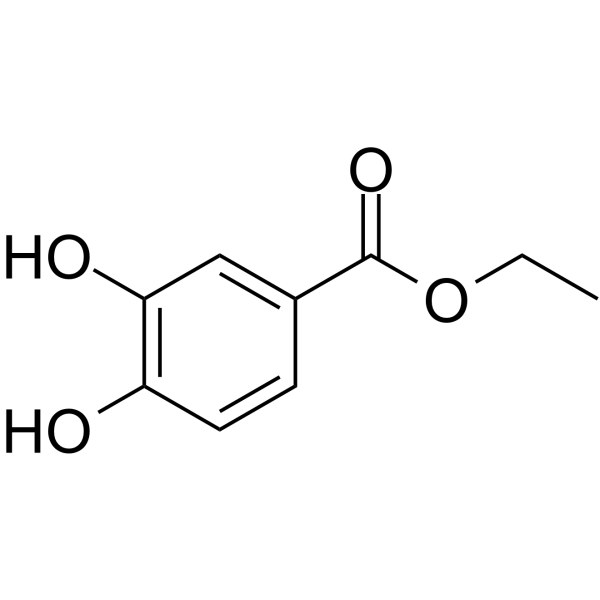
Ethyl 3,4-dihydroxybenzoate (Protocatechuic acid ethyl ester) is an orally effective, blood-brain barrier-permeable, competitive prolyl hydroxylase (PHD) inhibitor that inhibits the hydroxylation modification of hypoxia-inducible factor (HIF) by PHD. Ethyl 3,4-dihydroxybenzoate stabilizes HIF-1α by inhibiting PHD, activates downstream pathways to induce autophagy and apoptosis of tumor cells, and regulates inflammatory responses, inhibits the NF-κB pathway, improves vascular permeability, and promotes osteoblast differentiation. Ethyl 3,4-dihydroxybenzoate has anti-tumor, anti-hypoxic injury, and bone metabolism regulation effects. It can also be used in the research of cardiovascular protection (such as reducing myocardial ischemic damage), bone tissue engineering (promoting osteogenesis/inhibiting osteoclast differentiation), and prevention and treatment of high-altitude cerebral edema .
|
-
- HY-N18124
-
|
|
Others
|
Neurological Disease
|
|
1-O-Tigloyl-1-O-debenzoylohchinal is an orally active limonoid-type triterpenoid anti-inflammatory and peripheral analgesic agent isolated from the fruits of Melia toosendan. 1-O-Tigloyl-1-O-debenzoylohchinal significantly inhibits acetic acid (HY-Y0319)-induced increase in vascular permeability, λ-Carrageenan (HY-N9470)-induced paw edema, and acetic acid-induced writhing response in mice. 1-O-Tigloyl-1-O-debenzoylohchinal shows no significant analgesic effect in the hot-plate test, and acts mainly on the peripheral rather than the central nervous system. 1-O-Tigloyl-1-O-debenzoylohchinal can be widely used in the research of acute or chronic inflammation, stomachache and other related diseases .
|
-
- HY-114269
-
|
|
nAChR
|
Neurological Disease
Inflammation/Immunology
|
|
(-)-(S)-B-973B is an allosteric activator of α7 nicotinic acetylcholine receptor (α7 nAChR). (-)-(S)-B-973B alleviates pain behaviors. (-)-(S)-B-973B can be used for the research of inflammatory pain .
|
-
- HY-P1108
-
|
|
CRFR
|
Neurological Disease
Inflammation/Immunology
|
Astressin 2B is a blood-brain barrier-impermeable, highly selective CRFR2 antagonist (rCRFR2, IC50=0.57 nM). Astressin 2B blocks the protective effects mediated by CRFR2, thereby exacerbating indomethacin (HY-14397)-induced hemorrhagic intestinal injury in rats. Astressin 2B reverses the protective effects of Urocortin 1 against intestinal hypermotility, bacterial invasion and upregulation of inflammatory mediators. Astressin 2B also blocks the anxiogenic effect of Urocortin 2 and attenuates stress-induced anxiety-related behaviors. In the Clostridioides difficile toxin A (C. difficile toxin A)-mediated enteritis model, Astressin 2B mimics the phenotype of CRFR2-deficient mice, significantly exacerbating intestinal epithelial damage, edema, neutrophil migration and the expression of multiple proinflammatory cytokines. Astressin 2B is an important tool molecule for investigating the intestinal protective mechanisms of CRFR2 .
|
-
- HY-P1108A
-
|
|
CRFR
|
Neurological Disease
Inflammation/Immunology
|
Astressin 2B TFA is a blood-brain barrier-impermeable, highly selective CRFR2 antagonist (rCRFR2, IC50=0.57 nM). Astressin 2B TFA blocks the protective effects mediated by CRFR2, thereby exacerbating indomethacin (HY-14397)-induced hemorrhagic intestinal injury in rats. Astressin 2B TFA reverses the protective effects of Urocortin 1 against intestinal hypermotility, bacterial invasion and upregulation of inflammatory mediators. Astressin 2B TFA also blocks the anxiogenic effect of Urocortin 2 and attenuates stress-induced anxiety-related behaviors. In the Clostridioides difficile toxin A (C. difficile toxin A)-mediated enteritis model, Astressin 2B TFA mimics the phenotype of CRFR2-deficient mice, significantly exacerbating intestinal epithelial damage, edema, neutrophil migration and the expression of multiple proinflammatory cytokines. Astressin 2B TFA is an important tool molecule for investigating the intestinal protective mechanisms of CRFR2 .
|
-
- HY-W778057
-
|
Protocatechuic acid ethyl ester-13C3
|
Reactive Oxygen Species (ROS)
|
Cancer
|
|
Ethyl 3,4-Dihydroxybenzoate- 13C3 (Protocatechuic acid ethyl ester- 13C3) is the 13C-labeled Ethyl 3,4-dihydroxybenzoate (HY-W016409). Ethyl 3,4-dihydroxybenzoate (Protocatechuic acid ethyl ester) is an orally effective, blood-brain barrier-permeable, competitive prolyl hydroxylase (PHD) inhibitor that inhibits the hydroxylation modification of hypoxia-inducible factor (HIF) by PHD. Ethyl 3,4-dihydroxybenzoate stabilizes HIF-1α by inhibiting PHD, activates downstream pathways to induce autophagy and apoptosis of tumor cells, and regulates inflammatory responses, inhibits the NF-κB pathway, improves vascular permeability, and promotes osteoblast differentiation. Ethyl 3,4-dihydroxybenzoate has anti-tumor, anti-hypoxic injury, and bone metabolism regulation effects. It can also be used in the research of cardiovascular protection (such as reducing myocardial ischemic damage), bone tissue engineering (promoting osteogenesis/inhibiting osteoclast differentiation), and prevention and treatment of high-altitude cerebral edema .
|
-
- HY-W016409R
-
|
Protocatechuic acid ethyl ester (Standard)
|
Reference Standards
HIF/HIF Prolyl-Hydroxylase
Reactive Oxygen Species (ROS)
NO Synthase
Autophagy
Apoptosis
|
Metabolic Disease
Cancer
|
|
Ethyl 3,4-dihydroxybenzoate (Standard) (Protocatechuic acid ethyl ester (Standard)) is the analytical standard of Ethyl 3,4-dihydroxybenzoate (HY-W016409). This product is intended for research and analytical applications. Ethyl 3,4-dihydroxybenzoate (Protocatechuic acid ethyl ester) is an orally effective, blood-brain barrier-permeable, competitive prolyl hydroxylase (PHD) inhibitor that inhibits the hydroxylation modification of hypoxia-inducible factor (HIF) by PHD. Ethyl 3,4-dihydroxybenzoate stabilizes HIF-1α by inhibiting PHD, activates downstream pathways to induce autophagy and apoptosis of tumor cells, and regulates inflammatory responses, inhibits the NF-κB pathway, improves vascular permeability, and promotes osteoblast differentiation. Ethyl 3,4-dihydroxybenzoate has anti-tumor, anti-hypoxic injury, and bone metabolism regulation effects. It can also be used in the research of cardiovascular protection (such as reducing myocardial ischemic damage), bone tissue engineering (promoting osteogenesis/inhibiting osteoclast differentiation), and prevention and treatment of high-altitude cerebral edema .
|
-
| Cat. No. |
Product Name |
Type |
-
- HY-108910
-
|
EC 3.4.21.1; Chymotrypsin A
|
Biochemical Assay Reagents
|
|
Chymotrypsin (EC 3.4.21.1; Chymotrypsin A) is an orally effective inhibitor targeting molecules such as TLR4, NF-κB, MMP-1, TNF-α, IL-1β, and IL-6. Chymotrypsin downregulates the TLR4/NF-κB signaling pathway, inhibiting the release of inflammatory factors, reducing cell infiltration and tissue damage. It also reduces the expression of tumor cell adhesion molecules (such as CD44 and CD54) and can be specifically detected by fluorescent probes (such as NBD-3). Chymotrypsin has anti-inflammatory, hepatoprotective, joint damage-reducing, liver protection against lipotoxicity, and anti-tumor metastasis functions. It can be used in research on diseases such as rheumatoid arthritis, non-alcoholic fatty liver disease, and melanoma metastasis. Chymotrypsin can be used in studies of inflammation, edema, and expectoration .
|
-
- HY-125474
-
|
|
Biochemical Assay Reagents
|
|
Carrageenan is an antiviral and anticancer agent. Carrageenan inhibits herpes simplex virus (HSV), HIV, and hepatitis A virus (HAV) by directly binding to the viral capsid to block the attachment of viruses such as HPV to HSPG factors on the cell surface. Carrageenan delays and arrests cell cycle progression, exhibits cytotoxicity against HeLa cancer cells, and can be applied to studies related to cervical cancer, genital warts, hepatitis A, and other conditions. Carrageenan also induces acute non-immune inflammation, triggers a three-phase inflammatory response involving the release of multiple proinflammatory mediators, and causes persistent edema, hyperalgesia, and neutrophil recruitment in mice .
|
| Cat. No. |
Product Name |
Target |
Research Area |
-
- HY-P11306
-
|
|
Proteasome
NF-κB
|
Inflammation/Immunology
|
|
Biotin-(Oaa)3-epoxomicin is a biotin-labeled form of Epoxomicin (HY-13821), prepared by conjugating Epoxomicin with biotin via three hydrophilic oxaacetyl amino acid (Oaa) linkers. Biotin-(Oaa)3-epoxomicin is primarily used in proteomic studies for the capture, identification and target validation of proteasome complexes, to determine the intracellular targets of epoxomicin. Epoxomicin acts as a proteasome inhibitor and NF-κB inhibitor, which effectively blocks inflammatory responses in mouse ear edema assays. It inhibits proteasome activity via covalent binding to catalytic subunits including LMP7, X, MECL1 and Z, with the strongest inhibitory effect on chymotrypsin-like activity, and does not interfere with non-proteasomal proteases such as trypsin and papain .
|
-
- HY-P1108
-
|
|
CRFR
|
Neurological Disease
Inflammation/Immunology
|
Astressin 2B is a blood-brain barrier-impermeable, highly selective CRFR2 antagonist (rCRFR2, IC50=0.57 nM). Astressin 2B blocks the protective effects mediated by CRFR2, thereby exacerbating indomethacin (HY-14397)-induced hemorrhagic intestinal injury in rats. Astressin 2B reverses the protective effects of Urocortin 1 against intestinal hypermotility, bacterial invasion and upregulation of inflammatory mediators. Astressin 2B also blocks the anxiogenic effect of Urocortin 2 and attenuates stress-induced anxiety-related behaviors. In the Clostridioides difficile toxin A (C. difficile toxin A)-mediated enteritis model, Astressin 2B mimics the phenotype of CRFR2-deficient mice, significantly exacerbating intestinal epithelial damage, edema, neutrophil migration and the expression of multiple proinflammatory cytokines. Astressin 2B is an important tool molecule for investigating the intestinal protective mechanisms of CRFR2 .
|
-
- HY-P1108A
-
|
|
CRFR
|
Neurological Disease
Inflammation/Immunology
|
Astressin 2B TFA is a blood-brain barrier-impermeable, highly selective CRFR2 antagonist (rCRFR2, IC50=0.57 nM). Astressin 2B TFA blocks the protective effects mediated by CRFR2, thereby exacerbating indomethacin (HY-14397)-induced hemorrhagic intestinal injury in rats. Astressin 2B TFA reverses the protective effects of Urocortin 1 against intestinal hypermotility, bacterial invasion and upregulation of inflammatory mediators. Astressin 2B TFA also blocks the anxiogenic effect of Urocortin 2 and attenuates stress-induced anxiety-related behaviors. In the Clostridioides difficile toxin A (C. difficile toxin A)-mediated enteritis model, Astressin 2B TFA mimics the phenotype of CRFR2-deficient mice, significantly exacerbating intestinal epithelial damage, edema, neutrophil migration and the expression of multiple proinflammatory cytokines. Astressin 2B TFA is an important tool molecule for investigating the intestinal protective mechanisms of CRFR2 .
|
-
- HY-P5581
-
|
|
Peptides
|
Infection
Inflammation/Immunology
Cancer
|
|
Alloferon 1 is an antiviral and antitumoral peptide. Alloferon 1 stimulates natural cytotoxicity of human peripheral blood lymphocytes. Alloferon 1 also induces IFN synthesis, and enhances antiviral and antitumor resistance in mice. Alloferon 1 also shows anti-inflammatory activity in λ-carrageenan-induced paw edema model. Alloferon 1 can be isolated from the blood of the blow fly Calliphora vicina (Diptera) .
|
-
- HY-P4676
-
|
|
Bradykinin Receptor
|
Inflammation/Immunology
|
|
Lys-(Des-Arg9,Leu8)-Bradykinin is a selective bradykinin B1 receptor (BDKRB1) antagonist. Lys-(Des-Arg9,Leu8)-Bradykinin inhibits local inflammatory edema. Lys-(Des-Arg9,Leu8)-Bradykinin induces the production of systemic acute-phase proteins. Lys-(Des-Arg9,Leu8)-Bradykinin is applicable to research related to peptidoglycan-polysaccharide-induced acute arthritis .
|
-
- HY-P4676A
-
|
|
Bradykinin Receptor
|
Inflammation/Immunology
|
|
Lys-(Des-Arg9,Leu8)-Bradykinin TFA is a selective bradykinin B1 receptor (BDKRB1) antagonist. Lys-(Des-Arg9,Leu8)-Bradykinin TFA inhibits local inflammatory edema. Lys-(Des-Arg9,Leu8)-Bradykinin TFA induces the production of systemic acute-phase proteins. Lys-(Des-Arg9,Leu8)-Bradykinin TFA is applicable to research related to peptidoglycan-polysaccharide-induced acute arthritis .
|
| Cat. No. |
Product Name |
Target |
Research Area |
Image |
-
- HY-P990094
-
|
CSL311
|
c-Fms
|
Inflammation/Immunology
|
|
Trabikibart (CSL311) is a specific inhibitor targeting the βc receptor (CSF2RB) that inhibits signal transduction mediated by GM-CSF, IL-5, and IL-3. Trabikibart exhibits significant anti-inflammatory and anti-edema effects, reduces myeloid cell infiltration, and inhibits inflammatory cell survival. Trabikibart also possesses antiviral immune functions, which alleviate pulmonary inflammation, reverse airway dysfunction and fibrosis, and thereby restore impaired pulmonary function. Trabikibart can be used in research on related diseases such as acute respiratory distress syndrome, viral pneumonia, asthma, and chronic rhinosinusitis with nasal polyps .
|
-
(5)
-
- HY-P99830
-
|
KH902
|
VEGFR
TNF Receptor
Interleukin Related
|
Cardiovascular Disease
Inflammation/Immunology
Cancer
|
|
Conbercept (KH902) is a recombinant fusion protein composed of VEGFR-1 (second domain) and VEGFR-2 (third and fourth domains) regions fused to human IgG1 Fc. Conbercept is a VEGF inhibitor (IC50 = 8.8 pM) and is a soluble receptor decoy that blocks all isoforms of VEGF-A (Kd = 0.5 pM), VEGF-B (Kd = 8 pM), VEGF-C, and PlGF (Kd = 5 pM). Conbercept has anti-inflammatory effects, can lower the levels of VEGF, TNF-α and IL-6, and reduce the infiltration of inflammatory cells. Conbercept decreases tumor growth in several oncology studies. Conbercept can be used for various eye diseases such as polypoidal choroidal vasculopathy (PCV), diabetic macular edema (DME) and pathologic myopia choroidal neovascularization (pmCNV) .
|
-
(5)
| Cat. No. |
Product Name |
Category |
Target |
Chemical Structure |
-
- HY-N5060
-
-
-
- HY-N6028
-
-
-
- HY-W016409
-
|
Protocatechuic acid ethyl ester
|
Arachis hypogaea L.
Classification of Application Fields
Leguminosae
Phenols
Polyphenols
Metabolic Disease
Plants
Disease Research Fields
Source Classification
|
HIF/HIF Prolyl-Hydroxylase
Reactive Oxygen Species (ROS)
NO Synthase
Autophagy
Apoptosis
|
|
Ethyl 3,4-dihydroxybenzoate (Protocatechuic acid ethyl ester) is an orally effective, blood-brain barrier-permeable, competitive prolyl hydroxylase (PHD) inhibitor that inhibits the hydroxylation modification of hypoxia-inducible factor (HIF) by PHD. Ethyl 3,4-dihydroxybenzoate stabilizes HIF-1α by inhibiting PHD, activates downstream pathways to induce autophagy and apoptosis of tumor cells, and regulates inflammatory responses, inhibits the NF-κB pathway, improves vascular permeability, and promotes osteoblast differentiation. Ethyl 3,4-dihydroxybenzoate has anti-tumor, anti-hypoxic injury, and bone metabolism regulation effects. It can also be used in the research of cardiovascular protection (such as reducing myocardial ischemic damage), bone tissue engineering (promoting osteogenesis/inhibiting osteoclast differentiation), and prevention and treatment of high-altitude cerebral edema .
|
-
-
- HY-N0924
-
-
-
- HY-N0412
-
|
|
Structural Classification
Iridoids
Classification of Application Fields
Terpenoids
Labiatae
Phaseolus lunatus L.
Plants
Inflammation/Immunology
Disease Research Fields
Source Classification
|
PERK
JNK
TNF Receptor
Interleukin Related
|
|
Sesamoside is an orally active anti-inflammatory, anti-hypoxic and analgesic agent. Sesamoside inhibits the phosphorylation of ERK and JNK, downregulates NLRP3 expression, restricts the nuclear localization of P65, regulates AKR1B1 expression, and reduces the expression of TRPV1 gene in the spinal cord. Sesamoside reduces the production of TNF-α, IL-6, IL-1β, iNOS and NO, restores cellular metabolism and organ function, and alleviates cold and mechanical hyperalgesia. Sesamoside can be used in research related to septic shock, high-altitude pulmonary edema and neuropathic pain .
|
-
-
- HY-N14001
-
|
|
Structural Classification
Alkaloids
Marine natural products
Sponge
Imidazole Alkaloids
Source Classification
|
TNF Receptor
Interleukin Related
Arginase
PD-1/PD-L1
|
|
Naamidine J is an imidazole-type alkaloids discovered in a sponge. Naamidine J inhibits inflammation by binding to the protein CSE1L (KD = 5.41 μM). Namidine J significantly inhibits the expression of pro-inflammatory factors such as TNF-α, IL-1β, and IL-6, and upregulates anti-inflammatory factors such as CD206 and Arg-1. Namidine J inhibits PD-L1 and shows antitumor activity. Namidine J significantly reduces pulmonary tissue edema, inflammatory cell infiltration and cytokine storm in mice. Namidine J can be used for the research on the immune microenvironment of acute lung injury and tumors .
|
-
-
- HY-N2556
-
-
-
- HY-W021267
-
-
-
- HY-N7694
-
-
-
- HY-127072
-
|
|
Structural Classification
Microorganisms
Antibiotics
Other Antibiotics
Source Classification
|
Antibiotic
Bacterial
|
|
Amicoumacin A is an orally active antibiotic. Amicoumacin A targets bacterial ribosomes and inhibits bacterial translation by stabilizing the interaction between mRNA and ribosomes. Amicoumacin A induces cancer cell death by targeting eukaryotic ribosomes. Amicoumacin A exhibits anti-inflammatory and anti-ulcer activities, inhibits carrageenan-induced paw edema, and prevents stress-induced gastric ulcers. Amicoumacin A inhibits the growth of Gram-positive bacteria, Salmonella spp., Shigella spp., Helicobacter pylori, and methicillin-resistant Staphylococcus aureus. Amicoumacin A can be used in the research of lung cancer, breast cancer, bacterial infections, inflammatory edema and gastric ulcers [2] .
|
-
-
- HY-N2478
-
-
-
- HY-N11538
-
-
-
- HY-N15077
-
-
-
- HY-N2478R
-
-
-
- HY-W016409R
-
|
Protocatechuic acid ethyl ester (Standard)
|
Structural Classification
Arachis hypogaea L.
Leguminosae
Phenols
Polyphenols
Plants
Source Classification
|
Reference Standards
HIF/HIF Prolyl-Hydroxylase
Reactive Oxygen Species (ROS)
NO Synthase
Autophagy
Apoptosis
|
|
Ethyl 3,4-dihydroxybenzoate (Standard) (Protocatechuic acid ethyl ester (Standard)) is the analytical standard of Ethyl 3,4-dihydroxybenzoate (HY-W016409). This product is intended for research and analytical applications. Ethyl 3,4-dihydroxybenzoate (Protocatechuic acid ethyl ester) is an orally effective, blood-brain barrier-permeable, competitive prolyl hydroxylase (PHD) inhibitor that inhibits the hydroxylation modification of hypoxia-inducible factor (HIF) by PHD. Ethyl 3,4-dihydroxybenzoate stabilizes HIF-1α by inhibiting PHD, activates downstream pathways to induce autophagy and apoptosis of tumor cells, and regulates inflammatory responses, inhibits the NF-κB pathway, improves vascular permeability, and promotes osteoblast differentiation. Ethyl 3,4-dihydroxybenzoate has anti-tumor, anti-hypoxic injury, and bone metabolism regulation effects. It can also be used in the research of cardiovascular protection (such as reducing myocardial ischemic damage), bone tissue engineering (promoting osteogenesis/inhibiting osteoclast differentiation), and prevention and treatment of high-altitude cerebral edema .
|
-
-
- HY-N19464
-
-
-
- HY-N19847
-
-
-
- HY-N18124
-
|
|
Structural Classification
Melia azedarach Linn.
Ketones, Aldehydes, Acids
Plants
Meliaceae
Source Classification
|
Others
|
|
1-O-Tigloyl-1-O-debenzoylohchinal is an orally active limonoid-type triterpenoid anti-inflammatory and peripheral analgesic agent isolated from the fruits of Melia toosendan. 1-O-Tigloyl-1-O-debenzoylohchinal significantly inhibits acetic acid (HY-Y0319)-induced increase in vascular permeability, λ-Carrageenan (HY-N9470)-induced paw edema, and acetic acid-induced writhing response in mice. 1-O-Tigloyl-1-O-debenzoylohchinal shows no significant analgesic effect in the hot-plate test, and acts mainly on the peripheral rather than the central nervous system. 1-O-Tigloyl-1-O-debenzoylohchinal can be widely used in the research of acute or chronic inflammation, stomachache and other related diseases .
|
-
| Cat. No. |
Product Name |
Chemical Structure |
-
- HY-N5060S
-
|
|
|
Estragole-d4 is deuterated labeled Estragole (HY-N5060). Estragole (4-Allylanisole) is a relatively nontoxic volatile terpenoid ether and major component of the essential oil from many plants. Estragole significantly triggers Apoptosis, suppresses LPS-induced intracellular ROS production. Estragole activats Nrf-2 and regulates NF-κB. Estragole has anti-toxoplasma, anti-inflammatory, anti-edema, antioxidant and immunomodulatory properties. Estragole blocks DRG neuron excitability. Estragole has improves gastric ulcer activity [10] .
|
-
-
- HY-B1888AS
-
|
|
|
Bromfenac-d4 (sodium) is deuterium labeled Bromfenac (sodium). Bromfenac sodium is a potent and orally active inhibitor of COX, with IC50s of 5.56 and 7.45 nM for COX-1 and COX-2, respectively. Bromfenac sodium is a brominated non-steroidal anti-inflammatory/analgesic agent (NSAID), and it is commonly used for the research of postoperative inflammation and pain following cataract surgery, and pseudophakic cystoid macular edema (CME) .
|
-
-
- HY-W747879
-
|
|
|
Diclofenac Amide- 13C6 is the 13C-labeled Diclofenac amide (HY-134521). Diclofenac amide is a prodrug for Diclofenac sodium (HY-15037). Diclofenac amide is an orally active inhibitor for COX-1/2, that inhibits the production of prostaglandins (PG) and thromboxanes (TX). Diclofenac amide exhibits anti-inflammatory efficacy in Carrageenan (HY-125474)-induced rat paw edema model without causing gastric ulcer (300 μmol/kg) .
|
-
-
- HY-B0580S2
-
|
|
|
Ketorolac- 13C6 (RS37619- 13C6) is 13C labeled Ketorolac. Ketorolac (RS37619) is a non-steroidal anti-inflammatory drug (NSAID), acting as a nonselective COX inhibitor, with IC50s of 20 nM for COX-1 and 120 nM for COX-2. Ketorolac tromethamine is used as 0.5% ophthalmic solution for the research of allergic conjunctivitis, cystoid macular edema, intraoperative miosis, and postoperative ocular inflammation and pain. Ketorolac tromethamine is also a DDX3 inhibitor that can be used for cancer research .
|
-
-
- HY-W744577
-
|
|
|
Dexamethasone acetate-d5 (Dexamethasone 21-acetate-d5; Hexadecadrol acetate-d5) is the deuterium labeled Dexamethasone acetate (HY-14648A). Dexamethasone acetate (Dexamethasone 21-acetate) is the acetate form of the glucocorticoid Dexamethasone (HY-14648). Dexamethasone acetate has a longer duration of action than Dexamethasone. Dexamethasone acetate can accumulate at inflammatory sites, in mouse liver and mouse lung via nanostructured lipid carriers. Dexamethasone acetate can be used to prepare topical formulations for studies related to sensorineural hearing loss, γ-carrageenan-induced paw edema, chronic active hepatitis, pulmonary diseases, and inflammation after vitreoretinal surgery.
|
-
-
- HY-B1138S
-
|
|
|
Fenbufen-d9 (CL-82204-d9) is the deuterium labeled Fenbufen. Fenbufen (CL-82204) is an orally active non-steroidal anti-inflammatory drug (NSAID), with antipyretic effects. Fenbufen has potent activity in a variety of animal model, including carageenin edema, UV erythema and adjuvant arthritis. Fenbufen has inhibitory activities against COX-1 and COX-2 with IC50s of 3.9 μM and 8.1 μM, respectively. Fenbufen is a caspases (caspase-1, 3, 4, 5, 9) inhibitor .
|
-
-
- HY-W778057
-
|
|
|
Ethyl 3,4-Dihydroxybenzoate- 13C3 (Protocatechuic acid ethyl ester- 13C3) is the 13C-labeled Ethyl 3,4-dihydroxybenzoate (HY-W016409). Ethyl 3,4-dihydroxybenzoate (Protocatechuic acid ethyl ester) is an orally effective, blood-brain barrier-permeable, competitive prolyl hydroxylase (PHD) inhibitor that inhibits the hydroxylation modification of hypoxia-inducible factor (HIF) by PHD. Ethyl 3,4-dihydroxybenzoate stabilizes HIF-1α by inhibiting PHD, activates downstream pathways to induce autophagy and apoptosis of tumor cells, and regulates inflammatory responses, inhibits the NF-κB pathway, improves vascular permeability, and promotes osteoblast differentiation. Ethyl 3,4-dihydroxybenzoate has anti-tumor, anti-hypoxic injury, and bone metabolism regulation effects. It can also be used in the research of cardiovascular protection (such as reducing myocardial ischemic damage), bone tissue engineering (promoting osteogenesis/inhibiting osteoclast differentiation), and prevention and treatment of high-altitude cerebral edema .
|
-
| Cat. No. |
Product Name |
|
Classification |
-
- HY-127145
-
|
|
|
Alkynes
|
|
Parsalmide is an orally active non-steroidal anti-inflammatory drug and gastroprotective agent, with an IC50 of 9.92 μM against COX-1 and 155 μM against COX-2. Parsalmide prevents gastric injury and reduces edema. Parsalmide can be used in the research of arthritis .
|
Your information is safe with us. * Required Fields.
Inquiry Information
- Product Name:
- Cat. No.:
- Quantity:
- MCE Japan Authorized Agent:

