
1. Search Result
Search Result
Results for "

isomerase

" in MedChemExpress (MCE) Product Catalog:

126

Inhibitors & Agonists

1

Screening Libraries

2

Fluorescent Dyes

4

Biochemical Assay Reagents

8

Peptides

25

Natural
Products

72

Recombinant Proteins

5

Isotope-Labeled Compounds

29

Antibodies

2

Click Chemistry

1

Oligonucleotides

Cat. No. Product Name Target Research Areas Chemical Structure
  • HY-107193
    Bacitracin
    3 Publications Verification

    Environmental Pollutants Antibiotic Bacterial PDI Infection Cancer
    Bacitracin is a polypeptide antibiotic against staphylococcal and pathogenic protozoa infections. Bacitracin inhibits cell wall biosynthesis and permeability through binding to the undecaprenyl pyrophosphate. Bacitracin inhibits macromolecular synthesis. Bacitracin is also a protein disulfide isomerase (PDI) inhibitor .
    Bacitracin
  • HY-113407A

    Endogenous Metabolite FBPase Neurological Disease Metabolic Disease
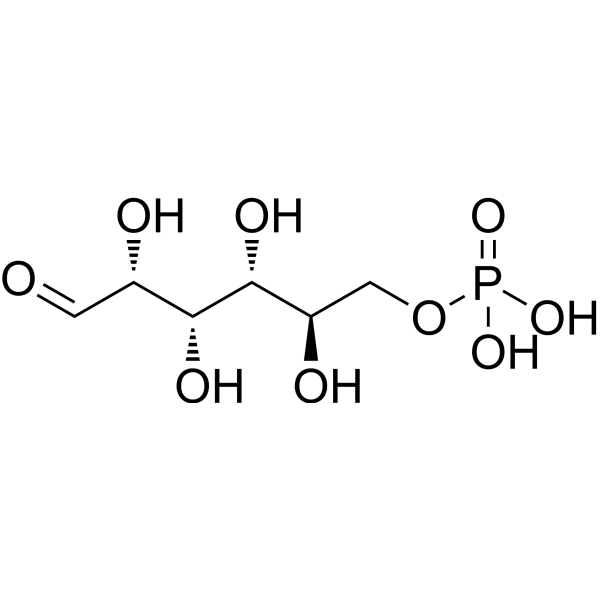
    D-Fructose 6-phosphate disodium is an endogenous metabolite. D-Fructose 6-phosphate disodium can be obtained by hydrolysis of Fructose-1,6-bisphosphatase (FBPase). D-Fructose-6-phosphate disodium is a sugar intermediate in the glycolysis pathway and the pentose phosphate pathway. D-Fructose-6-phosphate disodium can be used to detect glucosamine-6-phosphate synthase and TAL activities. D-Fructose 6-phosphate disodium can be used to study Lewy body dementia .
    D-Fructose-6-phosphate disodium
  • HY-100432
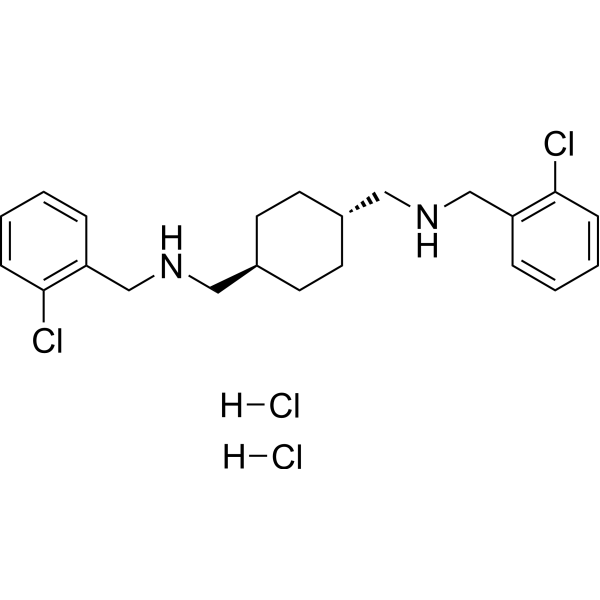
    LOC14
    4 Publications Verification

    PDI Neurological Disease Inflammation/Immunology
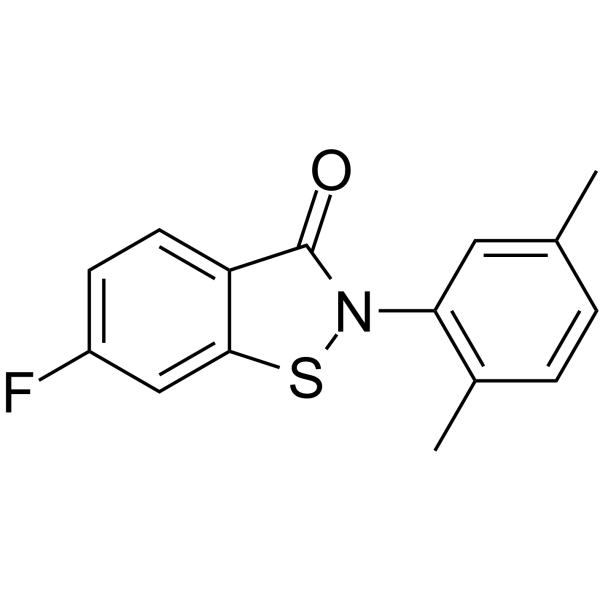
    LOC14 is a potent Protein disulfide isomerase (PDI) inhibitor with EC50 and Kd values of 500 nM and 62 nM, respectively. LOC14 exhibits high stability in mouse liver microsomes and blood plasma, low intrinsic microsome clearance, and low plasma-protein binding . LOC14 inhibits PDIA3 activity, decreases intramolecular disulfide bonds and subsequent oligomerization (maturation) of HA in lung epithelial cells .
    LOC14
  • HY-N0537
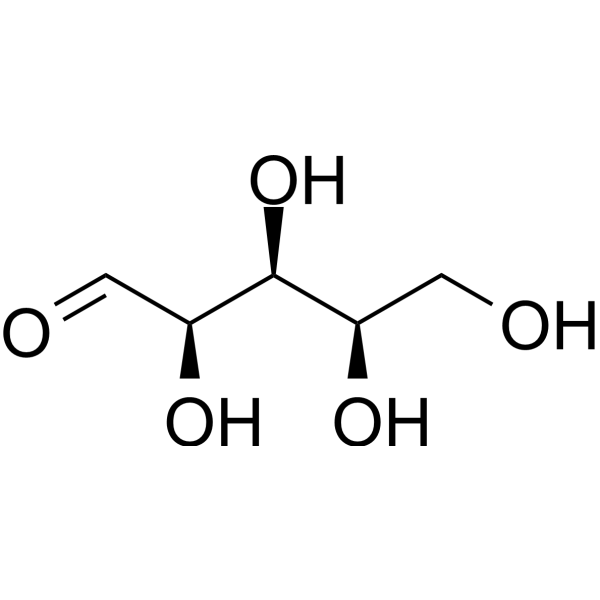
    Xylose
    5 Publications Verification

    D-(+)-Xylose; (+)-Xylose; Wood sugar

    Environmental Pollutants Endogenous Metabolite Metabolic Disease
    Xylose (D-(+)-Xylose) is a natural pentose sugar that is catalyzed by xylose isomerase to form xylulose, which is a key step in the anaerobic ethanol fermentation of Xylose. Xylose can be used by microorganisms to produce fuels, chemicals, and bulk industrial enzymes. Xylose provides the substances and energy for cells, as a carbon source for the biosynthesis of high-value chemicals and biofuel. Xylose can be used to fully explore lignocellulose resources and provide a new direction for microbia fermentation .
    Xylose
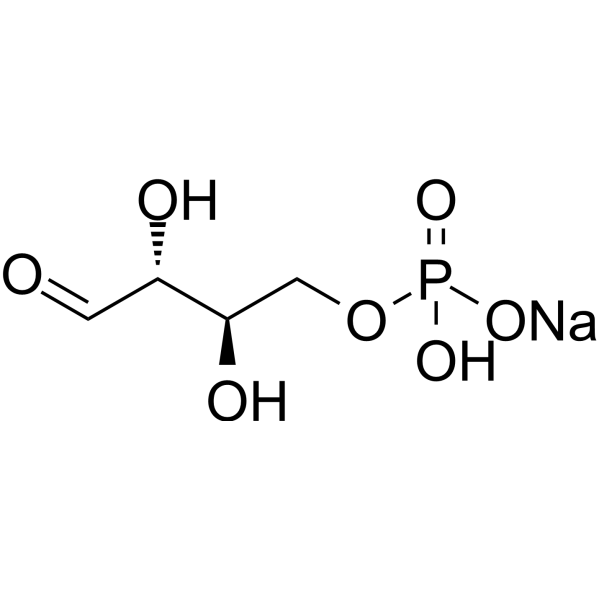
  • HY-N7386A
    D-Erythrose 4-phosphate sodium
    1 Publications Verification

    Endogenous Metabolite Metabolic Disease
    D-Erythrose 4-phosphate sodium is a phosphate sodium of the simple sugar Erythrose. Erythritol is actually converted into D-Erythrose 4-phosphate that involves three isomerases .
    D-Erythrose 4-phosphate sodium
  • HY-139361
    Sulfopin
    3 Publications Verification

    PIN1-3

    PIN1 Cancer
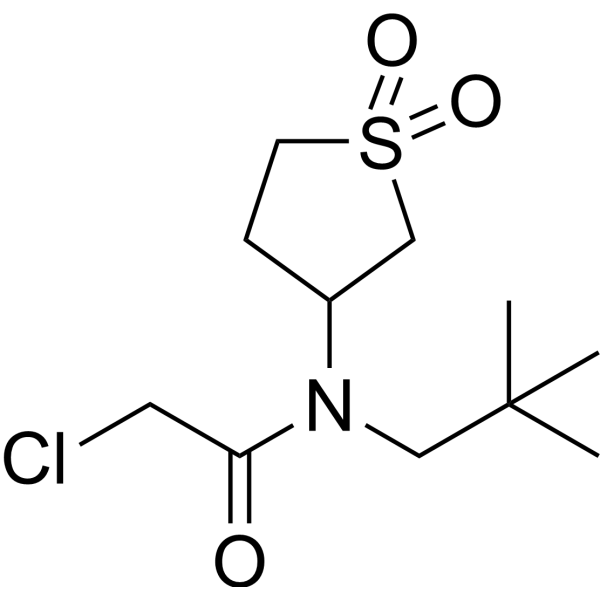
    Sulfopin (PIN1-3) is a highly selective covalent inhibitor of Pin1 with an apparent Ki of 17 nM. Sulfopin blocks Myc-driven tumors in vivo. The peptidyl-prolyl isomerase, Pin1, is exploited in cancer to activate oncogenes and inactivate tumor suppressors .
    Sulfopin
  • HY-W011184

    Endogenous Metabolite Metabolic Disease
    6-Phosphogluconic acid trisodium is a potent and competitive phosphoglucose isomerase (PGI) inhibitor with Kis of 48 μM for glucose 6-phosphate and 42 μM for fructose 6-phosphate. 6-Phosphogluconic acid trisodium is an endogenous metabolite .
    6-Phosphogluconic acid trisodium
  • HY-107420
    AY 9944
    Maximum Cited Publications
    9 Publications Verification

    Endogenous Metabolite Metabolic Disease
    AY 9944 is a specific cholesterol biosynthesis inhibitor. AY 9944 inhibits the 7-dehydro cholesterol Δ7-reductase (DHCR7) enzyme with an IC50 of 13 nM. AY 9944 causes hypocholesterolemia and accumulation of 7DHC. At high doses, AY 9944 inhibits also in cultured embryos sterol Δ7-Δ8 isomerase, which causes the accumulation of cholest-8-en-3β-ol .
    AY 9944
  • HY-151223
    D-Glyceraldehyde 3-phosphate
    1 Publications Verification

    Triose phosphate

    Endogenous Metabolite Biochemical Assay Reagents Metabolic Disease
    D-Glyceraldehyde 3-phosphate (Triose phosphate) is a common molecule in living organisms and is an important intermediate in glycolysis and gluconeogenesis, as well as a sugar product of the Calvin cycle. D-Glyceraldehyde 3-phosphate is involved in the biosynthesis of tryptophan and thiamin. D-Glyceraldehyde 3-phosphate is released as aldehyde by aldolase or triose phosphate isomerase. D-Glyceraldehyde 3-phosphate forms adducts with thiols .
    D-Glyceraldehyde 3-phosphate
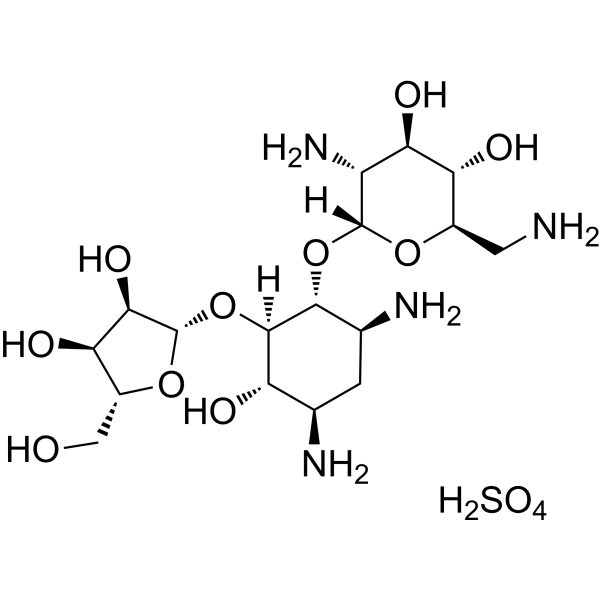
  • HY-B1228
    Ribostamycin sulfate
    1 Publications Verification

    Vistamycin sulfate

    Antibiotic PDI Infection
    Ribostamycin sulfate (Vistamycin sulfate) is a broad-spectrum aminoglycoside Antibiotic with bactericidal activity against Gram-positive cocci, Gram-negative cocci, bacilli, and drug-resistant strains. Ribostamycin sulfate also acts as an inhibitor of protein disulfide isomerase (PDI), with a binding constant KD of 319 μM for bovine PDI. Ribostamycin sulfate targets bacterial 16S ribosomal RNA and the 30S ribosomal subunit, causing translational misreading and thereby inhibiting bacterial protein synthesis. Ribostamycin sulfate disrupts the integrity of bacterial cell membranes, induces membrane pore formation, and leads to bacterial death. Ribostamycin sulfate can be used in studies related to bacterial infections .
    Ribostamycin sulfate
  • HY-123847
    KPT-6566
    1 Publications Verification

    PIN1 Cancer
    KPT-6566 is a selective and covalent prolyl isomerase PIN1 inhibitor, covalently binds to the catalytic site of PIN1, selectively inhibits and degrades PIN1. KPT-6566 shows an IC50 value of 640 nM and a Ki value of 625.2 nM for PIN1 PPIase domain. KPT-6566 can be used for the research of cancer .
    KPT-6566
  • HY-100430
    CCF642
    1 Publications Verification

    Apoptosis PDI Cancer
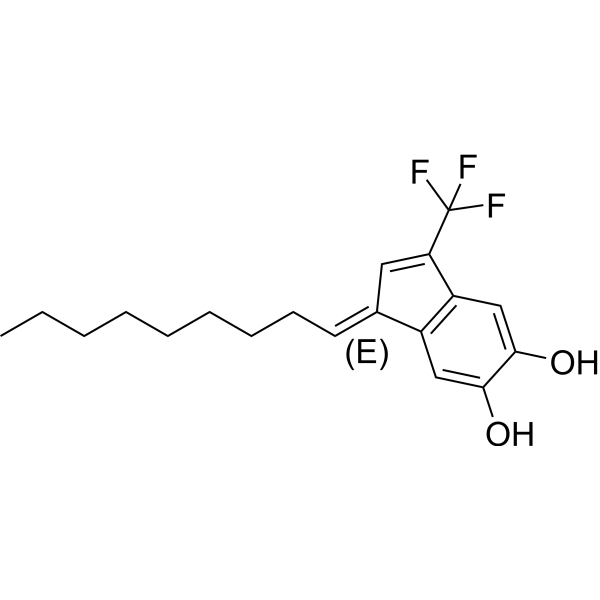
    CCF642 is a potent protein disulfide isomerases (PDI) inhibitor with an IC50 of 2.9 μM. CCF642 causes acute endoplasmic reticulum (ER) stress in multiple myeloma cells accompanied by apoptosis-inducing calcium release. CCF642 has broad anti-multiple myeloma activity .
    CCF642
  • HY-114086

    PDI Cardiovascular Disease
    ML359 is a potent, selctive and reversible inhibitor of protein disulfide isomerase (PDI), with an IC50 of 250 nM. ML359 can prevent thrombus formation in vivo .
    ML359
  • HY-162351

    Emopamil Binding Protein Metabolic Disease
    EBP-IN-1 is an orally active, blood-brain barrier-permeable inhibitor of emopamil binding protein (EBP). EBP-IN-1 has an IC50 of 8.2 μM against human ERG potassium channels (in CHO background). By inhibiting the sterol isomerase activity of EBP, EBP-IN-1 causes the accumulation of Zymostenol (HY-113345), and exhibits strong target binding in the brain after repeated administration in rodents. EBP-IN-1 also promotes oligodendrocyte formation in human cortical organoids and can be used in research related to multiple sclerosis .
    EBP-IN-1
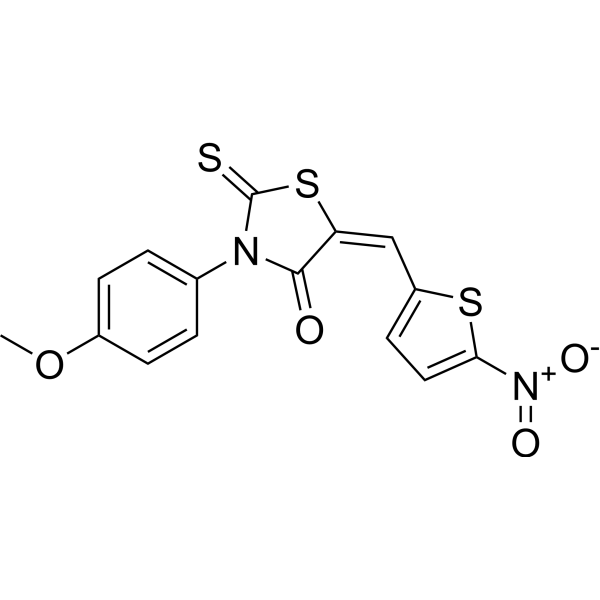
  • HY-112945
    MLS0315771
    4 Publications Verification

    Phosphomannose Isomerase (PMI) Metabolic Disease
    MLS0315771 is a potent and biologically active competitive phosphomannose isomerase (MPI) inhibitor, with an IC50 ~1 μM and a Ki of 1.4 μM.
    MLS0315771
  • HY-148077

    Fructose-1,6-bisphosphate aldolase Bacterial Fungal Infection
    Phosphoglycolohydroxamic acid is a potent aldolase and triose-phosphate isomerase inhibitor. Phosphoglycolohydroxamic acid can be used in the research of antibacterial and antifungal area .
    Phosphoglycolohydroxamic acid
  • HY-113514

    Endogenous Metabolite Metabolic Disease
    6-Phosphogluconic acid is a potent and competitive phosphoglucose isomerase (PGI) inhibitor with Kis of 48 μM for glucose 6-phosphate and 42 μM for fructose 6-phosphate. 6-Phosphogluconic acid is an endogenous metabolite .
    6-Phosphogluconic acid
  • HY-N2163

    PDI Cardiovascular Disease
    Mudanpioside C is a protein disulfide isomerase (PDI) inhibitor with a human IC50 of 3.31 μM and human Kd of 3.9 μM. Mudanpioside C suppresses collagen-induced platelet aggregation, interferes with platelet activation, adhesion, and spreading. Mudanpioside C can be used for the research of cardiovascular diseases .
    Mudanpioside C
  • HY-P4202

    Suc-AEPF-pNA

    Biochemical Assay Reagents Others
    Suc-Ala-Glu-Pro-Phe-pNA (Suc-AEPF-pNA) is a chromogenic substrate for the peptidyl-prolyl isomerase Pin1. Suc-Ala-Glu-Pro-Phe-pNA is used to evaluate the inhibitory effect of target compounds on Pin1, the catalytic activity of Pin1, and other related assays .
    Suc-Ala-Glu-Pro-Phe-pNA
  • HY-111117
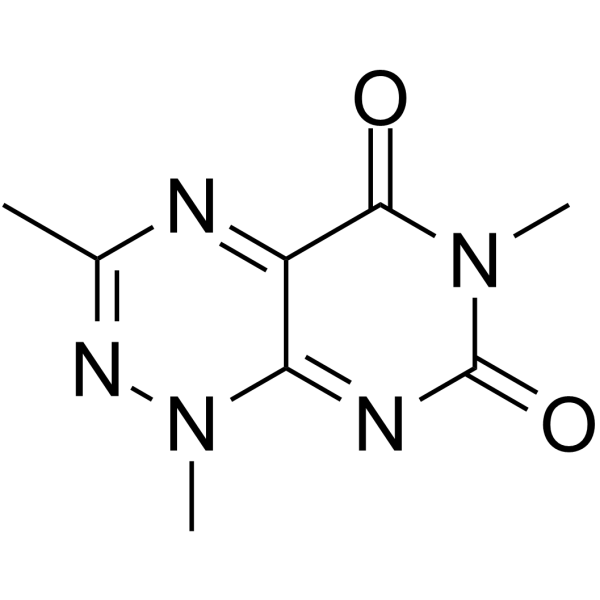
    3-Methyltoxoflavin
    1 Publications Verification

    PDI Cancer
    3-Methyltoxoflavin is a potent Protein disulfide isomerase (PDI) inhibitor, with an IC50 of 170 nM.
    3-Methyltoxoflavin
  • HY-116037

    Biochemical Assay Reagents Others
    cis-10-Heptadecenoic acid is a cis-fatty acid. cis-10-Heptadecenoic acid synthesizes polyhydroxy-chain alkanoates under the action of 2, 4-dienyl-CoA reductase and Delta3, Delta2-enyl-CoA isomerase .
    cis-10-Heptadecenoic acid
  • HY-122895
    E64FC26
    2 Publications Verification

    Apoptosis PDI Cancer
    E64FC26 is a potent pan-inhibitor of the protein disulfide isomerase (PDI) family, with IC50s of 1.9, 20.9, 25.9, 16.3, and 25.4 μM against PDIA1, PDIA3, PDIA4, TXNDC5, and PDIA6, respectively. E64FC26 shows anti-myeloma activity .
    E64FC26
  • HY-P4581

    Suc-ALPF-pNA

    FKBP Others
    Suc-Ala-Leu-Pro-Phe-pNA (Suc-ALPF-pNA) is a synthetic polypeptide substrate that targets FK506-binding protein (FKBP). Suc-Ala-Leu-Pro-Phe-pNA can be used to determine peptidyl-prolyl cis-trans isomerase activity via the chymotrypsin-coupled assay. Suc-Ala-Leu-Pro-Phe-pNA serves as a substrate for human FK506-binding protein hFKBP-12 in the chymotrypsin-FKBP coupled PPIase assay. Suc-Ala-Leu-Pro-Phe-pNA is applicable for the detection and research of PPIase activity .
    Suc-Ala-Leu-Pro-Phe-pNA
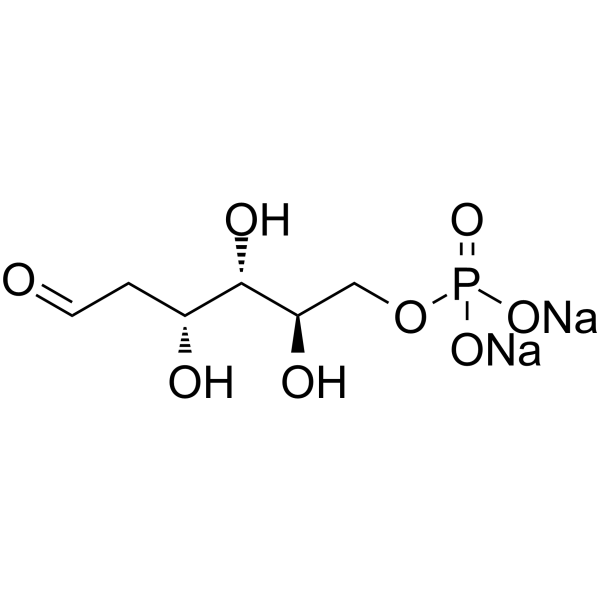
  • HY-139409A
    2-Deoxy-D-glucose 6-phosphate disodium
    2 Publications Verification

    Hexokinase Glucose-6-Phosphate Isomerase (GPI) Cancer
    2-Deoxy-D-glucose 6-phosphate disodium is an ATP-competitive, 2-deoxy-D-glucose non-competitive Hexokinase inhibitor, with a Ki value of 1.45 mM against bovine heart hexokinase. 2-Deoxy-D-glucose 6-phosphate disodium exerts ATP-competitive and 2-deoxy-D-glucose non-competitive inhibitory effects on bovine heart hexokinase. 2-DG inhibits glycolysis via the production and intracellular accumulation of 2-Deoxy-D-glucose 6-phosphate disodium, thereby inhibiting the functions of hexokinase and Glucose-6-phosphate isomerase, and inducing cell death. 2-Deoxy-D-glucose 6-phosphate disodium can be used in cancer-related research .
    2-Deoxy-D-glucose 6-phosphate disodium
  • HY-W016508

    Phosphomannose Isomerase (PMI) Others
    L-Mannose is a monosaccharide. L-Mannose can be used as the substrate of mannose-6-phosphate isomerase .
    L-Mannose
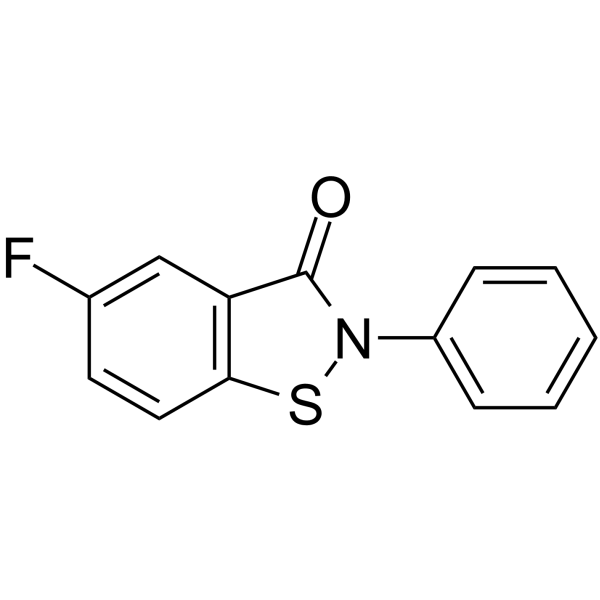
  • HY-124866

    PDI Neurological Disease
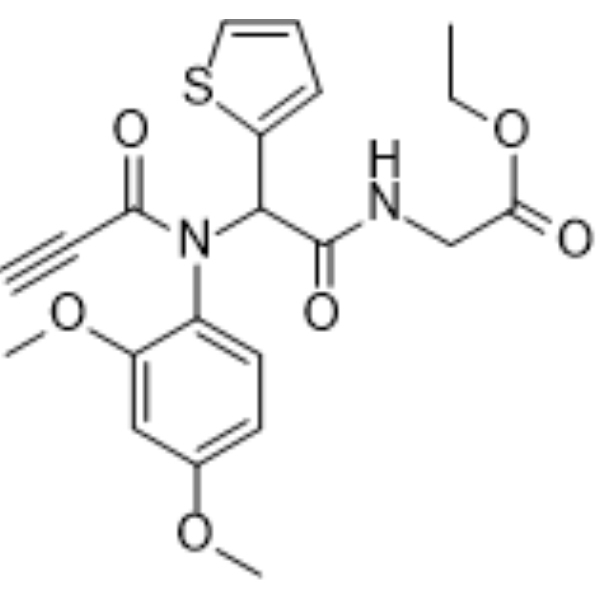
    PDI-IN-3 (compound 16F16) is a protein disulfide isomerase (PDI) inhibitor. PDI-IN-3 inhibits cell viability .
    PDI-IN-3
  • HY-P2931

    TPI

    Biochemical Assay Reagents Metabolic Disease Cancer
    Triosephosphate isomerase (TPI) is a biocatalyst that interconverts dihydroxyacetone phosphate and D-glyceraldehyde-3-phosphate. Triosephosphate isomerase utilises Glu167 as catalytic base, mediates proton shuttling, and stabilises a cis-enediolate intermediate via loop-6 and loop-7 closure to shield its catalytic site. Triosephosphate isomerase can be used for the research of triosephosphate isomerase deficiency .
    Triosephosphate isomerase
  • HY-116716
    PIN1 inhibitor API-1
    1 Publications Verification

    MicroRNA Cancer
    PIN1 inhibitor API-1 is a specific Pin1 (peptidyl-prolyl cis-trans isomerase NIMA-interacting 1) inhibitor (API-1) with an IC50 of 72.3 nM. PIN1 inhibitor API-1 directly and specifically binds to the Pin1 peptidyl-prolyl isomerase (PPIase) domain and potently inhibits Pin1 cis-trans isomerizing activity. PIN1 inhibitor API-1 retains the active conformation of pXPO5 and restores the ability of pXPO5 to transport pre-miRNAs from nucleus to cytoplasm, thus up-regulating the anticancer miRNA biogenesis to suppress both in vitro and in vivo hepatocellular carcinoma development .
    PIN1 inhibitor API-1
  • HY-157088

    Caspase Apoptosis Cyclophilin Others
    C105SR is a cyclophilin D (CypD) inhibitor targeting to peptidyl-prolylcis-trans isomerase (PPIase). C105SR inhibits mitochondrial permeability transition opening (mPTP) with an IC 50 of 5 nM. C105SR inhibits hypoxia and reoxygenation inudced hepatocyte apoptosis and increases the level of calcium retention capacity (CRC). C105SR exhibits hepaprotective effect in ischaemia-reperfusion injury (IRI) mouse model .
    C105SR
  • HY-E70308

    Endogenous Metabolite Others
    Glucose isomerase (immobilized) is glucose isomerase, which catalyzes the reversible isomerization of D-glucose and D-xylose into D-fructose and D-xylulose, respectively. Glucose isomerase (immobilized) can be used to produce fructose syrup under high-temperature conditions above 90 ℃. Glucose isomerase (immobilized) is widely distributed in prokaryotes .
    Glucose isomerase (immobilized)
  • HY-138802
    ML089
    1 Publications Verification

    Phosphomannose Isomerase (PMI) Metabolic Disease
    ML089 is a potent, selective, and orally available phosphomannose isomerase (PMI) inhibitor with an IC50 of 1.3 µM. ML089 can be used for the research of congenital disorder of glycosylation Ia .
    ML089
  • HY-N6841
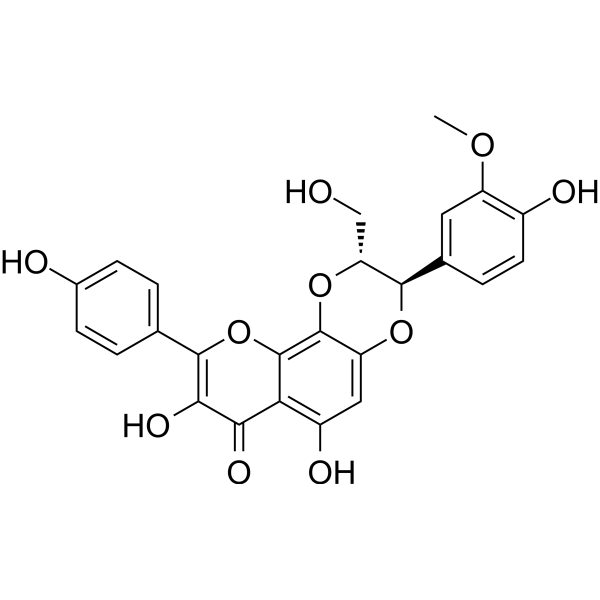
    Rhodiolin
    1 Publications Verification

    Glucose-6-Phosphate Isomerase (GPI) Casein Kinase Virus Protease Flavivirus PI3K Akt mTOR Apoptosis Infection Cancer
    Rhodiolin, a flavonoid, is an orally active glucose 6-phosphate isomerase (GPI) inhibitor. Rhodiolin inhibits papillary thyroid cancer (PTC) by targeting glycolysis enzyme glucose 6-phosphate isomerase GPI and suppressing PI3K/AKT/mTOR phosphorylation and induce apoptosis. Rhodiolin as a NS2B-NS3 protease inhibitor can disrupt dengue viral replication. Rhodiolin is also a potential candidate for developing anticancer strategies inhibiting CK1ε kinase. Rhodiolin can be used for the study of anti-tumor and anti-viral .
    Rhodiolin
  • HY-122895A

    Apoptosis PDI Cancer
    (E/Z)-E64FC26 is a mixture complex of E-E64FC26 and Z-E64FC26. E64FC26 (E-E64FC26) is a potent pan-inhibitor of the protein disulfide isomerase (PDI) family, with IC50s of 1.9, 20.9, 25.9, 16.3, and 25.4 μM against PDIA1, PDIA3, PDIA4, TXNDC5, and PDIA6. E64FC26 shows anti-myeloma activity .
    (E/Z)-E64FC26
  • HY-W040141

    Endogenous Metabolite Metabolic Disease
    L-Arabinitol is a potential biomarker for the comsuption of the food products such as sweet potato, deerberry, moth bean, and is also associated with Alzheimer's disease and ribose-5-phosphate isomerase deficiency.
    L-Arabinitol
  • HY-110172

    PDI Cancer
    PDI-IN-1 (Compound P1) is a cell-permeable human protein disulfide isomerase (PDI) inhibitor with an IC50 of 1.7 μM. PDI-IN-1 has anti-cancer activity.
    PDI-IN-1
  • HY-128033

    Environmental Pollutants Fungal Infection
    Fenpropimorph is a fungicide that inhibits the sterol pathway. Fenpropimorph inhibits δ8-δ7-sterol isomerase in yeast at low concentrations, with δ14-sterol reductase being blocked at higher levels, preventing the biosynthesis of ergosterol. Fenpropimorph also inhibits sterol synthesis in certain plants and mammalian cells .
    Fenpropimorph
  • HY-P2918

    GPI; Phosphoglucose isomerase

    Endogenous Metabolite Metabolic Disease Cancer
    Phosphoglucose Isomerase, Rabbit muscle (GPI), i.e., phosphoglucose isomerase/phosphoglucoisomerase (PGI) or phosphohexose isomerase (PHI), is often used in biochemical studies. Glucose 6-phosphate isomeras is a highly conserved glycolytic and dimeric enzyme. Glucose 6-phosphate isomeras catalyzes the reversible isomerization of glucose-6-phosphate to fructose-6-phosphate .
    Phosphoglucose Isomerase, Rabbit muscle
  • HY-13751

    Sigma Receptor Inflammation/Immunology
    SR-31747 is a sigma ligand with immunosuppressive and anti-inflammatory properties. SR-31747 blocks cell proliferation by inhibiting sterol isomerase .
    SR-31747
  • HY-124890

    Phosphomannose Isomerase (PMI) Glucose-6-Phosphate Isomerase (GPI) Metabolic Disease
    Thr101 is an inhibitor (IC50=2.9 μM) of phosphomannose isomerase (PMI).PMI can compete with phosphomannose mutase 2 (PMM2) for the binding site of Man-6-P and convert mannose-6-phosphate (Man-6-P) into fructose-6-phosphate (Fru-6-P) .Thr101 only specifically inhibits PMI and not PMM2. Thr101 can be used for research of congenital disorder of glycosylation type Ia (CDG-Ia) .
    Thr101
  • HY-161794A

    FKBP Cancer
    SP3N hydrochloride is a specific degrader of the prolyl isomerase (FKBP12). The alkylamine of SP3N hydrochloride is metabolized to a reactive aldehyde (SP3CHO), which recruits the SCF FBXO22 ligase for FKBP12 degradation. SP3N hydrochloride may be used in research for cancer .
    SP3N hydrochloride
  • HY-E70075

    GDH-TIM; GDH-TPI

    Transketolase Metabolic Disease
    α-Glycerophosphate Dehydrogenase-Triosephosphate (GDH-TIM) is an enzyme mixture composed of glycerol phosphate dehydrogenase (GDH) and triphosphate isomerase (TIM). α-Glycerophosphate Dehydrogenase-Triosephosphate can be used to determine the activity of transketolase (TK) in hemolytic substances of red blood cells to evaluate vitamin B deficiency .
    α-Glycerophosphate Dehydrogenase-Triosephosphate
  • HY-113317

    Endogenous Metabolite Cardiovascular Disease
    L-Xylulose is an endogenous metabolite present in Blood, Cerebrospinal_Fluid and Urine that can be used for the research of Ribose 5 Phosphate Isomerase Deficiency .
    L-Xylulose
  • HY-113375
    D-Ribofuranose
    1 Publications Verification

    D-Ribose

    Endogenous Metabolite Cardiovascular Disease
    D-Ribofuranose (D-Ribose) is an endogenous metabolite present in Cerebrospinal_Fluid that can be used for the research of Ribose 5 Phosphate Isomerase Deficiency and Medium Chain Acyl Co A Dehydrogenase Deficiency .
    D-Ribofuranose
  • HY-167805

    Biochemical Assay Reagents
    D-Glucose 6-phosphate potassium is a biologically active compound that has the activity of being a substrate for glucose-6-phosphate isomerase. D-Glucose 6-phosphate potassium can participate in the sugar metabolism process and promote the production and utilization of energy in cells.
    D-Glucose 6-phosphate potassium
  • HY-P2927

    PDI Cardiovascular Disease
    Protein disulfide isomerase is a prototypic thiol isomerase that catalyzes the formation and cleavage of thiol-disulfide bonds during protein folding in the endoplasmic reticulum (ER). Protein disulfide isomerase can be used for the study of cardiovascular diseases .
    Protein disulfide isomerase
  • HY-170655

    PDI Integrin Cardiovascular Disease
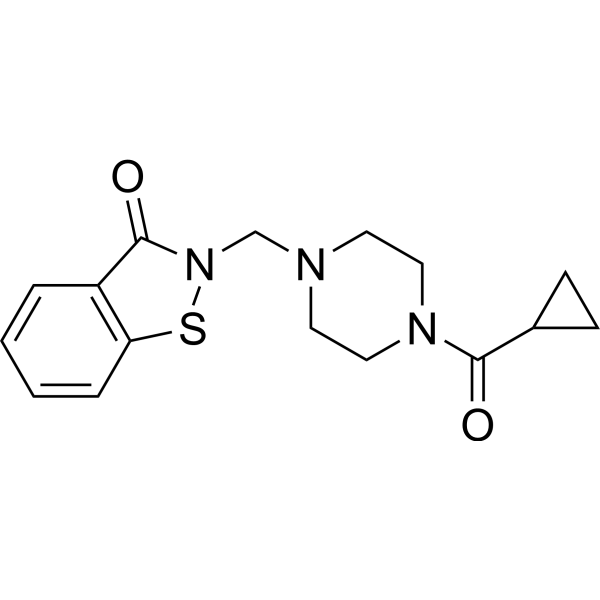
    PDI-IN-4 (Compound 14d) is an inhibitor of protein disulfide isomerase, with an IC50 value of 0.48 μM. PDI-IN-4 suppresses platelet aggregation and thrombus formation by attenuating GPIIb/IIIa activation without significantly causing cytotoxicity. PDI-IN-4 can be used in research on thrombosis .
    PDI-IN-4
  • HY-W011184R

    Reference Standards Endogenous Metabolite Metabolic Disease
    6-Phosphogluconic acid trisodium (Standard) is the analytical standard of 6-Phosphogluconic acid trisodium (HY-W011184). This product is intended for research and analytical applications. 6-Phosphogluconic acid trisodium is a potent and competitive phosphoglucose isomerase (PGI) inhibitor with Kis of 48 μM for glucose 6-phosphate and 42 μM for fructose 6-phosphate. 6-Phosphogluconic acid trisodium is an endogenous metabolite.
    6-Phosphogluconic acid trisodium (Standard)
  • HY-E70022

    Others Others
    D-Mannose isomerase (PsMaSeAF) is a carbohydrate isomerase catalyzing the reversible isomerization of d-mannose to d-fructose. D-Mannose isomerase (PsMaSeAF) belongs to the N-acylglucosamine 2-epimerase (AGE) superfamily along with AGE, cellobiose 2-epimerase (CE), and aldose-ketose isomerase (AKI) .
    D-Mannose isomerase (PsMaSeAF)
  • HY-130588A

    GSAO TFA

    Mitochondrial Metabolism Cancer
    Glutathione arsenoxide (GSAO) TFA is a potential anticancer agent and a tumour metabolism inhibitor. Glutathione arsenoxide TFA targets Mitochondrial endomycin nucleotide transferase (ANT). Glutathione arsenoxide TFA causes cell proliferation arrest and cell death. Glutathione arsenoxide TFA can be used to identify cell-surface proteins, such as Protein disulphide isomerase .
    Glutathione arsenoxide TFA
  • HY-P4359

    PIN1 Others
    Suc-AEPF-AMC is a peptide substrate of Pin1 and Par14 peptidyl prolyl isomerase .
    Suc-AEPF-AMC

Inquiry Online

Your information is safe with us. * Required Fields.

Salutation


Country or Region *

Applicant Name *


Organization Name *

Department *


Email Address *


Product Name *

Cat. No.


Requested quantity *

Phone Number *


Remarks

Inquiry Online

Inquiry Information

Product Name:
Cat. No.:
Quantity:
MCE Japan Authorized Agent:

