

1. Search Result
Search Result
Results for "

locomotor activity

" in MedChemExpress (MCE) Product Catalog:

75

Inhibitors & Agonists

11

Peptides

5

Natural
Products

2

Isotope-Labeled Compounds

Cat. No. Product Name Target Research Areas Chemical Structure
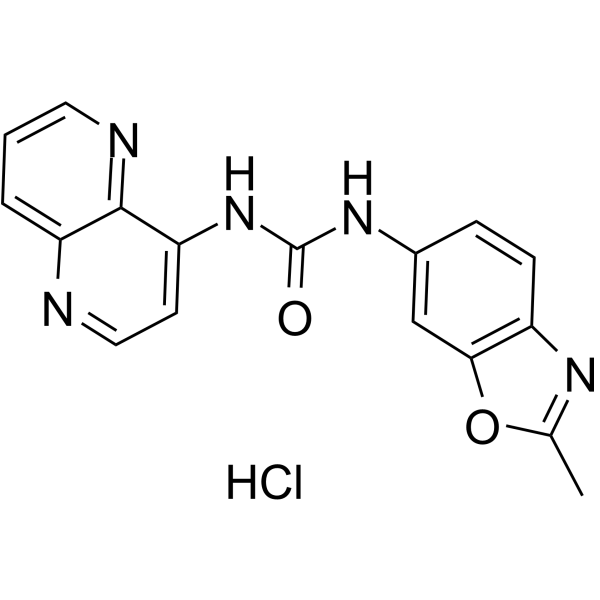
  • HY-10895
    SB-334867
    Maximum Cited Publications
    10 Publications Verification

    SB 334867A

    Orexin Receptor (OX Receptor) Neurological Disease Endocrinology
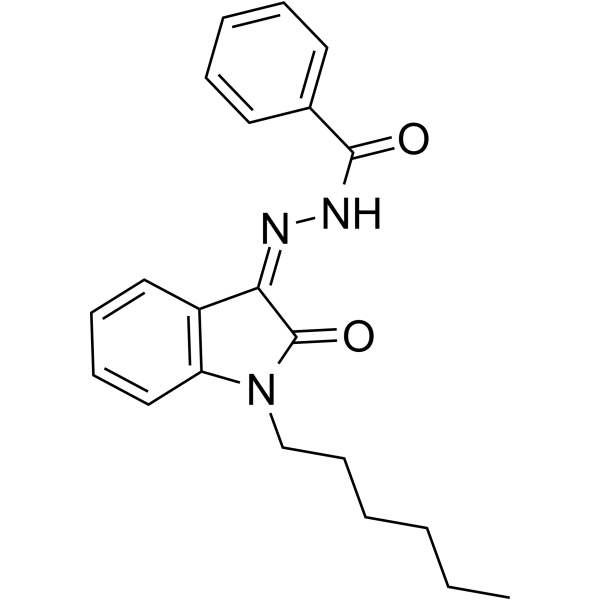
    SB-334867 (SB 334867A) is an excellent,selective and blood-brain barrier permeable orexin-1 (OX1) receptor antagonist, shows selectivity over OX2 (pKb=7.4), 100-fold over 5-HT2B, 5-HT2C with pKi values of 5.4 and 5.3, respectively . SB-334867 reduces ethanol consumption and inhibits the acquisition of morphine-induced sensitization to locomotor activity in vivo .
    SB-334867
  • HY-W011689
    6PPD
    1 Publications Verification

    Reactive Oxygen Species (ROS) Others
    6PPD is a rubber antioxidant that scavenges ozone and forms nitro radicals. Exposure to 6PPD reduces the hatching rate, impairs spontaneous locomotor activity, shortens body length and causes malformations in zebrafish embryos. 6PPD also induces oxidative stress in zebrafish embryos .
    6PPD
  • HY-W013150

    GABA Receptor Neurological Disease
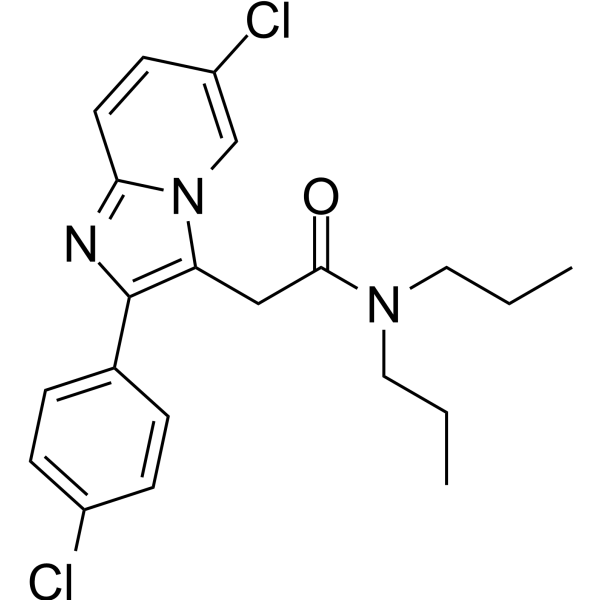
    Alpidem, an anxiolytic agent, is an orally active and brain-penetrant GABAA receptor ligand, binds to α1β2γ2 subunit-containing GABAA receptors (IC50 of 17 nM) over α5β2γ2 subunit-containing GABAA receptors (IC50 of >10 μM). Alpidem modulates calcium-induced mitochondrial permeability transition, induces glutathione depletion and hepatocyte necrosis, potentiates TNF-α toxicity, inhibits marble-burying and locomotor activity, enhances stressed rodent feeding behavior, and exerts anticonvulsant effects. Alpidem can be used for the research of anxiety, anxiety disorders, and convulsions .
    Alpidem
  • HY-10895A
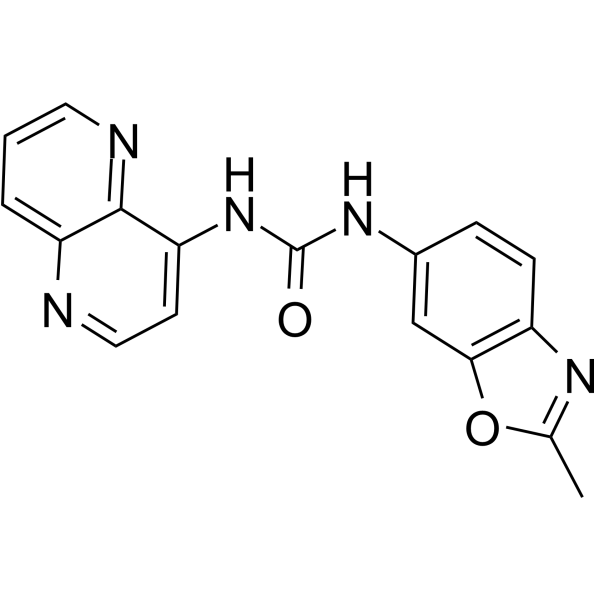
    SB-334867 free base
    Maximum Cited Publications
    10 Publications Verification

    SB334867A free base

    Orexin Receptor (OX Receptor) Neurological Disease Endocrinology
    SB-334867 free base (SB334867A free base) is an excellent, selective and blood–brain barrier permeable orexin-1 (OX1) receptor antagonist, shows selectivity over OX2 (pKb=7.4), 100-fold over 5-HT2B, 5-HT2C with pKi values of 5.4 and 5.3, respectively . SB-334867 reduces ethanol consumption and inhibits the acquisition of morphine-induced sensitization to locomotor activity in vivo .
    SB-334867 free base
  • HY-15451
    MDA 19
    2 Publications Verification

    BZO-HEXOXIZID

    Cannabinoid Receptor Neurological Disease
    MDA 19 is a potent and selective agonist of human cannabinoid receptor 2 (CB2), with a Ki of 43.3 nM. MDA 19 has antiallodynic effects in a rat model of neuropathic pain and does not affect rat locomotor activity .
    MDA 19
  • HY-117771
    DO34
    5 Publications Verification

    DAGL Neurological Disease Metabolic Disease
    DO34 is a selective DAGL inhibitor, with an IC50 of 6 nM for DAGLα conversion of SAG to 2-AG. DO34 blocks de novo 2-AG synthesis, and suppresses tonic CB1 receptor activation. DO34 blocks depolarization-induced suppression of excitation and inhibition in the cerebellum and hippocampus. DO34 regulates feeding behavior and locomotor activity in mice. DO34 abolishes AM251-mediated enhancement of parallel fiber-evoked excitatory postsynaptic currents in cerebellar slices from MAGL global knockout mice. DO34 can be used for the research of energy balance disorder and neuroinflammation .
    DO34
  • HY-A0277

    Environmental Pollutants Fungal Others
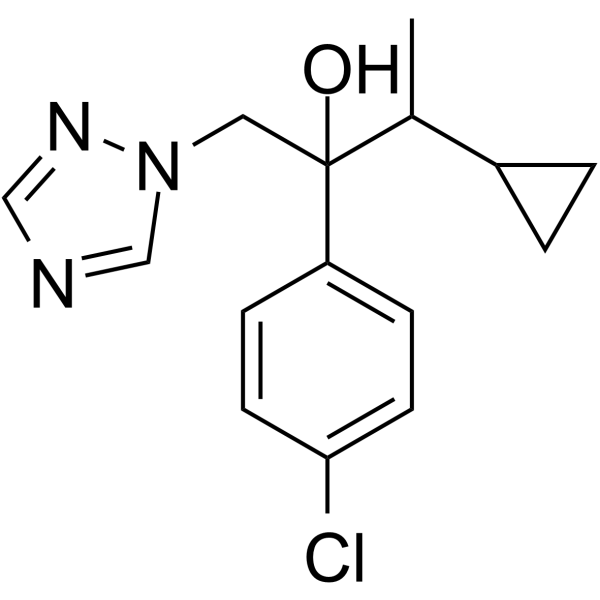
    Cyproconazole is a triazole fungicide used to protect crops, fruits and vegetables against a wide range of fungal pathogens. Cyproconazole can cause hepatocellular adenomas and carcinomas in CD-1 mice. Cyproconazole also exhibits low toxicity to zebrafish embryos and affects locomotor activity .
    Cyproconazole
  • HY-12707
    Piribedil
    1 Publications Verification

    Dopamine Receptor Adrenergic Receptor Histone Methyltransferase Neurological Disease Endocrinology Cancer
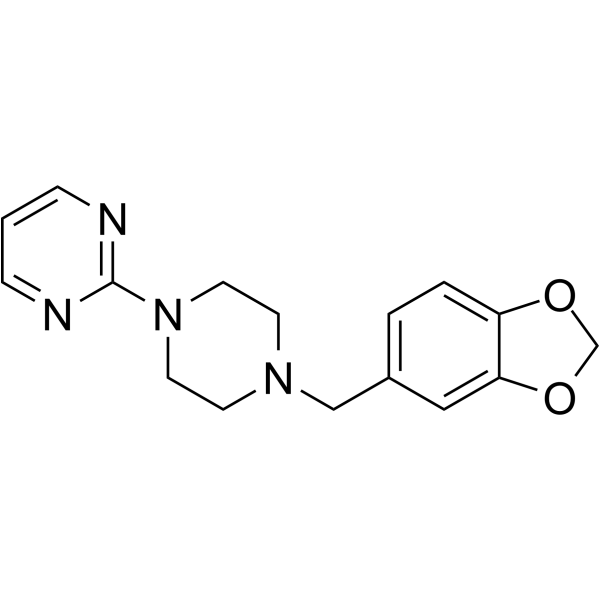
    Piribedil is a potent and orally active dopamine D2 and dopamine D3 agonist. Piribedil is also a α2-adrenoceptors antagonist. Piribedil can inhibit MLL1 methyltransferase activity (EC50: 0.18 μM). Piribedil has the potential for the research of parkinson's disease, circulatory disorders, cancers .
    Piribedil
  • HY-172550

    HCN Channel Neurological Disease
    MS7710 is a hyperpolarization-activated cyclic nucleotide-gated (HCN) channel inhibitor with blood-brain barrier permeability and an excellent brain/plasma concentration ratio. MS7710 inhibits HCN channel-mediated Ih current, and reduces the firing frequency and burst activity of dopaminergic neurons in the ventral tegmental area. MS7710 ameliorates chronic social defeat stress-induced deficits in social interaction and impairments in reward-related cognitive flexibility in mice. MS7710 exerts only limited effects on ventral tegmental area dopaminergic neuron activity, social interaction, exploratory behavior, locomotor activity or sucrose preference in control mice. MS7710 is applicable to the research of major depressive disorder .
    MS7710
  • HY-113357

    Endogenous Metabolite Neurological Disease Metabolic Disease Inflammation/Immunology
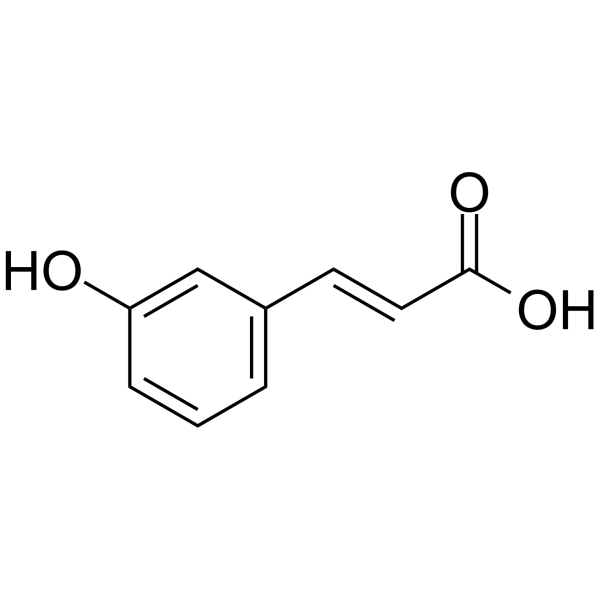
    m-Coumaric acid is a polyphenol metabolite from caffeic acid, formed by the gut microflora and the amount in human biofluids is diet-dependant. m-Coumaric acid is a BBB-penetrant metabolite of chlorogenic acid. m-Coumaric acid stimulates the cerebral nerves in vitro. m-Coumaric acid can evoke neurite outgrowth in hippocampal neuronal cells. m-Coumaric acid can promote neuronal differentiation. m-Coumaric acid increases spontaneous locomotor activity in mice by acting on the central nervous system. m-Coumaric acid inhibits the oxidation of L-dopa by epidermis tyrosinase. m-Coumaric acid attenuates non-catalytic protein glycosylation in retinas of diabetic rats .
    m-Coumaric acid
  • HY-171844

    iGluR Neurological Disease Inflammation/Immunology
    CX1739 is an orally active, blood-brain barrier permeable, low-efficacy AMPA-glutamate receptor (AMPAR) potentiator. CX1739 enhances excitatory neurotransmission by potentiating glutamate-induced excitatory currents and promoting in vivo long-term potentiation. CX1739 eliminates amphetamine-induced locomotor activity, reverses opioid-, pentobarbital- and ethanol-induced respiratory depression, and exerts pro-cognitive effects in animals. CX1739 impairs motor function recovery and increases the risk of post-injury complications. CX1739 can be used in research related to attention-deficit/hyperactivity disorder, dementia, respiratory depression and spinal cord injury .
    CX1739
  • HY-168773

    EAAT Neurological Disease
    (R)-AS-1 is a selective positive allosteric modulator of the excitatory amino acid transporter 2 (EAAT2), with an EC50 of 11 nM. (R)-AS-1 (at doses of 60 and 90 mg/kg) increases spontaneous locomotor activity in mice. Additionally, it demonstrates anticonvulsant activity in mouse models of seizures induced by maximal electroshock (MES), pentylenetetrazole (PTZ), or electrical stimuli (32 or 44 mA), with ED50s of 66.3, 36.3, 15.6, and 41.6 mg/kg, respectively. (R)-AS-1 can be used in neurological disease research .
    (R)-AS-1
  • HY-118301

    GABA Receptor 5-HT Receptor Neurological Disease
    ADX71441 is an orally active, blood-brain barrier penetrant positive allosteric modulator of GABAB receptor. ADX71441 potentiates the activity of endogenous GABA at GABAB receptor, with an EC50 of 96 nM. ADX71441 functionally inhibits adenosine transporters and 5-HT2B receptor. ADX71441 produces anxiolytic-like, analgesic, muscle relaxant, hypothermic and overactive bladder inhibitory effects, reduces acute locomotor activity levels, decreases voluntary intake of alcohol and saccharin, attenuates stress-induced neuronal activation, and exhibits anti-hyperalgesic activity .
    ADX71441
  • HY-102062A
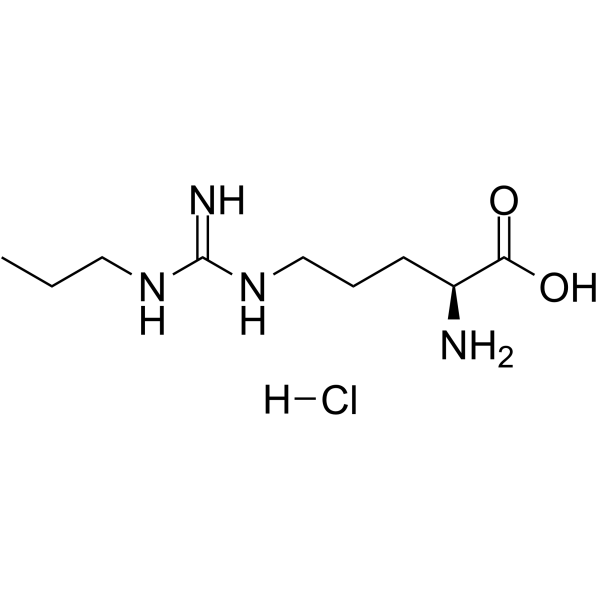
    Nω-Propyl-L-arginine hydrochloride
    1 Publications Verification

    N-omega-Propyl-L-arginine hydrochloride

    NO Synthase Neurological Disease
    Nω-Propyl-L-arginine (N-omega-Propyl-L-arginine) hydrochloride is a potent, competitive, and highly selective inhibitor of neuronal nitric oxide synthase (nNOS), with a Ki of 57 nM. Nω-Propyl-L-arginine hydrochloride displays a 149-fold selectivity for nNOS over endothelial NOS (eNOS) .
    Nω-Propyl-L-arginine hydrochloride
  • HY-102062
    Nω-Propyl-L-arginine
    1 Publications Verification

    N-omega-Propyl-L-arginine

    NO Synthase Neurological Disease
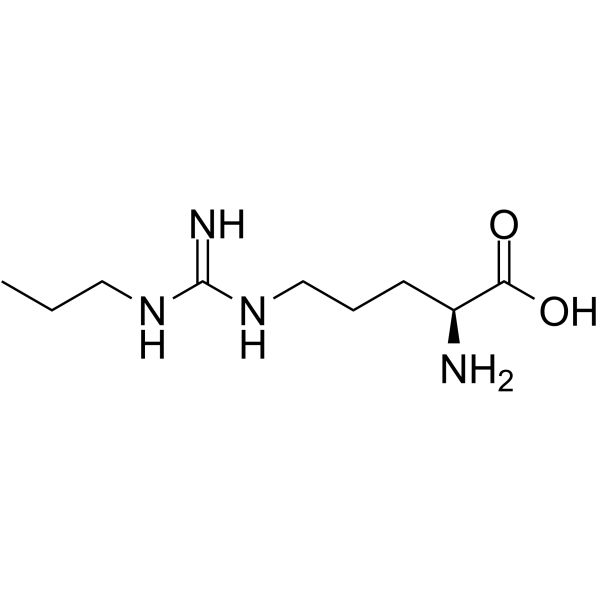
    Nω-Propyl-L-arginine (N-omega-Propyl-L-arginine) is a potent, competitive, and highly selective inhibitor of neuronal nitric oxide synthase (nNOS), with a Ki of 57 nM. Nω-Propyl-L-arginine displays a 149-fold selectivity for nNOS over endothelial NOS (eNOS) .
    Nω-Propyl-L-arginine
  • HY-B0265A

    (R)-BAY-e 9736

    Calcium Channel Cardiovascular Disease Neurological Disease
    (R)-Nimodipine ((R)-BAY-e 9736) is an orally active, blood-brain barrier-permeable L-type calcium channel blocker with an IC50 of 5 nM. (R)-Nimodipine inhibits corticosterone release by blocking calcium channels on the hypothalamic-pituitary-adrenal axis, thereby reversing immobilization stress-induced memory impairment and behavioral abnormalities. (R)-Nimodipine is widely used in studies related to aneurysmal subarachnoid hemorrhage, cerebral ischemia, epilepsy, age-related degenerative neurological diseases, and alcohol intoxication .
    (R)-Nimodipine
  • HY-P1329A
    CTOP TFA
    1 Publications Verification

    Opioid Receptor Neurological Disease
    CTOP TFA is a potent and highly selective μ-opioid receptor antagonist. CTOP TFA antagonizes the acute analgesic effect and hypermotility. CTOP TFA enhances extracellular dopamine levels in the nucleus accumbens. CTOP TFA dose-dependently enhances locomotor activity .
    CTOP TFA
  • HY-108510

    BW 234U dihydrochloride

    Sigma Receptor Dopamine Receptor Neurological Disease Cancer
    Rimcazole (BW 234U) dihydrochloride is a carbazole derivative that acts in part as a sigma (σ) receptor antagonist. Rimcazole dihydrochloride also binds with moderate affinity to the dopamine transporter and inhibit dopamine uptake. Rimcazole dihydrochloride can reduce locomotor activity and sensitization. Rimcazole dihydrochloride also can be used for the research of cancer .
    Rimcazole dihydrochloride
  • HY-W015616

    4-Penylbutan-2-one

    Environmental Pollutants Tyrosinase Infection Metabolic Disease
    Benzylacetone (4-Penylbutan-2-one) is an aromatic compound. Benzylacetone is a mushroom tyrosinase inhibitor with an IC50 of 2.8 mM, a Ki of 1.25 mM for monophenolase and an IC50 of 0.6 mM, a Ki of 0.39 mM for diphenolase. Benzylacetone inhibits free mushroom tyrosinase and enzyme-substrate complex. Benzylacetone acts as an appetite enhancer via olfactory stimulation, reduces spontaneous locomotor activity, induces weight gain. Benzylacetone exhibits repellent, fumigant, and contact toxicity against Tribolium castaneum adults .
    Benzylacetone
  • HY-101102

    Dopamine Receptor Neurological Disease
    7-Hydroxy-DPAT hydrobromide is a selective D3 dopamine receptor agonist, exhibiting significant pharmacological activity in modulating locomotor behavior and dopamine metabolism within the brain.
    7-Hydroxy-DPAT hydrobromide
  • HY-145454

    (+)-3-PPP

    Dopamine Receptor Neurological Disease
    (R)-Preclamol is a dopamine (DA) agonist with autoreceptor as well as postsynaptic receptor stimulatory properties. (R)-Preclamol inhibits the locomotor activity of mice and rats in low doses .
    (R)-Preclamol
  • HY-P1329

    Opioid Receptor Neurological Disease
    CTOP is a potent and highly selective μ-opioid receptor antagonist. CTOP antagonizes the acute morphine-induced analgesic effect and hypermotility. CTOP enhances extracellular dopamine levels in the nucleus accumbens. CTOP dose-dependently enhances locomotor activity .
    CTOP
  • HY-P10405A

    Dopamine Receptor Neurological Disease
    TAT-D1 peptide acetate is a dopamine D1-D2 receptor heterodimer inhibitor. TAT-D1 peptide acetate disrupts the function of dopamine D1-D2 receptor heteromers, enhances subchronic amphetamine-induced locomotor activity, and exacerbates the expression of amphetamine-induced locomotor sensitization. TAT-D1 peptide acetate produces rapid anxiolytic and antidepressant-like effects in rat models of depression and anxiety, and inhibits c-fos expression in the nucleus accumbens of rats. TAT-D1 peptide acetate can be used in the research of psychostimulant addiction, depression and anxiety disorders .
    TAT-D1 peptide acetate
  • HY-A0277R

    Reference Standards Fungal Others
    Cyproconazole (Standard) is the analytical standard of Cyproconazole. This product is intended for research and analytical applications. Cyproconazole is a triazole fungicide used to protect crops, fruits and vegetables against a wide range of fungal pathogens. Cyproconazole can cause hepatocellular adenomas and carcinomas in CD-1 mice. Cyproconazole also exhibits low toxicity to zebrafish embryos and affects locomotor activity .
    Cyproconazole (Standard)
  • HY-172587

    Cannabinoid Receptor Neurological Disease
    CB1R Allosteric modulator 5 (compound 3) is a selective, and blood-brain barrier (BBB) permeable Cannabinoid receptor type 1 allosteric modulator with a pIC50 of 6.89. CB1R Allosteric modulator 5 attenuates both cocaine-seeking behavior specific to cue-induced reinstatement and cocaine-induced behavioral sensitization without altering locomotor activity .
    CB1R Allosteric modulator 5
  • HY-113357R

    Reference Standards Endogenous Metabolite Neurological Disease Inflammation/Immunology
    m-Coumaric acid (Standard) is the analytical standard of m-Coumaric acid. This product is intended for research and analytical applications. m-Coumaric acid is a polyphenol metabolite from caffeic acid, formed by the gut microflora and the amount in human biofluids is diet-dependant. m-Coumaric acid is a BBB-penetrant metabolite of chlorogenic acid. m-Coumaric acid stimulates the cerebral nerves in vitro. m-Coumaric acid can evoke neurite outgrowth in hippocampal neuronal cells. m-Coumaric acid can promote neuronal differentiation. m-Coumaric acid increases spontaneous locomotor activity in mice by acting on the central nervous system. m-Coumaric acid inhibits the oxidation of L-dopa by epidermis tyrosinase. m-Coumaric acid attenuates non-catalytic protein glycosylation in retinas of diabetic rats .
    m-Coumaric acid (Standard)
  • HY-160718

    ABT-431; DAS-431

    Dopamine Receptor Neurological Disease
    Adrogolide is an A-86929 (HY-171472) prodrug and dopamine D1 receptor agonist. Adrogolide is converted rapidly in plasma to A-86929. Adrogolide improves behavioral disability and locomotor activity scores. Adrogolide can also attenuate the ability of Cocaine to induce Cocaine-seeking behavior. Adrogolide can be used in the research of Parkinson's disease .
    Adrogolide
  • HY-107751

    SNC86

    Opioid Receptor Neurological Disease
    BW373U86 (SNC86) is a δ-opioid receptor agonist with an IC50 of 1.49 nM. BW373U86 shows antidepressant-like effects .
    BW373U86
  • HY-107055

    Dopamine Transporter Neurological Disease
    RTI 336 is a phenyltropane analog, as well as a potent and selective dopamine transporter (DAT) inhibitor. RTI 336 inhibits addictive agent induced locomotor activity and self-administration in Lewis rats. RTI 336 exhibits inhibitory effects depending on inherent NAc DAT levels .
    RTI 336
  • HY-P10405

    Dopamine Receptor Neurological Disease
    TAT-D1 peptide is a dopamine D1-D2 receptor heterodimer inhibitor. TAT-D1 peptide disrupts the function of dopamine D1-D2 receptor heteromers, enhances subchronic amphetamine-induced locomotor activity, and exacerbates the expression of amphetamine-induced locomotor sensitization. TAT-D1 peptide produces rapid anxiolytic and antidepressant-like effects in rat models of depression and anxiety, and inhibits c-fos expression in the nucleus accumbens of rats. TAT-D1 peptide can be used in the research of psychostimulant addiction, depression and anxiety disorders .
    TAT-D1 peptide
  • HY-134015

    7-OH-DPAT

    Dopamine Receptor Neurological Disease
    7-Hydroxy-DPAT (7-OH-DPAT) is a selective D3 dopamine receptor agonist. 7-Hydroxy-DPAT exhibits significant pharmacological activity in modulating locomotor behavior and dopamine metabolism within the brain. 7-Hydroxy-DPAT can be used for the research of neurological disease .
    7-Hydroxy-DPAT
  • HY-123440

    Dopamine Receptor Neurological Disease
    S3608 is an atypical dopamine agonist. S3608 dose dependently increase locomotor activity (LA) in rats .
    S3608
  • HY-A0139

    NSC 108165; Navan; Navane

    Sigma Receptor mAChR Histamine Receptor Dopamine Receptor Adrenergic Receptor Others
    Thiothixene is a typical antipsychotic. It selectively binds to dopamine D2 over D1, D3, and D4 receptors (Kis=0.417, 338, 186.2, and 363.1 nM, respectively). Thiothixene also binds to various serotonin (5-HT), histamine H1, α1- and α2-adrenergic, muscarinic acetylcholine, and sigma receptors (Kis=15-5,754 nM) as well as the dopamine, norepinephrine, and serotonin transporters (Kis=3.16-30 μM). In vivo, thiothixene reduces spontaneous and amphetamine-induced locomotor activity in rats. It enhances latent inhibition, as measured by a decreased lick latency in response to light and foot shock stimuli, which is a measure of selective attention in rats.3 Thiothixene also increases competitive behavior in submissive mice, indicating antidepressant-like behavior.
    Thiothixene
  • HY-121775

    Dopamine Receptor Neurological Disease
    F-00217830 is an agonist ofDopamine D2 receptor. PF-00217830 inhibits of spontaneous locomotor activity and 2,5-dimethoxy-4-iodoamphetamine-induced head twitches in rats .
    PF-00217830
  • HY-168365

    Drug Isomer Neurological Disease
    (±)-Pellotine hydrochloride (Compound 2) is an alkaloid, which is found in L. diffusa and L. fricii. (±)-Pellotine hydrochloride decreases locomotor activity and the amount of rapid eye movement (REM) sleep in mice .
    (±)-Pellotine hydrochloride
  • HY-145454A

    (-)-3-PPP

    Dopamine Receptor Neurological Disease
    Preclamol is a dopamine (DA) agonist with autoreceptor as well as postsynaptic receptor stimulatory properties. Preclamol inhibits the locomotor activity of mice and rats in low doses .
    Preclamol
  • HY-118461

    Dopamine Receptor Neurological Disease
    PD 120697 is an orally active dopamine (DA) agonist. PD 120697 inhibits striatal DA synthesis, DA neuronal firing, spontaneous locomotor activity, and reverses Reserpine (HY-N0480)-induced depression .
    PD 120697
  • HY-103496

    GABA Receptor Neurological Disease
    U-90042 is a gamma-aminobutyric acidA receptor agonist of α1, α3 and α6 subtypes with Ki values of 7.8 nM, 9.5 nM and 11.0 nM, respectively. U-90042 suppresses locomotor activity and impairs rotarod performance in mice. U-90042 produces sedation and ataxia and prolongs sleeping time in mice, rats and monkeys. U-90042 can be used as a sedative and hypnotic agent .
    U-90042
  • HY-10895R

    SB 334867A (Standard)

    Orexin Receptor (OX Receptor) Reference Standards Neurological Disease Endocrinology
    SB-334867 (Standard) is the analytical standard of SB-334867. This product is intended for research and analytical applications. SB-334867 (SB 334867A) is an excellent,selective and blood-brain barrier permeable orexin-1 (OX1) receptor antagonist, shows selectivity over OX2 (pKb=7.4), 100-fold over 5-HT2B, 5-HT2C with pKi values of 5.4 and 5.3, respectively . SB-334867 reduces ethanol consumption and inhibits the acquisition of morphine-induced sensitization to locomotor activity in vivo .
    SB-334867 (Standard)
  • HY-105637

    Propylbutamide

    Drug Intermediate Neurological Disease
    Cropropamide is a component of the respiratory stimulant Prethamide. Cropropamide increases locomotor activity in rats .
    Cropropamide
  • HY-116773

    Dopamine Receptor Neurological Disease
    A-69024 is a selectivity dopamine D-1 receptor antagonist with the Ki values of 12.6 nM and 1290 nM for dopamine D-1 receptor and dopamine D-2 receptor, respectively .
    A-69024
  • HY-118402

    Dopamine Receptor Neurological Disease
    PD 119819 is a highly selective benzopyran-4-one brain dopamine autoreceptor agonist. PD 119819, a heterocyclic piperazine, inhibits spontaneous locomotor activity and brain dopamine synthesis .
    PD 119819
  • HY-170654

    Opioid Receptor Neurological Disease
    Opioid receptor antagonist 1 (Compound 10) is an Orvinol (HY-D0168)-based opioid receptor antagonist. Opioid receptor antagonist 1 has antagonistic activity to the analgesic properties of Morphine .
    Opioid receptor antagonist 1
  • HY-14222

    Sigma Receptor Neurological Disease
    UMB24 is a potent antagonist of σ2 receptor, with Ki values of 170 nM anf 322 nM for σ2 receptor and σ1 receptor, respectively. UMB24 attenuats cocaine-induced convulsions and locomotor activity, but not lethality .
    UMB24
  • HY-P1318

    Opioid Receptor Neurological Disease
    Ac-RYYRIK-NH2 is a potent and partial agonist on ORL1 transfected in CHO cells (Kd=1.5 nM) and behaves as a endogenous ligand of ORL1. Ac-RYYRIK-NH2 is a specific antagonist for the activation of G protein and competitively antagonizes the stimulation of [ 35S]-GTPgS binding to G proteins by nociceptin/orphanin FQ (noc/OFQ) in membranes and sections of rat brain .
    Ac-RYYRIK-NH2
  • HY-149247

    5-HT Receptor Dopamine Receptor Neurological Disease
    Antipsychotic agent-2 (Compound 11) is a potent antipsychotic agent. Antipsychotic agent-2 shows affinities for 5-HT1A, 5-HT2A, 5-HT2C, D2 and H1 receptors with Kis of 56.6, 66.7, 552, 596 and 1140 nM, respectively. Antipsychotic agent-2 has BBB permeability .
    Antipsychotic agent-2
  • HY-P1318A

    Opioid Receptor Neurological Disease
    Ac-RYYRIK-NH2 TFA is a potent and partial agonist on ORL1 transfected in CHO cells (Kd=1.5 nM) and behaves as a endogenous ligand of ORL1. Ac-RYYRIK-NH2 is a specific antagonist for the activation of G protein and competitively antagonizes the stimulation of [ 35S]-GTPgS binding to G proteins by nociceptin/orphanin FQ (noc/OFQ) in membranes and sections of rat brain .
    Ac-RYYRIK-NH2 TFA
  • HY-P1438A

    Neuropeptide Y Receptor Neurological Disease
    Neuropeptide S(Rat) TFA is a potent endogenous neuropeptide S receptor (NSPR) agonist (EC50=3.2 nM). Neuropeptide S(Rat) TFA increases locomotor activity and wakefulness in mice. Neuropeptide S(Rat) TFA also reduces anxiety-like behavior in mice.
    Neuropeptide S(Rat) TFA
  • HY-113981

    mGluR Neurological Disease
    LY459477 is a potent, selective and orally active metabotropic glutamate 2/3 receptor (mGluR2/3) agonist. LY459477 can effectively suppress Phencyclidine-evoked locomotor activity at doses that do not impair neuromuscular coordination. LY459477 can be used for the research of neurological disease .
    LY459477
  • HY-15451R

    BZO-HEXOXIZID (Standard)

    Reference Standards Cannabinoid Receptor Neurological Disease
    MDA 19 (Standard) is the analytical standard of MDA 19. This product is intended for research and analytical applications. MDA 19 is a potent and selective agonist of human cannabinoid receptor 2 (CB2), with a Ki of 43.3 nM. MDA 19 has antiallodynic effects in a rat model of neuropathic pain and does not affect rat locomotor activity .
    MDA 19 (Standard)

Inquiry Online

Your information is safe with us. * Required Fields.

Salutation


Country or Region *

Applicant Name *


Organization Name *

Department *


Email Address *


Product Name *

Cat. No.


Requested quantity *

Phone Number *


Remarks

Inquiry Online

Inquiry Information

Product Name:
Cat. No.:
Quantity:
MCE Japan Authorized Agent:

