


1. Search Result
Search Result
Pathways Recommended: Stem Cell/Wnt Cell Cycle/DNA Damage
Results for "

lymphoblastic leukemia cells

" in MedChemExpress (MCE) Product Catalog:

116

Inhibitors & Agonists

4

Peptides

12

Inhibitory Antibodies

13

Natural
Products

16

Isotope-Labeled Compounds

1

Click Chemistry

2

Oligonucleotides

Cat. No. Product Name Target Research Areas Chemical Structure
  • HY-136175
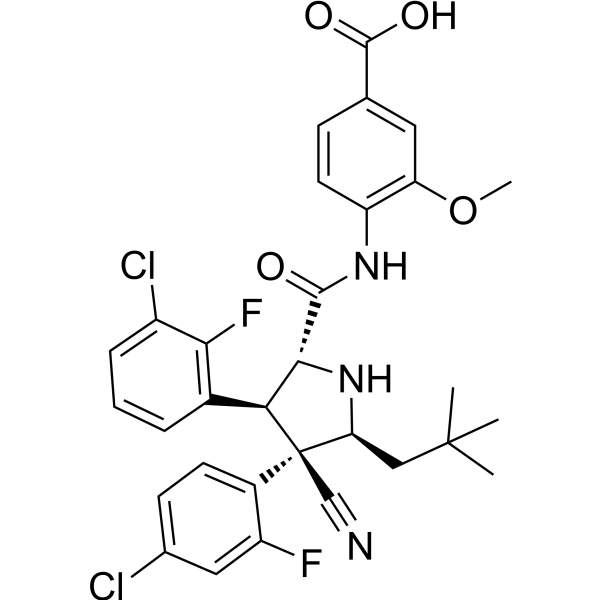
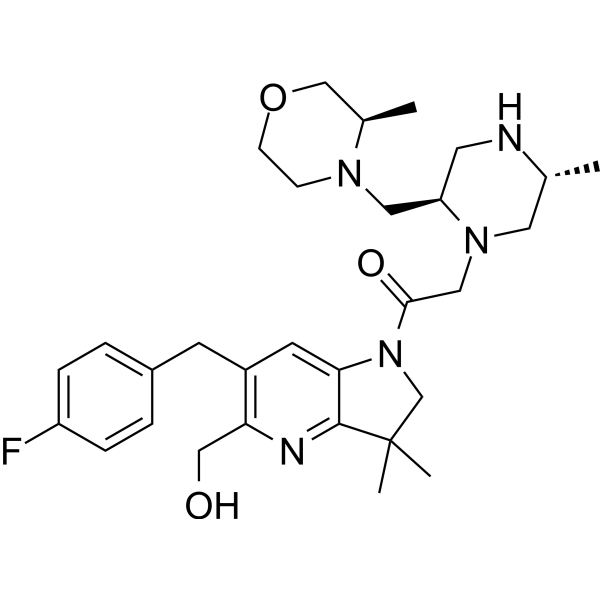
    Revumenib
    10+ Cited Publications

    SNDX-5613

    Epigenetic Reader Domain Cancer
    Revumenib (SNDX-5613) is a potent and specific Menin-MLL inhibitor with a binding Ki of 0.149 nM and a cell based IC50 of 10-20 nM. Revumenib can be used for the research of MLL-rearranged (MLL-r) acute leukemias, including acute lymphoblastic leukemia (ALL) and acute myeloid leukemia (AML) .
    Revumenib
  • HY-N0488
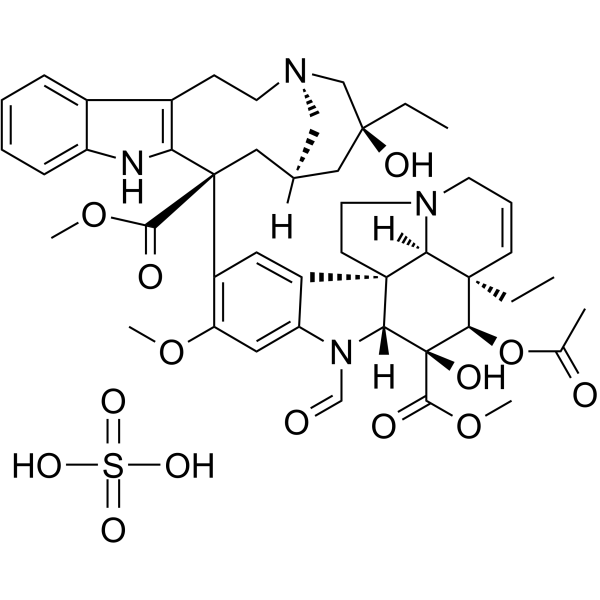
    Vincristine sulfate
    Maximum Cited Publications
    74 Publications Verification

    Leurocristine sulfate; NSC-67574 sulfate; 22-Oxovincaleukoblastine sulfate

    Apoptosis Microtubule/Tubulin Mitosis Cancer
    Vincristine (Leurocristine; NSC-67574; 22-Oxovincaleukoblastine) sulfate is a microtubule inhibitor that disrupts microtubule polymerization by binding to β-tubulin (with a Ki of 85 nM in bovine), arrests the cell cycle and induces apoptosis. Vincristine sulfate inhibits cell replication, tumor blood flow and the proliferation of various cancer cells, while triggering effects such as oxidative stress, inflammation, calcium overload, epithelial-mesenchymal transition and peripheral neuropathic pain. Vincristine sulfate upregulates the expression of various transporters and nuclear receptors, and enriches gastric cancer stem-like cells. Vincristine sulfate is used in research related to various tumors including acute lymphoblastic leukemia, lymphoma, melanoma, gastric cancer, solid tumors and sarcomas .
    Vincristine sulfate
  • HY-N0488A
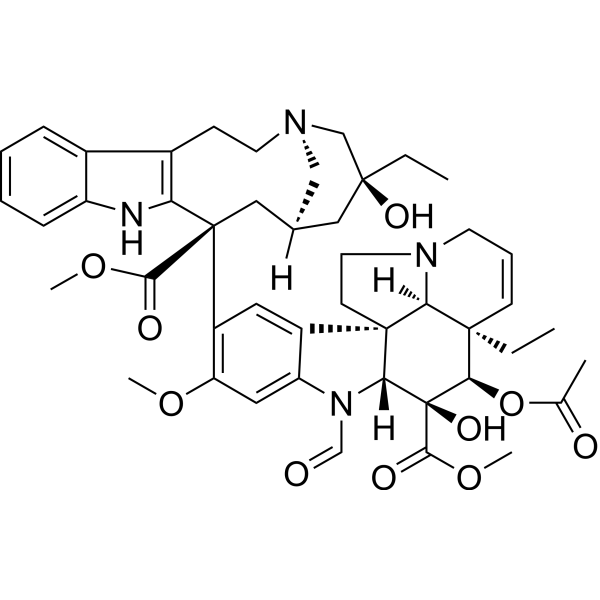
    Vincristine
    Maximum Cited Publications
    74 Publications Verification

    Leurocristine; NSC-67574; 22-Oxovincaleukoblastine

    Apoptosis Microtubule/Tubulin Mitosis Infection Cancer
    Vincristine (Leurocristine; NSC-67574; 22-Oxovincaleukoblastine) is a microtubule inhibitor that disrupts microtubule polymerization by binding to β-tubulin (with a Ki of 85 nM in bovine), arrests the cell cycle and induces apoptosis. Vincristine inhibits cell replication, tumor blood flow and the proliferation of various cancer cells, while triggering effects such as oxidative stress, inflammation, calcium overload, epithelial-mesenchymal transition and peripheral neuropathic pain. Vincristine upregulates the expression of various transporters and nuclear receptors, and enriches gastric cancer stem-like cells. Vincristine is used in research related to various tumors including acute lymphoblastic leukemia, lymphoma, melanoma, gastric cancer, solid tumors and sarcomas .
    Vincristine
  • HY-P9963
    Blinatumomab
    2 Publications Verification

    bscCD19xCD3; AMG-103; MEDI-538; MT-103; BLINCYTO

    CD19 Cancer
    Blinatumomab (Anatumomab) is a bispecific monoclonal antibody with two binding sites, one for CD3E on T cells and one for CD19 on B cells. Blinatumomab can be used in research for acute lymphoblastic leukemia .
    Blinatumomab
  • HY-P1923
    L-Asparaginase
    10+ Cited Publications

    L-​ASNase

    Apoptosis DNA/RNA Synthesis Cancer
    L-Asparaginase (L-ASNase) is a deamidating enzyme that catalyses the hydrolysis of L-asparagine and L-glutamine, and can be used for the research of acute lymphoblastic leukemia. L-Asparaginase depletes L-asparagine from plasma resulting in inhibition of RNA and DNA synthesis with the subsequent blastic cell apoptosis .
    L-Asparaginase
  • HY-N0667
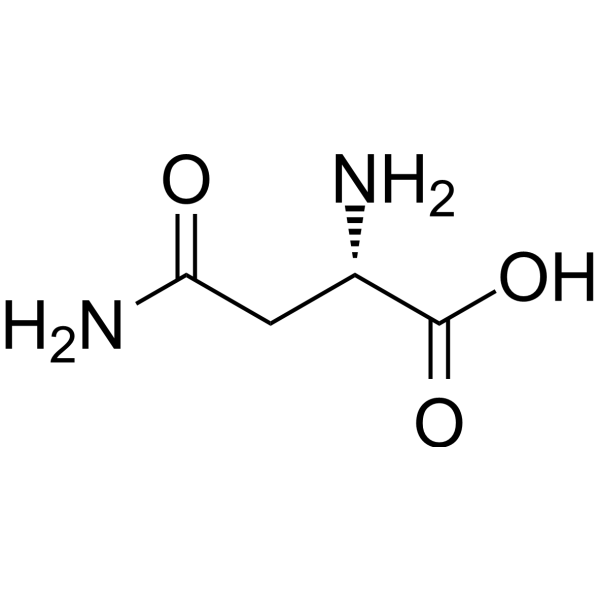
    L-Asparagine
    5 Publications Verification

    (-)-Asparagine; Asn; Asparamide

    Endogenous Metabolite Apoptosis DNA/RNA Synthesis Inflammation/Immunology
    L-Asparagine is an essential amino acid for leukemic cells and a substrate for L-Asparaginase. L-Asparaginase is a potent anti-leukemic enzyme that promotes asparagine (Asn) and glutamine (Gln) depletion and inhibits protein biosynthesis in lymphoblasts. Removal of L-asparagine from plasma by L-Asparaginase results in inhibition of RNA and DNA synthesis and subsequent apoptosis. L-Asparaginase has cell-killing ability in vitro and in vivo, and selectively inhibits the growth of cancer cells with low asparagine synthetase (AASNS) expression. L-Asparagine can be used as a biomarker and sensor for the study of childhood acute lymphoblastic leukemia .
    L-Asparagine
  • HY-148026

    BGB 11417

    Bcl-2 Family Cancer
    Sonrotoclax is a potent, orally active Bcl2 inhibitor. Sonrotoclax has effective cell killing effect against a variety of lymphoma and leukemia cell lines .
    Sonrotoclax
  • HY-P99412
    Lusvertikimab
    1 Publications Verification

    OSE-127

    Interleukin Related Cancer
    Lusvertikimab (OSE-127) is a humanized IL7R monoclonal antibody. Lusvertikimab is not internalized by target cells and prevents IL7R heterodimerization and subsequent downstream signaling. Lusvertikimab has anti-leukemic efficacy and has the potential for B cell precursor acute lymphoblastic leukemia (BCP-ALL) research .
    Lusvertikimab
  • HY-174228

    Insulin Receptor Apoptosis Cancer
    I3IN-002 is a small-molecule RNA-binding protein IGF2BP3 inhibitor with an IC50 value of approximately 2 μM in SEM cells. I3IN-002 interferes with interaction with m6 A-modified mRNAs, disrupting the stabilization of target genes (such as CDK6, MYC, and BCL2) to inhibit leukemic cell growth, induce cell cycle arrest, and promote apoptosis. I3IN-002 is promising for research of B-cell acute lymphoblastic leukemia .
    I3IN-002
  • HY-170451

    KT-253

    PROTACs MDM-2/p53 Apoptosis Cancer
    Seldegamadlin (KT-253) is a selective p53 stabilizer and a MDM2 PROTAC degrader (DC50 = 0.4 nM). Seldegamadlin inhibits the proliferation of cancer cell RS4;11 with an IC50 of 0.3 nM, arrests the cell cycle at G2/M phase, and induces apoptosis. Seldegamadlin upregulates p53 activity and overcomes the p53-MDM2 feedback loop. Seldegamadlin can be used for the study of hematologic and solid tumors, such as acute myeloid leukemia (AML) and acute lymphoblastic leukemia (ALL). (Pink: ligand for target protein MDM2 ligand 4 (HY-170452); Black: linker (HY-W001478); Blue: ligand for E3 ligase cereblon (HY-163927)) .
    Seldegamadlin
  • HY-13701
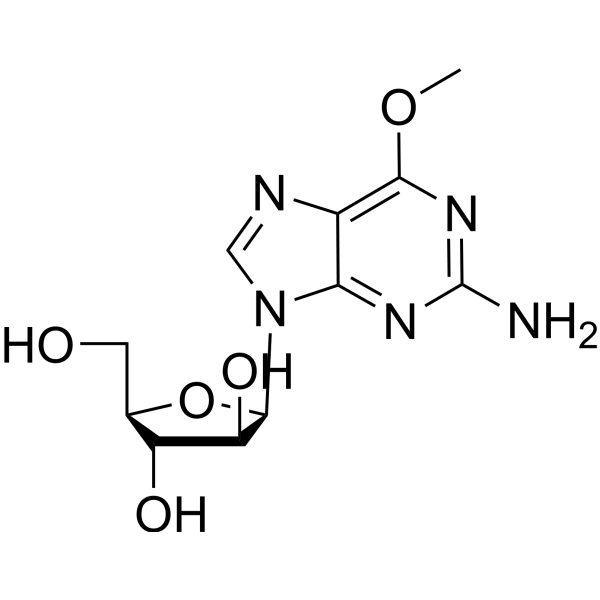
    Nelarabine
    3 Publications Verification

    506U78; GW 506U78; Nelzarabine

    Nucleoside Antimetabolite/Analog Apoptosis Cancer
    Nelarabine (506U78) is a nucleoside analogue and can be used for the research of T cell acute lymphoblastic leukemia (T-ALL) .
    Nelarabine
  • HY-175282

    Apoptosis Caspase CDK PARP Akt Autophagy Atg8/LC3 Cancer
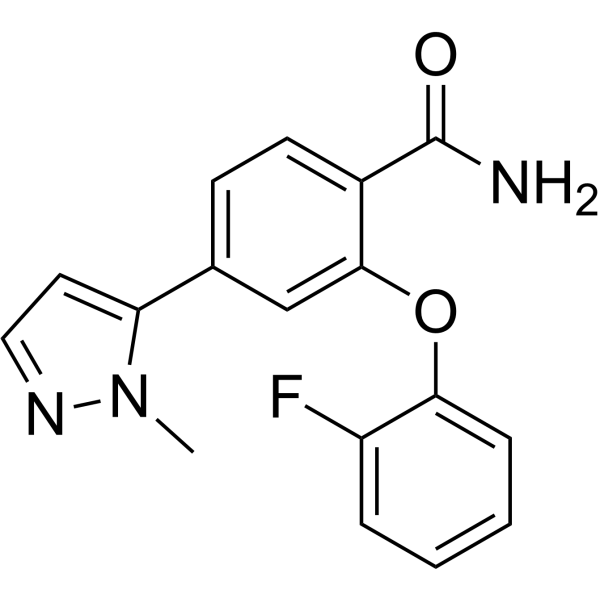
    ASX-173 is an orally active inhibitor of asparagine synthetase (ASNS) (IC50 = 0.113 μM, Ki = 0.4 nM). ASX-173 enhances the anticancer activity of L-asparaginase (ASNase) (HY-P1923). ASX-173 disrupts nucleotide synthesis and induces leukemia cell cycle arrest, apoptosis and autophagy in leukemia cells in combination with ASNase. ASX-173 slows the growth of OCI-AML2 xenografts in combination with ASNase. ASX-173 is indicated for the study of acute lymphoblastic leukemia, acute myeloid leukemia, colorectal cancer, and other cancers .
    ASX-173
  • HY-156794

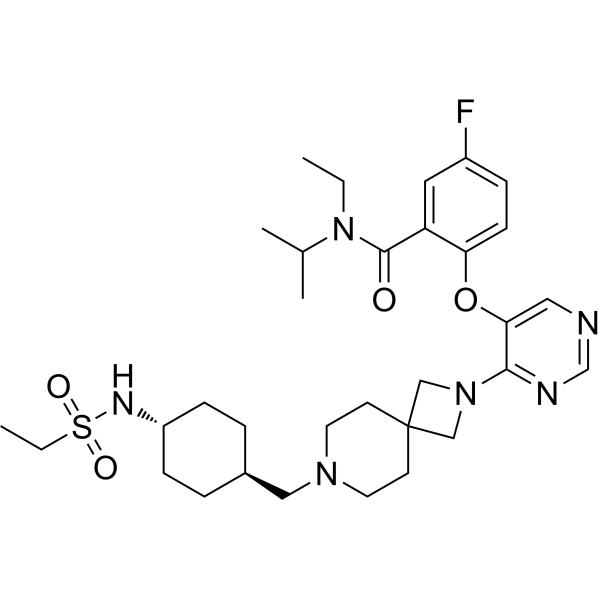
    DSP-5336

    Epigenetic Reader Domain FLT3 Cancer
    Enzomenib (DSP-5336) is an orally active Menin inhibitor (IC50=1.4 nM, Kd=6.0 nM). Enzomenib disrupts the interaction between Menin and KMT2A/MLL fusion proteins, specifically inhibits the expression of leukemia driver genes such as HOX/MEIS1, and upregulates ITGAM. Enzomenib effectively induces cell differentiation, inhibits tumor cell proliferation, and suppresses primitive cell colony formation. Enzomenib reduces disease burden and prolongs survival, but causes adverse reactions including differentiation syndrome and QTc interval prolongation. Enzomenib is used for research on relapsed/refractory acute myeloid leukemia, acute lymphoblastic leukemia, and other hematologic malignancies with mixed lineage leukemia (MLL) rearrangements or NPM1 mutations .
    Enzomenib
  • HY-103688

    ADC Payload Cancer
    AcBut-N-Ac-γ-Calicheamicin is an ADC cytotoxic payload that induces cell cycle arrest and apoptosis by causing DNA double-strand breaks. AcBut-N-Ac-γ-Calicheamicin is primarily used in the synthesis of antibody-drug conjugates (ADC) and holds promise for research in the field of cancer, including acute lymphoblastic leukemia (ALL) and other hematological malignancies .
    N-Ac-γ-Calicheamicin-AcBut-NHS ester
  • HY-P9959

    CMC-544; PF-5208773; WAY-207294

    Antibody-Drug Conjugates (ADCs) CD22 Cancer
    Inotuzumab ozogamicin (CMC-544) is an antibody-targeted chemotherapy agent composed of a humanized anti-CD22 antibody conjugated to Calicheamicin (HY-19609). Inotuzumab ozogamicin and G544 bind human CD22 with similar affinities (Kd ≈ 150 pM). Inotuzumab ozogamicin has demonstrated efficacy against CD22 + B-cell non-Hodgkin’s lymphoma. Inotuzumab ozogamicin can be used in the research of acute lymphoblastic leukemia .
    Inotuzumab ozogamicin
  • HY-148530

    PROTACs CDK Cancer
    YX-2-107 is a PROTAC (IC50= 4.4 nM) that selectively degrades CDK6. YX-2-107 effectively inhibits RB phosphorylation and FOXM1 expression in vitro and inhibits the development of Ph + ALL in rats. YX-2-107 can be used in the study of Ph chromosome-positive (Ph +) acute lymphoblastic leukemia (ALL) .
    YX-2-107
  • HY-N0667S2
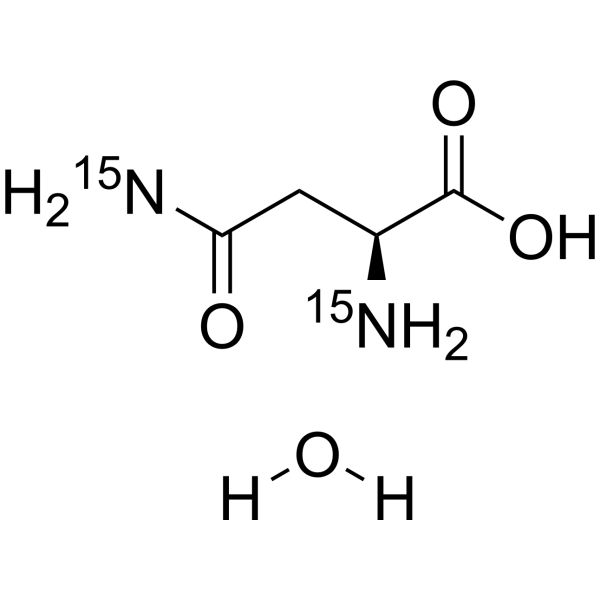
    L-Asparagine-15N2 monohydrate
    1 Publications Verification

    (-)-Asparagine-15N2 monohydrate; Asn-15N2 monohydrate; Asparamide-15N2 monohydrate

    Isotope-Labeled Compounds Endogenous Metabolite Apoptosis DNA/RNA Synthesis Inflammation/Immunology
    L-Asparagine- 15N2 monohydrate is the 15N-labeled L-Asparagine monohydrate (HY-W017443). L-Asparagine monohydrate is an essential amino acid for leukemic cells and a substrate for L-Asparaginase. L-Asparaginase is a potent anti-leukemic enzyme that promotes asparagine (Asn) and glutamine (Gln) depletion and inhibits protein biosynthesis in lymphoblasts. Removal of L-asparagine from plasma by L-Asparaginase results in inhibition of RNA and DNA synthesis and subsequent apoptosis. L-Asparaginase has cell-killing ability in vitro and in vivo, and selectively inhibits the growth of cancer cells with low asparagine synthetase (AASNS) expression. L-Asparagine monohydrate can be used as a biomarker and sensor for the study of childhood acute lymphoblastic leukemia .
    L-Asparagine-15N2 monohydrate
  • HY-176244

    Histone Acetyltransferase Cancer
    KI-TOX-A3 is a TOX protein-protein interaction inhibitor that blocks the TOX-KAT7 protein-protein interaction with an IC50 of 0.51 μM. KI-TOX-A3 induces proteasomal degradation of TOX, restores KAT7-mediated H3K14 acetylation, reverses exhaustion of CD8 + T cells, and inhibits the proliferation of T cell acute lymphoblastic leukemia (T-ALL) cells. KI-TOX-A3 shows promise for use in studies of hematological malignancies such as T-ALL .
    KI-TOX-A3
  • HY-P99285
    Denintuzumab
    1 Publications Verification

    hBU 12

    ADC Antibody CD19 Cancer
    Denintuzumab (hBU 12) is a recombinant humanized anti-CD19 monoclonal antibody. Denintuzumab binds to CD19 on the surface of B cells. Denintuzumab can be used as the antibody moiety (ADC antibody) of antibody-drug conjugates to synthesize ADC, Denintuzumab Mafodotin (SGN-CD19A). Denintuzumab Mafodotin can be used in the research of acute lymphoblastic leukemia .
    Denintuzumab
  • HY-W017443
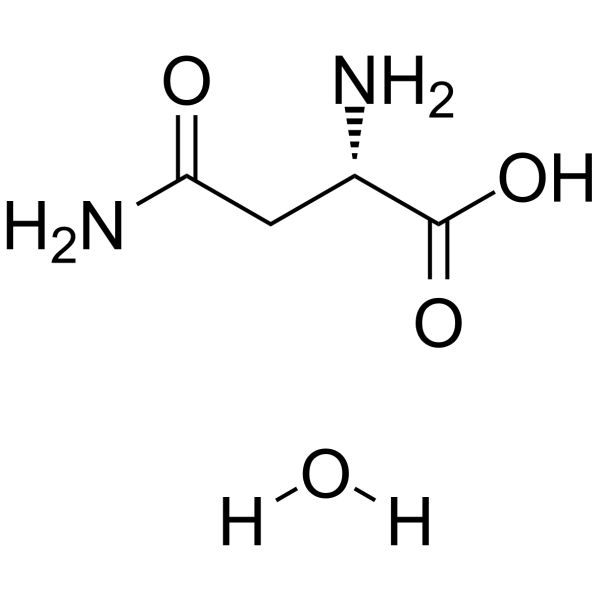
    L-Asparagine monohydrate
    5 Publications Verification

    Endogenous Metabolite Apoptosis DNA/RNA Synthesis Neurological Disease Metabolic Disease Inflammation/Immunology Cancer
    L-Asparagine monohydrate is an essential amino acid for leukemic cells and a substrate for L-Asparaginase. L-Asparaginase is a potent anti-leukemic enzyme that promotes asparagine (Asn) and glutamine (Gln) depletion and inhibits protein biosynthesis in lymphoblasts. Removal of L-asparagine from plasma by L-Asparaginase results in inhibition of RNA and DNA synthesis and subsequent apoptosis. L-Asparaginase has cell-killing ability in vitro and in vivo, and selectively inhibits the growth of cancer cells with low asparagine synthetase (AASNS) expression. L-Asparagine monohydrate can be used as a biomarker and sensor for the study of childhood acute lymphoblastic leukemia .
    L-Asparagine monohydrate
  • HY-168654

    Wee1 Cancer
    WEE1 degrader 1 (Compound 10) is a CRBN-dependent molecular glue degrader of WEE1 and casein kinase 1α (CK1α) with sub-2 nM DC50 values for both targets. WEE1 degrader 1 can be used for the research of acute lymphoblastic leukemia, acute monocytic leukemia, acute promyelocytic leukemia, colorectal adenocarcinoma, diffuse large b cell lymphoma .
    WEE1 degrader 1
  • HY-150109

    HDAC Apoptosis Cancer
    Purinostat mesylate is a selective inhibitor of HDAC. Purinostat mesylate inhibits class I and class IIb HDACs with IC50s from 0.81 to 11.5 nM. Purinostat mesylate induces apoptosis and affects cell cycle of LAMA84 and 188 BL-2 cells, and shows potently anti-leukemia effects in vivo. Purinostat mesylate can be used for the research of lymphoblastic leukemia .
    Purinostat mesylate
  • HY-151902

    PROTACs JAK Cancer
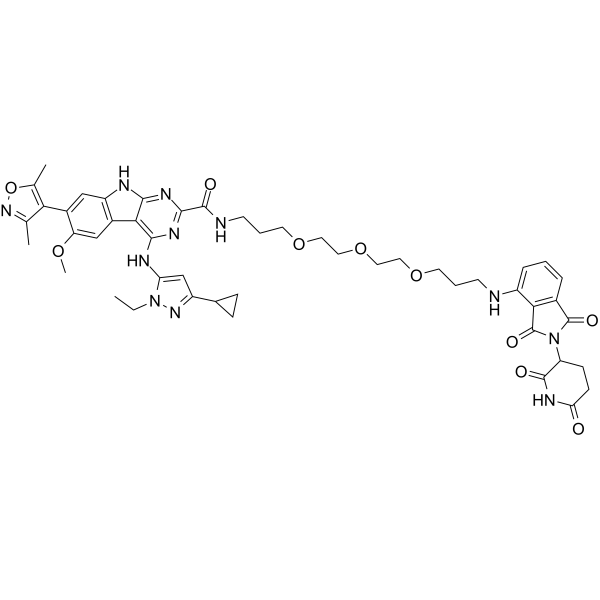
    SJ988497 is a PROTAC JAK2 degrader. SJ988497 potently inhibits CRLF2-rearranged (CRLF2r) cell proliferation and degrades the CRBN neosubstrate GSPT1. SJ988497 consists of a Ruxolitinib (HY-50856) derivative, linker, and CRBN ligand Pomalidomide. SJ988497 can be used in the research of acute lymphoblastic leukemia (ALL) .
    SJ988497
  • HY-176528

    ERK PROTACs Cancer
    PROTAC ERK5 degrader-1 (compound 2) is a bifunctional ERK5 PROTAC degrader. PROTAC ERK5 degrader-1 induces ERK5 degradation via VHL-mediated proteasome pathway in MOLT-4 cells. PROTAC ERK5 degrader-1 can be used for the study of a disease or disorder characterized by aberrant ERK5 activity, such as acute lymphoblastic leukemia .
    PROTAC ERK5 degrader-1
  • HY-161828

    PROTACs CDK Cancer
    JWZ-5-13 is a CDK7 PROTAC degrader. JWZ-5-13 inhibits the proliferation of cancer cells. JWZ-5-13 is applicable to the research of ovarian cancer, diffuse large B-cell lymphoma, acute T-lymphoblastic leukemia and non-small cell lung cancer .
    JWZ-5-13
  • HY-103275

    NSC 680410

    Bcr-Abl Apoptosis Cancer
    Adaphostin (NSC 680410), the adamantyl ester of AG957, is a potent p210 bcr/abl inhibitor (IC50=14 μM). Adaphostin induces apoptosis in T-lymphoblastic human leukemia cell lines (IC50 ranging from 17 to 216 nM). Adaphostin has significant and selective activity against chronic and acute myeloid leukemia cells. Adaphostin increased the level of reactive oxygen species (ROS) within CLL B cells .
    Adaphostin
  • HY-P99650

    WT1

    Transmembrane Glycoprotein Cancer
    Grisnilimab (WT1) is an IgG2a monoclonal antibody targeting CD7. Grisnilimab only binds to lymphoid tissues and T lymphocytes, with no off-target binding to normal tissues. Grisnilimab can be used to synthesize the immunotoxin WT1-SMPT-dgRTA, which exerts cytotoxic effects on T-lymphoblastic leukemia cells. Grisnilimab is applicable to relevant research on leukemia .
    Grisnilimab
  • HY-P99914

    GNC-038

    PD-1/PD-L1 CD19 TNF Receptor CD3 Interleukin Related IFNAR Inflammation/Immunology Cancer
    Emfizatamab (GNC-038) is a monoclonal antibody against CD19/CD3E/TNFRSF9/PD-L1. Emfizatamab exhibits antitumor activity, being capable of activating CD3 and 4-1BB signals on T cells, as well as targeting the high expression of CD19 or PD-L1 on tumor cells. Emfizatamab functions as a CD19-specific T cell engager by mediating direct antitumor activity. Emfizatamab can also overcome the inhibition of T cells by PD-L1. Emfizatamab can be used in the research of tumors such as R/R non-Hodgkin lymphoma or acute lymphoblastic leukemia .
    Emfizatamab
  • HY-N6893
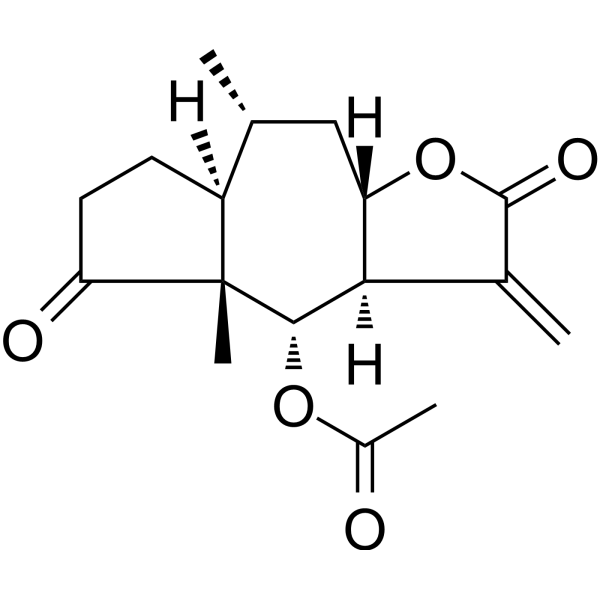
    Ergolide
    3 Publications Verification

    NF-κB NOD-like Receptor (NLR) Apoptosis Autophagy Neurological Disease Cancer
    Ergolide is an orally active dual inhibitor targeting NF-κB/p65 and NLRP3. Ergolide blocks the NF-κB signaling pathway and the nuclear translocation of p65, and irreversibly binds to the NACHT domain of NLRP3 to inhibit inflammasome assembly. Ergolide significantly reduces the production of inflammatory mediators (e.g., NO, PGE2) and cytokines, induces cancer cell apoptosis, autophagy and ROS generation. Ergolide also enhances the anti-tumor effect of vincristine. Ergolide alleviates acute lung injury via an NLRP3-dependent mechanism, and effectively improves the survival rate and behavioral function of septic mice and inflammatory zebrafish models. Ergolide is used in the research of metastatic uveal melanoma, neurodegenerative diseases (such as Alzheimer's disease, Parkinson's disease), sepsis and acute lymphoblastic leukemia .
    Ergolide
  • HY-137129

    Dihydrofolate reductase (DHFR) Cancer
    10-Formyl-7,8-dihydrofolic acid is a biologically active folic acid and growth promoter. 10-Formyl-7,8-dihydrofolic acid serves as a substrate for aminoimidazolecarboxamide ribonucleotide transformylase and dihydrofolate reductase (DHFR) to support catalytic reactions (with detection wavelengths of 552 nm and 340 nm, respectively). 10-Formyl-7,8-dihydrofolic acid not only promotes the growth of leukemia cells, but also effectively reverses the growth inhibition induced by antifolate drugs under folate-deficient conditions. 10-Formyl-7,8-dihydrofolic acid can be used in the research of leukemia .
    10-Formyl-7,8-dihydrofolic acid
  • HY-112440

    Methuosis inducer 1

    Microtubule/Tubulin NF-κB MDM-2/p53 PI3K Akt c-Myc mTOR Autophagy Cancer
    HZX-02-059 is an allosteric inhibitor of PIKFYVE, and a methuosis inducer. HZX-02-059 disrupts the PIKfyve/TFEB axis, suppresses tubulin polymerization, reduces phosphorylated mTOR levels, downregulates p53, PI3K/AKT, c-Myc, and NF-κB pathways. HZX-02-059 induces G2/M cell cycle arrest, apoptosis, and inhibits cancer cell proliferation. HZX-02-059 can be used for the research of lymphoma, double-hit lymphoma, and B-cell acute lymphoblastic leukemia .
    HZX-02-059
  • HY-N0667S5
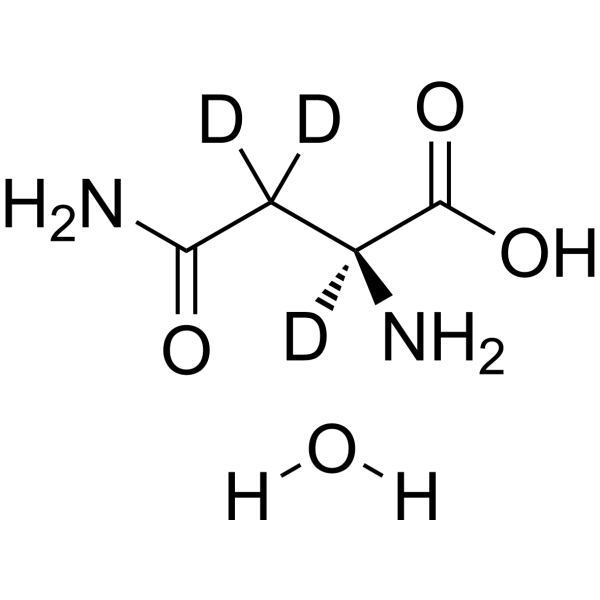
    L-Asparagine-d3 hydrate
    1 Publications Verification

    Isotope-Labeled Compounds Endogenous Metabolite Apoptosis DNA/RNA Synthesis Inflammation/Immunology
    L-Asparagine-d3 hydrate is the deuterium labeled L-Asparagine (HY-N0667). L-Asparagine is an essential amino acid for leukemic cells and a substrate for L-Asparaginase. L-Asparaginase is a potent anti-leukemic enzyme that promotes asparagine (Asn) and glutamine (Gln) depletion and inhibits protein biosynthesis in lymphoblasts. Removal of L-asparagine from plasma by L-Asparaginase results in inhibition of RNA and DNA synthesis and subsequent apoptosis. L-Asparaginase has cell-killing ability in vitro and in vivo, and selectively inhibits the growth of cancer cells with low asparagine synthetase (AASNS) expression. L-Asparagine can be used as a biomarker and sensor for the study of childhood acute lymphoblastic leukemia .
    L-Asparagine-d3 hydrate
  • HY-171178

    p38 MAPK Cancer
    DK2403 (compound 25) is a MAP2K7 inhibitor (IC50= 0.01 μM). DK2403 can effectively inhibit MAP2K7 without significantly disrupting the larger kinase group and can be used to study childhood T-cell acute lymphoblastic leukemia .
    DK2403
  • HY-169789

    PI3K Metabolic Disease Cancer
    PKN3-IN-1 (compound 16) inhibits PKN3 (serine/threonine protein kinase 3) and GAK (cyclin G-associated kinase) with IC50 of 0.014 μM and Ki of 0.0044 μM respectively. PKN3-IN-1 is a potential tool compound to study the cell biology of PKN3 and its role in pancreatic and prostate cancer and T-cell acute lymphoblastic leukemia .
    PKN3-IN-1
  • HY-N0667R

    (-)-Asparagine (Standard); Asn (Standard); Asparamide (Standard)

    Reference Standards Endogenous Metabolite Apoptosis DNA/RNA Synthesis Inflammation/Immunology
    L-Asparagine (Standard) is the analytical standard of L-Asparagine (HY-N0667). This product is intended for research and analytical applications. L-Asparagine is an essential amino acid for leukemic cells and a substrate for L-Asparaginase. L-Asparaginase is a potent anti-leukemic enzyme that promotes asparagine (Asn) and glutamine (Gln) depletion and inhibits protein biosynthesis in lymphoblasts. Removal of L-asparagine from plasma by L-Asparaginase results in inhibition of RNA and DNA synthesis and subsequent apoptosis. L-Asparaginase has cell-killing ability in vitro and in vivo, and selectively inhibits the growth of cancer cells with low asparagine synthetase (AASNS) expression. L-Asparagine can be used as a biomarker and sensor for the study of childhood acute lymphoblastic leukemia .
    L-Asparagine (Standard)
  • HY-P11451

    CXCR Cancer
    Pentixather is a radiolabeled peptide that can target CXCR4. Pentixather can disrupt the interaction between leukemic cells and the bone marrow microenvironment by targeting the CXCR4/CXCL12 signaling axis, reduce the retention of leukemic cells in the protective bone marrow niche, and thereby enhance the sensitivity of leukemic cells to treatment. Pentixather can be used for the study of acute lymphoblastic leukemia (ALL) and acute myeloid leukemia (AML) .
    Pentixather
  • HY-E70016

    TdT

    DNA/RNA Synthesis Others Cancer
    Terminal deoxyribonucleotidyltransferase (TdT) catalyses the condensation of deoxyribonucleotide triphosphates onto the 3' hydroxyl ends of DNA strands and adds N-regions to gene segment junctions during V(D)J recombination. Terminal deoxyribonucleotidyltransferase is expressed in immature, pre-B, pre-T lymphoid cells, and acute lymphoblastic leukemia/lymphoma cells .
    Terminal deoxyribonucleotidyltransferase
  • HY-116170

    Aldose Reductase Cancer
    SN34037 is a specific inhibitor of Aldo-keto reductase 1C3 (AKR1C3, EC 1.1.1.188) with the ability to inhibit the cytotoxic activity of PR-104A. SN34037-sensitive coumberone reduction provides a rapid and specific assay for AKR1C3 activity. SN34037 inhibits the aerobic cytotoxicity of PR-104A in TF1 erythroleukemia cells with high AKR1C3 expression, but not in Nalm6 pre-B acute lymphoblastic leukemia cells with low AKR1C3 expression .
    SN34037
  • HY-159175

    PROTACs Deubiquitinase Apoptosis MDM-2/p53 Cancer
    XM-U-14 is a selective PROTAC USP7 Degrader (DC50: 0.74 nM in inducing USP7 degradation in RS4;11 cell line). XM-U-14 upregulates the levels of p53 and p21. XM-U-14 also significantly inhibits acute lymphoblastic leukemia (ALL) cell growth (IC50: 0.5 nM and 8.3 nM for RS4;11 cells and Reh cells respectively). XM-U-14 induces apoptosis and cycle arrest. XM-U-14 inhibits tumor growth. (Blue: VHL ligand (HY-159465), Black: linker (HY-W539783); Pink: USP7 inhibitor (HY-159464)) .
    XM-U-14
  • HY-N0667S3

    (-)-Asparagine-13C4 monohydrate; Asn-13C4 monohydrate; Asparamide-13C4 monohydrate

    Isotope-Labeled Compounds Endogenous Metabolite Apoptosis DNA/RNA Synthesis Inflammation/Immunology
    L-Asparagine- 13C4 monohydrate is the 13C-labeled L-Asparagine monohydrate (HY-W017443). L-Asparagine monohydrate is an essential amino acid for leukemic cells and a substrate for L-Asparaginase. L-Asparaginase is a potent anti-leukemic enzyme that promotes asparagine (Asn) and glutamine (Gln) depletion and inhibits protein biosynthesis in lymphoblasts. Removal of L-asparagine from plasma by L-Asparaginase results in inhibition of RNA and DNA synthesis and subsequent apoptosis. L-Asparaginase has cell-killing ability in vitro and in vivo, and selectively inhibits the growth of cancer cells with low asparagine synthetase (AASNS) expression. L-Asparagine monohydrate can be used as a biomarker and sensor for the study of childhood acute lymphoblastic leukemia .
    L-Asparagine-13C4 monohydrate
  • HY-N0488S

    Leurocristine-d3 sulfate; NSC-67574-d3 sulfate; 22-Oxovincaleukoblastine-d3 sulfate

    Isotope-Labeled Compounds Apoptosis Microtubule/Tubulin Mitosis Cancer
    Vincristine-d3 sulfate is the deuterium labeled Vincristine sulfate. Vincristine sulfate (Leurocristine; NSC-67574; 22-Oxovincaleukoblastine) is a microtubule inhibitor that disrupts microtubule polymerization by binding to β-tubulin (with a Ki of 85 nM in bovine), arrests the cell cycle and induces apoptosis. Vincristine sulfate inhibits cell replication, tumor blood flow and the proliferation of various cancer cells, while triggering effects such as oxidative stress, inflammation, calcium overload, epithelial-mesenchymal transition and peripheral neuropathic pain. Vincristine sulfate upregulates the expression of various transporters and nuclear receptors, and enriches gastric cancer stem-like cells. Vincristine sulfate is used in research related to various tumors including acute lymphoblastic leukemia, lymphoma, melanoma, gastric cancer, solid tumors and sarcomas .
    Vincristine-d3 sulfate
  • HY-175281

    PROTACs Src Discoidin Domain Receptor Bcr-Abl Apoptosis Cancer
    SJ11646 is a Dasatinib (HY-10181)-based LCK PROTAC degrader with a DC50 of 0.00838 pM. SJ11646 has potent cytotoxicity against LCK-activated T-cell acute lymphoblastic leukemia (T-ALL) cells and primary leukemia samples with drastically prolonged suppression of LCK signaling, and induces T-ALL apoptosis. SJ11646 binds to 51 human kinases with a high affinity (particularly ABL1, KIT, and DDR1). SJ11646 has superior antileukemic efficacy in T-ALL mice model. . Pink: LCK ligand (HY-107447); Blue: CRBN ligase ligand (HY-163169); Black: linker (HY-76667)
    SJ11646
  • HY-162676

    PROTACs Src Cancer
    SJ45566 a potent and orally active PROTAC-based LCK degrader, with a DC50 of 1.21 nM. SJ45566 can be used in the research for T‑Cell Acute Lymphoblastic Leukemia .
    SJ45566
  • HY-164466

    Calcium Channel Notch Cancer
    CAD204520, a SERCA inhibitor (IC50 = 0.34 μM), targets mutated over wild type NOTCH1 proteins in T-cell acute lymphoblastic leukemia (T-ALL) and mantle cell lymphoma (MCL). CAD204520 can be used for T-ALL and MCL research .
    CAD204520
  • HY-175280

    Molecular Glues Src Cancer
    Lck degrader-1 (Compound 17) is a molecular glue degrader targeting lymphocyte-specific protein tyrosine kinase (LCK) (DC50=23.1 nM). Lck degrader-1 is promising for research of T-cell acute lymphoblastic leukemia (T-ALL) .
    Lck degrader-1
  • HY-179234

    PROTACs RIP kinase Apoptosis Caspase PARP Cancer
    LD5097 is a highly effective and selective PROTAC degrader targeting RIPK1. LD5097 can rapidly and efficiently downregulate RIPK1 and significantly enhance TNFα-mediated apoptosis in Jurkat cells. LD5097 significantly increases the levels of cleaved caspase-3/7 and PARP. LD5097 can be used for the study of acute T-lymphoblastic leukemia .
    LD5097
  • HY-136522

    Histone Demethylase Apoptosis Cancer
    S2116, a N-alkylated tranylcypromine (TCP) derivative, is a potent lysine-specific demethylase 1 (LSD1) inhibitor. S2116 increases H3K9 methylation and reciprocal H3K27 deacetylation at super-enhancer regions. S2116 induces apoptosis in TCP-resistant T-cell acute lymphoblastic leukemia (T-ALL) cells by repressing transcription of the NOTCH3 and TAL1 genes. S2116 significantly retardes the growth of T-ALL cells in xenotransplanted mice .
    S2116
  • HY-134303

    PROTAC CDK4/6 degrader 34

    PROTACs CDK Cancer
    CST651 (PROTAC CDK4/6 degrader 34) is a selective cyclin dependent kinase CDK4/6 PROTAC degrader. CST651 can degrade CDK4 and CDK6 in MM.1S cells with DC50 values of 20 and 5.1 nM. CST651 can inhibit cancer cells proliferation and migration. CST651 can be used for the research of cancer, such as acute lymphoblastic leukemia . (Structure Note: Pink: CDK4/6 ligand (HY-50767); Blue: VHL ligand (HY-125905); Black: linker (HY-W017440))
    CST651
  • HY-N16403

    Cytochrome P450 Endogenous Metabolite Bacterial Insecticide Fungal Infection Cancer
    Aspergillusidone F is a Depsidone and antibacterial agent. Aspergillusidone F can be isolated from a marine fungus Aspergillus unguis. Aspergillusidone F potently inhibits Aromatase with an IC50 of 0.5 μM. Aspergillusidone F exhibits antibacterial activity against Pseudomonas aeruginosa and Methicillin (HY-121544)-resistant Staphylococcus aureus. Aspergillusidone F exhibits potent larvicidal activity against Artemia salina larvae, with an LC50 value of 12.8 μM. Aspergillusidone F exhibits anticancer activity against intrahepatic cholangiocarcinoma, non-small cell lung cancer, and acute lymphoblastic leukemia .
    Aspergillusidone F
  • HY-12482

    PI3K Apoptosis PDK-1 MEK Akt ERK Cancer
    X-370 is a PI3Kδ inhibitor (IC50 = 7 nM). X-370 inhibits the survival of leukemia cells, inducing G1 arrest and apoptosis. X-370 blocks PDK1 binding and phosphorylation of MEK1/2, eliminating Akt and Erk1/2 signaling. X-370 can be used in research on B-cell acute lymphoblastic leukemia (B-ALL) .
    X-370

Inquiry Online

Your information is safe with us. * Required Fields.

Salutation


Country or Region *

Applicant Name *


Organization Name *

Department *


Email Address *


Product Name *

Cat. No.


Requested quantity *

Phone Number *


Remarks

Inquiry Online

Inquiry Information

Product Name:
Cat. No.:
Quantity:
MCE Japan Authorized Agent:

