1. Search Result
Search Result
Results for "

lysosomal stress

" in MedChemExpress (MCE) Product Catalog:

20

Inhibitors & Agonists

1

Natural
Products

6

Isotope-Labeled Compounds

Cat. No. 상품명 Target 연구분야 Chemical Structure
  • HY-B0113
    Omeprazole
    5+ Cited Publications

    H 16868

    Na+/K+ ATPase Proton Pump Bacterial Cytochrome P450 Apoptosis Autophagy Atg8/LC3 TNF Receptor Interleukin Related Infection Neurological Disease Inflammation/Immunology Cancer
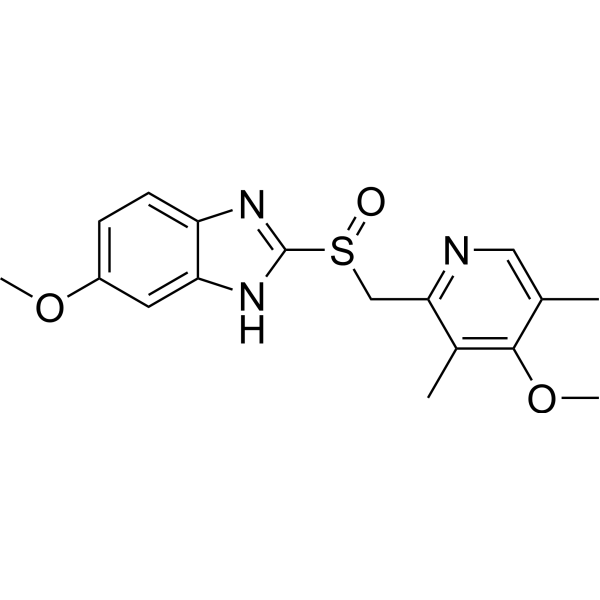
    Omeprazole (H 16868) is an orally active H +,K +-ATPase inhibitor and a proton pump inhibitor. Omeprazole competitively inhibits CYP2C19, CYP3A4, and CYP2C9 activity. Omeprazole inhibits gastric acid secretion and can be used for acid-related gastrointestinal disorders. Omeprazole inhibits pancreatic cancer cell proliferation, induces apoptosis, autophagosome accumulation (elevated LC3-I and LC3-II levels), oxidative stress, and cytogenetic imbalance, modulates lysosomal transport, reduces inflammatory cytokines. Omeprazole alters small intestinal morphology and magnesium absorption, and induces gastric mucosa morphologic changes. Omeprazole aslo has neuroprotective and antibacterial effects .
    Omeprazole
  • HY-13817
    IU1
    Maximum Cited Publications
    25 Publications Verification

    Deubiquitinase Autophagy Apoptosis Cardiovascular Disease Neurological Disease Endocrinology Cancer
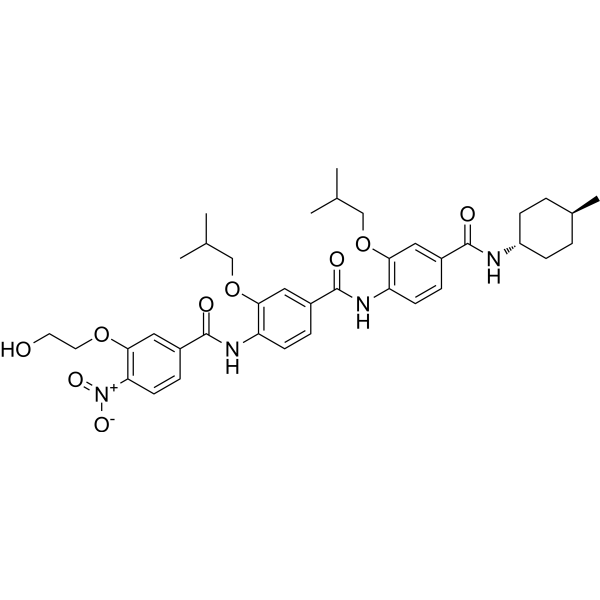
    IU1 is a selective, reversible USP14 inhibitor with an IC50 of 4-5 μM. IU1 binds USP14’s catalytic cleft to block deubiquitinase activity. IU1 induces calpain-dependent Tau cleavage, causes ATP deficits, reduces E1~Ub thioester levels and 26S proteasome assembly. IU1 enhances 26S proteasome chymotrypsin-like activity, modulates LC3B-dependent autophagy flux, reduces cancer cell proliferation and migration, and blocks G0/G1 to S phase cell cycle transition in follicular thyroid cancer cells. IU1 activates autophagy-lysosomal and ubiquitin-proteasome pathways, triggers apoptosis, and reduces cervical cancer cell growth. IU1 enhances degradation of proteasome substrates linked to neurodegenerative disease, accelerates oxidized protein degradation, and increases oxidative stress resistance. IU1 can be used for the research of Alzheimer’s disease, follicular thyroid cancer, ischemic stroke, cervical cancer, and neurodegenerative disease .
    IU1
  • HY-B0113A
    Omeprazole sodium
    5+ Cited Publications

    H 16868 sodium

    Na+/K+ ATPase Interleukin Related Proton Pump Cytochrome P450 Bacterial Apoptosis Autophagy TNF Receptor Atg8/LC3 Infection Inflammation/Immunology
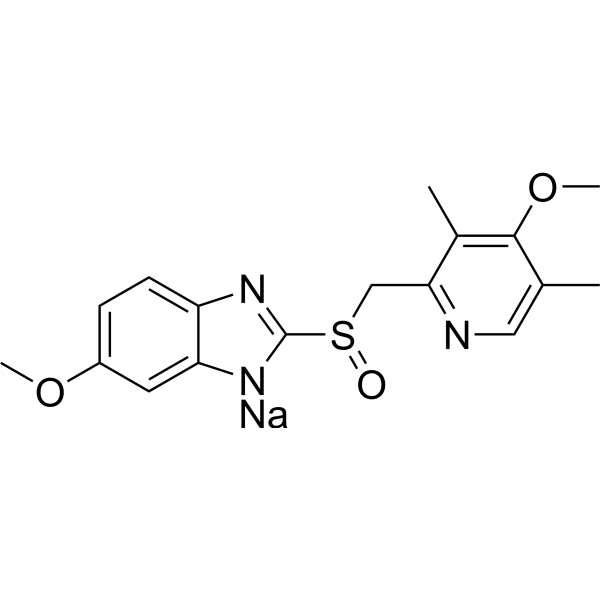
    Omeprazole (H 16868) sodium is an orally active H +,K +-ATPase inhibitor and a proton pump inhibitor. Omeprazole sodium competitively inhibits CYP2C19, CYP3A4, and CYP2C9 activity. Omeprazole sodium inhibits gastric acid secretion and can be used for acid-related gastrointestinal disorders. Omeprazole sodium inhibits pancreatic cancer cell proliferation, induces apoptosis, autophagosome accumulation (elevated LC3-I and LC3-II levels), oxidative stress, and cytogenetic imbalance, modulates lysosomal transport, reduces inflammatory cytokines. Omeprazole sodium alters small intestinal morphology and magnesium absorption, and induces gastric mucosa morphologic changes. Omeprazole sodium aslo has neuroprotective and antibacterial effects .
    Omeprazole sodium
  • HY-148755

    Lipase Cancer
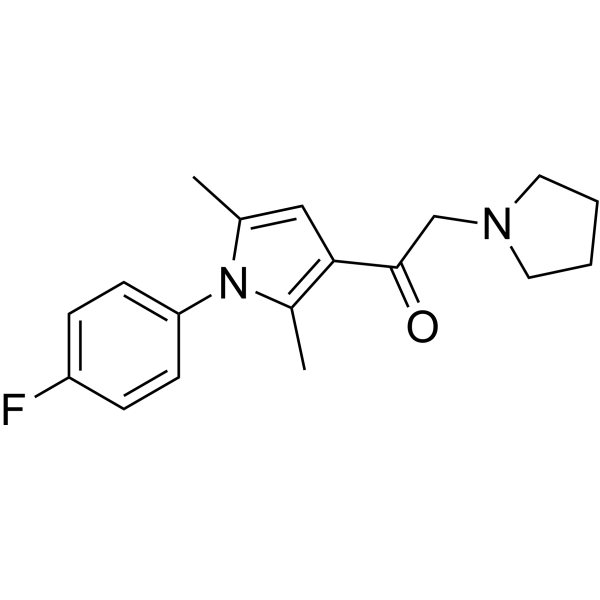
    ERX-41 is an orally active and stereospecific small molecule targeting to lysosomal acid lipase A (LIPA). ERX-41 induces endoplasmic reticulum (ER) stress resulting in cell death, indicating a function independent of LIPA but dependent on its ER localization. ERX-41 involves in a targeted strategy for solid tumors .
    ERX-41
  • HY-137572

    5-HT Receptor Neurological Disease Inflammation/Immunology
    (R)-DOI hydrochloride is a selective 5HT2A receptor agonist. (R)-DOI hydrochloride has anti-inflammatory, anti-oxidative stress, and lysosomal function-improving effects. (R)-DOI hydrochloride can be used for the researches of inflammation and neurological disease, such as Alzheimer's disease .
    (R)-DOI hydrochloride
  • HY-B0113R

    H 16868 (Standard)

    Reference Standards Na+/K+ ATPase Interleukin Related Proton Pump Cytochrome P450 Bacterial Apoptosis Autophagy TNF Receptor Atg8/LC3 Infection Metabolic Disease Cancer
    Omeprazole (Standard) is the analytical standard of Omeprazole. This product is intended for research and analytical applications. Omeprazole (H 16868) is an orally active H +,K +-ATPase inhibitor and a proton pump inhibitor. Omeprazole competitively inhibits CYP2C19, CYP3A4, and CYP2C9 activity. Omeprazole inhibits gastric acid secretion and can be used for acid-related gastrointestinal disorders. Omeprazole inhibits pancreatic cancer cell proliferation, induces apoptosis, autophagosome accumulation (elevated LC3-I and LC3-II levels), oxidative stress, and cytogenetic imbalance, modulates lysosomal transport, reduces inflammatory cytokines. Omeprazole alters small intestinal morphology and magnesium absorption, and induces gastric mucosa morphologic changes. Omeprazole aslo has neuroprotective and antibacterial effects .
    Omeprazole (Standard)
  • HY-B0113S
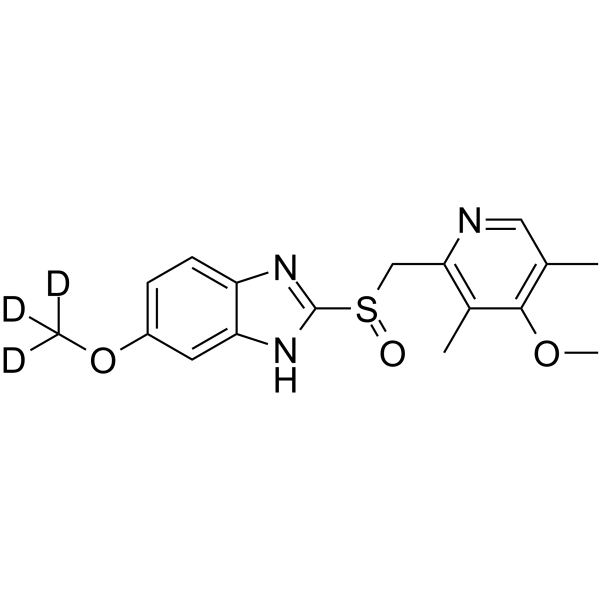
    Omeprazole-d3
    1 Publications Verification

    H 16868-d3

    Na+/K+ ATPase Interleukin Related Proton Pump Cytochrome P450 Bacterial Apoptosis Autophagy TNF Receptor Atg8/LC3 Infection Metabolic Disease Cancer
    Omeprazole-d3 (H 16868-d3) is deuterium labeled Omeprazole. Omeprazole (H 16868) is an orally active H +,K +-ATPase inhibitor and a proton pump inhibitor. Omeprazole competitively inhibits CYP2C19, CYP3A4, and CYP2C9 activity. Omeprazole inhibits gastric acid secretion and can be used for acid-related gastrointestinal disorders. Omeprazole inhibits pancreatic cancer cell proliferation, induces apoptosis, autophagosome accumulation (elevated LC3-I and LC3-II levels), oxidative stress, and cytogenetic imbalance, modulates lysosomal transport, reduces inflammatory cytokines. Omeprazole alters small intestinal morphology and magnesium absorption, and induces gastric mucosa morphologic changes. Omeprazole aslo has neuroprotective and antibacterial effects .
    Omeprazole-d3
  • HY-109546

    Na+/K+ ATPase Interleukin Related Proton Pump Cytochrome P450 Bacterial Apoptosis Autophagy TNF Receptor Atg8/LC3 Infection Metabolic Disease Cancer
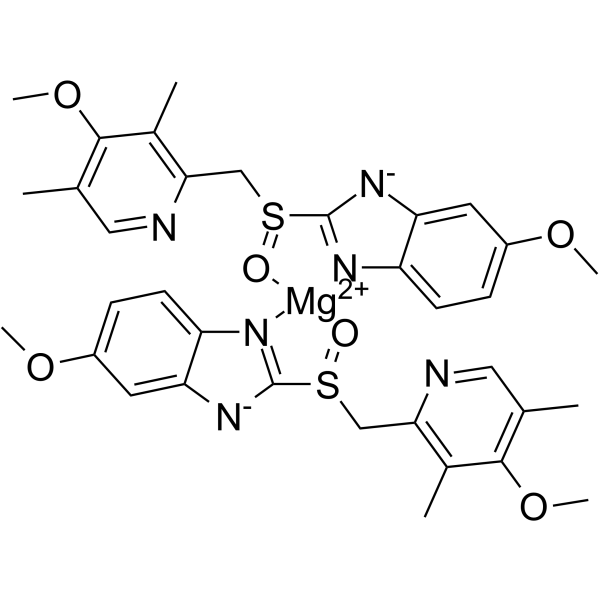
    Omeprazole (H 16868) magnesium is an orally active H +,K +-ATPase inhibitor and a proton pump inhibitor. Omeprazole magnesium competitively inhibits CYP2C19, CYP3A4, and CYP2C9 activity. Omeprazole magnesium inhibits gastric acid secretion and can be used for acid-related gastrointestinal disorders. Omeprazole magnesium inhibits pancreatic cancer cell proliferation, induces apoptosis, autophagosome accumulation (elevated LC3-I and LC3-II levels), oxidative stress, and cytogenetic imbalance, modulates lysosomal transport, reduces inflammatory cytokines. Omeprazole magnesium alters small intestinal morphology and magnesium absorption, and induces gastric mucosa morphologic changes. Omeprazole magnesium aslo has neuroprotective and antibacterial effects .
    Omeprazole magnesium
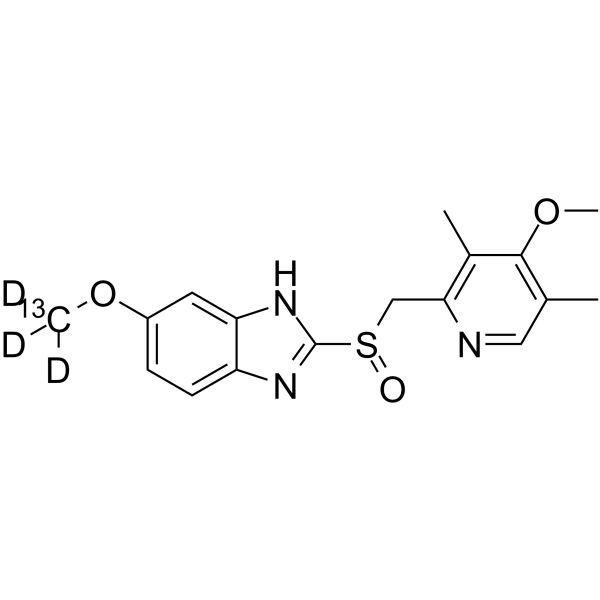
  • HY-B0113S3

    H 16868-13C,d3

    Isotope-Labeled Compounds Na+/K+ ATPase Interleukin Related Proton Pump Cytochrome P450 Bacterial Apoptosis Autophagy TNF Receptor Atg8/LC3 Infection Metabolic Disease Cancer
    Omeprazole- 13C,d3 is a 13C-labeled and deuterium labeled Omeprazole. Omeprazole (H 16868) is an orally active H +,K +-ATPase inhibitor and a proton pump inhibitor. Omeprazole competitively inhibits CYP2C19, CYP3A4, and CYP2C9 activity. Omeprazole inhibits gastric acid secretion and can be used for acid-related gastrointestinal disorders. Omeprazole inhibits pancreatic cancer cell proliferation, induces apoptosis, autophagosome accumulation (elevated LC3-I and LC3-II levels), oxidative stress, and cytogenetic imbalance, modulates lysosomal transport, reduces inflammatory cytokines. Omeprazole alters small intestinal morphology and magnesium absorption, and induces gastric mucosa morphologic changes. Omeprazole aslo has neuroprotective and antibacterial effects .
    Omeprazole-13C,d3
  • HY-N7526R

    DHNQ (Standard); 5,8-Dihydroxy-1,4-naphthoquinone (Standard)

    Reference Standards Apoptosis Neurological Disease Cancer
    Naphthazarin (DHNQ) is a naturally occurring compound. Naphthazarin is effective by various cellular mechanisms including oxidative stress, activation of mitochondrial apoptosis-inducing factor (AIF), depolymerization of microtubules, interference with lysosomal function and p53-dependent p21 activation. Naphthazarin triggers apoptosis and has anti-tumor effects .
    Naphthazarin (Standard)
  • HY-125859E

    Glutathione Peroxidase Bacterial Infection Inflammation/Immunology
    Myeloperoxidase, Human Neutrophil is a peroxidase. Myeloperoxidase, Human Neutrophil is a potent antibacterial agent by catalyzing the H2O2-dependent oxidation of chloride anion to generate hypochlorous acid. Myeloperoxidase, Human Neutrophil catalyzes the degradation of N-retinyl-idene-N-retinylethanolamine, a toxic form of retinal lipofuscin. Myeloperoxidase, Human Neutrophil also triggers lysosomal stress and cell death. Myeloperoxidase, Human Neutrophil can be used for the researches of inflammation and infection .
    Myeloperoxidase, Human Neutrophil
  • HY-176481

    Autophagy Apoptosis Cancer
    ML-20, Malabaricone C (HY-N8518) analogue, is a autophagy inhibitor and radiosensitizer. ML-20 inhibits cell growth, induces cell apoptosis . ML-20 induces DNA double-strand breaks, loss of mitochondrial membrane potential (MMP), and lysosomal membrane permeabilization (LMP). ML-20 induces endoplasmic reticulum stress and concurrent inhibition of autophagy flux due to LMP .
    ML-20
  • HY-175392

    PROTACs Epoxide Hydrolase Metabolic Disease Inflammation/Immunology
    PROTAC sEH-degrader-3 (Compound 1a) is a targeted sEH PROTAC degrader that can selectively degrade sEH in the cytosol without affecting sEH in peroxisomes. PROTAC sEH-degrader-3 degrades sEH through a CRBN-dependent lysosomal pathway rather than the proteasome, with an IC50 of 0.8 nM against hsEH. PROTAC sEH-degrader-3 can inhibit endoplasmic reticulum stress and can be used in the research of inflammation, metabolic diseases, and other diseases related to endoplasmic reticulum stress. (Pink: sEH inhibitor (HY-114266); Black: Linker (HY-W008352); Blue: E3 Ligase Ligand (HY-14658)) .
    PROTAC sEH-degrader-3
  • HY-B0113AR

    H 16868 sodium (Standard)

    Reference Standards Na+/K+ ATPase Interleukin Related Proton Pump Cytochrome P450 Bacterial Apoptosis Autophagy TNF Receptor Atg8/LC3 Infection Metabolic Disease Cancer
    Omeprazole (sodium) (Standard) is the analytical standard of Omeprazole (sodium). This product is intended for research and analytical applications. Omeprazole sodium (H 16868) is an orally active H +,K +-ATPase inhibitor and a proton pump inhibitor. Omeprazole sodium competitively inhibits CYP2C19, CYP3A4, and CYP2C9 activity. Omeprazole sodium inhibits gastric acid secretion and can be used for acid-related gastrointestinal disorders. Omeprazole sodium inhibits pancreatic cancer cell proliferation, induces apoptosis, autophagosome accumulation (elevated LC3-I and LC3-II levels), oxidative stress, and cytogenetic imbalance, modulates lysosomal transport, reduces inflammatory cytokines. Omeprazole sodium alters small intestinal morphology and magnesium absorption, and induces gastric mucosa morphologic changes. Omeprazole sodium aslo has neuroprotective and antibacterial effects .
    Omeprazole sodium (Standard)
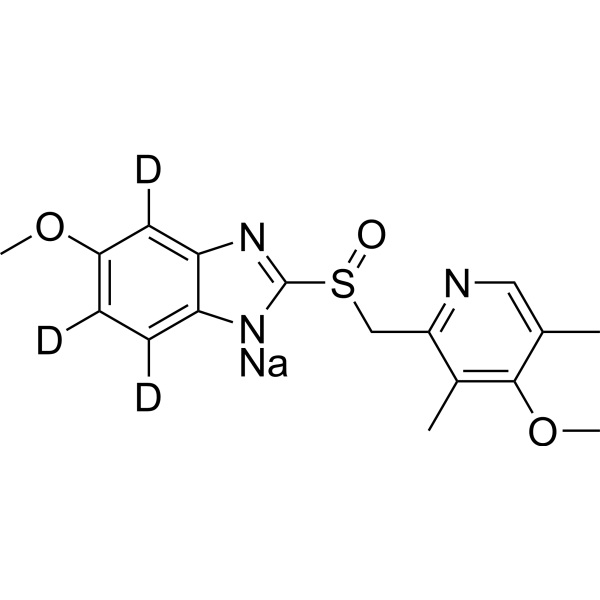
  • HY-B0113S4

    H 16868-d3 sodium

    Isotope-Labeled Compounds Na+/K+ ATPase Interleukin Related Proton Pump Cytochrome P450 Bacterial Apoptosis Autophagy TNF Receptor Atg8/LC3 Infection Metabolic Disease Cancer
    Omeprazole-d3 sodium is deuterated labeled Omeprazole (HY-B0113). Omeprazole sodium (H 16868) is an orally active H +,K +-ATPase inhibitor and a proton pump inhibitor. Omeprazole sodium competitively inhibits CYP2C19, CYP3A4, and CYP2C9 activity. Omeprazole sodium inhibits gastric acid secretion and can be used for acid-related gastrointestinal disorders. Omeprazole sodium inhibits pancreatic cancer cell proliferation, induces apoptosis, autophagosome accumulation (elevated LC3-I and LC3-II levels), oxidative stress, and cytogenetic imbalance, modulates lysosomal transport, reduces inflammatory cytokines. Omeprazole sodium alters small intestinal morphology and magnesium absorption, and induces gastric mucosa morphologic changes. Omeprazole sodium aslo has neuroprotective and antibacterial effects .
    Omeprazole-d3 sodium
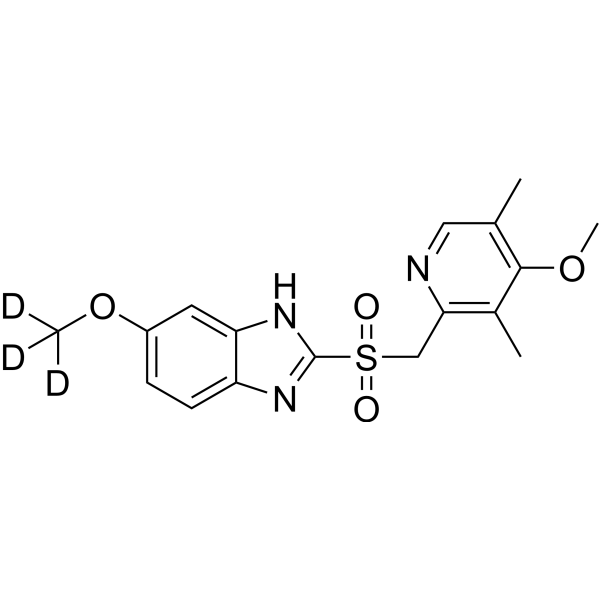
  • HY-B0113S2

    Omeprazole sulphone (methoxy-d3)

    Isotope-Labeled Compounds Na+/K+ ATPase Interleukin Related Proton Pump Cytochrome P450 Bacterial Apoptosis Autophagy TNF Receptor Atg8/LC3 Infection Cancer
    Omeprazole sulfone (methoxy-d3) is the deuterium labeled Omeprazole sulfone. Omeprazole sulfone (H 16868) is an orally active H +,K +-ATPase inhibitor and a proton pump inhibitor. Omeprazole sulfone competitively inhibits CYP2C19, CYP3A4, and CYP2C9 activity. Omeprazole sulfone inhibits gastric acid secretion and can be used for acid-related gastrointestinal disorders. Omeprazole sulfone inhibits pancreatic cancer cell proliferation, induces apoptosis, autophagosome accumulation (elevated LC3-I and LC3-II levels), oxidative stress, and cytogenetic imbalance, modulates lysosomal transport, reduces inflammatory cytokines. Omeprazole sulfone alters small intestinal morphology and magnesium absorption, and induces gastric mucosa morphologic changes. Omeprazole sulfone aslo has neuroprotective and antibacterial effects .
    Omeprazole sulfone (methoxy-d3)
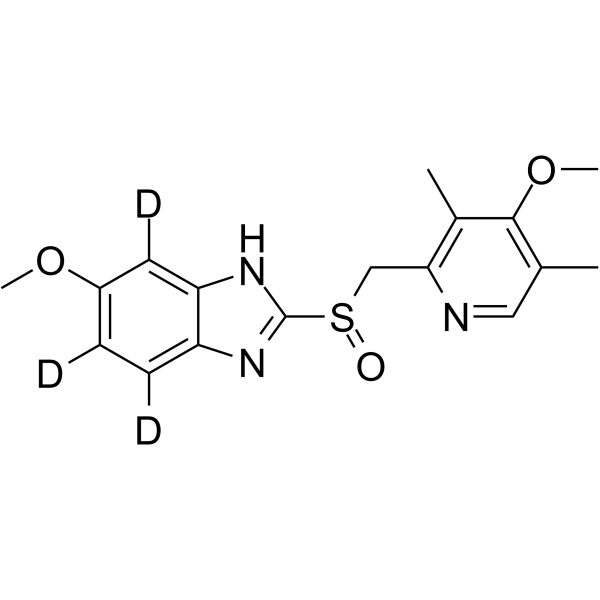
  • HY-B0113S5

    H 16868-d6

    Isotope-Labeled Compounds Na+/K+ ATPase Interleukin Related Proton Pump Cytochrome P450 Bacterial Apoptosis Autophagy TNF Receptor Atg8/LC3 Infection Metabolic Disease Cancer
    Omeprazole-d6 (H 16868-d6) is deuterium labeled Omeprazole. Omeprazole (H 16868) is an orally active H +,K +-ATPase inhibitor and a proton pump inhibitor. Omeprazole competitively inhibits CYP2C19, CYP3A4, and CYP2C9 activity. Omeprazole inhibits gastric acid secretion and can be used for acid-related gastrointestinal disorders. Omeprazole inhibits pancreatic cancer cell proliferation, induces apoptosis, autophagosome accumulation (elevated LC3-I and LC3-II levels), oxidative stress, and cytogenetic imbalance, modulates lysosomal transport, reduces inflammatory cytokines. Omeprazole alters small intestinal morphology and magnesium absorption, and induces gastric mucosa morphologic changes. Omeprazole aslo has neuroprotective and antibacterial effects .
    Omeprazole-d6
  • HY-B0113S1

    H 16868-d3-1

    Na+/K+ ATPase Interleukin Related Proton Pump Cytochrome P450 Bacterial Apoptosis Autophagy TNF Receptor Atg8/LC3 Infection Metabolic Disease Cancer
    Omeprazole-d3-1 is the deuterium labeled Omeprazole. Omeprazole-1 (H 16868) is an orally active H +,K +-ATPase inhibitor and a proton pump inhibitor. Omeprazole-1 competitively inhibits CYP2C19, CYP3A4, and CYP2C9 activity. Omeprazole-1 inhibits gastric acid secretion and can be used for acid-related gastrointestinal disorders. Omeprazole-1 inhibits pancreatic cancer cell proliferation, induces apoptosis, autophagosome accumulation (elevated LC3-I and LC3-II levels), oxidative stress, and cytogenetic imbalance, modulates lysosomal transport, reduces inflammatory cytokines. Omeprazole-1 alters small intestinal morphology and magnesium absorption, and induces gastric mucosa morphologic changes. Omeprazole-1 aslo has neuroprotective and antibacterial effects .
    Omeprazole-d3-1
  • HY-181986

    Lipase Apoptosis Cancer
    ERX-208 is an anticancer agent that induces endoplasmic reticulum stress by targeting lysosomal acid lipase A (LIPA), ultimately leading to cancer cell apoptosis. ERX-208 can be used in ovarian cancer research .
    ERX-208
  • HY-183257

    Autophagy Beclin1 Reactive Oxygen Species (ROS) p97 Cancer
    ATI-1 is an autophagy initiation inhibitor. ATI-1 targets valosin-containing protein (VCP/p97, disrupts its interaction with UFL1, impairs UFMylation homeostasis associated with VCP, promotes polyubiquitination and degradation of Beclin1, and blocks the formation of early autophagosomes. ATI-1 induces synergistic death of autophagy-dependent malignant tumor cells under nutrient deprivation conditions, accompanied by decreased mitochondrial membrane potential, reduced ROS levels and lysosomal stress. ATI-1 exhibits anti-tumor efficacy in a pancreatic adenocarcinoma xenograft mouse model. ATI-1 can be used for the research of pancreatic adenocarcinoma and lung cancer .
    ATI-1

온라인 문의

Your information is safe with us. * Required Fields.

호칭


Country or Region *

고객명 *


회사명 *

Department *


메일주소 *


상품명 *

Cat. No.


Requested quantity *

전화번호 *


비고

온라인 문의

Inquiry Information

상품명:
Cat. No.:
수량:
MCE Japan Authorized Agent:

