1. Search Result
Search Result
Isoforms Recommended: mGluR5
Results for "

mGluR5

" in MedChemExpress (MCE) Product Catalog:

80

Inhibitors & Agonists

4

Peptides

5

Natural
Products

1

Recombinant Proteins

1

Isotope-Labeled Compounds

4

Antibodies

3

Oligonucleotides

Cat. No. Product Name Target Research Areas Chemical Structure
  • HY-P1363
    β-Amyloid (1-42), human TFA
    Maximum Cited Publications
    24 Publications Verification

    Amyloid β-peptide (1-42) (human) TFA

    Amyloid-β Neurological Disease
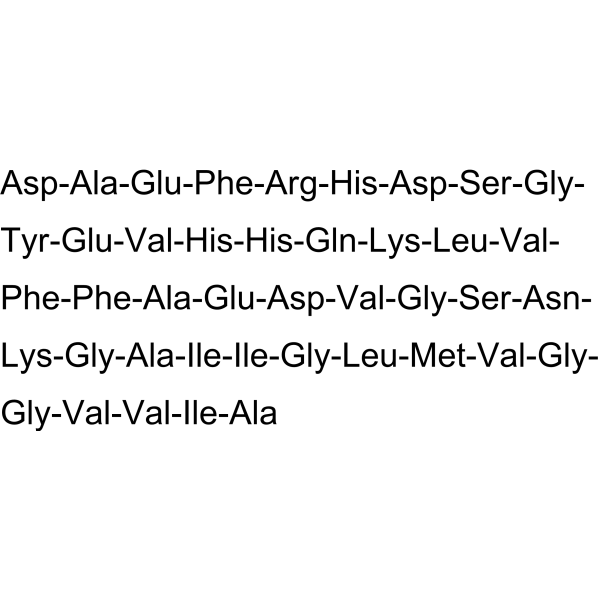
    β-Amyloid (1-42) (Amyloid β-peptide (1-42), human TFA, a 42-amino acid peptide that has not been treated with HFIP, is a brain-penetrant amyloid protein fragment, which can be used in research on Alzheimer's disease and Down’s syndrome. β-Amyloid (1-42), human TFA remaining as a monomer exhibits antioxidant and neuroprotective effects. β-Amyloid (1-42), human TFA, after being monomericized by HFIP and dissolved in DMSO to form the stock solution, on the one hand, can form soluble oligomers (AβOs) when incubated at 4 °C, which have synaptic toxicity and neurotoxicity; on the other hand, it can be incubated at 37 °C to form insoluble fibrils, with lower neurotoxicity, and participating in the oxidative damage process. Aβ42 oligomers bind to various neuronal surface receptors (such as PrPc, mGluR5, NMDA receptors, etc.), triggering oxidative stress, calcium homeostasis imbalance, and synaptic toxicity via activating downstream signaling pathways, leading to neuronal dysfunction and death [5] .
    β-Amyloid (1-42), human TFA
  • HY-P1363A
    β-Amyloid (1-42), human
    Maximum Cited Publications
    24 Publications Verification

    Amyloid β-peptide (1-42) (human)

    Amyloid-β Neurological Disease
    β-Amyloid (1-42) (Amyloid β-peptide (1-42)), human, a 42-amino acid peptide that has not been treated with HFIP, is a brain-penetrant amyloid protein fragment, which can be used in research on Alzheimer's disease and Down’s syndrome. β-Amyloid (1-42), human remaining as a monomer exhibits antioxidant and neuroprotective effects. β-Amyloid (1-42), human, after being monomericized by HFIP and dissolved in DMSO to form the stock solution, on the one hand, can form soluble oligomers (AβOs) when incubated at 4 °C, which have synaptic toxicity and neurotoxicity; on the other hand, it can be incubated at 37 °C to form insoluble fibrils, with lower neurotoxicity, and participating in the oxidative damage process. Aβ42 oligomers bind to various neuronal surface receptors (such as PrPc, mGluR5, NMDA receptors, etc.), triggering oxidative stress, calcium homeostasis imbalance, and synaptic toxicity via activating downstream signaling pathways, leading to neuronal dysfunction and death [5] .
    β-Amyloid (1-42), human
  • HY-P1363B
    β-Amyloid (1-42), human, HFIP-treated
    Maximum Cited Publications
    24 Publications Verification

    Amyloid-β Neurological Disease
    β-Amyloid (1-42), human, HFIP-treated, a 42-amino acid peptide that has been treated with HFIP from β-Amyloid (1-42), human (HY-P1363A), is a brain-penetrant amyloid protein fragment, which can be used in research on Alzheimer's disease and Down’s syndrome. β-Amyloid (1-42), human, HFIP-treated remaining as a monomer exhibits antioxidant and neuroprotective effects. β-Amyloid (1-42), human, HFIP-treated, after being dissolved in DMSO to form the stock solution, on the one hand, can form soluble oligomers (AβOs) when incubated at 4°C, which have synaptic toxicity and neurotoxicity; on the other hand, it can be incubated at 37°C to form insoluble fibrils, with lower neurotoxicity, and participating in the oxidative damage process. Aβ42 oligomers bind to various neuronal surface receptors (such as PrPc, mGluR5, NMDA receptors, etc.), triggering oxidative stress, calcium homeostasis imbalance, and synaptic toxicity via activating downstream signaling pathways, leading to neuronal dysfunction and death [5] .
    β-Amyloid (1-42), human, HFIP-treated
  • HY-13206
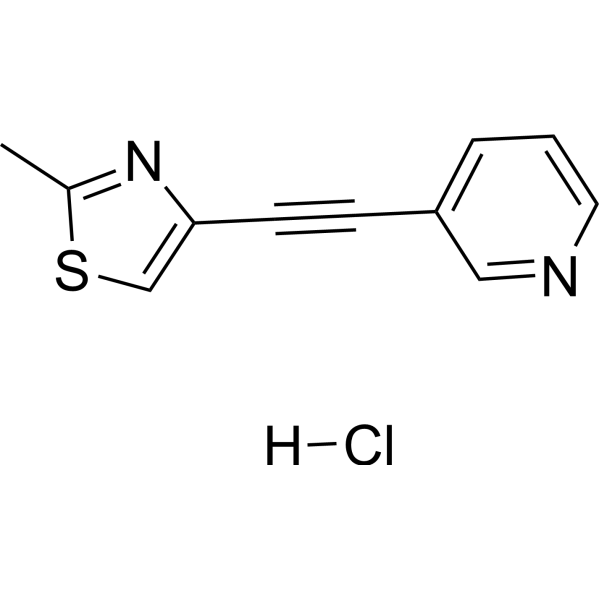
    MTEP hydrochloride
    3 Publications Verification

    mGluR Neurological Disease
    MTEP hydrochloride is a potent, non-competitive and highly selective mGluR5 antagonist, with an IC50 of 5 nM and a Ki of 16 nM. MTEP hydrochloride shows antidepressant and anxiolytic-like effects. MTEP hydrochloride can be used for Parkinson's disease research .
    MTEP hydrochloride
  • HY-15257
    Mavoglurant
    4 Publications Verification

    AFQ056

    mGluR Neurological Disease
    Mavoglurant (AFQ056) is a potent, selective, non-competitive and orally active mGluR5 antagonist, with an IC50 of 30 nM. Mavoglurant shows a >300 fold selectivity for the mGluR5 over all targets (238) tested. Mavoglurant can be used for the research of Fragile X syndrome (FXS), and L-dopa induced dyskinesias in Parkinson's disease . Mavoglurant is a click chemistry reagent, it contains an Alkyne group and can undergo copper-catalyzed azide-alkyne cycloaddition (CuAAc) with molecules containing Azide groups.
    Mavoglurant
  • HY-14569
    CDPPB
    1 Publications Verification

    mGluR Akt ERK Caspase Mitochondrial Metabolism Neurological Disease Inflammation/Immunology Cancer
    CDPPB is a selective, orally active and brain-penetrant mGluR5 allosteric modulator. CDPPB increases AKT and ERK1/2 activation and augments the BDNF mRNA. CDPPB inhibits caspase-3 activation and mitochondrial dysfunction. CDPPB improves cognitive impairment, depression, and Huntington's disease [5] .
    CDPPB
  • HY-15445
    CTEP
    2 Publications Verification

    RO 4956371; mGluR5 inhibitor

    mGluR Neurological Disease
    CTEP (RO 4956371) is a novel, long-acting, orally bioavailable allosteric antagonist of mGlu5 receptor with IC50 of 2.2 nM, and shows > 1000-fold selectivity over other mGlu receptors. CTEP is a click chemistry reagent, it contains an Alkyne group and can undergo copper-catalyzed azide-alkyne cycloaddition (CuAAc) with molecules containing Azide groups.
    CTEP
  • HY-12598

    mGluR Neurological Disease
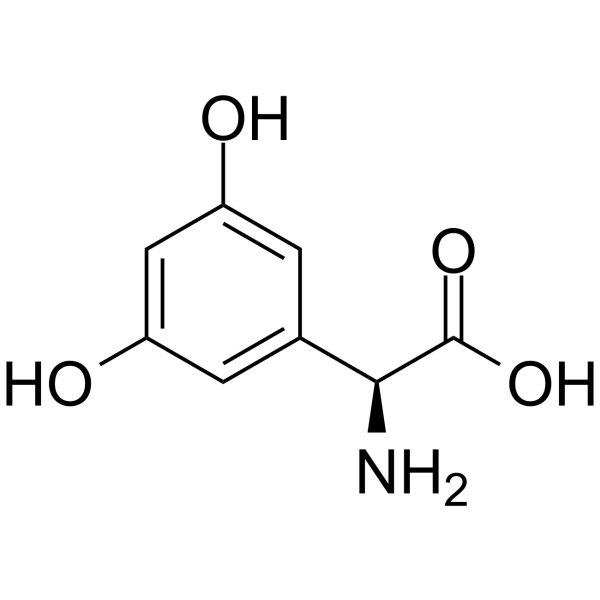
    (S)-3,5-DHPG is a weak, but selective group I metabotropic glutamate receptors (mGluRs) agonist with Ki values of 0.9 μM and 3.9 μM for mGluR1a and mGluR5a, respectively . (S)-3,5-DHPG exhibits anxiolytic activity in rats subjected to hypoxia .
    (S)-3,5-DHPG
  • HY-B0340

    DM9384; DZL-221

    nAChR iGluR mGluR PKC GABA Receptor Calcium Channel Neurological Disease
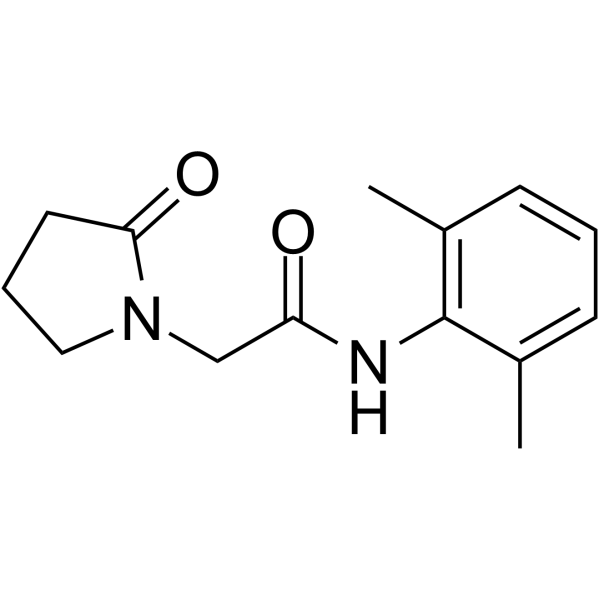
    Nefiracetam is a cognition-enhancing agent. Nefiracetam is an activator of nAChR, N-methyl-D-aspartate receptor (NMDAR), mGluR5, PKC, gamma-aminobutyric acid (GABA), and N/L-type Ca 2+ channels. Nefiracetam promotes neuroplasticity and enhances neuroprotection. Nefiracetam can be used in Alzheimer's disease, epilepsy, and cerebral ischemia research [5] .
    Nefiracetam
  • HY-15446
    Basimglurant
    1 Publications Verification

    RG7090; RO4917523

    mGluR Neurological Disease
    Basimglurant (RG7090; RO4917523) is a selective, orally active, blood-brain barrier permeable negative allosteric modulator of metabotropic glutamate receptor 5 (mGluR5), with a Ki of 1.4 nM (against [ 3H]-ABP688 (HY-110141)) and 35.6 nM (against [ 3H]-MPEP (HY-14609A)). Basimglurant inhibits mGlu5-mediated signaling pathways and receptor constitutive activity, regulates dopamine levels in the nucleus accumbens, exerts anxiolytic, antidepressant-like, analgesic and arousal-promoting effects, and alters δ-wave power during non-rapid eye movement sleep. Basimglurant can be used in research on depression, fragile X syndrome, anxiety disorders, etc .
    Basimglurant
  • HY-14859

    ADX48621

    mGluR Neurological Disease
    Dipraglurant (ADX48621) is a potent, selective, orally active and brain penetrant mGluR5 negative allosteric modulator (NAM), with an IC50 of 21 nM. Dipraglurant can reduce Levodopa-induced dyskinesia (LID) in vivo . Dipraglurant is a click chemistry reagent, it contains an Alkyne group and can undergo copper-catalyzed azide-alkyne cycloaddition (CuAAc) with molecules containing Azide groups.
    Dipraglurant
  • HY-100786
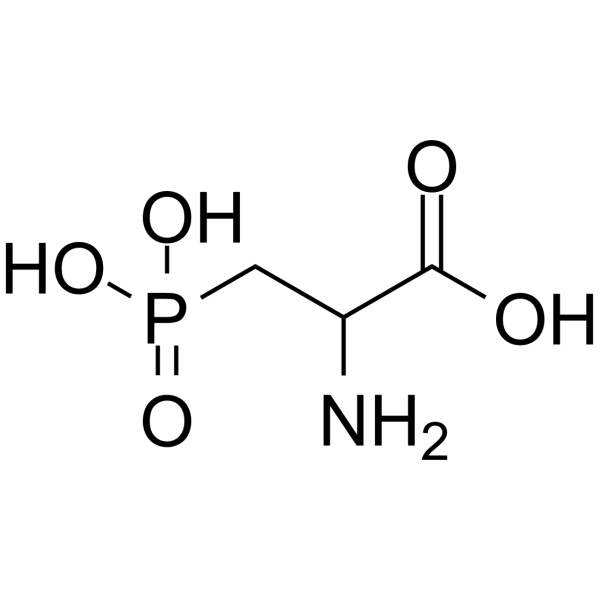
    DL-AP3
    1 Publications Verification

    Endogenous Metabolite mGluR Phosphatase Neurological Disease Cancer
    DL-AP3 is a competitive mGluR1 and mGluR5 antagonist. DL-AP3 is also an inhibitor of phosphoserine phosphatase. DL-AP3 has neuroprotective effect .
    DL-AP3
  • HY-100804
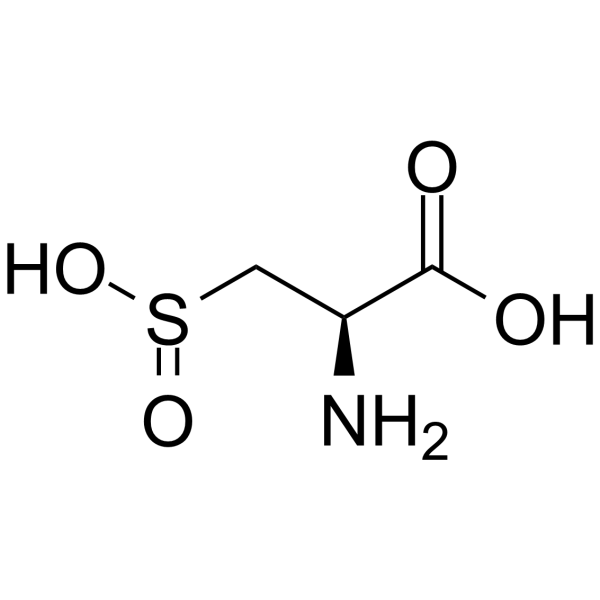
    L-Cysteinesulfinic acid
    2 Publications Verification

    mGluR Endogenous Metabolite Neurological Disease
    L-Cysteinesulfinic acid is a potent agonist at several rat metabotropic glutamate receptors (mGluRs) with pEC50s of 3.92, 4.6, 3.9, 2.7, 4.0, and 3.94 for mGluR1, mGluR5, mGluR2, mGluR4, mGluR6, and mGluR8, respectively .
    L-Cysteinesulfinic acid
  • HY-101364
    CHPG
    4 Publications Verification

    mGluR NF-κB ERK Akt Cardiovascular Disease Inflammation/Immunology
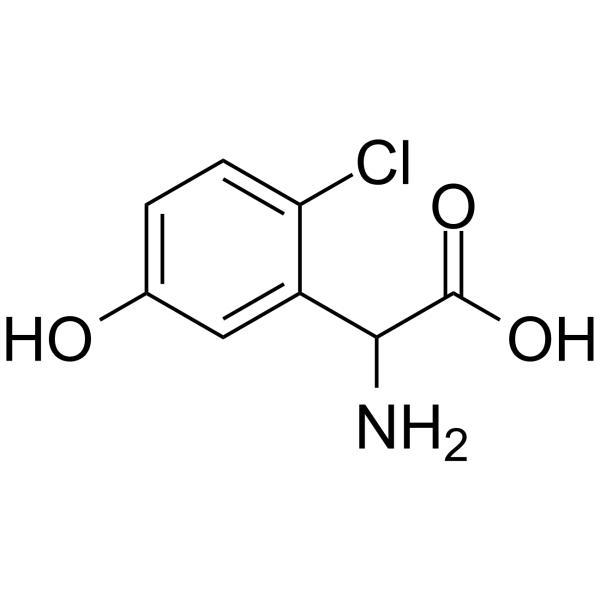
    CHPG is a selective mGluR5 agonist, and attenuates SO2-induced oxidative stress and inflammation through TSG-6/NF-κB pathway in BV2 microglial cells . CHPG protects against traumatic brain injury (TBI) in vitro and in vivo by activation of the ERK and Akt signaling pathways .
    CHPG
  • HY-13206A
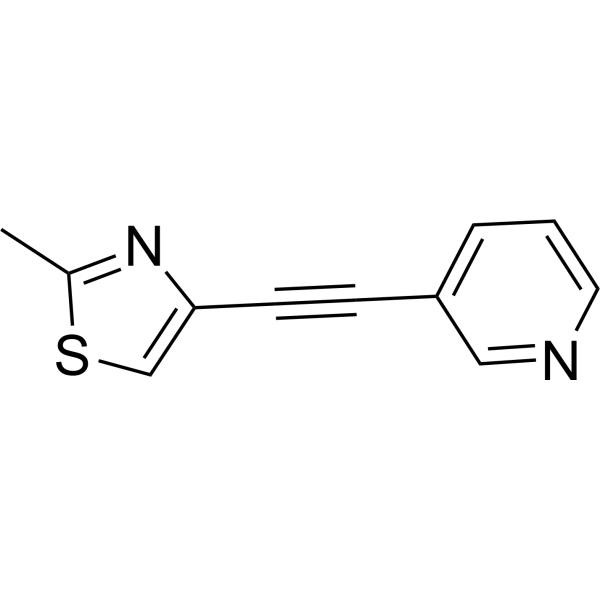
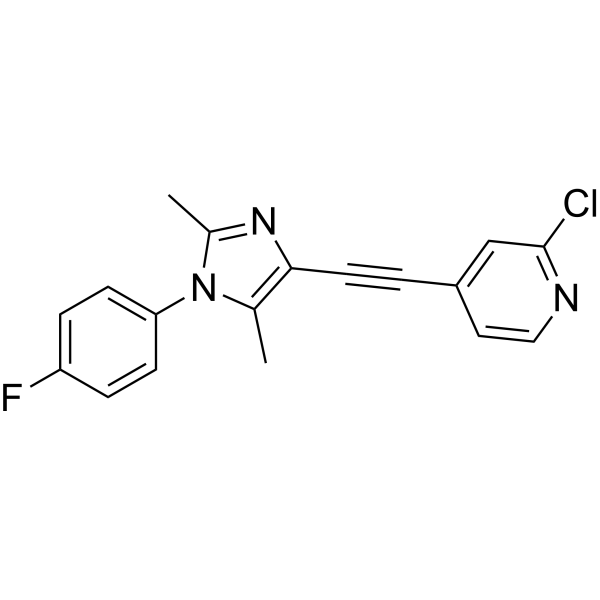
    MTEP
    3 Publications Verification

    mGluR Neurological Disease
    MTEP is a potent, non-competitive and highly selective mGluR5 antagonist, with an IC50 of 5 nM and a Ki of 16 nM. MTEP shows antidepressant and anxiolytic-like effects. MTEP can be used for Parkinson's disease research . MTEP is a click chemistry reagent, it contains an Alkyne group and can undergo copper-catalyzed azide-alkyne cycloaddition (CuAAc) with molecules containing Azide groups.
    MTEP
  • HY-13058
    ADX-47273
    1 Publications Verification

    mGluR Neurological Disease
    ADX-47273 is a potent, selective and brain-penetrant mGluR5 positive allosteric modulator (PAM), with an EC50 of 0.17 μM for potentiation of glutamate (50 nM) response. ADX-47273 has antipsychotic and procognitive activities .
    ADX-47273
  • HY-155352

    mGluR Neurological Disease
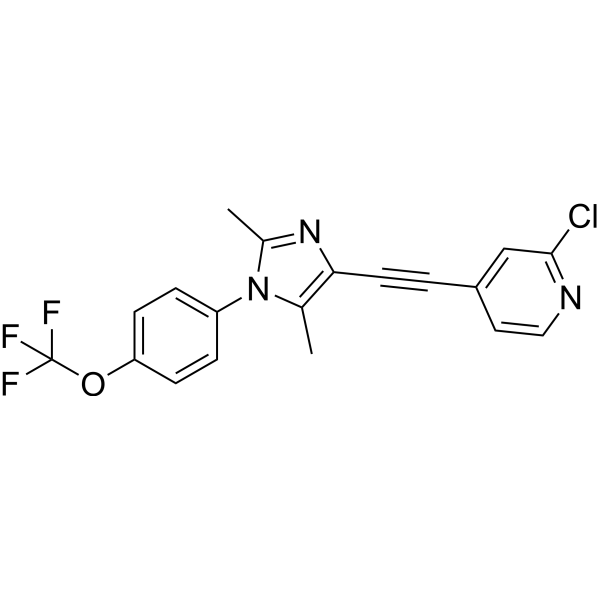
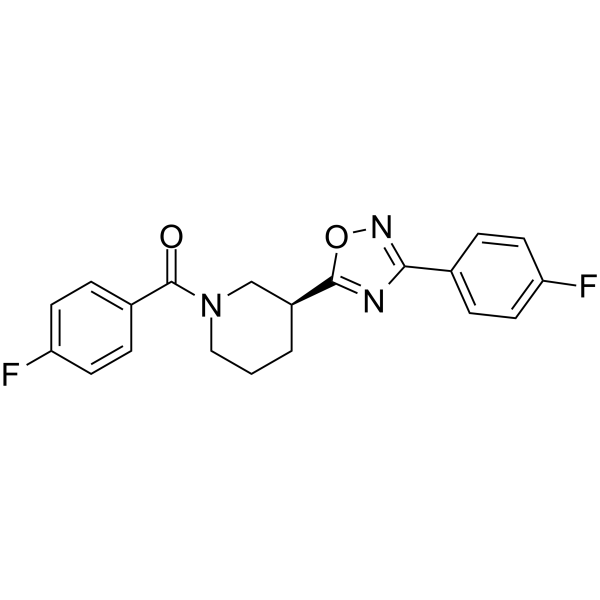
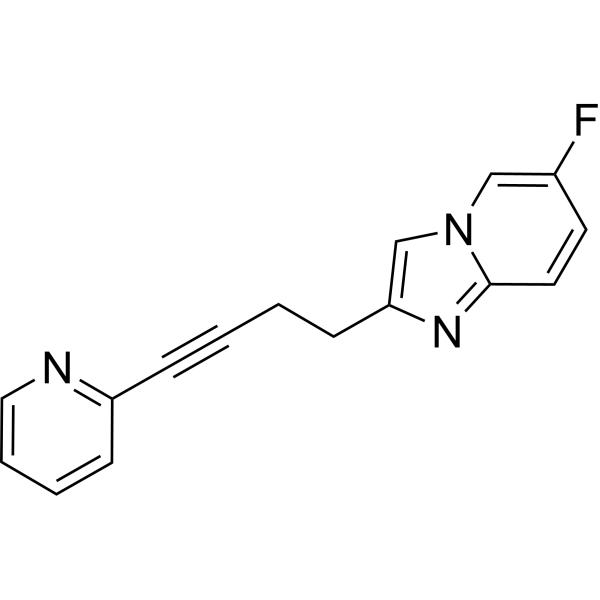
    mGluR5 antagonist-1 is an orally active mGluR5 antagonist with an IC50 value of 11.5 nM. mGluR5 antagonist-1 has anti-depressant effect. mGluR5 antagonist-1 can be used for the study of depressive disorder .
    mGluR5 antagonist-1
  • HY-122559

    mGluR Neurological Disease
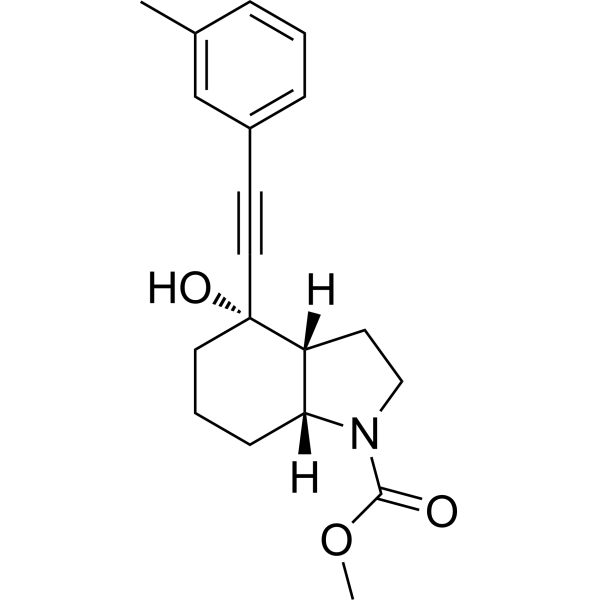
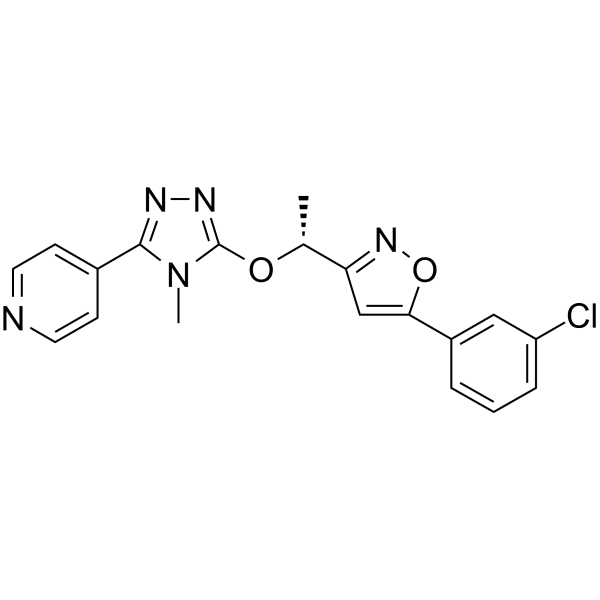
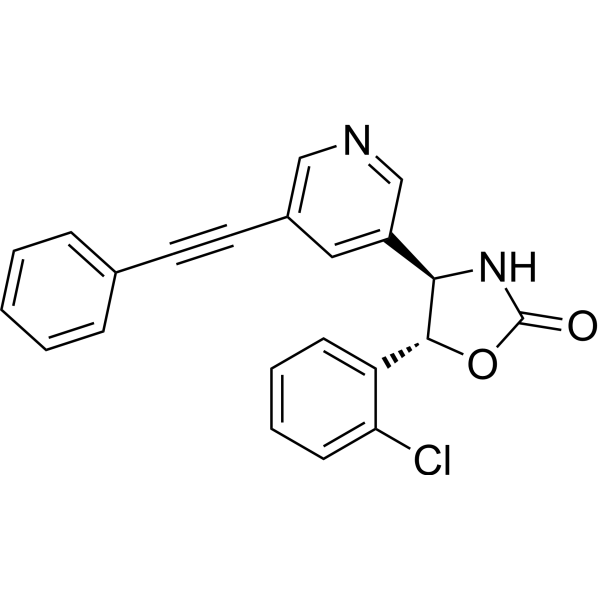
    BMS-984923, a potent mGluR5 silent allosteric modulator (SAM), with exquisite binding affinity (Ki = 0.6 nM), exhibits good oral bioavailability and BBB penetration. BMS-984923 potently inhibits the PrPC-mGluR5 interaction and prevents pathological Aβo signaling without affecting physiological glutamate signaling .
    BMS-984923
  • HY-W017230
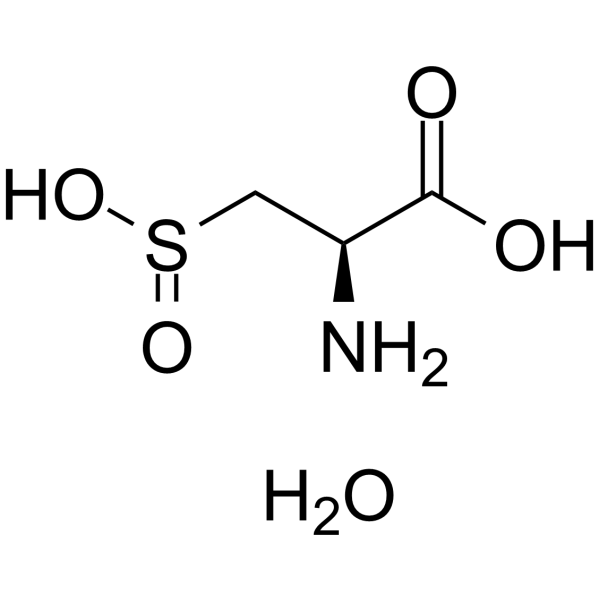
    L-Cysteinesulfinic acid monohydrate
    2 Publications Verification

    mGluR Endogenous Metabolite Neurological Disease
    L-Cysteinesulfinic acid monohydrate is a potent agonist at several rat metabotropic glutamate receptors (mGluRs) with pEC50s of 3.92, 4.6, 3.9, 2.7, 4.0, and 3.94 for mGluR1, mGluR5, mGluR2, mGluR4, mGluR6, and mGluR8, respectively .
    L-Cysteinesulfinic acid monohydrate
  • HY-101364A
    CHPG sodium salt
    4 Publications Verification

    mGluR NF-κB ERK Akt Neurological Disease Inflammation/Immunology
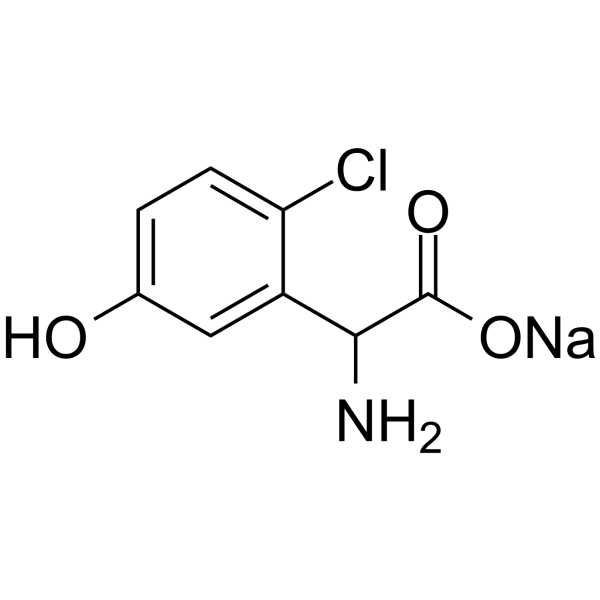
    CHPG sodium salt is a selective mGluR5 agonist, and attenuates SO2-induced oxidative stress and inflammation through TSG-6/NF-κB pathway in BV2 microglial cells . CHPG sodium salt protects against traumatic brain injury (TBI) in vitro and in vivo by activation of the ERK and Akt signaling pathways. .
    CHPG sodium salt
  • HY-100371
    (RS)-MCPG
    1 Publications Verification

    alpha-MCPG

    mGluR Neurological Disease
    (RS)-MCPG (alpha-MCPG) is a competitive and selective group I/group II metabotropic glutamate receptor (mGluR) antagonist. (RS)-MCPG blocks theta-burst stimulation (TBS)-induced shifts in both juvenile and neonatal rat hippocampal neurons .
    (RS)-MCPG
  • HY-101478

    mGluR Apoptosis Neurological Disease Cancer
    Fenobam is a selective and orally active mGluR5 antagonist (IC50=84 nM) that can penetrate the blood-brain barrier. Fenobam shows the Kd values of 54 nM and 31 nM on rat and human recombinant mGlu5 receptors, respectively. Fenobam has anxiolytic activity, inhibits self-administration behavior in mice, and induces apoptosis in cancer cells. Fenobam can be used for research on neurological diseases, cancer and drug addiction .
    Fenobam
  • HY-14612

    mGluR Neurological Disease
    CPPHA is potent and selective positive allosteric modulator (PAM) of the mGluR5 and mGluR1 (metabotropic glutamate receptor). CPPHA can potentiate responses of mGluR5 and mGluR1 to activation of these receptors. CPPHA is developed for the research of central nervous system disorders .
    CPPHA
  • HY-110254

    mGluR Neurological Disease
    AZD 9272 is a selective, orally active and brain penetrant mGluR5 antagonist with IC50s of 2.6 nM and 7.6 nM for rat and human receptors, respectively. AZD 9272 shows >3900-fold selectivity over other mGlu receptors 2].
    AZD 9272
  • HY-103571

    mGluR Neurological Disease
    VU0285683 is a selective mGluR5 positive allosteric modulator (PAM). VU0285683 has anxiolytic-like activity in rodent models for anxiety .
    VU0285683
  • HY-103564

    mGluR Neurological Disease
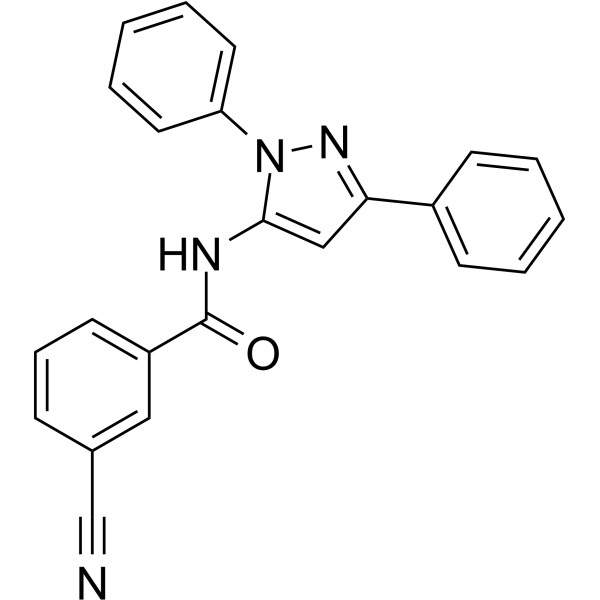
    ACDPP is a specific mGluR5 antagonist. ACDPP partially bolcks the increase of fragile X mental retardation protein (FMRP) caused by DHPG (HY-12598A) (group I mGluR Agonist) .
    ACDPP
  • HY-102094

    mGluR Neurological Disease
    (E/Z)-SIB-1893 is a racemic compound of (E)-SIB-1893 and (Z)-SIB-1893 isomers. (E)-SIB-1893 is a selective non-competitive metabotropic glutamate subtype 5 receptor (mGluR5) antagonist .
    (E/Z)-SIB-1893
  • HY-129636

    (E)-GABAB receptor antagonist 1

    GABA Receptor ERK Neurological Disease
    CLH304a (compound 14) is a specific and noncompetitive GABAB receptor negative allosteric modulator (NAM). CLH304a decreases GABA-induced IP3 production with an IC50 of 37.9 μM. CLH304a has no effect on other GPCR Class C members such as mGluR1, mGluR2, and mGluR5. CLH304a acts on the heptahelical domain of GB2 subunits and non-competitively inhibits the effect of agonists with inverse agonist properties. CLH304a inhibits Baclofen (HY-B0007)-induced ERK1/2 phosphorylation in HEK293 cells overexpressing GABAB receptor .
    CLH304a
  • HY-107508

    mGluR Neurological Disease
    VU-29 is a positive allosteric modulator of metabotropic glutamate 5 (mGlu5) receptor (EC50=9 nM and Ki=244 nM for rmGluR5). VU-29 is selective for mGluR5 relative to other mGluR subtypes (EC50: rmGluR1/rmGluR2=557 nM/1.5 μM; hmGluR4=154 nM) .
    VU-29
  • HY-141832

    mGluR Neurological Disease
    mGluR5 modulator 1 is a mGluR5 positive allosteric modulator. mGluR5 modulator 1 can be used for the research of the schizophrenia and cognitive impairments .
    mGluR5 modulator 1
  • HY-141848A

    mGluR Neurological Disease
    (S,S)-BMS-984923 is a less active (S,S)-enantiomer of BMS-984923. (S,S)-BMS-984923 shows an EC50 >1μM for mGluR5 receptor . BMS-984923 is a potent mGluR5 silent allosteric modulator . (S,S)-BMS-984923 is a click chemistry reagent, it contains an Alkyne group and can undergo copper-catalyzed azide-alkyne cycloaddition (CuAAc) with molecules containing Azide groups.
    (S,S)-BMS-984923
  • HY-103574

    ADX-10059 hydrochloride

    mGluR Neurological Disease
    Raseglurant hydrochloride is a negative allosteric modulator of mGluR5. Raseglurant hydrochloride can be used in study migraine .
    Raseglurant hydrochloride
  • HY-119282

    mGluR Neurological Disease
    AZD6538 is a potent, selective and brain penetrant mGluR5 negative allosteric modulator. AZD6538 inhibits DHPG (HY-12598A)-stimulated intracellular Ca2+ release in HEK cells expressing rat or human mGluR5, with IC50 values of 3.2 and 13.4 nM for rat mGluR5 and human mGluR5, respectively. AZD6538 can be used for the research of neuropathic pain .
    AZD6538
  • HY-100728

    mGluR Neurological Disease
    BMT-145027 is an mGluR5 positive allosteric modulator without inherent agonist activity, exhibits an EC50 of 47 nM.
    BMT-145027
  • HY-110141

    mGluR Others
    ABP688 is a high affinity human mGluR5 antagonist with anKi of 1.7 nM. Radioisotope-labeled ABP688 can be used as a PET tracer for clinical imaging of the mGlu5 receptor .
    ABP688
  • HY-W017230R

    Reference Standards mGluR Endogenous Metabolite Neurological Disease
    L-Cysteinesulfinic acid monohydrate is a potent agonist at several rat metabotropic glutamate receptors (mGluRs) with pEC50s of 3.92, 4.6, 3.9, 2.7, 4.0, and 3.94 for mGluR1, mGluR5, mGluR2, mGluR4, mGluR6, and mGluR8, respectively .
    L-Cysteinesulfinic acid monohydrate (Standard)
  • HY-108034

    GABA Receptor Neurological Disease
    GET73 is a γ-hydroxybutyric acid (GHB) analog, a naturally occurring neurotransmitter. GET73 has anti-alcohol and anxiolytic properties. GET73 significantly affects glutamate transmission in the hippocampus .
    GET73
  • HY-100804R

    Reference Standards mGluR Endogenous Metabolite Neurological Disease
    L-Cysteinesulfinic acid (Standard) is the analytical standard of L-Cysteinesulfinic acid. This product is intended for research and analytical applications. L-Cysteinesulfinic acid is a potent agonist at several rat metabotropic glutamate receptors (mGluRs) with pEC50s of 3.92, 4.6, 3.9, 2.7, 4.0, and 3.94 for mGluR1, mGluR5, mGluR2, mGluR4, mGluR6, and mGluR8, respectively .
    L-Cysteinesulfinic acid (Standard)
  • HY-16951

    mGluR Neurological Disease
    VU-1545 is a metabotropic glutamate receptor 5 positive allosteric modulator (mGluR5 PAM) with a Ki of 156 nM and an EC50 of 9.6 nM .
    VU-1545
  • HY-115483

    mGluR Neurological Disease
    VU0477573 is a brain-penetrant partial negative allosteric modulator of metabotropic glutamate receptor subtype 5 (mGluR5). VU0477573 exhibits neuroprotective and anxiolytic effects. VU0477573 can be used for the research of neurological disease, such as Parkinson disease .
    VU0477573
  • HY-123874

    mGluR Neurological Disease
    BMS-952048 is a positive allosteric modulator of mGluR5 with an EC50 of 10 nM .
    BMS-952048
  • HY-103575

    mGluR Neurological Disease
    MFZ 10-7 is a highly potent and selective mGluR5 NAM (negative allosteric modulator), with a Ki of 0.67 nM for rat mGluR5 . MFZ 10-7 is a click chemistry reagent, it contains an Alkyne group and can undergo copper-catalyzed azide-alkyne cycloaddition (CuAAc) with molecules containing Azide groups.
    MFZ 10-7
  • HY-103561

    mGluR Neurological Disease
    DCB (3,3′-dichlorobenzaldazine) is an neutral allosteric modulator of themetabotropic glutamate receptor metabotropic glutamate receptor subtype 5 (mGluR5) . DCB blocks the positive allosteric regulation of mGluRs (mGluR5) with the help of 3,3′-difluorobenzaldazine (DFB). DCB shows the negative modulatory effect of 3,3′-dimethoxybenzaldazine (DMeOB) .
    DCB
  • HY-124393

    mGluR Neurological Disease
    GRN-529 is a negative allosteric modulator (NAM) for mGluR5. GRN-259 modulates sleep-wake activity, and exhibits anxiolytic efficacy in rats .
    GRN-529
  • HY-110255
    AZD 2066
    1 Publications Verification

    mGluR Calcium Channel Trk Receptor Neurological Disease
    AZD-2066 is a selective, orally active and blood-brain barrier-permeating mGluR5 antagonist. AZD 2066 activates the BDNF/trkB signaling pathway. AZD 2066 can be used in the research of neuropathic pain, major depressive disorder and gastroesophageal reflux disease [5].
    AZD 2066
  • HY-125717

    mGluR Neurological Disease
    VU0029251 is a mGluR5 partial antagonist (Ki: 1.07 μM). VU0029251 inhibits glutamate induced calcium mobilization in HEK293 cell membranes expressing rat mGluR5 (IC50: 1.7 μM) .
    VU0029251
  • HY-120641

    mGluR Neurological Disease
    BMS-955829 is an orally active and selective mGluR5 positive allosteric modulator with an EC50 of 2.6 nM. BMS-955829 has no intrinsic agonist activity and a low glutamate fold shift (2.4). BMS-955829 can effectively improve cognitive and executive function deficits in rodents. BMS-955829 can be used in the research of cognitive impairment diseases such as schizophrenia .
    BMS-955829
  • HY-15257R

    AFQ056 (Standard)

    mGluR Reference Standards Neurological Disease
    Mavoglurant (Standard) is the analytical standard of Mavoglurant. This product is intended for research and analytical applications. Mavoglurant (AFQ056) is a potent, selective, non-competitive and orally active mGluR5 antagonist, with an IC50 of 30 nM. Mavoglurant shows a >300 fold selectivity for the mGluR5 over all targets (238) tested. Mavoglurant can be used for the research of Fragile X syndrome (FXS), and L-dopa induced dyskinesias in Parkinson's disease . Mavoglurant is a click chemistry reagent, it contains an Alkyne group and can undergo copper-catalyzed azide-alkyne cycloaddition (CuAAc) with molecules containing Azide groups.
    Mavoglurant (Standard)
  • HY-103575A

    mGluR Neurological Disease
    MFZ 10-7 hydrochloride is a highly potent and selective mGluR5 NAM (negative allosteric modulator), with a Ki of 0.67 nM for rat mGluR5 . MFZ 10-7 (hydrochloride) is a click chemistry reagent, it contains an Alkyne group and can undergo copper-catalyzed azide-alkyne cycloaddition (CuAAc) with molecules containing Azide groups.
    MFZ 10-7 hydrochloride
  • HY-13058B

    mGluR Neurological Disease
    (R)-ADX-47273 is a potent mGluR5 positive allosteric modulator, with an EC50 of 168 nM for potentiation .
    (R)-ADX-47273

Inquiry Online

Your information is safe with us. * Required Fields.

Salutation


Country or Region *

Applicant Name *


Organization Name *

Department *


Email Address *


Product Name *

Cat. No.


Requested quantity *

Phone Number *


Remarks

Inquiry Online

Inquiry Information

Product Name:
Cat. No.:
Quantity:
MCE Japan Authorized Agent:

