
1956 Results for "

mitochondrially

" in MedChemExpress (MCE) Product Catalog:
Products (1956)

1956 Results for "mitochondrially" in MCE Product Catalog:

878
878 Publications Verification
Cat. No.: HY-15763
CAS No.: 571203-78-6
Purity:  99.62%
Research Areas:  

Cancer

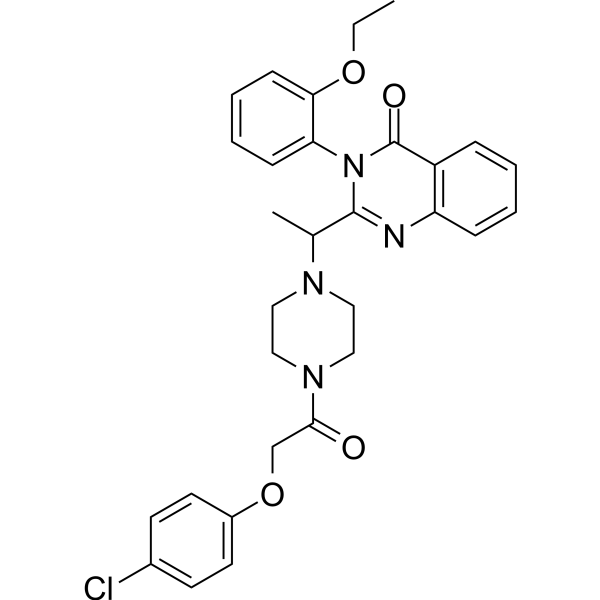
Erastin is a ferroptosis inducer. Erastin exhibits the mechanism of ferroptosis induction related to ROS and iron-dependent signaling. Erastin inhibits voltage-dependent anion channels (VDAC2/VDAC3) and accelerates oxidation, leading to the accumulation of endogenous reactive oxygen species. Erastin also disrupts mitochondrial permeability transition pore (mPTP) with anti-tumor activity. Furthermore, Erastin can block the uptake of cystine mediated by SLC7A11 and also spares UMRC6-EV and -C91A cells from disulfidptosis under glucose starvation .
loading...
    loading...
585
585 Cited Publications
Cat. No.: HY-10071
CAS No.: 146986-50-7
Purity:  99.46%
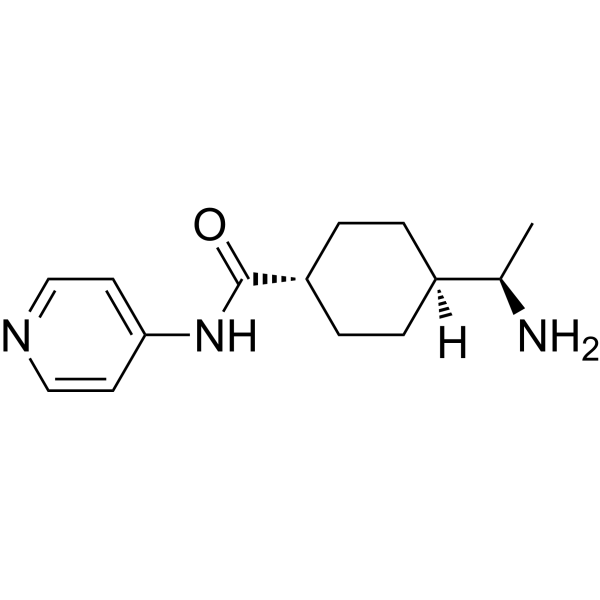
Y-27632 is a ROCK inhibitor with Ki values of 220 nM and 300 nM for ROCK1 and ROCK2, respectively. Y-27632 exerts anti-inflammatory and immunomodulatory effects in systemic lupus erythematosus models by inhibiting the ROCK/NF-κB pathway. Y-27632 enhances autophagy by inhibiting the AKT/mTOR pathway, thereby inducing apoptosis apoptosis in oral squamous cell carcinoma. Y-27632 induces the formation of tunneling nanotubes in ARPE-19 cells and significantly enhances mitochondrial transfer through these channels. Y-27632 promotes neurite outgrowth in PC12 cells by activating the Rac1/NOX1/ROS/AKT/PAK1 signaling cascade .
loading...
    loading...
429
429 Cited Publications
Cat. No.: HY-10071A
CAS No.: 331752-47-7
Y-27632 hydrochloride hydrate is a ROCK inhibitor with Ki values of 220 nM and 300 nM for ROCK1 and ROCK2, respectively. Y-27632 hydrochloride hydrate exerts anti-inflammatory and immunomodulatory effects in systemic lupus erythematosus models by inhibiting the ROCK/NF-κB pathway. Y-27632 hydrochloride hydrate enhances autophagy by inhibiting the AKT/mTOR pathway, thereby inducing apoptosis apoptosis in oral squamous cell carcinoma. Y-27632 hydrochloride hydrate induces the formation of tunneling nanotubes in ARPE-19 cells and significantly enhances mitochondrial transfer through these channels. Y-27632 hydrochloride hydrate promotes neurite outgrowth in PC12 cells by activating the Rac1/NOX1/ROS/AKT/PAK1 signaling cascade .
loading...
    loading...
346
346 Cited Publications
Cat. No.: HY-15886
CAS No.: 338967-87-6
Purity:  99.96%
Synonyms: Mitochondrial division inhibitor 1
Research Areas:  

Cancer

Mdivi-1 is a selective dynamin-related protein 1 (Drp1) inhibitor. Mdivi-1 is a mitochondrial division/mitophagy inhibitor.
loading...
    loading...
312
312 Cited Publications
Cat. No.: HY-D1055
CAS No.: 1003197-00-9
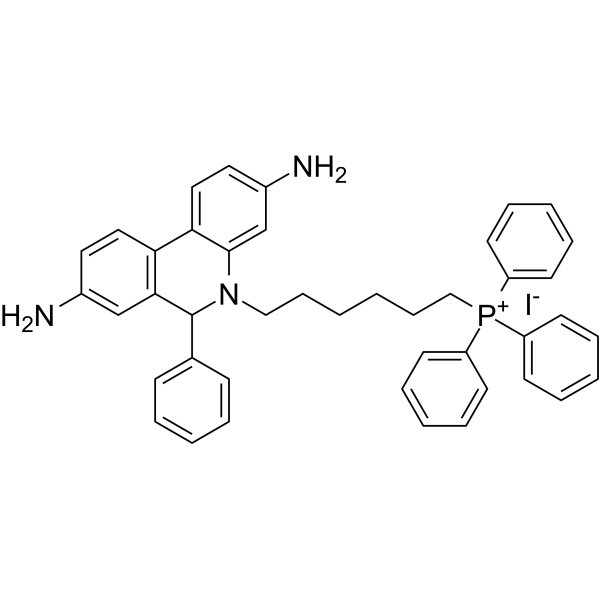
MitoSOX Red is a live cell fluorescent probe that specifically targets mitochondria and is cell membrane permeable. MitoSOX Red enters mitochondria and is oxidized by superoxide but not by other ROS or RNS generating systems. The oxidized MitoSOX Red then binds to nucleic acids in mitochondria/nucleus, producing strong red fluorescence. MitoSOX Red can be used as a fluorescent indicator to specifically detect superoxide. In addition, superoxide dismutase (SOD) can prevent the oxidation of MitoSOX Red.
Excitation/emission wavelength: 510/580 nm.
loading...
    loading...
249
249 Cited Publications
Cat. No.: HY-100381
CAS No.: 28643-80-3
Purity:  99.37%
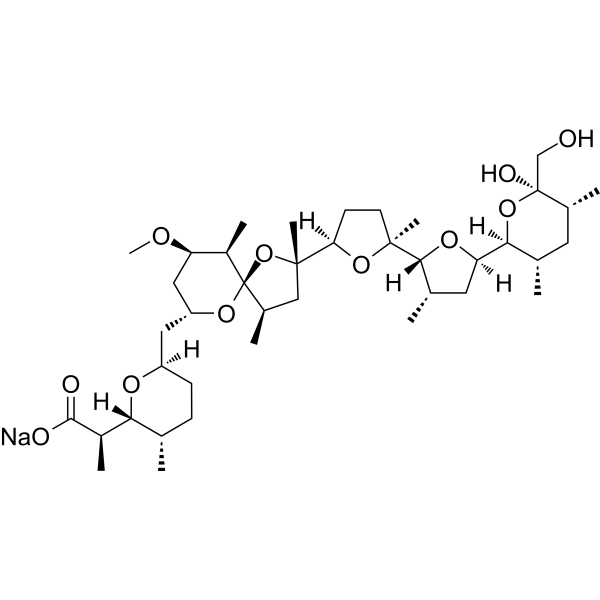
Nigericin sodium salt is an antibiotic derived from Streptomyces hygroscopicus that act as a K +/H + ionophore, promoting K +/H + exchange across mitochondrial membranes. Nigericin sodium salt is a NLRP3 activator. Nigericin sodium salt shows promising anti-cancer activities through decreasing intracellular pH (pHi), and inactivation of Wnt/β-catenin signals. Nigericin sodium salt induces pyroptosis through caspase 1/GSDMD in TNBC .
loading...
    loading...
249
249 Cited Publications
Cat. No.: HY-127019
CAS No.: 28380-24-7
Purity:  99.43%
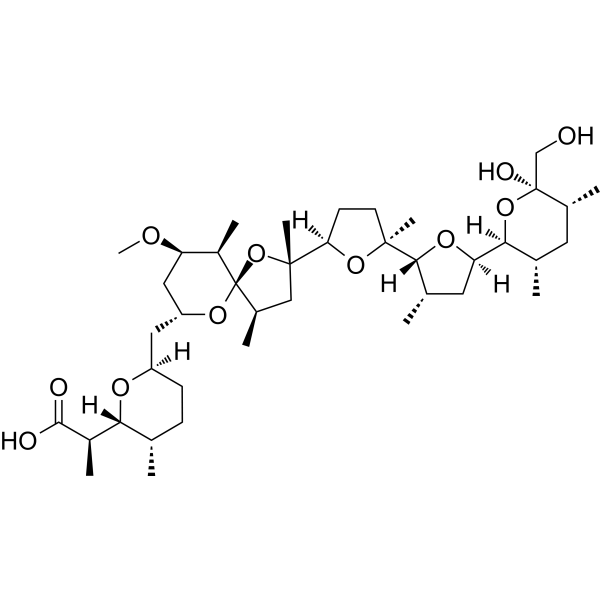
Nigericin is an antibiotic derived from Streptomyces hygroscopicus that act as a K +/H + ionophore, promoting K +/H + exchange across mitochondrial membranes. Nigericin is a NLRP3 activator. Nigericin shows promising anti-cancer activities through decreasing intracellular pH (pHi), and inactivation of Wnt/β-catenin signals. Nigericin induces pyroptosis through caspase 1/GSDMD in TNBC .
loading...
    loading...
238
238 Cited Publications
Cat. No.: HY-15534
CAS No.: 3520-43-2
Purity:  98.71%
Synonyms: CBIC2
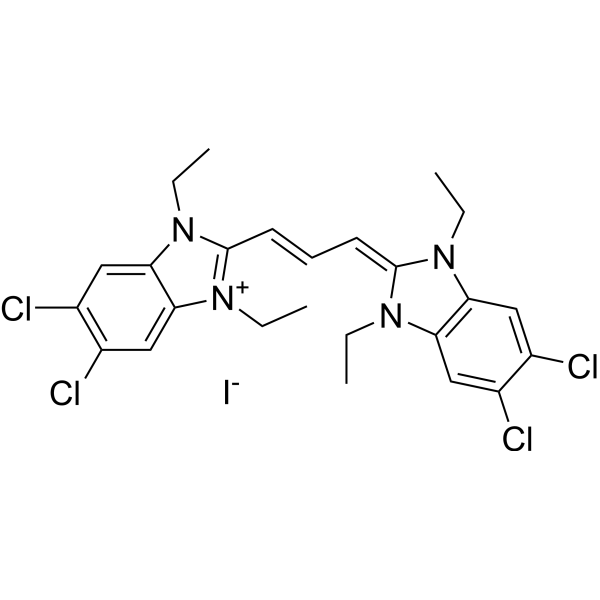
JC-1 (CBIC2) is an ideal fluorescent probe widely used to detect mitochondrial membrane potential. JC-1 accumulates in mitochondria in a potential dependent manner and can be used to detect the membrane potential of cells or purified mitochondria. In normal mitochondria, JC-1 aggregates in the mitochondrial matrix to form a polymer, which emits strong red fluorescence (Ex=585 nm, Em=590 nm); When the mitochondrial membrane potential is low, JC-1 cannot aggregate in the matrix of mitochondria and produce green fluorescence (ex=510 nm, em= 527 nm) .
loading...
    loading...
210
210 Cited Publications
Cat. No.: HY-B0627
CAS No.: 657-24-9
Synonyms: 1,1-Dimethylbiguanide
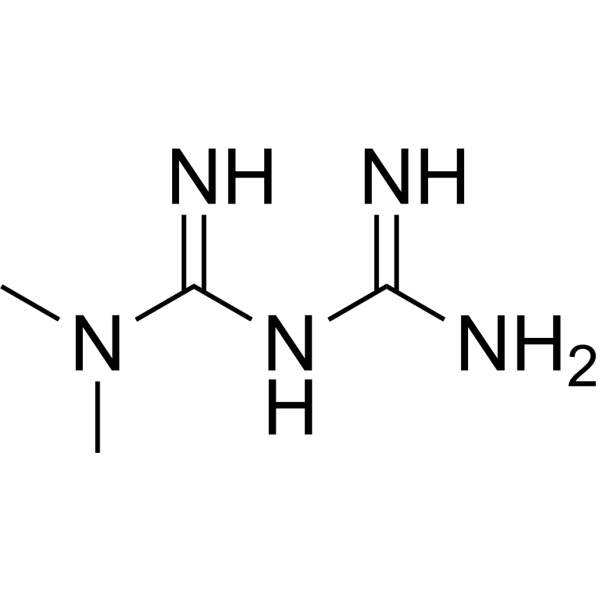
Metformin (1,1-Dimethylbiguanide) inhibits the mitochondrial respiratory chain in the liver, leading to AMPK activation and enhancing insulin sensitivity, and can be used in the study of type 2 diabetes. Metformin exerts central glucose-lowering effects by inhibiting Ras-related protein 1 (Rap1) in SF1 hypothalamic neurons. Metformin also inhibits liver oxidative stress, nitrosative stress, inflammation, and apoptosis caused by liver ischemia/reperfusion injury. In addition, Metformin regulates the expression of autophagy-related proteins by activating AMPK and inhibiting the mTOR signaling pathway, thereby inducing tumor cell autophagy and inhibiting the growth of renal cell carcinoma in vitro and in vivo .
loading...
    loading...
210
210 Cited Publications
Cat. No.: HY-17471A
CAS No.: 1115-70-4
Synonyms: 1,1-Dimethylbiguanide hydrochloride
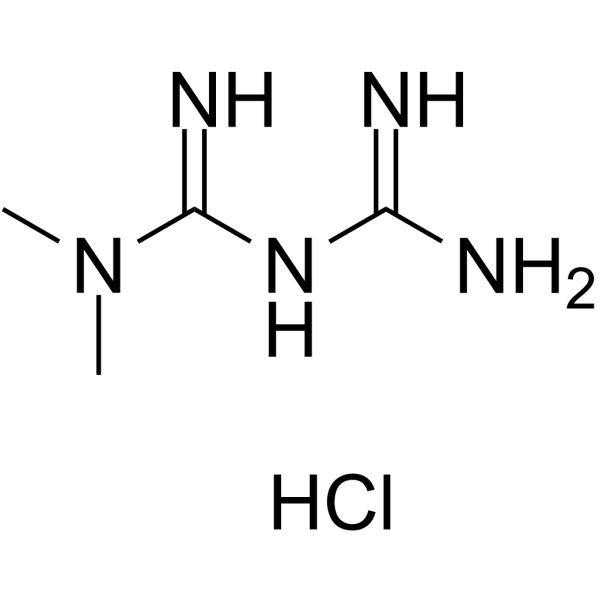
Metformin (1,1-Dimethylbiguanide) hydrochloride inhibits the mitochondrial respiratory chain in the liver, leading to AMPK activation and enhancing insulin sensitivity, and can be used in the study of type 2 diabetes. Metformin hydrochloride exerts central glucose-lowering effects by inhibiting Ras-related protein 1 (Rap1) in SF1 hypothalamic neurons. Metformin hydrochloride also inhibits liver oxidative stress, nitrosative stress, inflammation, and apoptosis caused by liver ischemia/reperfusion injury. In addition, Metformin hydrochloride regulates the expression of autophagy-related proteins by activating AMPK and inhibiting the mTOR signaling pathway, thereby inducing tumor cell autophagy and inhibiting the growth of renal cell carcinoma in vitro and in vivo .
loading...
    loading...
199
199 Cited Publications
Cat. No.: HY-B1756
CAS No.: 83-79-4
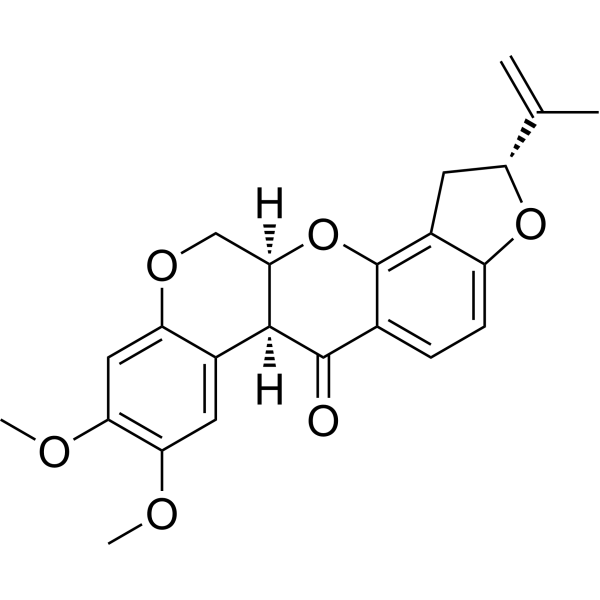
Rotenone is a mitochondrial electron transport chain complex I inhibitor. Rotenone induces apoptosis through enhancing mitochondrial reactive oxygen species production.
loading...
    loading...
192
192 Cited Publications
Cat. No.: HY-W008923
CAS No.: 17086-28-1
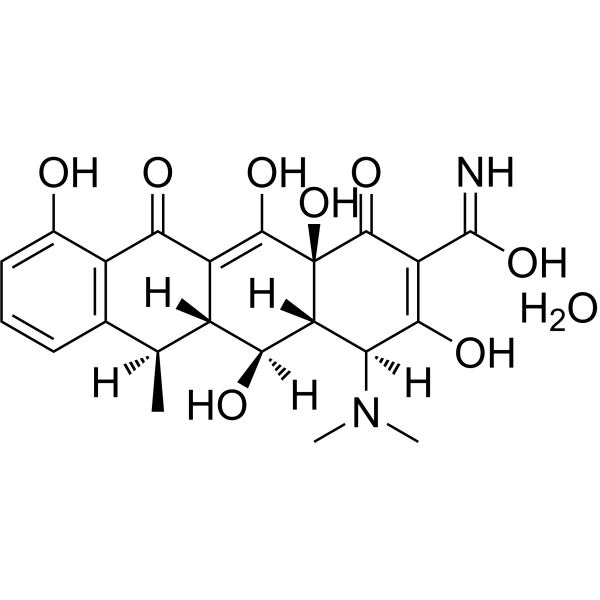
Doxycycline monohydrate is an orally active highly lipophilic, tissue-permeable MMP inhibitor with broad-spectrum antibacterial activity. Doxycycline monohydrate is also a semi-synthetic antibiotic with chelating properties, which blocks bacterial protein synthesis and inhibits extracellular matrix degradation through interactions with zinc and calcium atoms. Doxycycline monohydrate also inhibits mitochondrial biogenesis, translation, and the expression of respiratory chain proteins. Doxycycline monohydrate induces apoptosis, inhibits autophagy and EMT, downregulates stem cell markers, and activates the PI3K-AKT pathway, thereby effectively inhibiting the viability and proliferation of cancer cells such as breast cancer cells. Doxycycline monohydrate also promotes the survival and self-renewal of embryonic stem cells and neural stem cells, and reduces the frequency of medium changes in culture. Doxycycline monohydrate has been applied in studies related to breast cancer, prostate cancer, bladder cancer, and other cancers .
loading...
    loading...
179
179 Cited Publications
Cat. No.: HY-125944
CAS No.: 1569257-94-8
Purity:  98.03%
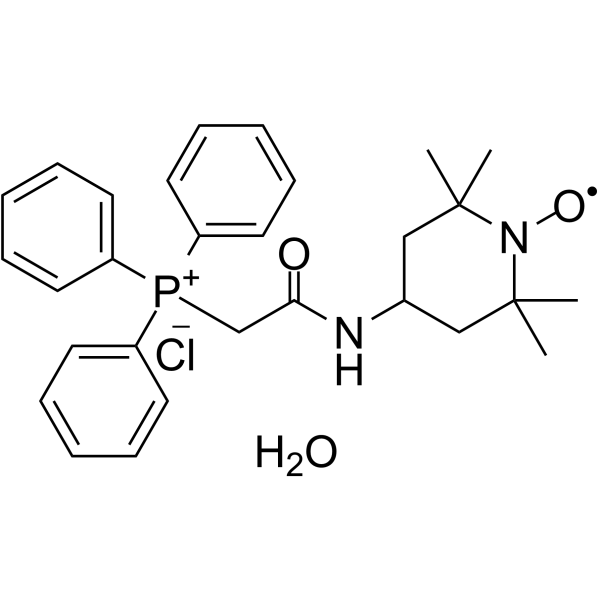
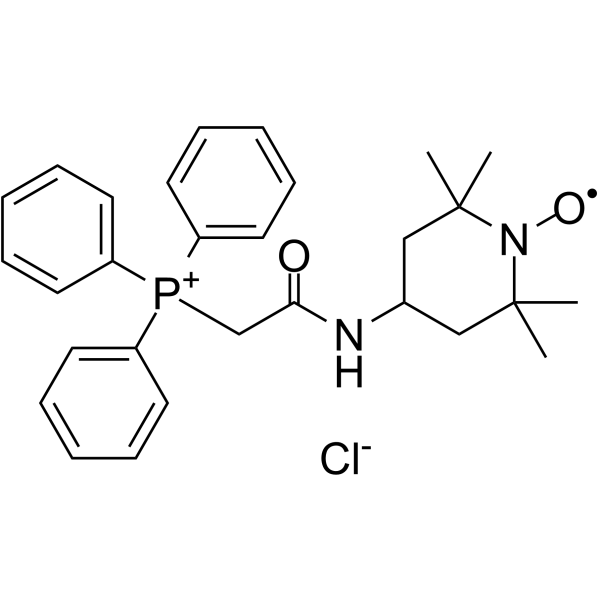
MitoTEMPO hydrate is a mitochondria-targeted antioxidant . MitoTEMPO hydrate induces mitophagy by activating the PINK1/Parkin pathway, inhibits NLRP3 inflammasome activation, restores mitochondrial membrane potential, and improves renal function and podocyte injury. MitoTEMPO hydrate regulates Ca 2+ homeostasis, inhibits Bnip3 overexpression, shortens action potential duration, and exerts antiarrhythmic effects. MitoTEMPO hydrate reverses premature senescence, reduces trabecular bone loss, and decreases cell apoptosis. MitoTEMPO hydrate can be used in studies of chronic kidney disease, age-related cardiac dysfunction, postmenopausal osteoporosis, and ischemic stroke .
loading...
    loading...
179
179 Cited Publications
Cat. No.: HY-112879
CAS No.: 1334850-99-5
Purity:  99.19%
Mito-TEMPO is a mitochondria-targeted antioxidant. Mito-TEMPO induces mitophagy by activating the PINK1/Parkin pathway, inhibits NLRP3 inflammasome activation, restores mitochondrial membrane potential, and improves renal function and podocyte injury. Mito-TEMPO regulates Ca 2+ homeostasis, inhibits Bnip3 overexpression, shortens action potential duration, and exerts antiarrhythmic effects. Mito-TEMPO reverses premature senescence, reduces trabecular bone loss, and decreases cell apoptosis. Mito-TEMPO can be used in studies of chronic kidney disease, age-related cardiac dysfunction, postmenopausal osteoporosis, and ischemic stroke .
loading...
    loading...
165
165 Cited Publications
Cat. No.: HY-K0601

MCE JC-1 Mitochondrial Membrane Potential Assay Kit uses JC-1 to detect the mitochondrial membrane potential in variety of cell types, as well as intact tissues and isolated mitochondria.

loading...
    loading...
164
164 Cited Publications
Cat. No.: HY-100116A
CAS No.: 845959-50-4
Purity:  99.09%
Synonyms: MitoQ mesylate; MitoQ10 mesylate
Research Areas:  

Metabolic Disease Cancer

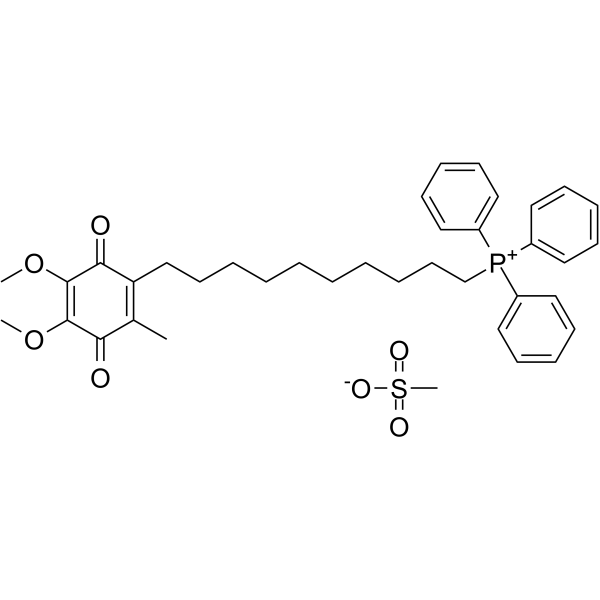
Mitoquinone mesylate is a TPP-based, mitochondrially targeted antioxidant in order to protect against oxidative damage .
loading...
    loading...
85
85 Cited Publications
Cat. No.: HY-D0985A
CAS No.: 115532-52-0
Synonyms: Tetramethylrhodamine ethyl ester perchlorate
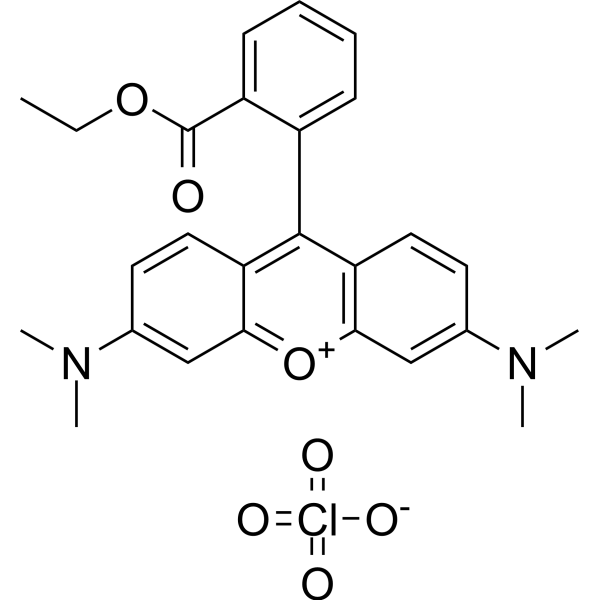
Rhodamine dyes are membrane-permeable cationic fluorescent probes that specifically recognize mitochondrial membrane potentials, thereby attaching to mitochondria and producing bright fluorescence, and at certain concentrations, rhodamine dyes have low toxicity to cells, so they are commonly used to detect mitochondria in animal cells, plant cells, and microorganisms .
loading...
    loading...
77
77 Cited Publications
Cat. No.: HY-13755
CAS No.: 4478-93-7
Purity:  98.87%
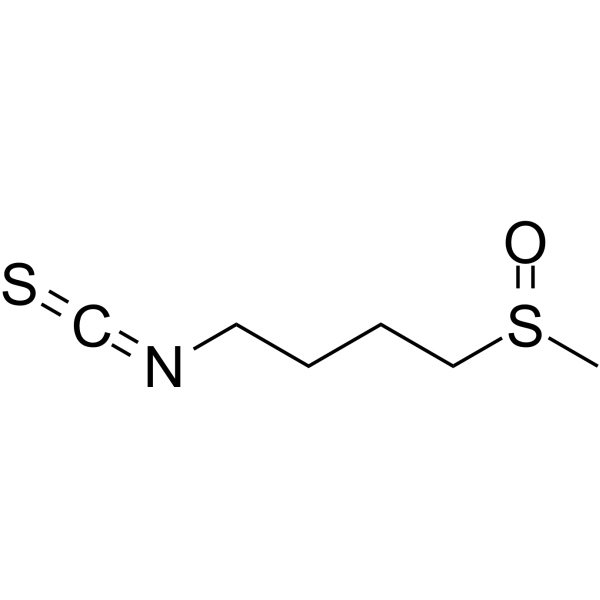
Sulforaphane is an orally active inducer of the Keap1/Nrf2/ARE pathway. Sulforaphane promotes the transcription of tumor-suppressing proteins and effectively inhibits the activity of HDACs. Through the activation of the Keap1/Nrf2/ARE pathway and further induction of HO-1 expression, Sulforaphane protects the heart. Sulforaphane suppresses high glucose-induced pancreatic cancer through AMPK-dependent signal transmission. Sulforaphane exhibits both anticancer and anti-inflammatory properties .
loading...
    loading...
72
72 Cited Publications
Cat. No.: HY-17412
CAS No.: 13614-98-7
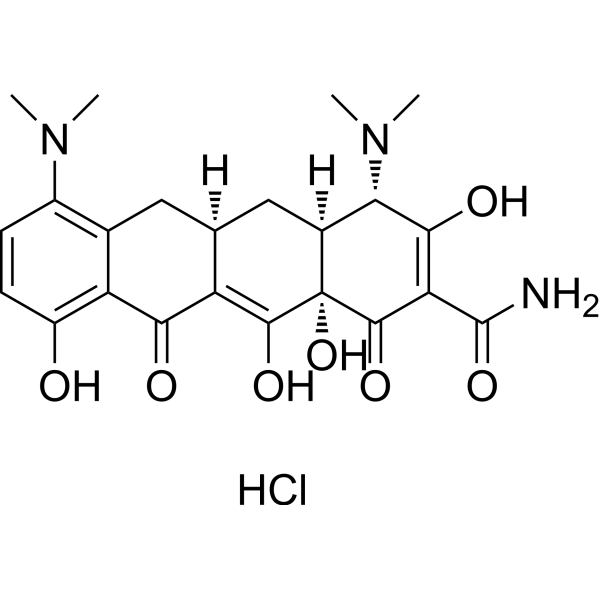
Minocycline hydrochloride is an orally active, potent and BBB-penetrated semi-synthetic tetracycline antibiotic. Minocycline hydrochloride is a hypoxia-inducible factor (HIF)-1α inhibitor. Minocycline hydrochloride shows anti-cancer, anti-inflammatory, and glutamate antagonist effects. Minocycline hydrochloride reduces glutamate neurotransmission and shows neuroprotective properties and antidepressant effects. Minocycline hydrochloride inhibits bacterial protein synthesis through binding with the 30S subunit of the bacterial ribosome, resulting in a bacteriostatic effect .
loading...
    loading...
72
72 Cited Publications
Cat. No.: HY-17412A
CAS No.: 10118-90-8
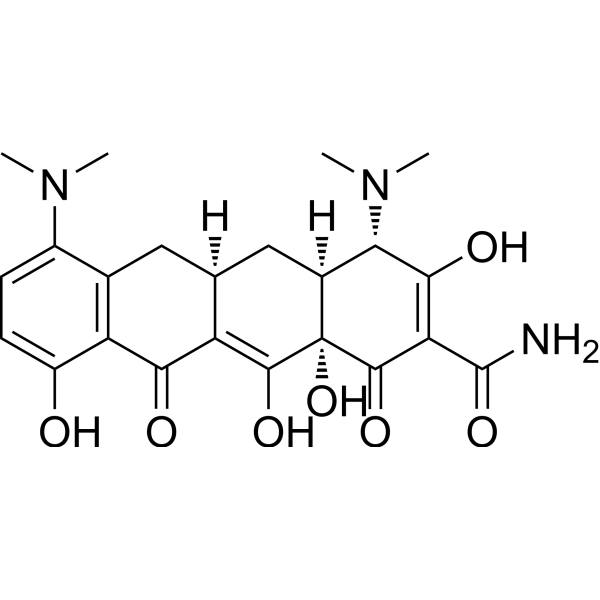
Minocycline is an orally active, potent and BBB-penetrated semi-synthetic tetracycline antibiotic. Minocycline is a hypoxia-inducible factor (HIF)-1α inhibitor. Minocycline shows anti-cancer, anti-inflammatory, and glutamate antagonist effects. Minocycline reduces glutamate neurotransmission and shows neuroprotective properties and antidepressant effects. Minocycline inhibits bacterial protein synthesis through binding with the 30S subunit of the bacterial ribosome, resulting in a bacteriostatic effect .
loading...
    loading...

