

1. Search Result
Search Result
Pathways Recommended: Stem Cell/Wnt Cell Cycle/DNA Damage
Results for "

normal human cells

" in MedChemExpress (MCE) Product Catalog:

120

Inhibitors & Agonists

5

Screening Libraries

4

Fluorescent Dye

4

Biochemical Assay Reagents

6

Peptides

1

MCE Kits

4

Inhibitory Antibodies

22

Natural
Products

2

Isotope-Labeled Compounds

1

Click Chemistry

11

Oligonucleotides

Cat. No. Product Name Target Research Areas Chemical Structure
  • HY-P99575
    Tarlatamab
    1 Publications Verification

    AMG-757

    Notch Inflammation/Immunology Cancer
    Tarlatamab (AMG-757) is a bispecific T-cell engager (BiTE) antibody targeting delta-like ligand 3 (DLL3). DLL3 is a target that is selectively expressed in small-cell lung cancer (SCLC) tumors, but with minimal normal tissue expression. Tarlatamab has the KDs of 0.64 nM and 0.50 nM for human and nonhuman primate (NHP) DLL3, respectively. Tarlatamab has the KDs of 14.9 nM and 12 nM for human and NHP CD3, respectively. Tarlatamab is a first-in-class HLE BiTE immuno-oncology therapy targeting DLL3 and has the potential for SCLC research .
    Tarlatamab
  • HY-N2334
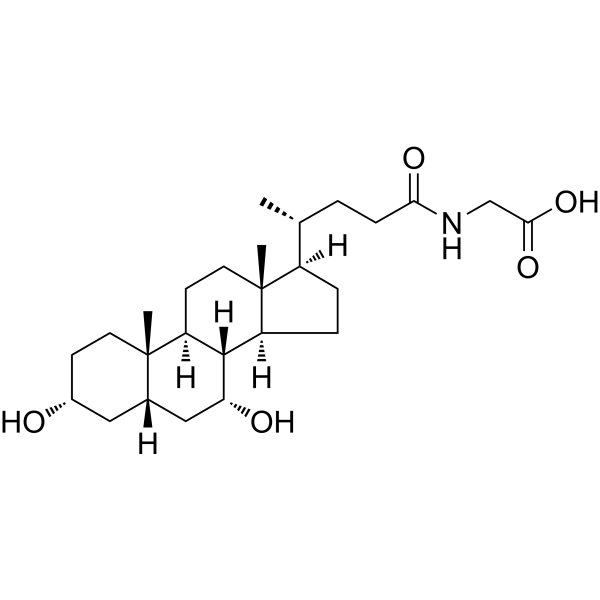
    Glycochenodeoxycholic acid
    5 Publications Verification

    Chenodeoxycholylglycine

    Endogenous Metabolite Apoptosis STAT BCL6 Interleukin Related Caspase Metabolic Disease Cancer
    Glycochenodeoxycholic acid (Chenodeoxycholylglycine) is a relatively toxic bile salt generated in the liver from chenodeoxycholic acid and glycine. Glycochenodeoxycholic acid inhibits Autophagosome formation and impairs lysosomal function by inhibiting lysosomal proteolysis and increasing lysosomal pH in human normal liver cells, leading to the Apoptosis of human hepatocyte cells. Glycochenodeoxycholic acid induces stemness and chemoresistance via activating STAT3 signaling pathway in hepatocellular carcinoma cells (HCC). Glycochenodeoxycholic acid is promising for research in the field of cholestasis desease, hepatocellular carcinoma and primary sclerosing cholangitis (PSC) .
    Glycochenodeoxycholic acid
  • HY-N2334A
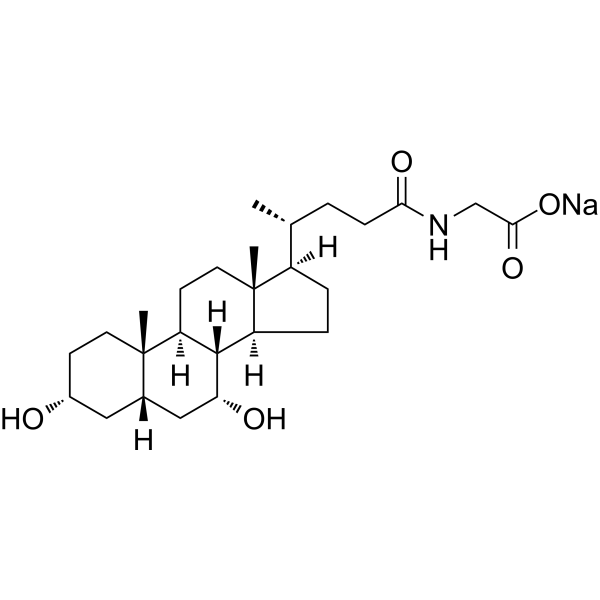
    Glycochenodeoxycholic acid sodium salt
    5 Publications Verification

    Chenodeoxycholylglycine sodium salt; Sodium glycochenodeoxycholate

    Endogenous Metabolite Apoptosis STAT BCL6 Interleukin Related Caspase Metabolic Disease Cancer
    Glycochenodeoxycholic acid sodium salt (Sodium glycochenodeoxycholate) is a relatively toxic bile salt generated in the liver from chenodeoxycholic acid and glycine. Glycochenodeoxycholic acid sodium salt inhibits Autophagosome formation and impairs lysosomal function by inhibiting lysosomal proteolysis and increasing lysosomal pH in human normal liver cells, leading to the Apoptosis of human hepatocyte cells. Glycochenodeoxycholic acid sodium salt induces stemness and chemoresistance via activating STAT3 signaling pathway in hepatocellular carcinoma cells (HCC). Glycochenodeoxycholic acid sodium salt is promising for research in the field of cholestasis desease, hepatocellular carcinoma and primary sclerosing cholangitis (PSC) .
    Glycochenodeoxycholic acid sodium salt
  • HY-P990688

    AMG-509

    CD3 Cancer
    Xaluritamig (AMG-509) is a bispecific T cell engager and cytolytic agent with a Kd of 27.6 nM for human CD3ε. Xaluritamig binds to CD3ε via an anti-CD3 single-chain variable fragment (scFv) domain, and to STEAP1 via a bispecific anti-STEAP1 antigen-binding fragment (Fab) domain, thereby recruiting and activating T cells and forming a bridge between T cells and STEAP1-expressing cancer cells. Xaluritamig induces T cell-mediated redirected cytotoxicity, tumor cell lysis, cytokine release, CD8 + T cell activation and expansion, as well as tumor stasis or regression. Xaluritamig contains an Fc domain with no effector function, which prolongs serum half-life, exhibits only minimal activity against cells with low STEAP1 expression and normal cells, and shows extremely low target-related off-tumor toxicity in cynomolgus monkeys. Xaluritamig is used in STEAP1×CD3 XmAb 2+1 immunotherapy and in research on metastatic castration-resistant prostate cancer and Ewing sarcoma .
    Xaluritamig
  • HY-124675
    MYCMI-6
    1 Publications Verification

    NSC354961

    c-Myc Apoptosis Cancer
    MYCMI-6 (NSC354961) is a potent and selective endogenous MYC:MAX protein interactions inhibitor. MYCMI-6 blocks MYC-driven transcription and binds selectively to the MYC bHLHZip domain with a Kd of 1.6 μM. MYCMI-6 inhibits tumor cell growth in a MYC-dependent manner (IC50<0.5 μM). MYCMI-6 is not cytotoxic to normal human cells. MYCMI-6 induces apoptosis .
    MYCMI-6
  • HY-170224

    Biochemical Assay Reagents Others
    dNTP Mixture,10 mM Solution,PCR Grade is a PCR-grade 10 mM mixed solution of natural deoxynucleoside triphosphates (dATP, dCTP, dGTP, TTP), which is suitable for various biological reactions including DNA amplification and reverse transcription .
    dNTP Mixture,10 mM Solution,PCR Grade
  • HY-N11908

    cis-α-Santalol

    Akt Survivin Apoptosis Caspase PARP Metabolic Disease Cancer
    α-Santalol (cis-α-Santalol), a naturally occurring sesquiterpene, is an orally active anticancer agent and apoptosis inducer. α-Santalol activates caspase-3 to drive apoptotic processes. >α-Santalol induces apoptosis, decreases cell viability, and causes PARP cleavage in human prostate cancer cells. α-santalol inhibits Akt/Survivin pathway to induce cell death. α-Santalol can be used for the research of prostate cancer and diabetes mellitus .
    α-Santalol
  • HY-Y0030

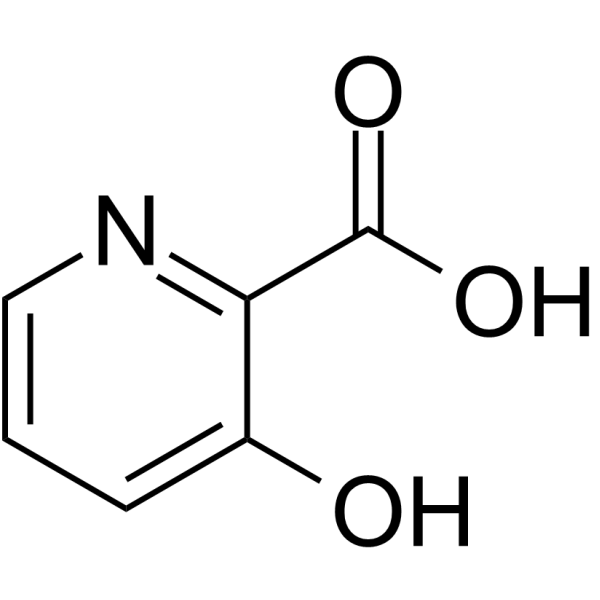
    3-hydroxypyridine-2-carboxylic acid

    Biochemical Assay Reagents Drug Intermediate Infection Cancer
    3-Hydroxypicolinic acid is a heterocyclic carboxylic acid ligand and cytotoxin, with a MIC90 of >25 μg/mL against Mycobacterium tuberculosis H37Rv. 3-Hydroxypicolinic acid inhibits the growth of cancer cells and normal fibroblasts. 3-Hydroxypicolinic acid is applicable to research related to chronic myeloid leukemia, human lung adenocarcinoma, and tuberculosis .
    3-Hydroxypicolinic acid
  • HY-N2123
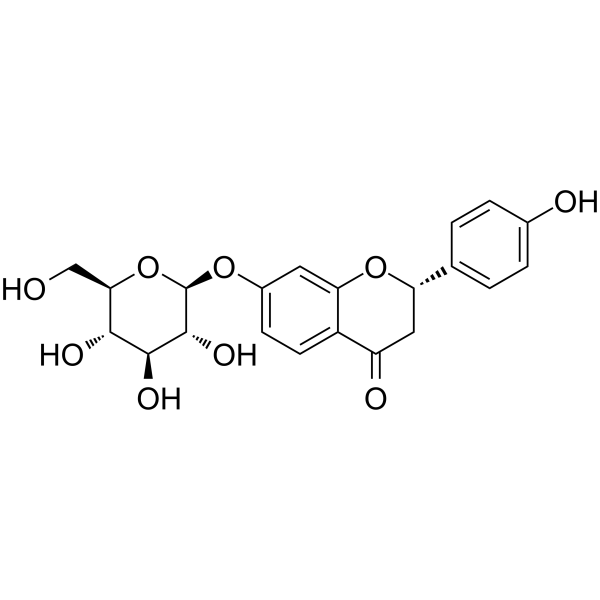
    Neoliquiritin
    1 Publications Verification

    Caspase Neurological Disease Cancer
    Neoliquiritin is a flavonoid and flavanone-derived cytotoxic agent with anticancer activity and neuroprotective effects. Neoliquiritin exhibits excellent tumor specificity, exerting a more pronounced killing effect on cancer cells compared with normal oral cells. Neoliquiritin also exerts neuroprotective effects by inhibiting ATP depletion and the elevation of caspase 3/7 activity. Widely present in the roots of Glycyrrhiza uralensis, Glycyrrhiza inflata and Glycyrrhiza glabra, Neoliquiritin can be applied to studies on human oral squamous cell carcinoma, leukemia, Parkinson's disease and other conditions .
    Neoliquiritin
  • HY-15130

    Endogenous Metabolite Metabolic Disease
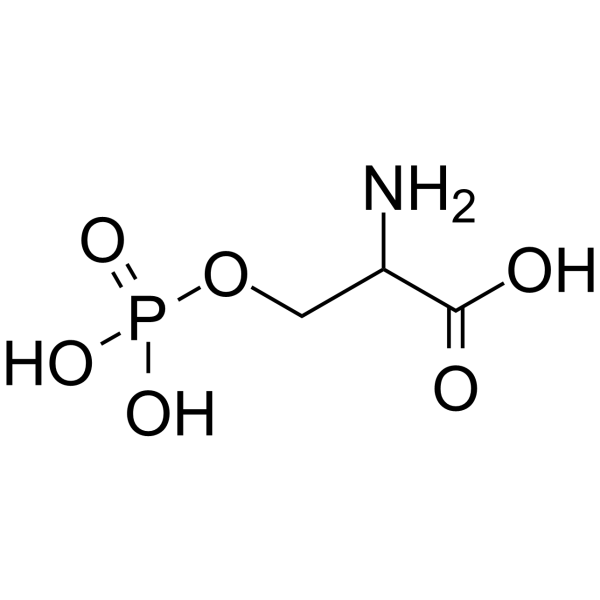
    DL-O-Phosphoserine is a normal metabolite in human biofluids and is a mixture of phosphoserine with two stereochemical structures (D-type and L-type O-phospho-serine). O-phospho-L-serine is a competitive inhibitor of serine racemase and phagocytosis. O-phospho-L-serine inhibits the enzymatic reaction by competing with the active site of serine racemase, thereby affecting the production of D-serine. O-phospho-L-serine also mimics the phosphatidylserine head group, binds to the phosphatidylserine receptor, interferes with phagocytic signal transduction, and partially blocks the phagocytosis of apoptotic cells by cells. O-phospho-L-serin can be used in the research of retinal regeneration, bone repair, and insect growth and development .
    DL-O-Phosphoserine
  • HY-17587
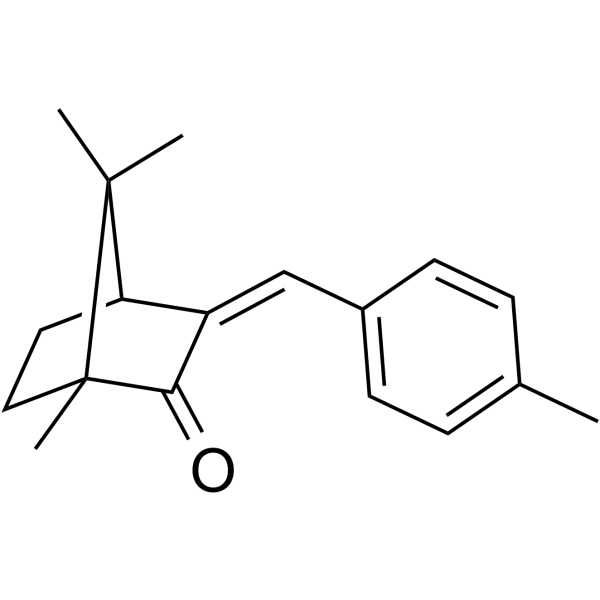
    4-Methylbenzylidene camphor
    2 Publications Verification

    4-MBC; Enzacamene

    Apoptosis PI3K Akt ERK Metabolic Disease
    4-Methylbenzylidene camphor (4-MBC) is an endocrine disrupter that produces estrogen-like effects. 4-Methylbenzylidene camphor decreases the proliferation of human trophoblast cells and induces apoptosis. 4-Methylbenzylidene camphor activates PI3K/AKT and ERK1/2 signaling pathways and elevates intracellular ROS production. 4-Methylbenzylidene camphor is a ultraviolet (UV) filter and may hamper normal placental formation during early pregnancy .
    4-Methylbenzylidene camphor
  • HY-W020955

    Chloro(triphenylphosphine)gold(I)

    Biochemical Assay Reagents Apoptosis DNA Alkylator/Crosslinker Lipoxygenase Cancer
    Triphenylphosphinechlorogold (Chloro(triphenylphosphine)gold(I)) is a gold complex, Apoptosis inducer, and catalyst. Triphenylphosphinechlorogold exhibits high LOX inhibitory activity. Triphenylphosphinechlorogold induces cell cycle arrest and apoptosis. Triphenylphosphinechlorogold catalyzes the peroxidation of linoleic acid. A weak interaction exists between Triphenylphosphinechlorogold and DNA. Triphenylphosphinechlorogold displays antiproliferative activity against breast cancer cells .
    Triphenylphosphinechlorogold
  • HY-147785
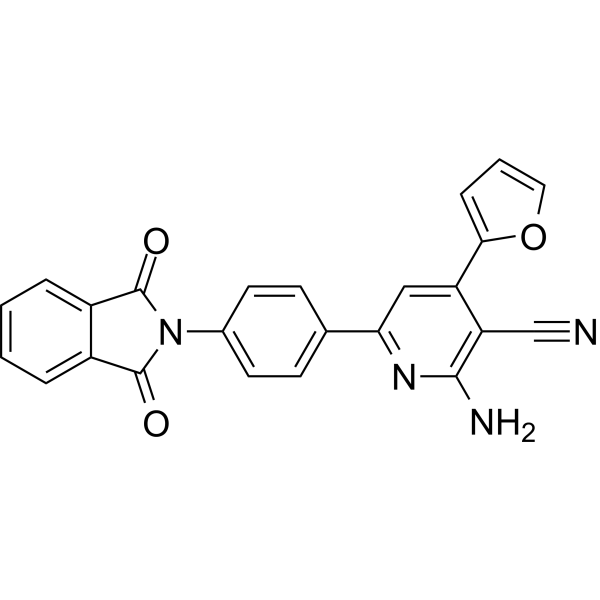
    Pim-1 kinase inhibitor 2
    1 Publications Verification

    Pim Caspase Bcl-2 Family Apoptosis Cancer
    Pim-1 kinase inhibitor 2 is a PIM-1 kinase inhibitor with a human IC50 of 0.63 μM. Pim-1 kinase inhibitor 2 exhibits high selectivity for cancer cells over normal cells. Pim-1 kinase inhibitor 2 induces apoptosis, increases active caspase-3 levels, upregulates BAX, downregulates Bcl-2, and elevates the Bax/Bcl-2 ratio. Pim-1 kinase inhibitor 2 suppresses cancer cell proliferation and induces cell cycle arrest. Pim-1 kinase inhibitor 2 can be used for the research of prostate carcinoma, hepatocellular carcinoma, and breast adenocarcinoma .
    Pim-1 kinase inhibitor 2
  • HY-158976

    Lactated ringer's solution (LRS)

    Biochemical Assay Reagents Collagen HSP Inflammation/Immunology
    Sodium lactate ringer's solution (Lactated ringer's solution (LRS)) is an isotonic crystal intravenous injection and arthroscopic irrigation solution containing racemic sodium lactate and electrolytes such as sodium, potassium, calcium and chloride (130 mEq sodium/L, 274 mOsm/L), which can be used as a cell integrity protectant. Sodium lactate ringer's solution maintains the integrity of human meniscus cells, ensures that they retain normal cell morphology, membrane regularity, size and density, and does not alter the mRNA expression levels of α1 (I) procollagen, α1 (II) procollagen, aggrecan or HSP70. Sodium lactate ringer's solution can be applied to studies related to extracellular fluid deficiency and meniscus tears .
    Sodium lactate ringer's solution
  • HY-133033

    Mitochondrial Metabolism Metabolic Disease
    COQ7-IN-1, a highly potent inhibitor of human coenzyme Q (COQ7), interferes with ubiquinone (UQ) synthesis. COQ7-IN-1 does not disturb physiological cell growth of human normal culture cells. COQ7-IN-1 can be used for the research of the balance between UQ supplementation pathways: de novo UQ synthesis and extracellular UQ uptake .
    COQ7-IN-1
  • HY-147412

    QR-421a

    Nucleoside Antimetabolite/Analog DNA/RNA Synthesis Neurological Disease
    Ultevursen (QR-421a) is a splice-modulating antisense oligonucleotide targeting exon 13 of the USH2A gene, which restores the functional expression of Usherin protein by inducing exon skipping. Ultevursen binds to USH2A pre-mRNA and modulates the splicing process to specifically skip exon 13 carrying the pathogenic mutation c.2299delG, generating an in-frame transcript and a truncated yet functionally normal protein. Ultevursen exhibits concentration-dependent exon skipping activity in human cells and retinal organoid models, and restores Usherin expression and retinal function in zebrafish and gene-edited mouse models. Ultevursen can be used for related research on type 2 Usher syndrome and non-syndromic retinitis pigmentosa .
    Ultevursen
  • HY-163707

    Apoptosis Cancer
    UR778Br targets the GTPase-activating protein-related domain (GRD domain) of IQGAP1 proteins. UR778Br inhibits the proliferation of human acute myeloid leukemia (AML), arrests the cell cycle at the G2/M phase, and induces apoptosis. UR778Br inhibits colony formation of primary and AML cells, without significant impacts on normal bone marrow cells .
    UR778Br
  • HY-N2334R

    Chenodeoxycholylglycine (Standard)

    Reference Standards Endogenous Metabolite Apoptosis STAT BCL6 Interleukin Related Caspase Metabolic Disease Cancer
    Glycochenodeoxycholic acid (Standard) is the analytical standard of Glycochenodeoxycholic acid. This product is intended for research and analytical applications. Glycochenodeoxycholic acid (Chenodeoxycholylglycine) is a relatively toxic bile salt generated in the liver from chenodeoxycholic acid and glycine. Glycochenodeoxycholic acid inhibits Autophagosome formation and impairs lysosomal function by inhibiting lysosomal proteolysis and increasing lysosomal pH in human normal liver cells, leading to the Apoptosis of human hepatocyte cells. Glycochenodeoxycholic acid induces stemness and chemoresistance via activating STAT3 signaling pathway in hepatocellular carcinoma cells (HCC). Glycochenodeoxycholic acid is promising for research in the field of cholestasis desease, hepatocellular carcinoma and primary sclerosing cholangitis (PSC)[1][2][3][4].
    Glycochenodeoxycholic acid (Standard)
  • HY-N2334AR

    Chenodeoxycholylglycine sodium salt (Standard); Sodium glycochenodeoxycholate (Standard)

    Reference Standards Endogenous Metabolite Apoptosis STAT BCL6 Interleukin Related Caspase Metabolic Disease Cancer
    Glycochenodeoxycholic acid sodium salt (Standard) is the analytical standard of Glycochenodeoxycholic acid sodium salt. This product is intended for research and analytical applications. Glycochenodeoxycholic acid sodium salt (Sodium glycochenodeoxycholate) is a relatively toxic bile salt generated in the liver from chenodeoxycholic acid and glycine. Glycochenodeoxycholic acid sodium salt inhibits Autophagosome formation and impairs lysosomal function by inhibiting lysosomal proteolysis and increasing lysosomal pH in human normal liver cells, leading to the Apoptosis of human hepatocyte cells. Glycochenodeoxycholic acid sodium salt induces stemness and chemoresistance via activating STAT3 signaling pathway in hepatocellular carcinoma cells (HCC). Glycochenodeoxycholic acid sodium salt is promising for research in the field of cholestasis desease, hepatocellular carcinoma and primary sclerosing cholangitis (PSC) .
    Glycochenodeoxycholic acid sodium salt (Standard)
  • HY-138071

    8αTGH

    STAT Pyroptosis Apoptosis Reactive Oxygen Species (ROS) c-Myc Bcl-2 Family TrxR Cancer
    8α-Tigloyloxyhirsutinolide 13-O-acetate (8αTGH) is a potent and orally active STAT3 inhibitor. 8α-Tigloyloxyhirsutinolide 13-O-acetate induces early oxidative stress and pyroptosis, and late DNA damage, cell cycle arrest, apoptosis in the TNBC cells. 8α-Tigloyloxyhirsutinolide 13-O-acetate suppresses tumor cell growth in vitro and tumor growth in vivo .
    8α-Tigloyloxyhirsutinolide 13-O-acetate
  • HY-111781

    WS-413

    Btk Cancer
    Civorebrutinib (WS-413) is a selective, orally active BTK and TEC inhibitor with an IC50 of <100 nM for both targets. Civorebrutinib inhibits B cell activation. Civorebrutinib significantly suppresses the in vivo growth of diffuse large B-cell lymphoma cells. Civorebrutinib can be used for the research of diffuse large B-cell lymphoma .
    Civorebrutinib
  • HY-W338764

    Apoptosis Aryl Hydrocarbon Receptor Cancer
    AHR agonist 3 is an aryl hydrocarbon receptor (AhR) agonist, that can induces cell cycle arrest or apoptosis via activation of tumor-suppressive transcriptional programs. AHR agonist 3 inhibits triple-negative breast cancer (TNBC) stem cell growth via AhR while exhibits minimal cytotoxicity against normal human primary cells and can be used for cancer research .
    AHR agonist 3
  • HY-169296

    IMPDH Cancer
    IMPDH2-IN-4 (Compound 2d) is a selective IMPDH2 inhibitor with a Ki,app value of 1.8 μM. IMPDH2-IN-4 exhibits anti-cancer activity against osteosarcoma. IMPDH2-IN-4 can be used in research related to osteosarcoma .
    IMPDH2-IN-4
  • HY-155328

    HDAC Inflammation/Immunology
    GK444 (Compound 15a) is a HDAC1/2 inhibitor (IC50: 100 and 92 nM for HDAC1/2 respectively). GK444 inhibits Caco-2 cells with IC50 of 4.1 μM. GK444 also reduces TGF-β1 induced COL1A1 mRNA levels in primary normal human lung fibroblasts. GK444 inhibits Bleomycin (HY-108345)-induced lung fibrosis in mice .
    GK444
  • HY-108999A
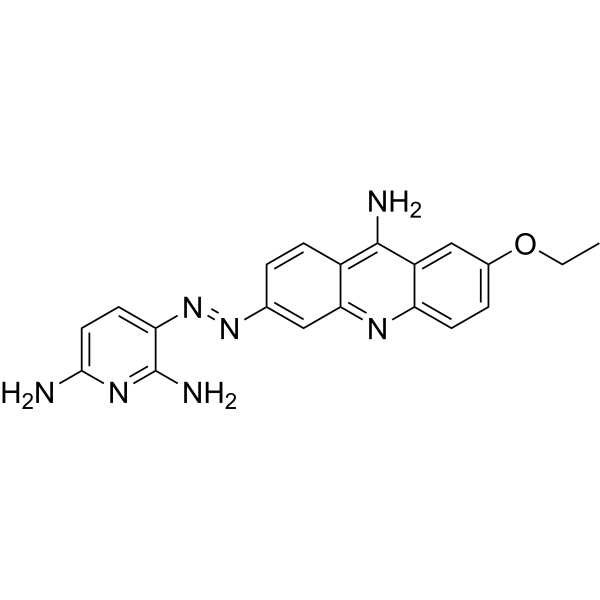
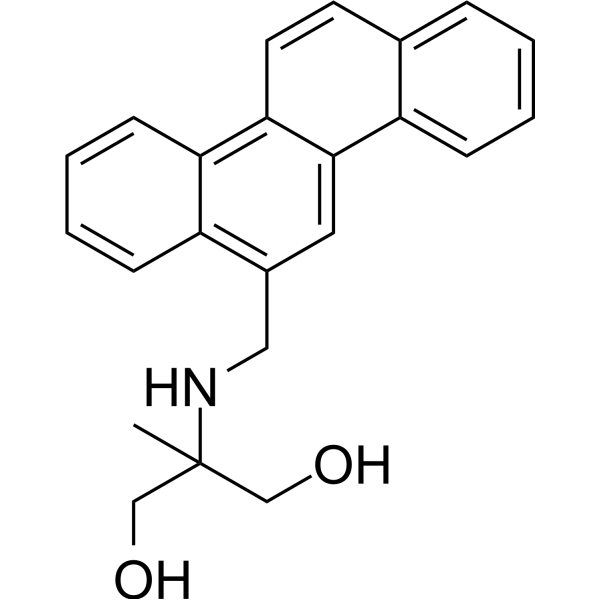
    Crisnatol
    1 Publications Verification

    BWA770U

    DNA/RNA Synthesis Cancer
    Crisnatol (BWA770U) is an orally active and anticancer agent, and a member of the arylmethylaminopropanediol class of DNA intercalators. Crisnatol shows in vitro cytotoxicity against human breast cancer cells, but not normal human skin fibroblasts .
    Crisnatol
  • HY-N16513

    Others Metabolic Disease
    Muurol-4-ene-3,8-dione (Compound 2), a sesquiterpene, is one of the main hepatotoxic components in Eupatorium adenophorum. Muurol-4-ene-3,8-dione has an inhibitory effect on the growth of both the normal human hepatocyte cell L02 and the human hepatocellular carcinoma cell HepG2 with IC50 values of 87.52 and 104.48 μM .
    Muurol-4-ene-3,8-dione
  • HY-14397S

    Indometacin-d4

    Isotope-Labeled Compounds COX Autophagy Inflammation/Immunology Cancer
    Indomethacin-d4 (Indometacin-d4) is a deuterium labeled Indomethacin. Indomethacin is a potent, blood-brain permeable and nonselective inhibitor of COX1 and COX2, with IC50s of 18 nM and 26 nM for human COX-1 and COX-2, respectively, in CHO cells . Indomethacin disrupts autophagic flux by disturbing the normal functioning of lysosomes .
    Indomethacin-d4
  • HY-P10760

    Peptide-Drug Conjugates (PDCs) Cancer
    PhAc-ALGP-Dox, a peptide-drug conjugate, is a novel anticancer prodrug, with IC50 values ranged from 311 nM to 34.25 μM for TNBC (E0771), normal murine epithelium (HC-11), human TNBC (MDA-MB-231 and MDA-MB-468), human CrC (LS 174T), normal human epithelium (HME-1) cells .
    PhAc-ALGP-Dox
  • HY-N10426

    Glycosidase Metabolic Disease
    (+)-Cembrene A (Compound 5) is a α-glucosidase inhibitor with an IC50 of 30.31 μM. (+)-Cembrene A is nontoxic towards human normal hepatocyte (LO2) cells .
    (+)-Cembrene A
  • HY-147971

    Parasite Topoisomerase Infection Cancer
    Anticancer agent 75 is a potent anticancer agent. Anticancer agent 75 shows cytotoxicity and selectivity in cancer cell lines. Anticancer agent 75 shows cytotoxicity to normal human kidney cell lines is at least 35 times lower than that of the Doxorubicin standard. Anticancer agent 75 shows good activity of antiplasmodial .
    Anticancer agent 75
  • HY-111274

    Indometacin farnesil

    COX Autophagy Inflammation/Immunology
    Indomethacin farnesil is an orally active proagent of Indomethacin. Indomethacin (Indometacin) is a potent, blood-brain permeable and nonselective inhibitor of COX1 and COX2, with IC50s of 18 nM and 26 nM for human COX-1 and COX-2, respectively, in CHO cells. Indomethacin disrupts autophagic flux by disturbing the normal functioning of lysosomes .
    Indomethacin farnesil
  • HY-14397S1

    COX Autophagy Inflammation/Immunology Cancer
    Indomethacin-d4 Methyl Ester is the deuterium labeled Indomethacin. Indomethacin (Indometacin) is a potent, blood-brain permeable and nonselective inhibitor of COX1 and COX2, with IC50s of 18 nM and 26 nM for human COX-1 and COX-2, respectively, in CHO cells . Indomethacin disrupts autophagic flux by disturbing the normal functioning of lysosomes .
    Indomethacin-d4 Methyl Ester
  • HY-14404

    HBV HCV Protease Infection
    MK-1220 is a covalently reversible inhibitor of the hepatitis C virus (HCV) NS3/4A protease (NS3/4A protease) with a Ki of 0.02 nM. MK-1220 in cell models simulating viral replication exhibits EC50s of 4 (with 10% fetal bovine serum) and 11 nM (50% normal human serum). MK-1220 can be used for the study of chronic hepatitis C virus infection .
    MK-1220
  • HY-157404

    Pim Cancer
    Pim-1/2 kinase inhibitor 2 (compound 5b) is a competitive PIM-1 and PIM-2 kinase inhibitor with IC50s of 1.31 μM and 0.67 μM, respectively. Pim-1/2 kinase inhibitor 2 shows in-vitro low cytotoxicity against normal human lung fibroblast Wi-38 cell line and potent in-vitro anticancer activity against myeloid leukaemia (NFS-60), liver (HepG-2), prostate (PC-3), and colon (Caco-2) cancer cell lines .
    Pim-1/2 kinase inhibitor 2
  • HY-111761

    Drug Derivative Cancer
    DIQ3 is a potent anti-cancer agent, nontoxic to normal human cell lines .
    DIQ3
  • HY-174704

    mRNA Cancer
    Human FGF18 mRNA encodes the human fibroblast growth factor 18 (FGF18) protein, a member of the fibroblast growth factor (FGF) family. FGF18 probably plays an important role in the regulation of cell proliferation, cell differentiation and cell migration. It is also required for normal ossification and bone development.
    Human FGF18 mRNA
  • HY-108999

    BWA770U mesylate

    DNA/RNA Synthesis Cancer
    Crisnatol (BWA770U) mesylate is an orally active and anticancer agent, and a member of the arylmethylaminopropanediol class of DNA intercalators. Crisnatol mesylate shows in vitro cytotoxicity against human breast cancer cells, but not normal human skin fibroblasts .
    Crisnatol mesylate
  • HY-174764

    mRNA Inflammation/Immunology
    Human CCL19 mRNA encodes the human C-C motif chemokine ligand 19 (CCL19) protein, a cytokine that may play a role in normal lymphocyte recirculation and homing. CCL19 also plays an important role in trafficking of T cells in thymus, and in T cell and B cell migration to secondary lymphoid organs.
    Human CCL19 mRNA
  • HY-174694

    mRNA Cancer
    Human FGF6 mRNA encodes the human fibroblast growth factor 6 (FGF6) protein, a member of the fibroblast growth factor (FGF) family. FGF6 may play an important role in the regulation of cell proliferation, cell differentiation, angiogenesis and myogenesis, and is also required for normal muscle regeneration.
    Human FGF6 mRNA
  • HY-174779

    mRNA Cancer
    Human AREG mRNA encodes the human amphiregulin (AREG) protein, a member of the epidermal growth factor family. AREG interacts with the EGF/TGF-alpha receptor to promote the growth of normal epithelial cells, and inhibits the growth of certain aggressive carcinoma cell lines. It also functions in mammary gland, oocyte and bone tissue development.
    Human AREG mRNA
  • HY-174706

    mRNA Cardiovascular Disease
    Human FGF16 mRNA encodes the human fibroblast growth factor 16 (FGF16) protein, a member of the fibroblast growth factor (FGF) family. FGF16 probably plays an important role in the regulation of embryonic development, cell proliferation and cell differentiation. It is also required for normal cardiomyocyte proliferation and heart development.
    Human FGF16 mRNA
  • HY-174548

    mRNA Cancer
    Human PDGFRB mRNA encodes the human platelet derived growth factor receptor beta (PDGFRB) protein, a cell surface tyrosine kinase receptor for members of the platelet-derived growth factor family. PDGFRB is essential for normal development of the cardiovascular system and aids in rearrangement of the actin cytoskeleton.
    Human PDGFRB mRNA
  • HY-N10351

    Apoptosis Cancer
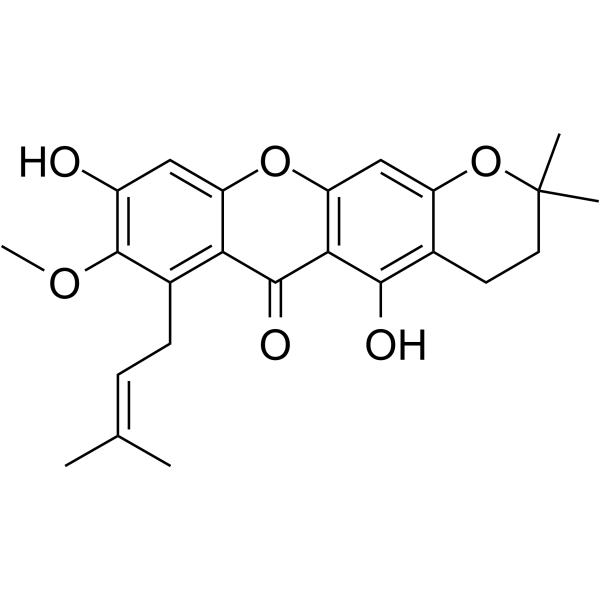
    27-O-(tert-Butyldimethylsilyl)withaferin A (compound 9a), a natural withanolide, is an apoptosis inducer. 27-O-(tert-Butyldimethylsilyl)withaferin A shows antiproliferative activity against HeLa, A-549 and MCF-7 human cancer cell lines, and against normal Vero cells .
    27-O-(tert-Butyldimethylsilyl)withaferin A
  • HY-170311

    YAP Cancer
    YAP/TEAD-IN-1 (compound 4) is a potent YAP and TEAD inhibitor. YAP/TEAD-IN-1 shows antioxidant activity. YAP/TEAD-IN-1 shows antiproliferation activity for tumor cells. YAP/TEAD-IN-1 shows little cytotoxic activity for human normal cells .
    YAP/TEAD-IN-1
  • HY-108999AR

    BWA770U (Standard)

    DNA/RNA Synthesis Reference Standards Cancer
    Crisnatol (Standard) is the analytical standard of Crisnatol. This product is intended for research and analytical applications. Crisnatol (BWA770U) is an orally active and anticancer agent, and a member of the arylmethylaminopropanediol class of DNA intercalators. Crisnatol shows in vitro cytotoxicity against human breast cancer cells, but not normal human skin fibroblasts .
    Crisnatol (Standard)
  • HY-174781

    mRNA Cancer
    Human ACVRL1 mRNA encodes the human activin A receptor like type 1 (ACVRL1) protein. ACVRL1 is a type I cell-surface receptor for the TGF-beta superfamily ligands BMP9/GDF2 and BMP10 and important regulator of normal blood vessel development.
    Human ACVRL1 mRNA
  • HY-P5551

    Bacterial Infection Inflammation/Immunology
    TLN-58 is an antimicrobial peptide. TLN-58 has antibacterial activity against S. aureus, S. epidermidis, and group A Streptococcus. TLN-58 also induces inflammatory cytokine mRNAs upregulation in normal human keratinocytes and NCL-SG3 cells .
    TLN-58
  • HY-152206

    Myosin Neurological Disease
    JB062 is a nonmuscle myosin inhibitor with IC50 values of 1.6, 5.4, and >100 μM for Skeletal muscle myosin, Cardiac muscle myosin, and Smooth muscle myosin II, respectively. JB062 has cytotoxic to human cancer cells but not normal cells. JB062 can be used in research of muscle spasticity, chronic musculoskeletal pain, and hypertrophic cardiomyopathy .
    JB062
  • HY-176249

    TNBG

    Apoptosis Cancer
    Tetrazanbigen is a potent and selective antitumor agent. Tetrazanbigen exhibits strong antitumor efficacy against six human cancer cell lines with an IC50 range of 2.13-8.01 μg/mL and an IC50 of 11.25 μg/mL against normal hepatocytes. Tetrazanbigen induces S phase arrest and apoptosis in QGY-7701 cells. Tetrazanbigen exerts its antitumor activity by inducing lipid accumulation accumulation in cancer cells .
    Tetrazanbigen
  • HY-N7161

    Others Others
    3-O-(2'E,4'E-Decadienoyl)-ingenol is a natural diterpenoid that shows cytotoxicity against human normal cell lines L-O2 and GES-1, with IC50s of 8.22 μM and 6.67 μM, respectively .
    3-O-(2'E,4'E-Decadienoyl)-ingenol

Inquiry Online

Your information is safe with us. * Required Fields.

Salutation


Country or Region *

Applicant Name *


Organization Name *

Department *


Email Address *


Product Name *

Cat. No.


Requested quantity *

Phone Number *


Remarks

Inquiry Online

Inquiry Information

Product Name:
Cat. No.:
Quantity:
MCE Japan Authorized Agent:

