
1. Search Result
Search Result
Results for "

oligomer

" in MedChemExpress (MCE) Product Catalog:

134

Inhibitors & Agonists

4

Fluorescent Dyes

1

Biochemical Assay Reagents

30

Peptides

6

Inhibitory Antibodies

29

Natural
Products

3

Isotope-Labeled Compounds

1

Click Chemistry

9

Oligonucleotides

Cat. No. Nombre del producto Target Áreas de investigación Chemical Structure
  • HY-N0148
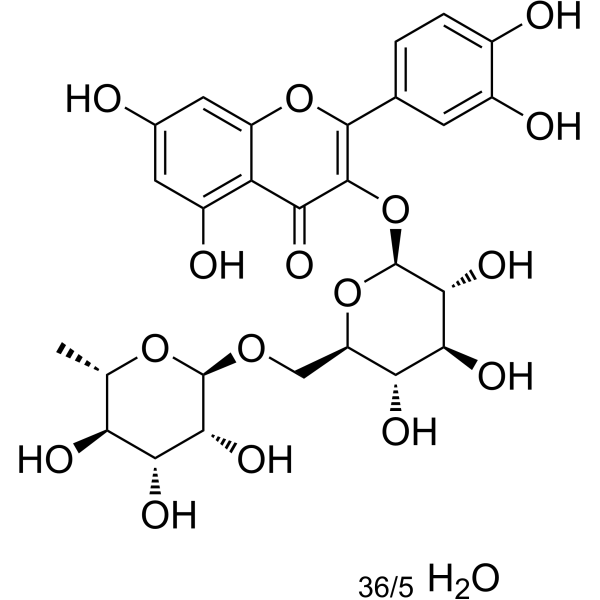
    Rutin
    Maximum Cited Publications
    30 Publications Verification

    Rutoside; Quercetin 3-O-rutinoside

    Amyloid-β Autophagy Apoptosis Endogenous Metabolite Inflammation/Immunology Cancer
    Rutin (Rutoside) is a flavonoid found in many plants and shows a wide range of biological activities including anti-inflammatory, antidiabetic, antioxidant, neuroprotective, nephroprotective, hepatoprotective and reducing Aβ oligomer activities. Rutin is also a CBR1 inhibitor, which can cross the blood brain barrier. Rutin attenuates vancomycin-induced renal tubular cell apoptosis via suppression of apoptosis, mitochondrial dysfunction, and oxidative stress .
    Rutin
  • HY-101855

    Anle138b

    Amyloid-β Neurological Disease
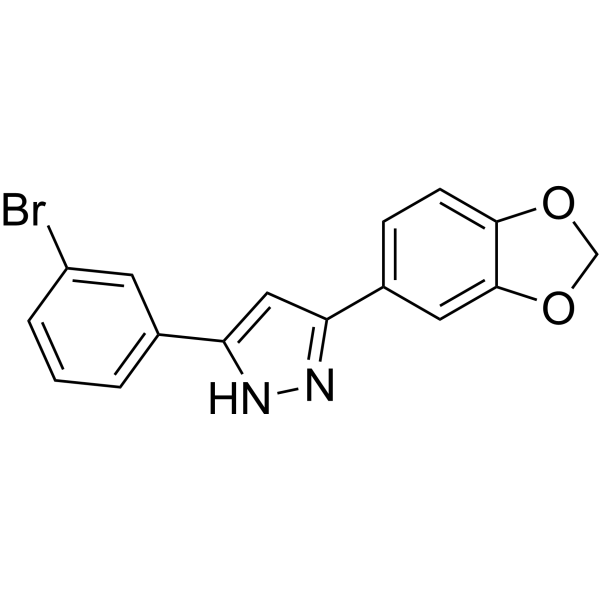
    Emrusolmin (Anle138b), an oligomeric aggregation inhibitor, blocks the formation of pathological aggregates of prion protein (PrPSc) and of α-synuclein (α-syn). Emrusolmin strongly inhibits oligomer accumulation, neuronal degeneration, and disease progression in vivo. Emrusolmin has low toxicity and an excellent oral bioavailability and blood-brain-barrier penetration. Emrusolmin blocks Aβ channels and rescues disease phenotypes in a mouse model for amyloid pathology .
    Emrusolmin
  • HY-N0148A
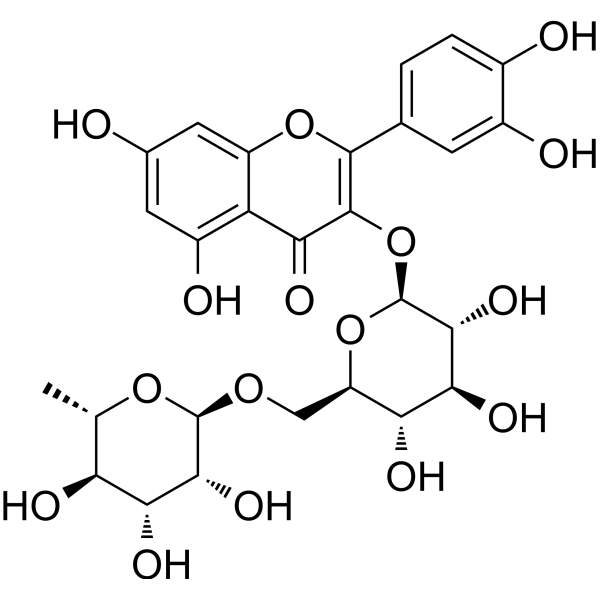
    Rutin hydrate
    Maximum Cited Publications
    30 Publications Verification

    Rutoside hydrate; Quercetin 3-O-rutinoside hydrate

    Amyloid-β Autophagy Apoptosis Endogenous Metabolite Neurological Disease Cancer
    Rutin (Rutoside) hydrate is a flavonoid found in many plants and shows a wide range of biological activities including anti-inflammatory, antidiabetic, antioxidant, neuroprotective, nephroprotective, hepatoprotective and reducing Aβ oligomer activities. Rutin hydrate can cross the blood brain barrier. Rutin hydrate attenuates vancomycin-induced renal tubular cell apoptosis via suppression of apoptosis, mitochondrial dysfunction, and oxidative stress .
    Rutin hydrate
  • HY-N2581
    Phytic acid sodium salt
    1 Publications Verification

    myo-Inositol, hexakisdihydrogen phosphate sodium salt; Inositol hexaphosphate sodium salt

    MOFs Endogenous Metabolite Amyloid-β Autophagy Cardiovascular Disease Neurological Disease Metabolic Disease Cancer
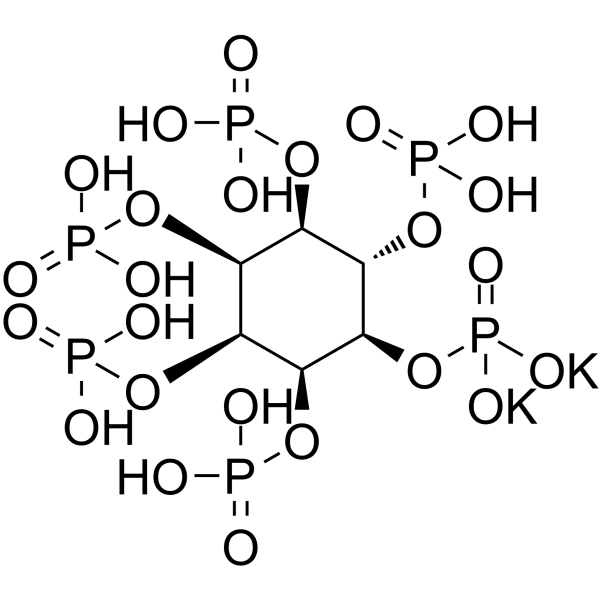
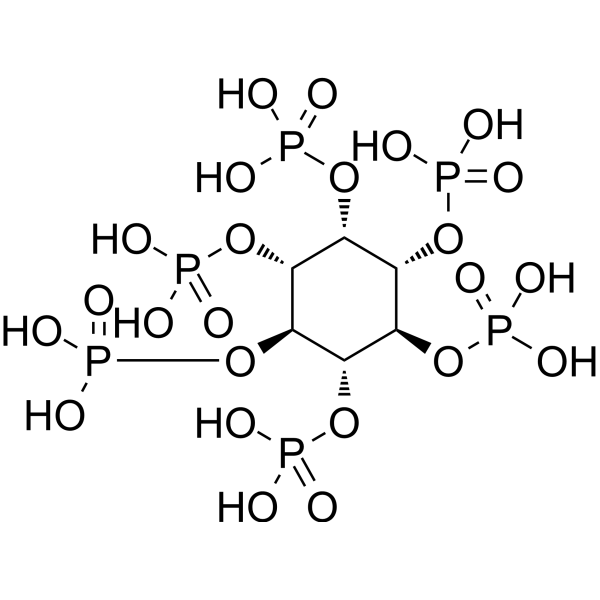
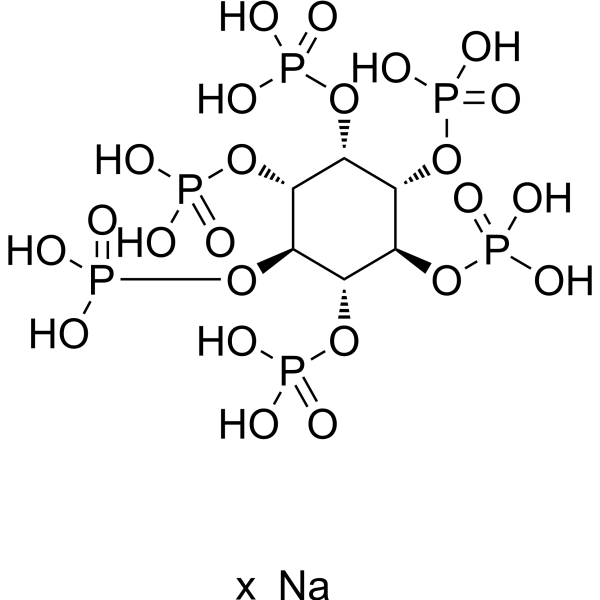
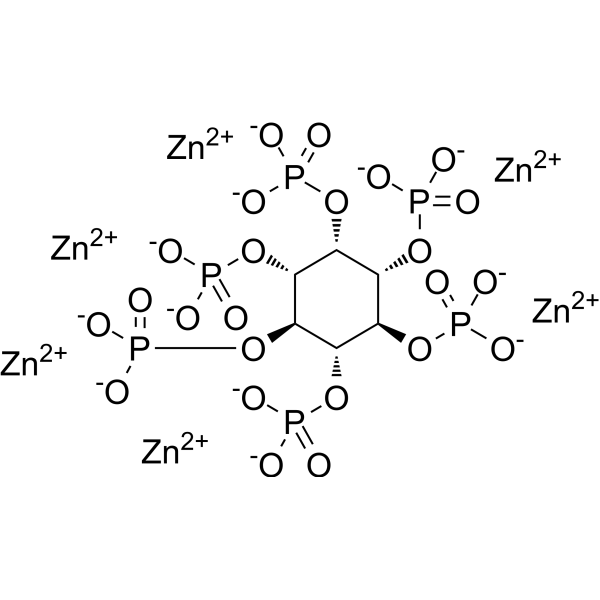
    Phytic acid (myo-Inositol; hexakis dihydrogen phosphate; Inositol hexaphosphate) sodium salt is an orally active compound. Phytic acid sodium salt can be derived from the seeds of legumes. Phytic acid sodium salt is a [PO4] 3- storage depot and precursor for other inositol phosphates and pyrophosphates. Phytic acid sodium salt attenuates oligomers and upregulates autophagy protein. Phytic acid sodium salt can be used in cardiovascular disease, metabolic disease, nervous system disease and cancer research .
    Phytic acid sodium salt
  • HY-112108
    Chitosan oligosaccharide
    5 Publications Verification

    COS

    AMPK Endogenous Metabolite Metabolic Disease Cancer
    Chitosan oligosaccharide (COS) is an oligomer of β-(1→4)-linked D-glucosamine. Chitosan oligosaccharide (COS) activates AMPK and inhibits inflammatory signaling pathways including NF-κB and MAPK pathways.
    Chitosan oligosaccharide
  • HY-132611

    SRP-4053

    Dystrophin DNA/RNA Synthesis Neurological Disease
    Golodirsen (SRP-4053) is an antisense oligonucleotide of the phophorodiamidate morpholino oligomer (PMO). Golodirsen restores the reading frame of the Duchenne muscular dystrophy (DMD) gene by modifying the splicing process of the pre-mRNA, skipping exon 53. Golodirsen can restore the expression of the anti-myostatin protein. Golodirsen can be used for the research of duchenne muscular dystrophy (DMD) .
    Golodirsen
  • HY-13915
    NSC348884
    3 Publications Verification

    Apoptosis Cancer
    NSC348884 is a nucleophosmin (NPM) inhibitor, it disrupts oligomer formation and induces apoptosis, inhibits cell proliferation with IC50s of 1.7-4.0 μM in distinct cancer cell lines. NSC348884 can be used for the research of cancer .
    NSC348884
  • HY-117259
    Valiltramiprosate
    1 Publications Verification

    ALZ-801

    Amyloid-β Neurological Disease
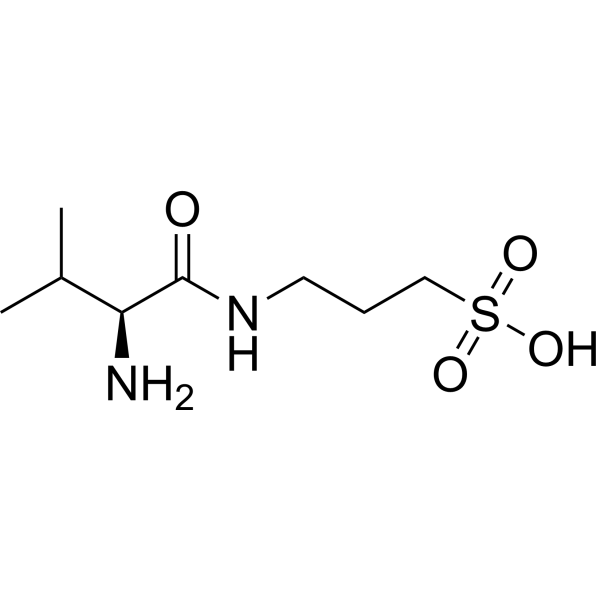
    ALZ-801 is a potent and orally available small-molecule β-amyloid (Aβ) anti-oligomer and aggregation inhibitor, valine-conjugated proagent of Tramiprosate with substantially improved PK properties and gastrointestinal tolerability compared with the parent compound . ALZ-801 is an advanced and markedly improved candidate for the treatment of alzheimer’s disease .
    Valiltramiprosate
  • HY-W143216

    Monomethylthionine

    Amyloid-β Tau Protein Neurological Disease
    Azure C acts as a tau oligomer modulator and Aβ42 oligomerization inhibitor. It regulates hsp70 ATPase activity, thereby mediating the clearance of tau protein. Azure C reduces the levels of toxic tau oligomers by promoting the formation of non-toxic tau aggregates, rescues neuroblastoma cells from tau oligomer-induced toxicity, and binds to and inhibits Aβ42 oligomerization without suppressing its fibrillization. Azure C is generated via sequential oxidation of methylene blue or Azure B through a horseradish peroxidase-mediated reaction, and accumulates in HRP reaction media. Azure C can be used in studies related to tauopathies, including Alzheimer's disease .
    Azure C
  • HY-N7697

    Others Others
    Chitotetraose tetrahydrochloride is a short-chain chitin oligomer derived from arbuscular mycorrhizal (AM) fungi. Chitotetraose tetrahydrochloride activates the AM fungus-dependent conserved symbiotic signaling pathway (CSSP) in actinorhizal plant species .
    Chitotetraose tetrahydrochloride
  • HY-113788

    Pyk2 p38 MAPK Amyloid-β Neurological Disease Inflammation/Immunology
    PF-719 is a highly selective Pyk2 inhibitor with an IC50 value of 17 nM. PF-719 promotes the activation of LKB1 and p38 MAPK. PF-719 blocks synaptic deficits induced by Amyloid-beta oligomers and reverses the inhibition of long-term potentiation induced by β-amyloid oligomers. PF-719 can be used in research related to Alzheimer's disease and autoimmune diseases .
    PF-719
  • HY-D0874

    Biochemical Assay Reagents Others
    HEPPSO is a zwitterionic Good's buffer suitable for physiological pH conditions. HEPPSO forms high-order oligomers in aqueous solutions and can form a 1:1 complex with Cu 2+ via its hydroxyalkyl and tertiary amine groups. However, HEPPSO contains a structurally similar trace impurity lacking an alkanesulfonic acid side chain. The complex formed by this impurity and Cu 2+ has a very low Ka; therefore, HEPPSO may interfere with studies on copper speciation analysis in natural water bodies .
    HEPPSO
  • HY-145580

    UCB0599; (R)-NPT200-11

    α-synuclein Neurological Disease
    Minzasolmin (UCB0599; (R)-NPT200-11) is an orally active, blood-brain-permeable α-synuclein (α-Syn) inhibitor that selectively binds to α-Syn misfolded intermediates (such as oligomers) and inhibits aggregation and fibril formation by regulating their conformational stability. Minzasolmin can reduce the generation of pathological oligomers and block neurotoxic signaling, thereby reducing the abnormal accumulation of α-Syn in the brain. Minzasolmin significantly improved motor deficits, reduced neuroinflammatory markers, and α-Syn-related pathological deposition in transgenic mouse models .
    Minzasolmin
  • HY-N2048

    α-​Terthiophene; α-Terthienyl; Trithiophene

    Environmental Pollutants Antibiotic Bacterial Infection
    2,2':5',2''-Terthiophene (α-Terthiophene) is an oligomer of the heterocycle thiophene. 2,2':5',2''-Terthiophene has been employed as building block for the organic semi-conductor polythiophene.
    2,2':5',2''-Terthiophene
  • HY-Y1230

    Propargylacetic acid

    Biochemical Assay Reagents Others
    4-Pentynoic acid (Propargylacetic acid) is an intermediate to produce biologically active compounds. 4-Pentynoic acid is widely utilized as a building block for the synthesis of eight sequence-defined model oligomers . 4-Pentynoic acid is a click chemistry reagent, it contains an Alkyne group and can undergo copper-catalyzed azide-alkyne cycloaddition (CuAAc) with molecules containing Azide groups.
    4-Pentynoic acid
  • HY-121035

    7-Bromoindirubin-3-Oxime

    CDK GSK-3 Neurological Disease
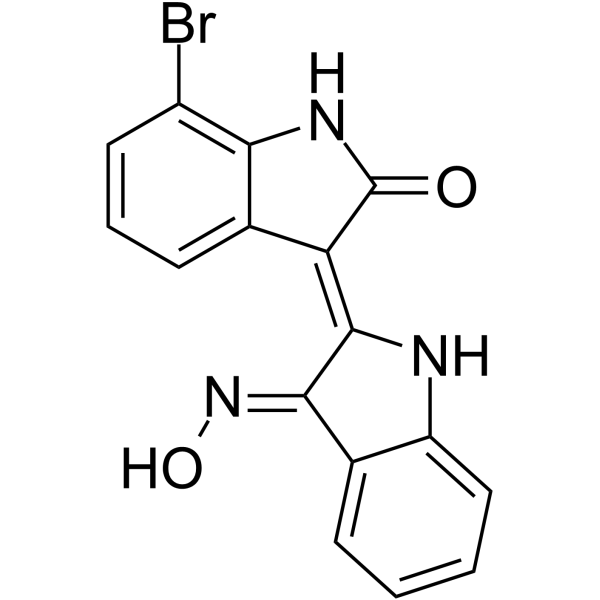
    7BIO (7-Bromoindirubin-3-Oxime) is the derivate of indirubin. 7BIO (7-Bromoindirubin-3-Oxime) has inhibitory effects against cyclin-dependent kinase-5 (CDK5) and glycogen synthase kinase-3β (GSK3β). 7BIO (7-Bromoindirubin-3-Oxime) inhibits Aβ oligomer-induced neuroinflammation, synaptic impairments, tau hyper-phosphorylation, activation of astrocytes and microglia, and attenuates Aβ oligomer-induced cognitive impairments in mice [1].
    7BIO
  • HY-160791

    Phosphatase Infection Cancer
    Claramine is a steroid polyamine with blood-brain barrier permeability. Claramine can regulate the properties of lipid membranes and protect cells from various biological toxins, including misfolded protein oligomers and biological protein-based toxins .
    Claramine
  • HY-139324
    Cu(II)GTSM
    1 Publications Verification

    GSK-3 Amyloid-β Neurological Disease Cancer
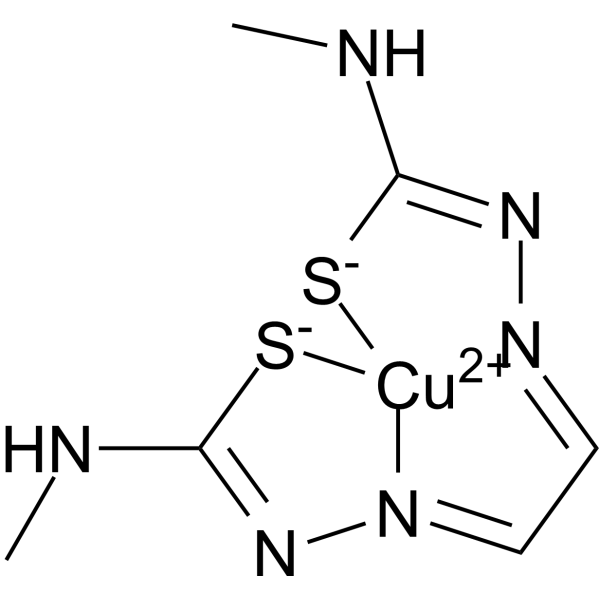
    Cu(II)GTSM, a cell-permeable Cu-complex, significantly inhibits GSK3β. Cu(II)GTSM inhibits Amyloid-β oligomers (AβOs) and decreases tau phosphorylation. Cu(II)GTSM also decreases the abundance of Amyloid-β trimers. Cu(II)GTSM is a potential anticancer and antimicrobial agent .
    Cu(II)GTSM
  • HY-132611A

    SRP-4053 sodium

    DNA/RNA Synthesis Dystrophin Neurological Disease
    Golodirsen (SRP-4053) sodium is an antisense oligonucleotide of the phophorodiamidate morpholino oligomer (PMO). Golodirsen sodium restores the reading frame of the Duchenne muscular dystrophy (DMD) gene by modifying the splicing process of the pre-mRNA, skipping exon 53. Golodirsen sodium can restore the expression of the anti-myostatin protein. Golodirsen sodium can be used for the research of duchenne muscular dystrophy (DMD) .
    Golodirsen sodium
  • HY-171179

    Fluorescent Dye Neurological Disease
    BD-Oligo is an oligomer-specific fluorescent chemical probe. BD-Oligo preferentially identifies Aβ oligomer assemblies over monomers or fibrils by using diversity-directed fluorescent library (DOFL) screening and computational techniques. BD-Oligo exhibits dynamic oligomer monitoring capabilities during Aβ peptide fibril formation as Aβ is induced to form oligomers and ultimately fibrils over time. BD-Oligo also exhibits blood-brain barrier permeability with the ability to stain Aβ oligomers in vivo .
    BD-Oligo
  • HY-153402

    Biochemical Assay Reagents Drug Intermediate Others
    Activated EG3 Tail can be used in the synthesis of exon jumping oligomer conjugates .
    Activated EG3 Tail
  • HY-148913

    CaMK Neurological Disease
    CS587 is a specific inhibitor of CaMK1D with neurocytotoxicity at 10 μM. CS587 modulates the sensitivity of neuronal cells to Aβ oligomer toxicity .
    CS587
  • HY-N7699C

    Bacterial Neurological Disease
    D-Pentamannuronic acid, an alginate oligomer, is produced by marine brown algae and by a limited range of Gram negative bacteria. D-Pentamannuronic acid can be used for the research of pain and vascular dementia .
    D-Pentamannuronic acid
  • HY-164419A

    COR-004 sodium; ATL1103 sodium; ISIS 227452 sodium

    GHR Others
    Atesidorsen sodium is a second-generation, antisense oligomer designed to inhibit translation of human growth hormone receptor (GHR) mRNA
    Atesidorsen sodium
  • HY-160791A

    Phosphatase Infection Cancer
    Claramine TFA is a steroidal polyamine. Claramine TFA can regulate the properties of lipid membranes and protect cells from various biological toxins, including misfolded protein oligomers and toxins derived from biological proteins .
    Claramine TFA
  • HY-12324

    Dopamine Receptor Neurological Disease
    SB269652 is the first drug-like allosteric modulator of the dopamine D2 receptor (D2R); a new chemical probe that can differentiate D2R monomers from dimers or oligomers depending on the observed pharmacology.
    SB269652
  • HY-160791B

    Phosphatase Infection Cancer
    Claramine hydrochloride is a steroid polyamine with blood-brain barrier permeability. Claramine hydrochloride can regulate the properties of lipid membranes and protect cells from various biological toxins, including misfolded protein oligomers and biological protein-based toxins .
    Claramine hydrochloride
  • HY-175840

    Tau Protein Neurological Disease
    TAU-IN-5 (compound 13) is a TAU protein inhibitor with an EC50 of 0.81 μM. TAU-IN-5 inhibits the formation of tau (2N4R isoform) oligomers and reduces the formation of tau dimers. TAU-IN-5 can be used in the study of Alzheimer's disease (AD) and Parkinson's disease (PD) .
    TAU-IN-5
  • HY-105067A

    GV-1001 hydrochloride

    Telomerase Neurological Disease
    Tertomotide (GV1001) hydrochloride is peptide vaccine consists a 16-aa human telomerase reverse transcriptase (hTERT) sequence. Tertomotide hydrochloride shows neuroprotective. Tertomotide hydrochloride has the potential for the research of Alzheimer's disease .
    Tertomotide hydrochloride
  • HY-N7699B

    Bacterial Neurological Disease
    D-Tetramannuronic acid, an alginate oligomer, is produced by marine brown algae and by a limited range of Gram negative bacteria. D-Tetramannuronic acid can be used for the research of pain and vascular dementia .
    D-Tetramannuronic acid
  • HY-N7699F

    Bacterial Neurological Disease
    D-Octamannuronic acid, an alginate oligomer, is produced by marine brown algae and by a limited range of Gram negative bacteria. D-Octamannuronic acid can be used for the research of pain and vascular dementia .
    D-Octamannuronic acid
  • HY-163145

    α-synuclein Neurological Disease
    α-Synuclein inhibitor 11 (compound 1) is a selective α-synuclein (α-syn) oligomer formation inhibitor. α-Synuclein inhibitor 11 does not inhibits tau 4R (isoforms 0N4R, 2N4R) or p-tau (isoform 1N4R). α-Synuclein inhibitor 11 can be used for Parkinson's disease (PD) research .
    α-Synuclein inhibitor 11
  • HY-P3780

    Amyloid-β Neurological Disease
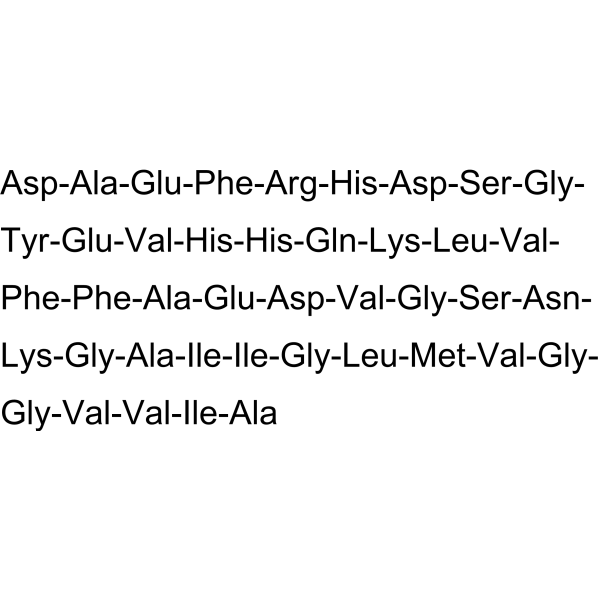
    Cys-Gly-Lys-Lys-Gly-Amyloid β-Protein (36-42) is the 36-42 fragment of Amyloid β-Protein. β-amyloid, a polypeptide made up of 36-43 amino acids, is the main component of amyloid plaques found in the brains of people with Alzheimer's disease. β-amyloid oligomers (Aβos) plays A key role in the progression of Alzheimer's disease (AD) by inducing neuronal damage and cognitive impairment .
    Cys-Gly-Lys-Lys-Gly-Amyloid β-Protein (36-42)
  • HY-153405

    Biochemical Assay Reagents Phosphoramidites Others
    Activated DPG Subunit can be used in the synthesis of exon jumping oligomer conjugates. The oligomer conjugates complement selected target sites in the human anti-muscular atrophy protein gene and induce exon 51 jumping. It can be used for research of muscular dystrophy .
    Activated DPG Subunit
  • HY-153406

    Biochemical Assay Reagents Others
    Activated T Subunit can be used in the synthesis of exon jumping oligomer conjugates. The oligomer conjugates complement selected target sites in the human anti-muscular atrophy protein gene and induce exon 51 jumping. Activated T subunit can be used for research of muscular dystrophy .
    Activated T Subunit
  • HY-N3478

    Hydroxycoriatin

    GABA Receptor Neurological Disease
    Isohyenanchin (Hydroxycoriatin) is an RDLac homo-oligomers antagonist. Isohyenanchin also is a weak antagonist of ionotropic GABA receptors .
    Isohyenanchin
  • HY-139830

    DYRK Neurological Disease
    Dyrk1A-IN-1 is a triple inhibitor of Dyrk1A kinase activity (IC50 = 119 nM) and the aggregation of tau and α-syn oligomers.
    Dyrk1A-IN-1
  • HY-P10578

    Amyloid-β Neurological Disease
    SEN 304 is an Aβ aggregation inhibitor. SEN 304 can bind directly to Aβ(1-42), delay β-sheet formation and promote aggregation of toxic oligomers into a nontoxic form. SEN 304 can be used for research of Alzheimer’s disease .
    SEN 304
  • HY-P4295

    PADK

    Cathepsin γ-secretase Neurological Disease
    Z-Phe-Ala-diazomethylketone binds directly to Aβ42 monomers and small oligomers. Z-Phe-Ala-diazomethylketone inhibits the formation of Aβ42 dodecamers and inhibits Aβ42 fibril formation in the solution. Z-Phe-Ala-diazomethylketone has the potential for neurodegenerative disorders research .
    Z-Phe-Ala-diazomethylketone
  • HY-P10559

    Bacterial Infection
    (RXR)4XB is a cell-penetrating peptide, that binds the phosphorodiamidate morpholino oligomers (PMOs), forms peptide-conjugated PMOs (PPMOs), and improves the delivery of PMO into bacterial cells. (RXR)4XB-PMO conjugate prevents the formation of biofilms, inhibits Pseudomonas aeruginosa with MIC50 of 0.5 to 16 μM, and reduces the bacterial burden in mouse acute pneumonia models .
    (RXR)4XB
  • HY-W206987

    Drug Intermediate Others
    2-(Aminomethyl)benzoic acid is an amino acid derivative and also a building block for heterogeneously synthetic folded oligomers with repeating γ/α 2-Amb-Pro motifs. 2-(Aminomethyl)benzoic acid can be used to construct synthetic oligomers .
    2-(Aminomethyl)benzoic acid
  • HY-177854

    Amyloid-β Neurological Disease
    Aβ aggregation-IN-4 can alleviate the neurotoxicity of amyloid-β protein (Aβ) and significantly reduce the level of oligomeric complexes of Aβ (Aβ-OCs). Aβ aggregation-IN-4 does not decrease the level of amyloid-β protein (Aβ). Aβ aggregation-IN-4 attenuates Aβ oligomerization and prevents oligomer-induced death of primary cortical neurons. Aβ aggregation-IN-4 can be used for the study of Alzheimer’s disease (AD) .
    Aβ aggregation-IN-4
  • HY-164419

    COR-004; ATL1103; ISIS 227452

    GHR Others
    Atesidorsen is a second-generation, antisense oligomer designed to inhibit translation of human growth hormone receptor (GHR) mRNA
    Atesidorsen
  • HY-P991535

    Amyloid-β Neurological Disease
    PMN310 is a monoclonal antibody targeting amyloid-β oligomers (AβO). PMN310 prevents AβO-induced memory loss and reduces synaptic loss and inflammation in vivo. PMN310 is potentially useful in Alzheimer's disease research .
    PMN310
  • HY-P991536

    Amyloid-β Neurological Disease
    KHK6640 is a humanized anti-amyloid beta oligomer-specific antibody. KHK6640 demonstrates high potency and efficacy for cognitive improvement in several rodent Alzheimer’s models. KHK6640 can be studied in research for neurological diseases such as Alzheimer’s disease .
    KHK6640
  • HY-121432

    Drug Metabolite Others
    Kitol is peptide used for after-sun repair cosmetics. The dominant degradation reaction for vitamin A derivatives is heat-induced formation of kitols, i.e., dimers or higher oligomers. Vitamin A esters are used as a model system to evaluate microcalorimetry as a tool for monitoring the stability of heat-sensitive substances .
    Kitol
  • HY-P10318

    GLP Receptor Endocrinology
    SHR-2042 is a selective agonist of the GLP-1 receptor.SHR-2042 improves glycemic control by activating the GLP-1 receptor, enhancing insulin secretion and inhibiting glucagon secretion. SHR-2042 combined with sodium N-(8-[2-hydroxybenzoyl] amino) caprylate (SNAC) promotes monomerization through the formation of micelles and improves oral absorption efficiency .
    SHR-2042
  • HY-P10559A

    Bacterial Infection
    (RXR)4XB TFA is a cell-penetrating peptide, that binds the phosphorodiamidate morpholino oligomers (PMOs), forms peptide-conjugated PMOs (PPMOs), and improves the delivery of PMO into bacterial cells. (RXR)4XB TFA-PMO conjugate prevents the formation of biofilms, inhibits Pseudomonas aeruginosa with MIC50 of 0.5 to 16 μM, and reduces the bacterial burden in mouse acute pneumonia models .
    (RXR)4XB TFA
  • HY-N0148AR

    Rutoside hydrate (Standard); Quercetin 3-O-rutinoside hydrate (Standard)

    Amyloid-β Autophagy Apoptosis Endogenous Metabolite Reference Standards Neurological Disease Cancer
    Rutin (hydrate) (Standard) is the analytical standard of Rutin (hydrate). This product is intended for research and analytical applications. Rutin (Rutoside) hydrate is a flavonoid found in many plants and shows a wide range of biological activities including anti-inflammatory, antidiabetic, antioxidant, neuroprotective, nephroprotective, hepatoprotective and reducing Aβ oligomer activities. Rutin hydrate can cross the blood brain barrier. Rutin hydrate attenuates vancomycin-induced renal tubular cell apoptosis via suppression of apoptosis, mitochondrial dysfunction, and oxidative stress .
    Rutin hydrate (Standard)
  • HY-119987

    SOG

    Fluorescent Dye Others
    Sudan orange G is an azo dye. Sudan orange G, after enzymatic oxidation, generates oligomers and even polymers through free radical coupling reactions .
    Sudan orange G

Consulta en línea

Your information is safe with us. * Required Fields.

Saludo


Country or Region *

Nombre del solicitante *


Nombre de la Organizaciòn *

Department *


Direcciòn del E-mail *


Nombre del producto *

Cat. No.


Requested quantity *

Número de teléfono *


Observaciones

Consulta en línea

Inquiry Information

Nombre del producto:
Cat. No.:
Cantidad:
MCE Japan Authorized Agent:

