Search Result
Results for "
p38 phosphorylation
" in MedChemExpress (MCE) Product Catalog:
4
Biochemical Assay Reagents
3
Isotope-Labeled Compounds
| Cat. No. |
Product Name |
Target |
Research Areas |
Chemical Structure |
-
- HY-10256
-
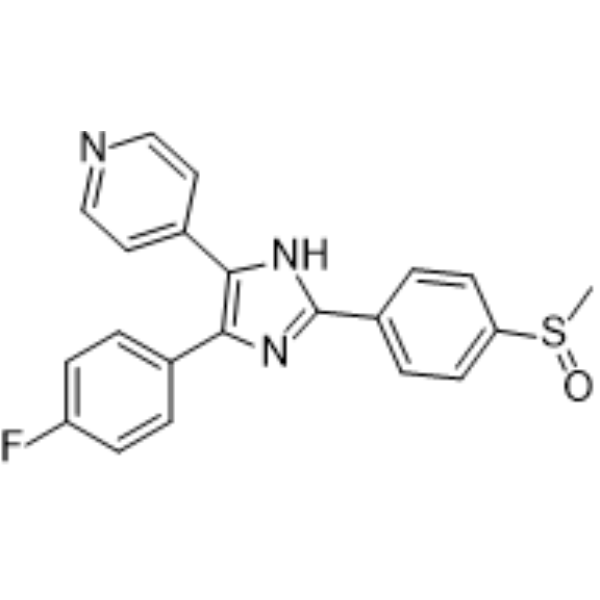
Adezmapimod
Maximum Cited Publications
601 Publications Verification
SB 203580; RWJ 64809
|
Organoid
p38 MAPK
Autophagy
Mitophagy
HSP
|
Inflammation/Immunology
Cancer
|
|
Adezmapimod (SB 203580) is a selective and ATP-competitive p38 MAPK inhibitor with IC50s of 50 nM and 500 nM for SAPK2a/p38 and SAPK2b/p38β2, respectively. Adezmapimod inhibits LCK, GSK3β and PKBα with IC50s of 100-500-fold higher than that for SAPK2a/p38. Adezmapimod can inhibit p38 MAPK and lead to the inhibition of downstream HSP27 phosphorylation. Adezmapimod does not disrupt JNK activity and is an autophagy and mitophagy activator .
|
-
-
- HY-13241
-
|
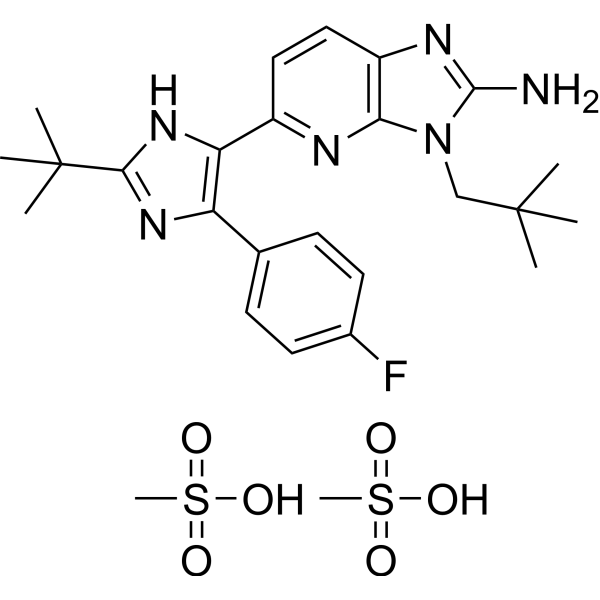
LY2228820 dimesylate
|
p38 MAPK
Autophagy
Apoptosis
|
Inflammation/Immunology
Cancer
|
|
Ralimetinib dimesylate (LY2228820 dimesylate) is a selective, ATP-competitive inhibitor of p38 MAPK α/β with IC50s of 5.3 and 3.2 nM, respectively. Ralimetinib (LY2228820) selectively inhibits phosphorylation of MK2 (Thr334), with no effect on phosphorylation of p38a MAPK, JNK, ERK1/2, c-Jun, ATF2, or c-Myc.
|
-
-
- HY-N0619
-
|
|
TNF Receptor
Interleukin Related
Tyrosinase
|
Inflammation/Immunology
|
|
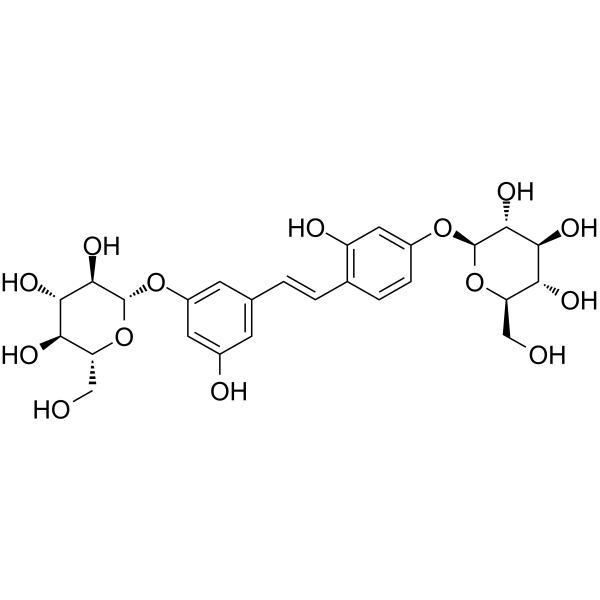
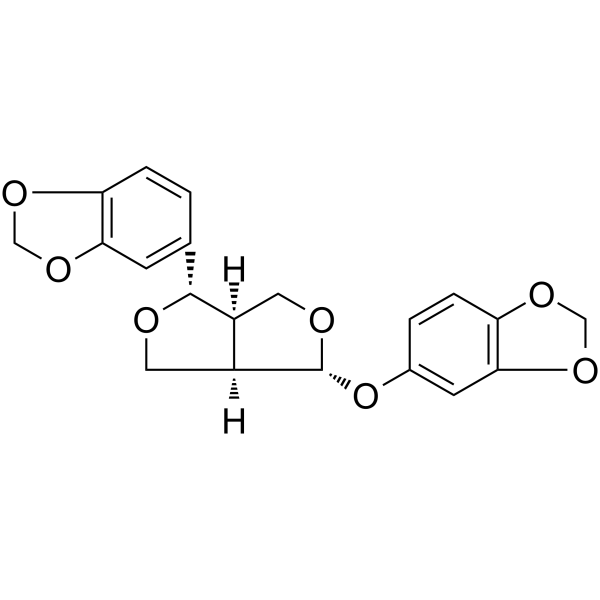
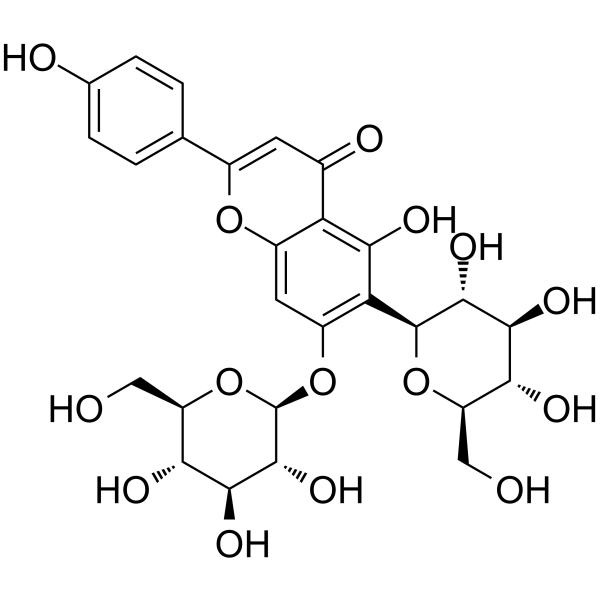
Mulberroside A is one of the main bioactive constituent in mulberry (Morus alba L.) . Mulberroside A decreases the expressions of TNF-α, IL-1β, and IL-6 and inhibits the activation of NALP3, caspase-1, and NF-κB and the phosphorylation of ERK, JNK, and p38, exhibiting anti-inflammatory antiapoptotic effects . Mulberroside A shows inhibitory activity against mushroom tyrosinase with an IC50 of 53.6 μM .
|
-
-
- HY-110126
-
|
|
P2Y Receptor
|
Inflammation/Immunology
Cancer
|
|
AR-C118925XX is a selective P2Y2 receptor antagonist. AR-C118925XX inhibits ATP-induced IL-6 production and phosphorylation of p38. AR-C118925XX also inhibits Bleomycin (HY-108345)-induced dermal fibrosis in mice. AR-C118925XX also inhibits ATP-induced tumor growth .
|
-
-
- HY-N0103
-
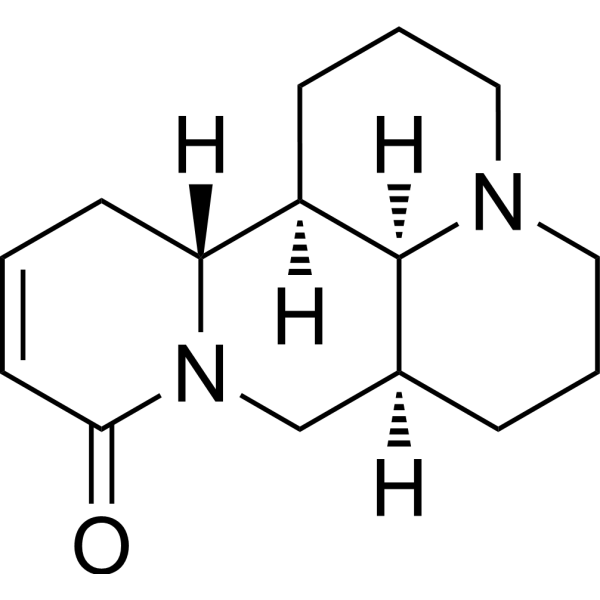
Sophocarpine
Maximum Cited Publications
11 Publications Verification
|
Autophagy
Apoptosis
NF-κB
PI3K
Akt
MEK
ERK
PTEN
|
Cardiovascular Disease
Inflammation/Immunology
Cancer
|
|
Sophocarpine is a PTEN activator and an inhibitor of PI3K/Akt, MEK/ERK, and NF-κB signaling pathways. Sophocarpine upregulates PTEN expression and inhibits PI3K/Akt phosphorylation, arrests tumor cell cycle and induces apoptosis. Sophocarpine inhibits MEK/ERK phosphorylation and VEGF secretion, reducing tumor cell migration. Sophocarpine can also inhibit NF-κB activation and p38 and JNK phosphorylation, reduce the expression of inflammatory factors such as iNOS and COX-2, and activate the Nrf2/HO-1 pathway to reduce oxidative stress. Sophocarpine has anti-tumor, anti-inflammatory, antioxidant and anti-apoptotic effects, and can be used in the research of cancers such as glioblastoma and colorectal cancer, inflammation-related diseases, and Doxorubicin (HY-15142A)-induced cardiac damage .
|
-
-
- HY-N9914
-
|
D-Allulose
|
p38 MAPK
NF-κB
|
Metabolic Disease
|
|
D-psicose is an orally active rare sugar. D-psicose inhibits p38-MAPK phosphorylation and MCP-1 expression. D-psicose inhibits the AGEs/RAGE/NF-κB pathway. D-psicose protects pancreatic β-islets, improves hyperglycemia and high-fat diet-induced non-alcoholic fatty liver disease .
|
-
-
- HY-N7255
-
|
|
p38 MAPK
Apoptosis
|
Cancer
|
|
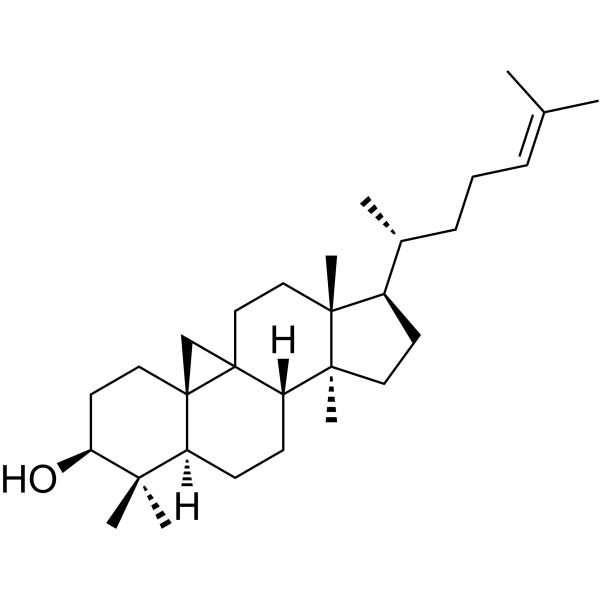
Cycloartenol, a phytosterol compound, is one of the key precusor substances for biosynthesis of numerous sterol compounds. Cycloartenol inhibits the migration of glioma cells and suppresses the phosphorylation of the p38 MAP kinase. Cycloartenol has a variety of pharmacological activities such as anti-inflammatory, anti-tumor, antioxidant, antibiosis and anti-alzheimer's disease. Cycloartenol also plays an important role in the process of plant growth and development .
|
-
-
- HY-B1839
-
|
|
Environmental Pollutants
JNK
Fungal
p38 MAPK
Bcl-2 Family
Caspase
Autophagy
Apoptosis
|
Infection
|
|
Fluazinam is an orally active dinitroaniline fungicide. Fluazinam induces phosphorylation of JNK, activates p38 pathway, decreases Bcl-2, activates caspase-3, decreases complex I activity, increases Autophagy and Apoptosis. Fluazinam has strong antifungal activity against F. fujikuroi and B. maydis. Fluazinam has a negative impact on Brachydanio rerio and worker bees .
|
-
-
- HY-N0763
-
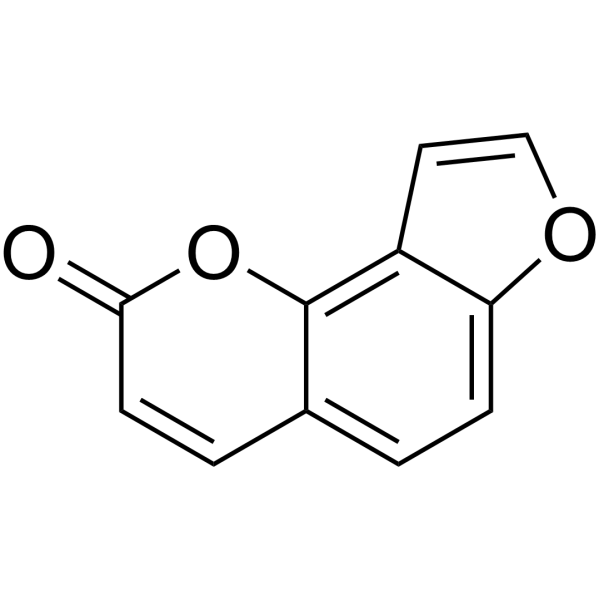
Angelicin
Maximum Cited Publications
11 Publications Verification
Isopsoralen
|
Apoptosis
Virus Protease
NF-κB
p38 MAPK
JNK
Caspase
|
Infection
Inflammation/Immunology
Cancer
|
|
Angelicin is a furanocoumarin compound that functions as an inhibitor of NF-κB and MAPK signaling pathways, exhibiting anti-inflammatory, antiviral, and antitumor activities. It suppresses the lytic replication of γ-herpesviruses, such as MHV-68, early during viral infection, potentially inhibiting RTA gene expression (IC50=28.95 μM). Angelicin also mitigates inflammation by inhibiting the phosphorylation and nuclear translocation of NF-κB, and the phosphorylation of p38 and JNK. Furthermore, it induces apoptosis in neuroblastoma cells by downregulating anti-apoptotic proteins like Bcl-2, Bcl-xL, and Mcl-1, while activating caspase-9 and caspase-3.
|
-
-
- HY-N0526
-
|
|
Sirtuin
Keap1-Nrf2
NF-κB
ERK
p38 MAPK
JNK
TSH Receptor
Reactive Oxygen Species (ROS)
SOD
|
Neurological Disease
Inflammation/Immunology
|
|
2''-O-Galloylhyperin is an active natural compound with anti‑inflammatory, antioxidant, anti‑adipogenic, antifibrotic, and cytostatic activities. 2''-O-Galloylhyperin upregulates SIRT1/Nrf2 signaling, inhibits NF-κB and MAPK (ERK1/2, p38, JNK) phosphorylation, suppresses TSHR activation, reduces ROS accumulation, and enhances SOD and GSH-Px activities. 2''-O-Galloylhyperin protects against LPS-induced tissue injury, enhances survival, and inhibits adipogenesis and fibrosis. 2"-O-Galloylhyperin can be used for the research of sepsis, acute lung injury, and thyroid eye disease .
|
-
-
- HY-N2406
-
|
3,4-Dihydroxy-benzenepropanoic acid
|
p38 MAPK
Endogenous Metabolite
Reactive Oxygen Species (ROS)
NO Synthase
|
Inflammation/Immunology
|
|
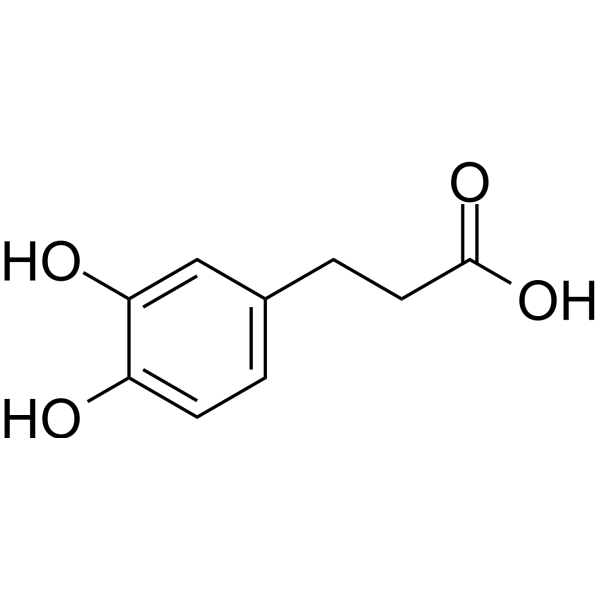
Dihydrocaffeic acid is a microbial metabolite of flavonoids. Dihydrocaffeic acid scavenges intracellular ROS and increases nitric oxide synthase activity. Dihydrocaffeic acid reduces phosphorylation of MAPK p38 and prevent UVB-induced skin damage. Dihydrocaffeic acid has antioxidant, anti-inflammatory and anti-cartilage degradation activities .
|
-
-
- HY-165126
-
|
SPG
|
Endogenous Metabolite
Sirtuin
JNK
p38 MAPK
PPAR
AP-1
|
Infection
Metabolic Disease
Inflammation/Immunology
Cancer
|
|
Schizophyllan (SPG) is an orally active extracellular β-glucan produced by the fungus Schizophyllum commune. Schizophyllan improves mitochondrial function and protects against metabolic liver injury by activating the SIRT3 pathway. Schizophyllan inhibits osteoclastogenesis and promotes osteoblast differentiation by suppressing the phosphorylation of JNK/p38, as well as downregulating PGC1β/PPARγ, c-Fos and NFATc1. Recognized via Dectin-1, schizophyllan enables precise delivery of oligonucleotide drugs and antigens to antigen-presenting cells, thus holding great potential in the treatment of inflammatory diseases and vaccine development .
|
-
-
- HY-129138
-
|
|
Interleukin Related
NO Synthase
STAT
IKK
PERK
p38 MAPK
Akt
|
Neurological Disease
Inflammation/Immunology
|
|
Cyanidin 3,5-diglucoside chloride is an anthocyanin. Cyanidin 3,5-diglucoside chloride inhibits inflammatory cytokines (IL-1α, IL-1β, and IL-6) expression and NO production. Cyanidin 3,5-diglucoside chloride inhibits the phosphorylation of STAT3, IκB, ERK, p38, and AKT. Cyanidin 3,5-diglucoside chloride inhibits high pressure-induced decrease in GLAST. Cyanidin 3,5-diglucoside chloride exerts anti-inflammatory and skin barrier modulating effects. Cyanidin 3,5-diglucoside chloride can be used in retinal research .
|
-
-
- HY-W040045
-
|
Pelargonidin-3-O-glucoside chloride
|
Reactive Oxygen Species (ROS)
COX
NO Synthase
p38 MAPK
TNF Receptor
Apoptosis
|
Neurological Disease
Metabolic Disease
Inflammation/Immunology
Cancer
|
|
Callistephin (Pelargonidin 3-O-glucoside) chloride is an anthocyanin. Callistephin chloride regulates the expression of inflammatory (reducing iNOS/TNF-α/COX-2) and apoptosis-related proteins by inhibiting p38 phosphorylation, and enhances the protective effect of Isoflurane (HY-A0134) on microglial cell damage. Callistephin chloride significantly reduces ROS levels, eliminates DPPH free radicals, protects retinal pigment epithelial cells, and inhibits lipid peroxidation. Callistephin chloride can alleviate glutamate excitotoxicity, reduce neuronal apoptosis, and protect cerebellar granule neurons. Callistephin chloride can inhibit the proliferation and metastasis of breast cancer cells by inducing apoptosis .
|
-
-
- HY-124404A
-
|
|
ERK
DNA/RNA Synthesis
p38 MAPK
|
Cancer
|
|
12(S)-HETE is the 12-lipoxygenase metabolite of arachidonic acid and has a mitogenic effect on cancer cell proliferation. 12(S)-HETE induces tyrosine phosphorylation of cellular proteins, promotes ERK and P38 MAPK phosphorylation, increases DNA synthesis, and stimulates the proliferation of pancreatic cancer cells .
|
-
-
- HY-136788
-
|
AKST4290; BI144807
|
CCR
|
Neurological Disease
Inflammation/Immunology
Cancer
|
|
ALK4290 (AKST4290) is a potent, orally active and selective CCR3 inhibitor with a Ki of 3.2 nM. ALK4290 blocks CCR3-mediated signaling, abrogates macrophage supernatant-driven mesothelial-to-mesenchymal transition, and decreases p38 phosphorylation. ALK4290 inhibits CCL26-CCR3 axis-driven GPX2-mediated B-cell activation, and targets B cells to inhibit activation by GPX2-overexpressing tumor cells. ALK4290 can be used for the research of hepatocellular carcinome and Parkinson’s disease .
|
-
-
- HY-N0809
-
-
-
- HY-107426
-
|
Muconomycin A
|
Apoptosis
Reactive Oxygen Species (ROS)
|
Cancer
|
|
Verrucarin A (Muconomycin A), a Type D macrocyclic mycotoxin derived from the pathogen fungus Myrothecium verrucaria, is an inhibitor of protein synthesis. Verrucarin A inhibits growth of leukemia cell lines and activates caspases and apoptosis and inflammatory signaling in macrophages. Verrucarin A effectively increased the phosphorylation of p38 MAPK and diminished the phosphorylation of ERK/Akt. Verrucarin A caused cell cycle deregulation through the induction of p21 and p53 .
|
-
-
- HY-N5083
-
-
-
- HY-N0924
-
|
Tetrahydrocoptisine
|
Interleukin Related
NO Synthase
p38 MAPK
PERK
NF-κB
|
Neurological Disease
Inflammation/Immunology
|
|
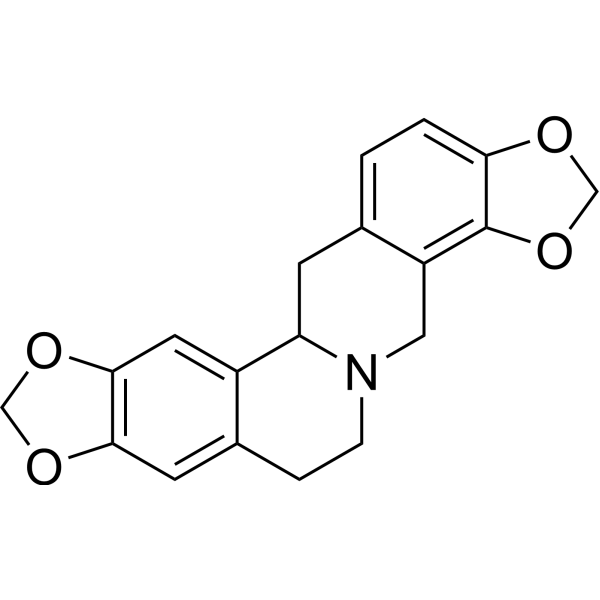
(±)-Stylopine (Tetrahydrocoptisine) is an alkaloid compound. (±)-Stylopine can be isolated from the tubers of the plant Corydalis. (±)-Stylopine inhibits TNF-α, IL-6, and NO production, and attenuates phosphorylation of p38 MAPK, ERK1/2. (±)-Stylopine inhibits NF-κB expression. (±)-Stylopine exhibits anti-inflammatory activity. (±)-Stylopine has protective effects against foot edema, gastric ulcers, anxiety, depression, and acute lung injury .
|
-
-
- HY-W050000
-
OR-1855
1 Publications Verification
|
Drug Metabolite
Reactive Oxygen Species (ROS)
ERK
p38 MAPK
|
Cardiovascular Disease
Inflammation/Immunology
|
|
OR-1855, an active metabolite of Levosimendan (HY-14286), has effect on myometrial contractility. OR-1855 exerts anti-inflammatory effects by inhibiting IL-1β-induced ROS formation and NAD(P)H oxidase-dependent superoxide radical generation in HUVECs. OR-1855 inhibits IL-1β-induced phosphorylation p38 MAPK, ERK1/2, c-Jun and JNK in HUVECs. OR-1855 can be used for the study of inflammation .
|
-
-
- HY-172815
-
|
|
JNK
Eukaryotic Initiation Factor (eIF)
p38 MAPK
|
Cancer
|
|
IDB-001 is a human ribosomal peptidyl transferase center (PTC) inhibitor that induces conformational changes and blocks translational elongation in specific sequence contexts through complementary interactions with Asp/Glu residues in nascent polypeptides. IDB-001 preferentially stalls ribosomes at positions containing acidic peptide motifs, thereby inhibiting cancer cell proliferation, and activates the integrated stress response via eIF2α phosphorylation at high concentrations. In addition, IDB-001 mildly triggers ribotoxic stress responses through phosphorylation of JNK and p38. IDB-001 has been applied to mechanistic studies of triple-negative breast cancer .
|
-
-
- HY-N1921
-
|
|
NF-κB
p38 MAPK
TNF Receptor
Reactive Oxygen Species (ROS)
COX
Interleukin Related
|
Inflammation/Immunology
|
|
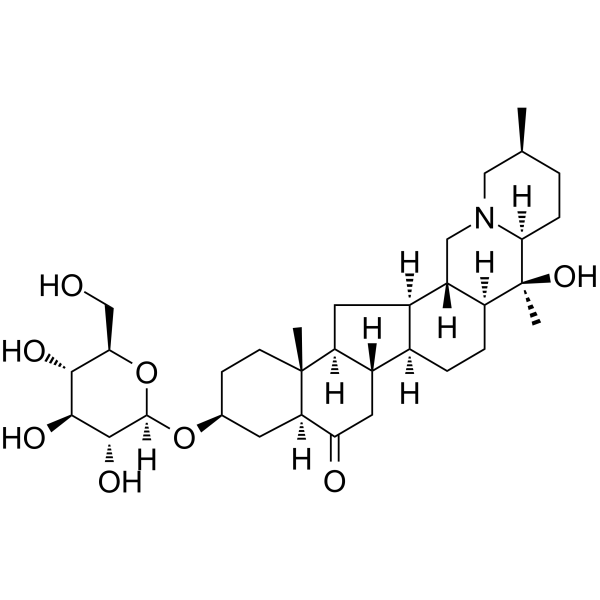
Edpetiline is an anti-inflammatory agent. Edpetiline inhibits the phosphorylation of IκB, nuclear transcription/translocation of NF-κB p65, as well as the phosphorylation of p38 MAPK and ERK MAPK. Edpetiline reduces intracellular ROS levels, inhibits the expression of TNF-α, IL-6, iNOS, COX-2, and promotes the expression of IL-4. Edpetiline is applicable to the research of diseases associated with inflammation and oxidative stress .
|
-
-
- HY-N2208
-
|
|
p38 MAPK
Apoptosis
Reactive Oxygen Species (ROS)
|
Infection
Metabolic Disease
Inflammation/Immunology
Cancer
|
|
4-Hydroxylonchocarpin is a chalcone compound. 4-Hydroxylonchocarpin enhances the phosphorylation of p38 MAPK, JNK and ERK. 4-Hydroxylonchocarpin induces reactive oxygen species (ROS) and apoptosis in liver cancer cells. 4-Hydroxylonchocarpin has various pharmacological activities, including antibacterial, anticancer, anti-retroviral, anti-tuberculosis, anti-malarial and anti-inflammatory activities .
|
-
-
- HY-156420
-
|
|
Phosphatase
Apoptosis
|
Inflammation/Immunology
Cancer
|
|
ATUX-1215 is an activator of protein phosphatase 2A (PP2A). ATUX-1215 reduced the phosphorylation of ERK, p38, JNK, and Akt and the secretion of IL-12p70, GM-CSF, and IL1α in Bleomycin hydrochloride (HY-17565A)-treated animals. ATUX-1215 can slow the progression of lung fibrosis .
|
-
-
- HY-N4119
-
|
|
Phosphatase
Cholinesterase (ChE)
p38 MAPK
Apoptosis
Autophagy
|
Neurological Disease
Metabolic Disease
|
|
Neoeriocitrin is a Naringin (HY-N0153) analogue found in Drynaria Rhizome. Neoeriocitrin induces cells proliferation, differentiation, up-regulates type I collagen, osteocalcin, and key osteogenic markers, and increases ALP activity. Neoeriocitrin increases expression of Runx2, COL I, OCN and Beclin1. Neoeriocitrin inhibits phosphorylation of P38 mitogen-activated protein kinase, reduces acetylcholinesterase (AChE) activity, and increases choline acetyltransferase (ChAT) activity. Neoeriocitrin reduces apoptosis and induces autophagy. Neoeriocitrin can be used for the researches of osteoporosis and Alzheimer's disease .
|
-
-
- HY-116474
-
|
|
ERK
JNK
MMP
p38 MAPK
STAT
Fungal
Bacterial
NO Synthase
PGE synthase
NF-κB
Wnt
β-catenin
|
Infection
Metabolic Disease
Inflammation/Immunology
|
|
Viridicatol is a quinolone alkaloid with anti-inflammatory, antibacterial, antifungal, osteogenic and chondrogenic activities. Viridicatol reduces the phosphorylation levels of ERK, JNK, p38 and STAT6; inhibits MMP-2, MMP-9, NF-κB signaling pathway and PTP1B; downregulates genes related to mast cell activation; and binds to SHN3 to activate the Wnt/SHN3 signaling pathway. Viridicatol inhibits the expression of pro-inflammatory mediators and cytokines, and promotes osteogenic/chondrogenic differentiation. Viridicatol can be used in studies related to fibrosarcoma, allergy, bacterial infection, fungal infection and osteoporosis .
|
-
-
- HY-N4205
-
|
|
Cytochrome P450
|
Cancer
|
|
Tetrahydropiperine is an orally effective, selective inhibitor of NF-κB and MAPKs<、b>, and an activator of the PI3K/Akt/mTOR<、b> pathway. Tetrahydropiperine reduces the production of pro-inflammatory cytokines such as TNF-α, IL-6, and nitric oxide (NO) by inhibiting the nuclear translocation of NF-κB and the phosphorylation of MAPKs such as ERK, JNK, and p38. At the same time, Tetrahydropiperine inhibits excessive autophagy by activating the PI3K/Akt/mTOR pathway, protecting neurons from oxidative damage. Tetrahydropiperine has anti-inflammatory, anti-apoptotic, and neuroprotective effects, and is mainly used in the study of inflammatory diseases (such as endotoxemia, arthritis) and neurological diseases such as ischemic stroke .
|
-
-
- HY-108643
-
|
|
MAPKAPK2 (MK2)
|
Cancer
|
|
CMPD1 is a selective and non-ATP-competitive p38 MAPK-mediated MK2 phosphorylation inhibitor with apparent Ki (Ki app) of 330 nM .
|
-
-
- HY-N8593
-
|
|
Environmental Pollutants
p38 MAPK
TNF Receptor
NF-κB
Interleukin Related
Histamine Receptor
PKA
|
Inflammation/Immunology
Endocrinology
|
|
Undecane is a potent cAMP agonist with anti-allergic and anti-inflammatory activities. Undecane inhibits degranulation and the secretion of histamine and TNF-α. Undecane reverses the increased levels of p38 phosphorylation, NF-κB transcriptional activity and target cytokine/chemokine genes, including thymus and activation-regulated chemokine (TARC), macrophage-derived chemokine (MDC) and interleukin-8 (IL-8). Undecane can be used for the study of skin inflammatory disorders, such as atopic dermatitis .
|
-
-
- HY-150612
-
|
|
p38 MAPK
|
Cancer
|
|
(R)-STU104 is a potent and orally active TAK1-MKK3 interaction inhibitor with IC50s of 0.58 μM and 4.0 μM for TNF-α and MKK3 phosphorylation. (R)-STU104 suppresses the TAK1/MKK3/p38/MnK1/MK2/elF4E signal pathways through binding with MKK3 and disrupting the TAK1 phosphorylating MKK3. (R)-STU104 can be used for researching ulcerative colitis .
|
-
-
- HY-N1098
-
|
|
Tyrosinase
p38 MAPK
NF-κB
Bacterial
|
Infection
Metabolic Disease
Inflammation/Immunology
|
|
Velutin is a flavonoid. Velutin can be extracted from mistletoe. Velutin inhibits mushroom Tyrosinase activity with an IC50 of 910.1 μM. Velutin inhibits p38 phosphorylation, the NF-κB pathway and the MAPK pathway. Velutin prevents articular cartilage degeneration and subchondral bone loss. Velutin slows down the progression of intervertebral disc degeneration. Velutin exhibits inhibitory effects on melanogenesis, skin whitening, anti-inflammatory, anti-allergic, anti-oxidant and antibacterial activities. Velutin can be used in studies related to pigmented diseases, osteoarthritis and intervertebral disc degeneration .
|
-
-
- HY-N11011
-
|
|
NF-κB
STAT
PERK
JNK
p38 MAPK
PGE synthase
Interleukin Related
TNF Receptor
COX
|
Inflammation/Immunology
Cancer
|
|
Withaphysalin A is a withanolide compound with anti-inflammatory and antioxidant activities. Withaphysalin A inhibits LPS (HY-D1056)-induced nuclear translocation of NF-κB p65, as well as phosphorylation of STAT3, ERK, JNK and p38 MAPK. Withaphysalin A upregulates the expression of HO-1. Withaphysalin A inhibits LPS-induced production of NO, PGE2, IL-1β, IL-6 and TNF-α. Withaphysalin A downregulates LPS-induced expression of iNOS and COX-2. Withaphysalin A interacts with B-cell activating factor protein (BAFF) to exert inhibitory effects. Withaphysalin A exhibits ELOVL6 inhibitory activity. Withaphysalin A can be used in the research of inflammatory diseases, nephrotic syndrome and chronic myeloid leukemia .
|
-
-
- HY-N2270
-
|
|
p38 MAPK
ERK
IKK
|
Inflammation/Immunology
|
|
Chicanine is a lignan compound of Schisandra chinesis, inhibits LPS-induced phosphorylation of p38 MAPK, ERK 1/2 and IκB-α, with anti-inflammatory activity .
|
-
-
- HY-118034
-
MTBT
1 Publications Verification
|
p38 MAPK
Apoptosis
|
Cancer
|
|
MTBT is an anticancer agent and p38 MAPK activator. MTBT can inhibit tumor cell proliferation, induce cell cycle arrest and apoptosis. MTBT increases the phosphorylation of histone H3 serine in cancer cells, thereby arresting the cell cycle in the M phase. The specific inhibitor of p38 MAPK, Adezmapimod (HY-10256), can abrogate the cell cycle arrest induced by MTBT .
|
-
-
- HY-N12254
-
|
|
p38 MAPK
|
Others
|
|
Natsudaidain is a kind of polymethoxyflavone. Natsudaidain can be isolated from Citrus plants. Natsudaidain inhibits tumor necrosis factor-α and cyclooxygenase-2 production n by suppressing p38 MAPK phosphorylation on mast cells .
|
-
-
- HY-153813
-
|
|
p38 MAPK
Mitochondrial Metabolism
|
Others
|
|
Z16078526 induces endogenous Ucp1 expression, promotes p38 MAPK phosphorylation and lipolysis in primary mouse brown adipocytes. Z16078526 activates thermogenic gene expression and mitochondrial activity (uncoupled respiration) in mouse brown adipocytes. Z16078526 also stimulates thermogenesis in the mouse .
|
-
-
- HY-N9914R
-
|
D-Allulose (Standard)
|
Reference Standards
p38 MAPK
NF-κB
|
Metabolic Disease
|
|
D-Psicose (Standard) is the analytical standard of D-Psicose (HY-N9914). This product is intended for research and analytical applications. D-psicose is an orally active rare sugar. D-psicose inhibits p38-MAPK phosphorylation and MCP-1 expression. D-psicose inhibits the AGEs/RAGE/NF-κB pathway. D-psicose protects pancreatic β-islets, improves hyperglycemia and high-fat diet-induced non-alcoholic fatty liver disease .
|
-
-
- HY-151966
-
|
|
PROTACs
IAP
Caspase
PANoptosis
|
Cancer
|
|
TD1092 is a pan-IAP degrader, degrades cIAP1, cIAP2, and XIAP. TD1092 activates Caspase 3/7, and promotes cancer cells apoptosis via IAP degradation. TD1092 inhibits TNFα mediated NF-κB pathway and reduces the phosphorylation of IKK, IkBα, p65, and p38. TD1092 can act as PROTAC, and is used for cancer research .
|
-
-
- HY-101546A
-
|
(+)-Cavidine
|
p38 MAPK
ERK
Interleukin Related
|
Neurological Disease
Inflammation/Immunology
|
|
Cavidine ((+)-Cavidine) is an analgesic and anti-inflammatory agent. Cavidine can be isolated from Corydalis ternata f. yanhusuo (Y.H.Chou & Chun C.Hsu) Y.C.Zhu. Cavidine reduces the expression of inflammatory factors IL-1β, IL-6 and TNF-α, and inhibits calcium ion influx. Cavidine inhibits the phosphorylation of p38 and ERK1/2. Cavidine increases mechanical and thermal pain thresholds in chronic pain models. Cavidine can be used for the research of chronic pain .
|
-
-
- HY-N0854
-
|
|
HBV
ERK
JNK
p38 MAPK
STAT
NF-κB
TNF Receptor
Interleukin Related
NO Synthase
COX
|
Metabolic Disease
Cancer
|
|
Alisol F is a protostane-type triterpenoid with anti-inflammatory and anti-hepatitis B virus activities. Alisol F inhibits LPS (HY-D1056)-induced phosphorylation of ERK, JNK, p38, STAT3 and NF-κB (p65), suppresses the production of NO, IL-6, TNF-α and IL-1β, and also downregulates the levels of iNOS and COX-2. Alisol F reduces the serum alanine aminotransferase and aspartate aminotransferase levels in mice with acute liver injury and ameliorates their liver pathological damage .
|
-
-
- HY-B1839R
-
|
|
Reference Standards
Fungal
JNK
p38 MAPK
Bcl-2 Family
Caspase
Autophagy
Apoptosis
|
Infection
|
|
Fluazinam (Standard) is the analytical standard of Fluazinam (HY-B1839). This product is intended for research and analytical applications. Fluazinam is a broad spectrum pyridinamine fungal inhibitor. Fluazinam is an orally active dinitroaniline fungicide. Fluazinam induces phosphorylation of JNK, activates p38 pathway, decreases Bcl-2, activates caspase-3, decreases complex I activity, increases Autophagy and Apoptosis. Fluazinam has strong antifungal activity against F. fujikuroi and B. maydis. Fluazinam has a negative impact on Brachydanio rerio and worker bees .
|
-
-
- HY-126941
-
|
|
ERK
MMP
Reactive Oxygen Species (ROS)
NF-κB
p38 MAPK
NOD-like Receptor (NLR)
TRP Channel
TNF Receptor
Interleukin Related
|
Infection
Neurological Disease
Inflammation/Immunology
Endocrinology
|
|
Hecogenin acetate is an orally active steroid saponin aglycone with extensive biological activities. Hecogenin acetate inhibits the phosphorylation of NF-κB and p38 MAPK signaling pathways, antagonizes TRPA1/TRPM8 channels, inhibits the production of pro-inflammatory cytokines, and has anti-inflammatory and analgesic effects. Hecogenin acetate inhibits the production of ROS and the activation of NLRP3 inflammasome; downregulates the expression of MMP-2, and has neuroprotective and anti-tumor activities. Hecogenin acetate enhances gastric mucosal defense and promotes ulcer healing. Hecogenin acetate can be used in combination with certain antibiotics to regulate bacterial efflux pumps and restore antibiotic sensitivity .
|
-
-
- HY-10256R
-
|
SB 203580 (Standard); RWJ 64809 (Standard)
|
Organoid
Reference Standards
p38 MAPK
Autophagy
Mitophagy
HSP
|
Inflammation/Immunology
Cancer
|
|
Adezmapimod (Standard) is the analytical standard of Adezmapimod. This product is intended for research and analytical applications. Adezmapimod (SB 203580) is a selective and ATP-competitive p38 MAPK inhibitor with IC50s of 50 nM and 500 nM for SAPK2a/p38 and SAPK2b/p38β2, respectively. Adezmapimod inhibits LCK, GSK3β and PKBα with IC50s of 100-500-fold higher than that for SAPK2a/p38. Adezmapimod can inhibit p38 MAPK and lead to the inhibition of downstream HSP27 phosphorylation. Adezmapimod does not disrupt JNK activity and is an autophagy and mitophagy activator .
|
-
-
- HY-N8712
-
-
-
- HY-145384
-
|
|
Phospholipase
|
Inflammation/Immunology
|
|
ROC-0929 (compound 13a) is a potent and selective inhibitor of secreted phospholipases A2 (sPLA2s) with an IC50 of 80 nM, specially targeting hGX. ROC-0929 inhibits the phosphorylation of ERK1/2 and p-38. Secreted phospholipases A2 (sPLA2s) are a family of disulfide-rich, Ca 2+-dependent enzymes that hydrolyze the sn-2 position of glycero-phospholipids to release a fatty acid and a lysophospholipid. ROC-0929 has the potential for researching inflammation related diseases .
|
-
-
- HY-134000
-
|
NSC624610
|
p38 MAPK
NF-κB
ERK
JNK
VEGFR
MMP
|
Cancer
|
|
Emodic acid (NSC624610) is an anthraquinone compound isolated from A. microcarpus, which can inhibit the proliferation of cancer cells by inhibiting the activity of NF-κB. Emodic acid can also inhibit the phosphorylation of p38, ERK and JNK, the secretion of tumor-promoting cytokines IL-1β and IL-6, and the expression of VEGF and MMP, thereby inhibiting the invasion and migration potential of cancer cells .
|
-
-
- HY-N6576
-
|
|
p38 MAPK
ERK
JNK
IAP
PARP
Apoptosis
Caspase
|
Cancer
|
|
Hellebrigenin is an inhibitor that selectively targets the MAPK signaling pathway (ERK, p38, JNK) and XIAP, and can inhibit Akt expression and phosphorylation. Hellebrigenin can activate endogenous apoptosis pathways (such as mitochondrial membrane potential disruption, Caspase family activation, PARP cleavage), downregulate anti-apoptotic proteins (Bcl-2, Bcl-xL) and upregulate pro-apoptotic proteins (Bax, Bak). Hellebrigenin can also induce DNA double-strand breaks to activate the ATM pathway. Hellebrigenin can inhibit tumor cell proliferation and clone formation, and is mainly used in the study of oral squamous cell carcinoma, liver cancer and other cancers .
|
-
-
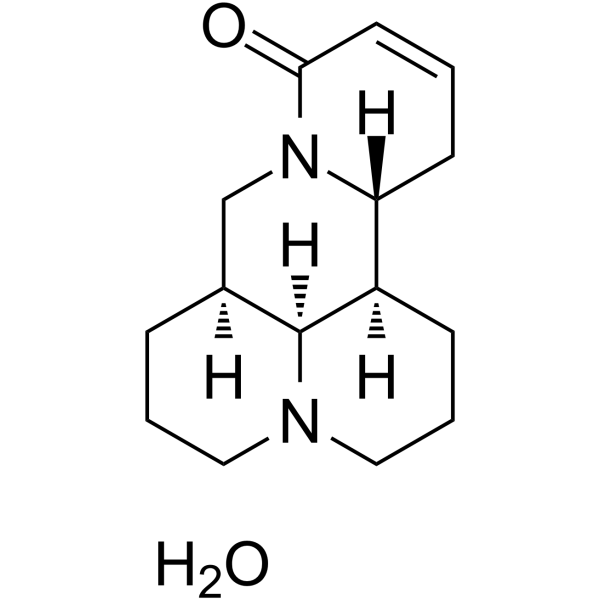
- HY-N0103A
-
|
|
Autophagy
Apoptosis
NF-κB
PI3K
Akt
MEK
ERK
|
Cardiovascular Disease
Inflammation/Immunology
Cancer
|
|
Sophocarpine monohydrate is a PTEN activator and an inhibitor of PI3K/Akt, MEK/ERK, and NF-κB signaling pathways. Sophocarpine monohydrate upregulates PTEN expression and inhibits PI3K/Akt phosphorylation, arrests tumor cell cycle and induces apoptosis. Sophocarpine monohydrate inhibits MEK/ERK phosphorylation and VEGF secretion, reducing tumor cell migration. Sophocarpine monohydrate can also inhibit NF-κB activation and p38 and JNK phosphorylation, reduce the expression of inflammatory factors such as iNOS and COX-2, and activate the Nrf2/HO-1 pathway to reduce oxidative stress. Sophocarpine monohydrate has anti-tumor, anti-inflammatory, antioxidant and anti-apoptotic effects, and can be used in the research of cancers such as glioblastoma and colorectal cancer, inflammation-related diseases, and Doxorubicin (HY-15142A)-induced cardiac damage .
|
-
-
- HY-N1326
-
|
Santamarin; Balchanin
|
JNK
p38 MAPK
MMP
NF-κB
COX
TNF Receptor
Interleukin Related
Reactive Oxygen Species (ROS)
Apoptosis
Mitochondrial Metabolism
DNA/RNA Synthesis
Keap1-Nrf2
Bcl-2 Family
Caspase
PARP
TGF-beta/Smad
|
Metabolic Disease
Inflammation/Immunology
Cancer
|
|
Santamarine (Santamarin; Balchanin) is a sesquiterpene lactone found in Artemisia scoparia. Santamarine shows anti-inflammatory, antioxidant, anticancer and anti-photoaging activities. Santamarine suppresses UVA-induced phosphorylation of JNK and p38 MAPK, nuclear translocation of phosphorylated c-Fos and c-Jun, and AP-1-mediated MMP-1 transcription and secretion. Santamarine suppresses NF-κB signaling, iNOS, COX-2, TNF-α, and IL-1β production. Santamarine inhibits thioredoxin reductase activity, induces ROS production, mitochondrial apoptosis, G2/M cell cycle arrest, and DNA damage, and reduces cancer cell growth. Santamarine can be used for the photoaging, inflammatory diseases and cancer .
|
-
- HY-100376
-
|
|
TNF Receptor
Apoptosis
|
Infection
Neurological Disease
|
|
CPI-1189 is an orally active TNF-α release inhibitor. CPI-1189 inhibits phosphorylation of p38. CPI-1189 can inhibit apoptosis. CPI-1189 can be used in the study of HIV and neurological diseases .
|
-
- HY-N2192
-
|
|
Bacterial
p38 MAPK
NF-κB
NO Synthase
Reactive Oxygen Species (ROS)
|
Infection
Neurological Disease
Inflammation/Immunology
|
|
Swertianolin is a xanthone glycoside. Swertianolin can be isolated from plants of the Gentianaceae family (e.g., Gentiana campestris and Swertia punicea). Swertianolin inhibits p38 phosphorylation and NF-κB activation, and reduces NO and ROS production. Swertianolin exhibits anti-Helicobacter pylori activity with an IC50 of 6.1 μM and a minimum bactericidal concentration of 91.7 μM. Swertianolin modulates immune function in sepsis. Swertianolin is useful in the research of diseases such as Alzheimer's disease, hepatitis B, Helicobacter pylori infection, and sepsis .
|
-
- HY-179095
-
|
|
Ligands for Target Protein for PROTAC
IRAK
NF-κB
p38 MAPK
|
Cancer
|
|
UR241-2 is an IRAK4 inhibitor. UR241-2 suppresses IL-1–induced IRAK1/4 signaling, NF-κβ activation, and phosphorylation of p65 and p38. UR241-2 selectively inhibits leukemia stem cell clonogenicity. UR241-2 can serve as a ligand for target proteins for PROTAC, facilitating the development and design of PROTAC degraders for IRAK4. UR241-2 can be used in the research of acute myeloid leukemia .
|
-
- HY-121605
-
|
|
Apoptosis
|
Cancer
|
|
RL71 is a curcuminoid anticancer agent that exhibits potent cytotoxicity against a variety of ER-negative breast cancer cells. RL71 (1 μM) induces cell cycle arrest in the G2/M phase and induces apoptosis in SKBr3 cells. RL7 also decreases HER2/neu phosphorylation and increases p27. RL71 also significantly reduced the phosphorylation of Akt and transiently increased the stress kinases JNK1/2 and p38 MAPK. Furthermore, RL71 exhibited anti-angiogenic potential in vitro, inhibiting the migration of HUVEC cells and the ability of these cells to form tubular networks .
|
-
- HY-150612S
-
|
|
Isotope-Labeled Compounds
p38 MAPK
|
Cancer
|
|
(R)-STU104-d6 is a deuterium labeled (R)-STU104 (HY-150612). (R)-STU104 is a potent and orally active TAK1-MKK3 interaction inhibitor with IC50s of 0.58 μM and 4.0 μM for TNF-α and MKK3 phosphorylation. (R)-STU104 suppresses the TAK1/MKK3/p38/MnK1/MK2/elF4E signal pathways through binding with MKK3 and disrupting the TAK1 phosphorylating MKK3. (R)-STU104 can be used for researching ulcerative colitis .
|
-
- HY-N10133
-
|
3′-Prenylnaringenin
|
Bacterial
mTOR
Akt
PI3K
NF-κB
Caspase
JNK
ERK
COX
NO Synthase
Apoptosis
|
Others
|
Licoflavanone (3′-Prenylnaringenin) is a flavanone with antioxidant, anti-inflammatory and anticancer activities. Licoflavanone can be isolated from the leaf extract of Glycyrrhiza glabra. Licoflavanone downregulates the mTOR/PI3K/AKT signaling pathway to inhibit the proliferation, migration and invasion of cancer cells, while activates Bax, Bad and multiple caspase enzymes to induce apoptosis. Its anti-inflammatory effect is manifested by reducing the nuclear translocation of NF-κB, decreasing the phosphorylation levels of p38, JNK and ERK1/2, thereby inhibiting the expression of nitric oxide, proinflammatory cytokines, COX-2 and iNOS. Licoflavanone is used in studies on nasopharyngeal carcinoma and related mechanisms .
|
-
- HY-N9866
-
|
|
Others
|
Inflammation/Immunology
|
|
It is a bioactive compound with anti-inflammatory activity that inhibits LPS-induced NO production in RAW 264.7 cells and acts by inhibiting the phosphorylation of MAPK (ERK, JNK and p38) and NF-κB p65. Grasshopper ketone, as an ingredient, has shown its potential in anti-inflammatory inhibition .
|
-
- HY-12144
-
|
|
Neurokinin Receptor
p38 MAPK
|
Neurological Disease
|
|
CP-99994 is a Tachykinin neurokinin 1 (NK-1) receptor antagonist with a Ki of 0.25 nM. CP-99994 prevents colorectal sensitization in the context of visceral hypersensitivity. CP-99994 reduces colorectal hypersensitivity induced by acetic acid injections in a model of bladder-colon cross-sensitization. CP-99994 hydrochloride attenuates the neuroglial interactions and MAPK-p38 phosphorylation associated with visceral hypersensitivity .
|
-
- HY-W744699
-
|
(+)-Larixol
|
Src
ERK
Akt
|
Inflammation/Immunology
|
|
Larixol is an fMLP inhibitor and also inhibits Src kinase, ERK1/2, p38 and AKT phosphorylation signals in immune regulation. Larixol can interfere with the interaction between the βγ subunit of the fMLP receptor Gi protein and its downstream molecules, thereby inhibiting fMLP-induced respiratory burst. Larixol inhibits fMLP (0.1 μM)-induced superoxide anion production (IC50: 1.98 μM), cathepsin G release (IC50: 2.76 μM), and chemotaxis. Larixol improves neutrophil hyperactivation and reduces inflammation or tissue damage. A series of Larixol derivatives were found to have inhibitory effects on FSGS-related TRPC6 functional mutants .
|
-
- HY-N2199
-
|
|
Apoptosis
Autophagy
PI3K
JNK
mTOR
p38 MAPK
CDK
MMP
TGF-beta/Smad
STAT
β-catenin
Reactive Oxygen Species (ROS)
Bcl-2 Family
Caspase
|
Inflammation/Immunology
Cancer
|
|
Sotetsuflavone is a flavonoid that can be isolated from Cycas revolute. Sotetsuflavone inhibits phosphorylation of PI3K, Akt, mTOR, JNK, and p38 MAPK; modulates expression of Cyclin D1, CDK4, Bcl-2, Bax, cleaved caspases 3/9, MMP-9, TGF-β, STAT3, and β-catenin. Sotetsuflavone induces G0/G1 cell cycle arrest, apoptosis, autophagy, and intracellular ROS elevation, inhibits cancer cell proliferation. Sotetsuflavone inhibits tumor growth in mouse tumor xenograft models. Sotetsuflavone can be used for the research of non-small cell lung cancer and Crohn’s disease .
|
-
- HY-P10852
-
-
- HY-124260
-
|
|
p38 MAPK
|
Inflammation/Immunology
|
|
SB-204900 is an oxane carboxamide that can be isolated from the hexane extract of Clausena lansium. SB-204900 significantly inhibited phosphorylation of p38 MAPK. SB-204900 has anti-inflammatory activity .
|
-
- HY-N11536
-
|
|
Topoisomerase
Apoptosis
|
Cancer
|
|
erythro-Austrobailignan-6 is an orally active anti-cancer agent. erythro-Austrobailignan-6 inhibits DNA topoisomerase I and II activity. erythro-Austrobailignan-6 induces cell apoptosis and increases phosphorylation of p38 and JNK .
|
-
- HY-E70291
-
|
GALNT4
|
MAP3K
p38 MAPK
JNK
NF-κB
Endogenous Metabolite
|
Cancer
|
|
N-Acetylgalactosaminyltransferase 4 (GALNT4) is a glycosyltransferase capable of inhibiting the activation of ASK1. By directly binding to ASK1, N-Acetylgalactosaminyltransferase 4 suppresses its N-terminal dimerization and subsequent phosphorylation, leading to robust inactivation of downstream JNK/p38 and NF-κB signals, and thereby improving the prognosis of liver surgery .
|
-
- HY-162317
-
|
|
JAK
p38 MAPK
|
Infection
|
|
AMPK-IN-5 (compound 7m) is a Osthole (HY-N0054) derivative, and blocks MAPK signal transduction by inhibiting the phosphorylation of JNK and p38, thereby inhibiting the release of inflammatory cytokines. AMPK-IN-5 reduce DSS-induced ulcerative colitis and LPS (HY-D1056)-induced acute lung injury .
|
-
- HY-N12561
-
|
|
ERK
p38 MAPK
JNK
|
Others
|
|
Pestanoid A is a rearranged pimarane diterpenoid osteoclastogenesis inhibitor with an IC50 of 4.2 μM. Pestanoid A can be isolated from the marine mesophotic zone chalinidae sponge-associated fungus, Pestalotiopsis sp. NBUF145. Pestanoid A inhibits the receptor activator of NF-kB ligand-induced MAPK and NF-κB signaling by suppressing the phosphorylation of ERK1/2-JNK1/2-p38 MAPKs and NF-κB nuclear translocation. Pestanoid A can be used for the study of osteoporosis .
|
-
- HY-N0809R
-
-
- HY-111214
-
-
- HY-105854
-
|
|
Apoptosis
Reactive Oxygen Species (ROS)
JNK
p38 MAPK
MMP
|
Cancer
|
|
Pipoxolan hydrochloride is an anti-spasmotic agent. Pipoxolan hydrochloride induces Apoptosis, increases intracellular ROS. Pipoxolan hydrochloride down-regulates phosphorylation JNK and p38, and then, MMP-2 and -9. Pipoxolan hydrochloride relieves smooth muscle spasms in the digestive, urinary, and gynecological systems. Pipoxolan hydrochloride also exhibits anticancer activity against leukemia, oral squamous cell carcinoma, and lung adenocarcinoma .
|
-
- HY-12145
-
|
|
Endogenous Metabolite
Neurokinin Receptor
p38 MAPK
|
Neurological Disease
|
|
CP-99994 hydrochloride is a Tachykinin neurokinin 1 (NK-1) receptor antagonist with a Ki of 0.25 nM. CP-99994 hydrochloride prevents colorectal sensitization in the context of visceral hypersensitivity. CP-99994 hydrochloride reduces colorectal hypersensitivity induced by acetic acid injections in a model of bladder-colon cross-sensitization. CP-99994 hydrochloride attenuates the neuroglial interactions and MAPK-p38 phosphorylation associated with visceral hypersensitivity .
|
-
- HY-N8712R
-
|
|
Reference Standards
p38 MAPK
JNK
ERK
TNF Receptor
Interleukin Related
PI3K
Akt
|
Others
|
|
Umckalin (Standard) is the analytical standard of Umckalin (HY-N8712). Umckalin is Coumarin (HY-N0709) derivative that exhibits anti-inflammatory properties. Umckalin reduces phosphorylation of p38 MAPK, JNK, and ERK, lowers TNF-α, IL-6, IL-1β, NO, and PGE2 production. Umckalin can be used for the research of chronic inflammatory diseases .
|
-
- HY-N13294
-
|
TMJ-105
|
Apoptosis
JAK
STAT
p38 MAPK
JNK
ERK
|
Cancer
|
|
Cernuumolide J (TMJ-105) is an JAK2/STAT3 inhibitor. Cernuumolide J induces G2/M phase arrest and apoptosis in HEL leukemia cells by downregulating the phosphorylation of JAK2, STAT3, and Erk, and activating the phosphorylation of JNK and p38 MAPK. Cernuumolide J inhibits HEL leukemia cell growth in a time- and concentration-dependent manner, with an IC50 value of 1.79 μM. Cernuumolide J can be used for research in the field of anti-cancer therapy .
|
-
- HY-N7255R
-
|
|
Reference Standards
p38 MAPK
Apoptosis
|
Cancer
|
|
Cycloartenol (Standard) is the analytical standard of Cycloartenol. This product is intended for research and analytical applications. Cycloartenol, a phytosterol compound, is one of the key precusor substances for biosynthesis of numerous sterol compounds. Cycloartenol inhibits the migration of glioma cells and suppresses the phosphorylation of the p38 MAP kinase. Cycloartenol has a variety of pharmacological activities such as anti-inflammatory, anti-tumor, antioxidant, antibiosis and anti-alzheimer's disease. Cycloartenol also plays an important role in the process of plant growth and development .
|
-
- HY-N0619A
-
|
Mulberroside D
|
TNF Receptor
Interleukin Related
Tyrosinase
|
Inflammation/Immunology
|
|
cis-Mulberroside A (Mulberroside D) is the cis-isomer of Mulberroside A. Mulberroside A is one of the main bioactive constituent in mulberry (Morus alba L.) . Mulberroside A decreases the expressions of TNF-α, IL-1β, and IL-6 and inhibits the activation of NALP3, caspase-1, and NF-κB and the phosphorylation of ERK, JNK, and p38, exhibiting anti-inflammatory and anti-apoptotic effects . Mulberroside A shows inhibitory activity against mushroom tyrosinase with an IC50 of 53.6 μM .
|
-
- HY-N11723
-
|
Katenarin
|
CCR
CXCR
p38 MAPK
JNK
Calcium Channel
|
Infection
Metabolic Disease
Inflammation/Immunology
|
|
Catenarin, an anthraquinone compound, inhibits CCR5- and CXCR4-mediated chemotaxis. Catenarin reduces the phosphorylation of mitogen-activated protein kinases (p38 and JNK) and their upstream kinases (MKK6 and MKK7), and calcium mobilization. Catenarin shows anti-inflammatory effect and suppresses leukocyte migration in the diabetes. Catenarin exhibits significant inhibitory effects against Gram-positive bacteria. Catenarin prevents type 1 diabetes (T1D) in nonobese diabetic mice [1][2].
|
-
- HY-N0619R
-
|
|
Reference Standards
TNF Receptor
Interleukin Related
Tyrosinase
|
Inflammation/Immunology
|
|
Mulberroside A (Standard) is the analytical standard of Mulberroside A. This product is intended for research and analytical applications. Mulberroside A is one of the main bioactive constituent in mulberry (Morus alba L.) . Mulberroside A decreases the expressions of TNF-α, IL-1β, and IL-6 and inhibits the activation of NALP3, caspase-1, and NF-κB and the phosphorylation of ERK, JNK, and p38, exhibiting anti-inflammatory antiapoptotic effects . Mulberroside A shows inhibitory activity against mushroom tyrosinase with an IC50 of 53.6 μM .
|
-
- HY-N5083R
-
-
- HY-N8593R
-
|
|
Reference Standards
Histamine Receptor
p38 MAPK
NF-κB
TNF Receptor
Interleukin Related
|
Inflammation/Immunology
Endocrinology
|
|
Undecane (Standard) is an analytical standard of Undecane (HY-N8593).Undecane is a potent cAMP agonist with anti-allergic and anti-inflammatory activities. Undecane inhibits degranulation and the secretion of histamine and TNF-α. Undecane reverses the increased levels of p38 phosphorylation, NF-κB transcriptional activity and target cytokine/chemokine genes, including thymus and activation-regulated chemokine (TARC), macrophage-derived chemokine (MDC) and interleukin-8 (IL-8). Undecane can be used for the study of skin inflammatory disorders, such as atopic dermatitis .
|
-
- HY-172135
-
|
|
p38 MAPK
Phosphodiesterase (PDE)
|
Inflammation/Immunology
|
|
PDE4-IN-26 (Compound A5) is an orally active and highly selective PDE4 inhibitor. PDE4-IN-26 has anti-inflammatory activity and can inhibit the phosphorylation of p38 MAPK. In mouse models of acute lung injury and chronic obstructive pulmonary disease, PDE4-IN-26 can improve pulmonary inflammation, injury and fibrosis, promote sputum secretion and relieve cough in mice. PDE4-IN-26 can be used for the research of lung injury-related diseases .
|
-
- HY-N8593S
-
|
|
Isotope-Labeled Compounds
PKA
Histamine Receptor
p38 MAPK
NF-κB
TNF Receptor
Interleukin Related
|
Inflammation/Immunology
Endocrinology
|
|
Undecane-d24 is the deuterium labeled Undecane (HY-N8593).Undecane is a potent cAMP agonist with anti-allergic and anti-inflammatory activities. Undecane inhibits degranulation and the secretion of histamine and TNF-α. Undecane reverses the increased levels of p38 phosphorylation, NF-κB transcriptional activity and target cytokine/chemokine genes, including thymus and activation-regulated chemokine (TARC), macrophage-derived chemokine (MDC) and interleukin-8 (IL-8). Undecane can be used for the study of skin inflammatory disorders, such as atopic dermatitis .
|
-
- HY-N2192R
-
|
|
Reference Standards
Bacterial
p38 MAPK
NF-κB
NO Synthase
Reactive Oxygen Species (ROS)
|
Infection
Neurological Disease
Inflammation/Immunology
|
|
Swertianolin (Standard) is the analytical standard of Swertianolin (HY-N2192). This product is intended for research and analytical applications. Swertianolin is a xanthone glycoside. Swertianolin can be isolated from plants of the Gentianaceae family (e.g., Gentiana campestris and Swertia punicea). Swertianolin inhibits p38 phosphorylation and NF-κB activation, and reduces NO and ROS production. Swertianolin exhibits anti-Helicobacter pylori activity with an IC50 of 6.1 μM and a minimum bactericidal concentration of 91.7 μM. Swertianolin modulates immune function in sepsis. Swertianolin is useful in the research of diseases such as Alzheimer's disease, hepatitis B, Helicobacter pylori infection, and sepsis .
|
-
- HY-138844
-
|
|
Eukaryotic Initiation Factor (eIF)
p38 MAPK
JNK
Apoptosis
|
Cancer
|
|
3-AP-Me is a dimethyl derivative of the nucleotide reductase inhibitor 3-AP (SML0568). 3-AP-Me can activate the endoplasmic reticulum (ER) stress pathway by promoting the phosphorylation of eIF2α and increasing the gene expression of transcription factors ATF4 and ATF6, leading to cell apoptosis. Additionally, 3-AP-Me can activate the stress kinases c-Jun N-terminal kinase (JNK) and p38 mitogen-activated protein kinases. 3-AP-Me also leads to the upregulation of the spliced mRNA variant XBP1, can be used in cancer research .
|
-
- HY-121605S
-
|
|
Isotope-Labeled Compounds
Apoptosis
|
Cancer
|
|
RL71-d6 is a deuterium labeled RL71 (HY-121605). RL71 is a curcuminoid anticancer agent that exhibits potent cytotoxicity against a variety of ER-negative breast cancer cells. RL71 (1 μM) induces cell cycle arrest in the G2/M phase and induces apoptosis in SKBr3 cells. RL7 also decreases HER2/neu phosphorylation and increases p27. RL71 also significantly reduced the phosphorylation of Akt and transiently increased the stress kinases JNK1/2 and p38 MAPK. Furthermore, RL71 exhibited anti-angiogenic potential in vitro, inhibiting the migration of HUVEC cells and the ability of these cells to form tubular networks .
|
-
- HY-W745090
-
|
|
Formyl Peptide Receptor (FPR)
Src
ERK
Akt
p38 MAPK
|
Others
|
|
Isomaltulose monohydrate is a fMLP inhibitor and also inhibits Src kinase, ERK1/2, p38 and AKT phosphorylation signals in immune regulation. Isomaltulose monohydrate can interfere with the interaction between the βγ subunit of the fMLP receptor Gi protein and its downstream molecules, thereby inhibiting fMLP-induced respiratory burst. Isomaltulose monohydrate inhibits fMLP (0.1 μM)-induced superoxide anion production (IC50: 1.98 μM) , cathepsin G release (IC< sub>50: 2.76 μM) and chemotaxis. Isomaltulose monohydrate can improve excessive activation of neutrophils and reduce inflammation or tissue damage. A series of derivatives of Isomaltulose monohydrate are found to have inhibitory effects on FSGS-related TRPC6 functional mutants .
|
-
- HY-N4119R
-
|
|
Reference Standards
Phosphatase
Cholinesterase (ChE)
p38 MAPK
Apoptosis
Autophagy
|
Neurological Disease
Metabolic Disease
|
|
Neoeriocitrin (Standard) is the analytical standard of Neoeriocitrin (HY-N4119). This product is intended for research and analytical applications. Neoeriocitrin is a Naringin (HY-N0153) analogue found in Drynaria Rhizome. Neoeriocitrin induces cells proliferation, differentiation, up-regulates type I collagen, osteocalcin, and key osteogenic markers, and increases ALP activity. Neoeriocitrin increases expression of Runx2, COL I, OCN and Beclin1. Neoeriocitrin inhibits phosphorylation of P38 mitogen-activated protein kinase, reduces acetylcholinesterase (AChE) activity, and increases choline acetyltransferase (ChAT) activity. Neoeriocitrin reduces apoptosis and induces autophagy. Neoeriocitrin can be used for the researches of osteoporosis and Alzheimer's disease .
|
-
- HY-181817
-
|
|
Reactive Oxygen Species (ROS)
Apoptosis
p38 MAPK
PERK
|
Cancer
|
|
(S)-IP-DK143 is a polymeric micellar formulation. (S)-IP-DK143 inhibits the proliferation of cervical cancer cells, induces ROS-mediated apoptosis, and triggers mitochondrial dysfunction. (S)-IP-DK143 activates the p38 MAPK signaling pathway, increases the phosphorylation level of p38. (S)-IP-DK143 can be used for the research of cervical cancer .
|
-
- HY-182818
-
|
|
p38 MAPK
Keap1-Nrf2
Reactive Oxygen Species (ROS)
|
Metabolic Disease
|
|
SH494 is a p38 MAPK inhibitor and Nrf2 pathway activator. SH494 inhibits RANKL-induced phosphorylation of p38 and disrupts the MAPK cascade associated with osteoclastogenesis. SH494 activates the Nrf2 pathway, upregulates downstream target genes and induces the expression of cytoprotective enzymes. SH494 reduces intracellular ROS accumulation and restores mitochondrial membrane potential (ΔΨm) to normal. SH494 decreases osteoclast activity and alleviates osteoporosis symptoms in ovariectomized mice. SH494 can be used for research on osteoporosis .
|
-
- HY-W585976
-
|
|
p38 MAPK
|
Cancer
|
|
Benzo[a]pyrene diol epoxide is a carcinogen present in tobacco smoke as well as in environmental pollution. Benzo[a]pyrene diol epoxide is a metabolite of benzo[a]pyrene (BaP) , which is polycyclic aromatic hydrocarbon (PAH) . Benzo[a]pyrene diol epoxide induces esophageal carcinogenesis. Benzo[a]pyrene diol epoxide may act to induce activation of ERKs and p38 MAPK marked by an increased level of phosphorylation of both the ERKs and p38 MAPK which corresponds with the increased activation of both kinases as evidenced by increased phsosphorylation of their substrates Elk-1 and ATF-2, respectively.
|
-
- HY-108643R
-
|
|
Reference Standards
MAPKAPK2 (MK2)
|
Cancer
|
|
CMPD1 (Standard) is the analytical standard of CMPD1 (HY-108643). This product is intended for research and analytical applications. CMPD1 is a selective and non-ATP-competitive p38 MAPK-mediated MK2 phosphorylation inhibitor with apparent Ki (Kiapp) of 330 nM .
|
-
- HY-183934
-
|
|
NF-κB
JNK
ERK
p38 MAPK
TNF Receptor
Interleukin Related
|
Inflammation/Immunology
|
|
Anti-inflammatory agent 99 is a chalcone derivative. Anti-inflammatory agent 99 inhibits LPS (HY-D1056)-induced NF-κB nuclear translocation and suppress the phosphorylation of JNK, ERK, and p38. Anti-inflammatory agent 99 inhibits the expression of cytoinflammatory factors such as TNF-α and IL-6 induced by LPS. Anti-inflammatory agent 99 can be used for the research of LPS-induced septic shock .
|
-
- HY-W714214
-
|
|
Herbicide
Microtubule/Tubulin
PI3K
Akt
Apoptosis
Autophagy
Reactive Oxygen Species (ROS)
NF-κB
p38 MAPK
|
Infection
|
|
Ethalfluralin is a dinitroaniline herbicide and microtubule inhibitor. Ethalfluralin blocks nuclear division and cytokinesis of parasites by inhibiting intranuclear spindle formation. Ethalfluralin activates the phosphorylation levels of NF-κB and P38 MAPK, inhibits the PI3K/AKT signaling pathway, impairs mitochondrial function, and induces apoptosis, endoplasmic reticulum stress, autophagy, and ROS production. Ethalfluralin is applicable to research related to toxoplasmosis .
|
-
- HY-181931
-
|
|
Phosphodiesterase (PDE)
p38 MAPK
LPL Receptor
ERK
JNK
|
Inflammation/Immunology
|
|
Autotaxin-IN-8 (Compound 14E) is an orally active Autotaxin inhibitor with an IC50 of 14.2 nM against hAutotaxin. Autotaxin-IN-8 inhibits Autotaxin activity, MAPK activation, LPAR1 and p-ERK1/2. Autotaxin-IN-8 reduces the phosphorylation levels of JNK and p38. Autotaxin-IN-8 decreases collagen deposition in a mouse model of pulmonary fibrosis. Autotaxin-IN-8 can be used in research related to pulmonary fibrosis .
|
-
- HY-182103
-
|
|
MAP3K
Caspase
p38 MAPK
|
Cardiovascular Disease
|
|
ZAK-IN-2 (Compound 8) is a selective, covalent ZAK inhibitor with an IC50 of 11.5 nM. ZAK-IN-2 forms a covalent bond with Cys22 in the P-loop of ZAK to inhibit its kinase activity. ZAK-IN-2 inhibits the phosphorylation of the downstream target p38. ZAK-IN-2 blocks Doxorubicin (HY-15142A)-induced cleavage of Caspase 3. ZAK-IN-2 is applicable to research related to myocardial hypertrophy .
|
-
- HY-118817
-
|
|
Reactive Oxygen Species (ROS)
Calcium Channel
JNK
ERK
p38 MAPK
Apoptosis
|
Neurological Disease
|
|
Evariquinone is an anthraquinone compound isolated from the endophytic fungus Colletotrichum sp. JS-0367 of mulberry. Evariquinone possesses direct antioxidant activity. It inhibits excessive phosphorylation of the JNK, ERK1/2 and p38 MAPK signaling pathways by suppressing ROS and Ca 2+, thereby reducing neuronal apoptosis. Evariquinone can be used to study glutamate excitotoxicity-related neurological disorders (such as Alzheimer's disease, Parkinson's disease, cerebral ischemia, etc.) .
|
-
- HY-N9541
-
|
|
Others
|
Inflammation/Immunology
|
|
Chaetoglobosin Vb is a novel cytotoxic alkaloid with anti-inflammatory and antioxidant activities. Chaetoglobosin Vb can inhibit oxidative stress induced by LPS stimulation, reduce the production of reactive oxygen species and increase the expression of the antioxidant enzyme superoxide dismutase (SOD). Chaetoglobosin Vb significantly reduced the gene and protein expression of inducible nitric oxide synthase (iNOS) and cyclooxygenase-2 (COX-2) induced by LPS, and alleviated the production of proinflammatory cytokines such as TNF-α, IL-6 and IL-1β. Chaetoglobosin Vb exerts its biological activity through the TLR4-mediated MyD88-dependent signaling pathway and the TRIF-dependent signaling pathway, which is specifically manifested by inhibiting the phosphorylation of p38, ERK, and JNK MAPK and the translocation of NF-κB p65 subunit to the nucleus. Chaetoglobosin Vb showed no cytotoxic effect in the concentration range of 25-100 μM and promoted SOD enzyme activity and phosphorylation of p38, ERK1/2 and JNK in a dose-dependent manner .
|
-
- HY-N18197
-
|
|
Tyrosinase
NF-κB
AP-1
Interleukin Related
p38 MAPK
JNK
ERK
|
Infection
|
|
Norkurarinol is a prenylated flavonoid. Norkurarinol can be isolated from Sophora flavescens. Norkurarinol potently inhibits mushroom Tyrosinase DOPA oxidase activity with an IC50 of 2.1 μM. Norkurarinol inhibits poly(I:C)-induced NF-κB/AP-1 activation. Norkurarinol inhibits pro-inflammatory cytokines (TNF-α, IL-6). Norkurarinol inhibits phosphorylation of p38, JNK, and ERK1/2. Norkurarinol increases phosphorylation of IRF3. Norkurarinol has antiviral activity against Rotavirus KJ56-1
|
-
- HY-183688
-
|
|
Bacterial
Phosphatase
p38 MAPK
ERK
|
Infection
|
|
MptpB-IN-3 is a selective inhibitor of Mycobacterium tuberculosis protein tyrosine phosphatase B (MptpB) with an IC50 of 0.19 μM. MptpB-IN-3 blocks MptpB-mediated inhibition of the macrophage MAPK pathway and restores the phosphorylation levels of Erk1/2 and p38. MptpB-IN-3 exhibits direct anti-tuberculosis activity against Mycobacterium tuberculosis and reduces the Mycobacterium tuberculosis load in mouse macrophages. MptpB-IN-3 can be used for tuberculosis research .
|
-
- HY-180244
-
|
|
Protease Activated Receptor (PAR)
p38 MAPK
|
Cancer
|
|
P2L-003 is a selective PAR2 antagonist with an IC50 of 0.62 μM in HT-29 cells. P2L-003 blocks PAR2-mediated Ca 2+ mobilization without affecting PAR1, PAR4, or ATP-mediated signaling and dose-dependently suppresses the downstream MAPK signaling cascades, including ERK1/2 and p38 phosphorylation. P2L-003 can be used for colon cancer research .
|
-
- HY-124487
-
|
|
NADPH Oxidase
TGF-β Receptor
Reactive Oxygen Species (ROS)
p38 MAPK
|
Cardiovascular Disease
Metabolic Disease
Inflammation/Immunology
|
|
GK-136901 is an orally active, dual Nox1/Nox4 NADPH oxidase inhibitor with a Ki of 160 nM for Nox1 and 165 nM for Nox4. GK-136901 potently blocks high glucose-induced intracellular reactive oxygen species production, p38-MAPK phosphorylation, and upregulation of TGF-β1/2 and fibronectin (fibronectin) in renal cells. GK-136901 also inhibits the proliferation of mouse pulmonary vascular cells under hypoxic conditions. GK-136901 is applicable to the research on the pathogenesis of type 2 diabetic nephropathy, high glucose-related renal lesions and pulmonary hypertension .
|
-
- HY-N17317
-
|
ITN
|
Keap1-Nrf2
Heme Oxygenase (HO)
JNK
ERK
p38 MAPK
NF-κB
Interleukin Related
|
Metabolic Disease
Inflammation/Immunology
|
|
Isostrictiniin (ITN) is a polyphenolic compound isolated from Nymphaea candida. It upregulates the expression of Nrf2 and HO-1, while downregulating the expression of Keap1. Isostrictiniin reduces the phosphorylation levels of JNK, ERK1/2, p38, IκBα, and NF-κB p65. Isostrictiniin decreases the levels of pro-inflammatory mediators (IL-1β, IL-6, TNF-α, PGE2). Isostrictiniin alleviates LPS-induced acute lung injury and exerts protective effects against acute alcoholic liver injury. Additionally, isostrictiniin exhibits anti-inflammatory, antioxidant, and anti-fibrotic activities.
|
-
- HY-W040045R
-
|
Pelargonidin-3-O-glucoside chloride (Standard)
|
Reference Standards
Reactive Oxygen Species (ROS)
COX
NO Synthase
p38 MAPK
Apoptosis
TNF Receptor
|
Neurological Disease
Inflammation/Immunology
Cancer
|
|
Callistephin (Pelargonidin 3-O-glucoside) chloride (Standard) is the analytical standard of Callistephin chloride (HY-W040045). This product is intended for research and analytical applications. Callistephin chloride is an anthocyanin. Callistephin chloride regulates the expression of inflammatory (reducing iNOS/TNF-α/COX-2) and apoptosis-related proteins by inhibiting p38 phosphorylation, and enhances the protective effect of Isoflurane (HY-A0134) on microglial cell damage. Callistephin chloride significantly reduces ROS levels, eliminates DPPH free radicals, protects retinal pigment epithelial cells, and inhibits lipid peroxidation. Callistephin chloride can alleviate glutamate excitotoxicity, reduce neuronal apoptosis, and protect cerebellar granule neurons. Callistephin chloride can inhibit the proliferation and metastasis of breast cancer cells by inducing apoptosis.
|
-
- HY-W050000R
-
|
|
Drug Metabolite
Reference Standards
Reactive Oxygen Species (ROS)
ERK
p38 MAPK
|
Cardiovascular Disease
Inflammation/Immunology
|
|
OR-1855 (Standard) is an analytical standard of OR-1855 (HY-W050000). This product is intended for research and analytical applications. OR-1855, an active metabolite of Levosimendan (HY-14286), has effect on myometrial contractility. OR-1855 exerts anti-inflammatory effects by inhibiting IL-1β-induced ROS formation and NAD(P)H oxidase-dependent superoxide radical generation in HUVECs. OR-1855 inhibits IL-1β-induced phosphorylation p38 MAPK, ERK1/2, c-Jun and JNK in HUVECs. OR-1855 can be used for the study of inflammation .
|
-
- HY-N12188
-
|
|
NF-κB
TNF Receptor
Interleukin Related
p38 MAPK
|
Inflammation/Immunology
|
|
Stigmasta-3,5-dien-7-one is a steroid compound that can be isolated from Harrisonia abyssinica. Stigmasta-3,5-dien-7-one blocks the NF-κB signaling pathway via down-regulation of phospho-p38 mitogen-activated protein kinase and phosphorylation and degradation of inhibitor of NF-κB α. Stigmasta-3,5-dien-7-one reduces LPS (HY-D1056)-induced nitric oxide, PGE2, and pro-inflammatory cytokine levels in macrophages. Stigmasta-3,5-dien-7-one can be used for inflammation diseases .
|
-
- HY-116474R
-
|
|
Reference Standards
JNK
β-catenin
NO Synthase
PGE synthase
Fungal
STAT
ERK
MMP
p38 MAPK
Bacterial
NF-κB
Wnt
|
Infection
Metabolic Disease
Inflammation/Immunology
|
|
Viridicatol (Standard) is the analytical standard of Viridicatol (HY-116474). This product is intended for research and analytical applications. Viridicatol is a quinolone alkaloid with anti-inflammatory, antibacterial, antifungal, osteogenic and chondrogenic activities. Viridicatol reduces the phosphorylation levels of ERK, JNK, p38 and STAT6; inhibits MMP-2, MMP-9, NF-κB signaling pathway and PTP1B; downregulates genes related to mast cell activation; and binds to SHN3 to activate the Wnt/SHN3 signaling pathway. Viridicatol inhibits the expression of pro-inflammatory mediators and cytokines, and promotes osteogenic/chondrogenic differentiation. Viridicatol can be used in studies related to fibrosarcoma, allergy, bacterial infection, fungal infection and osteoporosis .
|
-
- HY-B0072
-
|
SDZ-ICS-930 free base
|
5-HT Receptor
nAChR
p38 MAPK
NF-κB
AP-1
Nuclear Factor of activated T Cells (NFAT)
JAK
|
Neurological Disease
Inflammation/Immunology
Cancer
|
|
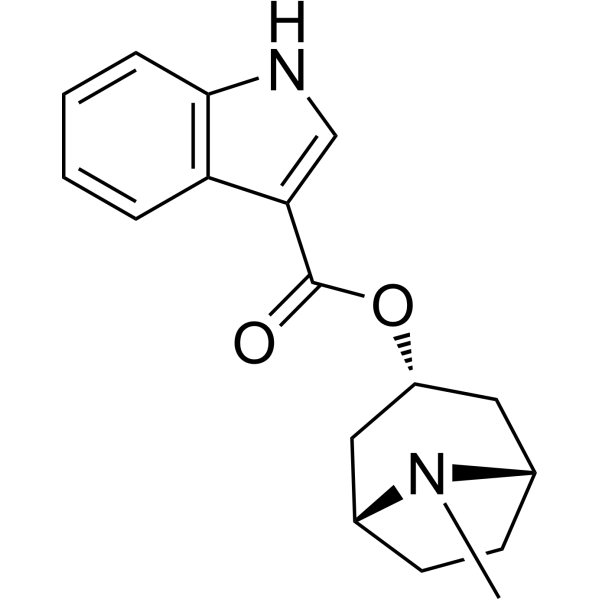
Tropisetron is an orally active 5-HT3R antagonist (Ki = 5.3 nM) as well as being a potent and selective α7 nicotinic partial agonist (EC50 = 1.3 μM). Tropisetron prevents phosphorylation and activation of the p38 MAPK. Tropisetron inhibits both IL-2 gene transcription and IL-2 synthesis in stimulated T cells. Tropisetron inhibits the binding to DNA and the transcriptional activity of NFAT and AP-1. Tropisetron is anti-inflammatory and antiemetic. Tropisetron has antitumor and neuroprotective effects. Tropisetron can be studied in research for diseases including hemorrhagic cystitis, chronic joint inflammation, lung cancer and chronic cerebral hypoperfusion .
|
-
- HY-N0103R
-
|
|
Reference Standards
Autophagy
Apoptosis
NF-κB
PI3K
Akt
MEK
ERK
|
Cardiovascular Disease
Inflammation/Immunology
Cancer
|
|
Sophocarpine (Standard) is the analytical standard of Sophocarpine (HY-N0103). This product is intended for research and analytical applications. Sophocarpine is a PTEN activator and an inhibitor of PI3K/Akt, MEK/ERK, and NF-κB signaling pathways. Sophocarpine upregulates PTEN expression and inhibits PI3K/Akt phosphorylation, arrests tumor cell cycle and induces apoptosis. Sophocarpine inhibits MEK/ERK phosphorylation and VEGF secretion, reducing tumor cell migration. Sophocarpine can also inhibit NF-κB activation and p38 and JNK phosphorylation, reduce the expression of inflammatory factors such as iNOS and COX-2, and activate the Nrf2/HO-1 pathway to reduce oxidative stress. Sophocarpine has anti-tumor, anti-inflammatory, antioxidant and anti-apoptotic effects, and can be used in the research of cancers such as glioblastoma and colorectal cancer, inflammation-related diseases, and Doxorubicin (HY-15142A)-induced cardiac damage .
|
-
- HY-N1983
-
|
|
Apoptosis
Autophagy
Reactive Oxygen Species (ROS)
Mitochondrial Metabolism
PARP
Caspase
Bcl-2 Family
VEGFR
FAK
WDR5
p38 MAPK
JNK
PPAR
|
Neurological Disease
Inflammation/Immunology
Cancer
|
|
Caudatin is an orally active and brain-penetrant C-21 steroidal found in Cynanchum bungei decne with a variety of biological activities. Caudatin can inhibit cell proliferation, migration, invasion, cause cell phase arrest, induce apoptosis, autophagy, ROS prodution and loss of mitochondrial membrane potential. Caudatin activates PARP, caspase-3, -7, -9, upregulates pro-apoptotic Bad and Bax and downregulates anti-apoptotic Bcl-2 and Bcl-XL. Caudatin suppresses VEGF, FAK phosphorylation, upregulates p21, p27, DR5 protein expression, activates the p38 MAPK, JNK and PPARα/TFEB-mediated autophagy-lysosomal signaling pathways. Caudatin can be used for the research of cancer, inflammation and neurological disease, such as glioma and Alzheimer's disease .
|
-
- HY-P11250
-
|
|
Bacterial
NO Synthase
Interleukin Related
Reactive Oxygen Species (ROS)
Toll-like Receptor (TLR)
ERK
JNK
p38 MAPK
|
Infection
Inflammation/Immunology
|
|
HVF18-a3-d is an antimicrobial peptide. HVF18-a3-d reduces NO production. HVF18-a3-d inhibits the production of TNF-α and IL-6, reduces ROS production, and suppresses the TLR4 signaling pathway, as well as LPS-induced phosphorylation of ERK, JNK, and p38 MAPK. HVF18-a3-d exhibits antimicrobial activity against a variety of bacteria by disrupting their outer and inner membranes. HVF18-a3-d protects mice from fatal septic shock induced by Acinetobacter baumannii resistant to Carbapenem. HVF18-a3-d shows anti-inflammatory and antioxidant effects .
|
-
- HY-120406
-
|
|
Btk
Akt
mTOR
p38 MAPK
ERK
CCR
Apoptosis
|
Cancer
|
|
LPS-123 is a covalently irreversible BTK inhibitor with an IC50 of < 5 nM. LPS-123 simultaneously inhibits the catalytic activity of BTK at Tyr551 and its self-activation at Tyr223. LPS-123 inhibits phosphorylation of the AKT/mTOR and MAPK signaling pathways, activation of PLCγ2, ERK1/2, p38, AKT, and mTOR, and blocks the production of CCL3 and CCL4 chemokines. LPS-123 exhibits significant anti-proliferative activity against various B-cell lymphoma cell lines and effectively induces apoptosis via a caspase-dependent pathway. LPS-123 also demonstrates significant antitumor activity in the OCI-Ly7 xenograft model. LPS-123 can be used for lymphoma research .
|
-
- HY-129138R
-
|
|
Reference Standards
Interleukin Related
NO Synthase
STAT
IKK
PERK
p38 MAPK
Akt
|
Neurological Disease
Inflammation/Immunology
|
|
Cyanidin 3,5-diglucoside (chloride) (Standard) is the analytical standard of Cyanidin 3,5-diglucoside (chloride) (HY-129138). This product is intended for research and analytical applications. Cyanidin 3,5-diglucoside chloride is an anthocyanin. Cyanidin 3,5-diglucoside chloride inhibits inflammatory cytokines (IL-1α, IL-1β, and IL-6) expression and NO production. Cyanidin 3,5-diglucoside chloride inhibits the phosphorylation of STAT3, IκB, ERK, p38, and AKT. Cyanidin 3,5-diglucoside chloride inhibits high pressure-induced decrease in GLAST. Cyanidin 3,5-diglucoside chloride exerts anti-inflammatory and skin barrier modulating effects. Cyanidin 3,5-diglucoside chloride can be used in retinal research .
|
-
- HY-N3001
-
|
|
STAT
VEGFR
Bcl-2 Family
Survivin
IAP
NF-κB
Apoptosis
Caspase
|
Neurological Disease
Inflammation/Immunology
Cancer
|
|
Isolinderalactone is a sesquiterpene that exhibits anti-cancer, anti-inflammatory, and neuroprotective effects. Isolinderalactone inhibits VEGF expression and tyrosine phosphorylation of VEGFR2. Isolinderalactone decreases viability and induces apoptosis in U-87 glioblastoma (GBM) cells and colorectal cancer (CRC) cells. Isolinderalactone induces G2/M phase cell cycle arrest, ROS generation, pJNK/p38 MAPK activation, in colorectal cancer (CRC) cells. Isolinderalactone blocks LPS (HY-D1056)-induced NF-κB activation while activating Nrf2-HMOX1 signaling in RAW264.7 macrophages. Isolinderalactone improves cognitive dysfunction in APP/PS1 mice. Isolinderalactone can be used for the study of Glioblastoma multiforme (GBM), colorectal cancer, Alzheimer’s disease and acute lung injury .
|
-
- HY-N0526R
-
|
|
Reference Standards
Sirtuin
Keap1-Nrf2
NF-κB
ERK
p38 MAPK
JNK
TSH Receptor
Reactive Oxygen Species (ROS)
SOD
|
Neurological Disease
Inflammation/Immunology
|
|
2"-O-Galloylhyperin (Standard) is the analytical standard of 2"-O-Galloylhyperin (HY-N0526). This product is intended for research and analytical applications. 2''-O-Galloylhyperin is an active natural compound with anti‑inflammatory, antioxidant, anti‑adipogenic, antifibrotic, and cytostatic activities. 2''-O-Galloylhyperin upregulates SIRT1/Nrf2 signaling, inhibits NF-κB and MAPK (ERK1/2, p38, JNK) phosphorylation, suppresses TSHR activation, reduces ROS accumulation, and enhances SOD and GSH-Px activities. 2''-O-Galloylhyperin protects against LPS-induced tissue injury, enhances survival, and inhibits adipogenesis and fibrosis. 2"-O-Galloylhyperin can be used for the research of sepsis, acute lung injury, and thyroid eye disease .
|
-
- HY-171705
-
|
|
Keap1-Nrf2
AMPK
JNK
IKK
p38 MAPK
NO Synthase
α-synuclein
Interleukin Related
|
Neurological Disease
|
|
KMS99220 is an orally active, blood-brain barrier-permeable activator of the Nrf2 inhibitory protein Keap-1. KMS99220 enhances the activity of AMPK, activates the Nrf2 signaling pathway, and reduces the phosphorylation of IκB, nuclear translocation of NFκB, as well as the phosphorylation levels of JNK, IKK and p38 MAPK via HO-1. KMS99220 binds to Keap1 to trigger the nuclear translocation of Nrf2, induces the expression of HO-1, NQO1, GCLC, GCLM and proteasome subunits; enhances proteasomal enzymatic activity; inhibits iNOS expression, nitric oxide production and IL-1β generation; attenuates microglial activation; reduces α-synuclein aggregation; and prevents dopaminergic neuron degeneration and motor dysfunction. KMS99220 prevents the degeneration of dopaminergic neurons in the substantia nigra, induces the expression of Nrf2 downstream target genes, and effectively ameliorates associated motor dysfunction in a mouse model of Parkinson's disease. KMS99220 is applicable to research related to Parkinson's disease .
|
-
- HY-B1165
-
|
|
p38 MAPK
Checkpoint Kinase (Chk)
Histamine Receptor
5-HT Receptor
CDK
PARP
Apoptosis
|
Cancer
|
|
Cyproheptadine hydrochloride sesquihydrate acts as a p38 MAP kinase activator, CHK2 activator, histamine H1 receptor inhibitor and serotonin receptor inhibitor. Cyproheptadine hydrochloride sesquihydrate mediates cell cycle arrest via G1 phase arrest, G1/S transition arrest, G0/G1 phase arrest, reduced expression of cyclins D1/D2/D3, upregulated expression of HBP1, p16, p21, p27, and decreased phosphorylation of retinoblastoma protein. Cyproheptadine hydrochloride sesquihydrate induces Apoptosis by increasing PARP and cleaved PARP, as well as activating the mitochondrial caspase pathway. Cyproheptadine hydrochloride sesquihydrate inhibits tumor growth with extremely low toxicity to normal cells. Cyproheptadine hydrochloride sesquihydrate can be used in research related to hepatocellular carcinoma, multiple myeloma and acute myeloid leukemia .
|
-
- HY-N0008
-
|
|
Wnt
p38 MAPK
mTOR
Keap1-Nrf2
TGF-β Receptor
|
Neurological Disease
Metabolic Disease
|
|
Orcinol glucoside is an orally active, blood-brain barrier permeable osteoblast proliferation promoter that targets the Nrf2/Keap1, mTOR and p38 signaling pathways. Orcinol glucoside promotes Nrf2 nuclear translocation, upregulates antioxidant enzyme levels, enhances the phosphorylation of mTOR and p70S6K, and inhibits the enzymatic activity of HAS2 as well as the nuclear translocation of GR. Orcinol glucoside also alleviates oxidative stress, inhibits autophagic flux, osteoclastogenesis and TGF-β1-induced M2 polarization, while reducing collagen deposition and effectively promoting the proliferation, differentiation and mineralization of osteoblasts. Orcinol glucoside also exhibits anti-pulmonary fibrosis, anxiolytic and antidepressant activities. Orcinol glucoside can be used in the research of senile and glucocorticoid-induced osteoporosis, idiopathic pulmonary fibrosis (IPF), anxiety and other related diseases .
|
-
- HY-N1983R
-
|
|
Reference Standards
Apoptosis
Autophagy
Reactive Oxygen Species (ROS)
Mitochondrial Metabolism
PARP
Caspase
Bcl-2 Family
VEGFR
FAK
WDR5
p38 MAPK
JNK
PPAR
|
Neurological Disease
Inflammation/Immunology
Cancer
|
|
Caudatin (Standard) is the analytical standard of Caudatin (HY-N1983). This product is intended for research and analytical applications. Caudatin is an orally active and brain-penetrant C-21 steroidal found in Cynanchum bungei decne with a variety of biological activities. Caudatin can inhibit cell proliferation, migration, invasion, cause cell phase arrest, induce apoptosis, autophagy, ROS prodution and loss of mitochondrial membrane potential. Caudatin activates PARP, caspase-3, -7, -9, upregulates pro-apoptotic Bad and Bax and downregulates anti-apoptotic Bcl-2 and Bcl-XL. Caudatin suppresses VEGF, FAK phosphorylation, upregulates p21, p27, DR5 protein expression, activates the p38 MAPK, JNK and PPARα/TFEB-mediated autophagy-lysosomal signaling pathways. Caudatin can be used for the research of cancer, inflammation and neurological disease, such as glioma and Alzheimer's disease .
|
-
- HY-P5522A
-
|
L-Ala-γ-D-Glu-meso-diaminopimelic acid dihydrochloride
|
NOD-like Receptor (NLR)
NF-κB
MAP3K
MEK
ERK
p38 MAPK
Interleukin Related
SARS-CoV
|
Infection
Inflammation/Immunology
|
|
TriDAP dihydrochloride (L-Ala-γ-D-Glu-meso-diaminopimelic acid dihydrochloride) is a NOD1 agonist with a Kd value of 34.5 μM. TriDAP dihydrochloride enhances the binding of NOD1-RICK, promotes RICK phosphorylation, and activates the NF-κB, TAK1, MEK/ERK, p38 and interferon response pathways. TriDAP dihydrochloride downregulates Runx2 via increasing ubiquitination and reduces trabecular bone parameters. TriDAP dihydrochloride decreases IκBα levels and increases p65 levels. TriDAP dihydrochloride induces the secretion of proinflammatory mediators IL-8 and prostaglandins, triggers tissue inflammation and innate immune activation, and inhibits SARS-CoV-2 replication in lung epithelial cells. TriDAP dihydrochloride increases the RANKL/OPG ratio in mice, reduces bone mass and enhances osteoclast activity, and inhibits new bone formation by decreasing the mineralization deposition rate in mice. TriDAP dihydrochloride can be used in research related to pulpitis, chronic ulcerative colitis, Crohn's disease and SARS-CoV-2 infection .
|
-
- HY-P5522
-
|
L-Ala-γ-D-Glu-meso-diaminopimelic acid
|
NOD-like Receptor (NLR)
NF-κB
MAP3K
MEK
ERK
p38 MAPK
Interleukin Related
SARS-CoV
|
Infection
Inflammation/Immunology
|
|
TriDAP (L-Ala-γ-D-Glu-meso-diaminopimelic acid) is a NOD1 agonist with a Kd value of 34.5 μM. TriDAP enhances the binding of NOD1-RICK, promotes RICK phosphorylation, and activates the NF-κB, TAK1, MEK/ERK, p38 and interferon response pathways. TriDAP downregulates Runx2 via increasing ubiquitination and reduces trabecular bone parameters. TriDAP decreases IκBα levels and increases p65 levels. TriDAP induces the secretion of proinflammatory mediators IL-8 and prostaglandins, triggers tissue inflammation and innate immune activation, and inhibits SARS-CoV-2 replication in lung epithelial cells. TriDAP increases the RANKL/OPG ratio in mice, reduces bone mass and enhances osteoclast activity, and inhibits new bone formation by decreasing the mineralization deposition rate in mice. TriDAP can be used in research related to pulpitis, chronic ulcerative colitis, Crohn's disease and SARS-CoV-2 infection .
|
-
- HY-N0392
-
|
|
Toll-like Receptor (TLR)
PI3K
Akt
NF-κB
MDM-2/p53
Caspase
MEK
Bcl-2 Family
p38 MAPK
Mitophagy
Reactive Oxygen Species (ROS)
Apoptosis
Calcium Channel
|
Cardiovascular Disease
Infection
Neurological Disease
|
|
Polygalasaponin F is an orally active triterpenoid saponin monomer. Polygalasaponin F downregulates the expression of Bax, p53, caspase-3, NF-κB p65 and MEK1; restores and upregulates the expression of Bcl-2; activates the PI3K/Akt signaling pathway; inhibits the phosphorylation of p38 MAPK, nuclear translocation of NF-κB, TLR4-mediated signaling pathway, mitophagy (Mitophagy) and ROS production; enhances cell viability and suppresses apoptosis (Apoptosis). Polygalasaponin F maintains mitochondrial function, alleviates Ca 2+ overload, upregulates pCREB and BDNF, preserves cell viability and inhibits the release of inflammatory cytokines. Polygalasaponin F alleviates lung injury induced by influenza A H1N1 and cerebral ischemia-reperfusion injury. Polygalasaponin F is applicable to researches related to Parkinson's disease, cerebral ischemia, pneumonia induced by influenza A H1N1, stroke and Alzheimer's disease .
|
-
- HY-N10423
-
|
(-)-Cubebin
|
Cholinesterase (ChE)
Bacterial
Fungal
Parasite
p38 MAPK
|
Infection
Neurological Disease
Metabolic Disease
Inflammation/Immunology
Cancer
|
|
Cubebin ((-)-Cubebin), a dibenzyl butyrolactone lignan, is an orally active AChE inhibitor. Cubebin binds to active sites of NF-κB, TNF-α, and TGF-β1 via hydrogen and hydrophobic interactions, obstructing critical residues to inhibit pro-inflammatory or renal fibrosis-related activity. Cubebin enhances p38 MAPK phosphorylation to increase tyrosinase gene expression, stimulating melanogenesis via elevated tyrosinase activity, expression, and mRNA levels. Cubebin reduces oxidative stress via enhanced endogenous antioxidant enzyme activity and inhibited lipid peroxidation, regulates lipid metabolism, improves glycemic control, and exerts renoprotective effects via reduced renal dysfunction markers and improved renal architecture. Cubebin shows antimicrobial activity. Cubebin exerts larvicidal activity against Angiostrongylus cantonensis larvae, with no cytotoxicity toward monkey or human cell lines or Caenorhabditis elegans. Cubebin can be used for the research of diabetic nephropathy, melanoma, colon adenocarcinoma, neuroangiostrongyliasis, Alzheimer’s disease (AD) and depression .
|
-
- HY-N0392R
-
|
|
Reference Standards
Toll-like Receptor (TLR)
PI3K
Akt
NF-κB
|
Inflammation/Immunology
Cancer
|
|
Polygalasaponin F (Standard) is the analytical standard of Polygalasaponin F. This product is intended for research and analytical applications. Polygalasaponin F is an orally active triterpenoid saponin monomer. Polygalasaponin F downregulates the expression of Bax, p53, caspase-3, NF-κB p65 and MEK1; restores and upregulates the expression of Bcl-2; activates the PI3K/Akt signaling pathway; inhibits the phosphorylation of p38 MAPK, nuclear translocation of NF-κB, TLR4-mediated signaling pathway, mitophagy (Mitophagy) and ROS production; enhances cell viability and suppresses apoptosis (Apoptosis). Polygalasaponin F maintains mitochondrial function, alleviates Ca 2+ overload, upregulates pCREB and BDNF, preserves cell viability and inhibits the release of inflammatory cytokines. Polygalasaponin F alleviates lung injury induced by influenza A H1N1 and cerebral ischemia-reperfusion injury. Polygalasaponin F is applicable to researches related to Parkinson's disease, cerebral ischemia, pneumonia induced by influenza A H1N1, stroke and Alzheimer's disease.
|
-
- HY-N5073
-
|
4''-O-Glucosylvitexin
|
JNK
p38 MAPK
Interleukin Related
TNF Receptor
Caspase
Lactate Dehydrogenase
Apoptosis
|
Cardiovascular Disease
Metabolic Disease
|
|
Vitexin-4''-O-glucoside (4''-O-Glucosylvitexin) is an orally active natural flavonoid component with multiple pharmacological effects including antioxidation, anti-inflammation, cytoprotection and anti-apoptosis. Vitexin-4''-O-glucoside regulates the MAPK signaling pathway by downregulating the phosphorylation levels of JNK and p38, thereby blocking endoplasmic reticulum stress responses. Vitexin-4''-O-glucoside alleviates oxidative stress by reducing MDA content and upregulating the activities of SOD and CAT, attenuates inflammation by downregulating the expressions of inflammatory factors TNF-α, IL-1β and IL-6, and also reduces LDH release and inhibits caspase-3 activation. Vitexin-4''-O-glucoside effectively improves drug-induced acute liver injury and exerts significant protective effects against myocardial hypoxia/reoxygenation injury. Vitexin-4''-O-glucoside can be used in studies on acute liver injury, cardiovascular diseases and myocardial hypoxia-reoxygenation injury .
|
-
- HY-172807
-
|
|
p38 MAPK
MAPKAPK2 (MK2)
CDK
Wee1
|
Cancer
|
|
p38α-IN-9 (Compound 2015) is a p38α inhibitor and blocks p38α’s enzymatic activity with an IC50 lower than 20 nM. p38α-IN-9 inhibits MK2 T334 phosphorylation. p38α-IN-9 activates Cdc25b and Cdc25c and simultaneously inactivates Wee1, leading to mitotic catastrophe, aneuploidy or polyploidy and DNA damage. p38α-IN-9 Inhibits colorectal cancer (CRC) metastasis .
|
-
- HY-P11242
-
|
|
Bacterial
NF-κB
p38 MAPK
JNK
ERK
TNF Receptor
Interleukin Related
|
Infection
|
Cm-CATH2 is an antimicrobial peptide discovered from Chelonia mydas. Cm-CATH2 has a potent, broad-spectrum and rapid bactericidal ability by rapidly destroying the integrity of bacterial cell membranes. It shows strong activity against Gram-positive bacteria (such as VREF, Staphylococcus aureus), Gram-negative bacteria (such as Escherichia coli, Klebsiella pneumoniae), and fungi (such as Candida albicans) with MICs ranges from 1.17 to 18.75 μg/mL. Cm-CATH2 is also effective against various aquatic pathogenic bacteria. Cm-CATH2 not only inhibits biofilm formation but can also remove the formed biofilms. Cm-CATH2 has immunomodulatory functions and chemotactic effects on immune cells, and can inhibit the production of pro-inflammatory cytokines by macrophages stimulated by LPS (HY-D1056). Cm-CATH2 prevents the activation of NF-κB by inhibiting the degradation of IκBα, and also inhibits the phosphorylation of MAPK signaling pathways (p38, JNK, ERK). Cm-CATH2 demonstrates strong anti-infective ability in mouse peritonitis models and pneumonia models .
|
-
- HY-W923189
-
|
|
Interleukin Related
COX
TNF Receptor
NOD-like Receptor (NLR)
NO Synthase
PERK
p38 MAPK
Reactive Oxygen Species (ROS)
Caspase
Autophagy
Herbicide
|
Inflammation/Immunology
Cancer
|
|
Neral is a plant-derived anti-inflammatory, antioxidant and anticancer agent. Neral inhibits the phosphorylation of ERK1/2, p38 MAPK and IκB in macrophages induced by LPS (HY-D1056), suppresses the secretion of TNF-α and IL-6, as well as the expression of pro-IL-1β, iNOS and COX-2 in cells, and reduces the production of ROS in cells. Neral inhibits the activation of the NLRP3 inflammasome, and decreases the activation of caspase-1 and the secretion of IL-1β in mouse macrophages. Neral induces autophagy, and exhibits antiproliferative activity both in in vitro breast cancer cell models and mouse xenograft models. Neral regulates brassinosteroid, jasmonic acid and ethylene signaling pathways, and induces the expression of AP2/ERF-ERF and bHLH family genes in rice roots. Neral acts as a herbicide safener, alleviates the damage induced by Fenoxaprop-P-ethyl (HY-B2013), and promotes the elongation of rice roots. Neral can be used in research related to breast cancer, inflammatory and immune system diseases, and herbicide safeners .
|
-
- HY-N3266
-
|
|
Tyrosinase
Phosphatase
Cholinesterase (ChE)
SARS-CoV
PERK
JNK
p38 MAPK
TGF-beta/Smad
Apoptosis
Reactive Oxygen Species (ROS)
AMPK
MMP
|
Cardiovascular Disease
Infection
Neurological Disease
Inflammation/Immunology
Cancer
|
|
Methyl rosmarinate is an orally active hydroxycinnamic acid. Methyl rosmarinate exhibits an IC50 of 24.70 μM and a Ki of 15.29 μM against PTP1B, an IC50 of 41.46 μg/mL against BChE, a Ki of 0.61 mM against mushroom tyrosinase, and an IC50 of 2.50 μM against SARS-CoV-2 3CLpro. Methyl rosmarinate downregulates the phosphorylation levels of ERK, JNK, p38, Smad2 and Smad3. Methyl rosmarinate activates erythrocyte BPGM and promotes the production of 2,3-BPG. Methyl rosmarinate induces apoptosis of fibroblasts. Methyl rosmarinate prolongs the survival time of hypoxic mice. Methyl rosmarinate improves insulin sensitivity. Methyl rosmarinate binds to SARS-CoV-2 3CLpro and inhibits viral replication. Methyl rosmarinate induces glioblastoma cell death. Methyl rosmarinate activates the TGR5/AMPK axis and reduces the levels of ROS and MDA. Methyl rosmarinate shows inhibitory activity against MMP-1. Methyl rosmarinate can be used in research related to pulmonary fibrosis, hypoxia-induced injury, type 2 diabetes, Alzheimer's disease, hyperpigmentation disorders, COVID-19, glioblastoma and myocardial ischemia-reperfusion injury .
|
-
- HY-N5084
-
|
|
TRP Channel
HDAC
p38 MAPK
JNK
ERK
NF-κB
TNF Receptor
Interleukin Related
|
Neurological Disease
Inflammation/Immunology
Cancer
|
|
Pinocembrin 7-O-[3''-O-galloyl-4'',6''-hexahydroxydiphenoyl]-β-D-glucoside is a TRPV1 antagonist and HDAC7 inhibitor. Pinocembrin 7-O-[3''-O-galloyl-4'',6''-hexahydroxydiphenoyl]-β-D-glucoside blocks TRPV1-mediated calcium influx, suppresses phosphorylation of p65, IκBα, p38, JNK, and ERK1/2, inhibiting NF-κB and MAPK signaling cascades. Pinocembrin 7-O-[3''-O-galloyl-4'',6''-hexahydroxydiphenoyl]-β-D-glucoside reduces production and gene expression of pro-inflammatory cytokines IL-1β, IL-6, and TNF-α. Pinocembrin 7-O-[3''-O-galloyl-4'',6''-hexahydroxydiphenoyl]-β-D-glucoside exhibits potent analgesic activity, elevates thermal pain threshold and mechanical pain threshold in murine models. Pinocembrin 7-O-[3''-O-galloyl-4'',6''-hexahydroxydiphenoyl]-β-D-glucoside restores CD8 + T cell infiltration into bladder cancer tumors and improves bladder cancer immunotherapy efficacy. Pinocembrin 7-O-[3''-O-galloyl-4'',6''-hexahydroxydiphenoyl]-β-D-glucoside can be used for the researches of painand bladder cancer .
|
-
- HY-18758
-
IN-1130
1 Publications Verification
|
TGF-β Receptor
|
Inflammation/Immunology
Cancer
|
|
IN-1130 is a highly selective transforming growth factor-β type I receptor kinase (ALK5) inhibitor with an IC50 of 5.3 nM for ALK5-mediated Smad3 phosphorylation. IN-1130 inhibits ALK5 phosphorylation of casein (IC50=36 nM) and p38α mitogen-activated protein kinase (IC50=4.3 μM). IN-1130 suppresses renal fibrosis in obstructive nephropathy and blocks breast cancer lung metastasis .
|
-
- HY-103258R
-
|
|
Reference Standards
MAP3K
Apoptosis
|
Cancer
|
|
TC ASK 10 (Standard) is the analytical standard of TC ASK 10 (HY-103258). This product is intended for research and analytical applications. TC ASK 10 (Compound 10) is a potent, selective and orally active apoptosis signal-regulating kinase 1 (ASK1) inhibitor with an IC50 of 14 nM. The inhibitory activities of TC ASK 10 towards other representative panel of kinases are less than 50%, except for ASK2 (IC50 of 0.51 μM) .
|
-
- HY-103258
-
|
|
MAP3K
Apoptosis
|
Cancer
|
|
TC ASK 10 (Compound 10) is a potent, selective and orally active apoptosis signal-regulating kinase 1 (ASK1) inhibitor with an IC50 of 14 nM. The inhibitory activities of TC ASK 10 towards other representative panel of kinases are less than 50%, except for ASK2 (IC50 of 0.51 μM) .
|
-
- HY-18758R
-
|
|
TGF-β Receptor
|
Inflammation/Immunology
Cancer
|
|
IN-1130 (Standard) is the analytical standard of IN-1130. This product is intended for research and analytical applications. IN-1130 is a highly selective transforming growth factor-β type I receptor kinase (ALK5) inhibitor with an IC50 of 5.3 nM for ALK5-mediated Smad3 phosphorylation. IN-1130 inhibits ALK5 phosphorylation of casein (IC50=36 nM) and p38α mitogen-activated protein kinase (IC50=4.3 μM). IN-1130 suppresses renal fibrosis in obstructive nephropathy and blocks breast cancer lung metastasis .
|
-
- HY-N6857
-
|
|
AP-1
NF-κB
p38 MAPK
ERK
JNK
|
Neurological Disease
Metabolic Disease
Inflammation/Immunology
Cancer
|
|
Armepavine, found in Nelumbo nucifera, is an orally active NF-κB inhibitor. Armepavine attenuates expression of p-p65, α-SMA, p-JNK1/2, p-ERK1/2, p-p38α stimulated by TNF-α and LPS. Armepavine suppresses NF-κB nuclear translocation, IκBα phosphorylation, and collagen deposition. Armepavine can be used for the research of hepatic fibrosis and leukemia .
|
-
- HY-B2162D
-
|
Chondroitin polysulfate (from chicken)
|
ERK
p38 MAPK
Interleukin Related
TNF Receptor
Prostaglandin Receptor
MMP
Endogenous Metabolite
|
Inflammation/Immunology
|
|
Chondroitin sulfate (from chicken) (Chondroitin polysulfate (from chicken)) is an orally active, sulfated linear polysaccharide extracted from chickens, which belongs to glycosaminoglycans. Chondroitin sulfate (from chicken) reduces the phosphorylation levels of ERK1/2 and p38MAPK, inhibits the expression of inflammatory cytokines and MMP, and downregulates the levels of IL-1β, IL-6, TNF-α and PGE2. Chondroitin sulfate (from chicken) improves motor function, protects cartilage tissue, reverses chondrocyte aggregation, and regulates the structure of intestinal flora. Chondroitin sulfate (from chicken) can be used in research related to osteoarthritis .
|
-
- HY-118447
-
|
|
CDK
Survivin
|
Cancer
|
|
RO0505124 is a selective CDK4 inhibitor with an IC50 of 20 nM. RO0505124 reversibly binds the ATP pocket of the kinase. RO0505124 induces G1 phase arrest in cancer cells via reduced retinoblastoma protein (Rb) phosphorylation, blocking S phase progression. RO0505124 exhibits anti-proliferative activity against various cancer cells. RO0505124 delays mitotic entry, induces aberrant mitosis with lagging chromosomes, driving mitotic slippage and formation of multinucleated or micronucleated cells. RO0505124 inhibits G2/M phase accumulation of survivin and borealin. RO0505124 can be used for the research of cancer .
|
-
- HY-107091R
-
|
DA-DKP (Standard)
|
Reference Standards
MEK
p38 MAPK
IFNAR
TNF Receptor
Ras
JNK
|
Inflammation/Immunology
|
|
Aspartyl-alanyl-diketopiperazine (DA-DKP) (Standard) is the analytical standard of Aspartyl-alanyl-diketopiperazine (HY-107091). This product is intended for research and analytical applications. Aspartyl-alanyl-diketopiperazine is an immunomodulatory molecule and anti-inflammatory agent. Aspartyl-alanyl-diketopiperazine increases the level of active Rap1 in activated human T lymphocytes and reduces the phosphorylation levels of Ras, ATF-2, c-jun, MEK1, MEKK1, ERK1, JNK1,2,3, p38MAPK and MEF-2. Aspartyl-alanyl-diketopiperazine inhibits the production of pro-inflammatory cytokines, including the levels of IFN-γ and TNF-α. Aspartyl-alanyl-diketopiperazine can be used in studies of inflammatory immune responses .
|
-
- HY-N11262
-
|
|
Phosphodiesterase (PDE)
Sirtuin
PGC-1α
p38 MAPK
HSP
TNF Receptor
NO Synthase
Apoptosis
|
Metabolic Disease
Inflammation/Immunology
|
|
Sudachitin is an orally active compound that potently inhibits mouse PDE1C and human PDE4B, with IC50 values of 5.0 μM and 15.0 μM, respectively. Sudachitin upregulates Sirt1 and PGC‑1α expression in skeletal muscle to regulate energy metabolism and promote mitochondrial biogenesis. Sudachitin improves lipid metabolism, glucose tolerance, insulin sensitivity, energy expenditure, and fatty acid β‑oxidation. Sudachitin activates p38MAPK signaling, induces HSP27 phosphorylation and caspase‑dependent apoptosis, and blocks EGF‑driven keratinocyte migration and proliferation. Sudachitin suppresses LPS‑induced TNF‑α, NO, and iNOS expression in macrophages and shows potent anti‑inflammatory activity. Sudachitin can be used for the research of metabolic syndrome, type 2 diabetes, and psoriasis. .
|
-
- HY-N0493
-
|
|
COX
Lipoxygenase
NF-κB
p38 MAPK
ERK
HIF/HIF Prolyl-Hydroxylase
Keap1-Nrf2
PI3K
Apoptosis
Autophagy
|
Neurological Disease
Inflammation/Immunology
Cancer
|
|
Pectolinarigenin is an orally active dual inhibitor of COX-2/5-LOX with anti-inflammatory, antioxidant, antitumor and neuroprotective activities. Pectolinarigenin exerts neuroprotective and anti-inflammatory effects on astrocyte inflammation via the NFκB and MAPK pathways. Pectolinarigenin inhibits LPS-induced phosphorylation of ERK1/2, N-FκB and p38MAPK, directly inhibits the enzymatic activity or binding of COX-2, 5-LOX and HIF-1α, and reduces the level of XIAP. Pectolinarigenin modifies Keap1 to promote nuclear accumulation of Nrf2, induces ARE-mediated antioxidant enzyme expression, and possesses direct free radical scavenging activity. Pectolinarigenin reduces the release of NO, proinflammatory mediators and leukotrienes, and increases the level of IL-10. Pectolinarigenin induces G2/M cell cycle arrest, apoptosis (Apoptosis) and autophagy (Autophagy) via the PI3K/AKT/mTOR signaling pathway. Pectolinarigenin reduces renal crystal deposition and inhibits melanin synthesis. Pectolinarigenin inhibits inflammation and alleviates allergy in mouse models of inflammation. Pectolinarigenin alleviates renal injury, inflammation and oxidative stress in mice by inhibiting HIF-1α activity. Pectolinarigenin can be used for the research of neurodegenerative diseases, inflammatory/allergic diseases, calcium oxalate nephrocalcinosis, gastric cancer, melasma, post-inflammatory diseases and chloasma .
|
-
- HY-N0493R
-
|
|
Reference Standards
COX
Lipoxygenase
NF-κB
p38 MAPK
ERK
HIF/HIF Prolyl-Hydroxylase
Keap1-Nrf2
PI3K
Apoptosis
Autophagy
|
Inflammation/Immunology
|
|
Pectolinarigenin (Standard) is the analytical standard of Pectolinarigenin. This product is intended for research and analytical applications. Pectolinarigenin is an orally active dual inhibitor of COX-2/5-LOX with anti-inflammatory, antioxidant, antitumor and neuroprotective activities. Pectolinarigenin exerts neuroprotective and anti-inflammatory effects on astrocyte inflammation via the NFκB and MAPK pathways. Pectolinarigenin inhibits LPS-induced phosphorylation of ERK1/2, N-FκB and p38MAPK, directly inhibits the enzymatic activity or binding of COX-2, 5-LOX and HIF-1α, and reduces the level of XIAP. Pectolinarigenin modifies Keap1 to promote nuclear accumulation of Nrf2, induces ARE-mediated antioxidant enzyme expression, and possesses direct free radical scavenging activity. Pectolinarigenin reduces the release of NO, proinflammatory mediators and leukotrienes, and increases the level of IL-10. Pectolinarigenin induces G2/M cell cycle arrest, apoptosis (Apoptosis) and autophagy (Autophagy) via the PI3K/AKT/mTOR signaling pathway. Pectolinarigenin reduces renal crystal deposition and inhibits melanin synthesis. Pectolinarigenin inhibits inflammation and alleviates allergy in mouse models of inflammation. Pectolinarigenin alleviates renal injury, inflammation and oxidative stress in mice by inhibiting HIF-1α activity. Pectolinarigenin can be used for the research of neurodegenerative diseases, inflammatory/allergic diseases, calcium oxalate nephrocalcinosis, gastric cancer, melasma, post-inflammatory diseases and chloasma.
|
-
| Cat. No. |
Product Name |
Type |
-
- HY-N9914
-
|
D-Allulose
|
Biochemical Assay Reagents
|
|
D-psicose is an orally active rare sugar. D-psicose inhibits p38-MAPK phosphorylation and MCP-1 expression. D-psicose inhibits the AGEs/RAGE/NF-κB pathway. D-psicose protects pancreatic β-islets, improves hyperglycemia and high-fat diet-induced non-alcoholic fatty liver disease .
|
-
- HY-B2162D
-
|
Chondroitin polysulfate (from chicken)
|
Biochemical Assay Reagents
|
|
Chondroitin sulfate (from chicken) (Chondroitin polysulfate (from chicken)) is an orally active, sulfated linear polysaccharide extracted from chickens, which belongs to glycosaminoglycans. Chondroitin sulfate (from chicken) reduces the phosphorylation levels of ERK1/2 and p38MAPK, inhibits the expression of inflammatory cytokines and MMP, and downregulates the levels of IL-1β, IL-6, TNF-α and PGE2. Chondroitin sulfate (from chicken) improves motor function, protects cartilage tissue, reverses chondrocyte aggregation, and regulates the structure of intestinal flora. Chondroitin sulfate (from chicken) can be used in research related to osteoarthritis .
|
-
- HY-N9914R
-
|
D-Allulose (Standard)
|
Biochemical Assay Reagents
|
|
D-Psicose (Standard) is the analytical standard of D-Psicose (HY-N9914). This product is intended for research and analytical applications. D-psicose is an orally active rare sugar. D-psicose inhibits p38-MAPK phosphorylation and MCP-1 expression. D-psicose inhibits the AGEs/RAGE/NF-κB pathway. D-psicose protects pancreatic β-islets, improves hyperglycemia and high-fat diet-induced non-alcoholic fatty liver disease .
|
-
- HY-W745090
-
|
|
Biochemical Assay Reagents
|
|
Isomaltulose monohydrate is a fMLP inhibitor and also inhibits Src kinase, ERK1/2, p38 and AKT phosphorylation signals in immune regulation. Isomaltulose monohydrate can interfere with the interaction between the βγ subunit of the fMLP receptor Gi protein and its downstream molecules, thereby inhibiting fMLP-induced respiratory burst. Isomaltulose monohydrate inhibits fMLP (0.1 μM)-induced superoxide anion production (IC50: 1.98 μM) , cathepsin G release (IC< sub>50: 2.76 μM) and chemotaxis. Isomaltulose monohydrate can improve excessive activation of neutrophils and reduce inflammation or tissue damage. A series of derivatives of Isomaltulose monohydrate are found to have inhibitory effects on FSGS-related TRPC6 functional mutants .
|
| Cat. No. |
Product Name |
Target |
Research Area |
-
- HY-P5522A
-
|
L-Ala-γ-D-Glu-meso-diaminopimelic acid dihydrochloride
|
NOD-like Receptor (NLR)
NF-κB
MAP3K
MEK
ERK
p38 MAPK
Interleukin Related
SARS-CoV
|
Infection
Inflammation/Immunology
|
|
TriDAP dihydrochloride (L-Ala-γ-D-Glu-meso-diaminopimelic acid dihydrochloride) is a NOD1 agonist with a Kd value of 34.5 μM. TriDAP dihydrochloride enhances the binding of NOD1-RICK, promotes RICK phosphorylation, and activates the NF-κB, TAK1, MEK/ERK, p38 and interferon response pathways. TriDAP dihydrochloride downregulates Runx2 via increasing ubiquitination and reduces trabecular bone parameters. TriDAP dihydrochloride decreases IκBα levels and increases p65 levels. TriDAP dihydrochloride induces the secretion of proinflammatory mediators IL-8 and prostaglandins, triggers tissue inflammation and innate immune activation, and inhibits SARS-CoV-2 replication in lung epithelial cells. TriDAP dihydrochloride increases the RANKL/OPG ratio in mice, reduces bone mass and enhances osteoclast activity, and inhibits new bone formation by decreasing the mineralization deposition rate in mice. TriDAP dihydrochloride can be used in research related to pulpitis, chronic ulcerative colitis, Crohn's disease and SARS-CoV-2 infection .
|
-
- HY-P5522
-
|
L-Ala-γ-D-Glu-meso-diaminopimelic acid
|
NOD-like Receptor (NLR)
NF-κB
MAP3K
MEK
ERK
p38 MAPK
Interleukin Related
SARS-CoV
|
Infection
Inflammation/Immunology
|
|
TriDAP (L-Ala-γ-D-Glu-meso-diaminopimelic acid) is a NOD1 agonist with a Kd value of 34.5 μM. TriDAP enhances the binding of NOD1-RICK, promotes RICK phosphorylation, and activates the NF-κB, TAK1, MEK/ERK, p38 and interferon response pathways. TriDAP downregulates Runx2 via increasing ubiquitination and reduces trabecular bone parameters. TriDAP decreases IκBα levels and increases p65 levels. TriDAP induces the secretion of proinflammatory mediators IL-8 and prostaglandins, triggers tissue inflammation and innate immune activation, and inhibits SARS-CoV-2 replication in lung epithelial cells. TriDAP increases the RANKL/OPG ratio in mice, reduces bone mass and enhances osteoclast activity, and inhibits new bone formation by decreasing the mineralization deposition rate in mice. TriDAP can be used in research related to pulpitis, chronic ulcerative colitis, Crohn's disease and SARS-CoV-2 infection .
|
-
- HY-P11250
-
|
|
Bacterial
NO Synthase
Interleukin Related
Reactive Oxygen Species (ROS)
Toll-like Receptor (TLR)
ERK
JNK
p38 MAPK
|
Infection
Inflammation/Immunology
|
|
HVF18-a3-d is an antimicrobial peptide. HVF18-a3-d reduces NO production. HVF18-a3-d inhibits the production of TNF-α and IL-6, reduces ROS production, and suppresses the TLR4 signaling pathway, as well as LPS-induced phosphorylation of ERK, JNK, and p38 MAPK. HVF18-a3-d exhibits antimicrobial activity against a variety of bacteria by disrupting their outer and inner membranes. HVF18-a3-d protects mice from fatal septic shock induced by Acinetobacter baumannii resistant to Carbapenem. HVF18-a3-d shows anti-inflammatory and antioxidant effects .
|
-
- HY-P10852
-
-
- HY-P11242
-
|
|
Bacterial
NF-κB
p38 MAPK
JNK
ERK
TNF Receptor
Interleukin Related
|
Infection
|
Cm-CATH2 is an antimicrobial peptide discovered from Chelonia mydas. Cm-CATH2 has a potent, broad-spectrum and rapid bactericidal ability by rapidly destroying the integrity of bacterial cell membranes. It shows strong activity against Gram-positive bacteria (such as VREF, Staphylococcus aureus), Gram-negative bacteria (such as Escherichia coli, Klebsiella pneumoniae), and fungi (such as Candida albicans) with MICs ranges from 1.17 to 18.75 μg/mL. Cm-CATH2 is also effective against various aquatic pathogenic bacteria. Cm-CATH2 not only inhibits biofilm formation but can also remove the formed biofilms. Cm-CATH2 has immunomodulatory functions and chemotactic effects on immune cells, and can inhibit the production of pro-inflammatory cytokines by macrophages stimulated by LPS (HY-D1056). Cm-CATH2 prevents the activation of NF-κB by inhibiting the degradation of IκBα, and also inhibits the phosphorylation of MAPK signaling pathways (p38, JNK, ERK). Cm-CATH2 demonstrates strong anti-infective ability in mouse peritonitis models and pneumonia models .
|
| Cat. No. |
Product Name |
Category |
Target |
Chemical Structure |
-
- HY-N0619
-
-
-
- HY-N0103
-
Sophocarpine
Maximum Cited Publications
11 Publications Verification
|
Infection
Alkaloids
Piperidine Alkaloids
Classification of Application Fields
Leguminosae
Sophora flavescens Aiton
Plants
Inflammation/Immunology
Disease Research Fields
Source Classification
|
Autophagy
Apoptosis
NF-κB
PI3K
Akt
MEK
ERK
PTEN
|
|
Sophocarpine is a PTEN activator and an inhibitor of PI3K/Akt, MEK/ERK, and NF-κB signaling pathways. Sophocarpine upregulates PTEN expression and inhibits PI3K/Akt phosphorylation, arrests tumor cell cycle and induces apoptosis. Sophocarpine inhibits MEK/ERK phosphorylation and VEGF secretion, reducing tumor cell migration. Sophocarpine can also inhibit NF-κB activation and p38 and JNK phosphorylation, reduce the expression of inflammatory factors such as iNOS and COX-2, and activate the Nrf2/HO-1 pathway to reduce oxidative stress. Sophocarpine has anti-tumor, anti-inflammatory, antioxidant and anti-apoptotic effects, and can be used in the research of cancers such as glioblastoma and colorectal cancer, inflammation-related diseases, and Doxorubicin (HY-15142A)-induced cardiac damage .
|
-
-
- HY-N9914
-
-
-
- HY-N7255
-
-
-
- HY-N0763
-
Angelicin
Maximum Cited Publications
11 Publications Verification
Isopsoralen
|
Classification of Application Fields
Leguminosae
Coumarins
Phenylpropanoids
Psoralea corylifolia L.
Plants
Disease Research Fields
Source Classification
Cancer
|
Apoptosis
Virus Protease
NF-κB
p38 MAPK
JNK
Caspase
|
|
Angelicin is a furanocoumarin compound that functions as an inhibitor of NF-κB and MAPK signaling pathways, exhibiting anti-inflammatory, antiviral, and antitumor activities. It suppresses the lytic replication of γ-herpesviruses, such as MHV-68, early during viral infection, potentially inhibiting RTA gene expression (IC50=28.95 μM). Angelicin also mitigates inflammation by inhibiting the phosphorylation and nuclear translocation of NF-κB, and the phosphorylation of p38 and JNK. Furthermore, it induces apoptosis in neuroblastoma cells by downregulating anti-apoptotic proteins like Bcl-2, Bcl-xL, and Mcl-1, while activating caspase-9 and caspase-3.
|
-
-
- HY-N0526
-
|
|
Flavonols
Structural Classification
Classification of Application Fields
Plants
Flavonoids
Pyrola calliantha H. Andr.
Pyrolaceae
Phenols
Polyphenols
Pyrola incarnata Fisch. ex DC.
Inflammation/Immunology
Disease Research Fields
Source Classification
|
Sirtuin
Keap1-Nrf2
NF-κB
ERK
p38 MAPK
JNK
TSH Receptor
Reactive Oxygen Species (ROS)
SOD
|
|
2''-O-Galloylhyperin is an active natural compound with anti‑inflammatory, antioxidant, anti‑adipogenic, antifibrotic, and cytostatic activities. 2''-O-Galloylhyperin upregulates SIRT1/Nrf2 signaling, inhibits NF-κB and MAPK (ERK1/2, p38, JNK) phosphorylation, suppresses TSHR activation, reduces ROS accumulation, and enhances SOD and GSH-Px activities. 2''-O-Galloylhyperin protects against LPS-induced tissue injury, enhances survival, and inhibits adipogenesis and fibrosis. 2"-O-Galloylhyperin can be used for the research of sepsis, acute lung injury, and thyroid eye disease .
|
-
-
- HY-N2406
-
-
-
- HY-N0493
-
|
|
Structural Classification
Flavonoids
Classification of Application Fields
Flavones
Campylotropis hirtella (Franch.) Schindl.
Phenols
Polyphenols
Plants
Compositae
Inflammation/Immunology
Disease Research Fields
Source Classification
|
COX
Lipoxygenase
NF-κB
p38 MAPK
ERK
HIF/HIF Prolyl-Hydroxylase
Keap1-Nrf2
PI3K
Apoptosis
Autophagy
|
|
Pectolinarigenin is an orally active dual inhibitor of COX-2/5-LOX with anti-inflammatory, antioxidant, antitumor and neuroprotective activities. Pectolinarigenin exerts neuroprotective and anti-inflammatory effects on astrocyte inflammation via the NFκB and MAPK pathways. Pectolinarigenin inhibits LPS-induced phosphorylation of ERK1/2, N-FκB and p38MAPK, directly inhibits the enzymatic activity or binding of COX-2, 5-LOX and HIF-1α, and reduces the level of XIAP. Pectolinarigenin modifies Keap1 to promote nuclear accumulation of Nrf2, induces ARE-mediated antioxidant enzyme expression, and possesses direct free radical scavenging activity. Pectolinarigenin reduces the release of NO, proinflammatory mediators and leukotrienes, and increases the level of IL-10. Pectolinarigenin induces G2/M cell cycle arrest, apoptosis (Apoptosis) and autophagy (Autophagy) via the PI3K/AKT/mTOR signaling pathway. Pectolinarigenin reduces renal crystal deposition and inhibits melanin synthesis. Pectolinarigenin inhibits inflammation and alleviates allergy in mouse models of inflammation. Pectolinarigenin alleviates renal injury, inflammation and oxidative stress in mice by inhibiting HIF-1α activity. Pectolinarigenin can be used for the research of neurodegenerative diseases, inflammatory/allergic diseases, calcium oxalate nephrocalcinosis, gastric cancer, melasma, post-inflammatory diseases and chloasma .
|
-
-
- HY-129138
-
|
|
Anthocyans
Flavonoids
Punica granatum L.
Neurological Disease
Classification of Application Fields
Punicaceae
Plants
Disease Research Fields
Source Classification
|
Interleukin Related
NO Synthase
STAT
IKK
PERK
p38 MAPK
Akt
|
|
Cyanidin 3,5-diglucoside chloride is an anthocyanin. Cyanidin 3,5-diglucoside chloride inhibits inflammatory cytokines (IL-1α, IL-1β, and IL-6) expression and NO production. Cyanidin 3,5-diglucoside chloride inhibits the phosphorylation of STAT3, IκB, ERK, p38, and AKT. Cyanidin 3,5-diglucoside chloride inhibits high pressure-induced decrease in GLAST. Cyanidin 3,5-diglucoside chloride exerts anti-inflammatory and skin barrier modulating effects. Cyanidin 3,5-diglucoside chloride can be used in retinal research .
|
-
-
- HY-W040045
-
-
-
- HY-N5084
-
|
|
Structural Classification
Flavonoids
Classification of Application Fields
Flavonones
Other Diseases
Phenols
Polyphenols
Saxifragaceae
Plants
Penthorum chinense Pursh
Disease Research Fields
Source Classification
|
TRP Channel
HDAC
p38 MAPK
JNK
ERK
NF-κB
TNF Receptor
Interleukin Related
|
|
Pinocembrin 7-O-[3''-O-galloyl-4'',6''-hexahydroxydiphenoyl]-β-D-glucoside is a TRPV1 antagonist and HDAC7 inhibitor. Pinocembrin 7-O-[3''-O-galloyl-4'',6''-hexahydroxydiphenoyl]-β-D-glucoside blocks TRPV1-mediated calcium influx, suppresses phosphorylation of p65, IκBα, p38, JNK, and ERK1/2, inhibiting NF-κB and MAPK signaling cascades. Pinocembrin 7-O-[3''-O-galloyl-4'',6''-hexahydroxydiphenoyl]-β-D-glucoside reduces production and gene expression of pro-inflammatory cytokines IL-1β, IL-6, and TNF-α. Pinocembrin 7-O-[3''-O-galloyl-4'',6''-hexahydroxydiphenoyl]-β-D-glucoside exhibits potent analgesic activity, elevates thermal pain threshold and mechanical pain threshold in murine models. Pinocembrin 7-O-[3''-O-galloyl-4'',6''-hexahydroxydiphenoyl]-β-D-glucoside restores CD8 + T cell infiltration into bladder cancer tumors and improves bladder cancer immunotherapy efficacy. Pinocembrin 7-O-[3''-O-galloyl-4'',6''-hexahydroxydiphenoyl]-β-D-glucoside can be used for the researches of painand bladder cancer .
|
-
-
- HY-124404A
-
-
-
- HY-N0809
-
-
-
- HY-N5083
-
-
-
- HY-N0924
-
-
-
- HY-N1983
-
|
|
Structural Classification
Classification of Application Fields
Asclepiadaceae
Cynanchum otophyllum Schneid.
Cynanchum auriculatum Royle ex Wight
Plants
Disease Research Fields
Steroids
Source Classification
Cancer
|
Apoptosis
Autophagy
Reactive Oxygen Species (ROS)
Mitochondrial Metabolism
PARP
Caspase
Bcl-2 Family
VEGFR
FAK
WDR5
p38 MAPK
JNK
PPAR
|
|
Caudatin is an orally active and brain-penetrant C-21 steroidal found in Cynanchum bungei decne with a variety of biological activities. Caudatin can inhibit cell proliferation, migration, invasion, cause cell phase arrest, induce apoptosis, autophagy, ROS prodution and loss of mitochondrial membrane potential. Caudatin activates PARP, caspase-3, -7, -9, upregulates pro-apoptotic Bad and Bax and downregulates anti-apoptotic Bcl-2 and Bcl-XL. Caudatin suppresses VEGF, FAK phosphorylation, upregulates p21, p27, DR5 protein expression, activates the p38 MAPK, JNK and PPARα/TFEB-mediated autophagy-lysosomal signaling pathways. Caudatin can be used for the research of cancer, inflammation and neurological disease, such as glioma and Alzheimer's disease .
|
-
-
- HY-N0008
-
|
|
Curculigo orchioides Gaertn.
Structural Classification
Monophenols
Phenols
Plants
Amaryllidaceae
Source Classification
|
Wnt
p38 MAPK
mTOR
Keap1-Nrf2
TGF-β Receptor
|
|
Orcinol glucoside is an orally active, blood-brain barrier permeable osteoblast proliferation promoter that targets the Nrf2/Keap1, mTOR and p38 signaling pathways. Orcinol glucoside promotes Nrf2 nuclear translocation, upregulates antioxidant enzyme levels, enhances the phosphorylation of mTOR and p70S6K, and inhibits the enzymatic activity of HAS2 as well as the nuclear translocation of GR. Orcinol glucoside also alleviates oxidative stress, inhibits autophagic flux, osteoclastogenesis and TGF-β1-induced M2 polarization, while reducing collagen deposition and effectively promoting the proliferation, differentiation and mineralization of osteoblasts. Orcinol glucoside also exhibits anti-pulmonary fibrosis, anxiolytic and antidepressant activities. Orcinol glucoside can be used in the research of senile and glucocorticoid-induced osteoporosis, idiopathic pulmonary fibrosis (IPF), anxiety and other related diseases .
|
-
-
- HY-N0392
-
|
|
Triterpenes
Structural Classification
Classification of Application Fields
Terpenoids
Polygalaceae
Polygala japonica Houtt.
Plants
Inflammation/Immunology
Disease Research Fields
Source Classification
|
Toll-like Receptor (TLR)
PI3K
Akt
NF-κB
MDM-2/p53
Caspase
MEK
Bcl-2 Family
p38 MAPK
Mitophagy
Reactive Oxygen Species (ROS)
Apoptosis
Calcium Channel
|
|
Polygalasaponin F is an orally active triterpenoid saponin monomer. Polygalasaponin F downregulates the expression of Bax, p53, caspase-3, NF-κB p65 and MEK1; restores and upregulates the expression of Bcl-2; activates the PI3K/Akt signaling pathway; inhibits the phosphorylation of p38 MAPK, nuclear translocation of NF-κB, TLR4-mediated signaling pathway, mitophagy (Mitophagy) and ROS production; enhances cell viability and suppresses apoptosis (Apoptosis). Polygalasaponin F maintains mitochondrial function, alleviates Ca 2+ overload, upregulates pCREB and BDNF, preserves cell viability and inhibits the release of inflammatory cytokines. Polygalasaponin F alleviates lung injury induced by influenza A H1N1 and cerebral ischemia-reperfusion injury. Polygalasaponin F is applicable to researches related to Parkinson's disease, cerebral ischemia, pneumonia induced by influenza A H1N1, stroke and Alzheimer's disease .
|
-
-
- HY-N3266
-
|
|
Structural Classification
Classification of Application Fields
Simple Phenylpropanols
Adenocarpus cincinnatus (Ball) Maire
Labiatae
Phenols
Polyphenols
Phenylpropanoids
Plants
Disease Research Fields
Source Classification
Cancer
|
Tyrosinase
Phosphatase
Cholinesterase (ChE)
SARS-CoV
PERK
JNK
p38 MAPK
TGF-beta/Smad
Apoptosis
Reactive Oxygen Species (ROS)
AMPK
MMP
|
|
Methyl rosmarinate is an orally active hydroxycinnamic acid. Methyl rosmarinate exhibits an IC50 of 24.70 μM and a Ki of 15.29 μM against PTP1B, an IC50 of 41.46 μg/mL against BChE, a Ki of 0.61 mM against mushroom tyrosinase, and an IC50 of 2.50 μM against SARS-CoV-2 3CLpro. Methyl rosmarinate downregulates the phosphorylation levels of ERK, JNK, p38, Smad2 and Smad3. Methyl rosmarinate activates erythrocyte BPGM and promotes the production of 2,3-BPG. Methyl rosmarinate induces apoptosis of fibroblasts. Methyl rosmarinate prolongs the survival time of hypoxic mice. Methyl rosmarinate improves insulin sensitivity. Methyl rosmarinate binds to SARS-CoV-2 3CLpro and inhibits viral replication. Methyl rosmarinate induces glioblastoma cell death. Methyl rosmarinate activates the TGR5/AMPK axis and reduces the levels of ROS and MDA. Methyl rosmarinate shows inhibitory activity against MMP-1. Methyl rosmarinate can be used in research related to pulmonary fibrosis, hypoxia-induced injury, type 2 diabetes, Alzheimer's disease, hyperpigmentation disorders, COVID-19, glioblastoma and myocardial ischemia-reperfusion injury .
|
-
-
- HY-N6857
-
-
-
- HY-N1921
-
-
-
- HY-N2208
-
-
-
- HY-N4119
-
-
-
- HY-116474
-
|
|
Infection
Alkaloids
Structural Classification
Monophenols
Microorganisms
Classification of Application Fields
Phenols
Quinoline Alkaloids
Disease Research Fields
Source Classification
|
ERK
JNK
MMP
p38 MAPK
STAT
Fungal
Bacterial
NO Synthase
PGE synthase
NF-κB
Wnt
β-catenin
|
|
Viridicatol is a quinolone alkaloid with anti-inflammatory, antibacterial, antifungal, osteogenic and chondrogenic activities. Viridicatol reduces the phosphorylation levels of ERK, JNK, p38 and STAT6; inhibits MMP-2, MMP-9, NF-κB signaling pathway and PTP1B; downregulates genes related to mast cell activation; and binds to SHN3 to activate the Wnt/SHN3 signaling pathway. Viridicatol inhibits the expression of pro-inflammatory mediators and cytokines, and promotes osteogenic/chondrogenic differentiation. Viridicatol can be used in studies related to fibrosarcoma, allergy, bacterial infection, fungal infection and osteoporosis .
|
-
-
- HY-N4205
-
|
|
Alkaloids
Piperidine Alkaloids
Classification of Application Fields
Piperaceae
Plants
Disease Research Fields
Piper nigrum Linn.
Source Classification
Cancer
|
Cytochrome P450
|
|
Tetrahydropiperine is an orally effective, selective inhibitor of NF-κB and MAPKs<、b>, and an activator of the PI3K/Akt/mTOR<、b> pathway. Tetrahydropiperine reduces the production of pro-inflammatory cytokines such as TNF-α, IL-6, and nitric oxide (NO) by inhibiting the nuclear translocation of NF-κB and the phosphorylation of MAPKs such as ERK, JNK, and p38. At the same time, Tetrahydropiperine inhibits excessive autophagy by activating the PI3K/Akt/mTOR pathway, protecting neurons from oxidative damage. Tetrahydropiperine has anti-inflammatory, anti-apoptotic, and neuroprotective effects, and is mainly used in the study of inflammatory diseases (such as endotoxemia, arthritis) and neurological diseases such as ischemic stroke .
|
-
-
- HY-N8593
-
-
-
- HY-N1098
-
-
-
- HY-N11011
-
|
|
Structural Classification
Physalis minima Linn.
Solanaceae
Plants
Steroids
Source Classification
|
NF-κB
STAT
PERK
JNK
p38 MAPK
PGE synthase
Interleukin Related
TNF Receptor
COX
|
|
Withaphysalin A is a withanolide compound with anti-inflammatory and antioxidant activities. Withaphysalin A inhibits LPS (HY-D1056)-induced nuclear translocation of NF-κB p65, as well as phosphorylation of STAT3, ERK, JNK and p38 MAPK. Withaphysalin A upregulates the expression of HO-1. Withaphysalin A inhibits LPS-induced production of NO, PGE2, IL-1β, IL-6 and TNF-α. Withaphysalin A downregulates LPS-induced expression of iNOS and COX-2. Withaphysalin A interacts with B-cell activating factor protein (BAFF) to exert inhibitory effects. Withaphysalin A exhibits ELOVL6 inhibitory activity. Withaphysalin A can be used in the research of inflammatory diseases, nephrotic syndrome and chronic myeloid leukemia .
|
-
-
- HY-N10423
-
|
(-)-Cubebin
|
Structural Classification
Classification of Application Fields
Lignans
Piperaceae
Piper cubeba L.f.
Phenylpropanoids
Plants
Inflammation/Immunology
Disease Research Fields
Source Classification
|
Cholinesterase (ChE)
Bacterial
Fungal
Parasite
p38 MAPK
|
|
Cubebin ((-)-Cubebin), a dibenzyl butyrolactone lignan, is an orally active AChE inhibitor. Cubebin binds to active sites of NF-κB, TNF-α, and TGF-β1 via hydrogen and hydrophobic interactions, obstructing critical residues to inhibit pro-inflammatory or renal fibrosis-related activity. Cubebin enhances p38 MAPK phosphorylation to increase tyrosinase gene expression, stimulating melanogenesis via elevated tyrosinase activity, expression, and mRNA levels. Cubebin reduces oxidative stress via enhanced endogenous antioxidant enzyme activity and inhibited lipid peroxidation, regulates lipid metabolism, improves glycemic control, and exerts renoprotective effects via reduced renal dysfunction markers and improved renal architecture. Cubebin shows antimicrobial activity. Cubebin exerts larvicidal activity against Angiostrongylus cantonensis larvae, with no cytotoxicity toward monkey or human cell lines or Caenorhabditis elegans. Cubebin can be used for the research of diabetic nephropathy, melanoma, colon adenocarcinoma, neuroangiostrongyliasis, Alzheimer’s disease (AD) and depression .
|
-
-
- HY-N5073
-
-
-
- HY-N2270
-
-
-
- HY-N12254
-
-
-
- HY-N9914R
-
-
-
- HY-101546A
-
-
-
- HY-N0854
-
-
-
- HY-126941
-
-
-
- HY-N3001
-
-
-
- HY-N8712
-
-
-
- HY-134000
-
-
-
- HY-N6576
-
|
|
Animals
Classification of Application Fields
Disease Research Fields
Steroids
Source Classification
Cancer
|
p38 MAPK
ERK
JNK
IAP
PARP
Apoptosis
Caspase
|
|
Hellebrigenin is an inhibitor that selectively targets the MAPK signaling pathway (ERK, p38, JNK) and XIAP, and can inhibit Akt expression and phosphorylation. Hellebrigenin can activate endogenous apoptosis pathways (such as mitochondrial membrane potential disruption, Caspase family activation, PARP cleavage), downregulate anti-apoptotic proteins (Bcl-2, Bcl-xL) and upregulate pro-apoptotic proteins (Bax, Bak). Hellebrigenin can also induce DNA double-strand breaks to activate the ATM pathway. Hellebrigenin can inhibit tumor cell proliferation and clone formation, and is mainly used in the study of oral squamous cell carcinoma, liver cancer and other cancers .
|
-
-
- HY-N0103A
-
|
|
Infection
Alkaloids
Piperidine Alkaloids
Classification of Application Fields
Leguminosae
Sophora japonica L.
Plants
Inflammation/Immunology
Disease Research Fields
Source Classification
|
Autophagy
Apoptosis
NF-κB
PI3K
Akt
MEK
ERK
|
|
Sophocarpine monohydrate is a PTEN activator and an inhibitor of PI3K/Akt, MEK/ERK, and NF-κB signaling pathways. Sophocarpine monohydrate upregulates PTEN expression and inhibits PI3K/Akt phosphorylation, arrests tumor cell cycle and induces apoptosis. Sophocarpine monohydrate inhibits MEK/ERK phosphorylation and VEGF secretion, reducing tumor cell migration. Sophocarpine monohydrate can also inhibit NF-κB activation and p38 and JNK phosphorylation, reduce the expression of inflammatory factors such as iNOS and COX-2, and activate the Nrf2/HO-1 pathway to reduce oxidative stress. Sophocarpine monohydrate has anti-tumor, anti-inflammatory, antioxidant and anti-apoptotic effects, and can be used in the research of cancers such as glioblastoma and colorectal cancer, inflammation-related diseases, and Doxorubicin (HY-15142A)-induced cardiac damage .
|
-
-
- HY-N1326
-
|
Santamarin; Balchanin
|
Classification of Application Fields
Terpenoids
Sesquiterpenes
Magnoliaceae
Plants
Inflammation/Immunology
Disease Research Fields
Magnolia grandiflora L.
Source Classification
|
JNK
p38 MAPK
MMP
NF-κB
COX
TNF Receptor
Interleukin Related
Reactive Oxygen Species (ROS)
Apoptosis
Mitochondrial Metabolism
DNA/RNA Synthesis
Keap1-Nrf2
Bcl-2 Family
Caspase
PARP
TGF-beta/Smad
|
|
Santamarine (Santamarin; Balchanin) is a sesquiterpene lactone found in Artemisia scoparia. Santamarine shows anti-inflammatory, antioxidant, anticancer and anti-photoaging activities. Santamarine suppresses UVA-induced phosphorylation of JNK and p38 MAPK, nuclear translocation of phosphorylated c-Fos and c-Jun, and AP-1-mediated MMP-1 transcription and secretion. Santamarine suppresses NF-κB signaling, iNOS, COX-2, TNF-α, and IL-1β production. Santamarine inhibits thioredoxin reductase activity, induces ROS production, mitochondrial apoptosis, G2/M cell cycle arrest, and DNA damage, and reduces cancer cell growth. Santamarine can be used for the photoaging, inflammatory diseases and cancer .
|
-
-
- HY-N12188
-
-
-
- HY-N11262
-
|
|
Structural Classification
Flavonoids
Flavones
Rutaceae
Citrus sudachi Hort. ex Shirai.
Plants
Source Classification
|
Phosphodiesterase (PDE)
Sirtuin
PGC-1α
p38 MAPK
HSP
TNF Receptor
NO Synthase
Apoptosis
|
|
Sudachitin is an orally active compound that potently inhibits mouse PDE1C and human PDE4B, with IC50 values of 5.0 μM and 15.0 μM, respectively. Sudachitin upregulates Sirt1 and PGC‑1α expression in skeletal muscle to regulate energy metabolism and promote mitochondrial biogenesis. Sudachitin improves lipid metabolism, glucose tolerance, insulin sensitivity, energy expenditure, and fatty acid β‑oxidation. Sudachitin activates p38MAPK signaling, induces HSP27 phosphorylation and caspase‑dependent apoptosis, and blocks EGF‑driven keratinocyte migration and proliferation. Sudachitin suppresses LPS‑induced TNF‑α, NO, and iNOS expression in macrophages and shows potent anti‑inflammatory activity. Sudachitin can be used for the research of metabolic syndrome, type 2 diabetes, and psoriasis. .
|
-
-
- HY-N2192
-
-
-
- HY-N10133
-
|
3′-Prenylnaringenin
|
Structural Classification
Glycyrrhiza glabra Linn.
Flavonoids
Leguminosae
Flavonones
Plants
Source Classification
|
Bacterial
mTOR
Akt
PI3K
NF-κB
Caspase
JNK
ERK
COX
NO Synthase
Apoptosis
|
Licoflavanone (3′-Prenylnaringenin) is a flavanone with antioxidant, anti-inflammatory and anticancer activities. Licoflavanone can be isolated from the leaf extract of Glycyrrhiza glabra. Licoflavanone downregulates the mTOR/PI3K/AKT signaling pathway to inhibit the proliferation, migration and invasion of cancer cells, while activates Bax, Bad and multiple caspase enzymes to induce apoptosis. Its anti-inflammatory effect is manifested by reducing the nuclear translocation of NF-κB, decreasing the phosphorylation levels of p38, JNK and ERK1/2, thereby inhibiting the expression of nitric oxide, proinflammatory cytokines, COX-2 and iNOS. Licoflavanone is used in studies on nasopharyngeal carcinoma and related mechanisms .
|
-
-
- HY-N1983R
-
|
|
Structural Classification
Asclepiadaceae
Cynanchum otophyllum Schneid.
Cynanchum auriculatum Royle ex Wight
Plants
Steroids
Source Classification
|
Reference Standards
Apoptosis
Autophagy
Reactive Oxygen Species (ROS)
Mitochondrial Metabolism
PARP
Caspase
Bcl-2 Family
VEGFR
FAK
WDR5
p38 MAPK
JNK
PPAR
|
|
Caudatin (Standard) is the analytical standard of Caudatin (HY-N1983). This product is intended for research and analytical applications. Caudatin is an orally active and brain-penetrant C-21 steroidal found in Cynanchum bungei decne with a variety of biological activities. Caudatin can inhibit cell proliferation, migration, invasion, cause cell phase arrest, induce apoptosis, autophagy, ROS prodution and loss of mitochondrial membrane potential. Caudatin activates PARP, caspase-3, -7, -9, upregulates pro-apoptotic Bad and Bax and downregulates anti-apoptotic Bcl-2 and Bcl-XL. Caudatin suppresses VEGF, FAK phosphorylation, upregulates p21, p27, DR5 protein expression, activates the p38 MAPK, JNK and PPARα/TFEB-mediated autophagy-lysosomal signaling pathways. Caudatin can be used for the research of cancer, inflammation and neurological disease, such as glioma and Alzheimer's disease .
|
-
-
- HY-N9866
-
-
-
- HY-W744699
-
|
(+)-Larixol
|
Larix decidua Miller
Natural Products
Pinaceae
Plants
Source Classification
|
Src
ERK
Akt
|
|
Larixol is an fMLP inhibitor and also inhibits Src kinase, ERK1/2, p38 and AKT phosphorylation signals in immune regulation. Larixol can interfere with the interaction between the βγ subunit of the fMLP receptor Gi protein and its downstream molecules, thereby inhibiting fMLP-induced respiratory burst. Larixol inhibits fMLP (0.1 μM)-induced superoxide anion production (IC50: 1.98 μM), cathepsin G release (IC50: 2.76 μM), and chemotaxis. Larixol improves neutrophil hyperactivation and reduces inflammation or tissue damage. A series of Larixol derivatives were found to have inhibitory effects on FSGS-related TRPC6 functional mutants .
|
-
-
- HY-N2199
-
|
|
Structural Classification
Flavonoids
Classification of Application Fields
Phenols
Polyphenols
Selaginellaceae
Plants
Biflavones
Selaginella tamariscina (P. Beauv.) Spring
Disease Research Fields
Source Classification
Cancer
|
Apoptosis
Autophagy
PI3K
JNK
mTOR
p38 MAPK
CDK
MMP
TGF-beta/Smad
STAT
β-catenin
Reactive Oxygen Species (ROS)
Bcl-2 Family
Caspase
|
|
Sotetsuflavone is a flavonoid that can be isolated from Cycas revolute. Sotetsuflavone inhibits phosphorylation of PI3K, Akt, mTOR, JNK, and p38 MAPK; modulates expression of Cyclin D1, CDK4, Bcl-2, Bax, cleaved caspases 3/9, MMP-9, TGF-β, STAT3, and β-catenin. Sotetsuflavone induces G0/G1 cell cycle arrest, apoptosis, autophagy, and intracellular ROS elevation, inhibits cancer cell proliferation. Sotetsuflavone inhibits tumor growth in mouse tumor xenograft models. Sotetsuflavone can be used for the research of non-small cell lung cancer and Crohn’s disease .
|
-
- HY-W040045R
-
|
Pelargonidin-3-O-glucoside chloride (Standard)
|
Anthocyans
Flavonoids
Rosaceae
Phenols
Polyphenols
Plants
Fragaria × ananassa Duch.
Source Classification
|
Reference Standards
Reactive Oxygen Species (ROS)
COX
NO Synthase
p38 MAPK
Apoptosis
TNF Receptor
|
|
Callistephin (Pelargonidin 3-O-glucoside) chloride (Standard) is the analytical standard of Callistephin chloride (HY-W040045). This product is intended for research and analytical applications. Callistephin chloride is an anthocyanin. Callistephin chloride regulates the expression of inflammatory (reducing iNOS/TNF-α/COX-2) and apoptosis-related proteins by inhibiting p38 phosphorylation, and enhances the protective effect of Isoflurane (HY-A0134) on microglial cell damage. Callistephin chloride significantly reduces ROS levels, eliminates DPPH free radicals, protects retinal pigment epithelial cells, and inhibits lipid peroxidation. Callistephin chloride can alleviate glutamate excitotoxicity, reduce neuronal apoptosis, and protect cerebellar granule neurons. Callistephin chloride can inhibit the proliferation and metastasis of breast cancer cells by inducing apoptosis.
|
-
- HY-124260
-
-
- HY-N11536
-
-
- HY-N12561
-
|
|
Microorganisms
Terpenoids
Diterpenoids
Source Classification
|
ERK
p38 MAPK
JNK
|
|
Pestanoid A is a rearranged pimarane diterpenoid osteoclastogenesis inhibitor with an IC50 of 4.2 μM. Pestanoid A can be isolated from the marine mesophotic zone chalinidae sponge-associated fungus, Pestalotiopsis sp. NBUF145. Pestanoid A inhibits the receptor activator of NF-kB ligand-induced MAPK and NF-κB signaling by suppressing the phosphorylation of ERK1/2-JNK1/2-p38 MAPKs and NF-κB nuclear translocation. Pestanoid A can be used for the study of osteoporosis .
|
-
- HY-N0809R
-
-
- HY-N8712R
-
-
- HY-N13294
-
|
TMJ-105
|
Terpenoids
Carpesium cernuum L.
Sesquiterpenes
Plants
Compositae
Source Classification
|
Apoptosis
JAK
STAT
p38 MAPK
JNK
ERK
|
|
Cernuumolide J (TMJ-105) is an JAK2/STAT3 inhibitor. Cernuumolide J induces G2/M phase arrest and apoptosis in HEL leukemia cells by downregulating the phosphorylation of JAK2, STAT3, and Erk, and activating the phosphorylation of JNK and p38 MAPK. Cernuumolide J inhibits HEL leukemia cell growth in a time- and concentration-dependent manner, with an IC50 value of 1.79 μM. Cernuumolide J can be used for research in the field of anti-cancer therapy .
|
-
- HY-N7255R
-
|
|
Structural Classification
Microorganisms
other families
Plants
Steroids
Source Classification
|
Reference Standards
p38 MAPK
Apoptosis
|
|
Cycloartenol (Standard) is the analytical standard of Cycloartenol. This product is intended for research and analytical applications. Cycloartenol, a phytosterol compound, is one of the key precusor substances for biosynthesis of numerous sterol compounds. Cycloartenol inhibits the migration of glioma cells and suppresses the phosphorylation of the p38 MAP kinase. Cycloartenol has a variety of pharmacological activities such as anti-inflammatory, anti-tumor, antioxidant, antibiosis and anti-alzheimer's disease. Cycloartenol also plays an important role in the process of plant growth and development .
|
-
- HY-N0619A
-
-
- HY-N11723
-
|
Katenarin
|
Quinones
Microorganisms
Anthraquinones
Source Classification
|
CCR
CXCR
p38 MAPK
JNK
Calcium Channel
|
|
Catenarin, an anthraquinone compound, inhibits CCR5- and CXCR4-mediated chemotaxis. Catenarin reduces the phosphorylation of mitogen-activated protein kinases (p38 and JNK) and their upstream kinases (MKK6 and MKK7), and calcium mobilization. Catenarin shows anti-inflammatory effect and suppresses leukocyte migration in the diabetes. Catenarin exhibits significant inhibitory effects against Gram-positive bacteria. Catenarin prevents type 1 diabetes (T1D) in nonobese diabetic mice [1][2].
|
-
- HY-N0619R
-
-
- HY-N5083R
-
-
- HY-N8593R
-
-
- HY-N2192R
-
-
- HY-N4119R
-
|
|
Structural Classification
Flavonoids
other families
Flavonones
Phenols
Polyphenols
Plants
Source Classification
|
Reference Standards
Phosphatase
Cholinesterase (ChE)
p38 MAPK
Apoptosis
Autophagy
|
|
Neoeriocitrin (Standard) is the analytical standard of Neoeriocitrin (HY-N4119). This product is intended for research and analytical applications. Neoeriocitrin is a Naringin (HY-N0153) analogue found in Drynaria Rhizome. Neoeriocitrin induces cells proliferation, differentiation, up-regulates type I collagen, osteocalcin, and key osteogenic markers, and increases ALP activity. Neoeriocitrin increases expression of Runx2, COL I, OCN and Beclin1. Neoeriocitrin inhibits phosphorylation of P38 mitogen-activated protein kinase, reduces acetylcholinesterase (AChE) activity, and increases choline acetyltransferase (ChAT) activity. Neoeriocitrin reduces apoptosis and induces autophagy. Neoeriocitrin can be used for the researches of osteoporosis and Alzheimer's disease .
|
-
- HY-116474R
-
|
|
Alkaloids
Structural Classification
Monophenols
Microorganisms
Phenols
Quinoline Alkaloids
Source Classification
|
Reference Standards
JNK
β-catenin
NO Synthase
PGE synthase
Fungal
STAT
ERK
MMP
p38 MAPK
Bacterial
NF-κB
Wnt
|
|
Viridicatol (Standard) is the analytical standard of Viridicatol (HY-116474). This product is intended for research and analytical applications. Viridicatol is a quinolone alkaloid with anti-inflammatory, antibacterial, antifungal, osteogenic and chondrogenic activities. Viridicatol reduces the phosphorylation levels of ERK, JNK, p38 and STAT6; inhibits MMP-2, MMP-9, NF-κB signaling pathway and PTP1B; downregulates genes related to mast cell activation; and binds to SHN3 to activate the Wnt/SHN3 signaling pathway. Viridicatol inhibits the expression of pro-inflammatory mediators and cytokines, and promotes osteogenic/chondrogenic differentiation. Viridicatol can be used in studies related to fibrosarcoma, allergy, bacterial infection, fungal infection and osteoporosis .
|
-
- HY-N0103R
-
|
|
Alkaloids
Piperidine Alkaloids
Structural Classification
Leguminosae
Sophora flavescens Aiton
Plants
Source Classification
|
Reference Standards
Autophagy
Apoptosis
NF-κB
PI3K
Akt
MEK
ERK
|
|
Sophocarpine (Standard) is the analytical standard of Sophocarpine (HY-N0103). This product is intended for research and analytical applications. Sophocarpine is a PTEN activator and an inhibitor of PI3K/Akt, MEK/ERK, and NF-κB signaling pathways. Sophocarpine upregulates PTEN expression and inhibits PI3K/Akt phosphorylation, arrests tumor cell cycle and induces apoptosis. Sophocarpine inhibits MEK/ERK phosphorylation and VEGF secretion, reducing tumor cell migration. Sophocarpine can also inhibit NF-κB activation and p38 and JNK phosphorylation, reduce the expression of inflammatory factors such as iNOS and COX-2, and activate the Nrf2/HO-1 pathway to reduce oxidative stress. Sophocarpine has anti-tumor, anti-inflammatory, antioxidant and anti-apoptotic effects, and can be used in the research of cancers such as glioblastoma and colorectal cancer, inflammation-related diseases, and Doxorubicin (HY-15142A)-induced cardiac damage .
|
-
- HY-129138R
-
|
|
Structural Classification
Anthocyans
Flavonoids
Punica granatum L.
Punicaceae
Plants
Source Classification
|
Reference Standards
Interleukin Related
NO Synthase
STAT
IKK
PERK
p38 MAPK
Akt
|
|
Cyanidin 3,5-diglucoside (chloride) (Standard) is the analytical standard of Cyanidin 3,5-diglucoside (chloride) (HY-129138). This product is intended for research and analytical applications. Cyanidin 3,5-diglucoside chloride is an anthocyanin. Cyanidin 3,5-diglucoside chloride inhibits inflammatory cytokines (IL-1α, IL-1β, and IL-6) expression and NO production. Cyanidin 3,5-diglucoside chloride inhibits the phosphorylation of STAT3, IκB, ERK, p38, and AKT. Cyanidin 3,5-diglucoside chloride inhibits high pressure-induced decrease in GLAST. Cyanidin 3,5-diglucoside chloride exerts anti-inflammatory and skin barrier modulating effects. Cyanidin 3,5-diglucoside chloride can be used in retinal research .
|
-
- HY-N0526R
-
|
|
Flavonols
Structural Classification
Flavonoids
Pyrola calliantha H. Andr.
Pyrolaceae
Phenols
Polyphenols
Plants
Pyrola incarnata Fisch. ex DC.
Source Classification
|
Reference Standards
Sirtuin
Keap1-Nrf2
NF-κB
ERK
p38 MAPK
JNK
TSH Receptor
Reactive Oxygen Species (ROS)
SOD
|
|
2"-O-Galloylhyperin (Standard) is the analytical standard of 2"-O-Galloylhyperin (HY-N0526). This product is intended for research and analytical applications. 2''-O-Galloylhyperin is an active natural compound with anti‑inflammatory, antioxidant, anti‑adipogenic, antifibrotic, and cytostatic activities. 2''-O-Galloylhyperin upregulates SIRT1/Nrf2 signaling, inhibits NF-κB and MAPK (ERK1/2, p38, JNK) phosphorylation, suppresses TSHR activation, reduces ROS accumulation, and enhances SOD and GSH-Px activities. 2''-O-Galloylhyperin protects against LPS-induced tissue injury, enhances survival, and inhibits adipogenesis and fibrosis. 2"-O-Galloylhyperin can be used for the research of sepsis, acute lung injury, and thyroid eye disease .
|
-
- HY-N0392R
-
|
|
Triterpenes
Structural Classification
Terpenoids
Polygalaceae
Polygala japonica Houtt.
Plants
Source Classification
|
Reference Standards
Toll-like Receptor (TLR)
PI3K
Akt
NF-κB
|
|
Polygalasaponin F (Standard) is the analytical standard of Polygalasaponin F. This product is intended for research and analytical applications. Polygalasaponin F is an orally active triterpenoid saponin monomer. Polygalasaponin F downregulates the expression of Bax, p53, caspase-3, NF-κB p65 and MEK1; restores and upregulates the expression of Bcl-2; activates the PI3K/Akt signaling pathway; inhibits the phosphorylation of p38 MAPK, nuclear translocation of NF-κB, TLR4-mediated signaling pathway, mitophagy (Mitophagy) and ROS production; enhances cell viability and suppresses apoptosis (Apoptosis). Polygalasaponin F maintains mitochondrial function, alleviates Ca 2+ overload, upregulates pCREB and BDNF, preserves cell viability and inhibits the release of inflammatory cytokines. Polygalasaponin F alleviates lung injury induced by influenza A H1N1 and cerebral ischemia-reperfusion injury. Polygalasaponin F is applicable to researches related to Parkinson's disease, cerebral ischemia, pneumonia induced by influenza A H1N1, stroke and Alzheimer's disease.
|
-
- HY-N0493R
-
|
|
Structural Classification
Flavonoids
Flavones
Campylotropis hirtella (Franch.) Schindl.
Phenols
Polyphenols
Plants
Compositae
Source Classification
|
Reference Standards
COX
Lipoxygenase
NF-κB
p38 MAPK
ERK
HIF/HIF Prolyl-Hydroxylase
Keap1-Nrf2
PI3K
Apoptosis
Autophagy
|
|
Pectolinarigenin (Standard) is the analytical standard of Pectolinarigenin. This product is intended for research and analytical applications. Pectolinarigenin is an orally active dual inhibitor of COX-2/5-LOX with anti-inflammatory, antioxidant, antitumor and neuroprotective activities. Pectolinarigenin exerts neuroprotective and anti-inflammatory effects on astrocyte inflammation via the NFκB and MAPK pathways. Pectolinarigenin inhibits LPS-induced phosphorylation of ERK1/2, N-FκB and p38MAPK, directly inhibits the enzymatic activity or binding of COX-2, 5-LOX and HIF-1α, and reduces the level of XIAP. Pectolinarigenin modifies Keap1 to promote nuclear accumulation of Nrf2, induces ARE-mediated antioxidant enzyme expression, and possesses direct free radical scavenging activity. Pectolinarigenin reduces the release of NO, proinflammatory mediators and leukotrienes, and increases the level of IL-10. Pectolinarigenin induces G2/M cell cycle arrest, apoptosis (Apoptosis) and autophagy (Autophagy) via the PI3K/AKT/mTOR signaling pathway. Pectolinarigenin reduces renal crystal deposition and inhibits melanin synthesis. Pectolinarigenin inhibits inflammation and alleviates allergy in mouse models of inflammation. Pectolinarigenin alleviates renal injury, inflammation and oxidative stress in mice by inhibiting HIF-1α activity. Pectolinarigenin can be used for the research of neurodegenerative diseases, inflammatory/allergic diseases, calcium oxalate nephrocalcinosis, gastric cancer, melasma, post-inflammatory diseases and chloasma.
|
-
- HY-118817
-
-
- HY-N9541
-
|
|
Alkaloids
Microorganisms
Pyrrole Alkaloids
Source Classification
|
Others
|
|
Chaetoglobosin Vb is a novel cytotoxic alkaloid with anti-inflammatory and antioxidant activities. Chaetoglobosin Vb can inhibit oxidative stress induced by LPS stimulation, reduce the production of reactive oxygen species and increase the expression of the antioxidant enzyme superoxide dismutase (SOD). Chaetoglobosin Vb significantly reduced the gene and protein expression of inducible nitric oxide synthase (iNOS) and cyclooxygenase-2 (COX-2) induced by LPS, and alleviated the production of proinflammatory cytokines such as TNF-α, IL-6 and IL-1β. Chaetoglobosin Vb exerts its biological activity through the TLR4-mediated MyD88-dependent signaling pathway and the TRIF-dependent signaling pathway, which is specifically manifested by inhibiting the phosphorylation of p38, ERK, and JNK MAPK and the translocation of NF-κB p65 subunit to the nucleus. Chaetoglobosin Vb showed no cytotoxic effect in the concentration range of 25-100 μM and promoted SOD enzyme activity and phosphorylation of p38, ERK1/2 and JNK in a dose-dependent manner .
|
-
- HY-N18197
-
-
- HY-N17317
-
|
ITN
|
Structural Classification
Other Phenylpropanoids
Phenylpropanoids
Plants
Nymphaeaceae
Nymphaea candida J. Presl & C. Presl
Source Classification
|
Keap1-Nrf2
Heme Oxygenase (HO)
JNK
ERK
p38 MAPK
NF-κB
Interleukin Related
|
|
Isostrictiniin (ITN) is a polyphenolic compound isolated from Nymphaea candida. It upregulates the expression of Nrf2 and HO-1, while downregulating the expression of Keap1. Isostrictiniin reduces the phosphorylation levels of JNK, ERK1/2, p38, IκBα, and NF-κB p65. Isostrictiniin decreases the levels of pro-inflammatory mediators (IL-1β, IL-6, TNF-α, PGE2). Isostrictiniin alleviates LPS-induced acute lung injury and exerts protective effects against acute alcoholic liver injury. Additionally, isostrictiniin exhibits anti-inflammatory, antioxidant, and anti-fibrotic activities.
|
-
| Cat. No. |
Product Name |
Chemical Structure |
-
- HY-150612S
-
|
|
|
(R)-STU104-d6 is a deuterium labeled (R)-STU104 (HY-150612). (R)-STU104 is a potent and orally active TAK1-MKK3 interaction inhibitor with IC50s of 0.58 μM and 4.0 μM for TNF-α and MKK3 phosphorylation. (R)-STU104 suppresses the TAK1/MKK3/p38/MnK1/MK2/elF4E signal pathways through binding with MKK3 and disrupting the TAK1 phosphorylating MKK3. (R)-STU104 can be used for researching ulcerative colitis .
|
-
-
- HY-N8593S
-
|
|
|
Undecane-d24 is the deuterium labeled Undecane (HY-N8593).Undecane is a potent cAMP agonist with anti-allergic and anti-inflammatory activities. Undecane inhibits degranulation and the secretion of histamine and TNF-α. Undecane reverses the increased levels of p38 phosphorylation, NF-κB transcriptional activity and target cytokine/chemokine genes, including thymus and activation-regulated chemokine (TARC), macrophage-derived chemokine (MDC) and interleukin-8 (IL-8). Undecane can be used for the study of skin inflammatory disorders, such as atopic dermatitis .
|
-
-
- HY-121605S
-
|
|
|
RL71-d6 is a deuterium labeled RL71 (HY-121605). RL71 is a curcuminoid anticancer agent that exhibits potent cytotoxicity against a variety of ER-negative breast cancer cells. RL71 (1 μM) induces cell cycle arrest in the G2/M phase and induces apoptosis in SKBr3 cells. RL7 also decreases HER2/neu phosphorylation and increases p27. RL71 also significantly reduced the phosphorylation of Akt and transiently increased the stress kinases JNK1/2 and p38 MAPK. Furthermore, RL71 exhibited anti-angiogenic potential in vitro, inhibiting the migration of HUVEC cells and the ability of these cells to form tubular networks .
|
-
Your information is safe with us. * Required Fields.
Inquiry Information
- Product Name:
- Cat. No.:
- Quantity:
- MCE Japan Authorized Agent:

