1. Search Result
Search Result
Results for "

p53 Activator

" in MedChemExpress (MCE) Product Catalog:

194

Inhibitors & Agonists

3

Peptides

29

Natural
Products

6

Isotope-Labeled Compounds

4

Oligonucleotides

Targets Recommended:
Cat. No. Product Name Target Research Areas Chemical Structure
  • HY-100354
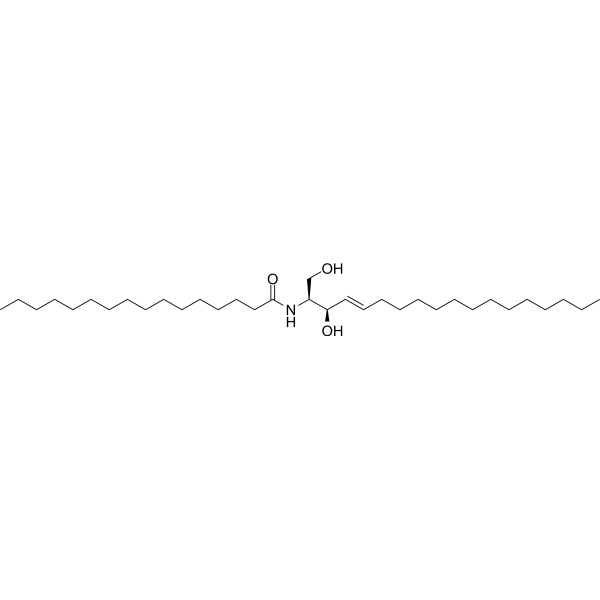
    C16-Ceramide (d18:1/16:0)
    5+ Cited Publications

    C16-Ceramide

    MDM-2/p53 Apoptosis Endogenous Metabolite Cancer
    C16-Ceramide (d18:1/16:0) is a natural small molecule activating p53 through the direct and selective binding .
    C16-Ceramide (d18:1/16:0)
  • HY-15186
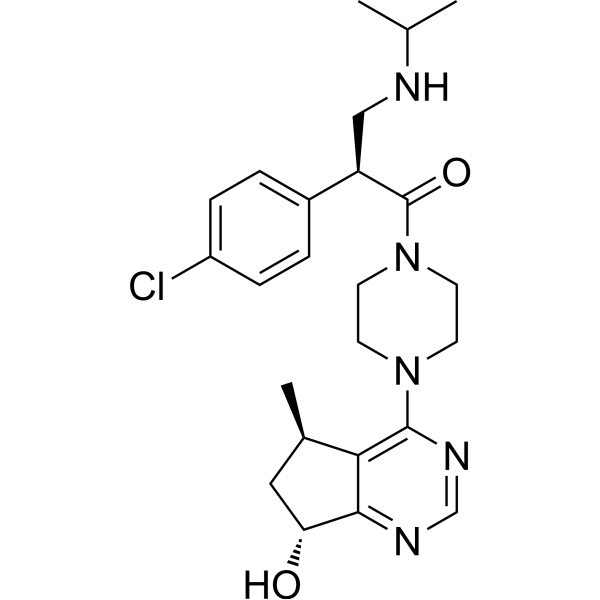
    Ipatasertib
    Maximum Cited Publications
    60 Publications Verification

    GDC-0068; RG7440

    Organoid Akt Apoptosis Cancer
    Ipatasertib (GDC-0068) is an orally active, highly selective and ATP-competitive pan-Akt inhibitor with IC50 values of 5, 18, 8 nM for Akt1/2/3, respectively. Ipatasertib synchronously activates FoxO3a and NF-κB through inhibition of Akt leading to p53-independent activation of PUMA. Ipatasertib also induces apoptosis in cancer cells and inhibits tumor growth in xenograft mouse models .
    Ipatasertib
  • HY-18935A
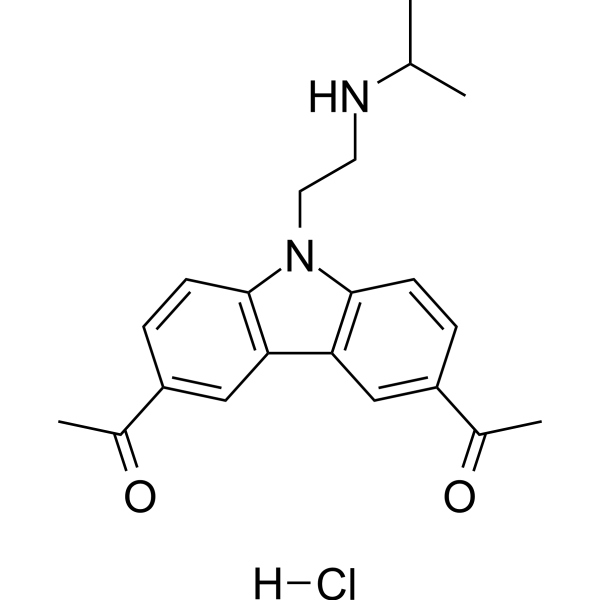
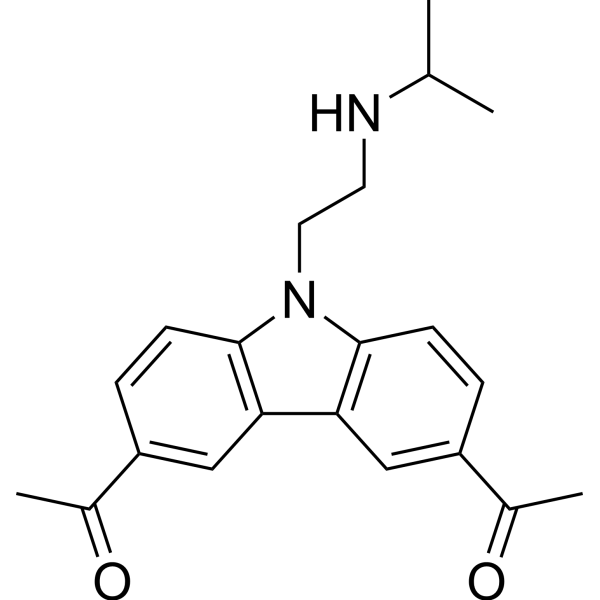
    CBL0137 hydrochloride
    10+ Cited Publications

    Curaxin-137 hydrochloride; CBL-C137 hydrochloride

    MDM-2/p53 NF-κB Cancer
    CBL0137 hydrochloride is an inhibitor of the histone chaperone, FACT. CBL0137 hydrochloride can also activate p53 and inhibits NF-κB with EC50s of 0.37 and 0.47 μM, respectively.
    CBL0137 hydrochloride
  • HY-148416
    p53 Activator 7
    1 Publications Verification

    MDM-2/p53 Cancer
    p53 Activator 7 is a p53 mutation Y220C (MDM-2/p53) activator with an EC50 of 104 nM. p53 Activator 7 can bind to p53 mutant and restore its ability to bind DNA (WO2022213975A1; Example B-1) . p53 Activator 7 is a click chemistry reagent, it contains an Alkyne group and can undergo copper-catalyzed azide-alkyne cycloaddition (CuAAc) with molecules containing Azide groups.
    p53 Activator 7
  • HY-13735A
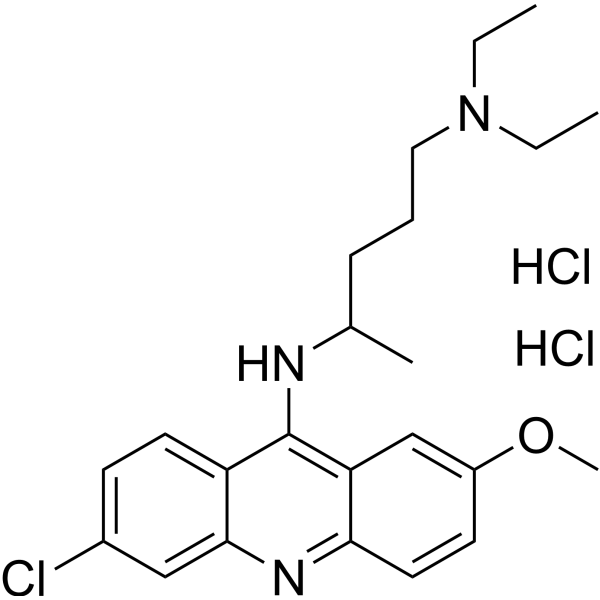
    Quinacrine dihydrochloride
    5+ Cited Publications

    Mepacrine dihydrochloride; SN-390 dihydrochloride

    Parasite Apoptosis Autophagy Mitophagy Infection Cancer
    Quinacrine (Mepacrine) dihydrochloride is an orally bioavailable antimalarial agent, which possess anticancer effect both in vitro and vivo. Quinacrine dihydrochloride suppresses NF-κB and activate p53 signaling, which results in the induction of the apoptosis .
    Quinacrine dihydrochloride
  • HY-19896
    COTI-2
    4 Publications Verification

    MDM-2/p53 Apoptosis Cancer
    COTI-2, an anti-cancer agent with low toxicity, is an orally available third generation activator of p53 mutant forms. COTI-2 acts both by reactivating mutant p53 and inhibiting the PI3K/AKT/mTOR pathway. COTI-2 induces apoptosis in multiple human tumor cell lines. COTI-2 exhibits antitumor activity in HNSCC through p53-dependent and -independent mechanisms. COTI-2 converts mutant p53 to wild-type conformation .
    COTI-2
  • HY-13811
    NSC697923
    5+ Cited Publications

    E1/E2/E3 Enzyme Apoptosis Cancer
    NSC697923 is a potent UBE2N (ubiquitin-conjugating enzyme E2 N, Ubc13) inhibitor. NSC697923 induces neuroblastoma (NB) cell death via promoting nuclear importation of p53 in p53 wild-type NB cells. NSC697923 also induces cell death in p53 mutant NB cells by activation of JNK-mediated apoptotic pathway. NSC697923 inhibits DNA damage and NF-κB signaling. Antitumor activity .
    NSC697923
  • HY-131031
    KCC-07
    1 Publications Verification

    DNA Alkylator/Crosslinker Cancer
    KCC-07 is a potent and brain-penetrant MBD2 (methyl-CpG-binding domain protein 2) inhibitor. KCC-07 prevents binding of MBD2 to methylated DNA and activates brain specific angiogenesis inhibitor 1 (BAI1) inducing anti-proliferative BAI1/p53/p21 signaling. Anticancer activity .
    KCC-07
  • HY-110088
    SCH529074
    3 Publications Verification

    MDM-2/p53 Cancer
    SCH529074 is a potent and orally active p53 activator. SCH529074 binds specifically and conformation-dependently to p53 DBD ( DNA binding domain) with a Ki of 1-2 μM in a saturable manner. SCH529074 restores mutant p53 function and interrupts HDM2-mediated ubiquitination of wild Type p53. SCH529074 can be used for the study of non-small-cell lung carcinoma (NSCLC) .
    SCH529074
  • HY-176083

    MDM-2/p53 Caspase Apoptosis Cancer
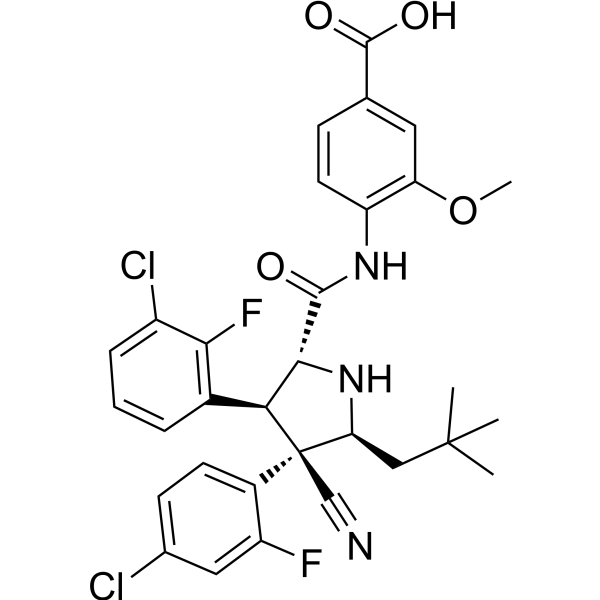
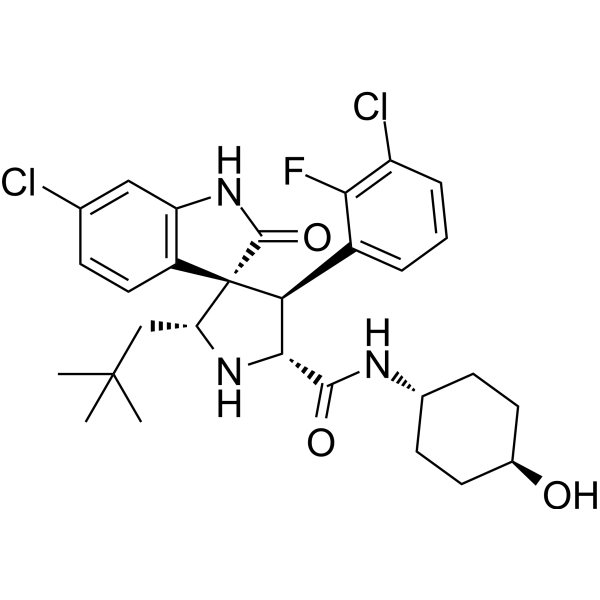
    ASTX295 is an orally active and selective MDM2 antagonist with an IC50 of <1 nM. ASTX295 inhibits the MDM2-p53 interaction, activates wild-type TP53, and thereby induces the expression of relevant transcriptional targets, leading to cell death. ASTX295 drives the transition of pancreatic cancer cells from senescence to apoptosis and regulates p53 and DNA damage biomarkers. ASTX295 can be used for the research of hematologic malignancies and pancreatic cancer .
    ASTX295
  • HY-131611
    6-Azuridine
    1 Publications Verification

    6-Azauridine

    Nucleoside Antimetabolite/Analog Autophagy Apoptosis AMPK MDM-2/p53 SARS-CoV Infection Others Cancer
    6-Azuridine (6-Azauridine) is an orally active purine nucleoside analogue. 6-Azuridine activates autophagic flux, induces Apoptosis that depends on AMPK and p53. 6-Azuridine exhibit both antitumor and antiviral activities .
    6-Azuridine
  • HY-108638
    NSC 146109 hydrochloride
    2 Publications Verification

    XI-011 hydrochloride

    MDM-2/p53 Apoptosis PARP Cancer
    NSC 146109 hydrochloride (XI-011 hydrochloride) is a p53 activator and MDMX inhibitor. NSC 146109 hydrochloride inhibits MDMX gene transcription, downregulates MDMX mRNA and protein levels, stabilizes p53 and activates the transcriptional activity of p53. NSC 146109 hydrochloride induces cancer cell apoptosis (apoptosis) and inhibits the growth of transformed cells. NSC 146109 hydrochloride inhibits the growth of xenograft tumors. NSC 146109 hydrochloride can be used in research related to breast cancer and cervical cancer .
    NSC 146109 hydrochloride
  • HY-13423
    Tenovin-1
    5 Publications Verification

    MDM-2/p53 Dihydroorotate Dehydrogenase Sirtuin Autophagy Cancer
    Tenovin-1, a p53 activator, protects p53 from MDM2-mediated degradation. Tenovin-1 acts through inhibition of the protein-deacetylating activities of SirT1 and SirT2. Tenovin-1 is also a dihydroorotate dehydrogenase (DHODH) inhibitor .
    Tenovin-1
  • HY-15869
    Inauhzin
    3 Publications Verification

    INZ

    Sirtuin MDM-2/p53 Cancer
    Inauhzin is a dual SirT1/IMPDH2 inhibitor, and acts as an activator p53, used in the research of cancer.
    Inauhzin
  • HY-N0912
    Rehmannioside D
    1 Publications Verification

    Sirtuin Apoptosis MDM-2/p53 Reactive Oxygen Species (ROS) Bcl-2 Family Caspase Metabolic Disease Inflammation/Immunology
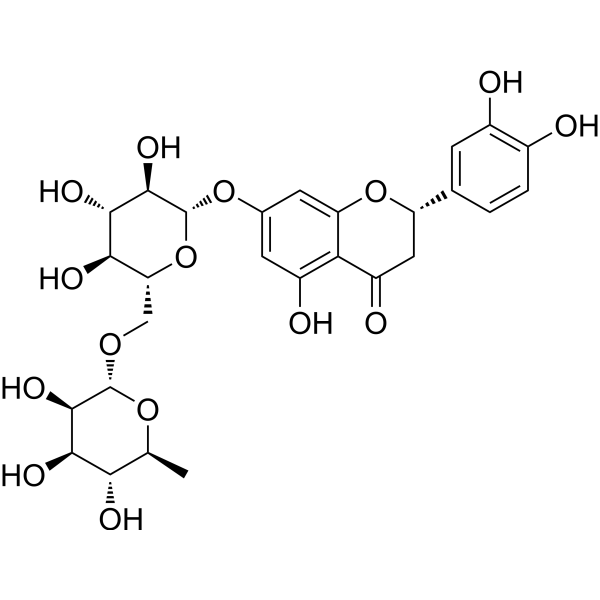
    Rehmannioside D is an orally active Sirt7 modulator. Rehmannioside D upregulates Sirt7 expression, inhibits the level of acetylated p53, and blocks the activation of the p53 signaling pathway. Rehmannioside D alleviates liver injury, inflammatory response, collagen deposition and hepatocyte apoptosis. Rehmannioside D is applicable to research related to liver fibrosis .
    Rehmannioside D
  • HY-103640
    Amifostine thiol dihydrochloride
    1 Publications Verification

    WR-1065 dihydrochloride

    MDM-2/p53 Cancer
    Amifostine thiol (WR-1065) dihydrochloride can protect normal tissues from the toxic effects of certain cancer agents and activate p53 through a JNK-dependent signaling pathway.
    Amifostine thiol dihydrochloride
  • HY-13735B

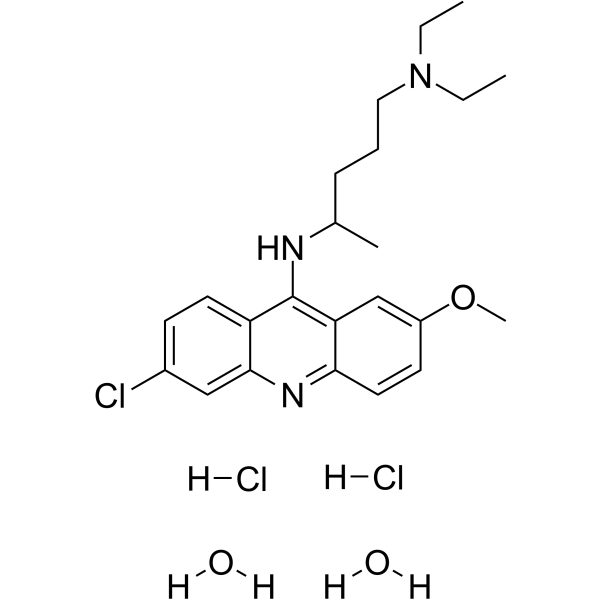
    Mepacrine hydrochloride hydrate; SN-390 hydrochloride hydrate

    Parasite Apoptosis Autophagy Mitophagy Infection Cancer
    Quinacrine hydrochloride hydrate (Mepacrine hydrochloride hydrate) is an antimalarial agent, which possess anticancer effect both in vitro and vivo. Quinacrine hydrochloride hydrate suppresses NF-κB and activates p53 signaling, which results in the induction of the apoptosis .
    Quinacrine hydrochloride hydrate
  • HY-16271
    Kevetrin hydrochloride
    4 Publications Verification

    4-Isothioureidobutyronitrile hydrochloride; thioureidobutyronitrile hydrochloride; thioureido butyronitrile hydrochloride

    MDM-2/p53 Apoptosis Cancer
    Kevetrin hydrochloride is a potent activator of p53, induces apoptosis in TP53 wild-type and mutant acute myeloid leukemia cells. Kevetrin a preferential cytotoxic activity against blast cells .
    Kevetrin hydrochloride
  • HY-17493
    MI-773
    5+ Cited Publications

    MDM-2/p53 Apoptosis Neurological Disease Cancer
    MI-773 is an orally active, selective MDM2-p53 interaction inhibitor with a Ki of 0.88 nM for MDM2. MI-773 blocks the MDM2-TP53 interaction. MI-773 potently activates p53. MI-773 induces Apoptosis. MI-773 causes tumor regression in xenograft models of adenoid cystic carcinoma. MI-773 exhibits anticancer effects in neuroblastoma. MI-773 TFA can be used for the research of adenoid cystic carcinoma .
    MI-773
  • HY-N2693

    Apoptosis Reactive Oxygen Species (ROS) Caspase Akt ERK JNK p38 MAPK Bcl-2 Family Cancer
    6,8-Diprenylorobol, a prenylated isoflavone, is a nature product that could be isolated from the leaves of Cudrania tricuspidata. 6,8-Diprenylorobol antiproliferative effect and induces apoptosis through activation of p53 and generation of ROS .
    6,8-Diprenylorobol
  • HY-158684

    PROTACs MDM-2/p53 Apoptosis Cancer
    YX-02-030 is a VHL-dependent MDM2 PROTAC degrader with a Kd of 35 nM. YX-02-030 recruits the VHL E3 ligase to form a ternary complex, leading to ubiquitination and proteasome-mediated degradation of MDM2. YX-02-030 inhibits MDM2-p53 and VHL-HIF1α binding with IC50 values of 63 and 1350 nM. YX-02-030 activates TAp73, upregulates p53 family target genes and induces apoptosis. YX-02-030 demonstrates on-target efficacy in TNBC xenograft-bearing mice, extending survival without normal cell toxicity .
    YX-02-030
  • HY-U00442

    MDM-2/p53 E1/E2/E3 Enzyme Cancer
    CTX1 is a p53 activator that overcomes HdmX-mediated p53 repression. CTX1 exhibits potent anti-cancer activity in a mouse acute myeloid leukemia (AML) model system .
    CTX1
  • HY-156135

    MDM-2/p53 RET DNA/RNA Synthesis Apoptosis Caspase Endocrinology Cancer
    NSC194598 is a p53 DNA-binding inhibitor with an IC50 value of 180 nM. NSC194598 inhibits p53 DNA binding and induction of target genesn when p53 is stabilized and activated by irradiation or chemotherapy. NSC194598 can interfere with transcriptional activation of mutated rearranged during transfection (RET) gene, induce apoptosis and G0/G1 phase arrest. NSC194598 can be used for the researches of acute radiation toxicity and medullary thyroid carcinoma .
    NSC194598
  • HY-120084
    BTX161
    1 Publications Verification

    Casein Kinase Cancer
    BTX161, a thalidomide analog, is an effective CKIα degrader. BTX161 mediates human AML cell CKIα degradation more effectively than lenalidomide and activates the DNA damage response (DDR) and p53, while stabilizing p53 antagonist MDM2.
    BTX161
  • HY-125858
    MI-1061
    3 Publications Verification

    MDM-2/p53 E1/E2/E3 Enzyme Apoptosis Cancer
    MI-1061 is a potent, orally bioavailable, and chemically stable MDM2 (MDM2-p53 interaction) inhibitor (IC50=4.4 nM; Ki=0.16 nM). MI-1061 potently activates p53 and induces apoptosis in the SJSA-1 xenograft tumor tissue in mice. Anti-tumor activity .
    MI-1061
  • HY-14714
    NSC-207895
    2 Publications Verification

    XI-006

    MDM-2/p53 Cancer
    NSC-207895 (XI-006), a DNA damaging agent, is an anticancer agent and p53 activator .
    NSC-207895
  • HY-148404

    MDM-2/p53 Cancer
    p53 Activator 5 (compound 134A) is a potent p53 activator with a SC150 value of <0.05 mM. p53 Activator 5 can bind to mutant p53 and restore the ability of the p53 mutant to bind DNA. p53 Activator 5 shows anti-tumor activity . p53 Activator 5 is a click chemistry reagent, it contains an Alkyne group and can undergo copper-catalyzed azide-alkyne cycloaddition (CuAAc) with molecules containing Azide groups.
    p53 Activator 5
  • HY-108636

    MDM-2/p53 Cancer
    RETRA is a mutant p53-dependent activator of p73 that suppresses mutant p53-bearing cancer cells. RETRA increases the expression level of p73, and a release of p73 from the blocking complex with mutant p53, which produces tumor-suppressor effects .
    RETRA
  • HY-19339

    MDM-2/p53 Ligands for Target Protein for PROTAC Sirtuin Cancer
    Tenovin-3 is a p53 activator .
    Tenovin-3
  • HY-169369

    XJZ-06-462

    MDM-2/p53 Apoptosis Cancer
    TRAP-1 (XJZ-06-462) is a non-covalent regulated induced proximity targeting chimera (RIPTAC) with JQ-1 carboxylic acid (HY-78695) as its target protein ligand. TRAP-1 forms a ternary complex with p53 Y220C and BRD4, potently activates p53 transcription, and inhibits the growth and proliferation of tumor cells. TRAP-1 upregulates p21 and other p53 target genes in pancreatic cell lines carrying p53 Y220C, and induces cellular senescence and apoptosis. TRAP-1 can be used in cancer research involving p53 Y220C-carrying tumors .
    TRAP-1
  • HY-169240

    MDM-2/p53 Cancer
    MX69-102 (compound MX69-102) is an MDM-2/p53 inhibitor, inducing MDM2 degradation, resulting in p53 activation and cancer cell apoptosis. MX69-102 shows effective inhibition on xenografted human MDM2-overexpressing ALL in SCID mice. .
    MX69-102
  • HY-137864
    Amifostine thiol
    1 Publications Verification

    WR-1065

    MDM-2/p53 Cancer
    Amifostine thiol (WR-1065) is an active metabolite of the cytoprotector Amifostine (HY-B0639). Amifostine thiol is a cytoprotective agent with radioprotective abilities. Amifostine thiol activates p53 through a JNK-dependent signaling pathway .
    Amifostine thiol
  • HY-W011434

    TGIC

    MDM-2/p53 Apoptosis Inflammation/Immunology Cancer
    Triglycidyl isocyanurate (TGIC; Teroxirone) is a triazene triepoxide with antiangiogenic and antineoplastic activities. Triglycidyl isocyanurate inhibits the growth of non-small-cell-lung cancer cells via?p53 activation. Triglycidyl isocyanurate induces cell apoptosis. Triglycidyl isocyanurate can be used for cancer research .
    Triglycidyl isocyanurate
  • HY-U00441
    DPBQ
    1 Publications Verification

    MDM-2/p53 Apoptosis Cancer
    DPBQ activates p53 and triggers apoptosis in a polyploid-specific manner, but does not inhibit topoisomerase or bind DNA. DPBQ elicits expression and phosphorylation of p53 and this effect is specific to tetraploid cells .
    DPBQ
  • HY-175318S

    MDM-2/p53 Cancer
    p53 Activator 15 is an orally active p53 Y220C activator. p53 Activator 15 enhances the DNA binding of p53 Y220C (SC50 = 0.58 nM) and significantly inhibits NUGC-3 cell proliferation. p53 Activator 15 effectively inhibits tumor growth in NUGC-3 xenograft mouse and rat models. p53 Activator 15 can be used to study gastric cancer .
    p53 Activator 15
  • HY-160450

    MDM-2/p53 Cancer
    p53 Activator 11 (compound A-1) is a potent p53 activator with an EC50 value of 0.478 µM for p53 (Y220C). p53 Activator 11 has the potential for the research of cancer .
    p53 Activator 11
  • HY-160449

    MDM-2/p53 Cancer
    p53 Activator 10 (Example C-2) is a compound that targets the y220c mutant of p53. p53 Activator 10 activation is involved in the downstream effects of tumor suppression .
    p53 Activator 10
  • HY-146095

    MDM-2/p53 DNA/RNA Synthesis Apoptosis Cancer
    p53 Activator 2 (compound 10ah) intercalats into DNA and results in significant DNA double-strand break.p53 Activator 2 increases the expression of p53, p-p53, CDK4, p21 to cause cell cycle arrest at G2/M phase.p53 Activator 2 induce apoptosis and significantly down-regulates the anti-apoptosis proteins Bcl-2, Bcl-xL and the levels of cyclin B1.p53 Activator 2 has anti-proliferation activity against MGC-803 cells, with an IC50 of 1.73 µM. p53 Activator 2 displays potent anticancer efficiency against MGC-803 xenograft tumors models .
    p53 Activator 2
  • HY-110315

    Apoptosis MDM-2/p53 Epigenetic Reader Domain Cardiovascular Disease
    Ischemin sodium is a CBP bromodomain inhibitor that inhibits p53 interaction with CBP and transcriptional activity in cells. Ischemin sodium salt inhibits p53-induced p21 activation with an IC50 value of 5 µM. Ischemin sodium salt also prevents apoptosis in ischemic cardiomyocytes. Ischemin sodium salt can be used in the study of cardiovascular diseases (such as myocardial ischemia) .
    Ischemin sodium
  • HY-156919

    MDM-2/p53 Cancer
    p53 Activator 8 (compound 5) is a p53 activator. p53 Activator 8 has potent anti-proliferative activity against MCF7 breast cancer cell lines with an IC 50 value of 0.5 μM .
    p53 Activator 8
  • HY-P1562

    Bcl-2 Family Cancer
    PUMA BH3 is a p53 upregulated modulator of apoptosis (PUMA) BH3 domain peptide, acts as a direct activator of Bak, with a Kd of 26 nM.
    PUMA BH3
  • HY-168636

    DNA Methyltransferase MDM-2/p53 Cancer
    p53 Activator 13 (compound 11) is a 6mA methyltransferase CamA inhibitor and a p53 activator. p53 Activator 13 intercalates into CamA-bound DNA via the minor groove, causing a conformational shift that moves the catalytic domain away from the DNA and elicits DNA damage response via p53 activation. p53 Activator 13 can be utilized in cancer research .
    p53 Activator 13
  • HY-19634
    YK-3-237
    1 Publications Verification

    Sirtuin Cancer
    YK-3-237, a SIRT1 activator, targets mutant p53. YK-3-237 inhibits the proliferation of triple-negative breast cancer cells .
    YK-3-237
  • HY-N7526R

    DHNQ (Standard); 5,8-Dihydroxy-1,4-naphthoquinone (Standard)

    Reference Standards Apoptosis Neurological Disease Cancer
    Naphthazarin (DHNQ) is a naturally occurring compound. Naphthazarin is effective by various cellular mechanisms including oxidative stress, activation of mitochondrial apoptosis-inducing factor (AIF), depolymerization of microtubules, interference with lysosomal function and p53-dependent p21 activation. Naphthazarin triggers apoptosis and has anti-tumor effects .
    Naphthazarin (Standard)
  • HY-130437

    MDM-2/p53 TGF-β Receptor Caspase Infection Metabolic Disease
    p-nitro-Pifithrin-α, a cell-permeable analog of pifithrin-α, is a potent p53 inhibitor. p-nitro-Pifithrin-α suppresses p53-mediated TGF-β1 expression in HK-2 cells. p-nitro-Pifithrin-α inhibits the activation of caspase-3 by Zika virus (ZIKV) strains. p-nitro-Pifithrin-α attenuates steatosis and liver injury in mice fed a high-fat diet [4]. non-alcoholic fatty liver disease .
    p-nitro-Pifithrin-α
  • HY-179243

    PROTACs STAT MDM-2/p53 Cancer
    S3D5 is a highly efficient and selective PROTAC degrader targeting STAT3 (KD = 4.35 μM). S3D5 induces degradation of STAT3 in HepG2 cells without significant effects on other STAT proteins. S3D5 exhibits good anti-hepatocellular carcinoma cell proliferation activity, which can be explained by activating the p53 pathway. S3D5 degradation of the STAT3 protein is mediated by the ubiquitin–proteasome system (UPS). S3D5 can be used for the study of hepatocellular carcinoma .
    S3D5
  • HY-15035

    ACS 15; ATB-337

    MDM-2/p53 JNK SOD Cardiovascular Disease Inflammation/Immunology
    S-Diclofenac (ACS 15) is a hybrid molecule of an H2S donor and the NSAID diclofenac. S-Diclofenac activates the p53 signaling pathway, and inhibits the activation of JNK. S-Diclofenac exhibits antioxidant and anti-inflammatory activities .
    S-Diclofenac
  • HY-158151

    MDM-2/p53 Cancer
    p53 Activator 12 (compound 510B) is a potent p53 activator. p53 Activator 12 binds to mutant p53 and restores the ability of the p53 mutant to bind DNA .
    p53 Activator 12
  • HY-148402

    MDM-2/p53 Cancer
    p53 Activator 3 (compound 87A) is a potent p53 activator with a SC150 value of <0.05 mM. p53 Activator 3 can bind to mutant p53 and restore the ability of the p53 mutant to bind DNA. p53 Activator 3 shows anti-tumor activity . p53 Activator 3 is a click chemistry reagent, it contains an Alkyne group and can undergo copper-catalyzed azide-alkyne cycloaddition (CuAAc) with molecules containing Azide groups.
    p53 Activator 3
  • HY-160448

    MDM-2/p53 Cancer
    p53 Activator 9 (example D-4) is a p53 activator with EC50 of 1.699μM .
    p53 Activator 9

Inquiry Online

Your information is safe with us. * Required Fields.

Salutation


Country or Region *

Applicant Name *


Organization Name *

Department *


Email Address *


Product Name *

Cat. No.


Requested quantity *

Phone Number *


Remarks

Inquiry Online

Inquiry Information

Product Name:
Cat. No.:
Quantity:
MCE Japan Authorized Agent:

