1. Search Result
Search Result
Results for "

peak

" in MedChemExpress (MCE) Product Catalog:

134

Inhibitors & Agonists

52

Fluorescent Dye

6

Biochemical Assay Reagents

2

Peptides

14

Natural
Products

1

Recombinant Proteins

8

Oligonucleotides

Cat. No. Product Name Target Research Areas Chemical Structure
  • HY-13594
    Chlorin e6
    15+ Cited Publications

    Ce6

    MOFs Bcl-2 Family Caspase PARP Apoptosis Fluorescent Dye Infection Cancer
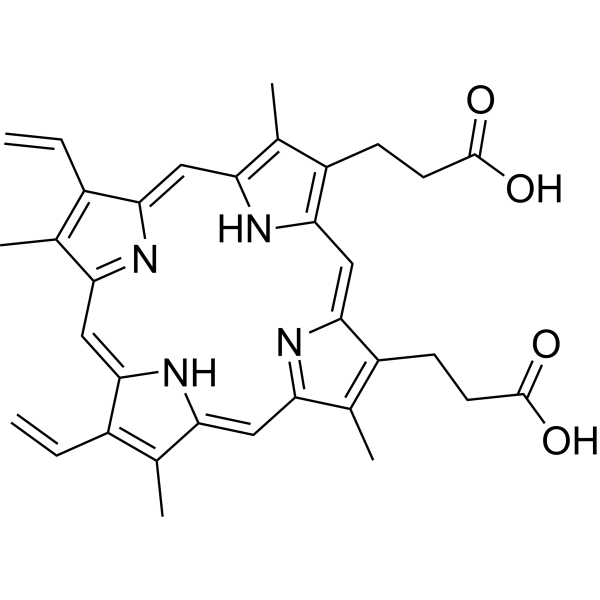
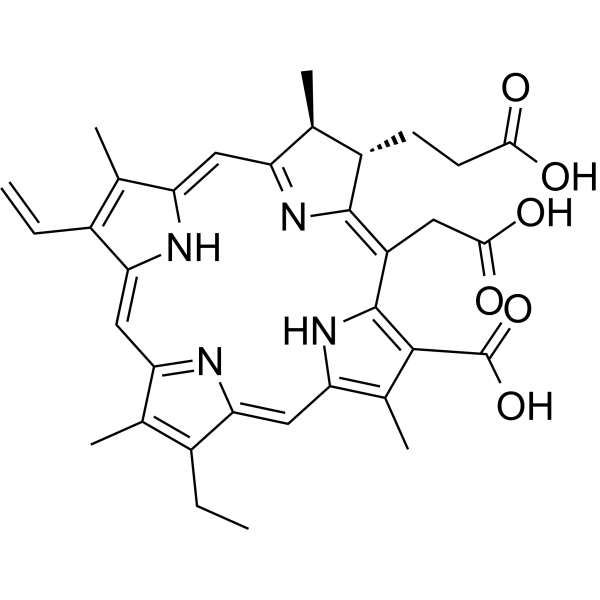
    Chlorin e6 is a photosensitizer and has strong absorption peaks at wavelength of 402 and 662 nm, as well as exhibiting intense fluorescence at 668 nm. Chlorin e6 has antimicrobial efficacy and anticancer activity. Chlorin e6 induces cell apoptosis via caspase-3 activation and can be used for the research of cancer .
    Chlorin e6
  • HY-137805
    Ferrozine
    3 Publications Verification

    Fluorescent Dye Others
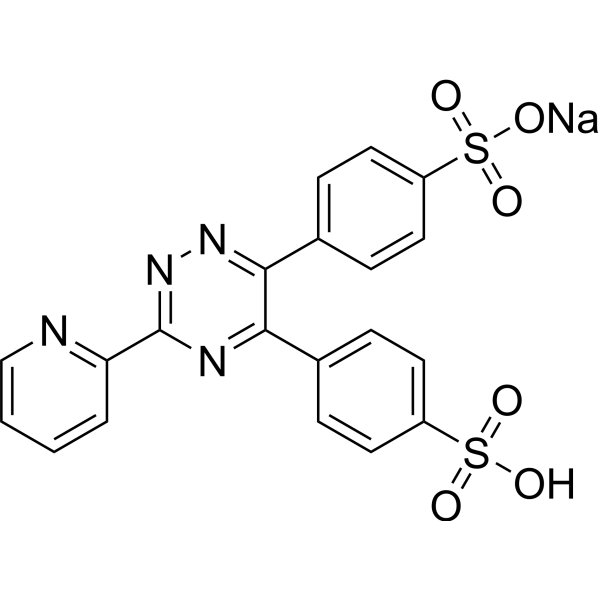
    Ferrozine is a spectrophotometric reagent for iron ions, can react with divalent Fe to form a stable magenta complex species. The complex has an absorption peak at 562 nm . Ferrozine-based colorimetric assays can quantify iron in cells
    Ferrozine
  • HY-N6691
    Veratridine
    4 Publications Verification

    3-Veratroylveracevine

    Sodium Channel Neurological Disease
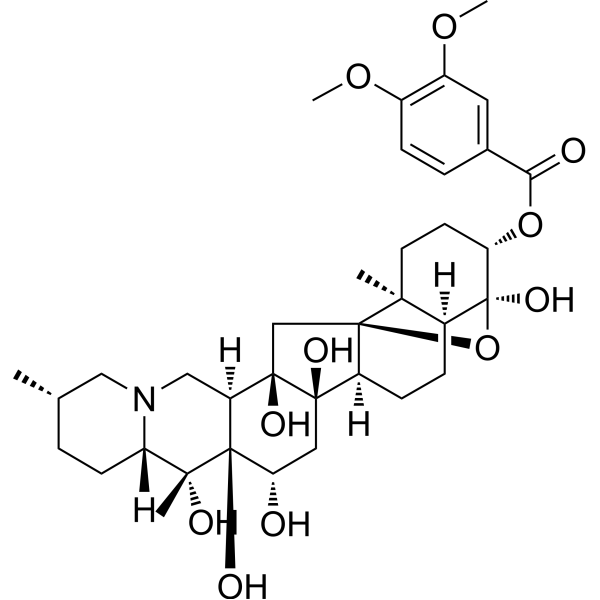
    Veratridine (3-Veratroylveracevine) is a plant neurotoxin, a voltage-gated sodium channels (VGSCs) agonist. Veratridine inhibits the peak current of Nav1.7, with an IC50 of 18.39 µM. Veratridine regulates sodium ion channels mainly by activating sodium ion channels, preventing channel inactivation and increasing sodium ion flow .
    Veratridine
  • HY-111653
    CycLuc1
    2 Publications Verification

    Reactive Oxygen Species (ROS) Others
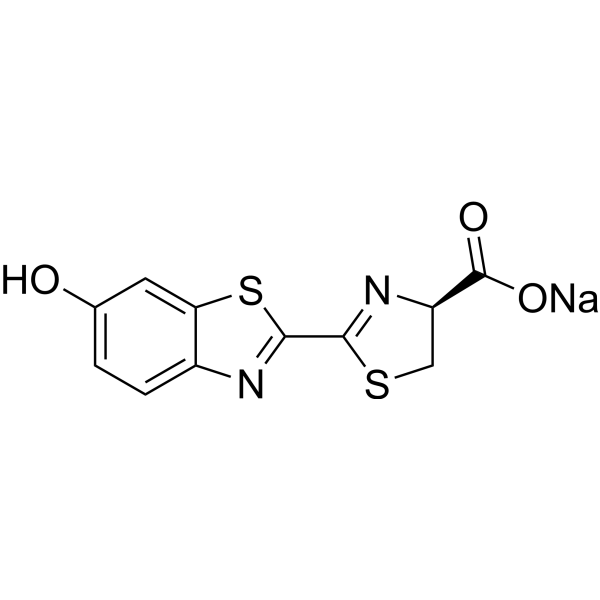
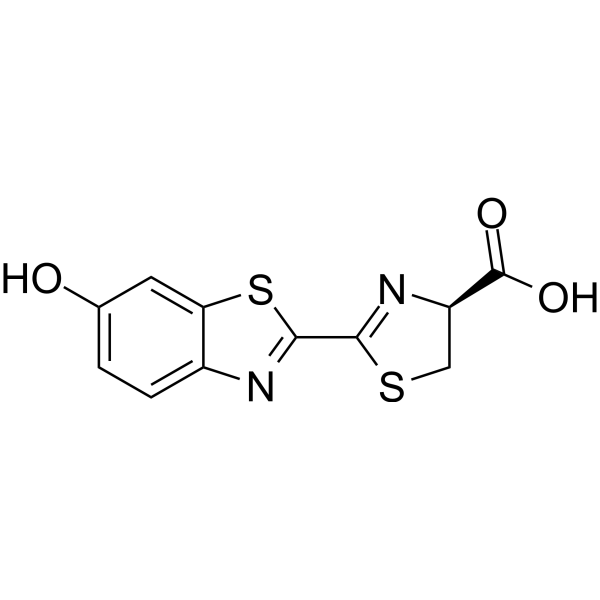
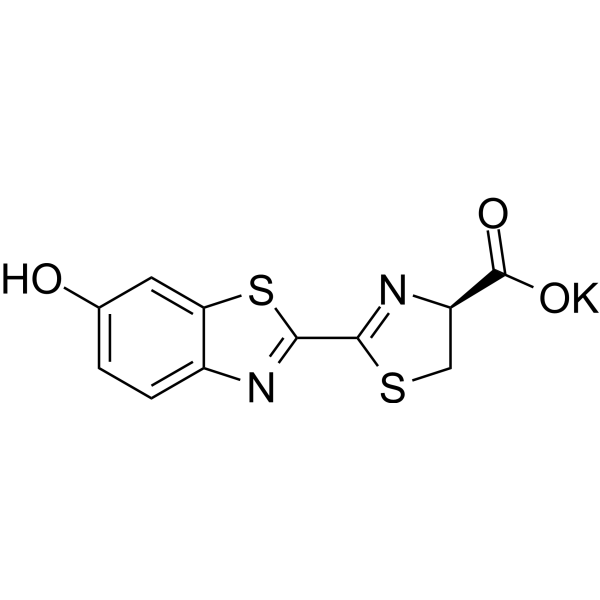
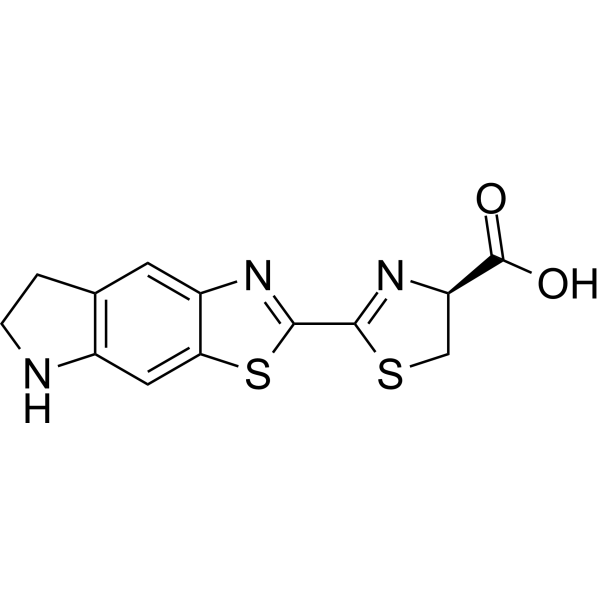
    CycLuc1 is a blood-brain barrier permeable luciferase substrate that displays near-infrared (NIR) emission with a peak luminescence wavelength of 599 nm. CycLuc1 can be used for in vivo bioluminescence imaging .
    CycLuc1
  • HY-108309
    Medronic acid
    1 Publications Verification

    Methylenediphosphonic acid

    Biochemical Assay Reagents Others
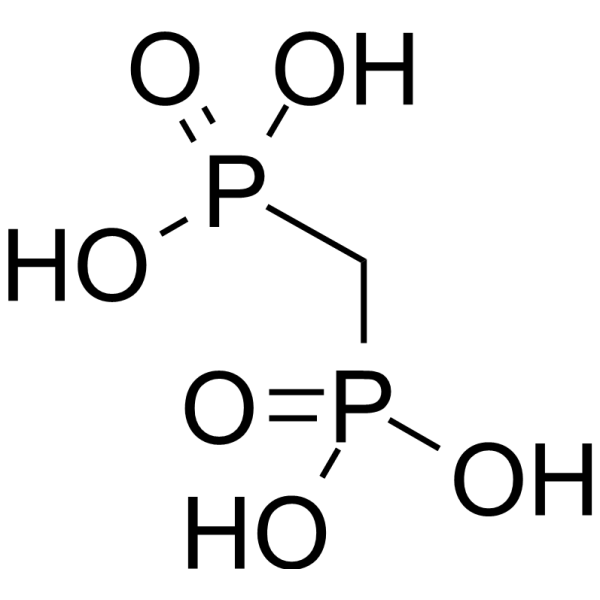
    Medronic acid (Methylenediphosphonic acid) is a methylene-substituted bisphosphonate. Medronic acid has an affinity for the surface of hydroxyapatite crystals in the bone matrix and adheres to them. Medronic acid can be used in complex with radioisotopes in bone imaging. Due to its strong metal chelating ability, medronic acid is also used as a water treatment chemical. In addition, medronic acid is used as a solvent additive to improve peak shape and signal of metal-sensitive metabolites in LC/MS analysis .
    Medronic acid
  • HY-D1373
    HBC
    3 Publications Verification

    HBC 530

    Fluorescent Dye Others
    HBC (HBC 530) is a GFP fluorophore-like synthetic dye, with a structurally rigid electron acceptor and a strong electron donor. HBC has a low fluorescence background, and when combined with Pepper (RNA aptamer), HBC forms a tight complex and activates and emits bright fluorescence (Kd of ~3.5 nM). HBC emission peaks vary in different complexes and covers the spectrum from cyan to red. HBC can be used in the live cell imaging of RNA (Em/Ex = 530/485 nm) .
    HBC
  • HY-173117

    CaMK Cardiovascular Disease Cancer
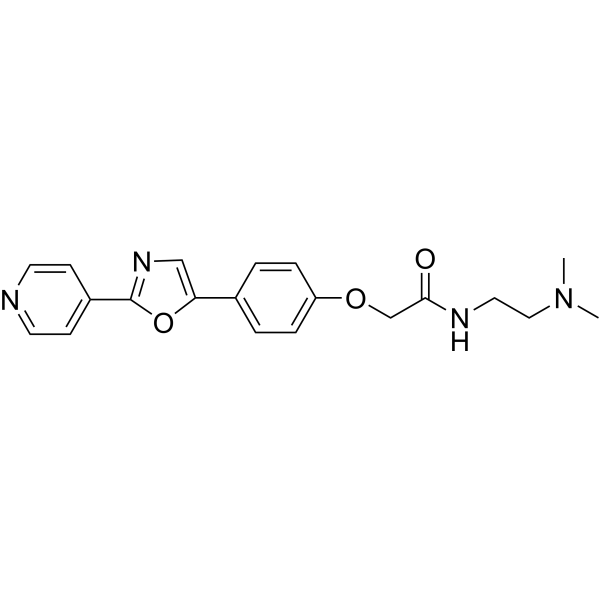
    RA306 is an orally active CaMKIIδ/γ inhibitor with IC50 values of 15, 25, 61, and 420 nM against CaMKIIδ, γ, α, and β isoforms, respectively. RA306 reduces the serine/threonine phosphorylation level of PEAK1, inhibits PEAK1-mediated cancer cell migration and invasion, and attenuates the growth and metastasis of cancer xenografts. RA306 can be used in research related to triple-negative breast cancer and dilated cardiomyopathy .
    RA306
  • HY-118292

    1,4-Diacetoxybenzene

    Drug Intermediate Others
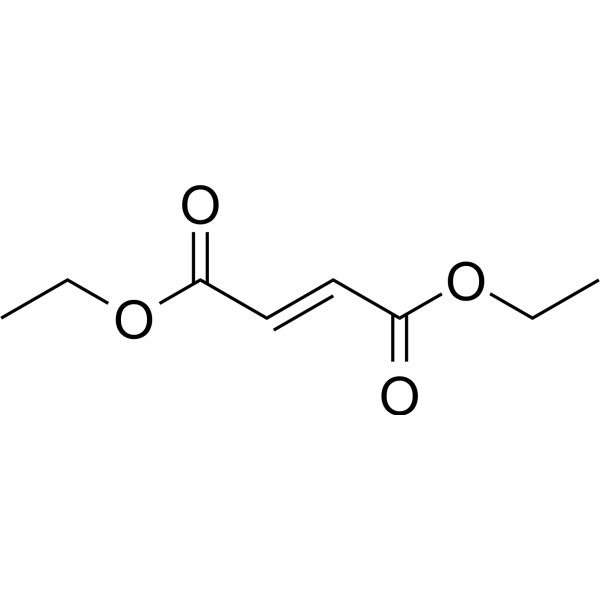
    Hydroquinone diacetate (1,4-Diacetoxybenzene) is a diester product and also a commonly used synthetic intermediate for agrochemicals and fine chemicals. Hydroquinone diacetate can be produced via the acetylation of hydroquinone (HY-B0951) with acetic anhydride .
    Hydroquinone diacetate
  • HY-W088089

    Fluorescent Dye Cancer
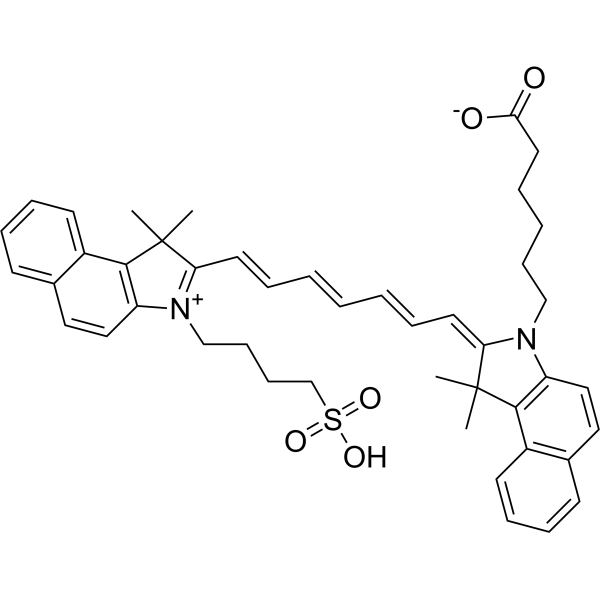
    ICG-carboxylic acid is near-infrared (NIR) fluorescent probe. ICG is a fluorescent dye used in medical diagnostics. ICG has absorption peaking at 800 nm and can absorb the near IR laser energy and release heat in the dyed tissue (Ex/Em = 785/810 nm) .
    ICG-carboxylic acid
  • HY-131924

    Thio-NAD

    Biochemical Assay Reagents Others
    Thionicotinamide adenine dinucleotide (Thio-NAD) is a thione-modified analog of the coenzyme nicotinamide adenine dinucleotide (NAD +). Thionicotinamide adenine dinucleotide can replace NAD + in enzymatic reactions and shift the absorption peak to 405 nM, enabling sensitive, real-time kinetic detection of enzyme activity, which is particularly suitable for high-sensitivity diagnostic cyclic detection systems .
    Thionicotinamide adenine dinucleotide
  • HY-D1445
    LysoSensor PDMPO
    1 Publications Verification

    Fluorescent Dye Metabolic Disease
    PDMPO, a lysosome pH indicator, is an excellent fluorescent acidotropic reagent for fluorescence imaging. PDMPO is a potent tool with which to study acidic organelles of live cells. PDMPO exhibits pH-dependent dual-excitation and dual-emission spectral peaks. PDMPO produces a blue fluorescence in weakly acidic organelles and shifts to yellow in more acidic lysosomes. (Abs=329 nm; Em=440/540 nm) .
    LysoSensor PDMPO
  • HY-108588
    NS5806
    1 Publications Verification

    Potassium Channel Cardiovascular Disease
    NS5806, a potent potassium current activator, increases KV4.3/KChIP2 peak current amplitudes with an EC50 of 5.3 μM. NS5806 slows KV4.3 and KV4.2 current dacay in channel complexes containing KChIP2 .
    NS5806
  • HY-137296
    Lumogallion
    1 Publications Verification

    Fluorescent Dye Others
    Lumogallion is a highly sensitive fluorescent reagent for the detection of aluminum, gallium and other metals. Lumogallion has an excitation wavelength of 490 nm and an emission spectrum in the range of 520 nm to 650 nm, with a peak near 580 nm .
    Lumogallion
  • HY-D0950A

    DNA Stain Others
    Methyl Green zinc chloride is a potent fluorescent dye. Methyl Green zinc chloride is a DNA stains of cells and electrophoretic gels. Methyl Green zinc chloride can be used as direct measuring of viability by both microscopy and flow cytometry, with peaks at 633 and 677 nm .
    Methyl Green zinc chloride
  • HY-153081

    Fluorescent Dye Others
    The eGFP circRNA will express green fluorescent protein, originally isolated from the jellyfish, Aequorea victoria. The eGFP is a commonly used direct detection reporter in mammalian cell culture, yielding bright green fluorescence with an emission peak at 509 nm. The eGFP circRNA is therefore ideal for monitoring and optimizing transfection efficiency and is recommended as a positive control for circular RNA transfections.
    eGFP circRNA
  • HY-W440915

    Liposome Inflammation/Immunology
    DSPE-PEG2000-FITC is a PEG lipid conjugated with fluorescein. FITC is a green dye with a peak absorption at 494 nm and a maximum emission at 520 nm, which is used for staining biological samples or nanoparticles. DSPE-PEG2000-FITC spontaneously forms lipid bilayers or micelles in water and can be used to prepare liposomes for delivering substances such as mRNA vaccines .
    DSPE-PEG2000-FITC
  • HY-D1950

    Fluorescent Dye Others
    ATTO 633 is a fluorescent dye with an absorption peak at approximately 630 nm and a fluorescence emission peak at 651 nm. ATTO 633 can be used in nanomechanical photothermal microscopy studies .
    ATTO 633
  • HY-D2395

    B-PE

    Fluorescent Dye Others
    B-Phycoerythrin (B-PE) is a light-harvesting pigment protein that can be isolated from the red alga Porphyridium cruentum. The absorption spectrum of B-Phycoerythrin peaks at 545 nm and 563 nm, with a shoulder at 498 nm .
    B-Phycoerythrin
  • HY-129527

    iGluR Neurological Disease
    GNE-9278 is a highly selective positive allosteric modulator of NMDAR that acts at the GluN1 transmembrane domain (TMD). GNE-9278 acts on activated NMDARs to increase peak current and agonist affinity .
    GNE-9278
  • HY-W440908

    Liposome Others
    DSPE-PEG2000-Cy3 is a PEG lipid conjugated with a fluorophore. The Cy3 fluorophore is commonly used in applications such as immunolabeling, nucleic acid labeling, fluorescence microscopy and flow cytometry. The absorption wavelength of the Cy3 fluorophore peaks at 548-552 nm, while its emission wavelength reaches a maximum at 562-570 nm .
    DSPE-PEG2000-Cy3
  • HY-D2083
    BODIPY 540 (purity 99%)
    1 Publications Verification

    Fluorescent Dye Metabolic Disease
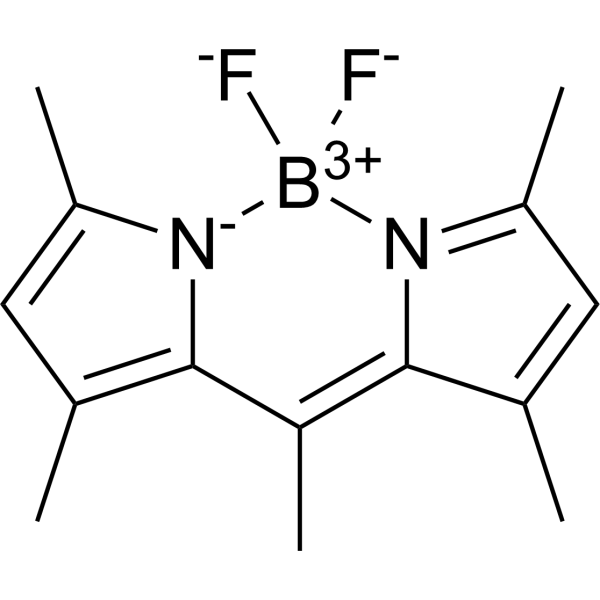
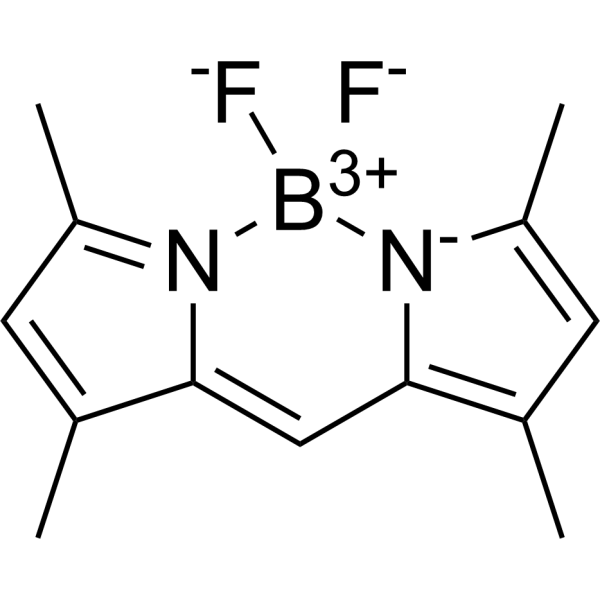
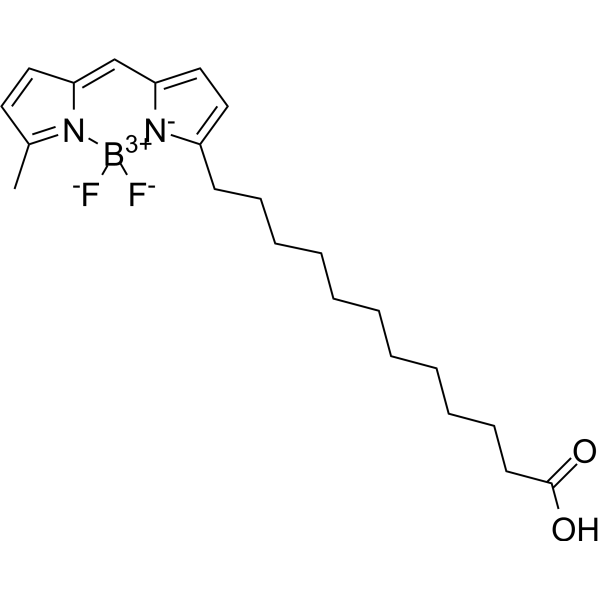
    BODIPY 540 (purity>98%) is a BODIPY dye.BODIPY dye is a small molecule dye with strong UV absorption ability.Its fluorescence peak is relatively sharp, its quantum yield is high, and it is relatively insensitive to the polarity and pH value of the environment.BODIPY 540 (purity>98%) has a purity higher than 98% and is suitable for cell experiments (Ex/Em = 540/580 nm) .
    BODIPY 540 (purity 99%)
  • HY-W440939

    Liposome Others
    Stearic acid-PEG3400-FITC is a PEG lipid which forms micelles in water and can be used for drug delivery applications. The FITC fluorescent can be easily traced by miscroscopy. FITC is a green dye with peak absorption at 494 nm and maximum emission at 520 nm and can be used for staining biological samples or nanoparticles. FITC can be easily traced by fluorescence microscopy.
    Stearic acid-PEG3400-FITC
  • HY-D2476

    Fluorescent Dye Others
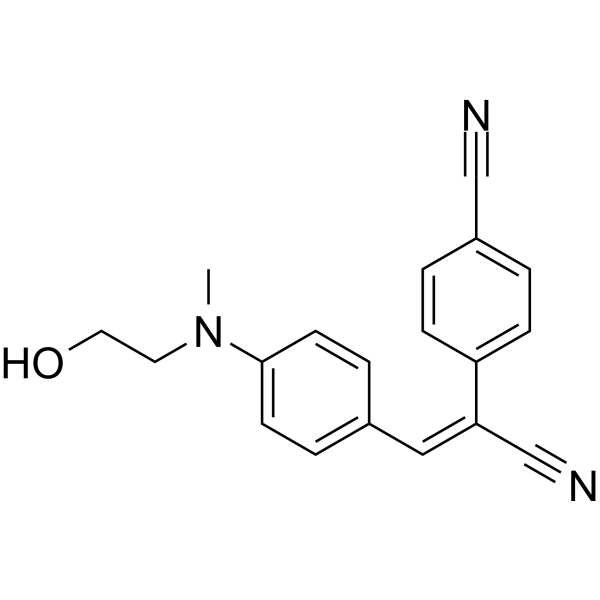
    H2S Fluorescent probe 1 (Compound 2) is a fluorescent probe that detects hydrogen sulfide (H2S) with almost no cytotoxicity. Upon the addition of increasing amounts of HS - to DMSO solution of H2S Fluorescent probe 1, a new absorption peak appears gradually at 485 nm. H2S Fluorescent probe 1, the fluorescence intensity notes at 434 nm increasing rapidly by titration of HS - .
    H2S Fluorescent probe 1
  • HY-D1499

    Fluorescent Dye Others
    Fluorescent red 610 is a fluorescent dye with an excitation peak at 590 nm and an emission peak at 610 nm .
    Fluorescent red 610
  • HY-D2760

    Fluorescent Dye Others
    BP Fluor 488 acid is a powerful labeling dye. It will react with the amine group in antibody, proteins, peptides, amino-modified oligos, and other target molecules. The dye has an excitation peak at 499 nm and an emission peak at 520 nm. The conjugates are widely used in microscopy, flow cytometry, and other applications.
    BP Fluor 488 acid
  • HY-D1489
    Ethyl eosin
    1 Publications Verification

    Fluorescent Dye Others
    Ethyl eosin is a fluorescent dye with an absorption peak at 527 nm and an absorption shoulder at 487 nm .
    Ethyl eosin
  • HY-W781921

    Fluorescent Dye Others
    BP Fluor 488 Alkyne is a popular labeling dye used in Click Chemistry reactions. It will react with the azide group in antibody, proteins, peptides, amino-modified oligos, and other target molecules. The dye has an excitation peak at 499 nm and an emission peak at 520 nm. The conjugates are widely used in microscopy, flow cytometry, and other applications. BP Fluor 488 is a pure 5-sulfonated rhodamine molecule and it eliminates the lot-to-lot variation caused by two isomers ratio differences.
    BP Fluor 488 Alkyne
  • HY-D2195

    Fluorescent Dye Others
    AgAuSe-PEG-NH2 (1000 nm) is a fluorescent quantum dot that emits fluorescence in the near-infrared II region, with an emission peak reaching 1000 nm that can be used in bioimaging.
    AgAuSe-PEG-NH2 (1000 nm)
  • HY-D2198

    Fluorescent Dye Others
    AgAuSe-PEG-NH2 (1120 nm) is a fluorescent quantum dot that emits fluorescence in the near-infrared II region, with an emission peak reaching 1120 nm that can be used in bioimaging .
    AgAuSe-PEG-NH2 (1120 nm)
  • HY-W133997

    Fluorescent Dye Others
    Chromotrope 2R can be used as a chromogenic analytical probe for the quantification of proteins. Basic proteins stained red and the peak wavelength red shifts from 501.6 nm to 567 nm .
    Chromotrope 2R
  • HY-W151629A

    Fluorescent Dye Others
    Ferrozine sodium hydrate is a spectrophotometric reagent for iron, can react with divalent Fe to form a stable magenta complex species. The complex has an absorption peak at 562 nm .Ferrozine sodium hydrate-based colorimetric assays can quantify iron in cells
    Ferrozine sodium hydrate
  • HY-D1343

    Fluorescent Dye
    DMNPE-caged D-luciferin is a heterocyclic luminescent compound that is a natural ligand for luciferase, an enzyme used to detect cell activity. Its reaction requires ATP and emits yellow-green light with a peak wavelength of about 530 nm. The luciferin in the DMNPE cage easily crosses the cell membrane.
    DMNPE-caged D-luciferin
  • HY-151247

    GnRH Receptor Cancer
    GnRH-R antagonist 1 (compound 21a) is an orally safe and membrane-permeable GnRH-R antagonist with high binding affinity (IC50=0.57 nM) and potent in vitro antagonistic activity (IC50=2.18 nM). GnRH-R antagonist 1 can be used in studies of advanced prostate cancer and premature LH peaks preventing .
    GnRH-R antagonist 1
  • HY-W039519

    Fluorescent Dye Cancer
    7-Methoxycoumarin-3-carboxylic acid is a fluorescent dye with an excitation peak at 355 nm and an emission peak at 405 nm. 7-Methoxycoumarin-3-carboxylic acid can be used to label peptide .
    7-Methoxycoumarin-3-carboxylic acid
  • HY-172269

    Fluorescent Dye Others
    BP Fluor 488 is a bright, green-fluorescent dye widely used for labeling aldehydes or ketones in polysaccharides or glycoproteins. The dye has an excitation peak at 499 nm and an emission peak at 520 nm. The conjugates are widely used in microscopy, flow cytometry, and other applications.
    BP Fluor 488
  • HY-D2338

    Fluorescent Dye Others
    PMBD is a lysosome (Lyso)-targeting fluorescent probe. PMBD selectively and sensitively detects endogenous N-acylethanolamine amidase (NAAA), allowing real-time visual monitoring of endogenous NAAA in living cells. PMBD has a maximum absorption peak at 350 nm. After the metabolism of NAAA, the maximum absorption peak of the product AMBD shifts red to 450 nm, and a significant fluorescence emission signal appears at 550 nm .
    PMBD
  • HY-W800680

    Fluorescent Dye Others
    BP Fluor 488 DBCO is a popular labeling dye used in copper-free Click Chemistry reactions. It will react with the azide group in antibody, proteins, peptides, amino-modified oligos, and other target molecules. The dye has an excitation peak at 499 nm and an emission peak at 520 nm. The conjugates are widely used in microscopy, flow cytometry, and other applications. BP Fluor 488 is a pure 5-sulfonated rhodamine molecule and it eliminates the lot-to-lot variation caused by two isomers ratio differences.
    BP Fluor 488 DBCO
  • HY-174486

    mRNA Others
    mCherry mRNA (5moU) encodes the fluorescent protein, mCherry, which is derived from DsRed, a protein found in Discosoma sp. mCherry is a monomeric fluorophore with a peak absorption at 587 nm and emission at 610 nm. It is stable and resistant to photobleaching.
    mCherry mRNA (5moU)
  • HY-W419643

    Biochemical Assay Reagents Others
    Drometrizole trisiloxane is a photostable, oil-soluble chemical UVB and UVA filter with two absorption peaks, one at 303 nm (UVB) and the other at 344 nm (UVA). Drometrizole trisiloxane can be used in cosmetics to absorb ultraviolet radiation .
    Drometrizole trisiloxane
  • HY-W110781

    DNA Stain Others
    Basic Blue 20 is a very convenient red-emitting DNA stains. Basic Blue 20 has relatively narrow excitation and emission spectra, with peaks at 633 and 677 nm, respectively. Basic Blue 20 also has a very high resistance to photobleaching .
    Basic Blue 20
  • HY-W587874

    Fluorescent Dye Others
    Disperse Orange 3 is a monoazo dye characterized by a dye content of 90% along with dispersing agents and surfactants; it features two aromatic rings, one of which possesses an amino group while the other is modified with a nitro group, exhibiting a prominent absorption peak at 415 nm.
    Disperse orange 3
  • HY-156536

    RXFP Receptor Cardiovascular Disease Inflammation/Immunology
    RXFP1 receptor agonist-1 (Example 2 peak2) is a RXFP1 receptor agonist. RXFP1 receptor agonist-1 stimulates cAMP production in HEK293 cells stably expressing human RXFP1, with an EC50 value of 300 nM .
    RXFP1 receptor agonist-1
  • HY-D1905

    Fluorescent Dye Cancer
    ICG acid is a fluorescent dye used in medical diagnostics. ICG acid has absorption peaking at 800 nm and can absorb the near IR laser energy and release heat in the dyed tissue. ICG acid has been used in fluorescence-guided surgery to identify critical structures, including intra-abdominal tumors .
    ICG acid
  • HY-19020

    Leukotriene Receptor Cardiovascular Disease
    FK-664 is a leukotriene inhibitor. FK-664 enhances ventricular contractility and shortens the time to peak tension in cardiac cells. FK-664 reduces mean circulating pressure (MCP) in a canine model of heart failure. FK-664 can be used in research on cardiovascular diseases such as heart failure .
    FK-664
  • HY-N8472

    GABA Receptor Infection
    Chrodrimanin B, a metabolite of a fungal, is a potent, non-open-channel-blocking antagonist on?B.?mori GABAR RDL with an IC50?of 1.13 nM. Chrodrimanin B attenuates the peak current amplitude of the GABA response of RDL with an IC50?of 1.66 nM.?Chrodrimanin B, a meroterpenoid, shows insecticidal activity .
    Chrodrimanin B
  • HY-N6691R

    3-Veratroylveracevine (Standard)

    Reference Standards Sodium Channel Neurological Disease
    Veratridine (Standard) is the analytical standard of Veratridine. This product is intended for research and analytical applications. Veratridine (3-Veratroylveracevine) is a plant neurotoxin, a voltage-gated sodium channels (VGSCs) agonist. Veratridine inhibits the peak current of Nav1.7, with an IC50 of 18.39?μM. Veratridine regulates sodium ion channels mainly by activating sodium ion channels, preventing channel inactivation and increasing sodium ion flow .
    Veratridine (Standard)
  • HY-N6720

    Endogenous Metabolite Metabolic Disease
    T-2 Triol is a trichothecene mycotoxin derived by the metabolism of T-2 toxin. It is less toxic than T-2 toxin . T-2 Triol major metabolites are evaluated in broiler chickens with Half-lives (t1/2λz), Peak plasma concentrations (Cmax) and Tmax values of 9.6 mins, 563 ng/ml , 2.5 mins, respectively .
    T-2 Triol
  • HY-W034043

    Fluorescent Dye Others
    [Ir (dF (Me) ppy)2 (dtbbpy)]PF6 (Compound 3a) is a blue-green luminescent material. [Ir (dF (Me) ppy)2 (dtbbpy)]PF6 exhibits unstructured emission, with its emission peak maxima located at 498, 512 and 519 nM, respectively. [Ir (dF (Me) ppy)2 (dtbbpy)]PF6 can serve as an electrochemiluminescence-based biological probe .
    [Ir(dF(Me)ppy)2(dtbbpy)]PF6
  • HY-107129

    GCGR Metabolic Disease
    MK-3577 is an orally effective glucagon receptor (GCGR) antagonist that reduces hepatic glucose production and lowers blood glucose levels by blocking glucagon receptors on target organs, primarily the liver. Pharmacokinetic analysis in domestic cats indicates that MK-3577 reaches peak levels 3 to 4 hours after oral administration, with a half-life of approximately 15 hours. MK-3577 can be used in diabetes research .
    MK-3577
  • HY-RS10311

    Small Interfering RNA (siRNA) Others

    PEAK3 Human Pre-designed siRNA Set A contains three designed siRNAs for PEAK3 gene (Human), as well as a negative control, a positive control, and a FAM-labeled negative control.

    PEAK3 Human Pre-designed siRNA Set A
    PEAK3 Human Pre-designed siRNA Set A

Inquiry Online

Your information is safe with us. * Required Fields.

Salutation


Country or Region *

Applicant Name *


Organization Name *

Department *


Email Address *


Product Name *

Cat. No.


Requested quantity *

Phone Number *


Remarks

Inquiry Online

Inquiry Information

Product Name:
Cat. No.:
Quantity:
MCE Japan Authorized Agent:

