1. Search Result
Search Result
Results for "

pentacyclic

" in MedChemExpress (MCE) Product Catalog:

77

Inhibitors & Agonists

9

Peptides

57

Natural
Products

2

Isotope-Labeled Compounds

Cat. No. Product Name Target Research Areas Chemical Structure
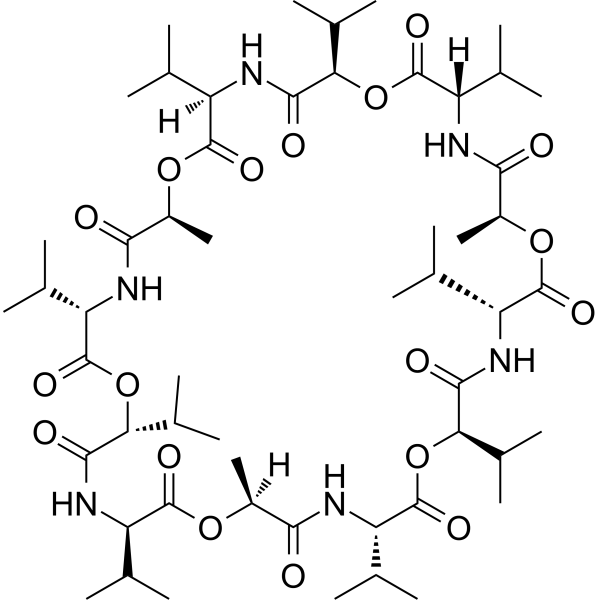
  • HY-N6693
    Valinomycin
    5+ Cited Publications

    NSC 122023

    Apoptosis Antibiotic Autophagy Fungal Infection Others Cancer
    Valinomycin is a potassium-specific ionophore, the valinomycin-K + complex can be incorporated into biological bilayer membranes with the hydrophobic surface of valinomycin, destroys the normal K + gradient across the membrane, and as a result kills the cells, incorporating into liposomes can significantly reduces the cytotoxicity and enhances the targeting effect. Valinomycin exhibits antibiotic, antifungal, antiviral, antitumor and insecticidal efficacy, thus can be used for relevant research .
    Valinomycin
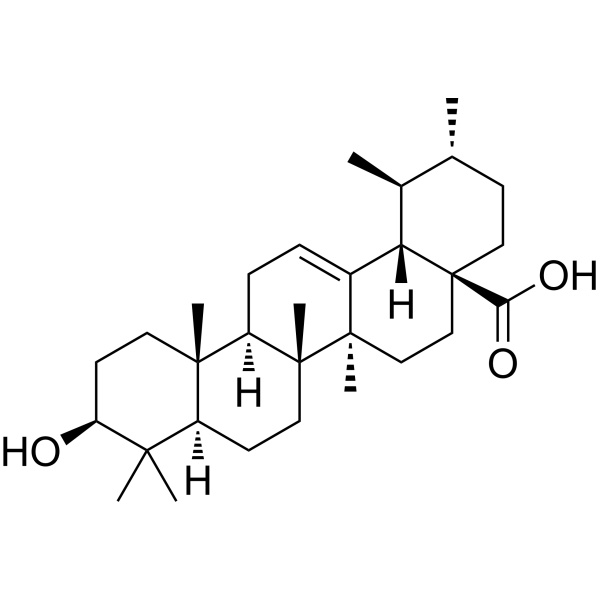
  • HY-N0140
    Ursolic acid
    15+ Cited Publications

    Prunol; Urson; Malol

    Autophagy Endogenous Metabolite Cancer
    Ursolic acid (Prunol) is a natural pentacyclic triterpenoid carboxylic acid, exerts anti-tumor effects and is an effective compound for cancer prevention and therapy.
    Ursolic acid
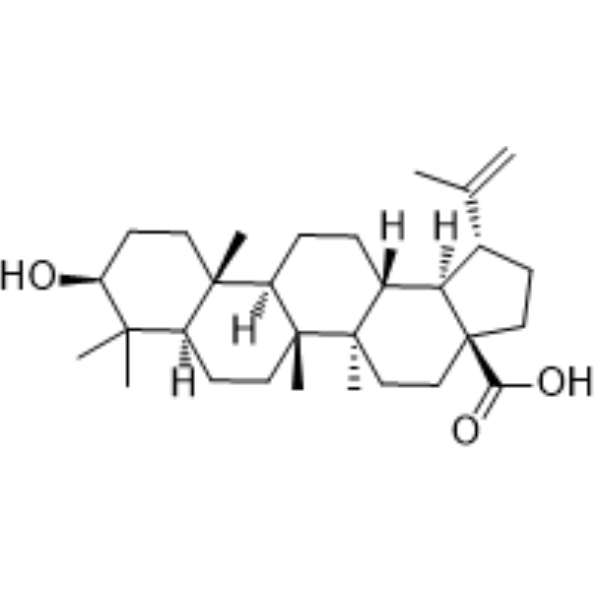
  • HY-10529
    Betulinic acid
    Maximum Cited Publications
    35 Publications Verification

    Lupatic acid; Betulic acid

    Apoptosis Topoisomerase HIV Autophagy Mitophagy NF-κB Endogenous Metabolite Parasite Infection Neurological Disease Inflammation/Immunology Cancer
    Betulinic acid is a natural pentacyclic triterpenoid, acts as a eukaryotic topoisomerase I inhibitor, with an IC50 of 5 μM, and possesses anti-HIV, anti-malarial, anti-inflammatory and anti-tumor properties . Betulinic acid can cross the blood-brain barrier .
    Betulinic acid
  • HY-N0194
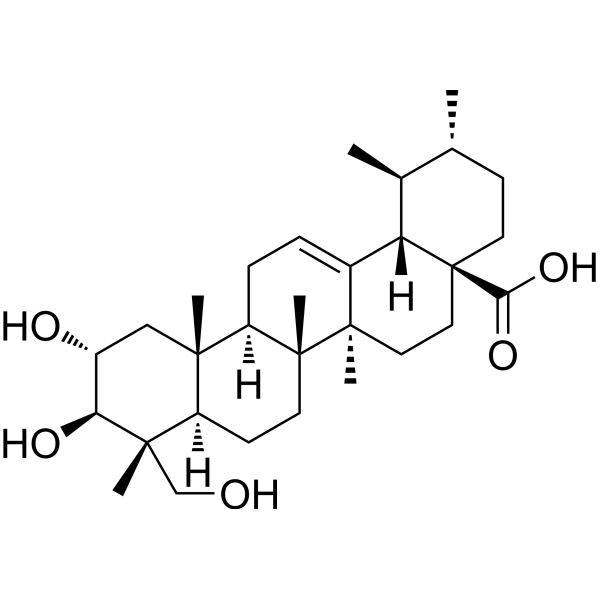
    Asiatic acid
    4 Publications Verification

    Apoptosis Parasite Inflammation/Immunology Cancer
    Asiatic acid, a pentacyclic triterpene found in Centella asiatica (Centella asiatica), has anticancer activity. Asiatic acid induces apoptosis in melanoma cells and has barrier protective effects on human aortic endothelial cells (HAEC). Asiatic acid also has anti-inflammatory activity and inhibits tumor necrosis factor (TNF)-α-induced endothelial barrier dysfunction. Asiatic acid also inhibits NLRP3 inflammasome activation and NF-κB pathway, effectively inhibits inflammation in rats, and has neuroprotective effects in rat spinal cord injury (SCI) model .
    Asiatic acid
  • HY-N0568
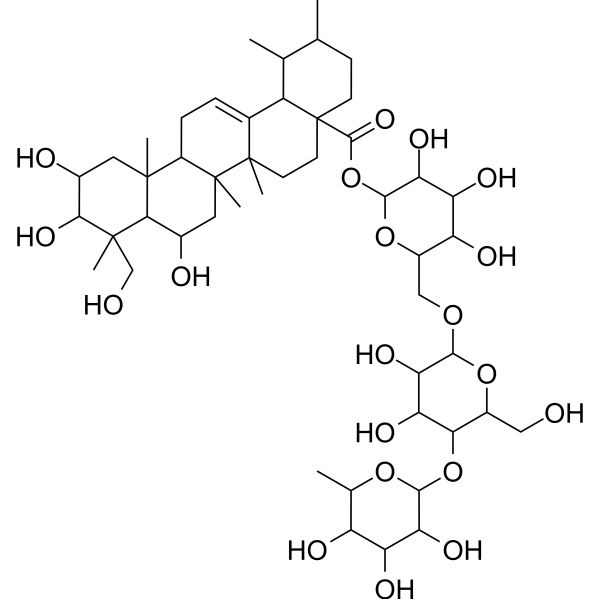
    Madecassoside
    3 Publications Verification

    Asiaticoside A

    Endogenous Metabolite Apoptosis Autophagy Keap1-Nrf2 p38 MAPK Caspase Cardiovascular Disease Others Neurological Disease Inflammation/Immunology Endocrinology Cancer
    Madecassoside is a pentacyclic triterpene isolated from Centella asiatica and has anti-inflammatory properties. Antioxidant and anti-aging effects. Madecassoside is a pentacyclic triterpene isolated from Centella asiatica. Madecassoside is orally active and has inhibitory properties against inflammation, oxidation, apoptosis and autophagy. Madecassosid inhibits activities of p38 MAPK and NF-kB , exhibits an anti-apopototic property, activates Nrf2 expression to reduce the neurotoxicity . Madecassoside can be used in endocrine diseases, cardiovascular diseases, skin diseases and other diseases.
    Madecassoside
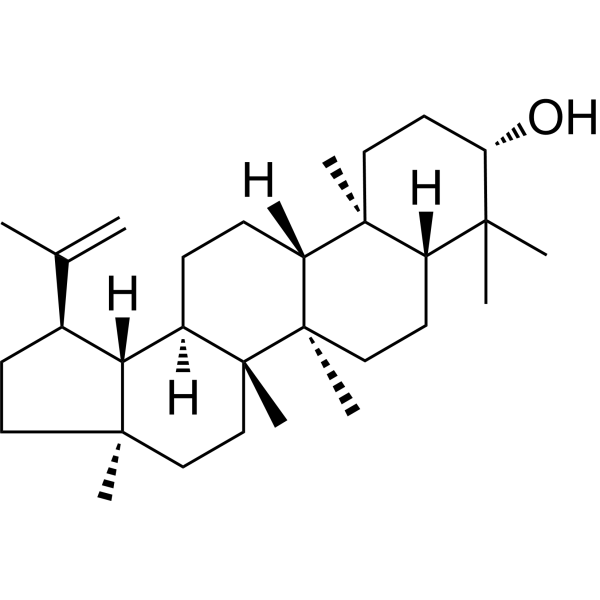
  • HY-N0790
    Lupeol
    5 Publications Verification

    Clerodol; Monogynol B; Fagarasterol

    Androgen Receptor Apoptosis Cancer
    Lupeol (Clerodol; Monogynol B; Fagarasterol) is an active pentacyclic triterpenoid, has anti-oxidant, anti-mutagenic, anti-tumor and anti-inflammatory activity. Lupeol is a potent androgen receptor (AR) inhibitor and can be used for cancer research, especially prostate cancer of androgen-dependent phenotype (ADPC) and castration resistant phenotype (CRPC) .
    Lupeol
  • HY-N8423
    α-Amyrin
    1 Publications Verification

    ERK GSK-3 Apoptosis Caspase COX Infection Neurological Disease Metabolic Disease Inflammation/Immunology Cancer
    α-Amyrin is a pentacyclic triterpenoid compound with oral activity. α-Amyrin activates the ERK and GSK-3β signaling pathways. α-Amyrin can inhibit cancer cells proliferation and induce apoptosis. α-Amyrin shows anti-bacterial and anti-inflammation activity. α-Amyrin can reduce blood glucose level. α-Amyrin can be used for the researches of cancer, infection, inflammation, metabolic disease and neurological disease, such as breast cancer, Streptococcus oralis infection, skin inflammation and diabetes .
    α-Amyrin
  • HY-N1178
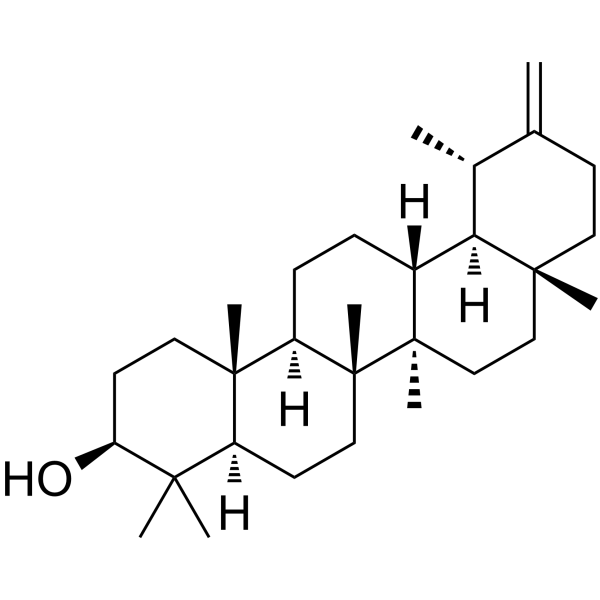
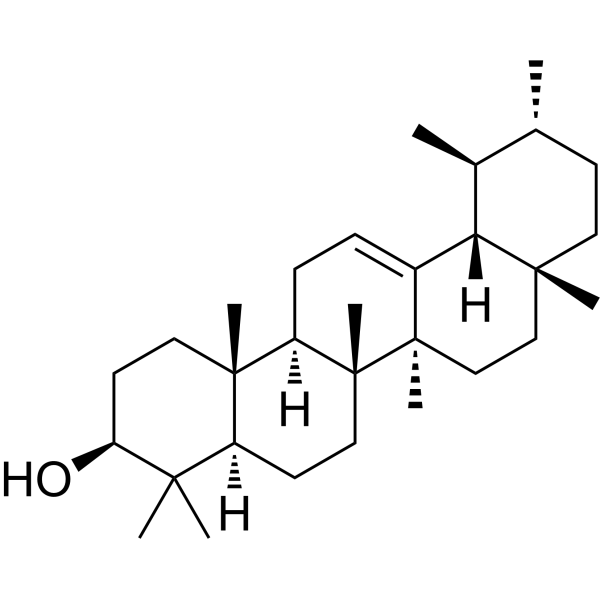
    Taraxasterol
    4 Publications Verification

    Interleukin Related LXR Inflammation/Immunology
    Taraxasterol is a pentacyclic triterpenoid compound isolated from Taraxacum mongolicum. Taraxasterol is an LXRα activator, with metabolic and anti-inflammatory effects. Taraxasterol may be used in research on immune-inflammatory diseases .
    Taraxasterol
  • HY-N6601

    Randialic acid A

    Apoptosis Cancer
    Randialic acid A (Pomolic acid) is a pentacyclic triterpene isolated from?Euscaphis japonica?(Tunb.). Randialic acid A (Pomolic acid) inhibits tumor cells growth and induces cell apoptosis. Randialic acid A (Pomolic acid) has a potential for the treatment of prostate cancer (PC) .
    Pomolic acid
  • HY-N0271
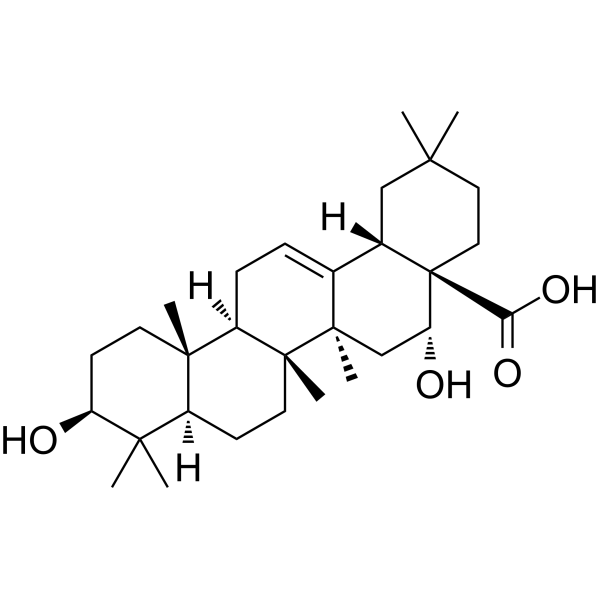
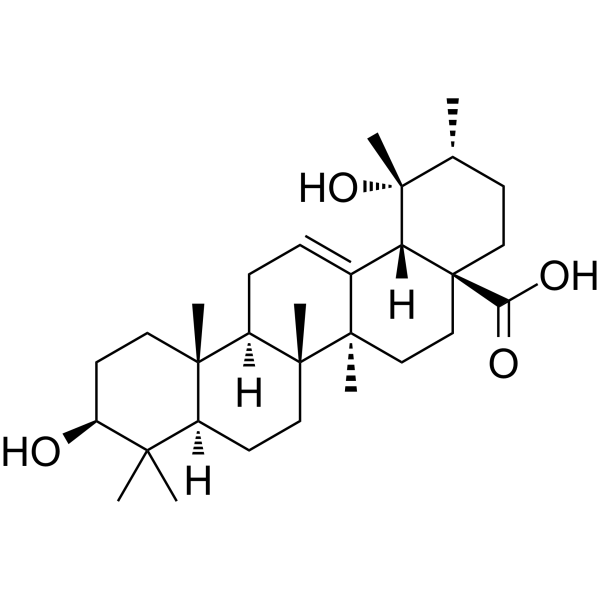
    Echinocystic acid
    3 Publications Verification

    Reactive Oxygen Species (ROS) Apoptosis Neurological Disease Inflammation/Immunology Cancer
    Echinocystic acid is a natural pentacyclic triterpene with potent antioxidant, anti-inflammatory and analgesic activities .
    Echinocystic acid
  • HY-N0611
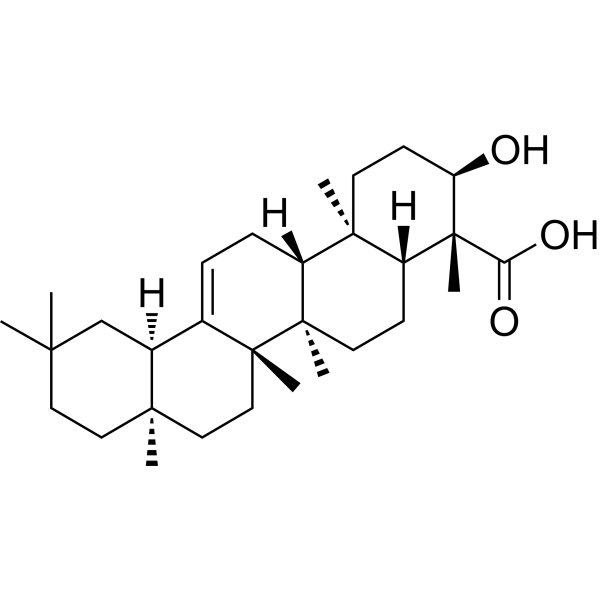
    alpha-Boswellic acid
    1 Publications Verification

    α-Boswellic acid

    Others Neurological Disease Inflammation/Immunology Cancer
    alpha-Boswellic acid (α-Boswellic acid) is an orally active pentacyclic triterpenoid compound that can be extracted from frankincense. alpha-Boswellic acid has anti-inflammatory and antitumor activities. alpha-Boswellic acid can be used in Alzheimer's disease (AD) research .
    alpha-Boswellic acid
  • HY-P10033

    Ser/Thr Protease Others
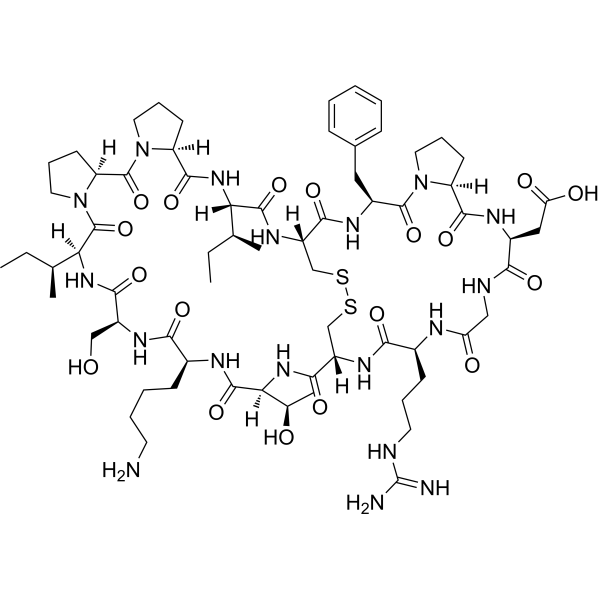
    SFTI-1 is a cyclic peptide trypsin inhibitor consisting of 14 amino acid residues. SFTI-1 belongs to the Bowman-Birk class of inhibitors. Characterized by its small size, high stability, and potent activity, SFTI-1 can be used for research on peptide drug design platforms .
    SFTI-1
  • HY-N2842

    Apoptosis Caspase Metabolic Disease Cancer
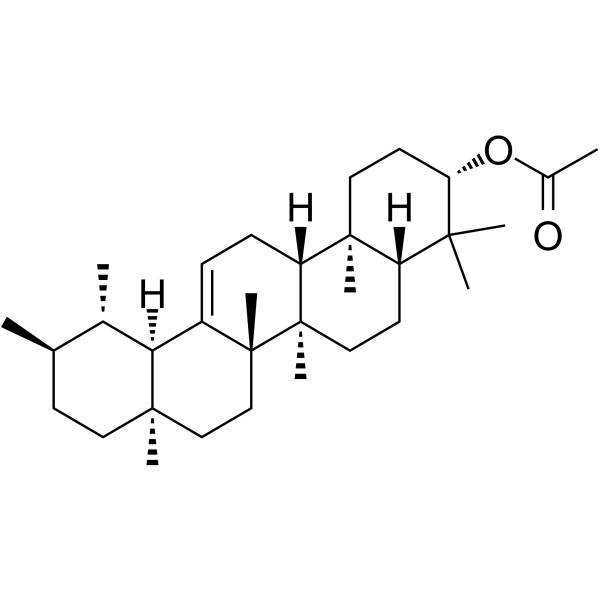
    α-Amyrin acetate is a pentacyclic triterpenoid compound with oral activity. α-Amyrin acetate can inhibit cancer cells proliferation and induce apoptosis. α-Amyrin acetate can reduce blood glucose level. α-Amyrin acetate can be used for the researches of cancer and metabolic disease, such as breast cancer and diabetes .
    α-Amyrin acetate
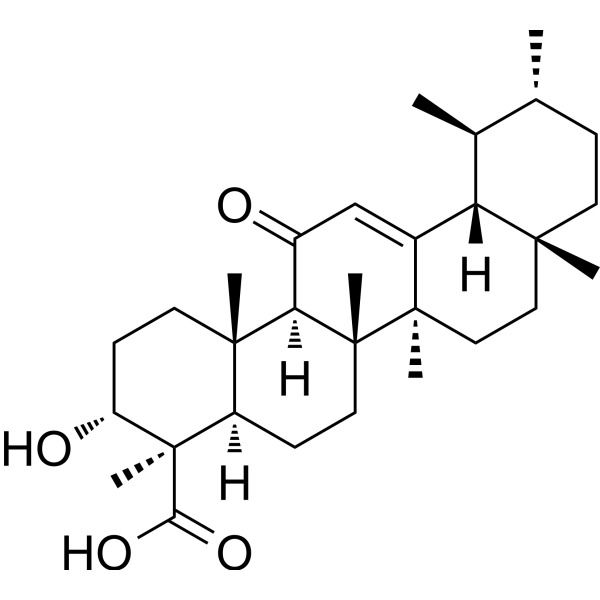
  • HY-N2056

    11-Keto-β-boswellic acid

    Lipoxygenase Leukotriene Receptor NF-κB Metabolic Disease Cancer
    11-Keto-beta-boswellic acid (11-Keto-β-boswellic acid) is a pentacyclic triterpenic acid of the oleogum resin from the bark of the Boswellia serrate tree, popularly known as Indian Frankincense. 11-Keto-beta-boswellic acid has the anti-inflammatory activity is primarily due to inhibit 5-lipoxygenase (5-LOX) and subsequent leukotriene and nuclear factor-kappa B (NF-κB) activation and tumor necrosis factor alpha generation production .
    11-​Keto-​beta-​boswellic acid
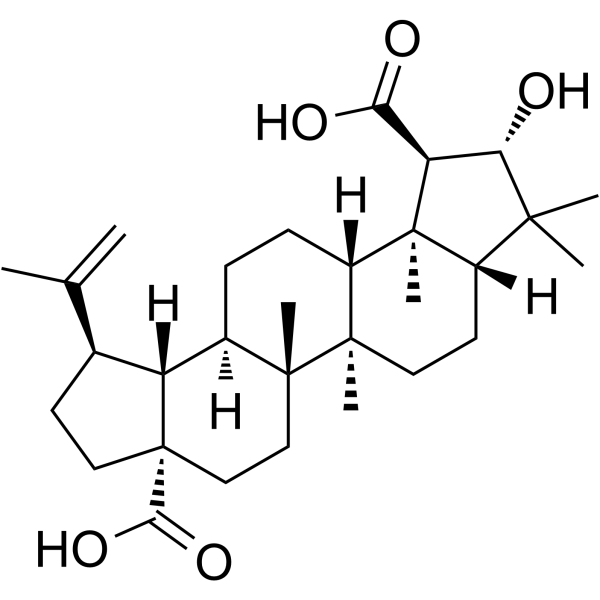
  • HY-N3558

    Emmolic acid

    Bacterial Infection Cancer
    Ceanothic acid (Emmolic acid) is an orally active pentacyclic triterpenoid. Ceanothic acid inhibits the growth of various oral bacteria, including Streptococcus mutans, Actinomyces viscosus, Porphyromonas gingivalis, and Prevotella intermedia. Ceanothic acid scavenges DPPH and H2O2 free radicals. Ceanothic acid inhibits acetic acid (HY-Y0319)-induced writhing response, xylene-induced ear swelling, and carrageenan-induced paw swelling in mice. Ceanothic acid can be used in research related to oral bacterial infections, ovarian cancer, liver cancer, and liver injury .
    Ceanothic acid
  • HY-N7652

    Bacterial Interleukin Related Infection Inflammation/Immunology Cancer
    Terminolic acid is a pentacyclic triterpene glycoside and antibacterial agent. Terminolic acid can be isolated from Combretum racemosum. Terminolic acid inhibits proinflammatory cytokines by binding to the receptor active sites of IL-1β and IL-6. Terminolic acid reduces IL-8. Terminolic acid has antibacterial activity against Staphylococcus aureus, Escherichia coli and Enterococcus faecalis with MICs ranging from 64 to 256 μg/mL. Terminolic acid is used in colon cancer research .
    Terminolic acid
  • HY-N0140R

    Prunol (Standard); Urson (Standard); Malol (Standard)

    Reference Standards Autophagy Endogenous Metabolite Cancer
    Ursolic acid (Standard) is the analytical standard of Ursolic acid. This product is intended for research and analytical applications. Ursolic acid (Prunol) is a natural pentacyclic triterpenoid carboxylic acid, exerts anti-tumor effects and is an effective compound for cancer prevention and therapy.
    Ursolic acid (Standard)
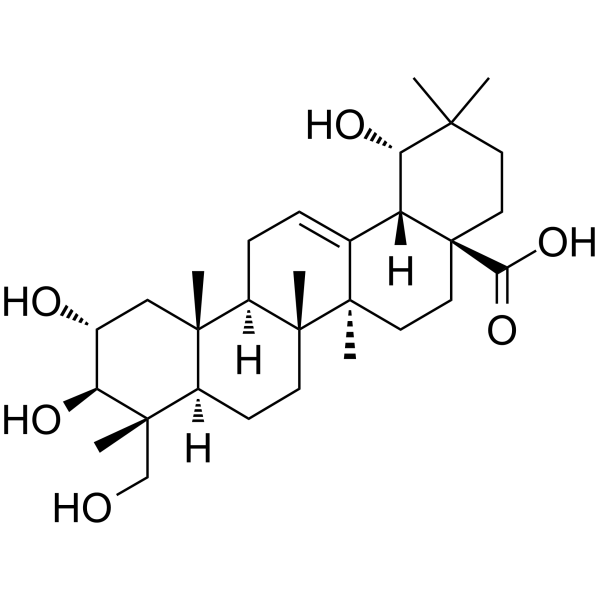
  • HY-N4294

    FXR Insecticide Infection Metabolic Disease Inflammation/Immunology
    Arjungenin, a pentacyclic triterpenoid compound, is a FXR agonist. Arjungenin can improve insulin sensitivity by regulating the function of fat cells. Arjungenin exhibits moderate free radical scavenging activity. Arjungenin has growth inhibitory activity against the insect Spilarctia obliqua. Arjungenin has significant antiviral activity against a series of viruses such as chikungunya Virus (CHIKV) .
    Arjungenin
  • HY-P1206
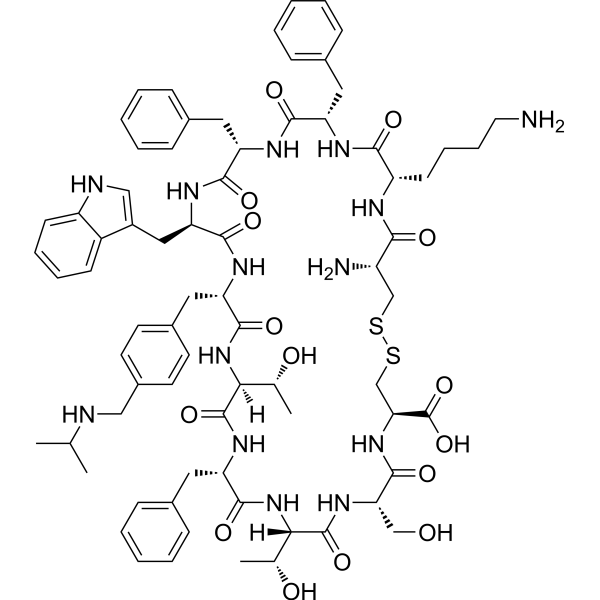
    CH 275
    1 Publications Verification

    Somatostatin Receptor Neurological Disease
    CH 275 is a peptide analog of somatostatin and binds preferably to somatostatin receptor 1 (sst1) with a Ki of 52 nM . CH 275 acts as a potent and selective sst1 agonist (IC50=30.9 nM) and also displays IC50 values of 345 nM, >1 μM, >10 μM, >10 μM for human sst3, sst4, sst2 and sst5, respectively . CH 275 can be used for the research of alzheimer’s disease .
    CH 275
  • HY-N6850
    Calenduloside E
    1 Publications Verification

    Apoptosis Pyroptosis AMPK Bcl-2 Family JAK STAT Calcium Channel Interleukin Related TNF Receptor SOD Reactive Oxygen Species (ROS) PPAR Cardiovascular Disease Inflammation/Immunology
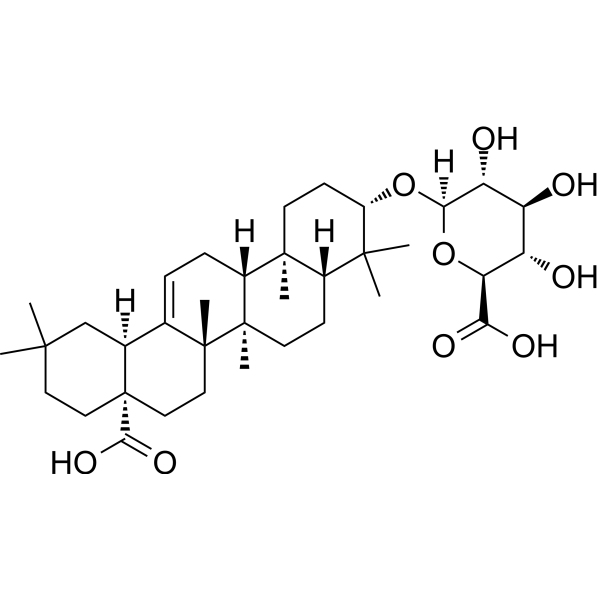
    Calenduloside E is a pentacyclic triterpenoid saponin that can be extracted from the bark and roots of Aralia ovata, and has anti-inflammatory and anti-apoptotic activities. Calenduloside E alleviates atherosclerosis by regulating macrophage polarization, improves mitochondrial function by regulating the AMPK-SIRT3 pathway, and alleviates acute liver injury. In addition, Calenduloside E promotes the interaction between L-type calcium channels and Bcl-2 related apoptosis genes, inhibits calcium overload, and alleviates myocardial ischemia/reperfusion injury. Calenduloside E also improves non-alcoholic fatty liver disease by regulating heat shock-dependent pathways, and inhibits ROS mediated JAK1-STAT3 pathways to reduce cellular inflammatory responses .
    Calenduloside E
  • HY-N6255

    TNF Receptor Inflammation/Immunology Cancer
    Ilexgenin A is a pentacyclic triterpenoid, which extracted from Ilex hainanensis Merr. Ilexgenin A can be used for the research of inflammation and cancer .
    Ilexgenin A
  • HY-N3228

    Others Cardiovascular Disease
    Myrianthic acid is a pentacyclic triterpenoid compound. Myrianthic acid can exist in the root wood of Myrianthus arboreus and the leaves of Campsis grandiflora. Myrianthic acid inhibits adrenaline-induced platelet aggregation, with a IC50 of 46.2 μM for this activity. Myrianthic acid can be used in studies related to thrombosis .
    Myrianthic acid
  • HY-N4165
    Arnidiol
    1 Publications Verification

    Others Others
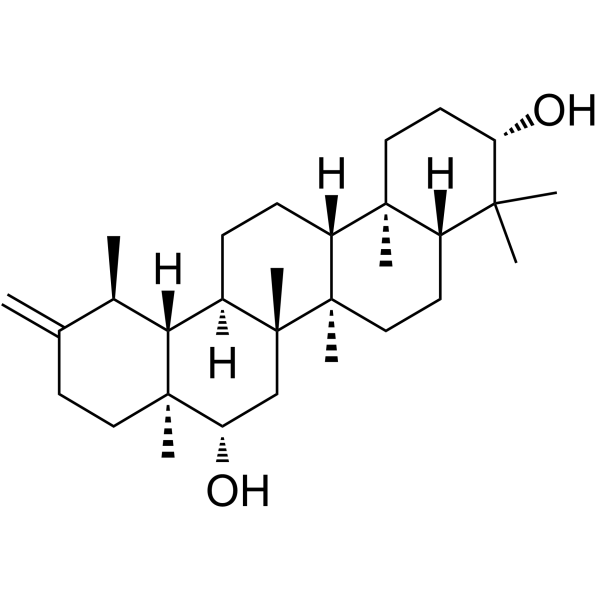
    Arnidiol is a pentacyclic triterpene isolated from Barleria Longiflora Linn F. .
    Arnidiol
  • HY-N0568R

    Asiaticoside A (Standard)

    Reference Standards Endogenous Metabolite Apoptosis Autophagy Keap1-Nrf2 p38 MAPK Caspase Cardiovascular Disease Others Neurological Disease Inflammation/Immunology Endocrinology Cancer
    Madecassoside (Standard) is the analytical standard of Madecassoside. This product is intended for research and analytical applications. Madecassoside is a pentacyclic triterpene isolated from Centella asiatica and has anti-inflammatory properties. Antioxidant and anti-aging effects. Madecassoside is a pentacyclic triterpene isolated from Centella asiatica. Madecassoside is orally active and has inhibitory properties against inflammation, oxidation, apoptosis and autophagy. Madecassosid inhibits activities of p38 MAPK and NF-kB , exhibits an anti-apopototic property, activates Nrf2 expression to reduce the neurotoxicity[10]. Madecassoside can be used in endocrine diseases, cardiovascular diseases, skin diseases and other diseases.
    Madecassoside (Standard)
  • HY-N6946

    NF-κB Interleukin Related Inflammation/Immunology
    Mitraphylline is the major pentacyclic oxindolic alkaloid presented in Uncaria tomentosa. Mitraphylline inhibits lipopolysaccharide-mediated activation of primary human neutrophils. Mitraphylline exhibits antiproliferative activity in human glioma and neuroblastoma cell lines. Mitraphylline can inhibit interleukin release in vivo .
    Mitraphylline
  • HY-N1508

    MMP Apoptosis Autophagy NF-κB TNF Receptor COX Toll-like Receptor (TLR) SOD ASK1 JNK Cardiovascular Disease Inflammation/Immunology Endocrinology Cancer
    Ecliptasaponin A is an orally active pentacyclic triterpenoid saponin. Ecliptasaponin A exerts anti-tumor activity by activating ASK1/JNK pathway, inducing apoptosis and autophagy in lung cancer cells. Ecliptasaponin A exerts anti-inflammatory/anti-fibrotic effects and protects the cardiovascular system by inhibiting the HMGB1/TLR4/NF-κB pathway, and the expression of COX-2 and MMP-9. Ecliptasaponin A can enhance SOD activity, reduce MDA levels, and alleviate oxidative stress damage. Ecliptasaponin A exerts chondroprotective effects by inhibiting the expression of MMP13 and regulating inflammatory factors. Ecliptasaponin A improves ovarian function and regulates sex hormones by upregulating the expression of ESR1 receptors .
    Ecliptasaponin A
  • HY-N10449

    Antibiotic Apoptosis Bacterial Cancer
    Resistomycin, a pentacyclic polyketide antibiotic, possesses anticancer activity and induces apoptosis .
    Resistomycin
  • HY-10529R

    Lupatic acid (Standard); Betulic acid (Standard)

    Reference Standards Apoptosis Topoisomerase HIV Autophagy Mitophagy NF-κB Endogenous Metabolite Parasite Infection Inflammation/Immunology Cancer
    Betulinic acid (Standard) is the analytical standard of Betulinic acid. This product is intended for research and analytical applications. Betulinic acid is a natural pentacyclic triterpenoid, acts as a eukaryotic topoisomerase I inhibitor, with an IC50 of 5 μM, and possesses anti-HIV, anti-malarial, anti-inflammatory and anti-tumor properties . Betulinic acid can cross the blood-brain barrier.
    Betulinic acid (Standard)
  • HY-N0194R

    Reference Standards Apoptosis Parasite Inflammation/Immunology Cancer
    Asiatic acid (Standard) is the analytical standard of Asiatic acid. This product is intended for research and analytical applications. Asiatic acid, a pentacyclic triterpene found in Centella asiatica (Centella asiatica), has anticancer activity. Asiatic acid induces apoptosis in melanoma cells and has barrier protective effects on human aortic endothelial cells (HAEC). Asiatic acid also has anti-inflammatory activity and inhibits tumor necrosis factor (TNF)-α-induced endothelial barrier dysfunction. Asiatic acid also inhibits NLRP3 inflammasome activation and NF-κB pathway, effectively inhibits inflammation in rats, and has neuroprotective effects in rat spinal cord injury (SCI) model .
    Asiatic acid (Standard)
  • HY-N7635

    β-D-Glucopyranosyl oleanolate

    NO Synthase COX Interleukin Related Claudin p38 MAPK Akt PI3K Inflammation/Immunology
    Oleanolic acid 28-O-β-D-glucopyranoside (β-D-Glucopyranosyl oleanolate) is an orally active pentacyclic triterpenoid compound. Oleanolic acid 28-O-β-D-glucopyranoside has anti-inflammatory effects. In ulcerative colitis models, Oleanolic acid 28-O-β-D-glucopyranoside can inhibit the inflammatory response, enhance the intestinal epithelial barrier function, and modulate the gut microbiota. Its mechanism of action is related to the PI3K-AKT and MAPK signaling pathways. Oleanolic acid 28-O-β-D-glucopyranoside can be used in the research of diseases such as colitis .
    Oleanolic acid 28-O-β-D-glucopyranoside
  • HY-N8879

    (-)-Wilforol A

    Others Metabolic Disease
    Wilforol A ((-)-Wilforol A), plant metabolite, is a pentacyclic triterpenoid. Wilforol A can be used for the research of various biochemical studies .
    Wilforol A
  • HY-P3193A

    Biochemical Assay Reagents Others
    Cyclic nona-L-arginine hydrochloride, a nonaarginine peptide used for drug delivery, translocates faster than their linear counterparts .
    Cyclic nona-L-arginine hydrochloride
  • HY-W744739

    Lupatic acid-d3; Betulic acid-d3

    Isotope-Labeled Compounds Apoptosis Topoisomerase HIV Autophagy Mitophagy NF-κB Endogenous Metabolite Parasite Infection Inflammation/Immunology Cancer
    Betulinic acid-d3 (Lupatic acid-d3) is a deuterium labeled Betulinic acid (HY-10529). Betulinic acid is a natural pentacyclic triterpenoid, acts as a eukaryotic topoisomerase I inhibitor, with an IC50 of 5 μM, and possesses anti-HIV, anti-malarial, anti-inflammatory and anti-tumor properties . Betulinic acid can cross the blood-brain barrier.
    Betulinic acid-d3
  • HY-P10027

    Antibiotic Bacterial Infection
    Clovibactin is an antibiotic for drug-resistant bacterial pathogens without detectable resistance. Clovibactin TFA inihibits cell wall synthesis by targeting pyrophosphate of peptidoglycan precursors .
    Clovibactin
  • HY-P10027A

    Antibiotic Bacterial Infection
    Clovibactin TFA is the TFA salt form of Clovibactin (HY-P10027). Clovibactin TFA is an antibiotic for drug-resistant bacterial pathogens without detectable resistance. Clovibactin TFA inihibits cell wall synthesis by targeting pyrophosphate of peptidoglycan precursors .
    Clovibactin TFA
  • HY-128366

    Apoptosis Cancer
    Waltonitone is a ursane-type pentacyclic triterpene isolated from Gentian waltonii Burkill. Waltonitone significantly inhibits hepatocellular carcinoma cells growth and induces apoptosis in vitro and in vivo .
    Waltonitone
  • HY-N1037

    Delta-Amyrone

    Drug Derivative Inflammation/Immunology
    δ-Amyrenone (Delta-Amyrone) is a pentacyclic triterpene compound from S. lineare, with anti-inflammatory effects .
    δ-Amyrenone
  • HY-N11601

    Drug Derivative Inflammation/Immunology
    Tripterygone is a chemical component that can be extracted from Tripterygium wilfordii. Tripterygone is a pentacyclic triterpenoid compound. Tripterygone is a potential anti-inflammatory agent .
    Tripterygone
  • HY-119784

    Fungal Cancer
    Eupenifeldin is pentacyclic bistropolone isolated from cultures of Eupenicillium brefeldianum ATCC 74184. Eupenifeldin is cytotoxic against the HCT-116 cell line. Eupenifeldin has the potential for the research of leukemia .
    Eupenifeldin
  • HY-N1178R

    Others Interleukin Related LXR Reference Standards Inflammation/Immunology
    Taraxasterol (Standard) is the analytical standard of Taraxasterol. This product is intended for research and analytical applications. Taraxasterol is a pentacyclic triterpenoid compound isolated from Taraxacum mongolicum. Taraxasterol is an LXRα activator, with metabolic and anti-inflammatory effects. Taraxasterol may be used in research on immune-inflammatory diseases .
    Taraxasterol (Standard)
  • HY-N16467

    Speciofiline

    Others Cardiovascular Disease Neurological Disease Inflammation/Immunology Cancer
    Uncarine F (Speciofiline) is a pentacyclic oxindole alkaloid found in Uncaria tomentosa. Uncaria alkaloids have wide medicinal properties, including neuroprotective, anticancer, and antihypertensive activities. Uncaria alkaloids may stimulate the immune system, relax smooth muscles, dilate blood vessels, and act as a diuretic. Uncarine F can be used for the researches of cancer, immunology, cardiovascular and neurological disease .
    Uncarine F
  • HY-N0790R

    Clerodol (Standard); Monogynol B (Standard); Fagarasterol (Standard)

    Reference Standards Androgen Receptor Apoptosis Cancer
    Lupeol (Standard) is the analytical standard of Lupeol. This product is intended for research and analytical applications. Lupeol (Clerodol; Monogynol B; Fagarasterol) is an active pentacyclic?triterpenoid, has anti-oxidant, anti-mutagenic, anti-tumor and anti-inflammatory activity. Lupeol is a potent?androgen receptor (AR)?inhibitor and can be used for cancer research, especially prostate cancer of androgen-dependent phenotype (ADPC) and castration resistant phenotype (CRPC) .
    Lupeol (Standard)
  • HY-N8423R

    Reference Standards ERK GSK-3 Apoptosis Caspase COX Infection Neurological Disease Metabolic Disease Inflammation/Immunology Cancer
    α-Amyrin (Standard) is a pentacyclic triterpenoid compound with oral activity. α-Amyrin (Standard) activates the ERK and GSK-3β signaling pathways. α-Amyrin (Standard) can inhibit cancer cells proliferation and induce apoptosis. α-Amyrin (Standard) shows anti-bacterial and anti-inflammation activity. α-Amyrin (Standard) can reduce blood glucose level. α-Amyrin (Standard) can be used for the researches of cancer, infection, inflammation, metabolic disease and neurological disease, such as breast cancer, Streptococcus oralis infection, skin inflammation and diabetes .
    α-Amyrin (Standard)
  • HY-N3565

    Others Others
    Cephalocyclidin A is a pentacyclic alkaloid and can be isolated from Cephalotaxus harringtonia var.nana .
    Cephalocyclidin A
  • HY-145869

    NO Synthase Inflammation/Immunology
    Anti-inflammatory agent 12 (Compound 2) is a pentacyclic triterpene compound. Anti-inflammatory agent 12 shows a significant bias in the LPS-induced inflammatory response with an IIC50 value of 2.22 μM. Anti-inflammatory agent 12 has the potential for the research of inflammation disease .
    Anti-inflammatory agent 12
  • HY-128470

    GR-30921

    Drug Derivative Cancer
    Mitoquidone (GR-30921) is is the first member of a group of pentacyclic pyrroloquinones. Mitoquidone shows good activity in a range of experimental solid tumour models. Mitoquidone can be used for the research of anti-cancer .
    Mitoquidone
  • HY-145870

    NO Synthase Inflammation/Immunology
    Anti-inflammatory agent 13 (Compound 3) is a pentacyclic triterpene compound. Anti-inflammatory agent 13 exhibits a considerable inhibitory effect on inflammation models. Anti-inflammatory agent 13 has the potential for the research of either DAMPs or PAMPs triggered inflammation .
    Anti-inflammatory agent 13
  • HY-N8781

    Others Others
    Tetrahymanol is a pentacyclic triterpenoid that can be found in Tetrahymena pyriformis .
    Tetrahymanol
  • HY-125344

    Endogenous Metabolite Infection
    Fusarisetin A, a pentacyclic fungal metabolite, is an acinar morphogenesis inhibitor .
    Fusarisetin A
  • HY-N12190

    Others Others
    Centellasaponin A (compound 10) is a pentacyclic triterpene saponin isolated from the methanolic extract of Centella asiatica .
    Centellasaponin A

Inquiry Online

Your information is safe with us. * Required Fields.

Salutation


Country or Region *

Applicant Name *


Organization Name *

Department *


Email Address *


Product Name *

Cat. No.


Requested quantity *

Phone Number *


Remarks

Inquiry Online

Inquiry Information

Product Name:
Cat. No.:
Quantity:
MCE Japan Authorized Agent:

