
78 Results for "

peritonitis

" in MedChemExpress (MCE) Product Catalog:
Products (78)

78 Results for "peritonitis" in MCE Product Catalog:

27
27 Publications Verification
Cat. No.: HY-103586
CAS No.: 1191237-69-0
Purity:  99.89%
Research Areas:  

Infection

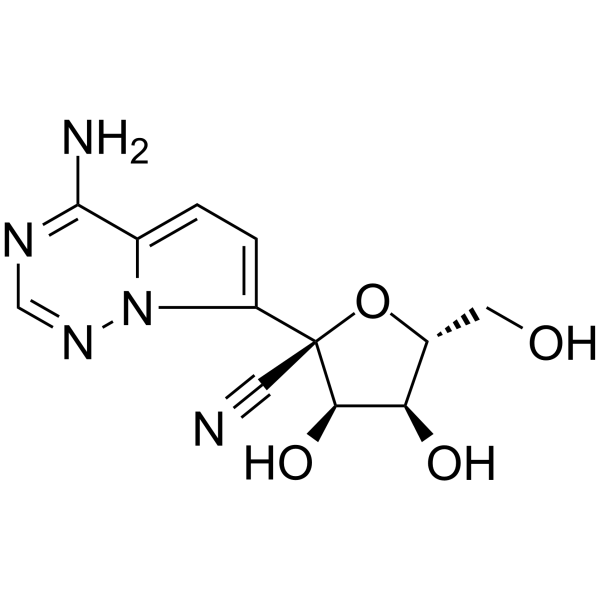
GS-441524 is a potent, orally active and CNS-penetrant viral RNA-dependent RNA polymerase inhibitor. GS-441524 competes with natural nucleosides to block viral RNA transcription as an alternative substrate and RNA chain terminator. GS-441524 inhibits the replication of feline infectious peritonitis virus, African swine fever virus, and severe acute respiratory syndrome coronavirus 2. GS-441524 reduces viral RNA levels in cats. GS-441524 can be used in research related to feline infectious peritonitis, African swine fever, and coronavirus disease 2019 (COVID-19) .
loading...
    loading...
27
27 Publications Verification
Cat. No.: HY-103586A
CAS No.: 2378280-82-9
Research Areas:  

Infection

GS-441524 hydrochloride is a potent, orally active and CNS-penetrant viral RNA-dependent RNA polymerase inhibitor. GS-441524 hydrochloride competes with natural nucleosides to block viral RNA transcription as an alternative substrate and RNA chain terminator. GS-441524 hydrochloride inhibits the replication of feline infectious peritonitis virus, African swine fever virus, and severe acute respiratory syndrome coronavirus 2. GS-441524 hydrochloride reduces viral RNA levels in cats. GS-441524 hydrochloride can be used in research related to feline infectious peritonitis, African swine fever, and coronavirus disease 2019 (COVID-19) .
loading...
    loading...
3
3 Cited Publications
Cat. No.: HY-B0466B
CAS No.: 642-78-4
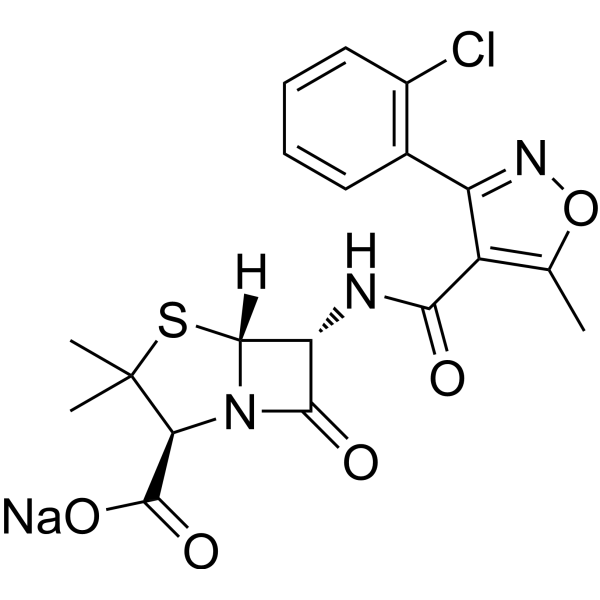
Cloxacillin sodium is an orally active antibacterial agent and β-lactamase inhibitor with an IC50 of 0.04 µM. Cloxacillin sodium can suppress the S. aureus-induced inflammatory response by inhibiting the activation of MAPKs, NF-кB and NLRP3-related proteins .
loading...
    loading...
3
3 Cited Publications
Cat. No.: HY-B0466
CAS No.: 7081-44-9
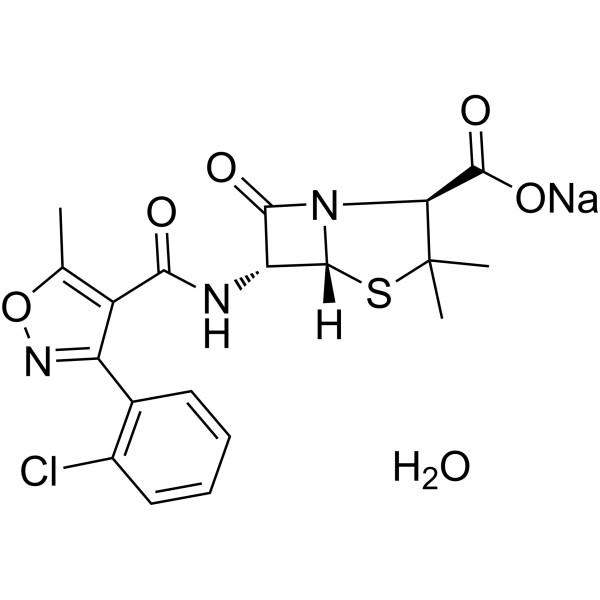
Cloxacillin sodium monohydrate is an orally active antibacterial agent and β-lactamase inhibitor with an IC50 of 0.04 µM. Cloxacillin sodium monohydrate can suppress the S. aureus-induced inflammatory response by inhibiting the activation of MAPKs, NF-кB and NLRP3-related proteins .
loading...
    loading...
3
3 Cited Publications
Cat. No.: HY-B0977
CAS No.: 13412-64-1
Synonyms: Dicloxacillin sodium salt monohydrate
Target:  

Bacterial Antibiotic

Research Areas:  

Infection Inflammation/Immunology

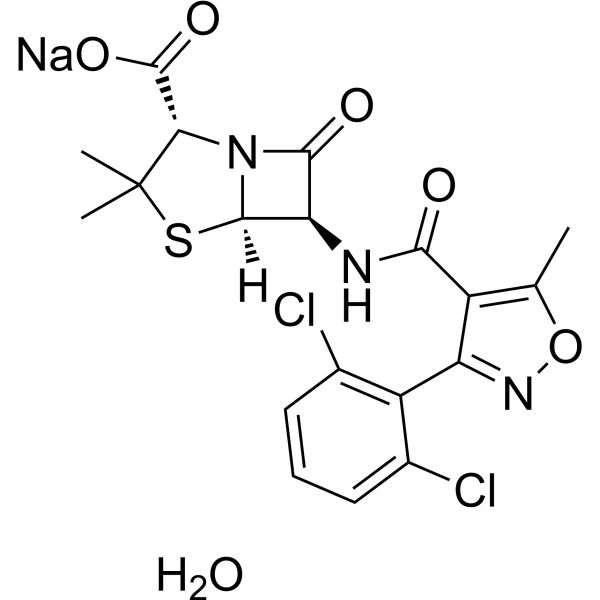
Dicloxacillin Sodium hydrate (Dicloxacillin sodium salt monohydrate) is a narrow-spectrum β-Lactam antibiotic of the penicillin class, is used to treat infections caused by susceptible Gram-positive bacteria, active against beta-lactamase-producing organisms such as Staphylococcus aureus .
loading...
    loading...
3
3 Cited Publications
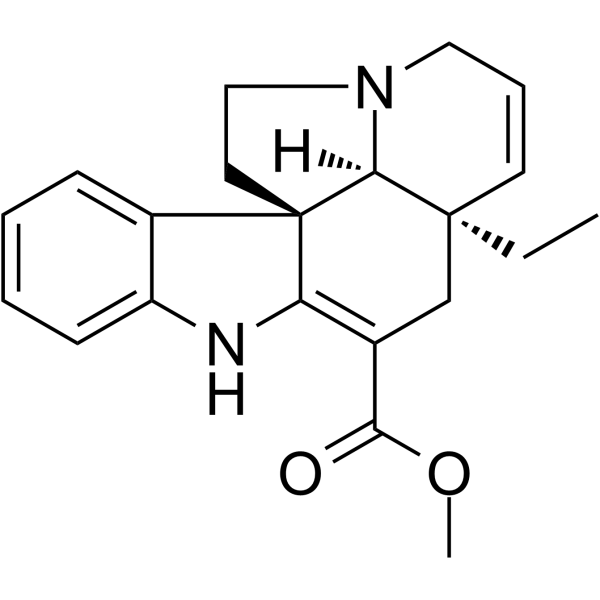
Cat. No.: HY-N1431
CAS No.: 4429-63-4
Tabersonine is a selective, orally active NLRP3 inhibitor. Tabersonine directly binds to the NACHT domain of NLRP3, inhibiting its ATPase activity and oligomerization, thereby blocking ASC spot formation and caspase-1 activation, and reducing the release of pro-inflammatory cytokines such as IL-1β. Tabersonine also inhibits K63-linked ubiquitination of TRAF6, blocking NF-κB, PI3K/Akt, and p38 MAPK signaling pathways. Tabersonine can inhibit inflammatory responses, induce apoptosis of liver cancer cells through mitochondrial pathways and death receptor pathways, reduce mitochondrial membrane potential, promote cytochrome c release, and activate caspase proteins. Tabersonine is mainly used in the study of NLRP3-driven inflammatory diseases (such as acute lung injury, sepsis, peritonitis) and tumors such as liver cancer .
loading...
    loading...
3
3 Cited Publications
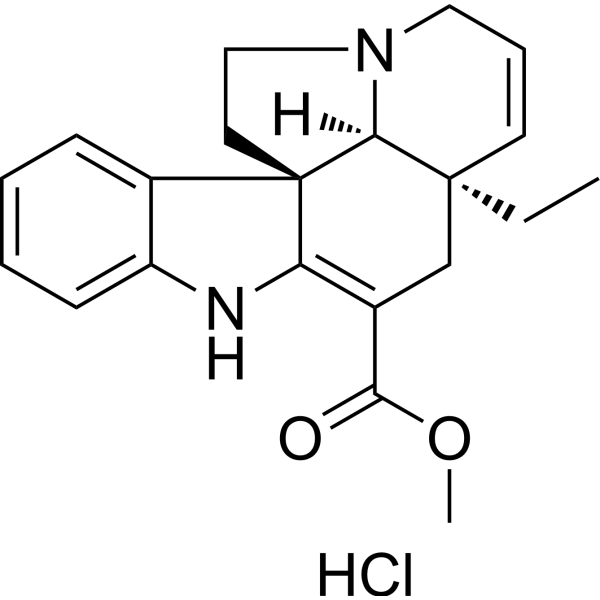
Cat. No.: HY-N1431A
CAS No.: 29479-00-3
Tabersonine hydrochloride is a selective, orally active NLRP3 inhibitor. Tabersonine hydrochloride directly binds to the NACHT domain of NLRP3, inhibiting its ATPase activity and oligomerization, thereby blocking ASC spot formation and caspase-1 activation, and reducing the release of pro-inflammatory cytokines such as IL-1β. Tabersonine hydrochloride also inhibits K63-linked ubiquitination of TRAF6, blocking NF-κB, PI3K/Akt, and p38 MAPK signaling pathways. Tabersonine hydrochloride can inhibit inflammatory responses, induce apoptosis of liver cancer cells through mitochondrial pathways and death receptor pathways, reduce mitochondrial membrane potential, promote cytochrome c release, and activate caspase proteins. Tabersonine hydrochloride is mainly used in the study of NLRP3-driven inflammatory diseases (such as acute lung injury, sepsis, peritonitis) and tumors such as liver cancer .
loading...
    loading...
2
2 Cited Publications
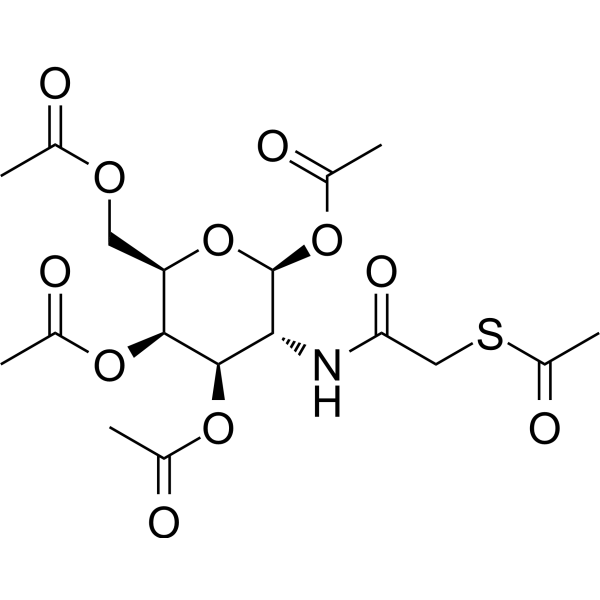
Cat. No.: HY-160109
Target:  

Mucin

Research Areas:  

Inflammation/Immunology Cancer

Ac5GalNTGc is a potent, peracetylated C-2 thioglycolyl-substituted GalNAc analog that efficiently inhibits mucin-type O-glycan biosynthesis. Ac5GalNTGc reduces leukocyte sialyl-Lewis-X expression and inhibits L-/P-selectin mediated rolling under flow, as well as P-selectin dependent leukocyte-platelet adhesion. Ac5GalNTGc exhibits anti-inflammatory activity in a thioglycollate-induced acute peritonitis model. Ac5GalNTGc can be used for studies of O-glycan/mucin biology, inflammation, and related translational research .
loading...
    loading...
1
1 Cited Publications
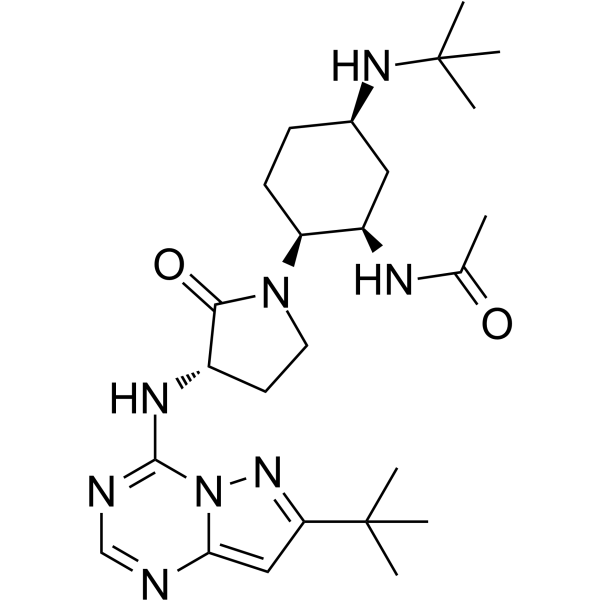
Cat. No.: HY-109593
CAS No.: 1286279-29-5
Purity:  99.93%
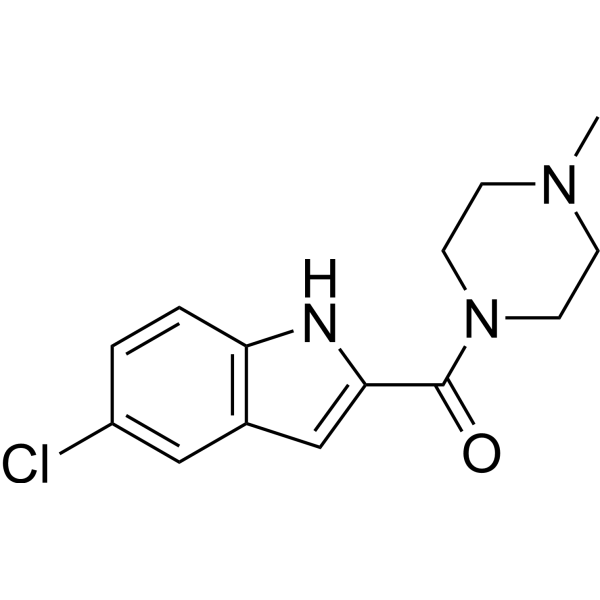
BMS-813160 is a potent and selective CCR2/5 dual antagonist. BMS-813160 binds with CCR2 and CCR5 with IC50s of 6.2 and 3.6 nM, respectively. BMS-813160 can be used for the research of inflammation .
loading...
    loading...
1
1 Cited Publications
Cat. No.: HY-P990118

Target:  

Inhibitory Antibodies

Research Areas:  

Inflammation/Immunology

Anti-Mouse Ly6G Antibody (1A8) is a rat-derived anti-mouse Ly6G IgG2a, κ type antibody inhibitor. Anti-Mouse Ly6G Antibody (1A8) can deplete neutrophil in various mice. Anti-Mouse Ly6G Antibody (1A8) can be used for the researches of inflammation, such as arthritis and peritonitis [2].
loading...
    loading...
1
1 Cited Publications
Cat. No.: HY-W115724
CAS No.: 367-51-1
Thioglycolate sodium is used in inflammation research to elicit a neutrophil and macrophage response in vivo. Thioglycolate sodium can induce peritonitis in vivo .
loading...
    loading...
1
1 Cited Publications
Cat. No.: HY-13508
CAS No.: 459168-41-3
Purity:  99.95%
Target:  

Histamine Receptor

Research Areas:  

Inflammation/Immunology

JNJ-7777120 is a potent and selective histamine H4 receptor antagonist (Ki=4.5 nM). JNJ-7777120 effectively blocks histamine-induced migration of mouse tracheal mast cells from connective tissue to epithelial cells. JNJ-7777120 also significantly blocks neutrophil infiltration in a mouse Zymosan-induced peritonitis model. JNJ-7777120 has a good potential to study antipruritic and anti-inflammatory .
loading...
    loading...
1
1 Cited Publications
Cat. No.: HY-125650
CAS No.: 1566586-52-4
Purity:  ≥96.0%
Synonyms: PUM
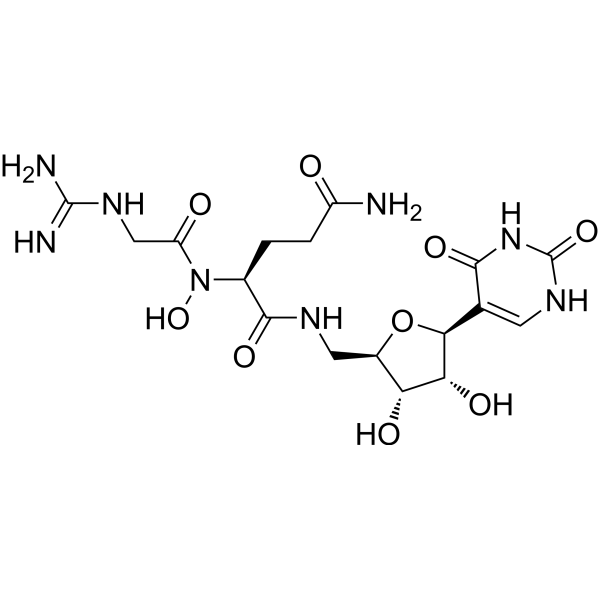
Pseudouridimycin (PUM) is an antibiotic that selectively inhibits bacterial RNA polymerase (RNAP), with an IC50 of about 0.1 μM and MICs of 4-6 μg/mL. Pseudouridimycin is a C-nucleoside analogue that's effective against both Gram-negative and Gram-positive bacteria. Pseudouridimycin inhibits bacterial growth in vitro and shows activity in a mouse model of purulent streptococcal peritonitis .
loading...
    loading...
1
1 Cited Publications
Cat. No.: HY-125527A
CAS No.: 528583-91-7
Purity:  99.1%
Synonyms: 17(R)-RvD1; AT-RvD1
Target:  

TRP Channel

Research Areas:  

Inflammation/Immunology

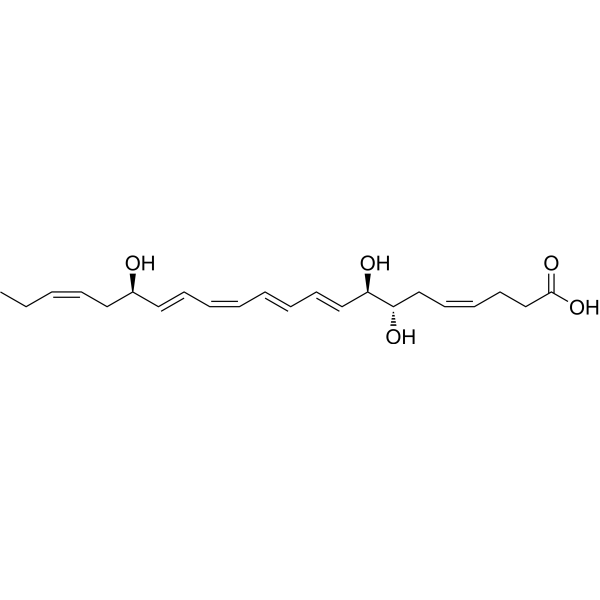
17R-Resolvin D1 (17R-RvD1; AT-RvD1) is an aspirin-triggered epimer of Resolvin D1, which exhibits anti-inflammatory activity in mice and human PMNs cells . 17R-Resolvin D1 specificially inhibits TRPV3 with an IC50 of 398 nM and exhibits peripheral anti-nociceptive efficacy .
loading...
    loading...
Cat. No.: HY-169996
CAS No.: 2557349-50-3
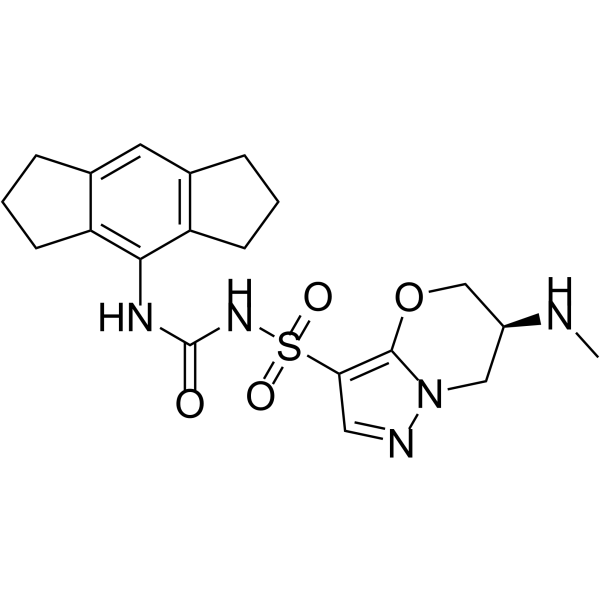
NP3-253 is an orally active and brain-penetranted NLRP3 inflammasome inhibitor. NP3-253 functions as a molecular glue that prevents NACHT-subdomain rearrangements, locking NLRP3 in an inactive conformation. NP3-253 inhibits production of pro-inflammatory cytokines IL-1β and IL-18. NP3-253 can be used for the research of inflammation and neurological disease, suah as peritonitis .
loading...
    loading...
Cat. No.: HY-100897
CAS No.: 57821-29-1
Target:  

Thrombin

Research Areas:  

Cardiovascular Disease

Sulodexide is a mixture of glycosaminoglycans available in soft capsule form for oral administration. It is composed of low molecular weight heparin (80%) and dermatan sulfate (20%). Sulodexide exhibits antithrombotic activity through interaction with antithrombin III (AT III) and heparin cofactor II (HC II), and inhibition of thrombin formation. Sulodexide exhibits profibrinolytic activity through release of tissue plasminogen activator (tPA). Sulodexide exhibits endothelial protective and anti-inflammatory effect, ameliorates chronic venous disease . Sulodexide is a glycosaminoglycan mixture available in soft gelatin capsule form for oral administration.
loading...
    loading...
Cat. No.: HY-126213
CAS No.: 326589-90-6
Purity:  ≥99.0%
Synonyms: 18:1 Lyso-PS
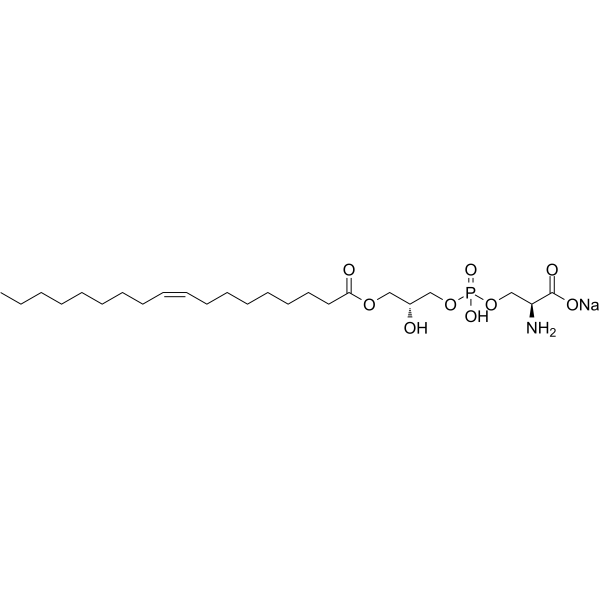
Oleoyl-2-hydroxy-sn-glycero-3-phospho-L-serine sodium (18:1 Lyso-PS) is a modified PS product generated following NADPH oxidase activation and Lyso-PS signal transduction. 1-Oleoyl-2-hydroxy-sn-glycero-3-phospho-L-serine sodium signals through macrophage G2A to enhance the phagocytic uptake of PS-dependent apoptotic (apoptosis) neutrophils and PS-exposed activated neutrophils. 1-Oleoyl-2-hydroxy-sn-glycero-3-phospho-L-serine sodium enhances macrophage phagocytic uptake of apoptotic cells, carboxylate-modified microspheres, and PS-exposed non-apoptotic activated neutrophils. 1-Oleoyl-2-hydroxy-sn-glycero-3-phospho-L-serine sodium serves as an acyl acceptor substrate for the lysophosphatidyltransferase At1g78690p to generate diacylphosphatidylserine. 1-Oleoyl-2-hydroxy-sn-glycero-3-phospho-L-serine sodium reduces the secretion of IL-8 and decreases the proportion of viable colon cancer cells. 1-Oleoyl-2-hydroxy-sn-glycero-3-phospho-L-serine sodium is applicable to studies on peritonitis and inflammatory bowel disease .
loading...
    loading...
Cat. No.: HY-148258
CAS No.: 2238822-07-4
Purity:  99.54%
GDC-2394 is an orally active and selective NLRP3 inhibitor, and also inhibits IL-1β with IC50s of 0.4 μM (human IL-1β) and 0.1 μM (mouse IL-1β). GDC-2394 inhibits NLRP3-induced caspase-1 activity without inhibiting NLRC4-dependent inflammasome activation. GDC-2394 could be used to study gouty arthritis.
loading...
    loading...
Cat. No.: HY-163159
CAS No.: 2409825-32-5
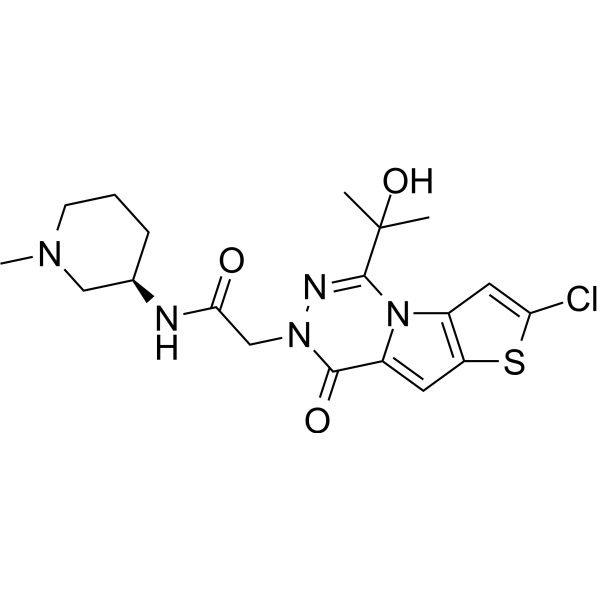
NP3-562 is an orally active NLRP3 Inhibitor. NP3-562 inhibits IL-1β release in the supernatant of Nigericin (HY-127019)-stimulated THP-1 cells (IC50 = 66 nM), human whole blood (IC50 = 214 nM) and a mouse acute peritonitis model. NP3-562 can be used for the study of acute peritonitis .
loading...
    loading...
Cat. No.: HY-P5557
CAS No.: 1429184-62-2
Target:  

Bacterial Necroptosis

Research Areas:  

Infection Inflammation/Immunology

TP4 (Nile tilapia piscidin) is an orally active amphipathic α-helical cationic antimicrobial peptide. TP4 (Nile tilapia piscidin) exerts broad-spectrum bactericidal activity against Gram-positive and Gram-negative bacteria by disrupting cell membrane structures, and also exhibits certain hemolytic activity. TP4 (Nile tilapia piscidin) regulates the innate immune system and enhances the expression of lysozymes, cytokines and antioxidant enzymes to resist bacterial infection. TP4 (Nile tilapia piscidin) also stimulates the proliferation of keratinocytes and fibroblasts, and significantly promotes the healing of wounds infected with MRSA. TP4 (Nile tilapia piscidin) can be used in research related to bacterial infection, peritonitis, wound healing and other fields .
loading...
    loading...

