
1. Search Result
Search Result
Results for "

pharmacokinetic studies

" in MedChemExpress (MCE) Product Catalog:

61

Inhibitors & Agonists

6

Screening Libraries

1

Biochemical Assay Reagents

1

Peptides

2

Inhibitory Antibodies

1

Natural
Products

3

Isotope-Labeled Compounds

1

Oligonucleotides

Cat. No. Product Name Target Research Areas Chemical Structure
  • HY-175510

    TREM receptor Neurological Disease
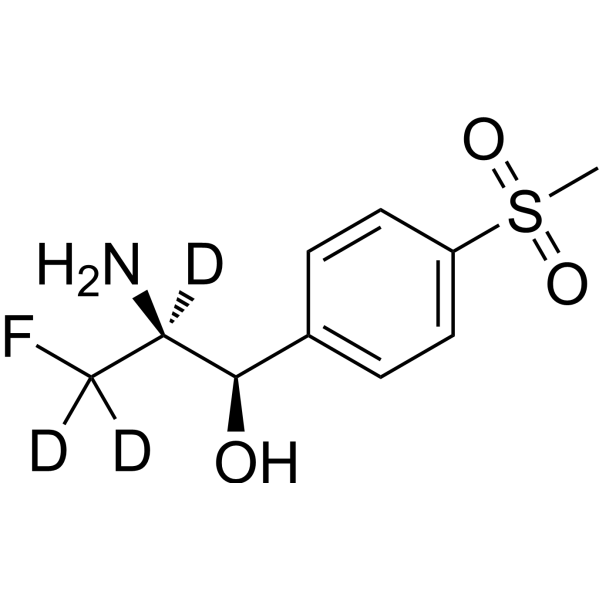
    TREM2 agonist-5 is the microglial lipid-sensing receptor (TREM2) agonist with a Kd of 71.36 μM. TREM2 agonist-5 is a racemic structural analog of the TREM2 agonist VG-3927 and exhibits superior microglial phagocytosis and activates TREM2 signaling in HEK293-hTREM2/DAP12 cells. TREM2 agonist-5 displays a superior in vitro pharmacokinetic profile to VG-3927. TREM2 agonist-5 can used for the study of Alzheimer’s disease .
    TREM2 agonist-5
  • HY-136336
    Tofacitinib metabolite-1
    1 Publications Verification

    Drug Metabolite Others
    Tofacitinib metabolite-1 is a metabolite of Tofacitinib, a JAK inhibitor. Tofacitinib metabolite-1 can be used in the pharmacokinetics and metabolism studies of tofacitinib .
    Tofacitinib metabolite-1
  • HY-P99638

    ALXN-1720

    Complement System Inflammation/Immunology
    Gefurulimab (ALXN-1720) is a high-affinity antibody inhibitor targeting complement protein C5, which can specifically bind to C5 and inhibit its cleavage into C5a and C5b. Gefurulimab can block the activation of the terminal complement pathway and reduce inflammatory damage. Gefurulimab can effectively reduce the formation of membrane attack complex (MAC) and has good pharmacokinetic properties. Gefurulimab can be used to study kidney and autoimmune diseases related to abnormal activation of the complement system, such as IgA nephropathy, lupus nephritis, and myasthenia gravis .
    Gefurulimab
  • HY-112319

    Drug Isomer Syk Cardiovascular Disease Inflammation/Immunology
    (R,S)-MK-8457 is a stereoisomer of MK-8457. MK-8457 is a dual inhibitor of Syk and ZAP70 .
    (R,S)-MK-8457
  • HY-135910

    OPC-13015

    Drug Metabolite Cardiovascular Disease Cancer
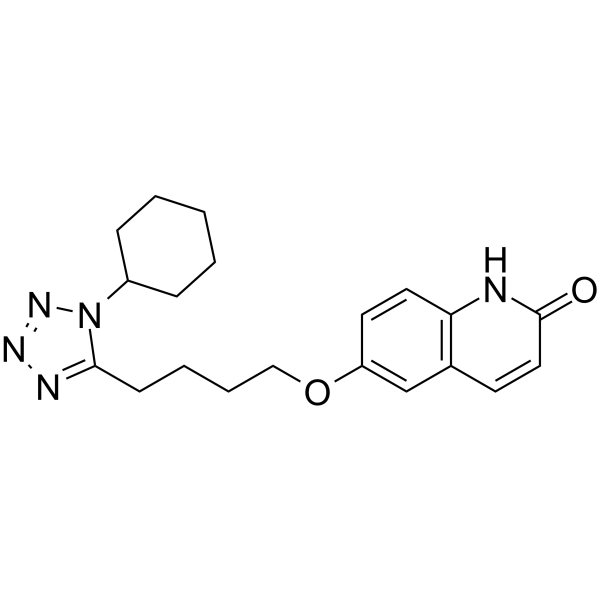
    3,4-Dehydro Cilostazol (OPC-13015) is an active metabolite of Cilostazol (CLZ; HY-17464). 3,4-Dehydro Cilostazol is used for pharmacokinetic study .
    3,4-Dehydro Cilostazol
  • HY-164049

    Prostaglandin Receptor Inflammation/Immunology
    TG8-260 is a second-generation EP2 antagonist developed to alleviate the pathology of central nervous system and peripheral diseases driven by inflammation. TG8-260 can reduce neuroinflammation and gliosis in the hippocampus of rats after pilocarpine-induced persistent epileptic status. Pharmacokinetic data of TG8-260 showed that its plasma half-life was 2.14 hours and its oral bioavailability was 77.3%. TG8-260 is also a potent inhibitor of CYP450 and shows antagonistic activity in inhibiting EP2 receptor-mediated inflammatory gene expression in BV2-hEP2 microglia, which is suitable for studying anti-inflammatory pathways in animal models of peripheral inflammatory diseases .
    TG8-260
  • HY-W440913

    Liposome Fluorescent Dye Cancer
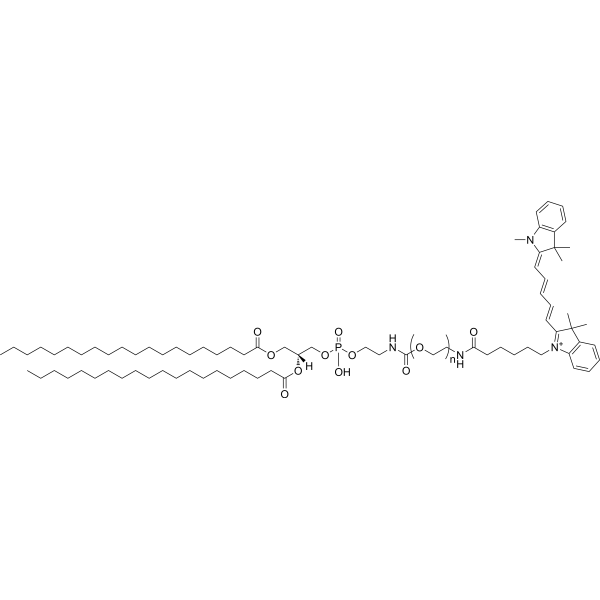
    DSPE-PEG-Cy5, MW 5000 is a fluorescently labeled PEGylated phospholipid with a molecular weight of 5000 Da. After intravenous injection, DSPE-PEG-Cy5, MW 5000 shows only extremely low fluorescence accumulation at tumor sites in orthotopic tumor-bearing mice, and can be used as a negative control for evaluating tumor accumulation of nanoparticles. DSPE-PEG-Cy5, MW 5000 can serve as a fluorescent marker to prepare Cy5-labeled NPs-DPPA and NPs-DPPA (C3F8) for pharmacokinetic and biodistribution studies in mice. DSPE-PEG-Cy5, MW 5000 is widely applicable to research in fields related to triple-negative breast cancer, hepatocellular carcinoma and so on .
    DSPE-PEG5000-Cy5
  • HY-N0343A

    p-Formylphenyl-β-D-glucopyranoside; p-Hydroxybenzaldehyde glucoside

    Others Others
    4-Formylpyrnyl-β-D-glucopyranoside (p-Formylphenyl-β-D-glucopyranoside) is a metabolite of Gastrodin (HY-N0115) in rat plasma. 4-Formylpyrnyl-β-D-glucopyranoside can be used to study the effects of multiple doses and food on the pharmacokinetic behavior of oral Gastrodin and its metabolites .
    4-Formylpyrnyl-β-D-glucopyranoside
  • HY-156432

    Anaplastic lymphoma kinase (ALK) mTOR PARP Caspase Cancer
    ALK-IN-26 is an ALK inhibitor with IC50 value of 7.0 μM for ALK tyrosine kinase. ALK-IN-26 has good pharmacokinetic properties and blood-brain barrier (BBB) permeability. ALK-IN-26 can induce apoptosis, autophagy and necrosis. ALK-IN-26 can be used in glioblastoma studies .
    ALK-IN-26
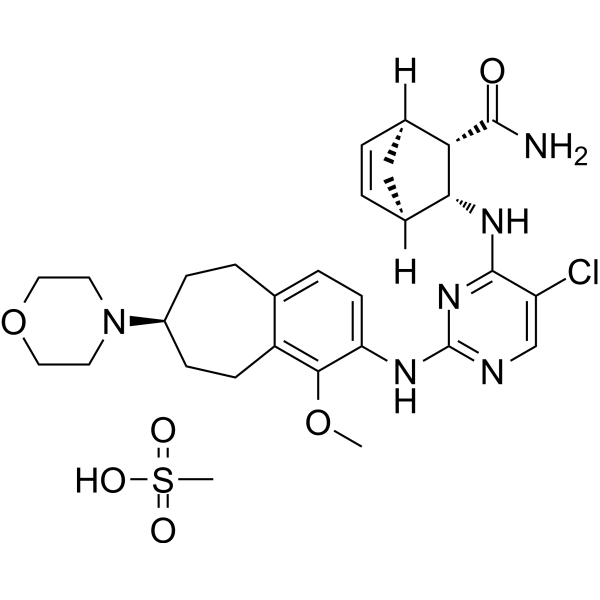
  • HY-18030A

    Anaplastic lymphoma kinase (ALK) Cancer
    CEP-28122 mesylate salt, a diaminopyrimidine derivative, is a potent, selective, and orally active ALK inhibitor with an IC50 value of 1.9 nM. CEP-28122 mesylate salt has antitumor activity in experimental models of ALK-positive human cancers. CEP-28122 mesylate salt has good pharmacodynamic and pharmacokinetic activity. CEP-28122 mesylate salt can be used for the study of ALK-positive anaplastic large-cell lymphoma (ALCL), non-small cell lung cancer (NSCLC), and neuroblastoma cells .
    CEP-28122 mesylate salt
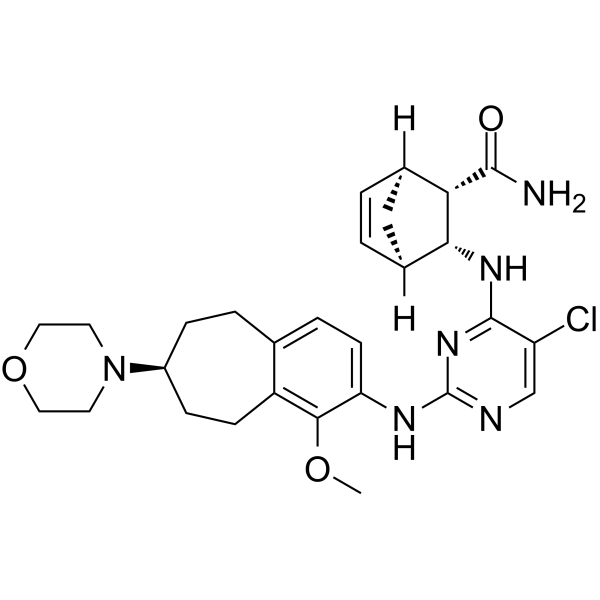
  • HY-18030

    Anaplastic lymphoma kinase (ALK) Cancer
    CEP-28122, a diaminopyrimidine derivative, is a potent, selective, and orally active ALK inhibitor with an IC50 value of 1.9 nM. CEP-28122 has antitumor activity in experimental models of ALK-positive human cancers. CEP-28122 has good pharmacodynamic and pharmacokinetic activity. CEP-28122 can be used for the study of ALK-positive anaplastic large-cell lymphoma (ALCL), non-small cell lung cancer (NSCLC), and neuroblastoma cells .
    CEP-28122
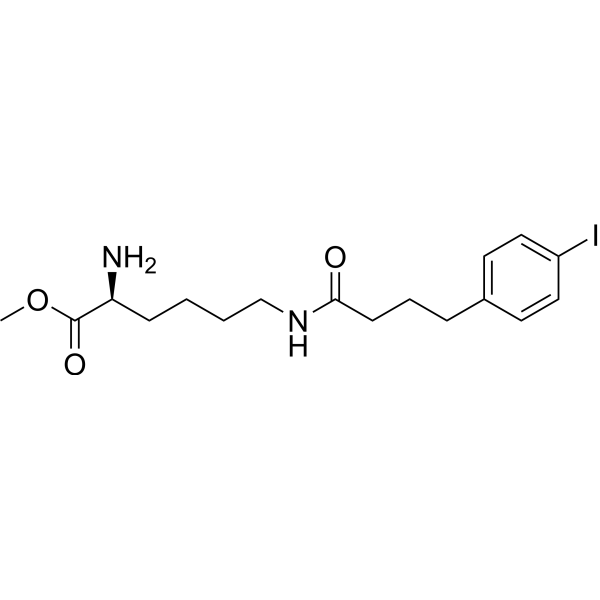
  • HY-158118

    DNA-PK Cancer
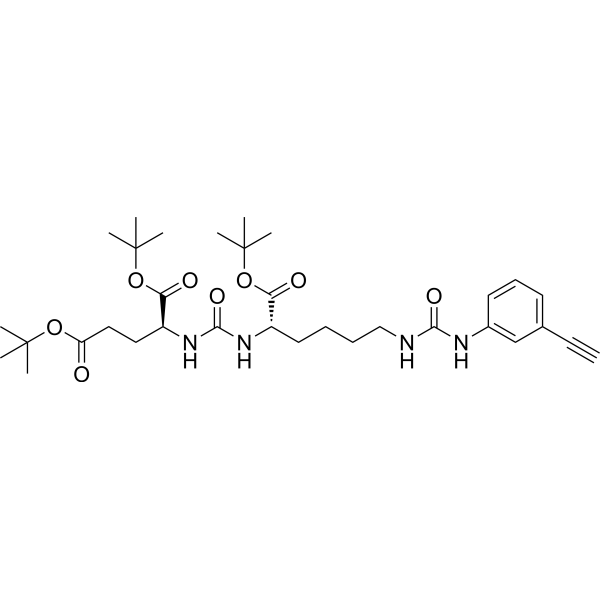
    Lys(CO-C3-p-I-Ph)-OMe is a pharmacokinetic modifier (PK modifier) that can improve the PK properties of PSMA ligand molecules (such as Ac-PSMA-trillium). Lys(CO-C3-p-I-Ph)-OMe can increase the residence time of Ac-PSMA-trillium in plasma by increasing its binding capacity to albumin. Lys(CO-C3-p-I-Ph)-OMe also reduces salivary gland absorption of Ac-PSMA-trillium, potentially extending its half-life. Ac-PSMA-trillium is a suitable PSMA-targeting compound that has different biological applications after modification with different radioactive isotopes. If labeled with 111In, it can be used as DOTA chelating agent and imaging agent. Or labeled with 225Ac as a Macropa chelator for targeted radionuclide therapy (TRT) in the study of metastatic castration-resistant prostate cancer (mCRPC) .
    Lys(CO-C3-p-I-Ph)-OMe
  • HY-105998

    5-HT Receptor Neurological Disease
    AVN-211 (CD-008-0173) is a selective and orally active 5HT6R antagonist with an IC50 of 2.34 nM and a Ki of 1.09 nM. AVN-211 exhibits 5K-fold higher 5HT6R selectivity over other 65 receptors, enzymes, and ion channels. AVN-211 significantly improves cognitive and anxiety behaviors in various AD animal models, and has good safety profiles. AVN-211 can be used for the study of Alzheimer's dementia .
    AVN-211
  • HY-179221

    HIV Infection
    HIV-1-IN-89 (Compound 20a-D) is a prodrug of 20a (an HIV-1 protease inhibitor). HIV-1-IN-89 has better pharmacokinetic properties. HIV-1-IN-89 can be used for studying the resistance to HIV-1 .
    HIV-1-IN-89
  • HY-158125

    PSMA Cancer
    PSMA binder-2 is a ligand for PSMA and can be used to synthesize Ac-PSMA-trillium. Ac-PSMA-trillium is a suitable PSMA-targeting compound with improved PSMA binding properties and pharmacokinetic properties. PSMA ligands have different biological applications after being modified with different radioactive isotopes. If labeled with 111In, it can be used as DOTA chelating agent and imaging agent. Or labeled with 225Ac as a Macropa chelator for targeted radionuclide therapy (TRT) in the study of metastatic castration-resistant prostate cancer (mCRPC) .
    PSMA binder-2
  • HY-N0092S4

    Isotope-Labeled Compounds Adenosine Receptor Endogenous Metabolite Neurological Disease Inflammation/Immunology Cancer
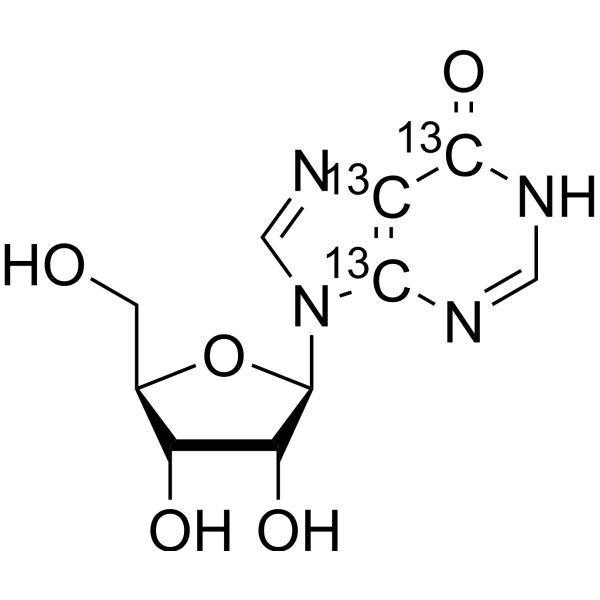
    Inosine-13C3 is a 13C-labeled Inosine that can be used in pharmacokinetic studies of Inosine. Inosine is an agonist of adenosine receptors A1R and A2AR with anti-inflammatory immunomodulatory, antinociceptive and neuroprotective effects .
    Inosine-13C3
  • HY-174424

    PD-1/PD-L1 Apoptosis Cancer
    NPH16 is an orally active PD-1/PD-L1 inhibitor with an IC50 of 24.4 nM. NPH16 can promote HepG2 cell apoptosis. NPH16 shows excellent in vivo antitumor efficacy and favorable pharmacokinetic properties. NPH16 can be used for the study of liver cancer .
    NPH16
  • HY-16741

    OBE001

    Oxytocin Receptor Endocrinology
    Erlosiban (OBE001) is an orally active non-peptide type oxytocin receptor antagonist. Erlosiban inhibits the increase of intracellular calcium concentration, thereby reducing uterine smooth muscle contraction. Erlosiban can be used for research on premature birth and to improve embryo implantation and pregnancy rate in assisted reproductive technology (AR).
    Erlosiban
  • HY-145226

    PROTACs Epigenetic Reader Domain Cancer
    XY-06-007 is a selective and potent bump-and-hole (B&H)-PROTAC BRD4BD1L94V degrader. XY-06-007 shows a DC50, 6 h of 10 nM against BRD4BD1L94V with no degradation of off-targets. XY-06-007 demonstrates suitable pharmacokinetics for in vivo studies .
    XY-06-007
  • HY-174417

    Reverse Transcriptase HIV Potassium Channel Cytochrome P450 Infection
    NNRT-IN-10 is a potent, selective and orally active non-nucleoside HIV-1 reverse transcriptase (NNRTI) inhibitor with with an EC50 values ranging from 1.16 to 18.3 nM for HIV and its mutant strains. NNRT-IN-10 exhibits good pharmacokinetic properties and favorable safety profiles. NNRT-IN-10 can be used for the study of AIDS, caused by HIV-1 .
    NNRT-IN-10
  • HY-145285

    Apelin Receptor (APJ) Cardiovascular Disease
    APJ receptor agonist 5 (compound 3) is a potent and orally active agonist of apelin receptor (APJ) with an EC50 of 0.4 nM. APJ receptor agonist 5 displays excellent pharmacokinetic profiles in the rodent heart failure (HF) model. APJ receptor agonist 5 also shows an acceptable safety profile in preclinical toxicology studies. APJ receptor agonist 5 leads to improved cardiac function and can be used for researching the HF disease .
    APJ receptor agonist 5
  • HY-163683

    Radionuclide-Drug Conjugates (RDCs) PSMA Cancer
    EB-PSMA-617 is a modified form of PSMA-617 that has enhanced pharmacokinetic properties by conjugating it to Evans Blue (EB) to extend its circulation half-life to improve prostate tumor uptake and radiotherapy efficacy. In preclinical studies using PC3-PIP-loaded mice, EB-PSMA-617 demonstrated prolonged blood half-life, increased accumulation in PSMA-positive tumors, and successful tumor elimination with lower radioactivity .
    EB-PSMA-617
  • HY-14977

    LPL Receptor Inflammation/Immunology
    CS-0777-P, the phosphorylated form of CS-0777, acts as a potent and selective modulator of the S1P receptor-1 (S1P1). It exhibits approximately 320-fold higher agonist activity for human S1P1 compared to S1P3, with an EC50 of 1.1 nM. In pharmacological studies, CS-0777-P demonstrated significant effects in vitro as an S1P1 and S1P3 agonist, leading to lowered peripheral blood lymphocyte counts and suppressive effects on experimental autoimmune encephalomyelitis (EAE) in rats. Pharmacokinetic studies in rats revealed rapid lymphocyte count reductions following oral administration, making CS-0777 a promising candidate currently undergoing clinical trials for the treatment of multiple sclerosis (MS) .
    CS-0777-P
  • HY-19500

    COX Others
    SC-75416 is a selective cyclooxygenase-2 inhibitor. Its pharmacokinetic/pharmacodynamic (PK/PD) model was used for development and clinical trial simulation to design a study protocol to verify its analgesic effect in a post-oral surgery pain model. The simulation results showed that 360 mg of SC-75416 may provide better pain relief than 400 mg of ibuprofen. The actual clinical trial results confirmed this hypothesis, and 360 mg of SC-75416 was indeed superior to 400 mg of ibuprofen in pain relief. The PK/PD model of SC-75416 showed good predictive performance and successfully predicted its clinical effect. These research results show that SC-75416, as a new selective COX-2 inhibitor, has potential clinical application value in the management of post-oral surgery pain.
    SC-75416
  • HY-121804

    Parasite Others
    SSJ-183 is a compound with antimalarial activity, with activity that modulates antimalarial effects and pharmacokinetic properties. SSJ-183 has shown some activity in antimalarial studies, and its pharmacokinetic properties are between those of other tested compounds, which is of certain significance for the study of new antimalarial combination therapies.
    SSJ-183
  • HY-111181

    Sodium Channel Potassium Channel Metabolic Disease
    A 56234 is an orally active benzisoxazole diuretic. A 56234 produces dose-dependent diuresis, sodium and chloride excretion, significantly increases potassium excretion, and also slightly increases calcium, magnesium, and total protein excretion. A 56234 has shown uricosuric effects in animal studies
    A 56234
  • HY-151524

    Cathepsin Inflammation/Immunology
    Cathepsin K inhibitor 3 (compound 23) is a highly selective cathepsin K inhibitor with an IC50 value of 0.5 nM. Cathepsin K inhibitor 3 has a favorable pharmacokinetic profile and may be used in osteoarthritis (OA) disease studies .
    Cathepsin K inhibitor 3
  • HY-113018A

    (S)-Ibuprofen glucuronide

    Drug Metabolite Inflammation/Immunology
    (S)-Ibuprofen acyl-β-D-glucuronide ((S)-Ibuprofen glucuronide) is a compound used to study the metabolism and pharmacokinetics of S-ibuprofen, a non-steroidal anti-inflammatory drug. (S)-Ibuprofen acyl-β-D-glucuronide is an acylglucuronic acid metabolite produced by S-ibuprofen in the liver .
    (S)-Ibuprofen acyl-β-D-glucuronide
  • HY-118788

    SB 237216

    Drug Metabolite PPAR Cytochrome P450 Neurological Disease Metabolic Disease Inflammation/Immunology Cancer
    N-Desmethyl rosiglitazone (SB 237216) is a metabolite of Rosiglitazone (HY-17386), generated through demethylation by the cytochrome P450 enzyme system in liver microsomes. It retains partial PPARγ agonist activity and supports studies on the metabolism and pharmacokinetics of Rosiglitazone (HY-17386) .
    N-Desmethyl rosiglitazone
  • HY-155553

    GPR119 Metabolic Disease
    GPR119 agonist 2 (compound 43) is an orally active GPR119 agonist. GPR119 agonist 2 shows good pharmacokinetic characteristics in rodents and can effectively improve glucose tolerance in mice and rats. GPR119 agonist 2 has the potential to study type 2 diabetes .
    GPR119 agonist 2
  • HY-162572

    Parasite Infection
    Bitipazone, diacetylbis(piperidinethyl)thiourea cysteine ester (I), has potent anticoccidial activity. Bitipazone showed significant efficacy and good tolerability in rabbits and turkeys, and in chronic toxicity tests, bitipazone was tolerated in turkeys at concentrations below 90 ppm in feed. Pharmacokinetic studies show that bitipazone is eliminated slowly from the blood and organs of these animal species .
    Bitipazone
  • HY-135910R

    OPC-13015 (Standard)

    Reference Standards Drug Metabolite Cardiovascular Disease Cancer
    3,4-Dehydro Cilostazol (Standard) is the analytical standard of 3,4-Dehydro Cilostazol. This product is intended for research and analytical applications. 3,4-Dehydro Cilostazol (OPC-13015) is an active metabolite of Cilostazol (CLZ; HY-17464). 3,4-Dehydro Cilostazol is used for pharmacokinetic study .
    3,4-Dehydro Cilostazol (Standard)
  • HY-135910S

    OPC-13015-d11

    Drug Metabolite Isotope-Labeled Compounds Cancer
    3,4-Dehydro Cilostazol-d11 is deuterated labeled 3,4-Dehydro Cilostazol (HY-135910). 3,4-Dehydro Cilostazol (OPC-13015) is an active metabolite of Cilostazol (CLZ; HY-17464). 3,4-Dehydro Cilostazol is used for pharmacokinetic study .
    3,4-Dehydro Cilostazol-d11
  • HY-168028

    mGluR Neurological Disease
    mGluR2 modulator 5 (Compound 11) is an orally active, selective mGluR2 negative allosteric modulator with an IC50 of 8.9 nM. Pharmacokinetic studies in rats show that mGluR2 modulator 5 can effectively cross the blood-brain barrier. It can modulate cognitive and neurological functions in mood disorders and is suitable for research in the field of neurodegenerative diseases .
    mGluR2 modulator 5
  • HY-165495

    Adrenergic Receptor Cardiovascular Disease
    Pafenolol is a selectively oral-active β1 adrenergic receptor (β1-adrenergic receptor) antagonist that effectively lowers blood pressure. Pharmacokinetic studies in rats indicate that the absorption of Pafenolol is influenced by gastrointestinal contents, with food intake reducing the bioavailability of Pafenolol in rats. Pafenolol can be used in research related to cardiovascular diseases and asthma .
    Pafenolol
  • HY-105110

    SM-8668

    Fungal Infection
    SM-8668 is an effective orally active antifungal agent, with median effective doses (ED50) of 0.18, 3.7, and 5.9 mg/kg for systemic candidiasis, aspergillosis, and cryptococcosis in mice, respectively. Pharmacokinetic studies in mice and rats indicate that SM-8668 has a long half-life and a high total exposure. SM-8668 can be used in anti-infective research .
    SCH 39304
  • HY-125279

    Parasite Inflammation/Immunology
    OAT-2068 is a selective, high activity and orally active inhibitor of mouse chitotriosidase (mCHIT1) (IC50=29 nM) and displays 143-fold selectivity over m AMCase (IC50=4170 nM). OAT-2068 displays a good pharmacokinetic profile and is an ideal tool to study the role of CHIT1 in biological systems, including animal models of human diseases .
    OAT-2068
  • HY-145284

    Apelin Receptor (APJ) Cardiovascular Disease
    APJ receptor agonist 4 is a potent and orally active agonist of apelin receptor (APJ) with EC50 and Ki of 0.06 nM and 0.07 nM respectively. APJ receptor agonist 4 displays excellent pharmacokinetic profiles in the rodent heart failure (HF) model. APJ receptor agonist 4 also shows an acceptable safety profile in preclinical toxicology studies. APJ receptor agonist 4 leads to improved cardiac function and can be used for researching the HF disease .
    APJ receptor agonist 4
  • HY-157928

    Keap1-Nrf2 Inflammation/Immunology
    Keap1-Nrf2-IN-18 (Compound 22) is an orally active Keap1-Nrf2 protein-protein interaction (PPI) inhibitor with good pharmacokinetics (PK) profiles and more potent in vivo activities in rats. Keap1-Nrf2-IN-18 has the strongest inhibitory activity in structure−activity relationship (SAR) study (KD = 0.0029 μM) .
    Keap1-Nrf2-IN-18
  • HY-18030B

    Anaplastic lymphoma kinase (ALK) Others
    CEP-28122 mesylate hydrochloride, a diaminopyrimidine derivative, is a potent, selective, and orally active ALK inhibitor with an IC50 value of 1.9 nM. CEP-28122 mesylate hydrochloride has antitumor activity in experimental models of ALK-positive human cancers. CEP-28122 mesylate hydrochloride has good pharmacodynamic and pharmacokinetic activity. CEP-28122 mesylate hydrochloride can be used for the study of ALK-positive anaplastic large-cell lymphoma (ALCL), non-small cell lung cancer (NSCLC), and neuroblastoma cells .
    CEP-28122 mesylate hydrochloride
  • HY-130207

    NSC-743380

    Endogenous Metabolite DNA/RNA Synthesis Cancer
    Oncrasin-72 (NSC-743380) is an RNA polymerase II inhibitor with activity in inhibiting growth and inducing cell death in human cancer cells. Oncrasin-72 exhibits antitumor activity through JNK activation and STAT3 inhibition. Analytical method development and validation for Oncrasin-72 is essential for quantifying its concentration in biological fluids for pharmacokinetic studies. This method was able to successfully quantify Oncrasin-72 in different dose groups when applied in rat plasma .
    Oncrasin-72
  • HY-128794

    Sodium Channel Neurological Disease
    PF-05150122 is a novel potent and selective human Nav1.7 channel blocker with the activity of inhibiting human pain signaling. PF-05150122 exhibited favorable biopharmacokinetic parameters in microdose studies, providing a basis for exploring its application in acute or chronic pain inhibition. The pharmacokinetic model of PF-05150122 predicted that at the corresponding oral dose, it could effectively reduce the 50% inhibitory concentration (IC50) of Nav1.7, demonstrating its inhibitory potential .
    PF-05150122
  • HY-156102

    Bcr-Abl Neurological Disease
    c-ABL-IN-5 is a selective c-Abl inhibitor with neuroprotective effects. c-ABL-IN-5 has blood-brain barrier penetrability, metabolic stability and good pharmacokinetic properties. When c-ABL-IN-5 is labeled with [18F] (compound [18F]3), it can be used as a tracer to evaluate disease-modifying efficacy by complementary positron emission tomography (PET). c-ABL-IN-5 can be used in the study of neurodegenerative diseases such as Parkinson's disease (PD) .
    c-ABL-IN-5
  • HY-136659

    iGluR Others
    Ro 04-5595 is a selective antagonist with specific activity against the NR2B subunit of the NMDA receptor. Ro 04-5595 exhibits favorable pharmacokinetic properties in in vitro and in vivo studies, with rapid uptake and clearance. Ro 04-5595 exhibits strong binding in NR2B receptor-enriched regions and low binding in the cerebellum. Ro 04-5595 is able to effectively inhibit specific binding, showing high affinity for the NR2B receptor and a clear ranking of binding affinity with a variety of other compounds .
    Ro 04-5595
  • HY-168715

    SHP2 Apoptosis MAPKAPK2 (MK2) Cancer
    SHP2-IN-33 (Compound D13) is an allosteric inhibitor of SHP2 with an IC50 of 1.2 μM. In cellular studies, SHP2-IN-33 demonstrates antiproliferative activity with an IC50 of 38 μM against Huh7 cells by arresting the G0/G1 cell cycle, promoting apoptosis (Apoptosis), and suppressing the MAPK signaling pathway. In an in vivo Huh7 xenograft mouse model, SHP2-IN-33 exhibits significant antitumor activity and favorable pharmacokinetics, including 54% oral bioavailability and a half-life of 10.57 hours. SHP2-IN-33 is a promising compound for studying tumor diseases associated with SHP2 .
    SHP2-IN-33
  • HY-115004

    FAAH Neurological Disease
    MM-433593 is a potent and selective inhibitor of fatty acid amide hydrolase-1 (FAAH-1) that is orally administered to inhibit pain, inflammation, and related disorders. Pharmacokinetic studies of MM-433593 in macaques revealed a biphasic elimination profile with a rapid distribution phase and a slower elimination phase, with a systemic clearance of 8-11 mL/min/kg. MM-433593 exhibits moderate oral bioavailability (14-21%) and its metabolism primarily involves oxidation of the methyl group on the indole ring, resulting in a variety of sulfate, glucuronide, or glutathione-conjugated metabolites .
    MM-433593
  • HY-164477

    Androgen Receptor Cancer
    FL442 is an Androgen Receptor (AR) modulator. FL442 exhibits strong inhibitory effects in AR-dependent prostate cancer cells, showing similar inhibitory efficiency to traditional antiandrogen drugs Bicalutamide (HY-14249) and Enzalutamide (HY-70002), while maintaining antiandrogenic activity against the AR mutant F876L, which is highly resistant to Enzalutamide. Pharmacokinetic studies of FL442 in mice reveal a long half-life (8 hours), good targeting (prostate tissue), and metabolic stability, and it effectively inhibits LNCaP tumor growth at low plasma concentrations (30 ng/mL) .
    FL442
  • HY-121535

    Sodium Channel Calcium Channel Others
    Levosemotiadil, an S-isomer of semotiadil, exhibits stronger binding affinity to human serum albumin (HSA) compared to its R-isomer counterpart. This study utilized high-performance frontal analysis (HPFA) to demonstrate that levosemotiadil binds approximately three times more strongly to HSA than semotiadil. The binding parameters were evaluated using Scatchard analysis, revealing specific interactions with the diazepam binding site on HSA. The presence of diazepam decreased the binding affinity of both enantiomers, while warfarin did not alter their binding characteristics. These findings highlight levosemotiadil's potential as a Ca- and Na-channel blocker with significant binding preferences for HSA, crucial for understanding its pharmacokinetics and therapeutic effects .
    Levosemotiadil
  • HY-169059

    Ferroptosis Inflammation/Immunology
    Ferroptosis-IN-12 (Cpd-A1) is a ferroptosis inhibitor. Ferroptosis-IN-12 exhibits effective ferroptosis inhibition in Erastin (HY-15763)-treated mouse tubular epithelial cells (mTECs) and improves kidney function, alleviates renal tubular damage, and reduces inflammation in a dose-dependent manner in acute kidney injury (AKI) mouse models induced by ischemia/reperfusion (I/R) or cecal ligation and puncture (CLP). Ferroptosis-IN-12 demonstrates good plasma stability and high distribution in kidney tissues in pharmacokinetic studies in mice. Ferroptosis-IN-12 holds promise for research in the field of acute kidney injury (AKI) .
    Ferroptosis-IN-12
  • HY-13590

    VEGFR Cancer
    CEP-7055 (compound 21) is a novel vascular endothelial growth factor R2 (VEGF-R2) tyrosine kinase inhibitor with potent inhibitory activity. Studies have found that the inhibitor activity can be significantly improved by optimizing the R9 substituent. Compound 21 has potent low nanomolar inhibition of human VEGF-R tyrosine kinase and shows good selectivity against multiple tyrosine and serine/threonine kinases. N,N-dimethylglycine ester 40 was prepared to improve its water solubility and oral bioavailability. In animal pharmacokinetic studies, a significant increase in the plasma level of 21 was observed after oral administration of 40. Compound 21 showed significant in vivo antitumor activity in multiple tumor models and has entered phase I clinical trials as a water-soluble N,N-dimethylglycine ester proagent of 40 (CEP-7055).
    CEP-7055

Inquiry Online

Your information is safe with us. * Required Fields.

Salutation


Country or Region *

Applicant Name *


Organization Name *

Department *


Email Address *


Product Name *

Cat. No.


Requested quantity *

Phone Number *


Remarks

Inquiry Online

Inquiry Information

Product Name:
Cat. No.:
Quantity:
MCE Japan Authorized Agent:

