
1. Search Result
Search Result
Isoforms Recommended: Phospholipase C
Results for "

phospholipase C

" in MedChemExpress (MCE) Product Catalog:

77

Inhibitors & Agonists

1

Fluorescent Dyes

6

Biochemical Assay Reagents

5

Peptides

1

Inhibitory Antibodies

13

Natural
Products

4

Recombinant Proteins

1

Isotope-Labeled Compounds

12

Antibodies

Targets Recommended:
Cat. No. Nombre del producto Target Áreas de investigación Chemical Structure
  • HY-B0470
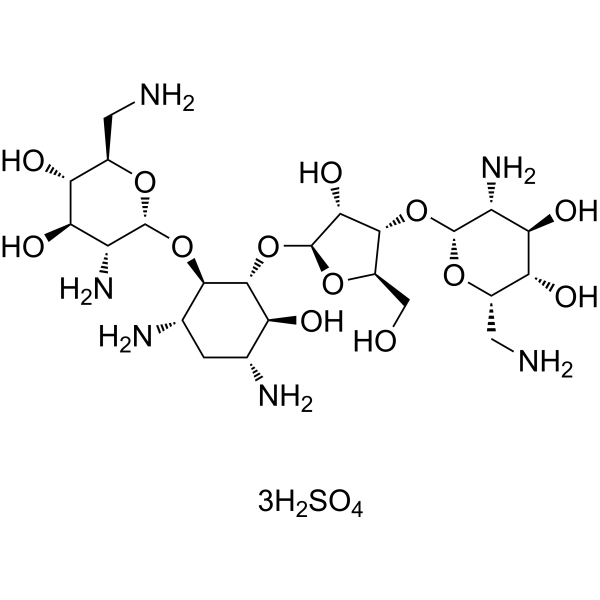
    Neomycin sulfate
    65+ Cited Publications

    Environmental Pollutants Antibiotic Phospholipase Bacterial Infection Metabolic Disease Cancer
    Neomycin sulfate, an aminoglycoside antibiotic, exerts antibacterial activity through irreversible binding of the nuclear 30S ribosomal subunit, thereby blocking bacterial protein synthesis. Neomycin sulfate is a known phospholipase C (PLC) inhibitor. Neomycin sulfate potently inhibits both the nuclear translocation of angiogenin and angiogenin-induced cell proliferation and angiogenesis. Neomycin sulfate inhibits IP3-mediated Ca 2+ release, MgATP-dependent Ca 2+ uptake, and electrical excitation-evoked skeletal muscle Ca 2+ transients. Neomycin sulfate depletes gut microbiota in specific mouse models, causes hearing impairment, and kidney damage with prolonged exposure. Neomycin sulfate can be used for the research of cancer .
    Neomycin sulfate
  • HY-13419
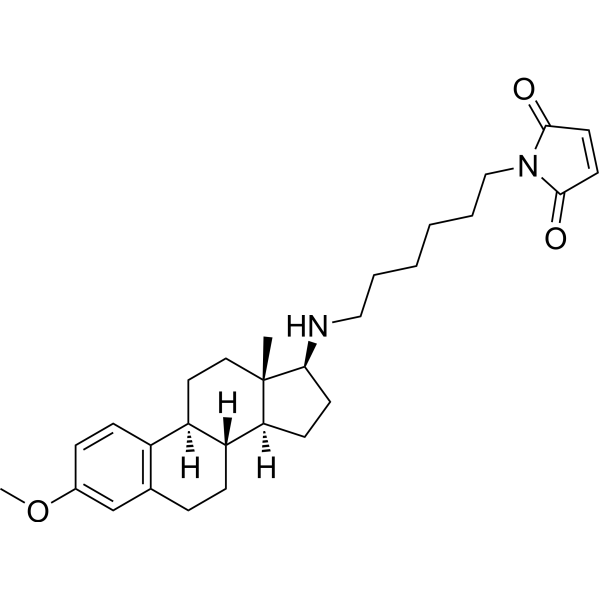
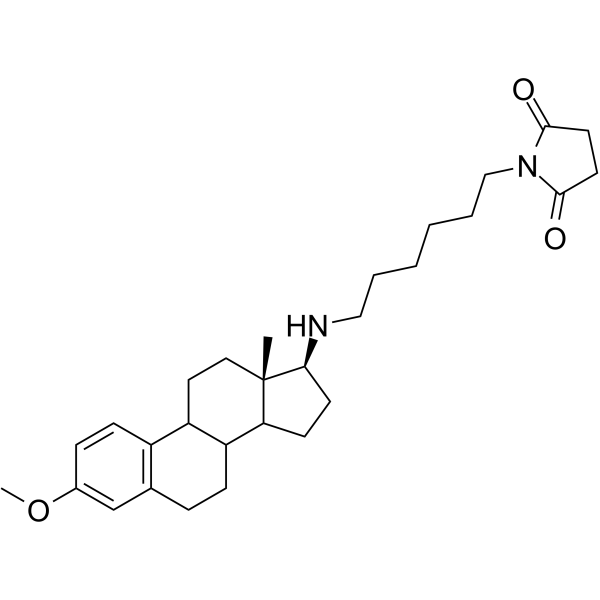
    U-73122
    Maximum Cited Publications
    98 Publications Verification

    Phospholipase Lipoxygenase Ferroptosis Inflammation/Immunology
    U-73122 is a phospholipase C (PLC) and 5-LO (5-lipoxygenase) inhibitor with an IC50of 1-2.1 µM for PLC.
    U-73122
  • HY-100168
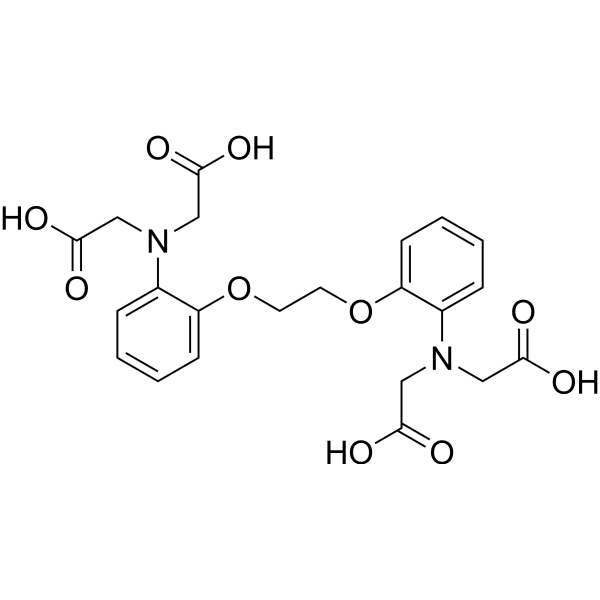
    BAPTA
    35+ Cited Publications

    Phospholipase Others
    BAPTA is a selective and cell-impermeant chelator for calcium. BAPTA has high selectivity against magnesium and calcium. BAPTA can also inhibit phospholipase C activity independently of their role as Ca 2+ chelators .
    BAPTA
  • HY-115768
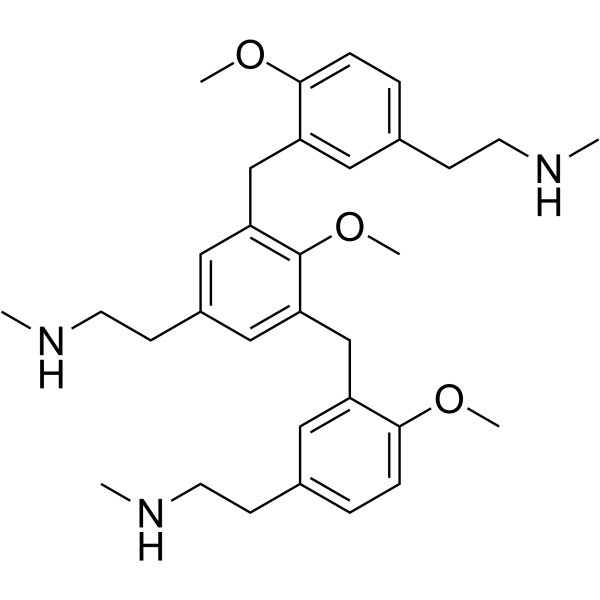
    Compound 48/80
    5 Publications Verification

    Poly-p-methoxyphenethylmethylamine

    Phospholipase Neurological Disease Cancer
    Compound 48/80 (Poly-p-methoxyphenethylmethylamine) is widely used in animal and tissue models as a "selective" mast cell activator. Compound 48/80 acts at the mast cell membrane to stimulate trimeric G-proteins and induces degranulation via phospholipase C and D pathways .
    Compound 48/80
  • HY-70072
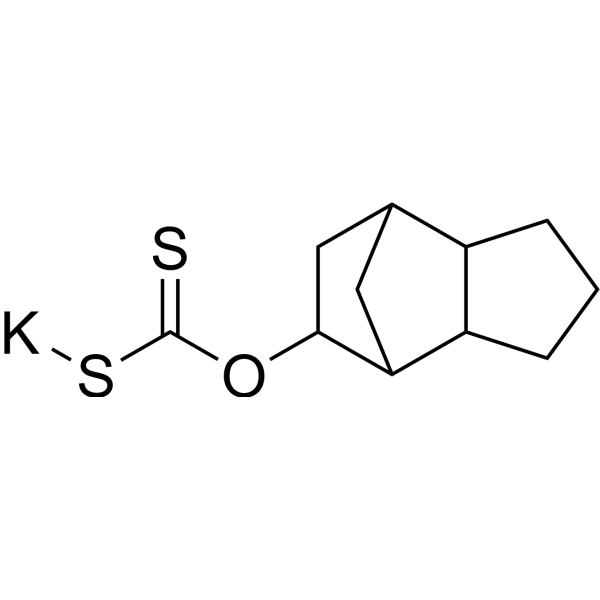
    D609
    5+ Cited Publications

    Phospholipase Infection Inflammation/Immunology Cancer
    D609, an antitumoural xanthate, is a specific and competitive phosphatidyl choline-specific phospholipase C (PC-PLC) inhibitor with a Ki of 6.4 μM. D609 is an antioxidative protector and has antiviral and anti-inflammatory activity .
    D609
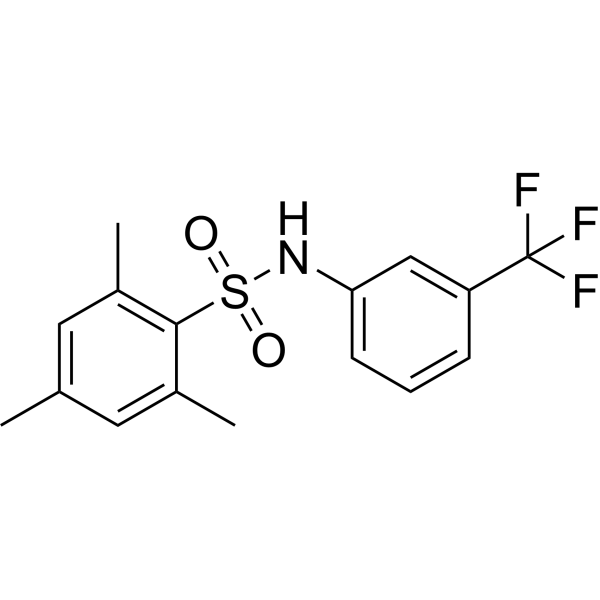
  • HY-19619
    m-3M3FBS
    5+ Cited Publications

    Phospholipase Apoptosis Cancer
    m-3M3FBS is a potent phospholipase C (PLC) activator. m-3M3FBS stimulates superoxide generation in human neutrophils, upregulates intracellular calcium concentration, and stimulates inositol phosphate generation in various cell lines. m-3M3FBS induces monocytic leukemia cell apoptosis .
    m-3M3FBS
  • HY-12598A
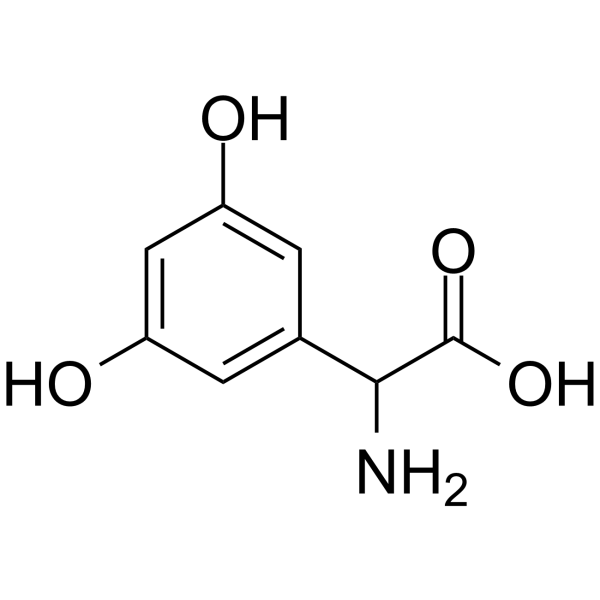
    DHPG
    4 Publications Verification

    (RS)-3,5-DHPG

    mGluR Neurological Disease
    DHPG is the agonist for mGluR 1/5 (EC50 for mGluR 1 is 60 nM) that activates the phospholipase C (PLC) pathway, and leads ultimately to the activation of protein kinase C (PKC) .
    DHPG
  • HY-130592
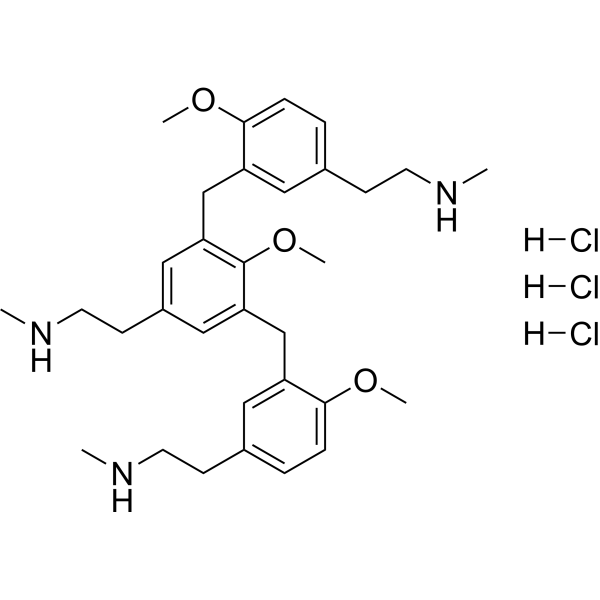
    Compound 48/80 trihydrochloride
    5 Publications Verification

    C48/80 trihydrochloride

    Phospholipase Neurological Disease
    Compound 48/80 trihydrochloride (C48/80 trihydrochloride) is a mixture of condensation products of N-methyl-p-methoxyphenethylamine with formaldehyde. Compound 48/80 trihydrochloride is also a histamine releaser and a mast cell degranulator. Compound 48/80 inhibits phosphatidylinositol-specific phospholipase C activity from human platelets .
    Compound 48/80 trihydrochloride
  • HY-N9480
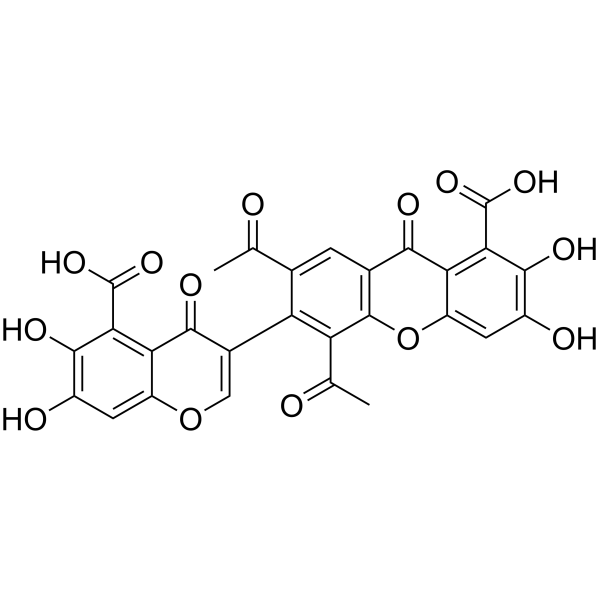
    Vinaxanthone
    3 Publications Verification

    SM-345431

    Phospholipase Bacterial Infection Cancer
    Vinaxanthone (SM-345431) is a potent and selective semaphorin3A, phospholipase C (PLC) and FabI inhibitor, with IC50s of 0.1-0.2 μM and 0.9 mM for semaphorin3A and FabI. Vinaxanthone inhibits the substrate (t-o-NAC thioester) and the cofactor (NADPH) with Kis of 3.1 μM and 1.0 μM, respectively. Vinaxanthone can be used to handle infections caused by multidrug-resistant pathogens .
    Vinaxanthone
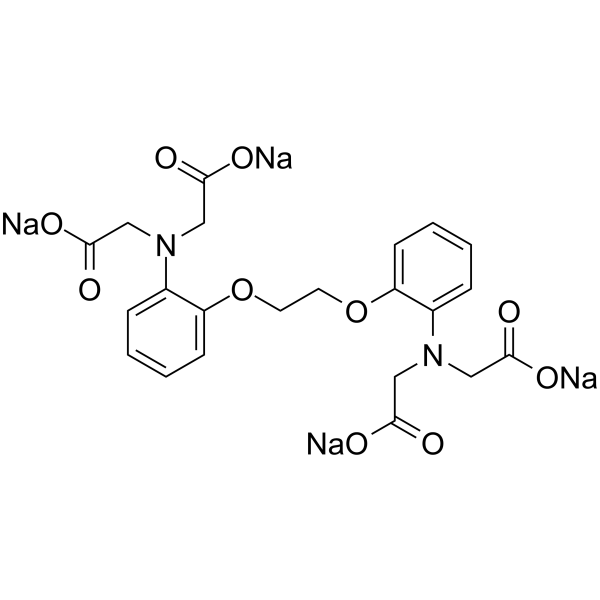
  • HY-100168A
    BAPTA tetrasodium
    35+ Cited Publications

    Phospholipase Others
    BAPTA tetrasodium is a selective and cell-impermeant chelator for calcium. BAPTA tetrasodium has high selectivity against magnesium and calcium. BAPTA can also inhibit phospholipase C activity independently of their role as Ca 2+ chelators .
    BAPTA tetrasodium
  • HY-W039315

    Biochemical Assay Reagents Metabolic Disease
    2,5-Anhydro-D-mannitol, 97% is an antimetabolic fructose analogue. 2,5-Anhydro-D-mannitol, 97% depletes intracellular ATP, reduces oxygen consumption, regulates substrate oxidation, increases phosphomonoester levels, decreases inorganic phosphate levels, and promotes the release of intracellular calcium from intracellular calcium stores via phospholipase C-dependent activity in hepatocytes .
    2,5-Anhydro-D-mannitol, 97%
  • HY-150520

    Antibiotic Phospholipase Infection Cancer
    Neomycin, an aminoglycoside antibiotic, exerts antibacterial activity through irreversible binding of the nuclear 30S ribosomal subunit, thereby blocking bacterial protein synthesis. Neomycin is a known phospholipase C (PLC) inhibitor. Neomycin potently inhibits both the nuclear translocation of angiogenin and angiogenin-induced cell proliferation and angiogenesis. Neomycin inhibits IP3-mediated Ca 2+ release, MgATP-dependent Ca 2+ uptake, and electrical excitation-evoked skeletal muscle Ca 2+ transients. Neomycin depletes gut microbiota in specific mouse models, causes hearing impairment, and kidney damage with prolonged exposure. Neomycin can be used for the research of cancer .
    Neomycin
  • HY-108630
    U-73343
    5+ Cited Publications

    Phospholipase Others
    U-73343, works as a protonophore, is an inactive analog of U-73122 and can be used as a negative control. U-73343 dose-dependently inhibits acid secretion irrespective of the stimulant. U-73122 is a phospholipase C (PLC) and 5-LO (5-lipoxygenase) inhibitor with an IC50 of 1-2.1 μM for PLC .
    U-73343
  • HY-111919
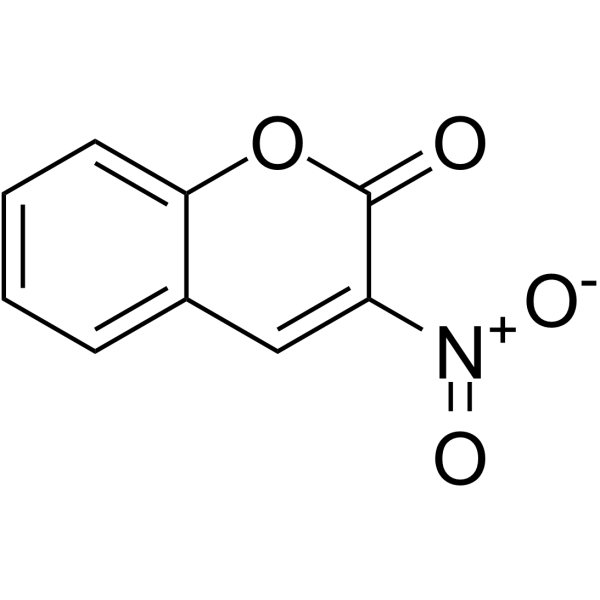
    3-Nitrocoumarin
    3 Publications Verification

    Phospholipase Fungal Infection
    3-Nitrocoumarin is an inhibitor for phospholipase C that blocks the generation of inositol triphosphate (IP3), thereby affecting the calcium signaling pathway .
    3-Nitrocoumarin
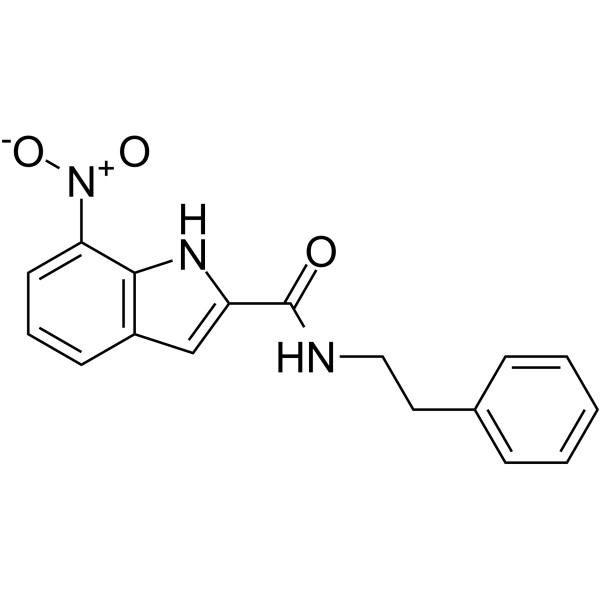
  • HY-111208

    Phospholipase Cancer
    CCT129957 is an indole derivative and a potent phospholipase C-γ (PLC-γ) inhibitor with an IC50 of ~3 μM and a GC50 of 15 μM. CCT129957 inhibits Ca 2+ release in squamous carcinoma cells at ~15 μM .
    CCT129957
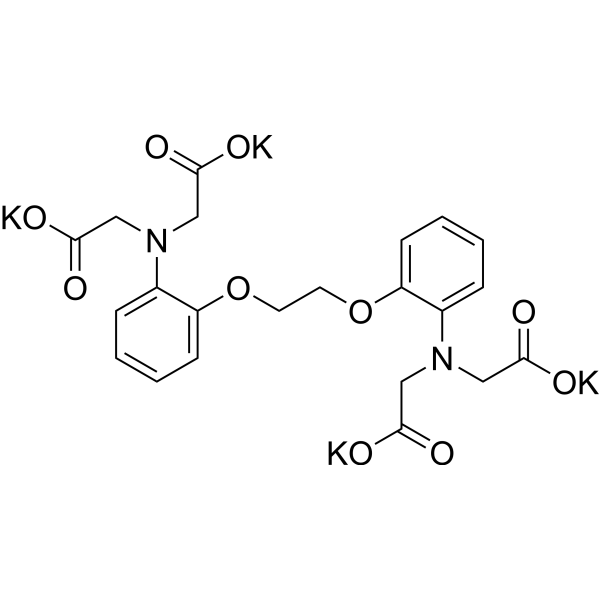
  • HY-100168B
    BAPTA tetrapotassium
    35+ Cited Publications

    Phospholipase Others
    BAPTA tetrapotassium is a selective and cell-impermeant chelator for calcium. BAPTA has high selectivity against magnesium and calcium. BAPTA tetrapotassium can also inhibit phospholipase C activity independently of their role as Ca 2+ chelators .
    BAPTA tetrapotassium
  • HY-100983

    PKC Cancer
    Protein kinase inhibitor H-7 dihydrochloride is a potent PKC (protein kinase C) inhibitor. At 100 μM, Protein kinase inhibitor H-7 dihydrochloride completely inhibits both TPA (skin tumour promoter, 12-O-tetradecanoylphorbol-13-acetate) and phospholipase C-induced ODC (ornithine decarboxylase) .
    Protein kinase inhibitor H-7 dihydrochloride
  • HY-116874
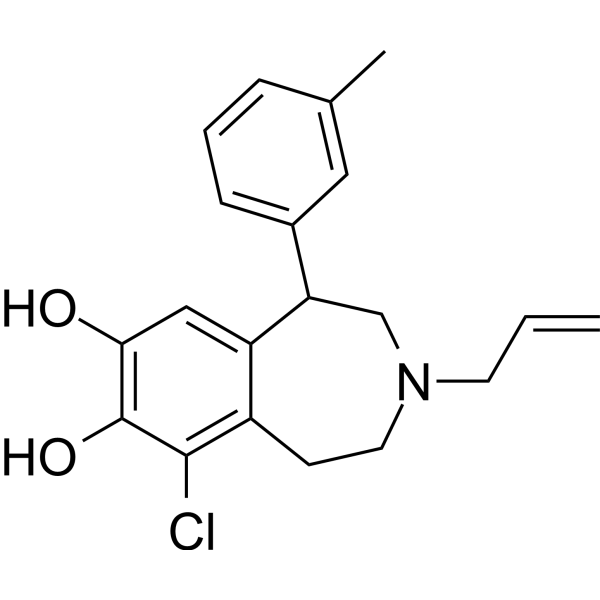
    SKF 83822
    1 Publications Verification

    Dopamine Receptor Neurological Disease
    SKF 83822 is an atypical agonist of dopamine D1 receptor. SKF 83822 activates adenylyl cyclase (AC), but not phospholipase C (PLC). SKF 83822 is also proved to stimulate AC via cAMP production. SKF 83822 can be used for research of schizophrenia .
    SKF 83822
  • HY-14117

    Adenosine Receptor Phosphodiesterase (PDE) Inflammation/Immunology
    Enprofylline acts as a selective and competitive A2B receptor antagonist with the Ki of 7 μM. Enprofylline also acts as a phosphodiesterase inhibitor. Enprofylline can be used for the research of asthma, chronic obstructive pulmonary disease .
    Enprofylline
  • HY-150524

    Endogenous Metabolite P2Y Receptor Metabolic Disease
    UDP-Galactose is a monosaccharide and a key glycosyl donor molecule in cells that participates in nucleotide sugar metabolism. UDP-Galactose is the natural agonist of the P2Y14 receptor coupled to Gi proteins in the immune system (IC50 = 0.67 μM, hP2Y14). UDP-Galactose can be used to study cell signal transduction and substance metabolism .
    UDP-Galactose
  • HY-100045

    4-Nitrophenylphosphorylcholine; 4-Nitrophenylphosphorylcholine; O-(4-Nitrophenylphosphoryl)choline

    Endogenous Metabolite Metabolic Disease
    p-Nitrophenyl phosphorylcholine (4-Nitrophenylphosphorylcholine) is a chromogenic substrate that is used to measure phospholipase C (PLC) activity. Hydrolysis of p-nitrophenylphosphorylcholine by PLC results in the liberation of p-nitrophenol, which can be measured at 405 nm at pH 7.2-7.5.
    p-Nitrophenyl phosphorylcholine
  • HY-N1773

    Others Cancer
    5,7,3' -tri-O-Methyl (-)-epicatechin (Compound 13) is a phospholipase Cγ1 (PLCγ1) inhibitor. 5,7,3' -tri-o-methyl (-)-epicatechin has a methylene dioxy benzene ring and can express inhibitory activity against PLCγ1. 5,7,3' -tri-O-Methyl (-)-epicatechin can be used in the study of chemotherapy and chemopexic agents for cancer .
    5,7,3'-Tri-O-methyl (-)-epicatechin
  • HY-W100403

    Choline p-toluenesulfonate

    Phospholipase Others
    Choline tosylate (Choline p-toluenesulfonate) is an intermediate and also a substrate of choline acetyltransferase (CHAT). Choline tosylate inhibits phospholipase A2 and phospholipase C .
    Choline tosylate
  • HY-114457

    L-alpha-Phosphatidylinositol-4,5-bisphosphate; (PtdIns)-(4,5)-P2

    Phospholipase Inflammation/Immunology
    Phosphatidylinositol 4,5-bisphosphate (L-alpha-Phosphatidylinositol-4,5-bisphosphate) is a plasma membrane lipid that is enriched in the cytoplasmic leaflet of the plasma membrane. Phosphatidylinositol 4,5-bisphosphate serves as a substrate for phospholipase C and class I PI3K, generating diacylglycerol, inositol (1,4,5)-trisphosphate, and phosphatidylinositol (3,4,5)-trisphosphate. Phosphatidylinositol 4,5-bisphosphate contributes to lamellipodial protrusion, directional cell migration, focal adhesion lipid generation, and trafficking of the GABAA receptor. Phosphatidylinositol 4,5-bisphosphate can be used in research related to acute lung injury and pulmonary edema .
    Phosphatidylinositol 4,5-bisphosphate
  • HY-107544

    PKA Metabolic Disease
    8-pCPT-2'-O-Me-cAMP-AM is a cyclic AMP analogue, selectively activates Epac-Rap signaling pathway. 8-pCPT-2'-O-Me-cAMP-AM protects renal function by activating Epac from ischemia injury. 8-pCPT-2'-O-Me-cAMP-AM also stimulates insulin secretion by interaction with PKA pathway .
    8-pCPT-2'-O-Me-cAMP-AM
  • HY-P2705

    Endogenous Metabolite Others
    Mastoparan X is a GTP-binding regulatory protein (G protein)-activating peptide, and a tetradecapeptide from wasp venom. Mastoparan X acts function by the direct activation of G protein that couple to phospholipase C to cause secretion from various kinds of cells .
    Mastoparan X
  • HY-70083

    LMV-601

    Phospholipase Reverse Transcriptase Infection
    SPK-601 (LMV-601) is an inhibitor of the phosphatidylcholine-specific phospholipase C (PC-PLC). SPK-601 also can be used as an antimicrobial agent .
    SPK-601
  • HY-153213A

    TSH Receptor Endocrinology
    Org 274178-0 is a selective thyroid-stimulating hormone receptor (TSHR) antagonist with a pIC50 value for TSHR is 5.03. Org 274178-0 inhibits the activation of cAMP signaling pathway and phospholipase C (PLC) signaling pathway mediated by thyroid-stimulating hormone (TSH) and TSH receptor-stimulating immunoglobulins (TSIs). Org 274178-0 is promising for research of Graves’ disease and Graves’ ophthalmopathy .
    Org 274178-0
  • HY-B0470R

    Reference Standards Bacterial Antibiotic Phospholipase Infection Cancer
    Neomycin (sulfate) (Standard) is the analytical standard of Neomycin (sulfate). This product is intended for research and analytical applications. Neomycin sulfate, an aminoglycoside antibiotic, exerts antibacterial activity through irreversible binding of the nuclear 30S ribosomal subunit, thereby blocking bacterial protein synthesis. Neomycin sulfate is a known phospholipase C (PLC) inhibitor. Neomycin sulfate potently inhibits both nuclear translocation of angiogenin and angiogenin-induced cell proliferation and angiogenesis .
    Neomycin sulfate (Standard)
  • HY-P2817

    PLCs

    Phospholipase Infection Metabolic Disease
    Phospholipase C (PLCs) is a class of phospholipases. Phospholipase C participates in cellular signaling and regulation by virtue of its ability to hydrolyze membrane phospholipids into di-acyl-glycerol (DAG) and inositol triphosphate (IP3), which further causes the activation of other signaling pathways involved in various processes, including immune response .
    Phospholipase C
  • HY-P10053

    Phospholipase Metabolic Disease
    sPLA2-IIA Inhibitor is a cyclic pentapeptide analog of FLSYK (cyclic 2-Nal-Leu-Ser-2-Nal-Arg (c2)), that binds to hGIIA (human IIA phospholipase A2) and inhibits its hydrolytic ability. sPLA2 is a member of the esterase superfamily that catalyzes the hydrolysis of the ester bond at the sn-2 position of glycerophospholipids, releasing free fatty acids such as arachidonic acid and lysophospholipids .
    sPLA2-IIA Inhibitor
  • HY-117168

    Endogenous Metabolite Metabolic Disease
    1,2-Dilinoleoyl-sn-glycerol is a diacylglycerol (DAG) with linoleic acid (HY-N0729) (18:2) side chains attached at both the sn-1 and sn-2 positions . 1,2-Dilinoleoyl-sn-glycerol can be prepared from L-dilinoleoylphosphatidylcholine via hydrolysis with phospholipase C .
    1,2-Dilinoleoyl-sn-glycerol
  • HY-137311

    Calcium Channel Phospholipase mAChR Neurological Disease
    (S)-Albuterol hydrochloride is a muscarinic receptor and phospholipase C activator. (S)-Albuterol hydrochloride increases intracellular free calcium in airway smooth muscle .
    (S)-Albuterol hydrochloride
  • HY-148388

    N-Stearoyl-D-sphingomyelin

    Phospholipase Cancer
    N-Stearoylsphingomyelin (N-Stearoyl-D-sphingomyelin) is a sphingolipid, which can inhibit Phospholipase Cδ1 (PLCδ1) .
    N-Stearoylsphingomyelin
  • HY-N1450

    Phospholipase Cancer
    Aristolochic acid C is a derivative of Aristolochic acid. Aristolochic acid is a phospholipase A2 (PLA2) inhibitor, which disrupts cortical microtubule arrays and root growth in Arabidopsis .
    Aristolochic acid C
  • HY-12598AR

    (RS)-3,5-DHPG (Standard)

    mGluR Reference Standards Neurological Disease
    DHPG (Standard) is the analytical standard of DHPG. This product is intended for research and analytical applications. DHPG is the agonist for mGluR 1/5 (EC50 for mGluR 1 is 60 nM) that activates the phospholipase C (PLC) pathway, and leads ultimately to the activation of protein kinase C (PKC) .
    DHPG (Standard)
  • HY-175982

    Aurora Kinase Cancer
    AURKA-IN-3 (Compound AL8) is an irreversible covalent Aurora kinase A (AURKA) inhibitor with an IC50 value of 23.0 nM. AURKA-IN-3 inhibits the activation of cAMP signaling pathway and phospholipase C (PLC) signaling pathway mediated by AURKA, and reduces the autophosphorylation level of AURKA. AURKA-IN-3 is promising for research of malignant tumors associated with high AURKA expression (e.g., leukemia, lymphoma) .
    AURKA-IN-3
  • HY-127008

    Fluorescent Dye Others
    N-Butylfluorescein is an alkyl-substituted fluorescein, can be used for synthesis of fluorogenic substrates for assaying phosphatidylinositol-specific phospholipase C .
    N-Butylfluorescein
  • HY-108654

    P2Y Receptor Apoptosis Drug Derivative Phospholipase NO Synthase Neurological Disease Inflammation/Immunology Endocrinology
    PSB 0474 (3-phenacyl-UDP) is a UDP (HY-113359) analog and selective P2Y6 receptor agonist, with an EC50 value of 70 nM for the hP2Y6 receptor. PSB 0474 activates Phospholipase C-coupled receptors to increase intracellular inositol phosphate levels. PSB 0474 enhances NO release by upregulating inducible iNOS and induces Apoptosis. PSB 0474 increases micturition frequency in urine of anesthetized rats, without altering bladder contraction amplitude/duration or causing urothelial damage. PSB 0474 can be used in studies related to chronic brain inflammation .
    PSB 0474
  • HY-123202

    P2Y Receptor Cancer
    MRS2603 is a pyridoxal derivative. MRS2603 antagonized both P2Y1 and P2Y13 receptors .
    MRS2603
  • HY-N14292

    Phospholipase Infection
    Hispidospermidin is a phospholipase C inhibitor found in Chaetosphaeronema hispidulum .
    Hispidospermidin
  • HY-137311A

    Calcium Channel Phospholipase mAChR Neurological Disease
    (S)-Albuterol is a muscarinic receptor and phospholipase C activator. (S)-Albuterol increases intracellular free calcium in airway smooth muscle .
    (S)-Albuterol
  • HY-N14103

    Phospholipase Others
    Cinatrin C1 is a phospholipase A2 (PLA2) inhibitor that can be extracted from Circinotrichum falcatisporum RF-641 .
    Cinatrin C1
  • HY-N1450R

    Reference Standards Phospholipase Cancer
    Aristolochic acid C (Standard) is the analytical standard of Aristolochic acid C. This product is intended for research and analytical applications. Aristolochic acid C is a derivative of Aristolochic acid. Aristolochic acid is a phospholipase A2 (PLA2) inhibitor, which disrupts cortical microtubule arrays and root growth in Arabidopsis .
    Aristolochic acid C (Standard)
  • HY-N14104

    Phospholipase Others
    Cinatrin C2 is a phospholipase A2 (PLA2) inhibitor with an IC50 of 800 μM and can be extracted from Circinotrichum falcatisporum RF-641 .
    Cinatrin C2
  • HY-N14105

    Phospholipase Others
    Cinatrin C3 is a phospholipase A2 (PLA2) inhibitor with an IC50 of 70 μM and can be extracted from Circinotrichum falcatisporum RF-641 .
    Cinatrin C3
  • HY-P10658

    Phospholipase Others
    ARF1 (2-17) inhibits both ARF-independent (PLC-β) and ARF-dependent (PLD) pathways. ARF1 (2-17) inhibits GTP-γ-S-stimulated PLD activity, phospholipase C-β (PLC-β), and exocytosis .
    ARF1 (2-17)
  • HY-103411

    Dopamine Receptor Neurological Disease
    SKF83822 hydrobromide is a potent dopamine D1 receptor agonist. SKF83822 hydrobromide activates Gs/olf/adenylyl cyclase (AC)-coupled D1 receptors, but not phospholipase C (PLC)-coupled D1-like receptors .
    SKF83822 hydrobromide
  • HY-176008

    Drug Derivative Inflammation/Immunology
    Lauric acid leelamide is the lauric acid (C-12) amide analog of Leelamine (HY-W005629). Leelamine exhibits inhibitory activity against pyruvate dehydrogenase kinase (PDHK) with an IC50 value of 9.5 µM. Leelamine derivatives possess anti-inflammatory effects and can inhibit phospholipase A2 activity from various sources .
    Lauric acid leelamide
  • HY-100983R

    Reference Standards PKC Cancer
    Protein kinase inhibitor H-7 (dihydrochloride) (Standard) is the analytical standard of Protein kinase inhibitor H-7 (dihydrochloride). This product is intended for research and analytical applications. Protein kinase inhibitor H-7 dihydrochloride is a potent PKC (protein kinase C) inhibitor. At 100 μM, Protein kinase inhibitor H-7 dihydrochloride completely inhibits both TPA (skin tumour promoter, 12-O-tetradecanoylphorbol-13-acetate) and phospholipase C-induced ODC (ornithine decarboxylase) .
    Protein kinase inhibitor H-7 dihydrochloride (Standard)

Consulta en línea

Your information is safe with us. * Required Fields.

Saludo


Country or Region *

Nombre del solicitante *


Nombre de la Organizaciòn *

Department *


Direcciòn del E-mail *


Nombre del producto *

Cat. No.


Requested quantity *

Número de teléfono *


Observaciones

Consulta en línea

Inquiry Information

Nombre del producto:
Cat. No.:
Cantidad:
MCE Japan Authorized Agent:

