1. Search Result
Search Result
Results for "

phosphorylation JAK3

" in MedChemExpress (MCE) Product Catalog:

27

Inhibitors & Agonists

1

Peptides

1

Isotope-Labeled Compounds

Cat. No. Product Name Target Research Areas Chemical Structure
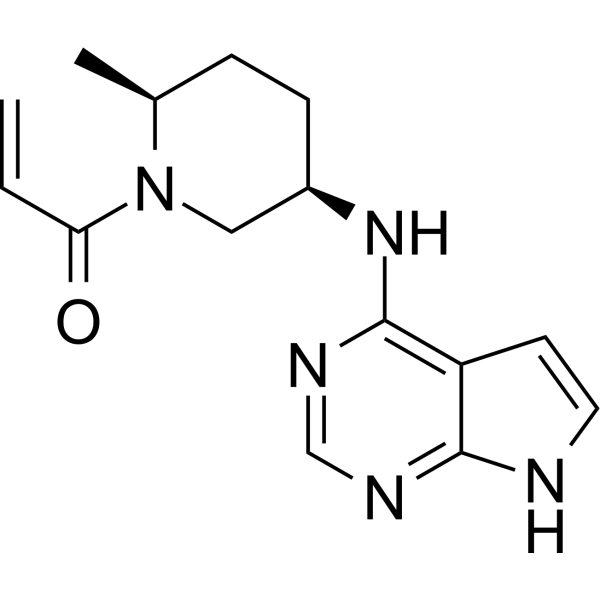
  • HY-100754
    Ritlecitinib
    Maximum Cited Publications
    8 Publications Verification

    PF-06651600

    JAK Interleukin Related STAT Inflammation/Immunology
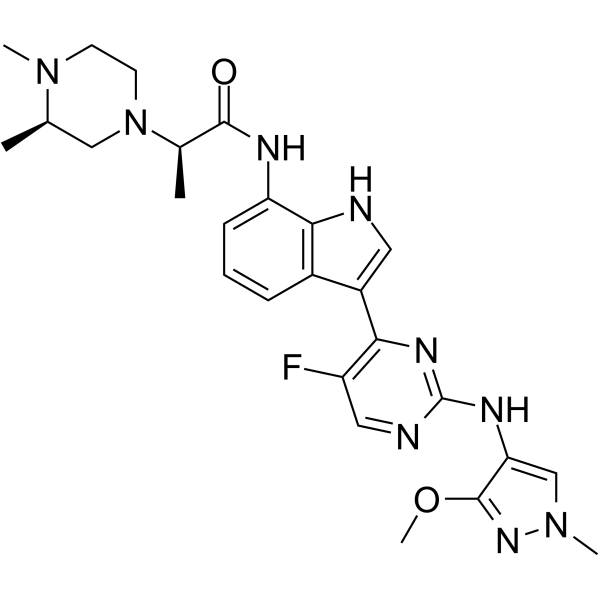
    Ritlecitinib (PF-06651600) is a highly selective, orally active, irreversible covalent JAK3 inhibitor (IC50=33 nM) without inhibitory activity towards JAK1, JAK2, and TYK2 (IC50 >10 μ M). Ritlecitinib rapidly inactivates the JAK3 kinase, and blocks signaling and downstream STAT phosphorylation mediated by common gamma chain cytokines such as IL-2 and IL-15. Ritlecitinib can inhibit Th1/Th17 cell differentiation and function, and effectively suppress preclinical animal models such as alopecia areata, adjuvant-induced arthritis (AIA), and experimental autoimmune encephalomyelitis (EAE) .
    Ritlecitinib
  • HY-112724

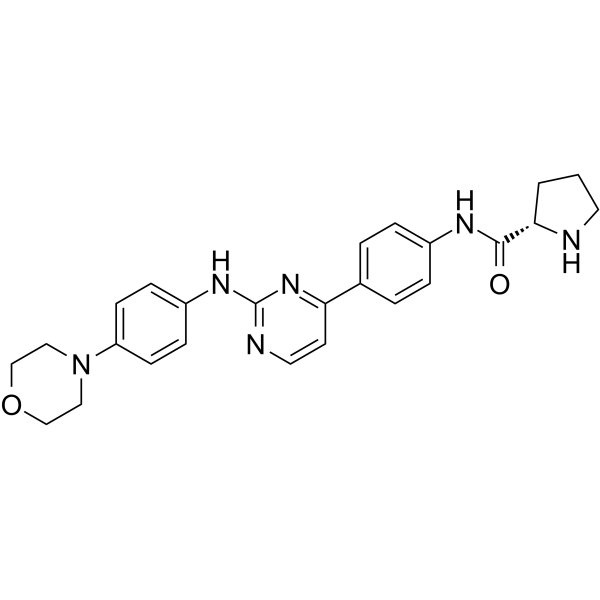
    SHR0302

    JAK Apoptosis Inflammation/Immunology Cancer
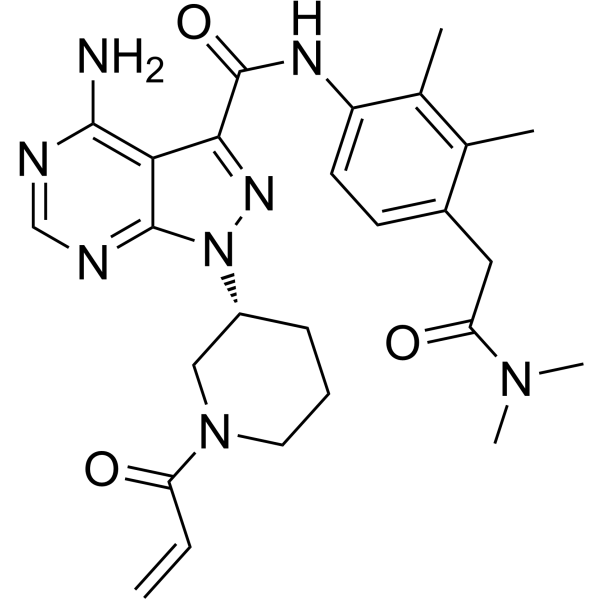
    Ivarmacitinib (SHR0302) is a potent and orally active all members of the JAK family inhibitor, particularly JAK1. The selectivity of Ivarmacitinib for JAK1 is >10-fold for JAK2, 77-fold for JAK3, 420-fold for Tyk2. Ivarmacitinib inhibits JAK1-STAT3 phosphorylation and induces the apoptosis of hepatic stellate cells. Ivarmacitinib has anti-proliferative and anti-inflammatory effects .
    Ivarmacitinib
  • HY-13775
    XL019
    5 Publications Verification

    JAK Apoptosis Cancer
    XL019?is a potent, orally active, and selective JAK2 inhibitor, with IC50s of 2.2, 134.3, and 214.2 nM for JAK2, JAK1 and JAK3, respectively. XL019 shows 50-fold or greater selectivity for JAK2, versus a panel of over 100 serine/threonine and tyrosine kinases, including other members of the JAK family. XL019 potently inhibits STAT3 and STAT5 phosphorylation in cells harboring either JAK2V617F or wild-type JAK2 .
    XL019
  • HY-100754C
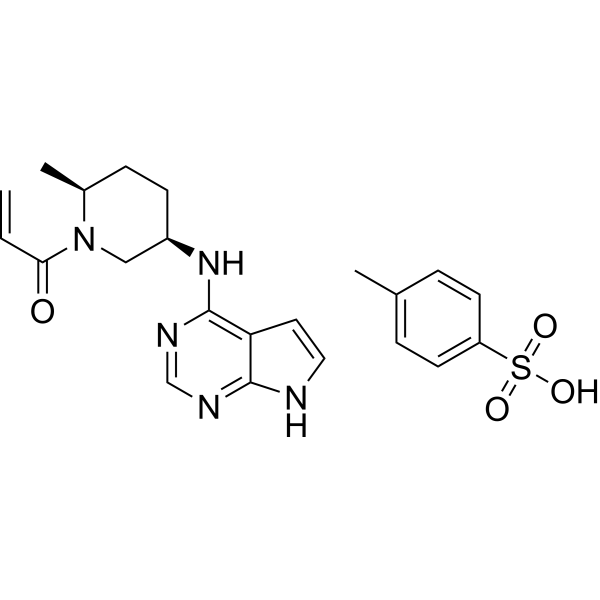
    Ritlecitinib tosylate
    Maximum Cited Publications
    8 Publications Verification

    PF-06651600 tosylate

    JAK Interleukin Related STAT Inflammation/Immunology
    Ritlecitinib (PF-06651600) tosylate is a highly selective, orally active, irreversible covalent JAK3 inhibitor (IC50=33 nM) without inhibitory activity towards JAK1, JAK2, and TYK2 (IC50 >10 μ M). Ritlecitinib tosylate rapidly inactivates the JAK3 kinase, and blocks signaling and downstream STAT phosphorylation mediated by common gamma chain cytokines such as IL-2 and IL-15. Ritlecitinib tosylate can inhibit Th1/Th17 cell differentiation and function, and effectively suppress preclinical animal models such as alopecia areata, adjuvant-induced arthritis (AIA), and experimental autoimmune encephalomyelitis (EAE) .
    Ritlecitinib tosylate
  • HY-116505

    JAK Cancer
    JAK1-IN-4 is a potent and selective JAK1 inhibitor, with IC50s of 85 nM, 12.8 μM and >30 μM for JAK1, JAK2, and JAK3, respectively. JAK1-IN-4 inhibits STAT3 phosphorylation in NCI-H 1975 cells (IC50, 227 nM) .
    JAK1-IN-4
  • HY-111553

    EGFR Cancer
    TAS0728 is a potent, selective, orally active, irreversible and covalent-binding HER2 inhibitor, with an IC50 of 13 nM. TAS0728 also shows IC50s of 4.9, 8.5, 31, 65, 33, 25 and 86 nM for BMXHER4BLK、EGFR、JAK3SLK and LOK respectively. Furthermore, TAS0728 exhibits robust and sustained inhibition of the phosphorylation of HER2, HER3, and downstream effectors .
    TAS0728
  • HY-13559

    Azaspirane ; SKF 106615-12; SKF 106615A12

    STAT Apoptosis Autophagy Reactive Oxygen Species (ROS) Caspase Bcl-2 Family p62 Atg8/LC3 PARP NF-κB PERK JAK Cardiovascular Disease Inflammation/Immunology Cancer
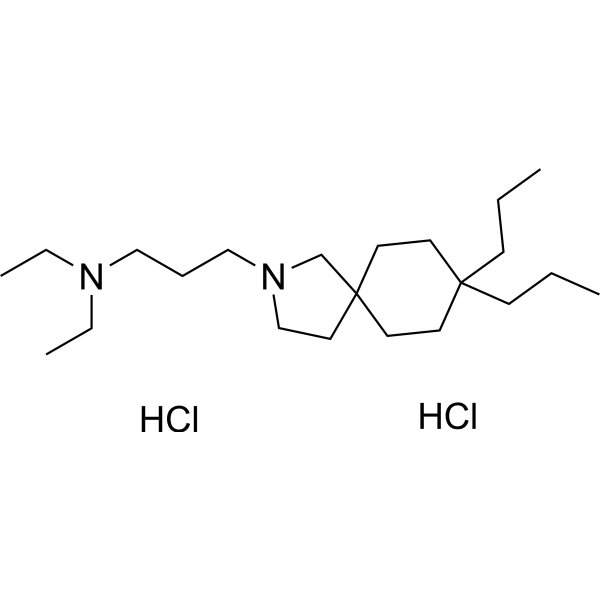
    Atiprimod (Azaspirane) is a STAT3 inhibitor with antitumor, anti-inflammatory, and anti-angiogenic activities. Atiprimod blocks the signaling pathways of IL-6 and VEGF by inhibiting the phosphorylation of signal transducer and activator of STAT3. Atiprimod blocks the JAK-STAT signaling pathway by inhibiting the phosphorylation of JAK2 and JAK3. Atiprimod also inhibits cell proliferation, induces cell cycle arrest, and induces autophagy and apoptosis. Atiprimod triggers persistent ER stress-mediated apoptosis in breast cancer cells by activating the PERK/eIF2α/ATF4/CHOP axis and inhibiting the nuclear translocation of STAT3/NF-κB. Atiprimod shows great anti-tumor activities in tumor xenograft mouse models. Atiprimod can be used for the study of pituitary adenoma, breast cancer, multiple myeloma and acute myeloid leukemia (AML) .
    Atiprimod
  • HY-112724A

    SHR0302 sulfate

    JAK Apoptosis Inflammation/Immunology Cancer
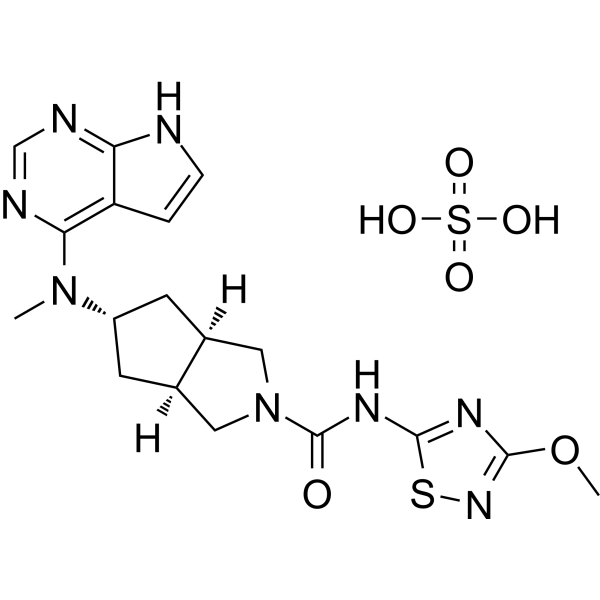
    Ivarmacitinib (SHR0302) sulfate is a potent and orally active all members of the JAK family inhibitor, particularly JAK1. The selectivity of Ivarmacitinib for JAK1 is >10-fold for JAK2, 77-fold for JAK3, 420-fold for Tyk2. Ivarmacitinib inhibits JAK1-STAT3 phosphorylation and induces the apoptosis of hepatic stellate cells. Ivarmacitinib has anti-proliferative and anti-inflammatory effects .
    Ivarmacitinib sulfate
  • HY-P5434

    JAK3 Peptide substrate

    JAK Others
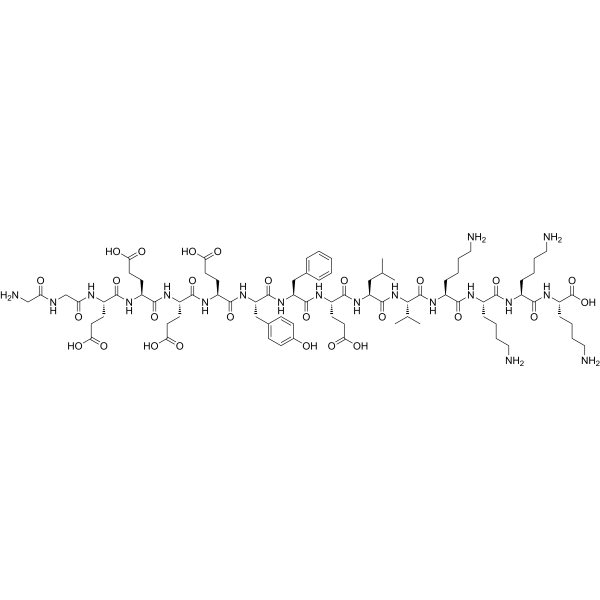
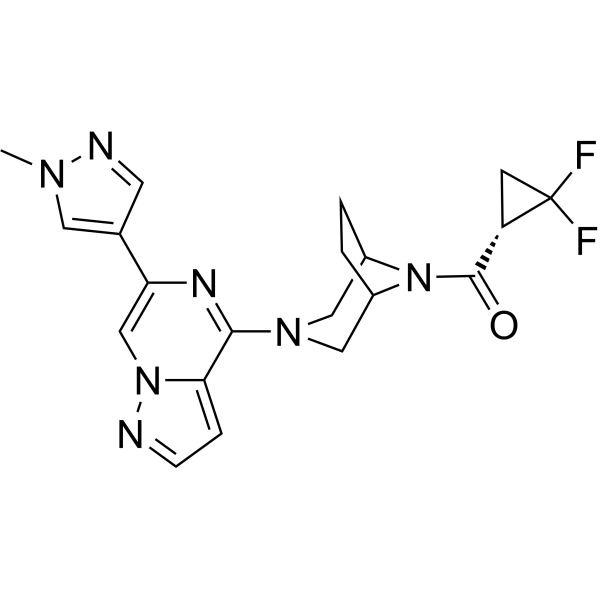
    Jak3tide (JAK3 Peptide substrate) is a biological active peptide. (This peptide is a substrate for Jak3. It may be used used in kinase assays. Jak3tide contains the phosphorylation site at Tyr7.)
    Jak3tide
  • HY-120457

    JAK STAT Inflammation/Immunology
    WYE-151650 is a selective JAK-3 inhibitor. WYE-151650 suppresses IL-2-induced STAT-5 phosphorylation and cell proliferation mediated by JAK-3. WYE-151650 is promising for research of autoimmune diseases .
    WYE-151650
  • HY-100754A

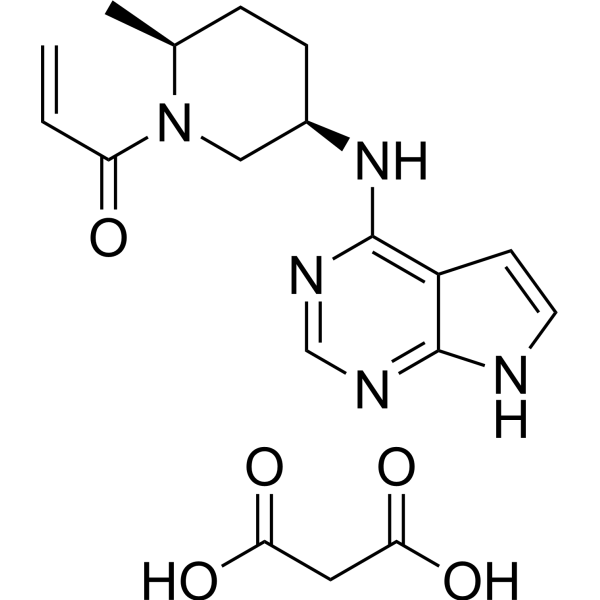
    PF-06651600 malonate

    JAK Interleukin Related STAT Inflammation/Immunology
    Ritlecitinib (PF-06651600) malonate is a highly selective, orally active, irreversible covalent JAK3 inhibitor (IC50=33 nM) without inhibitory activity towards JAK1, JAK2, and TYK2 (IC50 >10 μ M). Ritlecitinib malonate rapidly inactivates the JAK3 kinase, and blocks signaling and downstream STAT phosphorylation mediated by common gamma chain cytokines such as IL-2 and IL-15. Ritlecitinib malonate can inhibit Th1/Th17 cell differentiation and function, and effectively suppress preclinical animal models such as alopecia areata, adjuvant-induced arthritis (AIA), and experimental autoimmune encephalomyelitis (EAE) .
    Ritlecitinib malonate
  • HY-146672

    Itk Cancer
    ITK inhibitor 6 (compound 43) is a potent and selective ITK inhibitor with IC50s of 4 nM, 133 nM, 320 nM, 2360 nM, 155 nM for ITK, BTK, JAK3, EGFR, LCK, respectively. ITK inhibitor 6 inhibits phosphorylation of PLCγ1 and ERK1/2. ITK inhibitor 6 shows antiproliferative activities .
    ITK inhibitor 6
  • HY-120604

    NVP_BVB808

    JAK STAT Cancer
    BVB808 (NVP_BVB808) is a selective JAK2 inhibitor with approximately 10-fold selectivity for JAK2 over other JAK family members (such as JAK1, JAK3 or TYK2) in vitro. BVB808 inhibits the activity of JAK2 and reduces the phosphorylation of STAT5, thereby blocking the JAK2-dependent cell proliferation and survival signaling pathways. BVB808 can be used in cancer research .
    BVB808
  • HY-13559A

    Azaspirane dimaleate; SKF 106615-12 dimaleate; SKF 106615A12 dimaleate

    STAT Apoptosis Caspase Interleukin Related Autophagy Reactive Oxygen Species (ROS) Atg8/LC3 p62 JAK Cardiovascular Disease Inflammation/Immunology Cancer
    Atiprimod (Azaspirane) (dimaleate) is a STAT3 inhibitor with antitumor, anti-inflammatory, and anti-angiogenic activities. Atiprimod blocks the signaling pathways of IL-6 and VEGF by inhibiting the phosphorylation of signal transducer and activator of STAT3. Atiprimod blocks the JAK-STAT signaling pathway by inhibiting the phosphorylation of JAK2 and JAK3. Atiprimod also inhibits cell proliferation, induces cell cycle arrest, and induces autophagy and apoptosis. Atiprimod triggers persistent ER stress-mediated apoptosis in breast cancer cells by activating the PERK/eIF2α/ATF4/CHOP axis and inhibiting the nuclear translocation of STAT3/NF-κB. Atiprimod shows great anti-tumor activities in tumor xenograft mouse models. Atiprimod can be used for the study of pituitary adenoma, breast cancer, multiple myeloma and acute myeloid leukemia (AML) .
    Atiprimod dimaleate
  • HY-110102

    Azaspirane hydrochloride; SKF 106615-12 hydrochloride; SKF 106615

    JAK STAT Apoptosis Autophagy Reactive Oxygen Species (ROS) Caspase Atg8/LC3 p62 Cardiovascular Disease Inflammation/Immunology Cancer
    Atiprimod (Azaspirane) hydrochloride is a STAT3 inhibitor with antitumor, anti-inflammatory, and anti-angiogenic activities. Atiprimod blocks the signaling pathways of IL-6 and VEGF by inhibiting the phosphorylation of signal transducer and activator of STAT3. Atiprimod blocks the JAK-STAT signaling pathway by inhibiting the phosphorylation of JAK2 and JAK3. Atiprimod also inhibits cell proliferation, induces cell cycle arrest, and induces autophagy and apoptosis. Atiprimod triggers persistent ER stress-mediated apoptosis in breast cancer cells by activating the PERK/eIF2α/ATF4/CHOP axis and inhibiting the nuclear translocation of STAT3/NF-κB. Atiprimod shows great anti-tumor activities in tumor xenograft mouse models. Atiprimod can be used for the study of pituitary adenoma, breast cancer, multiple myeloma and acute myeloid leukemia (AML) .
    Atiprimod hydrochloride
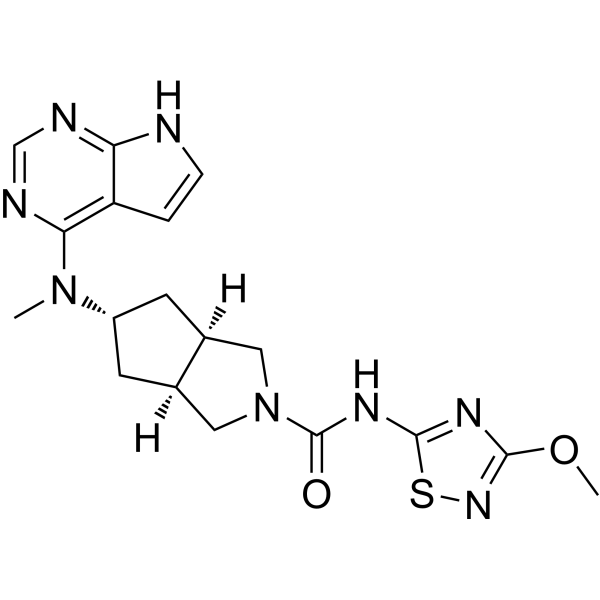
  • HY-178448

    EGFR JAK Ferroptosis Apoptosis Reactive Oxygen Species (ROS) Cannabinoid Receptor Glutathione Peroxidase Caspase Inflammation/Immunology Cancer
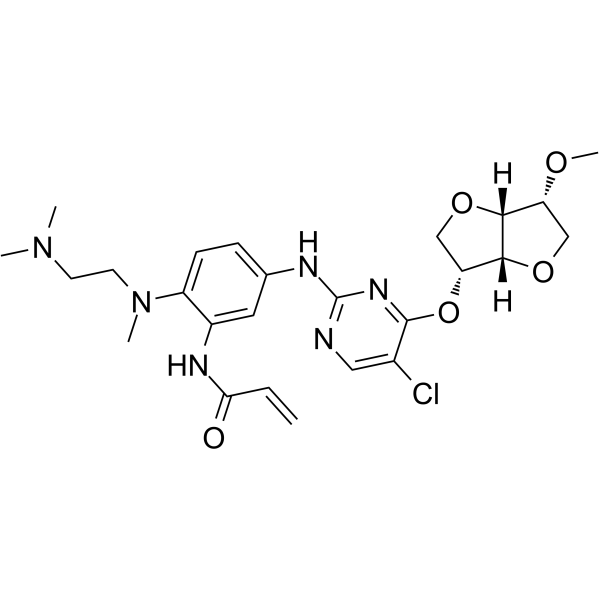
    EGFR-IN-178 is an orally active EGFR mutant inhibitor, exhibits highly selective inhibitory activity against mutants of the EGFR enzyme, including Del19 (IC50 = 3.4 nM), L858R/T790 M (IC50 = 2.9 nM), and Del19/T790 M (IC50 = 2.5 nM). EGFR-IN-178 has good activity against JAK2 (IC50 = 55.6 nM) and JAK3 (IC50 = 46.1 nM) kinases. EGFR-IN-178 can increase cellular lipid oxide MDA, meanwhile decrease GSH content, causing ferroptosis in cancer cells. EGFR-IN-178 promotes apoptosis by increasing cleaved caspase-3 expression. EGFR-IN-178 can inhibit the phosphorylation of EGFR protein and decrease the active form p-JAK2 for JAK2, induce an increase in intracellular ROS. EGFR-IN-178 can be used for the study of non-small cell lung cancer (NSCLC) .
    EGFR-IN-178
  • HY-121874

    JAK Cancer
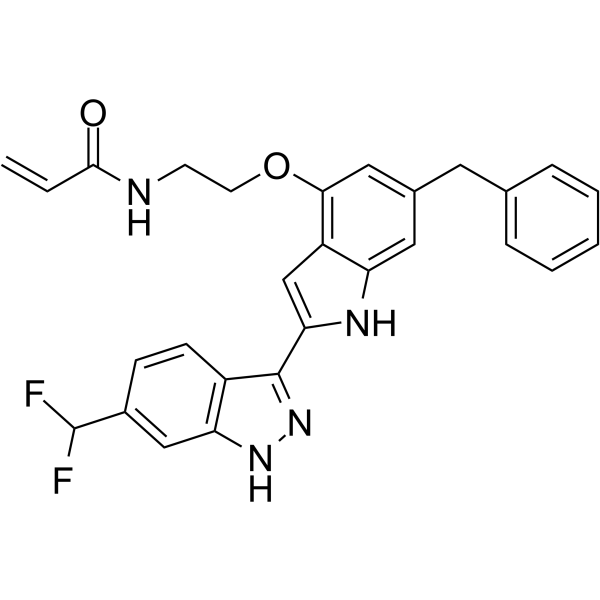
    EP009 is a JAK3 inhibitor that selectively inhibits IL-2-mediated JAK3 tyrosine phosphorylation (IC50=10-20 μM in Kit225 cells) without affecting IL-3-induced JAK2 phosphorylation (up to 50 μM in BaF/3 cells). EP009 significantly reduced Kit225 cell viability (72 h, LD50=5.0 μM) while having no effect on BaF/3 cells. .
    EP009
  • HY-150688

    JNK Cancer
    JAK3-IN-13 (compound 12n) is a potent, selective and orally active JAK3 inhibitor with IC50 values of 4728, 2039, 8, 365 nM for NK1, JNK2, JNK3, Tyk2, respectively. JAK3-IN-13 shows antiproliferative activity. JAK3-IN-13 induces cell cycle arrest at G0/G1 phase. JAK3-IN-13 shows antitumor activity .
    JAK3-IN-13
  • HY-168339

    JAK Inflammation/Immunology
    Tyk2-IN-22 (Compound A8) is a selective inhibitor for tyrosine kinase 2 (Tyk2), that it inhibits Tyk2, JAK1, and JAK3 with IC50s of 9.7, 148.6, and 883.3 nM, respectively. Tyk2-IN-22 inhibits the downstream STAT5 phosphorylation .
    Tyk2-IN-22
  • HY-153702

    JAK Cancer
    JAK-IN-27 (compound 1) is an orally active and potent JAKS family kinase inhibitor with IC50s of 3.0 nM (TYK2), 7.7 nM (JAK1), 629.6 nM (JAK3), respectively. JAK-IN-27 inhibits IFN-α2B-induced phosphorylation of STAT3 in Jurkat cells (IC50=23.7 nM) .
    JAK-IN-27
  • HY-169984S

    Isotope-Labeled Compounds STAT JAK Inflammation/Immunology
    Tyk2-IN-22-d3 (Compound 1) is the deuterated analog of Tyk2-IN-22 (HY-168339). Tyk2-IN-22 (Compound A8) is a selective inhibitor for tyrosine kinase 2 (Tyk2), that it inhibits Tyk2, JAK1, and JAK3 with IC50s of 9.7, 148.6, and 883.3 nM, respectively. Tyk2-IN-22 inhibits the downstream STAT5 phosphorylation .
    Tyk2-IN-22-d3
  • HY-111077

    JAK STAT Inflammation/Immunology Cancer
    INCB16562 is an orally active and selective inhibitor against JAK1/2 markedly selective over JAK3. INCB16562 potently inhibits interleukin-6 (IL-6)-induced phosphorylation of STAT3. Additionally, INCB16562 inhibits the proliferation and survival of myeloma cells dependent on IL-6 for growth, as well as the IL-6–induced growth of primary bone marrow-derived plasma cells. INCB16562 antagonizes the growth of myeloma xenografts in mice with antitumor activity. INCB16562 is promising for research of multiple myeloma .
    INCB16562
  • HY-170927

    JAK STAT Apoptosis Cancer
    JAK-IN-40 (Compound 46) is the inhibitor for JAK that inhibits JAK1, JAK2 and JAK3 with IC50s of 0.022, 0.759 and 1.601 μM, respectively. JAK-IN-40 inhibits the phosphorylation of STAT3. JAK-IN-40 inhibits the proliferation of cancer cell Ba/F3 and JAK1-TEL Ba/F3 with GI50 of 0.614 μM and 0.193 μM. JAK-IN-40 arrests cell cycle of H1975 and H2087 at G2/M phase, induces apoptosis. JAK-IN-40 exhibits a synergistic antitumor effect with Osimertinib (HY-15772) .
    JAK-IN-40
  • HY-100754R

    PF-06651600 (Standard)

    JAK Reference Standards Interleukin Related STAT Inflammation/Immunology
    Ritlecitinib (Standard) is the analytical standard of Ritlecitinib (HY-100754). This product is intended for research and analytical applications. Ritlecitinib (PF-06651600) is a highly selective, orally active, irreversible covalent JAK3 inhibitor (IC50=33 nM) without inhibitory activity towards JAK1, JAK2, and TYK2 (IC50 >10 μ M). Ritlecitinib rapidly inactivates the JAK3 kinase, and blocks signaling and downstream STAT phosphorylation mediated by common gamma chain cytokines such as IL-2 and IL-15. Ritlecitinib can inhibit Th1/Th17 cell differentiation and function, and effectively suppress preclinical animal models such as alopecia areata, adjuvant-induced arthritis (AIA), and experimental autoimmune encephalomyelitis (EAE) .
    Ritlecitinib (Standard)
  • HY-100754CR

    PF-06651600 tosylate (Standard)

    JAK Reference Standards Interleukin Related STAT Inflammation/Immunology
    Ritlecitinib (tosylate) (Standard) is the analytical standard of Ritlecitinib (tosylate) (HY-100754C). This product is intended for research and analytical applications. Ritlecitinib (PF-06651600) tosylate is a highly selective, orally active, irreversible covalent JAK3 inhibitor (IC50=33 nM) without inhibitory activity towards JAK1, JAK2, and TYK2 (IC50 >10 μ M). Ritlecitinib tosylate rapidly inactivates the JAK3 kinase, and blocks signaling and downstream STAT phosphorylation mediated by common gamma chain cytokines such as IL-2 and IL-15. Ritlecitinib tosylate can inhibit Th1/Th17 cell differentiation and function, and effectively suppress preclinical animal models such as alopecia areata, adjuvant-induced arthritis (AIA), and experimental autoimmune encephalomyelitis (EAE) .
    Ritlecitinib tosylate (Standard)
  • HY-115438

    JAK STAT Apoptosis Cancer
    AUH-6-96 is a JAK/STAT signaling inhibitor. AUH-6-96 reduces Unpaired-induced transcriptional activity in Drosophila cells and blocks tyrosine phosphorylation of STAT92E. AUH-6-96 blocks both constitutive and IL-6-induced phosphorylation of STAT3. AUH-6-96 decreases the level of tyrosine-phosphorylated JAK3. AUH-6-96 induces cancer cell Apoptosis by downregulating the expression of anti-apoptotic genes downstream of STAT3. AUH-6-96 selectively reduces the viability of cancer cells with abnormal JAK/STAT signaling pathway. AUH-6-96 is applicable to related research on Hodgkin's lymphoma, breast cancer, and prostate cancer .
    AUH-6-96
  • HY-182361

    AMPK JAK Cadherin Cancer
    NUAK1-IN-3 is a potent and selective NUAK1 inhibitor with an IC50 of 0.49 nM. NUAK1-IN-3 also inhibits NUAK2 and JAK3 with IC50 values of 265 and 225 nM. NUAK1-IN-3 engages Glu139 of NUAK1, forms a salt bridge between its bicyclic ring nitrogen and Asp142, and uses a fluorine atom to enhance hydrophobic binding interactions. NUAK1-IN-3 attenuates MYPT1 phosphorylation, suppresses the NUAK1-MYPT1 signaling axis, and inhibits proliferation, migration, and invasion of triple-negative breast cancer cells. NUAK1-IN-3 reverses TGF-β1-induced epithelial-mesenchymal transition (EMT) marker alterations, downregulates Snail and N-cadherin, and upregulates E-cadherin in tumor tissues. NUAK1-IN-3 suppresses tumor growth in triple-negative breast cancer xenograft models. NUAK1-IN-3 can be used for the research of triple-negative breast cancer .
    NUAK1-IN-3

Inquiry Online

Your information is safe with us. * Required Fields.

Salutation


Country or Region *

Applicant Name *


Organization Name *

Department *


Email Address *


Product Name *

Cat. No.


Requested quantity *

Phone Number *


Remarks

Inquiry Online

Inquiry Information

Product Name:
Cat. No.:
Quantity:
MCE Japan Authorized Agent:

