
1. Search Result
Search Result
Results for "

postmenopausal

" in MedChemExpress (MCE) Product Catalog:

49

Inhibitors & Agonists

2

Biochemical Assay Reagents

6

Peptides

1

Inhibitory Antibodies

8

Natural
Products

5

Isotope-Labeled Compounds

1

Click Chemistry

Cat. No. Product Name Target Research Areas Chemical Structure
  • HY-112879
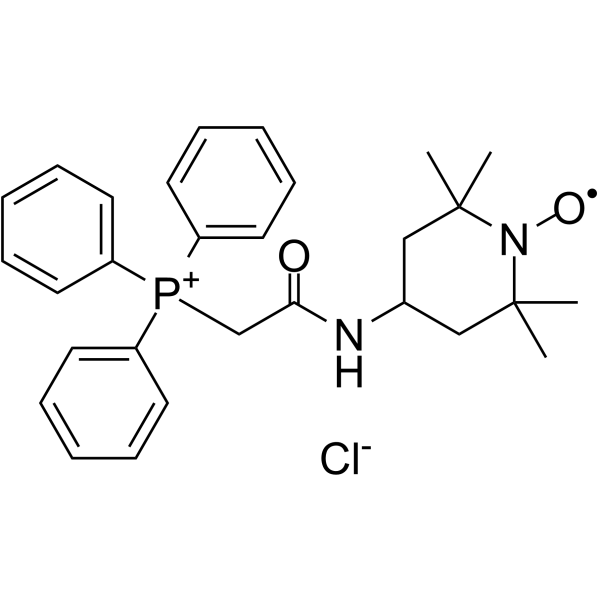
    Mito-TEMPO
    Maximum Cited Publications
    164 Publications Verification

    Calcium Channel PINK1/Parkin Mitochondrial Metabolism Apoptosis Autophagy NOD-like Receptor (NLR) Cardiovascular Disease Neurological Disease Metabolic Disease Inflammation/Immunology
    Mito-TEMPO is a mitochondria-targeted antioxidant. Mito-TEMPO induces mitophagy by activating the PINK1/Parkin pathway, inhibits NLRP3 inflammasome activation, restores mitochondrial membrane potential, and improves renal function and podocyte injury. Mito-TEMPO regulates Ca 2+ homeostasis, inhibits Bnip3 overexpression, shortens action potential duration, and exerts antiarrhythmic effects. Mito-TEMPO reverses premature senescence, reduces trabecular bone loss, and decreases cell apoptosis. Mito-TEMPO can be used in studies of chronic kidney disease, age-related cardiac dysfunction, postmenopausal osteoporosis, and ischemic stroke .
    Mito-TEMPO
  • HY-B0234
    Estrone
    Maximum Cited Publications
    6 Publications Verification

    E1; Oestrone

    Estrogen Receptor/ERR Endogenous Metabolite Endocrinology Cancer
    Estrone (E1) is a natural estrogenic hormone. Estrone is the main representative of the endogenous estrogens and is produced by several tissues, especially adipose tissue. Estrone is the result of the process of aromatization of androstenedione that occurs in fat cells .
    Estrone
  • HY-14598
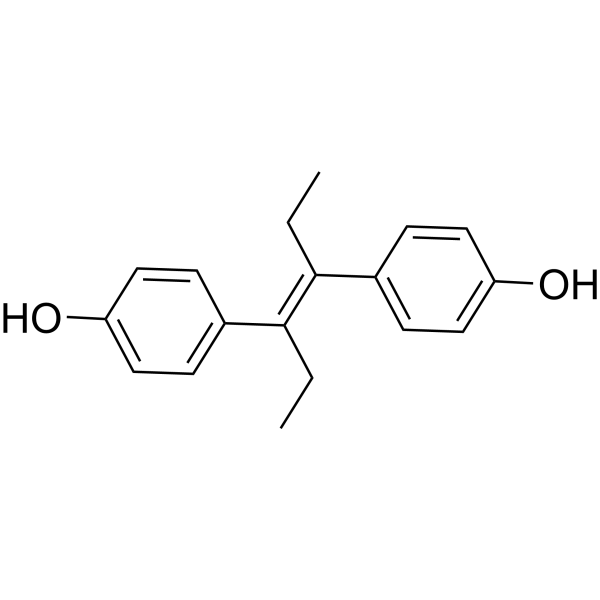
    Diethylstilbestrol
    3 Publications Verification

    Estrogen Receptor/ERR Apoptosis Autophagy Endocrinology Cancer
    Diethylstilbestrol is a non-steroidal female hormone that has oral activity and can act on menopausal and postmenopausal disorders. Diethylstilbestrol can induce DNA oxidation and Apoptosis of spermatogonial stem cells. Diethylstilbestrol can induce thymocyte Autophagy Diethylstilbestrol is a 11β-hydroxysteroid dehydrogenase 2 (HSD11B2) inhibitor. .
    Diethylstilbestrol
  • HY-15927
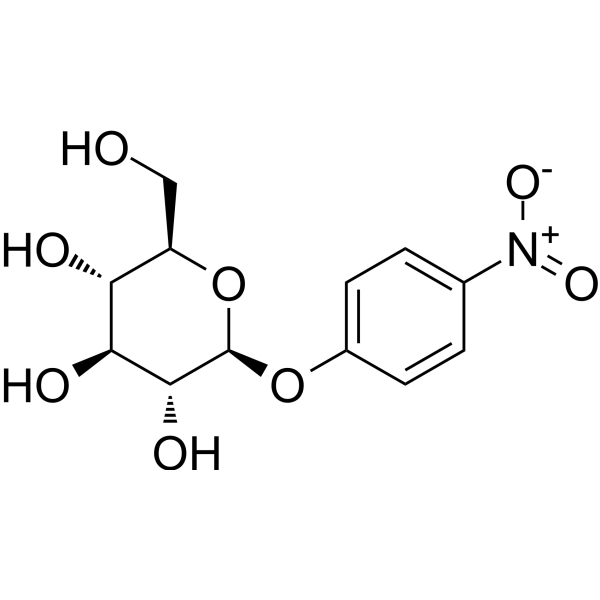
    4-Nitrophenyl β-D-glucopyranoside
    1 Publications Verification

    Biochemical Assay Reagents Metabolic Disease
    4-Nitrophenyl β-D-glucopyranoside is a chromogenic substrate for β-glucosidase. 4-Nitrophenyl β-D-glucopyranoside is converted to a colored product, p-nitrophenol that is easily detected spectrophotometrically at 405 nm when used in a β-glycosidase assay. 4-Nitrophenyl β-D-glucopyranoside is hydrolysed through intramolecular nucleophilic catalysis by the phosphate group in the 2-position. 4-Nitrophenyl β-D-glucopyranoside is promising for research of postmenopausal osteoporosis .
    4-Nitrophenyl β-D-glucopyranoside
  • HY-A0037
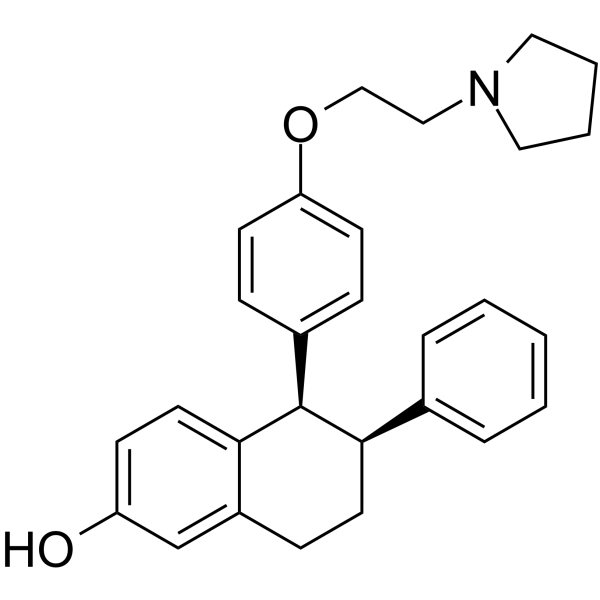
    Lasofoxifene
    5 Publications Verification

    CP-336156

    Estrogen Receptor/ERR Inflammation/Immunology Cancer
    Lasofoxifene (CP-336156) is an orally active and selective estrogen receptor modulator (SERM). Lasofoxifene exhibits an anti-osteoporotic function and also inhibits primary tumor growth and metastases. Lasofoxifene can be used for research of breast cancer and postmenopausal osteoporosis .
    Lasofoxifene
  • HY-B0657A
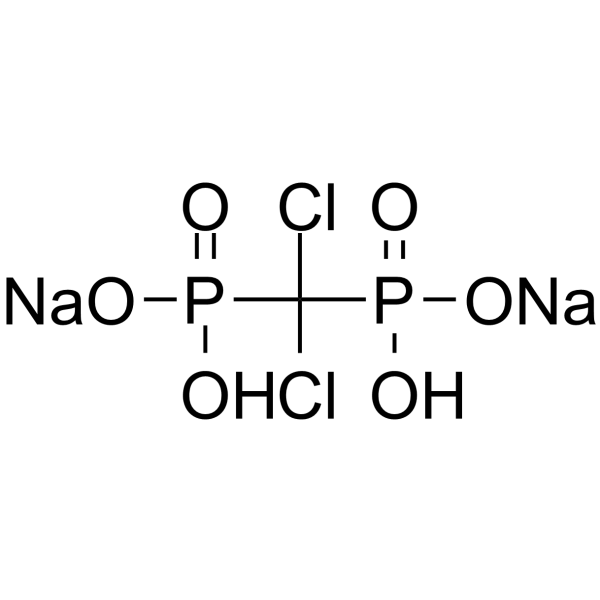
    Clodronic acid disodium salt
    4 Publications Verification

    Clodronate disodium salt

    Apoptosis Metabolic Disease Cancer
    Clodronic acid (Clodronate) disodium salt is an orally active bisphosphonate. Clodronic acid disodium salt inhibits osteoclast-mediated bone resorption. Clodronic acid disodium salt reduces skeletal event risk in malignant bone disease, impairs malignant osteolysis, blocks bone matrix growth-factor release, induces apoptosis in osteoclasts and macrophages. Clodronic acid disodium salt is effective in the maintenance or improvement of bone mineral density. Clodronic acid disodium salt can be used for the research of multiple myeloma and postmenopausal osteoporosis .
    Clodronic acid disodium salt
  • HY-125944
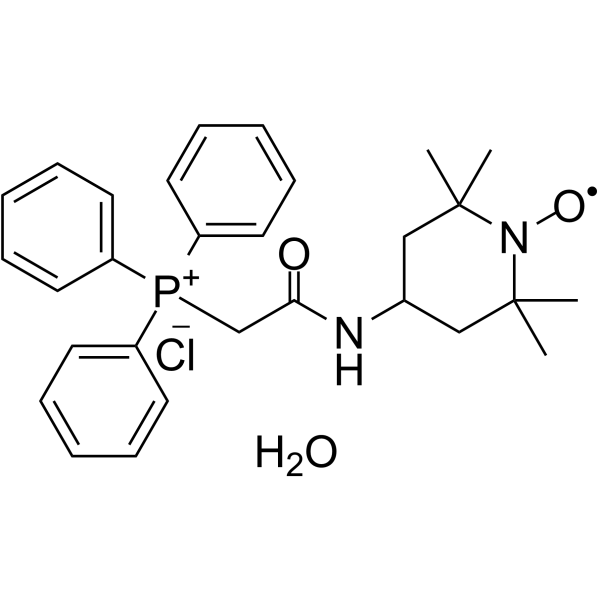
    MitoTEMPO hydrate
    Maximum Cited Publications
    164 Publications Verification

    Mitochondrial Metabolism PINK1/Parkin NOD-like Receptor (NLR) Autophagy Calcium Channel Apoptosis Cardiovascular Disease Neurological Disease Metabolic Disease Endocrinology
    MitoTEMPO hydrate is a mitochondria-targeted antioxidant . MitoTEMPO hydrate induces mitophagy by activating the PINK1/Parkin pathway, inhibits NLRP3 inflammasome activation, restores mitochondrial membrane potential, and improves renal function and podocyte injury. MitoTEMPO hydrate regulates Ca 2+ homeostasis, inhibits Bnip3 overexpression, shortens action potential duration, and exerts antiarrhythmic effects. MitoTEMPO hydrate reverses premature senescence, reduces trabecular bone loss, and decreases cell apoptosis. MitoTEMPO hydrate can be used in studies of chronic kidney disease, age-related cardiac dysfunction, postmenopausal osteoporosis, and ischemic stroke .
    MitoTEMPO hydrate
  • HY-10199A
    Ibutamoren
    5 Publications Verification

    MK-677 free base; MK-0677 free base

    GHSR Insulin Receptor Neurological Disease Metabolic Disease
    Ibutamoren (MK-677 free base; MK-0677 free base) is an orally active non-peptide growth hormone secretagogue receptor agonist. Ibutamoren activates signal cascades by mimicking endogenous ligands, triggers pulsatile release of growth hormone from the pituitary gland, and increases serum levels of IGF-1 and insulin-like growth factor-binding protein 3. Ibutamoren not only increases the frequency of growth hormone pulses in male individuals, but also promotes elevated bone formation markers in female individuals with postmenopausal osteoporosis. The combination of Ibutamoren with Alendronate sodium hydrate (HY-11101) significantly increases bone mineral density at the femoral neck. However, Ibutamoren may cause mild, reversible adverse reactions such as increased appetite, fluid retention, and elevated fasting blood glucose. Ibutamoren has been widely used in studies related to idiopathic growth hormone deficiency, sarcopenia, Alzheimer's disease, and osteoporosis .
    Ibutamoren
  • HY-A0038
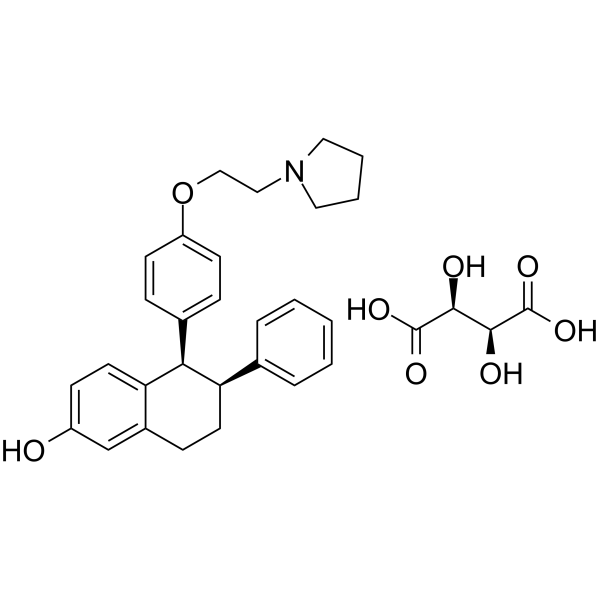
    Lasofoxifene tartrate
    5 Publications Verification

    CP-336156 tartrate

    Estrogen Receptor/ERR Endocrinology Cancer
    Lasofoxifene (CP-336156) tartrate is an orally active and selective estrogen receptor modulator (SERM) . Lasofoxifene tartrate exhibits an anti-osteoporotic function and also inhibits primary tumor growth and metastases. Lasofoxifene tartrate can be used for the research of breast cancer and postmenopausal osteoporosis .
    Lasofoxifene tartrate
  • HY-175232

    Nuclear Factor of activated T Cells (NFAT) Endogenous Metabolite Endocrinology
    GL64 is a selective agonist of ADGRD1 (EC50 = 3.98 μM). GL64 has low selectivity for ADGRD2, ADGRG5, ADGRG6, CELSR1, CELSR2, CELSR3, and ADGRG4 isoforms. GL64 activates ADGRD1 by mimicking the satchel sequence. GL64 regulates osteoclast maturation through the cAMP-PKA-NFATC1 pathway. GL64 effectively inhibits osteoclastogenesis and prevents bone loss both in vitro and in vivo. GL64 is useful in the study of osteoclast-related diseases .
    GL64
  • HY-N2484
    Methylnissolin
    2 Publications Verification

    Astrapterocarpan

    PDGFR ERK Cardiovascular Disease Neurological Disease Metabolic Disease Inflammation/Immunology
    Methylnissolin (Astrapterocarpan) is an osteoclast inhibitor with anti-inflammatory, neuroprotective and antioxidant activities. Methylnissolin downregulates the activation of the MAPK and PI3K/AKT pathways, inhibits the phosphorylation of MAPK1 and AKT1, and blocks PDGF-BB-induced phosphorylation of ERK1/2. Methylnissolin reduces the expression and secretion of proinflammatory mediators, decreases intracellular ROS levels, upregulates antioxidant enzymes, and downregulates osteoclastogenesis markers. Methylnissolin is applicable to research related to ischemic stroke, osteoporosis, cardiovascular diseases, skin aging, etc.
    Methylnissolin
  • HY-123047

    Progesterone Receptor Androgen Receptor Estrogen Receptor/ERR Endocrinology
    Tibolone is a broad spectrum gonadal steroid agonist with progestagenic, androgenic, and estrogenic activities. Tibolone can be used for postmenopausal osteoporosis research .
    Tibolone
  • HY-B0657
    Clodronic acid
    4 Publications Verification

    Clodronate

    Apoptosis Metabolic Disease Cancer
    Clodronic acid (Clodronate) is an orally active bisphosphonate. Clodronic acid inhibits osteoclast-mediated bone resorption. Clodronic acid reduces skeletal event risk in malignant bone disease, impairs malignant osteolysis, blocks bone matrix growth-factor release, induces apoptosis in osteoclasts and macrophages. Clodronic acid is effective in the maintenance or improvement of bone mineral density. Clodronic acid can be used for the research of multiple myeloma and postmenopausal osteoporosis .
    Clodronic acid
  • HY-P10242

    TGF-beta/Smad Others
    Myostatin inhibitory peptide 7 is a 23 amino acids peptide, which is derived from amino acids 21 to 43 of the mouse myostatin prodomain. Myostatin inhibitory peptide 7 inhibits myostatin with a Kd of 29.7 nM. Myostatin inhibitory peptide 7 can be used for researches of muscle atrophic disorders .
    Myostatin inhibitory peptide 7
  • HY-107245
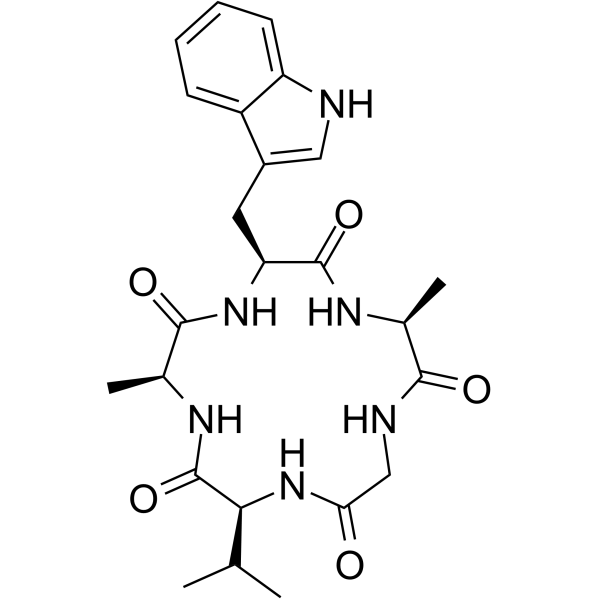
    Segetalin B
    2 Publications Verification

    Estrogen Receptor/ERR Sirtuin RUNX Metabolic Disease
    Segetalin B, an orally active cyclopentapeptide found in Vaccaria segetalis, possesses estrogen-like activity. Segetalin B promotes mineralization of ovariectomized rat-derived bone marrow mesenchymal stem cells (BMSCs) in vitro and increases the level of osteocalcin, BMP-2, ALP, and SIRT1 activity. Segetalin B is promising for research of post-menopausal osteoporosis (PMOP) .
    Segetalin B
  • HY-B0708
    β-Estradiol 17-acetate
    1 Publications Verification

    1,3,5(10)-Estratriene-3,17β-diol 17-acetate

    Estrogen Receptor/ERR Endocrinology
    β-Estradiol 17-acetate (1,3,5(10)-Estratriene-3,17β-diol 17-acetate) is a long-acting endogenous estrogen precursor and also a cell viability and proliferation enhancer. β-Estradiol 17-acetate promotes the adhesion and proliferation of freshly isolated and revived female-derived human brain microvascular endothelial cells, and reverses the decreased viability of revived male-derived human brain microvascular endothelial cells. β-Estradiol 17-acetate exerts the microvascular protective effect of estrogen, enabling non-tumor human brain microvascular endothelial cells to be cultured in vitro for 2 months after cryopreservation. β-Estradiol 17-acetate is biotransformed into β-estradiol via hydrolase action in the in vitro skin of humans, hairless dogs, rats and hairless mice .
    β-Estradiol 17-acetate
  • HY-14598S

    Estrogen Receptor/ERR Endocrinology Cancer
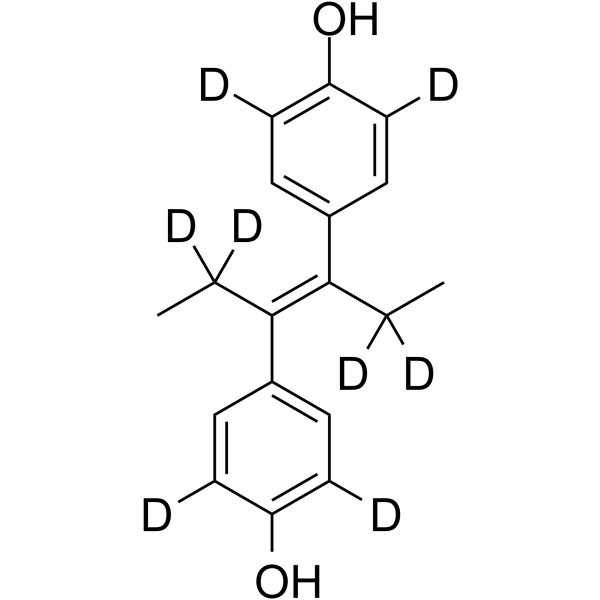
    Diethylstilbestrol-d8 is the deuterium labeled Diethylstilbestrol. Diethylstilbestrol, a synthetic nonsteroidal estrogen used in the treatment of menopausal and postmenopausal disorders .
    Diethylstilbestrol-d8
  • HY-P3075

    pTHrP (1-34)

    Thyroid Hormone Receptor Inflammation/Immunology
    pTH-Related Protein (1-34) (human, mouse, rat), a fragment of parathyroid hormone-related protein, is an anabolic agent. pTH-Related Protein (1-34) (human, mouse, rat) can be used for postmenopausal osteoporosis study .
    pTH-Related Protein (1-34) (human,mouse,rat)
  • HY-N14323

    Interleukin Related STAT Metabolic Disease
    Madindoline A is an orally active gp130 antagonist with a KD of 288 μM. Madindoline A inhibits IL-6- and IL-11-induced osteoclastogenesis, suppresses IL-6-stimulated serum amyloid A protein production, inhibits bone resorption and bone loss, and also inhibits IL-6- and IL-11-dependent cell line growth, as well as IL-6-dependent Stat3 tyrosine phosphorylation. Madindoline A is applicable for the research of hormone-dependent postmenopausal osteoporosis .
    Madindoline A
  • HY-121528

    Nylestriol; EE3CPE

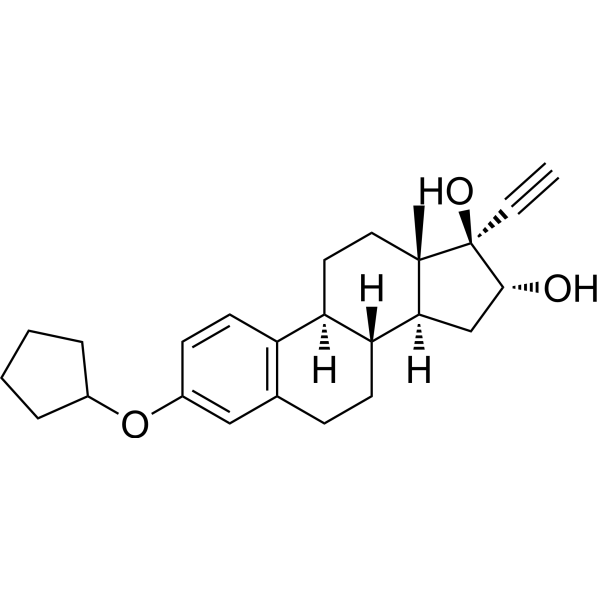
    Estrogen Receptor/ERR Endocrinology
    Nilestriol is a estriol derivative, which inhibits osteoporosis on ovariectomized rats or postmenopausal women .
    Nilestriol
  • HY-108044

    Cathepsin SARS-CoV Metabolic Disease
    ONO-5334 is a potent, selective and orally active cathepsin K inhibitor with Ki values of 0.10 nM, 0.049 nM and 0.85 nM for human, rabbit and rat cathepsin K, respectively. ONO 5334 is an effective antiviral compound against SAR-COV-2 virus activity with an EC50 value of 500 nM. ONO-5334 has the potential for the study of osteoporosis and COVID-19 disease .
    ONO-5334
  • HY-116640

    AP-1 Nuclear Factor of activated T Cells (NFAT) AMPK Autophagy Metabolic Disease Inflammation/Immunology Endocrinology
    Amorphigenin is a trothotenone compound. Amorphigenin inhibits osteoclast differentiation by suppressing the expression of c-Fos and NFATc1 in activated T cells. Amorphigenin degrades melanosome proteins by activating the AMPK-dependent autophagy pathway, but not in dependence of the mTOR pathway. Amorphigenin significantly protects bone mass and reduces bone erosion in a mouse model of inflammatory bone loss. Amorphigenin can be used to study inflammatory bone diseases, postmenopausal osteoporosis, and skin pigmentation disorders .
    Amorphigenin
  • HY-14598R

    Reference Standards Estrogen Receptor/ERR Apoptosis Autophagy Endocrinology Cancer
    Diethylstilbestrol (Standard) is the analytical standard of Diethylstilbestrol. This product is intended for research and analytical applications. Diethylstilbestrol (Stilbestrol) is a non-steroidal female hormone that has oral activity and can act on menopausal and postmenopausal disorders. Diethylstilbestrol can induce DNA oxidation and Apoptosis of spermatogonial stem cells. Diethylstilbestrol can induce thymocyte Autophagy Diethylstilbestrol is a 11β-hydroxysteroid dehydrogenase 2 (HSD11B2) inhibitor. .
    Diethylstilbestrol (Standard)
  • HY-N2289

    Others Others
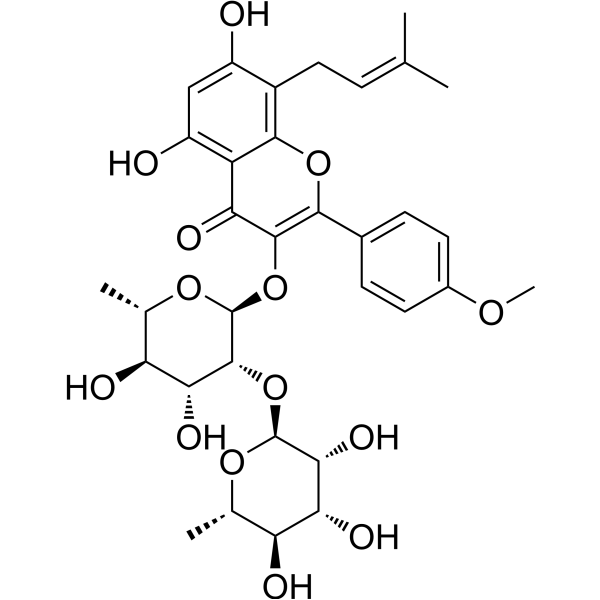
    2''-O-Rhamnosylicariside II is a flavonoid glycoside compound and might be beneficial for improving postmenopausal osteoporosis.
    2''-O-Rhamnosylicariside II
  • HY-131946

    Menotrophin

    Biochemical Assay Reagents Endocrinology
    Menotropin (Menotrophin) is a hormone that can be extracted from the urine of postmenopausal women and has both follicle stimulating hormone (FSH) and luteinizing hormone (LH) activity .
    Menotropin
  • HY-B0631S

    Isotope-Labeled Compounds Cancer
    Alendronic acid-d6 is the deuterium labeled Alendronic acid. Alendronic acid, a bisphosphonate, is a farnesyl diphosphate synthase (FDPS) inhibitor. Alendronic acid inhibits osteoclast-mediated bone resorption. Alendronic acid shows efficacy in postmenopausal osteoporosis, malignant hypercalcemia and Paget’s disease .
    Alendronic acid-d6
  • HY-14752

    SB 751689

    CaSR Metabolic Disease Endocrinology
    Ronacaleret (SB 751689) is an orally active, potent, and selective calcium-sensing receptor (CaSR) antagonist that stimulates endogenous parathyroid hormone release from the parathyroid glands. Ronacaleret (SB 751689) is used for the study of postmenopausal osteoporosis .
    Ronacaleret
  • HY-15104

    SB 751689A

    CaSR Metabolic Disease Endocrinology
    Ronacaleret hydrochloride (SB 751689A) is an orally active, potent, and selective calcium-sensing receptor (CaSR) antagonist that stimulates endogenous parathyroid hormone release from the parathyroid glands. Ronacaleret hydrochloride (SB 751689A) is used for the study of postmenopausal osteoporosis .
    Ronacaleret hydrochloride
  • HY-P0007

    Carbocalcitonin

    Drug Intermediate Metabolic Disease
    Elcatonin (Carbocalcitonin) is a synthetic analog of eel calcitonin. Elcatonin increases bone mineral density, inhibits bone resorption and processes a central analgesic effect .
    Elcatonin
  • HY-401721

    Biochemical Assay Reagents Others
    5-CNAC is an orally active enhancer of absorption, with no pharmacological activity on its own. 5-CNAC can significantly enhance the absorption efficiency of the drug (such as Salmon calcitonin (HY-P0090)) when administered together with it in the gastrointestinal tract. 5-CNAC binds reversibly and non-covalently to peptide drugs, protecting them from degradation by gastrointestinal enzymes, increasing their lipid solubility, promoting passive transcellular absorption, and not damaging the integrity of the intestinal epithelium. 5-CNAC can be used in the research of adjuvants for orally administered peptide agents .
    5-CNAC
  • HY-169703
    SPA0355
    1 Publications Verification

    RANKL/RANK p38 MAPK Akt NF-κB Inflammation/Immunology
    SPA0355 is a thiourea derivative that has antioxidant and anti-inflammatory properties. SPA0355 inhibits the RANKL (receptor activator of nuclear factor κB ligand) induced osteoclast formation in primary bone marrow-derived macrophages. SPA0355 also suppresses the activation of the MAPKs, Akt, and NF-κB pathways. Additionally, SPA0355 promotes osteoblast differentiation, increases alkaline phosphatase activity, and enhances mineral nodule formation. SPA0355 can protect ovariectomized mice from bone loss by stimulating osteoblast differentiation and inhibiting osteoclast resorption, making it useful for studying postmenopausal osteoporosis .
    SPA0355
  • HY-N0976

    11b-Hydroxy-11b,1-dihydromedicarpin

    Interleukin Related Wnt Inflammation/Immunology
    1,11b-Dihydro-11b-hydroxymedicarpin (11b-Hydroxy-11b,1-dihydromedicarpin) is a pterocarpan from Ononis viscosa subsp. breviflora is a Medicarpin derivative . Medicarpin, a natural pterocarpan, heals cortical bone defect by activation of Notch and Wnt canonical signaling pathways . Medicarpin prevents arthritis in post-menopausal conditions by arresting the expansion of TH17 cells and pro-inflammatory cytokines. Medicarpin down-regulates pro-inflammatory cytokines like TNF-α, IL-6 and IL-17A, while up-regulates anti-inflammatory cytokine IL-10 in arthritis (CIA) model of mice .
    1,11b-Dihydro-11b-hydroxymedicarpin
  • HY-159741

    FCE 24928

    Cytochrome P450 Cancer
    Minamestane (FCE 24928) is a selective and competitive aromatase inhibitor with an IC50 value of 45.7 nM. Minamestane is promising for research of postmenopausal breast cancer .
    Minamestane
  • HY-123047R

    Reference Standards Progesterone Receptor Androgen Receptor Estrogen Receptor/ERR Endocrinology
    Tibolone (Standard) is the analytical standard of Tibolone. This product is intended for research and analytical applications. Tibolone is a broad spectrum gonadal steroid agonist with progestagenic, androgenic, and estrogenic activities. Tibolone can be used for postmenopausal osteoporosis research .
    Tibolone (Standard)
  • HY-P1463

    Thyrocalcitonin eel

    Thyroid Hormone Receptor Endocrinology
    Calcitonin, eel is the thyroid hormone peptide that contributes to the regulation of calcium homeostasis, widely used in the research of postmenopausal osteoporosis.
    Calcitonin, eel
  • HY-P1463A

    Thyrocalcitonin eel TFA

    Thyroid Hormone Receptor Others
    Calcitonin, eel TFA is the thyroid hormone peptide that contributes to the regulation of calcium homeostasis, widely used in the research of postmenopausal osteoporosis .
    Calcitonin, eel TFA
  • HY-122359B

    L-Centchroman fumarate; L-Ormeloxifene fumarate

    Estrogen Receptor/ERR Others
    Levormeloxifene (fumarate) is a stable salt form of Levormeloxifene. Levormeloxifene (fumarate) is an estrogen receptor modulator that plays an important role in prevention of postmenopausal bone loss .
    Levormeloxifene fumarate
  • HY-122359

    L-Centchroman; L-Ormeloxifene

    Estrogen Receptor/ERR Endocrinology Cancer
    Levormeloxifene (L-Centchroman) is a selective estrogen receptor modulator (SERM), which prevents and ameliorates postmenopausal osteoporosis. Levormeloxifene causes multiple adverse gynecological effects .
    Levormeloxifene
  • HY-123047S

    Isotope-Labeled Compounds Estrogen Receptor/ERR Progesterone Receptor Androgen Receptor Endocrinology
    Tibolone-d5 is deuterium labeled Tibolone. Tibolone is a broad spectrum gonadal steroid agonist with progestagenic, androgenic, and estrogenic activities. Tibolone can be used for postmenopausal osteoporosis research .
    Tibolone-d5
  • HY-W698952S

    Isotope-Labeled Compounds Endocrinology
    3β hydroxy Tibolone-d5 is deuterium labeled Tibolone. Tibolone is a broad spectrum gonadal steroid agonist with progestagenic, androgenic, and estrogenic activities. Tibolone can be used for postmenopausal osteoporosis research .
    3β hydroxy Tibolone-d5
  • HY-P991362

    TNF Receptor Cancer
    GB-223 is a human monoclonal antibody (mAb) targeting TNFSF11/RANKL/CD254. GB-223 can be used in Giant cell tumour of bone and Postmenopausal osteoporosis research .
    GB-223
  • HY-108685S

    Alendronic acid-d4 monosodium salt

    Isotope-Labeled Compounds Metabolic Disease Cancer
    Alendronate-d4 (sodium) (Alendronic acid-d4 (monosodium salt)) is deuterium labeled Alendronate sodium. Alendronate sodium is an orally active nitrogen-containing bisphosphonate. Alendronate sodium potently inhibits bone resorption. Alendronate sodium is used for the research of postmenopausal osteoporosis .
    Alendronate-d4 sodium
  • HY-111309

    Androgen Receptor Endocrinology
    LGD-2941 is an orally active, potent and selective androgen receptor modulator. LGD-2941 shows excellent anabolic activity in muscle with reduced effect on the prostate in a rat model of hypogonadism. LGD-2941 also improves bone strength in a rat model of post-menopausal osteoporosis .
    LGD-2941
  • HY-135593

    Others Endocrinology
    LY88074 analog 1 is a benzothiophene compound with nitrogen-containing non-basic side chains, Compound 26, extracted from patent EP0747380A1. LY88074 analog 1 is an agent for alleviating the symptoms of post-menopausal symptoms, such as osteoporosis, cardiovascular related pathological conditions, and estrogen-dependent cancer. LY88074 analog 1 can be used alone or in combination with estrogen or progestin .
    LY88074 analog 1
  • HY-178478

    Phosphodiesterase (PDE) Metabolic Disease
    PDE1-IN-11 (Compound 5cc) is an orally active and highly selective PDE1A1 inhibitor. PDE1-IN-11 increases intracellular cAMP and cGMP levels, activating the PKA-CREB and NO-cGMP-PKG signaling pathways, promoting osteoblast differentiation and bone formation, while suppressing osteoclastogenesis and bone resorption. PDE1-IN-11 is promising for research of postmenopausal osteoporosis (PMO) and other bone metabolism disorders .
    PDE1-IN-11
  • HY-W393057

    Cytochrome P450 Cancer
    (S)-Aminoglutethimide is an aromatase inhibitor. (S)-Aminoglutethimide has an IC50 value of 23.15 μM for rat ovarian microsomal aromatase. (S)-Aminoglutethimide can be used in the research of diseases such as breast cancer .
    (S)-Aminoglutethimide
  • HY-A0037R

    CP-336156 (Standard)

    Estrogen Receptor/ERR Reference Standards Inflammation/Immunology Cancer
    Lasofoxifene (Standard) is the analytical standard of Lasofoxifene. This product is intended for research and analytical applications. Lasofoxifene (CP-336156) is an orally active and selective estrogen receptor modulator (SERM). Lasofoxifene exhibits an anti-osteoporotic function and also inhibits primary tumor growth and metastases. Lasofoxifene can be used for research of breast cancer and postmenopausal osteoporosis .
    Lasofoxifene (Standard)
  • HY-119088

    Estrogen Receptor/ERR Others
    Estrogen receptor modulator 12 (compound 1a-(R)) is a selective estrogen receptor modulator with estrogen agonist and antagonist activities in in vivo models. Estrogen receptor modulator 12 exhibits antagonist effects on the uterus and estrogen agonist activities on bone, plasma lipids, hot flashes, and vagina in in vivo models, and is a potential compound for suppressing postmenopausal symptoms.
    Estrogen receptor modulator 12
  • HY-108044R

    Reference Standards Cathepsin SARS-CoV Metabolic Disease
    ONO-5334 (Standard) is the analytical standard of ONO-5334 (HY-108044). This product is intended for research and analytical applications. ONO-5334 is a potent, selective and orally active cathepsin K inhibitor with Ki values of 0.10 nM, 0.049 nM and 0.85 nM for human, rabbit and rat cathepsin K, respectively. ONO 5334 is an effective antiviral compound against SAR-COV-2 virus activity with an EC50 value of 500 nM. ONO-5334 has the potential for the study of osteoporosis and COVID-19 disease .
    ONO-5334 (Standard)

Inquiry Online

Your information is safe with us. * Required Fields.

Salutation


Country or Region *

Applicant Name *


Organization Name *

Department *


Email Address *


Product Name *

Cat. No.


Requested quantity *

Phone Number *


Remarks

Inquiry Online

Inquiry Information

Product Name:
Cat. No.:
Quantity:
MCE Japan Authorized Agent:

