1. Search Result
Search Result
Results for "

protein folding

" in MedChemExpress (MCE) Product Catalog:

246

Inhibitors & Agonists

2

Screening Libraries

3

Fluorescent Dyes

115

Biochemical Assay Reagents

9

Peptides

8

Natural
Products

1

Recombinant Proteins

1

Isotope-Labeled Compounds

2

Click Chemistry

1

GMP Molecules

Cat. No. Product Name Target Research Areas Chemical Structure
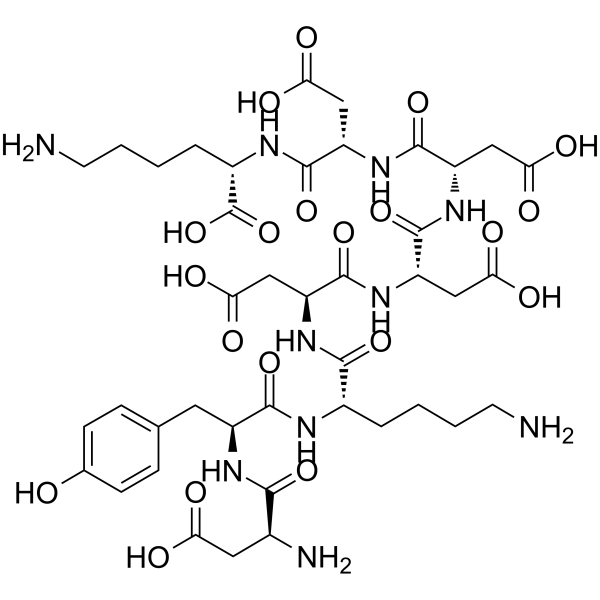
  • HY-P0223
    FLAG peptide
    Maximum Cited Publications
    26 Publications Verification

    Biochemical Assay Reagents Inflammation/Immunology
    FLAG peptide is a multifunctional fusion tag for the purification of recombinant proteins. FLAG peptide maintances the natural folding of its fusing proteins. FLAG peptide can be removed by enterokinase, and eluted under non-denaturing conditions .
    FLAG peptide
  • HY-13271A
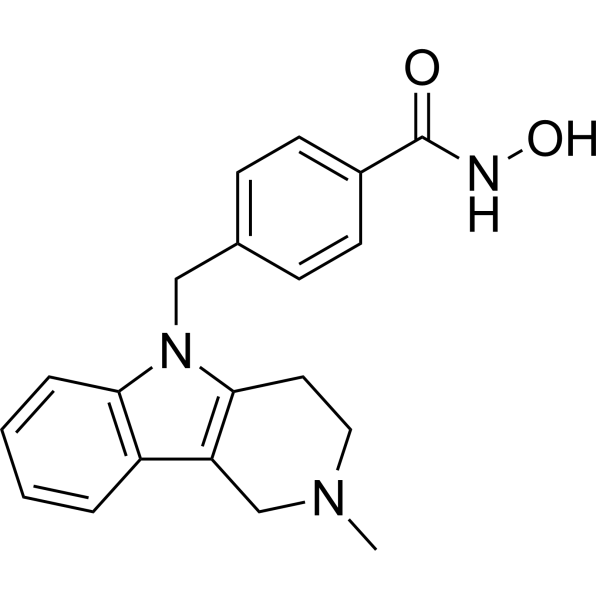
    Tubastatin A
    35+ Cited Publications

    Beta-lactamase HDAC Autophagy Apoptosis Cancer
    Tubastatin A is a potent and selective HDAC6 inhibitor with an IC50 of 15 nM in a cell-free assay, and is selective (1000-fold more) against all other isozymes except HDAC8 (57-fold more). Tubastatin A also inhibits HDAC10 and metallo-β-lactamase domain-containing protein 2 (MBLAC2).
    Tubastatin A
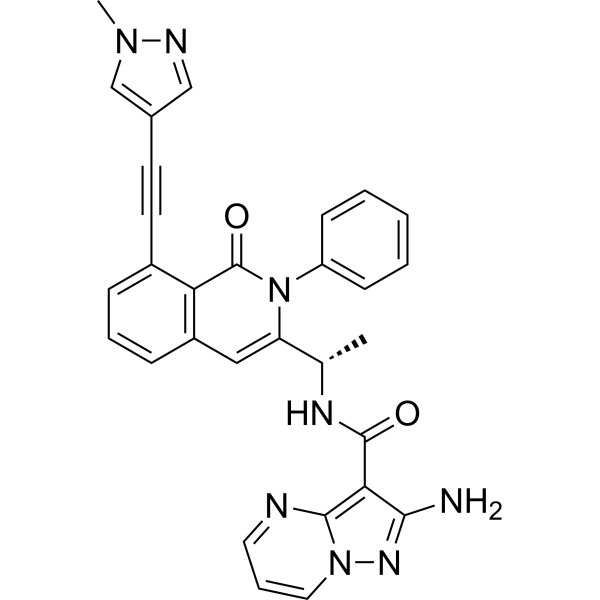
  • HY-100716
    Eganelisib
    15+ Cited Publications

    IPI-549

    PI3K Cancer
    Eganelisib (IPI549) is a potent and selective PI3Kγ inhibitor with an IC50 of 16 nM. Eganelisib shows >100-fold selectivity over other lipid and protein kinases .
    Eganelisib
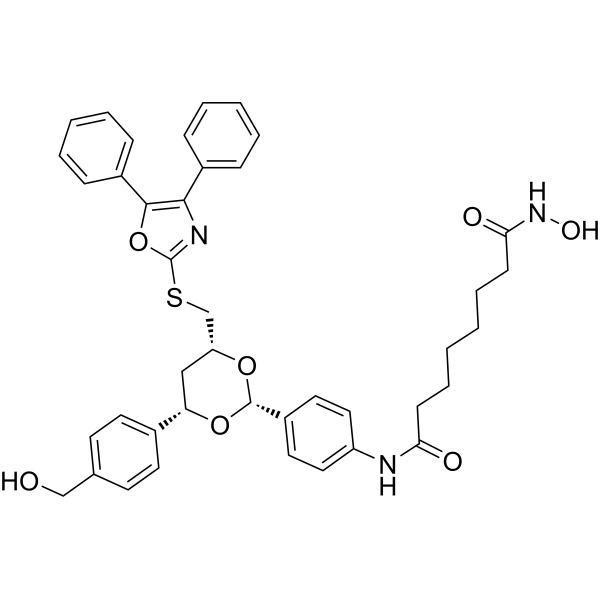
  • HY-13428
    Tubacin
    20+ Cited Publications

    Beta-lactamase HDAC Virus Protease Cancer
    Tubacin is a potent and selective inhibitor of HDAC6, with an IC50 value of 4 nM and approximately 350-fold selectivity over HDAC1. Tubacin also inhibits metallo-β-lactamase domain-containing protein 2 (MBLAC2).
    Tubacin
  • HY-13271
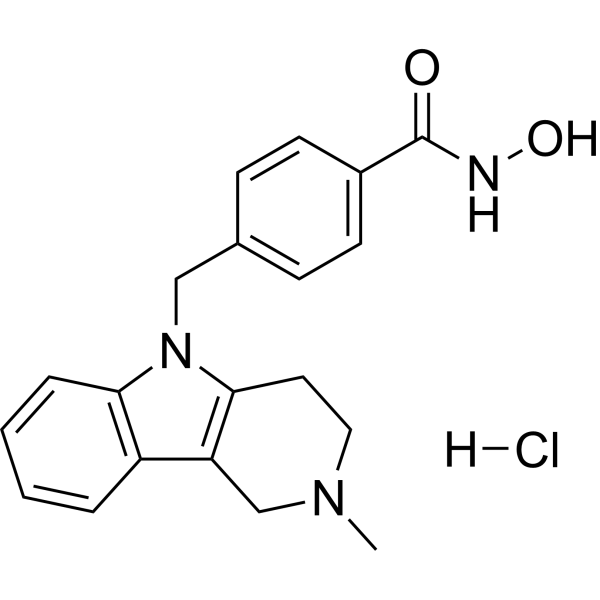
    Tubastatin A Hydrochloride
    35+ Cited Publications

    Tubastatin A HCl; TSA HCl

    Beta-lactamase HDAC Autophagy Apoptosis Cancer
    Tubastatin A Hydrochloride (Tubastatin A HCl) is a potent and selective HDAC6 inhibitor with IC50 of 15 nM in a cell-free assay, and is selective (1000-fold more) against all other isozymes except HDAC8 (57-fold more). Tubastatin A Hydrochloride also inhibits HDAC10 and metallo-β-lactamase domain-containing protein 2 (MBLAC2).
    Tubastatin A Hydrochloride
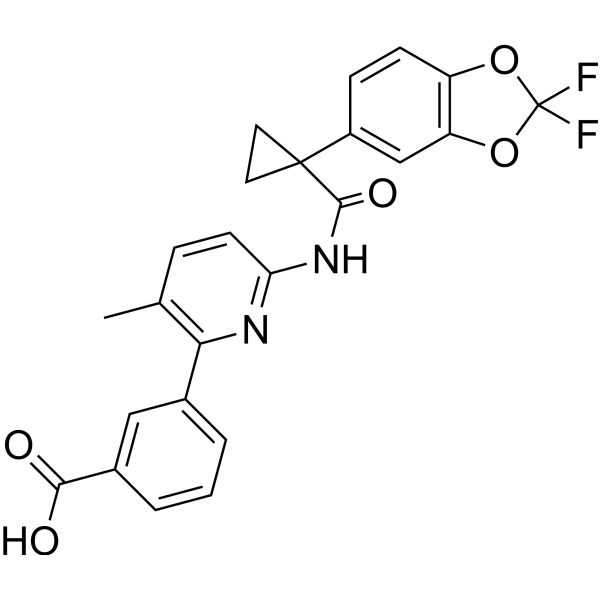
  • HY-13262
    Lumacaftor
    15+ Cited Publications

    VX-809; VRT 826809

    CFTR Autophagy Inflammation/Immunology
    Lumacaftor (VX-809; VRT 826809) is a CFTR modulator that corrects the folding and trafficking of CFTR protein.
    Lumacaftor
  • HY-12219A
    MSI-1436 lactate
    5+ Cited Publications

    Trodusquemine lactate; Aminosterol-1436 lactate

    Phosphatase Endocrinology
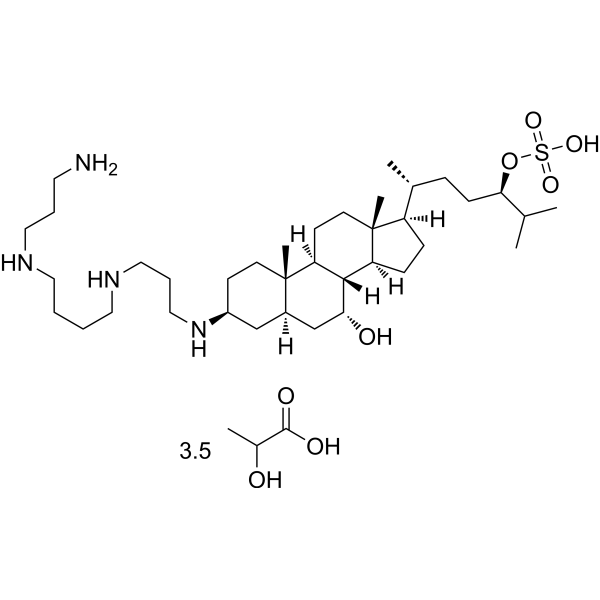
    MSI-1436 lactate is a selective, non-competitive inhibitor of the enzyme protein-tyrosine phosphatase 1B (PTP1B), with an IC50 of 1 μM, 200-fold preference over TCPTP (IC50 of 224 μM).
    MSI-1436 lactate
  • HY-18705
    Azoramide
    5+ Cited Publications

    Apoptosis Reactive Oxygen Species (ROS) Caspase Bcl-2 Family Mitochondrial Metabolism Endocrinology
    Azoramide is a potent, orally active small-molecule modulator of the unfolded protein response (UPR). Azoramide improves ER protein folding and elevates ER chaperone capacity, which together protects cells against ER stress. Azoramide alleviates PLA2G6 mutant-induced ER stress through modulating unfolded protein response, and enhances the CERB signaling to rescue mitochondrial function, thereby preventing apoptosis of DA neurons. Azoramide has antidiabetic activity .
    Azoramide
  • HY-136557A
    AFM32a hydrochloride
    2 Publications Verification

    PAD2-IN-1 hydrochloride

    Protein Arginine Deiminase Inflammation/Immunology Cancer
    AFM32a (PAD2-IN-1) hydrochloride, a benzimidazole-based derivative, is a potent and selective protein arginine deiminase 2 (PAD2) inhibitor. AFM32a hydrochloride shows superior selectivity for PAD2 over PAD4 (95-fold) and PAD3 (79-fold) .
    AFM32a hydrochloride
  • HY-12019
    SGX-523
    5+ Cited Publications

    c-Met/HGFR Cancer
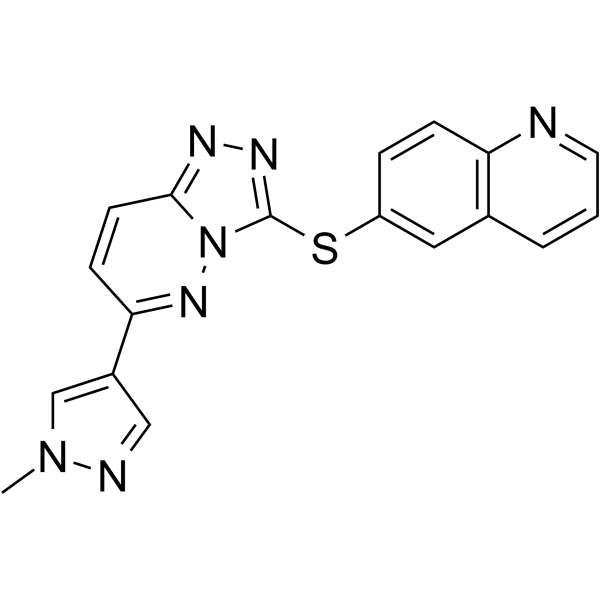
    SGX523 is a exquisitely selective and ATP-competitive MET inhibitor. SGX523 potently inhibits MET with an IC50 of 4 nM and is >1,000-fold selective versus other protein kinases. Antitumor activity .
    SGX-523
  • HY-126666

    ADC Payload Inflammation/Immunology Cancer
    PNU-159682 carboxylic acid (Compound 53) is a potent ADCs cytotoxin and encodes a member of the C-type lectin/C-type lectin-like domain (CTL/CTLD) superfamily. PNU-159682 carboxylic acid has protein fold and diverse functions, such as cell adhesion, cell-cell signalling, glycoprotein turnover, and roles in inflammation and immune response .
    PNU-159682 carboxylic acid
  • HY-169182

    Ligands for Target Protein for PROTAC STAT Cancer
    AK-068 is a high-affinity and selective STAT6 ligand, with a Ki of 6 nM. AK-068 demonstrates at least >150- and >85-fold binding selectivity over STAT5A (Ki >1 μM) and STAT5B (Ki >500 μM) proteins, respectively. AK-068 is a ligand for target protein for PROTAC, can be used for synthesis of PROTACs .
    AK-068
  • HY-11010
    AS601245
    5+ Cited Publications

    JNK Neurological Disease Inflammation/Immunology Cancer
    AS601245 is an orally active, selective, ATP competitive JNK (c-Jun NH2-terminal protein kinase) inhibitor with IC50s of 150, 220, and 70 nM for three JNK human isoforms (hJNK1, hJNK2, and hJNK3), respectively. AS601245 exhibits 10- to 20-fold selectivity over c-src, CDK2, and c-Raf and more than 50- to 100-fold selectivity over a range of Ser/Thr- and Tyr-protein kinases. Neuroprotective properties .
    AS601245
  • HY-13509
    CCG-50014
    2 Publications Verification

    RGS Protein Inflammation/Immunology
    CCG-50014 is the most potent against the regulator of G-protein signaling protein type 4 (RGS4) (IC50 =30 nM) and is >20-fold selective for RGS4 over other RGS proteins. CCG-50014 binds covalently to the RGS, forming an adduct on two cysteine residues located in an allosteric regulatory site . CCG50014, reduces nociceptive responses and enhances opioid-mediated analgesic effects in the mouse formalin test .
    CCG-50014
  • HY-15555
    EPZ005687
    5 Publications Verification

    Histone Methyltransferase Cancer
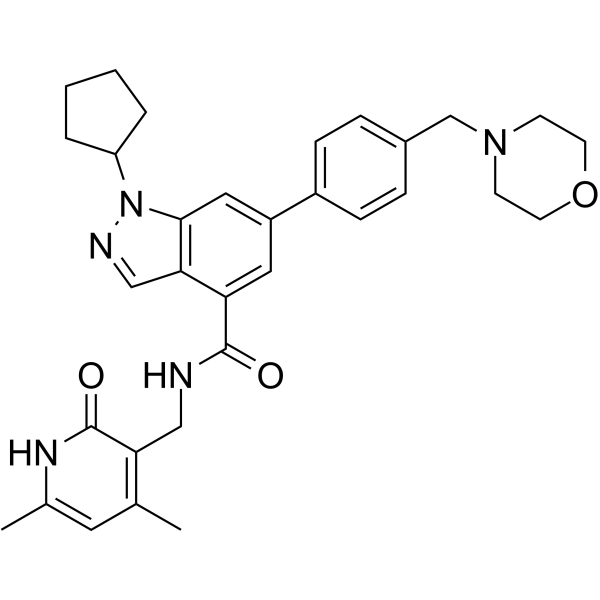
    EPZ005687 is a potent and selective inhibitor of EZH2 with Ki of 24 nM, and has 50-fold selectivity against EZH1 and 500-fold selectivity against 15 other protein methyltransferases.
    EPZ005687
  • HY-12219

    Trodusquemine; Aminosterol-1436

    Phosphatase Endocrinology
    MSI-1436 is a selective, non-competitive inhibitor of the enzyme protein-tyrosine phosphatase 1B (PTP1B), with an IC50 of appr 1 μM, 200-fold preference over TCPTP (IC50, 224 μM).
    MSI-1436
  • HY-W041994

    Fructose-1,6-bisphosphate aldolase Biochemical Assay Reagents Cancer
    GMBS is a heterobifunctional crosslinker targeting primary amines and sulfhydryl groups. GMBS can be used for chemical crosslinking of proteins and crosslinking mass spectrometry (CXMS) to study protein folding and map interfaces between interacting proteins .
    GMBS
  • HY-15652

    ONO-6818; ONO-PO-736

    Elastase Inflammation/Immunology
    Freselestat (ONO-6818) is a potent and orally active neutrophil elastase inhibitor with a Ki of 12.2 nM. Freselestat is >100-fold less-active against other proteases such as trypsin, protein-ase 3, pancreatic elastase, plasmin, thrombin, collagenase, cathepsin G, and murine macrophage elastase. Freselestat has a potent anti-inflammatory activity .
    Freselestat
  • HY-137892

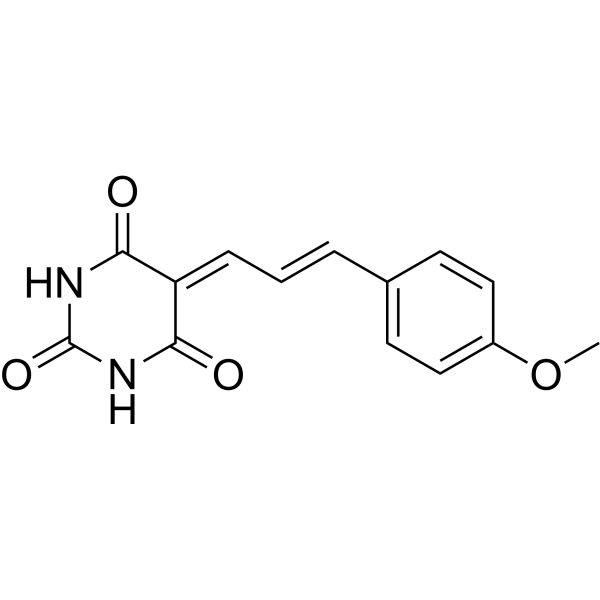
    Epigenetic Reader Domain Inflammation/Immunology
    GSK620, a chemical probe, is a potent and orally active pan-BD2 inhibitor with excellent broad selectivity, developability and in vivo oral pharmacokinetics. GSK620 is highly selective for the BET-BD2 family of proteins, with >200-fold selectivity over all other bromodomains. GSK620 shows an anti-inflammatory phenotype in human whole blood .
    GSK620
  • HY-150251

    STAT3 degrader-2

    PROTACs STAT Cancer
    SD-91 (STAT3 degrader-2), a product of the hydrolysis of SD-36 (HY-129602), is a selective PROTAC-based STAT3 degrader with a Ki of 5.5 nM. SD-91 displays >300-fold selectivity over other STAT family protein members. SD-91 potently induces degradation of STAT3 protein in cells. SD-91 has anticancer effects, such as myeloid leukemia, lymphoma (Pink: ligand for target protein (HY-150895); Black: linker; Blue: E3 ligase ligand; E3 ligase ligand+linker: HY-176506) .
    SD-91
  • HY-W040230

    Fluorescent Dye Others
    Acrylodan, reacted with thiols, is sensitive to the local environmental dipolarity and dynamics within the binding pocket surrounding Cys 34 .
    Acrylodan
  • HY-109187A
    Posenacaftor sodium
    1 Publications Verification

    PTI-801 sodium

    CFTR Inflammation/Immunology
    Posenacaftor (PTI-801) sodium is a cystic fibrosis transmembrane regulator (CFTR) protein modulator that corrects the folding and trafficking of CFTR protein. Posenacaftor sodium is used for the research of cystic fibrosis (CF) .
    Posenacaftor sodium
  • HY-109562A
    CCG258208 hydrochloride
    1 Publications Verification

    GRK2-IN-1 hydrochloride

    G Protein-coupled Receptor Kinase (GRK) Cardiovascular Disease
    CCG258208 (GRK2-IN-1) hydrochloride is a potent and selective GRK2 (G protein-coupled receptor kinase 2) inhibitor (IC50=30 nM) while maintaining 230-fold selectivity over GRK5 (IC50=7.09 μM) and more than 2500-fold selectivity over GRK1 (IC50=87.3 μM), PKA, and ROCK1. CCG258208 hydrochloride can be used in heart failure research .
    CCG258208 hydrochloride
  • HY-115531

    DNA/RNA Synthesis Cancer
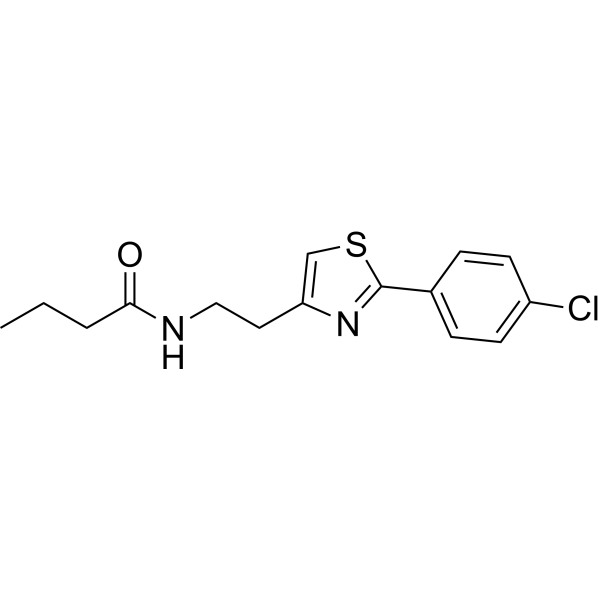
    UNC-2170 is a functionally active, fragment-like ligand for 53BP1 (IC50=29 µM; Kd=22 µM). UNC-2170 shows at least 17-fold selectivity for 53BP1 as compared to nine other methyl-lysine (Kme) reader proteins. 53BP1 is a Kme binding protein that plays a central role in DNA Damage Repair (DDR) pathways and is recruited to sites of double-strand breaks (DSB) .
    UNC-2170
  • HY-161543

    Biochemical Assay Reagents Inflammation/Immunology
    DHT/KLH is a conjugate of DHT (dihydrotestosterone) and keyhole limpet hemocyanin (KLH). By conjugating the antigen with a protein adjuvant, the production of antigen-specific antibodies in vaccine models can be enhanced. The conjugate does not affect protein folding or disrupt linear epitopes, and it can enhance cross-presentation and the generation of antigen-specific T cells.
    DHT/KLH
  • HY-P0223A
    FLAG peptide TFA
    Maximum Cited Publications
    26 Publications Verification

    Biochemical Assay Reagents Others
    FLAG peptide TFA is the TFA salt form of FLAG peptide (HY-P0223). FLAG peptide TFA is a multifunctional fusion tag for the purification of recombinant proteins. FLAG peptide TFA maintances the natural folding of its fusing proteins. FLAG peptide TFA can be removed by enterokinase, and eluted under non-denaturing conditions .
    FLAG peptide TFA
  • HY-136557

    PAD2-IN-1

    Protein Arginine Deiminase Inflammation/Immunology Cancer
    AFM32a (PAD2-IN-1), a benzimidazole-based derivative, is a potent and selective protein arginine deiminase 2 (PAD2) inhibitor. AFM32a shows superior selectivity for PAD2 over PAD4 (95-fold) and PAD3 (79-fold) .
    AFM32a
  • HY-120994B

    PKA Neurological Disease Inflammation/Immunology
    Sp-8-CPT-cAMPS, a cAMP analog, is a potent and selective activator of the cAMP-dependent protein kinas A (PKA I and PKA II). Sp-8-CPT-cAMPS selects site A of RI compares to site A of RII by 153-fold and site B of RII compares to site B of RI by 59-fold .
    Sp-8-CPT-cAMPS
  • HY-P2381
    Sar-Arg-Val-Tyr-Val-His-NH2
    2 Publications Verification

    Angiotensin Receptor Others
    Sar-Arg-Val-Tyr-Val-His-NH2 is a Gq-biased agonists, exhibits 10-fold larger molecular efficacies at the AT1R-Gq fusion protein compared with the AT1R-βarr2 fusion protein .
    Sar-Arg-Val-Tyr-Val-His-NH2
  • HY-109562

    GRKs-IN-1

    G Protein-coupled Receptor Kinase (GRK) Cardiovascular Disease
    CCG258208 (GRK2-IN-1) is a potent and selective GRK2 (G protein-coupled receptor kinase 2) inhibitor (IC50=30 nM) while maintaining 230-fold selectivity over GRK5 (IC50=7.09 μM) and more than 2500-fold selectivity over GRK1 (IC50=87.3 μM), PKA, and ROCK1. CCG258208 can be used in heart failure research .
    CCG258208
  • HY-153427

    Tau Protein Neurological Disease
    Tau protein aggregation-IN-1 (Compound 0c) is a Tau protein aggregation inhibitor. Tau protein aggregation-IN-1 can be used in the study of protein folding disorders such as Alzheimer's disease, dementia, Parkinson's disease, Huntington's disease and prion-based spongiform encephalopathies .
    Tau protein aggregation-IN-1
  • HY-162470

    Aurora Kinase Cancer
    DBPR728 is an acyl prodrug of 6K465 that carries fewer hydrogen bond donors. 6K465 acts as an Aurora kinase inhibitor that destabilizes MYC family cancer proteins and has antitumor efficacy. DBPR728 has the potential to inhibit cancers that overexpress C-MYC and N-MYC, with a 10-fold increase in oral bioavailability compared to 6K465 .
    DBPR728
  • HY-50882

    γ-secretase Neurological Disease
    ELN318463 is an amyloid precursor protein (APP) selective γ-secretase inhibitor. ELN318463 shows differential inhibition of presenilin (PS1)- and PS2-comprised γ-secretase with EC50s of 12 nM and 656 nM for PS1 and PS2, respectively. ELN318463 is 51-fold more selective for PS1 .
    ELN318463
  • HY-P2927

    PDI Cardiovascular Disease
    Protein disulfide isomerase is a prototypic thiol isomerase that catalyzes the formation and cleavage of thiol-disulfide bonds during protein folding in the endoplasmic reticulum (ER). Protein disulfide isomerase can be used for the study of cardiovascular diseases .
    Protein disulfide isomerase
  • HY-109187B

    (R)-PTI-801 sodium

    CFTR Inflammation/Immunology
    (R)-Posenacaftor (R)-PTI-801) sodium is the R enantiomer of Posenacaftor. Posenacaftor is a cystic fibrosis transmembrane regulator (CFTR) protein modulator that corrects the folding and trafficking of CFTR protein. Posenacaftor is used for the research of cystic fibrosis (CF) .
    (R)-Posenacaftor sodium
  • HY-120159

    SHP2 SHP1 Phosphatase Cancer
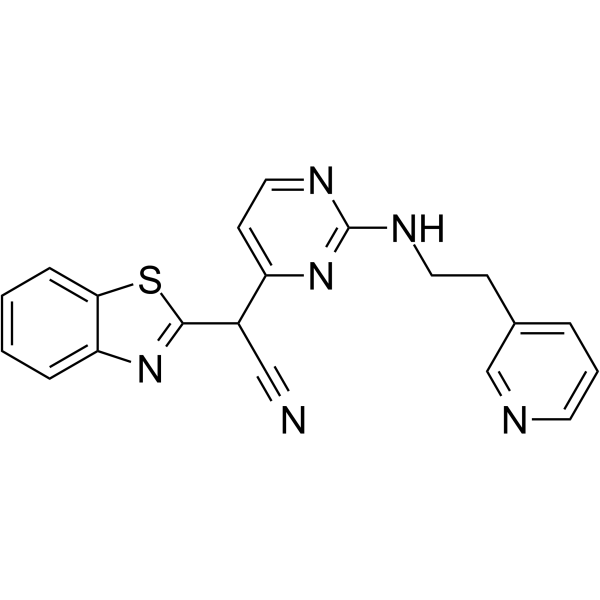
    GS-493 is a selective protein tyrosine phosphatase SHP2 (PTPN11) inhibitor with an IC50 of 71 nM. GS-493 is 29- and 45-fold more active toward SHP2 than related SHP1 and PTP1B. GS-493 blocks cellular motility and growth of cancer cells. Antitumor activity .
    GS-493
  • HY-121037

    EGM1

    Phosphodiesterase (PDE) Cancer
    Eggmanone (EGM1) is a potent and selective phosphodiesterase 4 (PDE4) antagonist with an IC50 of 72 nM for PDE4D3. Eggmanone shows approximately 40- to 50-fold selective for PDE4D3 over other PDEs. Eggmanone exerts its Hh-inhibitory effects through selective antagonism of PDE4, leading to protein kinase A activation and subsequent Hh blockade .
    Eggmanone
  • HY-P10541

    HSP Others
    HSP70/DnaK substrate peptide is a short peptide that the HSP70/DnaK molecular chaperone can bind and act on. HSP70/DnaK substrate peptide can be used to study the mechanism of action of HSP70/DnaK in molecular chaperone function .
    HSP70/DnaK substrate peptide
  • HY-P10494

    Amyloid-β Neurological Disease
    FEFEFKFK is an octapeptide that self-assembles into fibrillar structures. FEFEFKFK is able to form gels at concentrations greater than about 7 mg/mL. The self-assembly and gelation properties of FEFEFKFK help to understand the mechanism of amyloid fibril formation in protein misfolding diseases such as Alzheimer's disease and Parkinson's disease .
    FEFEFKFK
  • HY-W127622

    3-(4-(tert-Butyl)pyridinio)-1-propanesulfonate

    Biochemical Assay Reagents Others
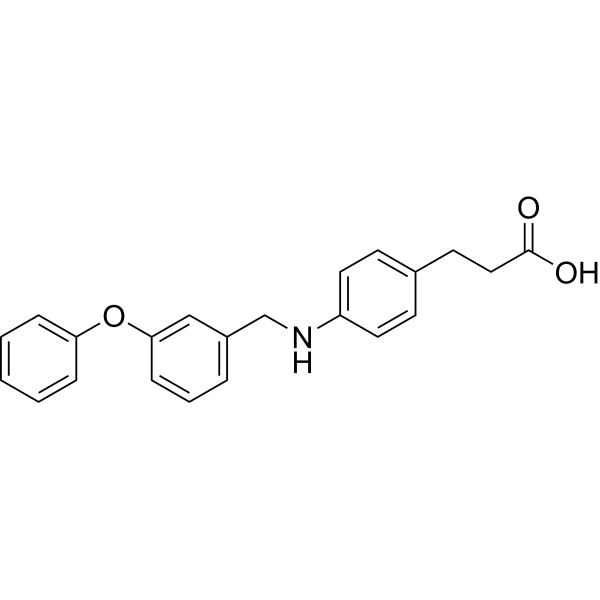
    NDSB 256-4T is a non-washing sulfabetaine compound. NDSB-256-4T prevents protein aggregation and promotes protein folding by interacting with early folding intermediates .
    NDSB 256-4T
  • HY-13271B

    TSA TFA

    HDAC Autophagy Apoptosis Cancer
    Tubastatin A (TSA) TFA is a potent and selective?HDAC6?inhibitor with?IC50?of 15 nM in a cell-free assay, and is selective (1000-fold more) against all other isozymes except HDAC8 (57-fold more). Tubastatin A TFA also inhibits HDAC10 and metallo-β-lactamase domain-containing protein?2 (MBLAC2).
    Tubastatin A TFA
  • HY-14520A

    (6S)-5,6,7,8-Tetrahydrofolic acid

    Endogenous Metabolite Metabolic Disease
    (6S)-Tetrahydrofolic acid is 1000-fold more active than the (6R) form at promoting the binding of fluorodeoxyuridylate to thymidylate synthase and 600-fold more active as a growth factor of P. cerevisiae. (6S)-Tetrahydrofolic acid also has a low affinity and high dissociation rate for folate-binding protein .
    (6S)-Tetrahydrofolic acid
  • HY-109187

    PTI-801

    CFTR Inflammation/Immunology
    Posenacaftor (PTI-801) is a cystic fibrosis transmembrane regulator (CFTR) protein modulator that corrects the folding and trafficking of CFTR protein. Posenacaftor is used for the research of cystic fibrosis (CF) .
    Posenacaftor
  • HY-118897

    DNA/RNA Synthesis Cancer
    UNC-2170 maleate is the maleate salt form of UNC-2170 (HY-115531). UNC-2170 maleate is a selective inhibitor for the methyl-lysine binding protein 53BP1, with IC50 of 29 µM and Kd of 22 µM. UNC-2170 maleate shows at least 17-fold selectivity for 53BP1 as compared to nine other methyl-lysine (Kme) reader proteins. 53BP1 is a Kme binding protein that plays a central role in DNA Damage Repair (DDR) pathways and is recruited to sites of double-strand breaks (DSB) .
    UNC-2170 maleate
  • HY-159934

    FAP Cancer
    QI-18 is a fibroblast activation protein (FAP) inhibitor with the IC50 of 0.50 nM, which is a 6.5-fold increase in potency over that of UAMC-1110 (HY-100684,IC50 of 3.25 nM). QI-18 can be used to synthesize high tumor selectivity and high dose radiotracers for the diagnosis and study of tumors .
    QI-18
  • HY-19972

    Wnt Cancer
    ML243 is a selective small-molecule inhibitor of breast cancer stem cells. ML243 has 32-fold greater selective inhibition in the breast CSC-like cell line HMLE_shECad than the control cell line HMLE_shGFP. ML243 may target the Wnt pathway at the protein level without altering RNA expression levels .
    ML243
  • HY-W339358

    1,2-Diundecanoyl-sn-glycero-3-phosphocholine

    Biochemical Assay Reagents Others
    11:0 PC (1,2-Diundecanoyl-sn-glycero-3-phosphocholine) is a phosphatidylcholine, which plays a role in the folding of intact, functionally competent integral membrane proteins .
    11:0 PC
  • HY-15652A

    ONO-6818 quarterhydrate; ONO-PO-736 quarterhydrate

    Elastase Inflammation/Immunology
    Freselestat quarterhydrate (ONO-6818 quarterhydrate) is a potent and orally active neutrophil elastase inhibitor with a Ki of 12.2 nM. Freselestat quarterhydrate is >100-fold less-active against other proteases such as trypsin, protein-ase 3, pancreatic elastase, plasmin, thrombin, collagenase, cathepsin G, and murine macrophage elastase. Freselestat quarterhydrate has a potent anti-inflammatory activity .
    Freselestat quarterhydrate
  • HY-50882A

    γ-secretase Neurological Disease
    ELN318463 racemate is the racemate of ELN318463. ELN318463 is an amyloid precursor protein (APP) selective γ-secretase inhibitor. ELN318463 shows differential inhibition of presenilin (PS1)- and PS2-comprised γ-secretase with EC50s of 12nM and 656 nM for PS1and PS2, respectively. ELN318463 is 51-fold more selective for PS1 .
    ELN318463 racemate
  • HY-135189

    Others Others
    6-Aminophenanthridine inhibits the protein folding activity of the ribosome (PFAR). 6-Aminophenanthridine competitively occludes the protein substrates from binding to rRNA and thereby inhibits PFAR .
    6-Aminophenanthridine

Inquiry Online

Your information is safe with us. * Required Fields.

Salutation


Country or Region *

Applicant Name *


Organization Name *

Department *


Email Address *


Product Name *

Cat. No.


Requested quantity *

Phone Number *


Remarks

Inquiry Online

Inquiry Information

Product Name:
Cat. No.:
Quantity:
MCE Japan Authorized Agent:

