
55 Results for "

radiation damage

" in MedChemExpress (MCE) Product Catalog:
Products (55)

55 Results for "radiation damage" in MCE Product Catalog:

22
22 Publications Verification
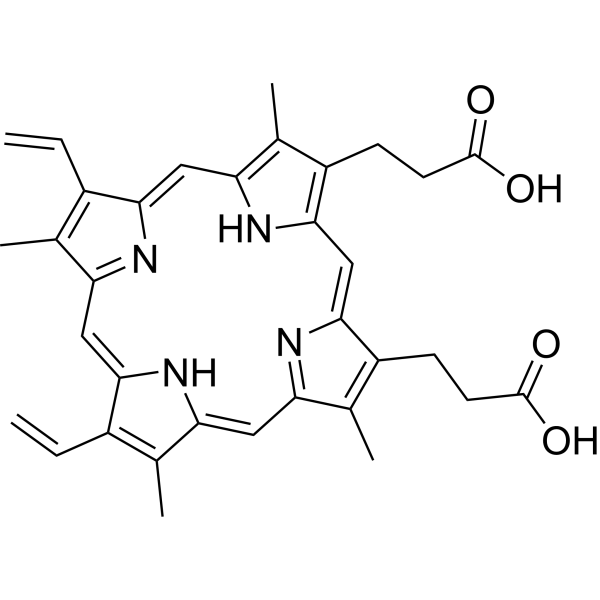
Cat. No.: HY-B1247
CAS No.: 553-12-8
Synonyms: PPIX
Protoporphyrin IX is a final intermediate in the heme biosynthetic pathway, which acts as a radiation sensitizer enhancing ROS generation even in a hypoxic state and inducing DNA damage. Protoporphyrin IX also acts as a photo sensitizer undergoing photobleaching that occurs through direct degradation by light irradiation. Protoporphyrin IX is formed and accumulated following 5-aminolevulinic acid (5-ALA) (HY-W000450) administration in the tumor cells of rats. Protoporphyrin IX causes selective improvement of basal cell carcinoma when activated red fluorescence of a peak wavelength at 405 nm. Protoporphyrin IX is promising for research of sonodynamic and photodynamic agents for a wide range of cancers, such as bladder cancer and nodular basal cell carcinoma .
loading...
    loading...
22
22 Publications Verification
Cat. No.: HY-B1247A
CAS No.: 50865-01-5
Synonyms: PPIX disodium
Target:  

Endogenous Metabolite

Research Areas:  

Cancer

Protoporphyrin IX disodium is a final intermediate in the heme biosynthetic pathway, which acts as a radiation sensitizer enhancing ROS generation even in a hypoxic state and inducing DNA damage. Protoporphyrin IX disodium also acts as a photo sensitizer undergoing photobleaching that occurs through direct degradation by light irradiation. Protoporphyrin IX disodium is formed and accumulated following 5-aminolevulinic acid (5-ALA) (HY-W000450) administration in the tumor cells of rats. Protoporphyrin IX disodium causes selective improvement of basal cell carcinoma when activated red fluorescence of a peak wavelength at 405 nm. Protoporphyrin IX disodium is promising for research of sonodynamic and photodynamic agents for a wide range of cancers, such as bladder cancer and nodular basal cell carcinoma .
loading...
    loading...
16
16 Cited Publications
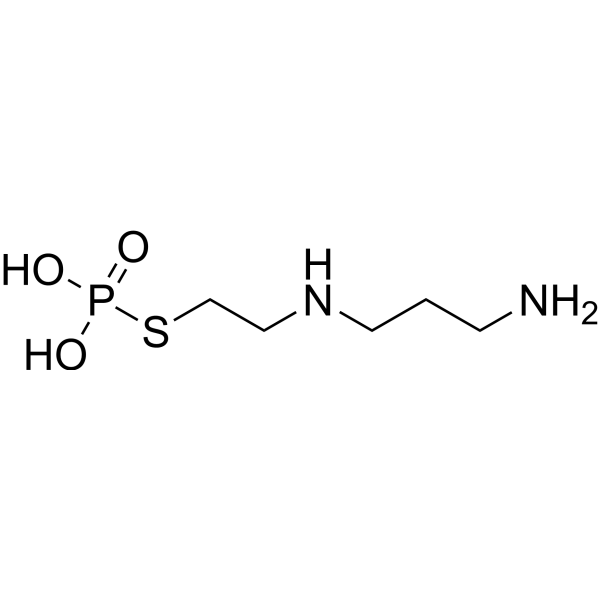
Cat. No.: HY-B0639
CAS No.: 20537-88-6
Synonyms: WR2721
Research Areas:  

Cancer

Amifostine (WR2721) is a broad-spectrum cytoprotective agent and a radioprotector. Amifostine selectively protects normal tissues from damage caused by radiation and chemotherapy. Amifostine is potent hypoxia-inducible factor-α1 (HIF-α1) and p53 inducer. Amifostine protects cells from damage by scavenging oxygen-derived free radicals. Amifostine reduces renal toxicity and has antiangiogenic action .
loading...
    loading...
16
16 Cited Publications
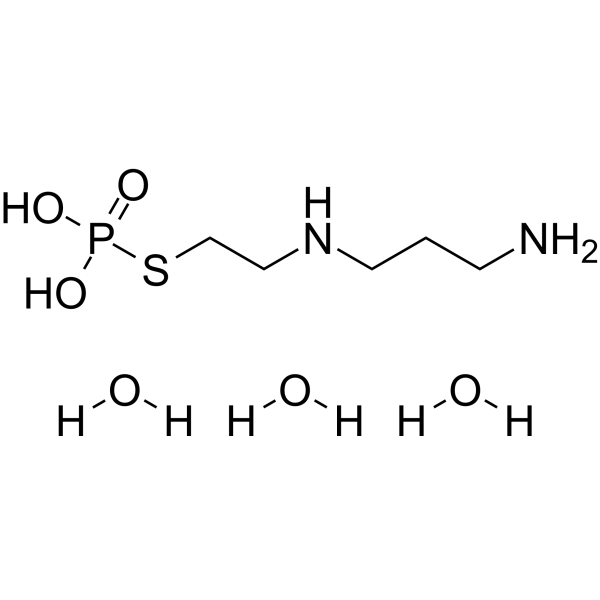
Cat. No.: HY-B0639A
CAS No.: 112901-68-5
Synonyms: WR2721 trihydrate
Research Areas:  

Cancer

Amifostine trihydrate (WR2721 trihydrate) is a broad-spectrum cytoprotective agent and a radioprotector. Amifostine trihydrate selectively protects normal tissues from damage caused by radiation and chemotherapy. Amifostine trihydrate is potent hypoxia-inducible factor-α1 (HIF-α1) and p53 inducer. Amifostine trihydrate protects cells from damage by scavenging oxygen-derived free radicals. Amifostine trihydrate reduces renal toxicity and has antiangiogenic action .
loading...
    loading...
15
15 Cited Publications
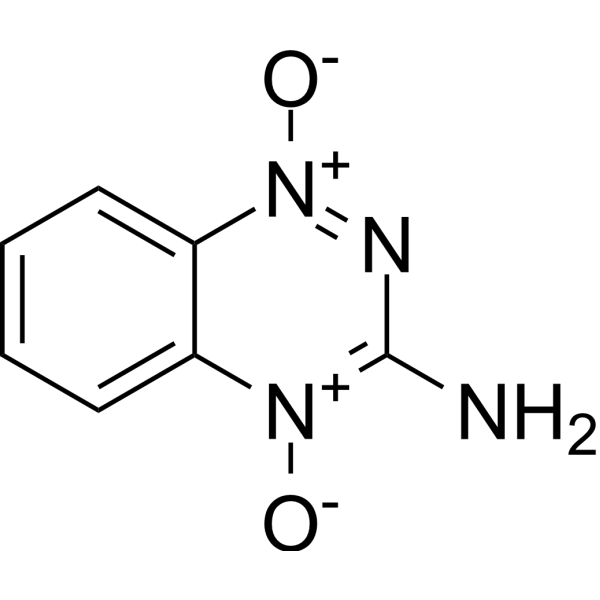
Cat. No.: HY-13767
CAS No.: 27314-97-2
Purity:  99.02%
Synonyms: SR259075; SR4233; Win59075; SML 0552; SR 259075; Tirazone
Target:  

DNA/RNA Synthesis

Research Areas:  

Cancer

Tirapazamine (SR259075) is an anticancer agent that shows selective cytotoxicity for hypoxic cells in solid tumors, thereby inducing single-and double-strand breaks in DNA, base damage, and cell death. Tirapazamine is an anticancer and bioreductive agent.Tirapazamine (SR259075) can enhance the cytotoxic effects of ionizing radiation in hypoxic cells .
loading...
    loading...
4
4 Cited Publications
Cat. No.: HY-N0428
CAS No.: 751-03-1
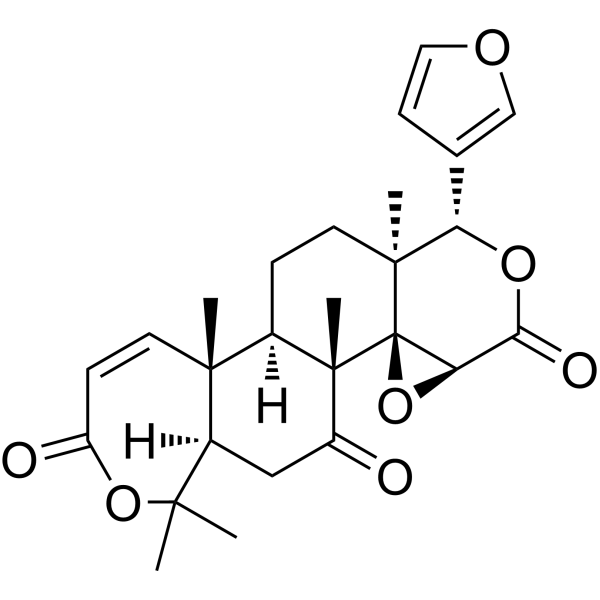
Obacunone is a highly oxidized triterpenoid limonoid isolated from citrus plants. Obacunone exerts its anticancer effects by inducing apoptosis. Obacunone also protects retinal pigment epithelial (RPE) cells from ultraviolet (UV) radiation (UVR)-induced oxidative damage .
loading...
    loading...
4
4 Cited Publications
Cat. No.: HY-108694
CAS No.: 14101-61-2
Purity:  99.67%
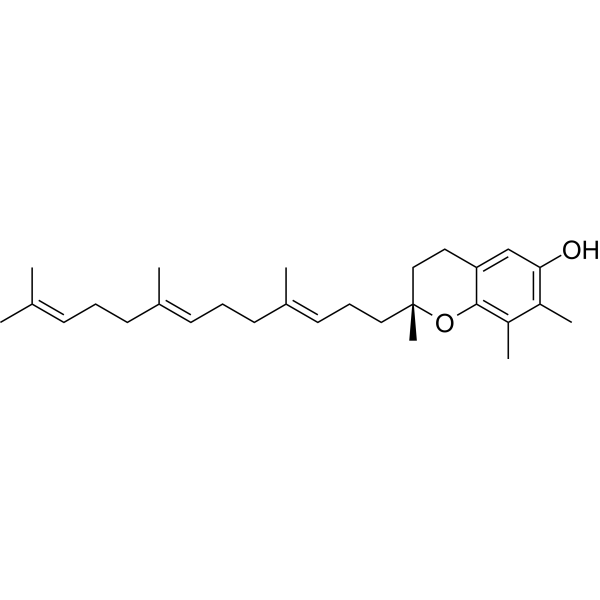
γ-Tocotrienol is an active form of vitamin E. γ-tocotrienol reverses the multidrug resistance (MDR) of breast cancer cells through the signaling pathway of NF-κB and P-gp. γ-Tocotrienol is also a radioprotector agent, can mitigate bone marrow radiation damage during targeted radionuclide treatment .
loading...
    loading...
2
2 Cited Publications
Cat. No.: HY-129064
CAS No.: 9054-89-1
Synonyms: SOD
Target:  

SOD

Research Areas:  

Inflammation/Immunology Cancer

Superoxide dismutase, Porcine erythrocytes (SOD) is the only antioxidant enzyme that scavenges the superoxide anion by converting this free radical to oxygen and hydrogen peroxide, thus preventing peroxynitrite production and further damage. Superoxide dismutase, Porcine erythrocytes is extensively researched and used in anti-inflammatory, antitumor, radiation protection, and antisenility applications .
loading...
    loading...
1
1 Cited Publications
Cat. No.: HY-W019894
CAS No.: 7773-01-5
Synonyms: Manganese dichloride
Manganese chloride is an orally active MRI liver contrast agent. Manganese chloride induces Apoptosis and activates the mTOR signaling pathway. Manganese chloride induces cognitive impairment, promotes hematopoietic recovery, and reduces radiation-induced bone marrow and brain damage. It can be used for the study of renal impairment .
loading...
    loading...
1
1 Cited Publications
Cat. No.: HY-16182
CAS No.: 92761-26-7
Research Areas:  

Others

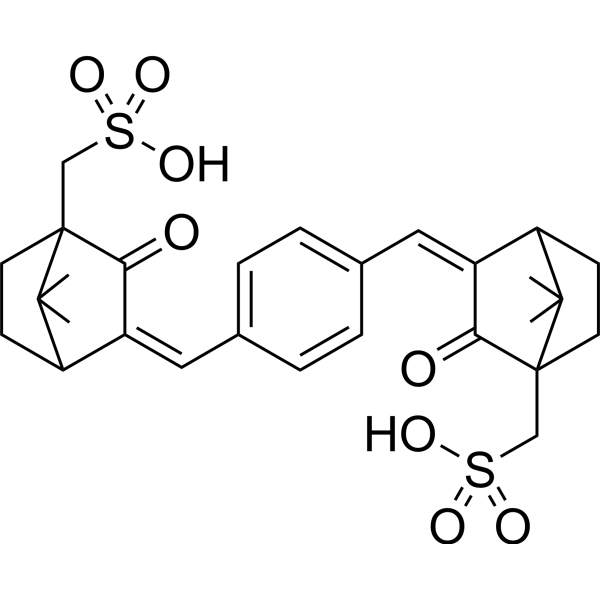
Ecamsule is a broad-spectrum UVA filter that can be used in sunscreen product. Ecamsule reduces biological damage caused by solar radiation such as pyrimidine dimer formation, p53 protein accumula-tion, or collagenase 2 expression. Ecamsule has the potential for the research of polymorphous light eruption (PMLE) .
loading...
    loading...
1
1 Cited Publications
Cat. No.: HY-N0307
CAS No.: 114902-16-8
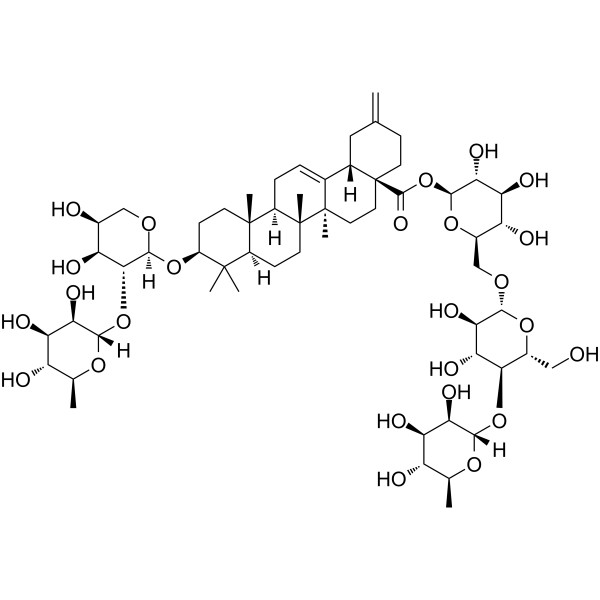
Ciwujianoside B is an orally active, blood-brain barrier penetrable radioprotective agent and memory enhancer. Ciwujianoside B reduces radiation-induced DNA damage, cell cycle arrest and apoptosis, downregulates NF-κB and the Bax/Bcl-2 ratio, and enhances the proliferative capacity of bone marrow cells. Ciwujianoside B enhances object recognition memory in normal mice and induces dendritic extension in primary cultured cortical neurons. Ciwujianoside B can be used in studies related to hematopoietic system radiation injury and memory enhancement .
loading...
    loading...
1
1 Cited Publications
Cat. No.: HY-19416
CAS No.: 286475-30-7
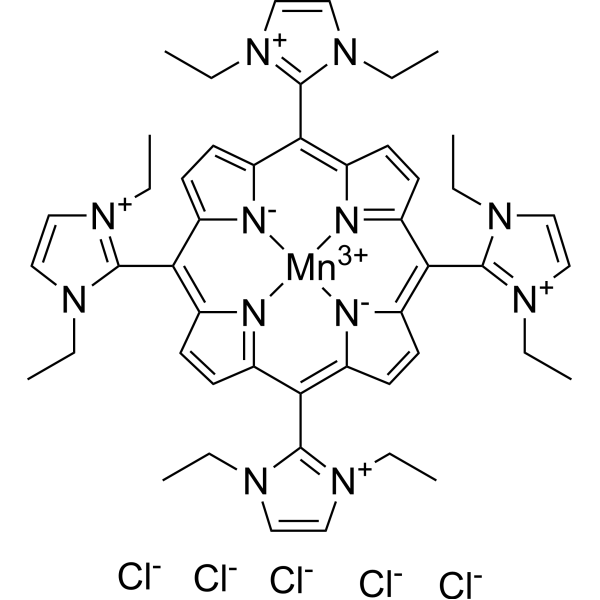
AEOL-10150 pentachloride is a metalloporphyrin-catalyzed antioxidant and a superoxide dismutase mimetic. AEOL-10150 pentachloride scavenges ROS and RNS, and modulates the NF-κB signaling pathway. AEOL-10150 pentachloride has potent antioxidant and anti-inflammatory activities. AEOL-10150 pentachloride effectively mitigates tissue damage caused by radiation and chemical agents such as CEES (HY-W199190). AEOL-10150 pentachloride synergizes with radiotherapy to exert anticancer effects on prostate tumors .
loading...
    loading...
1
1 Cited Publications
Cat. No.: HY-16182A
CAS No.: 90458-75-6
Research Areas:  

Others

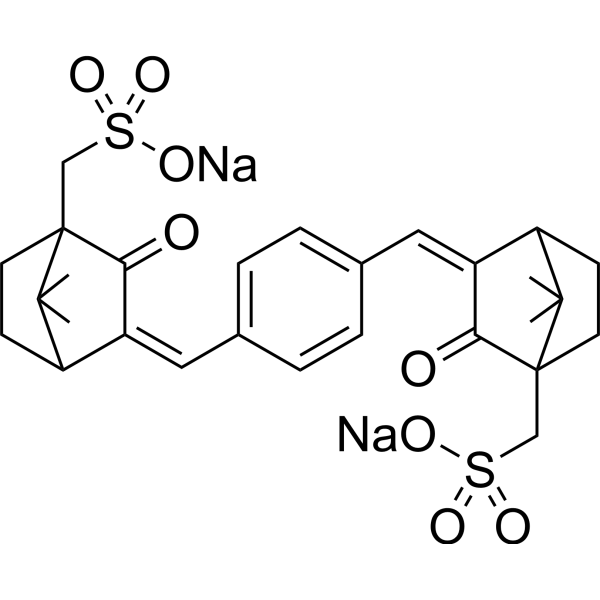
Ecamsule disodium is a broad-spectrum UVA filter that can be used in sunscreen product. Ecamsule reduces biological damage caused by solar radiation such as pyrimidine dimer formation, p53 protein accumula-tion, or collagenase 2 expression .
loading...
    loading...
1
1 Cited Publications
Cat. No.: HY-B0897
CAS No.: 103597-45-1
Research Areas:  

Others

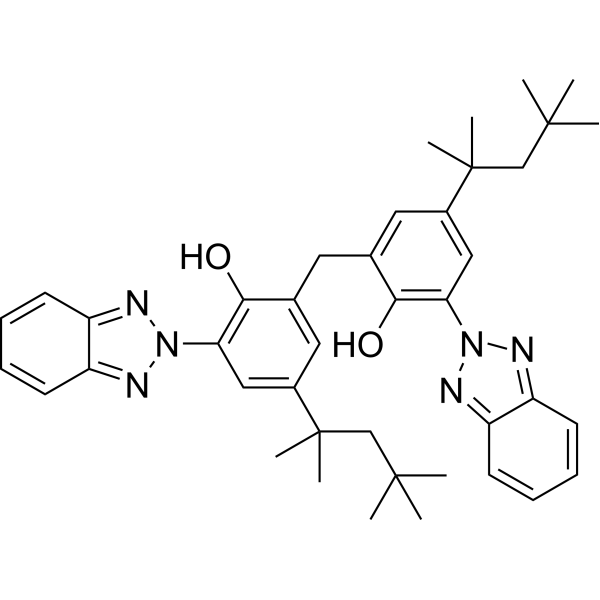
Bisoctrizole is a broad-spectrum UVA/UVB absorber that belongs to the benzotriazole class of compounds. Bisoctrizole absorbs UV light through hydroxyphenyl groups, causing reversible electronic transitions, thereby converting light energy into heat energy, inhibiting UV-induced material or skin damage. Bisoctrizole is highly efficient in capturing UVA (320-400 nm) and some UVB (280-320 nm) radiation. Bisoctrizole delays the photodegradation of materials such as silicones, improving their UV aging resistance or enhancing the photoprotective ability of sunscreen products .
loading...
    loading...
Cat. No.: HY-134816
CAS No.: 9012-72-0
Purity:  ≥96.0%
D-Glucan is an orally effective Dectin-1 receptor immune activator with antioxidant properties (reducing TNF-α). D-Glucan activates macrophages and neutrophils to scavenge free radicals, inhibit oxidative stress and inflammatory responses, and improve insulin sensitivity. D-Glucan promotes glycolysis by enhancing the activity of the antioxidant enzyme glutathione, inhibiting gluconeogenesis and activating GK. D-Glucan can be used in the research of liver damage protection (antagonizing Acetaminophen (HY-66005) toxicity), radiation protection (synergistic with vitamin E) and diabetes (improving glucose metabolism) .
loading...
    loading...
Cat. No.: HY-N7079
CAS No.: 89-65-6
Synonyms: D-Isoascorbic acid; D-Araboascorbic acid
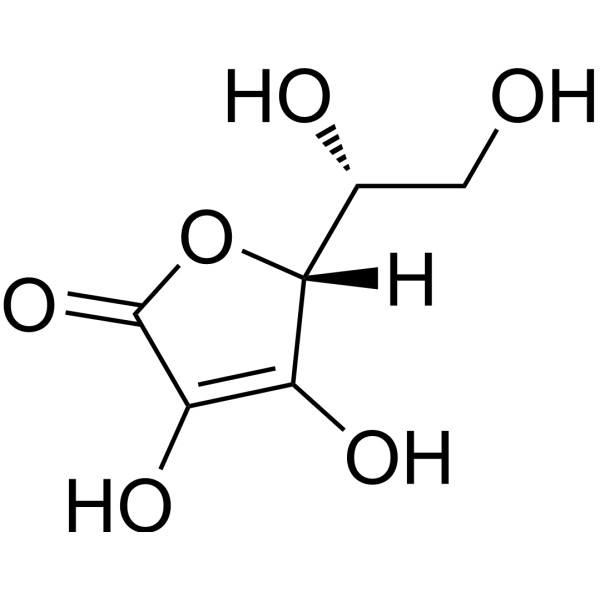
Erythorbic acid is an orally active compound. Erythorbic acid improves the radiation resistance of Listeria monocytogenes. Erythorbic acid can react with free radicals and reduce oxidative damage. Erythorbic acid has weak antiscorbic activity. Erythorbic acid can prevent oxidative discoloration in meat products .
loading...
    loading...
Cat. No.: HY-125940
CAS No.: 200880-41-7
Purity:  ≥98.0%
Synonyms: 1,2-Dipalmitoyl-sn-glycero-3-phosphoglycerol sodium
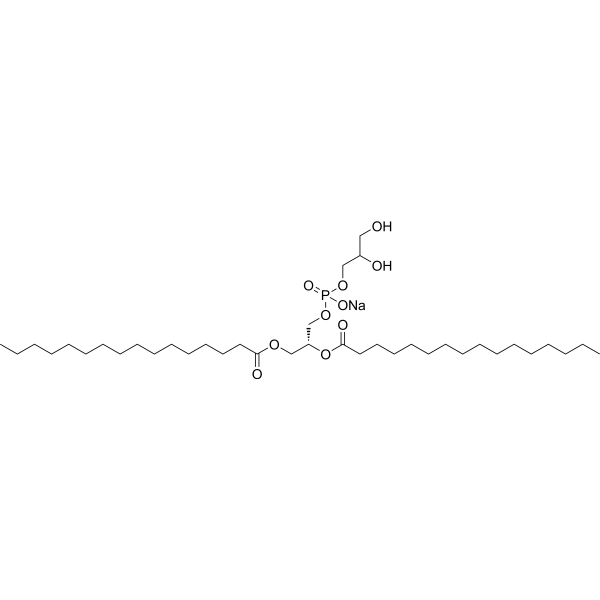
DPPG (UV radiation exposure) suffers cleavage of C―O, C=O and -PO2- bonds and loses monolayer stability; when DNA exists in the subphase, ionic degradation products from DPPG and DNA stabilize intact DPPG molecules and mitigate UV irradiation damage .
loading...
    loading...
Cat. No.: HY-112356
CAS No.: 152075-98-4
Purity:  99.53%
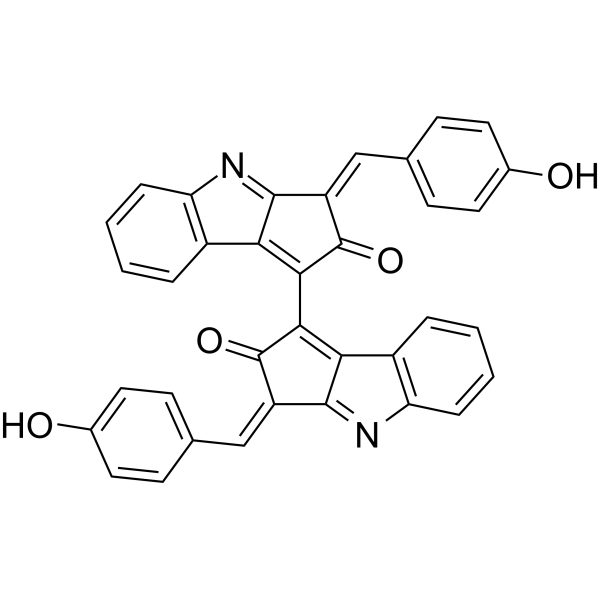
Scytonemin is a hydrophobic alkaloid pigment that can be isolated from the outer sheath of cyanobacteria. Scytonemin has protective function against short-wave solar ultraviolet (UV) radiation, which can reduce the generation of reactive oxygen species (ROS) and the formation of DNA damage. Scytonemin also has anti-inflammatory and anti-proliferative activities, produces concentration-dependent inhibition (IC50=2.0 μM) of polo-like kinase 1 (PLK1)-mediated cdc25C phosphorylation, and plays an important role in regulating the G2/M transition in the cell cycle. It can be used in the research of cancer, acute inflammation and sunscreen cosmetics .
loading...
    loading...
Cat. No.: HY-111940
CAS No.: 2274819-46-2
Purity:  97.23%
Synonyms: LUT014
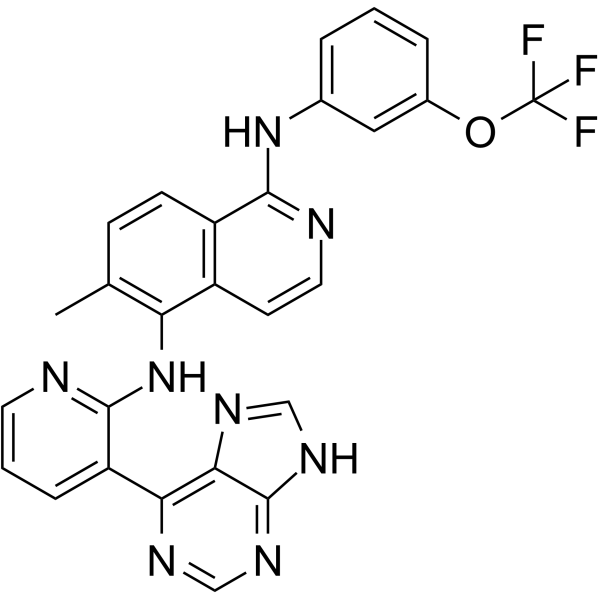
Omzirafenib (LUT014) is a topical inhibitor targeting BRAF that cannot pass through the blood-brain barrier. Omzirafenib inhibits BRAF kinase and abnormally activates the MAPK/ERK signaling pathway, promoting the proliferation of epidermal keratinocytes, repairing skin barrier damage caused by radiation damage, and alleviating inflammatory responses. Omzirafenib is independent of RAS signaling and accelerates the repair and regeneration of damaged skin cells. Omzirafenib can be used to study radiation dermatitis, especially skin damage caused by breast cancer radiotherapy .
loading...
    loading...
Cat. No.: HY-N7079A
CAS No.: 6381-77-7
Synonyms: D-Isoascorbic acid sodium; D-Araboascorbic acid sodium
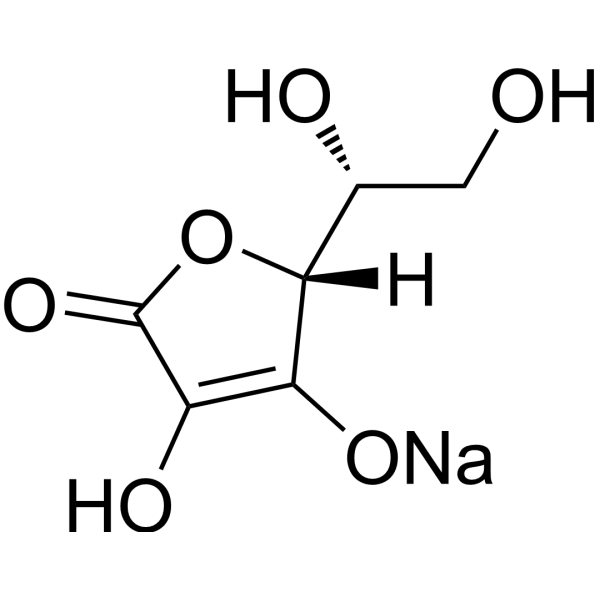
Sodium erythorbate is an orally active sodium salt form of isoascorbic acid. Sodium erythorbate improves the radiation resistance of Listeria monocytogenes. Sodium erythorbate can react with free radicals and reduce oxidative damage. Sodium erythorbate has weak antiscorbic activity. Sodium erythorbate can prevent oxidative discoloration in meat products .
loading...
    loading...

