





1. Search Result
Search Result
Results for "

rejection

" in MedChemExpress (MCE) Product Catalog:

77

Inhibitors & Agonists

4

Peptides

21

Inhibitory Antibodies

10

Natural
Products

2

Recombinant Proteins

6

Isotope-Labeled Compounds

4

Antibodies

Cat. No. Product Name Target Research Areas Chemical Structure
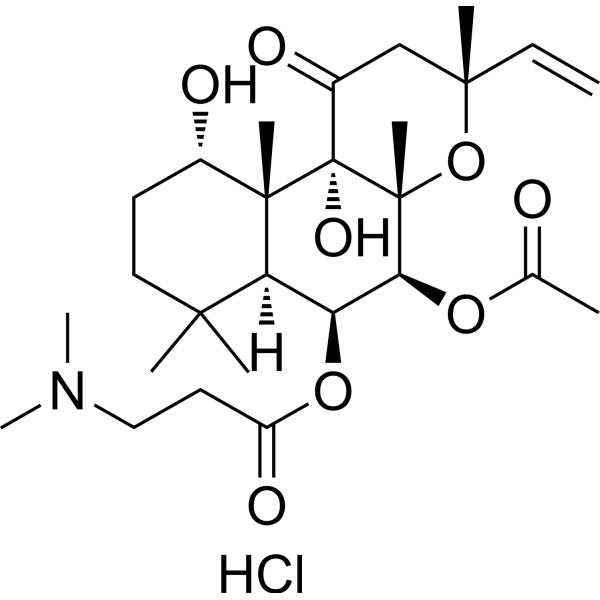
  • HY-103193

    Colforsin dapropate hydrochloride

    Adenylate Cyclase Cardiovascular Disease
    NKH477 (Colforsin dapropate hydrochloride) directly activates the catalytic unit of adenylate cyclase and increases intracellular cAMP. NKH477 is a forskolin derivative that improves cardiac failure mainly through its beneficial effects on diastolic cardiac function. NKH477 exerts an antiproliferative effect in vivo with an altered cytokine profile to inhibit the acute rejection of rat orthotopic lung allografts .
    NKH477
  • HY-N2022
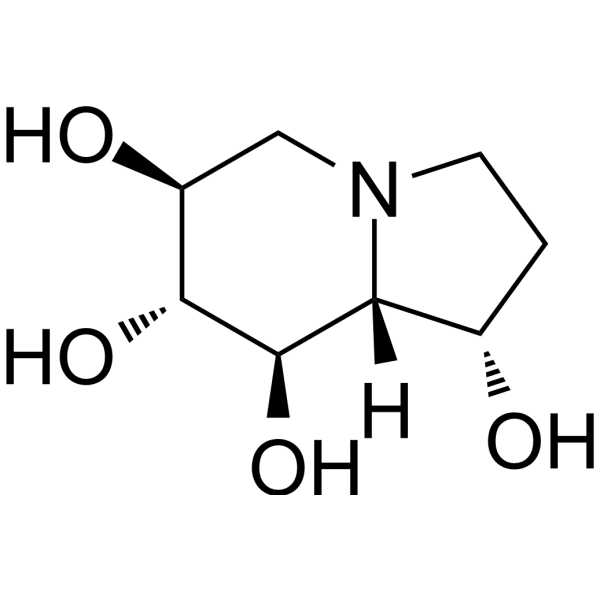
    Castanospermine
    4 Publications Verification

    Glycosidase Inflammation/Immunology Cancer
    Castanospermine is a natural alkaloid that can be extracted from black beans or the Moreton Bay chestnut tree (Castanospermum australae). Castanospermine is an α/ β-glucosidase inhibitor. Castanospermine has anti-inflammatory, antiviral replication and anti-metastatic effects on prostate cancer. Castanospermine can be used as an immunosuppressant to prevent transplant rejection .
    Castanospermine
  • HY-160214
    Perforin-IN-2
    1 Publications Verification

    Complement System Inflammation/Immunology Cancer
    Perforin-IN-2 (Compound 1) is the inhibitor for perforin that inhibits perforin-mediated cell lysis, thereby reducing graft rejection during allogeneic bone marrow/stem cell transplantation .
    Perforin-IN-2
  • HY-13557
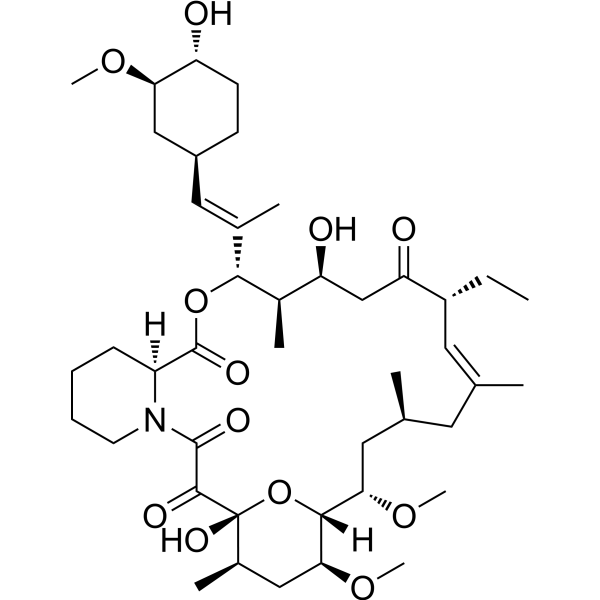
    Ascomycin
    5+ Cited Publications

    Immunomycin; FR-900520; FK520

    FKBP Parasite Fungal Antibiotic Infection Neurological Disease Inflammation/Immunology
    Ascomycin (Immunomycin; FR-900520; FK520) is an ethyl analog of Tacrolimus (FK506) with strong immunosuppressant properties. Ascomycin is also a macrocyclic polyketide antibiotic with multiple biological activities such as anti-malarial, anti-fungal and anti-spasmodic. Ascomycin prevents graft rejection and has potential for varying skin ailments research .
    Ascomycin
  • HY-P990083

    AT-1501

    TNF Receptor Inflammation/Immunology
    Tegoprubart (AT-1501) is a CD40 ligand inhibitor (EC50=100 ng/mL) and immunosuppressant that selectively inhibits the CD40 ligand, a co-stimulatory molecule involved in T cell activation. Tegoprubart suppresses immune rejection, prevents rejection in animal transplantation models, and reduces cell-mediated and antibody-mediated immune responses to create a more immunotolerant environment. Tegoprubart preserves renal function when combined with Mycophenolate (HY-B0421) and Corticosteroids, and maintains graft function in preclinical studies. Tegoprubart is applicable to research related to kidney transplantation and kidney transplant rejection .
    Tegoprubart
  • HY-B0199A
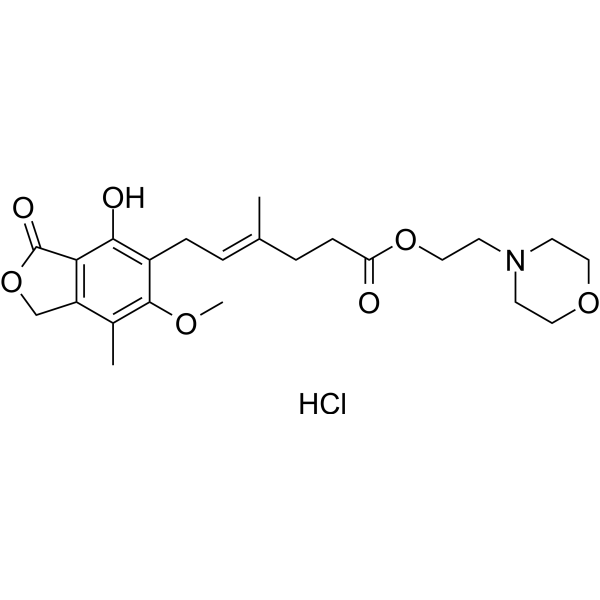
    Mycophenolate mofetil hydrochloride
    Maximum Cited Publications
    12 Publications Verification

    RS 61443 hydrochloride; TM-MMF hydrochloride

    Interleukin Related Inflammation/Immunology
    Mycophenolate mofetil (RS 61443; TM-MMF) hydrochloride is an orally active antimetabolic immunosuppressant with antiproliferative and anti-inflammatory properties. Mycophenolate mofetil hydrochloride significantly inhibits the production of B, T lymphocytes and the proliferation of smooth muscle cells by selectively blocking the de novo purine synthesis pathway. Mycophenolate mofetil hydrochloride effectively reduces adventitial inflammation, medial necrosis and intimal thickening in rat aortic allografts, and decreases the number of lymphocytes expressing the IL-2 receptor, thereby delaying xenograft rejection. Mycophenolate mofetil hydrochloride shows certain toxicity in a hamster-to-rat limb xenotransplantation model when used in combination with FK506 (HY-13756). Mycophenolate mofetil hydrochloride is widely used in studies related to allograft arteriosclerosis (chronic rejection) .
    Mycophenolate mofetil hydrochloride
  • HY-N0699
    Daphnoretin
    3 Publications Verification

    Dephnoretin; Thymelol

    PKC Influenza Virus NOD-like Receptor (NLR) Apoptosis HBV JNK PI3K Akt CDK Caspase Bcl-2 Family Infection Inflammation/Immunology Cancer
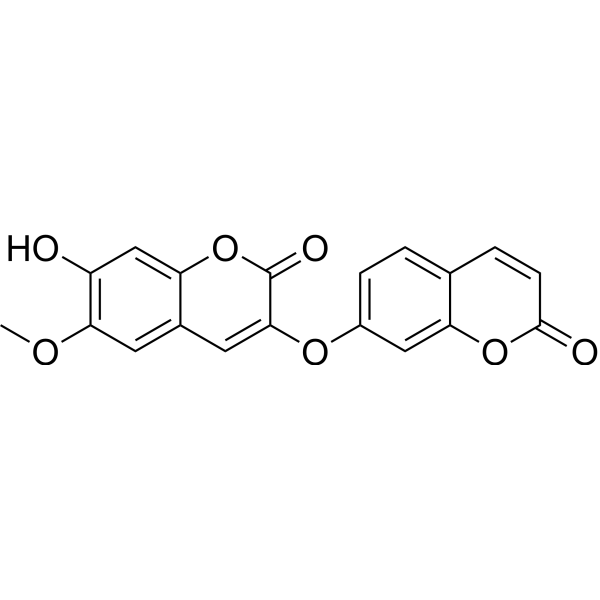
    Daphnoretin (Dephnoretin; Thymelol) is a protein kinase C (PKC) activator that inhibits the expression of hepatitis B virus (HBV) surface antigen (HBsAg) and exhibits antiviral activity. Daphnoretin exerts its antitumor effects by inhibiting the activation of the PI3K/AKT signaling pathway and triggers the mitochondrial apoptosis pathway. Daphnoretin alleviates chondrocyte apoptosis and inflammatory responses by inhibiting endoplasmic reticulum stress and activation of the NLRP3 inflammasome. Daphnoretin regulates the differentiation and maturation of dendritic cells, inhibits their immunostimulatory function by downregulating the phosphorylation level of JNK, and thus exerts a protective effect in skin graft rejection .
    Daphnoretin
  • HY-P99488

    JSP-191; AMG-191

    c-Kit Inflammation/Immunology Cancer
    Briquilimab (JSP-191 or AMG-191) is a humanized IgG1 monoclonal antibody that binds human CD117 (c-Kit). Briquilimab blocks the interaction between CD117 receptor and stem cell factor on various CD117 expressing tissues. Briquilimab can lead to inhibition of SCF/c-Kit signaling and MC apoptosis. Briquilimab is a non-toxic approach to target and deplete HSC, enabling blood and immune reconstitution with minimal toxicity with the other agents being used for transient immune suppression to prevent immunologic rejection. Briquilimab can be used in various disease research such as severe combined immunodeficiency (SCID), myelodyplastic syndromes (MDS), acute myeloid leukemia (AML), chronic spontaneous urticarial (CSU), chronic inducible urticarial (CIndU) and asthema .
    Briquilimab
  • HY-11011
    A-770041
    5+ Cited Publications

    Src Inflammation/Immunology
    A-770041 is a selective and orally active Src-family Lck inhibitor. A-770041 inhibits Lck with an IC50 value of 147 nM with the presence of 1 mM ATP. A-770041 shows 300-fold selective to Lck over Fyn, the other Src family kinase involved in T-cell signaling. A-770041 can be used for the research of acute rejection .
    A-770041
  • HY-P99315

    BG 9588; Anti-Human CD40L Recombinant Antibody; Hu5c8

    TNF Receptor Inflammation/Immunology
    Ruplizumab (BG 9588) is a humanized anti-CD40L IgG1κ monoclonal antibody. By binding to CD40L, Ruplizumab blocks its interaction with the CD40 receptor, inhibits T-B cell costimulatory signals, and mediates the depletion of activated T cells via the Fc segment. Ruplizumab has immunosuppressive effects. Ruplizumab can be used in the study of systemic lupus erythematosus, organ transplant rejection, and autoimmune diseases. Recommend Isotype Controls: Human IgG1 kappa, Isotype Control (HY-P99001) .
    Ruplizumab
  • HY-P99152

    Muromanab-CD3

    CD3 Interleukin Related IFNAR Inflammation/Immunology Cancer
    Muromonab (Muromonab-CD3; OKT3) is a mouse monoclonal antibody targeting the CD3 antigen. Muromonab specifically binds to the CD3 antigen on the surface of human and higher primate T cells. Muromonab blocks the function of T cell receptors to recognize foreign antigens and inhibits T cell-mediated immune responses, including cell-mediated lymphocyte lysis and T cell proliferation responses. Muromonab can be used to study acute kidney, liver, heart and combined kidney-pancreas transplant rejection, and can also be used to study graft-versus-host disease in bone marrow transplant patients .
    Muromonab
  • HY-153128

    DOCK Drug Derivative Inflammation/Immunology
    DOCK2-IN-1 (Compound 3) is an analog of CPYPP (HY-110100) and a DOCK2 inhibitor (IC50 = 19.1 μM). DOCK2-IN-1 binds to the DHR-2 domain of DOCK2 and inhibits its mediated Rac guanine nucleotide exchange factor activity. DOCK2-IN-1 blocks chemokine receptor- and antigen receptor-mediated activation of Rac in lymphocytes. DOCK2-IN-1 significantly inhibits chemotaxis and T cell activation. DOCK2-IN-1 can be used in the research of transplant rejection and organ-specific autoimmune diseases .
    DOCK2-IN-1
  • HY-128726
    ITK inhibitor 2
    2 Publications Verification

    Itk Inflammation/Immunology
    ITK inhibitor 2 is a ITK inhibitor with an IC50 of 2 nM. ITK inhibitor 2 is used for research on inflammatory diseases, allergic diseases, autoimmune diseases and transplant rejection .
    ITK inhibitor 2
  • HY-110217

    IMPDH Inflammation/Immunology
    BMS-566419 is an orally active IMPDH inhibitor with an IC50 of 91 nM against human IMPDH I and 68 nM against human IMPDH II. BMS-566419 exerts anti-heart transplant rejection and anti-renal fibrosis effects, and inhibits the expression of MCP-1, TGF-β1 as well as antibody production. BMS-566419 can be used in research on renal fibrosis and organ transplantation .
    BMS-566419
  • HY-59137

    Drug Intermediate Cancer
    1-Methylimidazole acts as a membrane performance regulator that promotes the formation of reverse osmosis membranes with a dense ultra-thin polyamide layer. Such membranes exhibit higher flux and salt rejection rate, while also conferring excellent pH stability to the membrane. 1-Methylimidazole can serve as a ligand for ruthenium (II) complexes to construct metal-based anticancer agents .
    1-Methylimidazole
  • HY-P990025

    ARGX-117

    Complement System Inflammation/Immunology
    Empasiprubar (ARGX-117) is a humanized inhibitory monoclonal antibody targeting complement C2. Empasiprubar binds to the Sushi-2 domain of C2, preventing the formation of C3 pre convertase and inhibiting the activation of classical and lectin pathways upstream of C3 activation. Empasiprubar can prevent complement mediated autoimmune hemolytic anemia and antibody mediated organ transplant rejection. Empasiprubar can prevent neuroglial lymphoconjunctival injury in GM1 antibody mediated mouse models .
    Empasiprubart
  • HY-P990667

    Integrin TGF-beta/Smad Inflammation/Immunology Cancer
    STX-100 is a humanized monoclonal antibody targeting αVβ6 integrin. STX-100 specifically binds αVβ6 integrin, blocks latent TGF-β activation via latency-associated peptide (LAP) interaction prevention, and reduces profibrotic responses. STX-100 can be used for the research of idiopathic pulmonary fibrosis, and cancer .
    STX-100
  • HY-P99012

    Interleukin Related SARS-CoV Infection Inflammation/Immunology
    Clazakizumab is a monoclonal antibody with high affinity and specificity for the IL-6 (interleukin-6) cytokine. Clazakizumab may be helpful in inhibiting the cytokine response to SARS-CoV-2 in COVID-19. Clazakizumab can be used for the research of psoriatic arthritis (PsA) and renal antibody-mediated rejection .
    Clazakizumab
  • HY-P99701

    BMS-986004

    TNF Receptor Inflammation/Immunology
    Letolizumab (BMS-986004) is a monoclonal antibody targeting CD40L, which is produced to express mutant IgG1 lacking effector function, including Fc binding and complement fixation. Letolizumab reduces rejection, thromboembolism and prolongs the survival time .
    Letolizumab
  • HY-P99257

    ASKP 1240

    TNF Receptor Inflammation/Immunology
    Bleselumab (ASKP 1240) is a human anti-CD40 monoclonal antibody (mAb). Bleselumab binds to human CD40 with high affinity (Kd: 0.24 nM). Bleselumab inhibits immune responses by blocking the interaction of CD40 with its ligand CD40L. Bleselumab prevents organ transplant rejection .
    Bleselumab
  • HY-157746
    CTPS1-IN-1
    1 Publications Verification

    DNA/RNA Synthesis Inflammation/Immunology Cancer
    CTPS1-IN-1 (compound R80) is a CTPS1 inhibitor. CTPS1-IN-1 has the potential to research cancer (such as promoting vascular injury or surgical recovery) and immune system diseases (such as rejection of transplanted cells and tissues, transplant-related diseases or disorders, allergies, and autoimmune diseases) .
    CTPS1-IN-1
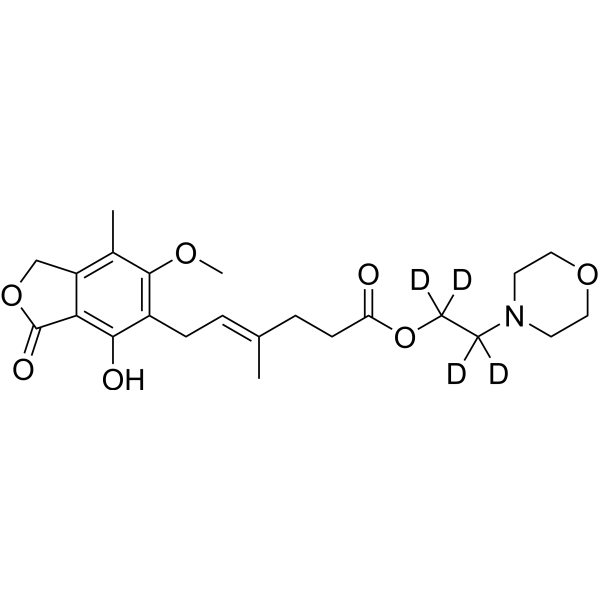
  • HY-B0199S

    Isotope-Labeled Compounds Interleukin Related Cancer
    Mycophenolate Mofetil-d4 is the deuterium labeled Mycophenolate Mofetil. Mycophenolate mofetil (RS 61443; TM-MMF) hydrochloride is an orally active antimetabolic immunosuppressant with antiproliferative and anti-inflammatory properties. Mycophenolate mofetil hydrochloride significantly inhibits the production of B, T lymphocytes and the proliferation of smooth muscle cells by selectively blocking the de novo purine synthesis pathway. Mycophenolate mofetil hydrochloride effectively reduces adventitial inflammation, medial necrosis and intimal thickening in rat aortic allografts, and decreases the number of lymphocytes expressing the IL-2 receptor, thereby delaying xenograft rejection. Mycophenolate mofetil hydrochloride shows certain toxicity in a hamster-to-rat limb xenotransplantation model when used in combination with FK506 (HY-13756). Mycophenolate mofetil hydrochloride is widely used in studies related to allograft arteriosclerosis (chronic rejection) .
    Mycophenolate Mofetil-d4
  • HY-P2758

    DAO

    Biochemical Assay Reagents Metabolic Disease Inflammation/Immunology Cancer
    Diamine oxidase (DAO) is an orally active enzyme. Diamine oxidase catalyzes oxidative deamination of various polyamines. Diamine oxidase degrades histamine and polyamines to maintain the metabolic balance of amines in the body. Diamine oxidase is a key regulatory enzyme in rapidly proliferating tissues such as bone marrow and intestinal mucosa. Diamine oxidase can be used in research related to intestinal diseases, small bowel transplant rejection, histamine intolerance, and other conditions .
    Diamine oxidase
  • HY-14921

    Integrin Transmembrane Glycoprotein Cardiovascular Disease Inflammation/Immunology
    Elsibucol is a VCAM1 inhibitor for the study of organ transplant rejection. Elsibucol is a metabolically stable propanol derivative with antioxidant, anti-inflammatory and anti-proliferative properties. Elsibucol lowers blood cholesterol levels and reduces oxidative stress and inflammatory responses in injured arteries, thereby inhibiting atherosclerosis and protecting endothelial healing after arterial injury .
    Elsibucol
  • HY-P991279

    Interleukin Related Inflammation/Immunology
    Mik-Beta-1 is a human IgG1-kappa anti-IL2RB monoclonal antibody. The isotype control of Mik-Beta-1 can be referenced to Human IgG1 kappa, Isotype Control (HY-P99001). Mik-Beta-1 can be used in research related to the prevention of allograft rejection .
    Mik-Beta-1
  • HY-135066

    Pentaerythritol triallyl ether

    Biochemical Assay Reagents Others
    Triallyl pentaerythritol (PEATA), a crosslinker, decreases the protein rejection compared to membranes functionalized with MBAA or without any crosslinker .
    Triallyl pentaerythritol
  • HY-B0199R

    RS 61443 (Standard); TM-MMF (Standard)

    Reference Standards Interleukin Related Cancer
    Mycophenolate Mofetil (Standard) is the analytical standard of Mycophenolate Mofetil. This product is intended for research and analytical applications. Mycophenolate mofetil (RS 61443; TM-MMF) hydrochloride is an orally active antimetabolic immunosuppressant with antiproliferative and anti-inflammatory properties. Mycophenolate mofetil hydrochloride significantly inhibits the production of B, T lymphocytes and the proliferation of smooth muscle cells by selectively blocking the de novo purine synthesis pathway. Mycophenolate mofetil hydrochloride effectively reduces adventitial inflammation, medial necrosis and intimal thickening in rat aortic allografts, and decreases the number of lymphocytes expressing the IL-2 receptor, thereby delaying xenograft rejection. Mycophenolate mofetil hydrochloride shows certain toxicity in a hamster-to-rat limb xenotransplantation model when used in combination with FK506 (HY-13756). Mycophenolate mofetil hydrochloride is widely used in studies related to allograft arteriosclerosis (chronic rejection) .
    Mycophenolate Mofetil (Standard)
  • HY-P991455

    TNF Receptor Cancer
    PTX-35 is a human IgG monoclonal antibody (mAb) targeting TNFRSF25. PTX-35 reduces the suppressive activity of regulatory T cells and enhances CD4+ T cell effector responses in a mouse melanoma model. PTX-35 can be used in Islet cell transplant rejection and Solid tumours research. Recommended isotype control: Human IgG1 lambda2, Isotype Control (HY-P990096) .
    PTX-35
  • HY-32340

    KH1060

    VD/VDR Inflammation/Immunology Cancer
    Lexacalcitol (KH1060), a vitamin D analog, is a potent regulator of cell growth and immune responses. Lexacalcitol can be used for the research of graft rejection, psoriasis, cancer and auto-immune diseases .
    Lexacalcitol
  • HY-155100

    STING Inflammation/Immunology Cancer
    BI 7446 is a cyclic dinucleotide (CDN)-based potent and selective stimulator of interferon genes (STING) agonist. BI 7446 can activate all five STING variants in cells and induce tumor-specific immune-mediated tumor rejection. BI 7446 can be used for immuno-oncology research .
    BI 7446
  • HY-N2022R

    Reference Standards Glycosidase Inflammation/Immunology Cancer
    Castanospermine is a natural alkaloid that can be extracted from black beans or the Moreton Bay chestnut tree (Castanospermum australae). Castanospermine is an α/ β-glucosidase inhibitor. Castanospermine has anti-inflammatory, antiviral replication and anti-metastatic effects on prostate cancer. Castanospermine can be used as an immunosuppressant to prevent transplant rejection .
    Castanospermine (Standard)
  • HY-143721

    VAP-1 Neurological Disease Metabolic Disease Inflammation/Immunology Cancer
    SSAO inhibitor-2 is a selective semicarbazide-sensitive amine oxidase (SSAO/VAP-1) inhibitor with an IC50 of < 10 nM. SSAO inhibitor-2 can be used for the research of inflammation diseases, diabetes and diabetes-related diseases, mental disorders, pain-related diseases, ischemic diseases, vascular diseases, ocular diseases, fibrosis, neuroinflammatory diseases, cancer, and tissue transplant rejection .
    SSAO inhibitor-2
  • HY-13557R

    Immunomycin (Standard); FR-900520 (Standard); FK520 (Standard)

    Reference Standards FKBP Parasite Fungal Antibiotic Infection Neurological Disease Inflammation/Immunology
    Ascomycin (Standard) is the analytical standard of Ascomycin. This product is intended for research and analytical applications. Ascomycin (Immunomycin; FR-900520; FK520) is an ethyl analog of Tacrolimus (FK506) with strong immunosuppressant properties. Ascomycin is also a macrocyclic polyketide antibiotic with multiple biological activities such as anti-malarial, anti-fungal and anti-spasmodic. Ascomycin prevents graft rejection and has potential for varying skin ailments research[1][2].
    Ascomycin (Standard)
  • HY-59137S

    Isotope-Labeled Compounds Drug Intermediate Cancer
    1-Methylimidazole-d6 is the deuterium labeled 1-Methylimidazole. 1-Methylimidazole acts as a membrane performance regulator that promotes the formation of reverse osmosis membranes with a dense ultra-thin polyamide layer. Such membranes exhibit higher flux and salt rejection rate, while also conferring excellent pH stability to the membrane. 1-Methylimidazole can serve as a ligand for ruthenium (II) complexes to construct metal-based anticancer agents.
    1-Methylimidazole-d6
  • HY-P991543

    CD2 Inflammation/Immunology Cancer
    BTI-322 is a human IgG1κ antibody directed against the CD2 antigen on T cells and NK cells. BTI-322 can block primary and memory alloantigen proliferative responses in vitro. BTI-322 recognizes over 90% of E-rosette-forming peripheral blood lymphocytes and T-cell leukemias. BTI-322 has immunosuppressive activity. BTI-322 effectively inhibits T cell responses in vitro to allogeneic cells. BTI-322 can be used as a T-cell deplting agent. BTI-322 can be studied in research for renal allograft rejection and steroid-refractory acute graft-versus-host disease .
    BTI-322
  • HY-118917

    IMPDH Inflammation/Immunology
    VX-148 is an orally active immunosuppressant, which is a non-competitive inosine-5'-monophosphate dehydrogenase (IMPDH) inhibitor with Ki values for IMPDH Ⅱ and IMPDH Ⅰ of 6 and 14 nM respectively. VX-148 can significantly inhibit the proliferation of human peripheral blood mononuclear cells (PBMC) stimulated by T-cell mitogen (PHA) or B-cell mitogen (SPAS). VX-148 has high selectivity for lymphocytes (such as L1210, Jurkat T cells, and Raji B cells), but has no significant toxicity to non-lymphoid cells. VX-148 can inhibit antibody responses in mouse models and significantly prolong the survival time of transplanted skin in allogeneic skin transplantation models. VX-148 can be used in the research of autoimmune diseases (such as rheumatoid arthritis, psoriasis) and organ transplantation anti-rejection .
    VX-148
  • HY-P991557

    TNF Receptor Inflammation/Immunology
    ABI793 is a human IgG1 anti-human CD154 (CD40 ligand) monoclonal antibody. ABI793 inhibits immune response by blocking the CD154-CD40 (IC50 = 75 nM) signaling pathway. ABI793 effectively prevents kidney transplant rejection. ABI793 can be used for research on immunological rejection .
    ABI793
  • HY-162490

    ROR Inflammation/Immunology
    TF-S14 is a reverse agonist of RORγt. TF-S14 reduces Th17 cell-associated cytokine production, including IL-17A, IL-21, and IL-22 by binding to and inhibiting RORγt activity. TF-S14 can be used in the study of autoimmune diseases and rejection in allotransplantation .
    TF-S14
  • HY-N12396

    Others Inflammation/Immunology
    Cyclosporin U (SMP0V32C6L) is an cytostatic agent that plays an important role in preventing rejection of transplanted organs .
    Cyclosporin U
  • HY-B0199AS

    RS 61443-d4 hydrochloride; TM-MMF-d4 hydrochloride

    Isotope-Labeled Compounds Interleukin Related Cancer
    Mycophenolate Mofetil-d4 hydrochloride is deuterated labeled Mycophenolate mofetil hydrochloride (HY-B0199A). Mycophenolate mofetil (RS 61443; TM-MMF) hydrochloride is an orally active antimetabolic immunosuppressant with antiproliferative and anti-inflammatory properties. Mycophenolate mofetil hydrochloride significantly inhibits the production of B, T lymphocytes and the proliferation of smooth muscle cells by selectively blocking the de novo purine synthesis pathway. Mycophenolate mofetil hydrochloride effectively reduces adventitial inflammation, medial necrosis and intimal thickening in rat aortic allografts, and decreases the number of lymphocytes expressing the IL-2 receptor, thereby delaying xenograft rejection. Mycophenolate mofetil hydrochloride shows certain toxicity in a hamster-to-rat limb xenotransplantation model when used in combination with FK506 (HY-13756). Mycophenolate mofetil hydrochloride is widely used in studies related to allograft arteriosclerosis (chronic rejection) .
    Mycophenolate Mofetil-d4 hydrochloride
  • HY-P11340

    MHC Infection Inflammation/Immunology
    VMAPRTLFL is a 9-mer peptide derived from the signal peptide of HLA-G and can serve as a peptide ligand for HLA-E. VMAPRTLFL plays a crucial role in regulating the functions of adaptive natural killer (NK) cells. Specifically, VMAPRTLFL enriches FcεRγ - adaptive NK cells, upregulates the expression of CD25, and enhances their proliferative activity, antibody-dependent cellular cytotoxicity (ADCC), and IFN-γ release. VMAPRTLFL can be used in research related to human cytomegalovirus (HCMV) infection, transplant rejection, and pregnancy immunity .
    VMAPRTLFL
  • HY-13644

    15-Deoxyspergualin

    Others Others
    Gusperimus is a fully synthetic racemate that has a novel mechanism of action by binding to the intracellular heat shock protein hsp70 and interfering with intracellular signal transduction. This mechanism of action can enhance the effect of immunosuppressive therapy. Gusperimus can inhibit the differentiation of T cells into cytotoxic T cells, reduce the expression of IL-2 receptors on CD4 and CD8 cells, and inhibit IFN-γ-induced B cell maturation. In addition, when used with cyclosporine, tacrolimus or mycophenolate mofetil, Gusperimus can enhance the immunosuppressive effect and prevent allogeneic transplant rejection.
    Gusperimus
  • HY-136622

    Src
    A-420983 is a potent, orally active inhibitor of Lck and can be used in studies involving animal models of delayed-type hypersensitivity and organ transplant rejection .
    A-420983
  • HY-18228

    JAK Inflammation/Immunology
    CP-352664 is a JAK inhibitor. CP-352664 has a inhibitoinhibits JAK3 with an EC50 value of 210 nM. CP-352664 is promising for research of organ transplant rejection and autoimmune disorders such as rheumatoid arthritis .
    CP-352664
  • HY-401475

    PKC Cardiovascular Disease Inflammation/Immunology Cancer
    Protein kinase inhibitor 9 (Compound example 175) is an inhibitor of serine/threonine and tyrosine kinase activity. Protein kinase inhibitor 9 can be used for the research of cancer, hyper proliferative disorders, rheumatoid arthritis, disorders of the immune system, transplant rejections and imflammatory disorders .
    Protein kinase inhibitor 9
  • HY-147579

    TAM Receptor Infection Inflammation/Immunology Cancer
    Axl-IN-12 (Example 2) is a potent AXL inhibitor. Axl-IN-12 can be used for the research of proliferative diseases, autoimmune diseases, allergic diseases, inflammatory diseases, transplant rejection, cancers, viral infectious diseases or other diseases of mammals .
    Axl-IN-12
  • HY-147578

    TAM Receptor Infection Inflammation/Immunology Cancer
    Axl-IN-11 (Example 1) is a potent AXL inhibitor. Axl-IN-11 can be used for the research of proliferative diseases, autoimmune diseases, allergic diseases, inflammatory diseases, transplant rejection, cancers, viral infectious diseases or other diseases of mammals .
    Axl-IN-11
  • HY-119681

    Others Inflammation/Immunology
    YM 11124 is an orally active selective immunosuppressive agent. YM 11124 can inhibit cell-mediated immune responses (type IV allergic reactions, such as delayed-type hypersensitivity and allogenic skin graft rejection) and type III allergic reactions (such as passive Arthus reaction). YM 11124 has no effect on type I, type II allergic reactions or acute inflammation. YM 11124 can be used in research related to organ transplantation and immune hypersensitivity .
    YM 11124
  • HY-147576

    TAM Receptor Inflammation/Immunology Cancer
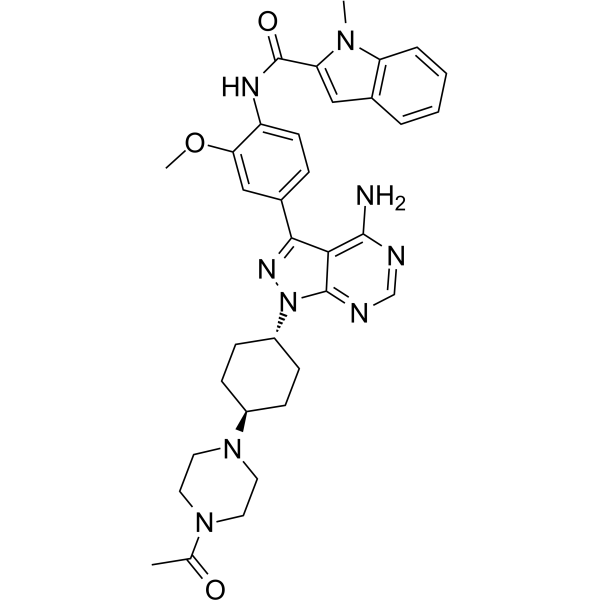
    Axl-IN-9 (Example 10) is a potent AXL inhibitor, with an IC50 of 26 nM. Axl-IN-9 has excellent transmembrane properties. Axl-IN-9 exhibits excellent pharmacokinetic properties in an animal body. Axl-IN-9 can be used for the research of proliferative diseases, autoimmune diseases, allergic diseases, inflammatory diseases, transplant rejection, cancer, or other diseases in mammals .
    Axl-IN-9
  • HY-147577

    TAM Receptor Inflammation/Immunology Cancer
    Axl-IN-10 (Example 1) is a potent AXL inhibitor, with an IC50 of 5 nM. Axl-IN-10 has excellent transmembrane properties.Axl-IN-10 exhibits excellent pharmacokinetic properties in an animal body. Axl-IN-10 can be used for the research of proliferative diseases, autoimmune diseases, allergic diseases, inflammatory diseases, transplant rejection, cancer, or other diseases in mammals .
    Axl-IN-10

Inquiry Online

Your information is safe with us. * Required Fields.

Salutation


Country or Region *

Applicant Name *


Organization Name *

Department *


Email Address *


Product Name *

Cat. No.


Requested quantity *

Phone Number *


Remarks

Inquiry Online

Inquiry Information

Product Name:
Cat. No.:
Quantity:
MCE Japan Authorized Agent:

