Search Result
Results for "
renal dysfunction
" in MedChemExpress (MCE) Product Catalog:
2
Biochemical Assay Reagents
| Cat. No. |
Product Name |
Target |
Research Areas |
Chemical Structure |
-
- HY-13818
-
Stattic
Maximum Cited Publications
280 Publications Verification
|
STAT
Apoptosis
|
Inflammation/Immunology
Cancer
|
|
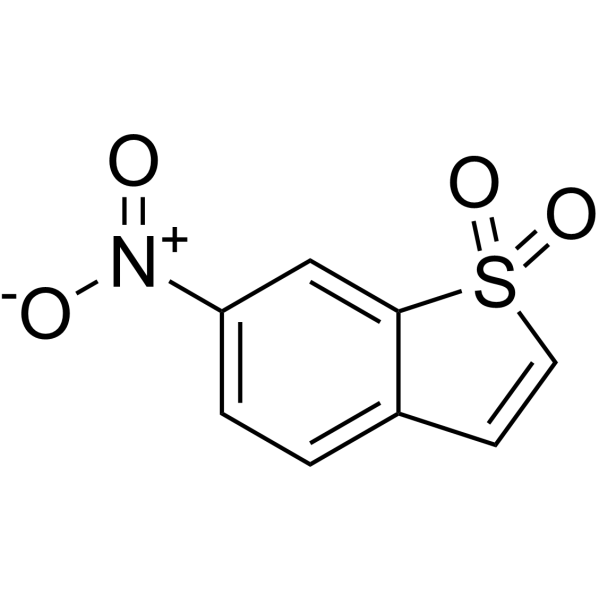
Stattic is a potent STAT3 inhibitor and inhibits STAT3 phosphorylation (at Y705 and S727) . Stattic inhibits the binding of a high affinity phosphopeptide for the SH2 domain of STAT3 . Stattic ameliorates the renal dysfunction in Alport syndrome (AS) mice .
|
-
-
- HY-112879
-
|
|
Calcium Channel
PINK1/Parkin
Mitochondrial Metabolism
Apoptosis
Autophagy
NOD-like Receptor (NLR)
|
Cardiovascular Disease
Neurological Disease
Metabolic Disease
Inflammation/Immunology
|
|
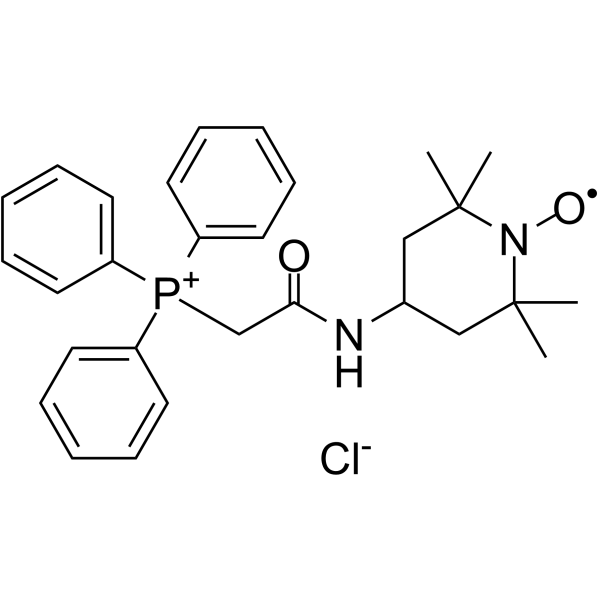
Mito-TEMPO is a mitochondria-targeted antioxidant. Mito-TEMPO induces mitophagy by activating the PINK1/Parkin pathway, inhibits NLRP3 inflammasome activation, restores mitochondrial membrane potential, and improves renal function and podocyte injury. Mito-TEMPO regulates Ca 2+ homeostasis, inhibits Bnip3 overexpression, shortens action potential duration, and exerts antiarrhythmic effects. Mito-TEMPO reverses premature senescence, reduces trabecular bone loss, and decreases cell apoptosis. Mito-TEMPO can be used in studies of chronic kidney disease, age-related cardiac dysfunction, postmenopausal osteoporosis, and ischemic stroke .
|
-
-
- HY-N0148
-
Rutin
Maximum Cited Publications
30 Publications Verification
Rutoside; Quercetin 3-O-rutinoside
|
Amyloid-β
Autophagy
Apoptosis
Endogenous Metabolite
|
Inflammation/Immunology
Cancer
|
|
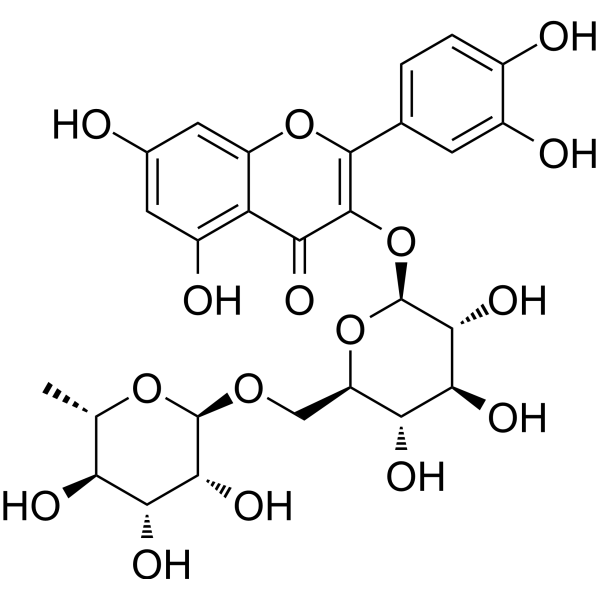
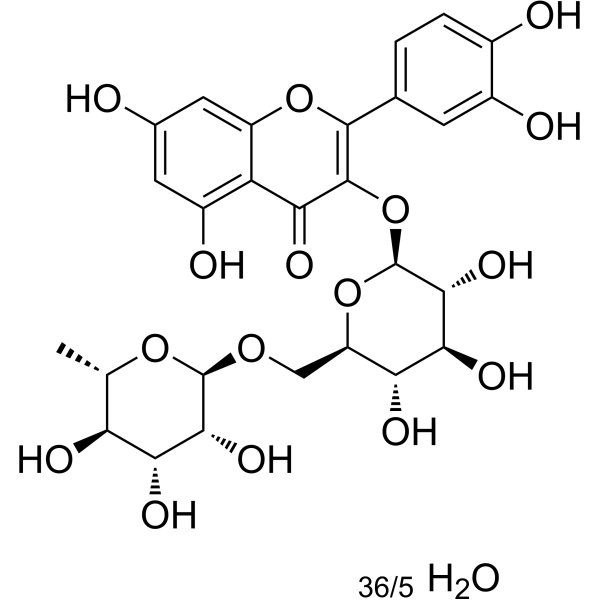
Rutin (Rutoside) is a flavonoid found in many plants and shows a wide range of biological activities including anti-inflammatory, antidiabetic, antioxidant, neuroprotective, nephroprotective, hepatoprotective and reducing Aβ oligomer activities. Rutin is also a CBR1 inhibitor, which can cross the blood brain barrier. Rutin attenuates vancomycin-induced renal tubular cell apoptosis via suppression of apoptosis, mitochondrial dysfunction, and oxidative stress .
|
-
-
- HY-42682
-
|
D-Galactosamine HCl
|
Drug Derivative
|
Inflammation/Immunology
|
|
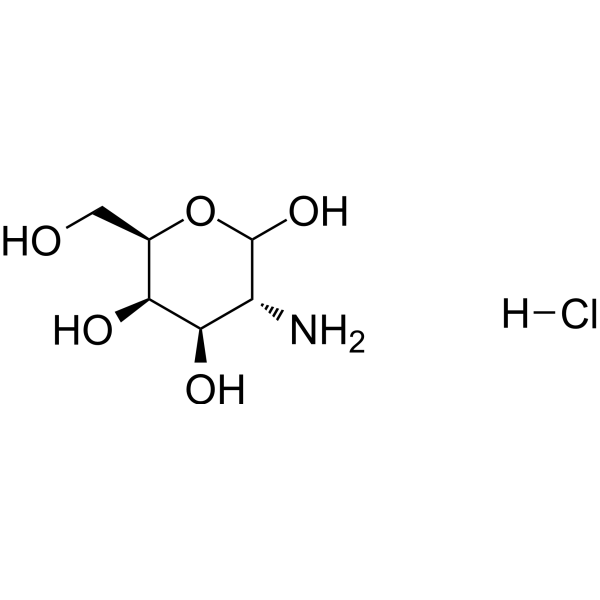
D(+)-Galactosamine (D-Galactosamine) hydrochloride, which is an established experimental toxin, primarily causes liver injury by the generation of free radicals and depletion of UTP nucleotides. D(+)-Galactosamine hydrochloride intoxication also induces renal dysfunction thus, renal failure is often associated with the end-stage of the liver damage. Lipopolysaccharide/D(+)-Galactosamine-induced acute liver injury is a known animal model of fulminant hepatic failure .
|
-
-
- HY-111431
-
|
p-Tolyl sulfate
|
JNK
p38 MAPK
Reactive Oxygen Species (ROS)
|
Metabolic Disease
|
|
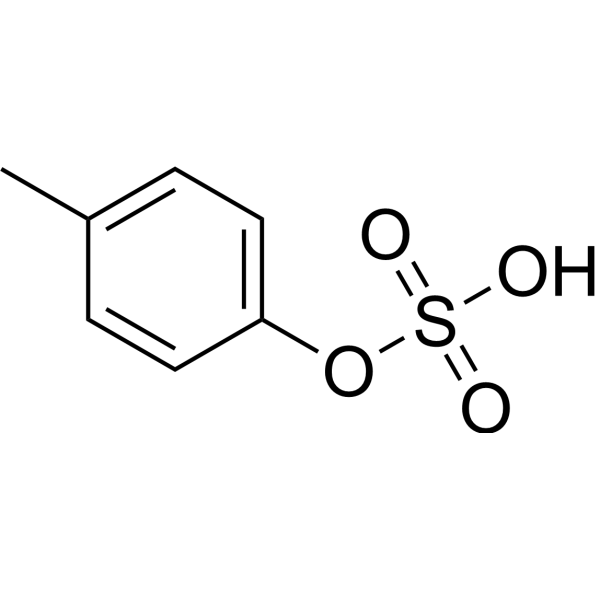
p-Cresyl sulfate (p-Tolyl sulfate) is a uremic toxin, that can cause renal damage and dysfunction. p-Cresyl sulfate shows antiproliferation activity. p-Cresyl sulfate increases the protein expression of HIF-1α and VHL, decreases the protein expression of HIF-2α. p-Cresyl sulfate induces epithelial-mesenchymal transition (EMT). p-Cresyl sulfate activates the JNK and p38 MAPK signaling pathways .
|
-
-
- HY-N0148A
-
Rutin hydrate
Maximum Cited Publications
30 Publications Verification
Rutoside hydrate; Quercetin 3-O-rutinoside hydrate
|
Amyloid-β
Autophagy
Apoptosis
Endogenous Metabolite
|
Neurological Disease
Cancer
|
|
Rutin (Rutoside) hydrate is a flavonoid found in many plants and shows a wide range of biological activities including anti-inflammatory, antidiabetic, antioxidant, neuroprotective, nephroprotective, hepatoprotective and reducing Aβ oligomer activities. Rutin hydrate can cross the blood brain barrier. Rutin hydrate attenuates vancomycin-induced renal tubular cell apoptosis via suppression of apoptosis, mitochondrial dysfunction, and oxidative stress .
|
-
-
- HY-13687
-
|
|
IKK
LRRK2
P-glycoprotein
PKD
NF-κB
TNF Receptor
Interleukin Related
|
Cardiovascular Disease
Inflammation/Immunology
|
|
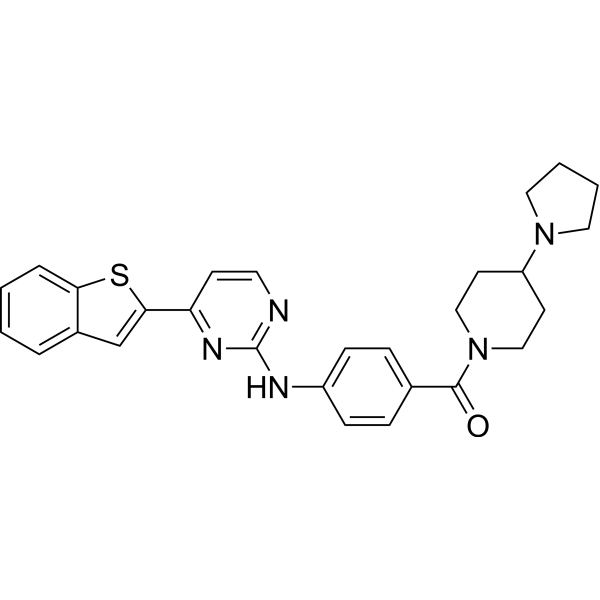
IKK 16 is an orally active IKK inhibitor. IKK 16 shows IC50s of 40 nM, 70 nM, 200 nM, and 50 nM for IKK2, IKK complex, IKK1, and LRRK 2, respectively. IKK 16 is also a pan-PKD inhibitor, inhibiting PKD1, PKD2, and PKD3 with IC50s of 153.9, 115, and 99.7 nM, respectively. IKK 16 is also an ABCB1 inhibitor, interfering with the binding of ABCB1 to its substrates. IKK 16 protects against LPS (HY-D1056)-induced multiple organ dysfunction by reducing the acute inflammatory response induced by endotoxin exposure. IKK 16 can restore renal function and alleviate fibrosis in acute kidney injury. IKK 16 attenuates cardiac dysfunction associated with polymicrobial sepsis in mice with type 2 diabetes mellitus (T2DM) by inhibiting the NF-κB pathway .
|
-
-
- HY-161834
-
|
|
Pyroptosis
Aquaporin
NOD-like Receptor (NLR)
p38 MAPK
|
Infection
Metabolic Disease
Inflammation/Immunology
|
|
RG100204 is a selective, orally available inhibitor of the aquaporin AQP9. RG100204 directly inhibits AQP9 channel function, preventing the transmembrane transport of water, glycerol, and H 2O 2. RG100204 reduces the activation of the NLRP3 inflammasome and p38 MAPK signaling pathways, thereby alleviating inflammation and pyroptosis. RG100204 reduces multi-organ dysfunction in a mouse sepsis model and shows glucose-regulating effects in diabetic db/db mice .
|
-
-
- HY-18734A
-
-
-
- HY-W040821
-
|
|
Endogenous Metabolite
|
Neurological Disease
|
|
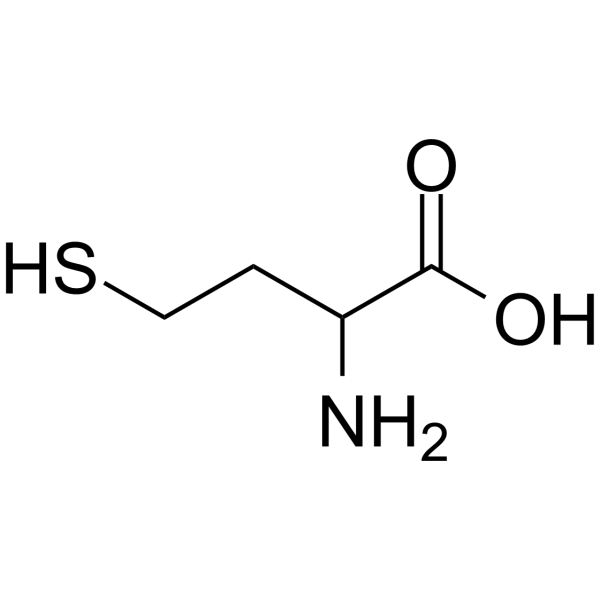
DL-Homocysteine is a weak neurotoxin, and can affect the production of kynurenic acid in the brain. DL-Homocysteine is correlated with Vitamin B12, renal functions and folate levels, affects the cross-sectional cognition indirectly through white matter microstructural integrity .
|
-
-
- HY-103213
-
|
|
Adrenergic Receptor
|
Neurological Disease
Endocrinology
|
|
JP1302 dihydrochloride is a potent, selective, high affinity antagonist of the α2C-adrenoceptor, with a Kb of 16 nM and a Ki of 28 nM for the human α2C-receptor. JP1302 dihydrochloride shows antidepressant and antipsychotic-like effects. JP1302 dihydrochloride can be used for neuropsychiatric disorders and renal dysfunction research .
|
-
-
- HY-W250122
-
|
Monosodium glutamate
|
Biochemical Assay Reagents
Reactive Oxygen Species (ROS)
Mitochondrial Metabolism
Apoptosis
HSP
Bcl-2 Family
|
Neurological Disease
Metabolic Disease
Inflammation/Immunology
|
|
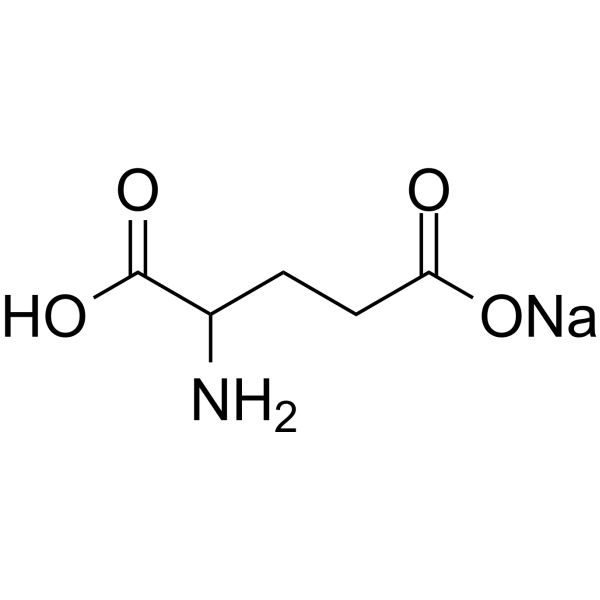
Glutamic acid sodium salt (Monosodium glutamate) is an orally active food flavor enhancer. Glutamic acid sodium salt causes ROS generation, mitochondrial dysfunction, and Apoptosis. Glutamic acid sodium salt upregulates CHOP, Grp78, and Bcl-2. Glutamic acid sodium salt impairs cognition, induces depressive-like behavior, induces hyperalgesia, and induces obesity and insulin resistance. Glutamic acid sodium salt can be used to study neurotoxicity (e.g., brain damage, cognitive impairment), metabolic disorders (e.g., obesity, insulin resistance), hepatotoxicity, and renal toxicity, as well as pain-related disorders .
|
-
-
- HY-N0148R
-
|
Rutoside (Standard); Quercetin 3-O-rutinoside (Standard)
|
Reference Standards
Amyloid-β
Autophagy
Apoptosis
Endogenous Metabolite
|
Inflammation/Immunology
Cancer
|
|
Rutin (Standard) is the analytical standard of Rutin. This product is intended for research and analytical applications. Rutin (Rutoside) is a flavonoid found in many plants and shows a wide range of biological activities including anti-inflammatory, antidiabetic, antioxidant, neuroprotective, nephroprotective, hepatoprotective and reducing Aβ oligomer activities. Rutin is also a CBR1 inhibitor, which can cross the blood brain barrier. Rutin attenuates vancomycin-induced renal tubular cell apoptosis via suppression of apoptosis, mitochondrial dysfunction, and oxidative stress .
|
-
-
- HY-125944
-
|
|
Mitochondrial Metabolism
PINK1/Parkin
NOD-like Receptor (NLR)
Autophagy
Calcium Channel
Apoptosis
|
Cardiovascular Disease
Neurological Disease
Metabolic Disease
Endocrinology
|
|
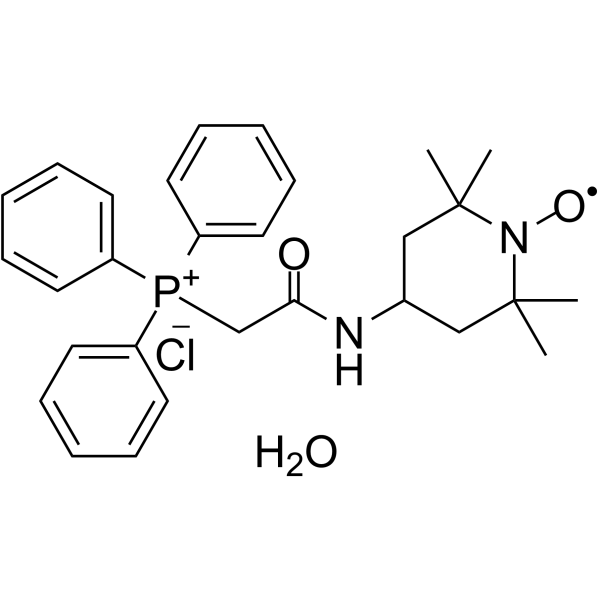
MitoTEMPO hydrate is a mitochondria-targeted antioxidant . MitoTEMPO hydrate induces mitophagy by activating the PINK1/Parkin pathway, inhibits NLRP3 inflammasome activation, restores mitochondrial membrane potential, and improves renal function and podocyte injury. MitoTEMPO hydrate regulates Ca 2+ homeostasis, inhibits Bnip3 overexpression, shortens action potential duration, and exerts antiarrhythmic effects. MitoTEMPO hydrate reverses premature senescence, reduces trabecular bone loss, and decreases cell apoptosis. MitoTEMPO hydrate can be used in studies of chronic kidney disease, age-related cardiac dysfunction, postmenopausal osteoporosis, and ischemic stroke .
|
-
-
- HY-120897
-
|
|
Bcl-2 Family
Apoptosis
|
Inflammation/Immunology
|
|
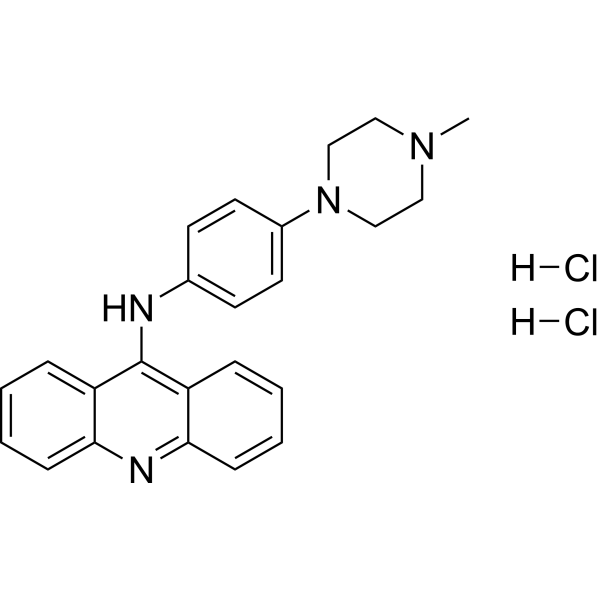
NS-3-008 hydrochloride is an orally active transcriptional inhibitor of G0/G1 switch 2 (G0s2) with an IC50 of 2.25 μM. NS-3-008 hydrochloride can be used for chronic kidney disease .
|
-
-
- HY-13687A
-
|
|
IKK
LRRK2
P-glycoprotein
PKD
NF-κB
TNF Receptor
Interleukin Related
|
Cardiovascular Disease
Inflammation/Immunology
|
|
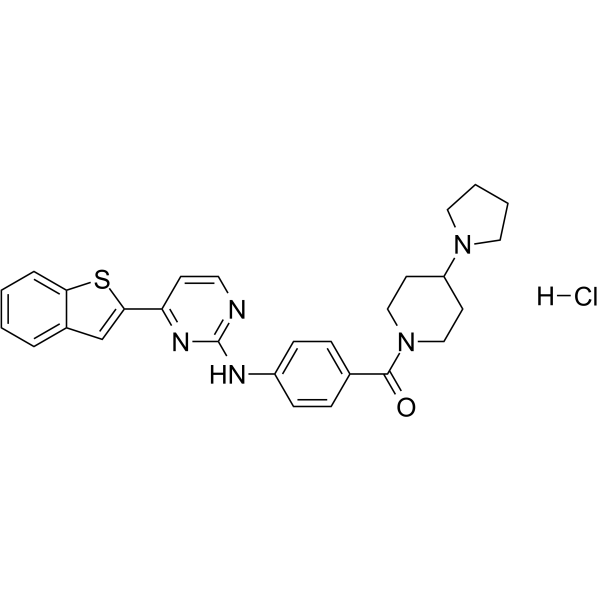
IKK 16 hydrochloride is an orally active IKK inhibitor. IKK 16 hydrochloride shows IC50s of 40 nM, 70 nM, 200 nM, and 50 nM for IKK2, IKK complex, IKK1, and LRRK 2, respectively. IKK 16 hydrochloride is also a pan-PKD inhibitor, inhibiting PKD1, PKD2, and PKD3 with IC50s of 153.9, 115, and 99.7 nM, respectively. IKK 16 hydrochloride is also an ABCB1 inhibitor, interfering with the binding of ABCB1 to its substrates. IKK 16 hydrochloride protects against LPS (HY-D1056)-induced multiple organ dysfunction by reducing the acute inflammatory response induced by endotoxin exposure. IKK 16 hydrochloride can restore renal function and alleviate fibrosis in acute kidney injury. IKK 16 hydrochloride attenuates cardiac dysfunction associated with polymicrobial sepsis in mice with type 2 diabetes mellitus (T2DM) by inhibiting the NF-κB pathway .
|
-
-
- HY-P2222
-
-
-
- HY-10965
-
|
KW-3902
|
Adenosine Receptor
|
Neurological Disease
|
|
Rolofylline (KW-3902) is a potent, selective adenosine A1 receptor antagonist that is under development for the treatment of patients with acute congestive heart failure and renal impairment.
Rolofylline is metabolized primarily to the pharmacologically active M1-trans and M1-cis metabolites by cytochrome P450 (CYP450) .
Rolofylline is alleviating the presynaptic dysfunction and restores neuronal activity as well as dendritic spine levels in vitro, is an interesting candidate to combat the hypometabolism and neuronal dysfunction associated with Tau-induced neurodegenerative diseases .
|
-
-
- HY-N10423
-
|
(-)-Cubebin
|
Cholinesterase (ChE)
Bacterial
Fungal
Parasite
p38 MAPK
|
Infection
Neurological Disease
Metabolic Disease
Inflammation/Immunology
Cancer
|
|
Cubebin ((-)-Cubebin), a dibenzyl butyrolactone lignan, is an orally active AChE inhibitor. Cubebin binds to active sites of NF-κB, TNF-α, and TGF-β1 via hydrogen and hydrophobic interactions, obstructing critical residues to inhibit pro-inflammatory or renal fibrosis-related activity. Cubebin enhances p38 MAPK phosphorylation to increase tyrosinase gene expression, stimulating melanogenesis via elevated tyrosinase activity, expression, and mRNA levels. Cubebin reduces oxidative stress via enhanced endogenous antioxidant enzyme activity and inhibited lipid peroxidation, regulates lipid metabolism, improves glycemic control, and exerts renoprotective effects via reduced renal dysfunction markers and improved renal architecture. Cubebin shows antimicrobial activity. Cubebin exerts larvicidal activity against Angiostrongylus cantonensis larvae, with no cytotoxicity toward monkey or human cell lines or Caenorhabditis elegans. Cubebin can be used for the research of diabetic nephropathy, melanoma, colon adenocarcinoma, neuroangiostrongyliasis, Alzheimer’s disease (AD) and depression .
|
-
-
- HY-103213A
-
JP1302
2 Publications Verification
|
Adrenergic Receptor
|
Neurological Disease
|
|
JP1302 is a potent, selective, high affinity antagonist of the α2C-adrenoceptor, with a Kb of 16 nM and a Ki of 28 nM for the human α2C-receptor. JP1302 shows antidepressant and antipsychotic-like effects. JP1302 can be used for neuropsychiatric disorders and renal dysfunction research .
|
-
-
- HY-18734
-
-
-
- HY-42682R
-
|
D-Galactosamine HCl (Standard)
|
Reference Standards
|
Inflammation/Immunology
|
|
D(+)-Galactosamine (hydrochloride) (Standard) is the analytical standard of D(+)-Galactosamine (hydrochloride). This product is intended for research and analytical applications. D(+)-Galactosamine (D-Galactosamine) hydrochloride, which is an established experimental toxin, primarily causes liver injury by the generation of free radicals and depletion of UTP nucleotides. D(+)-Galactosamine hydrochloride intoxication also induces renal dysfunction thus, renal failure is often associated with the end-stage of the liver damage. Lipopolysaccharide/D(+)-Galactosamine-induced acute liver injury is a known animal model of fulminant hepatic failure .
|
-
-
- HY-174306
-
|
|
5-HT Receptor
PGC-1α
Akt
PI3K
Ras
MEK
ERK
|
Metabolic Disease
|
|
MARY1 is a selective 5-HT2BR antagonist with an IC50 of 380 nM and a Ki of 764 nM (human
5-HT2BR). MARY1 induces renal mitochondrial biogenesis (MB) and enhances renal mitochondrial function by increasing mitochondrial respiratory capacity, mitochondrial protein levels, and mitochondrial number in renal proximal tubular cells (RPTCs). MARY1 induces MB through 5-HT2BR and dual PI3K/AKT and RAS/MEK/ERK cell signaling pathways in RPTCs. MARY1 can be used to study renal diseases associated with metabolic and mitochondrial dysfunction .
|
-
-
- HY-111431AR
-
|
p-Tolyl sulfate potassium (Standard)
|
JNK
p38 MAPK
Reactive Oxygen Species (ROS)
Reference Standards
|
Metabolic Disease
|
|
p-Cresyl sulfate (potassium) (Standard) is the analytical standard of p-Cresyl sulfate (potassium). This product is intended for research and analytical applications. p-Cresyl sulfate (p-Tolyl sulfate) potassium is a uremic toxin, that can cause renal damage and dysfunction. p-Cresyl sulfate potassium shows antiproliferation activity. p-Cresyl sulfate potassium increases the protein expression of HIF-1α and VHL, decreases the protein expression of HIF-2α. p-Cresyl sulfate potassium induces epithelial-mesenchymal transition (EMT). p-Cresyl sulfate potassium activates the JNK and p38 MAPK signaling pathways .
|
-
-
- HY-P2222A
-
-
-
- HY-13818R
-
|
|
STAT
Apoptosis
|
Inflammation/Immunology
Cancer
|
|
Stattic (Standard) is the analytical standard of Stattic. This product is intended for research and analytical applications. Stattic is a potent STAT3 inhibitor and inhibits STAT3 phosphorylation (at Y705 and S727) . Stattic inhibits the binding of a high affinity phosphopeptide for the SH2 domain of STAT3 . Stattic ameliorates the renal dysfunction in Alport syndrome (AS) mice .
|
-
-
- HY-101410A
-
|
Symmetric dimethylarginine (p-hydroxyazobenzene-p′-sulfonate); NG,NG'-Dimethyl-L-arginine (p-hydroxyazobenzene-p′-sulfonate)
|
Endogenous Metabolite
NO Synthase
NF-κB
|
Inflammation/Immunology
|
|
SDMA p-hydroxyazobenzene-p′-sulfonate is the p-hydroxyazobenzene-p′-sulfonate salt form of SDMA (HY-101410). SDMA p-hydroxyazobenzene-p′-sulfonate is an endogenous inhibitor of nitric oxide synthase (NO synthase) activity. SDMA p-hydroxyazobenzene-p′-sulfonate is an activator for NF-κB, and promotes the expression of IL-6 and TNF-α. SDMA p-hydroxyazobenzene-p′-sulfonate is stable in serum and plasma, and can be used as a kidney biomarker of hepatic and renal dysfunction .
|
-
-
- HY-N0148AR
-
|
Rutoside hydrate (Standard); Quercetin 3-O-rutinoside hydrate (Standard)
|
Amyloid-β
Autophagy
Apoptosis
Endogenous Metabolite
Reference Standards
|
Neurological Disease
Cancer
|
|
Rutin (hydrate) (Standard) is the analytical standard of Rutin (hydrate). This product is intended for research and analytical applications. Rutin (Rutoside) hydrate is a flavonoid found in many plants and shows a wide range of biological activities including anti-inflammatory, antidiabetic, antioxidant, neuroprotective, nephroprotective, hepatoprotective and reducing Aβ oligomer activities. Rutin hydrate can cross the blood brain barrier. Rutin hydrate attenuates vancomycin-induced renal tubular cell apoptosis via suppression of apoptosis, mitochondrial dysfunction, and oxidative stress .
|
-
-
- HY-13687R
-
|
|
IKK
LRRK2
Reference Standards
P-glycoprotein
PKD
NF-κB
TNF Receptor
Interleukin Related
|
Inflammation/Immunology
|
|
IKK 16 (Standard) is the analytical standard of IKK 16. This product is intended for research and analytical applications. IKK 16 hydrochloride is an orally active IKK inhibitor. IKK 16 hydrochloride shows IC50s of 40 nM, 70 nM, 200 nM, and 50 nM for IKK2, IKK complex, IKK1, and LRRK 2, respectively. IKK 16 hydrochloride is also a pan-PKD inhibitor, inhibiting PKD1, PKD2, and PKD3 with IC50s of 153.9, 115, and 99.7 nM, respectively. IKK 16 hydrochloride is also an ABCB1 inhibitor, interfering with the binding of ABCB1 to its substrates. IKK 16 hydrochloride protects against LPS (HY-D1056)-induced multiple organ dysfunction by reducing the acute inflammatory response induced by endotoxin exposure. IKK 16 hydrochloride can restore renal function and alleviate fibrosis in acute kidney injury. IKK 16 hydrochloride attenuates cardiac dysfunction associated with polymicrobial sepsis in mice with type 2 diabetes mellitus (T2DM) by inhibiting the NF-κB pathway.
|
-
-
- HY-108807
-
-
-
- HY-105168
-
|
|
Endothelin Receptor
|
Cardiovascular Disease
|
|
TAK 044 is an antagonist of Endothelin Receptor. TAK 044 strongly inhibits ET-induced deterioration in various animal models. TAK 044 can be used in study ET-related diseases such as acute myocardial infarction,acute renal failure, acute hepatic malfunction, and subarachnoid hemorrhage .
|
-
-
- HY-106661
-
|
|
Amyloid-β
|
Neurological Disease
Metabolic Disease
|
|
GLY-230 is an orally active compound. GLY-230 can inhibit nonenzymatic glycation and reduce glycated albumin. GLY-230 can reduce brain Aβ42 levels. GLY-230 can be used for the researches of metabolic and neurological disease, such as diabetic renal dysfunction .
|
-
-
- HY-110186
-
|
|
Adenosine Receptor
|
Metabolic Disease
|
|
PQ-69 is a potent and selective adenosine A1 receptor antagonist with inverse agonist activity. PQ-69 binds to hA1 receptor with a Ki value of 0.96 nM, is 217-fold more selective compared with hA2A receptors (Ki=208 nM) and >1,000-fold selectivity over hA3 receptor (Ki >100 μM). PQ-69 can be used for the research of renal dysfunction .
|
-
-
- HY-138868
-
|
17-Phenyl trinor PGE2 ethyl amide
|
Prostaglandin Receptor
|
Metabolic Disease
|
|
17-Phenyl trinor prostaglandin E2 ethyl amide (17-Phenyl trinor PGE2 ethyl amide) is a EP1 receptor agonist. 17-Phenyl trinor prostaglandin E2 ethyl amide aggravates renal dysfunction and glomerulosclerosis .
|
-
-
- HY-10965R
-
|
KW-3902 (Standard)
|
Adenosine Receptor
Reference Standards
|
Neurological Disease
|
|
Rolofylline (Standard) is the analytical standard of Rolofylline. This product is intended for research and analytical applications. Rolofylline (KW-3902) is a potent, selective adenosine A1 receptor antagonist that is under development for the treatment of patients with acute congestive heart failure and renal impairment.
Rolofylline is metabolized primarily to the pharmacologically active M1-trans and M1-cis metabolites by cytochrome P450 (CYP450) .
Rolofylline is alleviating the presynaptic dysfunction and restores neuronal activity as well as dendritic spine levels in vitro, is an interesting candidate to combat the hypometabolism and neuronal dysfunction associated with Tau-induced neurodegenerative diseases .
|
-
-
- HY-18734AR
-
|
|
NO Synthase
|
Cardiovascular Disease
Metabolic Disease
Inflammation/Immunology
|
|
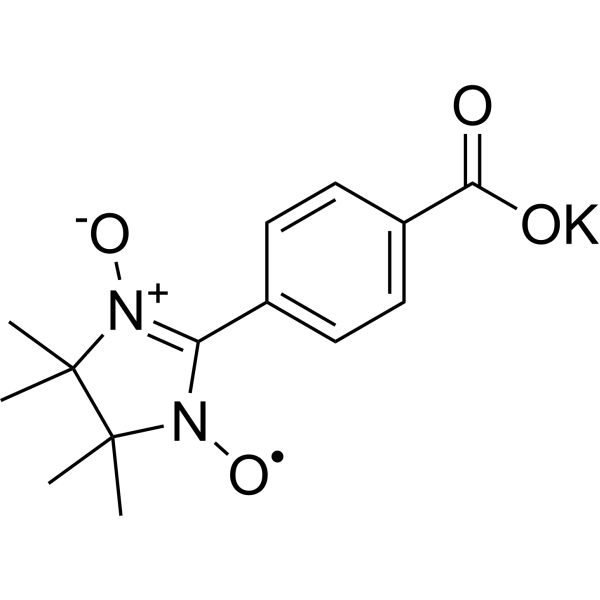
Carboxy-PTIO (potassium) (Standard) is the analytical standard of Carboxy-PTIO (potassium). This product is intended for research and analytical applications. Carboxy-PTIO potassium is a potent nitric oxide (NO) scavenger that can make a quick reaction with NO to produce NO2. Carboxy-PTIO potassium can prevent hypotension and endotoxic shock through the direct scavenging action against NO in lipopolysaccharide-stimulated rat model .
|
-
-
- HY-W040821R
-
|
|
Reference Standards
Endogenous Metabolite
|
Neurological Disease
|
|
Metoprolol acid (Standard) is the analytical standard of Metoprolol acid. This product is intended for research and analytical applications. Metoprolol acid (Atenolol acid) is a urinary metabolite with no pharmacological activity. Metoprolol acid does not exert its pharmacological effects in vivo. Metoprolol acid can be detected by solid phase extraction and reversed phase high performance liquid chromatography. The analysis of metoprolol acid requires specific conditions, such as the use of fluorescence detection and specific eluents .
|
-
-
- HY-103213R
-
|
|
Reference Standards
Adrenergic Receptor
|
Neurological Disease
Endocrinology
|
|
JP1302 dihydrochloride (Standard) is the analytical standard of JP1302 dihydrochloride. This product is intended for research and analytical applications. JP1302 dihydrochloride is a potent, selective, high affinity antagonist of the α2C-adrenoceptor, with a Kb of 16 nM and a Ki of 28 nM for the human α2C-receptor. JP1302 dihydrochloride shows antidepressant and antipsychotic-like effects. JP1302 dihydrochloride can be used for neuropsychiatric disorders and renal dysfunction research .
|
-
-
- HY-176214
-
|
|
PPAR
COX
|
Metabolic Disease
|
|
PPARγ agonist 19 (Compound 5e) is a PPARγ agonist. PPARγ agonist 19 has an IC50 of 11.27 μM against COX-1 and an IC50 of 0.05 μM against COX-1. PPARγ agonist 19 increases glucose uptake in rat hemidiaphragm assay and is superior to pioglitazone (HY-13956). PPARγ agonist 19 alleviates hyperglycemia and insulin resistance in an in vivo model of type 2 diabetes in rats and protects against renal and lipidemia damage caused by metabolic dysfunction .
|
-
-
- HY-182294
-
|
|
URAT1
|
Metabolic Disease
Inflammation/Immunology
|
|
HYJ-2 is a URAT1 inhibitor and urate-lowering agent. HYJ-2 inhibits URAT1-mediated urate transport and interacts with key residues within the URAT1 binding pocket. HYJ-2 reduces serum urate levels in hyperuricemic mice without inducing liver or kidney injury. HYJ-2 shows low cytotoxicity to hepatocytes and renal cells. HYJ-2 does not significantly induce hepatocyte apoptosis or mitochondrial dysfunction. HYJ-2 can be used in studies related to hyperuricemia and gout .
|
-
-
- HY-181350
-
|
|
Carbonic Anhydrase
NAMPT
Apoptosis
Reactive Oxygen Species (ROS)
ERK
Akt
DNA/RNA Synthesis
Mitochondrial Metabolism
|
Cancer
|
|
CAIX/XII/NAMPT-IN-1 is a triple inhibitor of carbonic anhydrase IX/XII and nicotinamide phosphoribosyltransferase (NAMPT) with a hCA IX Ki of 78.1 nM, hCA XII Ki of 64.4 nM, and hNAMPT IC50 of 168 nM. CAIX/XII/NAMPT-IN-1 induces apoptosis, ROS accumulation, suppresses ERK/AKT signaling, inhibits DNA synthesis, and causes mitochondrial dysfunction. CAIX/XII/NAMPT-IN-1 exerts antiproliferative effects against multiple cancer cells under normoxic and hypoxic conditions. CAIX/XII/NAMPT-IN-1 can be used for the research of cancer, such as renal carcinoma, glioblastoma and colorectal cancer .
|
-
-
- HY-179901
-
|
|
Others
|
Metabolic Disease
|
|
17-phenyl trinor Prostaglandin F2α isopropyl amide is a derivative of 17-phenyl trinor prostaglandin F2α ethyl amide.17-Phenyl trinor prostaglandin E2 ethyl amide (17-Phenyl trinor PGE2 ethyl amide) is a EP1 receptor agonist. 17-Phenyl trinor prostaglandin E2 ethyl amide aggravates renal dysfunction and glomerulosclerosis.
|
-
-
- HY-N17914
-
|
|
Xanthine Oxidase
|
Metabolic Disease
|
|
Smilaxchinoside A is an orally active steroidal glycoside found in the roots of S. riparia. Smilaxchinoside A reduces serum uric acid levels and shows potent uricosuric activity. Smilaxchinoside A inhibits XOD activity and downregulates renal mURAT1 expression. Smilaxchinoside A can be used for the research of hyperuricemia .
|
-
-
- HY-N17383
-
|
|
Toll-like Receptor (TLR)
NF-κB
Collagen
Interleukin Related
Cadherin
NOD-like Receptor (NLR)
TGF-β Receptor
FXR
Apoptosis
|
Metabolic Disease
Inflammation/Immunology
|
|
Ligusticum cycloprolactam is a potent, orally active, and CNS-penetrant TLR4/NF-κB inhibitor, exhibiting anti-inflammatory and neuroprotective activity. Ligusticum cycloprolactam reduces FPR1 expression, inhibits NLRP3 inflammasome, TLR4/NF-κB, hepatic MAPK and TGF-β signaling, and selectively activates hepatic FXR. Ligusticum cycloprolactam attenuates pro-inflammatory mediator production, enhances anti-inflammatory cytokine secretion, regulates renal uric acid transporters, and preserves intestinal microbiota composition. Ligusticum cycloprolactam can be used for the research of ischemic stroke, hyperuricemic nephropathy, neuroinflammation, and metabolic dysfunction-associated fatty liver disease .
|
-
-
- HY-N18656
-
|
|
Bacterial
|
Infection
|
|
Terminalia chebula extract, derived from the fruit of the Terminalia chebula tree. Rich in bioactive compounds such as tannins, flavonoids, phenols, and organic acids like gallic acid and ellagic acid, this extract demonstrates a wide range of pharmacological activities. It acts as a natural laxative, supports digestive health, and exhibits potent antioxidant, anti-inflammatory, and antibacterial properties, effectively targeting various pathogenic bacteria, including Helicobacter pylori, Staphylococcus aureus, and Escherichia coli. Terminalia Chebula Extract also shows significant hepatoprotective effects, shielding the liver from damage through antioxidant and anti-inflammatory mechanisms. It has nephroprotective properties, alleviating renal dysfunction and enhancing kidney health by modulating inflammatory pathways. Additionally, the extract demonstrates neuroprotective activity, reducing neuronal damage and improving memory function. It has potential anti-diabetic effects, enhancing glucose uptake and reducing oxidative stress.
|
-
| Cat. No. |
Product Name |
Type |
-
- HY-W250122
-
|
Monosodium glutamate
|
Biochemical Assay Reagents
|
|
Glutamic acid sodium salt (Monosodium glutamate) is an orally active food flavor enhancer. Glutamic acid sodium salt causes ROS generation, mitochondrial dysfunction, and Apoptosis. Glutamic acid sodium salt upregulates CHOP, Grp78, and Bcl-2. Glutamic acid sodium salt impairs cognition, induces depressive-like behavior, induces hyperalgesia, and induces obesity and insulin resistance. Glutamic acid sodium salt can be used to study neurotoxicity (e.g., brain damage, cognitive impairment), metabolic disorders (e.g., obesity, insulin resistance), hepatotoxicity, and renal toxicity, as well as pain-related disorders .
|
-
- HY-101410A
-
|
Symmetric dimethylarginine (p-hydroxyazobenzene-p′-sulfonate); NG,NG'-Dimethyl-L-arginine (p-hydroxyazobenzene-p′-sulfonate)
|
Biochemical Assay Reagents
|
|
SDMA p-hydroxyazobenzene-p′-sulfonate is the p-hydroxyazobenzene-p′-sulfonate salt form of SDMA (HY-101410). SDMA p-hydroxyazobenzene-p′-sulfonate is an endogenous inhibitor of nitric oxide synthase (NO synthase) activity. SDMA p-hydroxyazobenzene-p′-sulfonate is an activator for NF-κB, and promotes the expression of IL-6 and TNF-α. SDMA p-hydroxyazobenzene-p′-sulfonate is stable in serum and plasma, and can be used as a kidney biomarker of hepatic and renal dysfunction .
|
| Cat. No. |
Product Name |
Target |
Research Area |
-
- HY-P2222
-
-
- HY-P2222A
-
-
- HY-105168
-
|
|
Endothelin Receptor
|
Cardiovascular Disease
|
|
TAK 044 is an antagonist of Endothelin Receptor. TAK 044 strongly inhibits ET-induced deterioration in various animal models. TAK 044 can be used in study ET-related diseases such as acute myocardial infarction,acute renal failure, acute hepatic malfunction, and subarachnoid hemorrhage .
|
| Cat. No. |
Product Name |
Category |
Target |
Chemical Structure |
-
- HY-N0148
-
-
-
- HY-42682
-
-
-
- HY-111431
-
-
-
- HY-N0148A
-
Rutin hydrate
Maximum Cited Publications
30 Publications Verification
Rutoside hydrate; Quercetin 3-O-rutinoside hydrate
|
Flavonols
Flavonoids
other families
Phenols
Polyphenols
Plants
Source Classification
|
Amyloid-β
Autophagy
Apoptosis
Endogenous Metabolite
|
|
Rutin (Rutoside) hydrate is a flavonoid found in many plants and shows a wide range of biological activities including anti-inflammatory, antidiabetic, antioxidant, neuroprotective, nephroprotective, hepatoprotective and reducing Aβ oligomer activities. Rutin hydrate can cross the blood brain barrier. Rutin hydrate attenuates vancomycin-induced renal tubular cell apoptosis via suppression of apoptosis, mitochondrial dysfunction, and oxidative stress .
|
-
-
- HY-W040821
-
-
-
- HY-N0148R
-
-
-
- HY-N10423
-
|
(-)-Cubebin
|
Structural Classification
Classification of Application Fields
Lignans
Piperaceae
Piper cubeba L.f.
Phenylpropanoids
Plants
Inflammation/Immunology
Disease Research Fields
Source Classification
|
Cholinesterase (ChE)
Bacterial
Fungal
Parasite
p38 MAPK
|
|
Cubebin ((-)-Cubebin), a dibenzyl butyrolactone lignan, is an orally active AChE inhibitor. Cubebin binds to active sites of NF-κB, TNF-α, and TGF-β1 via hydrogen and hydrophobic interactions, obstructing critical residues to inhibit pro-inflammatory or renal fibrosis-related activity. Cubebin enhances p38 MAPK phosphorylation to increase tyrosinase gene expression, stimulating melanogenesis via elevated tyrosinase activity, expression, and mRNA levels. Cubebin reduces oxidative stress via enhanced endogenous antioxidant enzyme activity and inhibited lipid peroxidation, regulates lipid metabolism, improves glycemic control, and exerts renoprotective effects via reduced renal dysfunction markers and improved renal architecture. Cubebin shows antimicrobial activity. Cubebin exerts larvicidal activity against Angiostrongylus cantonensis larvae, with no cytotoxicity toward monkey or human cell lines or Caenorhabditis elegans. Cubebin can be used for the research of diabetic nephropathy, melanoma, colon adenocarcinoma, neuroangiostrongyliasis, Alzheimer’s disease (AD) and depression .
|
-
-
- HY-42682R
-
|
D-Galactosamine HCl (Standard)
|
Structural Classification
Microorganisms
Vitis vinifera cv. Zalema
Plants
Vitaceae
Saccharides
Monosaccharides
Source Classification
|
Reference Standards
|
|
D(+)-Galactosamine (hydrochloride) (Standard) is the analytical standard of D(+)-Galactosamine (hydrochloride). This product is intended for research and analytical applications. D(+)-Galactosamine (D-Galactosamine) hydrochloride, which is an established experimental toxin, primarily causes liver injury by the generation of free radicals and depletion of UTP nucleotides. D(+)-Galactosamine hydrochloride intoxication also induces renal dysfunction thus, renal failure is often associated with the end-stage of the liver damage. Lipopolysaccharide/D(+)-Galactosamine-induced acute liver injury is a known animal model of fulminant hepatic failure .
|
-
-
- HY-111431AR
-
-
-
- HY-N0148AR
-
|
Rutoside hydrate (Standard); Quercetin 3-O-rutinoside hydrate (Standard)
|
Flavonols
Structural Classification
Flavonoids
other families
Phenols
Polyphenols
Plants
Source Classification
|
Amyloid-β
Autophagy
Apoptosis
Endogenous Metabolite
Reference Standards
|
|
Rutin (hydrate) (Standard) is the analytical standard of Rutin (hydrate). This product is intended for research and analytical applications. Rutin (Rutoside) hydrate is a flavonoid found in many plants and shows a wide range of biological activities including anti-inflammatory, antidiabetic, antioxidant, neuroprotective, nephroprotective, hepatoprotective and reducing Aβ oligomer activities. Rutin hydrate can cross the blood brain barrier. Rutin hydrate attenuates vancomycin-induced renal tubular cell apoptosis via suppression of apoptosis, mitochondrial dysfunction, and oxidative stress .
|
-
-
- HY-W040821R
-
-
-
- HY-N17914
-
-
-
- HY-N17383
-
|
|
Structural Classification
Natural Products
Umbelliferae
Plants
Echinacea angustifolia DC.
Source Classification
|
Toll-like Receptor (TLR)
NF-κB
Collagen
Interleukin Related
Cadherin
NOD-like Receptor (NLR)
TGF-β Receptor
FXR
Apoptosis
|
|
Ligusticum cycloprolactam is a potent, orally active, and CNS-penetrant TLR4/NF-κB inhibitor, exhibiting anti-inflammatory and neuroprotective activity. Ligusticum cycloprolactam reduces FPR1 expression, inhibits NLRP3 inflammasome, TLR4/NF-κB, hepatic MAPK and TGF-β signaling, and selectively activates hepatic FXR. Ligusticum cycloprolactam attenuates pro-inflammatory mediator production, enhances anti-inflammatory cytokine secretion, regulates renal uric acid transporters, and preserves intestinal microbiota composition. Ligusticum cycloprolactam can be used for the research of ischemic stroke, hyperuricemic nephropathy, neuroinflammation, and metabolic dysfunction-associated fatty liver disease .
|
-
-
- HY-N18656
-
|
|
Structural Classification
Extract
|
Bacterial
|
|
Terminalia chebula extract, derived from the fruit of the Terminalia chebula tree. Rich in bioactive compounds such as tannins, flavonoids, phenols, and organic acids like gallic acid and ellagic acid, this extract demonstrates a wide range of pharmacological activities. It acts as a natural laxative, supports digestive health, and exhibits potent antioxidant, anti-inflammatory, and antibacterial properties, effectively targeting various pathogenic bacteria, including Helicobacter pylori, Staphylococcus aureus, and Escherichia coli. Terminalia Chebula Extract also shows significant hepatoprotective effects, shielding the liver from damage through antioxidant and anti-inflammatory mechanisms. It has nephroprotective properties, alleviating renal dysfunction and enhancing kidney health by modulating inflammatory pathways. Additionally, the extract demonstrates neuroprotective activity, reducing neuronal damage and improving memory function. It has potential anti-diabetic effects, enhancing glucose uptake and reducing oxidative stress.
|
-
Your information is safe with us. * Required Fields.
Inquiry Information
- Product Name:
- Cat. No.:
- Quantity:
- MCE Japan Authorized Agent:

