16 Results for "

steviol glycoside

" in MedChemExpress (MCE) Product Catalog:
Products (16)

16 Results for "steviol glycoside" in MCE Product Catalog:

1
1 Cited Publications
Cat. No.: HY-N6887
CAS No.: 438045-89-7
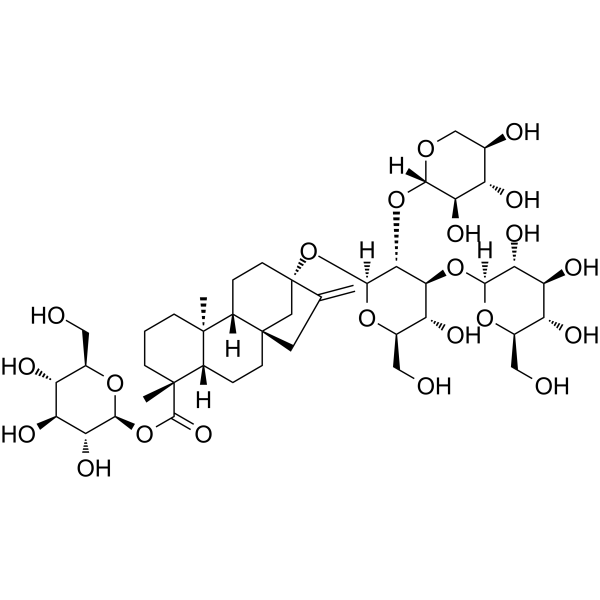
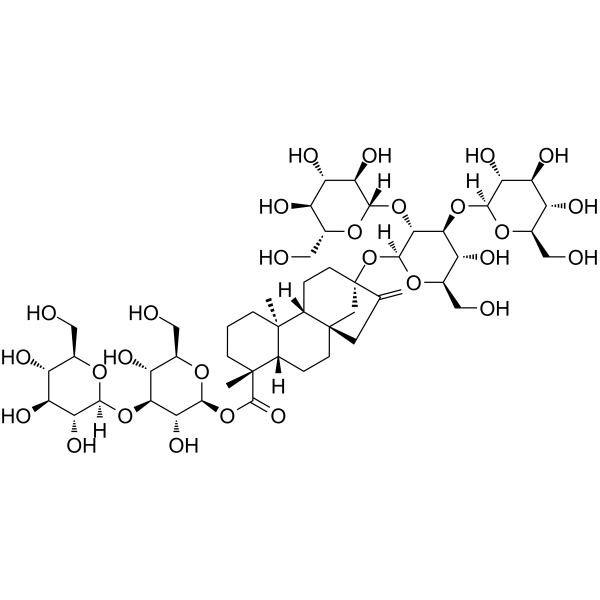
Rebaudioside F is a steviol glycoside isolated from Stevia rebaudiana leaves. is a new natural sweet ingredient .
loading...
    loading...
Cat. No.: HY-N0466
CAS No.: 58543-16-1
Rebaudioside A is an orally effective steviol glycoside with high sweetness. Rebaudioside A acts as an inhibitor of α-glucosidase with an IC50 value of 35.01 μg/mL. Rebaudioside A increases the ATP/ADP ratio in β cells in a glucose-dependent manner, thereby inhibiting KATP channels, leading to membrane depolarization, calcium influx, and ultimately stimulating insulin secretion. Rebaudioside A activates the SREBP signaling pathway by inhibiting HMGCR, the rate-limiting enzyme in cholesterol synthesis, resulting in increased expression of LDLR on the cell surface, thus promoting the uptake of LDL-C in the blood. Rebaudioside A can be used for studies on blood glucose and lipid regulation as well as anti-obesity .
loading...
    loading...
Cat. No.: HY-N6888
CAS No.: 63279-14-1
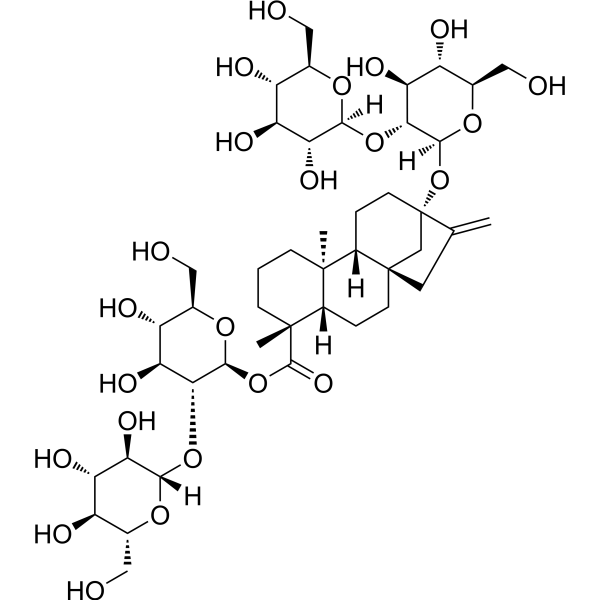
Rebaudioside E is a steviol glycoside isolated from Stevia rebaudiana leaves .
loading...
    loading...
Cat. No.: HY-N2057
CAS No.: 471-80-7
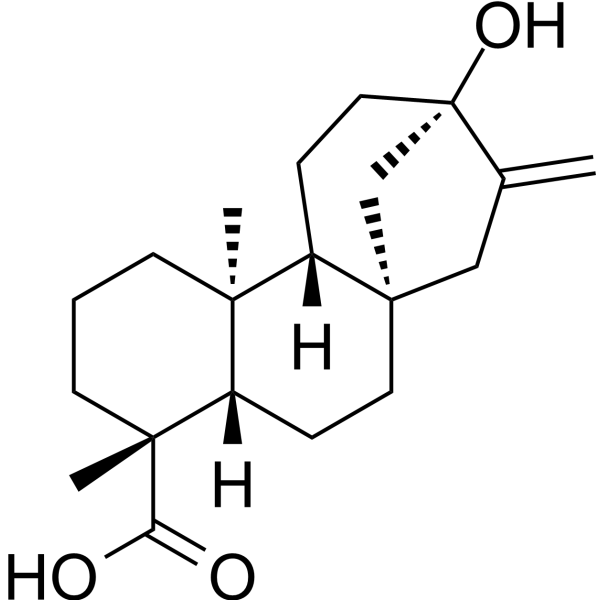
Steviol is the main metabolite of steviol glycosides and an inhibitor of AQP2/CFTR. Steviol slows down the growth of renal cysts by inhibiting the activity of CFTR, reducing the expression of AQP2, and promoting the degradation of AQP2 and CFTR. Steviol can be used in the research of polycystic kidney disease .
loading...
    loading...
Cat. No.: HY-N6889
CAS No.: 1220616-34-1
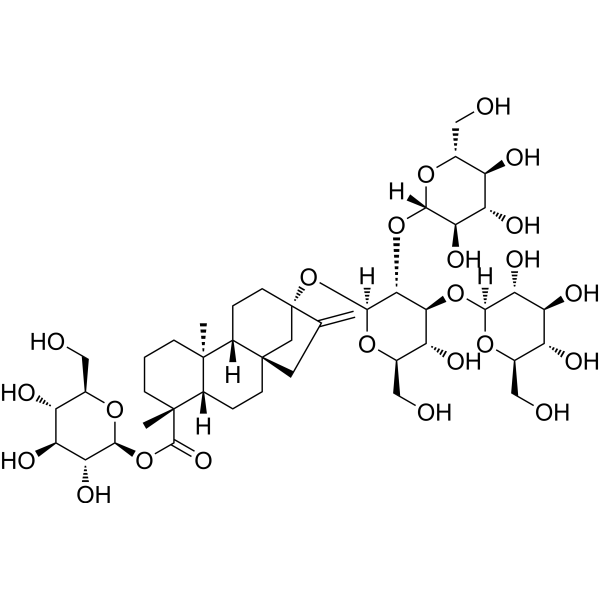
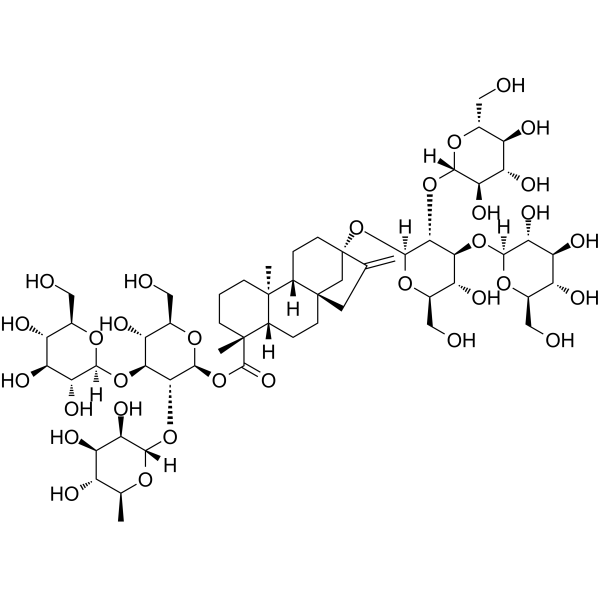
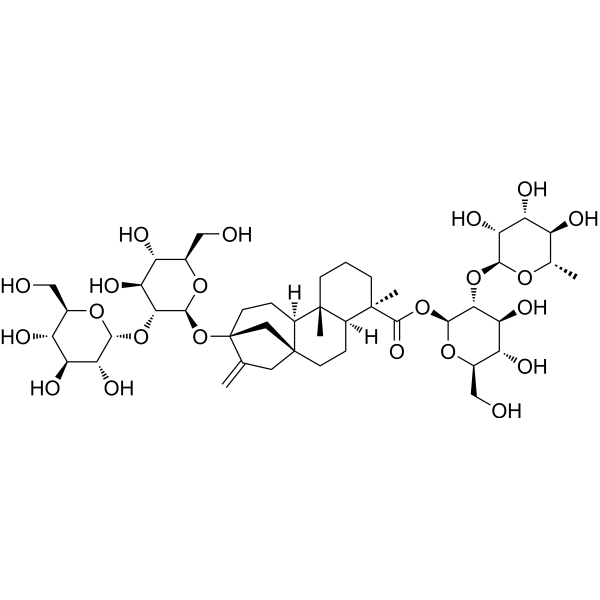
Rebaudioside I is a natural non-caloric high-potency sweetener belonging to the steviol glycoside family, which can be isolated from Stevia rebaudiana Morita .
loading...
    loading...
Cat. No.: HY-N6832
CAS No.: 1220616-46-5
Rebaudioside N is a minor steviol glycoside isolated from the leaves of Stevia rebaudiana Bertoni .
loading...
    loading...
Cat. No.: HY-N6918
CAS No.: 1185737-16-9
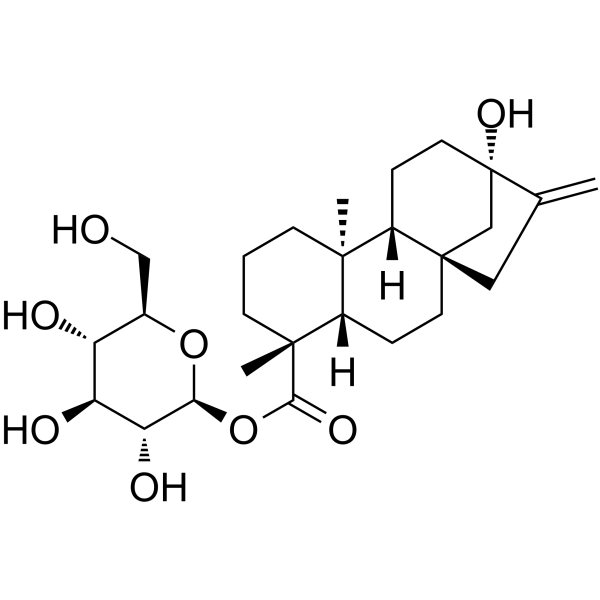
Steviol-​19-​O-​glucoside is a metabolite of steviol in the steviol glycosides biosynthesis pathway in Stevia rebuadiana .
loading...
    loading...
Cat. No.: HY-N5123
CAS No.: 6014-42-2
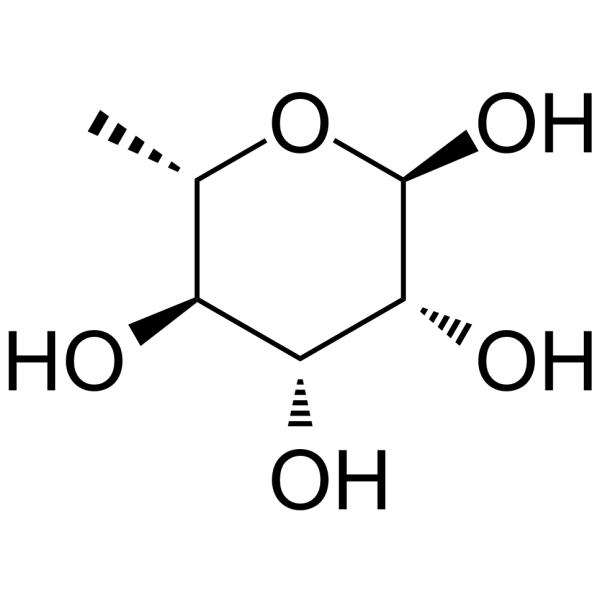
α-L-Rhamnose is a neutral sugar present in plants, animals, viruses and bacteria. α-L-Rhamnose is a ligand for α-L-rhamnose-recognizing lectin sites, trigger intracellular signaling pathways. α-L-Rhamnose induces rhaE and rhaA expression as a specific carbon source in Aspergillus nidulans, while glucose inhibits its cellular uptake. α-L-Rhamnose induces rapid and transient increases in intracellular free Ca 2+ concentration in normal human dermal fibroblasts .
loading...
    loading...
Cat. No.: HY-N6832R
CAS No.: 1220616-46-5
Rebaudioside N (Standard) is the analytical standard of Rebaudioside N. This product is intended for research and analytical applications. Rebaudioside N is a minor steviol glycoside isolated from the leaves of Stevia rebaudiana Bertoni .
loading...
    loading...
Cat. No.: HY-N6888R
CAS No.: 63279-14-1
Rebaudioside E (Standard) is the analytical standard of Rebaudioside E. This product is intended for research and analytical applications. Rebaudioside E is a steviol glycoside and also a high-intensity sweetener. The sweetness of Rebaudioside E is 150-300 times that of sucrose. Rebaudioside E serves as a precursor for the biosynthesis of Rebaudioside D (HY-N0468) and Rebaudioside M (HY-N6833).
loading...
    loading...
Cat. No.: HY-N0466R
CAS No.: 58543-16-1
Rebaudioside A (Standard) is the analytical standard of Rebaudioside A. This product is intended for research and analytical applications. Rebaudioside A is an orally effective steviol glycoside with high sweetness. Rebaudioside A acts as an inhibitor of α-glucosidase with an IC50 value of 35.01 μg/mL. Rebaudioside A increases the ATP/ADP ratio in β cells in a glucose-dependent manner, thereby inhibiting KATP channels, leading to membrane depolarization, calcium influx, and ultimately stimulating insulin secretion. Rebaudioside A activates the SREBP signaling pathway by inhibiting HMGCR, the rate-limiting enzyme in cholesterol synthesis, resulting in increased expression of LDLR on the cell surface, thus promoting the uptake of LDL-C in the blood. Rebaudioside A can be used for studies on blood glucose and lipid regulation as well as anti-obesity.
loading...
    loading...
Cat. No.: HY-N2057R
CAS No.: 471-80-7
Steviol (Standard) is the analytical standard of Steviol (HY-N2057). This product is intended for research and analytical applications. Steviol is the main metabolite of steviol glycosides and an inhibitor of AQP2/CFTR. Steviol slows down the growth of renal cysts by inhibiting the activity of CFTR, reducing the expression of AQP2, and promoting the degradation of AQP2 and CFTR. Steviol can be used in the research of polycystic kidney disease .
loading...
    loading...
Cat. No.: HY-N11064
CAS No.: 1931085-11-8
Rebaudioside S is a minor steviol glycoside that can be isolated from the leaves of Stevia rebaudiana .
loading...
    loading...
Cat. No.: HY-N18366
CAS No.: 64432-09-3
Dulcoside C is a rhamnose-containing steviol glycoside found in Stevia rebaudiana leaves.Dulcoside C exhibits significantly lower sweetness compared to Rebaudioside A (HY-N0466) .
loading...
    loading...
Cat. No.: HY-N18729
CAS No.: 91722-21-3
Category:  

Extract

Target:  

Others

Stevia rebaudiana extract is derived from the stevia plant. Its active ingredients are steviol glycosides, primarily steviol glycosides and rebaudioside A, which give stevia its extremely high sweetness. Stevia rebaudiana extract is used as a natural, zero-calorie sweetener in various foods and beverages, serving as an alternative to sucrose and artificial sweeteners.
loading...
    loading...
Cat. No.: HY-171664
CAS No.: 21738-30-7
Synonyms: ent-CPP
ent-Copalyl diphosphate (ent-CPP) is a terpenoid precursor and metabolite involved in plant biosynthetic pathways. ent-Copalyl diphosphate participates in metabolism of natural products including phytoalexins in rice and maize, and steviol glycoside in Stevia rebaudiana .
loading...
    loading...
  • 1

