
1. Search Result
Search Result
Results for "

therapeutic research

" in MedChemExpress (MCE) Product Catalog:

95

Inhibitors & Agonists

21

Screening Libraries

30

Biochemical Assay Reagents

8

Peptides

1

Inhibitory Antibodies

12

Natural
Products

4

Isotope-Labeled Compounds

24

Oligonucleotides

Cat. No. 상품명 Target 연구분야 Chemical Structure
  • HY-146246
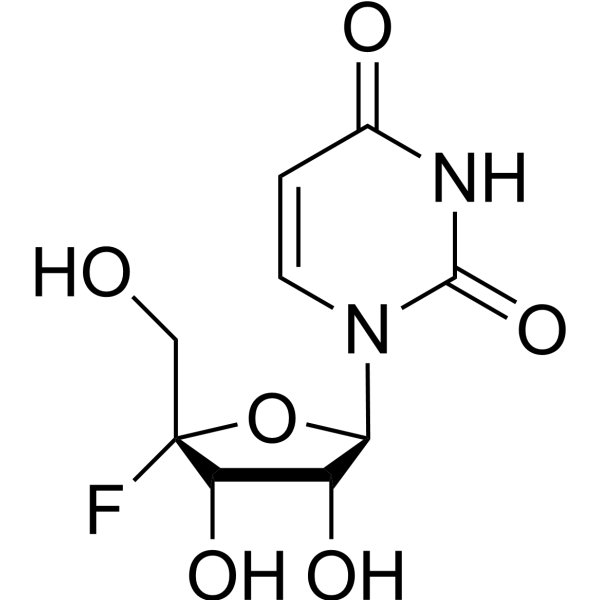
    EIDD-2749
    5 Publications Verification

    4'-FlU; 4'-Fluorouridine

    RSV SARS-CoV HCV Infection
    EIDD-2749 (4'-Fluorouridine) is an orally active RdRp inhibitor. EIDD-2749 effectively blocks the replication of RSV and SARS-CoV-2. EIDD-2749 also exhibits activity against HCV and lymphocytic choriomeningitis virus (LCMV). EIDD-2749 is a promising oral therapeutic candidate for COVID-19 and is also suitable for research on other RNA viruses .
    EIDD-2749
  • HY-145974A

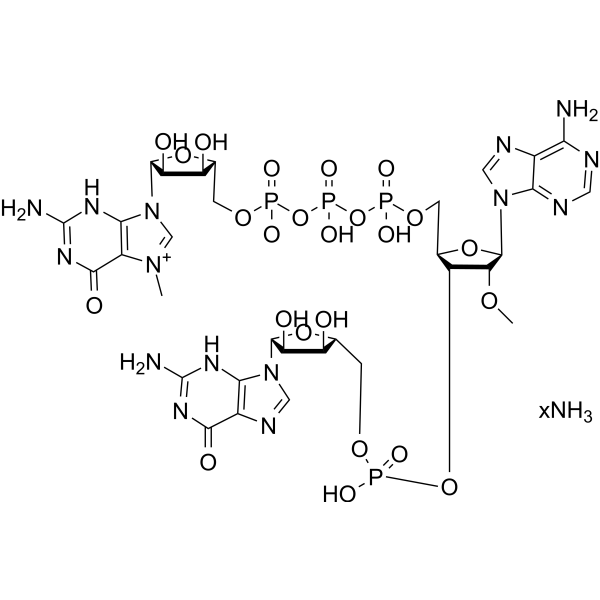
    m7G(5')ppp(5')(2'OMeA)pG ammonium

    DNA/RNA Synthesis Eukaryotic Initiation Factor (eIF) Others
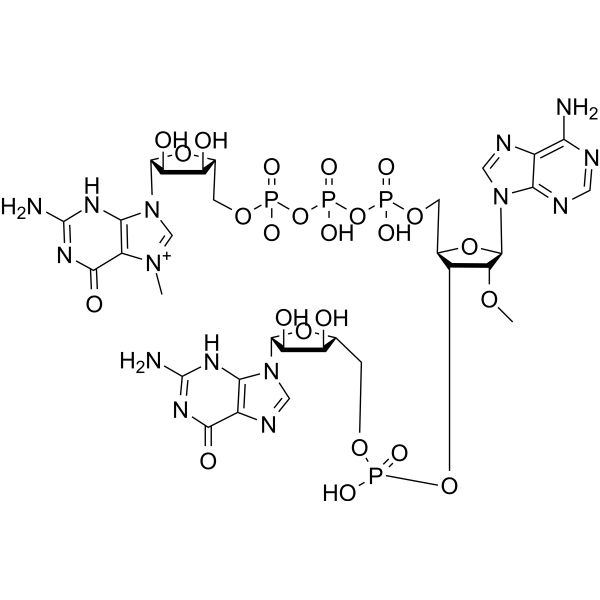
    m7GpppAmpG ammonium (m7G(5')ppp(5')(2'OMeA)pG ammonium) is a trinucleotide 5′ end cap analog. m7GpppAmpG ammonium binds to eIF4E with a KD value of 45.6 nM. m7GpppAmpG ammonium caps RNA with a capping efficiency of 90%. m7GpppAmpG ammonium enhances mRNA stability and translation efficiency. m7GpppAmpG ammonium is used in mRNA therapeutic research .
    m7GpppAmpG ammonium solution (100 mM)
  • HY-130078

    Transferrin Receptor Metabolic Disease Inflammation/Immunology
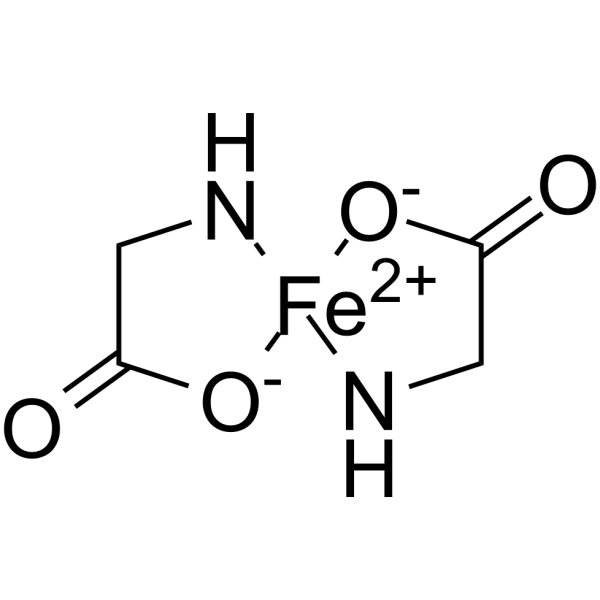
    Ferrous bisglycinate is an orally active iron fortificants and therapeutic iron supplements. Ferrous bisglycinate can be used for the research of iron deficiency anemia .
    Ferrous bisglycinate
  • HY-19337
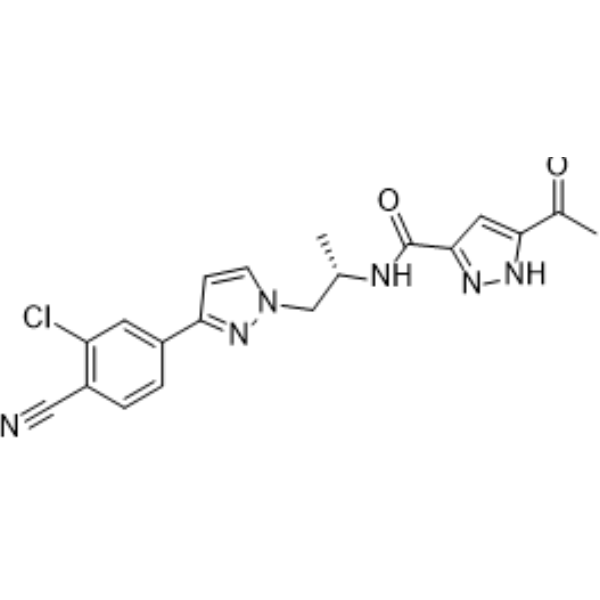
    Ketodarolutamide
    1 Publications Verification

    BAY 1896953; ORM-15341

    Androgen Receptor Cancer
    Ketodarolutamide (ORM-15341) is a potent, high-affinity nonsteroidal competitive full antagonist of androgen receptor (AR). Ketodarolutamide displays a Ki value of 8 nM for rat wild-type AR and an IC50 value of 38 nM in AR-HEK293 cells . Ketodarolutamide inhibits testosterone-induced nuclear translocation of the AR and antagonizes both overexpressed and mutant ARs . Ketodarolutamide specifically suppresses the proliferation of AR-dependent prostate cancer cells and exhibits antitumor activity in models of castration-resistant prostate cancer (CRPC) . Ketodarolutamide is suitable for the mechanistic and therapeutic research of prostate cancer .
    Ketodarolutamide
  • HY-P11303

    CD74 MHC Neurological Disease Cancer
    PADRE peptide is a pan-HLA-DR binding epitope and immunostimulant. PADRE peptide binds to the peptide-binding groove of MHC class II molecules for presentation to CD4 + T cells, thereby effectively stimulating specific immune responses. PADRE peptide not only enhances anti-tumor immune responses, inhibits tumor growth and prolongs survival; it also significantly increases the frequency of E7-specific CD8 + T cells and improves therapeutic efficacy against TC-1 tumors when used in combination with E7 peptide-based vaccines and poly (I:C). The intensity of the immune response induced by PADRE peptide is lower than that of the Ii-PADRE DNA vaccine, and it fails to enhance the immune effect of CRT-E7 DNA. PADRE peptide is widely applicable to research on related tumors such as melanoma, glioblastoma and cervical cancer .
    PADRE peptide
  • HY-128586A
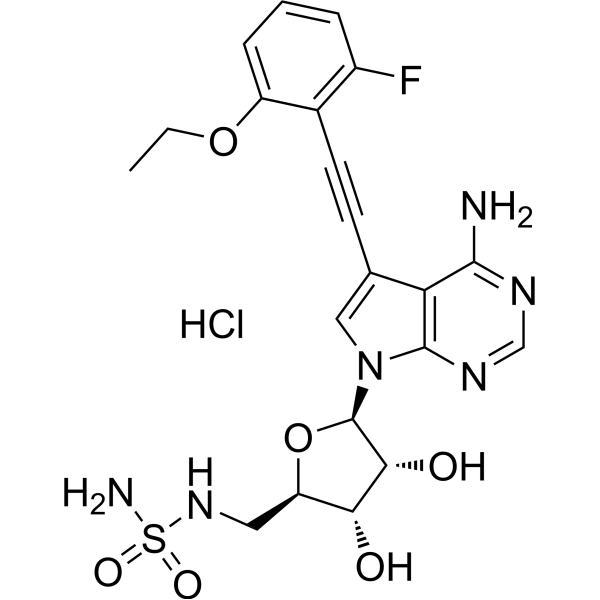
    TAS4464 hydrochloride
    Maximum Cited Publications
    9 Publications Verification

    NEDD8-activating Enzyme Carbonic Anhydrase Apoptosis Cancer
    TAS4464 hydrochloride is a long-acting, highly selective covalent inhibitor targeting NEDD8-activating enzyme (NAE) (IC50=0.955 nM), and also inhibits CAII with an IC50 of 0.73 μM, which is less potent than MLN4924 (HY-70062). The IC50 values of TAS4464 hydrochloride against other E1 enzymes UAE and SAE are 449 nM and 1280 nM, respectively. TAS4464 hydrochloride targets NEDD8 in an ATP-dependent manner to inhibit NAE, blocks the neddylation pathway, causes accumulation of CRL ubiquitin ligase substrates (such as CDT1, p27, phosphorylated IκBα), and further induces tumor cell apoptosis. TAS4464 hydrochloride exhibits antiproliferative and cytotoxic effects, and has broad-spectrum antitumor activity against various hematologic and solid tumor cell lines as well as patient-derived tumor cells. TAS4464 hydrochloride has a wide therapeutic window, without obvious toxicity. TAS4464 hydrochloride can be used in the research of hematologic malignancies (leukemia, lymphoma, multiple myeloma, etc.) and solid tumors (small cell lung cancer, colorectal cancer, sarcoma, endometrial cancer, ovarian cancer, etc.) .
    TAS4464 hydrochloride
  • HY-P3436

    Exosomes Cardiovascular Disease
    WLSEAGPVVTVRALRGTGSW is a cardiomyocyte-targeting peptide that specifically recognizes tenascin X on the surface of cardiomyocytes. WLSEAGPVVTVRALRGTGSW can serve as a targeting ligand to conjugate with various therapeutic carriers (drugs, genes, exosomes, nanoparticles, etc.) for research on cardiovascular diseases (such as myocardial infarction, heart failure) .
    WLSEAGPVVTVRALRGTGSW
  • HY-136436

    Drug Metabolite Antibiotic Bacterial Fungal Infection Inflammation/Immunology
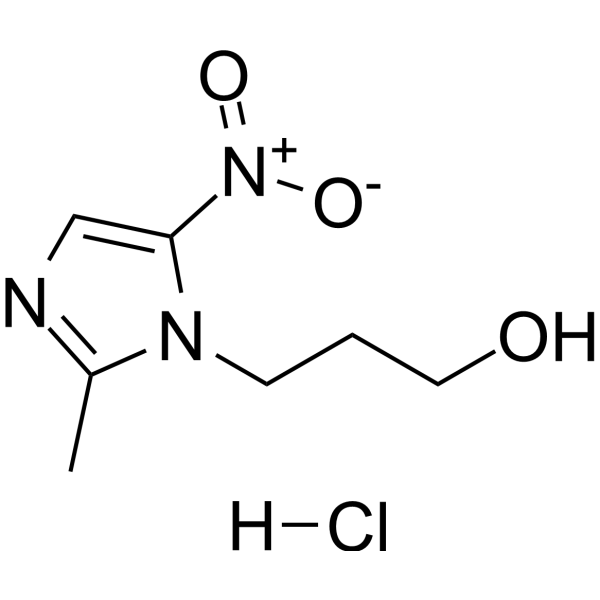
    Ternidazole hydrochloride is a nitroimidazole Antibiotic with anti-pathogenic microbial activity. Ternidazole hydrochloride kills and inhibits the visible growth of Clostridium perfringens type A in vitro. Ternidazole hydrochloride helps improve the therapeutic efficacy against bacterial vaginosis, candidal vaginitis and mixed vaginitis. Ternidazole hydrochloride effectively alleviates chronic alcoholism. Ternidazole hydrochloride can be used in research related to vaginitis, pathogenic microbial infections and chronic alcoholism .
    Ternidazole hydrochloride
  • HY-103190

    Adenosine Receptor Neurological Disease Cancer
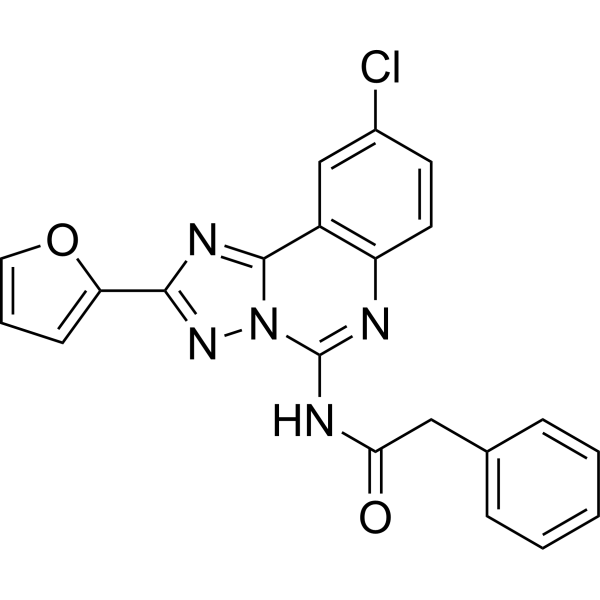
    MRS1220, a highly potent and selective human A3 adenosine receptor (hA3AR) antagonist with a Ki of 0.59 nM, has therapeutic potential for the research of diseases of the central nervous system . MRS1220 reduces glioblastoma tumor size and blood vessel formation in vivo .
    MRS1220
  • HY-117002
    SRI 37892
    1 Publications Verification

    Wnt Cancer
    SRI 37892 is a small molecule compound inhibitor of Frizzled protein 7 (Fzd7) with inhibitory activity against cancer cell proliferation (IC50=2μM). SRI 37892 significantly blocks Wnt/Fzd7 signaling. SRI 3789 can be used in the research of developing cancer therapeutic agents .
    SRI 37892
  • HY-167840

    PD-1/PD-L1 Neurological Disease Cancer
    IMMH-010 maleate is a prodrug that serves as a novel PD-L1 inhibitor, exhibiting potential antitumor activity for the treatment of neurological disorders and advanced malignant solid tumors. IMMH-010 maleate is rapidly converted to its active form, YPD-29B, following oral administration. IMMH-010 maleate is poised for advancing research in the field of PD-L1 inhibitors and related therapeutic applications.
    IMMH-010 maleate
  • HY-W440987

    Biochemical Assay Reagents Others
    DOPE-mPEG1000 is a phospholipid. Phospholipids have good biocompatibility and significant amphiphilic characteristics, making them the main and suitable dosage form or excipient in drug formulations to achieve better therapeutic effects. DOPE-mPEG1000 can be used in drug delivery research .
    DOPE-mPEG1000
  • HY-N6973R
    Boldine (Standard)
    1 Publications Verification

    Reference Standards RANKL/RANK Inflammation/Immunology
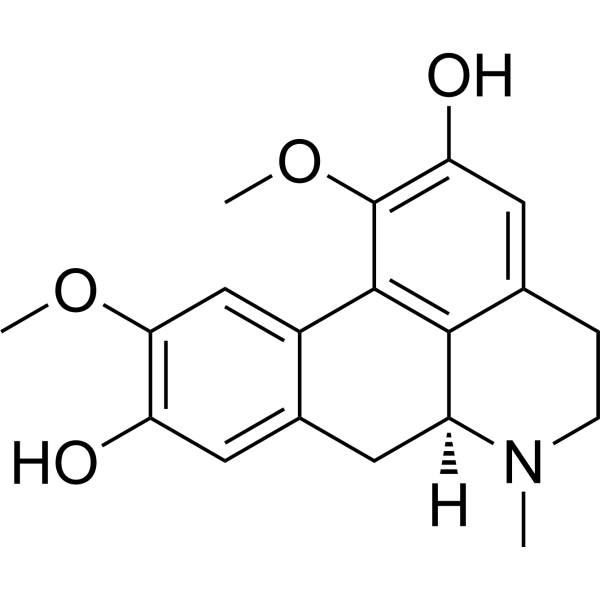
    Boldine (Standard) is the analytical standard of Boldine. This product is intended for research and analytical applications. Boldine is an aporphine isoquinoline alkaloid extracted from the root of Litsea cubeba and also possesses these properties, including antioxidant, anti-inflammatory and cytoprotective effects. Boldine suppresses osteoclastogenesis, improves bone destruction by down-regulating the OPG/RANKL/RANK signal pathway and may be a potential therapeutic agent for rheumatoid arthritis .
    Boldine (Standard)
  • HY-145974

    m7G(5')ppp(5')(2'OMeA)pG

    DNA/RNA Synthesis Eukaryotic Initiation Factor (eIF) Others
    m7GpppAmpG (m7G(5')ppp(5')(2'OMeA)pG) is a trinucleotide 5′ end cap analog. m7GpppAmpG binds to eIF4E with a KD value of 45.6 nM. m7GpppAmpG caps RNA with a capping efficiency of 90%. m7GpppAmpG enhances mRNA stability and translation efficiency. m7GpppAmpG is used in mRNA therapeutic research .
    m7GpppAmpG
  • HY-P10781

    Radionuclide-Drug Conjugates (RDCs) PSMA Cancer
    PSMA-D5 has a binding affinity for PSMA with a Ki of 0.21 nM and can be used for PSMA tracing after radiolabeling. PSMA-D5 ([68Ga]-labeled) contains a DOTA chelator, allowing convenient labeling with therapeutic radionuclides such as 177Lu and 225Ac. PSMA-D5 ([68Ga]-labeled) shows excellent pharmacokinetic properties, exhibiting remarkable tumor uptake in 22Rv1 tumors . PSMA-D5 can be used for the synthesis/research of Radionuclide-Drug Conjugates (RDCs).
    PSMA-D5
  • HY-170772

    p38 MAPK STAT Interleukin Related Cathepsin JAK Inflammation/Immunology
    Dual Cathepsin L/JAK-IN-1 (Compound A8) is a dual inhibitor of Cathepsin L (CTSL) and JAK, with IC50 values of 0.68 μM, 337.1 nM, 5.251 nM, 27.29 nM, and 172.6 nM for CTSL, JAK1/2/3, and TYK2, respectively. Dual Cathepsin L/JAK-IN-1 effectively blocks the activation of the MAPK, NF-κB, and JAK/STAT signaling pathways, leading to significant anti-inflammatory therapeutic effects. Dual Cathepsin L/JAK-IN-1 can be used in research on acute lung injury (ALI) .
    Dual Cathepsin L/JAK-IN-1
  • HY-170779

    FAP Cancer
    DOTA-NI-FAPI-04 is a FAP inhibitor (IC50 = 7.44 nM). By integrating FAP targeting with hypoxia-sensitive groups (nitroimidazole), DOTA-NI-FAPI-04 significantly enhances tumor uptake and retention capabilities. DOTA-NI-FAPI-04 chelates metallic isotopes (such as 68Ga and 177Lu) through DOTA to produce radioactive probes ([68Ga]Ga/DOTA-NI-FAPI-04 and [177Lu]Lu/DOTA-NI-FAPI-04), which can be used for research in tumor diagnostics and therapeutic agents. DOTA-NI-FAPI-04 holds dual targeting potential in the fields of cancer imaging, tumor microenvironment analysis, and radionuclide therapy, particularly suitable for scenarios where the tumor stroma and hypoxic regions synergistically interact .
    DOTA-NI-FAPI-04
  • HY-P5640

    Bacterial Parasite Infection
    Tritrpticin is a porcine-derived antimicrobial peptide with properties such as membrane disruption and hemolysis. Tritrpticin disrupts the cell membranes of bacteria, fungi and Jurkat T cell leukemia cells and induces their death. Tritrpticin also enhances the efficacy of Metronidazole (HY-B0318) against *Trichomonas vaginalis*, reduces plasma endotoxin and inflammatory cytokine levels, restricts bacterial growth in blood and visceral tissues, decreases the mortality rate of septic shock in rats and enhances the therapeutic effect of ertapenem. Tritrpticin exhibits selective cytotoxicity against Jurkat T cell leukemia cells, while showing low toxicity to normal peripheral blood mononuclear cells and red blood cells, and can serve as a template for antimicrobial peptide design. Tritrpticin can be applied to research related to bacterial infections, fungal infections, trichomoniasis, septic shock and leukemia .
    Tritrpticin
  • HY-NP194

    Biochemical Assay Reagents Inflammation/Immunology
    Cyclosporin A-BSA is a conjugate of Cyclosporin A (HY-B0579) and BSA, primarily used as an immunogen to generate antibodies against Cyclosporin A for therapeutic drug monitoring and research assays .
    Cyclosporin A-BSA
  • HY-W591450

    Biochemical Assay Reagents Others
    DOPE-PEG3400-Azide is a phospholipid. Phospholipids have good biocompatibility and significant amphiphilic characteristics, making them the main and suitable dosage form or excipient in drug formulations, thereby achieving better therapeutic effects. DOPE-PEG3400-Azidecan be used in drug delivery research .
    DOPE-PEG3400-Azide
  • HY-W591448

    Biochemical Assay Reagents Others
    DOPE-PEG1000-Azide is a phospholipid. Phospholipids have good biocompatibility and significant amphiphilic characteristics, making them the main and suitable dosage form or excipient in drug formulations, thereby achieving better therapeutic effects. DOPE-PEG1000-Azidecan be used in drug delivery research .
    DOPE-PEG1000-Azide
  • HY-N15907

    Liposome Others
    DOPE PEG(2000)-N-Cyanine 5 is a phospholipid. Phospholipids have good biocompatibility and significant amphiphilic characteristics, making them the main and suitable dosage form or excipient in drug formulations, thereby achieving better therapeutic effects. DOPE PEG(2000)-N-Cyanine 5 can be used in drug delivery research.
    DOPE PEG(2000)-N-Cyanine 5
  • HY-136436A

    Antibiotic Bacterial Drug Metabolite Fungal Infection Inflammation/Immunology
    Ternidazole is a nitroimidazole Antibiotic with anti-pathogenic microbial activity. Ternidazole kills and inhibits the visible growth of Clostridium perfringens type A in vitro. Ternidazole helps improve the therapeutic efficacy against bacterial vaginosis, candidal vaginitis and mixed vaginitis. Ternidazole effectively alleviates chronic alcoholism. Ternidazole can be used in research related to vaginitis, pathogenic microbial infections and chronic alcoholism .
    Ternidazole
  • HY-N0188R

    Reference Standards p38 MAPK Inflammation/Immunology Cancer
    Esculin (Standard) is the analytical standard of Esculin. This product is intended for research and analytical applications. Esculin is a fluorescent coumarin glucoside, the active ingredient in ash bark. Esculin has antidiabetic effects, improves cognitive impairment in experimental diabetic nephropathy (DN) via the MAPK signaling pathway, and exerts antioxidant stress and anti-inflammatory effects. Esculin also has anticancer, antibacterial, antiviral, neuroprotective, antithrombotic, and therapeutic properties for eye diseases .
    Esculin (Standard)
  • HY-42649

    Bacterial Neurological Disease
    NSC 14699 is a small molecule non-peptide inhibitor of botulinum neurotoxin serotype E. NSC 14699 is promising for research of therapeutic and cosmetic agents .
    NSC 14699
  • HY-143655

    BMI1 Autophagy Cancer
    QW24 exerts potent anti-tumor activity by down-regulating BMI-1 and is used as an effective therapeutic agent for clinical colorectal cancer research.
    QW24
  • HY-144237

    PGE synthase Inflammation/Immunology
    Brp-201 is considered as a promising therapeutic target for the next generation of anti-inflammatory drugs in the research of inflammatory diseases. It is a new, effective and selective inhibitor of mPGES-1 with an IC50 value of 0.42 μM.
    BRP-201
  • HY-W751579

    Bacterial Antibiotic Infection
    Cefovecin is a third-generation cephalosporin antibiotic. Cefovecin's most notable characteristic is its extremely long-lasting effect; a single subcutaneous injection can maintain an effective therapeutic concentration in tissues for up to 14 days. Cefovecin is used in research on bacterial infections in dogs and cats .
    Cefovecin
  • HY-W440996

    Biochemical Assay Reagents Others
    DOPE-PEG3400-Mal is a phospholipid. Phospholipids have good biocompatibility and significant amphiphilic characteristics, making them the main and suitable dosage form or excipient in drug formulations, thereby achieving better therapeutic effects. DOPE-PEG3400-Malcan be used in drug delivery research .
    DOPE-PEG3400-Mal
  • HY-N15858

    Fluorescent Dye Others
    DSPE PEG(2000)-N-Cyanine 7 is a phospholipid. Phospholipids have good biocompatibility and significant amphiphilic characteristics, making them the main and suitable dosage form or excipient in drug formulations, thereby achieving better therapeutic effects. DSPE PEG(2000)-N-Cyanine 7 can be used in drug delivery research.
    DSPE PEG(2000)-N-Cyanine 7
  • HY-111613R

    Reference Standards Calcium Channel Cancer
    Pinaverium bromide (Standard) is the analytical standard of Pinaverium bromide. This product is intended for research and analytical applications. Pinaverium bromide is an L-type calcium channel blocker with selectivity for the gastrointestinal tract, effectively relieves pain, diarrhea and intestinal discomfort, provides good therapeutic efficacies without significant adverse effects on Irritable bowel syndrome (IBS) patients .
    Pinaverium bromide (Standard)
  • HY-166852

    Biochemical Assay Reagents Others
    DOPE-PEG2000-Cy5 is a phospholipid. Phospholipids have good biocompatibility and significant amphiphilic characteristics, making them the main and suitable dosage form or excipient in drug formulations, thereby achieving better therapeutic effects. DOPE-PEG2000-Cy5can be used in drug delivery research .
    DOPE-PEG2000-Cy5
  • HY-N15909

    Fluorescent Dye Others
    DSPE PEG(2000)-N-Cyanine 5.5 is a phospholipid. Phospholipids have good biocompatibility and significant amphiphilic characteristics, making them the main and suitable dosage form or excipient in drug formulations, thereby achieving better therapeutic effects. DSPE PEG(2000)-N-Cyanine 5.5 can be used in drug delivery research.
    DSPE PEG(2000)-N-Cyanine 5.5
  • HY-W440945

    Liposome Others
    Stearic acid-PEG2000-amine is an amphiphilic PEG polymer which forms micelles in an aqueous solution. The terminal amine can react with an NHS ester to form a stable amide linkage. The aliphatic chain of stearic acid can be used to encapsulate or congregate hydrophobic therapeutic agents while the PEG chain enhances overall solubility of the polymer. Reagent grade, for research use only.
    Stearic acid-PEG2000-amine
  • HY-179251

    CHIKV Infection
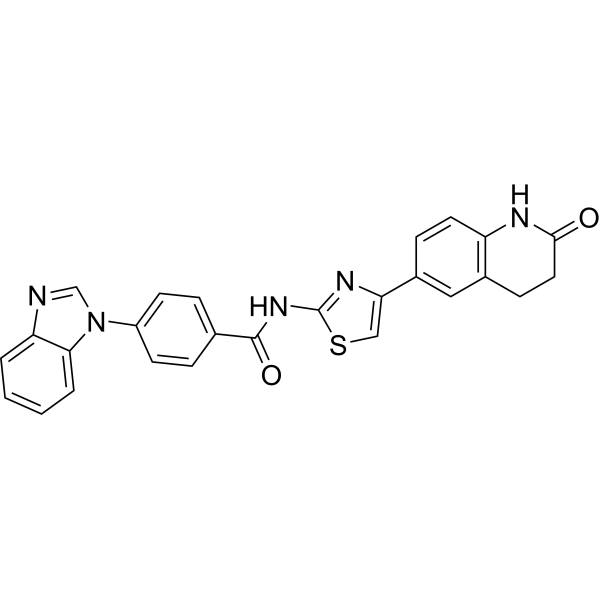
    BDGR-651 is an efficient and selective inhibitor of the Chikungunya virus (CHIKV) with an EC50 in NHDF cells of 0.86 μM, and the therapeutic index (SI) of 22.1. BDGR-651 exhibits dose-dependent protective effects when infecting Vero E6 cells, with its EC50 being 6 μM. BDGR-651 can be used for research on CHIKV infection .
    BDGR-651
  • HY-B1588S

    Amyloid-β HIV 11β-HSD Infection Neurological Disease Inflammation/Immunology
    Carbenoxolone-d4 is deuterium labeled Carbenoxolone. Carbenoxolone, a semi-synthetic derivative of glycyrrhetinic acid, has previously been used for the management of dyspepsia and peptic ulcer because of its anti-inflammatory properties . Carbenoxolone, a general hemichannel and gap junction inhibitor, has the therapeutic potential of carbenoxolone in the research of chronic liver disease . Carbenoxolone is a suitable candidate for the inhibition of Aβ42 aggregation and the therapeutic potential of Cbx against AD . Carbenoxolone is small molecule Pannexin1 (Panx1,is an ATP release channel) inhibitor, attenuate Panx1 channel activity through modulation of the first extracellular loop .Carbenoxolone is an 11β-hydroxysteroid dehydrogenase type 1 (11β-HSD1) inhibitor that converts inactive glucocorticoid into an active form. Carbenoxolone has antiviral activity against DENV infection targeting the virus itself .
    Carbenoxolone-d4
  • HY-19106

    Secretin Receptor Inflammation/Immunology Endocrinology
    MCI-727 free base is an orally active anti-ulcer agent. MCI-727 free base can increase the plasma secretin concentration in rats and dogs. MCI-727 free base can also stimulate the exocrine function of the pancreas in rats by promoting the release of endogenous secretin, and exert preventive and therapeutic effects on mild acute pancreatitis. MCI-727 free base can be used in the research of ulcer-related diseases .
    MCI-727 free base
  • HY-119617

    Histone Demethylase Cancer
    2-(3-Hydroxypicolinamido)acetic acid is a 2OG oxygenase inhibitor with an IC50 value of 3.4 μM. 2-(3-Hydroxypicolinamido)acetic acid can be used as a functional probe for potential therapeutic research .
    2-(3-Hydroxypicolinamido)acetic acid
  • HY-178504

    Bacterial Infection
    Lug-15 is a rapid bactericidal agent. Lug-15 exhibits strong antibacterial activity against both Gram-positive and Gram-negative bacteria, including drug-resistant strains. Lug-15 rapidly kills bacteria primarily through membrane disruption and had a very low propensity to induce bacterial resistance. Lug-15 demonstrates low hemolytic toxicity and significant therapeutic potential in various infection models. Lug-15 can be used for research on combating infections caused by multi-drug resistant bacteria .
    Lug-15
  • HY-159771

    FAP Cancer
    FAP6-19 is a fibroblast activation protein (FAP) targeting radioligand with a Kd of 18.2 nM. FAP6-19 selectively delivers therapeutic radioactive nuclides (such as 177Lu) to the tumor site by targeting the overexpressed FAP protein in the tumor microenvironment, achieving precise killing of cancer cells while minimizing radiation damage to healthy tissues. FAP6-19 exhibits extremely high total cellular uptake and good intracellular retention ability in HT1080 cells. After being labeled with 111In, FAP6-19 produced extremely high tumor/kidney and tumor/liver dose ratios in the mouse model with 4T1 tumors. FAP6-19 can be used in the research of solid tumors expressing FAP.
    FAP6-19
  • HY-P11091

    Bacterial Infection
    PA2-GNU7 is an antimicrobial peptide (AMP). PA2-GNU7 exhibits potent antimicrobial activity with minimal inhibitory concentration (MIC) against P. aeruginosa, E. coli, S. typhimurium, S. aureus, and C. albicans are 2 μM, 1 μM, 2 μM, 2 μM, and 8 μM, respectively. PA2-GNU7 rapidly and selectively kills Pseudomonas aeruginosa without affecting other commensal bacteria. PA2-GNU7 significantly improves survival of mice infected with P. aeruginosa. PA2-GNU7 can be used for the research and development of therapeutic agents against MDR Pseudomonas aeruginosa infections .
    PA2-GNU7
  • HY-175984

    LPL Receptor Inflammation/Immunology
    S1P1 agonist 7 is a potent, orally active, and β-arrestin-biased S1P1 agonist (EC50(G‑protein) = 12.7 nM and EC50(β‑arrestin) = 3.23 nM). S1P1 agonist 7 demonstrates potent immunomodulatory activity and a favorable safety profile. S1P1 agonist 7 exhibits excellent metabolic stability, minimal to moderate CYP inhibition, and S1P3-sparing selectivity. S1P1 agonist 7 shows pharmacokinetics, effectively reduces circulating lymphocytes, and significantly alleviates disease severity in experimental autoimmune encephalomyelitis (EAE) mouse models under both prophylactic and therapeutic regimens. S1P1 agonist 7 can be used for multiple sclerosis (MS) research .
    S1P1 agonist 7
  • HY-102040R

    (Z)-Hispidol (Standard)

    Reference Standards TNF Receptor Inflammation/Immunology
    Hispidol (Standard) is the analytical standard of Hispidol. This product is intended for research and analytical applications. Hispidol ((Z)-Hispidol) is a potential therapeutic for inflammatory bowel disease; inhibits TNF-α induced adhesion of monocytes to colon epithelial cells with an IC50 of 0.50 μM.
    Hispidol (Standard)
  • HY-W441001

    Biochemical Assay Reagents Others
    DSPE-Fluorescein is a phospholipid. Phospholipids have good biocompatibility and significant amphiphilic characteristics, making them the main and suitable dosage form or excipient in drug formulations, thereby achieving better therapeutic effects. DSPE-Fluoresceincan be used in drug delivery research .
    DSPE-Fluorescein
  • HY-14777R

    RGH-896 (Standard)

    iGluR Reference Standards Neurological Disease
    Radiprodil (Standard) is the analytical standard of Radiprodil. This product is intended for research and analytical applications. Radiprodil (RGH-896) is an orally active and selective NMDA NR2B antagonist. A potential therapeutic agent in treatment of neuropathic pain and possibly other chronic pain conditions .
    Radiprodil (Standard)
  • HY-P3436A

    Exosomes Cardiovascular Disease
    WLSEAGPVVTVRALRGTGSW TFA is a cardiomyocyte-targeting peptide that specifically recognizes tenascin X on the surface of cardiomyocytes. WLSEAGPVVTVRALRGTGSW TFA can serve as a targeting ligand to conjugate with various therapeutic carriers (drugs, genes, exosomes, nanoparticles, etc.) for research on cardiovascular diseases (such as myocardial infarction, heart failure) .
    WLSEAGPVVTVRALRGTGSW TFA
  • HY-B0758R

    Calcium Channel Reference Standards Inflammation/Immunology
    Troxipide (Standard) is the analytical standard of Troxipide. This product is intended for research and analytical applications. Troxipide is an orally active defensive factor-enhancing therapeutic agent for gastritis and gastric ulcer (GU). Troxipide is a non-antisecretory gastro protective agent with antiulcer, anti-inflammatory and mucus-secreting properties .
    Troxipide (Standard)
  • HY-N2419R

    Reference Standards Endogenous Metabolite Metabolic Disease
    Erythrodiol (Standard) is the analytical standard of Erythrodiol. This product is intended for research and analytical applications. Erythrodiol is an olive oil component. Erythrodiol promotes Cholesterol efflux (ChE) by selectively inhibiting the degradation of ABCA1 protein. Erythrodiol is a good candidate to be further explored for therapeutic or preventive application in the context of atherosclerosis .
    Erythrodiol (Standard)
  • HY-166606

    Biochemical Assay Reagents Others
    DSPE-polysarcosine66 is a phospholipid. Phospholipids have good biocompatibility and significant amphiphilic characteristics, making them the main and suitable dosage form or excipient in drug formulations, thereby achieving better therapeutic effects. DSPE-polysarcosine66can be used in drug delivery research .
    DSPE-polysarcosine66
  • HY-110113

    Btk Cancer
    CTA056 is an ITK (IL-2-inducible T-cell kinase) inhibitor with an IC50 of 0.1 μM. CTA056 selectively targets malignant T cells and modulates oncomirs. CTA056 induces apoptosis and is a potential therapeutic agent for the research of T-cell leukemia and lymphoma .
    CTA056

온라인 문의

Your information is safe with us. * Required Fields.

호칭


Country or Region *

고객명 *


회사명 *

Department *


메일주소 *


상품명 *

Cat. No.


Requested quantity *

전화번호 *


비고

온라인 문의

Inquiry Information

상품명:
Cat. No.:
수량:
MCE Japan Authorized Agent:

