1. Search Result
Search Result
Results for "

uncoupled

" in MedChemExpress (MCE) Product Catalog:

97

Inhibitors & Agonists

2

Screening Libraries

1

Fluorescent Dye

6

Peptides

1

Inhibitory Antibodies

24

Natural
Products

12

Isotope-Labeled Compounds

1

Oligonucleotides

Cat. No. Product Name Target Research Areas Chemical Structure
  • HY-100941
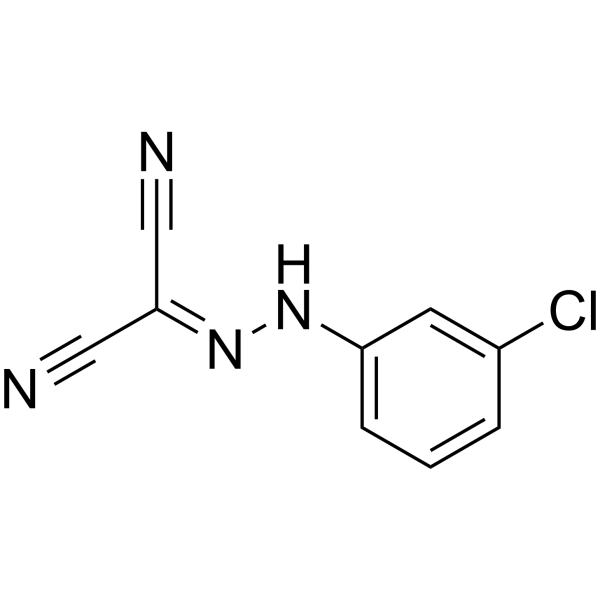
    CCCP
    Maximum Cited Publications
    176 Publications Verification

    Carbonyl cyanide 3-chlorophenylhydrazone; Carbonyl Cyanide m-Chlorophenylhydrazone

    Oxidative Phosphorylation PINK1/Parkin STING IFNAR Mitochondrial Metabolism Bacterial Apoptosis Inflammation/Immunology Cancer
    CCCP is an oxidative phosphorylation (OXPHOS) uncoupler. CCCP induces activation of PINK1 leading to Parkin Ser65 phosphorylation .
    CCCP
  • HY-100410
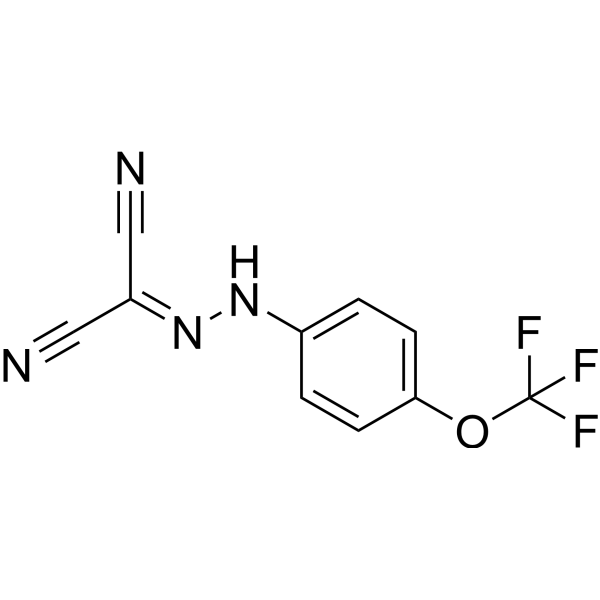
    FCCP
    105+ Cited Publications

    Carbonyl cyanide 4-(trifluoromethoxy)phenylhydrazone

    Oxidative Phosphorylation PINK1/Parkin Mitochondrial Metabolism Cancer
    FCCP is an uncoupler of oxidative phosphorylation (OXPHOS) in mitochondria. FCCP induces activation of PINK1 leading to Parkin Ser65 phosphorylation .
    FCCP
  • HY-N6687
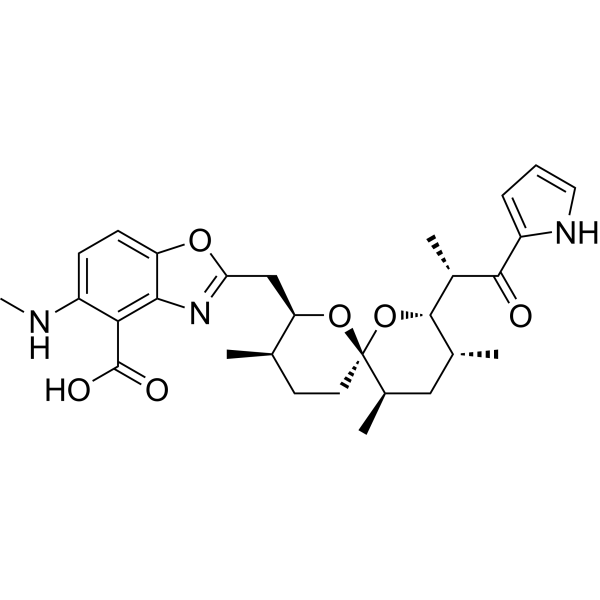
    Calcimycin
    Maximum Cited Publications
    24 Publications Verification

    A-23187; Antibiotic A-23187

    Oxidative Phosphorylation Bacterial Fungal Apoptosis Autophagy Antibiotic Infection Inflammation/Immunology Cancer
    Calcimycin (A-23187) is an antibiotic and a unique divalent cation ionophore (like calcium and magnesium). Calcimycin induces Ca 2+-dependent cell death by increasing intracellular calcium concentration. Calcimycin inhibits the growth of Gram-positive bacteria and some fungi. Calcimycin also inhibits the activity of ATPase and uncouples oxidative phosphorylation (OXPHOS) of mammalian cells. Calcimycin induces apoptosis and autophagy .
    Calcimycin
  • HY-110284
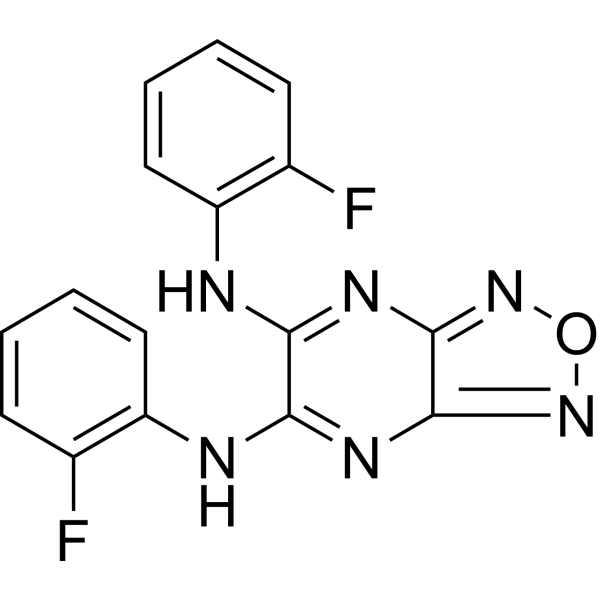
    BAM 15
    10+ Cited Publications

    Oxidative Phosphorylation Mitochondrial Metabolism Others
    BAM 15 is a mitochondrial protonophore uncoupler. BAM 15 is an oxidative phosphorylation (OXPHOS) uncoupler .
    BAM 15
  • HY-14881
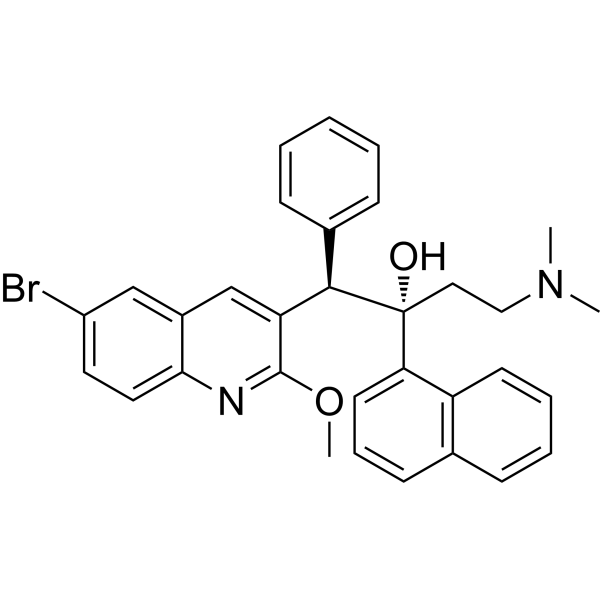
    Bedaquiline
    50+ Cited Publications

    TMC207; R207910

    Bacterial Antibiotic Infection
    Bedaquiline (TMC207) is a diarylquinoline agent and inhibits Mycobacterium tuberculosis (Mtb) F1FO-ATP synthase through targeting of both the c- and the ε-subunit . Bedaquiline has uncoupler activity. Bedaquiline is used for the multi-agent resistant tuberculosis .
    Bedaquiline
  • HY-17389
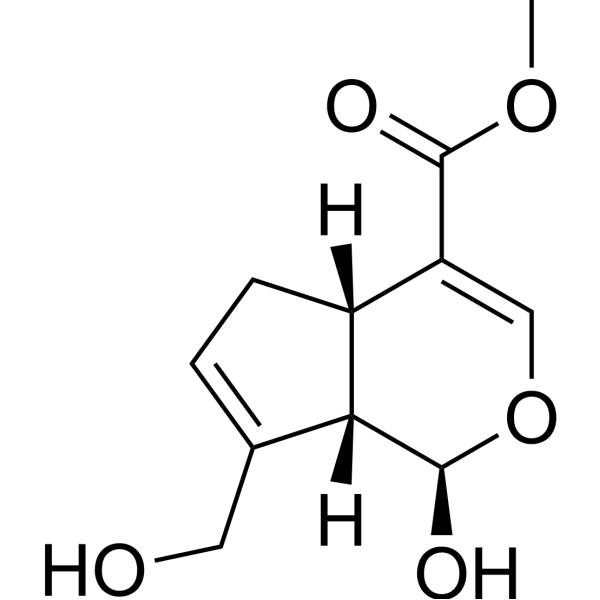
    Genipin
    20+ Cited Publications

    (+)-Genipin

    Autophagy Neurological Disease Metabolic Disease Inflammation/Immunology Cancer
    Genipin ((+)-Genipin) is a natural crosslinking reagent derived from Gardenia jasminoides Ellis fruits. Genipin inhibits UCP2 (uncoupling protein 2) in cells. Genipin has a variety of bioactivities, including modulation on proteins, antitumor, anti-inflammation, immunosuppression, antithrombosis, and protection of hippocampal neurons. Genipin also can be used for type 2 diabetes research .
    Genipin
  • HY-18980
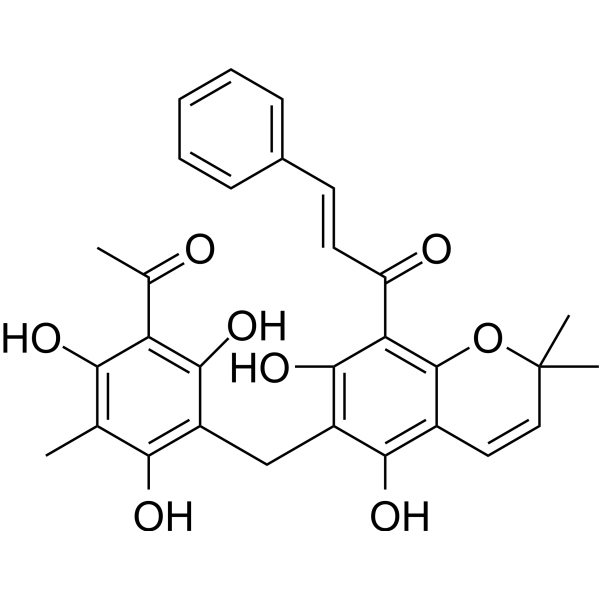
    Rottlerin
    20+ Cited Publications

    Mallotoxin; NSC 56346; NSC 94525

    PKC Autophagy Apoptosis HIV RABV Infection Cancer
    Rottlerin, a natural product purified from Mallotus Philippinensis, is a specific PKC inhibitor, with IC50 values for PKCδ of 3-6 μM, PKCα,β,γ of 30-42 μM, PKCε,η,ζ of 80-100 μM. Rottlerin acts as a direct mitochondrial uncoupler, and stimulates autophagy by targeting a signaling cascade upstream of mTORC1. Rottlerin induces apoptosis via caspase 3 activation . Rottlerin inhibits HIV-1 integration and Rabies virus (RABV) infection .
    Rottlerin
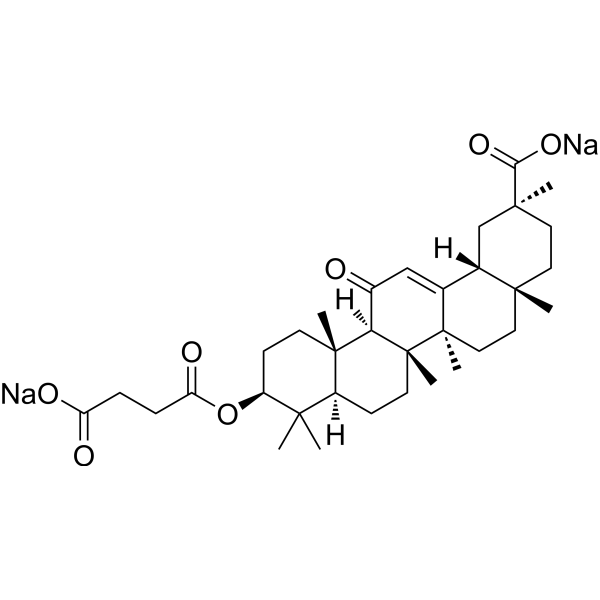
  • HY-B1367
    Carbenoxolone disodium
    5+ Cited Publications

    Gap Junction Protein Orthopoxvirus 11β-HSD Infection Inflammation/Immunology
    Carbenoxolone disodium is the active metabolite of Glycyrrhizic acid (HY-N0184) and the inhibitor of human 11β-HSD and bacterial 3α, 20β-HSD . Carbenoxolone disodium is an uncoupling agent for gap junctions and a potent inhibitor of Vaccinia virus replication . Carbenoxolone disodium is used for the study of peptic, esophageal and oral ulceration and inflammation. Carbenoxolone disodium inhibits Vaccinia virus replication.
    Carbenoxolone disodium
  • HY-128892
    EN6
    5 Publications Verification

    Autophagy Neurological Disease
    EN6 is a small-molecule in vivo autophagy activator that covalently targets cysteine 277 in the ATP6V1A subunit of the lysosomal v-ATPase. EN6-mediated modification of ATP6V1A uncouples v-ATPase from Rag, leading to inhibition of mTORC1 signalling, increased lysosomal acidification, and activation of autophagy. EN6 also scavenges TDP-43 aggregates (causative agents of frontotemporal dementia) in a lysosome-dependent manner .
    EN6
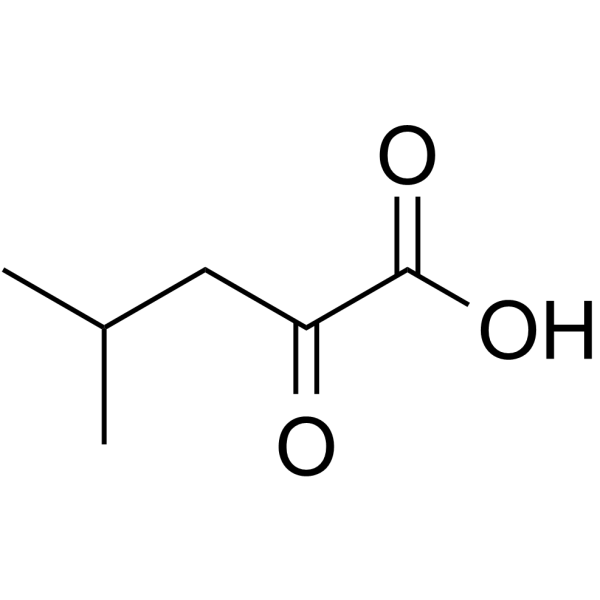
  • HY-W012722
    4-Methyl-2-oxopentanoic acid
    1 Publications Verification

    α-Ketoisocaproic acid

    Endogenous Metabolite Autophagy mTOR SOD Neurological Disease Metabolic Disease
    4-Methyl-2-oxopentanoic acid (α-Ketoisocaproic acid) is a metabolite of L-leucine and is involved in energy metabolism. 4-Methyl-2-oxopentanoic acid increases endoplasmic reticulum stress, promotes lipid accumulation in preadipocytes and insulin resistance by impairing mTOR and autophagy signaling pathways. 4-Methyl-2-oxopentanoic acid also causes oxidative damage, leading to cognitive deficits, inhibits α-ketoglutarate dehydrogenase activity, acts as an oxidative phosphorylation uncoupler and metabolic inhibitor. 4-Methyl-2-oxopentanoic acid acts as a nutrient signal and stimulates skeletal muscle protein synthesis. 4-Methyl-2-oxopentanoic acid can be used in the study of maple syrup urine disease .
    4-Methyl-2-oxopentanoic acid
  • HY-P991047

    JR-141 antibody (uncoupled from iduronate 2-sulfatase)

    Transferrin Receptor Neurological Disease Cancer
    Anti-CD71/TfR1 Antibody (JR-141 antibody (uncoupled from iduronate 2-sulfatase)) is a humanized anti-human transferrin receptor (CD71/TfR1) antibody. Anti-CD71/TfR1 Antibody is the antibody part of the fusion protein Pabinafusp alfa (HY-P99797). The recommend isotype control of Anti-CD71/TfR1 Antibody: Human IgG1 kappa, Isotype Control (HY-P99001) .
    Anti-CD71/TfR1 Antibody
  • HY-W032022

    Environmental Pollutants Biochemical Assay Reagents Mitochondrial Metabolism Others
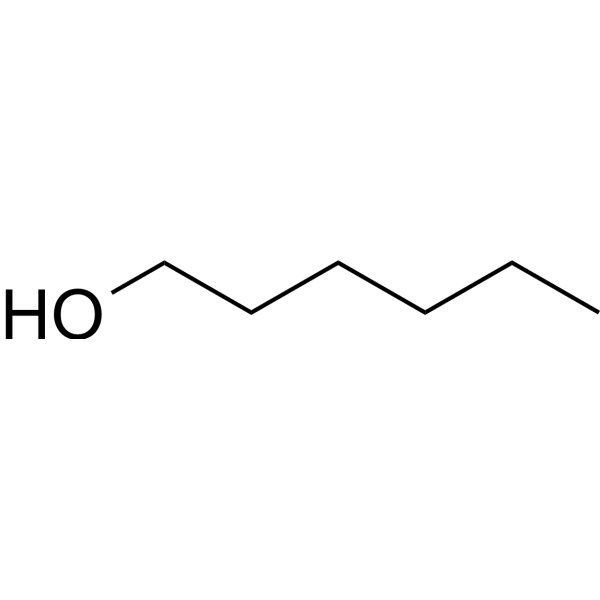
    1-Hexanol, a primary alcohol, is a surfactant that can be employed in industrial processes to enhance interfacial properties . 1-Hexanol uncouples mitochondrial respiration by a non-protonophoric mechanism .
    1-Hexanol
  • HY-B1729

    Environmental Pollutants Bacterial Fungal Oxidative Phosphorylation Infection
    Phenoxyethanol has a broad spectrum of antimicrobial agent. Phenoxyethanol is an uncouple agent in oxidative phosphorylation from respiration and competitively inhibits malate dehydrogenase. Phenoxyethanol is used as a preservative in cosmetic, vaccine, and textile, et al .
    Phenoxyethanol
  • HY-17594
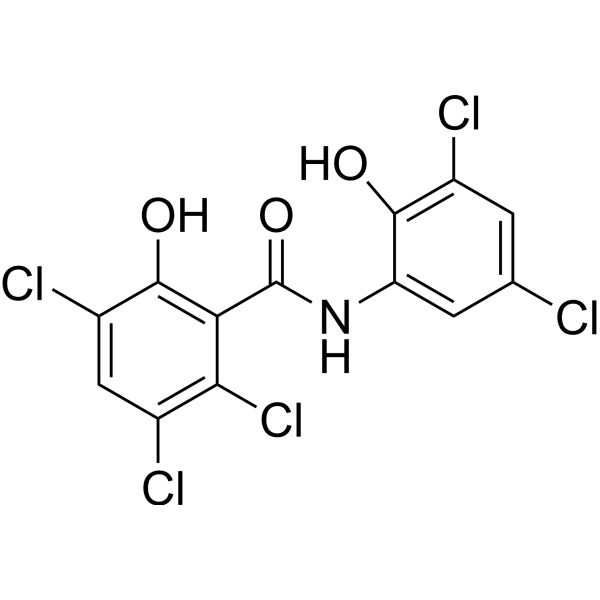
    Oxyclozanide
    4 Publications Verification

    Oxidative Phosphorylation Parasite Bacterial Fungal Infection
    Oxyclozanide is an orally active salicylanilide anthelmintic agent that mainly acts by uncoupling oxidative phosphorylation in flukes. Oxyclozanide shows good anti-adenovirus, anti-biofilm, antifungal, and antibacterial activity .
    Oxyclozanide
  • HY-N6790

    Ammonium ionophore I

    Oxidative Phosphorylation Potassium Channel Mitochondrial Metabolism Bacterial Influenza Virus Apoptosis Antibiotic HSP Infection Cancer
    Nonactin is a macrotetrolide antibiotic and mitochondrial uncoupler with antibacterial, insecticidal, and acaricidal activities. Nonactin acts as an ionophore for monovalent cations, including K +, and NH4 +, and it can also inhibit the surface expression of endogenous HSP60. In addition, Nonactin can induce apoptosis in β-catenin mutant tumor cells and has anti-tumor activity .
    Nonactin
  • HY-109804
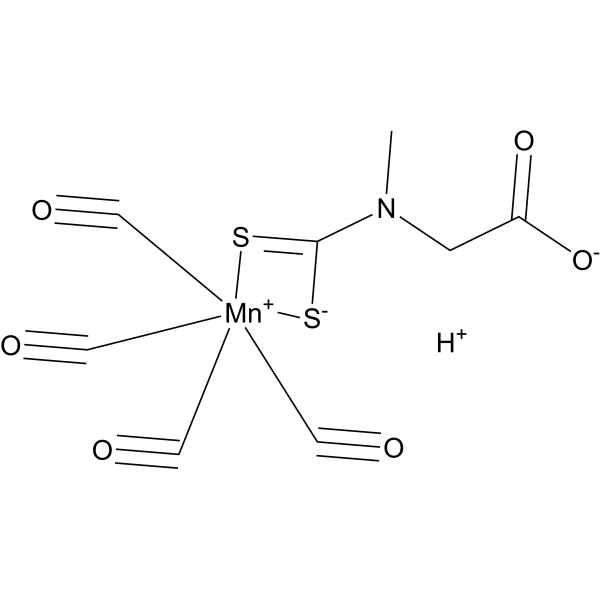
    CORM-401
    10+ Cited Publications

    Reactive Oxygen Species (ROS) Inflammation/Immunology
    CORM-401 is an oxidant-sensitive CO-releasing molecule. CORM-401 induces NO increase in the regulation of endothelial calcium signalling. CORM-401 reduces TNF-α/CHX and H2O2-induced ROS production. CORM-401 uncouples mitochondrial respiration and inhibits glycolysis .
    CORM-401
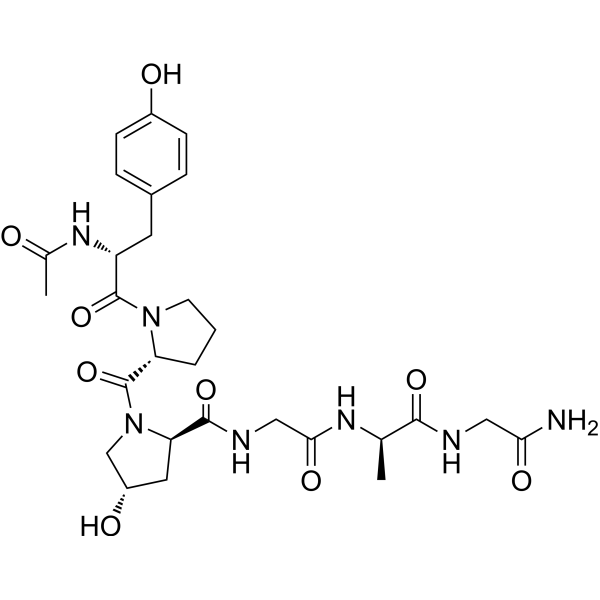
  • HY-106225
    Rotigaptide
    1 Publications Verification

    ZP123

    Gap Junction Protein Cardiovascular Disease
    Rotigaptide (ZP123) is a novel and specific modulator of connexin 43 (Cx43). Rotigaptide prevents the uncoupling of Cx43-mediated gap junction communication and normalizes cell-to-cell communication during acute metabolic stress. Rotigaptide is a potent antiarrhythmic peptide (AAP) with improved stability and has the potential for the investigation of cardiac arrhythmias-specifically atrial fibrillation .
    Rotigaptide
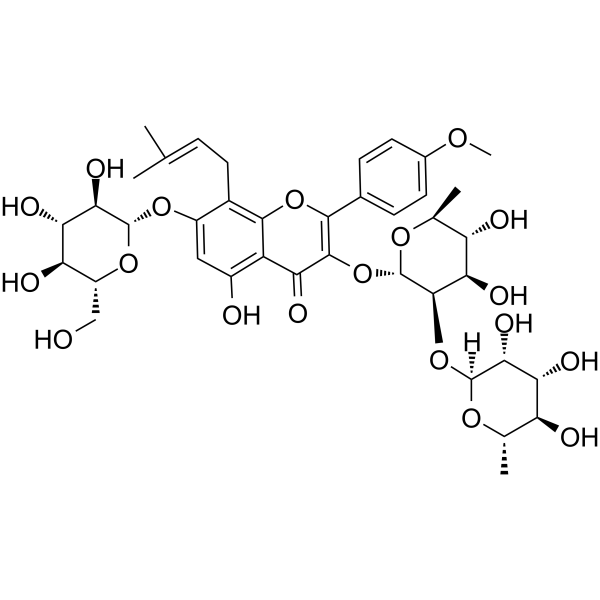
  • HY-N0260
    Epmedin C
    5+ Cited Publications

    Epimedin-C; Baohuoside-VI

    Keap1-Nrf2 CDK Caspase Infection Metabolic Disease Inflammation/Immunology Cancer
    Epmedin C (Epimedin-C; Baohuoside-VI) is an orally active anti-inflammatory agent and immunomodulator that binds to multiple key proteins including UCP1, Caspase-1, CDK2 and Keap1. Epmedin C inhibits epithelial cell proliferation by disrupting the complex function of CDK2/Cyclin E. Epmedin C also upregulates Nrf2 expression, reduces ROS levels and inhibits pro-inflammatory cytokine secretion, thereby effectively restoring antibody production and alleviating tissue damage. Epmedin C has good safety with no hepatotoxicity or skin sensitization, and it has been used in studies on diseases such as obesity, Deoxynivalenol (HY-N6684)-induced immunotoxicity and mammary hyperplasia .
    Epmedin C
  • HY-113371

    Methylcitric acid

    Endogenous Metabolite Metabolic Disease
    2-Methylcitric acid (Methylcitric acid) is an endogenous metabolite in the 2-methylcitric acid cycle. 2-Methylcitric acid accumulates in methylmalonic and propionic acidemias and acts as a marker metabolite. 2-Methylcitric acid markedly inhibits ADP-stimulated and uncoupled respiration in mitochondria supported by glutamate .
    2-Methylcitric acid
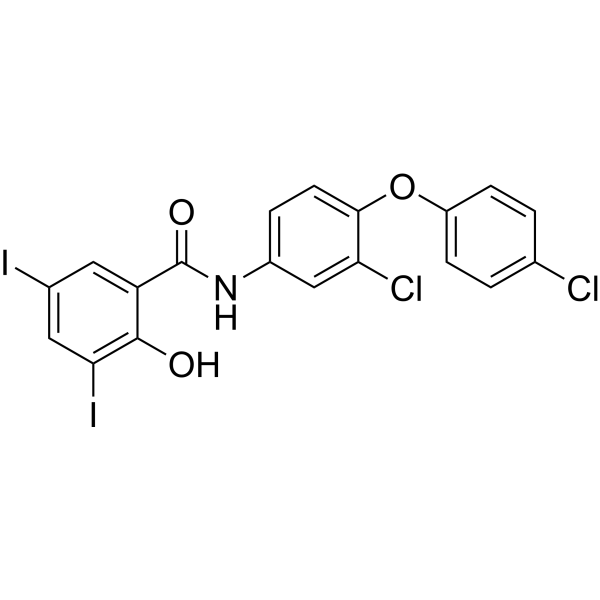
  • HY-17598
    Rafoxanide
    5+ Cited Publications

    Oxidative Phosphorylation Parasite p38 MAPK Raf Apoptosis Infection Cancer
    Rafoxanide is a poent, orally active halogenated salicylaniline agent with antiparasitic activity. Rafoxanide interferes with energy metabolism in trematodes by uncoupling oxidative phosphorylation. Rafoxanide is also found to be a potent inhibitor of the BRAF V600E mutant protein, which is important in colorectal cancer. Rafoxanide can be used for the control of infestation with Hemonchus species or Fasciola species in sheep and cattle as well as Oestrus ovis in sheep. Rafoxanide can also be used for cancer research .
    Rafoxanide
  • HY-W011711

    URAT1 Oxidative Phosphorylation Apoptosis Metabolic Disease
    Benzarone is an oral inhibitor of human urate transporter 1 (hURAT1) with an IC50 value of 2.8 μM, and it also acts as an uncoupler of oxidative phosphorylation. Benzarone can cause liver damage and promote cell apoptosis and necrosis. Benzarone can be used to lower serum uric acid levels and for research in vascular diseases .
    Benzarone
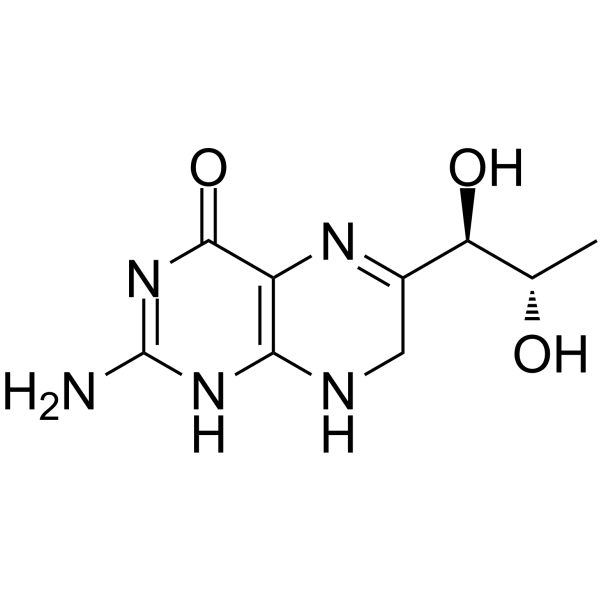
  • HY-W008646
    7,8-Dihydro-L-biopterin
    1 Publications Verification

    SOD Apoptosis NO Synthase Cardiovascular Disease Neurological Disease
    7,8-Dihydro-L-biopterin is a NOS uncoupling inducer with blood-brain barrier permeability, and it is a reduced non-conjugated pteridine. 7,8-Dihydro-L-biopterin is the main metabolite of 4-amino-tetrahydro-L-biopterin, and it undergoes photooxidation to form biopterin. 7,8-Dihydro-L-biopterin promotes the conversion of nitric oxide synthase to a superoxide-producing form, thereby increasing oxidative stress levels in the renal outer medulla and inducing apoptosis. 7,8-Dihydro-L-biopterin is sensitive to the inhibitory effect of SOD, and it can be applied to research related to salt-sensitive hypertension, moderate to severe traumatic brain injury, and neurodegenerative diseases .
    7,8-Dihydro-L-biopterin
  • HY-13568

    LRCL 3794

    Cytochrome P450 COX Lipoxygenase PGE synthase Inflammation/Immunology
    Benoxaprofen (LRCL 3794) is a nonsteroidal anti-inflammatory agent that blocks the biosynthesis of inflammatory mediators such as leukotrienes and prostaglandins by inhibiting 5-LOX, PGH2 synthase and cytochrome P-450. Benoxaprofen exhibits significant toxicity: it not only alters cellular redox status, uncouples oxidative phosphorylation and disrupts calcium ion homeostasis, but also causes liver injury through the formation of covalent adducts between its active metabolites and hepatic proteins. Benoxaprofen shows strong phototoxicity under ultraviolet irradiation, and induces erythrocyte lysis, mast cell degranulation and histamine release. Benoxaprofen is widely used in studies of urticaria and related phototoxic mechanisms .
    Benoxaprofen
  • HY-138207

    Mitochondrial Metabolism Drug Metabolite Inflammation/Immunology
    N-Oleoyl-L-phenylalanine is a long-chain N-acyl-L-phenylalanine and also a mitochondrial uncoupler. N-Oleoyl-L-phenylalanine uncouples UCP1-independent respiration in mitochondria, thereby helping to regulate glucose homeostasis. As an endogenous metabolite, the level of N-Oleoyl-L-phenylalanine increases in patients with ulcerative colitis after a high-fat diet. N-Oleoyl-L-phenylalanine can be used in studies related to ulcerative colitis .
    N-Oleoyl-L-phenylalanine
  • HY-P11117

    TRP Channel iGluR Calcium Channel Neurological Disease
    TAT-EE3 is a neuroprotective peptide which can uncouple TRPM2-NMDARs interaction. TAT-EE3 inhibits TRPM2-induced enhancement of NMDAR surface expression and current amplitude.TAT-EE3 protects neurons against ischemic injury in vitro and in vivo. TAT-EE3can be used for the study of ischemic stroke .
    TAT-EE3
  • HY-P3003

    Potassium Channel Apoptosis Autophagy Reactive Oxygen Species (ROS) Mitochondrial Metabolism Infection Neurological Disease Metabolic Disease Inflammation/Immunology
    Cereulide is an orally active, blood-brain barrier-permeable emetic toxin. Cereulide acts as a potassium ionophore that inserts into membranes, forms complexes with K +, and transports K + from the cytoplasm into the mitochondrial matrix. Cereulide disrupts the electrochemical gradient of the inner mitochondrial membrane, leading to mitochondrial swelling and dysfunction, uncoupling of oxidative phosphorylation, inhibition of ATP synthesis, ROS accumulation, and ultimately triggering apoptosis and autophagy. Cereulide exhibits multi-organ toxicity and can be used for research on emetic food poisoning .
    Cereulide
  • HY-W275295

    PFDoA

    Reactive Oxygen Species (ROS) Caspase Mitochondrial Metabolism Neurological Disease Metabolic Disease
    Perfluorododecanoic acid (PFDoA) is an orally active, blood-brain barrier-permeable perfluorinated compound. Perfluorododecanoic acid increases Caspase 3 activity, disrupts mitochondrial membrane potential, and elevates ROS levels. Perfluorododecanoic acid induces cognitive deficits. Perfluorododecanoic acid exhibits hepatotoxicity .
    Perfluorododecanoic acid
  • HY-158421

    Oxidative Phosphorylation Mitochondrial Metabolism Cancer
    MS-L6 is a potent inhibitor of oxidative phosphorylation (OXPHOS) that can acts as electron transport chain complexes I (ETC-I) combining inhibition of NADH oxidation and uncoupling effect .
    MS-L6
  • HY-N7133

    N-Phenylaniline hydrochloride

    Fungal Bacterial Metabolic Disease
    Diphenylamine hydrochloride (N-Phenylaniline hydrochloride) is an antihyperglycemic agent with oral activity and a common structure in non-steroidal anti-inflammatory drugs (NSAIDs) that uncouples oxidative phosphorylation in mitochondria, leading to a decrease in hepatic cell ATP levels and causing liver cell damage. Diphenylamine hydrochloride is also an industrial antioxidant, a dyeing mordant, and is used in agriculture as an antifungal and antibacterial agent .
    Diphenylamine hydrochloride
  • HY-N9608

    3β-Hydroxy-5α-cholestan-6-one

    Cytochrome P450 Others
    6-Ketocholestanol is a recoupler for mitochondria, chromatophores and cytochrome oxidase proteoliposomes. 6-Ketocholestanol increases the membrane dipole potential .
    6-Ketocholestanol
  • HY-B1729R

    Oxidative Phosphorylation Reference Standards Bacterial Fungal Infection
    Phenoxyethanol (Standard) is the analytical standard of Phenoxyethanol. This product is intended for research and analytical applications. Phenoxyethanol has a broad spectrum of antimicrobial agent. Phenoxyethanol is an uncouple agent in oxidative phosphorylation from respiration and competitively inhibits malate dehydrogenase. Phenoxyethanol is used as a preservative in cosmetic, vaccine, and textile, et al .
    Phenoxyethanol (Standard)
  • HY-134769

    Mitochondrial Metabolism Reactive Oxygen Species (ROS) Cardiovascular Disease Metabolic Disease
    OPC-163493 is an orally active and liver-targeted mitochondrial uncoupling agent. OPC-163493 reduces the production of mitochondrial Δψ and ROS. OPC-163493 has anti-diabetic and lipid-lowering effects. In addition, OPC-163493 has a protective effect on cardiovascular disease .
    OPC-163493
  • HY-Y0716

    Environmental Pollutants Biochemical Assay Reagents Metabolic Disease
    3-t-Butylphenol is a mitochondrial uncoupler. 3-t-Butylphenol disrupts the proton gradient, inhibits ATP synthesis and induces cytotoxicity .
    3-t-Butylphenol
  • HY-100941R

    Carbonyl cyanide 3-chlorophenylhydrazone (Standard); Carbonyl Cyanide m-Chlorophenylhydrazone (Standard)

    Oxidative Phosphorylation PINK1/Parkin Reference Standards STING IFNAR Mitochondrial Metabolism Bacterial Apoptosis Inflammation/Immunology Cancer
    CCCP (Standard) is the analytical standard of CCCP. This product is intended for research and analytical applications. CCCP is an oxidative phosphorylation (OXPHOS) uncoupler. CCCP induces activation of PINK1 leading to Parkin Ser65 phosphorylation .
    CCCP (Standard)
  • HY-164803

    Calcium Channel Inflammation/Immunology
    CBD3063 is a selective modulator of collapsin response mediator protein 2 (CRMP2). CBD3063 uncouples Cav2.2 from CRMP2. CBD3063 reverses neuropathic and inflammatory pain by reducing membrane expression of CaV2.2 .
    CBD3063
  • HY-153813

    p38 MAPK Mitochondrial Metabolism Others
    Z16078526 induces endogenous Ucp1 expression, promotes p38 MAPK phosphorylation and lipolysis in primary mouse brown adipocytes. Z16078526 activates thermogenic gene expression and mitochondrial activity (uncoupled respiration) in mouse brown adipocytes. Z16078526 also stimulates thermogenesis in the mouse .
    Z16078526
  • HY-14881R

    TMC207 (Standard); R207910 (Standard)

    Reference Standards Bacterial Antibiotic Infection
    Bedaquiline (Standard) is the analytical standard of Bedaquiline. This product is intended for research and analytical applications. Bedaquiline (TMC207) is a diarylquinoline agent and inhibits Mycobacterium tuberculosis (Mtb) F1FO-ATP synthase through targeting of both the c- and the ε-subunit . Bedaquiline has uncoupler activity. Bedaquiline is used for the multi-agent resistant tuberculosis .
    Bedaquiline (Standard)
  • HY-14881S1

    Isotope-Labeled Compounds Bacterial Antibiotic Others
    (Rac)-Bedaquiline-d6 is the deuterium labeled Bedaquiline (HY-14881) . Bedaquiline (TMC207) is a diarylquinoline agent and inhibits Mycobacterium tuberculosis (Mtb) F1FO-ATP synthase through targeting of both the c- and the ε-subunit . Bedaquiline has uncoupler activity. Bedaquiline is used for the multi-agent resistant tuberculosis .
    (Rac)-Bedaquiline-d6
  • HY-P3003S

    Isotope-Labeled Compounds Apoptosis Potassium Channel Mitochondrial Metabolism Autophagy Reactive Oxygen Species (ROS) Infection Neurological Disease Metabolic Disease Inflammation/Immunology
    Cereulide- 13C6 is a deuterated form of Cereulide. Cereulide is an orally active, blood-brain barrier-permeable emetic toxin. Cereulide acts as a potassium ionophore that inserts into membranes, forms complexes with K +, and transports K + from the cytoplasm into the mitochondrial matrix. Cereulide disrupts the electrochemical gradient of the inner mitochondrial membrane, leading to mitochondrial swelling and dysfunction, uncoupling of oxidative phosphorylation, inhibition of ATP synthesis, ROS accumulation, and ultimately triggering apoptosis and autophagy. Cereulide exhibits multi-organ toxicity and can be used for research on emetic food poisoning.
    Cereulide-13C6
  • HY-128536

    Fluorescent Dye Others
    KMG-104AM is a Mg 2+ fluorescent probe. KMG-104AM is a membrane-permeable ester-modified derivative of KMG-104, which serves as a reporter and imaging agent. KMG-104AM can track the increase in intracellular free magnesium ion concentration induced by mitochondrial uncoupling. KMG-104AM enables visualization of the three-dimensional distribution of intracellular magnesium ion concentration. KMG-104AM is applicable to research related to the functions of intracellular magnesium ions .
    KMG-104AM
  • HY-100410R

    Carbonyl cyanide 4-(trifluoromethoxy)phenylhydrazone (Standard)

    Oxidative Phosphorylation PINK1/Parkin Reference Standards Mitochondrial Metabolism Cancer
    FCCP (Standard) is the analytical standard of FCCP. This product is intended for research and analytical applications. FCCP is an uncoupler of oxidative phosphorylation (OXPHOS) in mitochondria. FCCP induces activation of PINK1 leading to Parkin Ser65 phosphorylation .
    FCCP (Standard)
  • HY-W032022S

    Isotope-Labeled Compounds Mitochondrial Metabolism Others
    1-Hexanol-d13 is the deuterium labeled 1-Hexanol . 1-Hexanol, a primary alcohol, is a surfactant that can be employed in industrial processes to enhance interfacial properties . 1-Hexanol uncouples mitochondrial respiration by a non-protonophoric mechanism .
    1-Hexanol-d13
  • HY-W032022S1

    Isotope-Labeled Compounds Mitochondrial Metabolism Others
    1-Hexanol-d11 is the deuterium labeled 1-Hexanol . 1-Hexanol, a primary alcohol, is a surfactant that can be employed in industrial processes to enhance interfacial properties . 1-Hexanol uncouples mitochondrial respiration by a non-protonophoric mechanism .
    1-Hexanol-d11
  • HY-113371A

    Methylcitric acid trisodium

    Endogenous Metabolite Metabolic Disease
    2-Methylcitric acid trisodium (Methylcitric acid trisodium) is an endogenous metabolite in the 2-methylcitric acid cycle. 2-Methylcitric acid trisodium accumulates in methylmalonic and propionic acidemias and acts as a marker metabolite. 2-Methylcitric acid trisodium markedly inhibits ADP-stimulated and uncoupled respiration in mitochondria supported by glutamate .
    2-Methylcitric acid trisodium
  • HY-113371S

    Methylcitric acid-d3

    Endogenous Metabolite Metabolic Disease
    2-Methylcitric acid-d3 is the deuterium labeled 2-Methylcitric acid. 2-Methylcitric acid (Methylcitric acid) is an endogenous metabolite in the 2-methylcitric acid cycle. 2-Methylcitric acid accumulates in methylmalonic and propionic acidemias and acts as a marker metabolite. 2-Methylcitric acid markedly inhibits ADP-stimulated and uncoupled respiration in mitochondria supported by glutamate .
    2-Methylcitric acid-d3
  • HY-17389R

    (+)-Genipin (Standard)

    Reference Standards Autophagy Neurological Disease Metabolic Disease Inflammation/Immunology Cancer
    Genipin (Standard) is the analytical standard of Genipin. This product is intended for research and analytical applications. Genipin ((+)-Genipin) is a natural crosslinking reagent derived from Gardenia jasminoides Ellis fruits. Genipin inhibits UCP2 (uncoupling protein 2) in cells. Genipin has a variety of bioactivities, including modulation on proteins, antitumor, anti-inflammation, immunosuppression, antithrombosis, and protection of hippocampal neurons. Genipin also can be used for type 2 diabetes research .
    Genipin (Standard)
  • HY-W008646R

    Reference Standards SOD Apoptosis NO Synthase Others
    NADH (disodium salt) (Standard) is the analytical standard of NADH (disodium salt). This product is intended for research and analytical applications. 7,8-Dihydro-L-biopterin is a NOS uncoupling inducer with blood-brain barrier permeability, and it is a reduced non-conjugated pteridine. 7,8-Dihydro-L-biopterin is the main metabolite of 4-amino-tetrahydro-L-biopterin, and it undergoes photooxidation to form biopterin. 7,8-Dihydro-L-biopterin promotes the conversion of nitric oxide synthase to a superoxide-producing form, thereby increasing oxidative stress levels in the renal outer medulla and inducing apoptosis. 7,8-Dihydro-L-biopterin is sensitive to the inhibitory effect of SOD, and it can be applied to research related to salt-sensitive hypertension, moderate to severe traumatic brain injury, and neurodegenerative diseases .
    7,8-Dihydro-L-biopterin (Standard)
  • HY-129051

    CGP4540

    Parasite Oxidative Phosphorylation Others
    Amoscanate (cgp4540) is phenyl isothiocyanate in which the hydrogen at the para-position has been replaced by a 4-nitroanilinyl group. Amoscanate is an anti-schistosomal agent. Amoscanate, as an isothiocyanate compound and uncoupler of oxidative phosphorylation, potently injures rodent ependyma .
    Amoscanate
  • HY-117843

    Mitochondrial Metabolism Interleukin Related Bacterial Infection Metabolic Disease Inflammation/Immunology
    Ppc-1 is a mitochondrial uncoupler. Ppc-1 enhances mitochondrial oxygen consumption without adverse effects on ATP production. Ppc-1 is a cell-permeate interleukin-2 (IL-2) inhibitor. Ppc-1 inhibits the Gram-negative periodontopathogen Porphyromonas gingivalis. Ppc-1 has anti-obesity, antibacterial and anti-inflammatory activities .
    Ppc-1
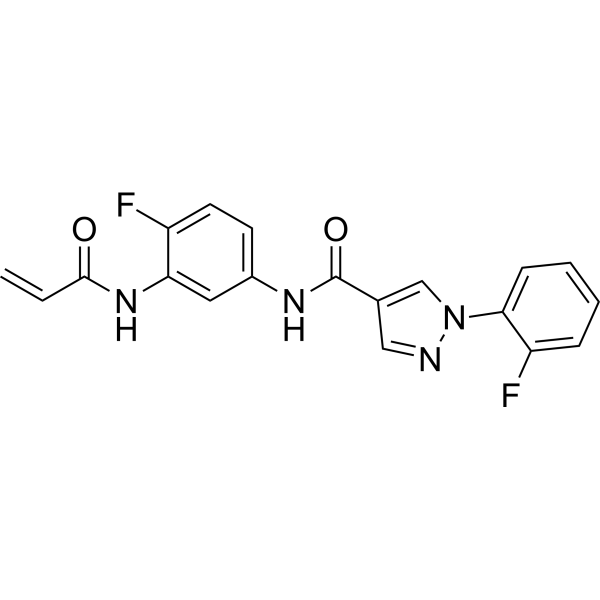
  • HY-149277

    P-glycoprotein Cancer
    FM04 is a potent P-glycoprotein (P-gp) inhibitor (EC50=83 nM). FM04 inhibits P-gp in 2 mechanism: (1)FM04 binds to Q1193, followed by interacting with the functionally critical residues H1195 and T1226; or (2)FM04 binds to I1115 (a functionally critical residue itself), disrupting the R262-Q1081-Q1118 interaction pocket and uncoupling ICL2-NBD2 interaction and thereby inhibiting P-gp .
    FM04

Inquiry Online

Your information is safe with us. * Required Fields.

Salutation


Country or Region *

Applicant Name *


Organization Name *

Department *


Email Address *


Product Name *

Cat. No.


Requested quantity *

Phone Number *


Remarks

Inquiry Online

Inquiry Information

Product Name:
Cat. No.:
Quantity:
MCE Japan Authorized Agent:

