

1. Search Result
Search Result
Results for "

vasodilation

" in MedChemExpress (MCE) Product Catalog:

122

Inhibitors & Agonists

1

Biochemical Assay Reagents

17

Peptides

26

Natural
Products

9

Isotope-Labeled Compounds

1

Oligonucleotides

Cat. No. Product Name Target Research Areas Chemical Structure
  • HY-B0131
    Prostaglandin E1
    20+ Cited Publications

    Alprostadil; PGE1

    Prostaglandin Receptor Endogenous Metabolite Cardiovascular Disease Endocrinology Cancer
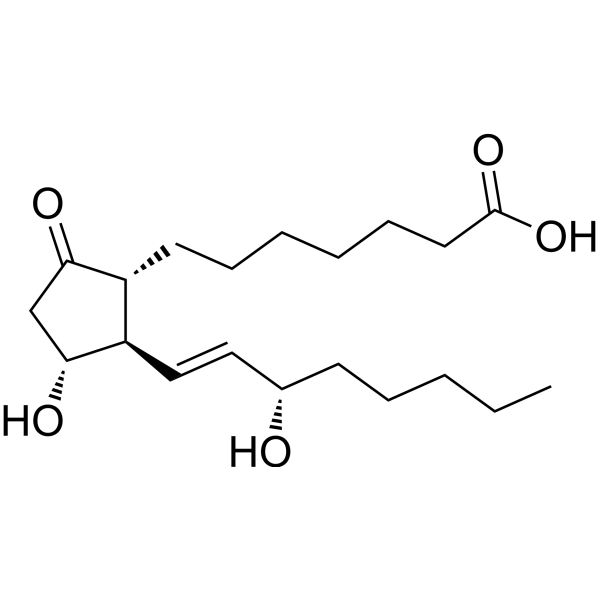
    Prostaglandin E1 (Alprostadil) is a prostanoid receptor ligand, with Kis of 1.1 nM, 2.1 nM, 10 nM, 33 nM and 36 nM for mouse EP3, EP4, EP2, IP and EP1, respectively. Prostaglandin E1 induces vasodilation and inhibits platelet aggregation. Prostaglandin E1 can be used as a vasodilator for the research of peripheral vascular diseases .
    Prostaglandin E1
  • HY-B0112
    Minoxidil
    10+ Cited Publications

    U10858

    Potassium Channel Endogenous Metabolite Cardiovascular Disease Cancer
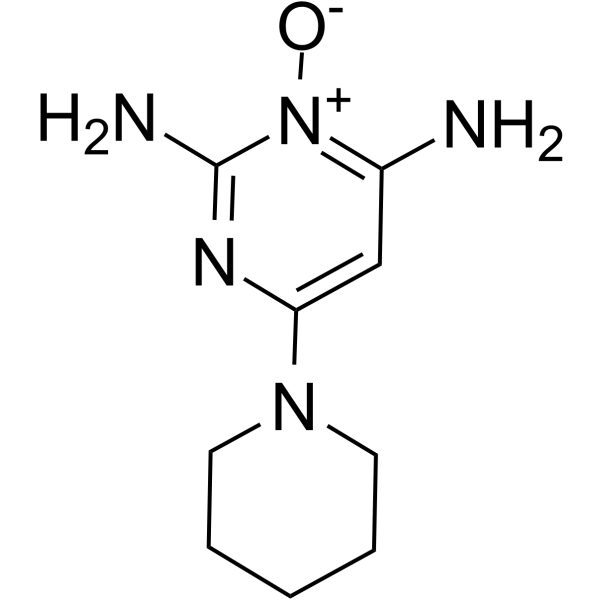
    Minoxidil (U10858) is an ATP-sensitive potassium (KATP) channel opener, a potent oral antihypertensive agent and a peripheral vasodilator that promotes vasodilation also affects hair growth. Minoxidil is also a potent inhibitor of soybean lipoxygenaseare with an IC50 of 20 μM .
    Minoxidil
  • HY-12366

    MK-1602

    CGRP Receptor Cardiovascular Disease Neurological Disease
    Ubrogepant (MK-1602) is an orally active and selective antagonist of calcitonin gene-related peptide receptor (CGRP). Ubrogepant has high affinity for CGRP receptors in human and rhesus monkeys, and can effectively block the cAMP response stimulated by α-CGRP. Ubrogepant can be used in the study of acute migraine .
    Ubrogepant
  • HY-N2409
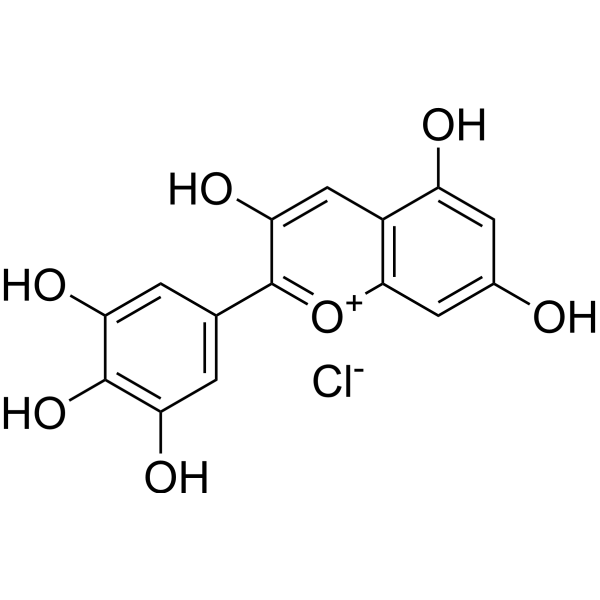
    Delphinidin chloride
    2 Publications Verification

    Apoptosis EGFR JAK STAT Cardiovascular Disease Cancer
    Delphinidin chloride is an anthocyanin isolated from berries and red wine. Delphinidin chloride exhibits endothelium-dependent vasodilation and anticancer activity. Delphinidin chloride also modulates JAK/STAT3 and MAPK signaling, thereby inducing apoptosis in HCT116 cells. Delphinidin chloride is also a potent inhibitor of EGFR (IC50: 1.3 μM), shutting down downstream signaling cascades .
    Delphinidin chloride
  • HY-P0012
    Aviptadil
    2 Publications Verification

    Vasoactive Intestinal Peptide (human, rat, mouse, rabbit, canine, porcine)

    SARS-CoV Infection Inflammation/Immunology
    Aviptadil is an analog vasoactive intestinal polypeptide (VIP) with potent vasodilatory effects. Aviptadil induces pulmonary vasodilation and inhibits vascular SMCs proliferation, platelet aggregation. Aviptadil can be used for the research of pulmonary fibrosis, pulmonary arterial hypertension (PAH) and SARS-CoV-2 caused respiratory failure, et al .
    Aviptadil
  • HY-16693
    LDN-27219
    1 Publications Verification

    Glutaminase Cardiovascular Disease Others
    LDN-27219 is a reversible, slow-binding inhibitor of TGase. LDN-27219 inhibits human TGase with an IC50 value of 0.6 μM. LDN-27219 effectively decreases blood pressure and induces vasodilation, it can be used for the research of cardiovascular disease .
    LDN-27219
  • HY-14744A
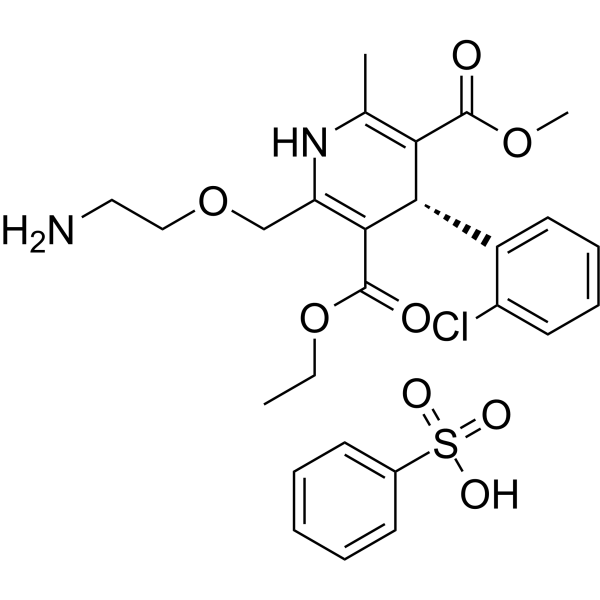
    Levamlodipine besylate
    2 Publications Verification

    (S)-Amlodipine besylate; Levoamlodipine besylate

    Calcium Channel MMP Cardiovascular Disease
    Levamlodipine ((S)-Amlodipine; Levoamlodipin) besylate is an orally active L-type calcium channel blocker and MMP-9 modulator with high permeability and retention properties. Levamlodipine besylate significantly enhances plaque stability and improves lipid profiles by reducing blood pressure, decreasing systolic blood pressure variability, and inhibiting MMP-9 expression in atherosclerotic plaques. Levamlodipine besylate not only alleviates cardiac and aortic hypertrophy and prevents renal atrophy, but also produces synergistic effects in blood pressure reduction and organ protection when combined with bisoprolol (HY-129029). Levamlodipine besylate exerts no significant inhibitory effect on abdominal aortic intimal hyperplasia. When excessively accumulated in the epidermis, Levamlodipine besylate may induce changes in keratin structure, impair the skin barrier and trigger inflammation; long-term use further exacerbates skin irritation caused by local administration. Levamlodipine besylate can be used in research related to hypertension and atherosclerosis .
    Levamlodipine besylate
  • HY-100957
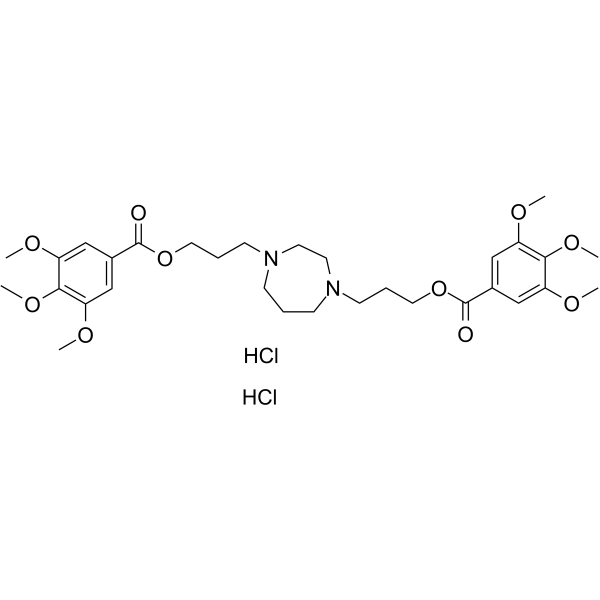
    Dilazep dihydrochloride
    2 Publications Verification

    Nucleoside Transporters Cardiovascular Disease
    Dilazep dihydrochloride is an inhibitor of adenosine uptake. Dilazep dihydrochloride has cerebral and coronary vasodilating action through enhancement of effect of adenosine. Dilazep dihydrochloride also inhibits the ischemic damage, platelet aggregation, and membrane transport of nucleosides .
    Dilazep dihydrochloride
  • HY-17436

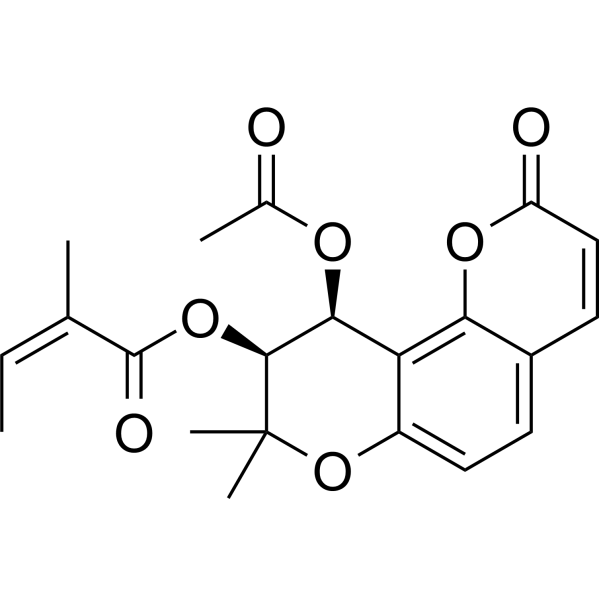
    Calcium Channel Cardiovascular Disease Cancer
    Clevidipine is a selective, short-acting L-type calcium channel antagonist with an IC50 of 7.1 nM. Clevidipine can competitively bind to calcium channels and exert rapid vasoselective vasodilation by blocking the influx of extracellular calcium ions, thereby reducing peripheral vascular resistance and effectively controlling acute severe hypertension. Clevidipine can also protect the myocardium from reperfusion injury by promoting the release of nitric oxide (NO). Clevidipine can be used in the research of acute hypertension, perioperative blood pressure management, and myocardial ischemia-reperfusion injury .
    Clevidipine
  • HY-W011641
    (±)-Naringenin
    4 Publications Verification

    Potassium Channel Toll-like Receptor (TLR) NF-κB Apoptosis Caspase Cardiovascular Disease Neurological Disease Inflammation/Immunology Cancer
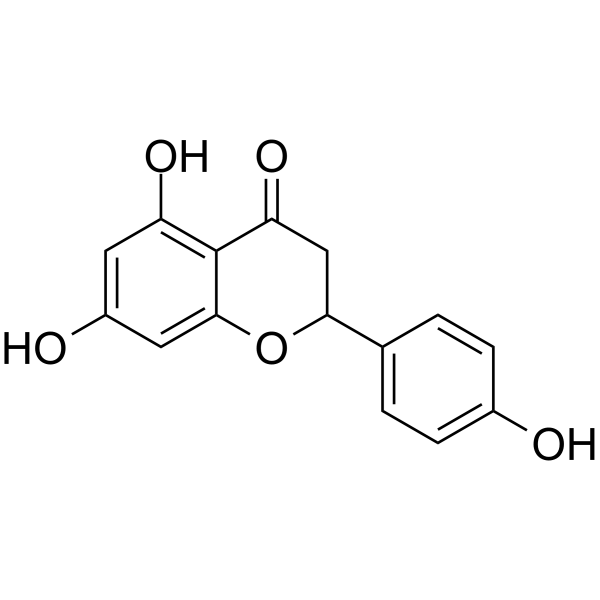
    (±)-Naringenin is an orally available anti-inflammatory agent that can regulate both acute and chronic inflammation responses, while also showing antioxidant, neuroprotective, liver-protective, and anti-cancer effects. (±)-Naringenin promotes vasodilation in endothelial cells by activating BKCa channels in muscle cells. It also exerts protective effects against experimental colitis by inhibiting Toll-like receptor 4/NF-κB signaling, making it useful in studies related to sepsis, fulminant hepatitis, fibrosis, and cancer research .
    (±)-Naringenin
  • HY-W011690

    Endogenous Metabolite Cardiovascular Disease Metabolic Disease Inflammation/Immunology
    L-Homocystine is the oxidized member of the L-homocysteine. Homocysteine is a pro-thrombotic factor, vasodilation impairing agent, pro-inflammatory factor and endoplasmatic reticulum-stress inducer used to study cardiovascular disease mechanisms.
    L-Homocystine
  • HY-109039
    Praliciguat
    2 Publications Verification

    IW-1973

    Guanylate Cyclase Apoptosis Cardiovascular Disease Metabolic Disease
    Praliciguat (IW-1973) is a potent and orally active soluble guanylate cyclase (sGC) activator. Praliciguat can increases cGMP via the nitric oxide (NO)-sGC pathway. Praliciguat can inhibit the expression of proinflammatory cytokines and inhibit apoptosis. Praliciguat can promote vasodilation. Praliciguat can be used for the researches of metabolic disease and cardiovascular disease, such as hypertension, diabetes and heart failure .
    Praliciguat
  • HY-B0428
    Ozagrel
    1 Publications Verification

    OKY-046

    Prostaglandin Receptor Cardiovascular Disease Neurological Disease Inflammation/Immunology
    Ozagrel (OKY-046) is a high selective and orally active thromboxane A2 (TXA2) synthase inhibitor with an IC50 of 11 nM. Ozagrel exerts anti-platelet aggregation, vasodilation and anti-inflammatory effects by inhibiting the production of TXA2 and increasing the production of prostacyclin (PGI2). Ozagrel can be used for the study of ischemic stroke, asthma and thromboembolic diseases .
    Ozagrel
  • HY-P1080
    ω-Agatoxin IVA
    1 Publications Verification

    Calcium Channel Cardiovascular Disease Neurological Disease
    ω-Agatoxin IVA is a potent, selective P/Q type Ca 2+ (Cav2.1) channel blocker with IC50 values of 2 nM and 90 nM. ω-Agatoxin IVA inhibits glutamate exocytosis and calcium influx elicited by high potassium. ω-Agatoxin IVA inhibits Capsaicin (HY-10448)-induced CGRP release and vasodilation. ω-Agatoxin IVA can be used for the research of neurological and cardiovascular disease .
    ω-Agatoxin IVA
  • HY-12403A
    Talfirastide acetate
    Maximum Cited Publications
    17 Publications Verification

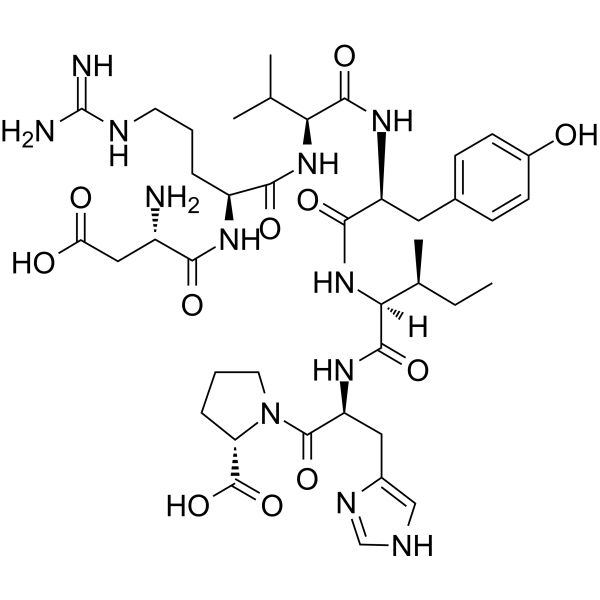
    TXA127 acetate; Angiotensin (1-7) acetate; Ang-(1-7) acetate

    Angiotensin Receptor Angiotensin-converting Enzyme (ACE) Endogenous Metabolite Cardiovascular Disease Inflammation/Immunology Endocrinology Cancer
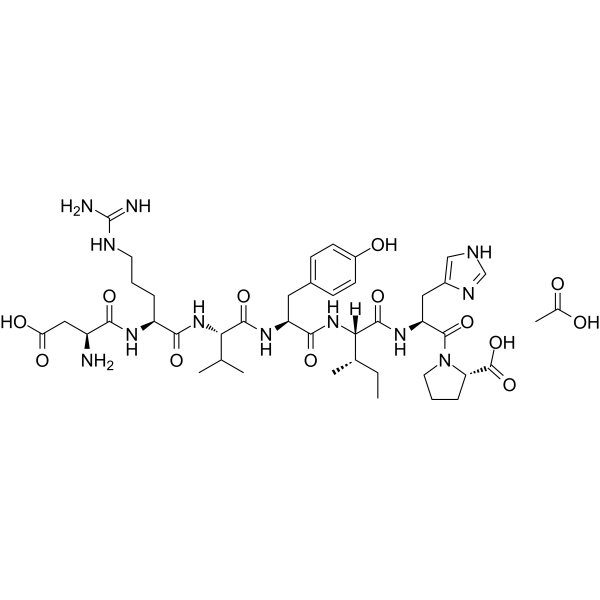
    Angiotensin 1-7 (Ang-(1-7)) acetate is an endogenous heptapeptide from the renin-angiotensin system (RAS) with a cardioprotective role due to its anti-inflammatory and anti-fibrotic activities in cardiac cells. Angiotensin 1-7 acetate inhibits purified canine ACE activity (IC50=0.65 μM). Angiotensin 1-7 acetate acts as a local synergistic modulator of kinin-induced vasodilation by inhibiting ACE and releasing nitric oxide. Angiotensin 1-7 acetate blocks Ang II-induced smooth muscle cell proliferation and hypertrophy and shows antiangiogenic and growth-inhibitory effects on the endothelium .
    Talfirastide acetate
  • HY-P0012A
    Aviptadil acetate
    2 Publications Verification

    Vasoactive Intestinal Peptide acetate salt (human, rat, mouse, rabbit, canine, porcine)

    SARS-CoV Infection Inflammation/Immunology
    Aviptadil acetate is an analog vasoactive intestinal polypeptide (VIP) with potent vasodilatory effects. Aviptadil acetate induces pulmonary vasodilation and inhibits vascular SMCs proliferation, platelet aggregation. Aviptadil acetate can be used for the research of pulmonary fibrosis, pulmonary arterial hypertension (PAH) and SARS-CoV-2 caused respiratory failure, et al .
    Aviptadil acetate
  • HY-B0112R

    U10858 (Standard)

    Reference Standards Potassium Channel Endogenous Metabolite Cardiovascular Disease Cancer
    Minoxidil (Standard) is the analytical standard of Minoxidil. This product is intended for research and analytical applications. Minoxidil (U10858) is an ATP-sensitive potassium (KATP) channel opener, a potent oral antihypertensive agent and a peripheral vasodilator that promotes vasodilation also affects hair growth. Minoxidil is also a potent inhibitor of soybean lipoxygenaseare with an IC50 of 20 μM .
    Minoxidil (Standard)
  • HY-N6652
    1-beta-D-Arabinofuranosyluracil
    1 Publications Verification

    Uracil 1-β-D-arabinofuranoside

    Others Cardiovascular Disease Inflammation/Immunology Cancer
    1-beta-D-Arabinofuranosyluracil (Uracil 1-β-D-arabinofuranoside) isolated from the Caribbean sponge Tectitethya crypta, is a methoxyadenosine derivative. 1-beta-D-Arabinofuranosyluracil has demonstrated a diverse bioactivity profile including anti-inflammatory activity, analgesic and vasodilation properties . 1-beta-D-Arabinofuranosyluracil reduces a proliferation of mouse lymphoma cells .
    1-beta-D-Arabinofuranosyluracil
  • HY-B0428B
    Ozagrel hydrochloride
    1 Publications Verification

    OKY-046 hydrochloride

    Prostaglandin Receptor Cardiovascular Disease Neurological Disease Inflammation/Immunology
    Ozagrel hydrochloride (OKY-046 hydrochloride) is a high selective and orally active thromboxane A2 (TXA2) synthase inhibitor with an IC50 of 11 nM. Ozagrel hydrochloride exerts anti-platelet aggregation, vasodilation and anti-inflammatory effects by inhibiting the production of TXA2 and increasing the production of prostacyclin (PGI2). Ozagrel hydrochloride can be used for the study of ischemic stroke, asthma and thromboembolic diseases .
    Ozagrel hydrochloride
  • HY-130345

    Platelet-activating Factor Receptor (PAFR) Cardiovascular Disease
    C18-PAF, octadecane PAF, is the ligand of platelet-activating factor and PAF G protein-coupled receptor (PAFR). C18-PAF has renovasodilator properties and antihypertensive lipid properties. C18-PAF increases renal blood flow and causes dose-dependent systemic hypotension .
    PAF (C18)
  • HY-P1080A
    ω-Agatoxin IVA TFA
    1 Publications Verification

    Calcium Channel Neurological Disease
    ω-Agatoxin IVA TFA is a potent, selective P/Q type Ca 2+ (Cav2.1) channel blocker with IC50 values of 2 nM and 90 nM. ω-Agatoxin IVA TFA inhibits glutamate exocytosis and calcium influx elicited by high potassium. ω-Agatoxin IVA TFA inhibits Capsaicin (HY-10448)-induced CGRP release and vasodilation. ω-Agatoxin IVA TFA can be used for the research of neurological and cardiovascular disease .
    ω-Agatoxin IVA TFA
  • HY-P0203B

    Calcitonin gene-related peptide 2 (mouse); CGRP II (mouse)

    CGRP Receptor Cardiovascular Disease Neurological Disease Metabolic Disease Inflammation/Immunology
    β-CGRP (mouse) is a calcitonin gene-related peptide that induces vasodilation. β-CGRP (mouse) can be utilized in cardiovascular, pro-inflammatory, migraine and metabolic research .
    β-CGRP (mouse)
  • HY-23196S

    Potassium Channel Neurological Disease
    Minoxidil-d10 (U10858-d10) is the deuterium labeled Minoxidil. Minoxidil (U10858) is an ATP-sensitive potassium (KATP) channel opener, a potent oral antihypertensive agent and a peripheral vasodilator that promotes vasodilation also affects hair growth. Minoxidil is also a potent inhibitor of soybean lipoxygenaseare with an IC50 of 20 μM[1][2][3].
    Minoxidil-d10
  • HY-B0428A
    Ozagrel sodium
    1 Publications Verification

    OKY-046 sodium

    Prostaglandin Receptor Cardiovascular Disease Neurological Disease Inflammation/Immunology
    Ozagrel sodium (OKY-046 sodium) is a high selective and orally active thromboxane A2 (TXA2) synthase inhibitor with an IC50 of 11 nM. Ozagrel sodium exerts anti-platelet aggregation, vasodilation and anti-inflammatory effects by inhibiting the production of TXA2 and increasing the production of prostacyclin (PGI2). Ozagrel sodium can be used for the study of ischemic stroke, asthma and thromboembolic diseases .
    Ozagrel sodium
  • HY-P1534

    Adrenomedullin (rat)

    CGRP Receptor Cardiovascular Disease
    Adrenomedullin (1-50), rat is a 50 amino acid peptide, which induces a selective arterial vasodilation via activation of CGRP1 receptor.
    Adrenomedullin (1-50), rat
  • HY-112197
    PKG drug G1
    2 Publications Verification

    PKG Cardiovascular Disease
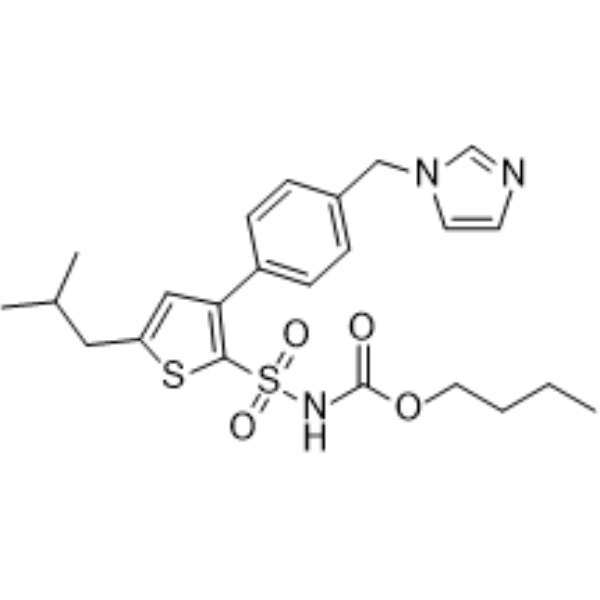
    PKG agent G1 targets C42 of PKG Iα. PKG agent G1 can couple to vasodilation and blood pressure lowering by a C42 PKG Iα-independent mechanism.
    PKG drug G1
  • HY-W030562

    Others Inflammation/Immunology
    Bemethyl is a synthetic adaptogen that exhibits actoprotector and antihypoxant activities. Bemethyl has the ability to increase the body's resistance to stress and improve physical endurance. Bemethyl regulatory mechanisms include vasodilation and lowering blood sugar and lactate levels. Bemethyl is an analytical reference standard for adaptogen .

    Bemethyl
  • HY-W250310

    L-Arginine alpha-ketoglutarate

    Biochemical Assay Reagents Others
    L-Arginine α-ketoglutarate, often abbreviated as AAKG, is a dietary supplement that combines arginine L-Arginine and α-ketoglutarate, a key intermediate in the Krebs cycle. L-arginine is a precursor of nitric oxide, which regulates blood flow and promotes vasodilation, while α-ketoglutarate is involved in energy production and protein synthesis. Together, these compounds are thought to support improved muscle recovery, increased endurance, and enhanced athletic performance.
    L-Arginine α-ketoglutarate
  • HY-P10586A

    MALP-2 TFA

    Toll-like Receptor (TLR) NO Synthase Cardiovascular Disease Metabolic Disease
    Macrophage-activating lipopeptide 2 TFA is an agonist of Toll like receptors TLR-2/TLR-6. Macrophage-activating lipopeptide-2 enhances endothelial nitric oxide synthase (eNOS) phosphorylation and endothelial cell release of NO, thereby improving vasodilation. Macrophage-activating lipopeptide-2 enhances endothelial adhesion of white blood cells and improve perfusion recovery and collateral growth in the hind limbs of hypercholesterolemic Apoe deficient mice undergoing experimental femoral artery ligation (FAL) .
    Macrophage-activating lipopeptide 2 TFA
  • HY-W002450

    Drug Derivative Cardiovascular Disease
    L-Cyclohexylalanine is an amino acid derivative. L-Cyclohexylalanine modifies an atrial natriuretic peptide, regulates homeostasis of body fluid and blood pressure homeostasis and vasodilation activity .
    L-Cyclohexylalanine
  • HY-121660

    Drug Derivative Cardiovascular Disease
    Hexyl nicotinate is a lipid-soluble nicotinic acid ester and cutaneous vasodilator. Hexyl nicotinate induces localized cutaneous vasodilation and increases blood flow. Hexyl nicotinate can be used for the research of Raynaud's phenomenon .
    Hexyl nicotinate
  • HY-W011690S

    Endogenous Metabolite Metabolic Disease
    L-Homocystine-d8 is the deuterium labeled L-Homocystine. L-Homocystine is the oxidized member of the L-homocysteine. Homocysteine is a pro-thrombotic factor, vasodilation impairing agent, pro-inflammatory factor and endoplasmatic reticulum-stress inducer used to study cardiovascular disease mechanisms.
    L-Homocystine-d8
  • HY-N6652R

    Uracil 1-β-D-arabinofuranoside (Standard)

    Reference Standards Others Cardiovascular Disease Inflammation/Immunology Cancer
    1-beta-D-Arabinofuranosyluracil (Standard) is the analytical standard of 1-beta-D-Arabinofuranosyluracil. This product is intended for research and analytical applications. 1-beta-D-Arabinofuranosyluracil (Uracil 1-β-D-arabinofuranoside) isolated from the Caribbean sponge Tectitethya crypta, is a methoxyadenosine derivative. 1-beta-D-Arabinofuranosyluracil has demonstrated a diverse bioactivity profile including anti-inflammatory activity, analgesic and vasodilation properties . 1-beta-D-Arabinofuranosyluracil reduces a proliferation of mouse lymphoma cells .
    1-beta-D-Arabinofuranosyluracil (Standard)
  • HY-119855

    Methisosildenafil

    Phosphodiesterase (PDE) Cardiovascular Disease
    Aildenafil (Methisosildenafil) is a PDE-5 inhibitor that can induce vasodilation by increasing NO levels .
    Aildenafil
  • HY-155475

    mTOR Cardiovascular Disease
    mTORC1-IN-2 (compound H3) is a NO donor compound that alleviates vasodilation and attenuates myocardial hypoxic injury. mTORC1-IN-2 upregulates TSC2-P expression and inhibits mTORC1 expression .
    mTORC1-IN-2
  • HY-100957R

    Nucleoside Transporters Reference Standards Cardiovascular Disease
    Dilazep (dihydrochloride) (Standard) is the analytical standard of Dilazep (dihydrochloride). This product is intended for research and analytical applications. Dilazep dihydrochloride is an inhibitor of adenosine uptake. Dilazep dihydrochloride has cerebral and coronary vasodilating action through enhancement of effect of adenosine. Dilazep dihydrochloride also inhibits the ischemic damage, platelet aggregation, and membrane transport of nucleosides .
    Dilazep dihydrochloride (Standard)
  • HY-P3841

    PKC Others
    Protein Kinase C β Peptide is a peptide fragment of Protein Kinase Cβ. Protein Kinase Cβ is related with hyperglycemia decreases endothelium-derived nitric oxide. Inhibition of Protein kinase Cβ prevents the reduction in endothelium-dependent vasodilation induced by acute hyperglycemia .
    Protein Kinase C β Peptide
  • HY-136511

    SQ 14534

    Angiotensin-converting Enzyme (ACE) Cardiovascular Disease
    Epicaptopril (SQ 14534) is the derivative of Captopril (HY-B0368). Epicaptopril is an inhibitor for angiotensin-converting enzyme (ACE). Epicaptopril enhances vasodilation in an endothelium-derived relaxing factor (EDRF)-dependent manner. Epicaptopril is a free radical scavenger, and can be used in research about oxidative stress and free radical damage caused cardiovascular disorders .
    Epicaptopril
  • HY-128891

    P2X Receptor Neurological Disease
    Eperisone ((±)-Eperisone) is an antispasmodic agent and centrally acting muscle relaxant useful in the study of diseases characterized by muscle stiffness and pain. Eperisone acts by relaxing skeletal and vascular smooth muscle, resulting in vasodilation, decreased muscle tone, improved circulation, and inhibition of pain reflexes. Eperisone is also a potent P2X7 receptor antagonist .
    Eperisone
  • HY-121354

    Drug Derivative Cardiovascular Disease
    Hydracarbazine is a pyridazine. Hydracarbazine can effectively lower blood pressure, it can be used for the research of high blood pressure .
    Hydracarbazine
  • HY-P10586

    MALP-2

    Toll-like Receptor (TLR) NO Synthase Cardiovascular Disease
    Macrophage-activating lipopeptide 2 (MALP-2) is an agonist of Toll like receptors TLR-2/TLR-6. Macrophage-activating lipopeptide-2 can enhance endothelial nitric oxide synthase (eNOS) phosphorylation and endothelial cell release of NO, thereby improving vasodilation. Macrophage-activating lipopeptide-2 can enhance endothelial adhesion of white blood cells and improve perfusion recovery and collateral growth in the hind limbs of hypercholesterolemic Apoe deficient mice undergoing experimental femoral artery ligation (FAL) .
    Macrophage-activating lipopeptide 2
  • HY-W700616

    NO Synthase Drug Derivative Cardiovascular Disease
    Cicletanine hydrochloride is an orally active Furopyridine-derivative antihypertensive agent. Cicletanine hydrochloride stimulates NO release. Cicletanine hydrochloride induces effective pulmonary vasodilation .
    Cicletanine hydrochloride
  • HY-B0131R

    Alprostadil(Standard); PGE1 (Standard)

    Reference Standards Prostaglandin Receptor Endogenous Metabolite Cardiovascular Disease Endocrinology Cancer
    Prostaglandin E1 (Standard) is the analytical standard of Prostaglandin E1. This product is intended for research and analytical applications. Prostaglandin E1 (Alprostadil) is a prostanoid receptor ligand, with Kis of 1.1 nM, 2.1 nM, 10 nM, 33 nM and 36 nM for mouse EP3, EP4, EP2, IP and EP1, respectively. Prostaglandin E1 induces vasodilation and inhibits platelet aggregation. Prostaglandin E1 can be used as a vasodilator for the research of peripheral vascular diseases .
    Prostaglandin E1 (Standard)
  • HY-P1766

    CGRP Receptor Cardiovascular Disease
    Adrenomedullin (11-50), rat is the C-terminal fragment (11-50) of rat adrenomedullin. Rat adrenomedullin induces a selective arterial vasodilation via CGRP1 receptors .
    Adrenomedullin (11-50), rat
  • HY-14744D

    Calcium Channel MMP Cardiovascular Disease Neurological Disease
    Levamlodipine besylate Hemipentahydrate is an orally active L-type calcium channel blocker and MMP-9 modulator with high permeability and retention properties. Levamlodipine besylate Hemipentahydrate significantly enhances plaque stability and improves lipid profiles by reducing blood pressure, decreasing systolic blood pressure variability, and inhibiting MMP-9 expression in atherosclerotic plaques. Levamlodipine besylate Hemipentahydrate not only alleviates cardiac and aortic hypertrophy and prevents renal atrophy, but also produces synergistic effects in blood pressure reduction and organ protection when combined with bisoprolol (HY-129029). Levamlodipine besylate Hemipentahydrate exerts no significant inhibitory effect on abdominal aortic intimal hyperplasia. When excessively accumulated in the epidermis, Levamlodipine besylate Hemipentahydrate may induce changes in keratin structure, impair the skin barrier and trigger inflammation; long-term use further exacerbates skin irritation caused by local administration. Levamlodipine besylate Hemipentahydrate can be used in research related to hypertension and atherosclerosis .
    Levamlodipine besylate Hemipentahydrate
  • HY-123638

    Drug Intermediate Inflammation/Immunology
    6-hydroxykaempferol 3,6,7-tri-O-β-D-glucoside is a bio-active flavonoid from Carthamus tinctorius with antioxidant capacities in vitro .
    6-Hydroxykaempferol 3,6,7-tri-O-β-D-glucoside
  • HY-134271

    PKG Cardiovascular Disease
    8-Br-cGMP-AM is a derivative of 8-Br-cGMP. As an activator of PKG (cGMP-dependent protein kinase), it can lead to a variety of biological effects such as vasodilation and platelet inhibition. 8-Br-cGMP-AM can be used in the study of cardiovascular diseases .
    8-Br-cGMP-AM
  • HY-131896

    NOR4

    NO Synthase Cardiovascular Disease
    FR144420 (NOR4) is an orally active nitric oxide (NO)-releasing agent with vasodilatory and antiplatelet effects. FR144420 induces cGMP-mediated vasodilation and inhibits platelet aggregation. FR144420 is promising for research of cardiovascular diseases, particularly angina pectoris and coronary artery spasm .
    FR144420
  • HY-179053

    P2Y Receptor Phosphodiesterase (PDE) Cardiovascular Disease
    P2Y12/PDE5-IN-1 (Compound 10) is a dual-target inhibitor of P2Y12 (IC50 = 0.271 μg/mL) and PDE5 (IC50 = 0.154 μg/mL). P2Y12/PDE5-IN-1 can be used for research on anti-thrombosis and vasodilation .
    P2Y12/PDE5-IN-1
  • HY-N2409R

    Apoptosis EGFR JAK STAT Reference Standards Cardiovascular Disease Cancer
    Delphinidin (chloride) (Standard) is the analytical standard of Delphinidin (chloride). This product is intended for research and analytical applications. Delphinidin chloride is an anthocyanin isolated from berries and red wine. Delphinidin chloride exhibits endothelium-dependent vasodilation and anticancer activity. Delphinidin chloride also modulates JAK/STAT3 and MAPK signaling, thereby inducing apoptosis in HCT116 cells. Delphinidin chloride is also a potent inhibitor of EGFR (IC50: 1.3 μM), shutting down downstream signaling cascades .
    Delphinidin chloride (Standard)

Inquiry Online

Your information is safe with us. * Required Fields.

Salutation


Country or Region *

Applicant Name *


Organization Name *

Department *


Email Address *


Product Name *

Cat. No.


Requested quantity *

Phone Number *


Remarks

Inquiry Online

Inquiry Information

Product Name:
Cat. No.:
Quantity:
MCE Japan Authorized Agent:

