



Bacterial
Anything that destroys bacteria or suppresses their growth or their ability to reproduce. Heat, chemicals such as chlorine, and antibiotic drugs all have antibacterial properties. Many antibacterial products for cleaning and handwashing are sold today. Such products do not reduce the risk for symptoms of viral infectious diseases in otherwise healthy persons. This does not preclude the potential contribution of antibacterial products to reducing symptoms of bacterial diseases in the home.
All Product Categories
-
Bacterial Inhibitors
(7477)
View all products
-
Bacterial Agonists
(3)
View all products
-
Bacterial Antagonists
(9)
View all products
-
Bacterial Activators
(23)
View all products
-
Bacterial Modulators
(23)
View all products
-
Bacterial Chemicals
(2)
View all products
-
Bacterial Inducers
(7)
View all products
-
Bacterial Controls
(14)
View all products
-
Bacterial Substrates
(2)
View all products
-
Bacterial Ligand
(1)
View all products
-
Bacterial Related Products (8794)
Related Products (8794)

-
Antibodies (14)
-
Related Compound Screening Libraries (1)
-
Antibacterial agent 58
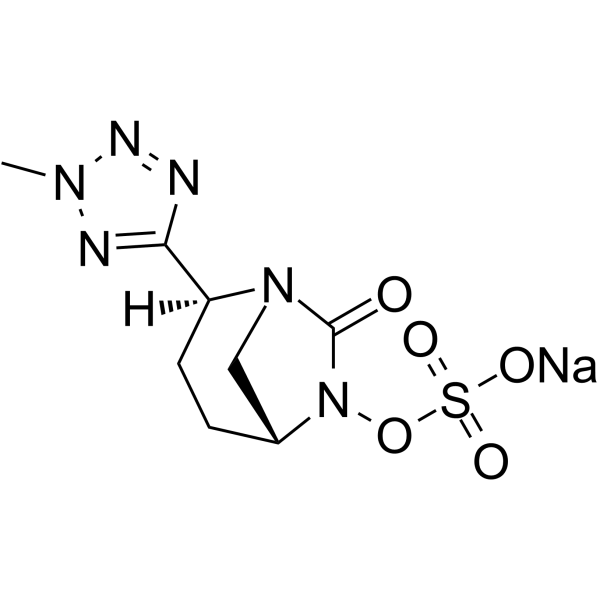 0 ImagesCat. No.: HY-139775CAS No.: 1426572-65-7Antibacterial agent 58, an antibacterial agent, significantly lowers MIC value of antibacterial agent Ceftazidime.
-
Rifametane
 0 ImagesCat. No.: HY-123214CAS No.: 94168-98-6Rifametane is a new 3-azamethyl-rifamycin with a pharmacokinetic profile superior to that of rifampin and activity with peak serum concentrations higher than that of rifampin in healthy volunteers.
-
Sterigmatocystine (Standard)
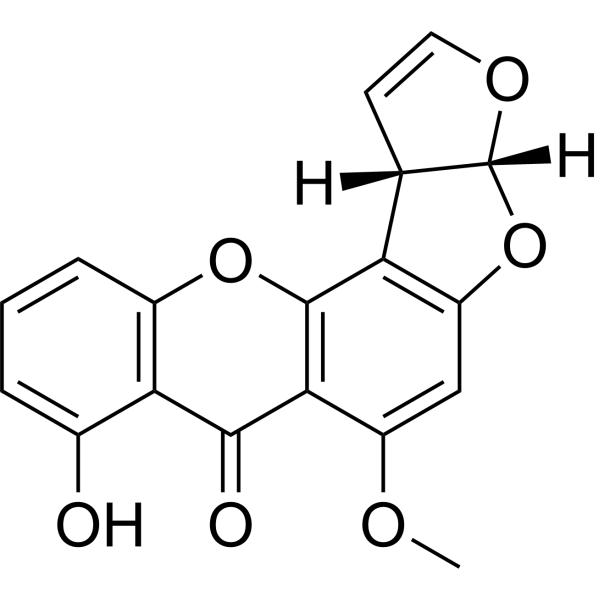 0 ImagesCat. No.: HY-N6725RCAS No.: 10048-13-2Sterigmatocystine (Standard) is the analytical standard of Sterigmatocystine. This product is intended for research and analytical applications. Sterigmatocystine is a precursor of aflatoxins and a mycotoxin produced by common mold strains from Aspergillus versicolor. Sterigmatocystine, a inhibitor of G1 Phase and DNA synthesis, is used to inhibit p21 activity. Sterigmatocystine has teratogenic, and carcinogenic effects in animals.
-
MDRTB-IN-1
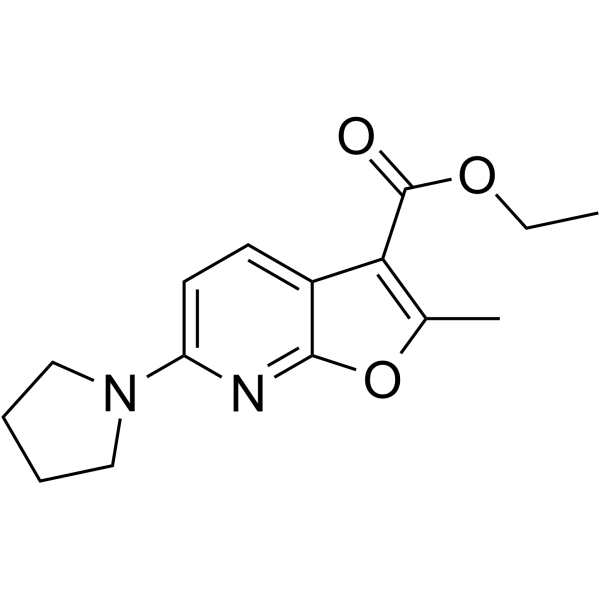 0 ImagesCat. No.: HY-126140CAS No.: 1973401-05-6MDRTB-IN-1 (5aα) is an antibiotic which is against Mycobacterium tuberculosis H37Rv with a MIC90 value of 10.5 μM.
-
Antimicrobial agent-12
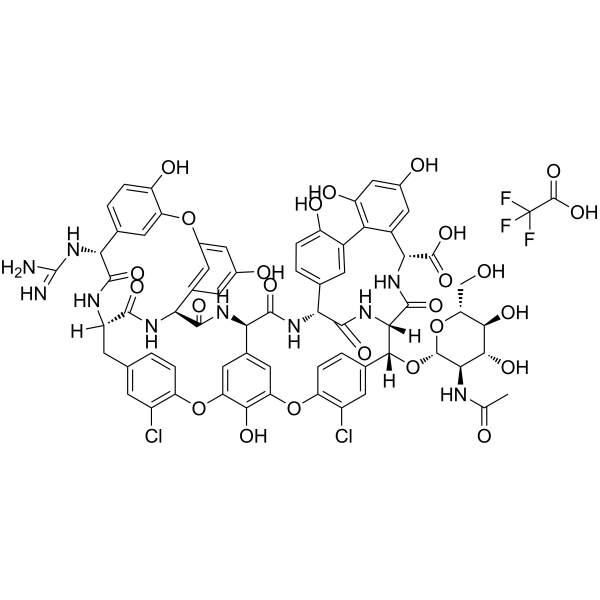 0 ImagesCat. No.: HY-151502Antimicrobial agent-12 is a potent antibacterial agent with SARS-CoV-2 inhibitory activity.
-
D-(+)-Melezitose hydrate
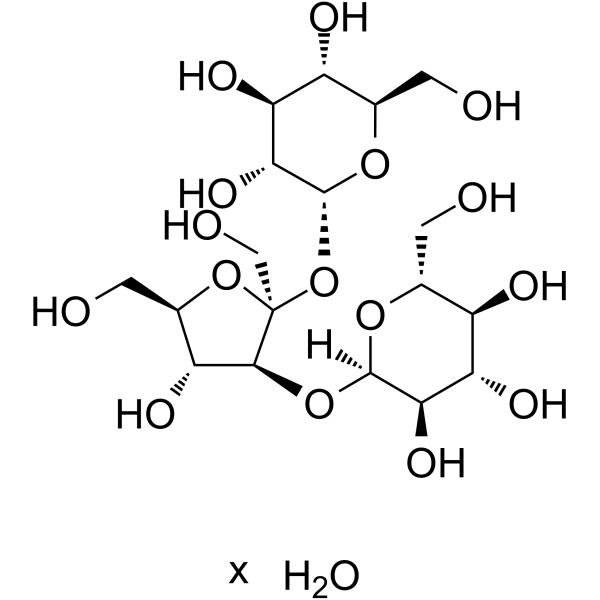 0 ImagesSynonyms: (+)-Melezitose hydrate; D-Melezitose hydrateD-(+)-Melezitose hydrate ((+)-Melezitose hydrate) can be used to identify clinical isolates of indole-positive and indole-negative Klebsiella spp.
-
Sporminarin B
 0 ImagesCat. No.: HY-N16444CAS No.: 915403-43-9Sporminarin B is an antibacterial and antifungal agent. Sporminarin B exhibits inhibitory activity against microorganisms such as Candida albicans and Staphylococcus aureus.
-
Cloxiquine (Standard)
 0 ImagesCloxiquine (Standard) is the analytical standard of Cloxiquine. This product is intended for research and analytical applications. Cloxiquine (5-Chloro-8-quinolinol) is an antibacterial, antifungal and antiamoebic agent. Cloxiquine can be used for the research of tuberculosis and dermatoses. Cloxiquine suppresses the growth and metastasis of melanoma cells through activation of PPARγ.
-
Demethoxycurcumin-d7
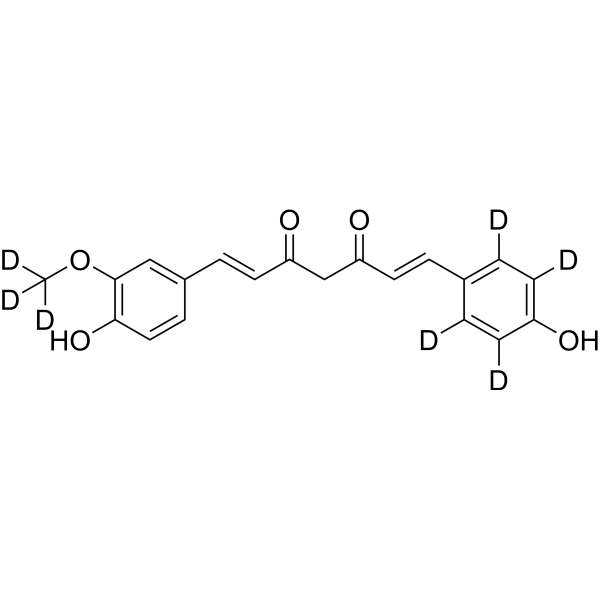 0 ImagesCat. No.: HY-N0006SCAS No.: 2470243-19-5Synonyms: Curcumin II-d7; Desmethoxycurcumin-d7; Monodemethoxycurcumin-d7
-
Dragons blood extract
 0 ImagesCat. No.: HY-N18765CAS No.: 90028-12-9Dragons blood extract contains a variety of bioactive compounds, including alkaloids, flavonoids, phenolic acids, and chalcone derivatives, which have antibacterial, anti-inflammatory, antioxidant, and wound-healing effects.
-
Ciclopirox (Standard)
 0 ImagesSynonyms: HOE296b (Standard)Ciclopirox (Standard) is the analytical standard of Ciclopirox. This product is intended for research and analytical applications. Ciclopirox (HOE296b) is a synthetic and orally active antifungal agent that can be used for superficial mycoses reseaech. Ciclopirox olamine has a very broad spectrum of activity and inhibits dermatophytes, yeasts, molds, and many Gram-positive and Gram-negative species pathogenic. Ciclopirox also has anticancer and anti-inflammatory effect.
-
MetRS-IN-1
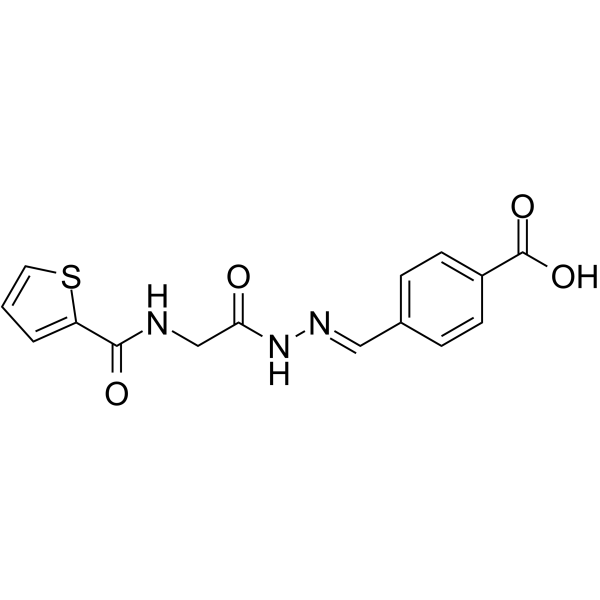 0 ImagesCat. No.: HY-147381CAS No.: 324015-12-5MetRS-IN-1 (Compound 27) is an E. coli methionyl-tRNA synthetase (MetRS) inhibitor (IC50=237 nM).
-
Topoisomerase IV inhibitor 2
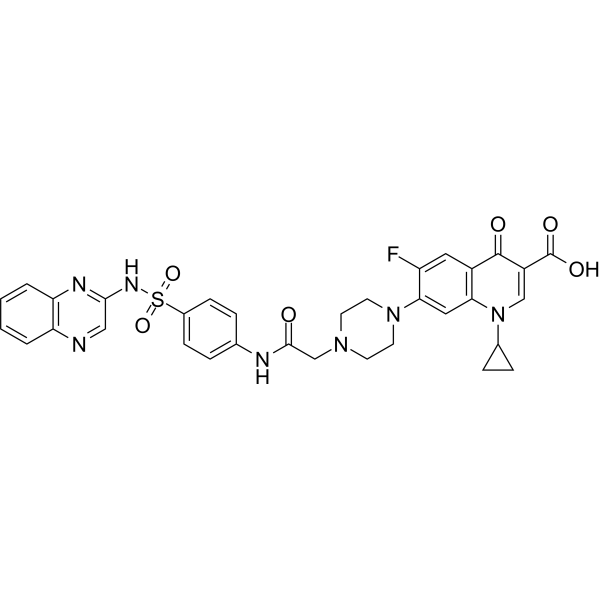 0 ImagesCat. No.: HY-115991CAS No.: 2883403-36-7Topoisomerase IV inhibitor 2 (compound 5d) is a potent DNA topoisomerase IV (TOPO IV) inhibitor with IC50s of 0.35 μM and 0.55 μM for TOPO IV and DNA gyrase, respectively. Topoisomerase IV inhibitor 2 has anti-bacterial activity, with MICs of 1.985 μM and 0.744 μM in Staphylococcus aureus Newman and Escherichia coli ATCC8739, respectively.

-
Hikizimycin
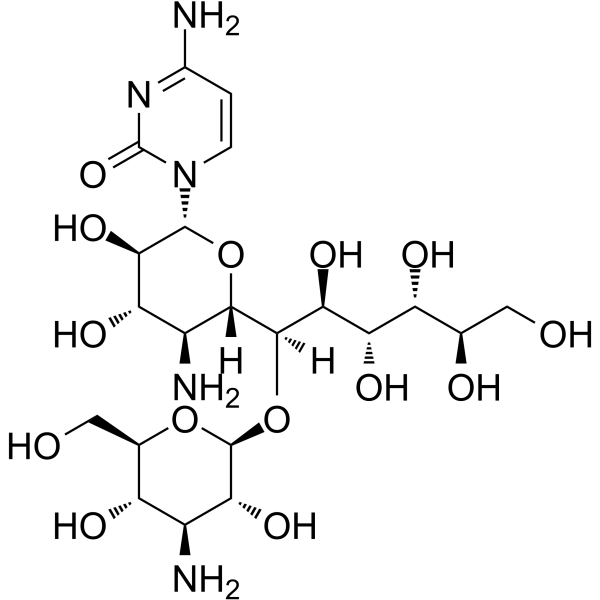 0 ImagesCat. No.: HY-127156CAS No.: 12706-94-4Synonyms: AnthelmycinHikizimycin is a potent anthelmintic and antibacterial natural product.
-
Phosalacine
 0 ImagesCat. No.: HY-122414CAS No.: 92567-89-0Phosalacine is a phosphorouscontaining tripeptide herbicidal antibiotic that can be isolated from soil isolate Kitasatosporia phosalacinea KA-338. Phosalacine also shows antibacterial and antifungal activity.
-
Spectinamide 1599
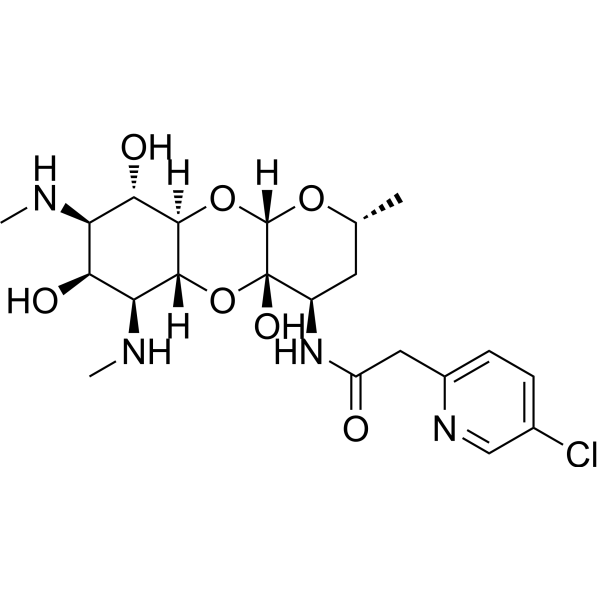 0 ImagesCat. No.: HY-139695CAS No.: 1620153-85-6Spectinamide-1599 is a combination partner for anti-tuberculosis research.
-
Antibacterial agent 271
 0 ImagesCat. No.: HY-173190Antibacterial agent 271 is an antibacterial agent with significant inhibition against Escherichia coli (MIC: 2.2 μM). Antibacterial agent 271 reduces metabolic activity by disrupting the integrity of bacterial membranes. Antibacterial agent 271 binds to DNA grooves to inhibit replication and induces accumulation of reactive oxygen species (ROS) , ultimately leading to bacterial death. Antibacterial agent 271 shows significant potential in combating bacterial infections.
-
NK-2
 0 ImagesCat. No.: HY-P10795CAS No.: 280138-31-0Synonyms: Antibiotic NK 2NK-2 (Antibiotic NK 2), a shortened linear amphipathic NK-Lysin analog (comprising residues 39 to 65 of NK-lysin), is an antimicrobial peptide that exhibits potent activities against trypanosoma cruzi, Candida albicans, gram-positive and gram-negative bacteria. NK-2 can kill trypanosomes residing inside the human glioblastoma cell line 86HG39, left the host cells apparently unharmed.
-
Catalpanp-1
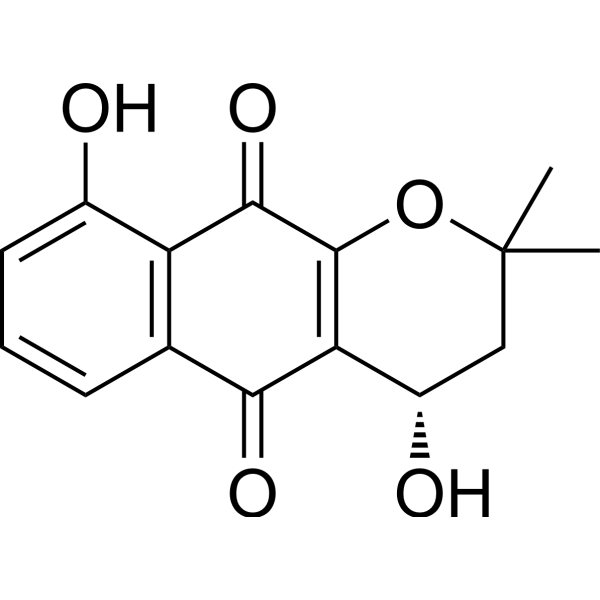 0 ImagesCat. No.: HY-N1886CAS No.: 56473-67-7Catalpanp-1 is a potent anti-microbial agent. Catalpanp-1 has strong antimicrobial effect on yeast, bacteria, fungi and the like.




