cIAP-1 Antagonist
-
Xevinapant
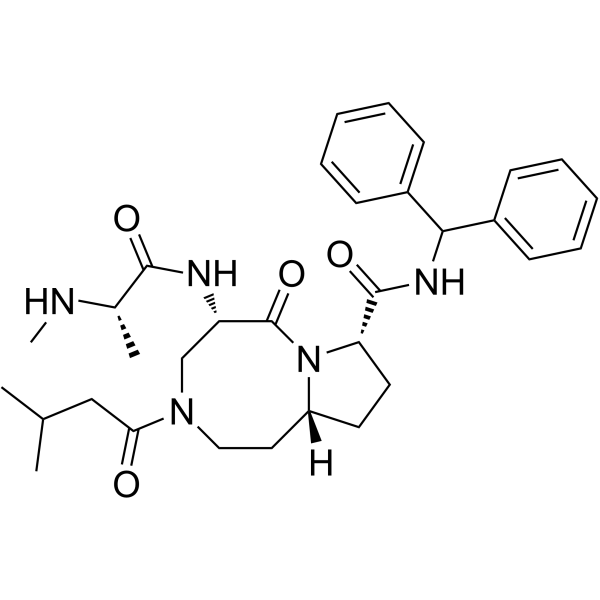 0 ImagesSynonyms: AT-406; Debio 1143; SM-406
-
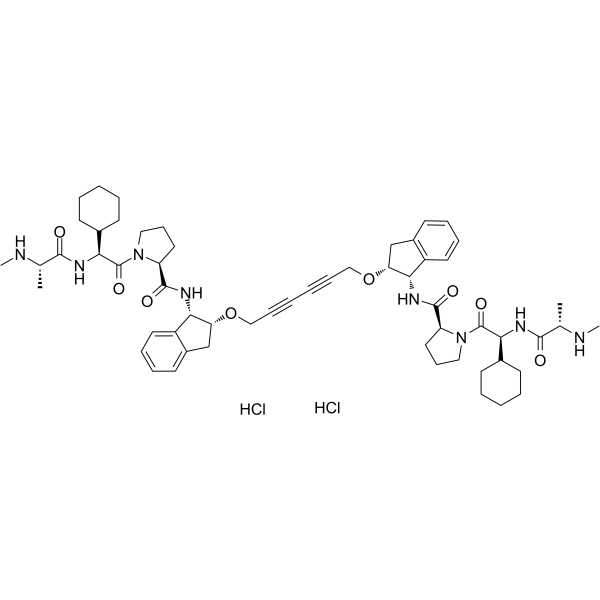
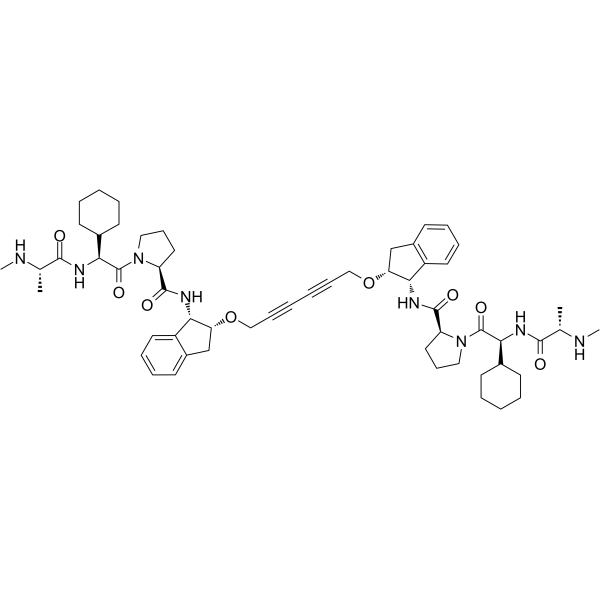
SM-164 hydrochloride
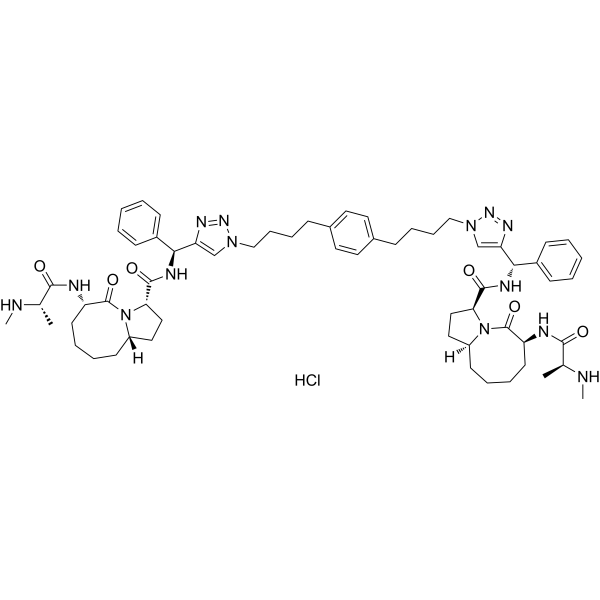 0 ImagesCat. No.: HY-15989ACAS No.: 2734174-02-6
-
HM90822
 0 ImagesCat. No.: HY-12440CAS No.: 1363145-46-3
HM90822 is an orally active IAP antagonist. HM90822 induces ubiquitination and proteasome-dependent degradation of XIAP, cIAP1 and cIAP2 in sensitive pancreatic cancer cells. HM90822 induces Apoptotic cell death. HM90822 inhibits tumor growth in Panc-1 pancreatic cancer xenograft and orthotopic mouse models. HM90822 can be used for the research of pancreatic cancer.
-
Xevinapant hydrochloride
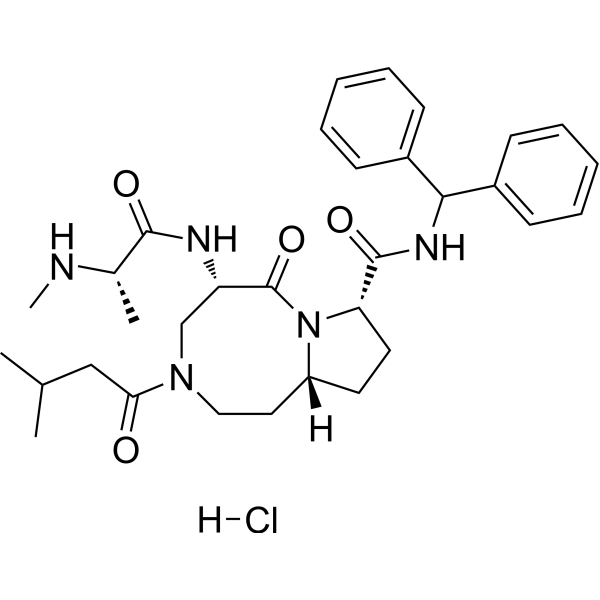 0 ImagesSynonyms: AT-406 hydrochloride; Debio 1143 hydrochloride; SM-406 hydrochloride
Xevinapant (AT-406) hydrochloride is a potent and orally bioavailable Smac mimetic and an antagonist of the inhibitor of apoptosis proteins (IAPs). Xevinapant hydrochloride binds to XIAP, cIAP1, and cIAP2 proteins with Kis of 66.4, 1.9, and 5.1 nM, respectively. Xevinapant hydrochloride effectively antagonizes XIAP BIR3 protein in a cell-free functional assay, induces rapid degradation of cellular cIAP1 protein, and inhibits cancer cell growth in various human cancer cell lines. Xevinapant hydrochloride is highly effective in induction of apoptosis in xenograft tumors.