



Wnt
The Wnt signaling pathways are a group of signal transduction pathways made of proteins that pass signals from outside of a cell through cell surface receptors to the inside of the cell. Three Wnt signaling pathways have been characterized: the canonical Wnt pathway, the noncanonical planar cell polarity pathway, and the noncanonical Wnt/calcium pathway. All three Wnt signaling pathways are activated by the binding of a Wnt-protein ligand to a Frizzled family receptor, which passes the biological signal to the protein Dishevelled inside the cell. The canonical Wnt pathway leads to regulation of gene transcription, the noncanonical planar cell polarity pathway regulates the cytoskeleton that is responsible for the shape of the cell, and the noncanonical Wnt/calcium pathway regulates calcium inside the cell. The clinical importance of Wnt signaling pathway has been demonstrated by mutations that lead to a variety of diseases, including breast and prostate cancer, glioblastoma, type II diabetes.
Wnt Isoform Specific Products
All Product Categories
-
Wnt Related Products (441)
Related Products (441)

-
Antibodies (26)
-
Wnt Isoform Comparison

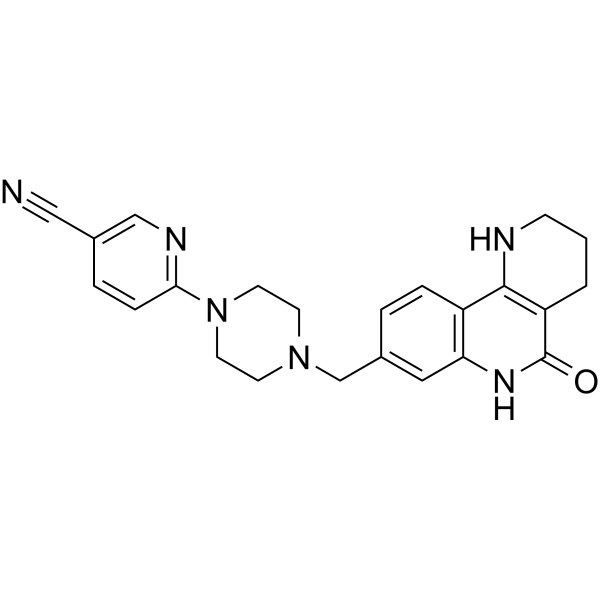
-
Withanolide B
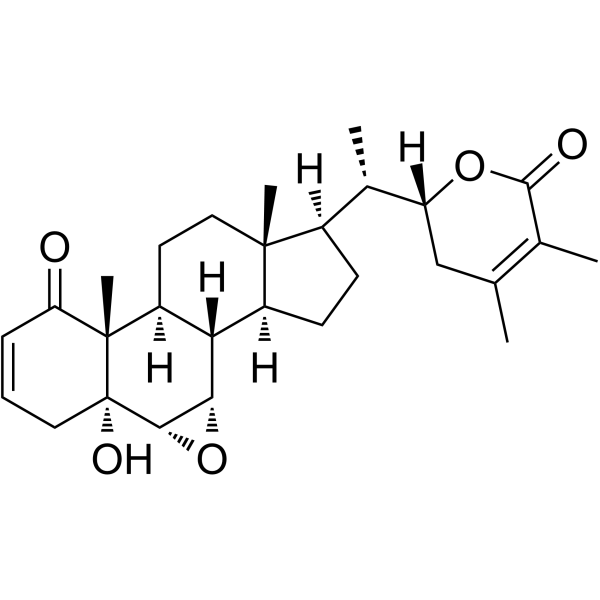 0 ImagesWithanolide B is an active component of W. somnifera Dunal. Withanolide B promotes osteogenic differentiation of hBMSCs via ERK1/2 and Wnt/β-catenin signaling pathways. Withanolide B exhibits neuroprotective, anti-arthritic, anti-aging and anti-cancer effects.
-
2,5-Dimethylcelecoxib
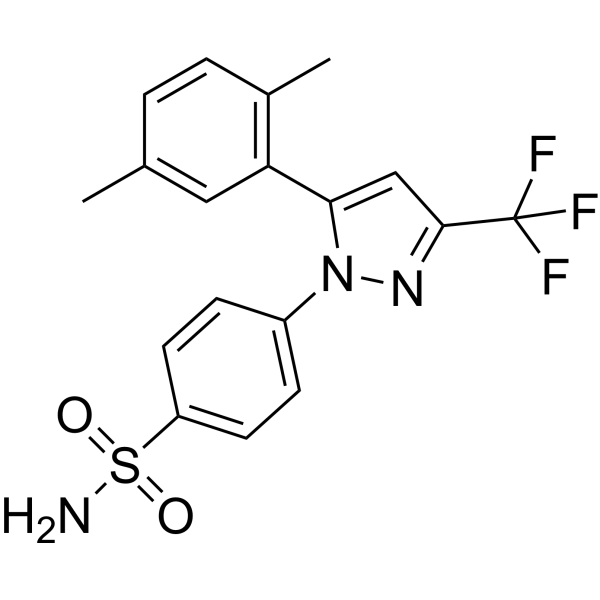 0 Images2,5-Dimethylcelecoxib is an analogue of celecoxib (HY-14398) with anticancer activity but without COX-2 inhibitory activity. 2,5-Dimethylcelecoxib exerts its anti-cancer cell proliferation effect by inhibiting the core mechanism of the Wnt/β-catenin signaling pathway. 2,5-Dimethylcelecoxib also inhibits T-cell factor-dependent transcriptional activity and inhibits expression of the Wnt/β-catenin target gene products cyclin D1 and survivin.
-
Indirubin-3′-oxime
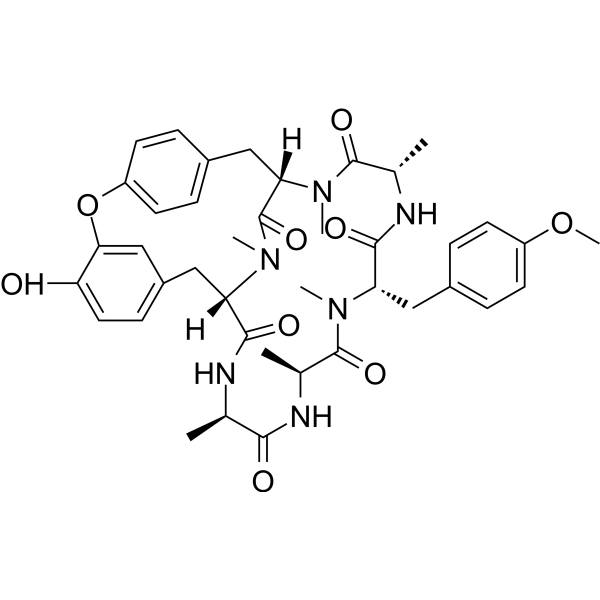
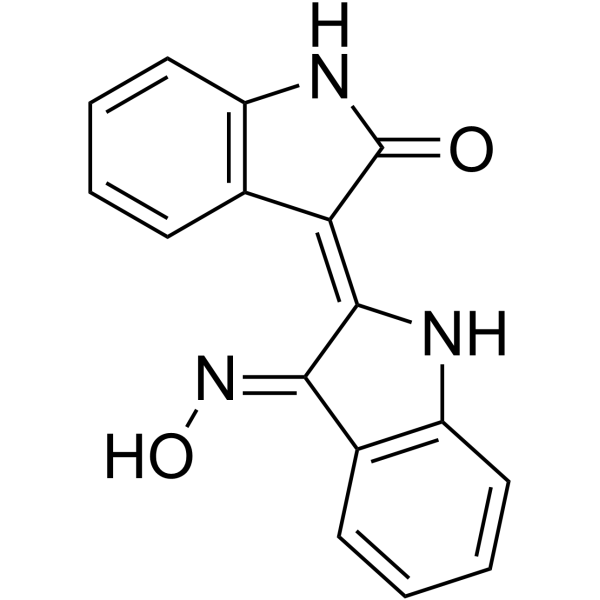 0 ImagesSynonyms: IDR3O; I3OIndirubin-3′-oxime (IDR3O), a synthetic derivative of indirubin, is a potent inhibitor of cyclin-dependent kinases (CDKs) and glycogen synthase kinase 3β (GSK3β). Indirubin-3′-oxime directly inhibits the activity of all three isoforms of JNK (JNK1, JNK2, and JNK3), with IC50s of 0.8 μM, 1.4 μM, and 1.0 μM, respectively. Indirubin-3′-oxime can enhance height growth via activation of Wnt/β-catenin signaling in chondrocytes.
-
Orcinol glucoside
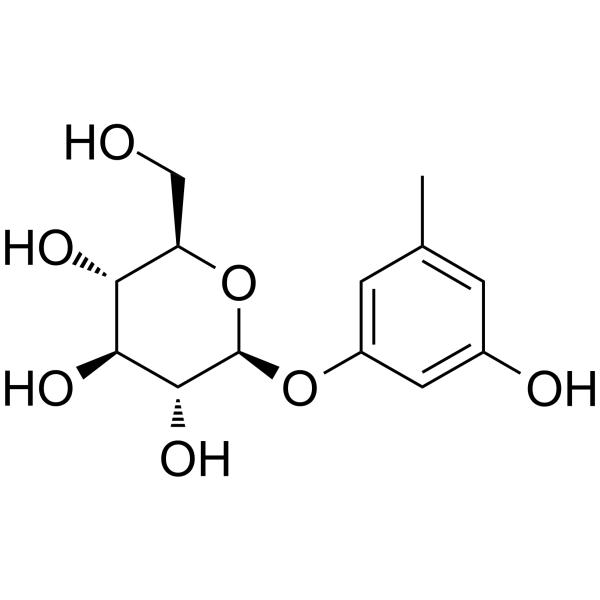 0 ImagesOrcinol glucoside is an orally active, blood-brain barrier permeable osteoblast proliferation promoter that targets the Nrf2/Keap1, mTOR and p38 signaling pathways. Orcinol glucoside promotes Nrf2 nuclear translocation, upregulates antioxidant enzyme levels, enhances the phosphorylation of mTOR and p70S6K, and inhibits the enzymatic activity of HAS2 as well as the nuclear translocation of GR. Orcinol glucoside also alleviates oxidative stress, inhibits autophagic flux, osteoclastogenesis and TGF-β1-induced M2 polarization, while reducing collagen deposition and effectively promoting the proliferation, differentiation and mineralization of osteoblasts. Orcinol glucoside also exhibits anti-pulmonary fibrosis, anxiolytic and antidepressant activities. Orcinol glucoside can be used in the research of senile and glucocorticoid-induced osteoporosis, idiopathic pulmonary fibrosis (IPF), anxiety and other related diseases.
-
Tizanidine
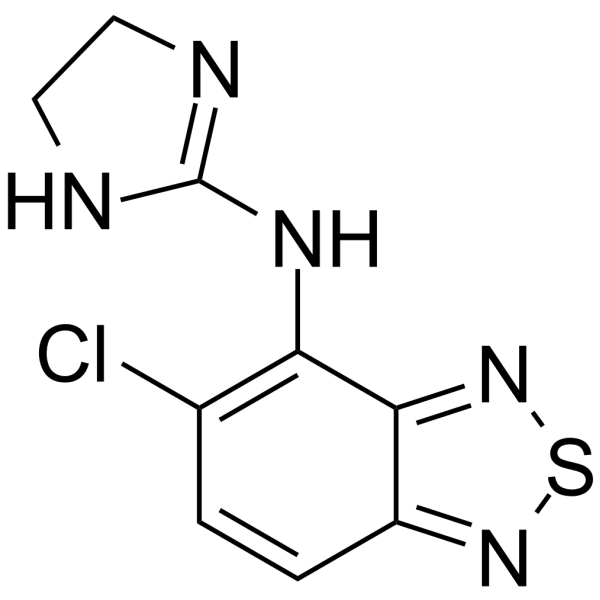 0 ImagesTizanidine, a skeletal muscle relaxant, is an orally effective central α2-adrenoceptor agonist (IC50 = 6.9 nmol). Tizanidine primarily exerts muscle relaxation effects by inhibiting the release of excitatory amino acids (glutamate and aspartate) from the presynaptic terminals of spinal cord interneurons. Tizanidine has anti-injury activity and can inhibit gastrointestinal (GI) transport. Tizanidine can inhibit the proliferation, migration, and invasion of lung cancer cells and induce cell apoptosis by upregulating Nischarin and inhibiting the AKT and Wnt3a/β-catenin signaling pathways. Tizanidine can be used to treat spasticity caused by diseases such as multiple sclerosis (MS), stroke, and spinal cord injury (SCI).
-
Cyflumetofen
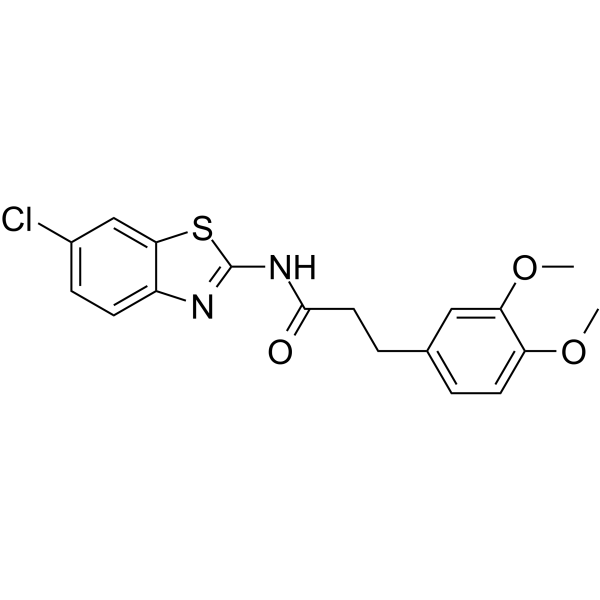
 0 ImagesCyflumetofen is a non-systemic acylacetonitrile Acaricide. Cyflumetofen interferes with the Wnt/β-catenin signaling pathway, induces Apoptosis, and reduces the level of tight junction proteins. Cyflumetofen upregulates the expression of Pink1, Parkin and Lrrk2 genes associated with the pathogenesis of Parkinson's disease in zebrafish larvae. Cyflumetofen induces developmental toxicity and oxidative stress in zebrafish larvae, damages neurons, reduces motor activity, alters brain tissue structure, and disrupts blood-brain barrier structure. Cyflumetofen exhibits acaricidal activity against spider mites. Cyflumetofen can be used in studies related to Parkinson's disease and infestations by spider mites (Tetranychus urticae, Tetranychus kanzawai, Panonychus citri).
-
ARUK3001185
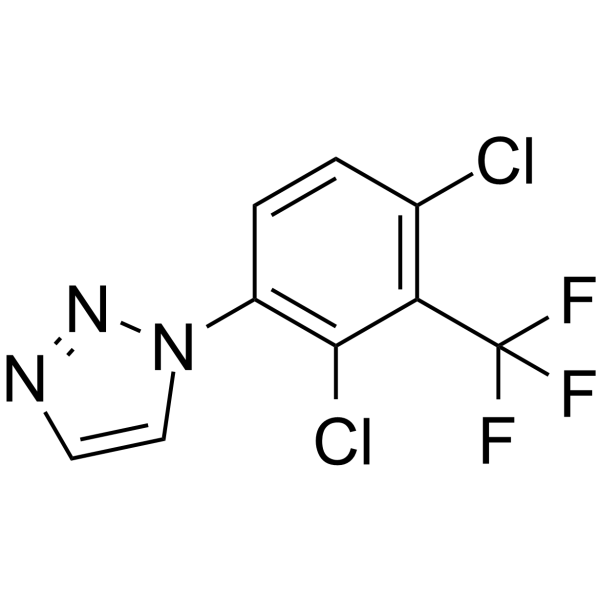 0 ImagesARUK3001185 is a potent, selective, orally active and brain-penetrant inhibitor of Notum (IC50 = 6.7 nM). ARUK3001185 can restore Wnt signaling in the presence of Notum in vitro. ARUK3001185 is selective against serine hydrolases, kinases, and drug targets. ARUK3001185 can be used to research the role of Notum plays in diseases.
-
Perfluoroundecanoic acid
 0 ImagesPerfluoroundecanoic acid is a perfluoroalkyl substance (PFAS). Perfluoroundecanoic acid is an orally active oxidative stress inducer. Perfluoroundecanoic acid promotes macrophage M2 polarization, activates Wnt/β-catenin signaling and enhances β-catenin nuclear accumulation. Perfluoroundecanoic acid -induced M2 phenotype macrophage accelerates tumor progression in vitro and in vivo. Perfluoroundecanoic acid induces DNA damage, reproductive and pathophysiological dysfunctions via oxidative stress in male Swiss mice. Perfluoroundecanoic acid inhibits Leydig cell development in pubertal male rats via inducing oxidative stress and autophagy. Perfluoroundecanoic acid accelerates insulitis development in a mouse model of type 1 diabetes. Perfluoroundecanoic acid can be used for the study of ovarian cancer, type 1 diabetes and inflammation.
-
Murrayafoline A
 0 ImagesMurrayafoline A is a carbazole alkaloid that can be extracted from Murraya tetramera. Murrayafoline A directly targets Specificity protein 1 (Sp1), thereby inhibiting NF-κB and MAPK signaling pathways. Murrayafoline a induces a G0/G1-phase arrest in platelet-derived growth factor (PDGF)-stimulated vascular smooth muscle cells. Murrayafoline A attenuates the Wnt/β-catenin pathway by promoting the degradation of intracellular β-catenin proteins. Murrayafoline A enhances the contraction of rat ventricular myocytes and L-type calcium current by activating protein kinase C. Murrayafoline A inhibits LPS (HY-D1056)-induced neuroinflammation in vivo. Murrayafoline A can be used for the study of inflammation, vascular complications and colon cancer.
-
Dalosirvat
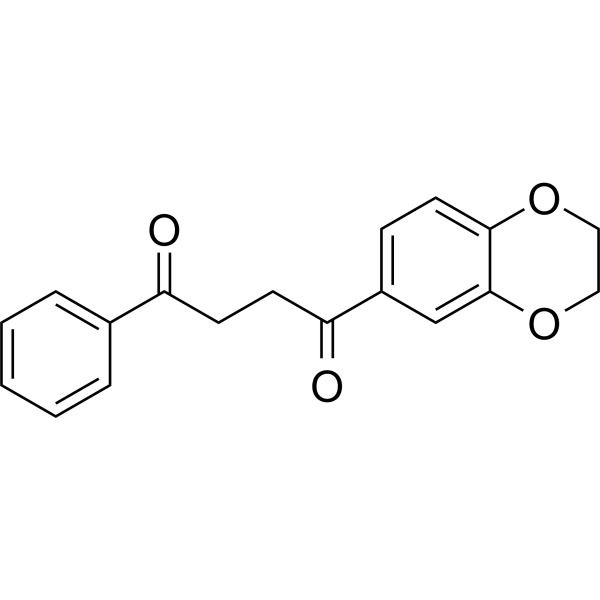 0 ImagesSynonyms: SM-04554; Wnt pathway activator 1
-
ABC99
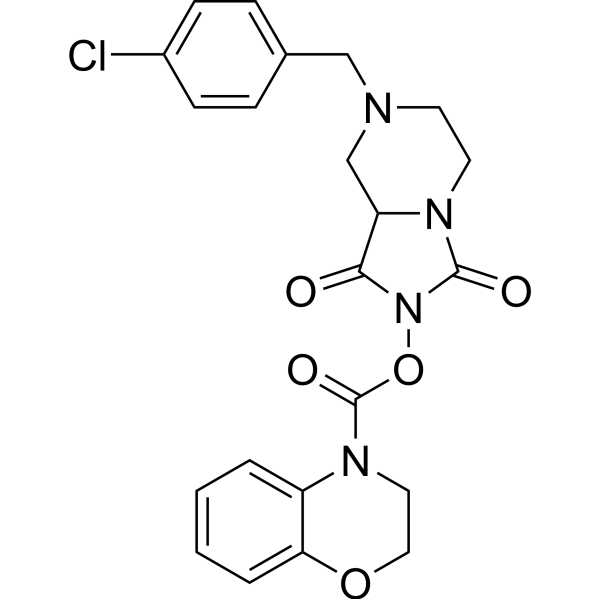 0 ImagesABC99 is an N-hydroxyhydantoin (NHH) carbamate that selectively inhibits the Wnt-deacylating enzyme NOTUM (IC50=13 nM). ABC99 preserves Wnt3A signaling in the presence of NOTUM.
-
Mirodenafil
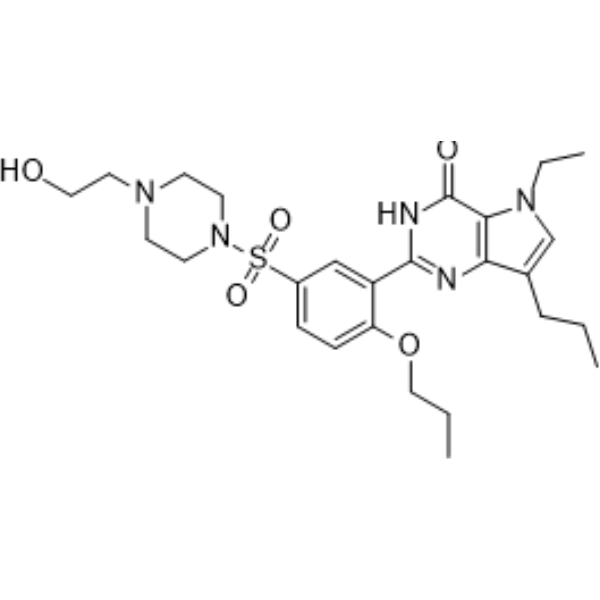 0 ImagesSynonyms: SK3530Mirodenafil (SK3530) is an orally active, potent, reversible, and selective phosphodiesterase 5 (PDE5) inhibitor. Mirodenafil is a glucocorticoid receptor (GR) modulator Mirodenafil activates the Wnt/β-catenin signaling pathway by downregulating Dkk1 expression. Mirodenafil can be used for the research of erectile dysfunction (ED), Alzheimer’s disease (AD) and systemic sclerosis (SSc).




