



NIC-0102

Based on 1 Customer Validation
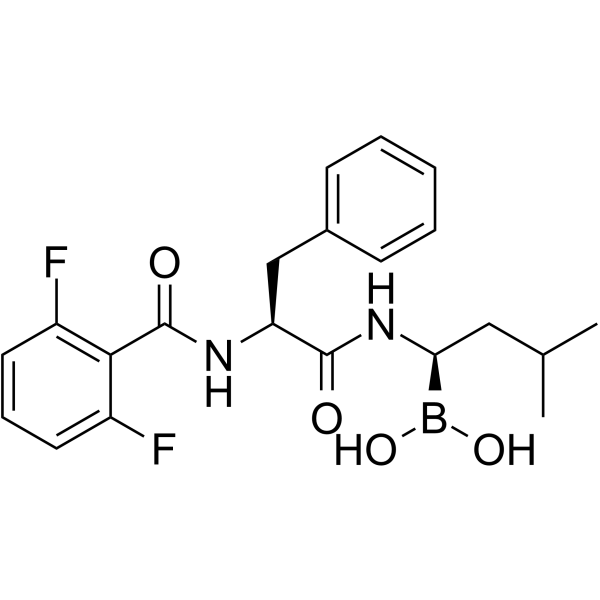
NIC-0102 is an orally active proteasome inhibitor (pIC50=7.55) that specifically inhibits NLRP3 inflammatory vesicle activation. NIC-0102 shows potent anti-inflammatory effects in a model of dextran sulfate sodium (DSS)-induced ulcerative colitis. NIC-0102 also inhibits production of pro-IL-1β.
For research use only. We do not sell to patients.
- Purity : 98.79%
- CAS No.: 2806031-94-5
- Formula: C21H25BF2N2O4
- Molecular Weight:418.24
-
Storage:Powder -20°C, 3 years , 4°C, 2 years ; In solvent -80°C, 6 months , -20°C, 1 month

To place orders, for customer services and technical support, please contact: MedChemExpress USA
Tel: 609-228-6898 E-mail: [email protected] [email protected]


-
 Biological Activity
-
Chemical Information
-
Solvent & Solubility
- Protocols
- Purity & Documentation
- References
-
 Help & FAQs


-
HY-10455
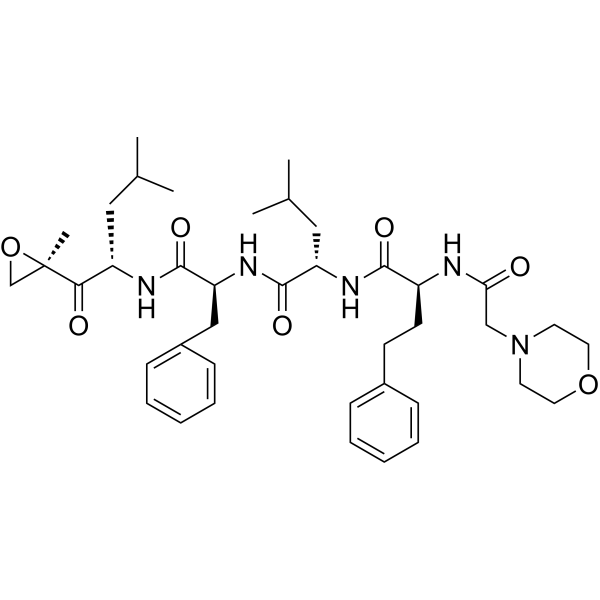
CarfilzomibProteasome Inhibitor -
HY-13207
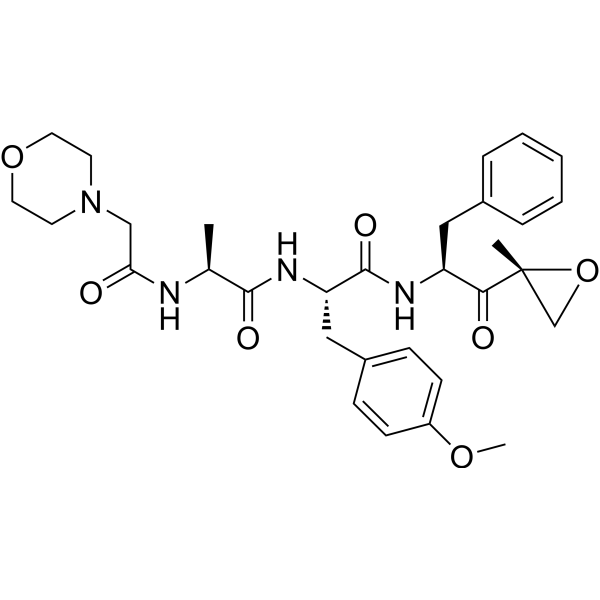
ONX-0914Proteasome Inhibitor -
HY-12113
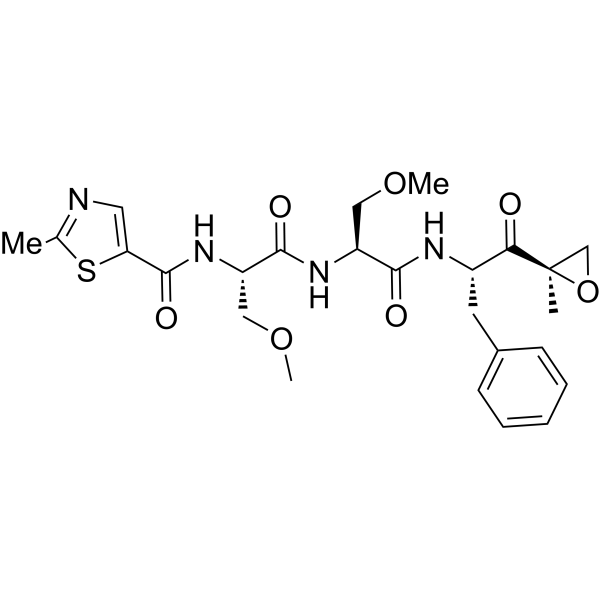
OprozomibProteasome Inhibitor -
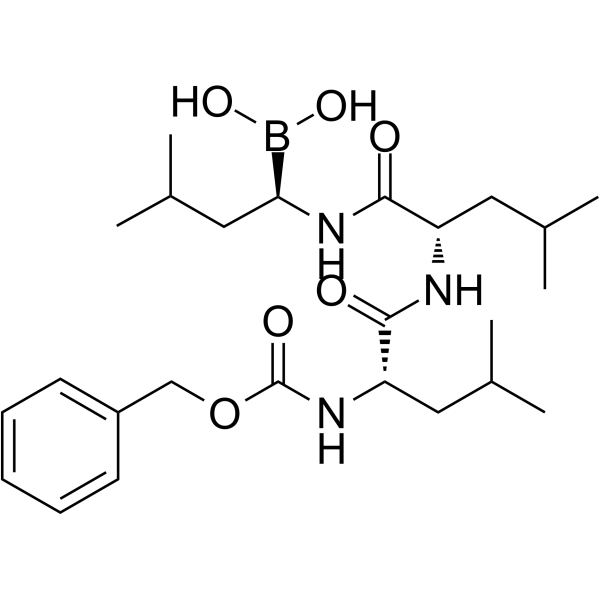
HY-108551
MG-262Proteasome Inhibitor -
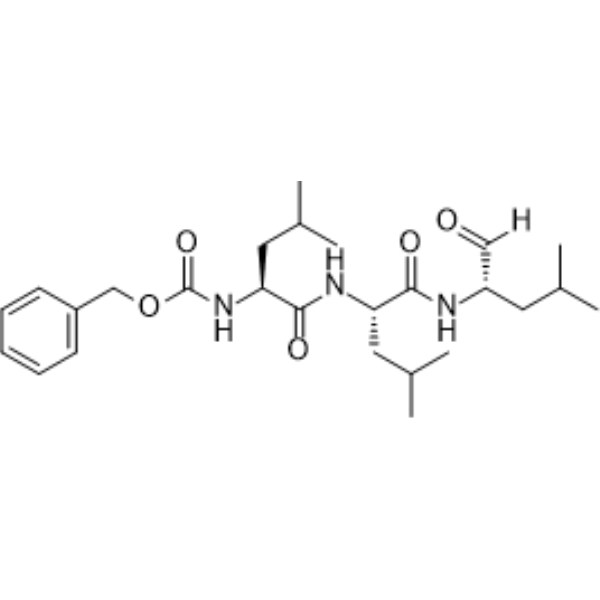
HY-13259
MG-132Proteasome Inhibitor -
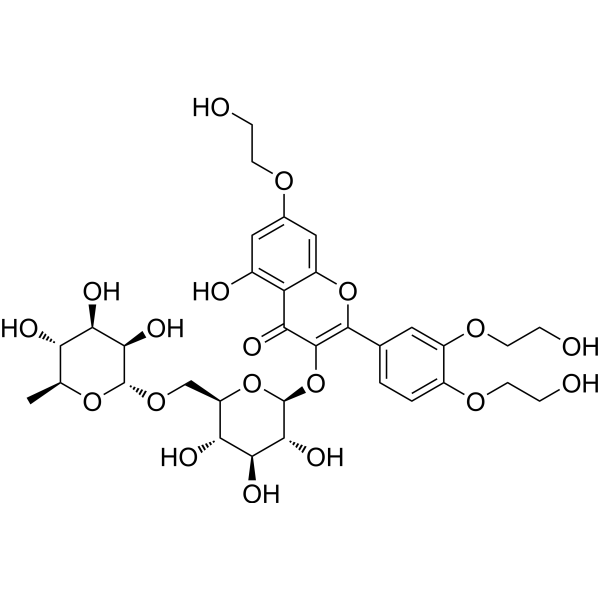
HY-N0139
TroxerutinNOD-like Receptor (NLR) Inhibitor -
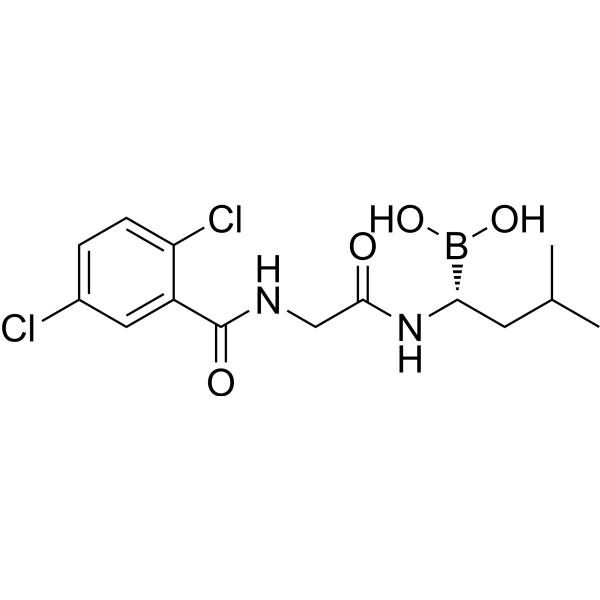
HY-10453
IxazomibProteasome Inhibitor -
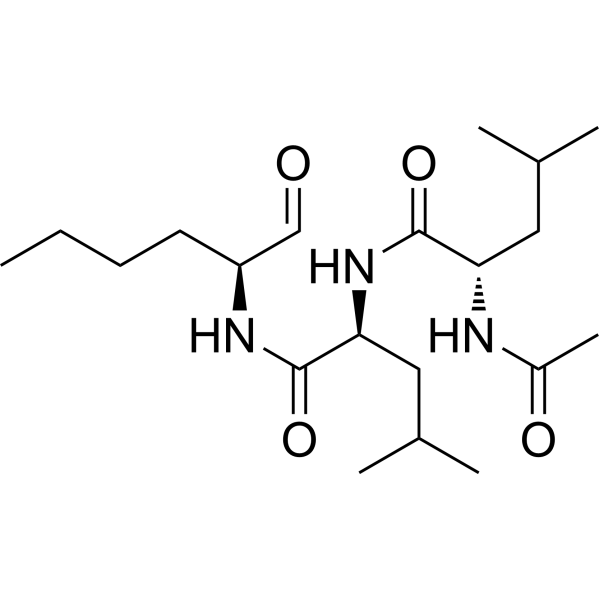
HY-18964
MG-101Cysteine Protease Inhibitor -
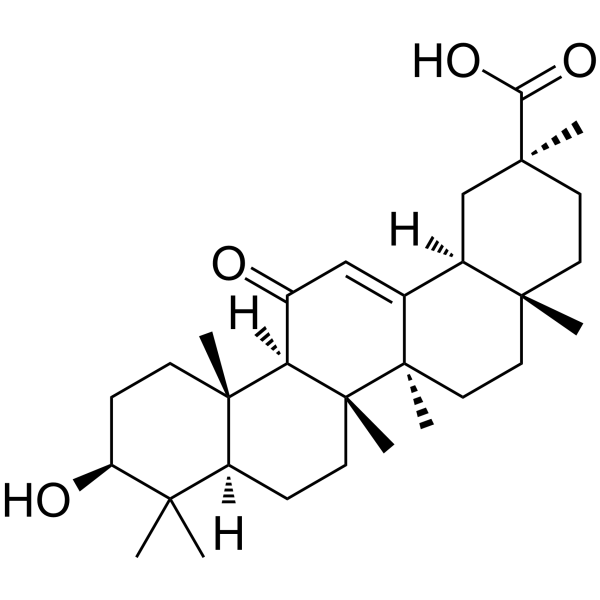
HY-N0375
18α-Glycyrrhetinic acidNF-kB Inhibitor -
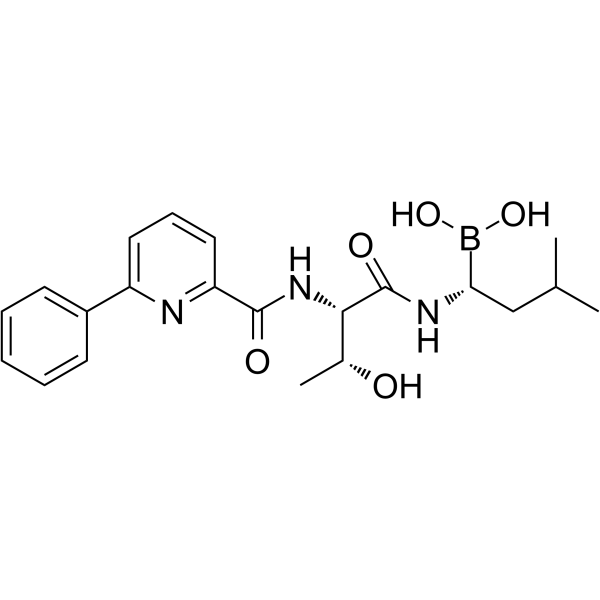
HY-10454
DelanzomibProteasome Inhibitor -
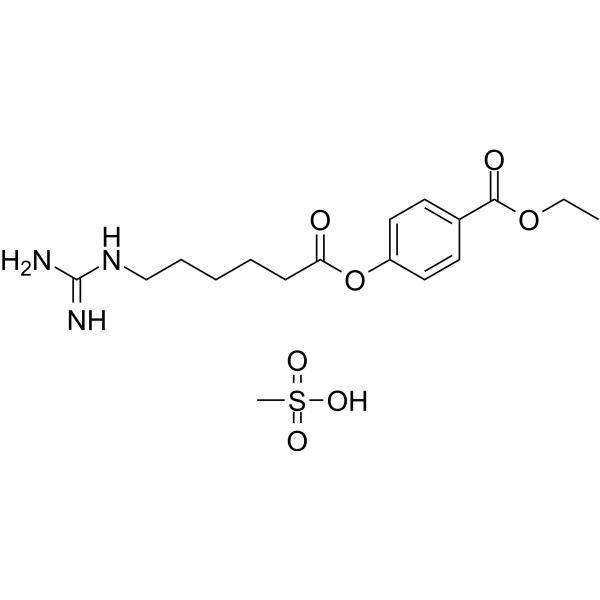
HY-B0385
Gabexate mesylateProteasome Inhibitor -
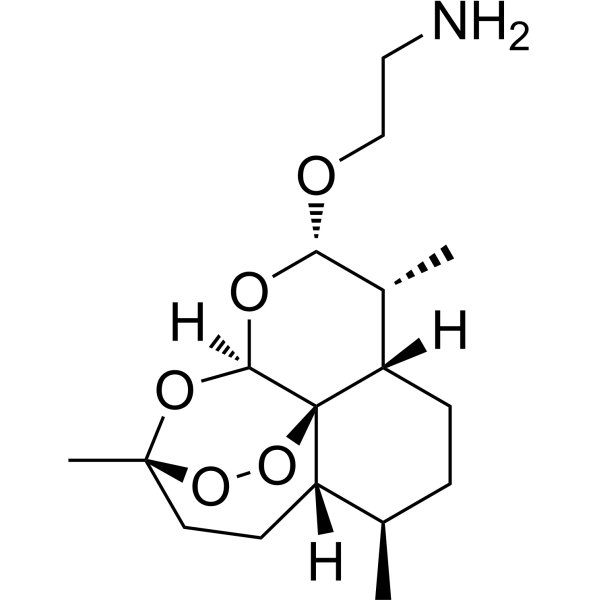
HY-137553
β-AminoarteetherArtemisinin Derivative


Biological Activity
Description
IC50 & Target
[1]|
proteasom β5 3.7 nM (IC50) |
proteasom β2 100.5 nM (IC50) |
proteasom β1 113.6 nM (IC50) |
In Vitro
NIC-0102 (compound 27) (7.5, 15, 30, 60 nM; 1h) specifically suppresses NLRP3 inflammasome activation in LPS-primed J774A.1 and BMDM cells[1].
NIC-0102 (7.5, 15, 30, 60 nM; 1h) induces polyubiquitination of NLRP3 via inhibition of the proteasome during the activation step in LPS-primed J774A.1 cells[1].
NIC-0102 (7.5, 15, 30, 60 nM; 1h) exhibits inhibitory effects on NF-κB in the priming step of the NLRP3 pathway in LPS-primed J774A.1 cells[1].
NIC-0102 (15, 60 nM; 1h) blocks NLRP3-ASC interaction and ASC oligomerization in LPS-primed J774A.1 cells[1].
MedChemExpress (MCE) has not independently confirmed the accuracy of these methods. They are for reference only. Further protocols information, click here.
-
Cell Line:J774A.1 and BMDM cells (LPS-primed)
-
Concentration:7.5, 15, 30, 60 nM
-
Incubation Time:1 h
-
Result:Inhibited the release of IL-1β in a dose-dependent manner.
-
Cell Line:J774A.1 cells (LPS-primed)
-
Concentration:7.5, 15, 30, 60 nM
-
Incubation Time:1 h
-
Result:Dose-dependently inhibited the release of mature IL-1β and the caspase-1 p20 subunit in supernatants from J774A.1 cells but did not affect pro-IL-1β, pro-caspase-1, NLRP3, or ASC in cell lysates.
Increased the polyubiquitinated NLRP3 protein in adose-dependent manner, and significantly increased the amount of c-Cbl and Cbl-b.
Showed an inhibitory effect on the NF-κB subunit p65, phosphorylated p65, and NLRP3 protein at 60 nM, at which NF-κB-dependent TNF-α secretion was slightly decreased.
-
Cell Line:J774A.1 cells (LPS-primed)
-
Concentration:15, 60 nM
-
Incubation Time:1 h
-
Result:Inhibited the interaction between NLRP3and ASC stimulated by LPS and nigericin.
Showed a concentration-dependent suppression effect on ASC oligomerization.
In Vivo
MedChemExpress (MCE) has not independently confirmed the accuracy of these methods. They are for reference only.
-
Animal Model:Male C57BL/6 mice (6 to 8-week-old; DSS-induced ulcerative colitis model)[1].
-
Dosage:0.125, 0.25, and 0.5 mg/kg
-
Administration:Oral gavage; single every 72 h for 10 days.
-
Result:Significantly suppressed weight and fecal occult blood.
Decreased colonic length in a dose-dependent manner.
Resulted in a dose-dependent reduction in tissue-associated IL-1β concentration and significantly inhibited pro-IL-1β.
-
Animal Model:Male C57BL/6 mice (6 to 8-week-old)[1].
-
Dosage:0.5 mg/kg (for i.v.); 1 mg/kg (for p.o.)
-
Administration:Intravenous injection; Oral gavage; single.
-
Result:
1.19 Pharmacokinetic Parameters of NIC-0102 in male C57BL/6 mice[1].
IV (0.5 mg/kg) PO (1 mg/kg) T1/2 (h) 4.73 8.36 Tmax (h) 0.08 0.25 Cmax (ng/mL) 376.6 207.7 AUC0-∞ (h•ng/mL) 448.8 489.2 MRT0-∞ (h) 6.14 - Vz (L/kg) 7.7 - CL (mL/min/kg) 18.8 - F (%) - 48.1%


Chemical Information
-
CAS No. 2806031-94-5
-
Appearance Solid
-
Molecular Weight 418.24
-
Formula C21H25BF2N2O4
-
Color White to off-white
-
SMILES
CC(C[C@@H](B(O)O)NC([C@@H](NC(C1=C(C=CC=C1F)F)=O)CC2=CC=CC=C2)=O)C
-
Shipping
Room temperature in continental US; may vary elsewhere.
-
Storage
Powder -20°C 3 years 4°C 2 years In solvent -80°C 6 months -20°C 1 month


Solvent & Solubility
In Vitro:
DMSO : 100 mg/mL (239.10 mM; Need ultrasonic; Hygroscopic DMSO has a significant impact on the solubility of product, please use newly opened DMSO)
Please refer to the solubility information to select the appropriate solvent. Once prepared, please aliquot and store the solution to prevent product inactivation from repeated freeze-thaw cycles.
Storage method and period of stock solution: -80°C, 6 months; -20°C, 1 month. When stored at -80°C, please use it within 6 months. When stored at -20°C, please use it within 1 month.
Please refer to the solubility information to select the appropriate solvent. Once prepared, please aliquot and store the solution to prevent product inactivation from repeated freeze-thaw cycles.
Storage method and period of stock solution: -80°C, 6 months; -20°C, 1 month. When stored at -80°C, please use it within 6 months. When stored at -20°C, please use it within 1 month.
Concentration (start) × Volume (start) = Concentration (final) × Volume (final)
In Vivo:
Select the appropriate dissolution method based on your experimental animal and administration route.
- For the following dissolution methods, please ensure to first prepare a clear stock solution using an In Vitro approach and then sequentially add co-solvents:
- To ensure reliable experimental results, the clarified stock solution can be appropriately stored based on storage conditions. As for the working solution for In Vivo experiments, it is recommended to prepare freshly and use it on the same day.
- The percentages shown for the solvents indicate their volumetric ratio in the final prepared solution. If precipitation or phase separation occurs during preparation, heat and/or sonication can be used to aid dissolution.
Add each solvent one by one: 10% DMSO 40% PEG300 5% Tween-80 45% Saline
Solubility: 2.5 mg/mL (5.98 mM); Clear solution; Need ultrasonic
This protocol yields a clear solution of 2.5 mg/mL.
Taking 1 mL working solution as an example, add 100 μL DMSO stock solution (25.0 mg/mL) to 400 μL PEG300, and mix evenly; then add 50 μL Tween-80 and mix evenly; then add 450 μL Saline to adjust the volume to 1 mL.
Preparation of Saline: Dissolve 0.9 g sodium chloride in ddH₂O and dilute to 100 mL to obtain a clear Saline solution.
In Vivo Dissolution Calculator
Please enter the basic information of animal experiments:
-
-
-
-
Recommended: Prepare an additional quantity of animals to account for potential losses during experiments.
Please enter your animal formula composition:
-
%DMSO +
Recommended: Keep the proportion of DMSO in working solution below 2% if your animal is weak.
-
%+
-
+%Tween-80 + +
-
%Saline +
The co-solvents required include: DMSO, . All of co-solvents are available by MedChemExpress (MCE). , Tween 80. All of co-solvents are available by MedChemExpress (MCE).
Working solution concentration: 0.22 mg/mL
Method for preparing stock solution: mg drug dissolved in μL DMSO. Stock solution concentration: mg/mL.
1. Take μL DMSO stock solution;
2. Add μL .
μL , mix evenly;
3. Then add μL Tween 80, mix evenly;
4. Then add μL
Please ensure that the stock solution in the first step is dissolved to a clear state, and add co-solvents in sequence. You can use ultrasonic heating (ultrasonic cleaner, recommended frequency 20-40 kHz), vortexing, etc. to assist dissolution.

Protocols
-
DSS-Induced Colitis
Dextran sulfate sodium (DSS)-induced colitis is generated by administering DSS in mouse drinking water, producing epithelial injury, barrier disruption, weight loss, diarrhea, fecal blood, colon shortening, histologic mucosal damage, and inflammatory mediator changes; the model is mainly used to study acute or chronic intestinal inflammation resembling selected features of ulcerative colitis. DSS injury is interpreted through clinical and tissue readouts rather than a single molecular endpoint: daily body weight, stool consistency, and bleeding are combined into a disease activity index, while colon length, histology, cytokines, myeloperoxidase activity, intestinal permeability, and tight-junction markers provide complementary measures of inflammation and barrier damage.
-
TNBS-Induced Colitis
TNBS-induced colitis is produced by intrarectal delivery of 2,4,6-trinitrobenzene sulfonic acid in ethanol, where ethanol disrupts the mucosal barrier and TNBS haptenates colonic proteins, generating immune-mediated colonic inflammation with weight loss, diarrhea, ulceration, transmural injury, inflammatory-cell infiltration, and cytokine responses. The model is used as an experimental intestinal inflammation model with Crohn’s disease–like features, especially when Th1-type responses, IL-12–dependent inflammation, chronic relapsing inflammation, or fibrosis-related endpoints are studied.
-
Research Protocol for Inflammation-related Diseases
The NLRP3 inflammasome is a cytosolic innate immune signaling platform that integrates priming signals and danger-signal activation to promote caspase-1 activation, maturation of IL-1β and IL-18, and gasdermin D-mediated pyroptotic cell death. The core experimental logic is to determine whether inflammatory disease phenotypes are driven by increased NLRP3 expression, ASC-containing inflammasome assembly, caspase-1 cleavage, GSDMD cleavage, and extracellular release of IL-1β/IL-18 rather than by nonspecific cell injury alone. The pathway is strongly linked to inflammation-related disease phenotypes because monosodium urate crystals activate NALP3/NLRP3 inflammasome signaling in gout-like crystal inflammation, cholesterol crystals activate NLRP3 inflammasomes in atherogenesis models, and DSS-induced intestinal inflammation has been reported to involve NLRP3 inflammasome activity. However, experimental colitis studies also show context-dependent protective effects of NLRP3 inflammasome co
-
Pyroptosis Solutions
Pyroptosis is a lytic inflammatory cell-death pathway executed by gasdermin pores, most classically through inflammasome-mediated activation of caspase-1, cleavage of gasdermin D, membrane pore formation, LDH release, and secretion of IL-1β and IL-18. The canonical pathway is commonly modeled by priming cells with an inflammatory signal such as LPS to induce pro-IL-1β and inflammasome components, followed by an activation signal such as ATP or nigericin to activate NLRP3, ASC speck formation, caspase-1 cleavage, GSDMD cleavage, cytokine release, and pyroptotic membrane rupture. The non-canonical pathway is triggered when cytosolic LPS activates mouse caspase-11 or human caspase-4/5, leading to GSDMD cleavage and pyroptosis, and this can secondarily activate NLRP3-dependent IL-1β release. Pyroptosis is linked to inflammatory injury, infection, cancer, liver disease, ocular disease, placental inflammation, and other disease phenotypes, but unresolved questions include which gasdermin fam


Purity & Documentation
-
Data Sheet (281 KB)
-
SDS (251 KB)
- English - EN (251 KB)
- Français - FR (251 KB)
- Deutsch - DE (251 KB)
- Norwegian - NO (251 KB)
- Español - ES (251 KB)
- Swedish - SV (251 KB)
- Italian - IT (251 KB)
- Korean - KR (251 KB)
- Portuguese - PT (251 KB)
-
Handling Instructions (2659 KB)
References


Complete Stock Solution Preparation Table
Please refer to the solubility information to select the appropriate solvent. Once prepared, please aliquot and store the solution to prevent product inactivation from repeated freeze-thaw cycles.
Storage method and period of stock solution: -80°C, 6 months; -20°C, 1 month. When stored at -80°C, please use it within 6 months. When stored at -20°C, please use it within 1 month.
| Optional Solvent | Concentration Solvent Mass | 1 mg | 5 mg | 10 mg | 25 mg |
|---|---|---|---|---|---|
| DMSO | 1 mM | 2.3910 mL | 11.9549 mL | 23.9097 mL | 59.7743 mL |
| 5 mM | 0.4782 mL | 2.3910 mL | 4.7819 mL | 11.9549 mL | |
| 10 mM | 0.2391 mL | 1.1955 mL | 2.3910 mL | 5.9774 mL | |
| 15 mM | 0.1594 mL | 0.7970 mL | 1.5940 mL | 3.9850 mL | |
| 20 mM | 0.1195 mL | 0.5977 mL | 1.1955 mL | 2.9887 mL | |
| 25 mM | 0.0956 mL | 0.4782 mL | 0.9564 mL | 2.3910 mL | |
| 30 mM | 0.0797 mL | 0.3985 mL | 0.7970 mL | 1.9925 mL | |
| 40 mM | 0.0598 mL | 0.2989 mL | 0.5977 mL | 1.4944 mL | |
| 50 mM | 0.0478 mL | 0.2391 mL | 0.4782 mL | 1.1955 mL | |
| 60 mM | 0.0398 mL | 0.1992 mL | 0.3985 mL | 0.9962 mL | |
| 80 mM | 0.0299 mL | 0.1494 mL | 0.2989 mL | 0.7472 mL | |
| 100 mM | 0.0239 mL | 0.1195 mL | 0.2391 mL | 0.5977 mL |


NIC-0102 Related Classifications
HY-151252 Related Classifications
 Powered by Bioz