



Lipids
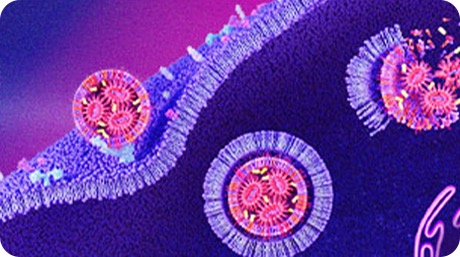
The term “lipid” has been loosely defined as any of a group of organic compounds that are insoluble in water but soluble in organic solvents. These chemical features are present in a broad range of molecules such as fatty acids, phospholipids, steroids, sphingolipids and others. Lipids have many key biological functions, such as acting as structural components of cell membranes, serving as energy storage sources and participating in signaling pathways. Furthermore, lipids are also widely used in drug delivery (lipid nanoparticles).
-
Structural Classification (6387)
- Docosanoids (7)
- Eicosanoids (323)
- Fatty Acids (1473)
- Fatty Alcohols (81)
- Fatty Aldehydes (26)
- Fatty Amides (178)
- Fatty Esters (893)
- Fatty Ethers (10)
- Fatty Nitriles (1)
- Glycerolipids (349)
- Glycerophospholipids (354)
- Hydrocarbons (52)
- Octadecanoids (187)
- Oxygenated Hydrocarbons (26)
- Polyketides (1476)
- Prenol Lipids (506)
- Saccharolipids (18)
- Sphingolipids (490)
- Sterol Lipids (802)
- Fatty Acyl Glycosides (12)
- Other Fatty Acyls (4)
-
Application Fields (4692)