



Octreotide acetate
Based on 17 publication(s) in Google Scholar
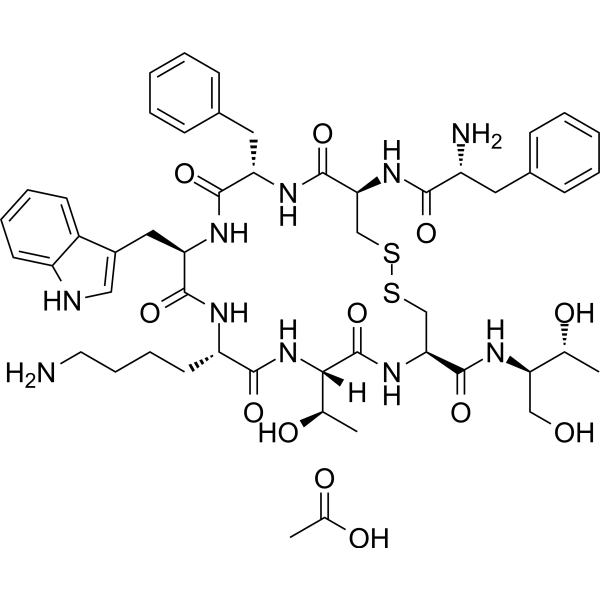
Octreotide acetate, a long-acting synthetic analog of native somatostatin, inhibits growth hormone, glucagon, and insulin more potently.
For research use only. We do not sell to patients.
- Purity : 99.92%
- CAS No.: 79517-01-4
- Formula: C51H70N10O12S2
- Molecular Weight:1079.29
-
Storage:
Sealed storage, away from moisture and light.
Powder -80°C, 2 years , -20°C, 1 year* In solvent : -80°C, 1 year; -20°C, 6 months (sealed storage, away from moisture and light)

To place orders, for customer services and technical support, please contact: MedChemExpress USA
Tel: 609-228-6898 E-mail: [email protected] [email protected]


-
 Biological Activity
-
Chemical Information
-
Solvent & Solubility
- Protocol
- Purity & Documentation
- References
-
 Help & FAQs


-
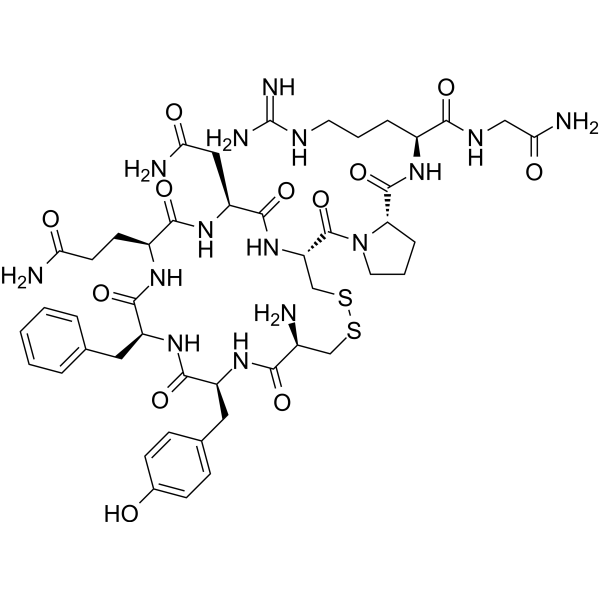
HY-B1811
VasopressinCyclic Nonapeptide -
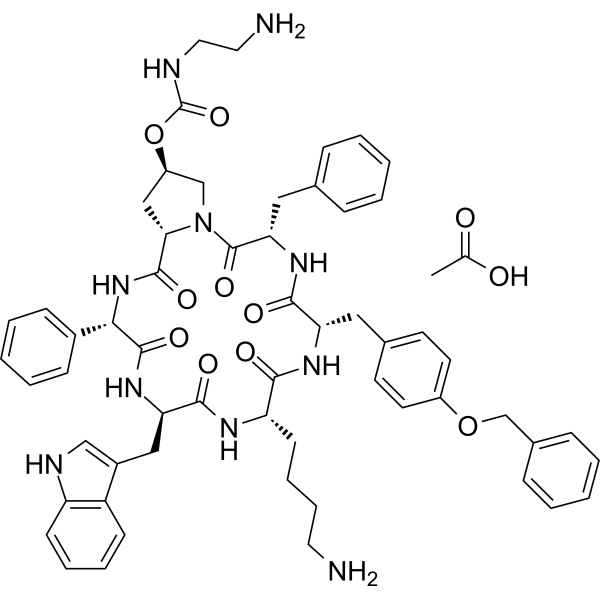
HY-16381A
Pasireotide acetateSomatostatin Agonist -
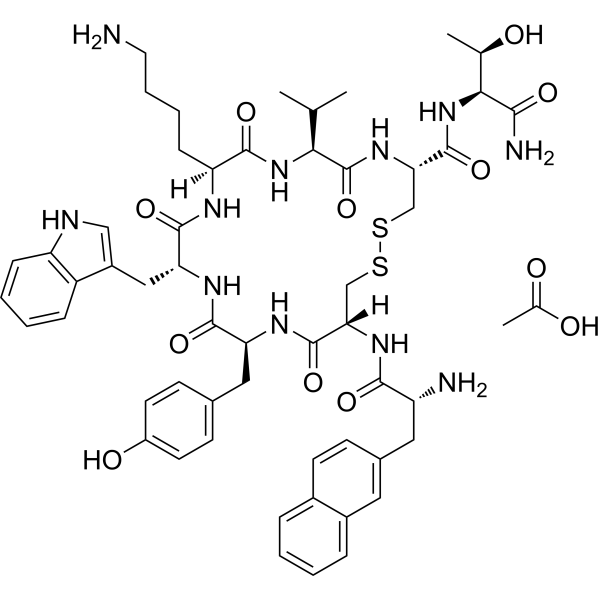
HY-P1959A
Lanreotide acetateAntineoplastic Agent -
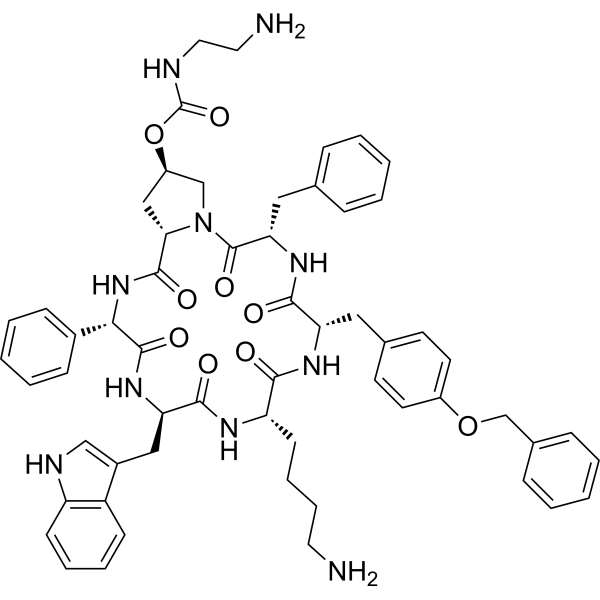
HY-16381
PasireotideSomatostatin Agonist -
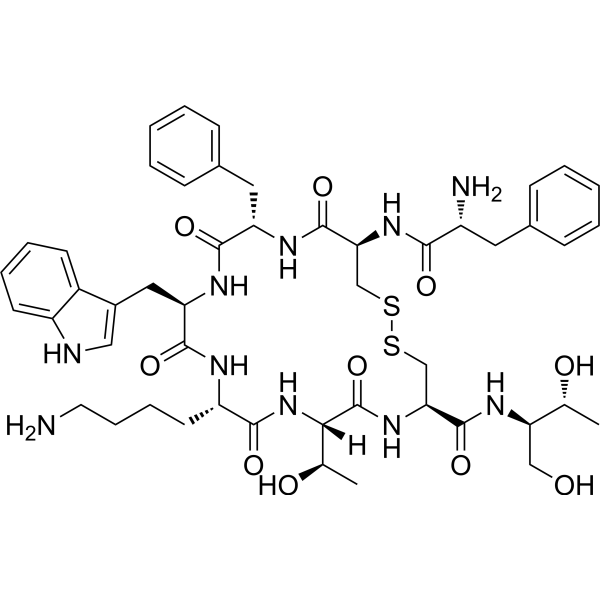
HY-P0036
OctreotideSomatostatin Receptor Agonist -
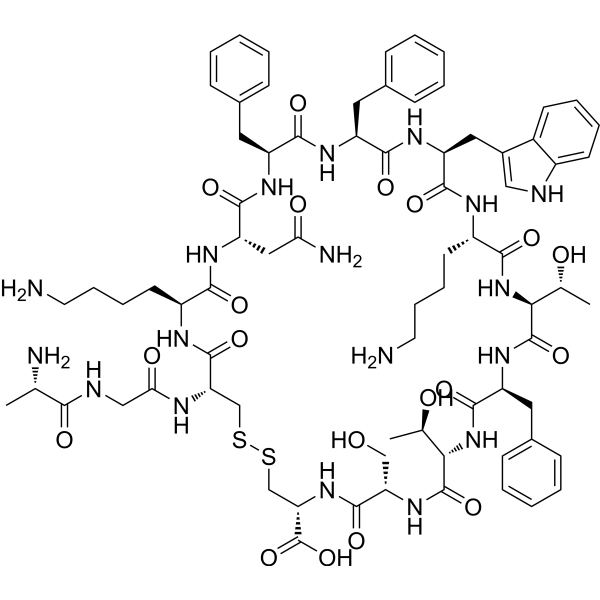
HY-P0084
Cyclic somatostatinPeptide -
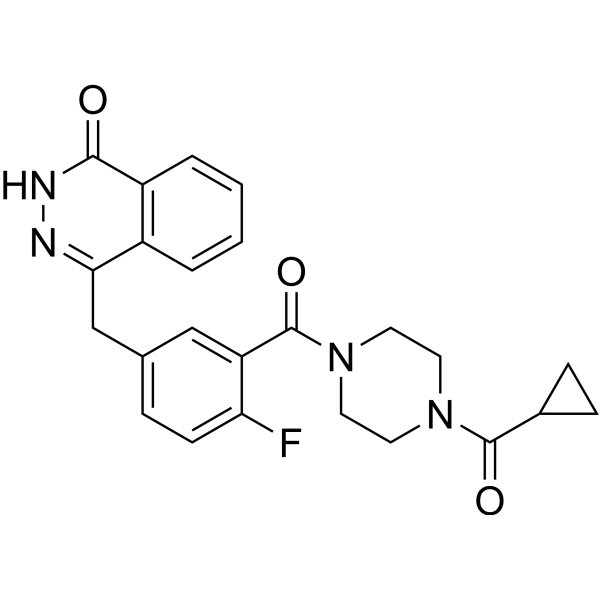
HY-10162
OlaparibPARP Inhibitor -
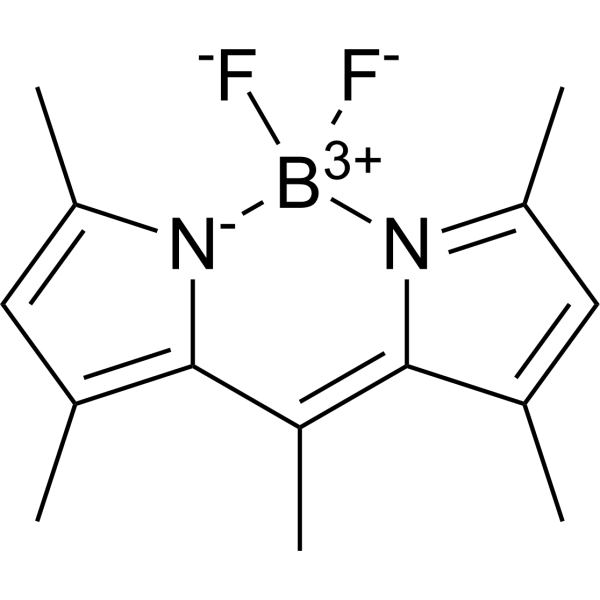
HY-W090090
BODIPY 493/503Neutral Lipid Dye -
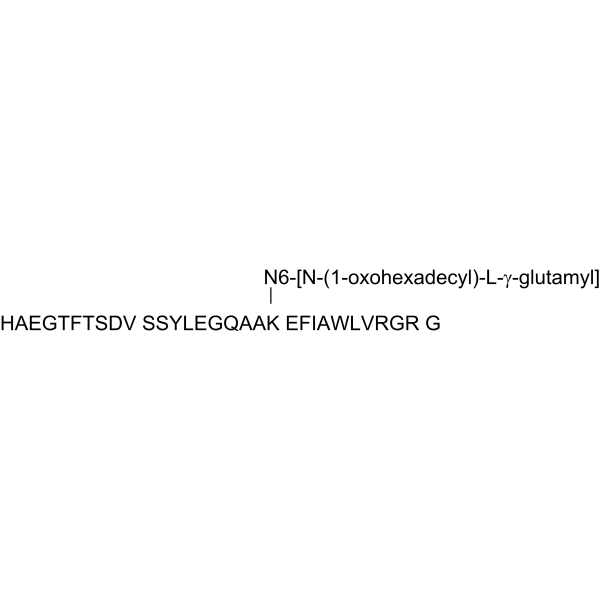
HY-P0014
LiraglutideGLP-1R Agonist -
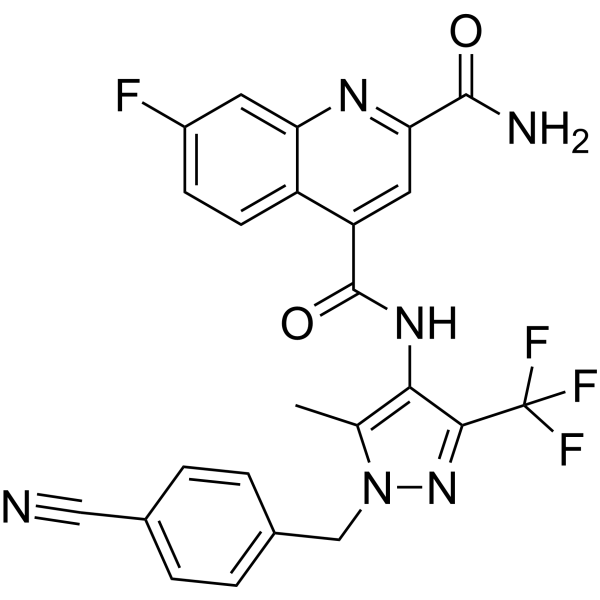
HY-100017
BAY-876GLUT1 Inhibitor -
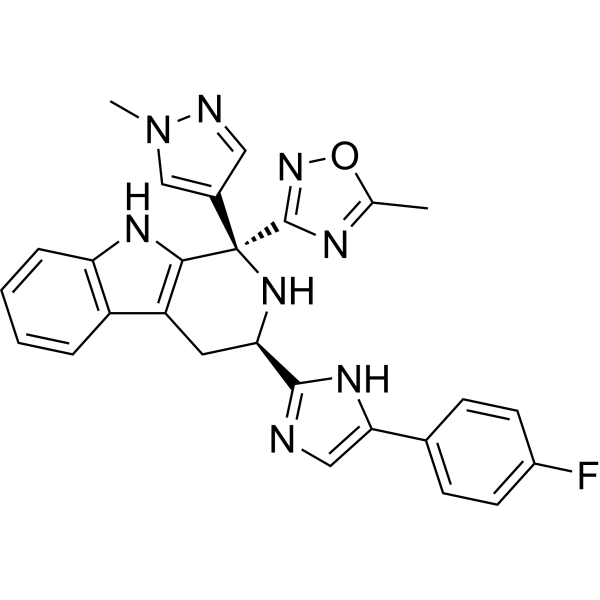
HY-13466
MK-4256Somatostatin Receptor Antagonist -
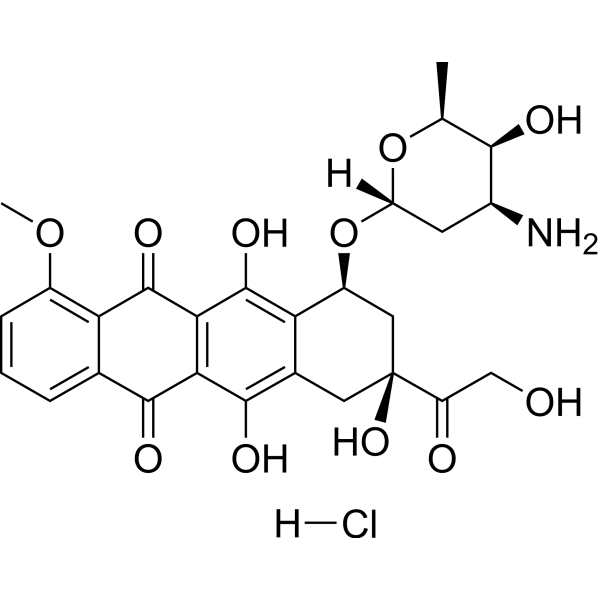
HY-15142
Doxorubicin hydrochlorideTopoisomerase Inhibitor
Publications Citing Use of MedChemExpress (MCE) Octreotide acetate
More- Mol Cancer. 2024 Sep 20;23(1):205. [Abstract]
- Nat Commun. 2023 Feb 21;14(1):962. [Abstract]
- Eur J Nucl Med Mol Imaging. 2024 Nov;51(13):4099-4110. [Abstract]
- J Ethnopharmacol. 2026 Jun 12:364:121522. [Abstract]
- Int J Pharm. 2026 Jul 26:702:127237.
- Int J Pharm. 2026 Mar 12:126768. [Abstract]
- Biomacromolecules. 2024 May 13;25(5):2749-2761. [Abstract]
- Mol Med Rep. 2024 Jun;29(6):90. [Abstract]
- J Biol Chem. 2025 Jul 30;301(9):110544. [Abstract]
- J Pharm Sci. 2022 Dec;111(12):3417-3423. [Abstract]
- Basic Clin Pharmacol Toxicol. 2022 Sep;131(3):174-188. [Abstract]
- Cell Mol Bioeng. 2022 Dec 22;16(1):55-67. [Abstract]
- J Pharm Biomed Anal. 2023 Feb 5:224:115156. [Abstract]
- J Pharm Biomed Anal. 2022 Mar 20:211:114518. [Abstract]
- Patent. US20240307504A1.
- Research Square Print. 2022 Aug.
- University of Helsinki Finland. 2018 Dec.
 Customer Validation & Images

-
In Vivo Efficacy Study
-
Bio/Physico-chemical Assay
-
ELISA
-
Cell Imaging/Staining
-
Bio/Physico-chemical Assay


Biological Activity
Description
In Vivo
MedChemExpress (MCE) has not independently confirmed the accuracy of these methods. They are for reference only.
Clinical Trial
| NCT Number | Sponsor | Condition | Start Date |
Phase

|
|---|---|---|---|---|
| NCT01329991 | Plexxikon| | 2011-05 | PHASE1 |


Chemical Information
-
CAS No. 79517-01-4
-
Appearance Solid
-
Molecular Weight 1079.29
-
Formula C51H70N10O12S2
-
Color White to off-white
-
Synonyms
SMS 201-995 acetate
-
Sequence
{d-Phe}-Cys-Phe-{d-Trp}-Lys-Thr-{Cys(X)}-{Thr(deoxy)} (disulfide bridge: Cys2-Cys7) (X=N-(1R,2R)-2-hydroxy-1-(hydroxymethyl)propyl)
-
Sequence Shortening
{d-Phe}-CF-{d-Trp}-KY-{Cys(X)}-{Thr(deoxy)} (disulfide bridge: Cys2-Cys7) (X=N-(1R,2R)-2-hydroxy-1-(hydroxymethyl)propyl)
-
Shipping
Room temperature in continental US; may vary elsewhere.
-
Storage
Sealed storage, away from moisture and light
Powder -80°C 2 years -20°C 1 year * In solvent : -80°C, 1 year; -20°C, 6 months (sealed storage, away from moisture and light)


Publications (17)
-
Journal Impact Factor
-
Most Recent
-
Mol Cancer
FTO-mediated DSP m6A demethylation promotes an aggressive subtype of growth hormone-secreting pituitary neuroendocrine tumors. [Abstract]2024 Sep 20;23(1):205. PMID: 39304899
Octreotide acetate purchased from MedChemExpress. Usage Cited in: Mol Cancer. 2024 Sep 20;23(1):205. [Abstract]
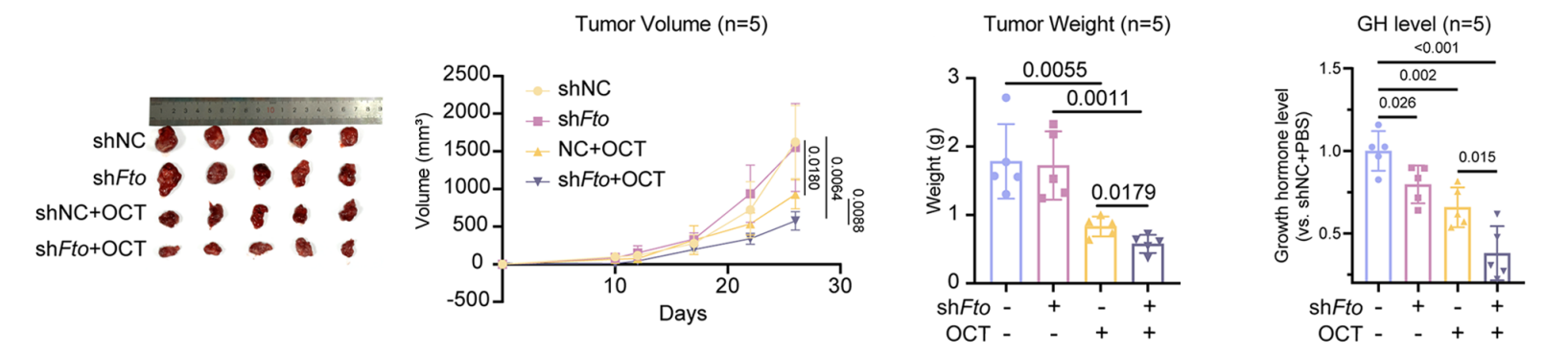
In vivo assessment of octreotide sensitivity in GH3 xenografts by injecting with or without Fto knockdown GH3 cells according to tumor volume, tumor weight and growth hormone level. Octreotide (OCT) (50 μg/kg; i.p.; once daily) inhibited the growth of FTO-knockdown cells effectively and further reduced the secretion of growth hormone.
-
Nat Commun
Prospect of acromegaly therapy: molecular mechanism of clinical drugs octreotide and paltusotine. [Abstract]2023 Feb 21;14(1):962. PMID: 36810324
Octreotide acetate purchased from MedChemExpress. Usage Cited in: Nat Commun. 2023 Feb 21;14(1):962. [Abstract]
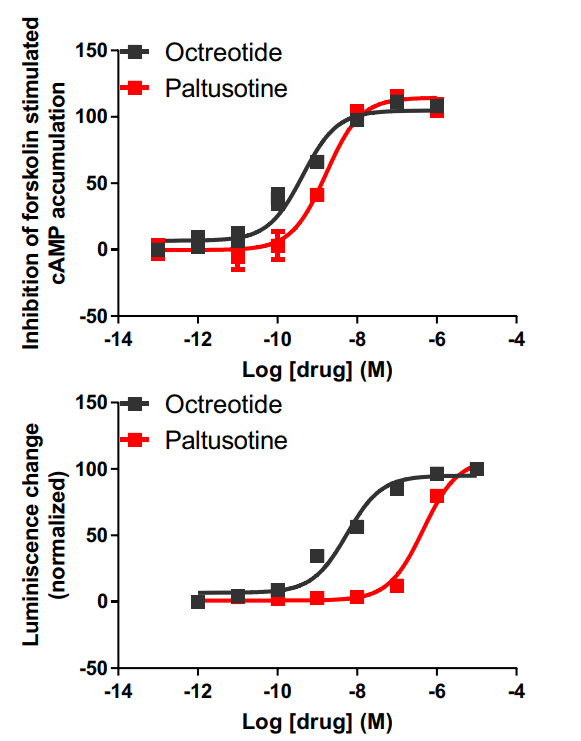
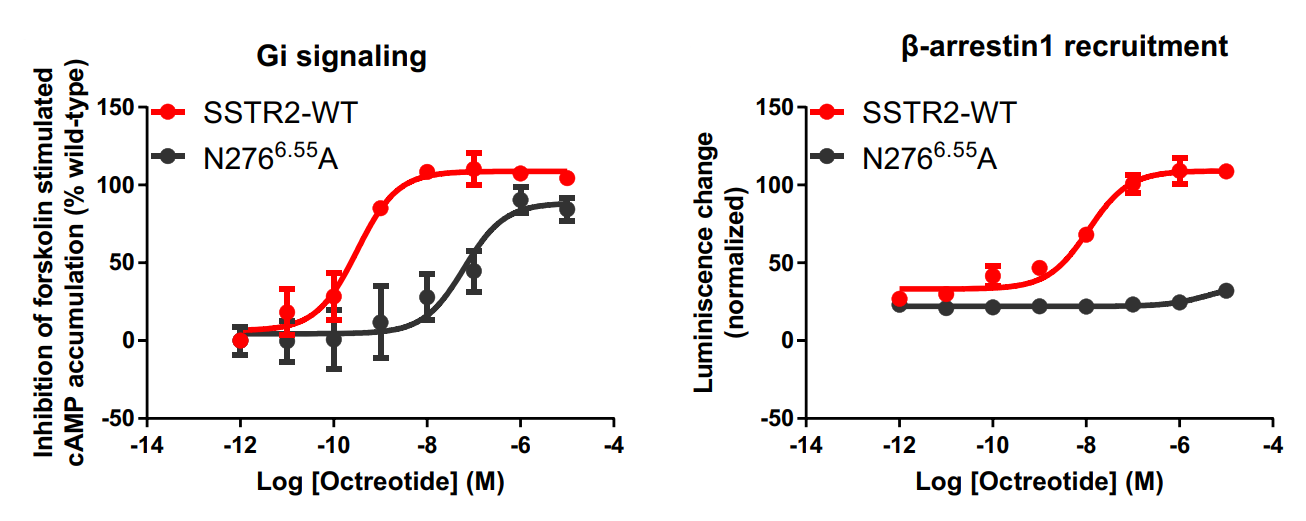
The efficacy of Octreotide acetate- and paltusotine-induced SSTR2 Gi signaling and β-arrestin recruitment.
Octreotide acetate purchased from MedChemExpress. Usage Cited in: Nat Commun. 2023 Feb 21;14(1):962. [Abstract]
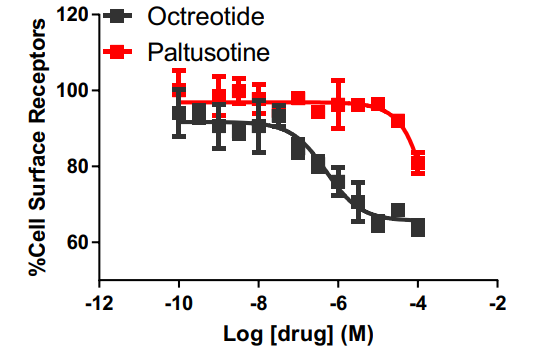
Internalization of SSTR2 in HEK293 cells treated with Octreotide acetate and paltusotine measured by ELISA assays by detecting the expression of SSTR2 on the cell surface. Data represent mean ± SEM from three independent experiments.
Octreotide acetate purchased from MedChemExpress. Usage Cited in: Nat Commun. 2023 Feb 21;14(1):962. [Abstract]
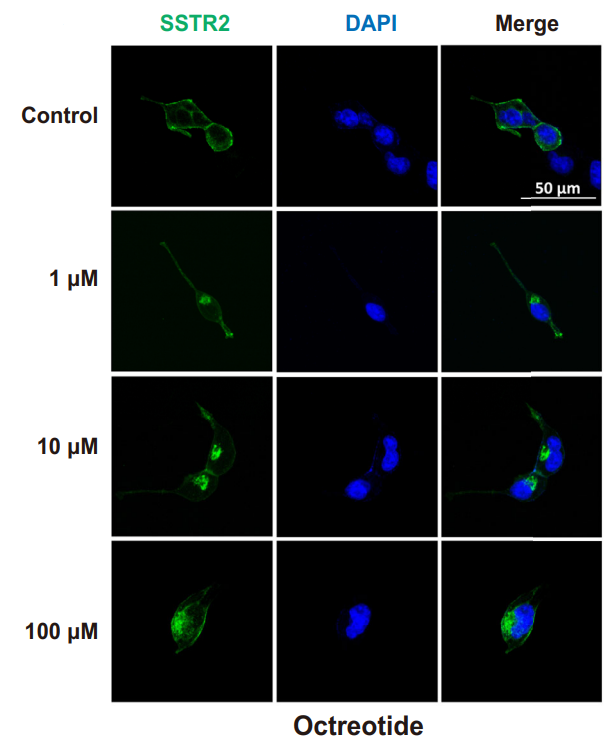
eGFP-tagged SSTR2 plasmid was transfected in HEK293 cells and then cells were treated with Octreotide acetate (0-100 μM) for 30 min.
Octreotide acetate purchased from MedChemExpress. Usage Cited in: Nat Commun. 2023 Feb 21;14(1):962. [Abstract]
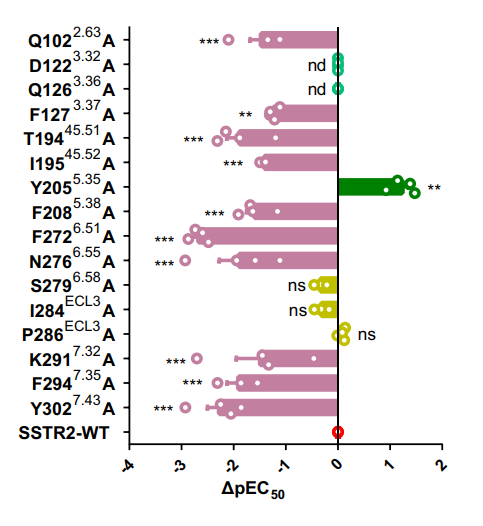
Effects of mutations involved in Octreotide acetate binding of SSTR2 on Gi signaling.
Octreotide acetate purchased from MedChemExpress. Usage Cited in: Nat Commun. 2023 Feb 21;14(1):962. [Abstract]
The effects of SSTR2 N2766.55A mutation on cAMP inhibition and β-arrestin recruitment induced by Octreotide acetate.
-
Eur J Nucl Med Mol Imaging
Combining [177Lu]Lu-DOTA-TOC PRRT with PARP inhibitors to enhance treatment efficacy in small cell lung cancer. [Abstract]2024 Nov;51(13):4099-4110. PMID: 39023784 -
J Ethnopharmacol
Revealing the temporal metabolic trajectory and potential pharmacodynamic substances of Da-Cheng-Qi Decoction in treating patients with acute pancreatitis: A serum metabolomics-based study. [Abstract]2026 Jun 12:364:121522. PMID: 41825726 -
-
Int J Pharm
Comprehensive design and characterization of pH-gradient-loaded donkey-milk exosomes for oral octreotide delivery: A bench-to-in silico roadmap. [Abstract]2026 Mar 12:126768. PMID: 41831704 -
Biomacromolecules
Investigation of Basolateral Targeting Micelles for Drug Delivery Applications in Polycystic Kidney Disease. [Abstract]2024 May 13;25(5):2749-2761. PMID: 38652072 -
Mol Med Rep
Octreotide attenuates intestinal barrier damage by maintaining basal autophagy in Caco2 cells. [Abstract]2024 Jun;29(6):90. PMID: 38577927 -
J Biol Chem
2025 Jul 30;301(9):110544. PMID: 40749831 -
J Pharm Sci
Elucidating a Potential Mechanism of Permeability Enhancer Sodium N-[8-(2-hydroxybenzoyl) amino] caprylate in Rats: Evidence of Lymphatic Absorption of Cyanocobalamin Using the Mesenteric Lymph Duct Cannulated Rat. [Abstract]2022 Dec;111(12):3417-3423. PMID: 36228756 -
Basic Clin Pharmacol Toxicol
Somatostatin receptor ligands suppressed proliferation and lipogenesis in 3T3-L1 preadipocytes. [Abstract]2022 Sep;131(3):174-188. PMID: 35688794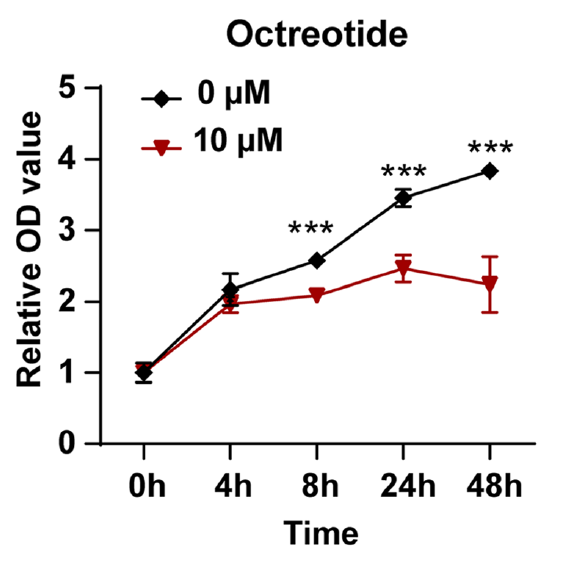
Octreotide acetate purchased from MedChemExpress. Usage Cited in: Basic Clin Pharmacol Toxicol. 2022 Sep;131(3):174-188. [Abstract]
Effects of 0ctreotide (10 μM; 4, 8, 24 and 48 h) on cell viability after treatments. 0ctreotide significantly inhibited 3T3-L1 cell viability after 8, 24 and 48 h but not 4 h.
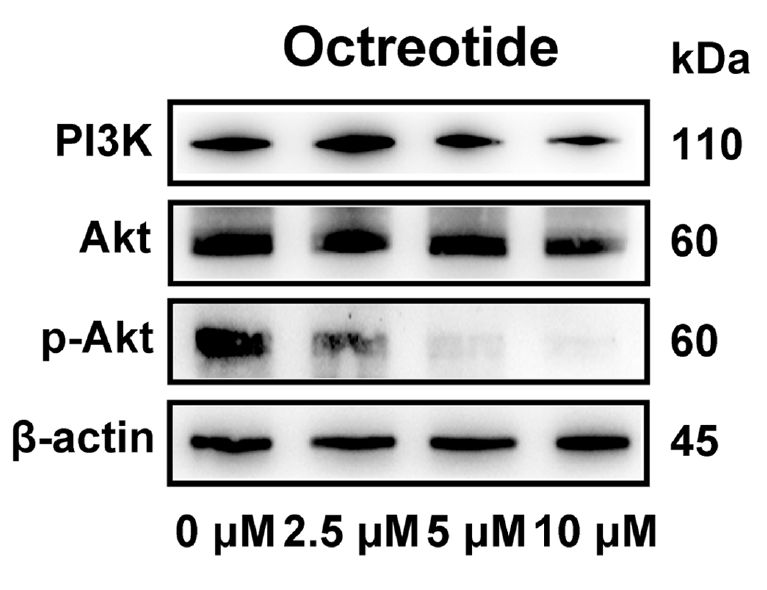
Octreotide acetate purchased from MedChemExpress. Usage Cited in: Basic Clin Pharmacol Toxicol. 2022 Sep;131(3):174-188. [Abstract]
Representative western blot brands of PI3K, Akt and p-Akt with or without Octreotide (2.5-10 μM) treatments. Octreotide suppressed the expression of PI3K and p-Akt in a dose-dependent manner but showed no effects on the total Akt expression in 3T3-L1 cells.
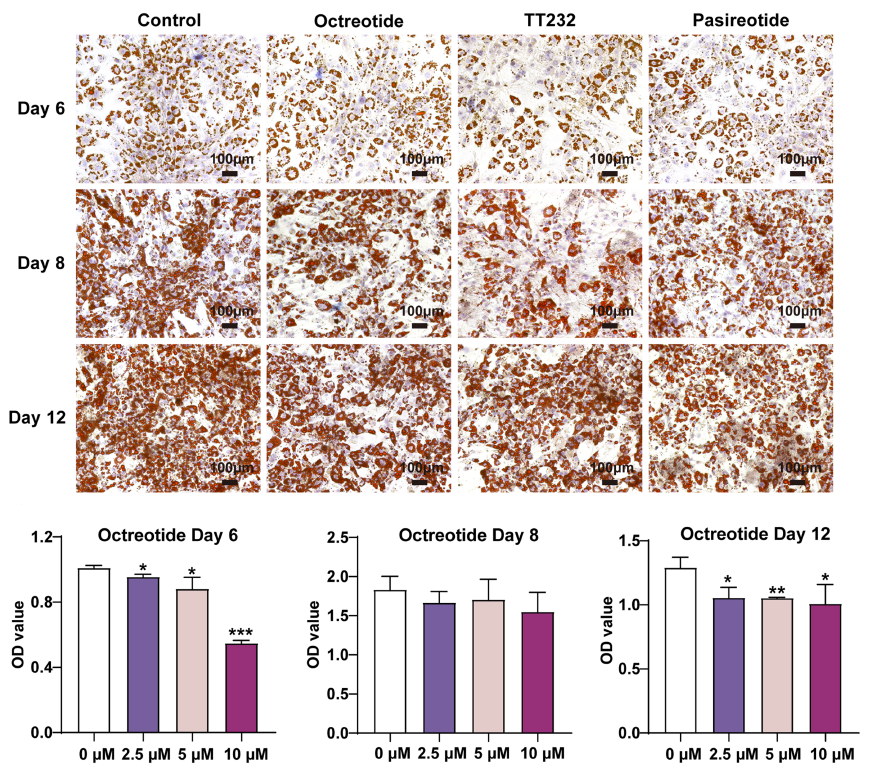
Octreotide acetate purchased from MedChemExpress. Usage Cited in: Basic Clin Pharmacol Toxicol. 2022 Sep;131(3):174-188. [Abstract]
Oil Red O staining was performed to illustrate lipid droplets and to determine the lipid contents. Octreotide (2.5-10 μM) treatments significantly reduced lipid contents in 3T3-L1 cells on Day 6 and Day 12 compared with the control.
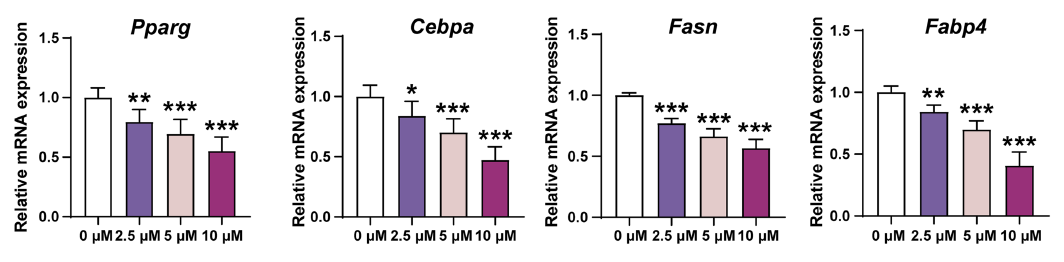
Octreotide acetate purchased from MedChemExpress. Usage Cited in: Basic Clin Pharmacol Toxicol. 2022 Sep;131(3):174-188. [Abstract]
mRNA expression of Pparg, Cebpa, Fasn, and Fabp4 with or without Octreotide (2.5–10 μM; 12 d) treatments. Octreotide suppressed mRNA levels of Pparg, Cebpa, Fasn, and Fabp4 in 3T3-L1 preadipocytes in a dose-dependent manner.
-
Cell Mol Bioeng
Combining Metformin and Drug-Loaded Kidney-Targeting Micelles for Polycystic Kidney Disease. [Abstract]2022 Dec 22;16(1):55-67. PMID: 36660586 -
J Pharm Biomed Anal
Analyzing proteolytic stability and metabolic hotspots of therapeutic peptides in two rodent pulmonary fluids. [Abstract]2023 Feb 5:224:115156. PMID: 36463768 -
J Pharm Biomed Anal
Automated high-throughput in vitro assays to identify metabolic hotspots and protease stability of structurally diverse, pharmacologically active peptides for inhalation. [Abstract]2022 Mar 20:211:114518. PMID: 35124452 -
-
-


Solvent & Solubility
In Vitro:
DMSO : 100 mg/mL (92.65 mM; Need ultrasonic; Hygroscopic DMSO has a significant impact on the solubility of product, please use newly opened DMSO)
H2O : 25 mg/mL (23.16 mM; Need ultrasonic)
Please refer to the solubility information to select the appropriate solvent. Once prepared, please aliquot and store the solution to prevent product inactivation from repeated freeze-thaw cycles.
Storage method and period of stock solution: -80°C, 1 year; -20°C, 6 months (sealed storage, away from moisture and light). When stored at -80°C, please use it within 1 year. When stored at -20°C, please use it within 6 months.
* Note: If you choose water as the stock solution, please dilute it to the working solution, then filter and sterilize it with a 0.22 μm filter before use.
Please refer to the solubility information to select the appropriate solvent. Once prepared, please aliquot and store the solution to prevent product inactivation from repeated freeze-thaw cycles.
Storage method and period of stock solution: -80°C, 1 year; -20°C, 6 months (sealed storage, away from moisture and light). When stored at -80°C, please use it within 1 year. When stored at -20°C, please use it within 6 months.
* Note: If you choose water as the stock solution, please dilute it to the working solution, then filter and sterilize it with a 0.22 μm filter before use.
Concentration (start) × Volume (start) = Concentration (final) × Volume (final)
In Vivo:
Select the appropriate dissolution method based on your experimental animal and administration route.
- For the following dissolution methods, please ensure to first prepare a clear stock solution using an In Vitro approach and then sequentially add co-solvents:
- To ensure reliable experimental results, the clarified stock solution can be appropriately stored based on storage conditions. As for the working solution for In Vivo experiments, it is recommended to prepare freshly and use it on the same day.
- The percentages shown for the solvents indicate their volumetric ratio in the final prepared solution. If precipitation or phase separation occurs during preparation, heat and/or sonication can be used to aid dissolution.
Add each solvent one by one: 10% DMSO 40% PEG300 5% Tween-80 45% Saline
Solubility: ≥ 2.25 mg/mL (2.08 mM); Clear solution
This protocol yields a clear solution of ≥ 2.25 mg/mL (saturation unknown).
Taking 1 mL working solution as an example, add 100 μL DMSO stock solution (22.5 mg/mL) to 400 μL PEG300, and mix evenly; then add 50 μL Tween-80 and mix evenly; then add 450 μL Saline to adjust the volume to 1 mL.
Preparation of Saline: Dissolve 0.9 g sodium chloride in ddH₂O and dilute to 100 mL to obtain a clear Saline solution.
Add each solvent one by one: 10% DMSO 90% (20% SBE-β-CD in Saline)
Solubility: ≥ 2.25 mg/mL (2.08 mM); Clear solution
This protocol yields a clear solution of ≥ 2.25 mg/mL (saturation unknown).
Taking 1 mL working solution as an example, add 100 μL DMSO stock solution (22.5 mg/mL) to 900 μL 20% SBE-β-CD in Saline, and mix evenly.
Preparation of 20% SBE-β-CD in Saline (4°C, storage for one week): 2 g SBE-β-CD powder is dissolved in 10 mL Saline, completely dissolve until clear.
For the following dissolution methods, please prepare the working solution directly:
It is recommended to prepare fresh solutions and use them promptly within a short period of time.
The percentages shown for the solvents indicate their volumetric ratio in the final prepared solution. If precipitation or phase separation occurs during preparation, heat and/or sonication can be used to aid dissolution.
Add each solvent one by one: PBS
Solubility: 100 mg/mL (92.65 mM); Clear solution; Need ultrasonic
In Vivo Dissolution Calculator
Please enter the basic information of animal experiments:
-
-
-
-
Recommended: Prepare an additional quantity of animals to account for potential losses during experiments.
Working solution concentration: 0.22 mg/mL
This product has good water solubility, please refer to the measured solubility data in water/PBS/Saline for details.

Protocol
Animal Administration[1]
Mice[1]
Thirty mice with HCC xenografts are randomLy divided into three groups: (A) Octreotide-soln group, (B) Octreotide-PPSG group, and (C) control group. Octreotide-soln group receives i.p. injection of 100 μg/kg octreotide-soln once a day and totally for consecutive 14 days. Octreotide-PPSG group receives a single subcutaneous injection of 1.4 mg/kg Octreotide-PPSG, and the injection volume is about 0.2 mL. Control group receives i.p. injection of saline once a day for consecutive 14 days. Treatment starts on the next day after injection of H22 hepatoma cell suspension and maintains for 14 days. Tumor growth is monitored by periodic caliper measurements on day 7 and day 14 post seeding. Tumor volumes (V) are calculated based on the length and width of tumor by Eq.
Rats[1]
Twelve male SD rats are divided into two groups, and housed in standard cages at 25°C, with free access to food and water for a week prior to the experiment. Rats are subcutaneously injected with Octreotidereotide solution (Octreotide-soln) or Octreotide-PPSG at an equivalent single dose of 20 mg/kg. The dose is determined based on the clinical dose of Octreotide-soln in human. Rats are fasted for 12 h before dosing and food is returned approximately 2 h post dosing. Blood samples are collected at predetermined time points using heparinized Eppendorf tubes. Immediately after collection, the blood samples are placed on ice until centrifuged at 3000 g for 10 min within 1 h. The plasma is collected and stored at −20°C until analysis.
MedChemExpress (MCE) has not independently confirmed the accuracy of these methods. They are for reference only.


Purity & Documentation
-
Data Sheet (289 KB)
-
SDS (393 KB)
- English - EN (393 KB)
- Français - FR (393 KB)
- Deutsch - DE (393 KB)
- Norwegian - NO (393 KB)
- Español - ES (393 KB)
- Swedish - SV (393 KB)
- Italian - IT (393 KB)
- Korean - KR (393 KB)
- Portuguese - PT (393 KB)
-
Handling Instructions (2659 KB)
References
[1]. Wang M, et al. Pharmacokinetic and pharmacodynamic study of a phospholipid-based phase separation gel for once a month administration of octreotide. J Control Release. 2016 May 28;230:45-56. [Content Brief]
[2]. Kim S, et al. Treatment of Gastrin-Secreting Tumor With Sustained-Release Octreotide Acetate in a Dog. J Am Anim Hosp Assoc. 2015 Nov-Dec;51(6):407-12. [Content Brief]


Complete Stock Solution Preparation Table
Please refer to the solubility information to select the appropriate solvent. Once prepared, please aliquot and store the solution to prevent product inactivation from repeated freeze-thaw cycles.
Storage method and period of stock solution: -80°C, 1 year; -20°C, 6 months (sealed storage, away from moisture and light). When stored at -80°C, please use it within 1 year. When stored at -20°C, please use it within 6 months.
| Optional Solvent | Concentration Solvent Mass | 1 mg | 5 mg | 10 mg | 25 mg |
|---|---|---|---|---|---|
| H2O / DMSO | 1 mM | 0.9265 mL | 4.6327 mL | 9.2654 mL | 23.1634 mL |
| 5 mM | 0.1853 mL | 0.9265 mL | 1.8531 mL | 4.6327 mL | |
| 10 mM | 0.0927 mL | 0.4633 mL | 0.9265 mL | 2.3163 mL | |
| 15 mM | 0.0618 mL | 0.3088 mL | 0.6177 mL | 1.5442 mL | |
| 20 mM | 0.0463 mL | 0.2316 mL | 0.4633 mL | 1.1582 mL | |
| DMSO | 25 mM | 0.0371 mL | 0.1853 mL | 0.3706 mL | 0.9265 mL |
| 30 mM | 0.0309 mL | 0.1544 mL | 0.3088 mL | 0.7721 mL | |
| 40 mM | 0.0232 mL | 0.1158 mL | 0.2316 mL | 0.5791 mL | |
| 50 mM | 0.0185 mL | 0.0927 mL | 0.1853 mL | 0.4633 mL | |
| 60 mM | 0.0154 mL | 0.0772 mL | 0.1544 mL | 0.3861 mL | |
| 80 mM | 0.0116 mL | 0.0579 mL | 0.1158 mL | 0.2895 mL |
* Note: If you choose water as the stock solution, please dilute it to the working solution, then filter and sterilize it with a 0.22 μm filter before use.


Octreotide acetate Related Classifications
HY-17365 Related Classifications
 Powered by Bioz