



Erythromycin
Based on 27 publication(s) in Google Scholar
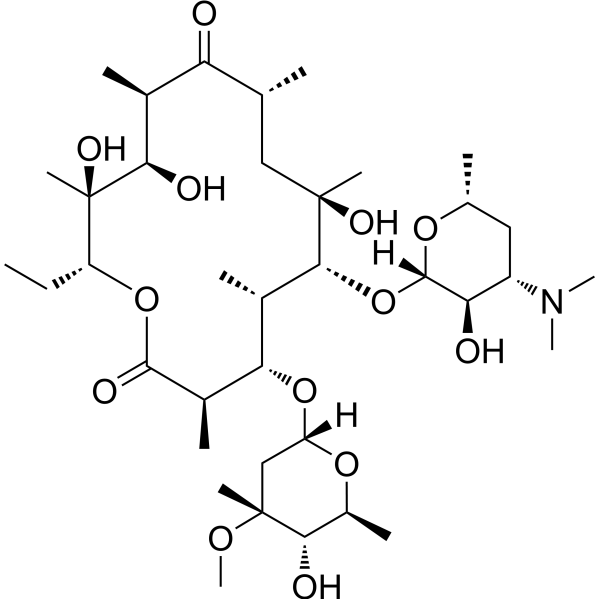
Erythromycin is a macrolide antibiotic produced by actinomycete?Streptomyces erythreus?with a broad spectrum of antimicrobial activity. Erythromycin binds to bacterial 50S ribosomal subunits and inhibits?RNA-dependent protein synthesis?by blockage of transpeptidation and/or translocation reactions, without affecting synthesis of nucleic acid[1][2]. Erythromycin also exhibits antitumor and neuroprotective effect in different fields of research[3][4].
연구목적의 판매만을 진행합니다. 환자를 대상으로 한 판매는 하지 않습니다.
- Purity : 98.0%
- CAS No.: 114-07-8
- 화학식: C37H67NO13
- 분자량:733.93
-
보관:Powder -20°C, 3 years , 4°C, 2 years ; In solvent -80°C, 6 months , -20°C, 1 month

To place orders, for customer services and technical support, please contact: MedChemExpress USA
Tel: 609-228-6898 E-mail: [email protected] [email protected]


-
 Biological Activity
-
Chemical Information
-
용액&용해도
- Protocol
- 순도&문서
- References
-
 Help & FAQs


-
HY-17506
Azithromycin -
HY-B0272
RifampicinAntivirus Agent -
HY-B0671
VancomycinAntibiotic -
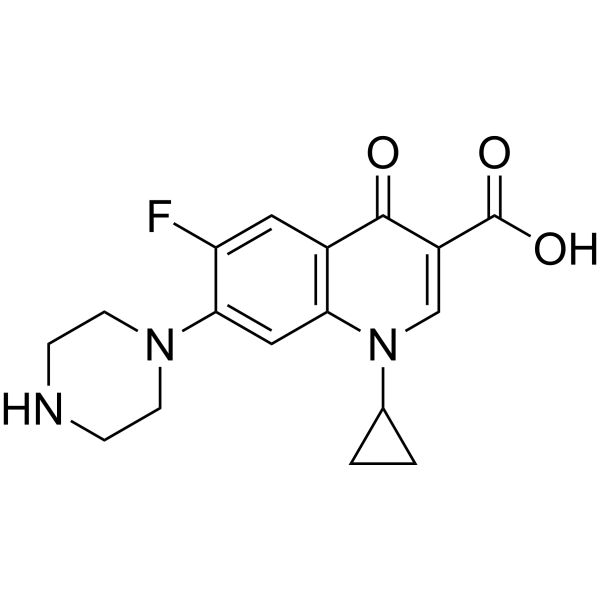
HY-B0356
CiprofloxacinTopoisomerase IV Inhibitor -
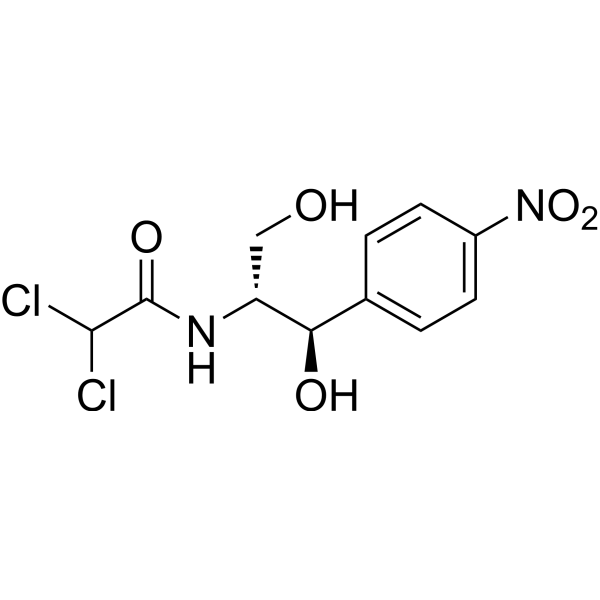
HY-B0239
ChloramphenicolHIF-1α Inhibitor -
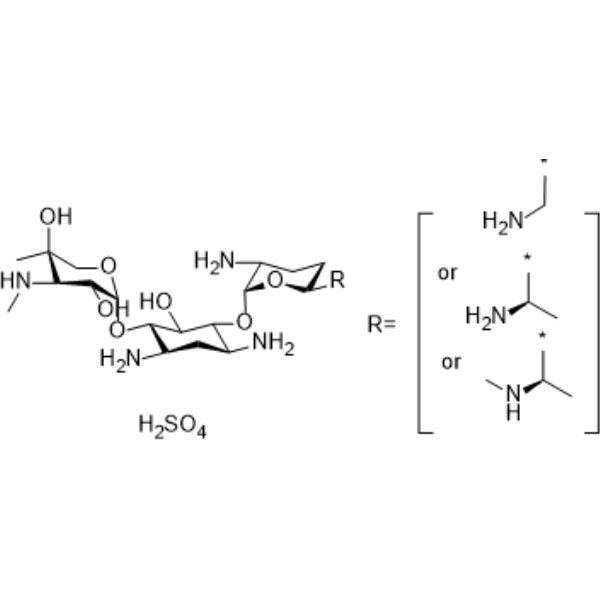
HY-A0276
Gentamicin sulfateAminoglycoside Antibiotic -
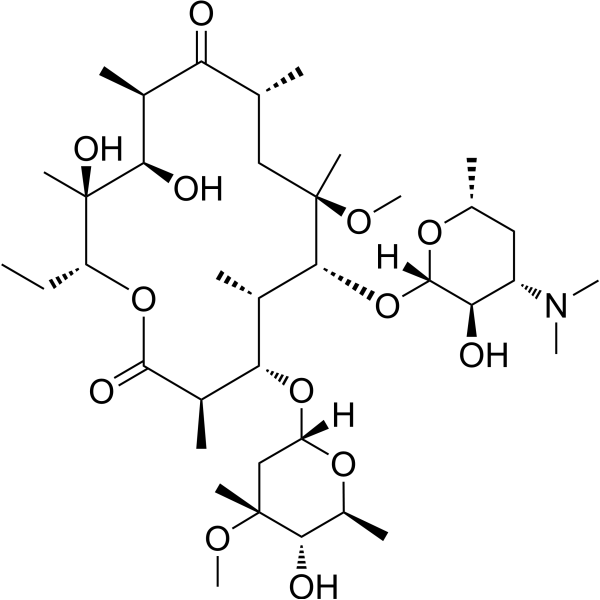
HY-17508
ClarithromycinAntimicrobial Agent -
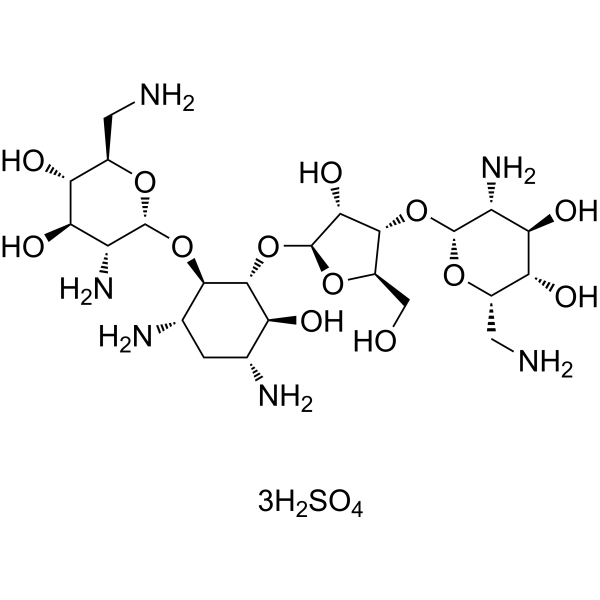
HY-B0470
Neomycin sulfatePhospholipase C Inhibitor, Angiogenesis Modulator -
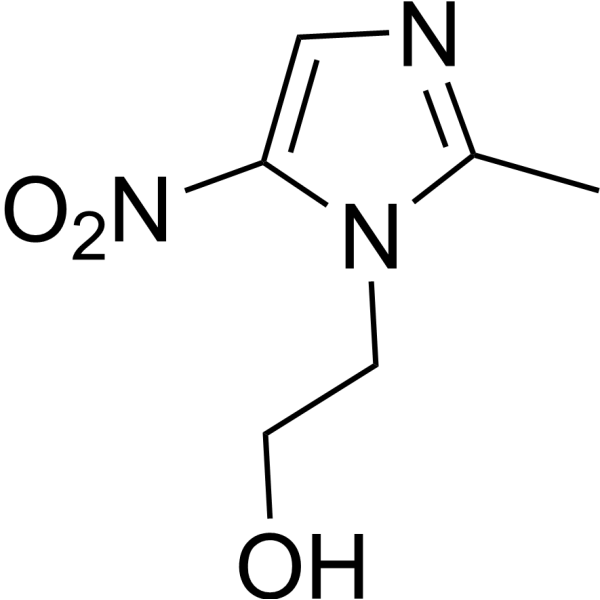
HY-B0318
MetronidazoleAntibiotic -
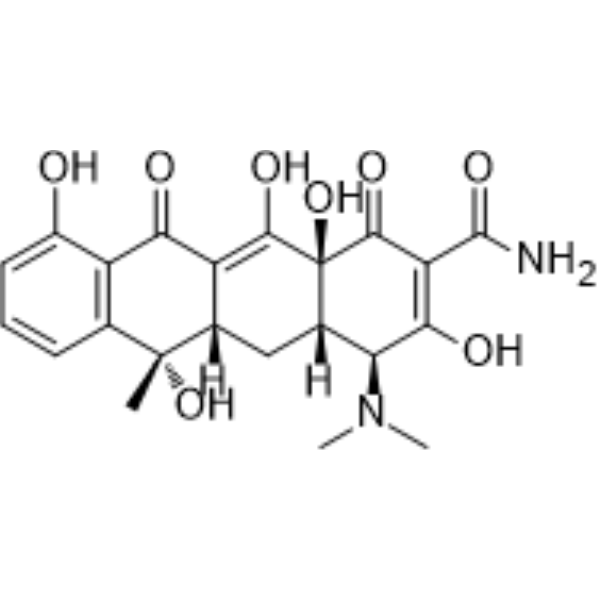
HY-A0107
TetracyclineAntibiotic -
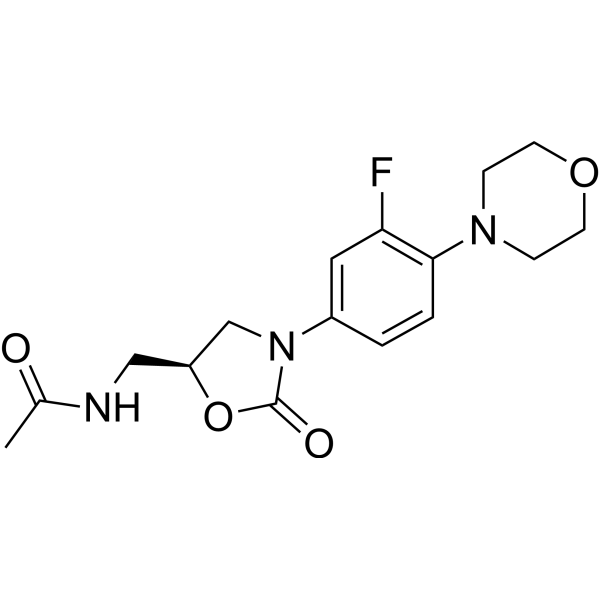
HY-10394
LinezolidAntibiotic -
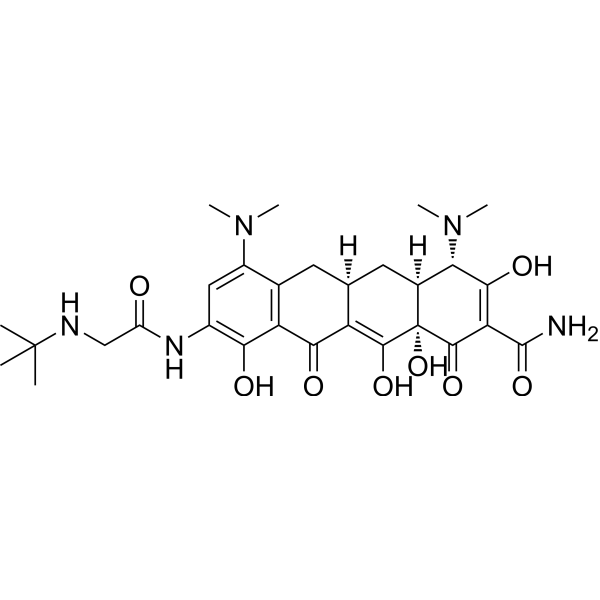
HY-B0117
TigecyclineBacterial Inhibitor
Publications Citing Use of MedChemExpress (MCE) Erythromycin
More- Theranostics. 2022 Jan 1;12(3):1187-1203. [Abstract]
- Acta Pharm Sin B. 2021 Sep;11(9):2850-2858. [Abstract]
- J Exp Med. 2026 Mar 2;223(3):e20241287. [Abstract]
- EBioMedicine. 2022 Apr;78:103943. [Abstract]
- Emerg Contam. 2026 Feb 23.
- Biofabrication. 2023 Aug 21;15(4). [Abstract]
- J Med Chem. 2022 Mar 10;65(5):3894-3912. [Abstract]
- Emerg Microbes Infect. 2024 Dec;13(1):2321981. [Abstract]
- mLife. 2023 Feb 11;2(1):58-72. [Abstract]
- J Chem Inf Model. 2021 Apr 26;61(4):2016-2025. [Abstract]
- BMC Microbiol. 2023 Apr 20;23(1):109. [Abstract]
- Aquat Toxicol. 2025 Mar:280:107284. [Abstract]
- Microbiol Spectr. 2025 Aug 29:e0059025. [Abstract]
- Microbiol Spectr. 2022 Feb 23;10(1):e0099121. [Abstract]
- Environ Microbiol. 2021 Feb;23(2):696-712. [Abstract]
- AMB Express. 2024 Dec 24;14(1):141. [Abstract]
- Viruses. 2019 Nov 15;11(11):1064. [Abstract]
- Water. 2025 Jun 6.
- Toxicol Lett. 2026 Jul 2:423:113152.
- Vet Microbiol. 2024 May:292:110046. [Abstract]
- bioRxiv. 2026 Jul 27.
- Authorea. 2026 May 12.
- bioRxiv. 2024 May 10.
- Research Square Print. December 5th, 2022.
- Charles University. 2020 Jul.
- Research Square Preprint. 2020 Jun.
- Chemosphere. 2019 Jun:225:378-387. [Abstract]
 Customer Validation & Images

-
Microbiological Assay
-
RT-PCR
-
Microbiological Assay
All Antibiotic Isoforms
MoreAll DNA/RNA Synthesis Isoforms
More

Biological Activity
제품 설명
IC50 & Target
|
Macrolide |
Cellular Effect
|
Cell Line

|
Type | Value | Description | References |
|---|---|---|---|---|
| AML12 | CC50 |
>100 μM
Compound: ERY
|
Cytotoxicity against mouse AML12 cells assessed as reduction in cell viability incubated for 48 hrs by MTT assay
Cytotoxicity against mouse AML12 cells assessed as reduction in cell viability incubated for 48 hrs by MTT assay
|
[PMID: 38354519] |
| HEK293 | IC50 |
>500 μM
Compound: erythromycin
|
Inhibition of human MATE1-mediated ASP+ uptake expressed in HEK293 cells after 1.5 mins by fluorescence assay
Inhibition of human MATE1-mediated ASP+ uptake expressed in HEK293 cells after 1.5 mins by fluorescence assay
|
[PMID: 23241029] |
| HEK293 | IC50 |
39 nM
Compound: 1
|
Inhibition of human ERG expressed in HEK cells
Inhibition of human ERG expressed in HEK cells
|
[PMID: 19821563] |
| HeLa | IC50 |
>400 μg/mL
Compound: Erythromycin
|
Antiproliferative effect against HeLa cells after 48 hrs
Antiproliferative effect against HeLa cells after 48 hrs
|
[PMID: 17088489] |
| HeLa | IC50 |
170 μg/mL
Compound: Erythromycin
|
Inhibition of metabolic activity in HeLa cells assessed as MTT reduction after 48 hrs
Inhibition of metabolic activity in HeLa cells assessed as MTT reduction after 48 hrs
|
[PMID: 17088489] |
| HFF | CC50 |
475 μM
Compound: 1
|
Cytotoxicity against HFF after 48 hrs by MTS assay
Cytotoxicity against HFF after 48 hrs by MTS assay
|
[PMID: 21428405] |
| LLC-PK1 | IC50 |
>35 μM
Compound: Erythromycin
|
Inhibition of P-glycoprotein, mouse L-mdr1b expressed in LLC-PK1 epithelial cells using calcein-AM polarisation assay
Inhibition of P-glycoprotein, mouse L-mdr1b expressed in LLC-PK1 epithelial cells using calcein-AM polarisation assay
|
[PMID: 12699389] |
| LLC-PK1 | IC50 |
>35 μM
Compound: Erythromycin
|
TP_TRANSPORTER: inhibition of Calcein-AM efflux in Mdr1b-expressing LLC-PK1 cells
TP_TRANSPORTER: inhibition of Calcein-AM efflux in Mdr1b-expressing LLC-PK1 cells
|
[PMID: 12699389] |
| LLC-PK1 | IC50 |
>50 μM
Compound: Erythromycin
|
Inhibition of P-glycoprotein, human L-MDR1 expressed in LLC-PK1 epithelial cells using calcein-AM polarisation assay
Inhibition of P-glycoprotein, human L-MDR1 expressed in LLC-PK1 epithelial cells using calcein-AM polarisation assay
|
[PMID: 12699389] |
| LLC-PK1 | IC50 |
>50 μM
Compound: Erythromycin
|
Inhibition of P-glycoprotein, mouse L-mdr1a expressed in LLC-PK1 epithelial cells using calcein-AM polarisation assay
Inhibition of P-glycoprotein, mouse L-mdr1a expressed in LLC-PK1 epithelial cells using calcein-AM polarisation assay
|
[PMID: 12699389] |
| LLC-PK1 | IC50 |
>50 μM
Compound: Erythromycin
|
TP_TRANSPORTER: inhibition of Calcein-AM efflux in MDR1-expressing LLC-PK1 cells
TP_TRANSPORTER: inhibition of Calcein-AM efflux in MDR1-expressing LLC-PK1 cells
|
[PMID: 12699389] |
| LLC-PK1 | IC50 |
43 μM
Compound: Erythromycin
|
TP_TRANSPORTER: inhibition of Calcein-AM efflux in Mdr1a-expressing LLC-PK1 cells
TP_TRANSPORTER: inhibition of Calcein-AM efflux in Mdr1a-expressing LLC-PK1 cells
|
[PMID: 12699389] |
| MG-63 | IC50 |
300 μg/mL
Compound: Erythromycin
|
Antiproliferative effect against MG63 cells assessed as BrdU incorporation into DNA after 48 hrs after 48 hrs
Antiproliferative effect against MG63 cells assessed as BrdU incorporation into DNA after 48 hrs after 48 hrs
|
[PMID: 17088489] |
| MG-63 | IC50 |
310 μg/mL
Compound: Erythromycin
|
Inhibition of metabolic activity in MG63 cells assessed as MTT reduction after 48 hrs
Inhibition of metabolic activity in MG63 cells assessed as MTT reduction after 48 hrs
|
[PMID: 17088489] |
| Osteoblast | IC50 |
>400 μg/mL
Compound: Erythromycin
|
Inhibition of metabolic activity in primary human osteoblasts assessed as MTT reduction after 48 hrs
Inhibition of metabolic activity in primary human osteoblasts assessed as MTT reduction after 48 hrs
|
[PMID: 17088489] |
| Osteoblast | IC50 |
180 μg/mL
Compound: Erythromycin
|
Antiproliferative effect against primary human osteoblasts assessed as BrdU incorporation into DNA after 48 hrs
Antiproliferative effect against primary human osteoblasts assessed as BrdU incorporation into DNA after 48 hrs
|
[PMID: 17088489] |
In Vitro
Erythromycin inhibits growth of P. falciparum with IC50 and IC90 values of 58.2 μM and 104.0 μM, respectively[1].
Erythromycin (10 μM, 100 μM; 24 h, 72 h) shows antioxidant and anti-inflammatory effects and suppresses the accumulation of 4-HNE (p<0.01) and 8-OHdG (p<0.01), reduces Iba-1 (p<0.01) and TNF-α (p<0.01) expression significantly[4].
MedChemExpress (MCE) has not independently confirmed the accuracy of these methods. They are for reference only. Further protocols information, click here.
-
Cell Line:Embryos primary cortical neuron (from the cerebral cortices of 17-day-old Sprague-Dawley rat)
-
Concentration:10, 100 μM
-
Incubation Time:24, 72 hours
-
Result:Improved the viability of cultured neuronal cells in vitro after 3 hours oxygen-glucose deprivation (OGD).
In Vivo
MedChemExpress (MCE) has not independently confirmed the accuracy of these methods. They are for reference only.
-
Animal Model:Female ddY mice at the age of 6 weeks with EAC cells or CDF mice at the age of 6 weeks with P388 cells[3]
-
Dosage:0.1 mg/kg; 0.5 mg/kg; 10 mg/kg; 30 mg/kg; 50 mg/kg
-
Administration:Gastric intubation; 30-120 days
-
Result:Decreased tumor growth and prolonged the mean survival time of mice from the dose of 5 mg/kg, however, the 50 mg/kg dosage shortened the MST in tumorbearing mice.
-
Animal Model:Male Sprague-Dawley rats (8-week-old, 250-300 g)[4]
-
Dosage:50 mg/kg
-
Administration:Subcutaneous single injection
-
Result:Reduced infarct volume and edema volume, improved neurological deficit.


Chemical Information
-
CAS No. 114-07-8
-
Appearance Solid
-
분자량 733.93
-
화학식 C37H67NO13
-
Color White to off-white
-
SMILES
C[C@@H]([C@@H]([C@H](C(O[C@@H]1CC)=O)C)O[C@@](O[C@@H](C)[C@@H]2O)([H])C[C@@]2(C)OC)[C@H]([C@](O)(C[C@H](C([C@@H]([C@@H](O)[C@@]1(O)C)C)=O)C)C)O[C@@](O[C@H](C)C[C@@H]3N(C)C)([H])[C@@H]3O
-
Initial Source
Streptomyces erythreHs
-
선적
Room temperature in continental US; may vary elsewhere.
-
보관
Powder -20°C 3 years 4°C 2 years In solvent -80°C 6 months -20°C 1 month


Publications (27)
-
Journal Impact Factor
-
Most Recent
-
Theranostics
Antibiotic Azithromycin inhibits brown/beige fat functionality and promotes obesity in human and rodents. [Abstract]2022 Jan 1;12(3):1187-1203. PMID: 35154482
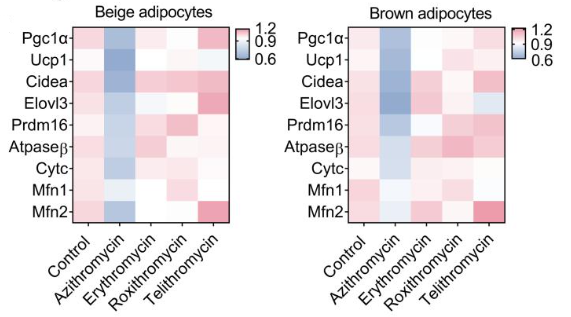
Erythromycin purchased from MedChemExpress. Usage Cited in: Theranostics. 2022 Jan 1;12(3):1187-1203. [Abstract]
mRNA levels of thermogenic and mitochondrial gene programs in immortal beige and brown adipocytes treated with controls,erythromycin, azithromycin roxithromycin and telithromyc at 5 uM for 24 h (n=3).
-
Acta Pharm Sin B
Repurposing carrimycin as an antiviral agent against human coronaviruses, including the currently pandemic SARS-CoV-2. [Abstract]2021 Sep;11(9):2850-2858. PMID: 33723501 -
J Exp Med
2026 Mar 2;223(3):e20241287. PMID: 41400657 -
EBioMedicine
A novel inhibitor of monooxygenase reversed the activity of tetracyclines against tet(X3)/tet(X4)-positive bacteria. [Abstract]2022 Apr;78:103943. PMID: 35306337
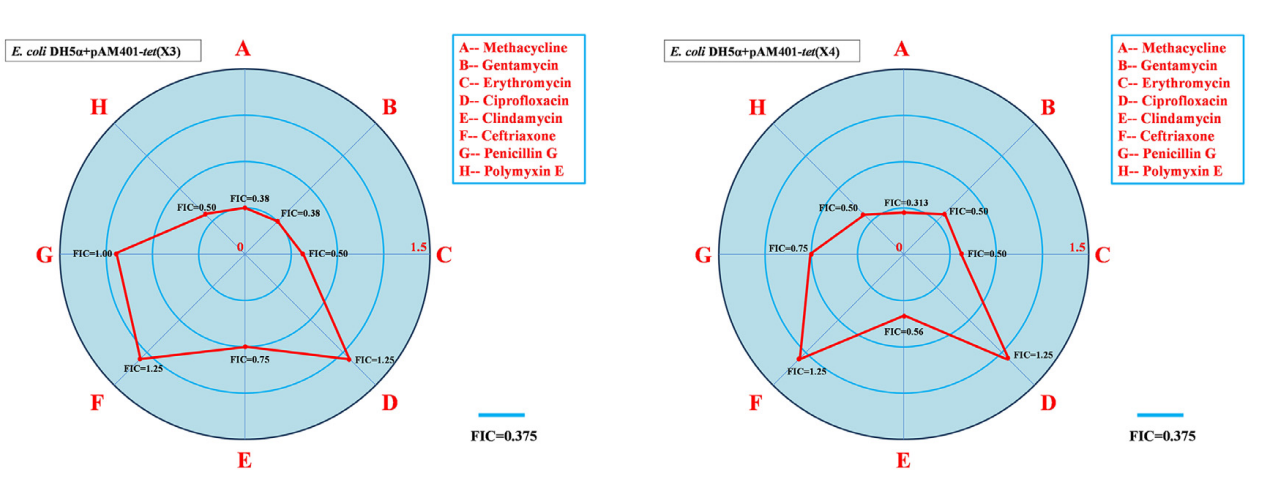
Erythromycin purchased from MedChemExpress. Usage Cited in: EBioMedicine. 2022 Apr;78:103943. [Abstract]
FIC indices of the combination of plumbagin (32 μg/mL) and Erythromycin against tet(X3)/tet(X4)-positive strains. Synergy was defined as an FIC index of ≤ 0.5.
-
-
Biofabrication
Highly reproducible and cost-effective one-pot organoid differentiation using a novel platform based on PF-127 triggered spheroid assembly. [Abstract]2023 Aug 21;15(4). PMID: 37552975 -
J Med Chem
Activators of the Anticipatory Unfolded Protein Response with Enhanced Selectivity for Estrogen Receptor Positive Breast Cancer. [Abstract]2022 Mar 10;65(5):3894-3912. PMID: 35080871 -
Emerg Microbes Infect
AMXT-1501 targets membrane phospholipids against Gram-positive and -negative multidrug-resistant bacteria. [Abstract]2024 Dec;13(1):2321981. PMID: 38422452 -
mLife
LipR functions as an intracellular pH regulator in Bacillus thuringiensis under glucose conditions. [Abstract]2023 Feb 11;2(1):58-72. PMID: 38818337 -
J Chem Inf Model
Macrolides May Prevent Severe Acute Respiratory Syndrome Coronavirus 2 Entry into Cells: A Quantitative Structure Activity Relationship Study and Experimental Validation. [Abstract]2021 Apr 26;61(4):2016-2025. PMID: 33734704 -
BMC Microbiol
The antimicrobial activity of cethromycin against Staphylococcus aureus and compared with erythromycin and telithromycin. [Abstract]2023 Apr 20;23(1):109. PMID: 37081393 -
Aquat Toxicol
Antibacterials exert toxic effects on aquatic organisms by inhibiting respiration, inducing oxidative stress, mitochondrial dysfunction and autophagy. [Abstract]2025 Mar:280:107284. PMID: 39951902 -
Microbiol Spectr
2025 Aug 29:e0059025. PMID: 40879403 -
Microbiol Spectr
The Mechanism of Action of Ginkgolic Acid (15:1) against Gram-Positive Bacteria Involves Cross Talk with Iron Homeostasis. [Abstract]2022 Feb 23;10(1):e0099121. PMID: 35019708 -
Environ Microbiol
Expression of ribosomal protection protein RppA is regulated by a ribosome-dependent ribo-regulator and two mistranslation products. [Abstract]2021 Feb;23(2):696-712. PMID: 32592275 -
AMB Express
Repurposing pinaverium bromide against Staphylococcus and its biofilms with new mechanisms. [Abstract]2024 Dec 24;14(1):141. PMID: 39718732
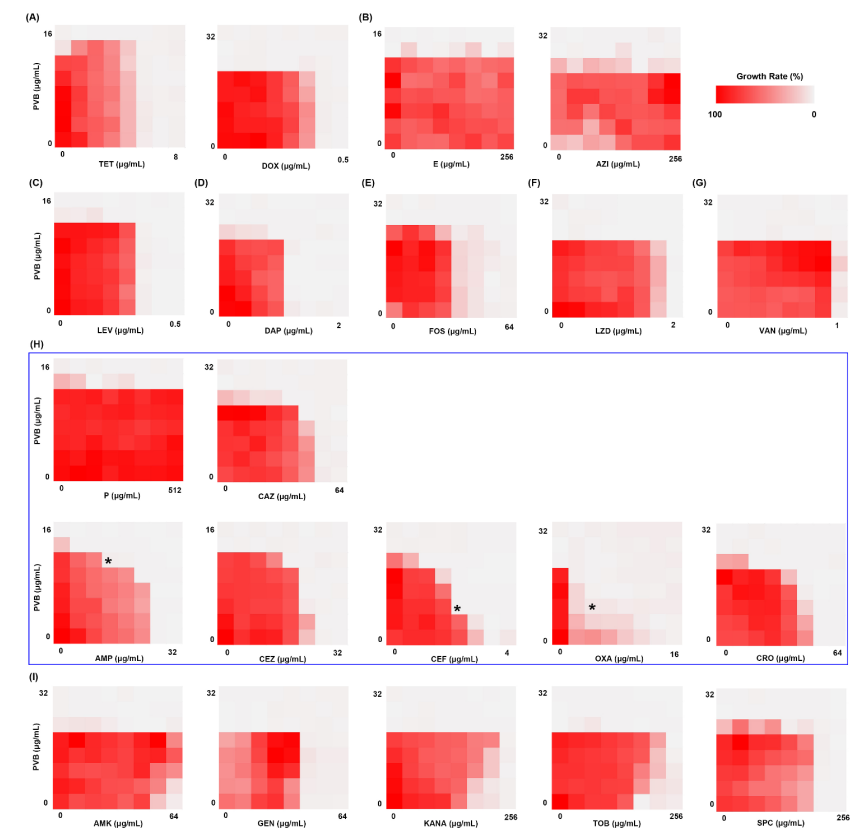
Erythromycin purchased from MedChemExpress. Usage Cited in: AMB Express. 2024 Dec 24;14(1):141. [Abstract]
Combinational antimicrobial effects between PVB and conventional antibiotics against MRSA ATCC 43,300. TET, Tetracycline. DOX, Doxycycline. E, Erythromycin. AZI, Azithromycin. P, Penicillin. CAZ, Ceftazidime. AMP, Ampicillin. CEZ, Cefazolin. CEF, Cefotaxime. OXA, Oxacillin. CRO, Ceftriaxone. AMK, Amikacin. GEN, Gentamycin, KANA, Kanamycin. TOB, Tobramycin. SPC, Spectinomycin.
-
Viruses
Erythromycin Estolate Inhibits Zika Virus Infection by Blocking Viral Entry as a Viral Inactivator. [Abstract]2019 Nov 15;11(11):1064. PMID: 31731598 -
-
-
Vet Microbiol
Discovery of the tigecycline resistance gene cluster tmexCD3-toprJ1 in Pasteurella multocida strains isolated from pigs in China. [Abstract]2024 May:292:110046. PMID: 38471428 -
-
-
-
-
-
-
Chemosphere
Mass-balance-model-based evaluation of sewage treatment plant contribution to residual pharmaceuticals in environmental waters. [Abstract]2019 Jun:225:378-387. PMID: 30884299


용액&용해도
In Vitro:
DMSO : ≥ 100 mg/mL (136.25 mM; Hygroscopic DMSO has a significant impact on the solubility of product, please use newly opened DMSO)
H2O : < 0.1 mg/mL (insoluble)
* "≥" means soluble, but saturation unknown.
Please refer to the solubility information to select the appropriate solvent. Once prepared, please aliquot and store the solution to prevent product inactivation from repeated freeze-thaw cycles.
Storage method and period of stock solution: -80°C, 6 months; -20°C, 1 month. When stored at -80°C, please use it within 6 months. When stored at -20°C, please use it within 1 month.
Please refer to the solubility information to select the appropriate solvent. Once prepared, please aliquot and store the solution to prevent product inactivation from repeated freeze-thaw cycles.
Storage method and period of stock solution: -80°C, 6 months; -20°C, 1 month. When stored at -80°C, please use it within 6 months. When stored at -20°C, please use it within 1 month.
Concentration (start) × Volume (start) = Concentration (final) × Volume (final)
In Vivo:
Select the appropriate dissolution method based on your experimental animal and administration route.
- For the following dissolution methods, please ensure to first prepare a clear stock solution using an In Vitro approach and then sequentially add co-solvents:
- To ensure reliable experimental results, the clarified stock solution can be appropriately stored based on storage conditions. As for the working solution for In Vivo experiments, it is recommended to prepare freshly and use it on the same day.
- The percentages shown for the solvents indicate their volumetric ratio in the final prepared solution. If precipitation or phase separation occurs during preparation, heat and/or sonication can be used to aid dissolution.
Add each solvent one by one: 10% DMSO 40% PEG300 5% Tween-80 45% Saline
Solubility: ≥ 2.08 mg/mL (2.83 mM); Clear solution
This protocol yields a clear solution of ≥ 2.08 mg/mL (saturation unknown).
Taking 1 mL working solution as an example, add 100 μL DMSO stock solution (20.8 mg/mL) to 400 μL PEG300, and mix evenly; then add 50 μL Tween-80 and mix evenly; then add 450 μL Saline to adjust the volume to 1 mL.
Preparation of Saline: Dissolve 0.9 g sodium chloride in ddH₂O and dilute to 100 mL to obtain a clear Saline solution.
Add each solvent one by one: 10% DMSO 90% (20% SBE-β-CD in Saline)
Solubility: ≥ 2.08 mg/mL (2.83 mM); Clear solution
This protocol yields a clear solution of ≥ 2.08 mg/mL (saturation unknown).
Taking 1 mL working solution as an example, add 100 μL DMSO stock solution (20.8 mg/mL) to 900 μL 20% SBE-β-CD in Saline, and mix evenly.
Preparation of 20% SBE-β-CD in Saline (4°C, storage for one week): 2 g SBE-β-CD powder is dissolved in 10 mL Saline, completely dissolve until clear.
For the following dissolution methods, please prepare the working solution directly:
It is recommended to prepare fresh solutions and use them promptly within a short period of time.
The percentages shown for the solvents indicate their volumetric ratio in the final prepared solution. If precipitation or phase separation occurs during preparation, heat and/or sonication can be used to aid dissolution.
In Vivo Dissolution Calculator
Please enter the basic information of animal experiments:
-
-
-
-
Recommended: Prepare an additional quantity of animals to account for potential losses during experiments.
Please enter your animal formula composition:
-
%DMSO +
Recommended: Keep the proportion of DMSO in working solution below 2% if your animal is weak.
-
%+
-
+%Tween-80 + +
-
%Saline +
The co-solvents required include: DMSO, . All of co-solvents are available by MedChemExpress (MCE). , Tween 80. All of co-solvents are available by MedChemExpress (MCE).
Working solution concentration: 0.22 mg/mL
Method for preparing stock solution: mg drug dissolved in μL DMSO. Stock solution concentration: mg/mL.
1. Take μL DMSO stock solution;
2. Add μL .
μL , mix evenly;
3. Then add μL Tween 80, mix evenly;
4. Then add μL
Please ensure that the stock solution in the first step is dissolved to a clear state, and add co-solvents in sequence. You can use ultrasonic heating (ultrasonic cleaner, recommended frequency 20-40 kHz), vortexing, etc. to assist dissolution.

Protocol
-
Research Protocol for Infectious Diseases
Infectious-disease experiments test how pathogens interact with host barriers, innate immune receptors, inflammatory signaling, pathogen replication, and tissue injury; pattern-recognition receptors such as TLRs, RIG-I-like receptors, NOD-like receptors, and inflammasomes detect microbial molecules and activate NF-κB, interferon, and cytokine responses. The central hypothesis is that infection severity reflects the balance between pathogen burden and host response: protective inflammation restricts pathogen growth, whereas excessive or mislocalized inflammation contributes to tissue damage and disease phenotype. Unresolved questions include which host pathways are protective versus pathogenic, why some infection models fail to translate to human disease, and which combined readouts best predict clinically relevant infection outcomes.


순도&문서
-
Data Sheet (286 KB)
-
SDS (419 KB)
- English - EN (419 KB)
- Français - FR (419 KB)
- Deutsch - DE (419 KB)
- Norwegian - NO (419 KB)
- Español - ES (419 KB)
- Swedish - SV (419 KB)
- Italian - IT (419 KB)
- Korean - KR (419 KB)
- Portuguese - PT (419 KB)
-
Handling Instructions (2659 KB)
References
[1]. Gribble MJ, et al. Erythromycin. Med Clin North Am. 1982 Jan;66(1):79-89. [Content Brief]
[2]. Nakornchai S, et al. Activity of azithromycin or erythromycin in combination with antimalarial drugs against multidrug-resistant Plasmodium falciparum in vitro. Acta Trop. 2006 Dec;100(3):185-91. Epub 2006 Nov 28. [Content Brief]
[3]. Hamada K, et al. Antitumor effect of erythromycin in mice. Chemotherapy. 1995 Jan-Feb. 41(1):59-69. [Content Brief]
[4]. Katayama Y, et al. Neuroprotective effects of erythromycin on cerebral ischemia reperfusion-injury and cell viability after oxygen-glucose deprivation in cultured neuronal cells. Brain Res. 2014 Nov 7. 1588:159-67. [Content Brief]


Complete Stock Solution Preparation Table
Please refer to the solubility information to select the appropriate solvent. Once prepared, please aliquot and store the solution to prevent product inactivation from repeated freeze-thaw cycles.
Storage method and period of stock solution: -80°C, 6 months; -20°C, 1 month. When stored at -80°C, please use it within 6 months. When stored at -20°C, please use it within 1 month.
| Optional Solvent | Concentration Solvent Mass | 1 mg | 5 mg | 10 mg | 25 mg |
|---|---|---|---|---|---|
| DMSO | 1 mM | 1.3625 mL | 6.8126 mL | 13.6253 mL | 34.0632 mL |
| 5 mM | 0.2725 mL | 1.3625 mL | 2.7251 mL | 6.8126 mL | |
| 10 mM | 0.1363 mL | 0.6813 mL | 1.3625 mL | 3.4063 mL | |
| 15 mM | 0.0908 mL | 0.4542 mL | 0.9084 mL | 2.2709 mL | |
| 20 mM | 0.0681 mL | 0.3406 mL | 0.6813 mL | 1.7032 mL | |
| 25 mM | 0.0545 mL | 0.2725 mL | 0.5450 mL | 1.3625 mL | |
| 30 mM | 0.0454 mL | 0.2271 mL | 0.4542 mL | 1.1354 mL | |
| 40 mM | 0.0341 mL | 0.1703 mL | 0.3406 mL | 0.8516 mL | |
| 50 mM | 0.0273 mL | 0.1363 mL | 0.2725 mL | 0.6813 mL | |
| 60 mM | 0.0227 mL | 0.1135 mL | 0.2271 mL | 0.5677 mL | |
| 80 mM | 0.0170 mL | 0.0852 mL | 0.1703 mL | 0.4258 mL | |
| 100 mM | 0.0136 mL | 0.0681 mL | 0.1363 mL | 0.3406 mL |


Erythromycin Related Classifications
HY-B0220 Related Classifications
 Powered by Bioz