



Ligustrazine
Based on 11 publication(s) in Google Scholar
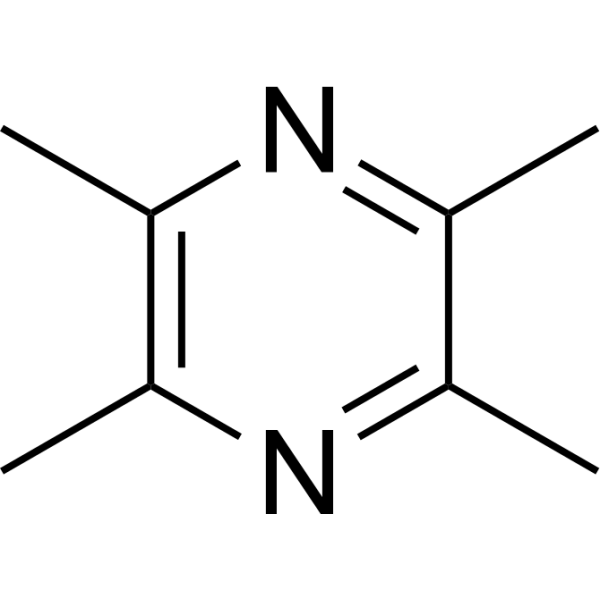
Ligustrazine (Chuanxiongzine) is an orally active, blood-brain barrier-permeable alkaloid. It can be isolated from Ligusticum striatum DC. Ligustrazine reduces ROS, upregulates the levels of p-Akt/Akt and p-eNOS/eNOS, and decreases ALT and AST. It inhibits glutamate excitotoxicity, calcium overload, oxidative stress, ischemia-reperfusion injury and atherosclerotic plaque progression, enhances synaptic plasticity, and improves neurological function, cerebral infarct volume and brain water content. Ligustrazine possesses anti-inflammatory, antioxidant, lipid-lowering, endothelial protective and hepatoprotective activities. It can be used in studies related to ischemic stroke, cerebral ischemia-reperfusion injury and atherosclerosis.
연구목적의 판매만을 진행합니다. 환자를 대상으로 한 판매는 하지 않습니다.
- Purity : 99.99%
- CAS No.: 1124-11-4
- 화학식: C8H12N2
- 분자량:136.20
-
보관:Powder -20°C, 3 years , 4°C, 2 years ; In solvent -80°C, 6 months , -20°C, 1 month

To place orders, for customer services and technical support, please contact: MedChemExpress USA
Tel: 609-228-6898 E-mail: [email protected] [email protected]


-
 Biological Activity
-
Chemical Information
-
용액&용해도
- Protocol
- 순도&문서
- References
-
 Help & FAQs


-
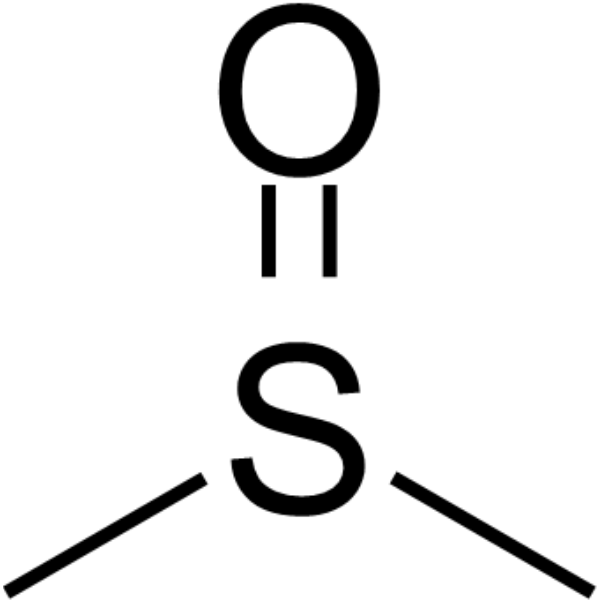
HY-Y0320
Dimethyl sulfoxide, meets analytical specification of Ch.P.Aprotic Solvent -
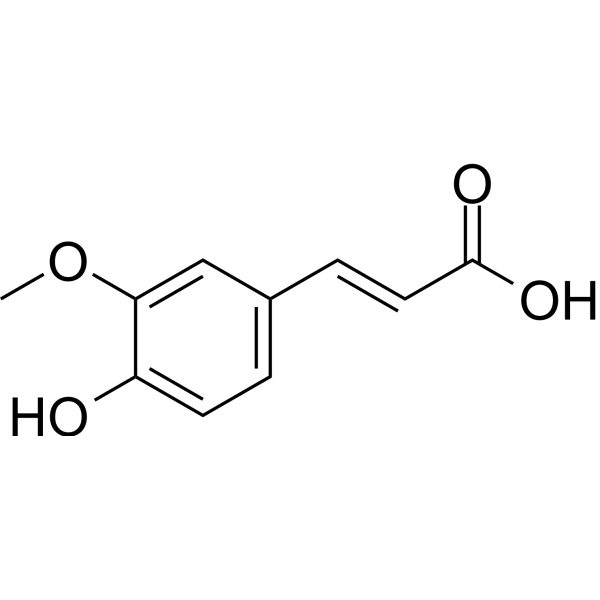
HY-N0060
Ferulic acidFGFR1 Inhibitor -
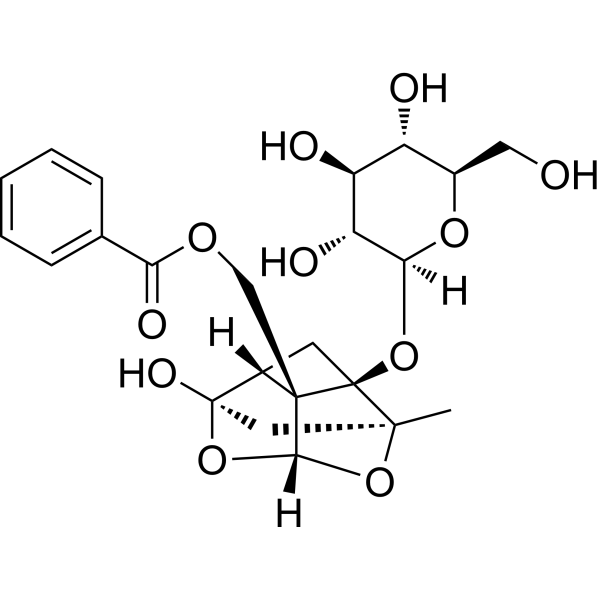
HY-N0293
PaeoniflorinHSP Activator -
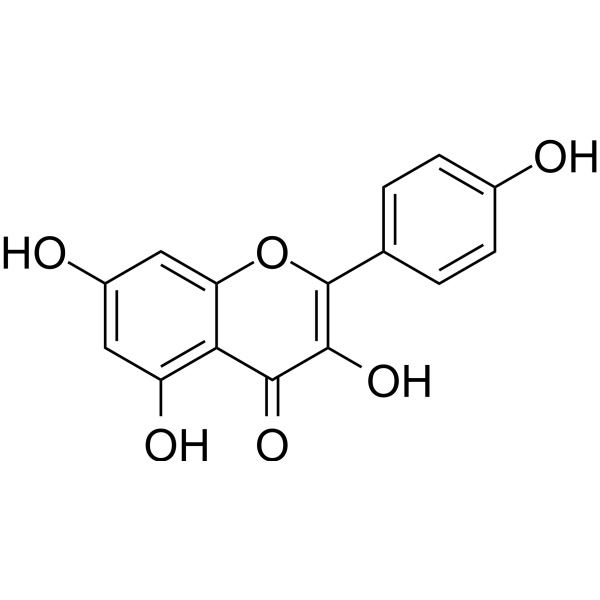
HY-14590
KaempferolEstrogen Receptor α Inhibitor -
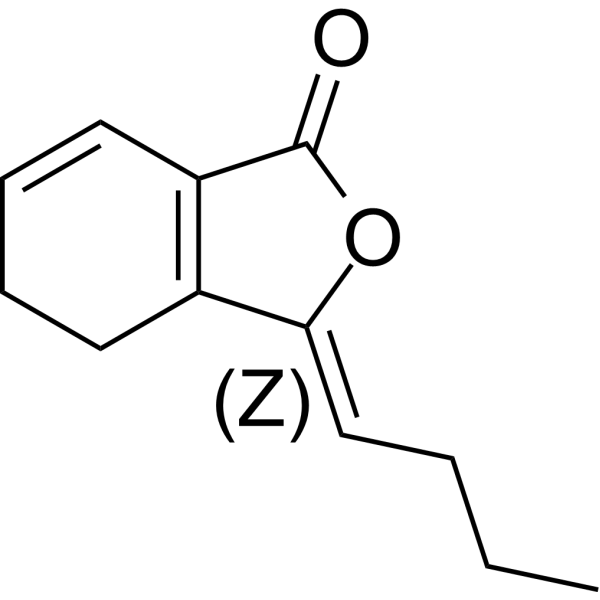
HY-N0401A
(Z)-LigustilideBacterial Inhibitor -

HY-Y1891
Tween 80 -
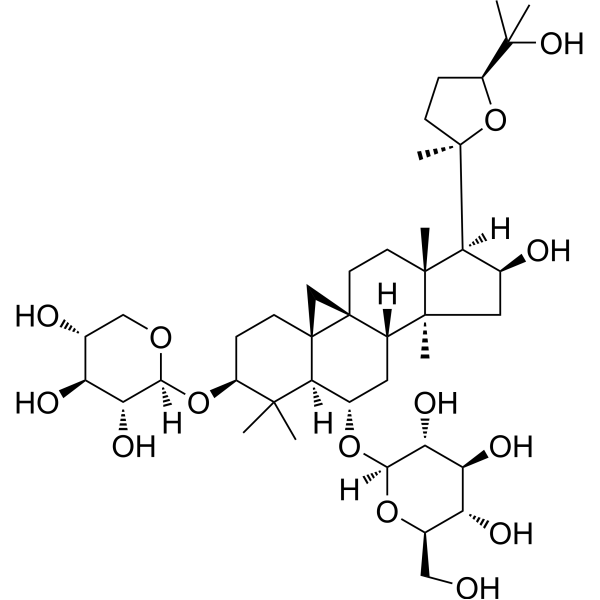
HY-N0431
Astragaloside IVMMP Inhibitor -
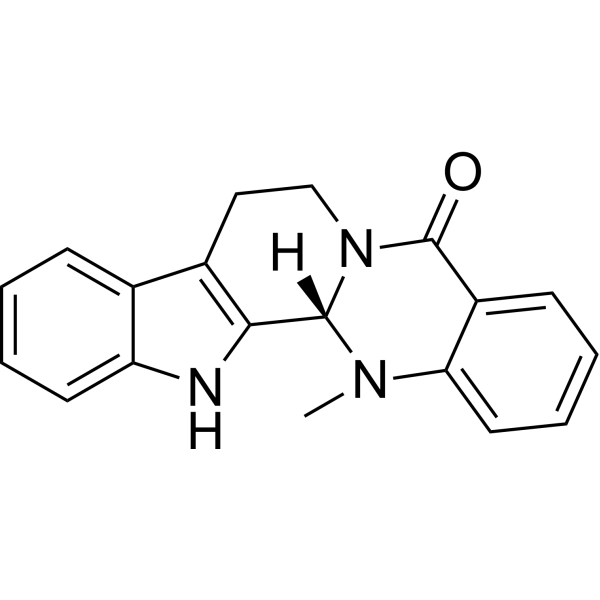
HY-N0114
EvodiamineAlkaloid -
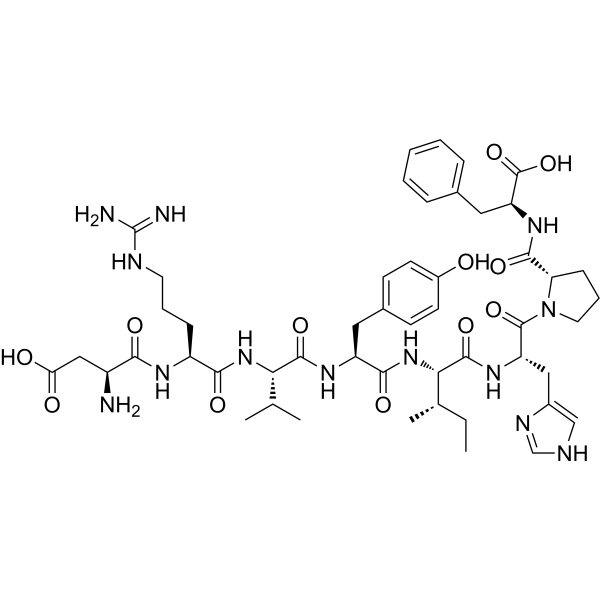
HY-13948
Angiotensin II humanVasoconstrictor -
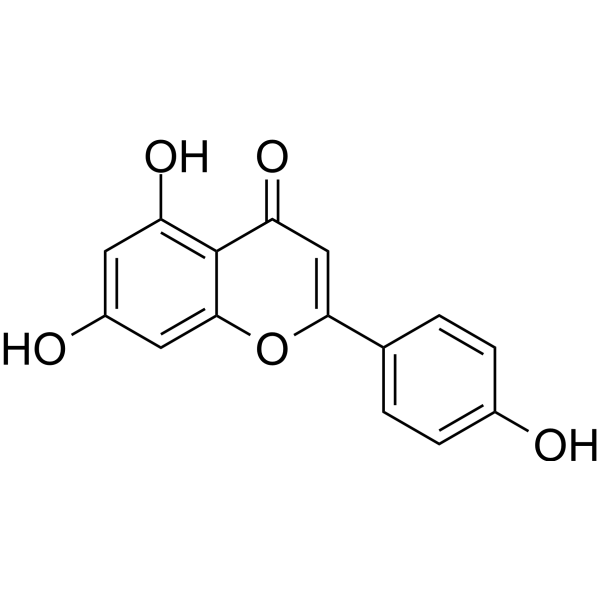
HY-N1201
ApigeninCytochrome P450 Inhibitor -
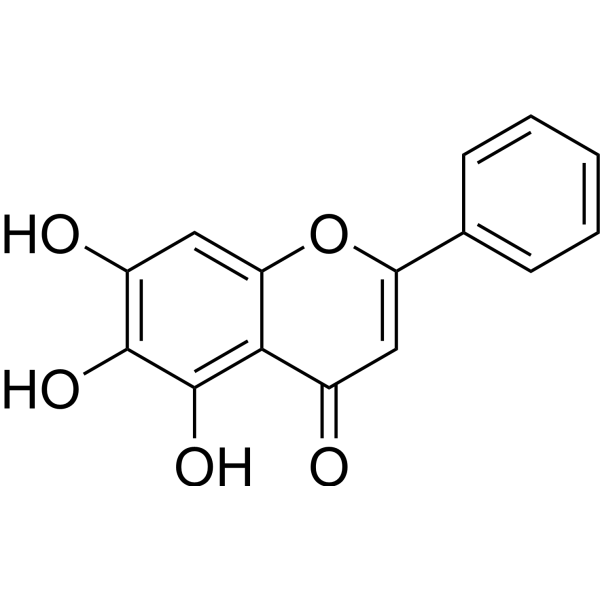
HY-N0196
BaicaleinXanthine Oxidase Inhibitor -
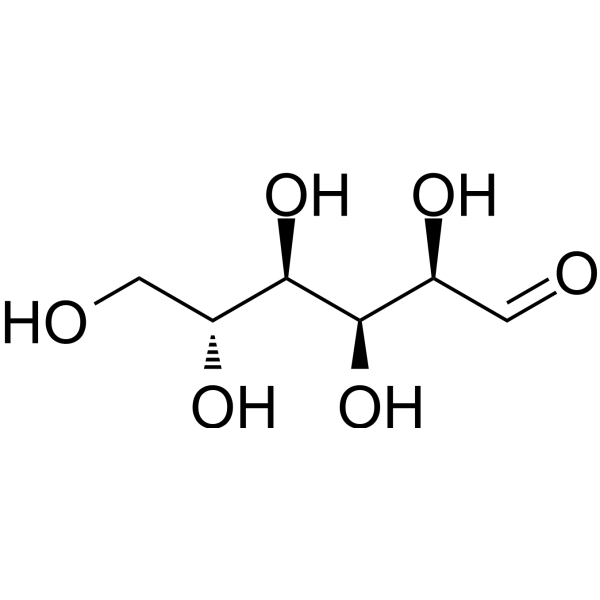
HY-B0389
D-GlucoseMonosaccharide
Publications Citing Use of MedChemExpress (MCE) Ligustrazine
More- Antioxidants (Basel). 2024 Jun 14;13(6):725. [Abstract]
- Biochem Pharmacol. 2025 Nov:241:117193. [Abstract]
- Eur J Pharmacol. 2025 Sep 17:178180. [Abstract]
- Cell Signal. 2025 Nov:135:112045. [Abstract]
- Regen Ther. 2026 Mar 7:32:101098. [Abstract]
- Exp Cell Res. 2021 Sep 1;406(1):112719. [Abstract]
- Chem Biol Drug Des. 2026 Jan;107(1):e70236. [Abstract]
- Clin Exp Pharmacol Physiol. 2023 Nov;50(11):867-877. [Abstract]
- Vascular. 2022 Dec;30(6):1224-1231. [Abstract]
- Research Square Print. November 8th, 2022
- Research Square Print. October 11th, 2022.
 Customer Validation & Images

-
Histological Imaging/Staining
-
ELISA
-
In Vivo Imaging
-
In Vivo Efficacy Study
-
Histological Imaging/Staining


Biological Activity
제품 설명
IC50 & Target
|
eNOS |
Cellular Effect
|
Cell Line

|
Type | Value | Description | References |
|---|---|---|---|---|
| A549 | IC50 |
>20 μM
Compound: Lig
|
Antiproliferative activity against human A549 cells assessed as inhibition of cell growth incubated for 48 hrs by MTT assay
Antiproliferative activity against human A549 cells assessed as inhibition of cell growth incubated for 48 hrs by MTT assay
|
[PMID: 37499289] |
| A549 | IC50 |
>200 μM
Compound: 1
|
Antiproliferative activity against human A549 cells after 72 hrs by MTT assay
Antiproliferative activity against human A549 cells after 72 hrs by MTT assay
|
[PMID: 26891099] |
| A549 | IC50 |
>200 μM
Compound: 1
|
Inhibition of thioredoxin reductase in human A549 cells by DTNB dye based microplate spectrophotometry
Inhibition of thioredoxin reductase in human A549 cells by DTNB dye based microplate spectrophotometry
|
[PMID: 26891099] |
| A549 | IC50 |
15.22 μM
Compound: 2
|
Antiproliferative activity against human A549 cells after 72 hrs in presence of piperlongumine by MTT assay
Antiproliferative activity against human A549 cells after 72 hrs in presence of piperlongumine by MTT assay
|
[PMID: 29424539] |
| A549 | IC50 |
36.46 μM
Compound: TMP
|
Antiproliferation activity against human A549 cells assessed as reduction in cell viability after 72 hrs by CCK8 assay
Antiproliferation activity against human A549 cells assessed as reduction in cell viability after 72 hrs by CCK8 assay
|
[PMID: 34186178] |
| A549 | IC50 |
6.42 μM
Compound: Lig
|
Antiproliferative activity against human A549 cells assessed as inhibition of cell growth incubated for 48 hrs in presence of celastrol by MTT assay
Antiproliferative activity against human A549 cells assessed as inhibition of cell growth incubated for 48 hrs in presence of celastrol by MTT assay
|
[PMID: 37499289] |
| A549/CDDP | IC50 |
>200 μM
Compound: 1
|
Antiproliferative activity against human A549/CDDP cells after 72 hrs by MTT assay
Antiproliferative activity against human A549/CDDP cells after 72 hrs by MTT assay
|
[PMID: 26891099] |
| A549/CDDP | IC50 |
>200 μM
Compound: 1
|
Inhibition of thioredoxin reductase in human A549/CDDP cells by DTNB dye based microplate spectrophotometry
Inhibition of thioredoxin reductase in human A549/CDDP cells by DTNB dye based microplate spectrophotometry
|
[PMID: 26891099] |
| Bel-7402 | IC50 |
>20 μM
Compound: Ligustrazine
|
Antiproliferative activity against human Bel7402 cells after 72 hrs by MTT assay
Antiproliferative activity against human Bel7402 cells after 72 hrs by MTT assay
|
[PMID: 29432947] |
| EA.hy 926 | EC50 |
83.4 μM
Compound: Ligustrazine, TMP
|
Cytoprotective activity against H2O2-induced cytotoxicity in human EAhy926 cells pre-incubated for 24 hrs before H2O2 challenge for 12 hrs by MTT assay
Cytoprotective activity against H2O2-induced cytotoxicity in human EAhy926 cells pre-incubated for 24 hrs before H2O2 challenge for 12 hrs by MTT assay
|
10.1039/C4MD00022F |
| ECV-304 | EC50 |
0.6 mM
Compound: TMP, Ligustrazine
|
Cytoprotective activity in H2O2-induced human ECV304 cells assessed as proliferation rate incubated for 24 hrs prior to H2O2-challenge measured after 12 hrs by MTT assay
Cytoprotective activity in H2O2-induced human ECV304 cells assessed as proliferation rate incubated for 24 hrs prior to H2O2-challenge measured after 12 hrs by MTT assay
|
10.1039/C3MD20352B |
| ECV-304 | EC50 |
0.6 mM
Compound: TMP, tetramethyl pyrazine
|
Protection against H2O2-induced toxicity in human ECV304 cells assessed as proliferation rate pretreated for 24 hrs before H2O2 challenge measured after 12 hrs by MTT assay
Protection against H2O2-induced toxicity in human ECV304 cells assessed as proliferation rate pretreated for 24 hrs before H2O2 challenge measured after 12 hrs by MTT assay
|
[PMID: 21993151] |
| ECV-304 | EC50 |
154.35 μM
Compound: Lig, Ligustrazine
|
Protection against hydrogen peroxide-induced cell damage in human ECV304 cells treated 30 mins before hydrogen peroxide challenge measured after 6 hrs
Protection against hydrogen peroxide-induced cell damage in human ECV304 cells treated 30 mins before hydrogen peroxide challenge measured after 6 hrs
|
[PMID: 19329327] |
| ECV-304 | EC50 |
452 μM
Compound: ligustrazine
|
Protection of hydrogen peroxide-induced damage in ECV304 cells
Protection of hydrogen peroxide-induced damage in ECV304 cells
|
[PMID: 17383884] |
| ECV-304 | EC50 |
549 μM
Compound: Ligustrazine
|
Protection against H2O2-induced damage in human ECV304 cells preincubated for 24 hrs followed by H2O2 addition and measured after 12 hrs by MTT assay
Protection against H2O2-induced damage in human ECV304 cells preincubated for 24 hrs followed by H2O2 addition and measured after 12 hrs by MTT assay
|
[PMID: 29432947] |
| HBMEC-2 | EC50 |
15.18 μM
Compound: TMP
|
Neuroprotective activity against H2O2-induced cell damage in human HBMEC2 cells assessed as increase in cell viability preincubated for 24 hrs followed by H2O2 addition and measured after 4 hrs by MTT assay
Neuroprotective activity against H2O2-induced cell damage in human HBMEC2 cells assessed as increase in cell viability preincubated for 24 hrs followed by H2O2 addition and measured after 4 hrs by MTT assay
|
[PMID: 31541868] |
| HCT-116 | IC50 |
8.17 μM
Compound: 2
|
Antiproliferative activity against human HCT116 cells after 72 hrs in presence of piperlongumine by MTT assay
Antiproliferative activity against human HCT116 cells after 72 hrs in presence of piperlongumine by MTT assay
|
[PMID: 29424539] |
| HeLa | IC50 |
>20 μM
Compound: Ligustrazine
|
Antiproliferative activity against human HeLa cells after 72 hrs by MTT assay
Antiproliferative activity against human HeLa cells after 72 hrs by MTT assay
|
[PMID: 29432947] |
| HepG2 | IC50 |
>20 μM
Compound: Ligustrazine
|
Antiproliferative activity against human HepG2 cells after 72 hrs by MTT assay
Antiproliferative activity against human HepG2 cells after 72 hrs by MTT assay
|
[PMID: 29432947] |
| HepG2 | IC50 |
38.25 μM
Compound: TMP
|
Antiproliferation activity against human HepG2 cells assessed as reduction in cell viability after 72 hrs by CCK8 assay
Antiproliferation activity against human HepG2 cells assessed as reduction in cell viability after 72 hrs by CCK8 assay
|
[PMID: 34186178] |
| HT-29 | IC50 |
>20 μM
Compound: Ligustrazine
|
Antiproliferative activity against human HT-29 cells after 72 hrs by MTT assay
Antiproliferative activity against human HT-29 cells after 72 hrs by MTT assay
|
[PMID: 29432947] |
| HUVEC | EC50 |
600 μM
Compound: Ligustrazine
|
Protection against H2O2-induced damage in HUVEC
Protection against H2O2-induced damage in HUVEC
|
[PMID: 29432947] |
| HUVEC | EC50 |
788 μM
Compound: Ligustrazine
|
Protection against H2O2-induced damage in HUVEC preincubated for 0.5 hrs followed by H2O2 addition and measured after 12 hrs
Protection against H2O2-induced damage in HUVEC preincubated for 0.5 hrs followed by H2O2 addition and measured after 12 hrs
|
[PMID: 29432947] |
| K562 | IC50 |
5.09 μM
Compound: 2
|
Antiproliferative activity against human K562 cells after 72 hrs in presence of piperlongumine by MTT assay
Antiproliferative activity against human K562 cells after 72 hrs in presence of piperlongumine by MTT assay
|
[PMID: 29424539] |
| MCF7 | IC50 |
>20 μM
Compound: Ligustrazine
|
Antiproliferative activity against human MCF7 cells after 72 hrs by MTT assay
Antiproliferative activity against human MCF7 cells after 72 hrs by MTT assay
|
[PMID: 29432947] |
| MCF7 | IC50 |
29.85 μM
Compound: TMP
|
Antiproliferation activity against human MCF-7 cells assessed as reduction in cell viability after 72 hrs by CCK8 assay
Antiproliferation activity against human MCF-7 cells assessed as reduction in cell viability after 72 hrs by CCK8 assay
|
[PMID: 34186178] |
| MDA-MB-231 | IC50 |
20.44 μM
Compound: TMP
|
Antiproliferation activity against human MDA-MB-231 cells assessed as reduction in cell viability after 72 hrs by CCK8 assay
Antiproliferation activity against human MDA-MB-231 cells assessed as reduction in cell viability after 72 hrs by CCK8 assay
|
[PMID: 34186178] |
| MDA-MB-231 | IC50 |
4.86 μM
Compound: Lig
|
Antiproliferative activity against human MDA-MB-231 cells assessed as inhibition of cell growth incubated for 48 hrs in presence of celastrol by MTT assay
Antiproliferative activity against human MDA-MB-231 cells assessed as inhibition of cell growth incubated for 48 hrs in presence of celastrol by MTT assay
|
[PMID: 37499289] |
| MG-63 | IC50 |
10.3 μg/mL
Compound: 46
|
Cytotoxicity against human MG-63 cells assessed as reduction in cell viability incubated for 48 hrs by MTT assay
Cytotoxicity against human MG-63 cells assessed as reduction in cell viability incubated for 48 hrs by MTT assay
|
[PMID: 37300915] |
| NCI-H1975 | IC50 |
5.61 μM
Compound: Lig
|
Antiproliferative activity against human NCI-H1975 cells assessed as inhibition of cell growth incubated for 48 hrs in presence of celastrol by MTT assay
Antiproliferative activity against human NCI-H1975 cells assessed as inhibition of cell growth incubated for 48 hrs in presence of celastrol by MTT assay
|
[PMID: 37499289] |
| PC-12 | EC50 |
60 μM
Compound: Ligustrazine
|
Neuroprotection against CoCl2-induced toxicity in rat PC12 cells
Neuroprotection against CoCl2-induced toxicity in rat PC12 cells
|
[PMID: 29432947] |
| PC-12 | EC50 |
64.46 μM
Compound: Ligustrazine
|
Neuroprotection against CoCl2-induced toxicity in rat PC12 cells preincubated for 36 hrs followed by CoCl2 addition measured after 12 hrs by MTT assay
Neuroprotection against CoCl2-induced toxicity in rat PC12 cells preincubated for 36 hrs followed by CoCl2 addition measured after 12 hrs by MTT assay
|
[PMID: 29432947] |
| Platelet | IC50 |
265.3 μM
Compound: Ligustrazine, TMP
|
Anti-platelet activity in rabbit platelet-rich plasma assessed as inhibition of ADP-induced platelet aggregation incubated for 5 mins at 37 degC by aggregometry
Anti-platelet activity in rabbit platelet-rich plasma assessed as inhibition of ADP-induced platelet aggregation incubated for 5 mins at 37 degC by aggregometry
|
10.1039/C4MD00022F |
| SAOS-2 | IC50 |
24.7 μg/mL
Compound: 46
|
Cytotoxicity against human SAOS-2 cells assessed as reduction in cell viability incubated for 48 hrs by MTT assay
Cytotoxicity against human SAOS-2 cells assessed as reduction in cell viability incubated for 48 hrs by MTT assay
|
[PMID: 37300915] |
| SH-SY5Y | EC50 |
17.59 μM
Compound: TMP
|
Neuroprotective activity against H2O2-induced cell damage in human SH-SY5Y cells assessed as increase in cell viability preincubated for 24 hrs followed by H2O2 addition and measured after 4 hrs by MTT assay
Neuroprotective activity against H2O2-induced cell damage in human SH-SY5Y cells assessed as increase in cell viability preincubated for 24 hrs followed by H2O2 addition and measured after 4 hrs by MTT assay
|
[PMID: 31541868] |
| SK-HEP1 | IC50 |
9.67 μM
Compound: Lig
|
Antiproliferative activity against human SK-HEP1 cells assessed as inhibition of cell growth incubated for 48 hrs in presence of celastrol by MTT assay
Antiproliferative activity against human SK-HEP1 cells assessed as inhibition of cell growth incubated for 48 hrs in presence of celastrol by MTT assay
|
[PMID: 37499289] |
| U2OS | IC50 |
54.7 μg/mL
Compound: 46
|
Cytotoxicity against human U2OS cells assessed as reduction in cell viability incubated for 48 hrs by MTT assay
Cytotoxicity against human U2OS cells assessed as reduction in cell viability incubated for 48 hrs by MTT assay
|
[PMID: 37300915] |
| U-87MG ATCC | IC50 |
16.15 μM
Compound: 2
|
Antiproliferative activity against human U87MG cells after 72 hrs in presence of piperlongumine by MTT assay
Antiproliferative activity against human U87MG cells after 72 hrs in presence of piperlongumine by MTT assay
|
[PMID: 29424539] |
In Vitro
Ligustrazine (1-100 μM) dose-dependently increases NO production in OGD-treated human amniotic epithelial cells by activating the PI3K/Akt pathway, with no significant effect on NO production in normal HAECs[2].
Ligustrazine (0.1-10 μM) dose-dependently increases p-Akt/Akt and p-eNOS/eNOS in OGD-treated human amniotic epithelial cells by activating the PI3K/Akt pathway, with no significant effect on these factors in normal HAECs[2].
Ligustrazine protects endothelial cells against LDL-induced damage in an in vitro cell-based system[3].
MedChemExpress (MCE) has not independently confirmed the accuracy of these methods. They are for reference only. Further protocols information, click here.
In Vivo
Ligustrazine (20 mg/kg; i.p.; 15 min after model establishment) improves neurological function in male C57BL/6 mouse models of ischemic stroke[1].
Ligustrazine (1-10 mg/kg; i.p.; administered once at 2 h and 12 h post-operation) protects Wistar rats against cerebral ischemia-reperfusion injury in a dose-dependent manner by activating the PI3K/Akt pathway, which increases the levels of p-Akt and p-eNOS, improves neurological function, and alleviates brain tissue damage[2].
Ligustrazine (20-80 mg/kg; p.o.; 6 weeks) dose-dependently inhibits the progression of atherosclerosis and hepatic lipid accumulation in Sprague-Dawley rats, with the daily oral dose of 80 mg/kg reducing the aortic lesion area by 49.0% compared with the untreated atherosclerotic control group[3].
MedChemExpress (MCE) has not independently confirmed the accuracy of these methods. They are for reference only.
-
Animal Model:Wistar rats[2]
-
Dosage:1 mg/kg; 3 mg/kg; 10 mg/kg
-
Administration:i.p.; twice (at 2 hours and 12 hours after operation)
-
Result:Increased brain tissue levels of p-Akt (normalized to Akt) in a dose-dependent manner.
Increased brain tissue levels of p-eNOS (normalized to eNOS) in a dose-dependent manner.
Significantly improved neurological deficits compared to I/R-only rats.
Dose-dependently alleviated brain cell shrinkage, nuclear deep staining, edema, and necrosis induced by I/R injury.
Had its protective effects reversed by pre-treatment with the PI3K inhibitor wortmannin.
-
Animal Model:Sprague-Dawley (male, SPF grade, ~200 g at study start, induced via vitamin D3 injection and atherogenic diet)[3]
-
Dosage:20 mg/kg; 80 mg/kg
-
Administration:p.o.; daily; 6 weeks
-
Result:Decreased total cholesterol by 65.2%, triglycerides by 53.2%, LDL by 71.2%, and slightly increased HDL at 20 mg/kg dose.
Decreased total cholesterol by 76.7%, triglycerides by 77.9%, LDL by 79.0%, and slightly increased HDL at 80 mg/kg dose.
Decreased circulating endothelial cells by 42.2% at 20 mg/kg dose.
Decreased circulating endothelial cells by 60.0% at 80 mg/kg dose.
Decreased ALT by 13.0% and AST by 10.7% at 20 mg/kg dose.
Decreased ALT by 49.7% and AST by 14.3% at 80 mg/kg dose.
Restored total antioxidant capacity and SOD1 activity at both doses.
Decreased MDA generation by 12.8% at 20 mg/kg dose.
Decreased MDA generation by 23.8% at 80 mg/kg dose.
Reduced thoracic aorta lesion area by 18.9% relative to atherosclerotic controls at 20 mg/kg dose.
Reduced thoracic aorta lesion area by 49.0% relative to atherosclerotic controls at 80 mg/kg dose.
Reduced hepatic lipid accumulation, reversed elevated hepatic TG and LDL levels, and restored reduced hepatic HDL levels at both doses.
Dose-dependently inhibited the induction of antioxidant genes (pgc-1α, sod1, catalase, gpx-1) in the aorta and liver, and suppressed mRNA expression of hepatic fatty acid oxidation genes (pgc-1α, pparα, cpt1a) at both doses.
Clinical Trial
| NCT Number | Sponsor | Condition | Start Date |
Phase
|
|---|---|---|---|---|
| NCT01329991 | Plexxikon| | 2011-05 | PHASE1 |


Chemical Information
-
CAS No. 1124-11-4
-
Appearance Solid
-
분자량 136.20
-
화학식 C8H12N2
-
Color White to off-white
-
SMILES
CC1=C(C)N=C(C)C(C)=N1
-
Synonyms
Chuanxiongzine; Tetramethylpyrazine
-
Structure Classification
-
선적
Room temperature in continental US; may vary elsewhere.
-
보관
Powder -20°C 3 years 4°C 2 years In solvent -80°C 6 months -20°C 1 month


Publications (11)
-
Journal Impact Factor
-
Most Recent
-
Antioxidants (Basel)
Dopamine D2 Receptor Activation Blocks GluA2/ROS Positive Feedback Loop to Alienate Chronic-Migraine-Associated Pain Sensitization. [Abstract]2024 Jun 14;13(6):725. PMID: 38929165 -
Biochem Pharmacol
2025 Nov:241:117193. PMID: 40721008
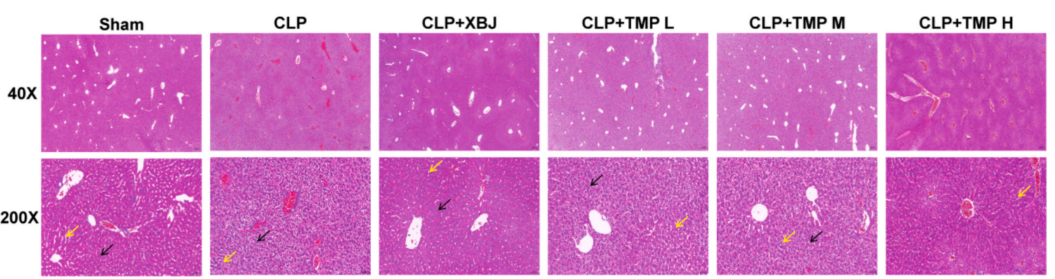
Ligustrazine purchased from MedChemExpress. Usage Cited in: Biochem Pharmacol. 2025 Nov:241:117193. [Abstract]
Ligustrazine (TMP, 25-100 mg/kg; i.p.; once daily for 7 days) can ameliorate liver injury in septic mice: Pathological changes in liver tissues of mice in each group, yellow arrows: hepatic cords; black arrows: hepatocytes. H&E staining results showed that in the Sham group, the liver tissues were structurally intact and morphologically normal, with no cell necrosis; in the CLP group, hepatocytes were swollen and necrotic, and hepatic cords were disorganized, accompanied by extensive inflammatory cell infiltration; compared with the CLP group, liver tissue damage in the CLP + XBJ, CLP + TMP L (25 mg/kg), CLP + TMP M (50 mg/kg), and CLP + TMP H (100 mg/kg) groups was significantly improved, hepatic cord structure was restored, and inflammatory cell infiltration was reduced, with the most significant improvement in the CLP + XBJ and CLP + TMP H groups.
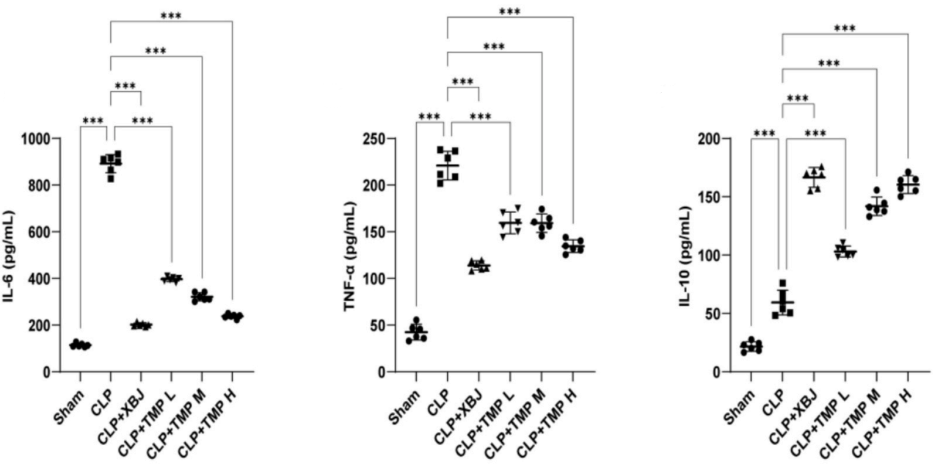
Ligustrazine purchased from MedChemExpress. Usage Cited in: Biochem Pharmacol. 2025 Nov:241:117193. [Abstract]
Effects of Ligustrazine (TMP, 25-100 mg/kg; i.p.; once daily for 7 days) on serum levels of IL-6, TNF-α, and IL-10 in septic mice.
-
Eur J Pharmacol
Tetramethylpyrazine ameliorates 5-fluorouracil-Induced cardiotoxicity by inhibiting PANoptosis and suppressing the p38 MAPK/JNK/ERK signaling pathway. [Abstract]2025 Sep 17:178180. PMID: 40973012
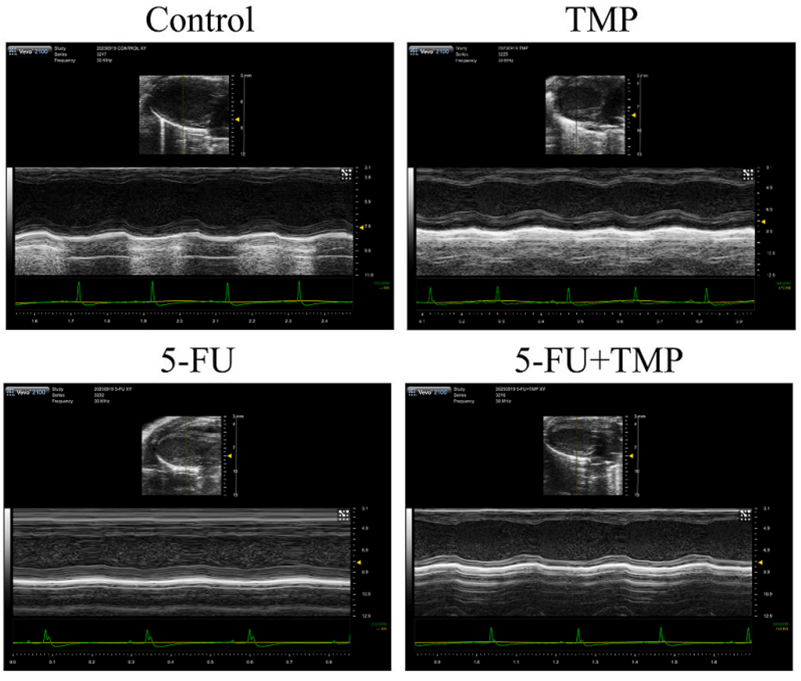
Ligustrazine purchased from MedChemExpress. Usage Cited in: Eur J Pharmacol. 2025 Sep 17:178180. [Abstract]
Representative M-mode echocardiograms. Echocardiographic analysis revealed that Ligustrazine (TMP, 60 mg/kg; i.p.; once daily for 10 days) treatment significantly improved 5-FU (20 mg/kg; i.p.; once daily for 10 days)-induced cardiac dysfunction in BALB/c mice.
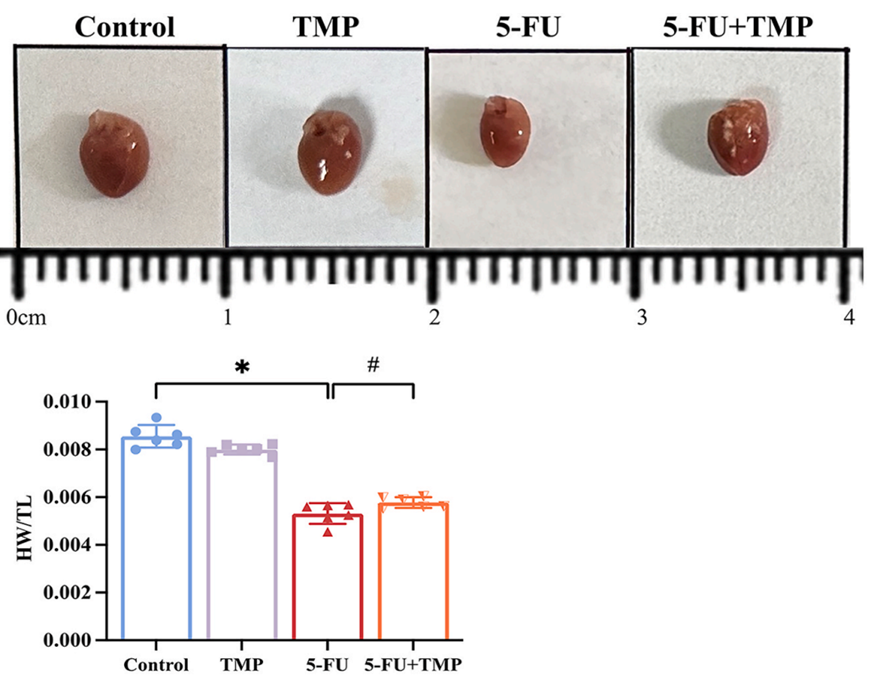
Ligustrazine purchased from MedChemExpress. Usage Cited in: Eur J Pharmacol. 2025 Sep 17:178180. [Abstract]
Morphological analysis showed that Ligustrazine (TMP, 60 mg/kg; i.p.; once daily for 10 days) attenuated 5-FU (20 mg/kg; i.p.; once daily for 10 days)-induced reductions in heart size, and significantly restored HW/TL ratio in BALB/c mice.
Ligustrazine purchased from MedChemExpress. Usage Cited in: Eur J Pharmacol. 2025 Sep 17:178180. [Abstract]
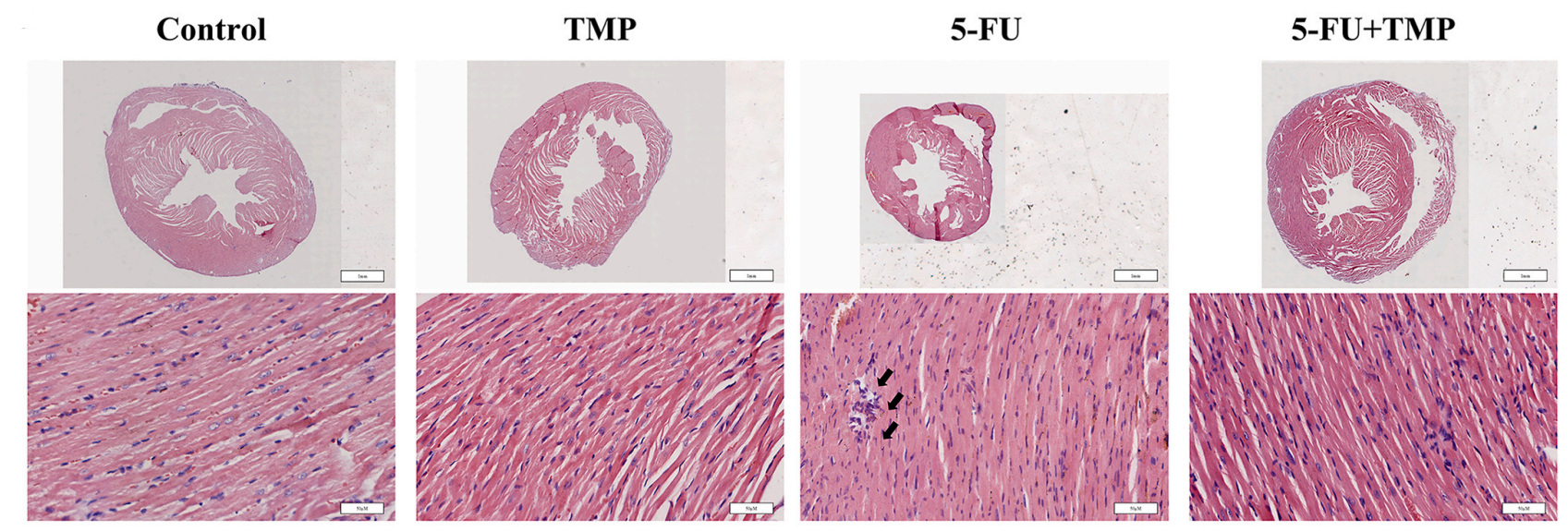
Representative images of cardiac tissue with HE staining. Images were taken at 40 × and 400 ×. HE staining revealed that Ligustrazine (TMP, 60 mg/kg; i.p.; once daily for 10 days) significantly ameliorated 5-FU (20 mg/kg; i.p.; once daily for 10 days)-induced cardiomyocyte disarray, inflammatory cell infiltration, and histological disruptions in BALB/c mice.
Ligustrazine purchased from MedChemExpress. Usage Cited in: Eur J Pharmacol. 2025 Sep 17:178180. [Abstract]
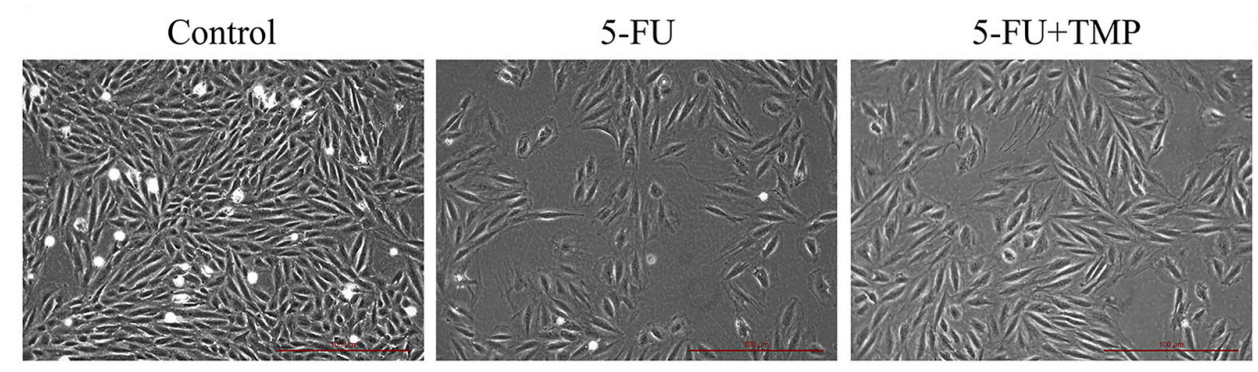
Representative micrographs were taken at 100 × magnification with a scale bar of 100 μm. Ligustrazine (TMP, 12.5 μM; 48 h) treatment significantly reversed the reduction in cell density induced by 5-FU (10 μM; 48 h).
Ligustrazine purchased from MedChemExpress. Usage Cited in: Eur J Pharmacol. 2025 Sep 17:178180. [Abstract]
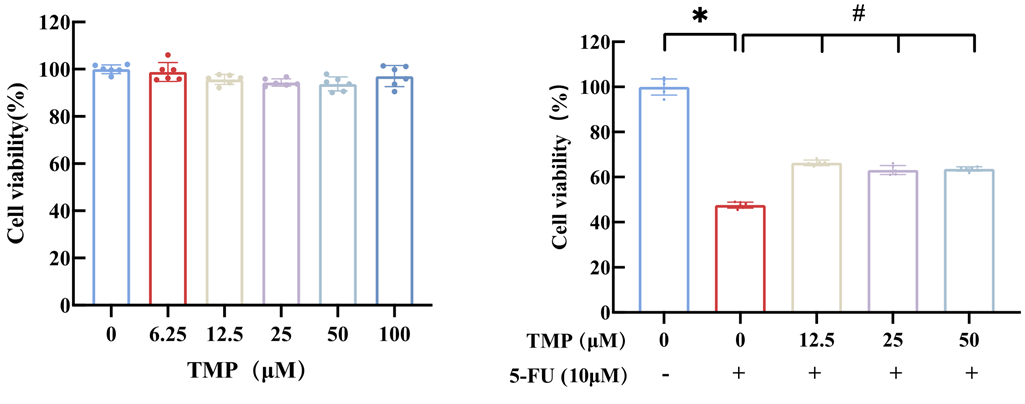
Ligustrazine (TMP) (6.25-100 μM; 48 h) alone exhibited no cytotoxic effects on H9C2 cells. Co-treatment with TMP (12.5–50 μM; 48 h) significantly reversed the suppression of cell viability induced by 10 μM 5-FU.
-
Cell Signal
Tetramethylpyrazine protects against myocardial ischemia/reperfusion injury via regulating Myl2-mediated NLRP3 signaling pathway inhibition. [Abstract]2025 Nov:135:112045. PMID: 40754120 -
Regen Ther
Therapeutic effects of Tetramethylpyrazine on Cartilage in Rat Model of Post-traumatic Osteoarthritis. [Abstract]2026 Mar 7:32:101098. PMID: 41852452 -
Exp Cell Res
Tetramethylpyrazine inhibits neutrophil extracellular traps formation and alleviates hepatic ischemia/reperfusion injury in rat liver transplantation. [Abstract]2021 Sep 1;406(1):112719. PMID: 34273405 -
Chem Biol Drug Des
Tetramethylpyrazine Targets HDAC6-Mediated PINK1 Degradation to Alleviate Chronic Intermittent Hypoxia-Induced Injury in Human Bronchial Epithelial Cells (16HBE). [Abstract]2026 Jan;107(1):e70236. PMID: 41549472 -
Clin Exp Pharmacol Physiol
Ligustrazine and liguzinediol protect against doxorubicin-induced cardiomyocytes injury by inhibiting mitochondrial apoptosis and autophagy. [Abstract]2023 Nov;50(11):867-877. PMID: 37574718 -
Vascular
Ligustrazine activate the PPAR-γ pathway and play a protective role in vascular calcification. [Abstract]2022 Dec;30(6):1224-1231. PMID: 34670463 -
-


용액&용해도
In Vitro:
DMSO : 50 mg/mL (367.11 mM; Need ultrasonic; Hygroscopic DMSO has a significant impact on the solubility of product, please use newly opened DMSO)
Please refer to the solubility information to select the appropriate solvent. Once prepared, please aliquot and store the solution to prevent product inactivation from repeated freeze-thaw cycles.
Storage method and period of stock solution: -80°C, 6 months; -20°C, 1 month. When stored at -80°C, please use it within 6 months. When stored at -20°C, please use it within 1 month.
Please refer to the solubility information to select the appropriate solvent. Once prepared, please aliquot and store the solution to prevent product inactivation from repeated freeze-thaw cycles.
Storage method and period of stock solution: -80°C, 6 months; -20°C, 1 month. When stored at -80°C, please use it within 6 months. When stored at -20°C, please use it within 1 month.
Concentration (start) × Volume (start) = Concentration (final) × Volume (final)
In Vivo:
Select the appropriate dissolution method based on your experimental animal and administration route.
- For the following dissolution methods, please ensure to first prepare a clear stock solution using an In Vitro approach and then sequentially add co-solvents:
- To ensure reliable experimental results, the clarified stock solution can be appropriately stored based on storage conditions. As for the working solution for In Vivo experiments, it is recommended to prepare freshly and use it on the same day.
- The percentages shown for the solvents indicate their volumetric ratio in the final prepared solution. If precipitation or phase separation occurs during preparation, heat and/or sonication can be used to aid dissolution.
Add each solvent one by one: 10% DMSO 40% PEG300 5% Tween-80 45% Saline
Solubility: ≥ 2.5 mg/mL (18.36 mM); Clear solution
This protocol yields a clear solution of ≥ 2.5 mg/mL (saturation unknown).
Taking 1 mL working solution as an example, add 100 μL DMSO stock solution (25.0 mg/mL) to 400 μL PEG300, and mix evenly; then add 50 μL Tween-80 and mix evenly; then add 450 μL Saline to adjust the volume to 1 mL.
Preparation of Saline: Dissolve 0.9 g sodium chloride in ddH₂O and dilute to 100 mL to obtain a clear Saline solution.
Add each solvent one by one: 10% DMSO 90% (20% SBE-β-CD in Saline)
Solubility: ≥ 2.5 mg/mL (18.36 mM); Clear solution
This protocol yields a clear solution of ≥ 2.5 mg/mL (saturation unknown).
Taking 1 mL working solution as an example, add 100 μL DMSO stock solution (25.0 mg/mL) to 900 μL 20% SBE-β-CD in Saline, and mix evenly.
Preparation of 20% SBE-β-CD in Saline (4°C, storage for one week): 2 g SBE-β-CD powder is dissolved in 10 mL Saline, completely dissolve until clear.
For the following dissolution methods, please prepare the working solution directly:
It is recommended to prepare fresh solutions and use them promptly within a short period of time.
The percentages shown for the solvents indicate their volumetric ratio in the final prepared solution. If precipitation or phase separation occurs during preparation, heat and/or sonication can be used to aid dissolution.
In Vivo Dissolution Calculator
Please enter the basic information of animal experiments:
-
-
-
-
Recommended: Prepare an additional quantity of animals to account for potential losses during experiments.
Please enter your animal formula composition:
-
%DMSO +
Recommended: Keep the proportion of DMSO in working solution below 2% if your animal is weak.
-
%+
-
+%Tween-80 + +
-
%Saline +
The co-solvents required include: DMSO, . All of co-solvents are available by MedChemExpress (MCE). , Tween 80. All of co-solvents are available by MedChemExpress (MCE).
Working solution concentration: 0.22 mg/mL
Method for preparing stock solution: mg drug dissolved in μL DMSO. Stock solution concentration: mg/mL.
1. Take μL DMSO stock solution;
2. Add μL .
μL , mix evenly;
3. Then add μL Tween 80, mix evenly;
4. Then add μL
Please ensure that the stock solution in the first step is dissolved to a clear state, and add co-solvents in sequence. You can use ultrasonic heating (ultrasonic cleaner, recommended frequency 20-40 kHz), vortexing, etc. to assist dissolution.

Protocol
-
ROS/oxidative-stress fluorescent staining
ROS/oxidative-stress fluorescent staining uses cell-permeant fluorogenic probes that become fluorescent after oxidation inside cells or tissues; commonly used examples include DCFH-DA/DCFDA for broad cellular oxidant detection, DHE for superoxide-related signal detection, MitoSOX for mitochondrial superoxide-related signal detection, and CellROX probes for oxidative-stress-associated fluorescence readouts. The assay detects probe oxidation rather than a single ROS species unless the probe and analysis method have been chemically validated for that species. DCFH-DA enters cells, is deacetylated by intracellular esterases to DCFH, and produces fluorescent DCF after oxidation, so the readout is used as an operational measure of total cellular oxidative stress rather than a species-specific ROS measurement. DHE and MitoSOX can report superoxide-related oxidation, but red fluorescence alone can include non-specific ethidium-like oxidation products; HPLC or optimized spectral approaches are
-
Research Protocol for Cardiovascular Diseases
Cardiovascular disease can be modeled as maladaptive cardiac remodeling, where ischemic injury or pressure overload activates inflammatory signaling, fibroblast activation, extracellular-matrix deposition, cardiomyocyte hypertrophy, vascular remodeling, and progressive ventricular dysfunction. The TGF-β/SMAD axis is a central profibrotic pathway after myocardial injury and pressure overload, while innate immune and cytokine pathways regulate leukocyte recruitment, scar formation, and adverse remodeling. Key unresolved questions include which inflammatory signals are reparative versus harmful, when fibrosis is protective versus maladaptive, and whether pathway inhibition improves function without weakening necessary infarct healing or compensatory remodeling.
-
Hepatotoxicity Study
This protocol evaluates hepatotoxicity using complementary in vivo mouse APAP acute liver injury and in vitro hepatocyte-based cytotoxicity readouts. In vivo APAP injury is assessed by serum ALT/AST, liver histology, hepatic glutathione, protein adducts, necrosis, inflammation, and regeneration-related endpoints. In vitro hepatotoxicity is assessed by loss of viability, leakage of ALT/AST/LDH, oxidative-stress markers, mitochondrial function, nuclear morphology, intracellular calcium, and high-content imaging endpoints.
-
Research Protocol for Inflammation-related Diseases
The NLRP3 inflammasome is a cytosolic innate immune signaling platform that integrates priming signals and danger-signal activation to promote caspase-1 activation, maturation of IL-1β and IL-18, and gasdermin D-mediated pyroptotic cell death. The core experimental logic is to determine whether inflammatory disease phenotypes are driven by increased NLRP3 expression, ASC-containing inflammasome assembly, caspase-1 cleavage, GSDMD cleavage, and extracellular release of IL-1β/IL-18 rather than by nonspecific cell injury alone. The pathway is strongly linked to inflammation-related disease phenotypes because monosodium urate crystals activate NALP3/NLRP3 inflammasome signaling in gout-like crystal inflammation, cholesterol crystals activate NLRP3 inflammasomes in atherogenesis models, and DSS-induced intestinal inflammation has been reported to involve NLRP3 inflammasome activity. However, experimental colitis studies also show context-dependent protective effects of NLRP3 inflammasome co


순도&문서
-
Data Sheet (283 KB)
-
SDS (394 KB)
- English - EN (394 KB)
- Français - FR (394 KB)
- Deutsch - DE (394 KB)
- Norwegian - NO (394 KB)
- Español - ES (394 KB)
- Swedish - SV (394 KB)
- Italian - IT (394 KB)
- Korean - KR (394 KB)
- Portuguese - PT (394 KB)
-
Handling Instructions (2659 KB)
References
[1]. Wang Z, et al. The protective effects of ligustrazine on ischemic stroke: a systematic review and meta-analysis of preclinical evidence and possible mechanisms. Front Pharmacol. 2024;15:1373663. Published 2024 Mar 13. [Content Brief]
[2]. Ding Y, et al. The protective effect of ligustrazine on rats with cerebral ischemia-reperfusion injury via activating PI3K/Akt pathway. Hum Exp Toxicol. 2019;38(10):1168-1177. [Content Brief]
[3]. Jiang F, et al. Ligustrazine improves atherosclerosis in rat via attenuation of oxidative stress. Pharm Biol. 2011;49(8):856-863. [Content Brief]


Complete Stock Solution Preparation Table
Please refer to the solubility information to select the appropriate solvent. Once prepared, please aliquot and store the solution to prevent product inactivation from repeated freeze-thaw cycles.
Storage method and period of stock solution: -80°C, 6 months; -20°C, 1 month. When stored at -80°C, please use it within 6 months. When stored at -20°C, please use it within 1 month.
| Optional Solvent | Concentration Solvent Mass | 1 mg | 5 mg | 10 mg | 25 mg |
|---|---|---|---|---|---|
| DMSO | 1 mM | 7.3421 mL | 36.7107 mL | 73.4214 mL | 183.5536 mL |
| 5 mM | 1.4684 mL | 7.3421 mL | 14.6843 mL | 36.7107 mL | |
| 10 mM | 0.7342 mL | 3.6711 mL | 7.3421 mL | 18.3554 mL | |
| 15 mM | 0.4895 mL | 2.4474 mL | 4.8948 mL | 12.2369 mL | |
| 20 mM | 0.3671 mL | 1.8355 mL | 3.6711 mL | 9.1777 mL | |
| 25 mM | 0.2937 mL | 1.4684 mL | 2.9369 mL | 7.3421 mL | |
| 30 mM | 0.2447 mL | 1.2237 mL | 2.4474 mL | 6.1185 mL | |
| 40 mM | 0.1836 mL | 0.9178 mL | 1.8355 mL | 4.5888 mL | |
| 50 mM | 0.1468 mL | 0.7342 mL | 1.4684 mL | 3.6711 mL | |
| 60 mM | 0.1224 mL | 0.6118 mL | 1.2237 mL | 3.0592 mL | |
| 80 mM | 0.0918 mL | 0.4589 mL | 0.9178 mL | 2.2944 mL | |
| 100 mM | 0.0734 mL | 0.3671 mL | 0.7342 mL | 1.8355 mL |


Ligustrazine Related Classifications
HY-N0264 Related Classifications
 Powered by Bioz