85 Results for "

glomerular

" in MedChemExpress (MCE) Product Catalog:
Products (85)

85 Results for "glomerular" in MCE Product Catalog:

Cat. No.: HY-A0249
CAS No.: 59170-23-9
Synonyms: SOM3355 free base
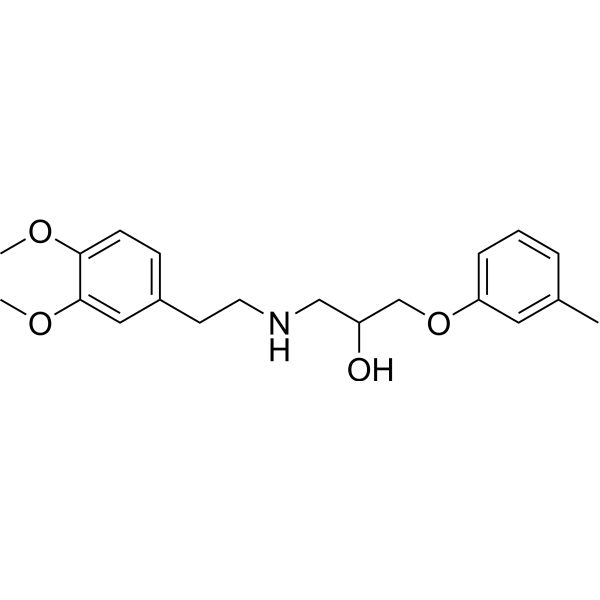
Bevantolol (SOM3355 (free base)) is a selective β1-adrenergic receptor antagonist, with an IC50 of 35 nM for β1-adrenergic receptor and an IC50 of 60 nM for VMAT2. Bevantolol blocks β1-adrenergic receptors, exerts partial agonistic effects on α-adrenoceptor, inhibits calcium currents in the sinoatrial and atrioventricular nodes as well as sodium currents in cardiomyocytes, delays repolarization, and shortens the action potential duration of Purkinje cells. Bevantolol reduces peripheral vascular resistance, increases subendocardial blood flow, inhibits VMAT2, elevates the serum HDL/LDL ratio, and does not affect glomerular filtration rate or cause cold extremities. Bevantolol is applicable to research related to angina pectoris, hypertension, arrhythmia, and Huntington's disease .
loading...
    loading...
Cat. No.: HY-B0504S5
Synonyms: NSC13123-15N
Creatinine- 15N (NSC13123- 15N) is the 15N-labeled Creatinine (HY-B0504). Creatinine (NSC13123) is an orally active, blood-brain barrier-permeable modulator of GABAA and NMDA receptors, with activities of antioxidation and metabolic regulation. Creatinine is generated via non-enzymatic conversion of creatine and phosphocreatine in muscle. Creatinine serum levels correlate with muscle mass, glomerular filtration rate, and extrarenal clearance, serving as an evaluation biomarker for renal function, muscle mass, and clinical outcomes, and used for perioperative renal risk assessment. In addition, Creatinine can induce specific Cryptococcus species to produce creatinine deiminase and act as their nitrogen source, while it can be secreted via renal tubules. Creatinine is widely used in research related to various diseases such as neurodegenerative diseases, psychiatric disorders, acute kidney injury, chronic kidney disease, and renal failure .
loading...
    loading...
Cat. No.: HY-109071
CAS No.: 1313706-17-0
Synonyms: MB-102
Target:  

Fluorescent Dye

Research Areas:  

Others

Relmapirazin (MB-102) is a fluorescent tracer agent for real-time measurement of glomerular filtration rate .
loading...
    loading...
Cat. No.: HY-160431
CAS No.: 82864-43-5
Research Areas:  

Metabolic Disease

8(9)-EET is one of the main metabolites produced by the metabolism of arachidonic acid (HY-109590) through the cytochrome P450 epoxide pathway. 8(9)-EET is an effective substrate for COX-1 and COX-2. 8(9)-EET activates PPARα in HEK293 cells and inhibits the activity of NF-κB induced by IL-1β in a PPARα-dependent and -independent manner. The (8S,9R)-isomer of 8(9)-EET ([(8S,9R)-EET]) causes vasoconstriction, thereby reducing renal plasma flow and glomerular filtration rate .
loading...
    loading...
Cat. No.: HY-134368
CAS No.: 5959-90-0
Target:  

Calcium Channel

Research Areas:  

Cardiovascular Disease

Ap3A is a vasoactive molecule that regulates intracellular Ca 2+ levels. Ap3A can promote the growth of vascular smooth muscle cells .
loading...
    loading...
Cat. No.: HY-W035399S
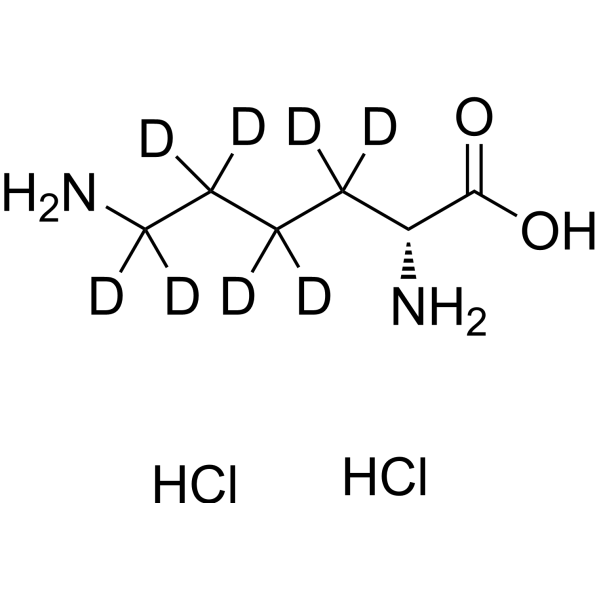
D-Lysine-d8 dihydrochloride is the d8-labeled D-Lysine (HY-Y1091). D-Lysine is the D-enantiomer of L-Lysine (HY-N0469). D-Lysine is metabolically inert and not utilized for protein synthesis by mammalian ribosomes. D-Lysine blocks renal uptake of 111In/ 90Y-Octreotide (HY-P0036)-based probes without inhibiting uptake by tumor/receptor tissues, and thus acts as a renoprotective agent in diagnostic imaging and peptide receptor radionuclide therapy (PRRT). D-Lysine specifically inhibits the early steps of non-enzymatic glycation by competing with glucose via its free amino group, theoretically, it can serve as a glycation competitor that "does not interfere with protein synthesis" under chronic hyperglycemia in diabetes. D-Lysine can be used in research related to cancer and diabetes .
loading...
    loading...
Cat. No.: HY-101581
CAS No.: 32808-51-8
Synonyms: 804CB; Bucloxonic acid; Esfar
Target:  

Drug Derivative

Research Areas:  

Inflammation/Immunology

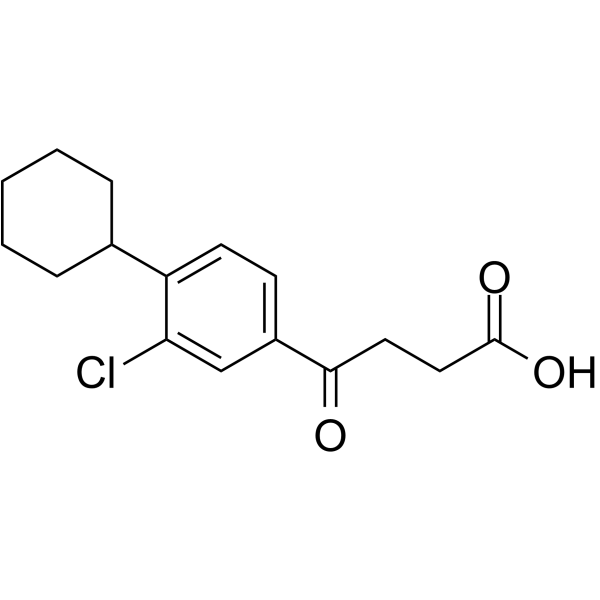
Bucloxic acid is an anti-inflammatory pyrrazole derivative. Bucloxic acid can be used for study of chronic glomerular nephropathies.
loading...
    loading...
Cat. No.: HY-100446
CAS No.: 815619-12-6
NTU281 is a potent transglutaminase-2 inhibitor. NTU281 can reduce the increases in serum creatinine and albuminuria in diabetic rats. NTU281 can also reduce glomerular collagen I accumulation, Hic-5 and α-SMA expression, and apoptosis. NTU281 can be used for researching glomerulosclerosis caused by diabetes .
loading...
    loading...
Cat. No.: HY-100819
CAS No.: 1365266-79-0
Target:  

CCR

Research Areas:  

Metabolic Disease

RO5234444 is an orally active CCR2 antagonist, with IC50s of 22nM for human CCR2 and 161 nM for mouse CCR2. RO5234444 alleviates glomerulosclerosis, reduces albuminuria, and significantly improves the glomerular filtration rate (GFR) in the uninephrectomized (1K) type 2 diabetic db/db mouse model. RO5234444 can be used for the study of type 2 diabetic nephropathy .
loading...
    loading...
Cat. No.: HY-P10279
CAS No.: 95896-08-5
Synonyms: Human atrial natriuretic factor (102–126)
Anaritide is a synthetic form of atrial natriuretic peptide (ANP) composed of 25 amino acids. Anaritide increases glomerular filtration rate by dilating into and contracting out the bulbar arterioles. Anaritide can be used to study the effects on patients with acute tubular necrosis, particularly in improving dialysis free survival .
loading...
    loading...
Cat. No.: HY-B0419R
CAS No.: 89226-50-6
Manidipine (Standard) is the analytical standard of Manidipine. This product is intended for research and analytical applications. Manidipine is an orally active calcium channel antagonist. Manidipine regulates the expression of cytokines (IL-1β, IL-6). Manidipine has a hypotensive effect. Manidipine can be used in the study of cardiovascular diseases (such as hypertension, myocardial ischemia-reperfusion injury, ventricular hypertrophy), kidney diseases (such as glomerular diseases), and epilepsy .
loading...
    loading...
Cat. No.: HY-119035
CAS No.: 115406-25-2
R-75317 is a specific platelet-activating factor (PAF) antagonist. R-75317 can prevent the decline in creatinine clearance (Ccr) in a rat model of glomerulonephritis induced by the injection of antibodies extracted from rabbits against rat glomerular basement membrane (GBM) antigens, delay the onset of proteinuria, and improve glomerular hypertrophy, mesangial matrix proliferation, and interstitial fibrosis. R-75317 may be useful in the study of glomerulonephritis .
loading...
    loading...
Cat. No.: HY-W758414
Phoxim-d5 (phenyl-d5) (mixture of isomers) is the deuterated-labeled Phoxim (HY-B0819). Phoxim is an organophosphorus pesticide and an orally active inhibitor of cholinesterase and CYP3A, which induces neurotoxicity in Caenorhabditis elegans and causes nephrotoxicity characterized by glomerular atrophy and interstitial fibrosis. Phoxim induces inhibition of the autophagy pathway. Phoxim induces dopaminergic neuron degeneration and exacerbates Aβ-induced paralysis. Phoxim damages enterocytes and disrupts intestinal barrier integrity. Phoxim induces ROS accumulation. Phoxim induces mitochondrial apoptosis, involving upregulation of Bad, Bax, caspase-3, and caspase-9 and downregulation of Bcl-2. Phoxim inhibits mitochondrial functional enzymes (COX, Ca 2+-Mg 2+-ATPase, SDH). Phoxim upregulates Nrf2 mRNA expression in the jejunal mucosa. Phoxim increases TNF-α and decreases IL-6 and IL-8 in the intestinal mucosa. Phoxim alters gut microbial composition by increasing total bacteria and Escherichia coli and reducing Lactobacillus. Phoxim enhances energy metabolism in silver carp by upregulating key glycolytic and gluconeogenic enzymes. Phoxim is used in research on neurodegenerative diseases, nephrotoxicity, intestinal oxidative stress and barrier dysfunction, and bacterial sepsis .
loading...
    loading...
Cat. No.: HY-113205S
CAS No.: 2738376-66-2
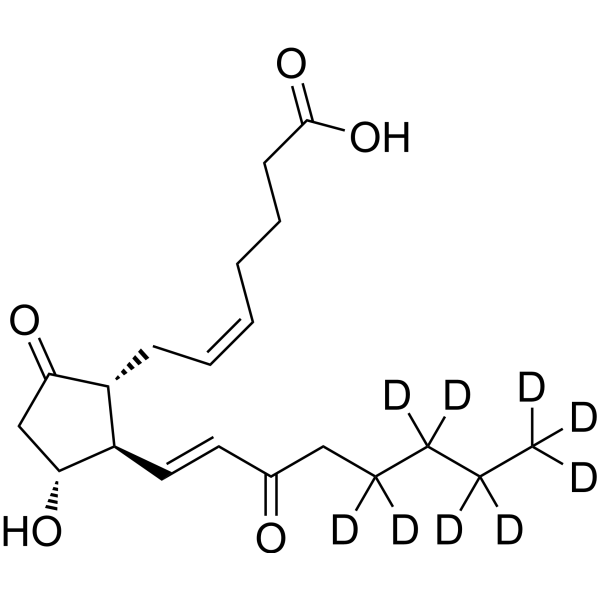
15-Keto-prostaglandin E2-d9 is the d9 labeled 15-keto-Prostaglandin E2 (HY-113205). 15-keto-Prostaglandin E2 (15-keto-PGE2) is an endogenous PGE2 metabolite. 15-keto-Prostaglandin E2 inhibits STAT3 activation by binding to the Cys259 residue of STAT3. 15-keto-Prostaglandin E2 binds to and stabilizes EP2 and EP4 receptors. 15-keto-Prostaglandin E2 inhibits the growth and progression of breast cancer cells. 15-keto-Prostaglandin E2 activates PPAR-γ and promotes fungal growth. 15-keto-Prostaglandin E2 disrupts glomerular vascularization during zebrafish development and reduces the surface area of the glomerular filtration barrier .
loading...
    loading...
Cat. No.: HY-113205S1
CAS No.: 2738376-85-5
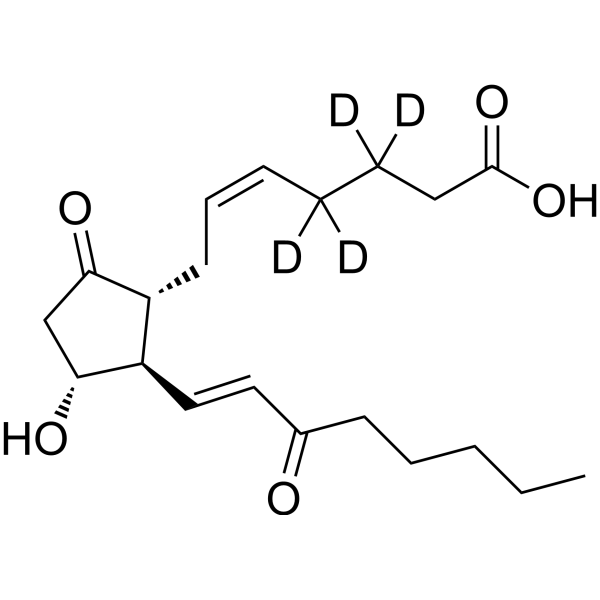
15-Keto-prostaglandin E2-d4 is the d4 labeled 15-keto-Prostaglandin E2 (HY-113205). 15-keto-Prostaglandin E2 (15-keto-PGE2) is an endogenous PGE2 metabolite. 15-keto-Prostaglandin E2 inhibits STAT3 activation by binding to the Cys259 residue of STAT3. 15-keto-Prostaglandin E2 binds to and stabilizes EP2 and EP4 receptors. 15-keto-Prostaglandin E2 inhibits the growth and progression of breast cancer cells. 15-keto-Prostaglandin E2 activates PPAR-γ and promotes fungal growth. 15-keto-Prostaglandin E2 disrupts glomerular vascularization during zebrafish development and reduces the surface area of the glomerular filtration barrier .
loading...
    loading...
Cat. No.: HY-B0419S
CAS No.: 1189656-59-4
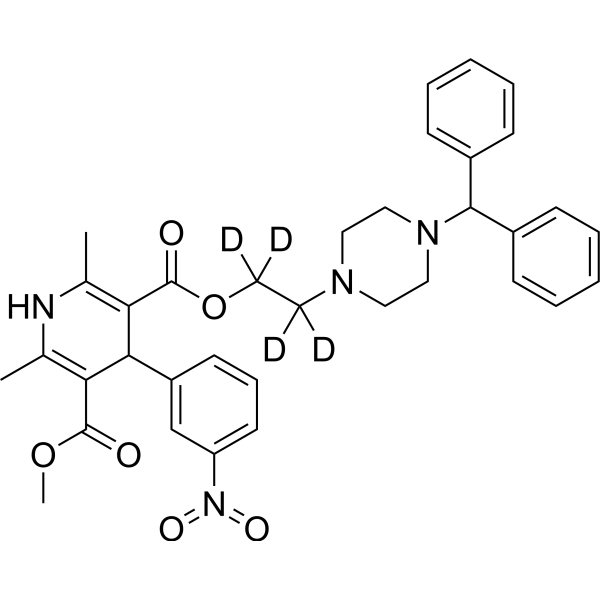
Manidipine-d4 is the deuterium labeled Manidipine (HY-B0419). Manidipine is an orally active calcium channel antagonist. Manidipine regulates the expression of cytokines (IL-1β, IL-6). Manidipine has a hypotensive effect. Manidipine can be used in the study of cardiovascular diseases (such as hypertension, myocardial ischemia-reperfusion injury, ventricular hypertrophy), kidney diseases (such as glomerular diseases), and epilepsy .
loading...
    loading...
Cat. No.: HY-B2081
CAS No.: 73-09-6
Synonyms: W-2900A
Target:  

Others

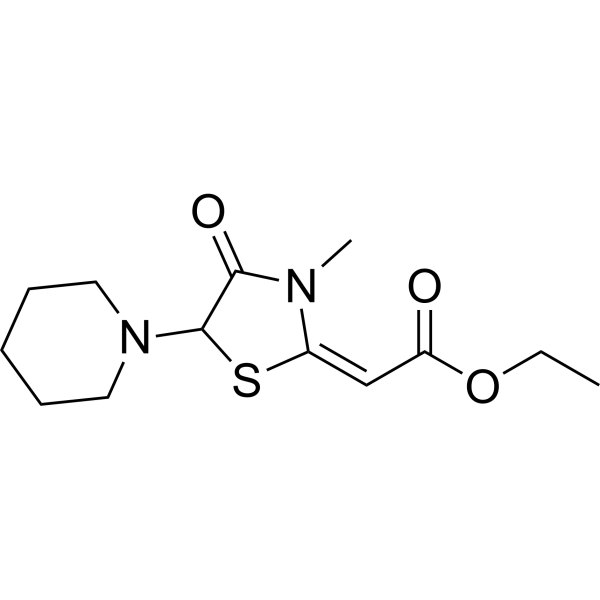
Etozolin (W-2900A) is a diuretic agent. Etozolin inhibits fluid and electrolyte reabsorption in the loop of Henle. Etozolin can be used in research of congestive heart failure, hypertension and edema .
loading...
    loading...
Cat. No.: HY-14998
CAS No.: 26718-25-2
Synonyms: MK 185
Target:  

β-catenin PPAR Wnt

Research Areas:  

Endocrinology

Halofenate, structurally akin to clofibrate, was evaluated in hypertriglyceridemic patients over 6-week periods in a controlled, double-blind crossover trial. It effectively reduced serum triglycerides by 50%, with minimal impact on serum cholesterol levels. Additionally, it lowered serum uric acid by 30% and exhibited uricosuric effects independent of glomerular filtration rate. Halofenate was associated with a significant increase in plasma thyroxine (T4), accompanied by a decrease in protein-bound iodine and T4 by column. In vitro studies confirmed its ability to displace T4 from thyroid-binding proteins, suggesting a thyroxine-displacing effect, which could influence thyroid function in vivo .
loading...
    loading...
Cat. No.: HY-B0735AR
CAS No.: 67227-57-0
Synonyms: Fenoldopam methanesulfonate (Standard); SKF-82526 mesylate (Standard)
Fenoldopam mesylate (Standard) is the analytical standard of Fenoldopam mesylate (HY-B0735A). This product is intended for research and analytical applications. Fenoldopam (SKF-82526) mesylate is a selective dopamine D1 receptor agonist. Fenoldopam mesylate binds to rat D1B dopamine receptors (Kd = 11 nM) and human D1A receptors (Kd = 17 nM) in COS-7 cell membranes expressing the cloned receptors. Fenoldopam mesylate modulates dopamine receptor expression, induces vasorelaxation in vascular tissues, reverses glomerular hyperfiltration in rat models, increases intracellular cAMP levels, promotes DARPP-32 phosphorylation in small cell lung cancer (SCLC) cells, inhibits cytokine secretion, and downregulates T cell activation markers in activated human T cells. Fenoldopam mesylate can be used for research on hypertension, acute kidney injury, psoriasis, and small cell lung cancer.
loading...
    loading...
Cat. No.: HY-113239S1
CAS No.: 159956-78-2
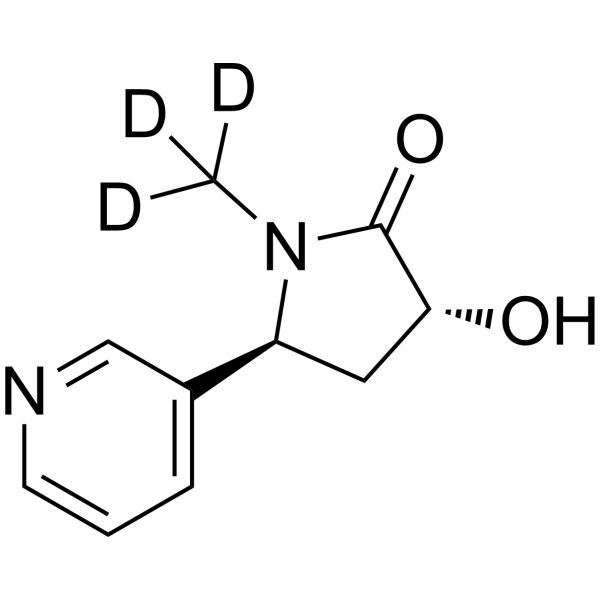
rel-Hydroxycotinine-d3 is the d3-labeled Hydroxycotinine (HY-113239). Hydroxycotinine is a nicotine metabolite commonly found in the urine of smokers. Hydroxycotinine is the primary biomarker of tobacco/nicotine vapor exposure, formed from the conversion of nicotine via cotinine. Hydroxycotinine serum levels in rodents are influenced by sex and co-exposure to nicotine vapor and ethanol. Hydroxycotinine elevation is associated with decreased eGFR and increased risk of chronic kidney disease. Hydroxycotinine can be used in research related to chronic kidney disease .
loading...
    loading...

