
13337 Results for "

Rab7-RFP HeLa cell

" in MedChemExpress (MCE) Product Catalog:
Products (13337)

13337 Results for "Rab7-RFP HeLa cell" in MCE Product Catalog:

89
89 Cited Publications
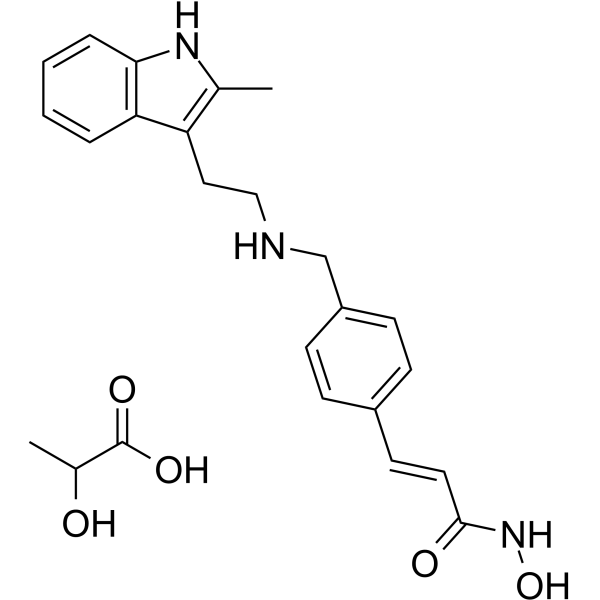
Cat. No.: HY-10224A
CAS No.: 960055-56-5
Purity:  98.67%
Synonyms: LBH589 lactate; NVP-LBH589 lactate
Target:  

HDAC HIV Autophagy Apoptosis

Research Areas:  

Infection Cancer

Panobinostat lactate is a potent and orally active non-selective HDAC inhibitor. Panobinostat lactate has antineoplastic activities. Panobinostat lactate effectively disrupts HIV latency. Panobinostat lactate induces cell apoptosis and autophagy. Panobinostat lactate can be used for the study of refractory or relapsed multiple myeloma .
loading...
    loading...
89
89 Cited Publications
Cat. No.: HY-K0206

MCE Anti-c-Myc Magnetic Beads are used for immunoprecipitation (IP) of specific c-Myc-tagged proteins expressed in bacterial and mammalian cells and in vitro expression systems. The 1 mL is defined as the base specification. All larger sizes correspond to incremental volumes of this base.

loading...
    loading...
88
88 Cited Publications
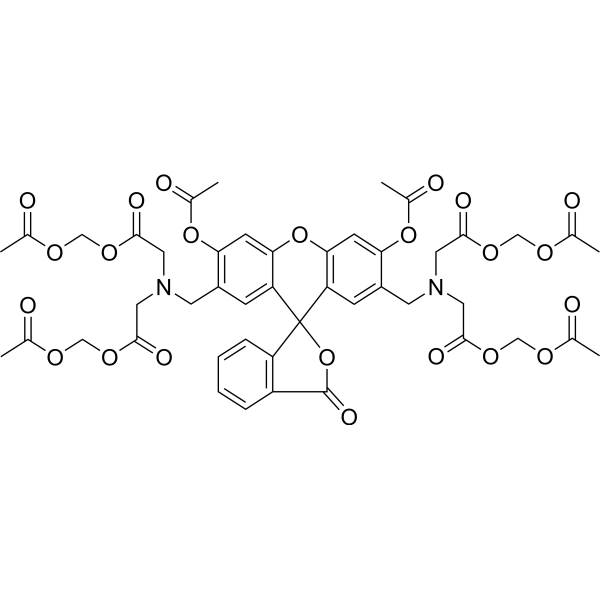
Cat. No.: HY-D0041
CAS No.: 148504-34-1
Synonyms: Calcein acetoxymethyl ester
Calcein AM, has cell membrane permeability and can easily enter the cell. Calcein AM has no fluorescence and is hydrolyzed by endogenous esterase in the cell to produce polar molecule Calcein (Calcein), which has strong negative charge and cannot permeate the cell membrane. Calcein can emit strong green fluorescence, so it is often used with Propidium Iodide for cell viability/virulence detection, excitation/emission wavelength: 494/515 nm .
loading...
    loading...
85
85 Cited Publications
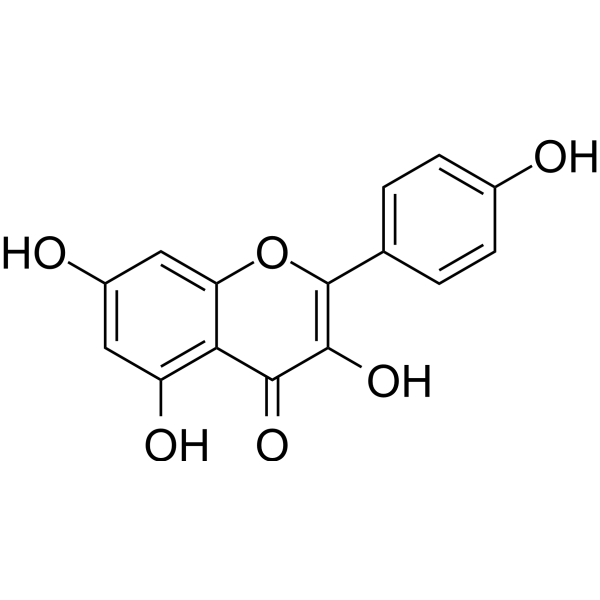
Cat. No.: HY-14590
CAS No.: 520-18-3
Purity:  99.92%
Synonyms: Kempferol; Robigenin
Kaempferol (Kempferol), a flavonoid found in many edible plants, inhibits estrogen receptor α expression in breast cancer cells and induces apoptosis in glioblastoma cells and lung cancer cells by activation of MEK-MAPK. Kaempferol can be uesd for the research of breast cancer .
loading...
    loading...
85
85 Cited Publications
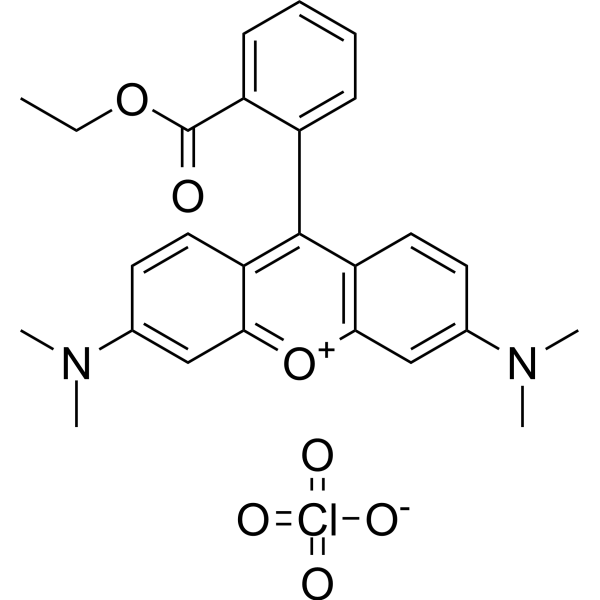
Cat. No.: HY-D0985A
CAS No.: 115532-52-0
Synonyms: Tetramethylrhodamine ethyl ester perchlorate
Rhodamine dyes are membrane-permeable cationic fluorescent probes that specifically recognize mitochondrial membrane potentials, thereby attaching to mitochondria and producing bright fluorescence, and at certain concentrations, rhodamine dyes have low toxicity to cells, so they are commonly used to detect mitochondria in animal cells, plant cells, and microorganisms .
loading...
    loading...
83
83 Cited Publications
Cat. No.: HY-15372
CAS No.: 880635-03-0
Purity:  99.64%
Target:  

PPAR Apoptosis

Research Areas:  

Cancer

GW6471 is a selective peroxisome proliferator-activated receptor α (PPARα) antagonist. GW6471 reduces cancer stem cell viability, proliferation, and spheroid formation. GW6471 induces apoptosis and causes metabolic impairment including energy imbalance. GW6471 can be used for the research of paragangliomas and triple-negative breast cancer .
loading...
    loading...
83
83 Cited Publications
Cat. No.: HY-K1073

MCE Annexin V-FITC/PI Apoptosis Detection Kit provides a rapid and convenient method to detect cell apoptosis and necrosis. After staining, live cells show little or no fluorescence (Annexin V-/PI-), early apoptosis cells show green fluorescence(Annexin V+/PI-), late apoptosis cells and necrosis cells show red and green fluorescence (Annexin V+/PI+).


loading...
    loading...
77
77 Cited Publications
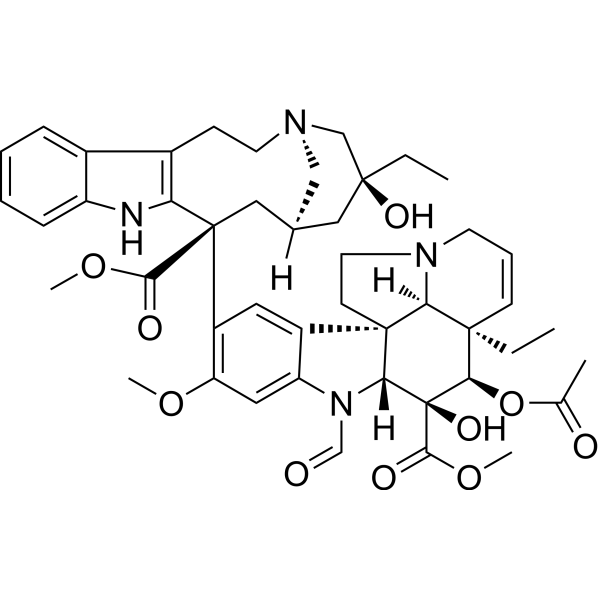
Cat. No.: HY-N0488A
CAS No.: 57-22-7
Synonyms: Leurocristine; NSC-67574; 22-Oxovincaleukoblastine
Vincristine (Leurocristine; NSC-67574; 22-Oxovincaleukoblastine) is a microtubule inhibitor that disrupts microtubule polymerization by binding to β-tubulin (with a Ki of 85 nM in bovine), arrests the cell cycle and induces apoptosis. Vincristine inhibits cell replication, tumor blood flow and the proliferation of various cancer cells, while triggering effects such as oxidative stress, inflammation, calcium overload, epithelial-mesenchymal transition and peripheral neuropathic pain. Vincristine upregulates the expression of various transporters and nuclear receptors, and enriches gastric cancer stem-like cells. Vincristine is used in research related to various tumors including acute lymphoblastic leukemia, lymphoma, melanoma, gastric cancer, solid tumors and sarcomas [7] .
loading...
    loading...
76
76 Cited Publications
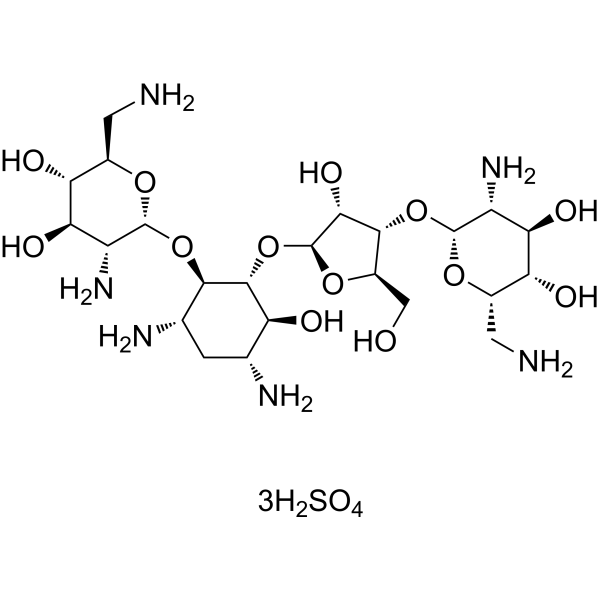
Cat. No.: HY-B0470
CAS No.: 1405-10-3
Neomycin sulfate, an aminoglycoside antibiotic, exerts antibacterial activity through irreversible binding of the nuclear 30S ribosomal subunit, thereby blocking bacterial protein synthesis. Neomycin sulfate is a known phospholipase C (PLC) inhibitor. Neomycin sulfate potently inhibits both the nuclear translocation of angiogenin and angiogenin-induced cell proliferation and angiogenesis. Neomycin sulfate inhibits IP3-mediated Ca 2+ release, MgATP-dependent Ca 2+ uptake, and electrical excitation-evoked skeletal muscle Ca 2+ transients. Neomycin sulfate depletes gut microbiota in specific mouse models, causes hearing impairment, and kidney damage with prolonged exposure. Neomycin sulfate can be used for the research of cancer .
loading...
    loading...
73
73 Cited Publications
Cat. No.: HY-K1057

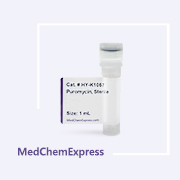
Puromycin is an aminonucleoside antibiotic produced by Streptomyces alboniger. It inhibits protein synthesis by disrupting peptide transfer on ribosomes, causing premature chain termination during translation. It can kill most gram-positive bacteria and various animal or insect cells.

loading...
    loading...
70
70 Cited Publications
Cat. No.: HY-107202
CAS No.: 24939-03-5
Purity:  99.40%
Synonyms: Poly(I:C)
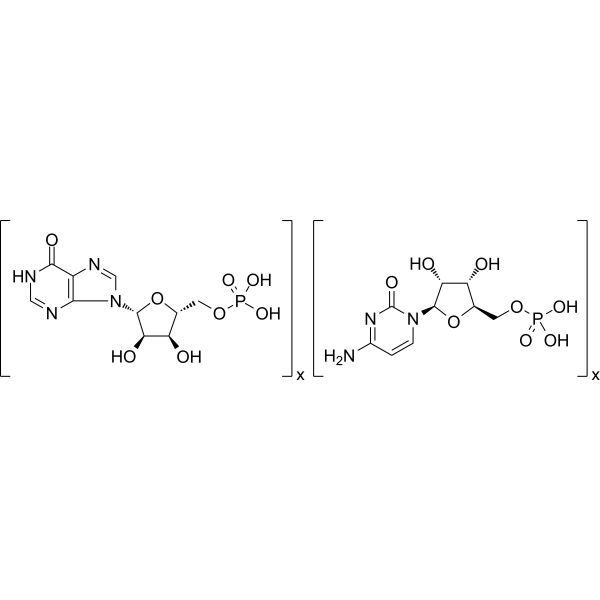
Polyinosinic-polycytidylic acid (Poly(I:C)) is a synthetic analog of double-stranded RNA and an agonist of toll-like receptor 3 (TLR3) and retinoic acid inducible gene I (RIG-I)-like receptors (RIG-I and MDA5). Polyinosinic-polycytidylic acid can be used as a vaccine adjuvant to enhance innate and adaptive immune responses, and to alter the tumor microenvironment. Polyinosinic-polycytidylic acid can directly trigger cancer cells to undergo apoptosis .
loading...
    loading...
69
69 Cited Publications
Cat. No.: HY-10585
CAS No.: 99-66-1
Purity:  99.19%
Synonyms: VPA; 2-Propylpentanoic acid; Dipropylacetic acid
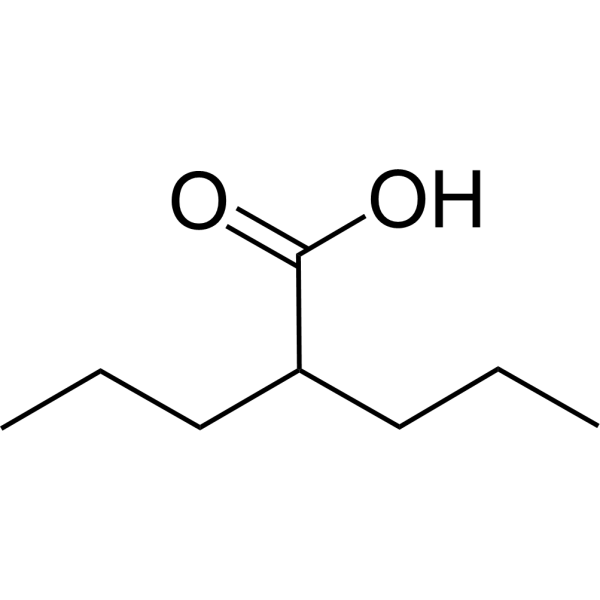
Valproic acid (VPA) is an orally active HDAC inhibitor, with IC50 in the range of 0.5 and 2 mM. Valproic acid inhibits HDAC1 (IC50, 400 μM), and induces proteasomal degradation of HDAC2. Valproic acid activates Notch1 signaling and inhibits proliferation in small cell lung cancer (SCLC) cells. Valproic acid is used in the epilepsy, bipolar disorder, metabolic disease, HIV infection and prevention of migraine headaches [7].
loading...
    loading...
69
69 Cited Publications
Cat. No.: HY-10585A
CAS No.: 1069-66-5
Purity:  98.14%
Synonyms: Sodium Valproate; VPA sodium; 2-Propylpentanoic acid sodium
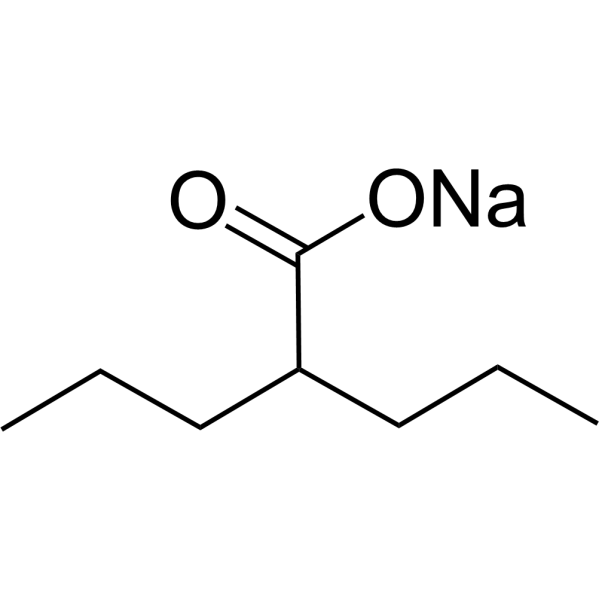
Valproic acid (Sodium Valproate) sodium is an orally active HDAC inhibitor, with IC50 in the range of 0.5 and 2 mM, also inhibits HDAC1 (IC50, 400 μM), and induces proteasomal degradation of HDAC2. Valproic acid sodium activates Notch1 signaling and inhibits proliferation in small cell lung cancer (SCLC) cells. Valproic acid sodium is used in the treatment of epilepsy, bipolar disorder, metabolic disease, HIV infection and prevention of migraine headaches [7].
loading...
    loading...
68
68 Cited Publications
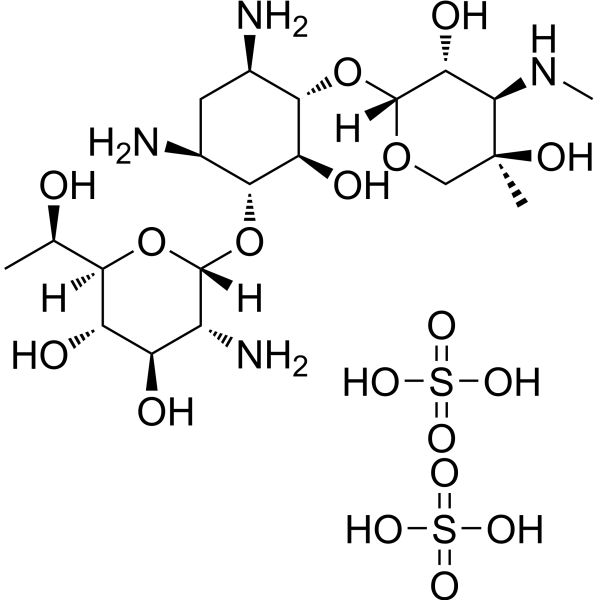
Cat. No.: HY-17561
CAS No.: 108321-42-2
Synonyms: Geneticin sulfate; Antibiotic G-418 sulfate
G-418 disulfate (Geneticin sulfate), is an aminoglycoside antibiotic, inhibits protein synthesis in eukaryotes and prokaryotes. G-418 disulfate is commonly used as a selective agent for eukaryotic cells .
loading...
    loading...
66
66 Cited Publications
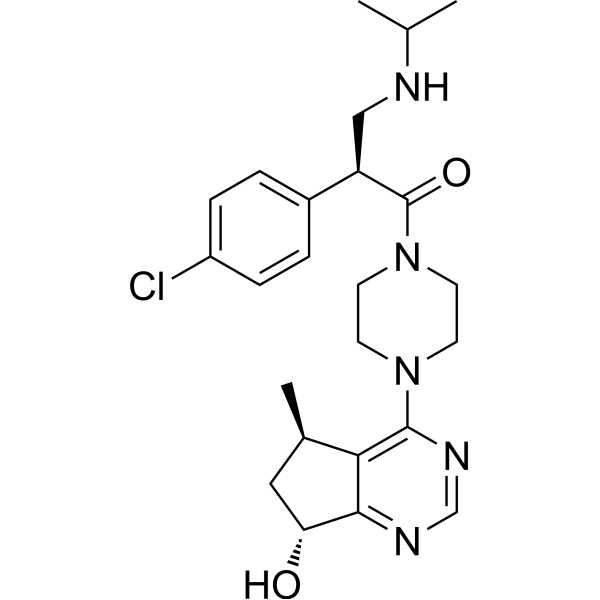
Cat. No.: HY-15186
CAS No.: 1001264-89-6
Purity:  99.79%
Synonyms: GDC-0068; RG7440
Target:  

Organoid Akt Apoptosis

Research Areas:  

Cancer

Ipatasertib (GDC-0068) is an orally active, highly selective and ATP-competitive pan-Akt inhibitor with IC50 values of 5, 18, 8 nM for Akt1/2/3, respectively. Ipatasertib synchronously activates FoxO3a and NF-κB through inhibition of Akt leading to p53-independent activation of PUMA. Ipatasertib also induces apoptosis in cancer cells and inhibits tumor growth in xenograft mouse models .
loading...
    loading...
65
65 Cited Publications
Cat. No.: HY-K2014

MCE PEI Transfection Reagent is designed based on 25 kDa PEI. It has high-efficiency, low-toxicity, strong-stability, and is suitable for many cell types, such as HEK-293、HEK-293T、CHO-K1、COS-1、COS-7、NIH/3T3、Sf9、HepG2 and HeLa et, even some hard-to-transfect cells. It can also be applied to large-scale recombinant protein expression and virus production. The 1 mL is defined as the base specification. All larger sizes correspond to incremental volumes of this base.

loading...
    loading...
65
65 Cited Publications
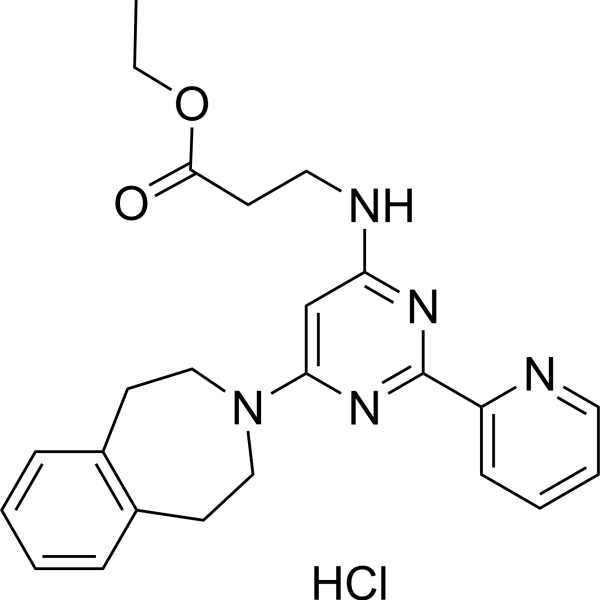
Cat. No.: HY-15648F
CAS No.: 1797983-09-5
Purity:  99.01%
Target:  

Histone Demethylase

Research Areas:  

Cancer

GSK-J4 hydrochloride is a potent dual inhibitor of H3K27me3/me2-demethylases JMJD3/KDM6B and UTX/KDM6A with IC50s of 8.6 and 6.6 μM, respectively. GSK-J4 hydrochloride inhibits LPS-induced TNF-α production in human primary macrophages with an IC50 of 9 μM. GSK-J4 hydrochloride is a cell permeable proagent of GSK-J1 .
loading...
    loading...
65
65 Cited Publications
Cat. No.: HY-15648B
CAS No.: 1373423-53-0
Purity:  99.64%
Research Areas:  

Cancer

GSK-J4 is a potent dual inhibitor of H3K27me3/me2-demethylases JMJD3/KDM6B and UTX/KDM6A with IC50s of 8.6 and 6.6 μM, respectively. GSK-J4 inhibits LPS-induced TNF-α production in human primary macrophages with an IC50 of 9 μM. GSK J4 is a cell permeable proagent of GSK-J1 . GSK-J4 induces endoplasmic reticulum stress-related apoptosis .
loading...
    loading...
63
63 Cited Publications
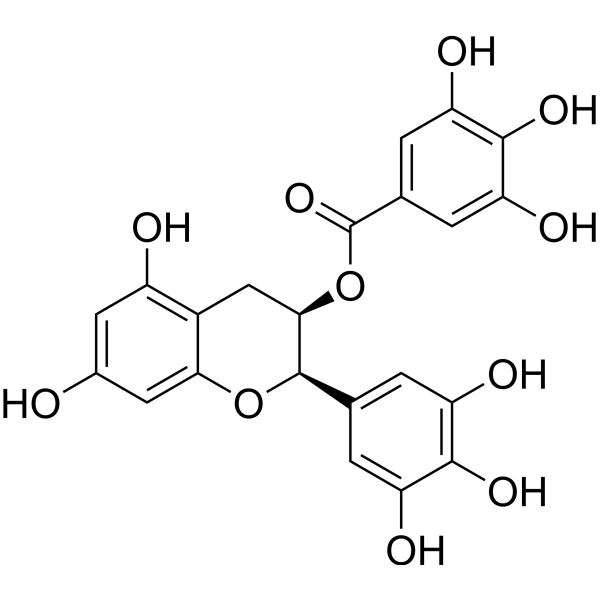
Cat. No.: HY-13653
CAS No.: 989-51-5
Purity:  99.75%
Synonyms: EGCG; Epigallocatechol Gallate
(-)-Epigallocatechin Gallate (EGCG) is a major polyphenol in green tea, which can inhibit cell proliferation and induce cell apoptosis. (-)-Epigallocatechin Gallate inhibits glutamate dehydrogenase 1/2 (GDH1/2, GLUD1/2) activity. (-)-Epigallocatechin Gallate has a potent anticancer, antioxidant and anti-inflammatory properties against various types of cancers such as colorectal cancer, myeloid leukemia, thyroid carcinoma .
loading...
    loading...
63
63 Cited Publications
Cat. No.: HY-P70445
Purity:  ≥ 95%, as determined by reducing SDS-PAGE.
Synonyms: IL4; B_cell Stimulatory Factor 1; Interleukin 4; B-cell Stimulatory Factor 1; IL-4; B cell Growth Factor 1; Lymphocyte Stimulatory Factor 1; Binetrakin; Interleukin-4; Pitrakinra; BCGF-1; MGC79402; BCGF1; BSF-1; BSF1
Species:  
Human
Source:  
E. coli
loading...
    loading...

