756 Results for "

Absorption

" in MedChemExpress (MCE) Product Catalog:
Products (756)

756 Results for "Absorption" in MCE Product Catalog:

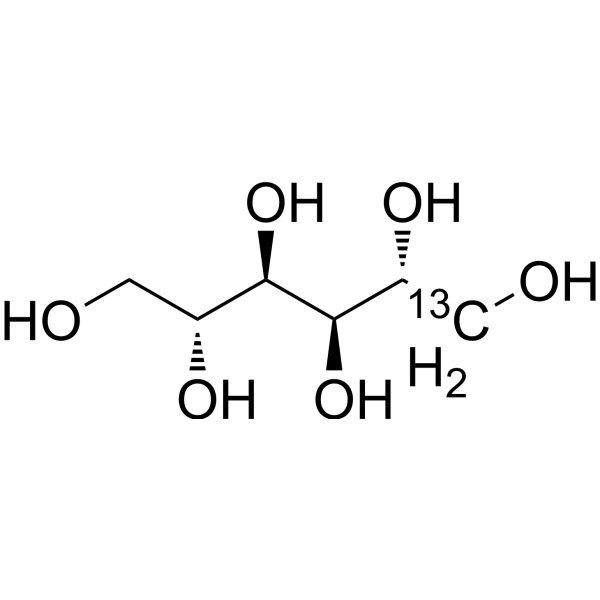
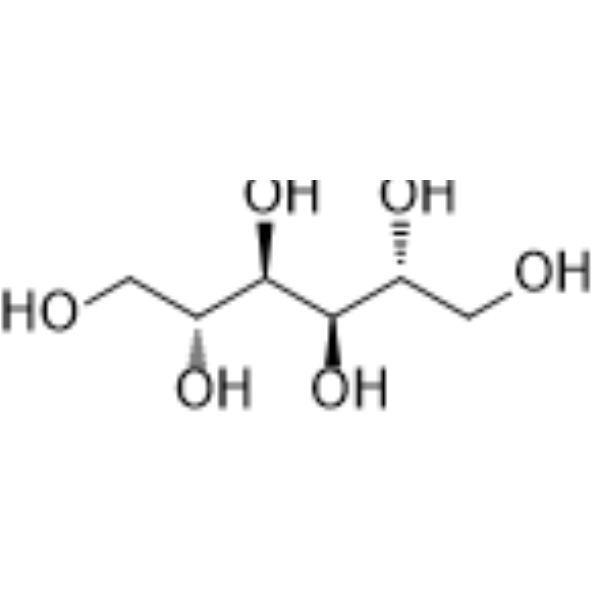
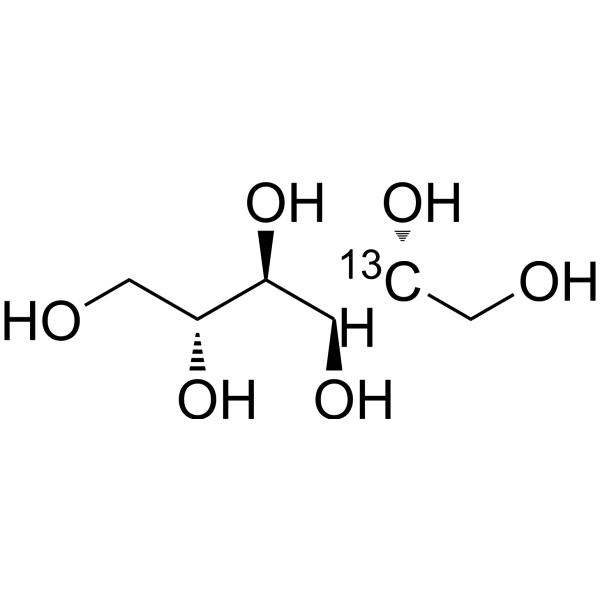
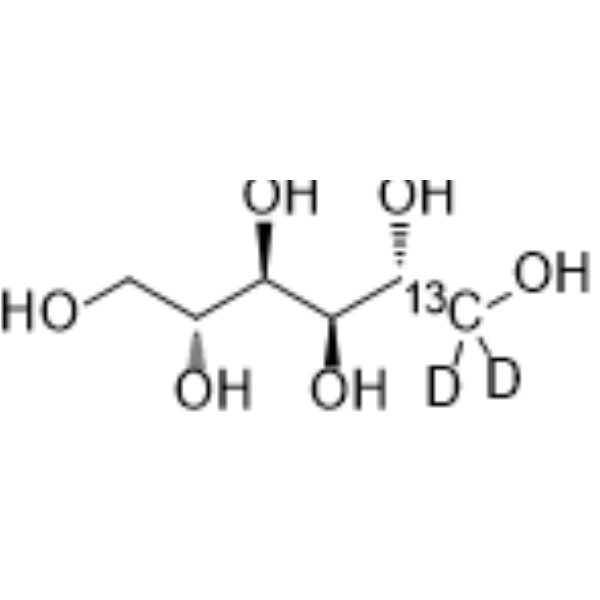
Cat. No.: HY-N0378S1
CAS No.: 132202-29-0
Synonyms: Mannitol-13C; Mannite-13C
D-Mannitol- 13C is the 13C labeled D-Mannitol (HY-N0378). D-Mannitol (Mannitol) is an oral, resistant sugar widely used in the food and pharmaceutical industries to promote the absorption and retention of calcium and magnesium through cecal fermentation, while acting as a osmotic diuretic to reduce tissue edema. D-Mannitol can enhance brown fat formation, improve insulin effect, reduce blood sugar levels, And through the start the β3-adrenergic receptor (β3-AR), PGC1α and PKA induced by means of white fat cells into brown fat cells . D-Mannitol is commonly used to maintain osmotic pressure between the plant cytoplasm and the culture medium and protect cells when the cell wall is weakened or even removed .
loading...
    loading...
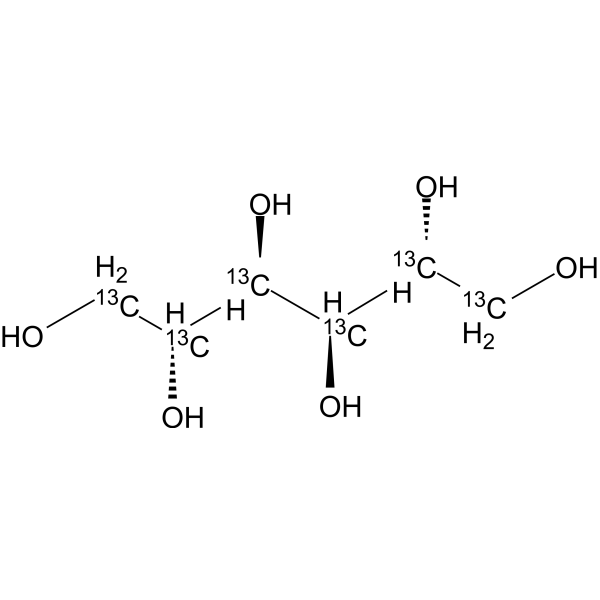
Cat. No.: HY-N0378S2
CAS No.: 287112-34-9
Synonyms: Mannitol-13C6; Mannite-13C6
D-Mannitol- 13C6 is the 13C labeled D-Mannitol (HY-N0378). D-Mannitol (Mannitol) is an oral, resistant sugar widely used in the food and pharmaceutical industries to promote the absorption and retention of calcium and magnesium through cecal fermentation, while acting as a osmotic diuretic to reduce tissue edema. D-Mannitol can enhance brown fat formation, improve insulin effect, reduce blood sugar levels, And through the start the β3-adrenergic receptor (β3-AR), PGC1α and PKA induced by means of white fat cells into brown fat cells . D-Mannitol is commonly used to maintain osmotic pressure between the plant cytoplasm and the culture medium and protect cells when the cell wall is weakened or even removed .
loading...
    loading...
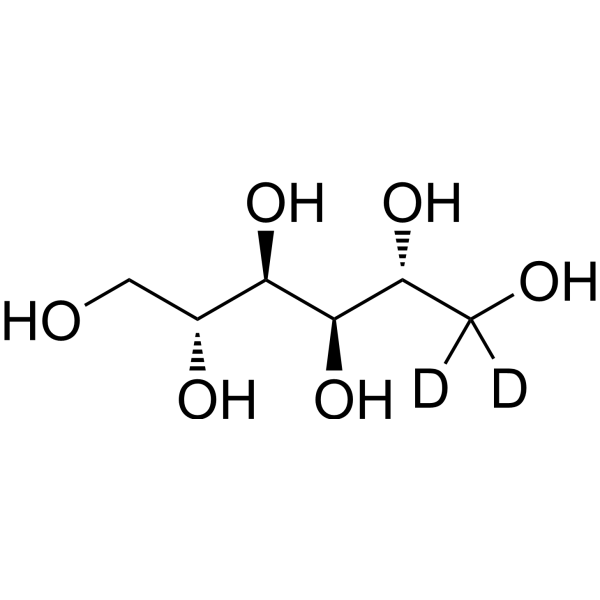
Cat. No.: HY-N0378S4
CAS No.: 2649096-16-0
Synonyms: Mannitol-d2; Mannite-d2
D-Mannitol-d2 is the deuterium labeled D-Mannitol (HY-N0378). D-Mannitol (Mannitol) is an oral, resistant sugar widely used in the food and pharmaceutical industries to promote the absorption and retention of calcium and magnesium through cecal fermentation, while acting as a osmotic diuretic to reduce tissue edema. D-Mannitol can enhance brown fat formation, improve insulin effect, reduce blood sugar levels, And through the start the β3-adrenergic receptor (β3-AR), PGC1α and PKA induced by means of white fat cells into brown fat cells . D-Mannitol is commonly used to maintain osmotic pressure between the plant cytoplasm and the culture medium and protect cells when the cell wall is weakened or even removed .
loading...
    loading...
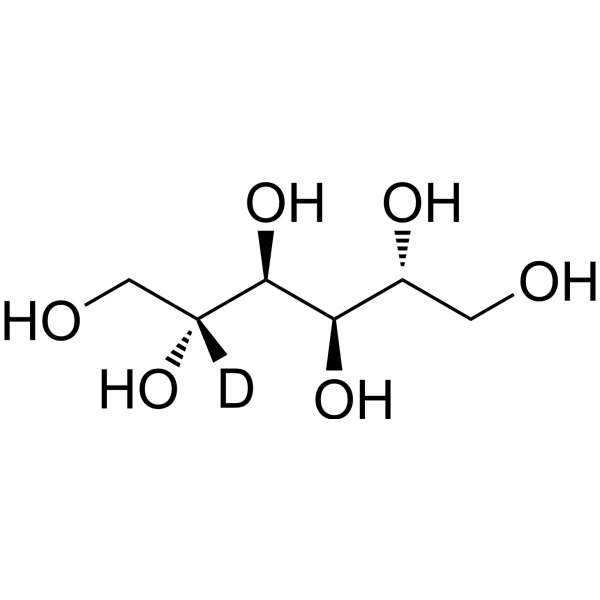
Cat. No.: HY-N0378S5
CAS No.: 75607-68-0
Synonyms: Mannitol-d1; Mannite-d1
D-Mannitol-d is the deuterium labeled D-Mannitol (HY-N0378). D-Mannitol (Mannitol) is an oral, resistant sugar widely used in the food and pharmaceutical industries to promote the absorption and retention of calcium and magnesium through cecal fermentation, while acting as a osmotic diuretic to reduce tissue edema. D-Mannitol can enhance brown fat formation, improve insulin effect, reduce blood sugar levels, And through the start the β3-adrenergic receptor (β3-AR), PGC1α and PKA induced by means of white fat cells into brown fat cells . D-Mannitol is commonly used to maintain osmotic pressure between the plant cytoplasm and the culture medium and protect cells when the cell wall is weakened or even removed .
loading...
    loading...
Cat. No.: HY-N0534
CAS No.: 64820-99-1
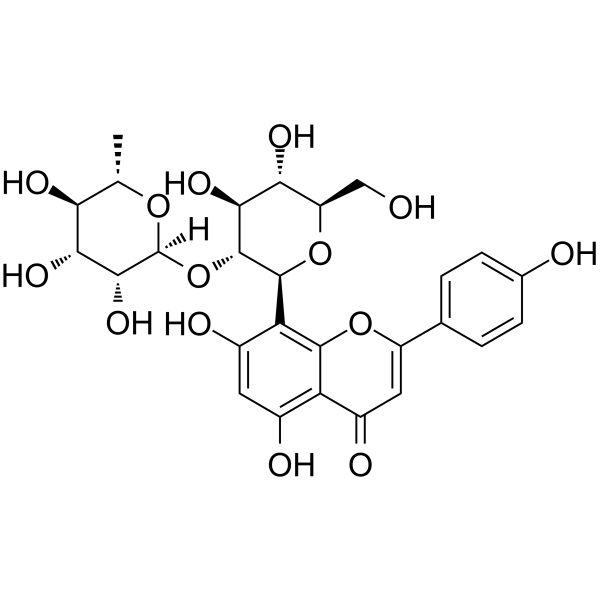
Vitexin-2"-O-rhamnoside is an orally active flavonoid glycoside. Vitexin-2"-O-rhamnoside inhibits Apoptosis, increases the phosphorylation levels of PI3K/Akt, inhibits caspase-3, SOD activity, and promotes cytokine (IL-2, IL-6, and IL-12) secretion. Vitexin-2"-O-rhamnoside strongly inhibits DNA synthesis in MCF-7 cells with an IC50 of 17.5 μM. Vitexin-2"-O-rhamnoside enhances immune function and improves the absorption of active compounds. Vitexin-2"-O-rhamnoside has antioxidant activity. Vitexin-2"-O-rhamnoside is used in the study of cardiovascular disease and immune-related diseases .
loading...
    loading...
Cat. No.: HY-L137
124 compounds

Targeted protein degradation(TPD) is a novel and promising approach to new drug discovery and development. It shows great potential for treating diseases with “undruggable” pathogenic protein targets and for overcoming drug resistance. Molecular glues and PROTACs are both targeted protein degraders that have attracted the most attention.

Molecular glues are small molecular degraders that mainly induce novel interaction between an E3 ligase and a target protein to form a ternary complex, leading to protein ubiquitination and subsequent proteasome degradation. Compared with PROTACs, molecular glues generally possess more favorable drug-like properties, such as lower MW, higher cell permeability, and better oral absorption. Molecular glues are emerging as a promising new therapeutic strategy.

MCE supplies a unique collection of 124 molecular glues which target various proteins. MCE Molecular Glue Compound Library is a useful tool to conduct scientific research and disease mechanism study.

Cat. No.: HY-W001297
CAS No.: 1121-79-5
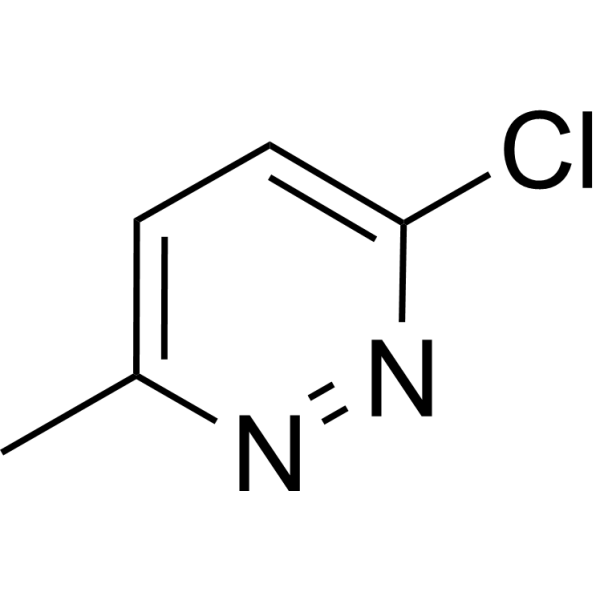
3-Chloro-6-methylpyridazine is a substituted pyridazine derivative containing an electron-withdrawing chlorine atom and an electron-donating methyl group. Pyridazine compounds generally possess pharmacological activities such as antibacterial and anti-inflammatory properties. 3-Chloro-6-methylpyridazine can serve as an organic ligand for constructing organic-inorganic hybrid chloroantimonate materials with semiconducting behavior. 3-Chloro-6-methylpyridazine can be used in studies related to optoelectronic devices, photodetectors, and photocatalysis .
loading...
    loading...
Cat. No.: HY-136720
CAS No.: 304913-22-2
Target:  

COX

Research Areas:  

Others

ZXX2-77 is a cyclooxygenase-1 (COX-1) selective inhibitor belonging to the benzenesulfonylanilide class of compounds. It is reported as a novel analgesic that does not cause gastric damage. ZXX2-77 has a weak analgesic effect but exhibits potent COX-1 inhibitory activity in vitro. The low oral absorption rate of ZXX2-77 leads to its weak analgesic effect in vivo. At a dose of 30 mg/kg, the maximum plasma concentration of ZXX2-77 (1.2 mM) did not reach its COX-1 IC50 value (3.2 mM). In contrast, its derivative ZXX2-79, although weaker in vitro COX inhibitory activity, is better absorbed, exhibits stronger analgesic effect and hardly causes gastric damage. These findings suggest that ZXX2-77 and its derivatives as COX-1 selective inhibitors may become effective analgesics that do not cause gastric damage.
loading...
    loading...
Cat. No.: HY-158118
CAS No.: 2088426-96-2
Purity:  97.19%
Target:  

DNA-PK

Research Areas:  

Cancer

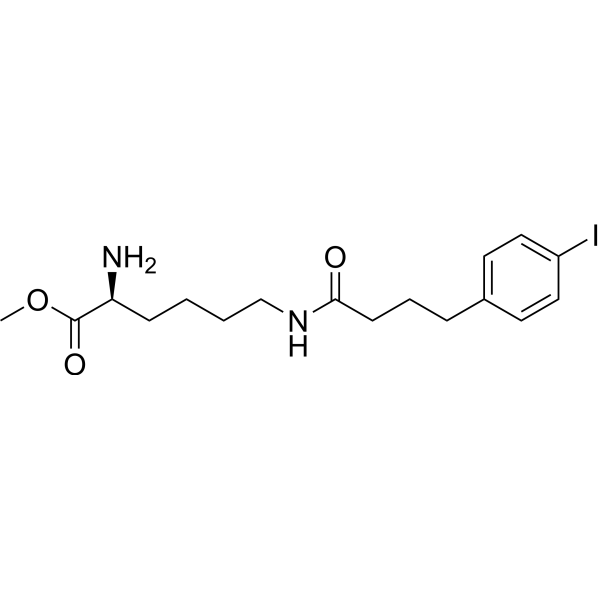
Lys(CO-C3-p-I-Ph)-OMe is a pharmacokinetic modifier (PK modifier) that can improve the PK properties of PSMA ligand molecules (such as Ac-PSMA-trillium). Lys(CO-C3-p-I-Ph)-OMe can increase the residence time of Ac-PSMA-trillium in plasma by increasing its binding capacity to albumin. Lys(CO-C3-p-I-Ph)-OMe also reduces salivary gland absorption of Ac-PSMA-trillium, potentially extending its half-life. Ac-PSMA-trillium is a suitable PSMA-targeting compound that has different biological applications after modification with different radioactive isotopes. If labeled with 111In, it can be used as DOTA chelating agent and imaging agent. Or labeled with 225Ac as a Macropa chelator for targeted radionuclide therapy (TRT) in the study of metastatic castration-resistant prostate cancer (mCRPC) .
loading...
    loading...
Cat. No.: HY-178413S
Synonyms: Mannitol-d4; Mannite-d4
D-Mannitol-d4 (Mannitol-d4) is the deuterium labeled D-Mannitol (HY-N0378). D-Mannitol (Mannitol) is an oral, resistant sugar widely used in the food and pharmaceutical industries to promote the absorption and retention of calcium and magnesium through cecal fermentation, while acting as a osmotic diuretic to reduce tissue edema. D-Mannitol can enhance brown fat formation, improve insulin effect, reduce blood sugar levels, And through the start the β3-adrenergic receptor (β3-AR), PGC1α and PKA induced by means of white fat cells into brown fat cells . D-Mannitol is commonly used to maintain osmotic pressure between the plant cytoplasm and the culture medium and protect cells when the cell wall is weakened or even removed .
loading...
    loading...
Cat. No.: HY-B0113S1
CAS No.: 934293-92-2
Synonyms: H 16868-d3-1
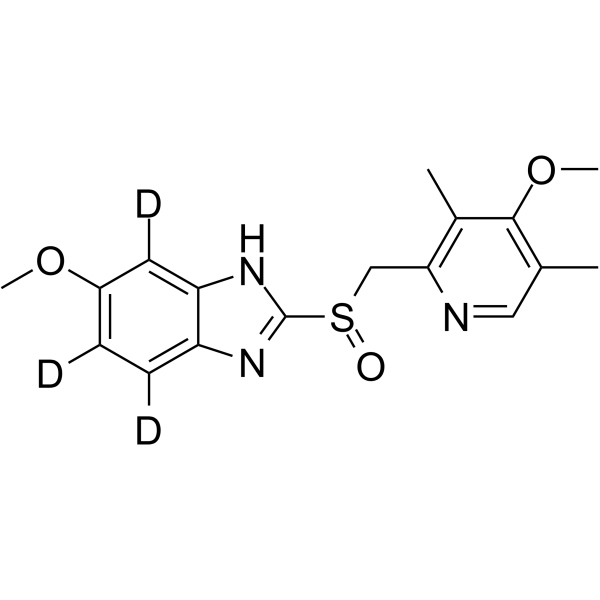
Omeprazole-d3-1 is the deuterium labeled Omeprazole. Omeprazole-1 (H 16868) is an orally active H +,K +-ATPase inhibitor and a proton pump inhibitor. Omeprazole-1 competitively inhibits CYP2C19, CYP3A4, and CYP2C9 activity. Omeprazole-1 inhibits gastric acid secretion and can be used for acid-related gastrointestinal disorders. Omeprazole-1 inhibits pancreatic cancer cell proliferation, induces apoptosis, autophagosome accumulation (elevated LC3-I and LC3-II levels), oxidative stress, and cytogenetic imbalance, modulates lysosomal transport, reduces inflammatory cytokines. Omeprazole-1 alters small intestinal morphology and magnesium absorption, and induces gastric mucosa morphologic changes. Omeprazole-1 aslo has neuroprotective and antibacterial effects .
loading...
    loading...
Cat. No.: HY-D0077
CAS No.: 195136-58-4
Synonyms: Oregon green 488
Target:  

Fluorescent Dye

Research Areas:  

Others

2',7'-Difluorofluorescein (Oregon green 488) is a fluorescein derivative and a pH-sensitive fluorescent probe (pKa ~4.7). Upon excitation at 488 nm, 2',7'-Difluorofluorescein exhibits pH-sensitive fluorescence intensity through the formation of dianions, while its pH sensitivity decreases under excitation at 450 nm, allowing its use in ratiometric pH analysis. 2',7'-Difluorofluorescein can be used for the quantitative analysis of pH values in the range of 2-7 in submicron aerosol particles. 2',7'-Difluorofluorescein undergoes buffer-mediated and buffer-free excited-state proton transfer between different protonated forms, and its cationic form undergoes rapid excited-state deprotonation. 2',7'-Difluorofluorescein is resistant to photodegradation, maintains stable absorption and fluorescence properties within the physiological pH range, and serves as a fluorescent protein label, a component of Ca 2+ indicators, a fluorescent imaging agent, and an anisotropy probe .
loading...
    loading...
Cat. No.: HY-D3119
CAS No.: 2246946-49-4
Research Areas:  

Others

MitoAIE1 is a Fluorescent probe for mitochondrial viscosity detection. MitoAIE1 contains a pyridinium structural unit, which endows it with mitochondria-targeting specificity. The detection mechanism of this probe is based on aggregation-induced emission (AIE): in low-viscosity media such as PBS buffer, intramolecular rotation leads to non-radiative energy dissipation, resulting in only weak fluorescence; however, in high-viscosity environments such as the mitochondrial matrix or the vicinity of the inner mitochondrial membrane, such intramolecular motion is restricted, thereby significantly enhancing its fluorescent signal; in addition, this probe is not interfered by changes in microenvironment polarity and pH. Its emission wavelength is 625 nm, with absorption peaks at 325 nm and 450 nm; when transferred from low-viscosity PBS to high-viscosity 99% glycerol, its fluorescence intensity at 625 nm can be increased by 38-fold. It can be used to monitor changes in mitochondrial viscosity during processes such as Stauroporine (HY-15141)-induced apoptosis and starvation-induced mitophagy in live cells, and has good biocompatibility .
loading...
    loading...
Cat. No.: HY-N0378R
CAS No.: 69-65-8
Synonyms: Mannitol(Standard); Mannite (Standard)
D-Mannitol (Standard) is the analytical standard of D-Mannitol (HY-N0378). This product is intended for research and analytical applications. D-Mannitol (Mannitol) is an oral, resistant sugar widely used in the food and pharmaceutical industries to promote the absorption and retention of calcium and magnesium through cecal fermentation, while acting as a osmotic diuretic to reduce tissue edema. D-Mannitol can enhance brown fat formation, improve insulin effect, reduce blood sugar levels, And through the start the β3-adrenergic receptor (β3-AR), PGC1α and PKA induced by means of white fat cells into brown fat cells . D-Mannitol is commonly used to maintain osmotic pressure between the plant cytoplasm and the culture medium and protect cells when the cell wall is weakened or even removed .
loading...
    loading...
Cat. No.: HY-N0378S3
CAS No.: 287100-69-0
Synonyms: Mannitol-2-13C; Mannite-2-13C
D-Mannitol-2- 13C is the 13C labeled D-Mannitol (HY-N0378). D-Mannitol (Mannitol) is an oral, resistant sugar widely used in the food and pharmaceutical industries to promote the absorption and retention of calcium and magnesium through cecal fermentation, while acting as a osmotic diuretic to reduce tissue edema. D-Mannitol can enhance brown fat formation, improve insulin effect, reduce blood sugar levels, And through the start the β3-adrenergic receptor (β3-AR), PGC1α and PKA induced by means of white fat cells into brown fat cells . D-Mannitol is commonly used to maintain osmotic pressure between the plant cytoplasm and the culture medium and protect cells when the cell wall is weakened or even removed .
loading...
    loading...
Cat. No.: HY-N0378S6
CAS No.: 1217463-58-5
Synonyms: Mannitol-13C,d2; Mannite-13C,d2
D-Mannitol- 13C,d2 is the deuterium and 13C labeled D-Mannitol (HY-N0378). D-Mannitol (Mannitol) is an oral, resistant sugar widely used in the food and pharmaceutical industries to promote the absorption and retention of calcium and magnesium through cecal fermentation, while acting as a osmotic diuretic to reduce tissue edema. D-Mannitol can enhance brown fat formation, improve insulin effect, reduce blood sugar levels, And through the start the β3-adrenergic receptor (β3-AR), PGC1α and PKA induced by means of white fat cells into brown fat cells . D-Mannitol is commonly used to maintain osmotic pressure between the plant cytoplasm and the culture medium and protect cells when the cell wall is weakened or even removed .
loading...
    loading...
Cat. No.: HY-W441531
CAS No.: 28265-17-0
2,3,7,8,12,13,17,18-Octaethyl-21H,23H-porphine manganese(III) chloride is a transition metal compound with excellent catalytic activity. 2,3,7,8,12,13,17,18-Octaethyl-21H,23H-porphine manganese(III) chloride is widely used in photocatalytic reactions to improve reaction efficiency. 2,3,7,8,12,13,17,18-Octaethyl-21H,23H-porphine manganese(III) chloride is also used in the preparation of optical materials, giving the materials excellent light absorption properties. The biological activity of 2,3,7,8,12,13,17,18-Octaethyl-21H,23H-porphine manganese(III) chloride has gradually attracted attention in the research of the medical field.
loading...
    loading...
Cat. No.: HY-L922
25000 compounds

A diverse compound library with favorable ADMET properties (Absorption, Distribution, Metabolism, Excretion, and Toxicity) is crucial in drug discovery. Early evaluation of ADMET properties allows for the exclusion of molecules with unfavorable profiles at the initial stages, thereby reducing the risk of late-stage development failures, lowering R&D costs, and accelerating optimization of lead compounds. Based on predictions from ADMET-related AI algorithms, the compounds in this library are predicted to exhibit favorable oral bioavailability (F > 30%), reasonable plasma protein binding (PPB < 98%), minimized CYP3A4 inhibition potential (inhibition probability < 50%, CYP3A4 is the most critical drug-metabolizing enzyme in the cytochrome P450 family) , low toxicity profiles, with 140 potentially toxic substructures pre-identified and excluded via substructure searching to eliminate compounds containing hazardous fragments. The diversity library enables broad applicability in high-throughput screening (HTS) and high-content screening (HCS).

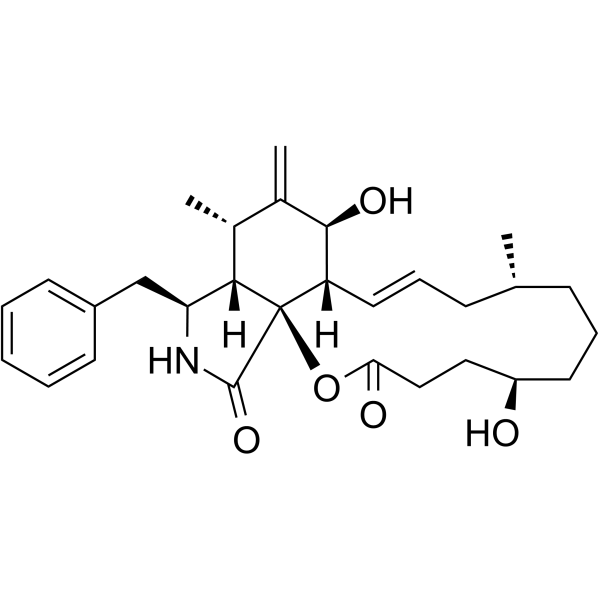
Cat. No.: HY-N6701
CAS No.: 39156-67-7
Dihydrocytochalasin B is an Actin disruptor. Dihydrocytochalasin B disrupts actin microfilament bundles, inhibits actin polymerization, and alters intracellular actin cytoskeletal structures. Dihydrocytochalasin B blocks the initiation of DNA synthesis. Dihydrocytochalasin B inhibits Calcium transport. Dihydrocytochalasin B inhibits cytokinesis and alters cell morphology. Dihydrocytochalasin B can be used in studies related to rickets .
loading...
    loading...
Cat. No.: HY-W019888
CAS No.: 7758-94-3
Synonyms: Ferrofloc; Ferrous chloride
Research Areas:  

Others

Iron (II) chloride (Ferrofloc) is an active radical polymerization initiator, which is a transition metal chloride composed of Fe 2+ and Cl ions. The ion association constant logKFeCl2 of Iron (II) chloride is −0.89. In acidic aqueous solutions, Iron (II) chloride forms solvated Fe 2++2Cl ions as well as FeCl ++Cl ion pairs. Without the addition of aluminum compounds, Iron (II) chloride drives the living radical polymerization of methyl methacrylate by generating transient radical growing species through homolytic reversible cleavage of the carbon-halogen end groups of organic halide initiators .
loading...
    loading...

