1. Search Result
Search Result
Results for "

α1A

" in MedChemExpress (MCE) Product Catalog:

91

Inhibitors & Agonists

1

Fluorescent Dyes

4

Peptides

2

Natural
Products

2

Recombinant Proteins

9

Isotope-Labeled Compounds

5

Antibodies

Cat. No. Product Name Target Research Areas Chemical Structure
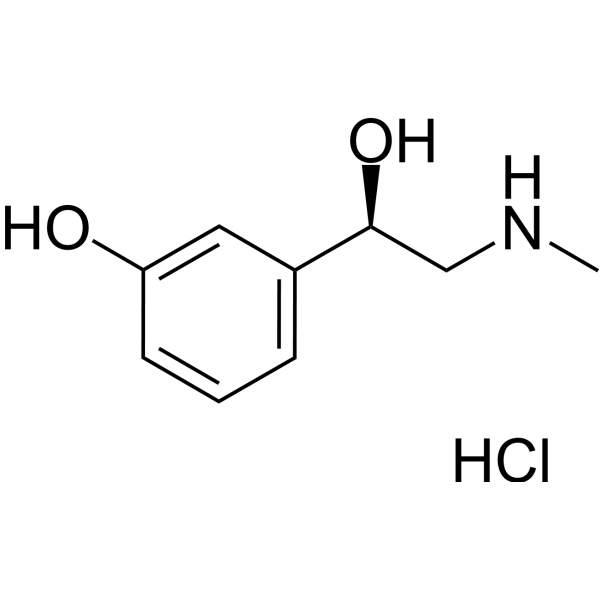
  • HY-B0471
    Phenylephrine hydrochloride
    30+ Cited Publications

    (R)-(-)-Phenylephrine hydrochloride; L-Phenylephrine hydrochloride

    Adrenergic Receptor Endogenous Metabolite Cardiovascular Disease Endocrinology Cancer
    (R)-(-)-Phenylephrine hydrochloride is a selective α1-adrenoceptor agonist with pKis of 5.86, 4.87 and 4.70 for α1D, α1B and α1A receptors respectively.
    Phenylephrine hydrochloride
  • HY-10122
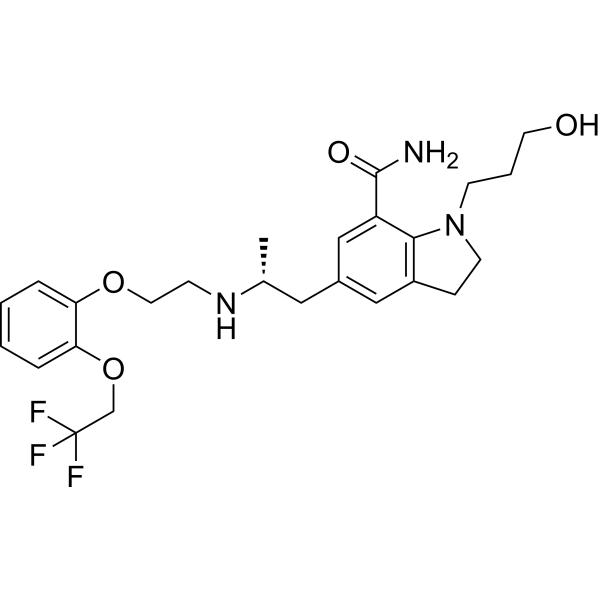
    Silodosin
    5 Publications Verification

    KAD 3213; KMD 3213

    Adrenergic Receptor Bacterial Endocrinology Cancer
    Silodosin (KAD 3213; KMD 3213) is a potent, selective and orally active α1A-adrenergic receptor (α1A-AR) blocker. Silodosin exhibits high affinity for α1A-AR (Ki=0.036 nM), over 162-fold and 50-fold than for α1B-AR and α1D-AR with Ki values of 21 nM and 2.0 nM, respectively. Silodosin is an effective and well-tolerated agent, it can be used for the investigation of LUTS/BPH [1] .
    Silodosin
  • HY-107625A
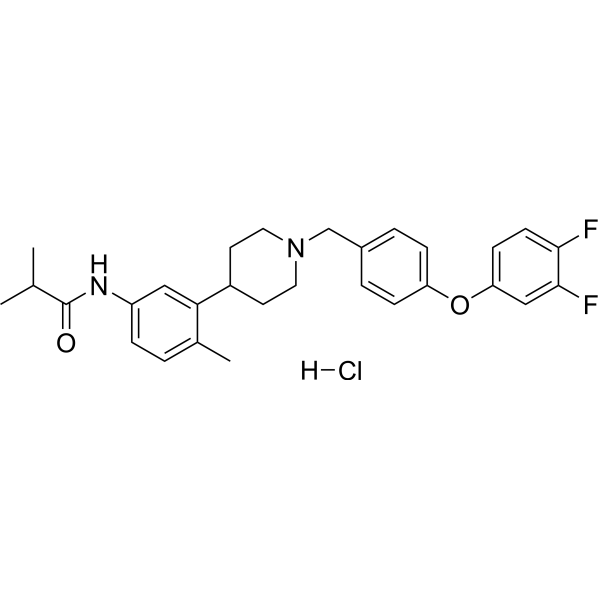
    SNAP 94847 hydrochloride
    2 Publications Verification

    MCHR1 (GPR24) Neurological Disease
    SNAP 94847 hydrochloride is a novel, high affinity selective melanin-concentrating hormonereceptor1 (MCHR1) antagonist with (Ki= 2.2 nM, Kd=530 pM), it displays >80-fold and >500-fold selectivity over MCHα1A and MCHD2 receptors respectively. SNAP 94847 hydrochloride binds with high affinity to the mouse and rat MCHR1 with minimal cross-reactivity to other GPCR, ion channels, enzymes, and transporters [1] .
    SNAP 94847 hydrochloride
  • HY-B0702

    Adrenergic Receptor Cardiovascular Disease Neurological Disease
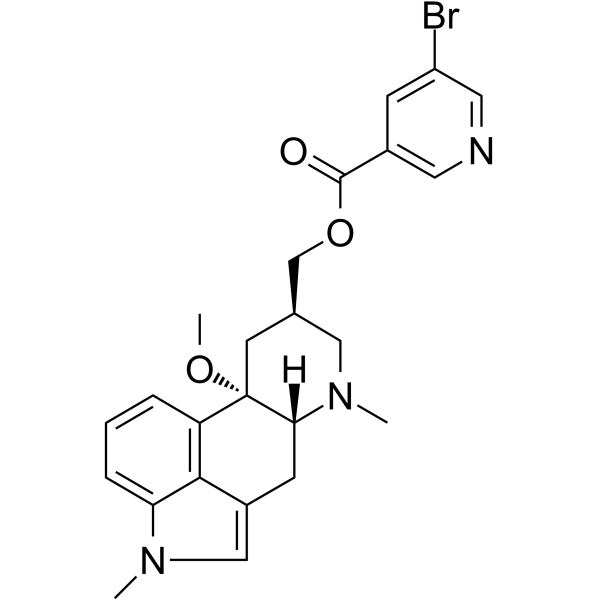
    Nicergoline, an ergoline derivative ester of bromonicotinic acid, is a potent, selective and orally active antagonist of α1A-adrenoceptor. Nicergoline has vasodilator effects. Nicergoline also has ameliorative effects on cognitive function in mouse models of Alzheimer's disease [1] .
    Nicergoline
  • HY-101300

    LD 3098 hydrochloride

    Adenosine Receptor Neurological Disease
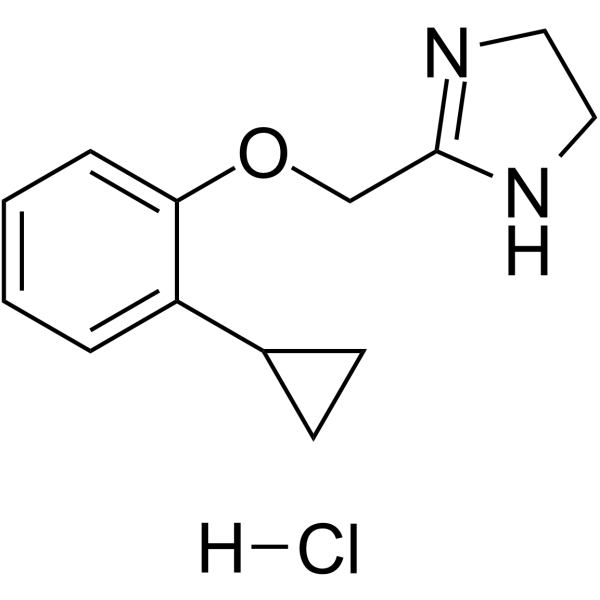
    Cirazoline hydrochloride (LD 3098 hydrochloride) is a potent competitive full α1A-adrenergic receptor (α1A-AR) agonist (Ki=120 nM) and only a partial agonist at α1B-AR (Ki= 960 nM) and α1D-AR (Ki=660 nM) [1].
    Cirazoline hydrochloride
  • HY-117071

    Ro 115-1240

    Adrenergic Receptor Apoptosis Cardiovascular Disease Endocrinology
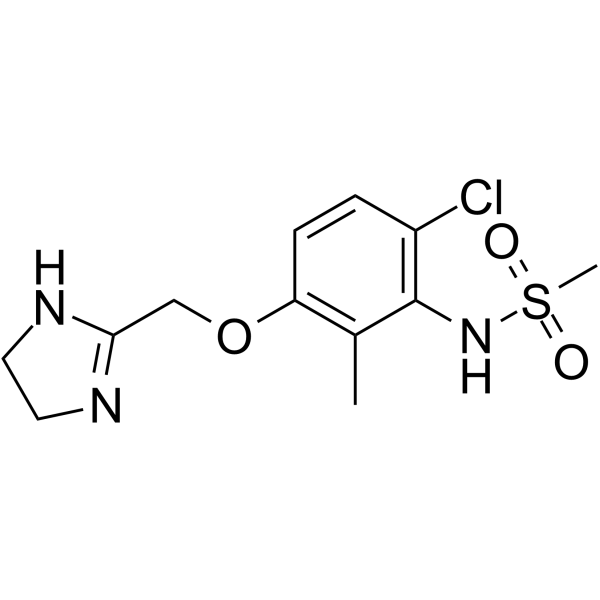
    Dabuzalgron (Ro 115-1240) is an orally active and selective α-1A adrenergic receptor agonist for the treatment of urinary incontinence. Dabuzalgron protects against Doxorubicin-induced cardiotoxicity by preserving mitochondrial function [1].
    Dabuzalgron
  • HY-B1435

    Thymoxamine hydrochloride

    Adrenergic Receptor Cardiovascular Disease Neurological Disease Metabolic Disease
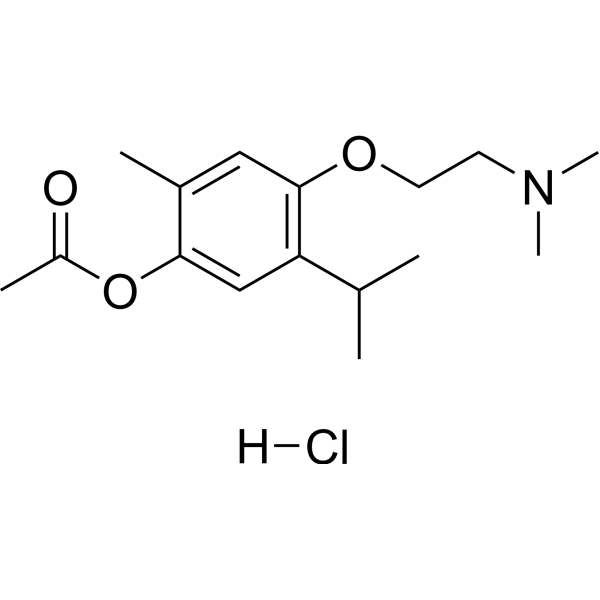
    Moxisylyte (Thymoxamine) hydrochloride is a selective α1A-adrenergic receptor antagonist. Moxisylyte hydrochloride competitively antagonizes the activation mediated by norepinephrine. Moxisylyte hydrochloride relaxes penile cavernous smooth muscle and aids erectile function. Moxisylyte hydrochloride is applicable to research related to erectile dysfunction and multiple system atrophy [1] .
    Moxisylyte hydrochloride
  • HY-B0391
    Naftopidil
    1 Publications Verification

    KT-611; BM-15275

    Adrenergic Receptor Cardiovascular Disease Endocrinology
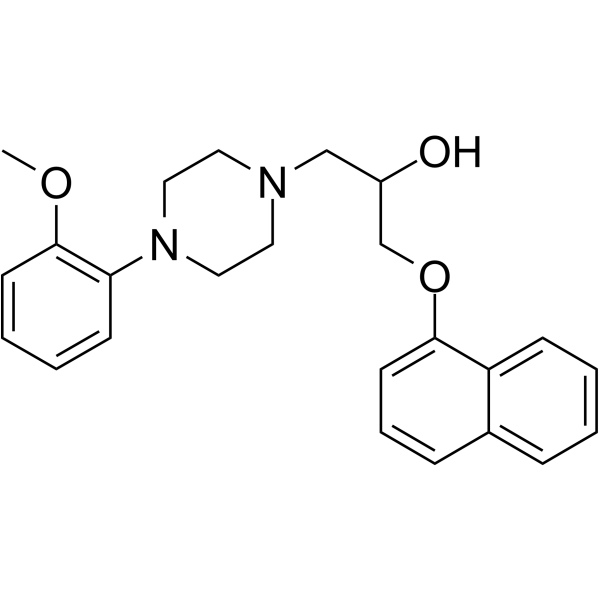
    Naftopidil (KT-611) is is a selective alpha1-adrenoceptor antagonist, with Kis of 3.7 nM, 20 nM and 1.2 nM for the cloned human α1a-, α1b- and α1d-adrenoceptor subtypes, respectively. Naftopidil has antiproliferative effects. Naftopidil can be used for the research of prostate hyperplasia [1] .
    Naftopidil
  • HY-100554
    BMY 7378
    2 Publications Verification

    Adrenergic Receptor 5-HT Receptor Cardiovascular Disease
    BMY 7378 is a selective antagonist of α1D-adrenoceptor 1D-AR). BMY 7378 binds to membranes expressing the cloned rat α1D-AR with a >100-fold higher affinity (Ki=2 nM) than binding to either the cloned rat α1A-AR (Ki=800 nM) or the hamster α1B-AR (Ki=600 nM). BMY 7378 is a 5-HT1A receptor partial agonist [1] .
    BMY 7378
  • HY-101366

    Adrenergic Receptor Endocrinology
    A-61603 is a selective α1A/α1a-adrenergic receptor agonist with Ki of 8.89 nM for rat submaxillary gland α1A, Ki of 30.5 nM for cloned bovine α1a. A-61603 potentiates Ca 2+ transients with EC50 of 6.9 nM. A-61603 stimulates phosphoinositide hydrolysis, induces contractile responses in vas deferens, prostate strips, and spleen strips, and exhibits low activity in aortic rings. A-61603 can be used for research on adrenergic function [1] .
    A-61603
  • HY-101336

    RS-17053

    Adrenergic Receptor Metabolic Disease Endocrinology
    RS 17053 hydrochloride is a potent and selective α1A adrenoceptor antagonist, with a pKi value of 9.1 in native cell membrane and a pA2 value of 9.8 in functional assays.
    RS 17053 hydrochloride
  • HY-D1606

    Adrenergic Receptor Metabolic Disease
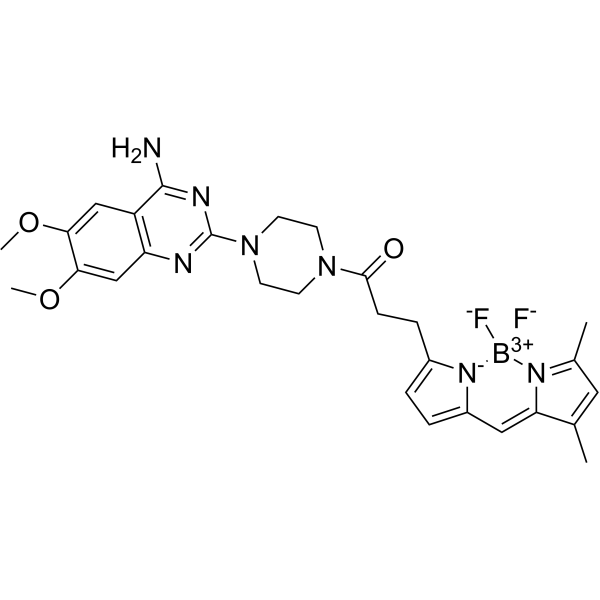
    BODIPY FL prazosin is a fluorescent α1-adrenergic antagonist with Ki values of 14.5, 43.3 nM for α1a-AR and α1b-AR, respectively. BODIPY FL prazosin also is a fluorescent ligand with the excitation and emission wavelengths are 485 and 535 nm, respectively. BODIPY FL prazosin can be used for study the differences in the subcellular localization of α1-adrenoceptor subtypes [1] .
    BODIPY FL prazosin
  • HY-147100

    PROTACs Adrenergic Receptor Cancer
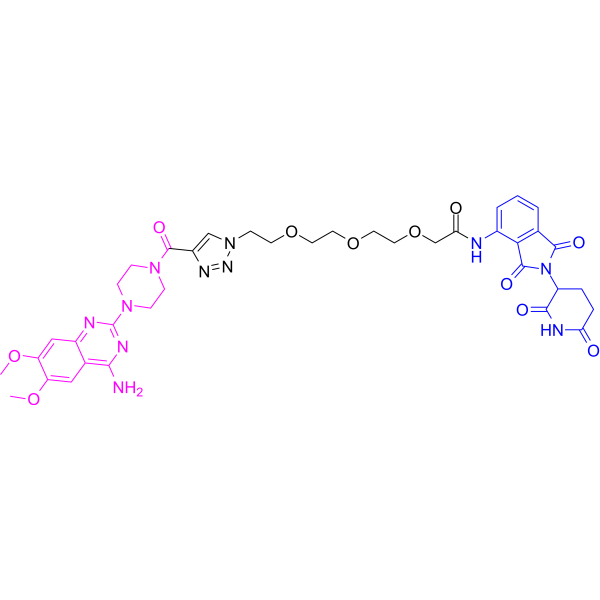
    α1A-AR Degrader 9c (compound 9c) is a potent, selective and reversible α1A-AR (Adrenergic receptor) PROTAC degrader, with a DC50 of 2.86 μM. α1A-AR Degrader 9c induces α1A-AR degradation can be attributed to proteasomal degradation. α1A-AR Degrader 9c inhibits the proliferation of PC-3 cells, with an IC50 of 6.12 μM. α1A-AR Degrader 9c shows antitumor activity, and can be used for prostate cancer research [1].
    α1A-AR Degrader 9c
  • HY-B0484

    Adrenergic Receptor Cardiovascular Disease
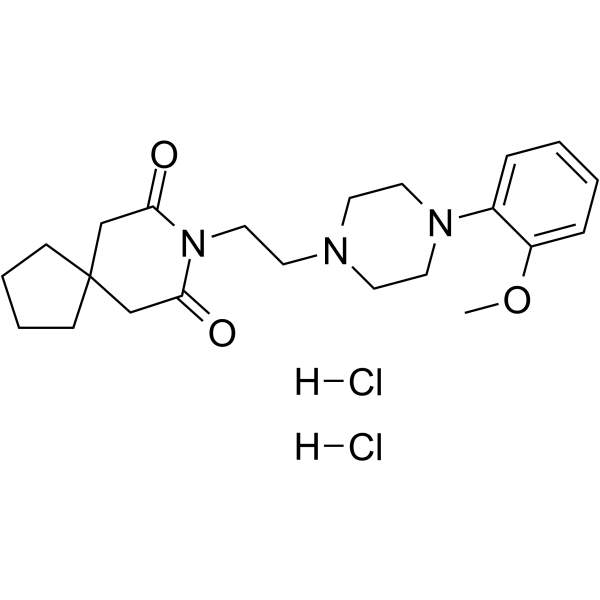
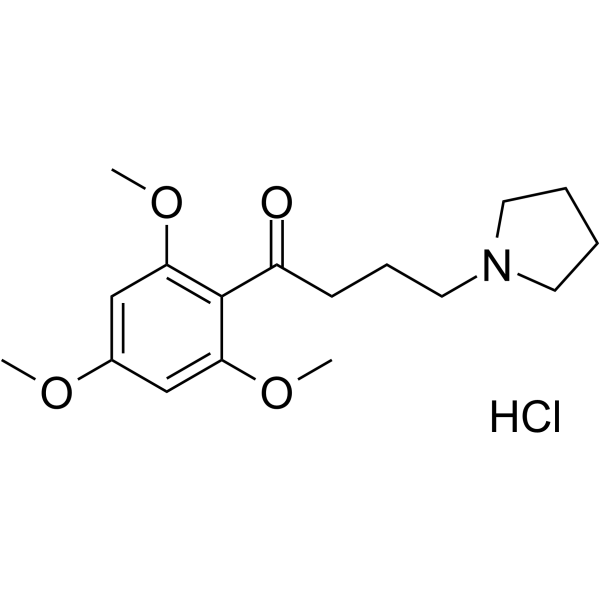
    Buflomedil hydrochloride, a vasodilator agent, is an orally active α1A-adrenoceptor antagonist with Kis of 4.06 µM and 6.84 µM for α1A-AR and α1B-AR, respectively. Buflomedil hydrochloride can be used for the study of peripheral circulatory disorders [1] .
    Buflomedil hydrochloride
  • HY-12760

    Indoramine; Wy 21901

    Adrenergic Receptor Cardiovascular Disease Endocrinology
    Indoramin is an orally active antihypertensive agent. Indoramin is also selective for the α1A-adrenoceptor [1].
    Indoramin
  • HY-106954

    Rec 15/2739; Recordati 15/2739; SB 216469

    Adrenergic Receptor Inflammation/Immunology
    Upidosin (Rec 15/2739) is an α-1 adrenoceptor (α-1 AR) antagonist. Upidosin shows moderate selectivity for the α-1A AR subtype. Upidosin shows uroselectivity in urethra and prostate with a Kb value of 2-3 nM higher than in ear artery and aorta with a Kb value of 20-100 nM. Upidosin inhibits [3H]prazosin binding to cloned human α-1A adrenergic receptor. Upidosin can be used for the research of urethral obstruction [1].
    Upidosin
  • HY-103204

    Adrenergic Receptor Endocrinology
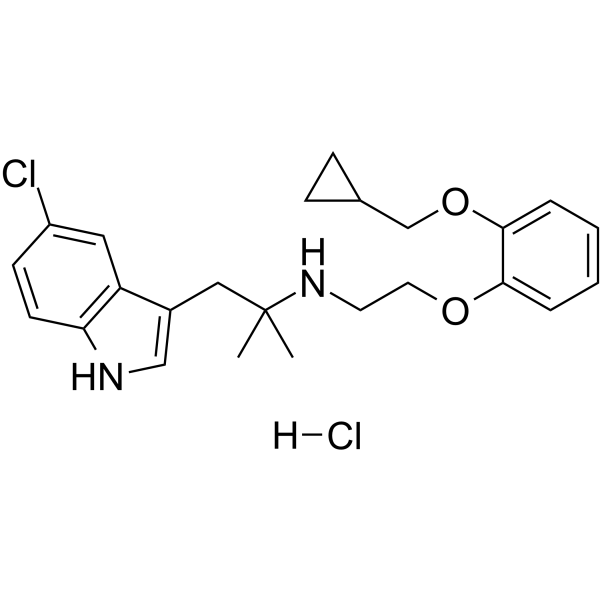
    RS100329 hydrochloride is a potent and selective α1A-adrenoceptor antagonist with pKi values of 9.6, 7.9 and 7.5 for α1A, α1D, and α1B, respectively. RS100329 hydrochloride inhibits reflex urethral contractions. RS100329 hydrochloride can be used in research of benign prostatic hyperplasia [1] .
    RS100329 hydrochloride
  • HY-U00399A

    ABT 980

    Adrenergic Receptor Endocrinology
    Fiduxosin hydrochloride (ABT 980) is a potent α1-adrenoceptor antagonist, with Ki of 0.160 nM, 24.9 nM, and 0.920 nM for α1a-, α1b-, and α1d-adrenoceptors, respectively [1].
    Fiduxosin hydrochloride
  • HY-B0371B

    Adrenergic Receptor Endocrinology
    (R)-Terazosin is an active R-enantiomer of Terazosin. (R)-Terazosin is a potent α1-adrenoceptor antagonist with Ki values of 6.51 nM, 1.01 nM and 1.97 nM for α1a, α1b and α1d-adrenoceptor, respectively [1].
    (R)-Terazosin
  • HY-B0471R

    (R)-(-)-Phenylephrine hydrochloride (Standard); L-Phenylephrine hydrochloride (Standard)

    Reference Standards Adrenergic Receptor Endogenous Metabolite Cardiovascular Disease Endocrinology Cancer
    Phenylephrine (hydrochloride) (Standard) is the analytical standard of Phenylephrine (hydrochloride). This product is intended for research and analytical applications. (R)-(-)-Phenylephrine hydrochloride is a selective α1-adrenoceptor agonist with pKis of 5.86, 4.87 and 4.70 for α1D, α1B and α1A receptors respectively.
    Phenylephrine hydrochloride (Standard)
  • HY-B0371D

    Adrenergic Receptor Endocrinology
    (S)-Terazosin is an active S-enantiomer of Terazosin. (S)-Terazosin is a potent and high-affinity α-adrenoceptor antagonist with Ki values of 3.91 nM, 0.79 nM and 1.16 nM for α1a, α1b and α1d-adrenoceptor, respectively. (S)-Terazosin also has high-affinity for α2a, α2B and α2c-adrenoceptor with Ki values of 729 nM, 3.5 nM and 46.4 nM, respectively [1].
    (S)-Terazosin
  • HY-106587A
    Octoclothepin maleate salt
    1 Publications Verification

    Clorotepine maleate salt

    Drug Derivative 5-HT Receptor Neurological Disease
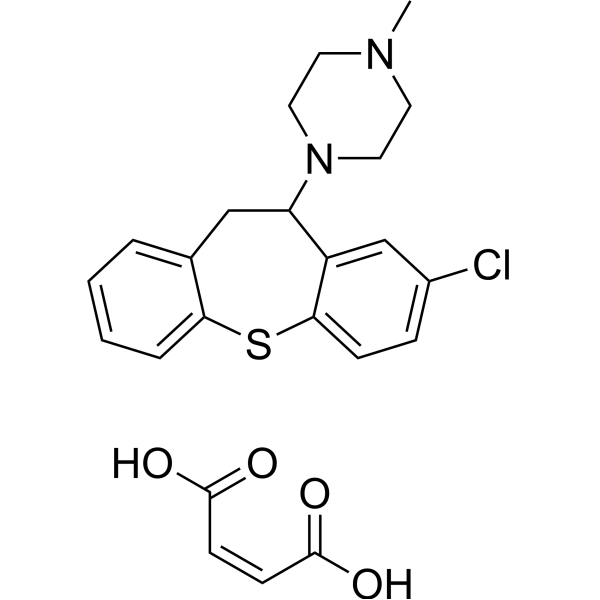
    Octoclothepin (Clorotepine) maleate salt is a D2 dopamine receptor antagonist and 5-HT2 serotonin receptor antagonist , with Ki values of 0.67 nM, 0.57 nM, and 0.19 nM for the dopamine D2, 5-HT2A, and 5-HT2C receptors, respectively. Octoclothepin maleate salt also binds to adrenergic receptors, with Ki values of 0.66 nM, 0.56 nM, and 0.77 nM for α1a, α1b, and α1d, respectively. Octoclothepin maleate salt can be used in schizophrenia research [1].
    Octoclothepin maleate salt
  • HY-U00237

    Adrenergic Receptor Endocrinology Cancer
    L-771688 is a highly selective α1A-Adrenoceptor antagonist with a Ki of 0.43±0.02 nM.
    L-771688
  • HY-P5881

    PKC Cardiovascular Disease
    PKCα (C2-4) inhibitor peptide is a PKCα specific inhibitor peptide that blocks the inhibition of IKr by the α1A adrenoreceptor agonist A-61603 (HY-101366) [1].
    PKCα (C2-4) inhibitor peptide
  • HY-U00399

    Adrenergic Receptor Endocrinology
    Fiduxosin is a potent α1-adrenoceptor antagonist, with Ki of 0.160 nM, 24.9 nM, and 0.920 nM for α1a-, α1b-, and α1d-adrenoceptors, respectively.
    Fiduxosin
  • HY-101755

    Lu AA24530 hydrobromide

    5-HT Receptor Adrenergic Receptor Neurological Disease Endocrinology
    Tedatioxetine (Lu AA24530) hydrobromide acts as a serotonin and norepinephrine (NE)-preferring triple reuptake inhibitor (TRI) and 5-HT2A, 5-HT2C, 5-HT3 and α1A-adrenergic receptor antagonist [1]. ,
    Tedatioxetine hydrobromide
  • HY-183179

    Adrenergic Receptor Endocrinology
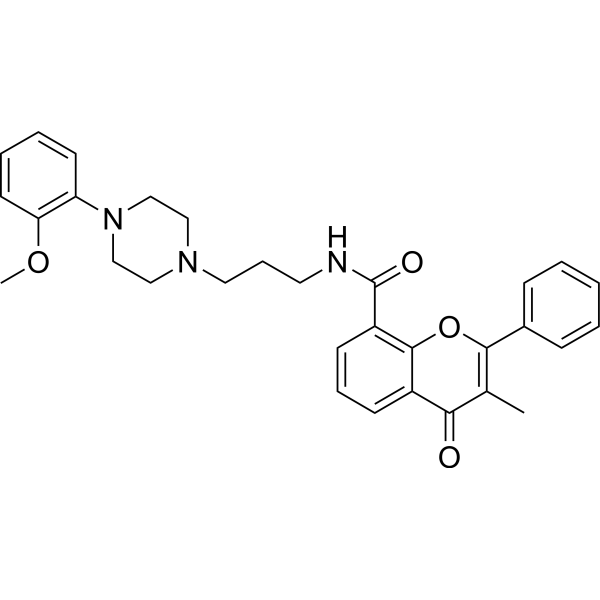
    α1A Adrenoceptor antagonist-1 is a selective α1A adrenoceptor antagonist with a human Ki <20 nM. α1A Adrenoceptor antagonist-1 exhibits activity against benign prostatic hyperplasia (BPH) to enable less hindered urine flow. α1A Adrenoceptor antagonist-1 relaxes α1a receptor-enriched urethral smooth muscle tissue without inducing hypotension. α1A Adrenoceptor antagonist-1 can be used for the research of benign prostatic hyperplasia (BPH) [1].
    α1A Adrenoceptor antagonist-1
  • HY-19268

    GW 1818

    Adrenergic Receptor Metabolic Disease
    GG-818 (GW 1818) is a potent and selective α1 adrenoceptor antagonist, with pKi values of 9.7 for α1a, 7.8 for α1b, and 7.6 for α1d. GG-818 (GW 1818) can be used for benign prostatic hyperplasia research [1].
    GG-818
  • HY-W103372

    Adrenergic Receptor Cardiovascular Disease
    Vasorelaxant agent-2 (Compound 8h) targets α1A-adrenergic receptor with an affinity of pD2=5.4. Vasorelaxant agent-2 exhibits vasodilator activity in rats aortic rings with an EC50 of 0.79 μM [1].
    Vasorelaxant agent-2
  • HY-B0471S

    (R)-(-)-Phenylephrine-d3 hydrochloride; L-Phenylephrine-d3 hydrochloride

    Adrenergic Receptor Endogenous Metabolite Cardiovascular Disease Endocrinology
    Phenylephrine-d3 (hydrochloride) is the deuterium labeled Phenylephrine hydrochloride. (R)-(-)-Phenylephrine hydrochloride is a selective α1-adrenoceptor agonist with pKis of 5.86, 4.87 and 4.70 for α1D, α1B and α1A receptors respectively.
    Phenylephrine-d3 hydrochloride
  • HY-123044

    Lu AA24530

    5-HT Receptor Adrenergic Receptor Neurological Disease
    Tedatioxetine (Lu AA24530) acts as a serotonin and norepinephrine (NE)-preferring triple reuptake inhibitor (TRI) and 5-HT2A, 5-HT2C, 5-HT3 and α1A-adrenergic receptor antagonist [1].
    Tedatioxetine
  • HY-B0471S1

    (R)-(-)-Phenylephrine-2,4,6-d3 hydrochloride; L-Phenylephrine-2,4,6-d3 hydrochloride

    Adrenergic Receptor Endogenous Metabolite Cardiovascular Disease Endocrinology
    Phenylephrine-2,4,6-d3 (hydrochloride) is the deuterium labeled Phenylephrine hydrochloride. (R)-(-)-Phenylephrine hydrochloride is a selective α1-adrenoceptor agonist with pKis of 5.86, 4.87 and 4.70 for α1D, α1B and α1A receptors respectively.
    Phenylephrine-2,4,6-d3 hydrochloride
  • HY-103209

    Adrenergic Receptor Cardiovascular Disease Endocrinology
    Rec 15/2615 hydrochloride is a potent and selective α-1B adrenoceptor antagonist with Ki values of 1.9 nM, 0.3 nM, 2.6 nM for α1A, α1B, α1D, respectively. Rec 15/2615 hydrochloride modulates vaginal smooth muscle contractility and genital engorgement [1] .
    Rec 15/2615 hydrochloride
  • HY-B0391A

    KT-611 dihydrochloride; BM-15275 dihydrochloride

    Adrenergic Receptor Cancer
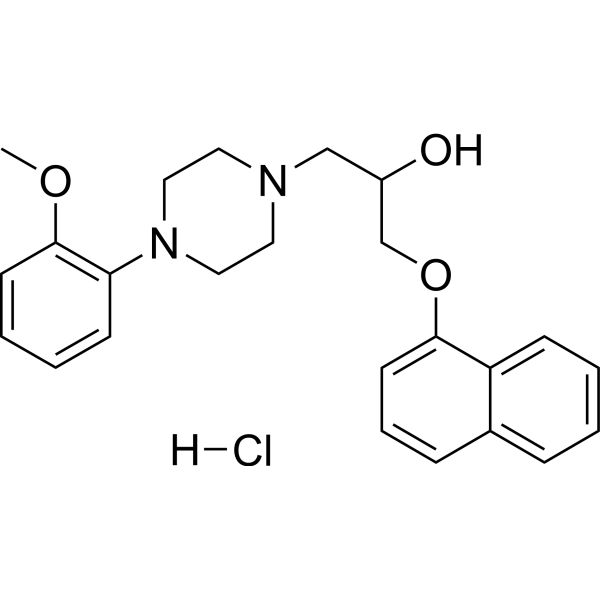
    Naftopidil dihydrochloride (KT-611 dihydrochloride) is a selective alpha1-adrenoceptor antagonist, with Kis of 3.7 nM, 20 nM and 1.2 nM for the cloned human α1a-, α1b- and α1d-adrenoceptor subtypes, respectively. Naftopidil dihydrochloride has antiproliferative effects. Naftopidil dihydrochloride can be used for the research of prostate hyperplasia [1] .
    Naftopidil dihydrochloride
  • HY-107625

    MCHR1 (GPR24) Neurological Disease Endocrinology
    SNAP 94847 is a novel, high affinity selective melanin-concentrating hormonereceptor1 (MCHR1) antagonist with (Ki= 2.2 nM, Kd=530 pM), it displays >80-fold and >500-fold selectivity over MCHα1A and MCHD2 receptors respectively. SNAP 94847 binds with high affinity to the mouse and rat MCHR1 with minimal cross-reactivity to other GPCR, ion channels, enzymes, and transporters [1] .
    SNAP 94847
  • HY-175669

    Chloride Channel Metabolic Disease Endocrinology
    ANO1-IN-5 is an orally active ANO1 inhibitor with an IC50 of 4.57 μM. J ANO1-IN-5 demonstrates 118-, 642-, and 10000-fold selectivity over α1A-1B-, andα1D-AR, respectively. ANO1-IN-5 exhibits significant inhibitory effects on osteoclast differentiation and function. ANO1-IN-5 can used for the study of osteoporosis [1].
    ANO1-IN-5
  • HY-P5158

    Adrenergic Receptor Others
    Conopeptide rho-TIA is a peptide derived from the venom contained in the predatory sea snail Conus tulipa, has highly selective and noncompetitive inhibitor at human α1B-Adrenergic Receptor. Conopeptide rho-TIA acts a competitive inhibitor at human α1A-Adrenergic Receptor and α1D-Adrenergic Receptor. Conopeptide rho-TIA binds to each subtype and may provide useful information for the development of novel α1-Adrenergic Receptor subtype-selective drugs [1].
    Conopeptide rho-TIA
  • HY-116623

    Adrenergic Receptor Endocrinology
    A-123189 is a selective and potent α1D antagonist with Kis of 0.312 and 0.17 for human α1D and rat α1D, respectively. A-123189 displays selectivities between 10- to 20-fold for the α1D receptor over the human α1A and rat α1A receptors [1].
    A-123189
  • HY-100169

    Adrenergic Receptor Neurological Disease
    KRG-3332 hydrochloride is a selective α1A receptor antagonist. KRG-3332 hydrochloride can be used in Glaucoma [1].
    KRG-3332 hydrochloride
  • HY-W724254

    Adrenergic Receptor Endocrinology
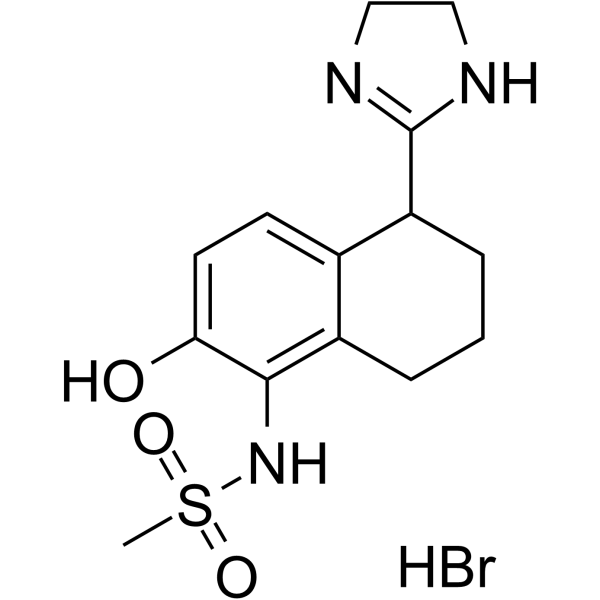
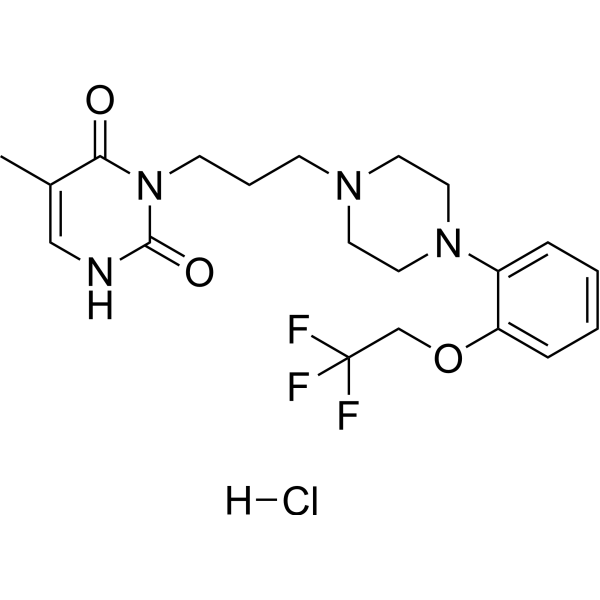
    SNAP-6201 is a selective α1a adrenoceptor antagonist with a Ki of 0.2 nM. SNAP-6201 exhibits >1400-fold selectivity over α1b and α1d adrenoceptors. SNAP-6201 exhibits excellent selectively to inhibit intraurethral pressure (IUP) in the anesthetized dog model. SNAP-6201 can be used for benign prostatic hyperplasia (BPH) research [1].
    SNAP-6201
  • HY-145480

    Silodosin β-D-glucuronide sodium

    Drug Metabolite Others
    Silodosin Glucuronide sodium (Silodosin β-D-glucuronide sodium) is the metabolite of Silodosin (HY-10122). Silodosin is a selective and orally active antagonist for α1A-adrenergic receptor (α1A-AR) with Ki of 0.036 nM [1].
    Silodosin Glucuronide sodium
  • HY-103202A

    Adrenergic Receptor Cardiovascular Disease
    SNAP5089 is a selective α1A-adrenoceptor antagonist with over 1700-fold selectivity for the α1A subtype, which may have implications for the treatment of hypertension and benign prostatic hypertrophy. SNAP5089 demonstrates significant receptor affinity compared to other clinical drugs, emphasizing its potential therapeutic advantages. SNAP5089's high affinity aligns with its suitability for conditions where precise α1A modulation is desirable.
    SNAP5089
  • HY-B0484A

    Adrenergic Receptor Cardiovascular Disease
    Buflomedil, a vasodilator agent, is an orally active α1A-adrenoceptor antagonist with Kis of 4.06 µM and 6.84 µM for α1A-AR and α1B-AR, respectively. Buflomedil can be used for the study of peripheral circulatory disorders [1] .
    Buflomedil
  • HY-W009027

    Indoramine hydrochloride; Wy 21901 hydrochloride

    Adrenergic Receptor Cardiovascular Disease Others
    Indoramin (hydrochloride) is a new hypotensive agent. Indoramin (hydrochloride) is also selective for the α1A-adrenoceptor [1].
    Indoramin hydrochloride
  • HY-137055

    Others Others
    PF-3774076 is a highly central nervous system (CNS) penetrant, potent, and selective human α1A-adrenoceptor partial agonist. It exhibits good potency and selectivity in multiple binding and functional assays. PF-3774076 increases peak urethral pressure in anesthetized female dogs in a dose-dependent manner via a central mechanism. PF-3774076 affects both the proximal and distal portions of the urethra in vivo. These properties suggest that PF-3774076 may have significant benefit in the treatment of stress urinary incontinence (SUI) as a CNS-penetrant α1A receptor partial agonist. However, despite its partial agonism and selectivity for α1A receptors, PF-3774076 failed to provide adequate safety differences in in vivo models of cardiovascular function. This may be due to the simultaneous activation of both peripheral and central α1A receptors. These data suggest that while central α1A partial agonists may have significant benefit in the treatment of SUI, this class of agents may have difficulty achieving the desired urethral selectivity without affecting cardiovascular function.
    PF-3774076
  • HY-135488

    Adrenergic Receptor Cardiovascular Disease
    A 131701 is a selective α1a- (Ki: 0.22 nM for human α1a) and α1d-adrenoceptor antagonist. A 131701 antagonizes epinephrine-induced increases in intraurethral pressure (IUP). A 131701 causes transient decreases in mean arterial blood pressure (MABP) and transient tachycardia. A 131701 can be used in the research of spontaneous hypertension [1].
    A 131701
  • HY-10122S

    Isotope-Labeled Compounds Adrenergic Receptor Endocrinology Cancer
    Silodosin-d4 is the deuterium labeled Silodosin. Silodosin (KAD 3213) is a potent, selective and orally active α1A-adrenergic receptor (α1A-AR) blocker. Silodosin exhibits high affinity for α1A-AR (Ki=0.036 nM), over 162-fold and 50-fold than for α1B-AR and α1D-AR with Ki values of 21 nM and 2.0 nM, respectively. Silodosin is an effective and well-tolerated agent, it can be used for the investigation of LUTS/BPH [1] .
    Silodosin-d4
  • HY-10122R

    KAD 3213 (Standard); KMD 3213 (Standard)

    Reference Standards Adrenergic Receptor Bacterial Endocrinology Cancer
    Silodosin (Standard) is the analytical standard of Silodosin. This product is intended for research and analytical applications. Silodosin (KAD 3213; KMD 3213) is a potent, selective and orally active α1A-adrenergic receptor (α1A-AR) blocker. Silodosin exhibits high affinity for α1A-AR (Ki=0.036 nM), over 162-fold and 50-fold than for α1B-AR and α1D-AR with Ki values of 21 nM and 2.0 nM, respectively. Silodosin is an effective and well-tolerated agent, it can be used for the investigation of LUTS/BPH [1] .
    Silodosin (Standard)
  • HY-103202

    Adrenergic Receptor Cardiovascular Disease
    SNAP5089 (hydrochloride) is a selective α1A adrenergic receptor antagonist. SNAP5089 (hydrochloride) can be used in the research of hypertension and benign prostatic hyperplasia [1] .
    SNAP5089 hydrochloride
  • HY-134632

    KMD-3241

    Adrenergic Receptor Cancer
    Dehydro silodosin (KMD-3241) is a selective α1A-adrenoceptor antagonist used in the study of benign prostatic hyperplasia [1].
    Dehydro silodosin

Inquiry Online

Your information is safe with us. * Required Fields.

Salutation


Country or Region *

Applicant Name *


Organization Name *

Department *


Email Address *


Product Name *

Cat. No.


Requested quantity *

Phone Number *


Remarks

Inquiry Online

Inquiry Information

Product Name:
Cat. No.:
Quantity:
MCE Japan Authorized Agent:

