
25 Results for "

4-Aminoantipyrine

" in MedChemExpress (MCE) Product Catalog:
Products (25)

25 Results for "4-Aminoantipyrine" in MCE Product Catalog:

4
4 Cited Publications
Cat. No.: HY-P2336A
Target:  

Melanocortin Receptor

Research Areas:  

Cancer

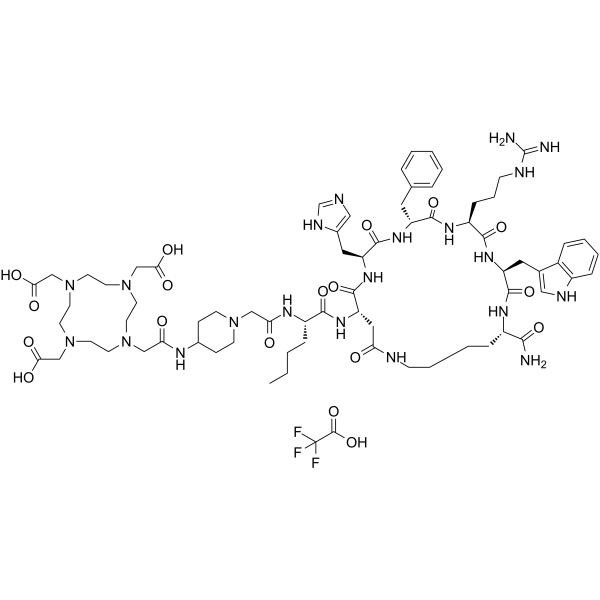
CCZ01048 TFA, a α-MSH analogue, exhibits high binding affinity to melanocortin 1 receptor (MC1R) with a Ki of 0.31 nM. CCZ01048 TFA shows rapid internalization into B16F10 melanoma cells and high in vivo stability. CCZ01048 TFA is a promising candidate for PET imaging of malignant melanoma .
loading...
    loading...
1
1 Cited Publications
Cat. No.: HY-B1398
CAS No.: 83-07-8
Synonyms: 4-Aminophenazone
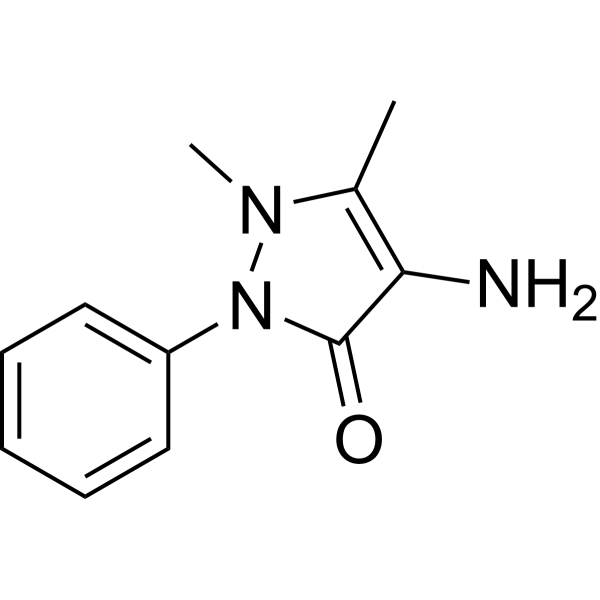
Ampyrone (4-Aminophenazone; 4-Aminoantipyrine) is a reversible and low-damage optical clearing agent and non-selective COX inhibitor based on UV absorption properties. Ampyrone can improve the optical transmittance of mouse skin and other tissues. Ampyrone can induce tissue refractive index matching by enhancing UV absorption, reduce light scattering, and achieve tissue transparency in vivo. Ampyrone reduces the synthesis of prostaglandin PGE2, thereby exerting anti-inflammatory, analgesic and antipyretic effects. Ampyrone inhibits DNA damage, cell apoptosis and immune cell phagocytosis induced by Doxorubicin (HY-15142A) and Cisplatin (HY-17394), etc., and participates in the regulation of toxicity in tumor chemotherapy .
loading...
    loading...
1
1 Cited Publications
Cat. No.: HY-15933
CAS No.: 40567-80-4
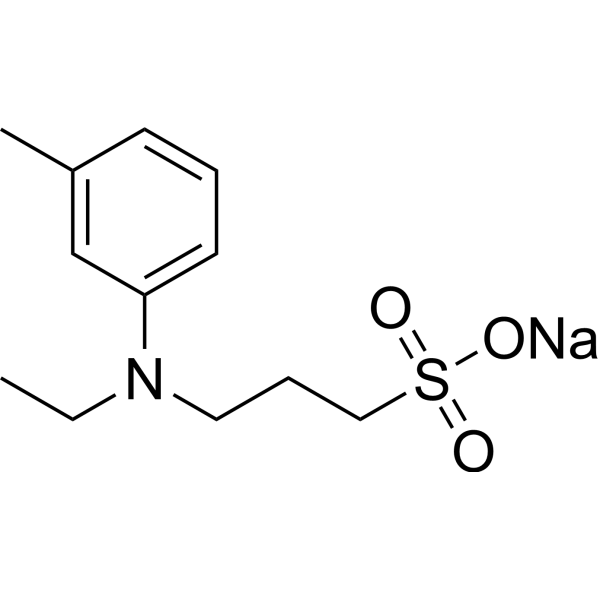
TOPS is a chromogenic substrate. TOPS undergoes an oxidative coupling reaction with 4-aminoantipyrine in the presence of H2O2 and nanocrystalline cobalt selenide. TOPS is used in studies related to uric acid detection .
loading...
    loading...
1
1 Cited Publications
Cat. No.: HY-105055
CAS No.: 77327-05-0
Purity:  99.95%
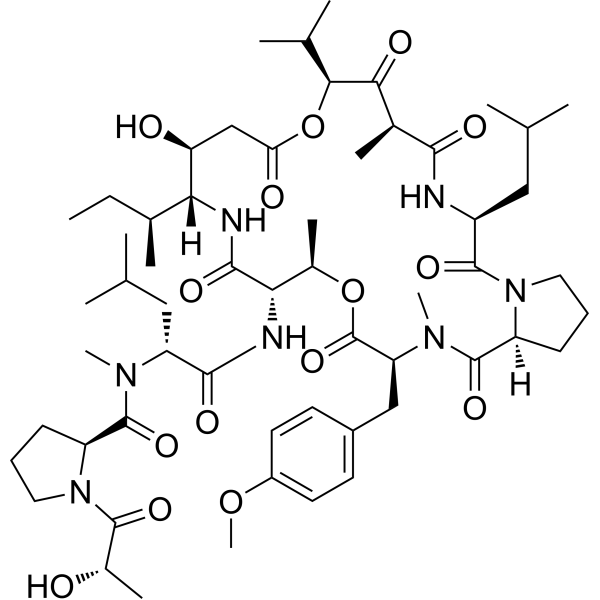
Didemnin B is a depsipeptide extracted from the marine tunicate Trididemnin cyanophorum. Didemnin B can be used for the research of cancer .
loading...
    loading...
Cat. No.: HY-15914
CAS No.: 54970-72-8
Synonyms: DCHBS
Target:  

Fluorescent Dye

Research Areas:  

Others

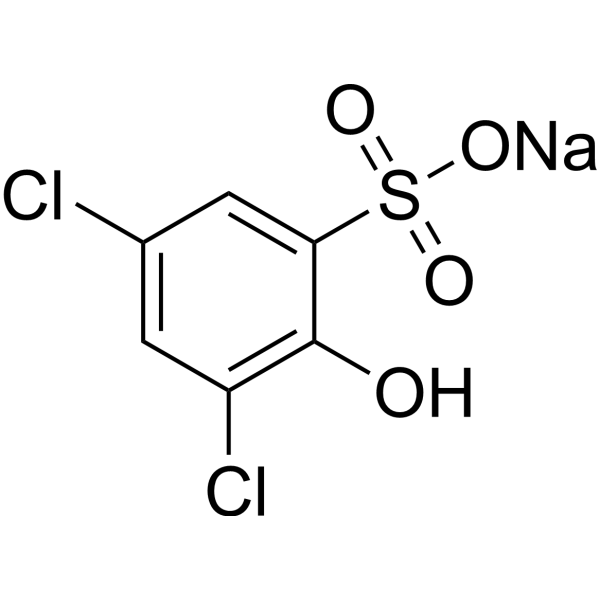
DHBS (3, 5-dichloro-2-hydroxybenzenesulfonate) is used in conjunction with 4-aminoantipyrine (4-AAP) (HY-W100990) and hydrogen peroxide (H2O2) for chromogenic quantitation of peroxidase in coupled enzymatic reactions. Component of Trinder reagent for use with peroxidase to measure generation of hydrogen peroxide in automated systems .
loading...
    loading...
Cat. No.: HY-P4070
CAS No.: 1188379-43-2
Target:  

Insulin Receptor

Research Areas:  

Metabolic Disease

Insulin icodec is an Insulin (HY-P0035) analog that strongly but reversibly binds to albumin. Insulin icodec has long plasma half-life. Insulin icodec modulates insulin receptor activity, controls blood glucose levels, reduces HbA1c levels, and binds reversibly to human serum albumin. Insulin icodec can be used for the research of type 2 diabetes mellitus .
loading...
    loading...
Cat. No.: HY-W100990
CAS No.: 22198-72-7
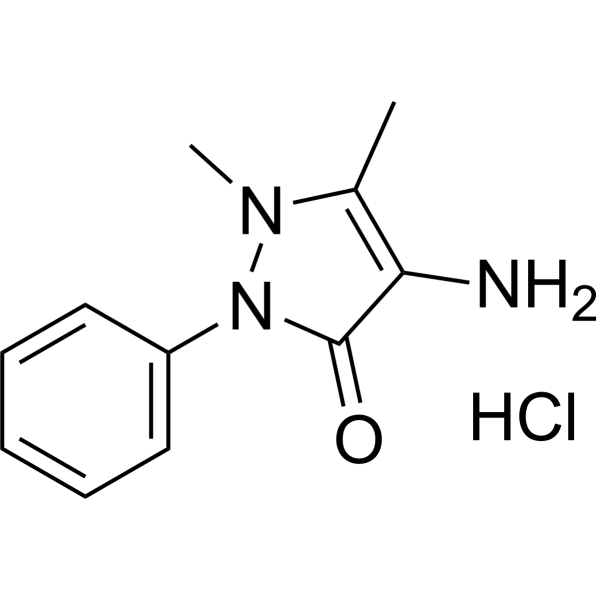
4-Aminoantipyrine (hydrochloride) is a biochemical reagent that can be used as a biological material or organic compound for life science related research.
loading...
    loading...
Cat. No.: HY-P5362
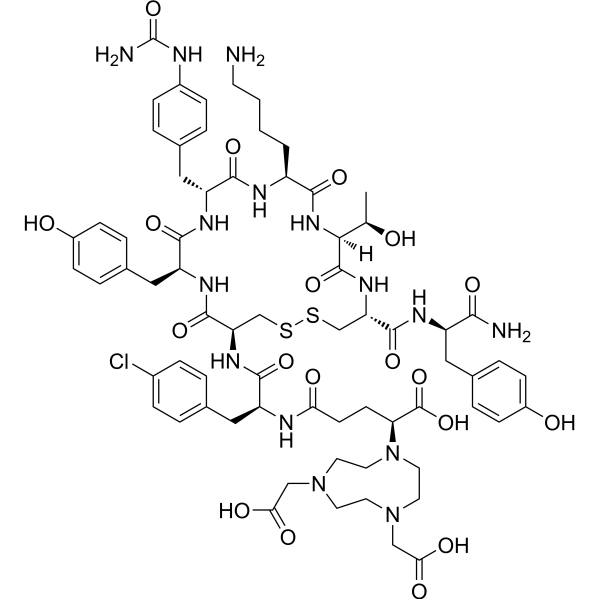
NODAGA-LM3 is a ligand that can cross the blood-brain barrier and targets somatostatin receptor SSTR2 with high affinity (IC50 = 1.3 nM). NODAGA-LM3 does not trigger the internalization of SSTR2 and can inhibit agonist-induced internalization processes. NODAGA-LM3 shows low uptake in normal tissues such as the liver and spleen, but high uptake in the lungs and blood pool. 68Ga-labeled NODAGA-LM3 can serve as a PET imaging agent for well-differentiated neuroendocrine tumors, and is applied in studies related to small cell lung cancer and well-differentiated neuroendocrine tumors .
loading...
    loading...
Cat. No.: HY-152246
CAS No.: 301298-87-3
Purity:  99.88%
Target:  

DNA/RNA Synthesis

Research Areas:  

Cancer

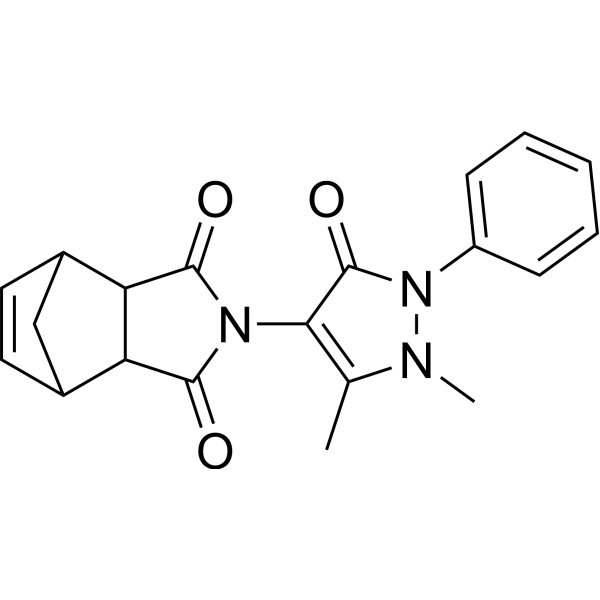
ZIM, a norbornene derived from 4-Aminoantipyrine, is a potent inducer of DNA damage, causing genomic and chromosomal damage as well as inducing cell death and activating phagocytosis. ZIM has chemotherapeutic potential for use in cancer research .
loading...
    loading...
Cat. No.: HY-P10341
CAS No.: 1345835-12-2
Target:  

GCGR

Research Areas:  

Metabolic Disease

ZP3022 is a dual agonist of glucagon-like peptide-1 (GLP-1) and gastrin that has the ability to sustainably improve glycemic control. Additionally, ZP3022 can effectively increase β-cell mass, promote β-cell proliferation, and enhance the function of pancreatic islets. ZP3022 can be used in anti-diabetic research .
loading...
    loading...
Cat. No.: HY-B1398R
CAS No.: 83-07-8
Synonyms: 4-Aminophenazone (Standard)
Ampyrone (4-Aminophenazone) (Standard) is the analytical standard of Ampyrone (HY-B1398). This product is intended for research and analytical applications. Ampyrone (4-Aminophenazone; 4-Aminoantipyrine) is a reversible and low-damage optical clearing agent and non-selective COX inhibitor based on UV absorption properties. Ampyrone can improve the optical transmittance of mouse skin and other tissues. Ampyrone can induce tissue refractive index matching by enhancing UV absorption, reduce light scattering, and achieve tissue transparency in vivo. Ampyrone reduces the synthesis of prostaglandin PGE2, thereby exerting anti-inflammatory, analgesic and antipyretic effects. Ampyrone inhibits DNA damage, cell apoptosis and immune cell phagocytosis induced by Doxorubicin (HY-15142A) and Cisplatin (HY-17394), etc., and participates in the regulation of toxicity in tumor chemotherapy .
loading...
    loading...
Cat. No.: HY-B1398S
CAS No.: 1329792-51-9
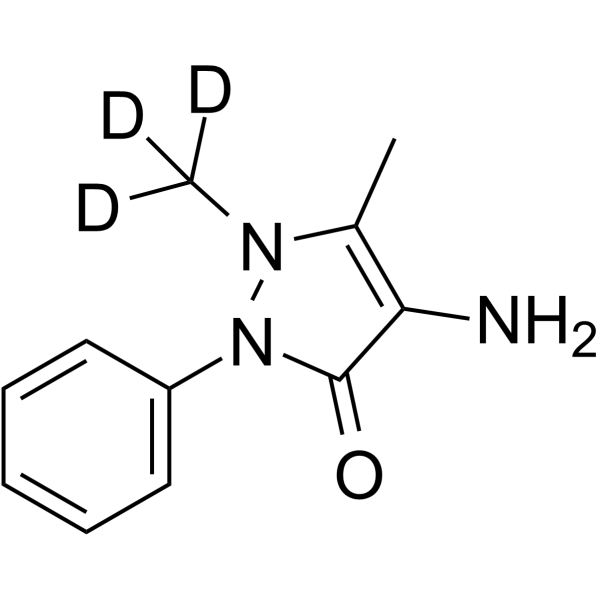
Synonyms: 4-Aminoantipyrine-d3
Ampyrone-d3 is the deuterium labeled Ampyrone (HY-B1398). Ampyrone (4-Aminophenazone; 4-Aminoantipyrine) is a reversible and low-damage optical clearing agent and non-selective COX inhibitor based on UV absorption properties. Ampyrone can improve the optical transmittance of mouse skin and other tissues. Ampyrone can induce tissue refractive index matching by enhancing UV absorption, reduce light scattering, and achieve tissue transparency in vivo. Ampyrone reduces the synthesis of prostaglandin PGE2, thereby exerting anti-inflammatory, analgesic and antipyretic effects. Ampyrone inhibits DNA damage, cell apoptosis and immune cell phagocytosis induced by Doxorubicin (HY-15142A) and Cisplatin (HY-17394), etc., and participates in the regulation of toxicity in tumor chemotherapy .
loading...
    loading...
Cat. No.: HY-P11004
Target:  

Bacterial Antibiotic

Research Areas:  

Infection

A3-APO is an antimicrobial peptide. A3-APO has a significant antimicrobial activity by a dual mode of action with both membrane disintegration and intracellular target inhibition. A3-APO can deactivate bacterial toxins and increase the expression of anti-inflammatory cytokines (such as IL-4 and IL-10), without antimicrobial resistance. A3-APO accelerates burn wounds healing in mice infection model of Acinetobacter baumannii and Staphylococcus aureus .
loading...
    loading...
Cat. No.: HY-P10472
CAS No.: 134457-28-6
Target:  

GnRH Receptor

Research Areas:  

Endocrinology

Azaline B is an antagonist for gonadotropin-releasing hormone (GnRH) with IC50 of 1.37 nM, Azaline B can be used in research of sex hormone-related pathological states, ovulation induction and male contraception .
loading...
    loading...
Cat. No.: HY-P4757
CAS No.: 108081-77-2
Target:  

Parasite

Research Areas:  

Others

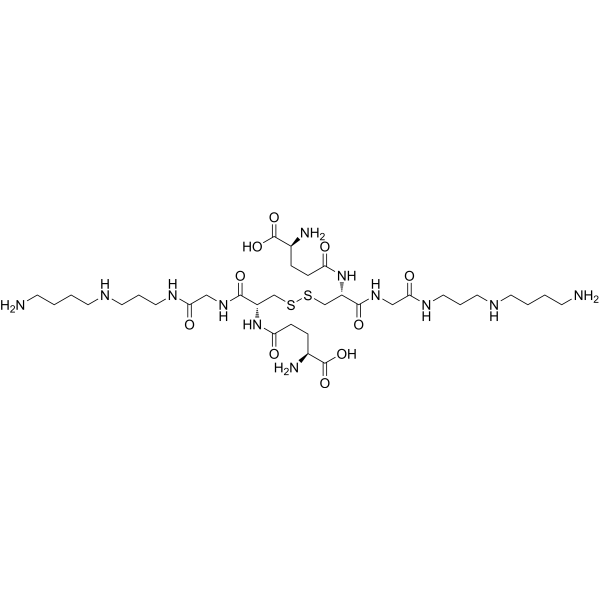
N1-Glutathionyl-spermidine disulfide is a substrate of trypanothione reductase .
loading...
    loading...
Cat. No.: HY-P11243
Target:  

Ephrin Receptor

Research Areas:  

Neurological Disease

EphA4 agonist compound 23 is a novel EphA4 agonist peptide mimic. EphA4 agonist compound 23 exhibits high affinity, high selectivity, and significant receptor activation ability. EphA4 agonist compound 23 is commonly used in the study of neurodegenerative diseases .
loading...
    loading...
Cat. No.: HY-P2434
CAS No.: 846569-60-6
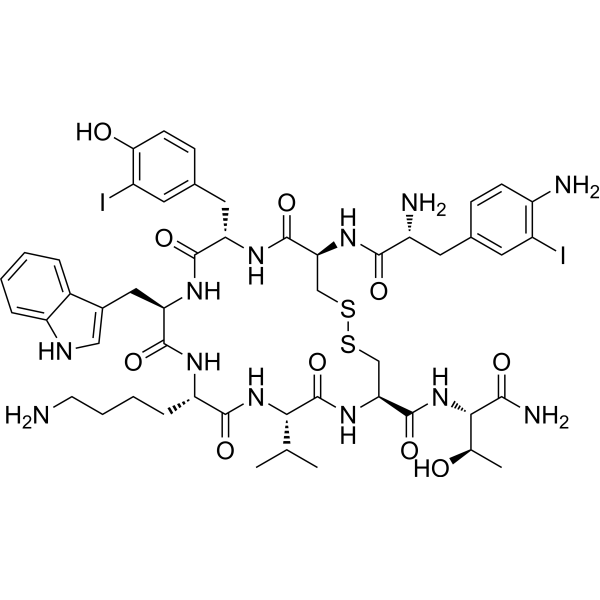
AP102 is a dual SSTR2/SSTR5-specific somatostatin analog (SSA). AP102 is a disulfide-bridged octapeptide SSA containing synthetic iodinated amino acids. AP102 binds with subnanomolar affinity to SSTR2 and SSTR5 (IC50: 0.63 and 0.65 nM, respectively). AP102 does not bind to SSTR1 or SSTR3. AP102 can be used for acromegaly and neuroendocrine tumors research .
loading...
    loading...
Cat. No.: HY-P5362A
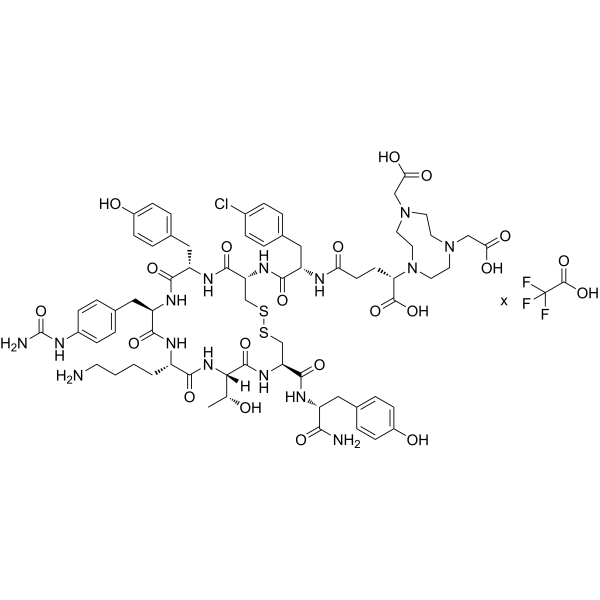
NODAGA-LM3 TFA is a ligand that can cross the blood-brain barrier and targets somatostatin receptor SSTR2 with high affinity (IC50 = 1.3 nM). NODAGA-LM3 TFA does not trigger the internalization of SSTR2 and can inhibit agonist-induced internalization processes. NODAGA-LM3 TFA shows low uptake in normal tissues such as the liver and spleen, but high uptake in the lungs and blood pool. 68Ga-labeled NODAGA-LM3 TFA can serve as a PET imaging agent for well-differentiated neuroendocrine tumors, and is applied in studies related to small cell lung cancer and well-differentiated neuroendocrine tumors .
loading...
    loading...
Cat. No.: HY-105168
CAS No.: 157380-72-8
Target:  

Endothelin Receptor

Research Areas:  

Cardiovascular Disease

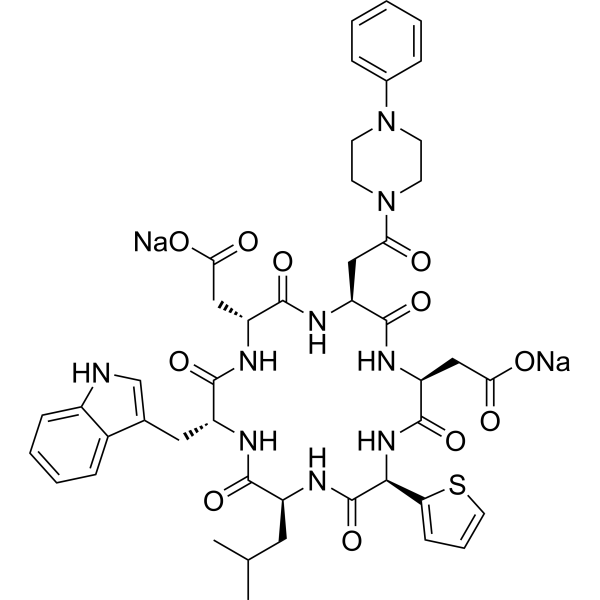
TAK 044 is an antagonist of Endothelin Receptor. TAK 044 strongly inhibits ET-induced deterioration in various animal models. TAK 044 can be used in study ET-related diseases such as acute myocardial infarction,acute renal failure, acute hepatic malfunction, and subarachnoid hemorrhage .
loading...
    loading...
Cat. No.: HY-P2075
CAS No.: 126784-34-7
Target:  

Renin

Research Areas:  

Endocrinology

EMD 55068 is a renin antagonist. EMD 55068 inhibits the uptake of taurocholate .
loading...
    loading...

