88 Results for "

Allodynia

" in MedChemExpress (MCE) Product Catalog:
Products (88)

88 Results for "Allodynia" in MCE Product Catalog:

12
12 Publications Verification
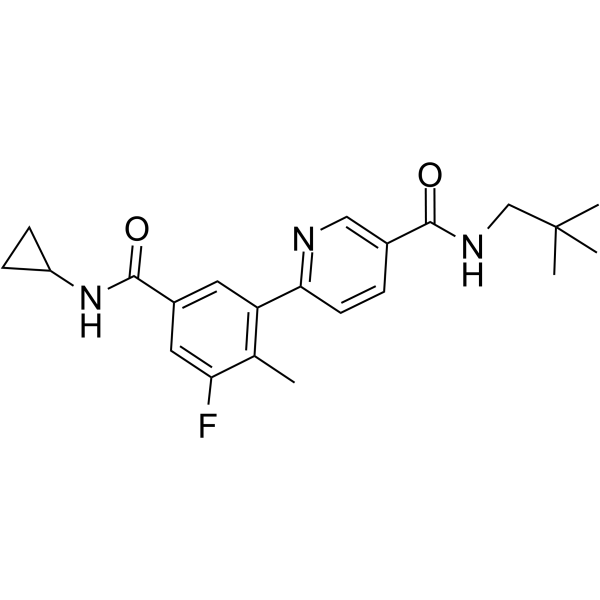
Cat. No.: HY-10402
CAS No.: 585543-15-3
Purity:  99.94%
Synonyms: GSK-AHAB; GW856553X; SB856553
Losmapimod (GSK-AHAB; GW856553X) is an orally active p38α/β MAPK inhibitor, with pKi values of 8.1 and 7.6 for p38α and p38β, respectively. Losmapimod reduces DUX4 expression, thus exerting efficacy in facioscapulohumeral muscular dystrophy. By inhibiting MAPK/NF-κB, Losmapimod reduces apoptosis of epileptiform hippocampal neurons, and exhibits anti-allodynia and anti-hyperalgesic activities. Losmapimod blocks the entry and fusion of Lassa fever virus (LASV). Losmapimod overcomes tyrosine kinase inhibitor resistance in non-small cell lung cancer (NSCLC). Losmapimod inhibits myocardial senescence and inflammation, and possesses cardioprotective activity against cardiotoxicity .
loading...
    loading...
11
11 Cited Publications
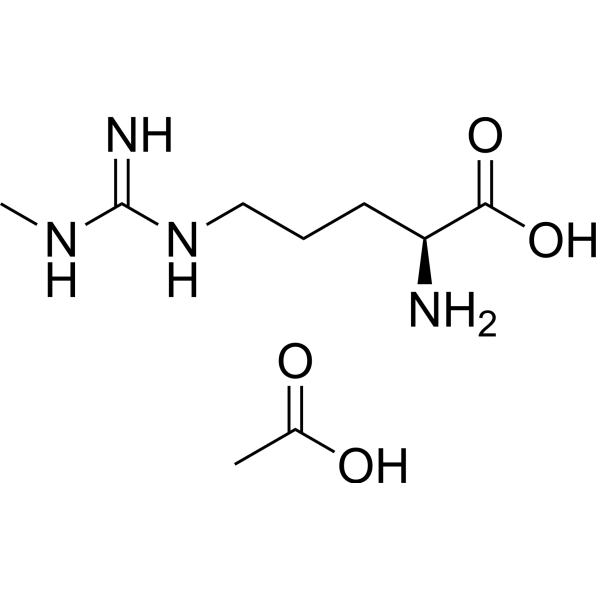
Cat. No.: HY-18732A
CAS No.: 53308-83-1
Synonyms: Tilarginine acetate; Methylarginine acetate
L-NMMA (Tilarginine) acetate is a non-selective and competitive inhibitor of nitric oxide synthase. L-NMMA acetate inhibits three subtypes, namely nNOS, eNOS, and iNOS, and reduces NO production . L-NMMA acetate alleviates mechanical allodynia, thermal hyperalgesia, and choroidal fibrosis. L-NMMA acetate is applicable to research related to nociception, bone cancer pain, and myopia .
loading...
    loading...
11
11 Cited Publications
Cat. No.: HY-18732
CAS No.: 17035-90-4
Synonyms: Tilarginine; Methylarginine
L-NMMA (Tilarginine) is a non-selective and competitive inhibitor of nitric oxide synthase. L-NMMA inhibits three subtypes, namely nNOS, eNOS, and iNOS, and reduces NO production . L-NMMA alleviates mechanical allodynia, thermal hyperalgesia, and choroidal fibrosis. L-NMMA is applicable to research related to nociception, bone cancer pain, and myopia .
loading...
    loading...
6
6 Cited Publications
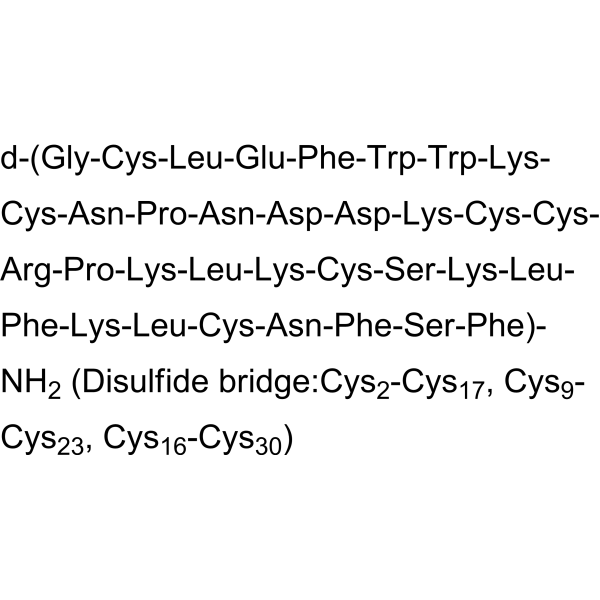
Cat. No.: HY-P1410B
D-GsMTx4 is a spider peptide and the D enantiomer of GsMTx4 (HY-P1410). D-GsMTx4 inhibits the mechanosensitive ion channel Piezo2. D-GsMTx4 inhibits [Ca 2+]i elevation. D-GsMTx4 inhibits mTOR and PI3K-Akt signaling pathways. D-GsMTx4 inhibits mechanical allodynia and thermal hyperalgesia. D-GsMTx4 can be used in researches of mechanical stress, chronic pain and idiopathic pulmonary fibrosis .
loading...
    loading...
6
6 Cited Publications
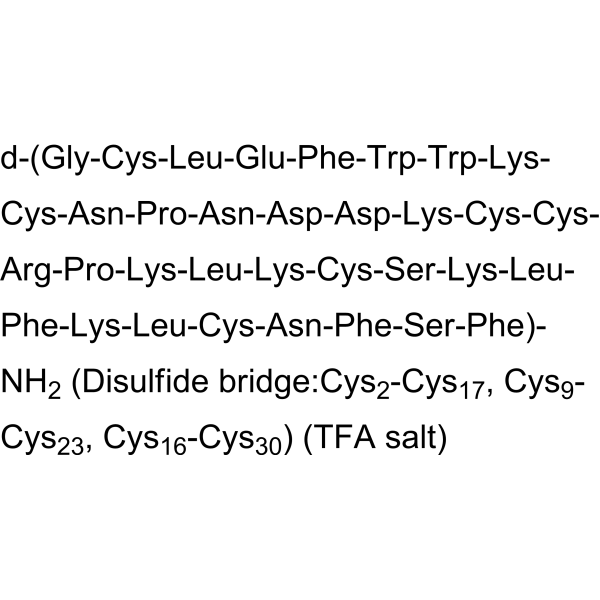
Cat. No.: HY-P1410C
D-GsMTx4 TFA is a spider peptide and the D enantiomer of GsMTx4 (HY-P1410). D-GsMTx4 TFA inhibits the mechanosensitive ion channel Piezo2. D-GsMTx4 TFA inhibits [Ca 2+]i elevation. D-GsMTx4 TFA inhibits mTOR and PI3K-Akt signaling pathways. D-GsMTx4 TFA inhibits mechanical allodynia and thermal hyperalgesia. D-GsMTx4 TFA can be used in researches of mechanical stress, chronic pain and idiopathic pulmonary fibrosis .
loading...
    loading...
5
5 Cited Publications
Cat. No.: HY-15322
CAS No.: 1370261-96-3
Purity:  99.38%
Synonyms: P505-15; PRT-2607; BIIB-057
Target:  

Syk Apoptosis Caspase

Research Areas:  

Inflammation/Immunology Cancer

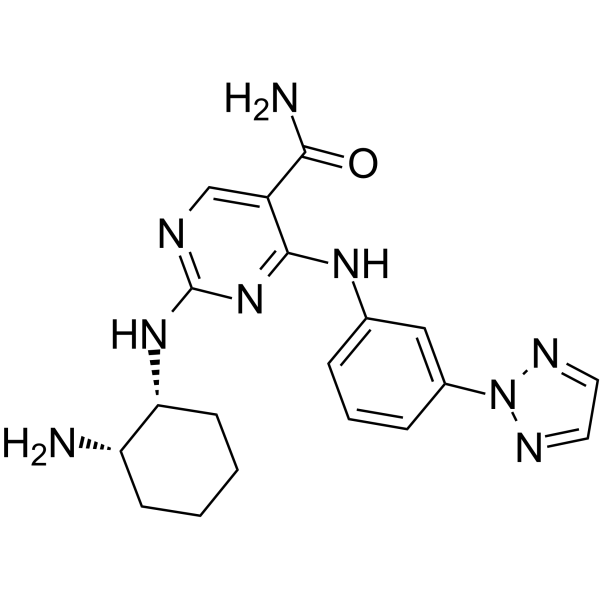
PRT062607 (P505-15; PRT-2607) is an orally active ATP-competitive Syk inhibitor with an IC50 value of 1 nM, and exhibits at least 80-fold selectivity over other kinases. PRT062607 blocks B cell antigen receptor-mediated activation, Fcε receptor 1-mediated basophil degranulation and microglial phagocytosis, and induces caspase-dependent apoptosis and microglial death. PRT062607 inhibits tumor growth and peripheral nerve injury-induced mechanical allodynia, and prevents neuronal loss. PRT062607 can be used in research related to rheumatoid arthritis, chronic lymphocytic leukemia, non-Hodgkin's lymphoma, neurodegenerative diseases and neuropathic pain .
loading...
    loading...
4
4 Cited Publications
Cat. No.: HY-N2258
CAS No.: 14941-08-3
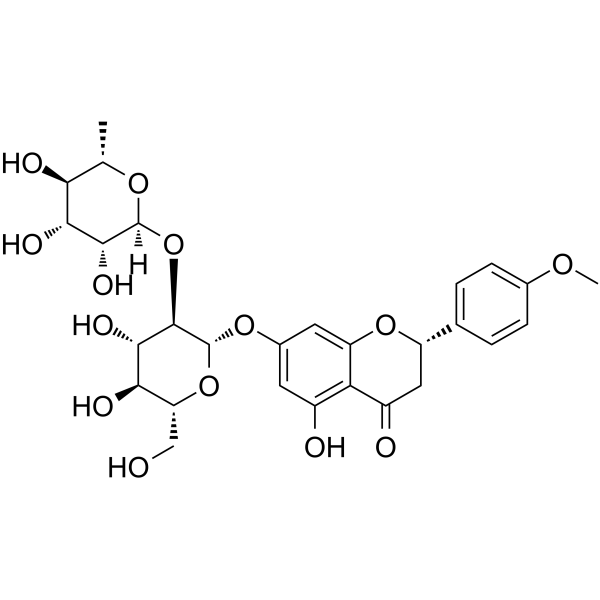
Poncirin is isolated from Poncirus trifoliata with anti-inflammory activites. Poncirin significantly reduces mechanical hyperalgesia and allodynia in Complete Freund’s Adjuvant (CFA)-induced inflammatory pain models .
loading...
    loading...
3
3 Cited Publications
Cat. No.: HY-18977
CAS No.: 1380424-42-9
Target:  

MAGL

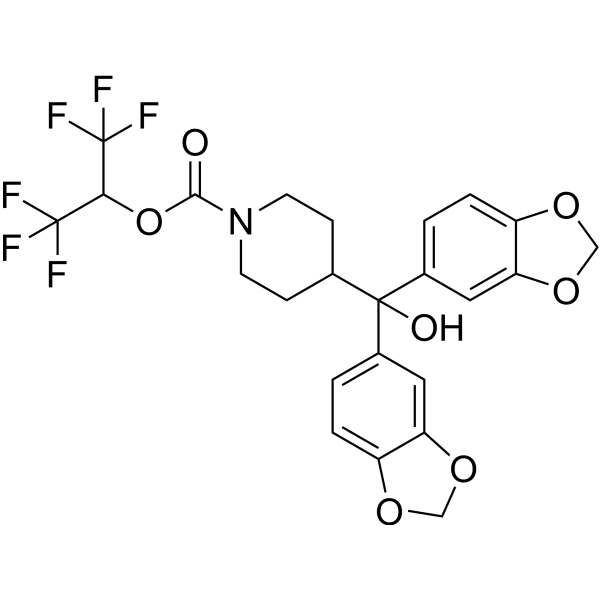
KML29 is an extremely selective, orally active and irreversible MAGL inhibitor, with IC50 values of 15 nM, 43 nM and 5.9 nM for mouse, rat and human MAGL, respectively. KML29 exhibits minimal cross-reactivity toward other central and peripheral serine hydrolases, including no detectable activity against FAAH .
loading...
    loading...
2
2 Cited Publications
Cat. No.: HY-W010983
CAS No.: 170569-86-5
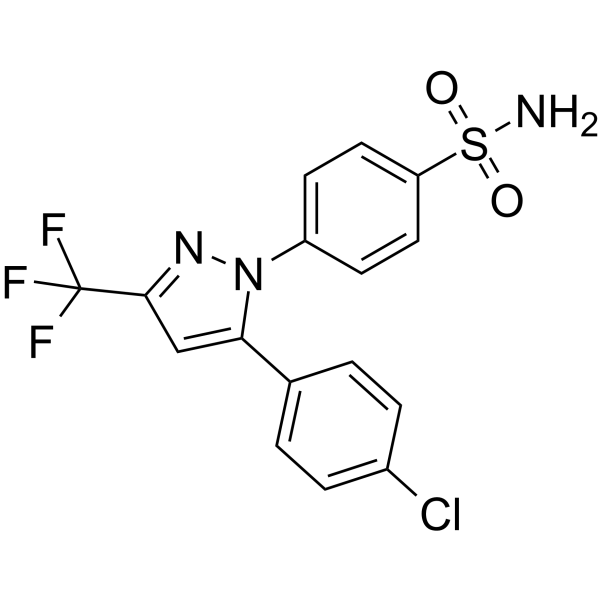
SC-236 is an orally active COX-2 specific inhibitor (IC50 = 10 nM) and a PPARγ agonist. SC-236 suppresses activator protein-1 (AP-1) through c-Jun NH2-terminal kinase. SC-236 exerts anti-inflammatory effects by suppressing phosphorylation of ERK in a murine model .
loading...
    loading...
1
1 Cited Publications
Cat. No.: HY-147557
CAS No.: 2305204-24-2
Purity:  99.17%
Synonyms: PAC1R antagonist 1
Target:  

PACAP Receptor

Research Areas:  

Neurological Disease

PA-915 (PAC1R antagonist 1) is a potent and orally active antagonist of PAC1 receptor. PA-915 inhibits pituitary adenylate cyclase-activating polypeptide (PACAP)-induced CREB phosphorylation. PA-915 can inhibit PACAP- and nerve injury-induced allodynia. PA-915 can be used for the research of neuropathic pain .
loading...
    loading...
1
1 Cited Publications
Cat. No.: HY-14604
CAS No.: 90494-79-4
Purity:  98.57%
Synonyms: SR57746A; SR57746 hydrochloride
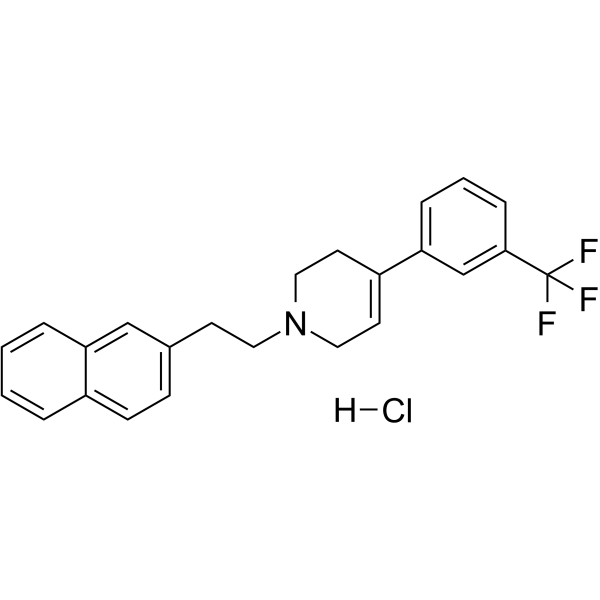
Xaliproden (SR57746) hydrochloride (SR57746A) is an orally active, highly selective 5-HT1A receptor agonist. Xaliproden hydrochloride activates pertussis toxin-sensitive G protein-coupled signaling cascades, as well as the PKC, ERK1/ERK2, Akt and p21 Ras/MEK-1 pathways. Xaliproden hydrochloride also downregulates the JNK/p66/c-Jun signaling pathway, induces phosphorylation of the shc adaptor protein, regulates extracellular dopamine and 5-HT levels, and induces [ 35S]GTPγS labeling in rat brain structures rich in 5-HT1A receptors. Xaliproden hydrochloride exerts neurotrophic, neuroprotective, renoprotective, anti-inflammatory, anti-apoptotic, anti-fibrotic and analgesic effects. Xaliproden hydrochloride also enhances NGF-induced neurite outgrowth, promotes motor neuron survival, attenuates renal tubular injury and inhibits chemotherapy-induced mechanical allodynia, without activating or altering NGF-induced TrkA receptor activation. Xaliproden hydrochloride can be used in the research of motor neuron disease, diabetic nephropathy, chemotherapy-induced peripheral neuropathy, amyotrophic lateral sclerosis, Alzheimer's disease, acute tonic nociceptive pain, inflammatory pain, depression and anxiety .
loading...
    loading...
1
1 Cited Publications
Cat. No.: HY-W044764
CAS No.: 884-33-3
Synonyms: DL-Benzylsuccinic acid
Target:  

Carboxypeptidase

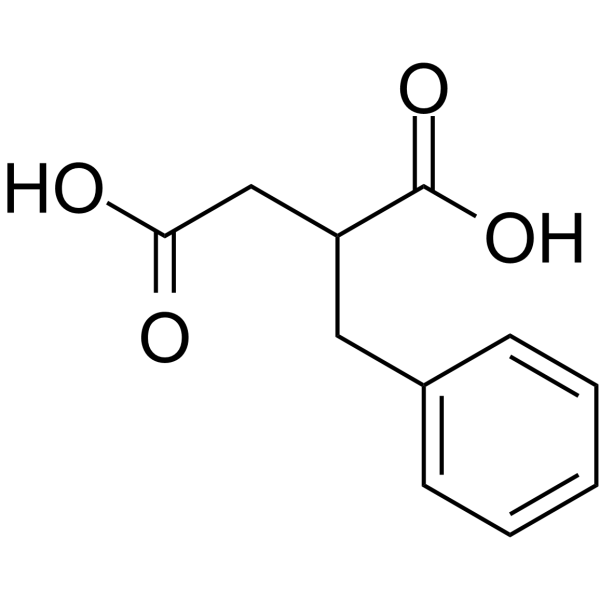
2-Benzylsuccinic acid (DL-Benzylsuccinic acid) is an orally active carboxypeptidase A and Nna1 inhibitor. 2-Benzylsuccinic acid reduces cold hyperalgesia. 2-Benzylsuccinic acid can be used for the researches of neuropathic pain, non-alcoholic steatohepatitis .
loading...
    loading...
1
1 Cited Publications
Cat. No.: HY-13545
CAS No.: 251579-55-2
Target:  

Apoptosis

Research Areas:  

Inflammation/Immunology Cancer

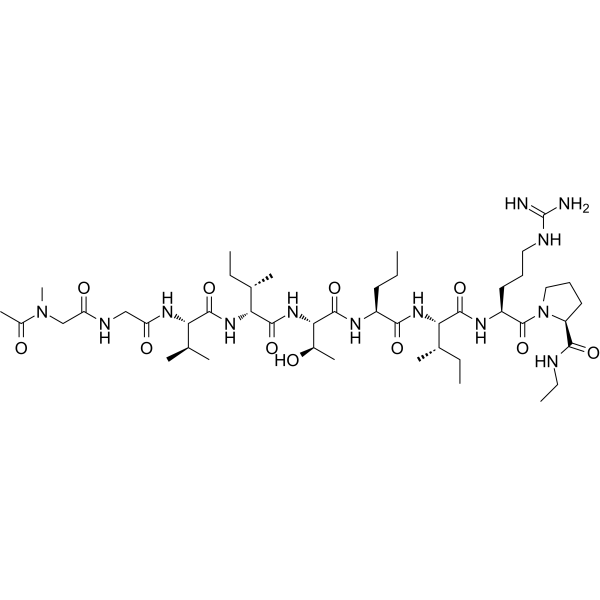
ABT-510 is an anti-angiogenic TSP peptide (Thrombospondin-1 analogue) that induces apoptosis and inhibits ovarian tumour growth in an orthotopic, syngeneic model of epithelial ovarian cancer. ABT-510 also reduces angiogenesis and inflammatory responses in a murine model of inflammatory bowel disease. ABT-510 can be used in studies of cancer (particularly epithelial ovarian cancer) and inflammatory bowel disease (IBD) .
loading...
    loading...
1
1 Cited Publications
Cat. No.: HY-147222
CAS No.: 1241280-25-0
Purity:  98.60%
Synonyms: GPR183 antagonist-1
Target:  

EBI2/GPR183

SAE-14 (compound SAE-14) is a potent, specific GPR183 antagonist with an IC50 value of 28.5 nM, can antagonize 7α, 25-OHC–induced calcium mobilization with IC50 value below 50 nM in HL-60 cells. GPR183 antagonist-1 can reverse allodynia in mice .
loading...
    loading...
1
1 Cited Publications
Cat. No.: HY-138885
CAS No.: 1414808-96-0
Purity:  99.79%
Synonyms: TpGc
Research Areas:  

Neurological Disease

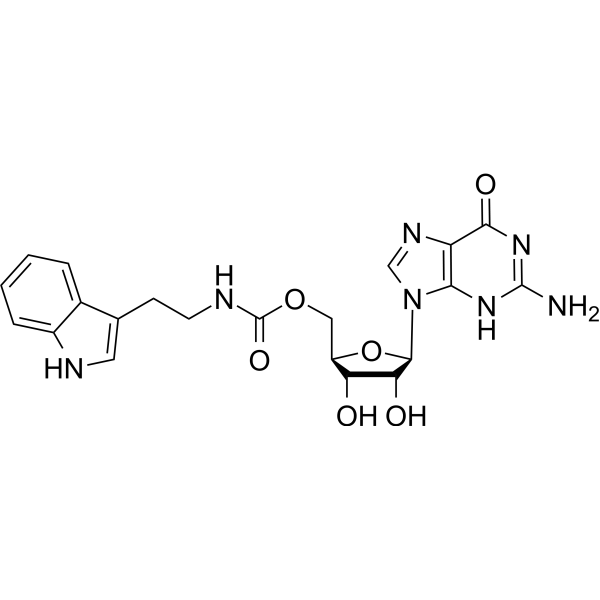
Tryptamine guanosine carbamate (TpGc) is a selective HINT1 (histidine triad nucleotide-binding protein 1) inhibitor (Ki=34 μM, Kd=3.65 μM). Tryptamine guanosine carbamate significantly enhances morphine antinociception while preventing the development of tolerance .
loading...
    loading...
1
1 Cited Publications
Cat. No.: HY-100933
CAS No.: 78351-75-4
Purity:  99.86%
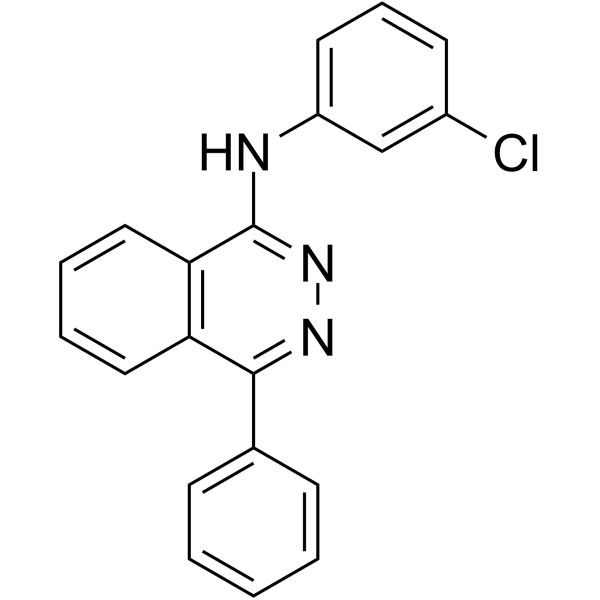
MY-5445 is a specific inhibitor of the cyclic GMP phosphodiesterase, phosphodiesterase type 5 (PDE5), with a Ki of 1.3 μM. MY-5445 inhibits human platelet aggregation. MY-5445 is a selective modulator of ATP-binding cassette (ABC) transporter ABCG2, with anti-proliferative effect .
loading...
    loading...
1
1 Cited Publications
Cat. No.: HY-110221
CAS No.: 208445-07-2
Target:  

PKG

Research Areas:  

Neurological Disease

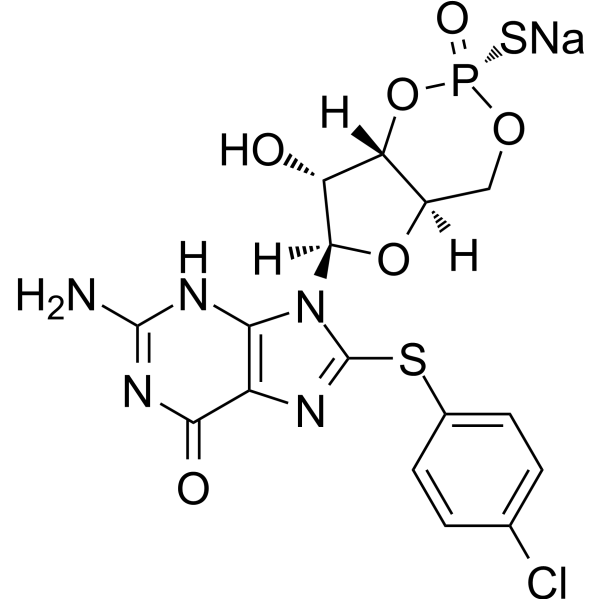
Rp-8-pCPT-cGMPS sodium is the sodium salt form of Rp-8-pCPT-cGMPS. Rp-8-pCPT-cGMPS is an inhibitor for cGMP-dependent protein kinase (cGK). Rp-8-pCPT-cGMPS sodium is an agonist for cyclic nucleotide-gated (CNG) channels in a voltage-dependent manner .
loading...
    loading...
Cat. No.: HY-111615A
CAS No.: 2387505-73-7
Purity:  99.59%
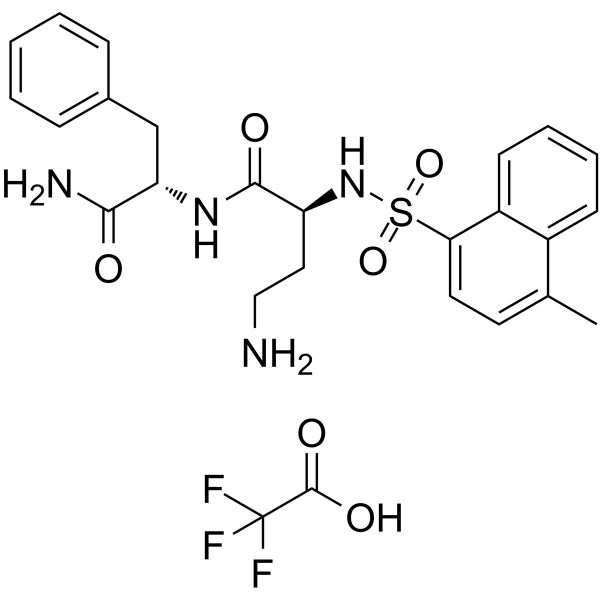
J-2156 TFA is a high potent, selective somatostatin receptor type 4 (SST4 receptor) agonist with IC50s of 0.05 nM and 0.07 nM for human and rat SST4 receptors, respectively. J-2156 TFA has anti-inflammatory activity and it is used for the relief of mechanical allodynia and mechanical hyperalgesia in the ipsilateral hindpaws in rats .
loading...
    loading...
Cat. No.: HY-156815
CAS No.: 3077715-58-0
Purity:  99.96%
Target:  

Orphan GPCR

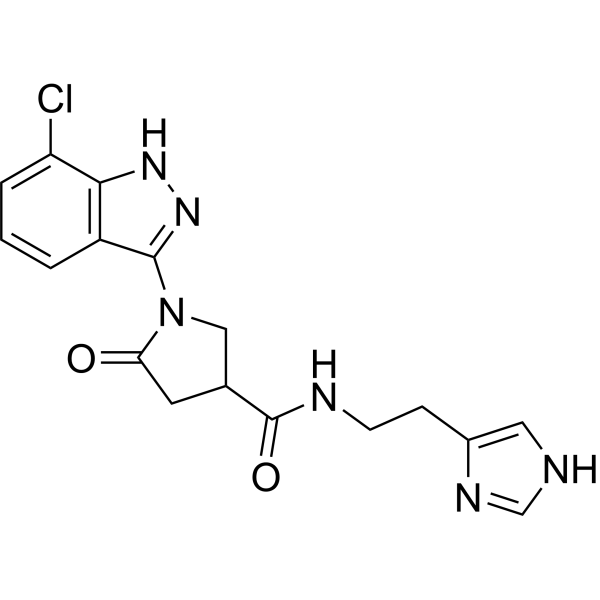
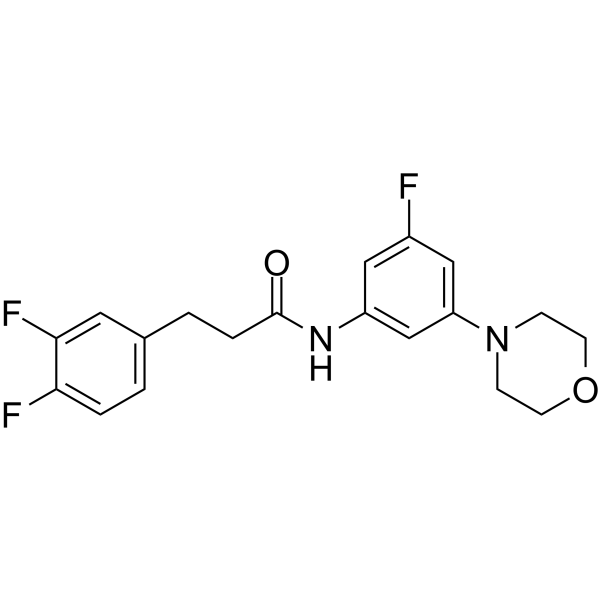
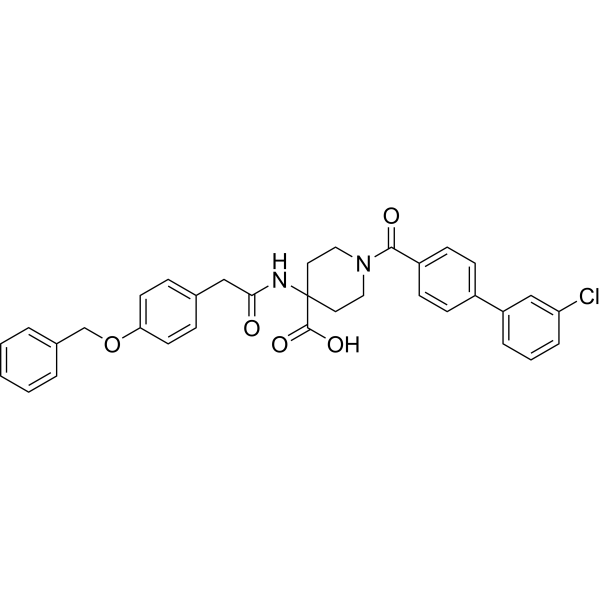
YL-365 is a potent and selective GPR34 antagonist with an IC50 of 17 nM. YL-365 binds to a portion of the orthosteric binding pocket of GPR34 and induces allosteric changes that stabilize the receptor in an inactive conformation. YL-365 down-regulates expression of the proinflammatory gene iNOS in M1 microglia and suppresses proinflammatory responses. YL-365 reduces mechanical allodynia in a dose-dependent manner in a mouse model of neuropathic pain. YL-365 can be used for the research of neuropathic pain .
loading...
    loading...
Cat. No.: HY-142240
CAS No.: 2209104-84-5
Synonyms: HSK16149
Target:  

Calcium Channel

Research Areas:  

Neurological Disease

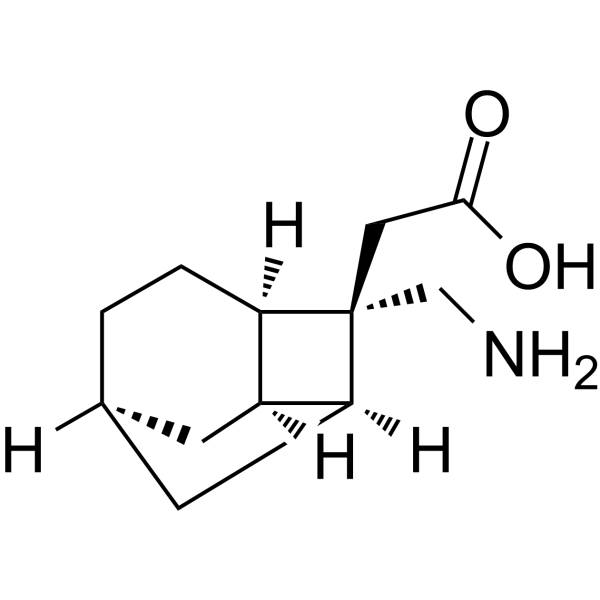
Crisugabalin is an orally active, selective ligand for the α2δ subunit of voltage-gated calcium channels, with a target IC50 of 3.96 nM in rats. Crisugabalin inhibits the binding of [ 3H]gabapentin to the α2δ subunit, reduces calcium influx, decreases neuronal excitability, and impairs nociceptive transmission. Crisugabalin alleviates mechanical allodynia, neuropathic pain and inflammatory pain in rats, and reduces phase II pain behaviors. Crisugabalin can be used in research related to chronic pain, neuropathic pain, diabetic neuropathy, fibromyalgia, inflammatory pain, diabetic peripheral neuropathy and postherpetic neuralgia.
loading...
    loading...

