1. Search Result
Search Result
Results for "

Antimitotic

" in MedChemExpress (MCE) Product Catalog:

77

Inhibitors & Agonists

2

Peptides

1

Inhibitory Antibodies

18

Natural
Products

2

Isotope-Labeled Compounds

1

Click Chemistry

1

Oligonucleotides

Cat. No. Product Name Target Research Areas Chemical Structure
  • HY-15575
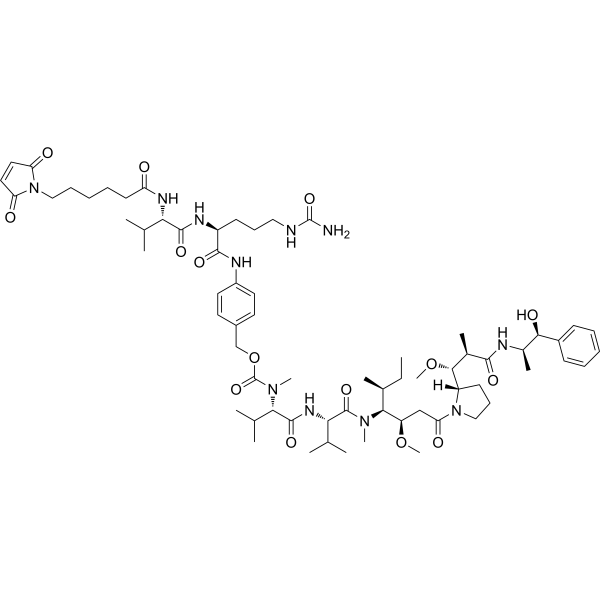
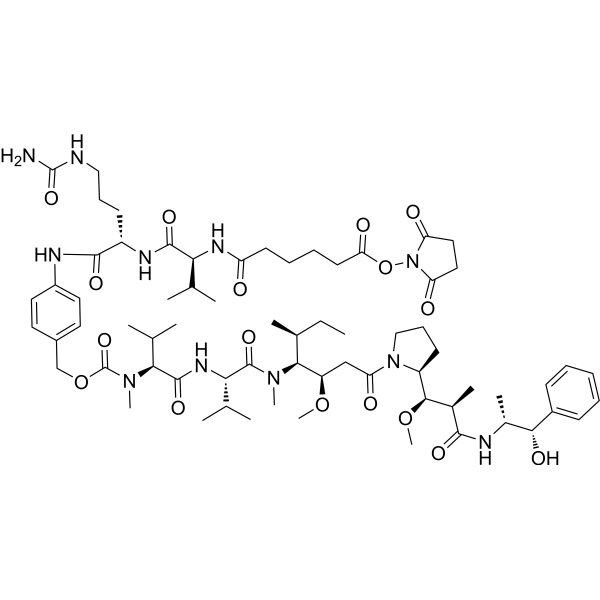
    VcMMAE
    Maximum Cited Publications
    92 Publications Verification

    MC-Val-Cit-PAB-MMAE; mc-vc-PAB-MMAE; Vedotin

    Drug-Linker Conjugates for ADC Microtubule/Tubulin Cancer
    VcMMAE (mc-vc-PAB-MMAE) is a agent-linker conjugate for ADC with potent antitumor activity by using the anti-mitotic agent, monomethyl auristatin E (MMAE, a tubulin inhibitor), linked via the lysosomally cleavable dipeptide, valine-citrulline (vc).
    VcMMAE
  • HY-12053A
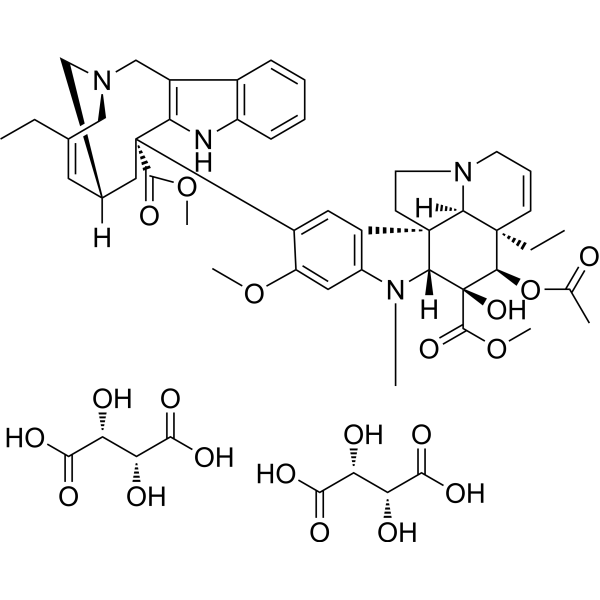
    Vinorelbine ditartrate
    Maximum Cited Publications
    21 Publications Verification

    KW-2307; Nor-5'-anhydrovinblastine ditartrate

    Microtubule/Tubulin Autophagy Neurological Disease Cancer
    Vinorelbine (ditartrate) is an anti-mitotic agent which inhibits the proliferation of Hela cells with IC50 of 1.25 nM.
    Vinorelbine ditartrate
  • HY-N0282
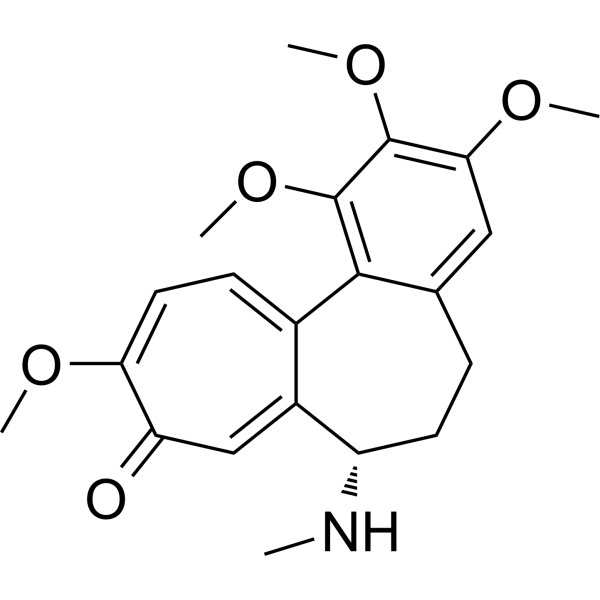
    Demecolcine
    5+ Cited Publications

    Microtubule/Tubulin Apoptosis Inflammation/Immunology Cancer
    Demecolcine is a potent mitotic inhibitor with an IC50 value of 2.4 μM for inhibition of tubulin polymerization. Colcemid (Demecolcine) can interact with tubulin dimers to induce anti-mitotic action and inhibit microtubule growth. Colcemid (Demecolcine) can be used for inflammatory disorders and cancer research .
    Demecolcine
  • HY-N0516
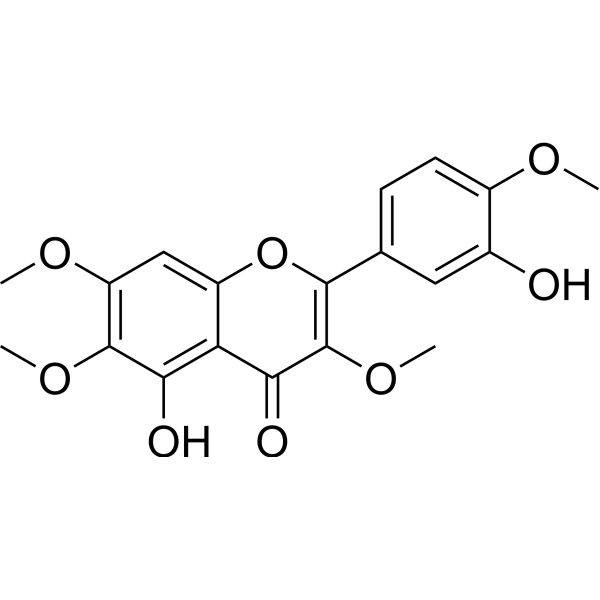
    Casticin
    5+ Cited Publications

    Vitexicarpin

    STAT Inflammation/Immunology
    Casticin is a methyoxylated flavonol isolated from Vitex rotundifolia, with antimitotic and anti-inflammatory effect. Casticin inhibits the activation of STAT3.
    Casticin
  • HY-P990673

    DSTP-3086S Antibody; RG-7450 Antibody

    ADC Antibody Transmembrane Glycoprotein Mitosis Cancer
    Vandortuzumab (DSTP-3086S Antibody; RG-7450 Antibody) is a humanized anti-STEAP1 IgG1 antibody and antimitotic agent that can be conjugated with MMAE (HY-15162) to form the antibody-drug conjugate (ADC) Vandortuzumab vedotin. Vandortuzumab vedotin specifically binds to STEAP1 and drives internalization of the complex, releasing the MMAE (HY-15162) payload intracellularly. After binding to tubulin, MMAE inhibits cell division and induces cell death. Vandortuzumab exhibits antitumor activity in preclinical xenograft models of prostate cancer and can be used for research related to metastatic castration-resistant prostate cancer (mCRPC) .
    Vandortuzumab
  • HY-147092
    Oryzalin
    1 Publications Verification

    Environmental Pollutants Microtubule/Tubulin Herbicide Infection
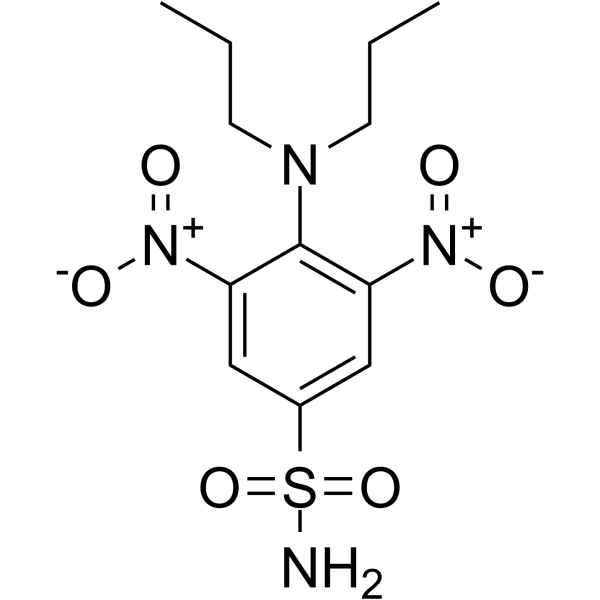
    Oryzalin is a dinitroaniline herbicide with antimitotic and antileishmanial activities. Oryzalin can bind to plant tubulin, inhibit the polymerization of microtubules in plant cells, and affect chromosome migration. Oryzalin can also be used to induce chromosome doubling .
    Oryzalin
  • HY-147193

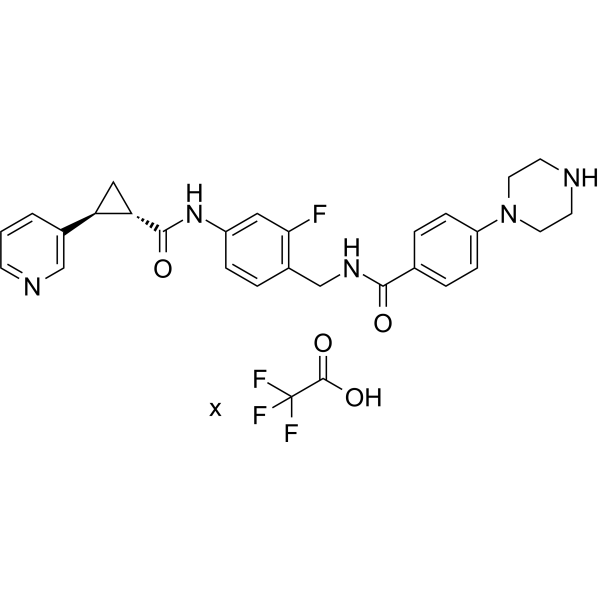
    NAMPT Cancer
    Nampt-IN-10 TFA (compound 4) is a Nicotinamide Phosphoribosyltransferase (NAMPT) inhibitor. Nampt-IN-10 TFA shows cellular potency to A2780 and CORL23 cells lines with IC50s of 5 and 19 nM, respectively. Nampt-IN-10 TFA can be used as a novel non-antimitotic payload for ADCs .
    Nampt-IN-10 TFA
  • HY-14621
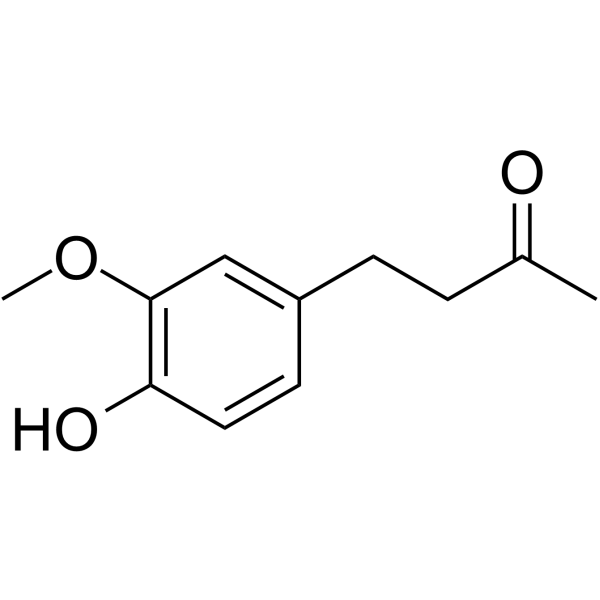
    Zingerone
    5+ Cited Publications

    Vanillylacetone; Gingerone

    Environmental Pollutants NF-κB Neurological Disease Metabolic Disease Inflammation/Immunology Cancer
    Zingerone (Vanillylacetone) is a nontoxic methoxyphenol isolated from Zingiber officinale, with potent anti-inflammatory, antidiabetic, antilipolytic, antidiarrhoeic, antispasmodic and anti-tumor properties . Zingerone alleviates oxidative stress and inflammation, down-regulates NF-κB mediated signaling pathways . Zingerone acts as an anti-mitotic agent, and inhibits the growth of neuroblastoma cells . Zingerone can cross the blood-brain barrier (BBB) .
    Zingerone
  • HY-13270

    E7010

    Microtubule/Tubulin Autophagy Apoptosis Cancer
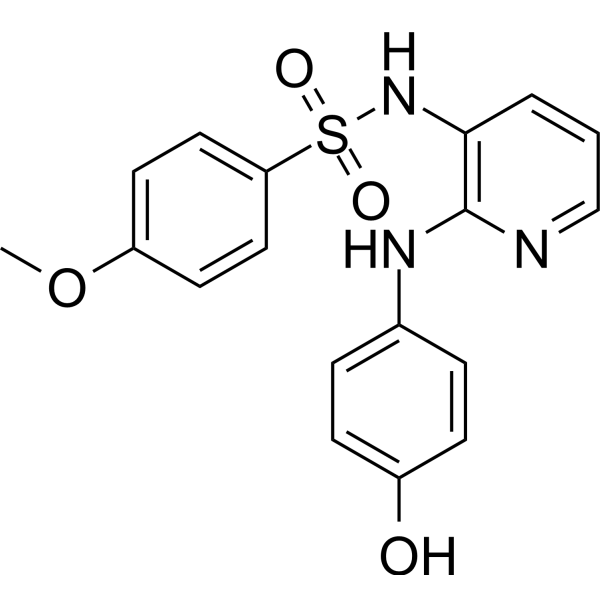
    ABT-751 (E7010) is a novel, highly orally bioavailable sulfonamides antimitotic compound and tubulin binder. It prevents tubulin aggregation by binding to the colchicine site on β-tubulin, leading to cell cycle arrest in G2/M phase and inducing apoptosis, thus effectively preventing cell division. ABT-751 induces autophagy by inhibiting the AKT/MTOR signaling pathway. ABT-751 showed significant inhibition against various types of cancer cells, including lung, gastric, colon, and breast cancer .
    ABT-751
  • HY-117371

    (-)-Hemiasterlin; Milnamide B

    ADC Payload Cancer
    Hemiasterlin ((-)-Hemiasterlin) is an antimitotic marine natural product with potent anticancer effects. Hemiasterlin can be used as a cytotoxic payload (ADC Cytotoxin) in antibody-drug conjugates (ADCs) .
    Hemiasterlin
  • HY-B0018
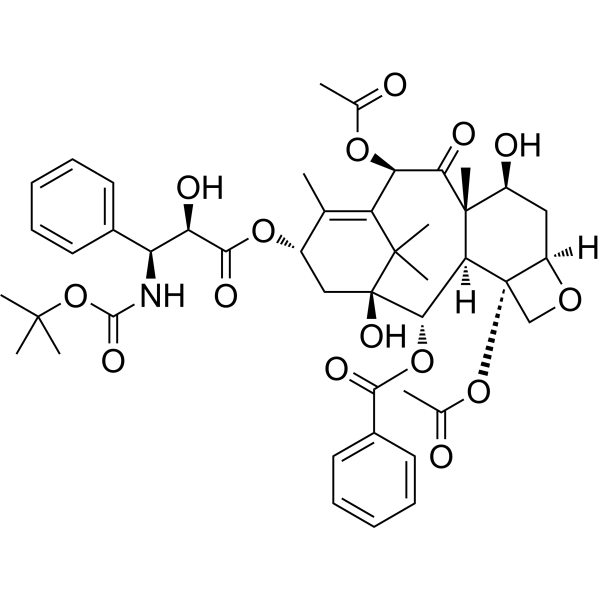
    10-Acetyl docetaxel
    2 Publications Verification

    PNU-101383

    ADC Payload Cancer
    10-Acetyl docetaxel (PNU-101383) is an analog of Docetaxel (HY-B0011), with anticancer activity. 10-Acetyl docetaxel is a microtubule disassembly inhibitor, with antimitotic activity .
    10-Acetyl docetaxel
  • HY-107545
    Dynole 34-2
    1 Publications Verification

    Dynamin Apoptosis Cancer
    Dynole 34-2 is a potent dynamin GTPase inhibitor (IC50s=6.9 and 14.2 µM for dynamin1 and dynamin2 GTPase activity, respectively) with antimitotic effect. Dynole 34-2 induces apoptosis, as revealed by cell blebbing, DNA fragmentation, and PARP cleavage. Dynole 34-2 also potently inhibits receptor mediated endocytosis (RME) .
    Dynole 34-2
  • HY-13627
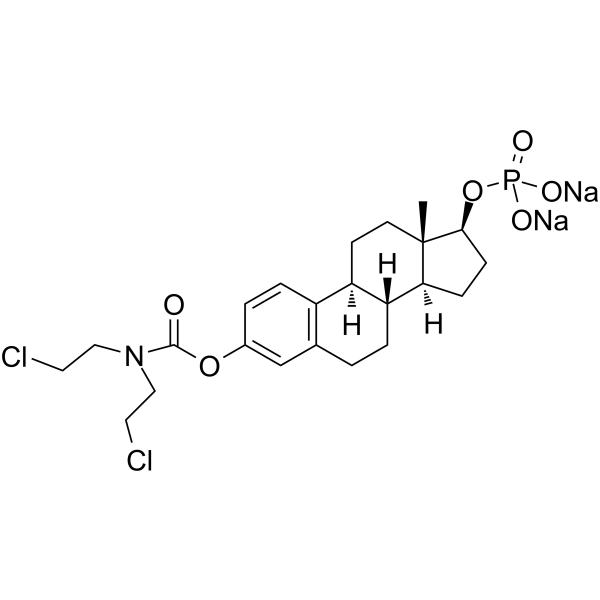
    Estramustine phosphate sodium
    1 Publications Verification

    Apoptosis Microtubule/Tubulin Mitosis Inflammation/Immunology Endocrinology Cancer
    Estramustine phosphate sodium, an estradiol analog, is an orally active antimicrotubule chemotherapy agent. Estramustine phosphate sodium depolymerises microtubules by binding to microtubule associated proteins (MAPs) and/or to tubulin. Estramustine phosphate sodium can interfere mitosis, trigger cell death and induce apoptosis, which can be used for the research of cancer like prostate cancer .
    Estramustine phosphate sodium
  • HY-103711
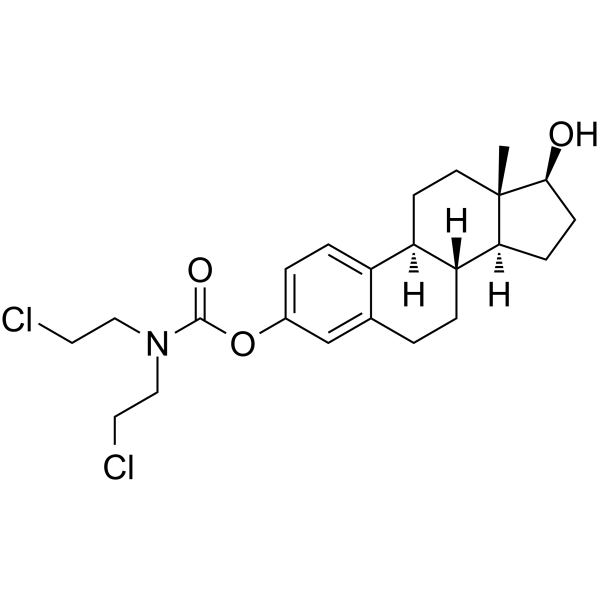
    Estramustine
    1 Publications Verification

    Microtubule/Tubulin Apoptosis Mitosis Cancer
    Estramustine, an estradiol analog, is an orally active antimicrotubule chemotherapy agent. Estramustine depolymerises microtubules by binding to microtubule associated proteins (MAPs) and/or to tubulin. Estramustine can interfere mitosis, trigger cell death and induce apoptosis, which can be used for the research of cancer like prostate cancer .
    Estramustine
  • HY-126681
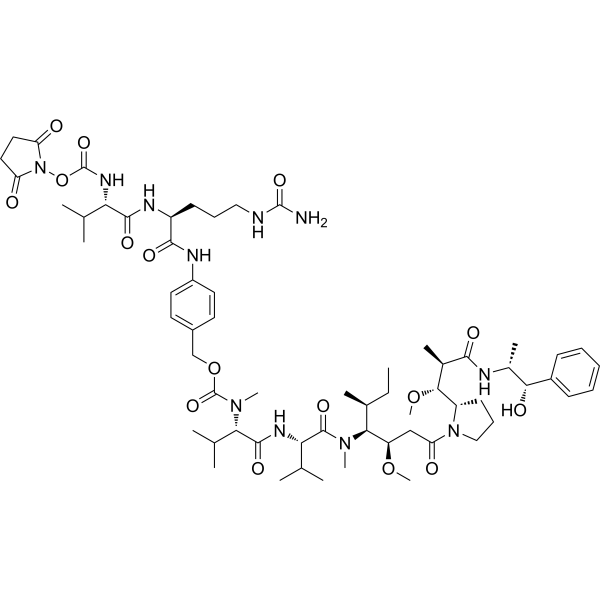
    SC-VC-PAB-MMAE
    2 Publications Verification

    NHS-VC-PAB-MMAE

    Drug-Linker Conjugates for ADC Cancer
    SC-VC-PAB-MMAE (NHS-VC-PAB-MMAE) is a agent-linker conjugate for ADC with potent antitumor activity by using the anti-mitotic agent, monomethyl auristatin E (MMAE, a tubulin inhibitor), linked via the cleavable linker SC-VC-PAB .
    SC-VC-PAB-MMAE
  • HY-15580

    DLS 10; NSC 376128

    Microtubule/Tubulin ADC Payload Cancer
    Dolastatin 10 (DLS 10) is a potent antimitotic peptide that inhibits tubulin polymerization.
    Dolastatin 10
  • HY-N2500

    Microtubule/Tubulin Apoptosis Autophagy Infection Cardiovascular Disease Cancer
    Deoxypodophyllotoxin (DPT), a derivative of podophyllotoxin, is a lignan with potent antimitotic, anti-inflammatory and antiviral properties isolated from Anthriscus sylvestris. Deoxypodophyllotoxin, targets the microtubule, has a major impact in oncology not only as anti-mitotics but also as potent inhibitors of angiogenesis . Deoxypodophyllotoxin induces cell autophagy and apoptosis . Deoxypodophyllotoxin evokes increase of intracellular Ca 2+ concentrations in DRG neurons .
    Deoxypodophyllotoxin
  • HY-W190943
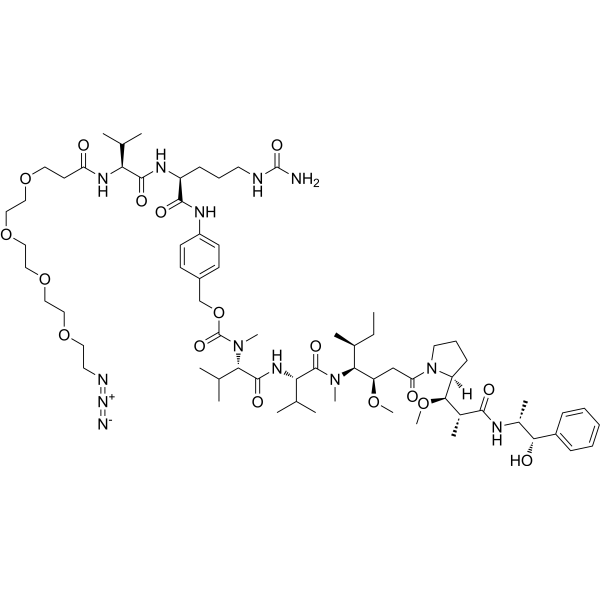
    Azido-PEG4-Val-Cit-PAB-MMAE
    1 Publications Verification

    Drug-Linker Conjugates for ADC Cancer
    Azido-PEG4-Val-Cit-PAB-MMAE is a agent-linker conjugate for ADC by using the anti-mitotic agent, monomethyl auristatin E (MMAE, a tubulin inhibitor), linked via the cleavable linker Azido-PEG4-Val-Cit-PAB-OH . Azido-PEG4-Val-Cit-PAB-MMAE is a click chemistry reagent, it contains an Azide group and can undergo copper-catalyzed azide-alkyne cycloaddition reaction (CuAAc) with molecules containing Alkyne groups. It can also undergo strain-promoted alkyne-azide cycloaddition (SPAAC) reactions with molecules containing DBCO or BCN groups.
    Azido-PEG4-Val-Cit-PAB-MMAE
  • HY-15575S

    MC-Val-Cit-PAB-MMAE-d8; mc-vc-PAB-MMAE-d8

    Drug-Linker Conjugates for ADC Microtubule/Tubulin Cancer
    VcMMAE-d8 is an isotope of VcMMAE (HY-15575). VcMMAE-d8 is a agent-linker conjugate for ADC with potent antitumor activity by using the anti-mitotic agent, monomethyl auristatin E (MMAE, a tubulin inhibitor), linked via the lysosomally cleavable dipeptide, valine-citrulline (vc) .
    VcMMAE-d8
  • HY-115625

    Progesterone Receptor Apoptosis Glycosyltransferase Cancer
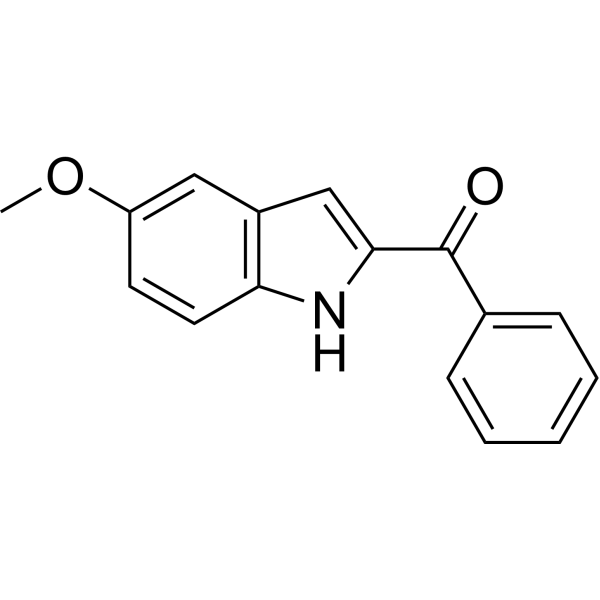
    AG-205 is a progesterone receptor membrane component 1 (PGRMC1) antagonist and CGT inhibitor, with an IC50 of 50 μM against rat CGT. AG-205 exhibits antimitotic, antimigratory and anti-invasive activities. AG-205 increases the expression of genes encoding cholesterol biosynthesis pathway or steroidogenic enzymes. AG-205 promotes the regulation of cell cycle by apoptosis and reduces the migratory and invasive capacities of ovarian and breast cancer cells. AG-205 can be used in research related to renal cancer and breast cancer .
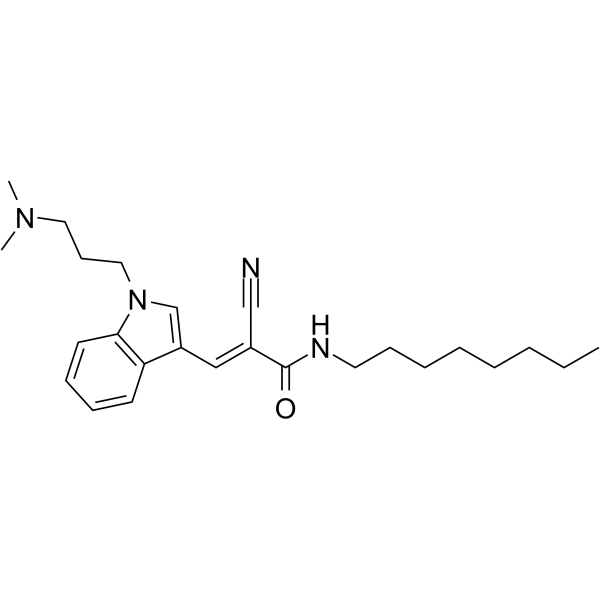
    AG-205
  • HY-137977
    DMU-212
    2 Publications Verification

    ERK Apoptosis Cancer
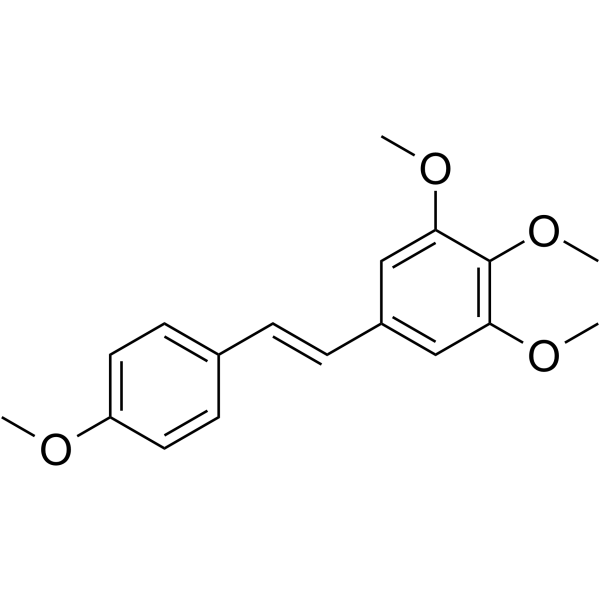
    DMU-212 is a methylated derivative of Resveratrol (HY-16561), with antimitotic, anti-proliferative, antioxidant and apoptosis promoting activities. DMU-212 induces mitotic arrest via induction of apoptosis and activation of ERK1/2 protein. DMU-212 has orally active .
    DMU-212
  • HY-12053

    KW-2307 base

    Microtubule/Tubulin Autophagy Cancer
    Vinorelbine is an anti-mitotic agent which inhibits the proliferation of Hela cells with IC50 of 1.25 nM.
    Vinorelbine
  • HY-100566
    SuO-Val-Cit-PAB-MMAE
    3 Publications Verification

    Drug-Linker Conjugates for ADC Cancer
    SuO-Val-Cit-PAB-MMAE is a agent-linker conjugate for ADC by using the anti-mitotic agent, monomethyl auristatin E (MMAE, a tubulin inhibitor), linked via the peptide SuO-Val-Cit-PAB .
    SuO-Val-Cit-PAB-MMAE
  • HY-148870

    ADC Payload Cancer
    Maytansinoid B is a kind of ADC Cytotoxin. Maytansinoid B can be used to conjugates with antibodies to form antibody-drug conjugates (ADCs). Maytansinoids are known as antimitotic agents, binding to tubulin and inhibiting microtubule assembly. Maytansinoids induces G2/M arrest in the cell cycle to induce apoptosis .
    Maytansinoid B
  • HY-130841

    APC Ligands for Target Protein for PROTAC Cancer
    Apcin-A is a small molecule inhibitor that selectively targets the cell division cycle protein Cdc20 and is a derivative of Apcin (HY-110287). Apcin-A competitively binds to the D-box binding pocket of Cdc20 and inhibits substrate ubiquitination mediated by the anaphase promoting complex APC/C-Cdc20. Apcin-A also blocks the binding of Cdc20 to substrates (such as securin and cyclin B1), inhibiting anaphase initiation and cell cycle exit. Apcin-A can promote or prolong mitotic slippage in coordination with p31 comet under conditions of high spindle assembly checkpoint (SAC) activity. Apcin-A can be used to develop anti-mitotic drugs and overcome tumor chemotherapy resistance. Apcin-A can be used to synthesize PROTAC CP5V (HY-130257)[1][2][3].
    Apcin-A
  • HY-P99705

    RG-7599; DNIB-0600A; NaPi2b-ADC

    Antibody-Drug Conjugates (ADCs) Cancer
    Lifastuzumab vedotin (RG-7599; DNIB0600A) is an antibody-drug conjugate (ADC) that comprises a humanized IgG1 anti-NaPi2b monoclonal antibody (MNIB2126A) and a potent antimitotic agent, monomethyl auristatin E (MMAE), which inhibits cell division by blocking the polymerization of tubulin. Lifastuzumab vedotin has the potential for non-small cell lung cancer (NSCLC) and platinum-resistant ovarian cancer (PROC) research .
    Lifastuzumab vedotin
  • HY-13563

    T138067

    Microtubule/Tubulin Apoptosis Cancer
    Batabulin (T138067) is an antitumor agent, which binds covalently and selectively to a subset of the β-tubulin isotypes, thereby disrupting microtubule polymerization. Batabulin affects cell morphology and leads to cell-cycle arrest ultimately induces apoptotic cell death .
    Batabulin
  • HY-15482
    D-64131
    2 Publications Verification

    Microtubule/Tubulin Cancer
    D-64131 is an orally active tubulin inhibitor, with an IC50 of 0.53 μM for tubulin polymerization. D-64131 has antimitotic activity. D-64131 can be used for cancer research .
    D-64131
  • HY-N0282R

    Reference Standards Microtubule/Tubulin Apoptosis Inflammation/Immunology Cancer
    Colcemid (Standard) is the analytical standard of Colcemid. This product is intended for research and analytical applications. Colcemid (Demecolcine) is a potent mitotic inhibitor with an IC50 value of 2.4 μM for inhibition of tubulin polymerization. Colcemid (Demecolcine) can interact with tubulin dimers to induce anti-mitotic action and inhibit microtubule growth. Colcemid (Demecolcine) can be used for inflammatory disorders and cancer research .
    Colcemid (Standard)
  • HY-13563A

    T138067 sodium

    Microtubule/Tubulin Apoptosis Cancer
    Batabulin sodium (T138067 sodium) is an antitumor agent, which binds covalently and selectively to a subset of the β-tubulin isotypes, thereby disrupting microtubule polymerization. Batabulin sodium affects cell morphology and leads to cell-cycle arrest ultimately induces apoptotic cell death .
    Batabulin sodium
  • HY-116691

    Hydrocortisone 17-propionate 21-acetate

    Glucocorticoid Receptor Neurological Disease Inflammation/Immunology
    Hydrocortisone aceponate (Hydrocortisone 17-propionate 21-acetate) is a diester-based topical glucocorticoid. Hydrocortisone aceponate alleviates symptoms such as erythema, dryness/desquamation, pruritus, epidermal exfoliation, and exudation/crusting. Hydrocortisone aceponate causes extremely few adverse reactions. Hydrocortisone aceponate is applicable to various dermatological disease studies .
    Hydrocortisone aceponate
  • HY-103257

    NSC656158

    Microtubule/Tubulin Cancer
    CHM-1, a microtubule-destabilizing agent, inhibits tubulin polymerization. CHM-1 is a potent and selective antimitotic antitumor activity against human hepatocellular carcinoma. CHM-1 induces growth inhibition and apoptosis via G2-M phase arrest in human hepatocellular carcinoma cells by activation of Cdc2 kinase activity .
    CHM-1
  • HY-177285

    Kinesin ADC Payload Cancer
    NVP-BQS481 (Compound 1) is a selective Kinesin spindle protein-5 (Eg5) inhibitor with an IC50< 0.5 nM. NVP-BQS481 has significant antimitotic and antitumor activity (IC50: 0.0.9 nM for SK-OV-3ip cells). NVP-BQS481 can be used as a cytotoxic payload for synthesis of antibody-drug conjugates (ADCs) .
    NVP-BQS481
  • HY-147006

    MT-VC-ZD02044

    Mitosis Cancer
    MT-VC-ZD02044 is a cytotoxic and anti-mitotic agent .
    Zovodotin
  • HY-N0516R

    Vitexicarpin (Standard)

    Reference Standards STAT Inflammation/Immunology
    Casticin (Standard) is the analytical standard of Casticin. This product is intended for research and analytical applications. Casticin is a methyoxylated flavonol isolated from Vitex rotundifolia, with antimitotic and anti-inflammatory effect. Casticin inhibits the activation of STAT3.
    Casticin (Standard)
  • HY-147193A

    NAMPT Cancer
    Nampt-IN-10 trihydrochloride (compound 4) is a Nicotinamide Phosphoribosyltransferase (NAMPT) inhibitor. Nampt-IN-10 trihydrochloride shows cellular potency to A2780 and CORL23 cell lines with IC50 values of 5 and 19 nM, respectively. Nampt-IN-10 trihydrochloride can be used as a novel non-antimitotic payload for antibody-drug conjugate (ADC) .
    Nampt-IN-10 trihydrochloride
  • HY-N9338

    Others Neurological Disease
    Guattegaumerine is a bisbenzylisoquinoline alkaloid?with antimitotic, cytotoxic and neuroprotective activities .
    Guattegaumerine
  • HY-P1126

    DLS 15

    Microtubule/Tubulin ADC Payload Apoptosis Cancer
    Dolastatin 15 (DLS 15), a depsipeptide derived from Dolabella auricularia, is a potent antimitotic agent structurally related to the antitubulin agent Dolastatin 10. Dolastatin 15 induces cell cycle arrest and apoptosis in multiple myeloma cells. Dolastatin 15 can be used as an ADC cytotoxin .
    Dolastatin 15
  • HY-N10958

    Fungal HIV Microtubule/Tubulin Infection
    Wikstrol A is a potent antifungal, antimitotic and anti-HIV-1 Agent. Wikstrol A induces morphological deformation of P. oryzae mycelia with an MMDC value of 70.1 µM. Wikstrol A shows activity against microtubule polymerization with an IC50 value of 131 µM. Wikstrol A shows anti-HIV-1 activity with an IC50 value of 67.8 µM .
    Wikstrol A
  • HY-101741

    A-289099

    Microtubule/Tubulin Apoptosis Cancer
    A-259745 is an orally active antimitotic agent that binds to the colchicine-binding site of tubulin. A-259745 exhibits potent in vitro cytotoxic activity against both multi-drug-resistant and non-multi-drug-resistant cancer cell lines, with ED50 values of 0.018 μM against HCT-15 and 0.028 μM against NCI-H460 cell lines. A-259745 inhibits tubulin polymerization, disrupts the dynamic equilibrium of the mitotic spindle, arrests dividing cells in metaphase, and subsequently induces apoptosis. A-259745 shows dose-dependent antitumor efficacy in murine tumor models. A-259745 can be used for the study of cancer .
    A-259745
  • HY-12053AS
    Vinorelbine-d3 ditartrate
    2 Publications Verification

    KW-2307-d3 ditartrate; Nor-5'-anhydrovinblastine-d3 ditartrate

    Microtubule/Tubulin Autophagy Cancer
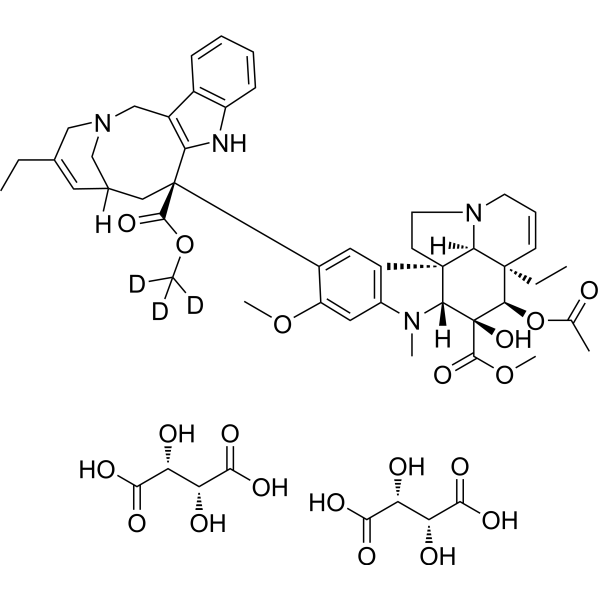
    Vinorelbine-d3 (ditartrate) is the deuterium labeled Vinorelbine ditartrate. Vinorelbine (ditartrate) is an anti-mitotic agent which inhibits the proliferation of Hela cells with IC50 of 1.25 nM.
    Vinorelbine-d3 ditartrate
  • HY-W470415

    Microtubule/Tubulin Cancer
    Alfalone (compound 9ia) is an antimitotic agent. Alfalone causes cleavage arrest and initiates the formation of tuberculate eggs .
    Alfalone
  • HY-N10095

    4′-O-Demethylchamaejasmenin B

    Fungal Infection
    Sikokianin A is a biflavanone that can be isolated from the root of Stellera chamaejasme. Sikokianin A has antimitotic and antifungal activity to against Pyricularia oryzae .
    Sikokianin A
  • HY-113722

    Microtubule/Tubulin Cancer
    DAT1 is a potent antimitotic agent with anticancer effects. In HeLa cells, DAT1 blocks the spindle function by disturbing spindle microtubule and chromosome organization .
    DAT1
  • HY-103711R

    Microtubule/Tubulin Reference Standards Apoptosis Mitosis Cancer
    Estramustine (Standard) is the analytical standard of Estramustine. This product is intended for research and analytical applications. Estramustine is an antineoplastic agent. Estramustine depolymerizes microtnbules by binding to tubulin 1, exhibits antimitotic activity with an IC50 value of ~16 μM for mitosis of DU 145 cells. Estramustine blocks cells at mitosis in prostate tumor xenografts .
    Estramustine (Standard)
  • HY-149374

    Microtubule/Tubulin Cancer
    Tubulin inhibitor 36 (Compound 10) is a novel and potent tubulin inhibitor and inhibits the polymerization of microtubular protein then induces apoptosis with an IC50 value of 1.5±0.1 μM. Tubulin inhibitor 36 (Compound 10) has significant anti-mitotic effect and exhibits activities against glioblastoma cells. Tubulin inhibitor 36 (Compound 10) has anti-tumor effects and can be used for glioblastoma multiforme (GBM) research .
    Tubulin inhibitor 36
  • HY-125124

    Fungal Infection
    Chamaejasmenin D is an antimitotic and antifungal agent .
    Chamaejasmenin D
  • HY-13760

    ILX651

    Microtubule/Tubulin Cancer
    Tasidotin hydrochloride is a peptide analog of the antimitotic depsipeptide dolastatin 15, as an inhibitor of microtubule assembly and microtubule dynamics.
    Tasidotin hydrochloride
  • HY-177274

    Mitosis Inflammation/Immunology
    Antimitotic agent-2 (Compound 1) is an antimitotic agent. Antimitotic agent-2 inhibits the proliferation of human epidermal cells. Antimitotic agent-2 can be used in hyperproliferative skin disorders .
    Antimitotic agent-2
  • HY-12053AR

    KW-2307 (Standard); Nor-5'-anhydrovinblastine ditartrate (Standard)

    Reference Standards Microtubule/Tubulin Autophagy Cancer
    Vinorelbine (ditartrate) (Standard) is the analytical standard of Vinorelbine (ditartrate). This product is intended for research and analytical applications. Vinorelbine (ditartrate) is an anti-mitotic agent which inhibits the proliferation of Hela cells with IC50 of 1.25 nM.
    Vinorelbine ditartrate (Standard)

Inquiry Online

Your information is safe with us. * Required Fields.

Salutation


Country or Region *

Applicant Name *


Organization Name *

Department *


Email Address *


Product Name *

Cat. No.


Requested quantity *

Phone Number *


Remarks

Inquiry Online

Inquiry Information

Product Name:
Cat. No.:
Quantity:
MCE Japan Authorized Agent:

