1. Search Result
Search Result
Results for "

Bax activation

" in MedChemExpress (MCE) Product Catalog:

125

Inhibitors & Agonists

7

Peptides

41

Natural
Products

1

Isotope-Labeled Compounds

4

Oligonucleotides

Targets Recommended:
Cat. No. Nombre del producto Target Áreas de investigación Chemical Structure
  • HY-50907
    ABT-737
    65+ Cited Publications

    Bcl-2 Family Apoptosis Autophagy Mitophagy Inflammation/Immunology Cancer
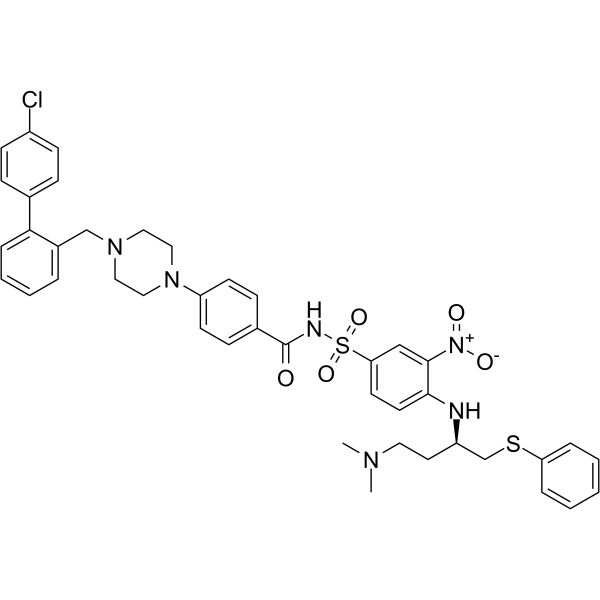
    ABT-737, a BH3 mimetic, is a potent Bcl-2, Bcl-xL and Bcl-w inhibitor with EC50s of 30.3 nM, 78.7 nM, and 197.8 nM, respectively. ABT-737 induces the disruption of the BCL-2/BAX complex and BAK-dependent but BIM-independent activation of the intrinsic apoptotic pathway. ABT-737 induces autophagy and has the potential for acute myeloid leukemia (AML) research .
    ABT-737
  • HY-N0171A
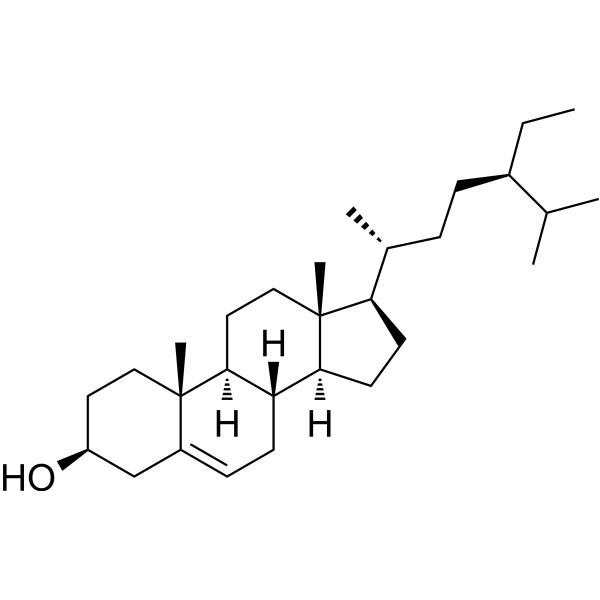
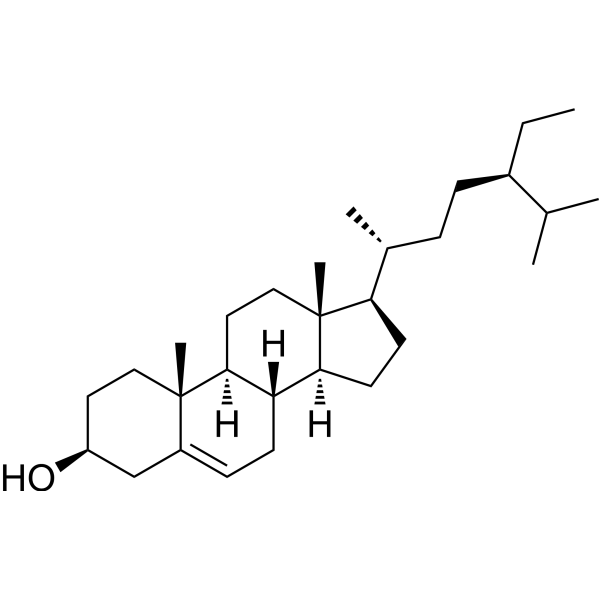
    Beta-Sitosterol (purity>98%)
    15+ Cited Publications

    β-Sitosterol (purity>98%); 22,23-Dihydrostigmasterol (purity>98%)

    Bacterial Apoptosis Reactive Oxygen Species (ROS) MDM-2/p53 Caspase PARP MMP Bcl-2 Family HIF/HIF Prolyl-Hydroxylase TNF Receptor Interleukin Related NF-κB mTOR Lactate Dehydrogenase CDK Glutathione Peroxidase SOD Infection Cardiovascular Disease Inflammation/Immunology Cancer
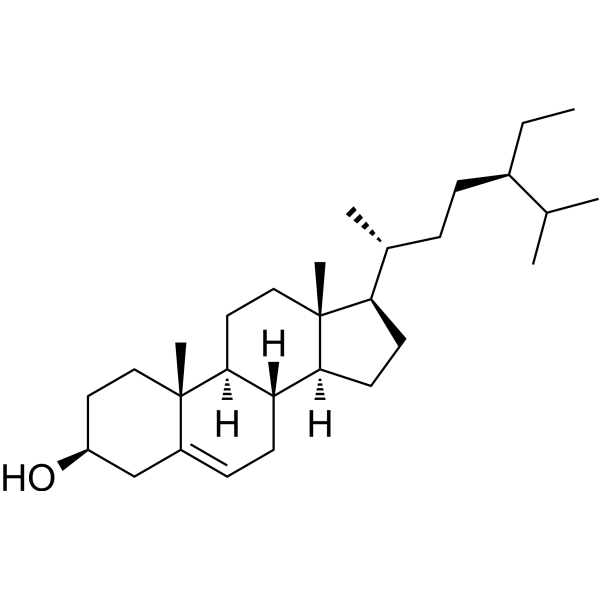
    Beta-Sitosterol (purity>98%) is orally active. Beta-Sitosterol exhibits multiple activities, including anti-inflammatory, anticancer, antioxidant, antimicrobial, antidiabetic, antioxidant enzyme, and analgesic. Beta-Sitosterol inhibits inflammation and impaired adipogenesis in bovine mammary epithelial cells by reducing levels of ROS, TNF-α, IL-1β, and NF-κB p65 and restoring the activity of the HIF-1α/mTOR signaling pathway. Beta-Sitosterol induces apoptosis in cancer cells through ROS-mediated mitochondrial dysregulation and p53 activation. Beta-Sitosterol exerts its anticancer effects in cancer cells by activating caspase-3, caspase-8, and caspase-9, mediating PARP inactivation, MMP loss, altered Bcl-2-Bax ratio, and cytochrome c release. Beta-Sitosterol modulates macrophage polarization and reduces rheumatoid inflammation in mice. Beta-Sitosterol inhibits tumor growth in multiple mouse cancer models. Beta-Sitosterol can be used in the research of arthritis, lung cancer, breast cancer and other cancers, diabetes, etc .
    Beta-Sitosterol (purity>98%)
  • HY-W004500
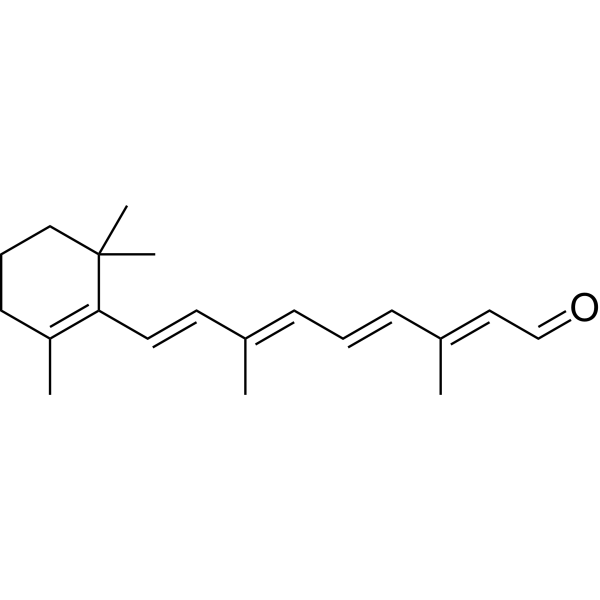
    All-trans-retinal
    3 Publications Verification

    Endogenous Metabolite Apoptosis Metabolic Disease
    All-trans-retinal is an vitamin A metabolite in the retina, and is produced following photo-isomerization of the visual chromophore 11-cis-Retinal. All-trans-retinal is cleared from photoreceptors by ATP-binding cassette transporter (ABCA4) and all-trans-retinol dehydrogenase (RDH). All-trans-retinal induces Bax activation via DNA damage to mediate retinal cell apoptosis .
    All-trans-retinal
  • HY-N0171
    Beta-Sitosterol (purity>80%)
    20+ Cited Publications

    Apoptosis Endogenous Metabolite Cardiovascular Disease Inflammation/Immunology Cancer
    Beta-Sitosterol (purity≥80%) is orally active. Beta-Sitosterol exhibits multiple activities, including anti-inflammatory, anticancer, antioxidant, antimicrobial, antidiabetic, antioxidant enzyme, and analgesic. Beta-Sitosterol inhibits inflammation and impaired adipogenesis in bovine mammary epithelial cells by reducing levels of ROS, TNF-α, IL-1β, and NF-κB p65 and restoring the activity of the HIF-1α/mTOR signaling pathway. Beta-Sitosterol induces apoptosis in cancer cells through ROS-mediated mitochondrial dysregulation and p53 activation. Beta-Sitosterol exerts its anticancer effects in cancer cells by activating caspase-3, caspase-8, and caspase-9, mediating PARP inactivation, MMP loss, altered Bcl-2-Bax ratio, and cytochrome c release. Beta-Sitosterol modulates macrophage polarization and reduces rheumatoid inflammation in mice. Beta-Sitosterol inhibits tumor growth in multiple mouse cancer models. Beta-Sitosterol can be used in the research of arthritis, lung cancer, breast cancer and other cancers, diabetes, etc .
    Beta-Sitosterol (purity>80%)
  • HY-126741
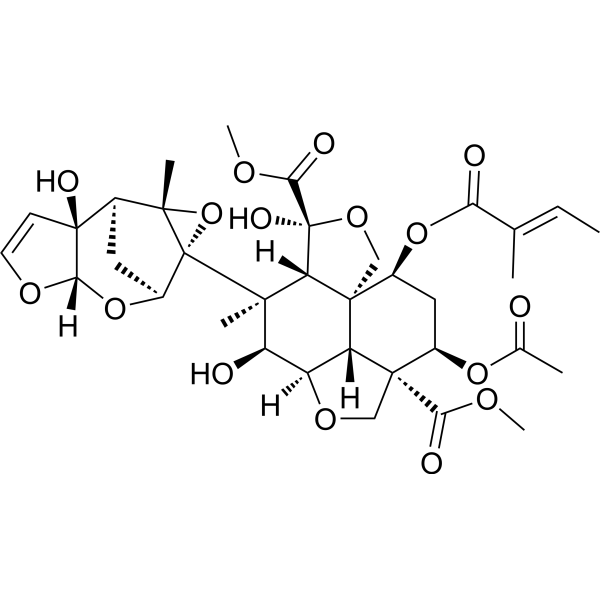
    Azadirachtin
    2 Publications Verification

    Environmental Pollutants Parasite Caspase NF-κB Apoptosis Bcl-2 Family Infection Inflammation/Immunology Cancer
    Azadirachtin is an oral active triterpenoid compound with anticancer, antimalarial, anti-inflammatory, and insecticidal activities. Azadirachtin induces cell apoptosis through the mitochondrial pathway (by inhibiting Bcl-2/Bax ratio or activating Apaf-1 and caspase-3) or through death receptors (by inhibiting TNFR activation). Additionally, Azadirachtin exerts its anti-inflammatory effects by inhibiting NF-кB signaling pathway activation, and it exhibits insecticidal activity by inducing apoptosis in insect cells .
    Azadirachtin
  • HY-N0674
    Dehydrocorydaline
    Maximum Cited Publications
    44 Publications Verification

    13-Methylpalmatine

    Bcl-2 Family Caspase PARP p38 MAPK Parasite Autophagy Infection Cancer
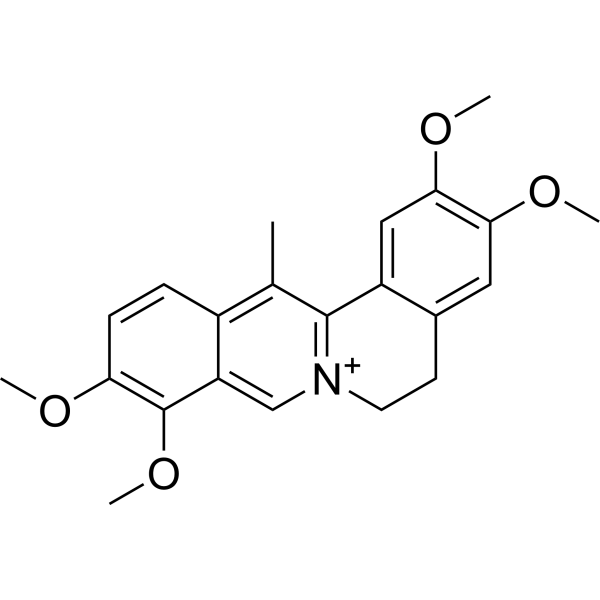
    Dehydrocorydaline (13-Methylpalmatine) is an alkaloid that regulates protein expression of Bax, Bcl-2; activates caspase-7, caspase-8, and inactivates PARP . Dehydrocorydaline elevates p38 MAPK activation. Anti-inflammatory and anti-cancer activities . Dehydrocorydaline shows strong anti-malarial effects (IC50=38 nM), and low cytotoxicity (cell viability > 90%) using P. falciparum 3D7 strain .
    Dehydrocorydaline
  • HY-B1060
    Methylprednisolone succinate sodium
    2 Publications Verification

    Methylprednisolone hydrogen succinate sodium

    Glucocorticoid Receptor Infection Neurological Disease Inflammation/Immunology Cancer
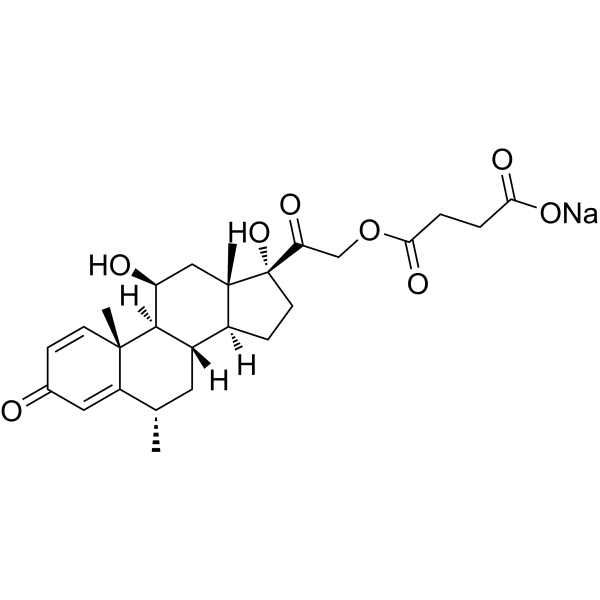
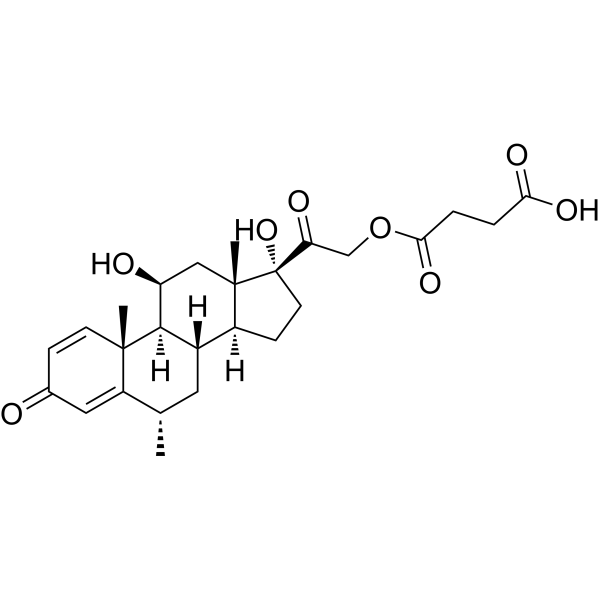
    Methylprednisolone succinate (Methylprednisolone hydrogen succinate) sodium is a prodrug of Methylprednisolone (HY-B0260) and glucocorticoid with immunosuppressant and anti-inflammatory activity. Methylprednisolone succinate sodium binds cytosolic glucocorticoid receptors, translocates to nuclei, and modulates target gene transcription. Methylprednisolone succinate sodium alters Bax, Bcl-2, occludin, and ZO-1 expression; attenuates TLR4/NF-κB signaling; suppresses proinflammatory cytokine production and immune cell activation. Methylprednisolone succinate sodium can be used for the research of intracranial haemorrhage, rheumatoid arthritis, multiple sclerosis, preterminal cancer, inflammatory conditions, shock, immediate-type hypersensitivity, acute myocardial ischemia, hypoxic heart muscle damage, and traumatic spinal cord injury .
    Methylprednisolone succinate sodium
  • HY-W050044
    L-Azetidine-2-carboxylic acid
    1 Publications Verification

    Endogenous Metabolite PERK Atg8/LC3 Autophagy Bcl-2 Family Apoptosis Eukaryotic Initiation Factor (eIF) ATF6 Cardiovascular Disease Neurological Disease Metabolic Disease Endocrinology Cancer
    L-Azetidine-2-carboxylic acid is a proline analog. L-Azetidine-2-carboxylic acid upregulates the lipid autophagy marker LC3-II via activation of the PERK pathway. L-Azetidine-2-carboxylic acid increases pro-apoptotic BAX protein. L-Azetidine-2-carboxylic acid induces ATF6 cleavage and upregulates phosphorylated eIF2α levels. L-Azetidine-2-carboxylic acid induces ER stress, inducing protein misfolding and aggregation. L-Azetidine-2-carboxylic acid shows teratogenic, pro-inflammatory and pro-apoptotic effects .
    L-Azetidine-2-carboxylic acid
  • HY-103269
    BAI1
    10+ Cited Publications

    Bcl-2 Family Apoptosis Cancer
    BAI1 is a selective and allosteric inhibitor of BAX, an apoptosis regulator. BAI1 directly binds to BAX and allosterically inhibits BAX activation. BAI1 has the potential for the research of diseases mediated by BAX-dependent cell death .
    BAI1
  • HY-N0831
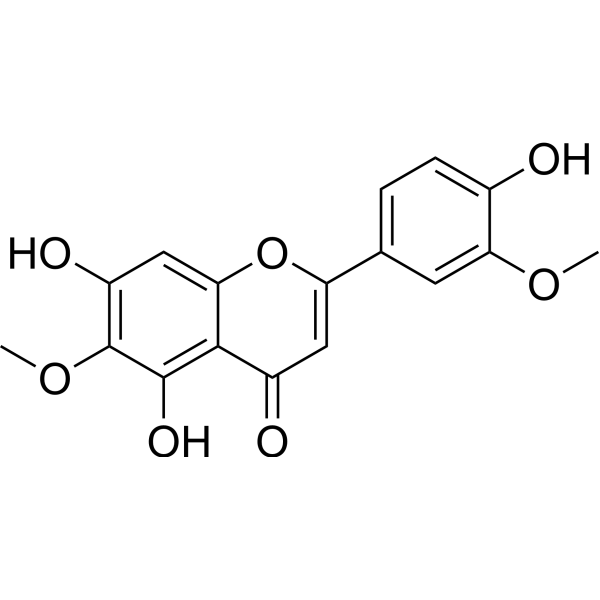
    Jaceosidin
    5+ Cited Publications

    Bcl-2 Family COX Apoptosis Inflammation/Immunology Cancer
    Jaceosidin is a flavonoid isolated from Artemisia vestita, induces apoptosis in cancer cells, activates Bax and down-regulates Mcl-1 and c-FLIP expression . Jaceosidin exhibits anti-cancer , anti-inflammatory activities, decreases leves of inflammatory markers, and suppresses COX-2 expression and NF-κB activation .
    Jaceosidin
  • HY-B0493
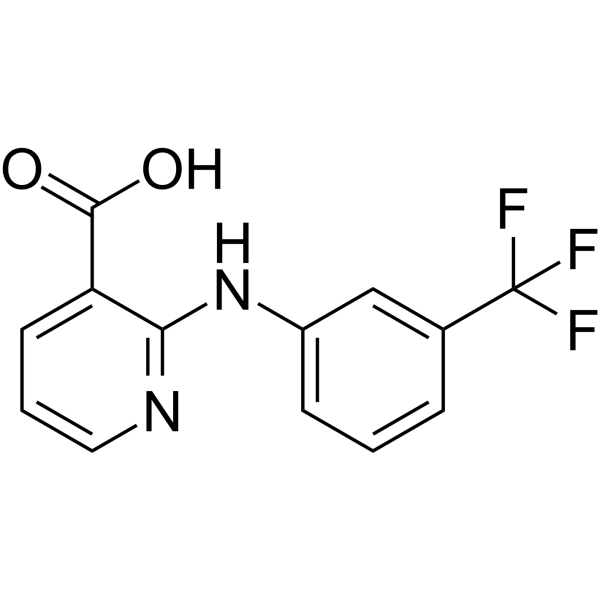
    Niflumic acid
    4 Publications Verification

    Chloride Channel COX Inflammation/Immunology Cancer
    Niflumic acid is a calcium-activated chloride channel blocker and COX-2 inhibitor with the IC50 value of 100 nM. Niflumic acid induces apoptosis through caspase-8/Bid/Bax pathway in lung cancer cells. Niflumic acide exhibits anti-tumor activity by affecting the expression of ERK1/2 and the activity of MMP2 and MMP9. Niflumic acid has orally bioactivity. Niflumic acid acts on rheumatoid arthritis .
    Niflumic acid
  • HY-172262

    VDAC Bcl-2 Family Apoptosis Cancer
    WEHI-3773 is a VDAC2 ligand and apoptosis modulator. WEHI-3773 directly binds to the β7-β10 region of VDAC2 and disrupts its interaction with BAX and BAK. WEHI-3773 regulates BAX-mediated apoptosis in BAK-deficient cells by modulating conformational activation of BAX, mitochondrial redistribution, and cytochrome c release. WEHI-3773 overcomes Venetoclax (HY-15531) resistance, resensitizes leukemia cells carrying BAX mutations to BH3 mimetics, and enables long-term clonogenic survival of BAK-deficient cells treated with BH3 mimetics. WEHI-3773 is applicable to research related to acute myeloid leukemia .
    WEHI-3773
  • HY-121705

    Endogenous Metabolite Apoptosis Bcl-2 Family NF-κB Survivin Src Akt AMPK NO Synthase Cardiovascular Disease Metabolic Disease Inflammation/Immunology
    Propionyl-L-carnitine is an orally active L-carnitine derivative. Propionyl-L-carnitine has a high affinity for muscle L-carnitine transferase. Propionyl-L-carnitine increases Apoptosis, Bax, and reduces NF-κB, VCAM-1, MCP-1, and survivin. Propionyl-L-carnitine activates Src kinase, Akt, induces p-AMPK and nitric oxide synthesis. Propionyl-L-carnitine alleviates cardiovascular disease, obesity, and colitis .
    Propionyl-L-carnitine
  • HY-137371

    Bacterial Apoptosis Antibiotic Infection Cancer
    Lactonic sophorolipid is an apoptosis inducer and antimicrobial surfactant with antitumor activity. Lactonic sophorolipid regulates Bax/Bcl-gene expression through caspase-3/9 and induces apoptosis in tumor cells. Lactonic sophorolipid can disrupt cell membrane permeability and exert antibacterial effects (MIC for oral pathogens is 100-400 μg/mL). Lactonic sophorolipid promotes mitochondrial membrane potential depolarization, activates the intrinsic apoptotic pathway, and can synergize with antibiotics to enhance the antibacterial effect. Lactonic sophorolipid can be used in liver cancer research and the development of oral hygiene antibacterial agents[1][2][3].
    Lactonic sophorolipid
  • HY-123054
    BTSA1
    1 Publications Verification

    Bcl-2 Family Apoptosis Cancer
    BTSA1 is a potent, high affinity and orally active BAX activator with an IC50 of 250 nM and an EC50 of 144 nM. BTSA1 binds with high affinity and specificity to the N-terminal activation site and induces conformational changes to BAX leading to BAX-mediated apoptosis .
    BTSA1
  • HY-N0171R
    Beta-Sitosterol (Standard)
    5+ Cited Publications

    β-Sitosterol (Standard); 22,23-Dihydrostigmasterol (Standard))

    Reference Standards Apoptosis Endogenous Metabolite Cardiovascular Disease Inflammation/Immunology Cancer
    Beta-Sitosterol (Standard) is the analytical standard of Beta-Sitosterol. This product is intended for research and analytical applications. Beta-Sitosterol (purity≥80%) is orally active. Beta-Sitosterol exhibits multiple activities, including anti-inflammatory, anticancer, antioxidant, antimicrobial, antidiabetic, antioxidant enzyme, and analgesic. Beta-Sitosterol inhibits inflammation and impaired adipogenesis in bovine mammary epithelial cells by reducing levels of ROS, TNF-α, IL-1β, and NF-κB p65 and restoring the activity of the HIF-1α/mTOR signaling pathway. Beta-Sitosterol induces apoptosis in cancer cells through ROS-mediated mitochondrial dysregulation and p53 activation. Beta-Sitosterol exerts its anticancer effects in cancer cells by activating caspase-3, caspase-8, and caspase-9, mediating PARP inactivation, MMP loss, altered Bcl-2-Bax ratio, and cytochrome c release. Beta-Sitosterol modulates macrophage polarization and reduces rheumatoid inflammation in mice. Beta-Sitosterol inhibits tumor growth in multiple mouse cancer models. Beta-Sitosterol can be used in the research of arthritis, lung cancer, breast cancer and other cancers, diabetes, etc.
    Beta-Sitosterol (Standard)
  • HY-15341
    BAM7
    2 Publications Verification

    Bcl-2 Family Cancer
    BAM7 is a direct and selective activator of proapoptotic BAX with an IC50 of 3.3 μM.
    BAM7
  • HY-N0905

    Bcl-2 Family Caspase Apoptosis Autophagy Endogenous Metabolite Cancer
    Ginsenoside Rh4 is a rare saponin obtained from Panax notoginseng. Ginsenoside Rh4 activates Bax, caspase 3, caspase 8, and caspase 9. Ginsenoside Rh4 also induces autophagy.
    Ginsenoside Rh4
  • HY-101997

    Orthopoxvirus Apoptosis Caspase Bcl-2 Family Akt Infection Cancer
    BEPP hydrochloride is a double-stranded RNA-dependent protein kinase (PKR) modulator. BEPP hydrochloride enhances the phosphorylation levels of PKR and eIF2α, activates caspase-3, upregulates the pro-apoptotic protein BAX, and downregulates the anti-apoptotic protein Bcl-2. BEPP hydrochloride inhibits vaccinia virus replication and exhibits selective cytotoxicity in cells expressing PKR. BEPP hydrochloride can be used in research related to cancer and viral infections .
    BEPP hydrochloride
  • HY-B0877
    Halcinonide
    1 Publications Verification

    SQ-18566

    Smo Caspase RAR/RXR CDK Cardiovascular Disease Neurological Disease Inflammation/Immunology
    Halcinonide (SQ-18566) is an orally active Smoothened (Smo) agonist. Halcinonide activates the Hedgehog signaling pathway by binding to Smo and promoting its internalization and expression, thereby activating Gli transcription factors. Halcinonide not only stimulates cell proliferation, increases the expression of cyclin D2/CDK6 and inhibits the degradation of caspase-3, but also suppresses Bcl-2/Bax-mediated apoptosis, oxidative stress and inflammatory responses. Halcinonide activates RxRγ to upregulate the expression of myelin genes, thereby reducing cerebral infarction and improving behavioral deficits. Halcinonide has been used in studies related to multiple sclerosis and ischemic stroke .
    Halcinonide
  • HY-N1983
    Caudatin
    1 Publications Verification

    Apoptosis Autophagy Reactive Oxygen Species (ROS) Mitochondrial Metabolism PARP Caspase Bcl-2 Family VEGFR FAK WDR5 p38 MAPK JNK PPAR Neurological Disease Inflammation/Immunology Cancer
    Caudatin is an orally active and brain-penetrant C-21 steroidal found in Cynanchum bungei decne with a variety of biological activities. Caudatin can inhibit cell proliferation, migration, invasion, cause cell phase arrest, induce apoptosis, autophagy, ROS prodution and loss of mitochondrial membrane potential. Caudatin activates PARP, caspase-3, -7, -9, upregulates pro-apoptotic Bad and Bax and downregulates anti-apoptotic Bcl-2 and Bcl-XL. Caudatin suppresses VEGF, FAK phosphorylation, upregulates p21, p27, DR5 protein expression, activates the p38 MAPK, JNK and PPARα/TFEB-mediated autophagy-lysosomal signaling pathways. Caudatin can be used for the research of cancer, inflammation and neurological disease, such as glioma and Alzheimer's disease .
    Caudatin
  • HY-N2132
    Flavokawain B
    2 Publications Verification

    Flavokavain B

    Apoptosis Caspase PARP Bcl-2 Family NF-κB PI3K Akt p38 MAPK MMP Reactive Oxygen Species (ROS) Cardiovascular Disease Inflammation/Immunology Cancer
    Flavokawain B (Flavokavain B) is an orally active chalcone. Flavokawain B results in activation of caspase-9, -3 and -8, cleavage of PARP. Flavokawain B down-regulates Bcl-2 with concomitant increase in Bax level. Flavokawain B inhibits NF-κB, PI3K/Akt and MAPK signaling pathway. Flavokawain B exhibits Apoptotic effects. Flavokawain B inhibits MMP-9 and promotes ROS generation. Flavokawain B inhibits multiple tumors and inflammation .
    Flavokawain B
  • HY-13108
    Bz 423
    1 Publications Verification

    BZ48

    Bcl-2 Family Inflammation/Immunology
    Bz 423 is a pro-apoptotic 1,4-benzodiazepine with therapeutic properties in murine models of lupus demonstrating selectivity for autoreactive lymphocytes, and activates Bax and Bak.
    Bz 423
  • HY-N0674A
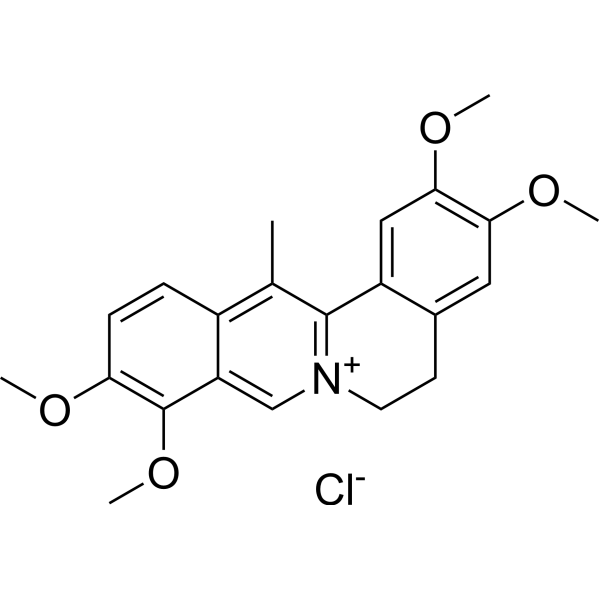
    Dehydrocorydaline chloride
    Maximum Cited Publications
    44 Publications Verification

    13-Methylpalmatine chloride

    Bcl-2 Family Caspase PARP p38 MAPK Parasite Autophagy Infection Cancer
    Dehydrocorydaline chloride (13-Methylpalmatine chloride) is an alkaloid that regulates protein expression of Bax, Bcl-2; activates caspase-7, caspase-8, and inactivates PARP . Dehydrocorydaline chloride elevates p38 MAPK activation. Anti-inflammatory and anti-cancer activities . Dehydrocorydaline chloride shows strong anti-malarial effects (IC50?=38 nM), and low cytotoxicity (cell viability?>?90%) using P. falciparum 3D7 strain .
    Dehydrocorydaline chloride
  • HY-P1380A

    Apoptosis Bcl-2 Family Caspase Cancer
    Difopein TFA is a 14-3-3 protein inhibitor. Difopein TFA acts as an apoptosis inducer, regulates apoptosis-related proteins, downregulates Bcl-2, upregulates Bax, activates caspase-9 and caspase-3, and induces nuclear fragmentation, membrane-enclosed apoptotic bodies and DNA ladder formation. Difopein TFA serves as a tumor growth inhibitor, which inhibits the proliferation of glioma cells and induces their apoptosis in in vivo nude mouse models. Difopein TFA is applicable to glioma-related research .
    Difopein TFA
  • HY-122760
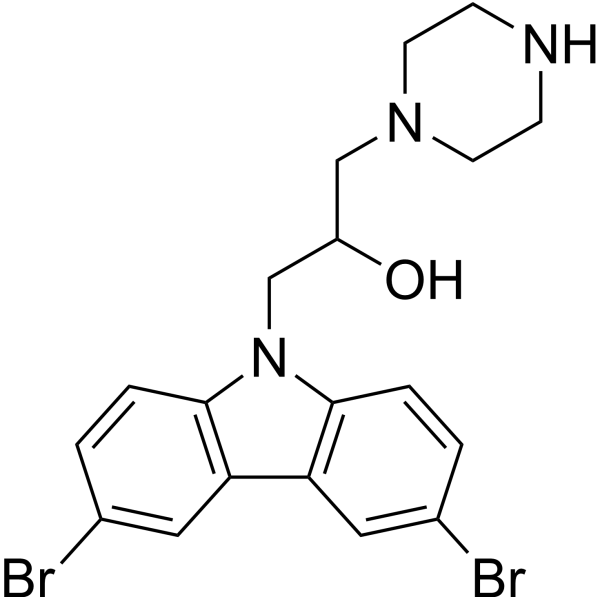
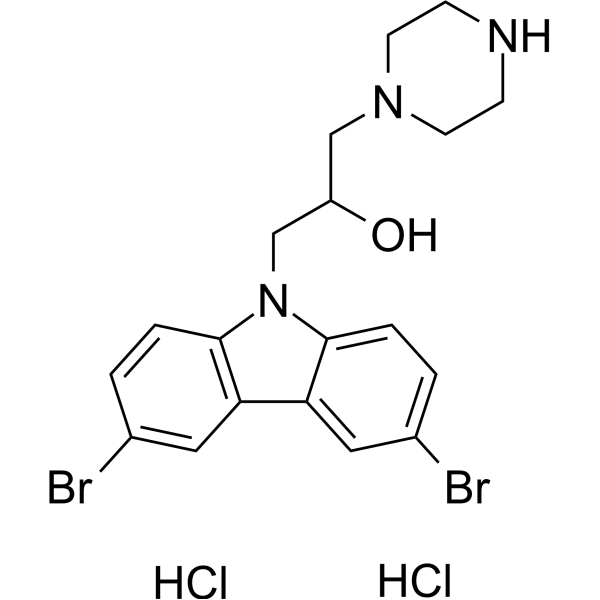
    Bax activator-1
    3 Publications Verification

    Bcl-2 Family Apoptosis Cancer
    Bax activator-1 (compound 106) is a Bax activator that induces Bax-dependent tumor cell apoptosis .
    Bax activator-1
  • HY-132173

    Bcl-2 Family Cancer
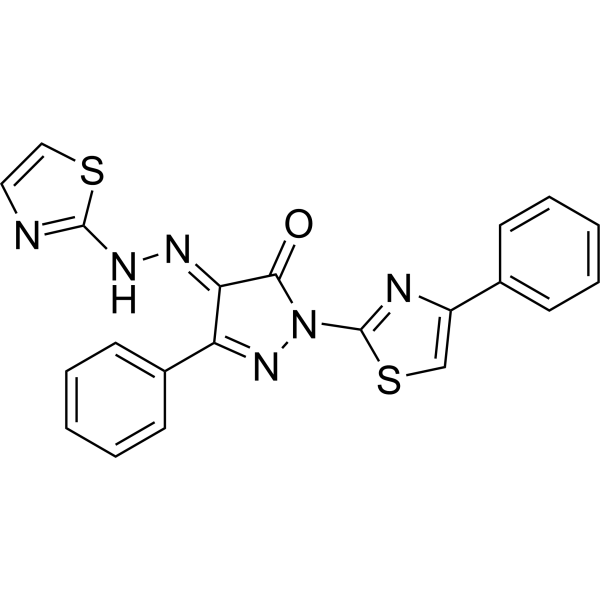
    GL0388 is a Bax activator that results in Bax insertion into mitochondrial membrane. GL0388 shows antiproliferative activities against various cancer cells, with IC50s of 0.299-1.57 μM. GL0388 activates Bax and induce Bax-mediated apoptosis. GL0388 suppresses breast cancer xenograft tumor growth in vivo .
    GL0388
  • HY-110031
    BAI1 hydrochloride
    10+ Cited Publications

    Apoptosis Bcl-2 Family Cancer
    BAI1 hydrochloride is a selective apoptosis factor BAX allosteric inhibitors. BAI1 hydrochloride binds BAX and allosterically inhibits its activation. BAI1 hydrochloride has the potential to be used in the study of BAX dependent cell death-mediated diseases .
    BAI1 hydrochloride
  • HY-147929

    Apoptosis Caspase Bcl-2 Family Cancer
    Apoptotic agent-3 (compound 15f) promotes apoptosis through the potential mitochondria-mediated Bcl-2/Bax pathway and activation of the Caspase 3 pathway. Apoptotic agent-3 exhibits anti-proliferative activities and can be used for cancer research .
    Apoptotic agent-3
  • HY-P2343

    Apoptosis Cancer
    BH3 hydrochloride, a BBB penetrated peptide, provoke apoptosis either by direct activation of pro-apoptotic Bax/Bak or by neutralizing anti-apoptotic Bcl-2 proteins (Bcl-2, Bcl-XL, Bcl-w, Mcl-1 and A-1) via their BH3 domian .
    BH3 hydrochloride
  • HY-N0674B
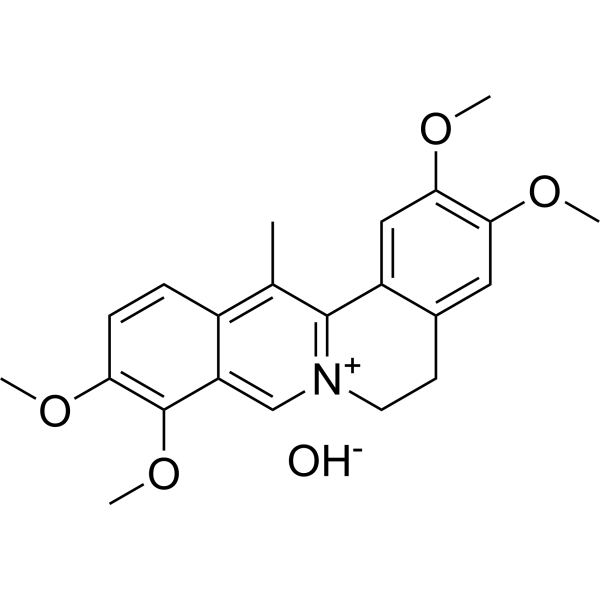
    Dehydrocorydaline (hydroxyl)
    40+ Cited Publications

    13-Methylpalmatine (hydroxyl)

    Bcl-2 Family Caspase PARP p38 MAPK Parasite Autophagy Infection Inflammation/Immunology Cancer
    Dehydrocorydaline (13-Methylpalmatine) hydroxyl is an alkaloid that regulates protein expression of Bax, Bcl-2; activates caspase-7, caspase-8, and inactivates PARP. Dehydrocorydaline hydroxyl elevates p38 MAPK activation. Anti-inflammatory and anti-cancer activities. Dehydrocorydaline hydroxyl shows strong anti-malarial effects (IC50=38 nM), and low cytotoxicity (cell viability > 90%) using P. falciparum 3D7 strain.
    Dehydrocorydaline (hydroxyl)
  • HY-N4238
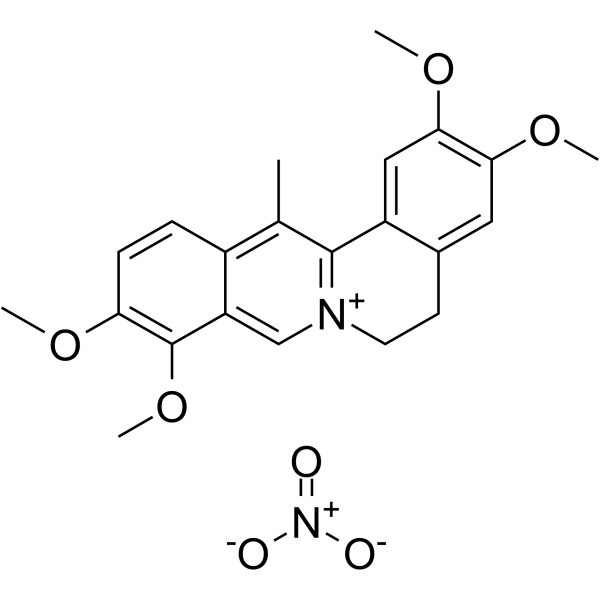
    Dehydrocorydaline nitrate
    40+ Cited Publications

    13-Methylpalmatine nitrate

    Bcl-2 Family Caspase PARP p38 MAPK Parasite Autophagy Infection Cancer
    Dehydrocorydaline nitrate (13-Methylpalmatine nitrate) is an alkaloid. Dehydrocorydaline regulates protein expression of Bax, Bcl-2; activates caspase-7, caspase-8, and inactivates PARP . Dehydrocorydaline nitrate elevates p38 MAPK activation. Anti-inflammatory and anti-cancer activities. . Dehydrocorydaline nitrate shows strong anti-malarial effects (IC50 =38 nM), and low cytotoxicity (cell viability > 90%) using P. falciparum 3D7 strain .
    Dehydrocorydaline nitrate
  • HY-161242A

    Bcl-2 Family Cancer
    CBI1 formic is a covalent BAX inhibitor. CBI1 formic selectively derivatizes BAX at C126 and inhibits BAX activation by triggering ligands or point mutagenesis. CBI1 formic blocks t-2-hex lipidation and oligomerization of BAX. CBI1 formic inhibits BAX activation induced by BH3 ligands, F116A mutagenesis or t-2-hex .
    CBI1 formic
  • HY-148368

    Bcl-2 Family Apoptosis Cancer
    CYD-4-61 is a novel Bax activator used for breast cancer research. CYD-4-61 inhibits triple-negative breast cancer MDA-MB-231 and ER-positive breast cancer MCF-7 cell lines proliferation. CYD-4-61 activates Bax protein to induce cytochrome c release and regulate apoptotic biomarkers, leading to cancer cell apoptosis .
    CYD-4-61
  • HY-121683

    16:1 Aldehyde; trans-2-Hexadecenal

    Mixed Lineage Kinase Apoptosis JNK Microtubule/Tubulin Cancer
    (E)-2-Hexadecenal (trans-2-Hexadecenal) is an MLK3 activator that induces cytoskeletal remodeling, leading to cell rounding, detachment, and ultimately apoptosis in human and mouse cells. (E)-2-Hexadecenal activates the MLK3 signaling pathway, phosphorylating MKK4/7 and JNK, subsequently activating downstream targets of JNK, such as c-Jun phosphorylation, cytochrome c release, Bax activation, Bid cleavage, and Bim translocation to mitochondria. (E)-2-Hexadecenal has potential applications in research related to sphingolipid signaling pathways .
    (E)-2-Hexadecenal
  • HY-121337

    R-40244

    Environmental Pollutants Apoptosis Bcl-2 Family Others
    Flurochloridone (R-40244) is a selective preemergence and persistent herbicide. Flurochloridone induces endoplasmic reticulum (ER) stress and activated unfolded protein response (UPR) signaling pathways. Flurochloridone impairs cell viability and induces cytotoxicity and apoptosis mediated by ER stress via activating eIF2α-ATF4/ATF6-CHOP-Bim/Bax signaling pathways in TM4 cells .
    Flurochloridone
  • HY-143230

    OGX-011

    Apoptosis Cancer
    Custirsen (OGX-011) is an antisense oligonucleotide that targets clusterin mRNA. Custirsen induces apoptosis by activating Bax, triggering mitochondrial translocation and cytochrome c release. Custirsen acts as a chemosensitizer, radiosensitizer and hormone sensitizer. Custirsen can be used in research related to prostate cancer, non-small cell lung cancer and metastatic breast cancer .
    Custirsen
  • HY-N1414A
    3′,6-Disinapoylsucrose
    2 Publications Verification

    Bcl-2 Family Apoptosis Neurological Disease
    3′,6-Disinapoylsucrose is a type of oligosaccharide that's effective when taken orally, and it has antidepressant, anti-anxiety, and antioxidant properties. 3′,6-Disinapoylsucrose inhibits neuronal apoptosis by lowering the ratio of Bax to Bcl-2 in hippocampal neurons, and it enhances cognitive function in APP/PS1 transgenic mice by activating the CREB/BDNF signaling pathway .
    3′,6-Disinapoylsucrose
  • HY-N6576

    p38 MAPK ERK JNK IAP PARP Apoptosis Caspase Cancer
    Hellebrigenin is an inhibitor that selectively targets the MAPK signaling pathway (ERK, p38, JNK) and XIAP, and can inhibit Akt expression and phosphorylation. Hellebrigenin can activate endogenous apoptosis pathways (such as mitochondrial membrane potential disruption, Caspase family activation, PARP cleavage), downregulate anti-apoptotic proteins (Bcl-2, Bcl-xL) and upregulate pro-apoptotic proteins (Bax, Bak). Hellebrigenin can also induce DNA double-strand breaks to activate the ATM pathway. Hellebrigenin can inhibit tumor cell proliferation and clone formation, and is mainly used in the study of oral squamous cell carcinoma, liver cancer and other cancers .
    Hellebrigenin
  • HY-N6926

    HIV Apoptosis Caspase VEGFR ERK PI3K Akt mTOR PARP Infection Cancer
    1,3,5-Tricaffeoylquinic acid acts as an angiogenesis inhibitor and apoptosis inducer, and exhibits anti-HIV activity. 1,3,5-Tricaffeoylquinic acid inhibits the phosphorylation of VEGFR2, ERK, PI3K, Akt and mTOR in the angiogenesis signaling pathway. 1,3,5-Tricaffeoylquinic acid regulates apoptosis-related proteins, upregulates the levels of activated caspase-8, Bax, activated PARP and caspase-3/9, while downregulates the level of Bcl-2. 1,3,5-Tricaffeoylquinic acid inhibits tube formation and shows cytotoxicity against ovarian cancer cells. 1,3,5-Tricaffeoylquinic acid can be used in studies related to ovarian cancer .
    1,3,5-Tricaffeoylquinic acid
  • HY-B0493R

    Reference Standards Chloride Channel COX Inflammation/Immunology
    Niflumic acid (Standard) is the analytical standard of Niflumic acid. This product is intended for research and analytical applications. Niflumic acid is a calcium-activated chloride channel blocker and COX-2 inhibitor with the IC50 value of 100 nM. Niflumic acid induces apoptosis through caspase-8/Bid/Bax pathway in lung cancer cells. Niflumic acide exhibits anti-tumor activity by affecting the expression of ERK1/2 and the activity of MMP2 and MMP9. Niflumic acid has orally bioactivity. Niflumic acid acts on rheumatoid arthritis .
    Niflumic acid (Standard)
  • HY-P5325A

    Bcl-2 Family Others
    Bid BH3 (80-99) acetate is a biological active peptide. (BID is a pro-apoptotic member of the 'BH3-only' (BOPS) subset of the BCL-2 family of proteins that constitute a critical control point in apoptosis. Bid is the first of the BOPs reported to bind and activate Bcl-2, Bax, and Bak. Bid serves as a death-inducing ligand that moves from the cytosol to the mitochondrial membrane to inactivate Bcl-2 or to activate Bax.Pyroglutamyl (pGlu) peptides may spontaneously form when either Glutamine (Q) or Glutamic acid (E) is located at the sequence N-terminus. The conversion of Q or E to pGlu is a natural occurrence and in general it is believed that the hydrophobic γ-lactam ring of pGlu may play a role in peptide stability against gastrointestinal proteases. Pyroglutamyl peptides are therefore considered a normal subset of such peptides and are included as part of the peptide purity during HPLC analysis.)
    Bid BH3 (80-99) acetate
  • HY-P5325

    Bcl-2 Family Others
    Bid BH3 (80-99) is a biological active peptide. (BID is a pro-apoptotic member of the 'BH3-only' (BOPS) subset of the BCL-2 family of proteins that constitute a critical control point in apoptosis. Bid is the first of the BOPs reported to bind and activate Bcl-2, Bax, and Bak. Bid serves as a death-inducing ligand that moves from the cytosol to the mitochondrial membrane to inactivate Bcl-2 or to activate Bax.Pyroglutamyl (pGlu) peptides may spontaneously form when either Glutamine (Q) or Glutamic acid (E) is located at the sequence N-terminus. The conversion of Q or E to pGlu is a natural occurrence and in general it is believed that the hydrophobic γ-lactam ring of pGlu may play a role in peptide stability against gastrointestinal proteases. Pyroglutamyl peptides are therefore considered a normal subset of such peptides and are included as part of the peptide purity during HPLC analysis.)
    Bid BH3 (80-99)
  • HY-136778

    PARP Reactive Oxygen Species (ROS) Bcl-2 Family Caspase ERK p38 MAPK Cardiovascular Disease
    INH2BP is a poly(ADP-ribose) polymerase (PARP) inhibitor with antioxidant and anti-apoptotic activities. INH2BP reduces the production of intracellular reactive oxygen species (ROS), modulates the expression of apoptosis-related proteins such as Bax, Bcl-2 and cleaved caspase-3 and enhances cell survival through the activation of the ERK1/2 and p38 MAPK signaling pathways. INH2BP is promising for research of cardiovascular diseases .
    INH2BP
  • HY-N10133

    3′-Prenylnaringenin

    Bacterial mTOR Akt PI3K NF-κB Caspase JNK ERK COX NO Synthase Apoptosis Others
    Licoflavanone (3′-Prenylnaringenin) is a flavanone with antioxidant, anti-inflammatory and anticancer activities. Licoflavanone can be isolated from the leaf extract of Glycyrrhiza glabra. Licoflavanone downregulates the mTOR/PI3K/AKT signaling pathway to inhibit the proliferation, migration and invasion of cancer cells, while activates Bax, Bad and multiple caspase enzymes to induce apoptosis. Its anti-inflammatory effect is manifested by reducing the nuclear translocation of NF-κB, decreasing the phosphorylation levels of p38, JNK and ERK1/2, thereby inhibiting the expression of nitric oxide, proinflammatory cytokines, COX-2 and iNOS. Licoflavanone is used in studies on nasopharyngeal carcinoma and related mechanisms .
    Licoflavanone
  • HY-N1983R

    Reference Standards Apoptosis Autophagy Reactive Oxygen Species (ROS) Mitochondrial Metabolism PARP Caspase Bcl-2 Family VEGFR FAK WDR5 p38 MAPK JNK PPAR Neurological Disease Inflammation/Immunology Cancer
    Caudatin (Standard) is the analytical standard of Caudatin (HY-N1983). This product is intended for research and analytical applications. Caudatin is an orally active and brain-penetrant C-21 steroidal found in Cynanchum bungei decne with a variety of biological activities. Caudatin can inhibit cell proliferation, migration, invasion, cause cell phase arrest, induce apoptosis, autophagy, ROS prodution and loss of mitochondrial membrane potential. Caudatin activates PARP, caspase-3, -7, -9, upregulates pro-apoptotic Bad and Bax and downregulates anti-apoptotic Bcl-2 and Bcl-XL. Caudatin suppresses VEGF, FAK phosphorylation, upregulates p21, p27, DR5 protein expression, activates the p38 MAPK, JNK and PPARα/TFEB-mediated autophagy-lysosomal signaling pathways. Caudatin can be used for the research of cancer, inflammation and neurological disease, such as glioma and Alzheimer's disease .
    Caudatin (Standard)
  • HY-120035

    Proteasome Ribosomal S6 Kinase (RSK) Apoptosis Cancer
    DD1, a proteasome inhibitor, targets Bax activation and P70S6K degradation during acute myeloid leukemia (AML) apoptosis. DD1 induces apoptosis in the caspase-dependent manner. DD1 induces mitochondrial membrane depolarization and Bad dephosphorylation .
    DD1
  • HY-W004500R

    Reference Standards Endogenous Metabolite Apoptosis Metabolic Disease
    All-trans-retinal (Standard) is the analytical standard of All-trans-retinal. This product is intended for research and analytical applications.
    All-trans-retinal (Standard)
  • HY-143235

    Epigenetic Reader Domain Apoptosis Bcl-2 Family Caspase c-Myc Cancer
    BRD4 Inhibitor-15 (compound 13) is a potent BRD4 inhibitor, with an IC50 of 18 nM. BRD4 Inhibitor-15 induces apoptosis of 22RV1 cells by regulating Bcl-2/Bax proteins and activating caspase-3 signaling pathway. BRD4 Inhibitor-15 down-regulates the c-Myc level in 22RV1 cells. BRD4 Inhibitor-15 can be used for prostate cancer research .
    BRD4 Inhibitor-15
  • HY-P10614

    Apoptosis Bcl-2 Family Others
    Bid BH3 peptide is a small peptide derived from Bid protein that can bind and activate the pro-apoptotic proteins Bax and Bak, leading to mitochondrial outer membrane permeabilization (MOMP) and apoptosis. Bid BH3 peptide can be used to study mitochondrial bioenergetics .
    Bid BH3 peptide

Consulta en línea

Your information is safe with us. * Required Fields.

Saludo


Country or Region *

Nombre del solicitante *


Nombre de la Organizaciòn *

Department *


Direcciòn del E-mail *


Nombre del producto *

Cat. No.


Requested quantity *

Número de teléfono *


Observaciones

Consulta en línea

Inquiry Information

Nombre del producto:
Cat. No.:
Cantidad:
MCE Japan Authorized Agent:

